Normal view

Il Pakistan attacca l’Afghanistan al confine: almeno 12 morti

10 June 2026 at 04:57

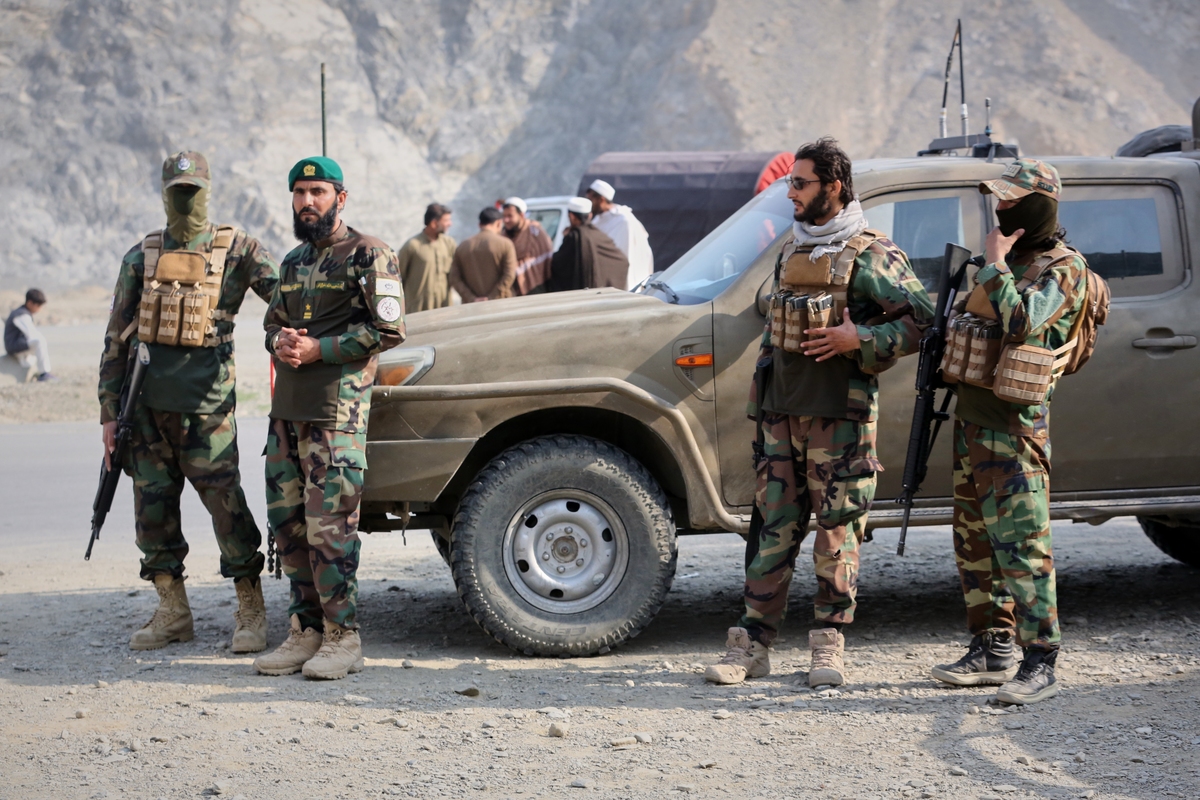
Almeno 12 persone sono morte in Afghanistan in attacchi pakistani lungo il confine tra i due paesi. Lo hanno riferito autorità locali e governative. “Ieri notte, l’esercito pakistano ha nuovamente violato lo spazio aereo afghano e ha bombardato case civili nelle province di Kunar, Khost e Paktika. Questi attacchi hanno ucciso 11 bambini, una donna e un uomo anziano”, ha riferito il portavoce del governo talebano Zabihullah Mujahid su X. Un funzionario della provincia di Khost ha confermato che nel raid su un’abitazione sono morte nove persone. Vi sono state poi almeno altre tre vittime nella provincia di Paktika.

L’ultimo aumento della violenza è iniziato a febbraio 2026, dopo una serie di attacchi contro le forze pakistane, tra cui quello del 16 febbraio nel distretto di Bajaur. In risposta, il Pakistan ha condotto raid aerei su Nangarhar, Khost e Paktika, innescando ritorsioni afghane e una rapida escalation lungo il confine. Secondo le Nazioni Unite, almeno 42 civili sono morti nella prima settimana di scontri, mentre oltre 115.000 persone sono state sfollate dalle aree di frontiera, tra cui Kurram, Tirah, Bajaur e Chitral.

L'articolo Il Pakistan attacca l’Afghanistan al confine: almeno 12 morti proviene da Affaritaliani.it.

Los países emergentes se rearman para esquivar otra ‘década perdida’

10 June 2026 at 04:30

La primera vez que Irán estuvo en el centro de una crisis energética global fue en 1979, y no terminó bien para las economías emergentes. Con la caída del sha y el triunfo de la revolución islámica, el precio internacional del petróleo se multiplicó por dos en un año, obligando a las autoridades monetarias de EE UU y otros países centrales a subir los tipos para combatir la inflación. A los emergentes les afectó por partida triple: además de lidiar con su propia inflación, la subida de intereses les dificultaba el pago de la deuda en moneda extranjera justo cuando el encarecimiento de la energía les hacía un agujero en la balanza comercial, reduciendo su capacidad de generar divisas. Fue el inicio de lo que en regiones como América Latina se llamó la década perdida.

Seguir leyendo

© Lucas Mukasa (Anadolu / Getty Images) (EL PAÍS)

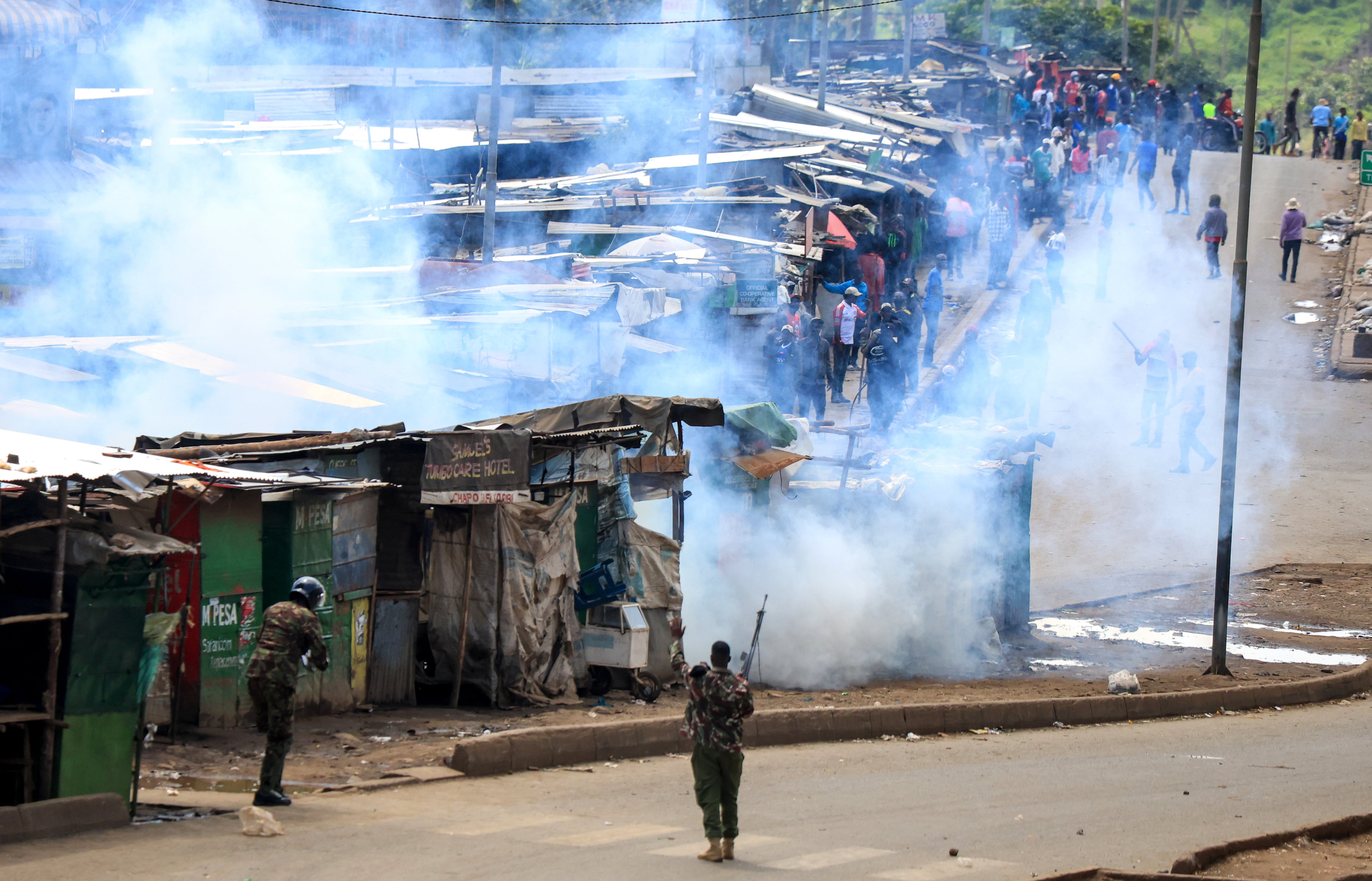
Intervención de las fuerzas de seguridad para dispersar la manisfestación por la subida del combustible en Nairobi.

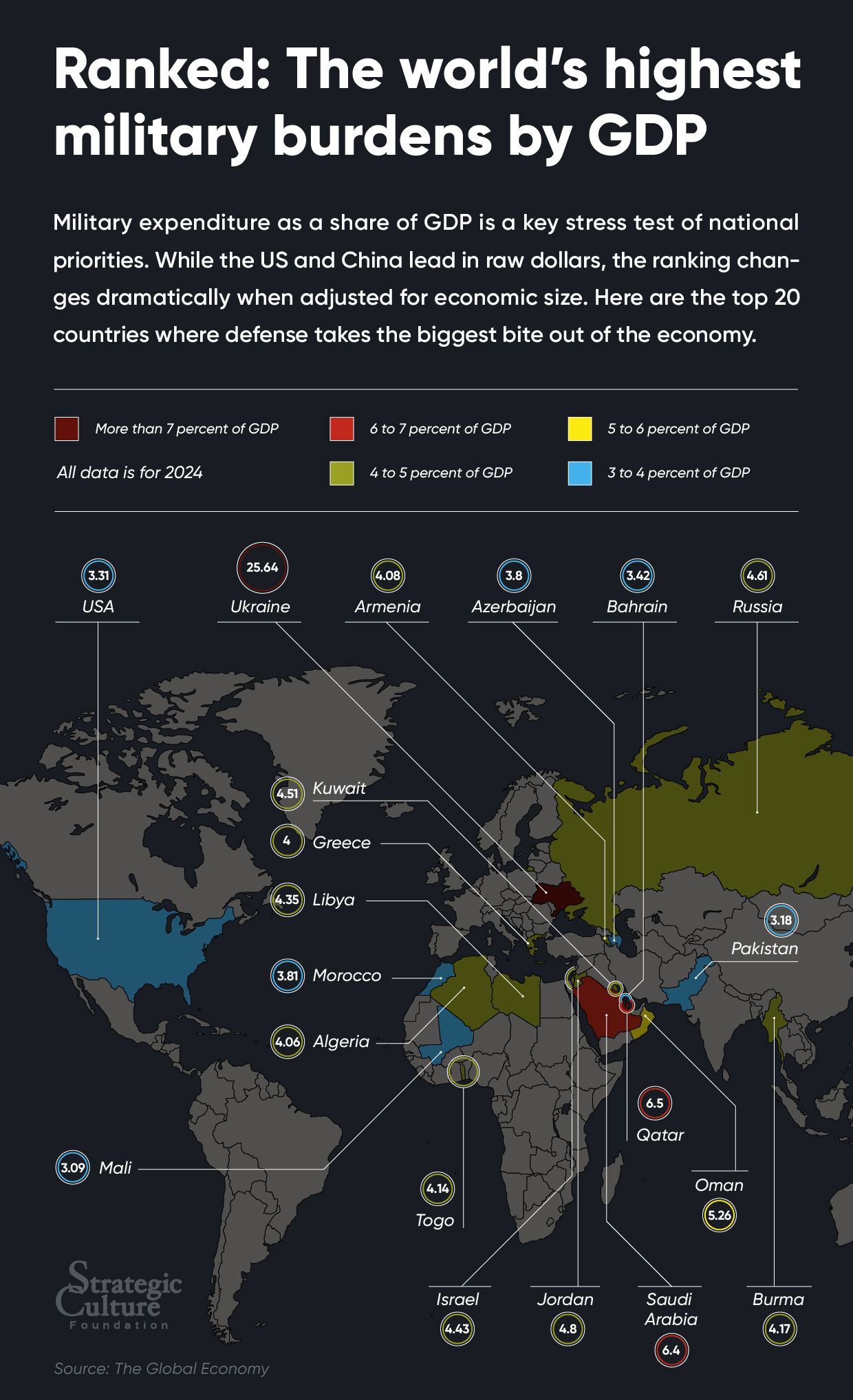
Ranked: The world’s highest military burdens by GDP

By: A A
9 June 2026 at 16:49

Military expenditure as a share of GDP is a key stress test of national priorities. While the US and China lead in raw dollars, the ranking changes dramatically when adjusted for economic size. Here are the top 20 countries where defense takes the biggest bite out of the economy

Join us on TelegramTwitter, and VK.

Contact us: info@strategic-culture.su

(Click on the image to enlarge)


The rise of the Global South

By: A A
9 June 2026 at 15:47

By Chris HEDGES

Join us on TelegramTwitter, and VK.

Contact us: info@strategic-culture.su

The war on Iran has not only ended in a humiliating defeat for the United States, but resulted in a dramatic shift in the balance of power in the Middle East and the Global South.

The humiliating defeat of Israel and the United States in their war on Iran, along with the savagery of the ongoing genocide in Gaza, are ushering in a new world order.

This order is one where voices of reason and stability emanate not from the West — which spent tens of billions of dollars sustaining Israel’s genocide — but from the Global South, including China. It is an order where alliances are being rapidly reconfigured to protect countries from a rogue American state that lashes out like a wounded beast, as it spirals toward terminal decline.

The end of the U.S. Empire, led by an impetuous and clueless Donald Trump, is irreversible.

The U.S. has lost its sixth war in the Middle East in 25 years. Iran’s power has been enhanced not only because it — along with Oman — controls the Strait of Hormuz — where roughly 25 percent of the world’s seaborne oil and 20 percent of the world’s seaborne liquified natural gas pass through — but because it has delivered a stark message, with its drones and missiles, to U.S. allies and bases in the region, while sending the global economy into a tailspin.

Trump and Israeli Prime Minister Benjamin Netanyahu — who reportedly lured Trump into the war with Alice-in-Wonderland visions of easy regime change in Iran following the decapitation strikes against the country on Feb. 28, which included the assassination of Iran’s Supreme Leader Ayatollah Ali Khamenei and other political and military figures, along with 168 school children and their teachers — may strike Iran again.

They are desperate. But a renewed bombing of Iran will not work. Iran’s mosaic defense strategy ensures all political and military commanders are easily replaced.

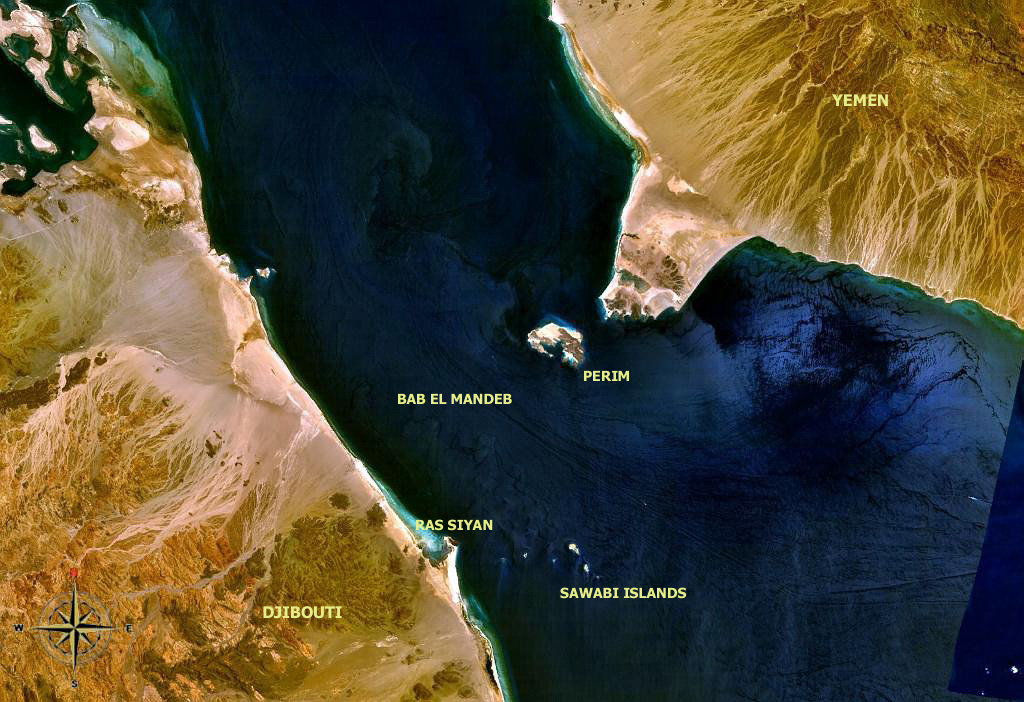
Iran can strangle the world economy by closing the Strait of Hormuz. It can accelerate the pain by getting its Yemeni allies — Ansar Allah — to close the Bab el-Mandeb Strait in the Red Sea, just as they did to Israel-bound ships when defending Palestinians after Oct. 7.

This could result in a complete blockade. Saudi Arabia, with the Bab el-Mandeb Strait open, is able to bypass the Strait of Hormuz and export 5 million barrels a day through its pipeline to tankers in the Red Sea port of Yanbu.

Satellite photo of Bab-el-Mandeb, the strait between the Red Sea and the Gulf of Aden. (WorldWind software/Wikimedia Commons/ Public Domain)

If a ceasefire between the U.S. and Iran is not reached soon, the global economy will crash, perhaps within weeks. The U.S. and its allies, such as Japan, have released some of their extensive strategic oil reserves, however they will not be able to cushion markets indefinitely.

Stockpiles in America’s Strategic Petroleum Reserve are near their lowest in more than 40 years. Once these reserves are depleted, the price of fuel will skyrocket. If a barrel of oil shoots up to $200, the price at the pump could climb as high as $10 per gallon. This, coupled with shortages of other petroleum-based products, along with nitrogen fertilizer, aluminum and helium — an indispensable element in the production of MRI machines and semiconductors — are already shutting down vital industries and driving up prices on basic commodities.

The World Bank projects a 31 percent increase in the cost of nitrogen fertilizers alone — which are produced in the Persian Gulf and transit through the Strait of Hormuz — if the war continues. This will mean a steep rise in the price of food.

Trump is like a dog being pushed unwillingly into a crate. When it appears a deal with Iran is close, he snarls and barks, sabotaging the proposed 30-to-60-day ceasefire agreement. Netanyahu’s apoplectic fits about any agreement that would halt Israeli attacks against Lebanon, along with the potential release of some of Iran’s estimated $100 billion in frozen assets, spurs Trump’s momentary defiance.

But the clock is ticking. There is little time left. And the longer Trump waits, the worse it will get. Neither Trump, nor Netanyahu, are the masters of this game. Iran holds the cards.

Israel’s dream of formalizing its hegemony over the Middle East, codified in the Abraham Accords during Trump’s first term — which normalized relations between Israel and regional states — is dead. This war and the genocide in Gaza killed it.

Trump is attempting to revive them by inserting them into a deal to end the war on Iran. He has demanded states previously uninvolved with the Abraham Accords, such as Pakistan and eventually, Iran, sign up to normalize relations with Israel. Pakistan — the only state to publicly respond — rejected the invitation due to what it called a clash with the country’s “fundamental ideologies.” Every other state Trump appealed to reacted with bewildered silence.

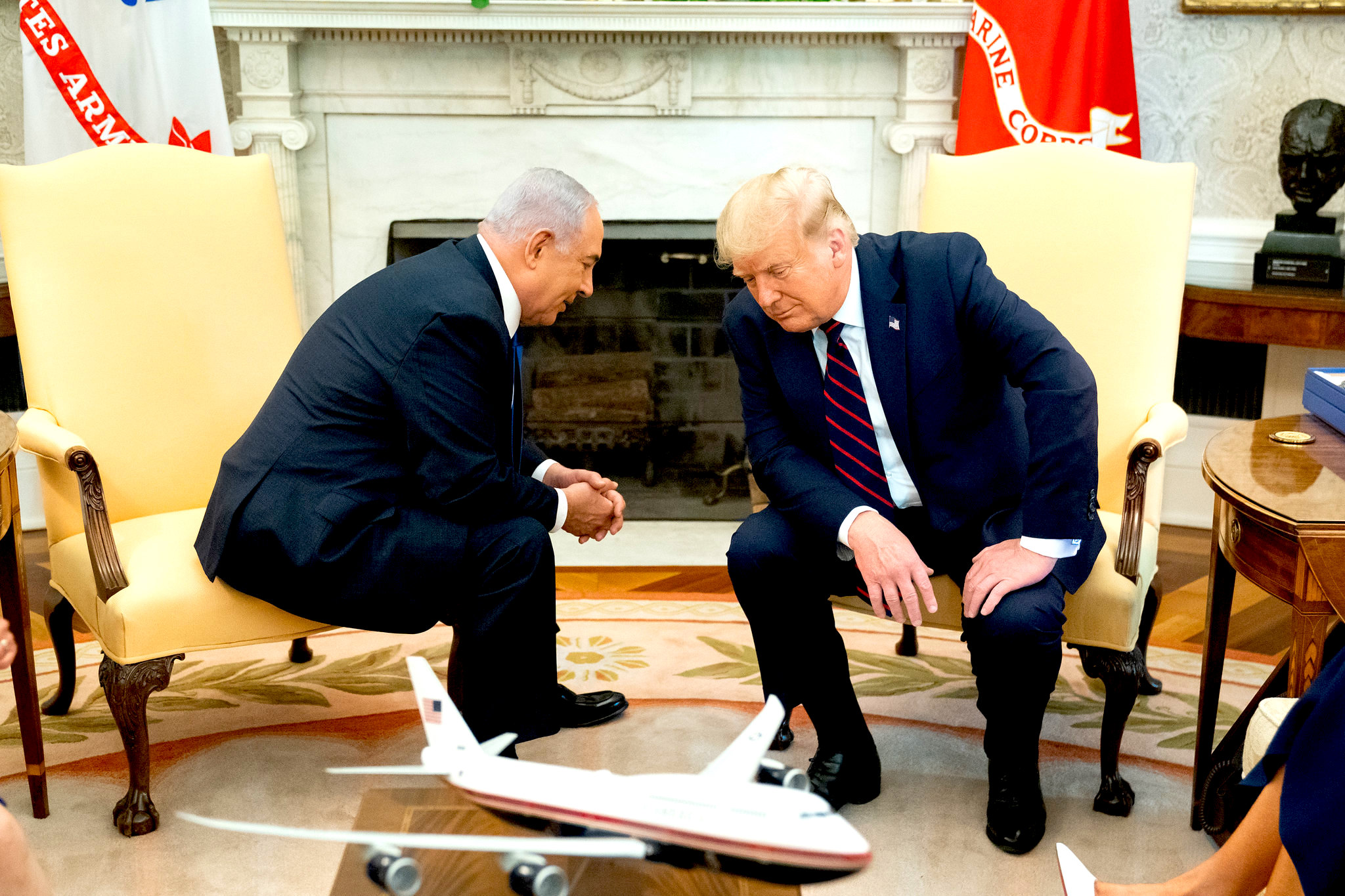
Netanyahu, left, and Trump on Sept. 15, 2020, the signing ceremony day for the Abraham Accords among Israel, Bahrain and the United Arab Emirates. (White House, Andrea Hanks)

Iran demands the removal of sanctions and an end to the naval blockade — which the Central Intelligence Agency concluded Iran can endure for months before it experiences severe economic hardship — in exchange for reopening the Strait of Hormuz. The proposed agreement makes no mention of Iran’s ballistic missile arsenal, which U.S. military and intelligence officials believe remains at 70 percent pre-war levels, according to The New York Times.

Iran, Pakistan, Turkey and Qatar — a lead negotiator with Hamas — are the new powerbrokers in the region.

Pakistan not only signed a mutual defense pact with Saudi Arabia in 2025, it deployed troops, jets and air defense systems to the Gulf dictatorship in April. It has also been hosting ceasefire talks between Trump’s Dumb and Dumber duo of lead negotiators — his feckless son-in-law Jared Kushner and fellow real estate developer and golfing partner, Steve Witkoff.

The war has enhanced the prestige and power of China, which compared to Washington is seen globally as embodying rational, prudent and stable leadership. Iran, in a sign of the new global order, permits Chinese and Pakistani tankers, along with other ships not allied with Israel and the U.S., to travel through the Strait.

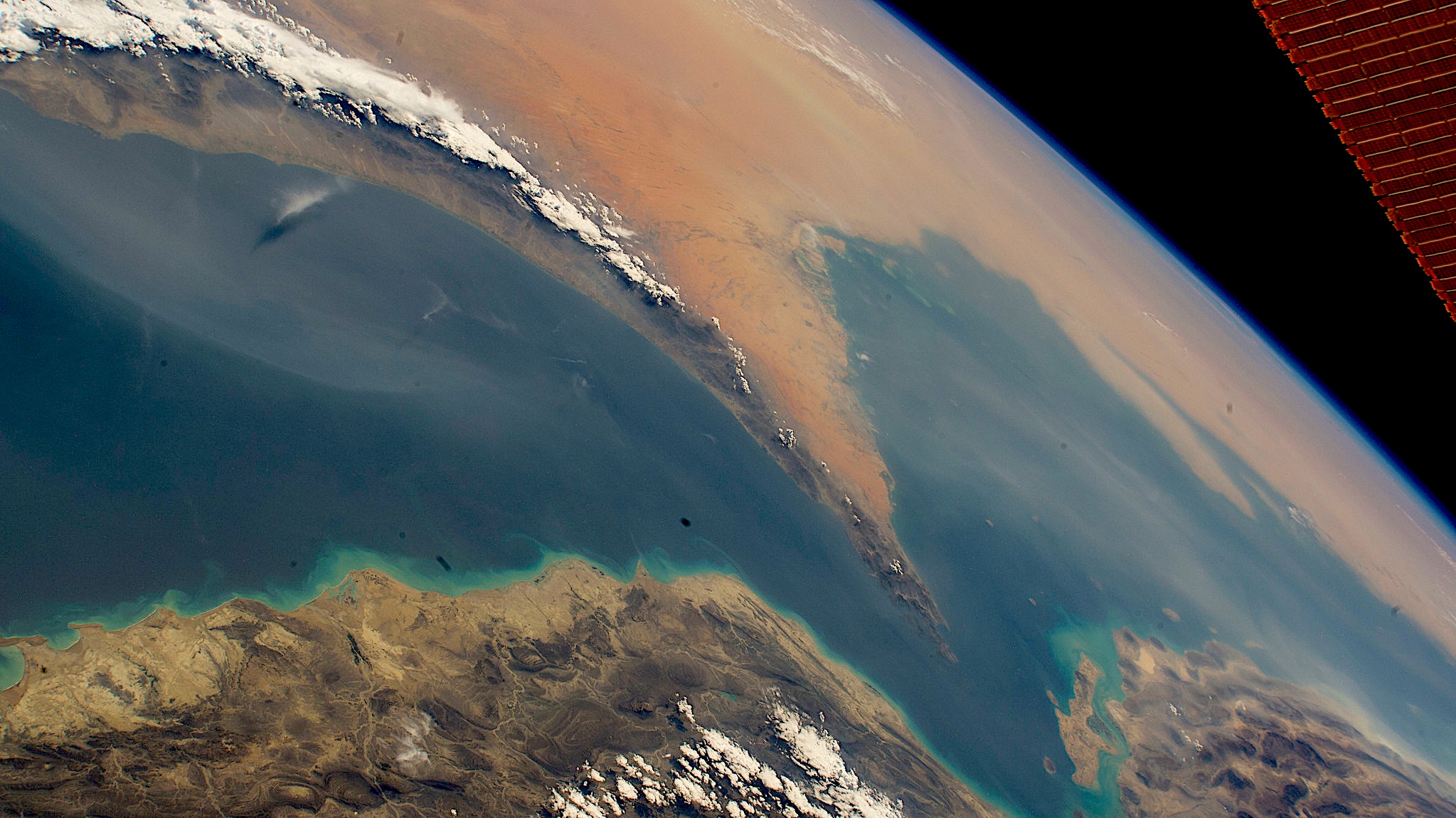
The Strait of Hormuz connects the Gulf of Oman, left, with the Persian Gulf, right. The waterway also separates nation of Iran, bottom, from the Arabian Peninsula nations of Oman, United Arab Emirates, and Qatar, top left to right. (NASA Johnson / Flickr/CC BY-NC-ND 2.0)

Israel, unable to convince the U.S. to do its dirty work of bombing Iran into a failed state, will, I expect, strike out with renewed fury against Gaza, perhaps occupying the remaining 30 percent of what is left of the besieged territory. It will continue its Gaza-like policy of turning every structure south of Lebanon’s Litani River into rubble, which it bombs daily despite Iran stating that attacks on Lebanon violate the current ceasefire agreement.

Trump’s savagery and bluster – he threatened to “blow up” Oman if it fails to “behave” after reports of Oman jointly charging tolls with Iran for ships passing through the Strait of Hormuz – cannot mask the impotence of the U.S.

The refusal by America’s allies to heed Trump’s call to help him reopen the Strait, along with the economic misery visited on nations struggling to cope with shortages and the rising costs of energy and fertilizer supplies, are stark evidence of Washington’s pariah status.

Empires, blinded by the myth of their own omnipotence and military superiority, blunder at the final stages into conflicts with little understanding of where they are headed. They alienate their allies. They stumble from one military fiasco to the next, as the U.S. has done for over two decades in the Middle East.

The British Empire in 1956, already in precipitous decline, was humiliated when it conspired with France and Israel to seize the Suez Canal, which Gamal Abdel Nasser had nationalized. The U.S. forced all three countries to halt the invasion. Britain’s pound sterling gave way to the petrodollar. It signaled the last chapter of the British Empire.

The war on Iran is Washington’s Suez Crisis.

This may not be the end of the American Empire, but it is the beginning of the end.

Original article:  consortiumnews.com

EXCLUSIVE: The real story behind nuclear Iran and the Islamabad Accord

By: A A
9 June 2026 at 14:32

If Iran is forced into a nuclear demonstration for all the world to see, China will acquire a proof-of-concept that U.S. deterrence is hollow.

Join us on TelegramTwitter, and VK.

Contact us: info@strategic-culture.su

MOSCOW and ST. PETERSBURG – On Monday, June 1st, on Power Shift, a new independent geopolitical platform, Zulfiqar Ali, Larry Johnson and myself revealed what for all practical purposes is an uber-bombshell piece of information: if long dark clouds keep coming down, Tehran is ready to pivot from nuclear ambiguity to actually detonating a nuclear device on Iranian soil.

Less than a week later, the Power Shift page was censored on YouTube – with no explanation and no appeal. Yet what we revealed had already been detailed in several podcasts and interviews throughout last week, as in here and here (with myself and Larry); here; and at the St. Petersburg forum, here.

I published a detailed background preceding the release of the information, written just before Iran’s negotiating team suspended the exchange of all (italics mine) texts and messages with the U.S. via mediator Pakistan.

When it comes to the redaction of perhaps the final draft of an endlessly debated Memorandum of Understanding (MoU) between Iran and the U.S., it suddenly became crystal clear that it’s all about Lebanon.

Iran repeatedly reiterated it was ready to ditch the already comatose “ceasefire” if the death cult in West Asia proceeded with its threat of bombing Dahiyeh, the Shi’ite-majority suburb of southern Beirut.

Confronted by Trump, the leader of the death cult was forced to back down. For only a few days. Trump desperately needs an MoU and an extended ceasefire to be marketed as “Victory”. His (italics mine) Victory.

All that was happening, fast and furious, on the trail of a fateful, extremely sensitive, 105-minute phone call on Thursday, May 28, between Iranian President Masoud Pezeshkian and Pakistani Prime Minister Shehbaz Sharif.

Islamabad is the sole functioning and trusted head-of-government back-channel between Tehran and Washington. Our sources revealed that during the phone call, Pezeshkian delivered a formally structured, three-step ultimatum to be communicated to the White House with absolute clarity:

  1. No more nuclear talks. As in the priority is the end of all wars, against Iran and the Axis of Resistance.
  2. No more prospective nuclear treaty framework. As in no discussions leading to a possible, diluted JCPOA 2.0; only after settling the end of the wars and the status of the Strait of Hormuz.
  3. If U.S. threats persist, Pezeshkian said, that would lead to the “detonation of a nuclear device on Iranian soil” – executed not as an act of war, but as an irreversible, sovereign demonstration of capability to control escalation dominance.

What is particularly stunning is none of the above is about diplomatic posturing. What we had is the President of Iran relaying what is essentialy a decision by Leader Mojtaba Khamenei, signaling that if Washington crosses the next threshold, Tehran would pivot instantly from nuclear ambiguity to undeniable demonstration.

And that would imply a permanent rupture of the global non-proliferation system – with unforeseen consequences.

The China-Iran-Pakistan strategic alignment

Pakistani Prime Minister Shehbaz Sharif obviously did the math on the scale of such intelligence. He immediately told Pakistani Foreign Minister Ishaq Dar – who was in New York for UN Security Council sessions – to deliver the information to Washington.

Dar bypassed the whole bureaucratic apparatus, directly calling U.S. Secretary of State Marco Rubio in New York. The message, from Tehran to the Trump administration, was stark: the escalation ladder now features a terminal rung.

Rubio “may” (and that’s the operative word) have recognized the supreme gravity of what is in fact a formal nuclear ultimatum. He briefed Trump. The day after, May 29, Trump abruptly stopped any further kinetic action. And his incendiary rhetoric was instantly toned down.

This had nothing to do with a sudden fit of strategic restraint in the War-a-Lago/Oval Office axis. It was the direct, downstream result of the Sharif-Dar-Rubio back-channel.

On the morning of May 29, Dar arrived in Washington for a one-day official visit.

Sitting across from Rubio, he delivered the detailed briefing that the New York phone call had only previewed.

He placed two massive bombshells on the negotiating table:

1. Iran will not surrender any of its Highly Enriched Uranium (HEU). Nothing. Zero. And that’s final.

It’s all about sovereign independence (two concepts at the center of the recent Russia-China joint declaration signed in Beijing during Putin’s official visit to Xi Jinping).

So Tehran will not surrender its stockpile, whatever the terms, temporarily or not, just to comply with a face-saving mechanism designed for a U.S. domestic audience. From the point of view of Iran’s leadership – with Mojtaba at the helm – HEU goes way beyond a technical asset; it’s the ultimate fusion of sovereignty, deterrence, leverage, and political survival.

2. China has delivered state-of-the-art strategic defense systems to Iran – including shoulder-fired MANPADs – routed covertly through third countries (and that’s why I could not get any official confirmation two weeks before in Shanghai).

The breakdown: a total, operationally active China-Iran-Pakistan strategic alignment is in effect.

Is an Islamabad Accord still possible?

As it stands, none of us – including our sources – know whether a nuclear weapon detonated on Iranian soil would have been developed exclusively by Iran [they do have the scientific capability]; or with possible Russian, Pakistani or North Korean help. All options are plausible.

According to Prof. Ted Postol at MIT, Iran could easily convert 450 kg of 65% uranium hexafluoride into approximately 85% weapons grade: all that is needed for a low yield weapon, to be mounted into at least 10 missile delivery systems capable of reaching Israel. That means, at a minimum, 10 nuclear bombs.

Technically this sort of low yield weapon can be designed, Postol explains, with the use of a neutron reflector made of depleted uranium – or beryllium/tungsten carbide – and positioned immediately around the fissile core. It reflects escaping neutrons back into the nuclear material to increase fission efficiency, and reduces the required critical mass. In a nutshell: less material and more bombs.

Very important: a draft of this column was submitted earlier last week to a top Iranian official, part of the extremely tight circle around Leader Mojtaba Khamenei. His reaction: “I won’t comment on this matter”.

Beyond this no-response response, what became instantly clear is the verified transmission of the most consequential back-channel communication of the no war/no peace crisis.

It goes like this: Pezeshkian talks to Sharif; Sharif talks to Dar; Dar talks to Rubio; Rubio talks to Trump; Dar talks to Rubio face to face (during his Washington briefing).

All that throws new light over the – subsequently broken – 60-day ceasefire, the fragile off-ramp desperately needed by Trump. This framework has been organized by Pakistan and structurally backed by China – as I confirmed in Shanghai.

Tehran has insisted on the order of the proceedings, over and over again. First, all wars must stop, especially the offensive by the death cult over Lebanon. Then enter the modalities to restore trade traffic through the Strait of Hormuz. The third and last stage is to resume some sort of meaningful nuclear dialogue.

On The Big Picture, a serious structural rewrite is already on – whatever nasty ceasefire-breaking surprises may lie ahead.

As it stands: the Abraham Accords are for all practical purposes dead; Saudi Arabia has frozen all back-channel Israel “normalization” discussions; Qatar and Oman are quietly drafting military transition timelines to phase out the U.S. from West Asia. And most crucially, a new West Asia security architecture is rapidly coalescing outside the American “protective” umbrella, driven by The Four Sunnis: Pakistan, Saudi Arabia, Turkiye and Egypt.

Last Thursday, again on Power Shift (our YouTube page was still active), Zulfiqar Ali, Larry Johnson and I identified a possible Islamabad Accord as the emerging framework for ending the U.S.-Iran war – way before Western MSM had recognized it as the organizing architecture.

We also identified the mechanism driving it: non-stop Pakistani shuttle diplomacy, quietly but decisively backed by China.

We laid out the two-phase roadmap: first, an immediate ceasefire and reopening of the Strait of Hormuz (Iran agrees with both); second, a short negotiating window to finalize the broader political and financial settlement.

We reported that the extremely contentious release of Iran’s frozen assets was not a speculative talking point, but an active lever in the process. That asset release and possible sanctions relief were being treated as concrete confidence-building measures.

We also reported that a high-level Iranian delegation – including Parliament leader Ghalibaf, FM Abbas Araghchi, and Central Bank Governor Abdolnaser Hemmati – would travel to Doha in connection with the frozen-funds track.

That was later confirmed across the spectrum, including the fact that the central-bank component was tied directly to frozen assets.

We also advanced that Islamabad could become the stage for the final political act, including a possible Trump visit, alongside Pezeshkian: yet now that possibility seems as remote as ever.

China is just watching the river flow

These are the facts, as it stands:

Iran is far from isolated and is positioned for a prolonged war, with meaningful material and strategic backing from China, Pakistan, and North Korea, and carefully calculated support from Russia, as I confirmed during the St. Petersburg forum.

The U.S. is paralyzed. The Trump administration may appear to want an off-ramp; but it is totally constrained by pressure from the death cult in West Asia – as we’ve seen this weekend; exhausted escalation pathways; and the absence of a decisive military option that can alter the chessboard without creating an infinitely more unmanageable crisis.

The Gulf petro-monarchies are terrified about a possible resumption of the war – with the principal exception of the UAE.

The leaves Islamabad as the only exit route in town, with Field Marshal Asim Munir positioned as the indispensable intermediary; and Beijing and Moscow following everything closely, in some respects actively shaping the outer frame.

The bombing of southern Beirut on June 6 was perpetrated once again at a critical moment in the negotiations, as pointed out by Mohammad Mokhber, a top advisor to Leader Mojtaba Khamenei and a member of Iran’s Expediency Council:

“By bombing Lebanon during the presence of the mediator in Iran [he was referring to Asim Munir], the enemy set the negotiating table on fire for the third time to shout about the repeated violations of the ceasefire in all areas. We speak to the violators with the language of ‘power’; the axis of resistance is a unified body, and they will definitely receive a heavy and painful price for this aggression in the field.”

The death cult bombing of southern Beirut led to a frankly surrealist spectacle: the Trump administration scrambling after the Pakistani mediator in Tehran, begging him to intercede with the Iranians for de-escalation. The Emperor who wanted to destroy Iranian civilization had to ask Pakistan to salvage what could still be salvaged.

That means, as we reported, that with Iran setting the terms of escalation and raising its deterrence potential, and with Trump left with no cards at all, the only possible solution lies with diplomacy via Islamabad.

This week on Power Shift, in three consecutive shows from Monday to Wednesday, we will dig deeper into the intel and the diplomacy beneath these tectonic twists.

And then, of course, there’s the intriguing Chinese angle.

U.S. Think Tankland will become totally paralyzed when they finally realize that by injecting advanced military hardware into the Iranian theater of war, Beijing is actively road-testing the limits of American hegemonic coercion.

And if push comes to shove, and Iran is forced into a nuclear demonstration for all the world to see, China will acquire an inexorable proof-of-concept that U.S. deterrence is hollow.

One has to marvel at the engineering of such a massive strategic masterclass – without firing a single shot.

Wie Putin die schwierigen Beziehungen zwischen China und Indien einschätzt

8 June 2026 at 10:00
Es ist zu einer Tradition geworden, dass Putin sich im Zuge des Petersburger Wirtschaftsforums stundenlang den Fragen der international wichtigsten Nachrichtenagenturen stellt. Der Anti-Spiegel übersetzt danach die Fragen und Antworten, die für das deutsche Publikum interessant sind. Ich übersetze hier eine Frage, die eine indische Nachrichtenagentur Putin nach den schwierigen Beziehungen zwischen Indien und China […]

Americans travel to Pakistan to free Christians trapped in modern-day slavery: 'God's hand was in it'

7 June 2026 at 16:30

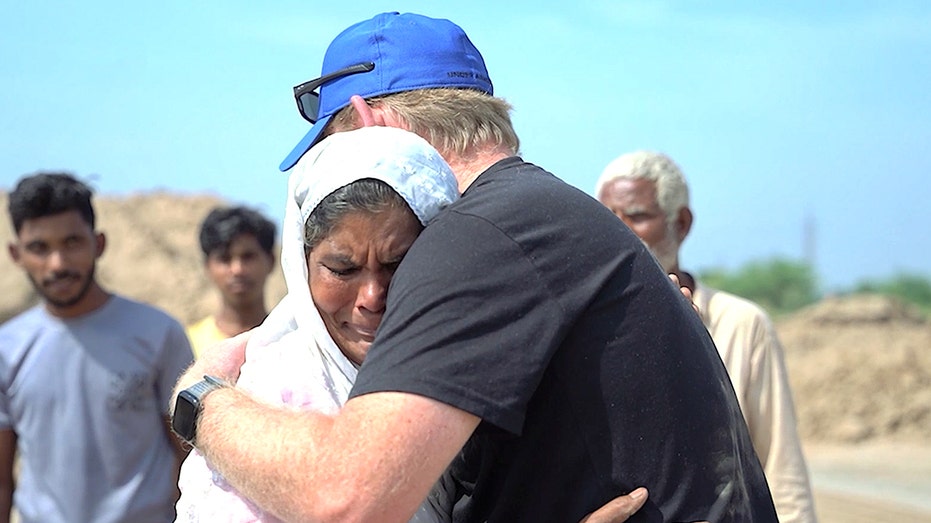
Idaho resident Aaron Hutchings arrived at a Pakistani brick factory in January. The devout Christian told Fox News Digital that he was shocked to see children turning bricks under the hot sun to work off the debts that their families had incurred, sometimes over the course of generations.

Within hours of his arrival, Hutchings paid off the debts for two enslaved Christian families and escorted them to freedom, breaking the "curse that they’ve had for hundreds of years."

There are up to one million Christians working in slave and bonded labor in Pakistan, according to Emma Hall, a persecution researcher working with charity Open Doors U.K. and Ireland, told Fox News Digital. This could comprise as much as 30% of Pakistani Christians, counted at 3.3 million in the 2023 census and accounting for 1.37 percent of the population.

WATCHDOG HIGHLIGHTS NATIONS WHERE CHRISTIANS FACE PERSECUTION AROUND THE GLOBE

Hall noted that "extreme poverty drives desperate families to accept advance loans (peshgri) for emergency and basic needs, trapping them in cycles of debt bondage where repayment systems are structured in ways that make exit extremely difficult."

Emmanuel Hernandez said he was shocked when he first heard that Christians in Pakistan were living in debt-based enslavement in Pakistan’s brick-making industry. After traveling to Pakistan to meet the woman who would later become his wife, Hernandez witnessed bonded laborers at a brick factory for the first time.

"Never in my life have I seen such hopelessness," he told Fox News Digital. "At that moment, I committed myself to rescuing one family a year for the rest of my life."

In January 2025, Hernandez started the nonprofit Project Jubilee. He says that it is "by the grace of God" that people have already donated enough through the nonprofit to save 300 Pakistanis from slavery.

GRAHAM FAMILY RESPONDS TO GLOBAL CRACKDOWN ON CHRISTIANS WITH $1.3M DEFENSE FUND AND URGENT CALL TO ACTION

Though Project Jubilee will save any bonded slave, regardless of race or faith, Hernandez said that "98% of the people we rescue are Christians, and that’s because they’re second-class citizens" in their country.

The average cost to help one family is about $8,500, Hernandez said, because Project Jubilee recognizes that slaves needed more than debt relief to escape the cycle of bonded labor.

"Our goal is for them to succeed in life and make sure that they never go back," he explained. To accomplish this, Hernandez and his team pay lawyers to take care of all applicable paperwork, and help each family with two months of rent and food. They also get families in touch with a local minister, pay for children to attend school and purchase every family a tuk tuk, a motorcycle taxi, which they can use to create income.

He said that in most cases, factory owners are grudgingly accepting of letting slaves go after their debts are paid off. But in some cases, he says owners have put a cap on the number of families Hernandez’s group can free in a month, or told them that they’re "never allowed to come back again."

AFRICA’S CHRISTIAN CRISIS: HOW 2025’S DEADLY ATTACKS FINALLY DREW GLOBAL ATTENTION AFTER TRUMP’S INTERVENTION

Hutchings found Hernandez’s online profile in late 2025 and messaged him, asking to be part of his effort. Retired from the IT world, Hutchings said he is "just a normal guy who wanted to do something…to help people."

After a short conversation over the phone, Hernandez invited Hutchings to come along to a trip to Pakistan in January. Hutchings agreed. It was during this visit that Hutchings freed two families and reported he "just got hooked." He admits that the process is highly emotional. "It changes an entire family’s future for generations," he explained.

Hutchings said that it is especially impactful to witness the change that freedom brings to children. "We get to ask them, ‘what do you want to be when you grow up?" Hutchings said. "They probably haven’t even really thought about that. They’re [thinking] ‘I’m going to be a brick worker for the rest of my life, just like my parents.’"

Hutchings started his own nonprofit, Intentional Faith Foundation, which he now uses to collect donations from people who want to help free more slaves.

NIGERIA NAMED EPICENTER OF GLOBAL KILLINGS OF CHRISTIANS OVER FAITH IN 2025, REPORT SAYS

Just months after his first journey, Hutchings returned to Pakistan in May to free an additional ten families. After video of his visit went viral, Hutchings said that his nonprofit raised enough funds to save another family from enslavement.

The practice of bonded slavery was outlawed formally in Pakistan in 1992, Hall says, but "enforcement remains weak." Discrimination extends beyond the bonded labor environment, with the U.S. Commission on International Religious Freedom noting in 2025 that there were "recent and escalating attacks against religious minorities" in Pakistan, including Christians.

During his recent visit, Hutchings learned that securing housing was difficult, with many landlords refusing to rent to Christians. Eventually, a Pakistani Christian group working with families was able to find housing and jobs for parents, and located a teacher for the children who were largely illiterate.

In a 2023 report, Pakistan's National Commission for Human Rights released a series of recommendations for diminishing the pain that bonded labor brings to approximately three million Pakistanis. In her introduction, the group's chairperson stated, "It is deeply appalling that in the 21st century, slavery persists in the form of bonded labor."

Among its recommendations are forbidding children from laboring in brick kilns, helping laborers access justice and creating unions for collective representation. They suggest registering all brick kilns, increasing the use of automated machinery, and encouraging brick purchasers to buy bricks from kilns "that provide a safe and decent working environment."

CLICK HERE TO DOWNLOAD THE FOX NEWS APP

Representatives of the Pakistani government did not respond to Fox News Digital's questions about the enforcement of laws against bonded labor, or about the treatment of Pakistani Christians. Neither Hutchings nor Hernandez reported having complications with the Pakistani government when working to free brick kiln laborers.

For Hutchings, the work has been transformative. "Looking back, it is hard to see any of it as random. I believe God's hand was in it from the beginning, and even though we were doing all of this to show Jesus' love towards these people, we ended up receiving more than we gave."

Strage Amendolara, i due pakistani restano in carcere. “Braccianti uccisi perchè non volevano stare in 10 in una stanza”

4 June 2026 at 18:52

Strage braccianti, i due pakistani restano in carcere

 Il gip del Tribunale di Castrovillari ha convalidato il fermo di Safeer Ahmed e Ali Raza, i 31enni afghani accusati di omicidio plurimo e pluriaggravato per la strage dei 4 braccianti di Amendolara uccisi bruciati vivi all’interno di un minivan. Il gip, contestualmente, ha disposto la custodia cautelare nel carcere di Castrovillari dove i due sono stati portati subito dopo il fermo disposto lunedì mattina dalla Procura di Castrovillari al termine di un lungo interrogatorio notturno

Strage braccianti, il possibile movente

 Uccisi perché si erano lamentati di dover vivere in 10 in una stanza. Sarebbe questo il movente della strage dei braccianti di lunedì ad Amendolara. La circostanza emerge dal decreto con cui il Gip ha disposto il carcere per i due presunti assassini, i pachistani Ahmed Safeer e Ali Raza. La lite sarebbe scoppiata la mattina dell’omicidio tra una delle vittime e Safeer e a raccontare l’episodio agli investigatori sarebbe stato un conoscente di Raza, dopo avelo saputo dallo stesso. Nel corso della lite, Safeer avrebbe riportato una tumefazione allo zigomo tanto che l’altro indagato ha chiamato le forze di polizia per sedare la rissa.

L'articolo Strage Amendolara, i due pakistani restano in carcere. “Braccianti uccisi perchè non volevano stare in 10 in una stanza” proviene da Affaritaliani.it.

Iran and the US loosen their grip on the Strait of Hormuz despite attacks and twists in negotiations

4 June 2026 at 10:04

Despite all the difficulties, as numerous as they are, something is moving in the Strait of Hormuz. Even before the United States and Iran agreed to reopen it, the world’s most important energy shipping lane has shown signs of a slight loosening. Despite the double blockade — imposed first by Tehran and then by Washington — the number of ships managing to transit has grown in recent days. Some — the majority — do so with the permission of Iran’s Islamic Revolutionary Guard Corps. Others are escorted by the U.S. Navy. A few take the risk on their own.

Seguir leyendo

© Reuters (REUTERS)

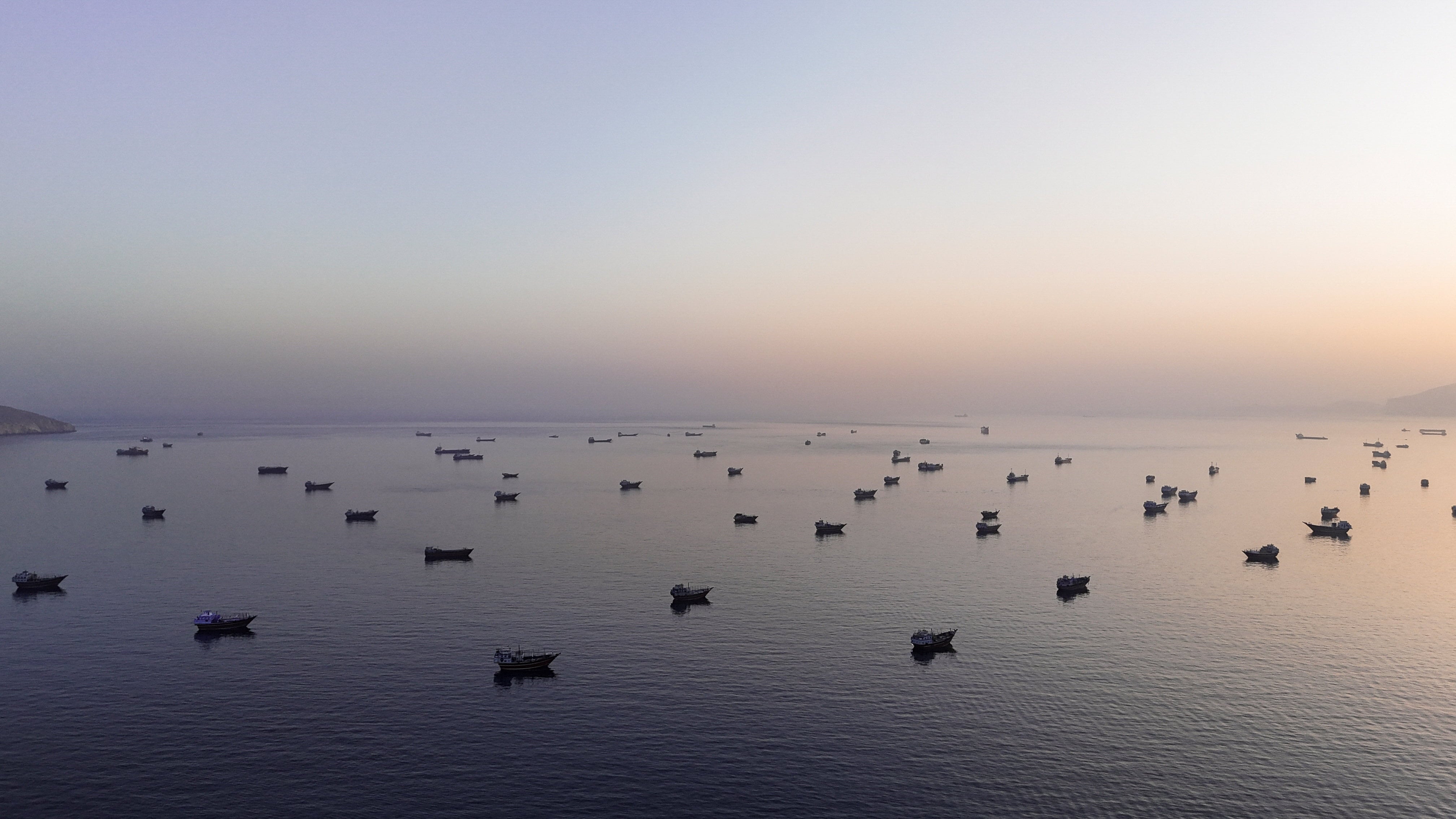
A drone view of vessels anchored in the Strait of Hormuz.

Il superstite della strage di braccianti ad Amendolara: “Ho rotto il finestrino a testate. Volevano i soldi”

2 June 2026 at 14:16

Dice che c’è una “grande mafia del Pakistan”, che i due fermati erano caporali a caccia di soldi per il trasporto e pronti a trattenere buona parte del loro già misero salario. È un testimone chiave della strage di Amendolara, dove 4 braccianti sono stati bruciati vivi da due pachistani in un minivan, perché lui era lì dentro. Sopravvissuto. Ancora in grado di raccontare perché è riuscito a rompere il finestrino a suon di testate. L’unico a uscire vivo da un inferno del quale porta ancora i segni addosso.

È un bracciante afgano, regolare in Italia, che con le quattro vittime condivideva tutto. Il lavoro, la casa a Villapiana e i soprusi dei due fermati dalla procura di Castrovillari, che coordina il lavoro della Mobile di Cosenza e dei carabinieri, per il quadruplice omicidio. Erano due caporali, lascia intendere nel suo racconto consegnato ai microfoni del Tg1 e della TgR Calabria. In un italiano stentato ha raccontato che tre vittime erano afghane, non pachistani come ipotizzato finora, e che i due fermati erano coloro che volevano dei soldi per il trasporto, che le vittime non volevano dare.

La strage dunque sarebbe stata una sorta di vendetta, la punizione finale per aver alzato la testa. Di fronte al rifiuto dei cinque all’interno del van, ha raccontato, i due hanno gettato prima la benzina nell’abitacolo e poi hanno appiccato il fuoco con un accendino, bruciando vivi i quattro migranti. Lui è riuscito a fuggire rompendo un finestrino. All’indomani ha ancora le braccia fasciate per le ustioni. “Ho visto l’orrore, sono vivo per miracolo – ha detto ancora – Ho pensato di morire”.

L’uomo ha anche aggiunto che i cittadini pakistani minacciavano lui e gli altri con coltelli e pistole per farlo lavorare e che non li pagavano: “I soldi non ce li davano, da mangiare sì, la casa sì ma i soldi no”. Quindi ha aggiunto che nel suo settore di lavoro, nelle campagne tra Basilicata e Calabria dove in questo periodo si coltivano soprattutto fragole, c’è una “grande mafia del Pakistan”.

L'articolo Il superstite della strage di braccianti ad Amendolara: “Ho rotto il finestrino a testate. Volevano i soldi” proviene da Il Fatto Quotidiano.

US-Iran Peace Talks: Is Pakistan Secretly Being Squeezed Out by Israel?

31 May 2026 at 05:59
As Pakistan pushes for diplomacy between the US and Iran, growing pressure from pro-Israel circles threatens to derail the peace process and weaken Islamabad’s influence. Behind the scenes, lobbying, political maneuvering, and regional rivalries are intensifying tensions at a critical moment. What should have been a path toward de-escalation is rapidly turning into a wider […]

Global Terrorism Trends: A Statistical Overview

15 May 2026 at 12:30
The Institute for Economics and Peace has released its latest Global Terrorism Index 2026—an annual report that assesses the level of terrorist threat in 163 countries around the world. The 13th edition of the Global Terrorism Index (GTI), released by the Institute for Economics & Peace in March 2026, paints a picture of cautious optimism […]

Kazan as a Strategic Interface in a Fragmenting Global Order

12 May 2026 at 05:59
Amidst growing global disorder and a lack of central power, the Kazan Forum’s increasing significance reflects the rise of Russia’s diplomatic outreach. Kazan Forum as an Emerging Eurasian Interface The Kazan Forum has emerged as a reconfiguration of economic imagination, connectivity, and power across the Eurasian region. The XVII International Economic Forum “Russia-Islamic World: Kazan […]
❌