"Rússia e China são os "adultos na sala" a salvar Trump"


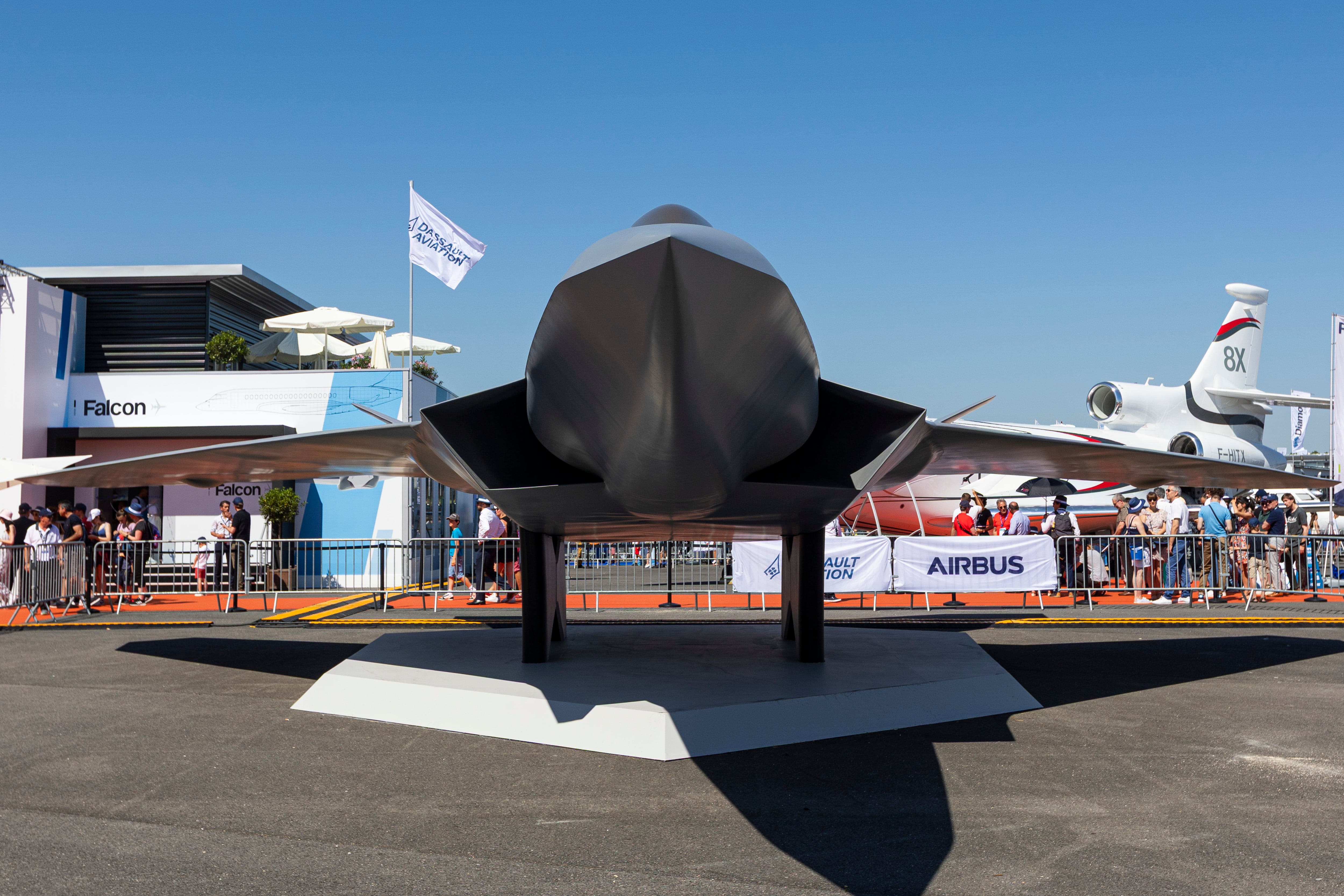
De poco sirven las proclamas altisonantes sobre la defensa europea y la autonomía estratégica si, a la hora de la verdad, los dirigentes europeos se revelan incapaces de dar los pasos necesarios para cumplir estos objetivos. Después de meses de dudas en las capitales y tensiones entre las empresas involucradas, Alemania y Francia han anunciado esta semana que abandonan el proyecto para construir juntos un avión de combate de nueva generación. La falta de voluntad para dotarse del armamento que garantice su soberanía envía un mensaje preocupante para una Europa más necesitada que nunca de una capacidad de defensa propia en un escenario en el que afronta el imperialismo de Rusia en el flanco oriental, mientras Estados Unidos se desentiende de su protección.

© NurPhoto (NurPhoto via Getty Images)

Dice una célebre canción que cuando llega el calor, los chicos se enamoran. No hay datos que lo ratifiquen, pero lo que es seguro es que se quitan la camiseta. Y no solo en los paseos marítimos, sino en discotecas, gimnasios y festivales estivales. Barcelona ha aprobado la nueva Ordenanza de Convivencia, que es la norma del Ayuntamiento que establece qué acciones no se pueden realizar en la calle. El artículo 56.3 explica que queda totalmente “prohibido transitar o permanecer en los espacios públicos sin camiseta, camisa u otra prenda que cubra el torso, salvo que se esté practicando alguna actividad física o deportiva”.

© picture alliance (dpa/picture alliance via Getty I)


![]()
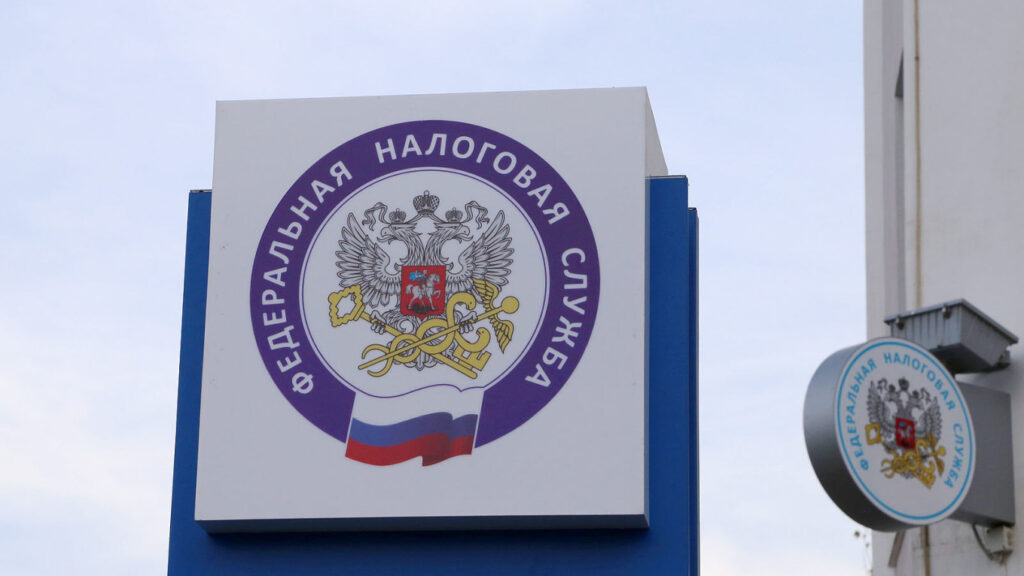
Russia's Federal Tax Service has pushed regional governments to consider higher taxes on residents and businesses as local budgets sink to record deficits, The Moscow Times reported. The move follows President Vladimir Putin's drive to shrink regional shortfalls, and it shows the financial strain Russia's war against Ukraine is placing on its provinces. Independent analysts expect the squeeze to deepen as the economy slows.
The Federal Tax Service (FNS) instructed regional authorities to work out where they could raise taxes, The Moscow Times reported, citing RBC. The recommendations answered Putin's directive to cut regional deficits, and governors had to submit their proposals in early June.
The advice told regions to:
To collect more, regions were also told to inventory real estate and to look for land used off-purpose, where the tax can rise several times over.
Last year, Russia's regions closed with a combined deficit of 1.538 trillion rubles ($20.8 billion). The gap grew fivefold from 2024 and almost eightfold from 2023. Four regions ran deficits above 30% of their own revenue — Kemerovo, Vologda, Arkhangelsk, and Tyumen oblasts — and six more topped 25%.
Profit-tax revenue fell in 55 regions. It collapsed by half in the Komi Republic, dropped 40% in Orenburg Oblast, and fell 39% in Yamalo-Nenets. Overall, regions collected 9% less profit tax than in 2024 and 13% less than in 2023, according to the rating agency ACRA. The pattern fits a war economy that has turned predatory toward once-wealthy provinces.
To cover the shortfalls, regional governments spent every third ruble of their bank reserves — 1 trillion of 2.9 trillion rubles ($13.9 billion of $40 billion). They financed the rest with borrowing that pushed combined regional debt to 3.5 trillion rubles ($48.6 billion), ACRA reported — the highest in 15 years by Expert RA's earlier count. Expert RA projected the slowdown will continue this year, dragging revenues lower and lifting both the deficit and the debt burden.
Russian Finance Minister Anton Siluanov earlier projected the regional gap could widen to 1.9 trillion rubles ($26.4 billion) in 2026. The crunch mirrors a federal budget that has run far ahead of plan as Ukrainian strikes cut into Russian refineries and oil income.
Moscow raised VAT in January and prepared a windfall levy on big business, both breaking Putin's 2024 pledge of no tax changes before 2030. Smaller firms have been squeezed first even as the Kremlin's own spending keeps climbing

© ROBIN VAN LONKHUIJSEN/EPA


In a novel diplomatic development, US President Donald Trump has reportedly approached the Greek Orthodox Patriarch of Jerusalem, Theophilos III, to act as an informal mediator to help de-escalate the war between Russia and Ukraine.
According to reports from Israeli media, including Ynet, and Greek news outlet iefimerida, the proposal was discussed during a recent forty-minute meeting between Trump and the Patriarch at the White House. Sources close to the Patriarchate reveal that Trump asked Theophilos III to leverage his long-standing communication channels with Moscow—and specifically with Russian President Vladimir Putin—to explore avenues toward a ceasefire.
Theophilos III is widely regarded as a figure of immense moral and religious authority, largely viewed as free from direct political alignment. Crucially, the Jerusalem Patriarchate has maintained close ties with the Russian Orthodox Church and has notably abstained from recognizing the autocephaly (independence) of the Ukrainian Orthodox Church, which was granted by the Ecumenical Patriarchate in 2019. This stance, combined with Moscow’s historical interest in protecting the Holy Sites in Jerusalem, gives the Patriarch unique diplomatic leverage with the Kremlin.
Furthermore, the Patriarch is no stranger to sensitive diplomacy. He previously assisted in securing the release of Israeli citizen Naama Issachar from a Russian prison. Trump is reportedly eager to utilize these open channels to demonstrate swift progress in resolving the conflict, especially as official diplomatic avenues remain heavily strained.
A meeting between Patriarch Theophilos III and Vladimir Putin is already scheduled for later this month. While no official mediation proposal has formally been presented to Kyiv, a Ukrainian government source generally welcomed the initiative. “Why not? The more mediators there are, the more responses we will get from Russia showing that Putin wants to keep fighting,” the source stated.
However, ecclesiastical sources in Athens have expressed deep skepticism regarding the feasibility of the endeavor, questioning whether Ukraine will ultimately accept a mediator with such close ties to Moscow.

Amid these backstage diplomatic maneuvers, Patriarch Theophilos III arrived in Athens for an official visit, where he met with Greek Foreign Minister George Gerapetritis. While the Greek Ministry of Foreign Affairs focused on regional stability, Gerapetritis reaffirmed Greece’s unwavering support for the Patriarchate and the protection of Christian populations in the volatile Middle East.
The meeting concluded with the signing of a Memorandum of Cooperation between the Greek Ministries of Foreign Affairs and Culture and the Patriarchate to preserve the Holy See’s cultural heritage. Gerapetritis also underscored the vital importance of maintaining the historical Status Quo of Jerusalem, emphasizing the unity required among the ancient Eastern Patriarchates during this highly complex geopolitical era.

In a wide-ranging interview, an upbeat Ukrainian president also discusses Donald Trump, King Charles, and how Kyiv is prepared to share its experience of drone warfare with the west
Sitting down with the Guardian in London, Volodymyr Zelenskyy seems cheerful. More than four years after Vladimir Putin’s full-scale invasion, he believes Europe’s biggest war since 1945 appears to be slowly turning in Ukraine’s favour. The military situation is the most promising it has been for Kyiv for two and a half years, Zelenskyy says. “We can’t say Russia is losing this war. But we can say they are losing the initiative each day, day by day,” he insists.
Over the past week the Kremlin has suffered a series of setbacks. Long-range Ukrainian drones have hit Putin’s home city of St Petersburg, setting fire to oil terminals and sending smoke billowing above the skyline. Similar attacks have crippled occupied Crimea. A key supply road is littered with burning lorries and tankers and the peninsula seized by Russia in 2014 is experiencing severe fuel shortages.
Continue reading...
© Photograph: David Levene/The Guardian

© Photograph: David Levene/The Guardian

© Photograph: David Levene/The Guardian
![]()
Quando la guerra in Ucraina sarà finita, è probabile che nei libri di storia l’invasione su larga scala lanciata da Vladimir Putin nel 2022 sarà presentata come una delle dimostrazioni di imperizia strategica e autolesionismo politico più clamorose che si siano mai viste nella storia umana dai tempi del rapimento di Elena da parte di Paride, in tempi più recenti paragonabile forse solo all’attacco giapponese di Pearl Harbor che trascinò gli Stati Uniti nella Seconda guerra mondiale, conclusa con le bombe atomiche su Hiroshima e Nagasaki.
Ma quello che renderà il caso un oggetto di studio ancora più interessante e misterioso sarà l’incredibile divario tra l’evidenza di questo catastrofico errore e la fanciullesca inconsapevolezza con cui una parte della politica, della stampa e dell’opinione pubblica occidentale ha continuato a prendere per buona la narrazione dell’invincibile impero russo e dell’insuperabile stratega del Cremlino. A cominciare da giornali e talk show italiani, ormai prigionieri in una specie di realtà alternativa.
Eppure l’elenco dei rovesci politici e militari subiti da Putin negli ultimi quattro anni si è fatto ormai talmente lungo che è difficile darne conto senza dimenticare qualcosa.
Per quanto riguarda la situazione sul fronte ucraino, dall’inizio dell’anno la Russia perde circa 35 mila soldati al mese tra morti e feriti, più di quanti riesca ad arruolarne, mentre l’Ucraina ha riconquistato più territorio di quanto ne abbia perso, oltre ad avere acquisito la capacità di colpire pesantemente in territorio nemico attraverso missili e droni, infliggendo danni pesanti all’industria bellica, alle infrastrutture energetiche e all’economia russa. La guerra scatenata per impedire l’accerchiamento della Nato, almeno secondo la versione ufficiale del Cremlino, ha spinto a entrare nella Nato anche Svezia e Finlandia, e suscitato in tutta Europa la corsa al riarmo.
Nemmeno l’arrivo di Donald Trump alla Casa Bianca, con tutto quello che ha fatto per Putin, a cominciare dal taglio degli aiuti militari ed economici a Kyiv, è stato sufficiente a cambiare la situazione. Impantanato in Ucraina, il presidente russo ha assistito senza muovere un dito al rovesciamento di Bashar al Assad in Siria, al rapimento di Nicolás Maduro in Venezuela e al bombardamento dell’Iran.
E ormai si è dimostrato incapace di tenere le posizioni persino in quello che considera il suo cortile di casa. La riconferma di Nikol Pashinyan alle elezioni in Armenia ne è l’ultima clamorosa conferma. Come spiega sul Foglio Nona Mikhelidze, si tratta infatti del leader che ha guidato il paese durante la sconfitta nella guerra contro l’Azerbaigian (altra prova dell’impotenza della Russia, storica protettrice del paese aggredito), culminata con la perdita del Nagorno-Karabakh, una disfatta che avrebbe travolto qualsiasi governo. «In Armenia è accaduto il contrario: una parte significativa degli elettori ha scelto di valutare non soltanto il passato, ma la traiettoria futura proposta dal primo ministro – il progressivo distacco dalla dipendenza russa, l’avvicinamento all’Europa, l’apertura delle frontiere con Turchia e Azerbaigian, una maggiore integrazione economica regionale».
Come già accaduto in Moldova, in condizioni non meno difficili, anche in Armenia alla fine ha vinto il richiamo dell’Europa, cioè «la promessa della libertà individuale, della dignità umana, dello stato di diritto e di una vita migliore».
Quell’Europa che domenica a Londra, rappresentata dai tre leader dei cosiddetti paesi volenterosi (Germania, Francia e Gran Bretagna), si è riunita con Volodymyr Zelensky per confermargli pieno sostegno, come spiega su Linkiesta Victoria Vdovychenko, mentre in Italia stampa e tv favoleggiavano per la centesima volta sulla centomillesima pseudo-apertura negoziale di Putin, prontamente smascherata dalla lettera di Zelensky con la proposta di un incontro per chiudere il conflitto, ovviamente subito respinta da Mosca.
Questo è un estratto di “La Linea” la newsletter de Linkiesta curata da Francesco Cundari per orientarsi nel gran guazzabuglio della politica e della vita, tutte le mattine – dal lunedì al venerdì – alle sette. Più o meno. Qui per iscriversi.
L'articolo Anche l’Armenia scarica Putin, ora gli resta solo la tv italiana proviene da Linkiesta.it.


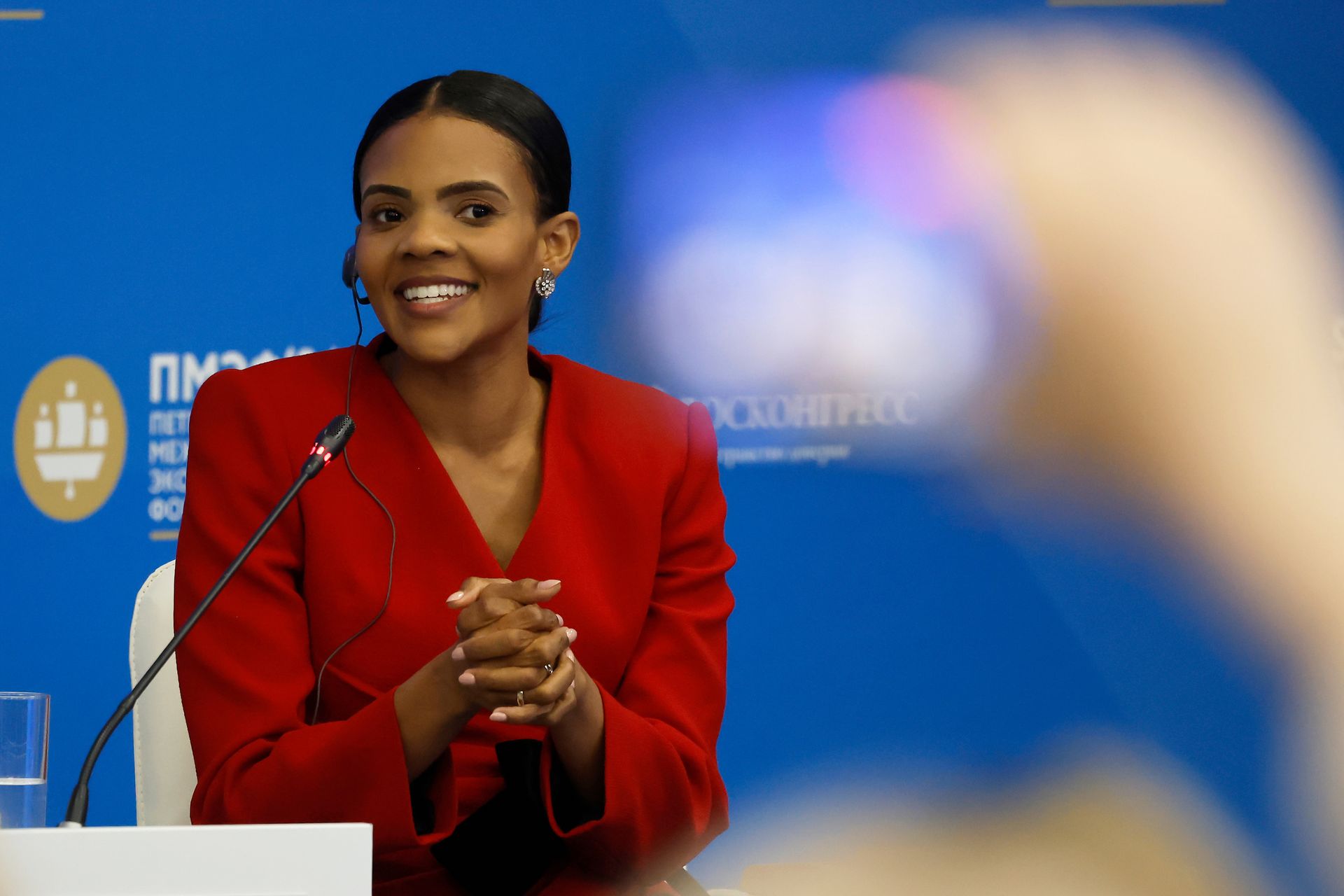
Candace Owens billed her trip to Russia last week as a family vacation. It turned into something far more useful for the Kremlin.
The U.S. far-right conspiracy theorist — boasting 35 million followers across all social media platforms — ended up appearing at Russia's flagship economic forum

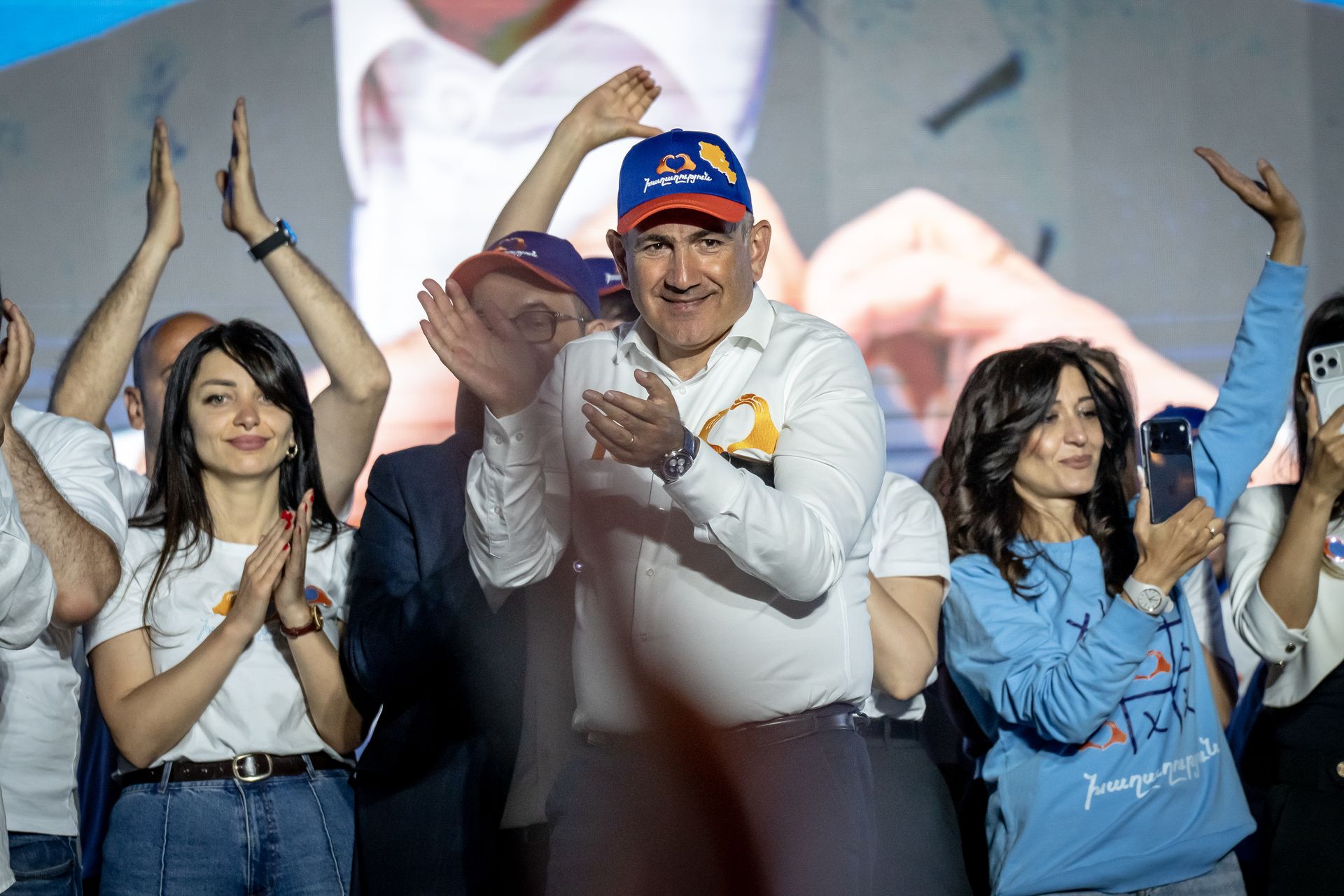
YEREVAN, Armenia — The best of a bad lot was how many Armenians described victorious Prime Minister Nikol Pashinyan ahead of Sunday's pivotal election — the first since the bitter defeat in the Nagorno-Karabakh conflict with neighboring Azerbaijan.
While the election has frequently been framed outside Armenia as


© Pedro Pardo/Agence France-Presse — Getty Images