"Rússia e China são os "adultos na sala" a salvar Trump"


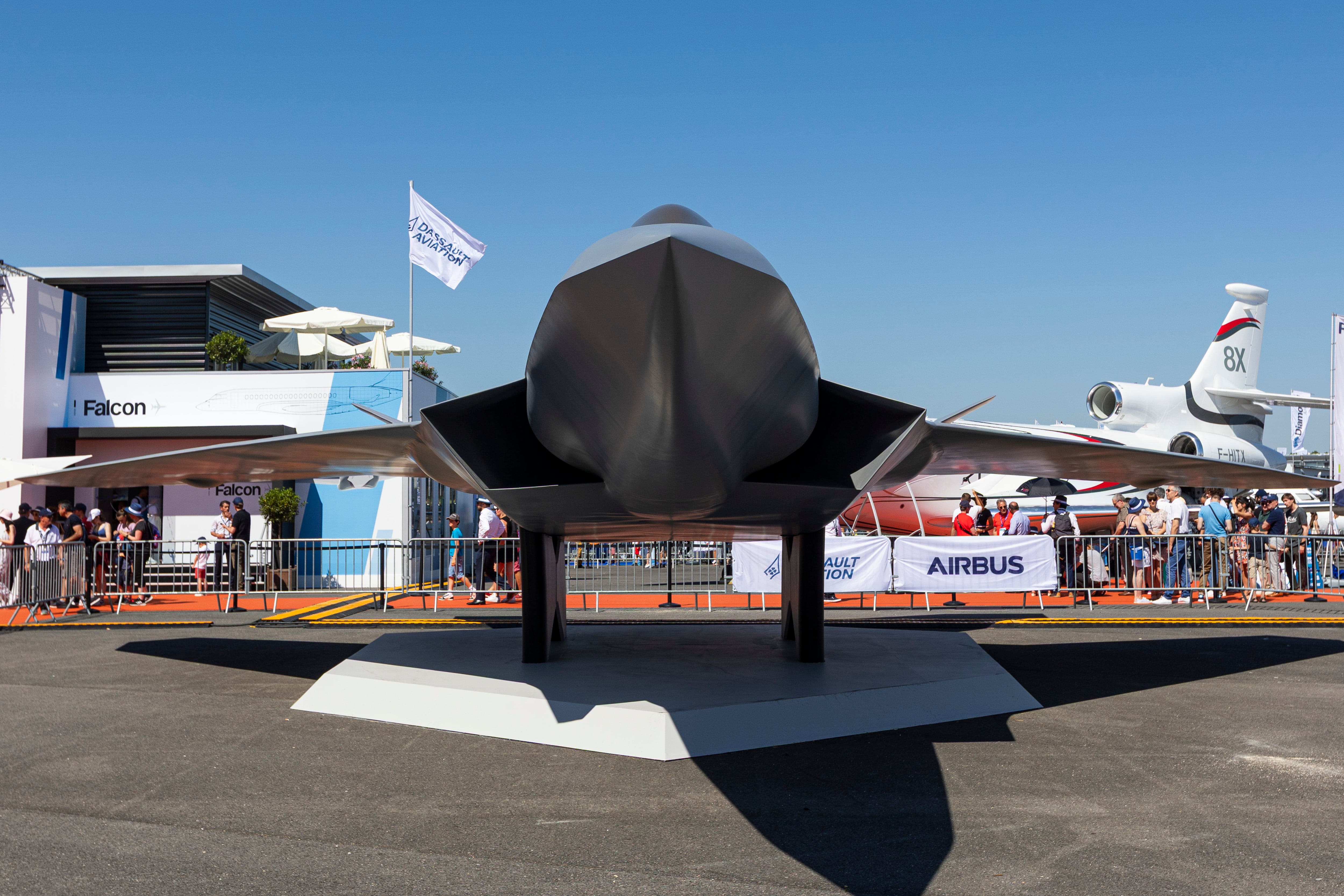
De poco sirven las proclamas altisonantes sobre la defensa europea y la autonomía estratégica si, a la hora de la verdad, los dirigentes europeos se revelan incapaces de dar los pasos necesarios para cumplir estos objetivos. Después de meses de dudas en las capitales y tensiones entre las empresas involucradas, Alemania y Francia han anunciado esta semana que abandonan el proyecto para construir juntos un avión de combate de nueva generación. La falta de voluntad para dotarse del armamento que garantice su soberanía envía un mensaje preocupante para una Europa más necesitada que nunca de una capacidad de defensa propia en un escenario en el que afronta el imperialismo de Rusia en el flanco oriental, mientras Estados Unidos se desentiende de su protección.

© NurPhoto (NurPhoto via Getty Images)

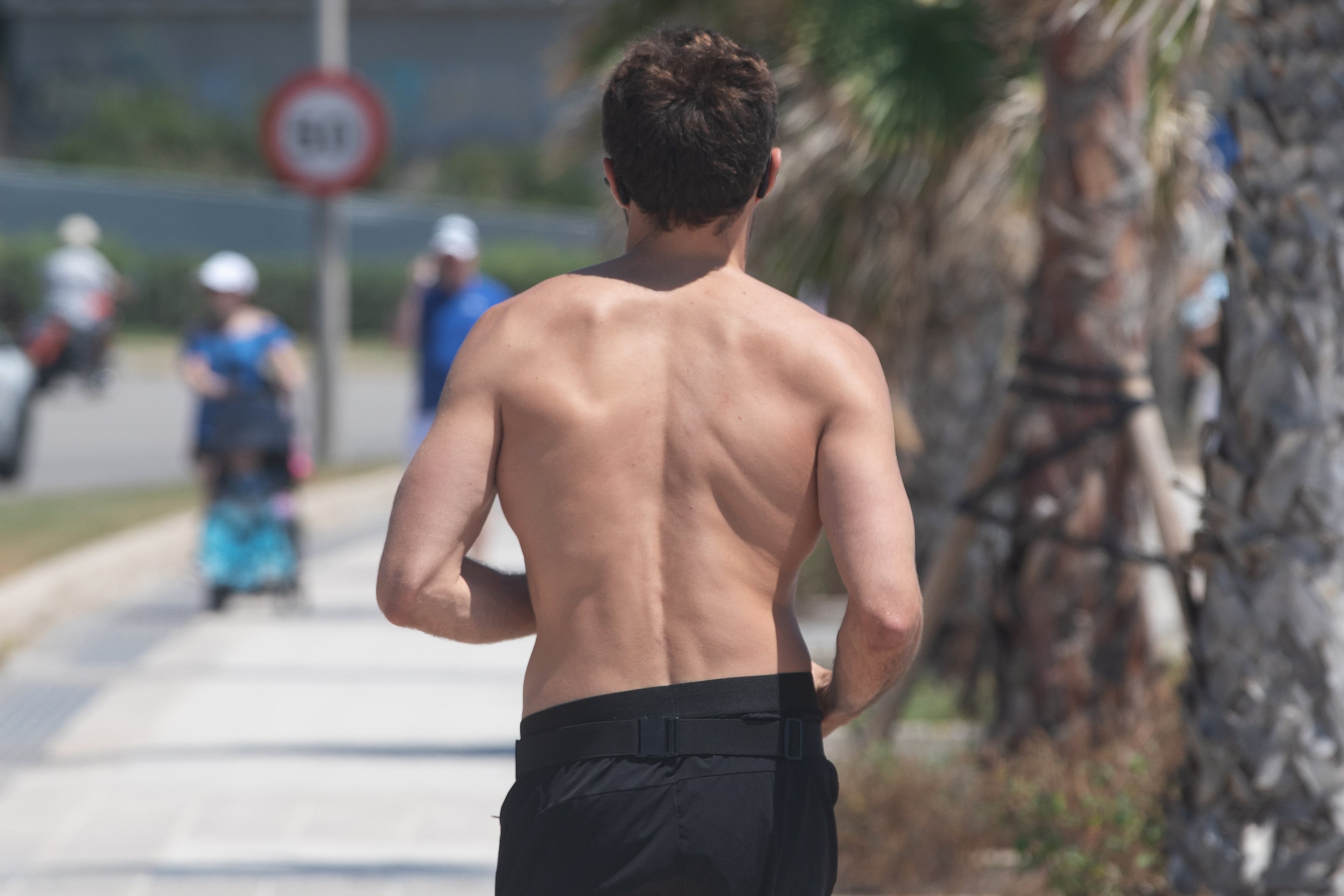
Dice una célebre canción que cuando llega el calor, los chicos se enamoran. No hay datos que lo ratifiquen, pero lo que es seguro es que se quitan la camiseta. Y no solo en los paseos marítimos, sino en discotecas, gimnasios y festivales estivales. Barcelona ha aprobado la nueva Ordenanza de Convivencia, que es la norma del Ayuntamiento que establece qué acciones no se pueden realizar en la calle. El artículo 56.3 explica que queda totalmente “prohibido transitar o permanecer en los espacios públicos sin camiseta, camisa u otra prenda que cubra el torso, salvo que se esté practicando alguna actividad física o deportiva”.

© picture alliance (dpa/picture alliance via Getty I)


![]()
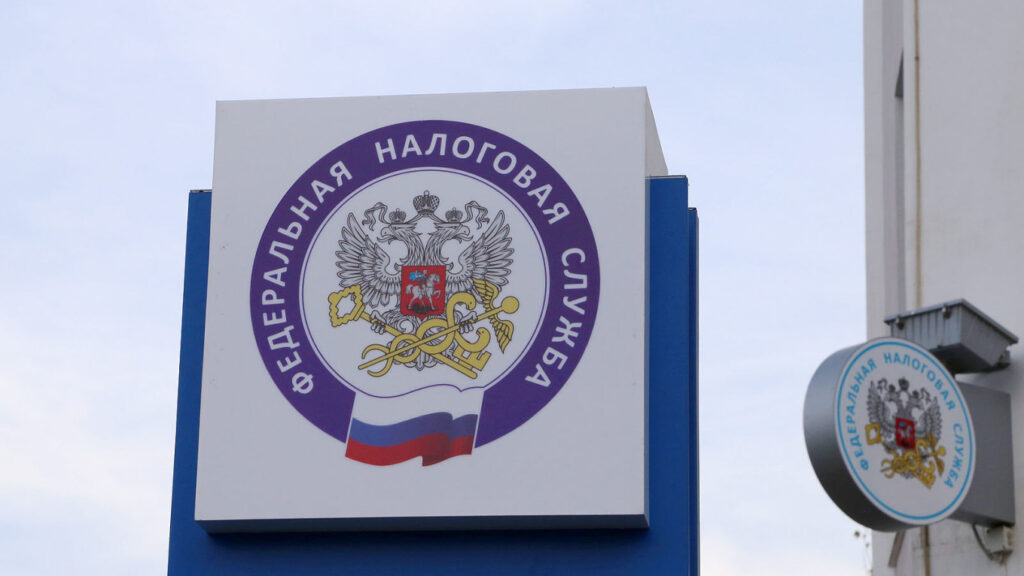
Russia's Federal Tax Service has pushed regional governments to consider higher taxes on residents and businesses as local budgets sink to record deficits, The Moscow Times reported. The move follows President Vladimir Putin's drive to shrink regional shortfalls, and it shows the financial strain Russia's war against Ukraine is placing on its provinces. Independent analysts expect the squeeze to deepen as the economy slows.
The Federal Tax Service (FNS) instructed regional authorities to work out where they could raise taxes, The Moscow Times reported, citing RBC. The recommendations answered Putin's directive to cut regional deficits, and governors had to submit their proposals in early June.
The advice told regions to:
To collect more, regions were also told to inventory real estate and to look for land used off-purpose, where the tax can rise several times over.
Last year, Russia's regions closed with a combined deficit of 1.538 trillion rubles ($20.8 billion). The gap grew fivefold from 2024 and almost eightfold from 2023. Four regions ran deficits above 30% of their own revenue — Kemerovo, Vologda, Arkhangelsk, and Tyumen oblasts — and six more topped 25%.
Profit-tax revenue fell in 55 regions. It collapsed by half in the Komi Republic, dropped 40% in Orenburg Oblast, and fell 39% in Yamalo-Nenets. Overall, regions collected 9% less profit tax than in 2024 and 13% less than in 2023, according to the rating agency ACRA. The pattern fits a war economy that has turned predatory toward once-wealthy provinces.
To cover the shortfalls, regional governments spent every third ruble of their bank reserves — 1 trillion of 2.9 trillion rubles ($13.9 billion of $40 billion). They financed the rest with borrowing that pushed combined regional debt to 3.5 trillion rubles ($48.6 billion), ACRA reported — the highest in 15 years by Expert RA's earlier count. Expert RA projected the slowdown will continue this year, dragging revenues lower and lifting both the deficit and the debt burden.
Russian Finance Minister Anton Siluanov earlier projected the regional gap could widen to 1.9 trillion rubles ($26.4 billion) in 2026. The crunch mirrors a federal budget that has run far ahead of plan as Ukrainian strikes cut into Russian refineries and oil income.
Moscow raised VAT in January and prepared a windfall levy on big business, both breaking Putin's 2024 pledge of no tax changes before 2030. Smaller firms have been squeezed first even as the Kremlin's own spending keeps climbing

© ROBIN VAN LONKHUIJSEN/EPA


In a wide-ranging interview, an upbeat Ukrainian president also discusses Donald Trump, King Charles, and how Kyiv is prepared to share its experience of drone warfare with the west
Sitting down with the Guardian in London, Volodymyr Zelenskyy seems cheerful. More than four years after Vladimir Putin’s full-scale invasion, he believes Europe’s biggest war since 1945 appears to be slowly turning in Ukraine’s favour. The military situation is the most promising it has been for Kyiv for two and a half years, Zelenskyy says. “We can’t say Russia is losing this war. But we can say they are losing the initiative each day, day by day,” he insists.
Over the past week the Kremlin has suffered a series of setbacks. Long-range Ukrainian drones have hit Putin’s home city of St Petersburg, setting fire to oil terminals and sending smoke billowing above the skyline. Similar attacks have crippled occupied Crimea. A key supply road is littered with burning lorries and tankers and the peninsula seized by Russia in 2014 is experiencing severe fuel shortages.
Continue reading...
© Photograph: David Levene/The Guardian

© Photograph: David Levene/The Guardian

© Photograph: David Levene/The Guardian
![]()
Quando la guerra in Ucraina sarà finita, è probabile che nei libri di storia l’invasione su larga scala lanciata da Vladimir Putin nel 2022 sarà presentata come una delle dimostrazioni di imperizia strategica e autolesionismo politico più clamorose che si siano mai viste nella storia umana dai tempi del rapimento di Elena da parte di Paride, in tempi più recenti paragonabile forse solo all’attacco giapponese di Pearl Harbor che trascinò gli Stati Uniti nella Seconda guerra mondiale, conclusa con le bombe atomiche su Hiroshima e Nagasaki.
Ma quello che renderà il caso un oggetto di studio ancora più interessante e misterioso sarà l’incredibile divario tra l’evidenza di questo catastrofico errore e la fanciullesca inconsapevolezza con cui una parte della politica, della stampa e dell’opinione pubblica occidentale ha continuato a prendere per buona la narrazione dell’invincibile impero russo e dell’insuperabile stratega del Cremlino. A cominciare da giornali e talk show italiani, ormai prigionieri in una specie di realtà alternativa.
Eppure l’elenco dei rovesci politici e militari subiti da Putin negli ultimi quattro anni si è fatto ormai talmente lungo che è difficile darne conto senza dimenticare qualcosa.
Per quanto riguarda la situazione sul fronte ucraino, dall’inizio dell’anno la Russia perde circa 35 mila soldati al mese tra morti e feriti, più di quanti riesca ad arruolarne, mentre l’Ucraina ha riconquistato più territorio di quanto ne abbia perso, oltre ad avere acquisito la capacità di colpire pesantemente in territorio nemico attraverso missili e droni, infliggendo danni pesanti all’industria bellica, alle infrastrutture energetiche e all’economia russa. La guerra scatenata per impedire l’accerchiamento della Nato, almeno secondo la versione ufficiale del Cremlino, ha spinto a entrare nella Nato anche Svezia e Finlandia, e suscitato in tutta Europa la corsa al riarmo.
Nemmeno l’arrivo di Donald Trump alla Casa Bianca, con tutto quello che ha fatto per Putin, a cominciare dal taglio degli aiuti militari ed economici a Kyiv, è stato sufficiente a cambiare la situazione. Impantanato in Ucraina, il presidente russo ha assistito senza muovere un dito al rovesciamento di Bashar al Assad in Siria, al rapimento di Nicolás Maduro in Venezuela e al bombardamento dell’Iran.
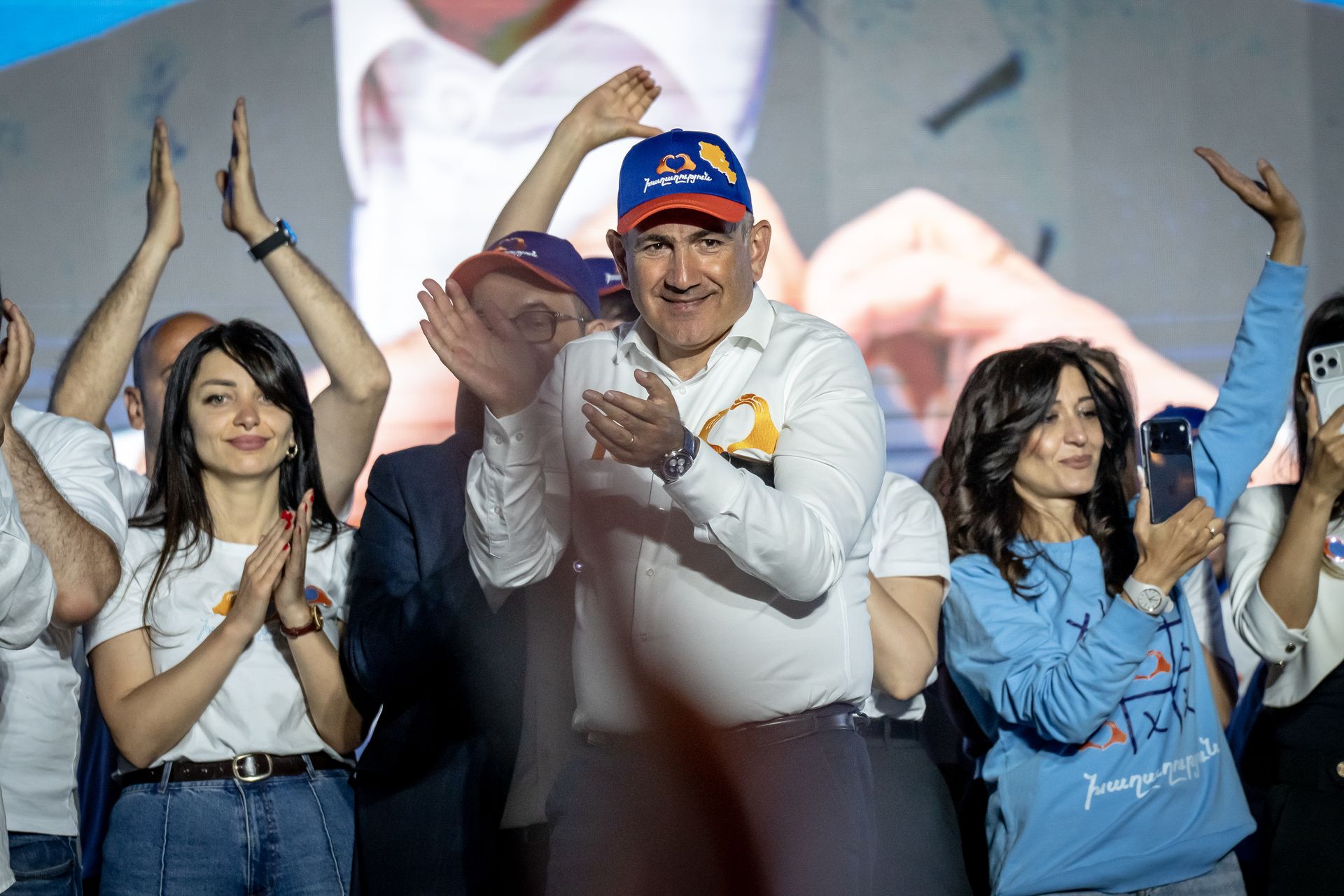
E ormai si è dimostrato incapace di tenere le posizioni persino in quello che considera il suo cortile di casa. La riconferma di Nikol Pashinyan alle elezioni in Armenia ne è l’ultima clamorosa conferma. Come spiega sul Foglio Nona Mikhelidze, si tratta infatti del leader che ha guidato il paese durante la sconfitta nella guerra contro l’Azerbaigian (altra prova dell’impotenza della Russia, storica protettrice del paese aggredito), culminata con la perdita del Nagorno-Karabakh, una disfatta che avrebbe travolto qualsiasi governo. «In Armenia è accaduto il contrario: una parte significativa degli elettori ha scelto di valutare non soltanto il passato, ma la traiettoria futura proposta dal primo ministro – il progressivo distacco dalla dipendenza russa, l’avvicinamento all’Europa, l’apertura delle frontiere con Turchia e Azerbaigian, una maggiore integrazione economica regionale».
Come già accaduto in Moldova, in condizioni non meno difficili, anche in Armenia alla fine ha vinto il richiamo dell’Europa, cioè «la promessa della libertà individuale, della dignità umana, dello stato di diritto e di una vita migliore».
Quell’Europa che domenica a Londra, rappresentata dai tre leader dei cosiddetti paesi volenterosi (Germania, Francia e Gran Bretagna), si è riunita con Volodymyr Zelensky per confermargli pieno sostegno, come spiega su Linkiesta Victoria Vdovychenko, mentre in Italia stampa e tv favoleggiavano per la centesima volta sulla centomillesima pseudo-apertura negoziale di Putin, prontamente smascherata dalla lettera di Zelensky con la proposta di un incontro per chiudere il conflitto, ovviamente subito respinta da Mosca.
Questo è un estratto di “La Linea” la newsletter de Linkiesta curata da Francesco Cundari per orientarsi nel gran guazzabuglio della politica e della vita, tutte le mattine – dal lunedì al venerdì – alle sette. Più o meno. Qui per iscriversi.
L'articolo Anche l’Armenia scarica Putin, ora gli resta solo la tv italiana proviene da Linkiesta.it.


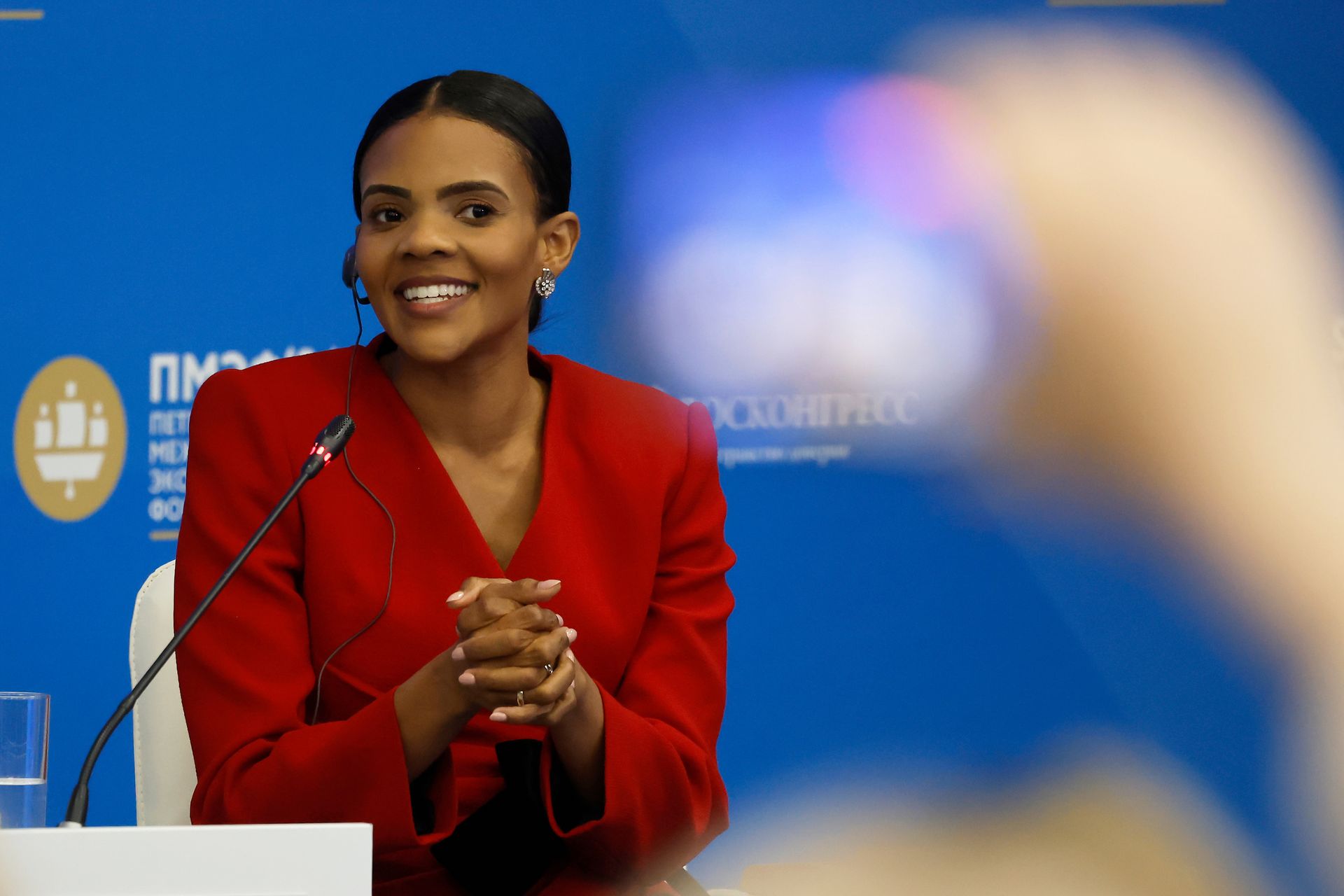
Candace Owens billed her trip to Russia last week as a family vacation. It turned into something far more useful for the Kremlin.
The U.S. far-right conspiracy theorist — boasting 35 million followers across all social media platforms — ended up appearing at Russia's flagship economic forum

YEREVAN, Armenia — The best of a bad lot was how many Armenians described victorious Prime Minister Nikol Pashinyan ahead of Sunday's pivotal election — the first since the bitter defeat in the Nagorno-Karabakh conflict with neighboring Azerbaijan.
While the election has frequently been framed outside Armenia as


![]()
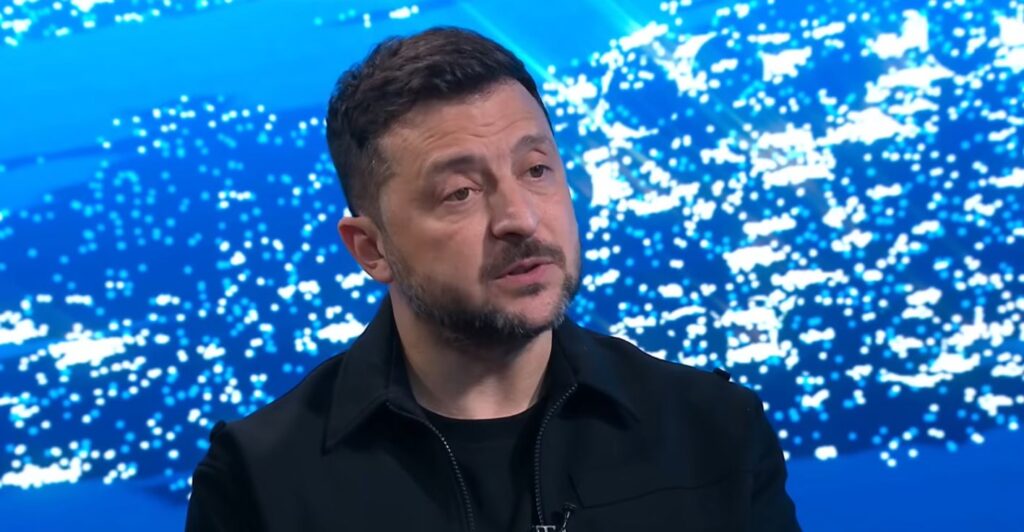
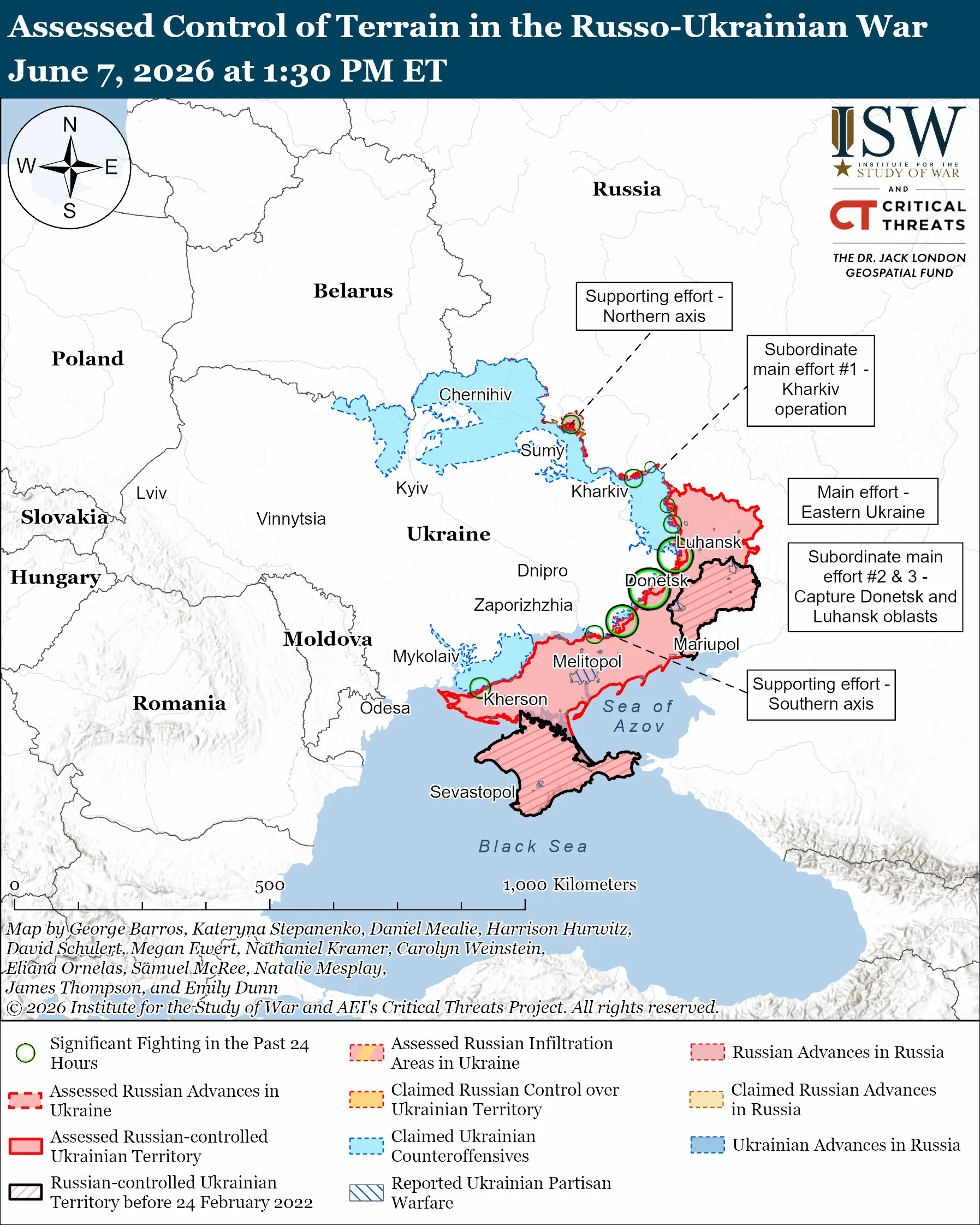
Ukrainian President Volodymyr Zelenskyy is willing to stop the war along the current line of contact and move to negotiations, he said in a Sky News interview. He presented the idea as the quickest route to a ceasefire, while rejecting any deal that hands Russia Ukrainian land. He also urged allies to close Ukraine's air defense gaps.
Asked where he would freeze the lines if Russia agreed to a ceasefire, Zelenskyy said he is ready to accept today's positions.
"Yes, it's the quickest way," he said.
He insisted this is not a giveaway. He does not want to simply freeze the conflict, but to stop the war so it cannot restart "because of some crazy people." A freeze would let Ukraine save children's lives and bring soldiers home. Any ceasefire must be total and free of Russian games, watched by American and European partners. Only then would the sides sit down to end the war through diplomacy. A ceasefire, he added, is "the biggest compromise from our side."
The most urgent need from allies is air defense, Zelenskyy said. Ukraine faces a large deficit in anti-ballistic missiles, with US transfers slowed by the war in the Middle East. He again asked for more Patriot systems. Russia attacks daily, usually with around 300 long-range explosive drones. On the heaviest nights it launches 600 to 850 drones and dozens of missiles.
Ukraine has built more than 400 defense companies since the full-scale invasion, Zelenskyy said. Dozens rank among the world's strongest. They produce drones and missiles, some underground, and the country is close to its own ballistic missile. Ukraine can now share that expertise with allies and even build air defenses for Europe, he said. Kyiv aims to mass-produce drones on a scale few countries can match.
Ukraine's recent strikes on St. Petersburg and the Moscow region answer Russian attacks on Ukrainian energy, Zelenskyy said. St. Petersburg was hit twice last week. He wants Russians far from the front to feel the war they started. Russian President Vladimir Putin understands only "total pressure," he said. Sanctions on Russia's shadow fleet of sanctions-dodging tankers and its oil and gas exports hit hardest.
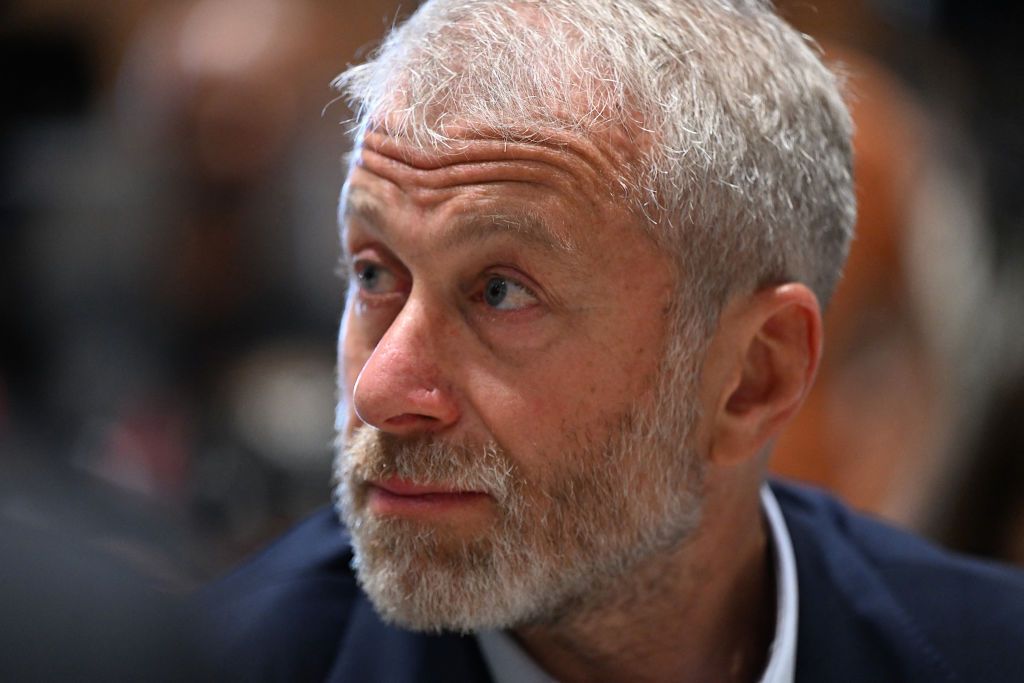
Zelenskyy said Putin does not want to stop the war and is signaling he wants to win. Whether the fighting ends "100% depends on his decision," he said. His 4 June open letter, which Moscow called rude and rejected, was meant to force an answer and pierce a Russian public living in "some fantastic world." Russian businessman Roman Abramovich came to Kyiv to carry messages to Putin, Zelenskyy said.

His key message was on the Donbas: Ukraine will not leave its land, and compromises come only after a ceasefire. He is ready to meet in any format, but not in Moscow, Belarus, or Minsk. Leaders cannot decide "without us about us," he said, in a message aimed at Washington. Russia, by contrast, keeps insisting that Ukraine surrender all of the Donbas first.

![]()
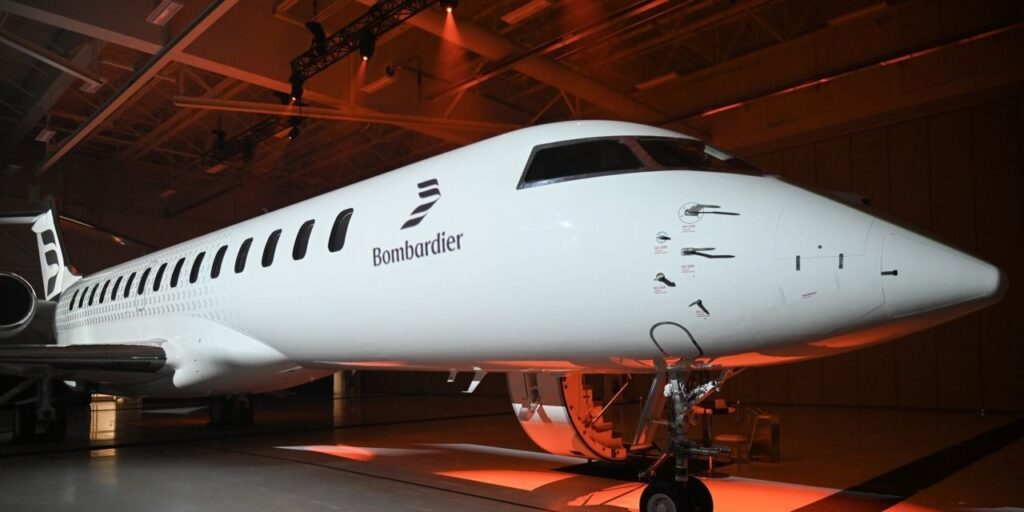
Members of Russian President Vladimir Putin's sanctioned inner circle are still flying Western-built luxury business jets, according to the Wall Street Journal (WSJ). A network of European brokers buys the aircraft, registers them in countries that ignore sanctions, and then sends them to Russia. Western enforcement, meanwhile, has gone slack.
A $75 million Bombardier Global 7500 sits at Moscow's Vnukovo airport. The Canadian-built jet sells to the global super-rich, and close Putin allies fly aircraft like it. WSJ reviewed records from an aviation-data firm, import filings, and flight-tracker logs to map the pattern.
Sergei Chemezov runs Rostec, Russia's state defense conglomerate, and has known Putin since their KGB days in East Germany. He has flown a Bombardier to Dubai, Türkiye, and Southeast Asia. Flightradar24 tracked roughly six of his UAE flights between October 2025 and January 2026. In Dubai, he holds a property fronting its own private beach on the Palm Jumeirah, the emirate's palm-shaped artificial island, Radio Free Europe reported earlier. Leaked financial files known as the Pandora Papers once tied him to estates in Spain.
Arkady Rotenberg, a boyhood judo partner of Putin's in St. Petersburg, built a fortune on state contracts. International sanctions have targeted him since Russia seized Crimea in 2014. He gained access to two Bombardier Global jets in late 2022. Flightradar24 shows them flying to Azerbaijan and the UAE.
Igor Kesaev made his money in tobacco and alcohol, then moved into retail and weapons. Forbes puts his fortune at $4.8 billion. The US and the EU blacklisted him after the invasion for helping arm Russia's military. In 2023, he brought in a jet-black Bombardier Global Express XRS, according to Ch-Aviation and Import Genius records.
Until the all-out war, much of Russia's elite parked their jets with European management firms in tax havens like Switzerland and Luxembourg. The war cost them those deals, and sometimes the planes themselves. They gave up London, the French Riviera, and the Swiss chalets, and now head to the UAE, Türkiye, and Azerbaijan.
These days, sanctioned Russians reach Western aircraft by going through middlemen and broker firms. European dealers buy Bombardier and Gulfstream aircraft secondhand. They register them in places like the UAE, Oman, Kazakhstan, and South Africa, then fly them to Russia. Similar shadow schemes were tracked before.
The planes moved through a Vienna firm, Avcon, and its subsidiaries before landing in Russian hands. Chemezov's jet started out registered in Bermuda under Avcon's management. A firm called Tarp Aviation later moved it onto Russia's registry. A separate Vienna-based fiduciary, SecuTrust, holds shares in both Avcon and Tarp.