Normal view

Trump amenaza a Irán tras el fuego cruzado: “Ha tardado demasiado en negociar un acuerdo. ¡Ahora tendrá que pagar el precio!”

10 June 2026 at 13:39

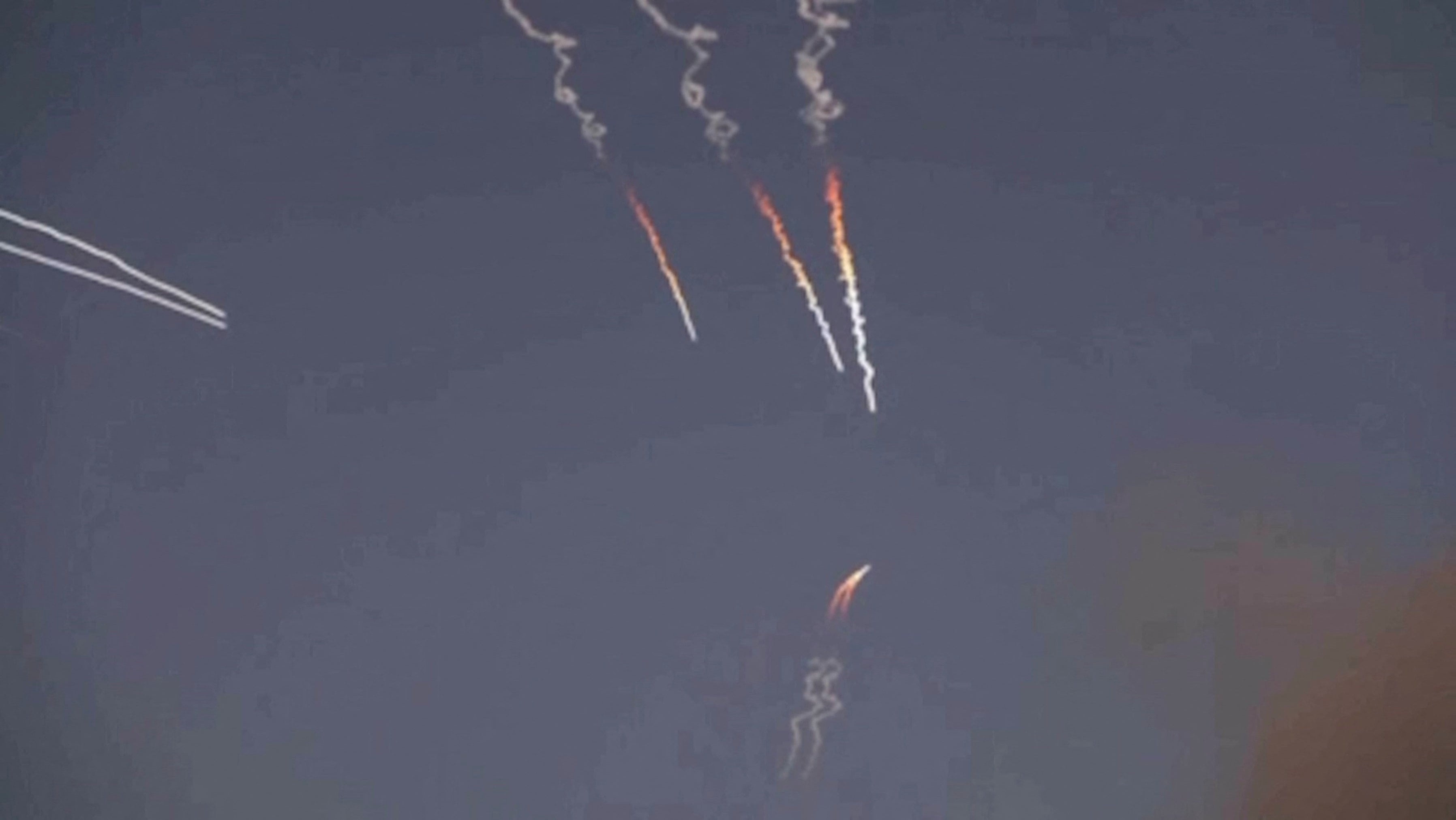
La Guardia Revolucionaria de Irán ha lanzado ataques en la madrugada de este miércoles contra bases estadounidenses en Jordania, Baréin y Kuwait, en represalia por la ofensiva militar de Washington en los alrededores del estrecho de Ormuz a raíz del derribo de un helicóptero militar de Estados Unidos el martes. El mayor intercambio de fuego entre Irán y EE UU en dos meses de alto el fuego se suma a otras escaramuzas recientes y embarra aún más el diálogo con Teherán que el presidente Donald Trump ha descrito al menos 38 veces como a punto de parir un acuerdo, según un recuento efectuado por la cadena CNN. Tras el último fuego cruzado, el portavoz del Ministerio de Exteriores de Irán, Esmaeil Bagaei, ha asegurado que “revisará la situación” de las negociaciones" porque “el proceso diplomático necesita un clima mínimo” para avanzar, y Trump ha amenazado a Teherán: “Han tardado demasiado en negociar un acuerdo que habría sido genial para ellos. ¡Ahora tendrán que pagar el precio!”

Seguir leyendo

© WANA via Pool (via REUTERS)

Misiles iraníes durante los ataques contra objetivos de Estados Unidos, captados desde Teherán, este miércoles.

US inflation jumped to 4.2% in May, the third consecutive increase since start of Iran war

10 June 2026 at 13:34

Before the conflict began, inflation was at 2.4%, but the closure of the strait of Hormuz has affected energy prices

US inflation jumped to an annual rate of 4.2% in May, the third consecutive monthly increase since the start of the Iran war and a three-year high, as Americans continue to face steep oil prices.

Prices have increased sharply over the past several months, rising at an annual rate of 3.3% in March before going up to 3.8% in April. In February, before the conflict began, inflation was at 2.4%.

Continue reading...

© Photograph: Bonnie Cash/UPI/Shutterstock

© Photograph: Bonnie Cash/UPI/Shutterstock

© Photograph: Bonnie Cash/UPI/Shutterstock

Middle East peace talks in doubt as Iran says it needs to ‘reassess’ after overnight strikes

US launches strikes in retaliation for downing of US army helicopter, while White House source says deal could still be close

The future of peace talks in the Middle East have been thrown into question after Iran’s foreign ministry said it needed to “reassess” its participation, while Donald Trump said Iran would have to “pay the price” after the two countries traded fire overnight, drawing neighbouring states back into an on-and-off war that has consumed the region since late February.

The US launched strikes against Iran in the early hours of Wednesday morning in retaliation for what it said was Iran’s downing of a US army helicopter near the strait of Hormuz. Iran then launched a wave of retaliatory airstrikes claiming hits on US bases in Kuwait, Bahrain and Jordan.

Continue reading...

© Photograph: Atta Kenare/AFP/Getty Images

© Photograph: Atta Kenare/AFP/Getty Images

© Photograph: Atta Kenare/AFP/Getty Images

A new strategic reality in the Middle East

By: A A
10 June 2026 at 11:45

Considerations on Iran’s new posture and the transformation of the strategic balance in the Middle East.

Join us on TelegramTwitter, and VK.

Contact us: info@strategic-culture.su

The recent developments in the Middle East indicate that the dynamics of the regional conflict are entering a new phase. Although the ceasefire reached in recent months has reduced the intensity of direct confrontations, recent events demonstrate that the structural factors fueling the war remain in place. The exchange of attacks between Iran and Israel reveals not only the fragility of existing agreements but also an important shift in Tehran’s strategic posture.

For years, Iranian military policy was characterized primarily by responses to actions it considered hostile. Since 2024, every case of direct confrontation between Iran and Israel occurred with an Iranian response to a previous Israeli attack. However, the events of the past weekend suggest a significant change in this behavior. By launching an offensive against Israeli targets following military operations conducted in Lebanon, Iran demonstrated a willingness to act before additional threats materialize, presenting its actions as part of the right to collective self-defense, expressed through the protection of regional partners.

The Iranian justification is based on the interpretation that Israeli attacks on Lebanese territory constitute violations of previously established understandings. According to this view, the continuation of military operations in urban areas and the expansion of actions against different regions of Lebanon create a scenario that legitimizes a proportional response. In addition, Tehran also links its reaction to incidents involving what it describes as American piracy on strategic maritime routes.

The most significant aspect of this escalation lies not merely in the launching of missiles or drones, but in the political message it conveys. Iran appears to be signaling that it no longer intends to limit its actions to the direct defense of its own territory. Instead, it is showing a willingness to respond to military operations targeting actors considered part of its regional alliance network. This represents a shift with the potential to profoundly alter the strategic calculations of all parties involved.

At the same time, the international response highlights the difficulties faced by powers attempting to manage the crisis. Fears of an uncontrolled expansion of the conflict come at a particularly sensitive moment for the global economy. Military tensions in one of the world’s most important regions for energy production and transportation tend to generate immediate impacts on financial markets, logistics chains, and investor expectations.

Israel’s response to the Iranian attacks, followed by further military actions by Tehran and the involvement of regional allies, demonstrates that the cycle of retaliation remains active. The involvement of Yemen, which has moved to restrict access to the Red Sea for vessels linked to Israel, adds an additional factor of insecurity for the Zionist regime, creating a supporting front for Iran.

In light of this scenario, it becomes evident that the current ceasefire has significant limitations. Although it has temporarily reduced the level of violence, it has not resolved the principal elements sustaining regional rivalry. Issues related to the American military presence and Israeli territorial expansionism remain unresolved, prolonging the atmosphere of tension.

However, perhaps the main consequence of recent events is the emergence of a new strategic precedent. By demonstrating a willingness to respond to actions carried out against third parties, Iran is establishing a broader deterrence logic than previously observed. This means that future military operations conducted by Israel or the United States against Tehran’s partners could trigger direct responses, even when Iranian territory itself is not the immediate target.

Just as Iran is now responding to Israeli attacks against Lebanon, in the future such retaliatory measures could be launched to punish Tel Aviv for its actions in Gaza, Iraq, Yemen, and other countries in the region. In practical terms, this means that the regional balance of power has changed substantially: Iran is now making it clear to Israel that its actions will not go unanswered.

A kick in the Baltics… Will Russia hit back like Iran?

By: A A
10 June 2026 at 11:34

A kick in the Baltics might be what it takes to concentrate Russophobic minds. Before it’s too late.

Join us on TelegramTwitter, and VK.

Contact us: info@strategic-culture.su

Russia’s flagship international business summit in St Petersburg was targeted with Ukrainian drones that used Estonian territorial waters to evade Russian air defenses. Other Baltic states are also implicated in carrying out the large-scale attack last week.

According to the well-informed Borzikkman channel, scores of kamikaze drones were launched from ships in the Baltic Sea. They flew at low altitude over Estonian territorial waters before striking St Petersburg. The flight path was designed to take Russian defenses by surprise.

Most of the drones were shot down by Russian defenses, but a few managed to hit their targets. The biggest hit was on the St Petersburg oil terminal. That had the desired propaganda effect of creating a pall of black smoke visible to delegates on the opening day, June 3, of the St Petersburg International Economic Forum (SPIEF).

Western media outlets like the BBC were delighted to report on the embarrassing vista in the skies over Russia’s second city and a forum that President Putin would address.

The BBC’s Steve Rosenberg was positively gleeful, writing: “The abiding image of SPIEF 2026 will be the huge plume of thick black smoke which dominated the St Petersburg skyline on Wednesday… All the delegates saw the smoke as they arrived at the expo centre on the edge of the city.”

Drones from ships in the Baltic Sea with flights through Estonian territorial waters means that NATO states were involved in the execution of the air strikes. On the same day, NATO chief Mark Rutte was in Kiev on an unannounced visit to meet the Ukrainian leader, Vladimir Zelensky.

The level of NATO participation in waging war on Russia with its Ukrainian proxy has become absurdly obvious. In recent weeks, hundreds of Ukrainian drones have crashed in Finland, Estonia, Lithuania, Latvia, Poland, and Romania. The Kiev regime has repeatedly apologized to European capitals for the infringements that have resulted in injuries to civilians. Still, the European Union and NATO take no action to sanction or reprimand Kiev. They indulge in the claims that the drones are being redirected by Russian electronic jamming. Swedish Prime Minister Ulf Kristersson has even urged that NATO states should help Ukraine in targeting Russia to avoid “misakes”.

The duplicity is contemptible. Russian military intelligence has pinpointed drone manufacturing sites in the Baltic states and other NATO nations that are participating in Ukrainian attacks.

Dmitry Medvedev, deputy chairman of Russia’s National Security Council, commented: “The Russian Defence Ministry’s statement should be understood extremely literally: the publication of production sites for drones and other military equipment in Europe is a register of potential legitimate targets for the Russian armed forces.”

Evidently, the NATO states are providing targeting data and permitting the use of their territory to maximize the attacks on Russia. Hundreds of Russian civilians have been killed in these NATO-assisted drone operations, the most dreadful being the murder of 21 students at a college dormitory in Starobelsk, Lugansk, on May 22. Last week, on the same day as the drone attack on St Petersburg, eight civilians were killed, and 10 were injured when their bus was blown up in an air strike while traveling through the Donetsk region towards Crimea.

Anger across Russia is growing, analyst Stas Krapivnik told Danny Haiphong’s channel. Russia has retaliated with heavy strikes on military sites and decision-making centers across Ukraine. But, as Krapivnik points out, Moscow is under pressure to take action against NATO culprits from where the Ukrainian offensives are stemming. He says that Russia should do like Iran is doing, hitting back hard where it hurts.

Since the U.S. and Israel launched their aggression against Iran 100 days ago, on February 28, the Iranians have destroyed dozens of American installations across the Persian Gulf and Israeli bases with their formidable arsenal of hypersonic and ballistic missiles, as well as drones.

When Israel violated a shaky truce by bombing Beirut’s southern district of Dahiyeh at the weekend, Iran struck back immediately, as it had warned it would do, to hit airbases in Israel and a U.S. base in Saudi Arabia.

Iran’s defiance has put manners on Washington. Israel is a slow learner, but it will come round to realizing that Iran is not going to take any aggression lying down. It’s hitting back hard and fast in the places that hurt. The days of U.S. and Israeli aggression with impunity are over.

The other thing is that Tehran has called Trump’s bluff about his “madman threats” to escalate the war and obliterate Iran. The Iranians have demonstrated to Washington and the Israelis that the aggressors have much more to lose if they persist in their belligerence.

Russia might want to take note, as Krapivnik, Borzikkman, Sergey Karaganov, and other analysts have advised. The EU and NATO are acting with impunity and a delusional sense that they can escalate attacks on Russia, killing civilians and damaging Russia’s economy, all because of some cynical charade that Ukraine is alone in carrying out the attacks.

Of course, the risk is that if Russian hypersonics were to take out a NATO drone-launching ship in the Baltic Sea, then that would trigger the U.S.-led military alliance’s joint defense commitments. In that case, we are potentially in a situation of World War Three.

But hold on a moment. Are we not already in that situation, given that, despite the charade, NATO states are directly involved in attacking Russia, its capital, Moscow, and St Petersburg, and killing hundreds of civilians?

The NATO and EU leaders are so imbued with Russophobia and arrogance that they are beyond rational thinking. The only language they understand is direct threat and force. Unless they pay a price, the deranged Russophobic leaders will keep escalating as they are doing.

Iran has shown a viable self-defense policy. The enemy is hit hard for daring to aggress against the Iranian people.

A kick in the Baltics might be what it takes to concentrate Russophobic minds. Before it’s too late.

Última hora de la guerra de Estados Unidos e Israel contra Irán, en directo | Irán ataca bases estadounidenses en Jordania y en el Golfo en represalia por la ofensiva de EE UU en Ormuz

10 June 2026 at 11:30

La Guardia Revolucionaria de Irán ha asegurado en la madrugada de este miércoles que ha lanzado ataques contra una base estadounidense en Jordania y otros 21 objetivos en el Golfo, en represalia por la ofensiva militar estadounidense en los alrededores del estrecho de Ormuz, según recogen medios iraníes. Los ataques de Teherán, que golpearon también Kuwait y Baréin, se produjeron después de que el ejército estadounidense anunciara el X que había lanzado ataques cerca del estrecho de Ormuz en respuesta al derribo de un helicóptero Apache estadounidense el martes. “Creo que la respuesta debe ser muy firme, muy contundente”, ha afirmado el presidente de EE UU, Donald Trump, en una entrevista en ABC News. El Ministerio de Exteriores de Irán ha reafirmado en un comunicado su “derecho a defenderse” y el portavoz del Ministerio, Esmaeil Baghaei, ha acusado a EE UU y a Israel de perjudicar las negociaciones para acabar con el conflicto con sus “continuas violaciones del alto el fuego”.

Seguir leyendo

© WAEL HAMZEH (EFE)

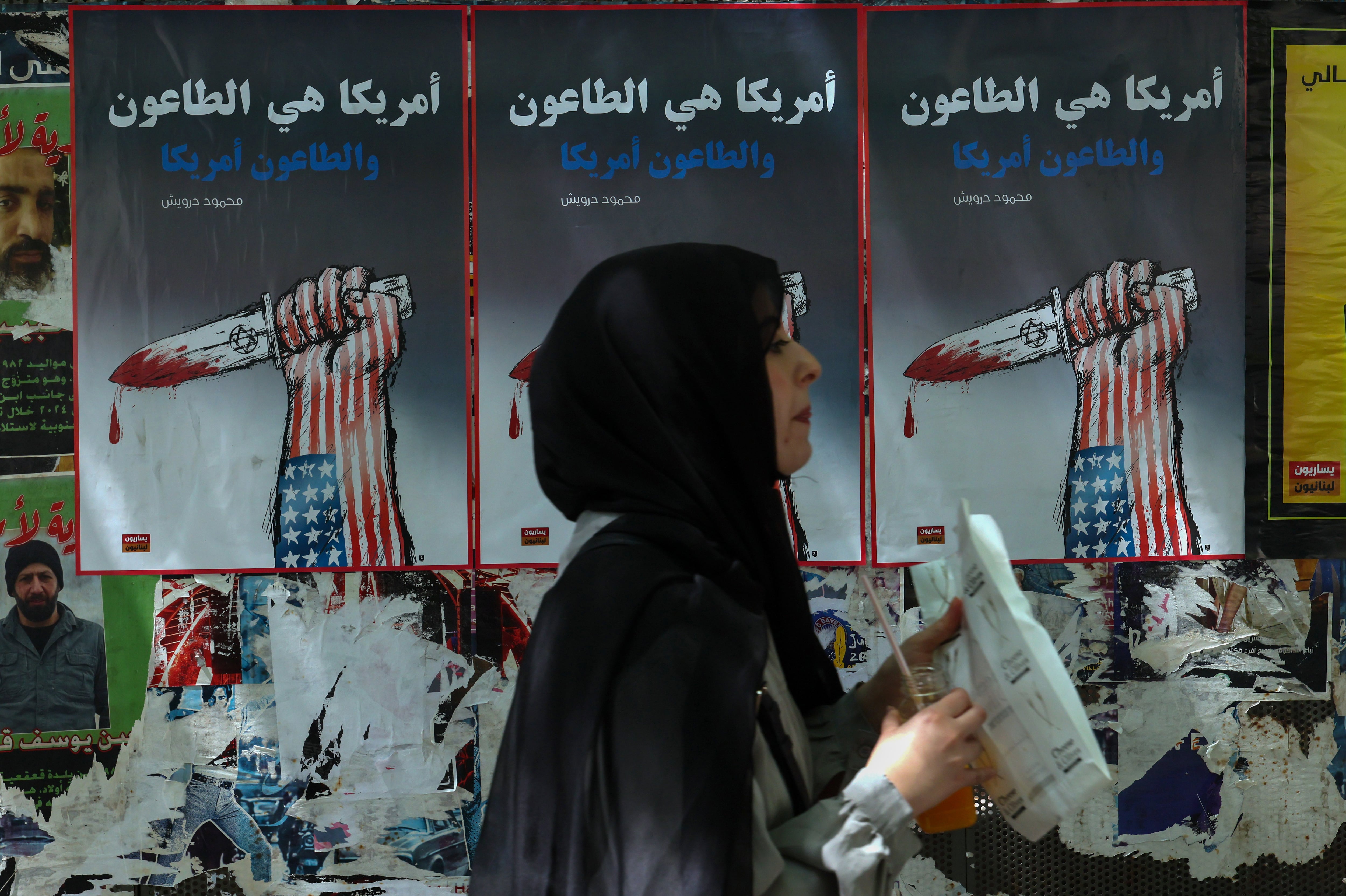
Una mujer pasa delante de unos carteles contra Israel y EE UU, en una calle de Beirut, el martes.

BBVA Research calcula que la construcción de vivienda crecerá en 2026, pero la crisis de precios continuará

10 June 2026 at 11:20

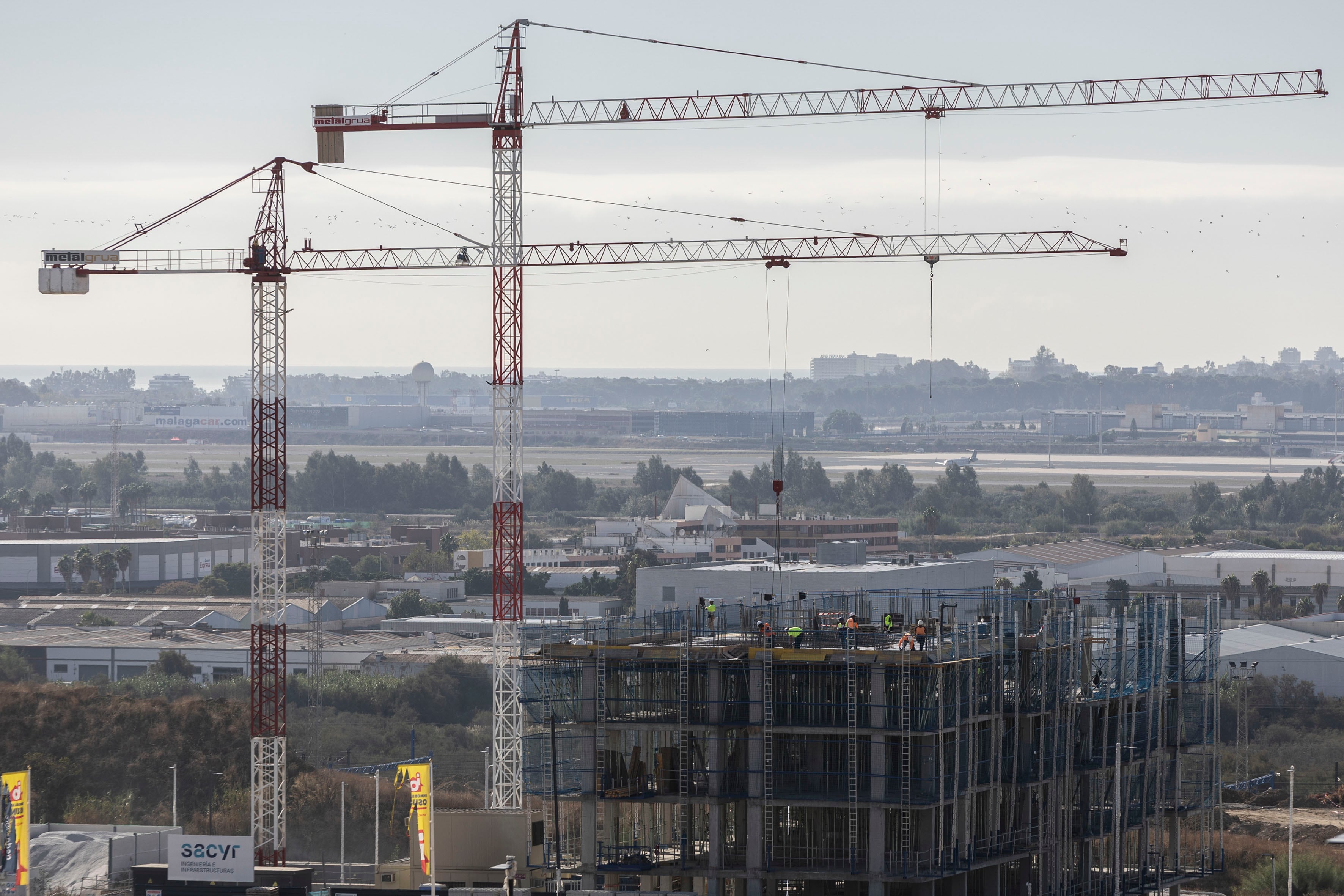
La crisis de precios de la vivienda apenas cambiará en 2026. BBVA Research proyecta que las casas serán un 12% más caras este año, un dato similar al de 2025, cuando el crecimiento fue del 12,7%, según el Instituto Nacional de Estadística (INE). Y en 2027 la subida continuará, aunque será más contenida (5,7%). Esta es una de las principales conclusiones del informe Situación España, elaborado por BBVA Research y presentado este miércoles. El servicio de estudios del banco español también estima que la inversión en construcción de vivienda registrará un alza del 12,4% en los próximos dos años, que “se verá favorecida por la creación de hogares, el avance de los precios y las políticas económicas”.

Seguir leyendo

© Jorge Zapata (EFE)

Vista de las obras en el nuevo distrito Zeta en Málaga, en una imagen de archivo

Siria, único atisbo de optimismo en un ensombrecido Oriente Próximo

10 June 2026 at 10:52

Pensar sobre el futuro de Oriente Próximo, y buscar alternativas para salir del cieno político al que ha sido arrastrada la región por la guerra de Estados Unidos e Israel contra Irán, se ha convertido para expertos y académicos en un trabajo propio del mito griego de Sísifo, aquel rey condenado a empujar una gran piedra cuesta arriba por una montaña para, poco antes de tocar la cumbre, ver cómo volvía a precipitarse montaña abajo. Y así eternamente.

Seguir leyendo

Vista aérea de Jubar, en la periferia de Damasco, en febrero de 2025 tras el cambio de régimen.

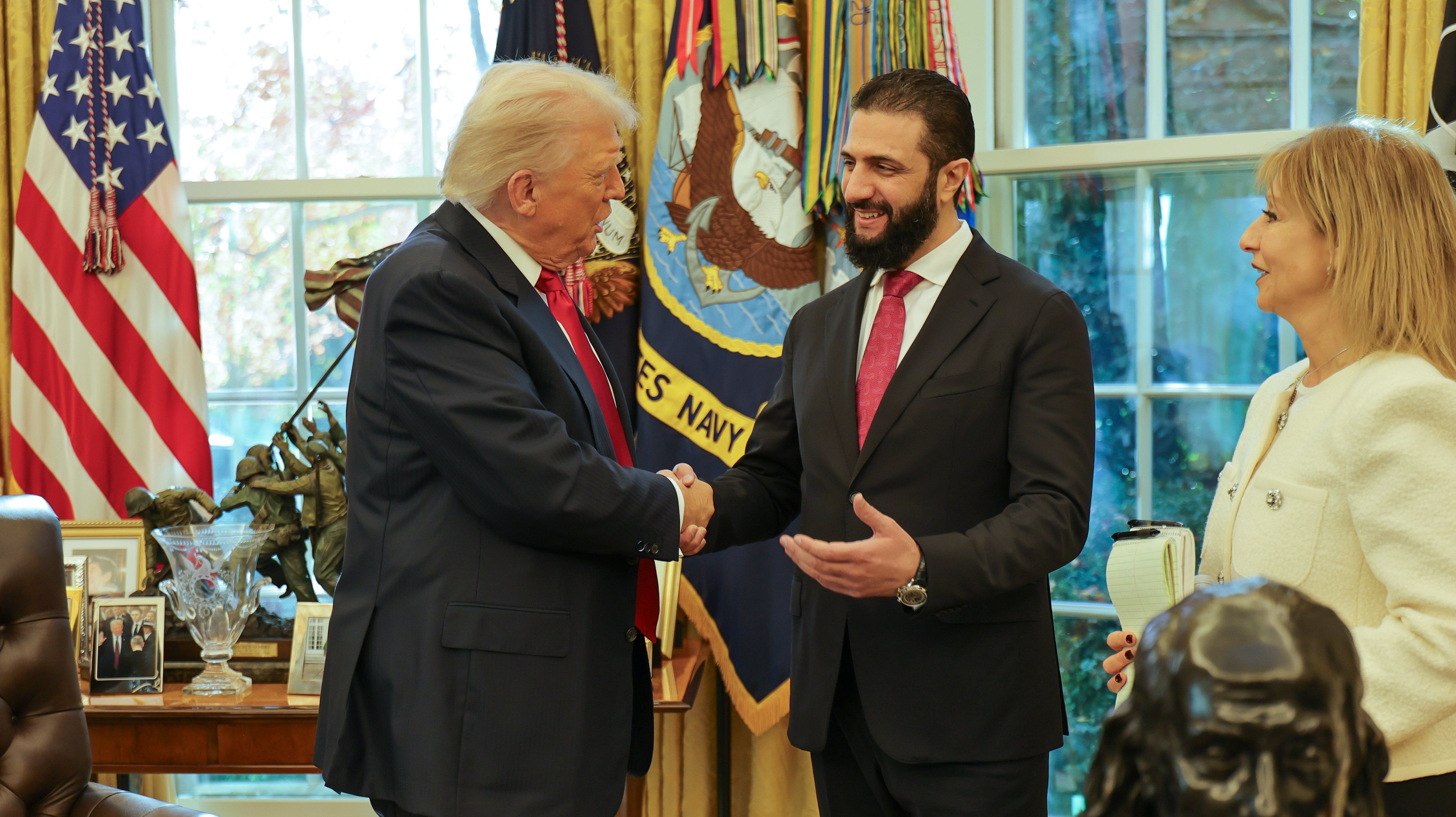
El presidente de Siria, Ahmed al Shara, se reúne con Donald Trump en la Casa Blanca el pasado noviembre, en una imagen compartida en la cuenta de X de las autoridades sirias.

On the Eve of the World Cup, U.S. Immigration Policy Turns Some Away

10 June 2026 at 10:04
Some fans and participants hoping to enter the United States for the World Cup have complained that restrictive immigration rules have presented a roadblock.

© Ahmad Al-Rubaye/Agence France-Presse — Getty Images

Iraqi soccer player Aymen Hussein, pictured in a mural near Baghdad wearing his No. 18 jersey, was temporarily detained by U.S. immigration officials before being allowed to enter the country for the World Cup.

How Quiet Oman Landed Itself in Trump’s Cross Hairs

10 June 2026 at 10:02
As the Iran war drags on, Oman — a U.S. ally and mediator with Iran — has found itself at odds with the Trump administration and some of its own neighbors.

© Altaf Qadri/Associated Press

Fishing in Muscat, Oman, in February, before the war between the United States, Israel and Iran started.

US strikes targets in Iran in response to downing of an Apache helicopter

10 June 2026 at 09:13

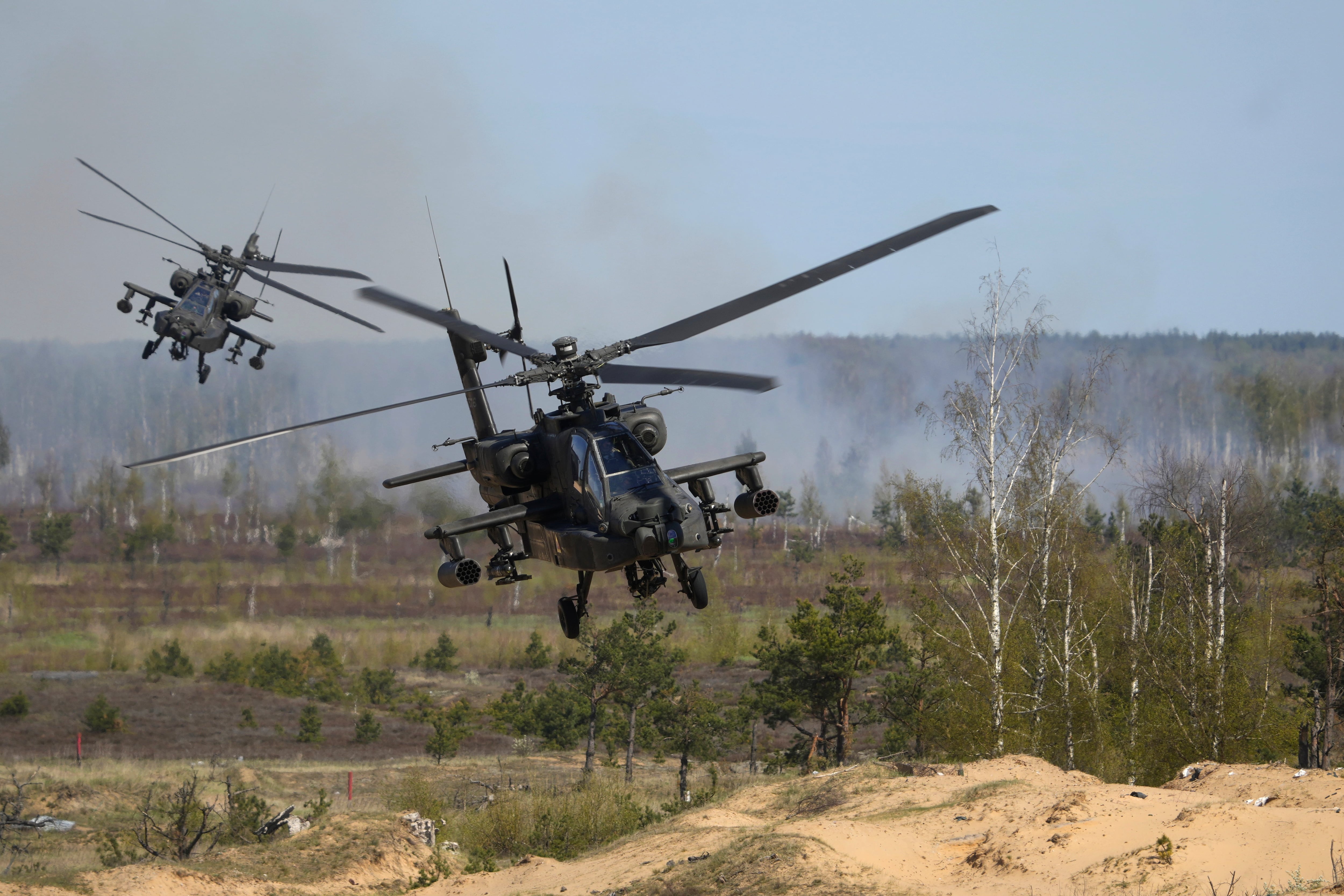
U.S. President Donald Trump has made good on his warning. U.S. forces deployed near the Persian Gulf struck targets in Iran early Wednesday after that country shot down a U.S. Apache helicopter flying over the waters of the Strait of Hormuz, according to Central Command, which is responsible for those troops in the Middle East. The news website Axios reported that the targets were radar and air defense systems in Iran.

Seguir leyendo

© CONTACTO vía Europa Press (CONTACTO vía Europa Press)

An Apache helicopter takes part in maneuvers in Lithuania, in a file photo.

Ground attack on Iran and the role of Kurdish militia

10 June 2026 at 09:30
Iraqi Kurdistan, at the center of rising tensions in the Middle East and bordering Iran, Turkey, and Syria, is becoming a potential source of conflict due to the armament of Kurdish groups and their ties to the US and Israel, which is causing concern in Iran and threatening regional stability. The Iraqi Kurdistan region, bordering […]

Stati Uniti e Iran tornano a colpirsi nel Golfo Persico

10 June 2026 at 05:59

Nella notte tra martedì e mercoledì Stati Uniti e Iran sono tornati a colpirsi direttamente, dopo che Donald Trump aveva accusato Teheran di aver abbattuto un elicottero militare americano nello Stretto di Hormuz. Le forze armate statunitensi hanno lanciato una serie di attacchi contro installazioni militari iraniane lungo la costa del Golfo Persico. Il Comando Centrale americano (Centcom) ha detto che jet dell’aeronautica e della marina hanno colpito sistemi di difesa aerea, radar di sorveglianza e centri di controllo situati nelle vicinanze dello Stretto di Hormuz, definendo l’operazione una «risposta proporzionata a un’aggressione iraniana ingiustificata». Le esplosioni sono state segnalate in diverse località della provincia iraniana di Hormozgan, tra cui Sirik, Minab e l’isola di Qeshm. La televisione di Stato iraniana ha confermato l’attivazione delle difese aeree lungo la costa del Golfo.

Poche ore dopo è arrivata la risposta di Teheran. I Guardiani della Rivoluzione hanno annunciato di aver lanciato attacchi con droni contro la Quinta Flotta americana in Bahrein e contro numerose basi statunitensi nella regione. Secondo le autorità iraniane sarebbero stati colpiti ventuno obiettivi militari. Washington fornisce però una versione molto diversa: un funzionario americano citato dal New York Times ha detto che quasi tutti i missili e i droni iraniani sono stati intercettati e che, al momento, non risultano né vittime né danni significativi alle installazioni statunitensi.

L’escalation arriva dopo l’incidente che ha coinvolto un elicottero Apache americano precipitato lunedì nelle acque vicine allo Stretto di Hormuz. Martedì infatti Trump aveva sostenuto che il velivolo fosse stato abbattuto dall’Iran, scrivendo su Truth Social che «gli Stati Uniti devono necessariamente rispondere a questo attacco». Secondo un funzionario statunitense citato dal New York Times, l’Apache sarebbe stato colpito da un drone iraniano. Teheran continua tuttavia a negare qualsiasi coinvolgimento e la televisione pubblica iraniana ha sostenuto che nelle ventiquattro ore precedenti non fosse stata condotta alcuna operazione militare nell’area.

Lo scambio di attacchi rappresenta il momento più grave dalla firma del cessate il fuoco di aprile. Nelle ultime settimane Washington e Teheran avevano già alternato minacce, raid limitati e aperture diplomatiche, ma senza arrivare a un confronto diretto di questa portata. Eppure, fino a poche ore prima dei bombardamenti, Trump continuava a sostenere che un accordo fosse vicino. Il presidente americano aveva ripetuto più volte che Stati Uniti e Iran erano prossimi a un’intesa definitiva sul programma nucleare iraniano e sulla riapertura dello Stretto di Hormuz, passaggio strategico per il commercio mondiale di petrolio e gas.

L’ultima escalation rischia ora di allontanare ulteriormente quella prospettiva e di riaprire un conflitto che, almeno formalmente, sembrava congelato da oltre due mesi.

L'articolo Stati Uniti e Iran tornano a colpirsi nel Golfo Persico proviene da Linkiesta.it.

Middle East crisis live: Trump accuses Iran of taking too long to make a deal and says ‘it will now pay a price’

New social media threat comes as US military has been striking Iranian targets, including air defences and radar sites

If the US genuinely wants a deal it will have to engage with Iranian demands on sanctions relief, says Danny Citrinowicz, the former head of the Iran branch of Israeli military intelligence.

Today’s exchange of strikes shows how easily both Iran and the US can slide towards another round of escalation, says Citrinowicz, who is now a nonresident fellow at the Atlantic Council.

If Washington is unwilling to accept that reality, it should recognize the likely alternative: continued confrontations with Iran that could eventually spiral beyond anyone’s control and lead to military conflict under less favorable conditions.

Even a limited military campaign designed to weaken Iran would not fundamentally alter Tehran’s negotiating position. It has not happened in the past, and there is little reason to believe it would happen now. Iran emerges from the latest exchange of blows convinced that it can absorb pressure and respond to attacks.”

Legal and moral responsibility of all countries in the region (especially those located along the southern shores of the Persian Gulf) to prevent the US military and Israel from using their territory or facilities to plan, organise, execute, or support hostile actions against Iran.

Continue reading...

© Photograph: Abedin Taherkenareh/EPA

© Photograph: Abedin Taherkenareh/EPA

© Photograph: Abedin Taherkenareh/EPA

Guerra in Iran, ecco il “risponderemo” di Trump: tre ore di bombardamenti. Ora Teheran contrattacca – LIVE

10 June 2026 at 04:41
Guerra in Iran, gli aggiornamenti in diretta del 10 giugno
Notte di fuoco a Hormuz
Inizio diretta: 10/06/26 05:31
Fine diretta: 10/06/26 21:00
Iran: Usa, attacco finito. Colpiti radar. Pronti a difenderci

È durata poco più di tre ore la rappresaglia americana in Iran per l’abbattimento di un elicottero Apache. Alle 3:00 ora italiana, il Comando Centrale degli Stati Uniti (Centcom) ha annunciato la fine degli attacchi. Le forze Usa “hanno completato il 9 giugno una serie di attacchi di autodifesa contro l’Iran, su ordine del comandante in capo (il presidente Donald Trump, ndr), in risposta all’abbattimento, avvenuto ieri, di un elicottero Apache dell’Esercito degli Stati Uniti”, si legge in un comunicato del Centcom. “Le forze del Centcom hanno colpito le difese aeree iraniane, le stazioni di controllo a terra e i siti radar di sorveglianza vicino allo Stretto di Hormuz con munizioni di precisione lanciate dai caccia dell’Aeronautica militare e della Marina degli Stati Uniti”, ha riferito il Pentagono. “L’operazione è stata una risposta proporzionata ai recenti attacchi contro le forze statunitensi e le navi mercantili internazionali in transito nelle acque regionali. Le forze statunitensi rimangono vigili e pronte a difendersi da qualsiasi aggressione ingiustificata da parte dell’Iran”, avverte il Centcom.

Iran: Pasdaran, attacchi devastanti se Usa non si fermano

I Pasdaran hanno avvertito di attacchi ancora più pesanti contro basi americane nel Golfo Persico se gli Stati Uniti non interromperanno i bombardamenti in corso da ore. “Il criminale Esercito statunitense deve sapere che, in caso di una ripetuta aggressione contro la Repubblica Islamica dell’Iran, saranno sferrati attacchi devastanti e più estesi contro una serie di obiettivi designati nella regione”, si legge nella nota con cui i Guardiani della rivoluzione hanno annunciato un raid sulla Quinta flotta Usa nel Bahrein.

Iran: media, drone Usa abbattuto su provincia Bushehr

Le forze iraniane hanno abbattuto un drone americano sulla città di Jam, nella provincia meridionale di Bushehr. Lo riferiscono i media iraniani.

Iran: media, lanciati missili e droni su obbiettivi Usa in Golfo

L’Iran ha lanciato missili e droni verso obiettivi statunitensi nel Golfo Persico. Lo ha riferito il Corpo delle guardie rivoluzionarie islamiche in un post di Telegram. L’agenzia Fars ha mostrato immagini di un drone in volo sull’Iraq “diretto verso i suoi obbiettivi”.

Iran: Casa Bianca, raid non influiscono su accordo che è vicino

Gli attacchi sferrati dagli Stati Uni nel sud dell’Iran, come rappresaglia per l’abbattimento di un elicottero Apache, non hanno alcun impatto sull’andamento delle trattative tra Teheran e Washington. Ad assicurarlo sono state fonti della Casa Bianca interpellate da Politico. “Nulla cambia nello stato attuale dell’accordo” che resta “ancora vicino”, ha assicurato la fonte.

Iran: media, colpiti siti a Sirik, Jask, Bandar Abbas e Qeshm

Nel raid di questa notte, le forze americane hanno colpito basi navali a Sirik e Jask, difese aeree a Bandar Abbas e batterie missilistiche a Qeshm, nel sud dell’Iran. Lo ha riferito il New York Times citando fonti iraniane.

Iran: Araghchi, risponderemo ad attacchi. Lasciate la regione

L’Iran risponderà agli attacchi americani e per questo gli Usa dovrebbero lasciare il Golfo Persico. La minaccia è arrivata dal ministro degli Esteri iraniano, Abbas Araghchi. “Nonostante le sue sconfitte sul campo di battaglia, gli Stati Uniti hanno scelto di mettere alla prova la nostra determinazione. Le nostre potenti Forze Armate non lasceranno senza risposta alcun attacco o minaccia”, ha scritto su X. “Lasciate la nostra regione se volete essere al sicuro. La storia del Golfo Persico ha molti capitoli sulle tristi sorti degli intrusi stranieri”, ha ammonito.

Iran: media, massima allerta in basi Usa nel Golfo

Dopo l’attacco americano nel sud dell’Iran, è stato dichiarato il massimo livello di allerta nelle basi statunitensi in Kuwait, Bahrein, Emirati Arabi Uniti e Qatar. Lo riferiscono i media iraniani.

Iran: Cnn, raid sono avvertimento. Non ostacolo a negoziati

Gli attacchi di questa notte nel sud dell’Iran sono “un avvertimento” e “gli Stati Uniti ritengono che non ostacoleranno i negoziati per mettere fine alla guerra”, Lo ha riferito un funzionario dell’amministrazione Usa alla Cnn.

Iran: Axios, attaccati sistemi difesa aerea intorno Hormuz

Le forze americane hanno attaccato diversi sistemi di difesa aerea e radar iraniani intorno allo stretto di Hormuz. Lo riferisce Axios citando fonti Usa

L'articolo Guerra in Iran, ecco il “risponderemo” di Trump: tre ore di bombardamenti. Ora Teheran contrattacca – LIVE proviene da Affaritaliani.it.

El Mundial de los excesos y los récords: precios disparados para ir a los estadios y accesos denegados para entrar en EE UU

10 June 2026 at 04:30

El mayor Mundial de fútbol de la historia echa a andar mañana jueves en el estadio Azteca. El partido inaugural entre México y Sudáfrica será el pistoletazo de salida de un torneo que también organiza Canadá y que sobre todo discurrirá por Estados Unidos, donde se celebrarán 78 de los 104 partidos, incluida la final el 19 de julio. El presidente de la FIFA, Gianni Infantino, decía el pasado mayo en la sede en Nueva York de la ONU, una organización que nació en 1945 para evitar conflictos bélicos, que “todos los ojos estarán puestos en Norteamérica”. “Pasamos mucho tiempo hablando de lo que nos divide, pero nos dimos cuenta de que, cuando reúnes a un grupo de personas, son muchas más las cosas que las unen que las que las separan”, añadía. La Copa del Mundo, sin embargo, la acogerá un país que hace poco más de 100 días lanzó una guerra contra Irán junto a Israel sin ningún tipo de aval de Naciones Unidas, que tiene abierto un conflicto diplomático de primer orden con otro organizador como México y cuya política antiinmigración, que atemoriza a muchos aficionados, denegó el lunes el acceso al somalí Omar Artan, uno de los 52 colegiados que iba a arbitrar durante la competición.

Seguir leyendo

© Ira L. Black - FIFA (FIFA via Getty Images)

El presidente de la FIFA, Gianni Infantino, visita el Estadio de Nueva Jersey, en el que se jugarán ocho partidos, entre ellos la final, el pasado lunes.
❌