Normal view

The culture war isn’t a distraction. Trump really wants to win it.

13 June 2026 at 11:00

President Donald Trump got two reminders this week about the limits of his influence.

Despite serving two terms in the White House, remaking the Republican Party in his image and wielding powers that many of his predecessors never enjoyed, Trump encountered setbacks in his efforts to extend that dominance into the cultural sphere.

The most visible moment came at Madison Square Garden, where the president was met with loud boos while attending Game 3 of the NBA Finals. Less dramatic but perhaps equally symbolic was a federal judge’s decision to reverse an effort to add Trump’s name to the Kennedy Center, forcing the institution to remove it from its branding.

The two episodes represented Trump’s attempts to influence both ends of the cultural spectrum — from the sporting event watched across the country to one of the nation’s premier cultural institutions in Washington.

A lot of people see these as distractions, an attempt to get voters riled up about a side issue while the real fights happen out of sight.

I don’t. I’ve said for years that the culture wars aren’t a distraction; they are the playbook.

Culture shapes identity. It shapes belonging. It shapes what people view as normal, acceptable and true. Long before elections are won or lost, culture helps shape the lens through which people understand politics itself.

Long before he got into politics, Trump sought that cultural legitimacy, making cameos in TV and movies, starring in pizza ads and whining when he didn’t win an Emmy. 

When he first became president, it sometimes seemed like he was more excited about the trappings of the office than the tremendous powers at his command. But even as he’s learned to flex those powers in his second term, he still seems to crave cultural legitimacy. 

That helps explain the fight over the Kennedy Center.

The battle was never really about a building. It was about what the institution represents. The Kennedy Center occupies a unique place in American civic life, and association with it carries a kind of prestige and legitimacy that politics alone cannot provide.

The same dynamic is visible in America’s upcoming 250th anniversary celebration.

This should be a moment for the country. A chance for Americans to reflect on our history, our triumphs, our failures and the unfinished work of our democracy.

Instead, the line between celebrating the nation and celebrating the president is becoming increasingly blurred.

That is not accidental.

If you can shape the symbols, institutions and narratives that define national identity, you gain influence that extends beyond any election cycle.

And the pursuit of that influence does not stop with sports, celebrities or national celebrations — it extends to the institutions that help Americans make sense of public life.

It’s no coincidence that Trump’s attempts to inject himself into the nation’s cultural discourse are happening as so many of its institutions are under attack, from CBS News to the Smithsonian to our most prestigious colleges. 

Trump may have his own personal reasons for craving this legitimacy, but the movement behind him understands its power.

If a political movement can control which facts are reported as news, whose history is highlighted in our museums and what perspectives we’re taught at our colleges, it will have control over our culture itself. 

That control is ultimately about determining whose story gets told. Who gets to define what is considered true and what is treated as normal. Who gets heard, and who does not.

Don’t forget to subscribe to “MS NOW Presents: Clock It,” Symone Sanders Townsend’s new podcast series with Eugene Daniels on the latest political news, the catchiest cultural moments and how they converge. Listen to the latest episode here.

The post The culture war isn’t a distraction. Trump really wants to win it. appeared first on MS NOW.

GOP voters pick Trump over Epstein victims

13 June 2026 at 11:00

“On July 17, 2025, at around 6 o’clock in the evening, President Trump’s top officials filed into the White House Situation Room.” Thus begins the latest article based on New York Times correspondents Maggie Haberman’s and Jonathan Swan’s upcoming book about the Trump White House. The officials, according to the Times’ reporting, did not use the Situation Room to discuss a terrorist threat or a looming war, but “a very different kind of crisis threatening to engulf the presidency: the Epstein files.” Haberman and Swan chronicle how many senior Trump officials thought the issue would blow over with his MAGA base, only for Trump to reluctantly sign a bill ordering the files’ release.

The same day the Times published Haberman and Swan’s article, Rep. Nancy Mace, one of just a few Republicans who forced a vote on that bill, finished fifth in the South Carolina gubernatorial primary. Republican voters may have convinced the White House last year that they wanted to see some accountability regarding Epstein, but their actions since have shown considerably less interest in justice.

A new Reuters/Ipsos poll found 66% of Republicans agreed that “the federal government is hiding information about the clients of accused sex trafficker Jeffrey Epstein.”

Drawing from hundreds of interviews conducted for the book, Haberman and Swan report that “senior officials, including [White House chief of staff Susie] Wiles and [then-deputy chief of staff James] Blair, were initially unconvinced about the reach of the Epstein crisis.” They believed the story was “amplified by noisy online influencers who didn’t represent a meaningful bloc of voters.” Others, like Vice President JD Vance and FBI Director Kash Patel, insisted the story carried far more weight.

The latter group was correct. First, then-Attorney General Pam Bondi’s handout of binders to conservative influencers backfired when it turned out almost all of the binders’ contents had been previously released. A July 2025 Justice Department memo attempting to close the case made things even worse. “By late summer,” Haberman and Swan write, “it was plainly apparent to the president’s top aides that the Epstein saga was not the same as the countless other crises they had weathered during their service to Trump.” In November, a discharge petition for a House bill to force the release of the files reached 218 signatures – 214 Democrats and four Republicans. Within a week, Trump reluctantly signed the bill.

“The Epstein crisis had exposed something that some of Trump’s closest advisers spent months refusing to see,” Haberman and Swan conclude. “He could not, it turned out, make Jeffrey Epstein disappear.” The Justice Department released millions of documents, with embarrassing revelations for Trump and Commerce Secretary Howard Lutnick. Just this week, a new Reuters/Ipsos poll found 66% of Republicans agreed that “the federal government is hiding information about the clients of accused sex trafficker Jeffrey Epstein,” while 82% agreed the files “show that powerful people in the U.S. are rarely held accountable for their actions.”

But Mace will not be in the next Congress; she says her push for the Epstein files bill cost her Trump’s endorsement. Nor will Rep. Thomas Massie, R-Ky., the main GOP mover behind the discharge petition; he lost to a Trump-backed opponent in the most expensive primary in House history. A third signer, former Rep. Marjorie Taylor Greene, R-Ga., resigned earlier this year. Only Rep. Lauren Boebert, R-Col., will remain – but not for lack of trying of Trump’s part. The president threatened to withdraw his endorsement of Boebert after she campaigned with Massie, but the filing deadline for Colorado’s primaries has passed.

Each of the three departures, in isolation, can be blamed on factors besides the Epstein files. Massie frequently broke with his party on many issues, and pro-Israel groups spent millions against him. Greene clashed with Trump on tariffs and foreign policy, and by the end seemed most interested in securing her congressional pension. Mace faced difficult odds in the gubernatorial primary, and public incidents like a confrontation with Charleston International Airport staffers did not help her campaign.

Does that mean Trump will weather this storm? It’s too early to say.

Taken together, though, the pattern is impossible to ignore. Meanwhile, more than two million Epstein files are still unreleased — and lawmakers have questioned the extensive redactions to the 3.5 million that have been released. And in the same Reuters/Ipsos poll where 66% of Republican voters say the federal government is currently concealing information about Epstein’s clients, 69% agree that “it’s time for the country to move on from talking about the Epstein files.”

For months, it seemed that the files might be the rare instance where the Republican base broke with the president. But the primaries suggest otherwise.

Does that mean Trump will weather this storm? It’s too early to say: Democrats are likely to take at least one house of Congress this year, and the investigative powers that come with the majority. But Republican voters are happy to let him captain the ship, even if it sinks.

The post GOP voters pick Trump over Epstein victims appeared first on MS NOW.
Democrats seem to be missing the point of ‘No Kings’

13 June 2026 at 11:00

The Tea Party movement in the early 2010s was, at its core, a lot of things — some noble, some embarrassing, and some that involved people dressed as colonial militia members in an Applebee’s parking lot shouting about the Federal Reserve. But beneath the tricorn hats and misspelled protest signs was a genuine constitutional anxiety: that President Barack Obama was accumulating executive power in ways that should frighten anyone who had read past the preamble.

When Obama left office, The New York Times noted he had “sought to reshape the nation with a sweeping assertion of executive authority and a canon of regulations that have inserted the United States government more deeply into American life.”

The authors observed Obama had resorted to “bureaucratic bulldozing,” and “once Mr. Obama got the taste for it, he pursued his executive power without apology, and in ways that will shape the presidency for decades to come.”

Now we have “No Kings,” and the wheel has turned. The same energy that had conservatives dressing up as founding fathers 16 years ago is now manifesting as progressive protesters holding signs with crowns crossed out in red. And, again, there is a real constitutional anxiety underneath it — there is no doubt President Donald Trump’s behavior is genuinely more lawless, more contemptuous of institutional constraints, and more brazenly self-interested than what Obama or Biden were doing. But it also has deep roots in the administrations of Democratic presidents of yore.

So both sides are right about the problem. They are just selectively right about it.

Obama’s use of executive action to, for example, grant effective legal status to millions of undocumented immigrants through DACA was not a law passed by Congress — it was a president deciding that certain laws simply would not be enforced against certain people. His administration’s aggressive use of “guidance documents” to effectively rewrite federal regulations without going through the notice-and-comment process that actual rulemaking requires was a deliberate end run around legislative accountability. Tea Partiers screamed about this constantly, and then proceeded to nominate and elect Trump, who immediately demonstrated that the executive pen Obama had wielded could also be used to make policy more to their liking.

But here is the problem that the No Kings movement has yet to answer: if consolidating power in the executive branch is the definition of “king-like” behavior, why is the proposed Democratic remedy more consolidation?

Both sides are right about the problem. They are just selectively right about it.

President Joe Biden used executive action to cancel hundreds of billions of dollars in student loan debt — a massive transfer of wealth that Congress never authorized, affecting tens of millions of people — enacted entirely by presidential decree. When the Supreme Court told him he couldn’t do this, his supporters treated the ruling as an outrage rather than as the constitutional system functioning as designed. The logic for the past three presidents has been uniform: Congress won’t act, so the president must. That is not a constitutional principle. It is an argument for whatever executive you happen to prefer.

The problem is that presidential power is a ratchet. Each turn is very difficult to reverse. When Obama normalized the use of DACA-style executive action, he didn’t create a policy — he created a template. Trump used that template. Biden used it again. And now, as Democrats begin assembling their 2028 primary field, the candidates positioned to lead the party are not running on restoring congressional authority. They will run on promising to do more of everything, faster, by executive action, because the legislative process is slow and the opposition is obstructionist and there are problems to solve right now.

They will promise, in other words, to be better kings.

Take, for instance, Gavin Newsom, who, as governor of California, issued executive orders banning gasoline cars, regulating AI data centers to protect the state’s workers, and directing cities to clean up homeless encampments. The man knows his way around a unilateral order.

This is the trap that the No Kings energy is in danger of walking directly into. The movement’s implicit theory seems to be that executive power is acceptable when deployed for acceptable ends — forgiving debt, protecting immigrants, expanding benefits — and becomes tyrannical only when deployed by someone with different values. This is not a principle. This is a preference dressed up as a principle, which is exactly what the Tea Party was doing when they decided Obama’s phone and pen were an imperial scepter (though conservatives stayed mostly silent as Bush expanded surveillance and presidential war powers in the years prior).

If No Kings is going to be more than a slogan — if it is going to be the genuine constitutional reckoning that this moment arguably requires — it has to mean something beyond “no kings who disagree with me.” It has to mean reducing the power of the office itself, restoring congressional authority, and accepting that the policies you want might have to actually pass through the legislature to become law.

Otherwise, you’re not opposing the throne. You’re just auditioning for it.

The post Democrats seem to be missing the point of ‘No Kings’ appeared first on MS NOW.
A veces, saber la verdad es difícil

13 June 2026 at 09:21
<![CDATA[

La asociación Pro Veguería Penedès llevamos más de dos años trabajando de forma voluntaria con el propósito de complementar el trabajo de gestión que no llegan a hacer a los políticos en acción. ¿Y por qué lo hacemos? Pues, sencillamente, porque es la única veguería (la última aprobada en el 2017) que todavía no dispone de una Ordenación Territorial, 72 municipios sumando las 4 comarcas que la integran, Anoia, Alto y Bajo Penedès y el Garraf. Esta situación, hay que decir en alto, perjudica a las personas que habitamos en este maravilloso territorio y, como no, el actual y futuro destino del sector empresarial (todos), la movilidad, la salud, la educación, la seguridad, la alimentación, la vivienda, la energía, la eliminación de residuos, el ciclo de del agua, la protección del patrimonio, tanto de paisaje como histórico, material como inmaterial y, en definitiva, todo el necesario en el siglo XXI.

Seguir leyendo...

Zapatero y Sissi Emperatriz

13 June 2026 at 04:30

Heidi, Marco y hasta Calimero o La abeja Maya nos dieron grandes lloros y alegrías a los boomers más bobalicones, hay que reconocerlo. Pero en el podio de la infancia hay varias películas que cíclicamente asomaban en esas televisiones sin plan B que desataban las pasiones más vibrantes: las que conformaban la saga de Sissi Emperatriz. Quien no se haya enamorado de Francisco José y quien no se haya arrebatado cuando trepaba por riscos alpinos para ofrecer una flor de ¡edelweiss! a Isabel de Baviera que tire la primera piedra. Por aquí, con suerte, solo teníamos tréboles y margaritas.

Seguir leyendo

© EFE

Joyas encontradas por la Policía en el registro de la caja fuerte del despacho del expresidente José Luis Rodríguez Zapatero.

Cómo responder a un marciano

13 June 2026 at 04:30

Lo único que sé sobre El día de la revelación, la última película de Steven Spielberg, es que no le ha gustado a Carlos Boyero —lo que no es precisamente una noticia de primera página—, así que no te preocupes que no puedo hacer espóiler. Entiendo, en cualquier caso, que la cinta reflexiona sobre el posible descubrimiento de que no estamos solos en el cosmos, y sobre cuál sería la reacción de la humanidad ante esa evidencia. Ya conocía precedentes de ficción que tratan el mismo tema, como la novela Contact, publicada en 1985 por el astrofísico y divulgador Carl Sagan y llevada al cine en 1997 por Robert Zemeckis, con Jodie Foster y Matthew McConaughey. Aunque esta película no le gusta a nadie más que a mí, sigo pensando que Contact es la especulación más interesante que se ha escrito sobre la cuestión, y la que tiene una mayor profundidad científica. Ya veré la nueva de Spielberg, nunca tengo prisa con estas cosas.

Seguir leyendo

© Europa Press

Delaney Anne Cuthbert, en un momneto de 'El día de la revelación' de Steven Spielberg.

Un respeto a las humanidades

13 June 2026 at 04:30

Cada vez que salen las notas de la PAU de las distintas comunidades autónomas, me sorprendo a mí misma leyendo titulares en este y otros diarios sorprendidos con el alumnado que, habiendo sacado notas estratosféricas, escogen carreras de letras. Que la elección de las humanidades siga siendo carne de noticia refleja la violencia estructural con la que el sistema opera contra quienes aman las artes, las lenguas, la historia o la filosofía. En un mundo tan mercantilizado como el nuestro, esperamos que las grandes mentes del futuro pongan su inteligencia al servicio de la “praxis”, de las STEM o las ciencias de la salud, como si la literatura, el cine o la música no hubiesen salvado nunca más de una vida. La dignificación social de la disciplina humanística pasa, precisamente, por tratar con naturalidad una decisión tan vocacional como esta. No todos los talentos son científicos, y menos mal.

Seguir leyendo

© Eloy Alonso (EFE)

Examen de acceso a la universidad en Oviedo.

El Papa frente al capitalismo feroz y la derecha desalmada

13 June 2026 at 04:40

El capitalismo tal y como se conoce en Europa, el que combina economía de mercado y protección social, tenía la impronta de las dos corrientes políticas que dominaron la política de la posguerra: la democracia cristiana y la socialdemocracia. La primera estaba impregnada de la doctrina social de la Iglesia, formulada por primera vez por otro papa León, el XIII, en 1891, y actualizada por Juan XXIII en 1961. Incluso la derecha más autoritaria (y genocida) del siglo pasado, la de los fascismos de los años treinta, se adornaba con un cierto barniz social. Tras la guerra, quedó la democracia cristiana como la fuerza conservadora dominante en Europa occidental, y se definió la economía social de mercado, algo cercano a lo que luego se llamó capitalismo renano, contrapuesto al anglosajón. Eso empezó a quebrarse en las últimas décadas del siglo XX con la ola neoliberal, que surgió de EE UU (Reagan) y el Reino Unido (Thatcher) y que permeó a toda la derecha y hasta a parte de la izquierda. Se volvió a predicar el Estado mínimo, el individualismo antes que la solidaridad, los impuestos bajos antes que los servicios públicos. Pero incluso un neocon como George W. Bush defendía en el cambio de milenio un “conservadurismo compasivo”, al menos como eslogan (los hechos fueron otra cosa). Los tiempos han cambiado tanto que el papa León XIV, que ha visitado España esta semana, es visto por algunos como un temible revolucionario, cuando no un traidor, por defender valores tan propios del cristianismo como la solidaridad con el prójimo. Y también es prójimo el extranjero, venga de donde venga y como venga.

Seguir leyendo

© Borja Suarez (REUTERS)

Migrantes esperaban en el puerto de Arguineguín (Gran Canaria) la llegada del papa León XIV el pasado jueves.

La palabra gol

13 June 2026 at 04:40

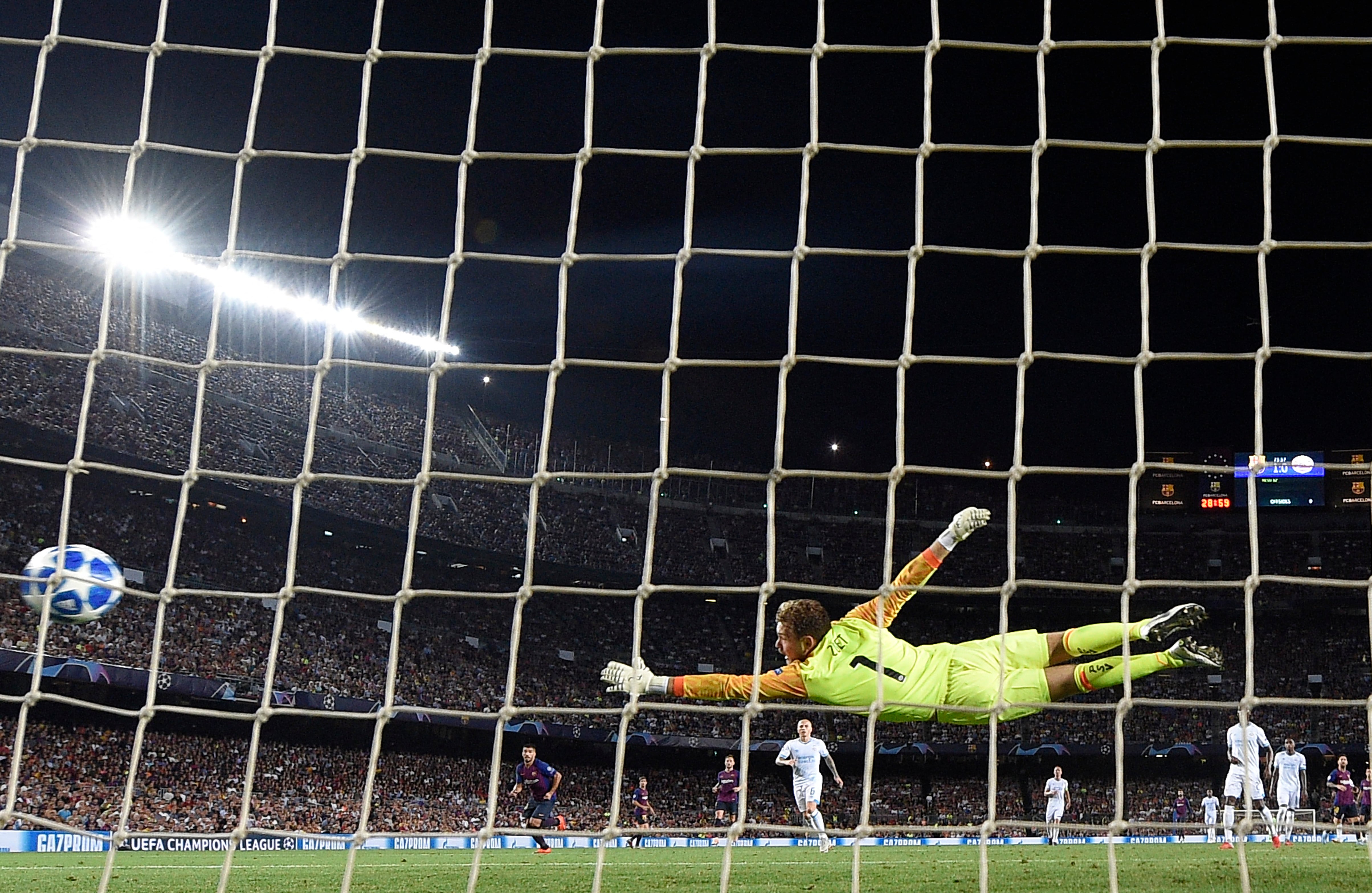
Como palabra es un golazo: corta, cortante, contundente, llena, alarido goloso en tantas lenguas. La boca abierta pero no desbocada, el aire a borbotones para formar el grito, el grito que no tiene un fin que lo confine: en realidad, nunca gritamos goooooool sino goooooooô, con esa O periódica que dura lo que dure.

Seguir leyendo

© LLUIS GENE (AFP / Getty Images)

El portero del PSV Eindhoven, Jeroen Zoet, en un partido de la Champion's League en Barcelona el 18 de septiembre de 2018.

Actos y autos de fe

13 June 2026 at 04:30
.

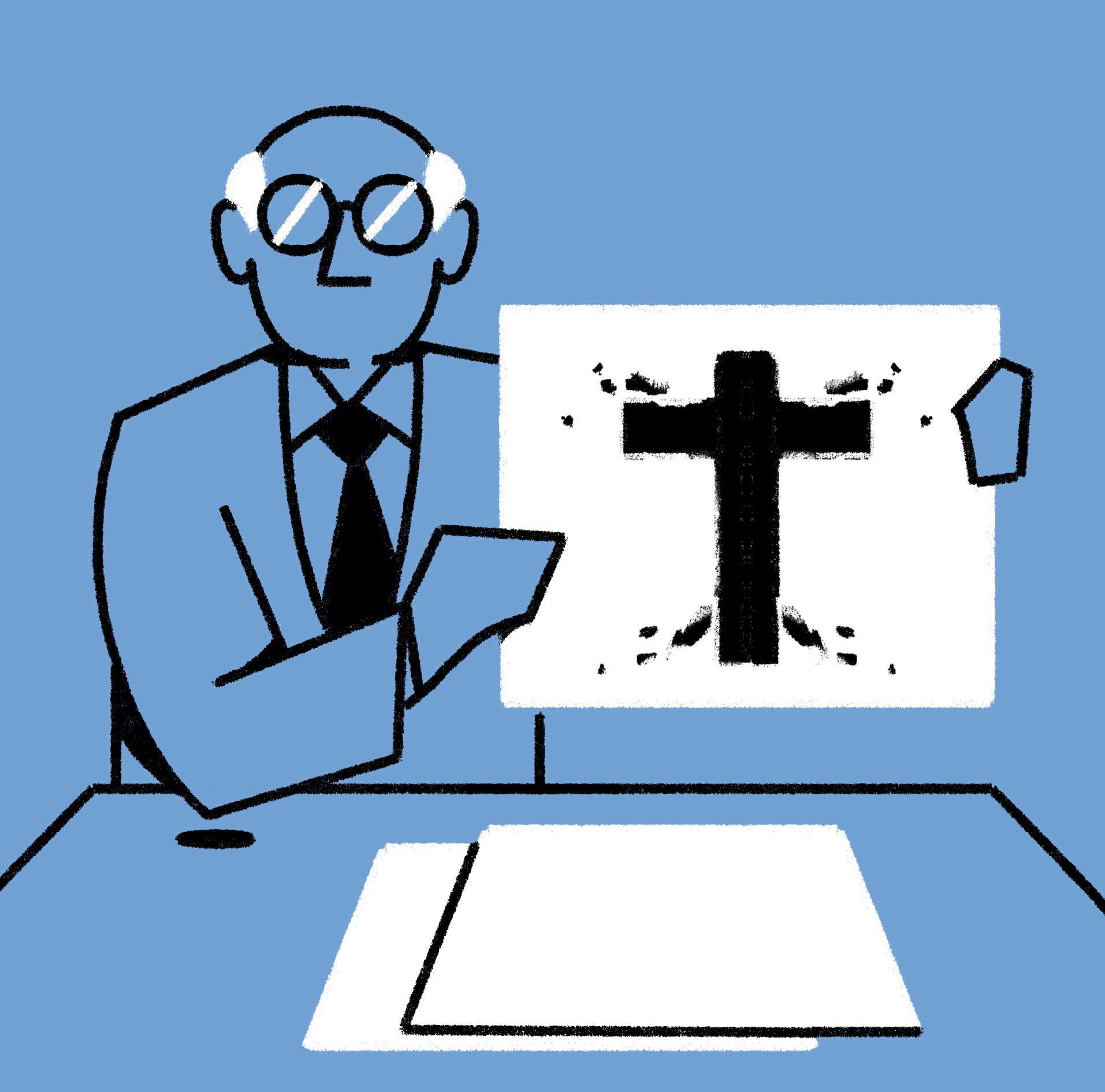
A Jorge Luis Borges le intrigaba que a todo lo largo de los Evangelios Cristo escribe una sola vez; lo hace sobre tierra o arena, y no llega a saberse lo que ha escrito. La escena está en el Evangelio de Juan, contada con la prosa seca del Nuevo Testamento, que, según el gran especialista Antonio Piñero, fue escrita en un griego más bien rústico y nada literario. El resultado es de una austera eficacia visual, que le hace a uno pensar en El Evangelio según san Mateo, de Pasolini. Unos letrados y fariseos le presentan a Cristo a una mujer acusada de adulterio. Hay mucha gente alrededor. Con el propósito de tenderle una trampa, los hombres citan la ley de Moisés, que castiga el adulterio con la muerte por lapidación, y le preguntan qué considera él que se debe hacer. Cristo no dice nada. Se inclina sobre la tierra y escribe algo en ella con un dedo. Los acusadores siguen preguntando. Él se incorpora y dice, en la edición castellana de Piñero: “El que de vosotros esté sin pecado sea el primero en arrojarle una piedra”. A continuación, vuelve a inclinarse, y escribe de nuevo. Mientras tanto, los acusadores y los curiosos y testigos, quizás lapidadores voluntarios, “salieron uno por uno comenzando por los ancianos, y se quedaron él solo y la mujer”. El relato no puede ser más lacónico, y más lleno de sugerencias que nuestra imaginación añade: el silencio después del clamor colectivo, la retirada gradual, la escena que se queda vacía, esa mujer de pie, el hombre que deja de escribir y se incorpora cuando han quedado solos los dos. Parece que es entonces cuando mira a su alrededor y se da cuenta de que toda esa gente que parecía tan dispuesta a ejercer su bárbara justicia se ha ido. Dice: “Mujer, ¿dónde están? Ninguno te ha condenado?”. Y añade, y aquí termina sin más el pasaje: “Tampoco yo te condeno; vete y a partir de ahora no peques más”.

Seguir leyendo

Arsa la mirada

13 June 2026 at 04:30

En el catálogo de frases insufribles que los andaluces estamos condenados a soportar cuando revelamos nuestra procedencia están las pronunciadas por quienes, supongo que con voluntad empática, nos reciben con un “¡Ozú, de Sevilla!”, o “¡Arsa, de Cádiz!”. Aunque palabras como ozú y arsa son reales y se pueden localizar en contextos concretos de la vida andaluza, ni son frecuentes ni conforman la banda sonora de nuestra existencia. La primera es una evolución desde Jesús dicha admirativamente y con ceceo. La segunda, arsa, proviene de la pronunciación vulgar del imperativo alza. Quizá en un tablao flamenco, genuino o montado para disfrute de turistas ante paellas fluorescentes, podrán sonar ambas voces en una sola velada; en mi día a día apenas las he escuchado. Por eso, suelo responder con una mueca de resignado hartazgo cuando me toca encajarlas como contraseñas de una identidad andaluza otorgada externamente.

Seguir leyendo

© Alberto Paredes (Europa Press)

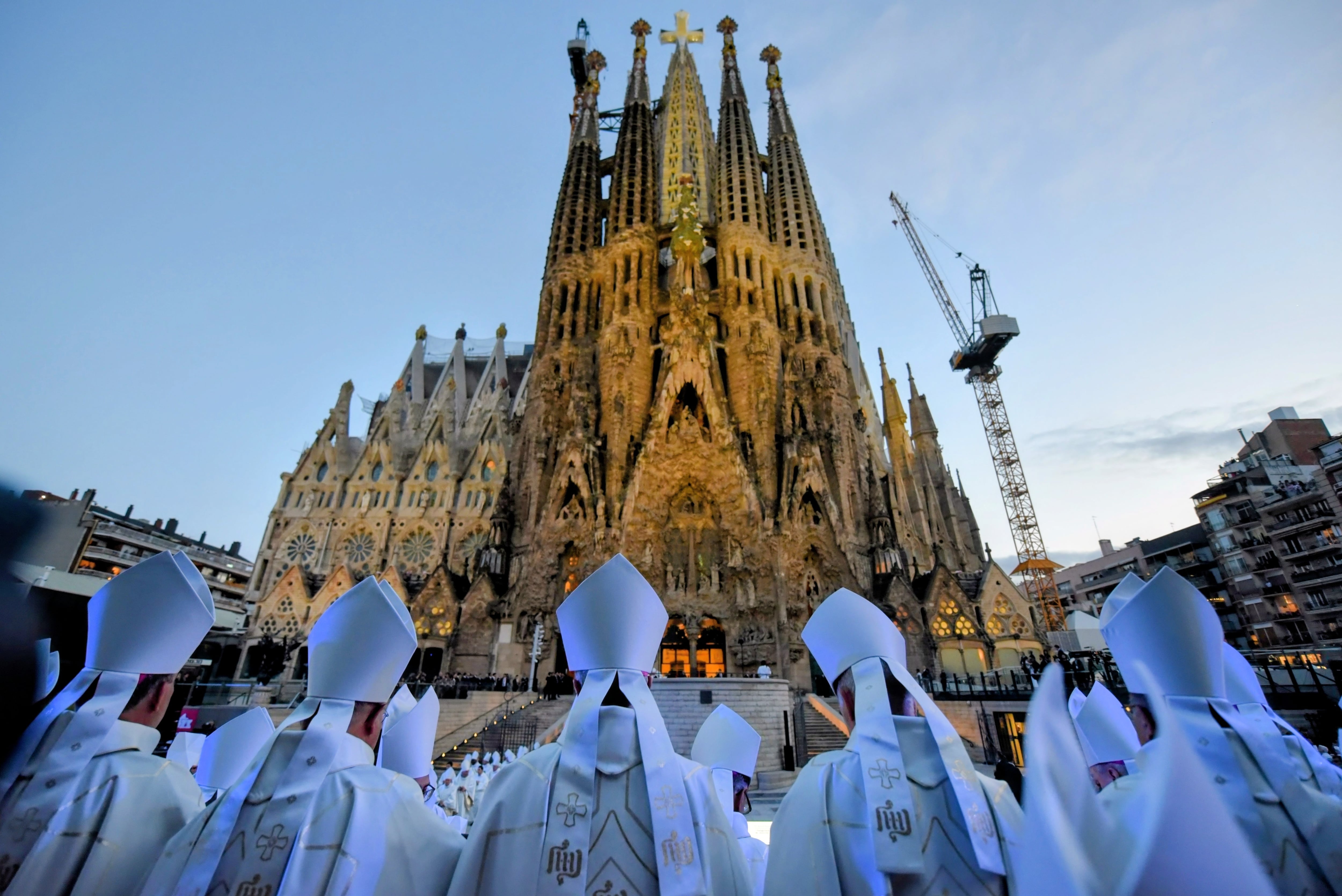
Misa del papa León XIV en la Sagrada Familia, el miércoles.

El poso de la visita papal

13 June 2026 at 04:30

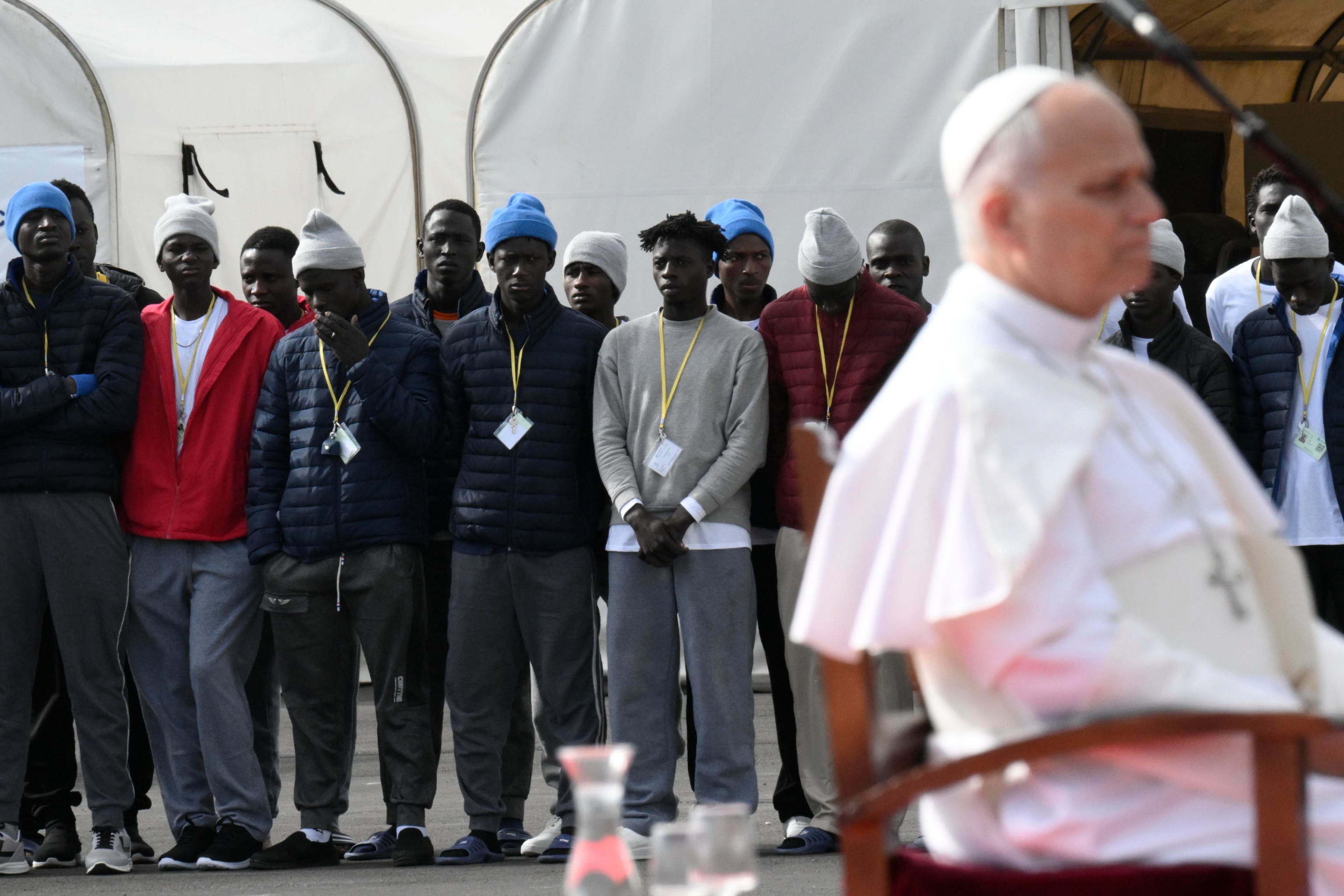
León XIV finalizó este viernes su visita a España con un balance que combina un mensaje poderoso en defensa de los migrantes y contra el discurso del odio, con omisiones dolorosas. El Papa ha pasado de puntillas sobre el mayor escándalo de la Iglesia española en las últimas décadas: los abusos sexuales por parte de miembros del clero y su encubrimiento sistemático. Esta semana posiblemente deje un poso duradero en España por el poder de su palabra, por la plasticidad y la fascinación de las imágenes de la Sagrada Familia y, sobre todo, porque con sus discursos y gestos se está erigiendo, poco más de un año después de su entronización, en una figura antagónica del otro líder estadounidense global, Donald Trump. Pero el viaje también deja otro poso evidente de decepción.

Seguir leyendo

© CIRO FUSCO (EFE)

El Papa, este viernes durante un encuentro con inmigrantes en el centro Las Raíces, en Tenerife.

Tres derrotas (y una victoria) de Putin

13 June 2026 at 04:30

Dejada atrás la pequeña aldea georgiana de Odzisi, echando un vistazo hacia el otro lado del valle se vislumbra con claridad un recinto fortificado: son instalaciones del FSB, el servicio secreto ruso, cuyos agentes se encargan de las tareas de vigilancia de la frontera artificial impuesta tras la intervención armada rusa de 2008 y gracias a la cual Moscú controla el territorio georgiano de Osetia del Sur.

Seguir leyendo

© Hayk Baghdasaryan (REUTERS)

Carteles electorales en una calle de Ereván, la capital de Armenia.

Rezar y perrear es lo mismo, ¡por el amor de Dios!

13 June 2026 at 04:30

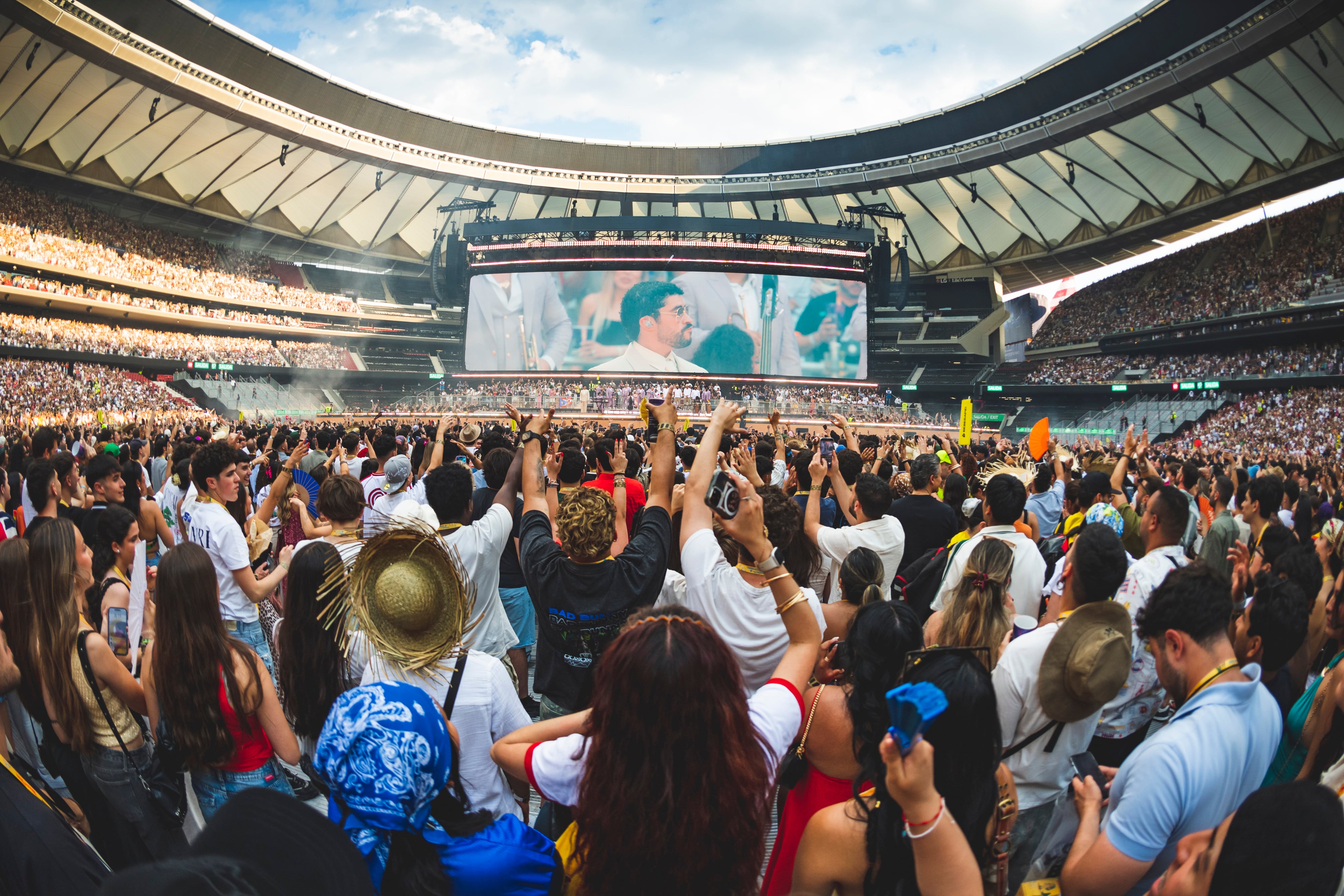
Una amiga me lo advirtió antes de ir. “Las que vais a ver a Bad Bunny me parecéis las mismas que las que van a rezar al Papa, no me interesa nada ni lo uno ni lo otro”. A mí no me pareció que fuera lo mismo rezar que cantar cosas como “Si tu novio no te mama el culo, pa eso que no mame”, pero mi amiga tenía razón en algo fundamental. En la práctica, no hay tanta diferencia entre perrear y rezar en 2026. Y no es que lo diga ella (o yo), es que el papa León XIV se reunió con Bad Bunny en su apretada agenda madrileña en un guiño de complicidad cristiana y, por si quedaban dudas, Benito bendijo al Pontífice durante el concierto. Hacia la mitad apareció el sapo Concho, mascota animada de la gira, en las pantallas gigantes y dijo: “Acho, un fuerte aplauso para el Papa que ha llevado esperanza y unión a tantas personas en el mundo”.

Seguir leyendo

© Mariano Regidor ( GETTY IMAGES )

Bad Bunny en el concierto en el Estadio Metropolitano el pasado 30 de mayo en Madrid.

Explícale a un niño el aborto o la “prioridad nacional”

13 June 2026 at 04:30

La visita del Papa a España ha tenido tanta enjundia que su análisis es casi inabarcable. Podría reflexionarse largo y tendido sobre las cuestiones relativas a la Doctrina Social de la Iglesia que el Pontífice ha escogido destacar en nuestro país y por qué. Podría discutirse si la aconfesionalidad del Estado ha quedado en entredicho, amenazada por la presencia del Pontífice en el Congreso, como hemos oído clamar a liberales de izquierdas y derechas. Podría analizarse si el aplauso de siete minutos que recibió León XIV por parte de nuestra casta política es un gesto de humildad o de oportunismo. Y, en caso de que sea lo segundo, preguntarnos por qué es oportuno, por qué da rédito en este momento aplaudir un discurso como el del Papa. También podríamos analizar la jeta de nuestros políticos de uno y otro signo troceando lo que dijo León XIV en el hemiciclo y arrojándoselo a la cara al contrario, incapaces de atisbar que el Evangelio no cabe en sus dogmas.

Seguir leyendo

© Alessandra Tarantino (AP/LaPresse)

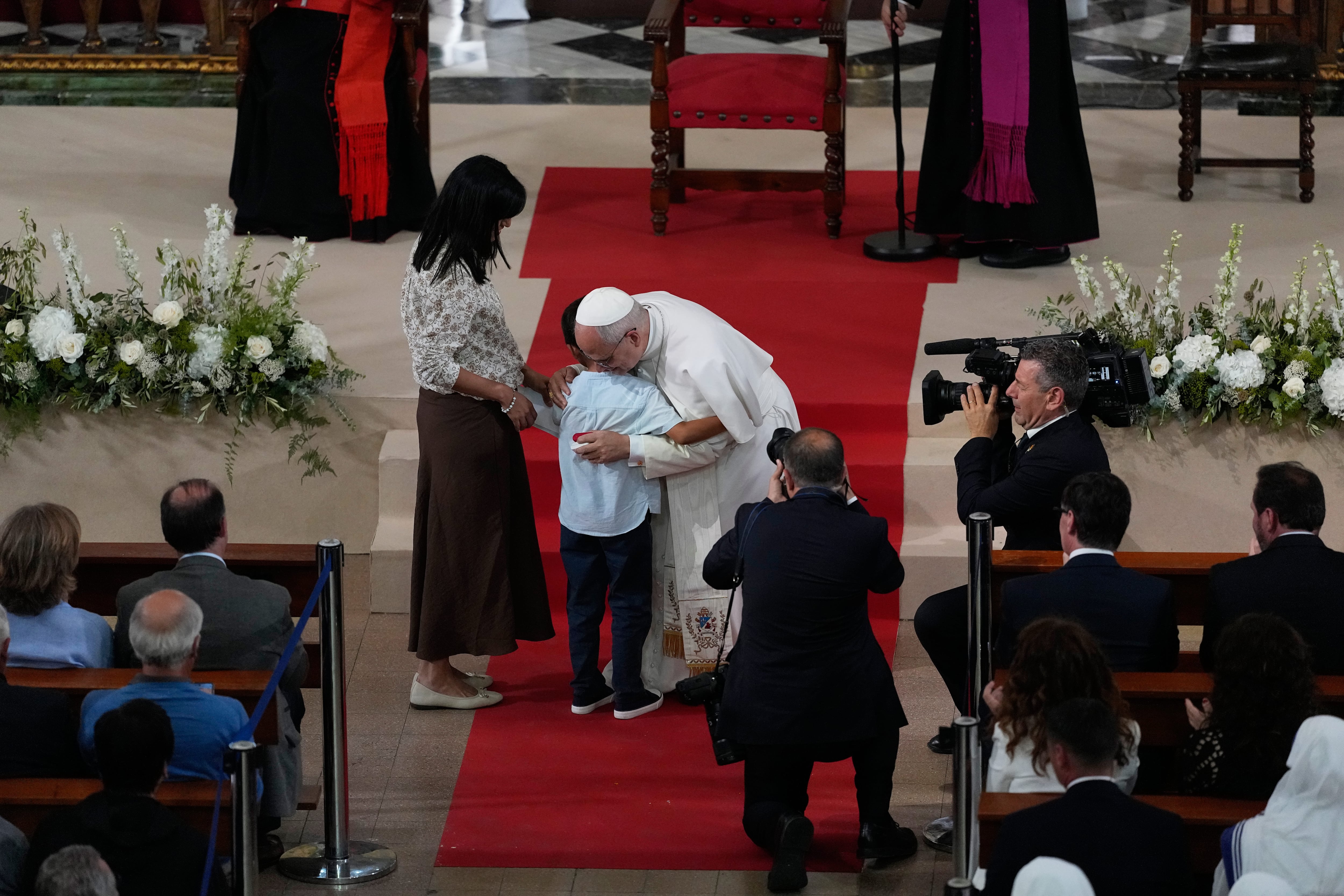
El papa León XIV abrazaba el miércoles a Renzo, de seis años, en la iglesia de Sant Agustí de Barcelona.

Indio

13 June 2026 at 04:30

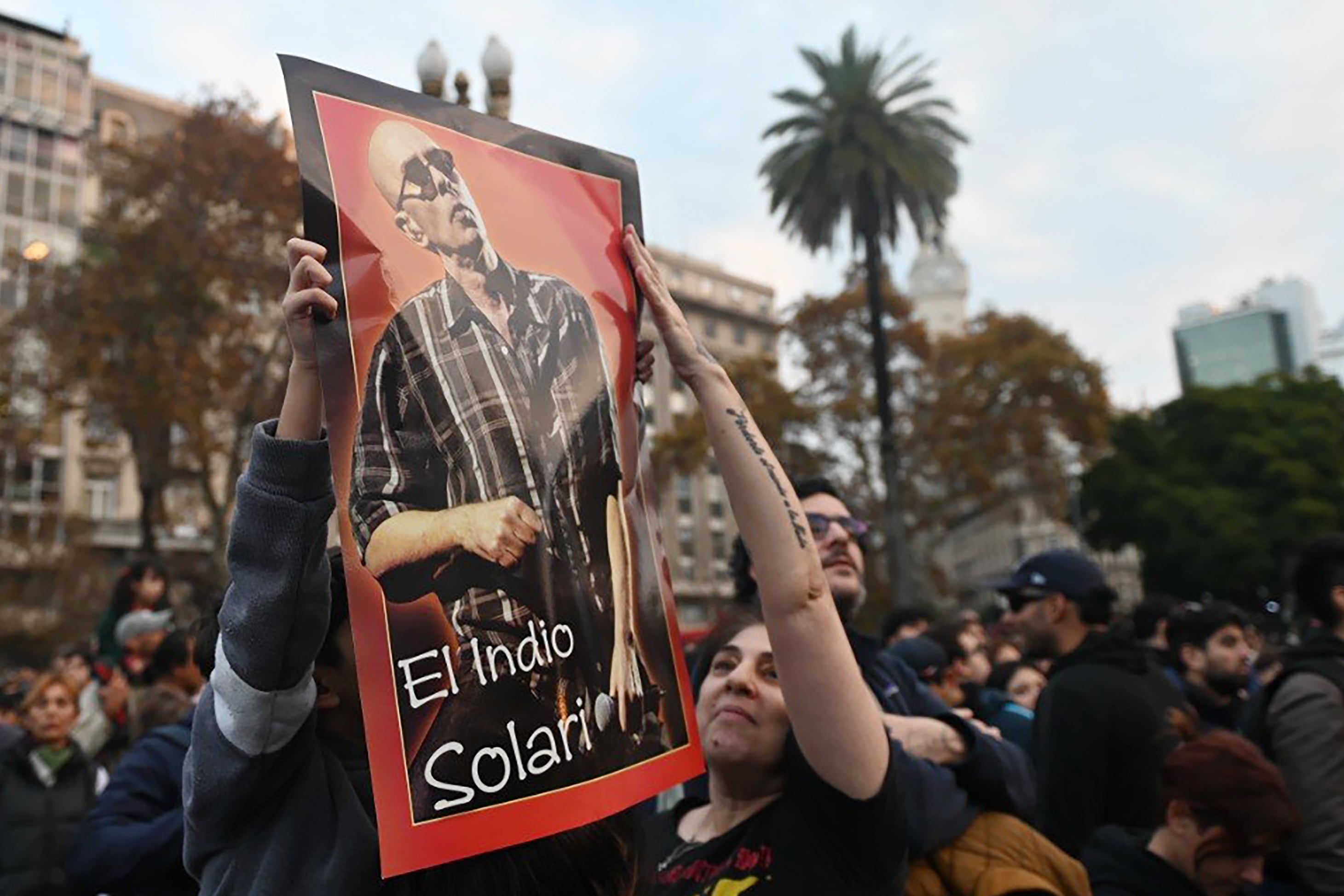
Se ha muerto un hombre. Era fino y peligroso. De aspecto seco, desértico, y una voz de diablo. En el escenario —con su banda, Los Redonditos de Ricota, en sitios lúgubres durante los ochenta, en predios a los que arrastraba a cientos de miles de personas tiempo después— tenía el aspecto de un obrero metalúrgico o de un monje. No hacía falta que impostara glamour con quienes íbamos a verlo. Era un dios hecho de aceite de motor y pavimento, y nos arrastró a su territorio desde que lo vimos por primera vez. A los tristes, los fundidos, los rabiosos, a los que siempre crujíamos, nos llevó más lejos. Hizo que a los 30, a los 40, a los 50, estuviéramos tan encendidos como a los 20. Yo estaba en Berna cuando se murió. Volví de una reunión de trabajo y, cuando llegué al hotel, encontré un mensaje del hombre con quien vivo que me daba aviso. Era viernes, 5 de junio de 2026. Habían pasado unos 40 años desde que lo vi por primera vez en un tugurio oscuro del barrio de Flores, Buenos Aires. Fue la banda de sonido de buena parte de mi vida. Si no sé qué hacer, ni cómo hacerlo, lo escucho cantar Había una vez, y esa parte que dice “los espíritus soplan si quieren, y vos que recién te enterás, tarde otra vez, mi amor” me recuerda que, a veces, no se puede hacer nada, que sólo hay que esperar. Cuando supe de su muerte —tenía párkinson, sufrió un accidente cerebrovascular hemorrágico en la madrugada—, caminé hasta un puente y me quedé mirando el río Aar. El mundo seguía andando, pero ese día anduvo menos. En Buenos Aires, sus fans se reunieron espontáneamente en la Plaza de Mayo. Desde el domingo, se inició un velorio público. Se formó una fila de siete kilómetros para despedirlo. Él le dio sentido a lo que no tenía sentido. Transformó la desesperación en canciones que nos hicieron mal de tanto bien que nos hicieron. Se llamaba —se llama— Carlos Alberto Solari. Nosotros, la tribu de su calle, le decíamos Indio. Le diremos siempre.

© Nehuen Rovediello (EFE)

Seguidores del Indio Solari, en su homenaje de despedida en la Plaza de Mayo de Buenos Aires, el pasado día 5.

Muerte accidental de la sátira

13 June 2026 at 04:30

En Lo intolerable. Repulsión, vergüenza y responsabilidad colectiva ante la crueldad contemporánea (Cuadernos Anagrama, 2026), Enrique Díaz Álvarez escribe: “No es solo que tendamos a movernos más por los afectos que por la razón, sino que, al obviarlo, se escriben éticas y teorías políticas que devienen sátiras. Totalmente inaplicables”. Sus páginas son una llamada a salir del letargo frente al sufrimiento ajeno y ese fragmento hace referencia a la sátira, recurso con el que la cultura evita que las conciencias hibernen.

Seguir leyendo

© Scott Kowalchyk (CBS / Getty Images) (EL PAÍS)

Stephen Colbert apaga las luces del plató de 'The Late Show', en su último programa, el pasado 21 de mayo tras ser cancelado por la CBS.
❌