EXCLUSIVE: Finnish Foreign Minister Elina Valtonen said Ukraine has gained new leverage against Russia, arguing that Moscow’s renewed talk of negotiations comes as Kyiv has strengthened itself militarily, politically and diplomatically.
Valtonen’s comments carry particular weight because Finland is one of NATO’s newest members and now sits on the alliance’s longest border with Russia. Finland joined NATO in April 2023 after Russia’s full-scale invasion of Ukraine, ending decades of military nonalignment and transforming the country into a frontline state in Europe’s security posture.
"Ukraine certainly is now holding the cards," Valtonen told Fox News Digital Monday in an interview at the United Nations headquarters in New York. "They have strengthened themselves immensely over the course of the past three, four months, both militarily and politically, diplomatically. And I think this opens a great window of opportunity for actually advancing the peace talks."
Her assessment comes as Reuters reported that Ukraine’s top military commander said Ukrainian forces had recaptured more than 600 square kilometers, or roughly 230 square miles, of territory so far in 2026, a shift after years of slow Russian gains. It also follows renewed diplomatic activity, including Zelenskyy’s stated willingness to halt fighting along current lines as a path to talks and Putin’s public rejection of a direct meeting for now.
Finland shares a roughly 820-mile border with Russia, making it one of the alliance’s most strategically exposed members.
Valtonen said Moscow has shown little willingness to make concessions and argued that the responsibility for ending the war remains with the Kremlin.
"So far, Russia hasn’t been willing to make any concessions, and essentially Russia could end the war today if they wanted to, because it was their war in the first place," she said. "So I’m hopeful that this could be the right time to relaunch those talks."
Peace efforts remain stalled over the same core divide that has shaped the war for years: Ukraine has called for a ceasefire and negotiations without surrendering territory, while Russia has continued to demand control over occupied Ukrainian regions. Putin said in early June there was "no point" in meeting Zelenskyy for now and repeated Moscow’s broader war aims.
Asked about U.S.-led efforts to negotiate an end to the war, Valtonen praised Washington’s role but stressed that Ukraine alone must decide whether to accept any concessions, including on territory.
"I think the U.S. involvement in this entire process has been a very good one, and it’s important that the U.S. stays engaged, because at the end of the day, it’s about freedom, it’s the future of not only Europe, but also of global peace," she said.
Valtonen said Europe also needs to be part of the process because Russia’s war directly affects the continent’s security architecture.
She said any serious negotiations would require Russia to accept a full ceasefire.
"First and foremost, we would need Russia at the table willing to end the war," Valtonen said. "And that would need to happen through a full ceasefire, because only that would open the possibility for true negotiations."
Valtonen also credited President Donald Trump with pushing European allies to increase defense spending, saying the pressure had moved the continent in the right direction after years of imbalance inside NATO.
Finland has moved aggressively to increase defense spending. Helsinki plans to raise defense spending to 3.2% of GDP by 2030, up from 2.5% in 2025, Reuters reported in April.
Secretary of State Marco Rubio also praised Finland and Sweden Tuesday during a Senate Foreign Relations Committee hearing, saying the two newest NATO members had strengthened the alliance by bringing "their own defense industry" and "advanced technologies."
He called them "a great partner" and "an extraordinary partner."
Valtonen said Finland’s approach is shaped by its own history with Moscow.
"Finland obviously has taken the Russian threat extremely seriously because we have the longest border with them," she said. "We certainly worship our status as the happiest country in the world, i.e. democracy, the rule of law and human rights, which we hold dear as values over anything that Russia could offer."
She also pointed to Finland’s experience in World War II, when the Soviet Union invaded Finland, as a reminder of why deterrence matters.
"The last time the Soviet Union, i.e. Russia, tried to invade us was during the Second World War," Valtonen said. "Happily, we were able to fend them off, but of course at the massive cost to the society."
"For us, it has been clear that if we invest in our deterrence, then that’s a signal to Russia — do not come here," she added.
On Iran, Valtonen said Finnish President Alexander Stubb’s March comments, reported by The Guardian, that the conflict was not a NATO matter should not be understood as Europe washing its hands of the crisis.
"I don’t think our president meant that this has nothing to do with European countries or NATO allies," Valtonen said. "I think what he probably meant more is that NATO obviously is not directly involved as an organization, which is true."
Her comments came after another weekend escalation in the Iran war, with Tehran launching missiles at Israel and Israel striking military targets in western and central Iran overnight. The flare-up unfolded as the U.S. and its allies continue efforts to prevent Iran from becoming a nuclear state and keep pressure on Tehran over threats to Israel and regional shipping.
The Strait of Hormuz, a critical global energy choke point, has become a central focus for Western governments after Iranian threats and restrictions on maritime traffic. Reuters reported Monday that the European Union sanctioned Iranian-linked individuals and an Islamic Revolutionary Guard Corps navy unit over threats to shipping in the strait.
"We as individual member states in Europe have definitely been helping the U.S. effort," Valtonen said. "We don’t want to see Iran as a nuclear state. We know what kind of a threat Iran has projected towards the region, especially toward Israel."
Valtonen added Finland has also joined efforts led by France and the United Kingdom to keep the Strait of Hormuz open once conditions allow for safe operations in the area.
"It’s so important that such straits are not weaponized by any country around the world," Valtonen said.
Asked whether European countries had refused U.S. requests to use bases during the Iran crisis, Valtonen said Finland has no U.S. bases to shut down but argued that most European allies have supported Washington’s requests.
"Finland has been helping the U.S. through so many ways," she said. "We don’t have any U.S. bases in Finland, so there’s nothing we can shut down."
"But having said this, the vast majority of European countries have said yes to everything that the U.S. has asked during the past couple of months when this war effort has been ongoing, independent of the fact that, of course, we are not directly involved as countries in the war," she added.
Valtonen said that support demonstrated NATO allies’ willingness to help Washington even when the alliance itself is not formally involved.
"I think that really shows the engagement by NATO allies in this and our willingness to help when the U.S. really needs some assistance," she said.
Donald Trump spent much of last week railing against California’s recent statewide primaries, baselessly insisting the slow process of tallying ballots must reflect a “rigged” system. This week, the president picked up where he left off.
In the early hours of Monday morning, he used his social media platform to argue there’s “no way” a candidate he liked has fallen behind in response to an updated vote count. Hours later, he emphasized the same point, insisting it’s “not possible” for his preferred candidate in Los Angeles’ mayoral race to lose ground as more ballots are counted.
None of that made logical sense, but it is part of an exasperating effort to undermine public confidence. During his latest “Meet the Press” appearance, the president was even more aggressive on the issue, making all kinds of unfounded allegations. When NBC News’ Kristen Welker asked him to substantiate his claims with evidence, Trump replied, “All I have to do is look.”
When the host explained that that wasn’t evidence, the Republican added, “And I listen to people.” (He didn’t say who, what they were saying or why he found these unnamed people to be more credible than official election results.)
The problem, however, is not just hysterical conspiracy-mongering, all of which is demonstrably incorrect, from a president who has long railed against election results he doesn’t like. Just as important as what Trump is saying is what Team Trump is doing. NBC News reported:
A federal prosecutor in California said Friday that authorities have launched investigations tied to the state’s recent elections following President Donald Trump’s unsubstantiated claims of fraud.
Bill Essayli, first assistant U.S. attorney for the Central District of California, said Friday morning on X that his office was pursuing “multiple election fraud investigations” alongside the FBI, without providing details.
To date, no credible fraud allegations have been made, so it’s not at all clear what the federal prosecutors in California intend to investigate.
“There are no details, there is no specifics, there is no specific allegation of any individualized act of voter fraud,” the California Democrat said. “And every count, recount, hand count, court case and audit has shown time and time again — not just in California, but throughout this country — that there is no widespread voter fraud.”
Bonta added that claims of voter fraud are “only a figment of the imagination of Trump and others who follow that conspiracy theory.”
What I’m most curious about, however, is what happens when Essayli and his team look for evidence to bolster Trump’s accusations, only to come up short. Do they tell the truth and admit the election results were legitimate, inviting partisan rage from the right? Or do they bring baseless charges, inviting pushback from the courts?
Election workers processing ballots for the California state primary at the Los Angeles County Ballot Processing Center on Friday in City of Industry, Calif.
At a live event hosted at Red Emma’s Cooperative Bookstore and Coffeehouse in Baltimore, Maryland, TRNN Editor-in-Chief Maximillian Alvarez got to sit down for a deep and wide-ranging conversation with Chris Smalls, co-founder and former president of the Amazon Labor Union. Alvarez and Smalls discuss Smalls’ new book, When the Revolution Comes: A Fight for the Future of the Working Class; they recount the incredible story of the formation of the Amazon Labor Union and the unionization of the first Amazon warehouse in the US; and they talk about Smalls’ journey from warehouse worker and labor organizer to becoming an internationally recognized public figure and a human rights activist who has sailed with humanitarian flotilla missions to Gaza and Cuba.
The following rushed transcript may contain errors. It will be updated as soon as possible.
Maximillian Alvarez:
All right Welcome everyone to Working People, a podcast about the lives, jobs, dreams, and struggles of the working class today. Working People is a proud member of the Labor Radio Podcast Network and is brought to you in partnership with In These Times Magazine and the Real News Network. This show is produced by Jules Taylor and made possible by the support of listeners like you. My name is Maximillian Alvarez and we’ve got a really special episode for y’all today, which is a recording of a live event that I recently hosted at Red Emma’s Cooperative Bookstore and Coffeehouse here in Baltimore. And for that event, I got to sit down in front of a big, lively audience and have a real deep and wide ranging conversation with Chris Smalls, co-founder and former president of the Amazon Labor Union. Chris has a new book out called When the Revolution Comes: A Fight for the Future of the Working Class.
And that book recounts the incredible story of how a young working class Black man from Hackensack, New Jersey led a walkout from his Staten Island Amazon warehouse during COVID-19 got fired and then with hardly any resources banded together with a scrappy group of Staten Island warehouse workers to form the independent Amazon Labor Union to fight this epic David and Goliath battle against Amazon, the second largest private employer in the United States and Jeff Bezos, the second richest man in the world, and to win and successfully unionize the first Amazon warehouse in the United States. And the book also traces Chris’s life story before the Amazon Labor Union and his journey from warehouse worker and labor organizer to becoming this internationally recognized public figure and a human rights activist who has sailed with humanitarian glotilla missions to Gaza and to Cuba, even facing detainment and harassment from ICE and imprisonment and abuse from the Israeli military because of it.
I’ve done a number of events with Chris over the years. I’ve interviewed him outside of the JFK8 warehouse on Staten Island and I interviewed him as he was sailing to Gaza with the Global Samuel Flotilla right before they were captured by the Israeli military last year. I’ve seen both up close and from afar what he, his story and the story of ALU mean to working people out there, young and old people across this country and beyond. I’ve seen up close and from afar how the media’s good and awful and obsessive coverage of Chris and ALU, how that’s all affected Chris and different members and factions within ALU. And I’ve watched them all try to do their best to navigate a situation and a spotlight that I don’t think any of them ever expected to be in and that most of us will frankly never be able to fully understand from the outside.
I’ve seen and learned about many of the struggles that Chris has been through. I’ve seen and learned about the things that he’s done to help others. I’ve seen and learned about mistakes that he’s made and regretful things that he’s done and said. I know he’s a controversial figure to different people for different reasons and I know that he’s an inspiration to different people for different reasons. I know that he’s a complex and imperfect person, like you, like me, and like the hundreds and hundreds of working people that I’ve interviewed on this show over the years. And I’ve said from the beginning of this show that the whole point of this project was to honor the full and beautiful and complex humanity of our fellow workers to lift up the unheard voices of working class people and to help them and us and others see ourselves as full people with important lives and stories, not just stereotypes, not just name tags and job titles.
We’re so much more than that. And as a fellow worker, Chris is no different. And whatever your thoughts are about him, I think we all need to remember that because I see a lot of people forgetting that and that is not to excuse or downplay any concerns that folks have about Chris, ALU, or the complicated relationship between media celebrity and political movements today. And of course, no one is above critique, not public figures like Chris and certainly not journalists like me and anyone who is part of the labor movement must hold themselves and be held accountable to that movement. I know that and I believe that, but I also know that movements don’t move and history doesn’t happen without people and people are complicated. And if we don’t have a healthy way as working people of talking and listening to each other and working through our shit, if the world is burning all around us and we cannot find ways to work together or work alongside each other for our common goals and common good, even if we don’t like each other, then to put it bluntly, we’re cooked.
And so with all that said, it was in that full spirit and with that same mission that I’ve had since I started this podcast eight years ago that I sat down with Chris Smalls for this important conversation that we had at Red Emma’s in Baltimore. I hope you guys enjoy it and I want to know what you think, but please first take a listen.
All right. Well, thank you so much to Red Emma’s Cooperative Bookstore and Coffeehouse for hosting us for this great event. I want y’all to give a proper Baltimore welcome to Brother Chris Smalls, the co-founder and former president of the Amazon Labor Union here with us tonight. So we are of course here to talk about Chris’s new book, When the Revolution Comes, the Fight for the Future of the Working Class, but we’re also going to talk about so much more. And by way of getting us into this discussion, I wanted to just roll the clock back a second, right? Let’s go back five years, 2021, right? Feels like forever ago, but let’s not forget how crazy of a year that was. We had all just watched the batshit January 6th insurrection still in the middle of COVID, no vaccines yet. And out of this dark swamp in time, an unexpected source of light emerged in worker struggles and a sort of revived labor movement.
Everyone was talking about the Amazon workers in Bessemer, Alabama who were trying to unionize with the retail wholesale and department store union down there. I went down there. That was actually my first field shoot for the real news. And of course those workers lost that election and it was very heartbreaking for a lot of us and it was really incredible to see that heartbreak turn into the energy that we would see later in the year with the first Starbucks store to unionize in Buffalo, New York and the emergence of this ragtag group of badass workers from Staten Island who were trying to unionize their Amazon warehouse. And so it can be easy to forget all that we were going through in that moment. And so I wanted that to sort of be the start. And Chris, I wanted to ask you to take us back there.
Remind us who Chris Smalls was before COVID and then talk us through, because I think we need a refresher. Talk us through the incredible saga from the walkout that you led to you guys winning that first union election.
Chris Smalls:
And thank you all for being here. It’s been a while since I’ve been to Baltimore, so I’m glad and honored to be back and good company and some good comrades, familiar faces in the crowd. So thank you all once again for showing up and supporting my book and being here tonight. I really appreciate that. Yeah. As you said, we have amnesia in America. We all know that. One thing being a news cycle for a few weeks and then it’s always something else, especially under this Trump administration. And ironically, six years ago when I got fired from Amazon, that was also an election year. Trump was still in the headlines still. So we wasn’t garnishing any attention. As you mentioned, leading up to 2021, 2020, COVID was the peak at its peak, especially in New York City being one of the epic centers of the world.
Yeah, workers were afraid, workers were catching COVID. I remember walking into my warehouse and how seeing my comrades at work just really sick and not really themselves. So it’s a really eerie moment. But for those who don’t know, I was an assistant manager at Amazon for four and a half years. I opened up three warehouses in the tri-state area, New Jersey, Connecticut, Staten Island New York was my last building. People’s person always, the same way you see me today, it was the same way I went to work at Amazon. Definitely loved my people. I spent 70 hours a week with them. They were like my extended family. And when COVID hit, I definitely was afraid for all of us and I wanted to speak up on their behalf as well, which led to my firing after I led the walkout on March 30th, 2020, which once again was six years ago.
Seems like it was a long time ago, but it was six years ago it flew. It flew past. But just giving you a background about myself, what you’re going to read about in the book if you haven’t already, is that I’m just like anybody else in this crowd. I’m a single parent. My twins at the time was, well, damn, they were maybe eight or nine years old. And yeah, you can imagine how much time that I’ve lost spending with them over the last years, especially during COVID, the years of COVID, if I was lucky to see them half a year, that was a thing as well. And I love sports, grew up playing basketball, football, track. You going to see that in the book. I also was a rapper. I
Maximillian Alvarez:
Was going to say, don’t bury the lead. There’s a little juicy story about your rap history in there.
Chris Smalls:
Yeah, yeah. There’s a little rap stink that I had briefly after college, dropped out of college because I wanted to pursue music. I thought I was going to blow up overnight and then I got hit with reality getting back into the workforce. I got married and divorced at a young age, but I was married for eight years and during that hardship, working at Amazon was our main source of income for my household, one of them at least. And having healthcare as well. Healthcare Amazon provided for me and my kids and my wife at the time. So when I lost all of that during the pandemic, it really showed me how much the company didn’t really care about anybody. After I poured five years of my blood, sweat and tears into the company after I’ve done so much opening up these warehouses for them, training thousands of Amazon workers, hundreds of their upper management, the companies just say, “You know what?
We don’t care. We’re going to fire you. ” And not only fire you, they did it in a way that martyred me by Jeff Bezos, who was the richest man in the world, signing off on the smear campaign, which basically said to make me the face of the whole unionizing efforts against Amazon, which is a good idea. But at the same time, the racist part in the beginning saying that I’m not smart or articulate, something that they use in these corporate settings to put upon Black people and Brown people, saying that we’re not smart enough or we’re not articulate enough to even talk about anything when it comes to work related issues. So that was really the catalyst of a moment right there where I embraced it and I said, “You know what? Even though I no longer work for the company, I’m going to continue fighting for the workers inside the building.” Ultimately, for a whole year from 2020 to 2021, we traveled the country protesting in front of debt bases, mansions and penthouses while Bessemer, Alabama was trying their efforts and we all was paying attention.
My folks in Staten Island, we were paying attention, but we took it a step further. We did drive down there. We drove 16 hours from New York City down to Bessemer in a car, one car squished up and we stayed about a week connecting with workers there, connecting with the union, trying to figure it out because we didn’t know what we wanted to do. We wanted to do something, but we didn’t really have all the answers. But unfortunately, yes, like Max said, when they lost, it was definitely devastating for everybody. We felt that because of several reasons. Number one, that building investment Alabama has about 6,000 employees, five, 6,000 employees. Majority of them are black people. 85% of the building is black, 80% of the workforce there are black women. So when Amazon spent millions of dollars stopping that campaign, that was a direct attack on black and brown people and that’s something that we resonated with in Staten Island, New York where the demographics are similar to our building as well.
So the next day after the results came out, it just so happened to be our birthday, four 20, four / 20 / 2021 is when we started our campaign the next day after those results came out. We didn’t even wait.
And yeah, that year was like a blur as well, but it was 11 months, over 300 plus days I set up an encampment outside of the building that fired me at a public bus stop talking to workers every single day, rain shine, how to call night or day about why we need to start a union. And originally we sent out the Olive branch to the established unions. We wanted some support. We wanted some resources, some help, but we got nothing in return because a lot of people didn’t believe in us. A lot of people thought that it wasn’t going to work. Who are you guys to unionize when y’all don’t have any resources, y’all don’t have any knowledge, experience, et cetera. But one thing we did know is that we’re Amazon workers. Whether we’re fired or not, we know the ins and out of the company better than Jeff Basils.
So we felt that was the only way, and I still believe that till this day that the only way it could have been done was grassroots, gorilla style tactics in the trenches every day, meeting your workers face-to-face. That was the only way it was going to work. We couldn’t take the shortcut routes. We couldn’t do the traditional style organizing methods that most unions use. We had to think outside of that box and also sacrifice. Sacrifice was one of the things that we all had to do as a collective. And yeah, it was successful. 11 months, hard blood sweat and tears into the campaign and it paid off to become the first union in American history for Amazon workers. And still, till this day, that building is the only unionized building in this country and that’s what people got to understand. And it’s pro and con to that.
Yes, it’s great that we still are standing, but it shouldn’t take four years for us to have a contract. Keep that in mind that even when I was the president for three years, the first thing we did when we won was demand the bargaining order from Amazon, or at least from the National Labor Relation Board so that we can negotiate with Amazon. We didn’t hear anything under the Biden administration. I don’t know what happened, but there was some magic in the air. We got a bargaining order in April of this year, but Amazon has already appealed it because they’ve been spending millions of dollars holding things up for the last four years. So for those and everybody who’s been questioning like, “Why don’t you guys have a contract or you guys are not getting a contract?” It’s not because of us. It’s literally because the system is broken.
The system is not worker friendly. As much as these progressives and politicians say that the system are usher us to the system that’s supposed to work for us, it doesn’t. It’s not in our favor. So we have to continue to fight every step of the way. And actually when we won in 2021, that was just the beginning of the fight. This fight is a lifetime struggle and now the only thing that I can see that our union can do, and not just our union, because there’s other unions out here, Starbucks workers, all these other unions that emerge, they’re still fighting for contracts too and negotiating their way through it. But the only thing I can see that’ll work for all of us is if we withhold our strongest weapon, which is our labor and go on strike.
Maximillian Alvarez:
And it was wild too reporting on Bessemer and then reporting on you guys and sort of seeing how the things that worked for Amazon Imbessemer weren’t working on Staten Island. I think that was a real sort of moment of insurgent energy because in Bessemer, when the workers brought in the RWDSU, Amazon did what union busting employers always do where they’re like, “Oh, this is an outside force that’s trying to come in and get in between our relationship.” They couldn’t do that with you guys because it was like, no, these are literally just the workers in the warehouse. And so I wanted to touch on that because it was such a big debate at the time because of Bessemer and ALU especially, but everyone was talking about, is it better to go the independent route like Amazon Labor Union, Trader Joe’s United, the Home Depot workers who tried to unionize in Philly, or is it better to go with an established union like the Teamsters of the RWDSU?
And so with five, again, like you said, five, four years of experience since we were having those debates, I think it’s important for us to sort of revisit and update that and you know better than us. I wanted to ask after all that you’ve been through in this struggle, where have you landed on the independent or established union debate, especially in light of the AOU affiliating with the Teamster?
Chris Smalls:
Yeah. I mean, I still stick by my original sentiment that there was no other way that we was going to get it done, not with any established union. Didn’t matter how long they’ve been around, how powerful they are. The way we organize is completely against any type of style. You can’t read about it because it hasn’t been done before. And yeah, I still believe that independent unions are something that we still need to push. Not saying that established unions can’t support, but what’s happening over the last few years, to be honest, after we won in 2021, well, let me take it to the day of. The day we beat Amazon, we had $2.50 in our account. Now it’s funny because we were broke as hell. We didn’t have dudes paying members. We still don’t have dues paying members. We don’t have a contract. So I can’t ask for workers who are making $20 an hour to pay union dues.
I wasn’t going to do that as the union president. The next day we had almost half a million dollars because the bandwagon came, the unions, “Oh yeah, we supported. Oh yeah.” But they really, really didn’t. Actually, there was a reporting that all the established unions combined only contributed after we all won, talk about Starbucks, Trader Joe’s, Amazon, you name it, they only contributed 3% of their resources into these campaigns. And I can tell you we didn’t get one of those 3%. We got zero. Literally nobody offered us anything before we won. And after we won, the bandwagon came and everybody said, “Oh yeah, we had some resurgence in the labor movement,” which is great. It was. It was definitely headlines, it was definitely international news and resonated with millions of workers around the world. The problem is that established unions didn’t use that opportunity to double down and really invest into grassroots movements because they was embarrassed.
We weren’t the first people who tried to unionize Amazon. Absolutely not. Actually, established unions have been trying to unionize Amazon for over a decade, even before Bessemer, Alabama. And guess what? You guys never heard about it. I never heard about it. It was actually a campaign at GFK8 while I was working there, didn’t even hear about it until we started and that was ran by the established union of the Teamsters. So when it comes to which side do I really ride with, I’m going to say the one that works and I know that there’s pros and cons to everything. The thing about independent unions and grassroots efforts, as we all know, if you’re grassroots, it’s a struggle. You’re not going to have all the tools and resources given to you all the time. You got to scrap, you got to sacrifice, you got to crowdfund, you got to have mutual aid.
We literally had a GoFundMe, which it’s sad to say, but that was our only lifeline of how we were able to feed our comrades and our workers there. So the reason why we had to affiliate with the Teamsters, which I signed by the way, is because we’re going up against a $2.2 trillion company like Amazon that has all the money to hold things up in federal court for four or five years like they have it, which you guys are not privy to this all the time, but Amazon has million dollar lawyers and while I was the president, I’ve been to federal court against Amazon. I lost count how many times over the years and all they do every time we do something, they appeal it into a federal court to try to get it to a right wing Supreme Court and try to get us decertified.
That is their game plan. They’re not trying to come to the table. They still don’t even want to recognize that we won. So the affiliation with the Teamsters was so that my union doesn’t go bankrupt because if we don’t have dues paying members and people are not going to continuously donate, we have to give resources to stay alive and stay afloat. The Teamsters was going to offer that. The affiliation agreement that I signed was something that I and my executive board negotiated along with our legal counsel and it was one that we benefited from the most. We have full autonomy with our local ALU, IBT, local one, full autonomy, full jurisdiction on Amazon. And the most important thing that I got in that contract was they have strike benefits. They can offer the workers at JFKA right now a thousand dollars a week to go on strike if they wanted to.
I’m not the president anymore, but this is something that I set up to help them succeed in that journey. It’s up to the workers, it’s up to the current leadership of the union. It’s up to them to take that initiative and utilize it. And hopefully they do because the clock is ticking. Right now since we’ve been issued a bargaining order, Amazon has already appealed it, but the clock is ticking for them to come to the table. They have about a year to do so. Otherwise, the game plan that Amazon is going to run is going to try to decertify the union. So hopefully they get their stuff together and they get it done. I’m always going to support my union, whether I have a position or not. And that’s what we all have to do in solidarity. We all have a role to play because our fight is absolutely your fight.
A lot of people don’t know what’s going on behind the scenes at Amazon are within these campaigns. So the reason why we’re here today, the reason why you guys are picking up this book is because this book is also not just a memoir, but it’s also a how-to. It’s going to give you some tools on how we can all fight back against the system that’s oppressing us.
Maximillian Alvarez:
Hell yeah.
So I really want to talk before we get to Q&A about your life, your work, your mission beyond ALU. And the last time we did an interview, you were sailing to Gaza for Christ’s sake. So I want us to get there, but before we do, just to pick up on what you were saying there, I think it’s really important for us to in this space, model a real, honest, no BS discussion about what we can learn from the beautiful, complicated, heartbreaking, inspiring story of the first Amazon union. Because so many struggles before you and there are going to be plenty after you, you guys faced a lot of external pressure and internal debates, division. This stuff happens and you write about some of that in the book and there’s a time and place to talk about that stuff and it’s not here. We’re not here to sort of air dirty laundry and point fingers.
Everyone knows Chris isn’t perfect. I’m not perfect. You’re not perfect. And that’s, I think the point is that whether you’re organizing your shop or trying to build a political movement, you can’t do anything without the messy realities of messy human beings who make the movement. So our humanity is always part of the story and none of us is perfect. And so I wanted to ask you, Chris, again, not for us to get sucked into the … She said … I’ve talked to other Amazon members who have different versions of the story and I always tell them, like I told you, I was like, “It’s not my place to pick sides here. I’m not in this union. I’m a fucking journalist.” And it breaks my heart when I see these divisions because I want the best for everybody, but life doesn’t work out like the fairytales in our heads.
So what can we learn from y’all’s experience that can help others out there who are going through these struggles and it’s getting tough and the company, the employers appealing every victory, it’s like one step forward, three steps back. You’re losing friendships because shit just gets really tough. You have no money. What can folks out there who are experiencing that learn from what y’all went through in ALU?
Chris Smalls:
Yeah, great question. I mean, once again, when you’re taking on one of the most powerful companies in the world, you’re trying to bring people together from all different backgrounds, all different creeds, you’re going to have disagreements, you’re going to have different political ideologies, you’re going to have infighting, every union, every organization does. We just were under a microscope because of our historical victory and the mistake that the media Yeah, sort of did was comparing us to established unions that’s been around for a hundred years. We weren’t that. We’re grassroots organizers. Most of them weren’t even organizers. They were just everyday civilians that were inspired, that were passionate, that wanted to do something. Even myself as the leader at the time, I didn’t have all the answers as well. I had to learn and I’m still learning every day. I’m a sponge. I’m learning new what’s going on overseas is affecting us here.
The things that I’m doing with Palestine, Cuba, wherever I’m going, it affects us here. I try to connect those dots. Some people just can’t think that big and unfortunately it leads to disagreements, but the disagreements are that’s a democracy. That’s exactly what a democracy is.
Unfortunately, the movement has its way of weaning people out. It’s not for everybody. It’s just real. A lot of people will see social media posts or see something happening, protests, whatever it is. Even going back to George Floyd days when there was millions of people taken to the streets in America. But where are these millions of people now? They’re back at work. A lot of people see things for the moment they get involved and then they get burnt out. They get weeded out or they realize this is too tough for me. And a lot of it is what happened to our union. A lot of folks thought that it’s a lot easier than what it is. Yes, I do make things look cool sometimes. That’s intentional because organizing is stressful as shit. I know we all know that. Organizing hard, stressful, tiring, exhausting, all of the above.
And I tried to make it as simple, as cool, as fun as possible because I know what workers are dealing with working at Amazon. That was one of my biggest things is making sure that everybody around me was always good in some capacity. Unfortunately, once again, the movement is going to be the movement. And for those who jump into this movement or this type of work or any type of work, you got to know what you signed yourself up for. This is a lifetime struggle. Our ancestors paved the way and not only that lost their lives, some are incarcerated right now as we speak so that we can have the right to organize, that we can have a reason to organize. So when these type of movements, you can’t have one foot in, one foot out. You got to be fully committed for the long haul and you got to be fully committed to sacrificing something because if you spoke out about Palestine, you lost something.
I know I did. If you spoke out at your workplace, you’re going to be targeted. If not worse, you’re going to get terminated. If you speak out against all of the injustices that we’re seeing right now in this country, you’re going to lose friends. You’re going to lose loved ones. I know a lot of us in here that probably when they started talking about October 7th, it was tough conversations in the beginning because I could tell you I lost 10,000 followers on Instagram instantly when I posted about Palestine over three years ago. And it was the same people that said in my DMs, “Chris, we supported you for Amazon workers, but this is where I draw the line.” What? In return, you know what I said? Fuck you.
Because if you can’t make the relationship between Amazon and genocide, then I can’t help you. And I don’t give a damn if you one of my organizers or not. If you fighting over some petty shit when Jeff Bezos is flying in space on the penis rocket, you missing the plot. So people want to attack the wrong things and that happens a lot on the left. We’re talking about the character, the person, the individual, how I look, how I talk, where I’m going, what headlines I’m gathering. Meanwhile, Amazon is firing 30,000 people next week. And that was what I always tell my organizers. We’re fighting about what we doing next when Amazon is winning. They are in the building union busting and y’all worried about the wrong things. So for me, the biggest lesson I learned is you got to stay true to the mission. And I don’t debate too much.
I mean, I do sometimes because I have to defend myself in certain cases, but I’ve never played into the naysay about myself or about my union because I let the work speak for itself. We made history, unprecedented history, and people that were there, they know. That’s all I care about. My day ones that walked out of the building six years ago with me, they know. Everybody else that came afterwards that’s going to jump on board later on, that’s going to look back, reflect back, that none of that matters. What matters is what are you willing to do to get Amazon to come to the table? What are you willing to do to liberate the people of Palestine? And more importantly, if you don’t get up and do the work, who’s going to do it because there’s no calvary coming for us?
Maximillian Alvarez:
One of the things that has sort of always colored the way that I have watched your journey is the fact that I always think that I was working in warehouses back in Southern California 15 years ago in the depths of the Great Recession. Our family was losing our house like millions of others. It was awful. And the thought of one of us having the cultural international statue that you do that one of us would be giving so much hope to people around the country and around the world is just mind boggling to me, but it’s also like that’s got to be a lot to go through as a working warehouse guy to then kind of be catapulted to that. So that’s not to excuse anything. It’s just to be like, we should give each other as much grace as we possibly can while holding ourselves accountable to each other.
Do our best. That’s the best that we can do for each other. And I say that to say by getting us to your activism beyond the warehouse, because what is it about your story, ALU’s story that has spoken to so many people around the world? And how did that lead you to becoming a global activist for human rights from Gaza to Cuba?
Chris Smalls:
Great question. I mean, well, number one, if you’d have told me that I could look as cool as a rapper, as a union organizer, I’d have been doing this shit a long time ago, would have saved you some
Maximillian Alvarez:
Years.
Chris Smalls:
I don’t look like your typical union president. My union doesn’t look like your typical union. My executive board didn’t look like your typical union executive board. So culturally, we gravitated to the younger generation. They looked at us and said, “Oh wow, they look cool. Amazon Labor Union, oh man, they’re wearing sweats and T-shirts and hat backwards and whatever else.” And we did something at a time where once again, the world was watching and we captivated that moment in time. But the international piece came when I got a passport because I just got a passport when I became the president three, four years ago. I didn’t even have a passport and 70% of Americans don’t have a passport.
I encourage you, number one, get one because since I got a passport, I’ve been to 45 different countries around the world and counted. And when I go to these countries, I’m not on vacation. I’m not on tourist trips sort of because I need to learn some things, I need to see some things, but I’m meeting with Amazon workers and I’ll give you the best example that I have as far as how much dedication or how dedicated I am to the movement. I was invited two years ago when I was the president still. I was invited to Paris by Pharrell and Rihanna to walk in the Louis Vuitton runway for this grand opening. And the same day I was invited to the White House again for the second time from Kamala Harris while she was running for president. I declined both of those and went to an Amazon warehouse in Canada, literally.
And guess what? I’m proud to say that that Amazon warehouse in Canada is the first unionized building in Canada’s history. So once again, people could say what they want about me. I know how I move. I know I’m very conscious about what’s going on, what’s being out there, what’s put out there and those around me, once again, they know if you’ve met me in the past, if you’ve been around me, if you hung around, what you see is what you get. I don’t really have to put on a facade and I think that’s what really resonates with people is that they can relate to me and that they feel comfortable talking and actually working alongside or working with me in some way. I think the international piece, the international solidarity that I’ve shown is also shown other people that what’s happening abroad is coming back home to roots, especially when it comes to Palestine.
There was several reasons why I got on that flotilla. Number one, I’m an Amazon worker, sure. Amazon has invested $7.2 billion into project numbers. The technology that’s being used to target and surveil and kill innocent Palestinians is powered by Amazon Web Services, number one. Number two, I’m a black man and I have kids. I don’t want my kids to grow up in a world where we’re watching, scrolling every day, seeing dead people. I don’t know about you guys, but that shit is enough, traumatizing. And number three, I’m a taxpayer citizen, American taxpayer citizen like all of us. We all should be outraged where our taxpaying dollars are going. And I could tell you what I saw in Gaza is there’s no comparison. Less than a hundred miles away from Gaza Strip. I’ll never forget before we got … Well, we were already intercepted, but I will never forgive me crying on the ship because I was so angry that we didn’t make it, but just knowing that we were so close, 60 miles away from Gaza Strip, our boat got swarmed with flies and I’ll never forget I asked one of my comrades, “Where the hell did all these flies come from?” And it’s because there was so much death and so much bodies under rubble, vermin, whatever you want to call it, that the flies flew a hundred miles away from land to find food from our garbage and we were swarmed and I said, “Whatever we’re seeing on Instagram, it’s actually just a glimpse.
It’s not even close to how bad it is over there.” And I hear testimonies from doctors all the time. It’s beyond what I could put into words and obviously what happened to me is just confirmation that Israel is a racist apartheid state. That being said, spreading awareness, going back to who I am and why I do what I do and how I move.
What other labor leader in this country that you know is banned from Israel for a hundred years? That’ll be me. When it comes to Cuba, I brought 25 people from the Amazon Labor Union to Cuba three, four years ago, first labor delegation to Cuba and we delivered humanitarian aid back then. We graduated from Fidel Castro University. We stayed in bootcamp. We were disciplined. We learned the Cuban way and I’ve never looked back, been to Cuba every year since. And you may have saw that I was detained two months ago. I took my phone and they worry about the 16 other people that they took their phones from. They gave them their phones back, but some of the comrades that I was with heard the ICE agents talking about, “Oh, that’s the Amazon guy. We got the Amazon guy.” So the target on my back is very much real and they’re detaining other people questioning about me right now as we speak.
It’s just happened. So I think it’s important and then I know y’all saw me crash the Med Gala. I wasn’t invited. I wasn’t invited to the Med Gala so I had to crash the party, but we crashing the Med Gala was the spread awareness and it worked because if I would’ve sat home 20 minutes away from where Jeff Babes was about to walk the red carpet, 40 minutes away from the building where they have a negotiated contract in four years, I’m doing a disservice to myself and to my entire union and the working class as a labor leader. I do the things that I do because I ask myself this question, if Chris Smalls doesn’t do this work, who’s going to do it? And that answer sometimes is very scary because the answer is nobody. And that’s the same question that each and every one of y’all got to ask yourselves.
If you don’t get up and do this work, who’s going to do it? And hopefully that motivates you to continue in doing what you’re doing.
Maximillian Alvarez:
Give it up for Chris. Well, and I think that’s a perfect lead into a final question before we get to Q&A, because your book is called When the Revolution Comes: A Fight for the Future of the Working Class. And I want to talk about what that fight like, what’s really at stake and how big it is because right now from the excitement we felt when you guys won to the depression we feel that you still don’t have a contract to Trump strangling Cuba, invading Venezuela, kidnapping its president, going to war with Iran, the climate spiralantic in control, we tried and we failed to stop a genocide. It feels so hopeles sometimes, but the fight is where we actually have the chance to change the outcome and it’s not just in our workplaces and it’s not just in Gaza, but I wanted to ask you what your sort of final message is for a working class struggle and movement that can actually turn this tide and bring us back to a future that we can give to our kids that’s still worth living in.
Chris Smalls:
Yeah. Great question. And I mean, when I say a fight for the future of the working class, I mean, we’re fighting for humanity right now. There is no Calvary coming to save us. I’m going to tell you now, politicians are not our savior and in the history of the human race, we never voted our way to liberation. We always had to fight most of it with our lives. And when I’m talking about the revolution, well, the revolution starts with yourself. The times that we’re in right now, as you mentioned, they’re terrible. Society, things that are normalized, being desensitized, all of these things that are happening real time in our faces. Every day there’s something new on the headlines distracting us from the bigger picture. The way we was able to beat this $2.2 trillion company because we came together for one common cause the same way that people were coming together for Palestine because it wasn’t like this three years ago until we saw the student encampments, the protests in the streets, the flotillas, all of the different things that we’re seeing because people are fed up, young people, young people are fed up.
I knew one day when I walked into a middle school and this 10-year-old kid said, “Jeff Bezos is a bad man,” I said, “I’m doing something right.” Because I couldn’t imagine myself at 10 years old and I encourage teachers and many educators in the room, “Bring some of your labor leaders. I’ll come to your classroom. I will definitely come out. I’ve been to elementary schools, you name it. I’ve been there. University, I will be there because I know the importance of getting to the youth. We don’t want them to continue to praise these celebrities and athletes and musicians. We want them to praise the people that’s actually doing some great work and that’s people right here in our own community and reminding ourselves where we came from because society has changed because of companies like Amazon who’s forcing us to hit one click buy. Stay home, stay isolated, just audio package.
It shows up to your door. You see one person deliver it, but you never see the 10 or 12 people that that box done touched before it got there. Six of them got injured. One of them possibly could have got killed, but you would never hear about it. And that’s the message that we all have to spread because somebody in your household, somebody in your neighborhood doesn’t know this, doesn’t know what’s happening at these warehouses, doesn’t know what’s happened with the Amazon Labor Union. As big as that victory was, you already know we in a country that is very, very retroactive and a lot of people here got amnesias are living worse, living in their own bubbles. That’s saying you’re in your own bubble, but that’s not a good thing. That’s up to us to find these people, to meet them where they at, mainly work and to get them organized because when I say a fight for the future of the working class, and I say the revolution comes once again, that’s everybody in this room coming together for one common cause for the greater good of humanity.
And I’ll give you this last gem.
The fight for Palestine is going to liberate the world, but the fight for black and brown indigenous people is going to liberate everybody.
Maximillian Alvarez:
Let’s give it up for Chris Malls, everyone. All right, gang. That’s going to wrap things up for us today. I want to thank our guest, Chris Smalls, co-founder and former president of the Amazon Labor Union. Go check out Chris’s new book, When the Revolution Comes: A Fight for the Future of the Working Class. And thank you to Red Emma’s Cooperative Bookstore and Coffeehouse for hosting this amazing event. And of course, I want to thank you all for listening and I want to thank you for caring. We’ll see y’all back here next time for another episode of Working People. And in the meantime, go explore all the great work that we’re doing at the Real News Network, where we do grassroots reporting that lifts up the voices and stories from the front lines of struggle. Check us out across our YouTube channel, our different podcast feeds, our website, and our social media pages, and help us do more work like this by going to therealnews.com/donate and becoming a supporter today.
I promise you guys, it really makes a difference. I’m Maximillian Alvarez. Take care of yourselves, take care of each other. Solidarity forever.
From Jeff Bezos and Amazon to ICE and the Israeli military, from legacy media outlets to left-wing magazines, Chris Smalls remains a beloved, hated, polarizing, and inspiring figure. We sit down with Smalls to talk about why.
Two Times critics unpack the twin phenomenon of “Backrooms” and “Obsession” and what lessons should — and shouldn’t — be learned from their massive success.
Are President Donald Trump and MAGA Republicans publicly signaling that they plan to interfere in—and potentially rig—the 2026 midterm elections? If so, why is the media not taking the threat seriously? In this episode of Inequality Watch, Taya Graham and Stephen Janis investigate the connections between wealth inequality, political power, ICE funding, the influence of Super PACs on elections, and growing concerns about democratic accountability in Trump’s America.
Credits:
Pre-Production: Taya Graham, Stephen Janis
Studio Production / Post-Production: Cameron Granadino, Stephen Janis
Transcript
The following rushed transcript may contain errors. It will be updated as soon as possible.
Taya Graham:
Could President Trump and his MAGA Congress be planning to interfere with the upcoming midterm elections? Well, we have some evidence that might surprise you, which we will unpack on this episode of the Capitol Hill React Report. Hello, this is Taya Graham, myself, along with my reporting partner, Steven Janice, our Capitol Hill correspondence for the Real News Network. We report regularly on what’s happening in the nation’s Capitol, but with a twist. We examine the process of governance through the prism of the most powerful force in today’s politics, economic inequality. Now, before you say, tell you that seems sort of limited. Just let me explain a little bit before we get to the first video. Economic inequality is at its highest point in recent history. Just take a look at the latest report that showed American workers’ share of the economy has fallen to its lowest level since 1947.
That’s right. In 2025, the share of the economy that went to the people who actually make it run was 54% a historic low. Okay. So why is this context essential for reporting on politics? Well, because all that wealth accumulating in fewer and fewer hands translates into concentrated power and that power now flows into our elections in the form of cash. Cash, which translates into victories at the ballot box for the purveyors of an increasingly extractive economy, insulating it from ballot box accountability, which ultimately means that you can’t understand politics on Capitol Hill unless you comprehend what currently defines it, namely the rich getting richer. Stephen, how am I doing?
Stephen Janis:
So you’re doing great. I mean, one of the things we have to think about is we got to look at democracy as a whole here functioning through this prism of inequality. The idea of democracy that delivers a certain amount of freedom to the people who are part of it. Now, freedom is a limited resource. So as people get richer and richer, they hoard that freedom. And so there’s less freedom to go around. Freedom to do what you want, freedom to educate yourself, freedom to live where you want. All those things sort of translate into the affordability crisis we’re seeing now, which means that there’s less freedom for the working people and more and more freedom for the richest 1% and more and more freedom to control how we live. And that’s why we have this sort of crisis on Capitol Hill and that’s how we have to view what goes on on Capitol Hill.
Taya Graham:
Stephen, that is such a great point and brings us right back to the topic at hand. The incredibly tense state of American elections and why wealth inequality will play a key role in that autocratic calculus. So first, let’s be honest, Steven, the mainstream media has, in my opinion, been misreading Trump, specifically his pronouncements that he doesn’t care about gas prices or the quagmire in Iran. Let’s listen to him talk about it and then discuss. When you’re negotiating with Iran, Mr. President, to what extent are American financial situations motivating you to make it?
Donald Trump:
Not even a little bit. The only thing that matters when I’m talking about Iran, they can’t have a nuclear weapon. I don’t think about American financial situation. I don’t think about anybody. I think about one thing. We cannot let Iran have a nuclear weapon. That’s all. That’s the only thing that motivated.
Taya Graham:
Okay. So the interpretation from the TV pundits has been that President Trump is just inexplicably tone deaf or detached or just disinterested, but we think Trump is telegraphing something much more insidious. So Steven, let me ask you a question after watching this video. Is Trump just really disengaged as the mainstream media says, or as they say he’s unhinged, or is there something else a little more troubling going on here?
Stephen Janis:
Well, Ted, this is one of many clips where Trump has kind of downplayed midterm elections or voters concerns or gas prices or whatever. He does it consistently. And of course it would be suicide for a politician in a functioning democracy to say something like that, right? Because this would directly affect how people vote. I really think for some reason gas prices, well, I kind of understand that gas prices are one of the biggest motivators for people when it comes to elections. And so it would be suicide, but what he’s really trying to say is, “I’m not worried about the midterms because I got this locked out. ” And look at what happened in the last presidential election. He tried to overturn it with a lost, but he wasn’t really prepared. He has been preparing for two years now to be able to interfere with the elections.
He subpoenaed ballots all over the country, including Fulton County and Georgia. He has set up this election integrity system run by a person who actually denied the 2020 election. He has increased the funding for ICE and Border Patrol, which we’ll talk about later. He has just simply put people in place who will be able to do what he needs to do. The Justice Department itself does whatever he wants. They’ll prosecute anybody. Very true. So they will certainly be willing to weigh in on this. He is prepared. He’s declared emergencies in so many situations. He is prepared and he is trying to say, “I’m not worried about it because no matter what happens, I’m going to make sure that I come out on top.” And I think that’s what we’re missing here. When he says he’s disinterested, what he’s saying is, “I’ve got this in the bag.”
Taya Graham:
Steven, I think you put your finger right on it here. The real danger here isn’t just what Trump is saying, but the fact that everyone keeps dismissing it. And you know what Trump hasn’t even ruled out paying the people who stormed the Capitol and those who tried to halt the counting of the electoral votes in 2020, despite the fact that his administration said the fund is dead, he was literally just quoted as saying, “I think they should be reimbursed by a crooked government.” Now, his remarks regarding the controversial $1.7 billion weaponization fund bolster, I think the case that he believes he can alter the midterm outcome. It would’ve set aside money for people who believe they were unjustly prosecuted, namely the Jan six insurrectionists. I mean, critics say if Trump has his way, he will literally be able to assemble a pratorian guard to disrupt the elections.
And I’m alluding to the elite core of Roman military officers who guarded the emperor, but who eventually just took power themselves. Steven, what does it mean if he gets his way?
Stephen Janis:
Well, what it means is because ways he has what you need the first … The most important element of any sort of autocratic takeover is having the money to pay people and having the freedom to pay people any way you want. Now this $1.7 billion fund would be an easy way just to dole out cash to people who had done his bidding before. Now he has other ways of doing this that we’ll talk about. But the main thing is it gives them the power of the purse in a way that’s totally up to his discretion and the Justice Department, which is an extension of him. Now what’s interesting about it is I don’t really think they need a fund. Those J6 is going to just sue and then Trump can approve the payouts. That’s right. So he’ll get it one way or another. But the point is he wants to signal to the people, “Hey, if you help interfere with an election, I will pay for it and I’ll reward you because these settlements could be huge.
$1.7 billion is a lot of money.” Sure is. So I think that’s what he’s trying to telegraph is saying, “Help me out with this and you’ll get paid.”
Taya Graham:
Steven, that is not only spot on, but it’s actually really scary. But what’s even more concerning to me is how much this election interference plan is hiding in plain sight with little or no pushback because he can’t do this alone. He needs help from his ever loyal contingent in Congress. And for the most part, they are in lockstep with Trump. And that was more than evident when the MAGA Congress started to plot a strategy to get more money to ice customs and border patrol for purposes that we’re going to touch on a litle bit later. Now their plan was to use a tactic called reconciliation, which allows legislation to bypass the filibuster provided it has significant fiscal impact on federal spending. Now, this was an unprecedented power grab because the funding bill was intended to provide routine annual appropriations and that’s a measure that is usually passed with bipartisan support, which brings me to an interesting encounter we had on Capitol Hill with Republican Congressman Mike Lawler, who didn’t seem to want to answer our question when we asked why ICE and CBP needed an additional $70 billion in funding, but his reluctance is also revealing.
Let’s take a listen to what happened.
Rep. Mike Lawler:
Fuck that up.
Stephen Janis:
Congressman, why does ICE need an additional $75 billion? Why is that funding? How do you justify that to the American people who now are suffering with high gas prices and things like that? Why is that even more money?
Rep. Mike Lawler:
Well, that’s the cost of funding the department. Are you for abolishing ICE?
Stephen Janis:
I’m just asking the question. They already have $14.
Rep. Mike Lawler:
Well, you understand that that is the- I’m not
Stephen Janis:
For against anything.
Rep. Mike Lawler:
You understand that’s the appropriated amount, right? Yes. That’s been appropriated.
Stephen Janis:
Of course, but I’m asking
Rep. Mike Lawler:
Questions. So the reason additional funds, that’s the base budget for ICE and CBP, right? You understand that?
Stephen Janis:
I do.
Rep. Mike Lawler:
Okay. So the additional funds that came through the Working Family’s tax cut bill were to increase border security. Why? Because Joe Biden let in 10 and a half million people into the country.
Taya Graham:
Okay. Steven, just for the record, are you for abolishing ICE? Because you didn’t answer the congressman’s question.
Stephen Janis:
Yeah. I’m for abolishing politicians to be able to answer a question with a question and evade answering the question I ask. I’m for abolishing that. But one thing I want to just say before we move on is that his sort of argument that that’s the appropriate amount for ICE is actually wildly inaccurate. I look back into the ICE funding and what ICE and CPB have been spending roughly eight to $10 billion a year. They already have $140 billion. This is not an appropriate amount for anything. That’s an absolute freaking lie. ICE and CBT do not need that much money. This is excess cash. Taxpayer cash, your taxpayer dollars that are simply being spent without accountability. I think there’s a reason for that we’ll talk about in a second, but really he was just FOS on that. And I just want to point that out because it really was infuriating.
I was trying to get his answer, but I couldn’t sit there and get into an argument with him about what he was saying was actually patently false.
Taya Graham:
Personally, when a politician answers a question with a question, in my opinion, that is a sign they don’t have an answer or they have an answer, they don’t want the public to know. And he
Stephen Janis:
Definitely didn’t have an answer in this point. So good point, Teo.
Taya Graham:
Thank you. But I mean, the question you were asking was not insignificant. I mean, in fact, it was a really big piece of the puzzle, led us to think that the threats to the midterm elections are widely underestimated. Now, the crux of the matter is funding. Now what you asked is why Republicans want to give ICE, customs, and Border Patrol another $70 billion. And what makes this so unusual is that the big beautiful bill dropped roughly $140 billion on both agencies just last year. But with ICE and CBP spending at best $20 billion annually, it begs the question, why so much? What is it really for? And Steven, you have a theory about this. Tell me about it.
Stephen Janis:
Well, I think the thing you have to think about is that they’re moving towards a more autocratic form of government. Autocracies and democracies have different incentives, basically, different incentive systems. Technically speaking, a democracy wants to award beneficial policy for constituents. So to get elected, you got to do stuff that people like. Autocracies don’t work that way. They need to punish people who might push back. They need to crush dissent and that’s through a system of incentivization of punishment. And so in my opinion, this money, which can, I guess when you add up $210 billion for a law enforcement agency is about constructing a great American punishment regime to prepare Americans for a more autocratic government.
When I looked into the records and tried to figure out how much money does ICE and CPP still have on the books, it’s really hard to figure out because the federal government really isn’t oriented towards reporting on multifiscal year cycles about how much money they have. But I looked, I found at least $73 billion that had been unallocated so far. And that’s after they’ve already built all these warehouses, these prisons where they’re incarcerating people. So they literally have what would be for those agencies unlimited funding. And unlimited funding for law enforcement gives you a way to institute punishment throughout all levels of governance. I mean, those detention centers can be used to detain people for a variety of reasons. They’ve already detained Americans. They’ll detain more. Having an unlimited amount of money to swarm CPB and swarm ICE into cities gives you this ability to do what Trump did in Minneapolis, Los Angeles, Chicago.
And when these elections come and when Trump is trying to say, Hey, they weren’t fair, they’re going to need these guys and women to come into cities and to try to disrupt the people who will be pushing back or to seize ballot box. I really think this excess money is insulating both institutions and that’s for a reason to create a punishment regime that will be reflective of the autocratic values that the Trump administration is espousing through their policy choices.
Taya Graham:
Steven, you did the classic thing every reporter should do and actually anyone watching should do, which is follow the money. You follow the money, you figure out what’s really going on. So let me just ask you a question about this. I was thinking back to the first time it really hit home with us that something was afoot with regard to democracy during the shutdown last year. So last year, Democrats wanted to extend the Obamacare tax credits and Republicans refused. But what struck me at the time was how the majority party approached the entire conflict. They simply shut down Congress. They simply stopped town halls and talking to their constituents. No debate, no work, just silence. And of course, all of that was just to deny people healthcare. And that seems like a pretty anti-Democratic strategy. So how does it play into that theme you’re talking about, about the punishment regime theme?
What do you think?
Stephen Janis:
Well, the thing is if you shut it down, you’re kind of punishing people because you’re taking away the deliberative legislative body that’s supposed to represent their interests where you are supposed to hash these things out and figure out how to get people healthcare. So what you’re saying is, we don’t care. You don’t have healthcare, you’re being punished. We’re going to punish you by not doing anything and showing you that we don’t have to do anything and disengaging from our constituents. And so I think it’s a big part of that. I mean, a functioning legislative body should be an accountability mechanism to make sure things like ICE and CBP don’t get out of control. But now when they shut it down and turn it into this absolute desert of democracy, well, then you don’t have a limited legislative body to represent you. Without representation, you’re done.
I mean, what people don’t understand, and I think you’ve talked about this really, really well, is that democracy is a culture that infiltrates all levels of government governance. When you change that to a punishment regime, to an autocratic culture, everything changes.Your ability as a constituent and to vote and to have some impact and some say in how you live diminishes quite quickly. And I think that’s what we’re seeing here.
Taya Graham:
Steven, that’s a really, really good point. And you touched on constituents actually having a voice and this is something we caught at a press conference where that idea that you’re touching on right there was absolutely front and center. Now it was an announcement by Senator Bernie Sanders and Representative Summer Lee to announce a bill that would shut down super PACS. Now Super PACS are of course the campaign behemoths that can spend unlimited amounts of money basically to buy elections. Super PACS are like the corporate love child of Citizens United, that famous decision that allowed corporations to also spend unlimited amounts on electing people to subject us the working class to the extractive tendencies of our current economy. Now this union between them was so fruitful that it gave birth to political organizations with unlimited spending power and an insatiable appetite for television ads, digital marketing, robocalls, and anyone who’s willing to rent out a swing state’s airwaves.
Now, Sanders and Lee basically want to undo all that with a limit on how much Super PACS can raise. Their bill with limit contributions to $5,000 per individual or corporation, essentially disabling the Super PAC system that allowed Elon Musk to dump $280 million over a quarter of a billion dollars into President Trump’s campaign, which resulted in the mess that we’re currently living with. But I asked Senator Sanders a question and he had an interesting answer. Let’s take a listen and you can react on the other side.
Sen. Bernie Sanders:
I don’t want people to think this is just another issue. What somebody said is right. It is the most important issue. If we are the only major country on earth not to guarantee healthcare at all, why is that? You think it may have something to do with the power of the pharmaceutical industry and the insurance companies who spend zillions of dollars making sure we don’t move to a Medicare for all system? Do you think the fact that we have a starvation minimum wage has something to do with the fact that a lot of these corporations and business people don’t want to pay their workers a living wage, don’t want workers to join unions. The point here, this is not another issue. This is an issue that touches every bloody issue facing working people in this country.
Taya Graham:
Okay. Steven, I really want to hear your thoughts here. Is Senator Sanders connecting the right dots?
Stephen Janis:
Yeah, absolutely. Because money, cash, power, adulterates, democracy. And the way you adulterate it is to be able to deliver, to allow people who have the concentrated wealth to throw it all into the election. Now the whole idea of campaign laws is to limit influence of one individual or corporation. You can only donate so much no matter how rich you are. Now with super PACS, you can put everything you have into it if you want and that gives you disproportionate power and that creates an inequality basis for elections. So absolutely. And I want to point out one thing. You were the one who asked the question that set off that answer and I think it’s really vitally important because Sanders is connecting the dots. You can’t afford housing. Look at the super PAC. You can’t afford healthcare super PACs. All these super PACs create disproportionate influence for the smallest number of people possible.
It turns an election into really a choice of the oligarchy to decide who’s going to be in power and what policies they will implement. So it was a great answer and it’s absolutely spot on.
Taya Graham:
Steven, I asked the question because I felt like sometimes we, meaning journalists, don’t really connect the dots. And as we’ve discussed, as you’ve said, the great American punishment regime is a product of President Trump’s desire to diminish democracy, but it’s a political transformation that wouldn’t be happening if the system itself hadn’t failed to deliver for the majority of people who live under it. So what Sanders did is make the connection between big money and bad economics palpable and easy to see. He cut through the noise and made the argument that the wealth imbalance and the cash hoarding that it enables is cycled back into elections and fines forms and things like the affordability crisis or the housing shortage and of course our unresponsive and overly expensive healthcare system. These connections are crucial if political mechanisms like super PACS are both to be understood and mitigated.
If you don’t connect the accumulation of obscene wealth with the fact that you can’t pay your monthly utility bill, then it will be nearly impossible to sustain a movement to reform all of this. So Steven, how does Sanders and Lee’s idea fit into your theory of a punishment regime?
Stephen Janis:
Well, I want to say one thing first though before I answer that question, because it’s a great question, but I want to say this, I want to be the boy who cried wolf here. I am not saying this to be some sort of paranoid conspiracy theorist. I just see the tea leaves sitting up on Capitol Hill, like we talked about how they shut down Congress, like we talk about how Republicans don’t show up on the triangle anymore where most press conferences are held. I want to be wrong in this case, but I can’t ignore what I’m seeing. And when Senator Sanders talked about super PACs, there wasn’t that much media there and there really wasn’t that much media coverage of what he did and what Summer Lee was proposing, Congresswoman Summer League, excuse me. So I really think these elements are all connected.That’s why we did this show to connect them.
The super PACs fuel the oligarchy and the oligarchy fuels autocracy. You can’t have dissent when few people want to hold onto all the wealth. It’s not just and people are going to push back against it, but the only way you can stop it is to incentivize punishment to say, “You know what? You speak up, you’re in trouble.” And the way to use that mechanism is to diminish the value, the integrity, and of course just create uncertainty around elections. Trump has sort up a lot of uncertainty. He’s got unlimited amount of cash to spend to bolster it. I am extremely concerned. I just wish more people would listen to Senator Sanders and Congresswoman Lee on this issue. It’s critically important and you’re right.
Taya Graham:
Steven, I’m so glad you connected the dots for us in this way because once you see it like this, you can’t unsee it. So thank you so much, Steven.
Stephen Janis:
You’re welcome.
Taya Graham:
Okay. So that’s the end of this edition of the Capitol Hill Inequality Watch React. So thank you so much for joining us. We are going to keep reporting for you on Capitol Hill while discussing how wealth inequality influences our politics, our economy, and our lives. I’m Taya Graham, along with my reporting partner, Steve and Janice. People please keep fighting, keep voting, and most of all, please keep caring. Our democracy needs you.
Battles over ICE funding, super PAC money, and the limits of congressional power on Capitol Hill reveal the groundwork being laid for a new kind of election interference in the 2026 midterms.
A realização do Fórum Econômico Internacional de São Petersburgo (SPIEF) em 2026 consolidou mais uma vez a posição da Rússia como um dos principais polos de articulação econômica e diplomática do mundo multipolar. Apesar das previsões reiteradas de setores políticos e midiáticos ocidentais sobre um suposto isolamento internacional de Moscou, o evento reuniu delegações de mais de uma centena de países, além de representantes de governos, empresas e instituições financeiras interessados em ampliar sua participação nos novos fluxos econômicos da Eurásia.
O sucesso do fórum, entretanto, não foi recebido com entusiasmo em determinados círculos políticos do Ocidente. Pelo contrário, a crescente relevância do SPIEF parece ter sido acompanhada por uma intensa campanha midiática destinada a minimizar seus resultados e questionar sua legitimidade. O fenômeno não é novo. Desde o início da crise ucraniana, importantes veículos de comunicação ocidentais passaram a desempenhar um papel cada vez mais próximo dos objetivos estratégicos de seus respectivos governos, abandonando frequentemente a separação tradicional entre jornalismo e interesses de Estado.
Nesse contexto, chamou atenção a publicação coordenada de análises e reportagens em veículos britânicos que procuraram apresentar o fórum como um evento enfraquecido ou incapaz de gerar resultados concretos. O padrão narrativo adotado seguiu uma fórmula conhecida: destacar ausências específicas, ignorar a dimensão geral da participação internacional e sugerir que qualquer dificuldade logística ou financeira decorrente do regime de sanções representaria uma prova do fracasso russo.
O problema dessa abordagem é que ela entra em choque com os fatos observáveis. Os números apresentados durante o SPIEF demonstraram continuidade nos investimentos, expansão de parcerias comerciais e aprofundamento dos mecanismos de cooperação entre a Rússia e diversos países da Ásia, Oriente Médio, África e América Latina. Em vez de isolamento, o que se observou foi uma crescente diversificação das relações internacionais russas.
Particularmente relevante foi o fortalecimento dos eixos estratégicos entre Rússia e grandes potências emergentes. A cooperação com a China continuou avançando em áreas como energia, infraestrutura e tecnologia. As relações com a Índia mantiveram trajetória positiva, apesar dos desafios inerentes à adaptação dos sistemas financeiros internacionais ao novo cenário geopolítico. Da mesma forma, os vínculos com a Turquia permaneceram fundamentais para a estabilidade econômica regional e para a construção de corredores logísticos alternativos.
Essas parcerias representam um desafio direto ao paradigma geopolítico que dominou o sistema internacional após o fim da Guerra Fria. Durante décadas, as principais potências ocidentais desfrutaram de uma posição privilegiada na definição das regras econômicas globais. O surgimento de mecanismos alternativos de cooperação reduz gradualmente essa capacidade de influência, tornando compreensível a preocupação demonstrada por setores comprometidos com a preservação da ordem unipolar.
A guerra informacional tornou-se, portanto, uma das principais ferramentas utilizadas para tentar (inutilmente) conter esse processo. Em vez de confrontar diretamente a expansão das redes de cooperação eurasiáticas por meio de argumentos econômicos consistentes, parte da mídia ocidental opta por enquadramentos seletivos, interpretações tendenciosas e narrativas destinadas a moldar percepções públicas. O objetivo não é informar, mas influenciar.
O SPIEF 2026 demonstrou que tais esforços possuem eficácia limitada. A presença expressiva de países do Sul Global evidenciou que grande parte da comunidade internacional já não enxerga o mundo através das mesmas lentes geopolíticas predominantes em Washington ou Londres. Estados soberanos buscam oportunidades econômicas concretas e tendem a priorizar interesses nacionais em vez de aderir automaticamente a agendas formuladas por potências externas.
Em última análise, o verdadeiro significado do fórum não está apenas nos contratos assinados ou nos investimentos anunciados. Seu valor simbólico reside na confirmação de uma tendência histórica mais ampla: a transição gradual para uma ordem internacional mais plural, na qual diferentes centros de poder coexistem e competem. As tentativas de deslegitimar esse processo por meio de campanhas midiáticas dificilmente alterarão uma realidade que se torna cada vez mais visível. O mundo multipolar deixou de ser uma projeção teórica e passou a ser um fato político em construção.
Teorias que associam a animação “Os Simpsons” a supostas previsões de acontecimentos reais voltaram a ganhar destaque, desta vez relacionadas à Copa do Mundo de 2026. Um episódio exibido na década de 1990 passou a ser apontado como uma possível referência ao próximo campeão do torneio.
Lançada em 1989, a série acumulou ao longo dos anos diversas comparações com fatos que aconteceram posteriormente. Entre os exemplos mais conhecidos estão situações relacionadas à eleição de Donald Trump nos Estados Unidos e à popularização das chamadas de vídeo.
No esporte, a animação também já foi relacionada a acontecimentos marcantes. Um dos casos mais citados envolve um episódio associado à Copa do Mundo de 2014, que apresentava elementos comparados posteriormente à lesão de Neymar e à derrota da Seleção Brasileira para a Alemanha, embora com diferenças em relação ao que ocorreu no torneio.
Cena de Os Simpsons exibida antes da Copa de 2014 foi associada posteriormente à lesão de Neymar durante o torneio | Foto: Reprodução
Episódio mostra confronto entre Portugal e México
A teoria mais recente tem como base um episódio exibido em 1997, que mostra uma partida disputada no Springfield Stadium entre as seleções de Portugal e México. Na trama, Portugal aparece como vencedor do confronto, fato que passou a ser relacionado à disputa do Mundial de 2026.
Outro ponto frequentemente mencionado é a semelhança entre o estádio retratado na animação e o MetLife Stadium, em Nova Jersey, local escolhido para receber a final da próxima Copa do Mundo. A presença do México na cena também é apontada como um elemento que reforça a associação com a edição de 2026, já que o país será uma das sedes do torneio ao lado de Estados Unidos e Canadá.
Estádio exibido em episódio de Os Simpsons é comparado ao palco da final da Copa do Mundo de 2026 | Foto: Reprodução
Apesar das comparações, não há qualquer evidência de que o episódio tenha sido criado com a intenção de prever o resultado da competição. As associações são baseadas em coincidências observadas entre a animação e fatos do mundo real.
President Trump has voiced his frustration with Prime Minister Benjamin Netanyahu of Israel, but it is not clear how able he is to rein in Israeli military action.
On a rare visit to North Korea, China’s leader, Xi Jinping, projected unity but also sought to remind Kim Jong-un that he is the senior partner in their alliance.
A giant screen in Beijing displayed news footage on Monday of the meeting between China’s president, Xi Jinping, and North Korea’s leader, Kim Jong-un, in North Korea.
Wall Street is giving its richest clients velvet rope access to this week’s public listing of SpaceX, reflecting the growing importance of the wealth management business.
“Todas las guerras son malas, pero la guerra civil es la peor de todas, pues enfrenta al amigo con el amigo, al vecino con el vecino, al hermano contra el hermano.”
— Frase popular durante la guerra civil estadounidense
“No, si la destrucción ha de ser nuestro destino, debemos ser sus autores y finalizadores. Como nación de hombres libres, viviremos para siempre o moriremos por suicidio.”
— Abraham Lincoln
Desarrollo general de la contienda electoral
El 21 de junio es la segunda vuelta de las elecciones presidenciales colombianas 2026 – 2030. En un artículo anterior del día 19 de mayo, desarrollé como hipótesis un posible pacto o acuerdo entre Donald Trump y Gustavo Petro, de no interferencia del primero en las elecciones; hecho que se evidenció en el cese de improperios entre los dos presidentes desde febrero de 2026.
Ante la incredulidad de muchos frente a tal posibilidad, el propio presidente colombiano la confirmó al indicar que Trump había traicionado el acuerdo hecho en su visita de febrero. Hoy viernes 5 de junio, cuando escribo estas reflexiones, señala de nuevo la injerencia estadounidense aún más decididas luego de que Trump apoyara al candidato fascista Abelardo De La Espriella.
Claro está, el congresista republicano Bernardo Moreno, -o como le gusta ser nombrado tras obtener ciudadanía estadounidense, Berny Brown- proveniente de la élite cleptócrata colombiana ya estaba interfiriendo en las elecciones colombianas y fue al país andino en calidad de observador electoral señalando que los EE.UU. podrían no reconocer las elecciones si se ven anomalías, obviamente, en contra del que ellos quieren: De La Espriella. Ahora, el cubano – estadounidense secretario de Estado, Marco Rubio, -a quien quizá le agrada ser llamado ‘Marc Blond’- señala que vigilarán los comicios en Colombia y le quitarán la visa americana al que compre votos o haga fraude. Claro. En Colombia todos tienen cédula y pasaporte con visa americana. (guiño)
Varias cosas se suceden. Nada nuevo. Los tiempos electorales colombianos se ven salpicados de fraude, odio, intrigas, lenguaje vulgar, pasiones desbordadas, intromisión extranjera, no sólo estadounidense pues el presidente del Ecuador, con vínculos con el narcotráfico, Daniel Noboa, prometió en videollamada con De La Espriella retirar los aranceles puestos a mercancías colombianas. Esto fue una puesta en escena de tipo circense, pues la Comunidad Andina ya había ordenado el 21 de mayo como la fecha límite para el retiro de tales aranceles recíprocos de la mini guerra comercial de los dos países miembros. Es decir, Noboa prometió al colombiano lo que de facto debía hacer e hizo.
El fraude electoral con el algoritmo como señaló el presidente Petro, no logró verificarse (señalaba 885.000 personas inscritas extemporáneamente) y la recuperación de votos por parte del Pacto Histórico, partido del progresista Iván Cepeda, recuperó cerca de 23 mil votos; lo que no implica un hecho significativo ante los resultados finales: Iván Cepeda: 9.703.921 votos, Abelardo de la Espriella (ADLE): 10.366.143, quien también recuperó votos.
Así, en esta época electoral y desde la pre electoral colombiana, se exacerban, se crispan los nacionalismos, y los anti nacionalismos que piden invasiones o intervenciones extranjeras, piden mano dura, militar, letal, represión, austeridad, recortes a sectores populares y minorías o a segmentos propios del enfoque diferenciado como el femenino que es la mitad o más de la población mundial. en suma, sólo se piden políticas regresivas. Piden las masas populares la cárcel y la extradición de Petro al finalizar su mandato y tras ganar su candidato ultraderechista, ADLE.
El odio en Colombia se apalanca en una reedición de la lucha contra el comunismo que NUNCA ha vivido el país andino. Aunque esto también se ve en discursos internacionales en el propio EE.UU., lo que implica siempre un acento militarista, draconiano, totalitario, donde la gente, consciente o no, está dispuesta a privarse de derechos con tal de que el oponente político sea eliminado.
Las elecciones desde hace más de diez años en Latinoamérica, se votan en contra del que se odia y en tal método se puede elegir al diablo con tal de no ver ganar al oponente. Esto se ha comprobado en Argentina donde la gente con hambre celebra haberse opuesto al peronismo y al kirchnerismo, aunque Milei les recorte pensiones y servicios.
Estas demandas son propias de la ultra derecha que, en sus bases más humildes e iletradas, ignoran que apoyan el fascismo y son como corderos afilando el cuchillo de su pastor. Conozco a muchas personas maravillosas que se ven cegadas por el odio, por los clichés como Petro guerrillero, marica y borracho.
Pero omiten o desconocen que ADLE se ha declarado homosexual en más de una entrevista y lidera un partido anti diversidad, no sin antes transitar del ateísmo al ferviente amor y fe en Dios en plena campaña electoral; sin duda todo un milagro a favor del exterminio de la diferencia, mientras acumuló una fortuna de 40 mil millones de pesos en menos de 10 años en negocios con paramilitares, estafadores y narcotraficantes. Su lema de campaña: “firmes por la patria.”
Por su parte el progresismo afianza su discurso en ideas de paz, continuidad del proceso marcado por la administración Petro, promete hacerle un homenaje al final de su mandato. El lema de campaña, “Me la juego por la vida” o “Nos la jugamos por la vida”.
Reconocen que la corrupción se infiltró en la administración y que es una batalla a dar en la administración Cepeda, de darse.
La forma de expresarse Cepeda de la oposición y ADLE, es mediante críticas duras basadas en memoria histórica, los tilda de ultra derechistas, extrema derecha, fascistas o mafiosos. La adjetivación nunca ha desconocido que es un candidato, que es un opositor y no un enemigo a eliminar. Su campaña da continuidad de garantías a la derecha, como hasta ahora las han tenido durante la administración Petro. Sin embargo, sus bases sociales apelan a frases o adjetivos más duros, respecto a ADLE o Uribe, de lo cual no está exenta la base popular de ultraderecha, pero más en consonancia con la pobreza discursiva de su referente político, ADLE.
Su estilo es mesurado, firme pero carente a veces de ímpetu. Ha invitado o desafiado a ADLE a un debate público sin apuntes, pero como se vio, éste último no se expondrá a un debate. Su éxito se basa en el antecedente de lucha en el senado nacional y el juicio a Uribe, como señalé, así como en el acumulado de base social del progresismo y el petrismo.
Sin embargo, un público exigente e iletrado por obra del abandono estatal histórico, parido por décadas de violencia, en mi concepto necesita conectar con personajes pintorescos y agresivos como ADLE. No es que necesiten un tipo grosero y chabacano, ordinario como este cordobés, de tierras paramilitares que ha señalado desear ser como el paramilitar genocida Salvatore Mancuso. ADLE, señaló en entrevista para el pasquín Semana: “Mancuso es mi paisano y se echó a espaldas una lucha que debimos haber dado todos los cordobeses.”
Pero se necesita alguien de bríos tal vez tropicales como Petro, sucreño y costeño como ADLE. El reto de Cepeda y de sus jefes de campaña es cautivar, seducir al centro y confiar en la juventud que se ha volcado a apoyarlo sin esperar llamado alguno. El plan de gobierno, cercano a lo que se prospecta será su Plan Nacional de Desarrollo, consta de 433 páginas, lleva por lema, El poder de la verdad.
Este breve esbozo de algunos elementos y características de la contienda electoral tendrán como episodio final de tanto éxtasis, incertidumbre y odio acumulado, la definición presidencial el 21 de junio. El progresismo que no sólo ha sido gobierno sin poder por cuatro años, de perder, volverá a su lucha habitual de más de dos siglos con el sabor de haber experimento la gestión y la administración de lo público.
Si la ultra derecha pierde, entrará en un ciclo violento aún más peligroso en el contexto regional y ante un senado y cámara donde son minoría. Aunque si gana ha prometido llevar al caos y la violencia al país y esto no es amarillismo mío. Es el programa de gobierno de ADLE de tres páginas así como las múltiples intervenciones públicas del candidato.
Colombia: al menos desde 1920 en guerra civil
Aunque según la historiografía de la violencia, puede haber controversias y otras delimitaciones temporales, planteándose de 1920 al 1960 o de 1948 a 1958, según los hechos históricos que cada historiador propone englobar en tales recortes de tiempo, es importante reconocer que el país no ha tenido una paz significativa, que se redujera a anécdotas sobre delincuencia común o mafias y contrabando de todas las épocas.
El odio entre liberales y conservadores, la agresividad imperante en estos últimos, emparentados con el fascismo desde el grupo Legión Organizada para la Restauración del Orden Social o ‘Leopardos’, formado hacia 1920, ya introducía el germen autoritario venido de la vieja Europa.
El asedio tuvo como corolario el asesinato del liberal Jorge Eliécer Gaitán, en abril de 1948 y fue la inflexión histórica para la creación de grupos de autodefensa liberal campesina que luego pasaron a configurar guerrillas con iniciativas de toma del poder.
De ello devino la violencia estatal protectora del interés privado terrateniente y empresarial que debió organizarse no sólo mediante un ejército profesional sino una mano negra capaz de ejecutar todo aquello que no es permitido por los convenios internacionales.
Así, los pájaros, al inicio, luego el F2, el Departamento Administrativo de Seguridad DAS y finalmente los bloques paramilitares fueron configurando este grupo anti subversivo, anti estudiantil, anti intelectualidad y anti sindical, que se apalancaba de la mano del enemigo interno, el anti comunismo, el Plan Laso, Plan Cóndor, los informes Rockefeller, el Estatuto de Seguridad del Presidente Turbay en 1978 y aunque otros presidentes no fueron santos como Virgilio Barco, la ‘seguridad democrática’ de Álvaro Uribe Vélez marcó la historia reciente y disparó la violencia, las masacres y el desplazamiento interno a más de siete millones de colombianos.
La droga, marihuana y coca, personajes como Pablo Escobar, sus luchas y negocios con la DEA, las guerrillas colombianas y la institucionalidad que no lograba controlar el poder del narcotráfico han marcado parte de la historia colombiana.
Es la época de los 90’s, donde las guerrillas pierden sentido, se desgastan por su obrar interno errático de guerra prolongada, con insuficiente o nula proyección comunitaria o socialista, cayendo en el narcotráfico, con la excusa de pagar una guerra moderna más cara, pero confinados a un negocio que le mató desde adentro y acrecentó el hastío de la sociedad colombiana.
De ello ha devenido el diálogo de sordos. Si alguien dice tener ideas de izquierda, se le señala de guerrillero, de comunista terrorista, de vándalo o bandido. Si alguien es de derecha es paramilitar o paraco. En Colombia, esta guerra civil está viva y cuando se olvida se recicla para fomentar los sectarismos. El fantasma de la polarización está implícito, no solo en el sentido de pobres y ricos sino de liberales y conservadores, izquierda – derecha, paramilitares – guerrilleros, gente de bien – vándalos. Claro, esto así visto es simplista, hay matices, pero la animadversión sólo ve opuestos nítidos.
Dentro de las élites regionales esto se aprecia. Salvatore Mancuso, líder paramilitar condenado y quien ha confesado crímenes del paramilitarismo ante organismos estatales de EE.UU. y Colombia, es de la élite del departamento de Córdoba, al igual que Juvenal Ovidio Ricardo Palmera Pineda, alias Simón Trinidad, jefe guerrillero de las FARC que paga condena en EE.UU. es de la élite de Valledupar, departamento de Cesar. Hasta donde sé, se conocieron, fueron amigos antes de sus respectivos rumbos ideológicos.
En los barrios populares bogotanos, como el Policarpa, hay hombres que son amigos de infancia y ‘bloquean’ o integran un bloque paramilitar o ‘frentean’ y hacen parte de algún frente guerrillero. Se toman sus tragos, comparten, pero en sus roles militares pueden pactar o pelear.
En medio de este universo, que apenas describo de manera sucinta, el de una guerra civil permanente, los colombianos intentan ponerse al día con las tendencias políticas extranjeras como los gobiernos de Milei, Noboa, Bukele, Sheinbaum o Trump y a integrar a su cotidianidad las nuevas formas de entender la singularidad, el género y lo generacional, las violencias globales, sean el narcotráfico, la migración venezolana, particularmente, la trata de personas, de órganos, la exportación de combatientes para el mercenarismo en los conflictos ucraniano, africano o mexicano y demás.
Todo esto articulado bajo una sola y tóxica ‘pedagogía’: la difusión de información y adoctrinamiento de los medios de comunicación propiedad de grandes consorcios internacionales, como por ejemplo lo es el grupo empresarial ultraderechista, Prissa de España, dueño en México, Chile y Colombia del espacio radial llamado W Radio, en cada país. Por si fuera poco, el mismo grupo hace los libros de texto de ciencias sociales y educación primaria y secundaria para Iberoamérica con la editorial Santillana.
Así, solo una guerra civil, sin memoria, pero con el dolor, la paranoia y el odio como premisas puede enmascararse tras el debate más superfluo: ponerse o no una camiseta de una selección de fútbol arribista y que niega su origen humilde en varios de esos jugadores, como James Rodríguez que no saludó a la hija del presidente -una niña que juega fútbol- en la despedida para el mundial o las manifestaciones de Luis Díaz y otros abiertamente uribistas.
Es increíble que la forma más excelsa de nacionalismo sea robar o no dejarse robar una camiseta, pero ello es expresión de la banalidad discursiva del colombiano hecho a pulso de la violencia en la cual el Estado ha invertido históricamente más que en educación y en ésta, ha ELIMINADO el estudio de la historia.
Pero, ¿Cómo quedarán los ciudadanos de a pie tras despertar de la borrachera del insulto?
El día después de… ¿Cómo se verán amigos y familiares?
Cuando alguien de la familia o amigo le va a un equipo de fútbol, e incluso a un partido político, puede haber acaloramientos y subsanarlos. Pero, cuando uno de los partidos promete aniquilar al diferente, cuando ve en el otro partido no a un adversario ideológico sino un enemigo, no ve estudiantes de universidad pública sino vándalos o vagos, ¿acaso estos familiares y amigos no comprenden que a mediano plazo pueden ser apartados de sus seres queridos? ¿Qué pueden ser despojados de derechos?
Durante la creación y afianzamiento de los regímenes totalitarios todos los ciudadanos trabajan para el Estado. Por lo cual, deben denunciar a amigos o familiares por el bien del Estado. Ello lo retrató de manera pasmosa George Orwell en su película 1984.
Piensan acaso que sólo será una resaca electoral para quien pierda, que vendrá el perdón a la agresión, que todo seguirá ahora normal, que se restauró la democracia o se logrará una venganza o justicia sólo a otros comunistas, progresistas, pero NO a los hermanos, familia o amigos de tales tendencias.
Ignoran que las retaliaciones pueden desatarse, como ocurrió con la administración Uribe, que su familiar o amigo puede perder su puesto por su tendencia ideológica o ser puesto preso o asesinado.
De ganar el progresismo, es más fácil confiar en un paso de página, su discurso no ha sido de eliminación de la diferencia, ni autoritario.
Mirarán progres y ultraderechistas en familia los partidos del mundial y celebrarán el triunfo o la derrota. Verán que la camiseta les pertenece a ambos, como la guerra civil que viven hace más de cien años, mucho antes de tener una selección de fútbol en un mundial.
Discutirán sobre las fallas técnicas, el arbitraje, las opciones perdidas o las grandes jugadas y aplazarán una vez más la discusión fundamental: la guerra civil, la animadversión y el odio que les han sembrado.
Todo se sabrá, poco a poco, tras la resaca electoral.
Russian occupation forces have deliberately manufactured a food shortage in occupied Rubizhne, cutting civilian food deliveries to the Luhansk Oblast city even as military supply convoys continue to flow, the head of the Luhansk Regional Military Administration reported on 8 June.
Shelves in the city's stores are emptying rapidly, Kharchenko said. Russian propaganda blames disrupted transport links, citing an alleged drone threat. Yet the occupiers have had no difficulty maintaining their own logistics routes to resupply military units stationed across the region, he noted.
"They need to make the next victim for Russian television out of local residents. They chose Rubizhne."—Luhansk governor OleksiiKharchenko
A city turned into a propaganda prop
The official accused Russia of weaponizing hunger for television cameras. He said the occupiers intend to film bare shelves and hungry residents, then broadcast the footage to Russian audiences as evidence of suffering they themselves engineered.
Before Russia's full-scale invasion, Rubizhne was home to more than 55,000 people. Russian forces seized the city in May 2022 after weeks of devastating urban combat during which they fired up to 1,500 shells per day, the BBC's Quentin Sommerville reported from the front lines. The city's current population remains unknown, but residents who stayed have endured four years of occupation without reliable utilities, communications, or public services.
In nearby Sievierodonetsk, conditions have deteriorated so far that residents now mow the grass in their own neighborhoods and clean communal areas themselves, Kharchenko added—an admission that Russia's occupation authorities provide no basic municipal services even in the cities they claim to have "liberated."
A pattern of deliberate starvation across occupied Ukraine
The manufactured food shortage in occupied Rubizhne fits a documented pattern of Russia using hunger as a weapon against Ukrainian civilians trapped behind the front lines.
In Oleshky, a frontline city in occupied Kherson Oblast, roughly 2,000 civilians have been cut off from food, medicine, and clean water for months. "If the situation doesn't improve, people will just die there from hunger. Because there's no way out, no food supplies coming in," an Oleshky resident who escaped occupation told the Kyiv Independent. Russian forces mined the access roads, destroyed the Kakhovka dam's water infrastructure, and deployed FPV drones that residents describe as conducting "human safari" attacks—hunting anyone who steps outside. People there hunt pigeons and wild ducks with fishing line, plant vegetables in shell craters, and bury their dead in wheelbarrows because no coffins or transport exist.
Ukraine's Foreign Ministry in May appealed to the United Nations and the International Committee of the Red Cross over what it called a "severe humanitarian crisis" in Russian-occupied Kherson Oblast. Russia rejected calls for a humanitarian corridor.
In Nova Kakhovka, upstream from Oleshky, most coastal areas have been abandoned. The few residents who remain live in distant high-rise microdistricts with no functioning hospital and minimal Russian administrative presence, governed remotely from Henichesk, roughly 130 kilometers away.
The Rubizhne food shortage also coincides with Russia's broader restriction of civilian movement through occupied territories. On 6 June, occupation authorities shut down bus and private car traffic on main arteries, capping two weeks of land-corridor breakdowns that have further isolated occupied communities.
Starvation as premeditated policy
International human rights investigators have gathered evidence that Russia planned to use hunger as a weapon before the 2022 invasion. A report by Global Rights Compliance found that a Russian defense contractor purchased grain-transport trucks and bulk cargo ships in December 2021—two months before the invasion began. The evidence was submitted to the International Criminal Court for what could become the first prosecution of a head of state for the war crime of starvation as a method of warfare.
Global Rights Compliance has drawn a direct parallel to the Holodomor—the Soviet-engineered famine that killed millions of Ukrainians in 1932–1933. Russia's current starvation tactics are being perpetrated, the organization noted, by "the same attacking state."
Under the Geneva Conventions, using starvation of civilians as a method of warfare is a war crime. The Rome Statute of the ICC codified the offense in 1998. Yet in occupied Rubizhne, occupied Oleshky, and across the territories Russia claims to have annexed, the pattern continues: military convoys pass, civilian supply lines close, and shelves empty.
Ukrainian President Volodymyr Zelenskyy is willing to stop the war along the current line of contact and move to negotiations, he said in a Sky News interview. He presented the idea as the quickest route to a ceasefire, while rejecting any deal that hands Russia Ukrainian land. He also urged allies to close Ukraine's air defense gaps.
Russia has rejected every ceasefire Ukraine and the US have put forward and keeps refusing to halt an all-out war it has waged since its full-scale invasion in 2022. Whether a freeze ever takes hold rests with the Kremlin, whose demands still stretch far beyond the territory its army has managed to seize.
"The quickest way" to stop the fighting
Asked where he would freeze the lines if Russia agreed to a ceasefire, Zelenskyy said he is ready to accept today's positions.
"Yes, it's the quickest way," he said.
He insisted this is not a giveaway. He does not want to simply freeze the conflict, but to stop the war so it cannot restart "because of some crazy people." A freeze would let Ukraine save children's lives and bring soldiers home. Any ceasefire must be total and free of Russian games, watched by American and European partners. Only then would the sides sit down to end the war through diplomacy. A ceasefire, he added, is "the biggest compromise from our side."
The most urgent need from allies is air defense, Zelenskyy said. Ukraine faces a large deficit in anti-ballistic missiles, with US transfers slowed by the war in the Middle East. He again asked for more Patriot systems. Russia attacks daily, usually with around 300 long-range explosive drones. On the heaviest nights it launches 600 to 850 drones and dozens of missiles.
Ukraine's interceptors now down most of them, but the gaps remain dangerous.
Explore further
10% now, 23% after a ceasefire, 59% only at peace—Ukraine’s verdict on a wartime vote hasn’t moved all year
Ukraine's own arsenal
Ukraine has built more than 400 defense companies since the full-scale invasion, Zelenskyy said. Dozens rank among the world's strongest. They produce drones and missiles, some underground, and the country is close to its own ballistic missile. Ukraine can now share that expertise with allies and even build air defenses for Europe, he said. Kyiv aims to mass-produce drones on a scale few countries can match.
Bringing the war back to Russia
Ukraine's recent strikes on St. Petersburg and the Moscow region answer Russian attacks on Ukrainian energy, Zelenskyy said. St. Petersburg was hit twice last week. He wants Russians far from the front to feel the war they started. Russian President Vladimir Putin understands only "total pressure," he said. Sanctions on Russia's shadow fleet of sanctions-dodging tankers and its oil and gas exports hit hardest.
Zelenskyy said Putin does not want to stop the war and is signaling he wants to win. Whether the fighting ends "100% depends on his decision," he said. His 4 June open letter, which Moscow called rude and rejected, was meant to force an answer and pierce a Russian public living in "some fantastic world." Russian businessman Roman Abramovich came to Kyiv to carry messages to Putin, Zelenskyy said.
The so-called Donbas is a historic name for Ukraine’s two easternmost regions, Luhansk and Donetsk oblasts. Russia still failed to occupy a small part of Luhansk Oblast, as well as a significant swathe of Donetsk Oblast, which contains the so-called “Fortress Belt” that Russia has failed to break through despite its years-long ongoing offensive campaign. Map: ISW
His key message was on the Donbas: Ukraine will not leave its land, and compromises come only after a ceasefire. He is ready to meet in any format, but not in Moscow, Belarus, or Minsk. Leaders cannot decide "without us about us," he said, in a message aimed at Washington. Russia, by contrast, keeps insisting that Ukraine surrender all of the Donbas first.
Russian occupation authorities are restricting regular bus traffic and private car movement on two main transport routes through occupied Ukraine, starting 6 June, due to what they call Ukrainian "attacks on civilian transport," Espreso reports, citing Russian media.
The restrictions cover the R-280 "Novorossiya" highway connecting Rostov-on-Don through Mariupol, Berdiansk, and Melitopol to Simferopol, and the R-150 highway connecting Belgorod through Starobilsk, Luhansk, and Donetsk to Mariupol, the two main arteries through Russian-occupied territory in Ukraine.
Russia uses these routes to supply its occupation forces. The invaders' framing of the closures as protection against Ukrainian "attacks on civilian transport" comes the same week Ukraine's partisan units documented Russian forces using ambulances, bread vans, and postal trucks to deliver military fuel to the front line on those same routes.
What do restrictions cover?
The R-280 highway is the main land artery connecting Russia to occupied Crimea, running from Rostov-on-Don to Mariupol, Berdiansk, Melitopol, and Simferopol.
The R-150 highway covers the northern arc: Belgorod to Starobilsk, Luhansk, Donetsk, and Mariupol.
Russian occupation authorities in the occupied Luhansk Oblast recommended that local residents not travel these routes, while noting that internal bus services would continue along altered routes.
Transport of organized groups of children through the region is temporarily banned, and suburban train service is suspended.
Two-week breakdown of land corridor
The 6 June restrictions cap a two-week sequence of corridor breakdown driven by Ukraine's "logistics lockdown" campaign.
On 29 May, Ukraine's Main Intelligence Directorate (HUR) released a video of drone strikes on Russian fuel tankers along the Berdiansk-Melitopol-Crimea section of the same R-280.
By 31 May, Mariupol residents were reporting in local group chats that Russia had closed the Manhush-Berdiansk highway, which is the eastern segment of the same artery.
By 3 June, Russia's gasoline crisis had spread to St. Petersburg, Belgorod, Kursk, and the occupied Luhansk Oblast, with 40% of Russian refining capacity offline.
On 5 June, Russia ordered fuel drivers to wear civilian clothing. On 6 June, Russia closed civilian transport on the R-280 and R-150.
What do closures mean?
The closures reshape daily life across Russian-occupied southern Ukraine. Civilians can no longer travel between major occupied cities on regular buses. Meanwhile, private cars are restricted on the main arteries.
Russian Foreign Ministry spokesperson Maria Zakharova claimed the vote had taken place "amidst severe repression" and that democratic procedures were "grossly violated."
For decades, the massive MH-53E Sea Dragon helicopter has served as the Navy’s primary airborne mine countermeasure platform, dragging massive mine hunting sleds through waters all around the globe. However, the Sea Dragon’s days are now numbered, with the last 11 aircraft scheduled to sunset sometime next year. With the MH-53E’s demise on the horizon, we reached out to one of its former pilots, Steve Jones — a man who came to know this monster intimately during the Global War On Terror. He had plenty of stories to tell and provided us with a new understanding of the often misunderstood counter-mine mission.
The MH-53E’s mission is also, of course, extremely topical right now thanks to ongoing tensions with Iran. Secretary of State Marco Rubio recently told senators that the Islamic Republic mined “large segments” of the Strait of Hormuz, endangering shipping in the region.
As it currently stands, the mighty Sea Dragons, which are considered one of the military’s most dangerous to fly due to numerous fatal mishaps, are being phased out in favor of the smaller MH-60S Seahawk paired with a suite of new aerial mine countermeasures systems, as well as other new technologies, like uncrewed underwater and surface vessels. The Navy’s overall mine hunting force is going through a transition that is controversial, to say the least, with many questioning if the Pentagon is investing enough resources in this critical missions set.
Petty Officer 1st Class Rawad Madanat
With all these issues in play, in an exclusive, wide-ranging, two-hour interview, Steve Jones offered in-depth insights about the Navy’s airborne counter-mine mission, the Sea Dragon’s capabilities and dangers, current mine sweeping operations, as well as everything from what it was like to narrowly avoid getting entangled with a surfacing sub to his experiences ferrying celebrities like Robin Williams and Tom Jones around a war zone.
So, with the stage being set, let’s get into this incredible exchange.
Some of the questions and answers have been lightly edited for clarity.
Then-Navy Lt. Steve Jones in an MH-53E Sea Dragon. (Courtesy Steve Jones)
A: During the time that I selected, you could choose SH-60 Seahawks, you could choose CH-46E Sea Knights and the MH-53 Echo. You could choose SH-3 Sea Kings, but they were kind of winding down the H-3s, which is the same as the presidential helicopter Marine One that they fly now, but they were flying out of Norfolk and Puerto Rico, primarily for VIP transport.
So, I looked at the 53 for a lot of reasons. One, I liked the instructors that came from that community in the advanced helicopter training. And two, I just thought the helicopter just really looked awesome, and it was big, and so that’s why I chose it, and I just thought it would be a good personality fit, work fit for me, and it ended up being that way.
An MH-53E Sea Dragon, assigned to the “Blackhawks” of Helicopter Mines Countermeasures Squadron 15 (HM-15), takes off from the flight deck of the amphibious assault ship USS Wasp (LHD 1) during flight operations on the ship’s flight deck, April 5, 2025. (U.S. Navy photo by Mass Communication Specialist Seaman Soren V.P. Quinata) Petty Officer 3rd Class Soren Quinata
Q: What are the main differences between the Navy’s MH-53E and the Marines’ CH-53E Super Stallion?
A: It’s primarily the same aircraft. Except our aircraft has larger fuel sponsons, so we could carry more gas. The reason for that is ideally we’d want to be able to fly an hour to where the mission objective was, be able to stay on station for about an hour, and be able to fly back. That requires at least three and a half, four hours of gas and extra fuel in those side sponsors. And that allowed us to do that. So instead of a small sponson with two tanks, we had one big sponson with four fuel tanks that were inside each of the sponsons on either side of the aircraft.
Q: So how much gas would that larger sponson hold?
A: About 22,000 pounds of gas.
U.S. Navy Aviation Boatswain’s Mates (Fueling) prepare to refuel an MH-53E Sea Dragon helicopter, attached to Helicopter Mine Countermeasures Squadron (HM) 15, on the flight deck of the Nimitz-class aircraft carrier USS Abraham Lincoln (CVN 72). (Official U.S. Navy photo) Courtesy Asset
Q: Talk about the training and some of the biggest challenges of flying that huge aircraft.
A: Typical Navy training is two years of flight school, and then after flight school, we went to our Replacement Air Group, which we call the RAG, that was in Norfolk, Virginia. You spend about a year, or up to 10 months, in Norfolk, Virginia, learning primarily how to fly the helicopter, how to land the helicopter, and we do that in the combination with the Airborne Mine Countermeasure Squadron. We used aircraft from Helicopter Mine Countermeasures Squadron (HM) 14 to learn how to fly the different mission sets and learn aircraft familiarization. And then from there you either get assigned to HM-14, which was in Norfolk, Virginia, or HM-15, which was in Corpus Christi, Texas. HM-15 has now moved to Norfolk, Virginia. [Editor’s note: HM-14 sunsetted in 2022.]
Sailors assigned to the “Vanguard” of Helicopter Mine Countermeasures Squadron 14 (HM-14) posed for a photo in front of an MH-53 “Sea Dragon” helicopter prior to the squadron’s last flights Dec. 8, 2022. (U.S. Navy photo by Mass Communication Specialist 2nd Class Malachi Lakey) Mass Communication Specialist 2nd Class Malachi Lakey
The training takes about 10 months. Mine was a little bit longer because when I actually joined that community, the aircraft were down because of a crash off the coast of Corpus Christi, Texas. There was a problem called ‘thermal runaway,’ where the bearings in the main rotor head would fail, and they would seize together and get hot, and we lost a few sailors from HM-15. And until they figured out why and how to prevent it, it took about a year for those aircraft to come back up, so I was in Norfolk for maybe about a year and a half, almost two years, before I got to Corpus because of that bearing issue.
Q: What was it like when you finally got out there and learned how to fly while pulling a mine countermeasure sled?
A: There’s different types of equipment that you use and it takes a special kind of person to be able to maintain the situational awareness – both flying the aircraft and what’s happening in the back – because there’s dangers in the back. You have a very confined area, lots of equipment, and under lots of tension, and so the very first couple of times, the instructor is kind of handling everything, and you’re just kind of riding along.
An MH-53 Sea Dragon helicopter from the “Vanguards” of Helicopter Mine Countermeasures Squadron Fourteen pulling a Mark 105 Magnetic Influence Minesweeping System (SLED). (Photo by BOB HOULIHAN / NAVY VISUAL NEWS / AFP) BOB HOULIHAN
Then eventually you start to do more tasks, physical tasks, in terms of flying and maintaining a stable platform for the men and women that are working in the back, and then over time those skills translate into a larger situational awareness, where you’re now a mission commander – where you’re flying the aircraft, but also, conducting the mission in the back is your primary responsibility. The positions are second pilot or co-pilot, and then you become a Helicopter Aircraft Commander (HAC), which is like the captain, and then you become an Airborne Mine Countermeasures Mission Commander (AMCM MC), meaning you’re flying the aircraft, you’re the commander of the aircraft, but you’re also commanding the mission.
Lt. Cmdr. Jeff Spencer and Lt. Cmdr. Nik Bochette, assigned to the Vanguards of Helicopter Mine Countermeasures Squadron (HM) 14, perform a pre-flight check on an MH-53 helicopter. (U.S. Navy photo by Mass Communication Specialist Seaman Jessica L. Dowell/Released) Petty Officer 2nd Class Casey Hopkins
Q: Did you become a mission commander?
A: I did. So I was fully qualified in the MH-53 Echo in my squadron, so I was a mission commander. I worked the maintenance side, so I was the maintenance check pilot and functional check pilot. It takes a lot of maintenance, and then post maintenance, and you have to do post maintenance flights to be able to make sure the aircraft is safe for anyone else to fly. So I spend most of my time in those areas in that squadron.
A U.S. Navy Sailor with Helicopter Mine Countermeasures Squadron 14 guides an MH-53 helicopter from a vehicle carrier ship at Marine Corps Air Station Iwakuni, Japan, Sept. 14, 2022, after completion of aircraft maintenance. (U.S. Marine Corps photo by Cpl. Darien Wright) Cpl. Darien Wright
Q: What are the MH-53’s unique quirks and advantages?
A: One of the advantages was pure brute strength. You had three GE engines, so you could handle lots of torque, and the way that we hunted and swept for mines was pulling sleds in the water, which causes thousands and thousands of pounds of stress, so it’s really like a forceful instrument in the water. The operation requires the coordination of not only meteorologists and Operations Specialists, which are like intel specialists in mine warfare, but then you have the maintainer, you had two pilots and a crew chief, plus it could be up to four people in the back, depending on the type of gear you’re stowing in the back, so it really takes coordination from the front.
An explosive ordnance disposal technician, assigned to Explosive Ordnance Disposal Mobile Unit 5 Platoon 502, operates a communications system aboard an MH-53 helicopter belonging to Helicopter Mine Countermeasures Squadron (HM) 14. (U.S. Navy Combat Camera photo by Mass Communication Specialist 2nd Class Alfred A. Coffield) Petty Officer 1st Class Alfred Coffield
The disadvantage is that it’s a very expensive aircraft to operate. Every hour of flight, required 24 hours of maintenance, and if a squadron had 10 helicopters, which we did at one point in time, you’re looking at the largest deployable squadrons in the Navy, like 600-plus people to operate these aircraft.
With everybody working together, we advertise that we could be anywhere in the world in 72 hours, where there’s a mine threat. We could break down the helicopters, put them in a C-5 and then reassemble them anywhere in the world in 72 hours. After 9/11, for Operation Iraqi Freedom, we did deploy by C-5. We took half the helicopters to Sicily and the other half went to Bahrain and took 11 C-5s in order to move a squadron that size into those two locations, so big footprints, lots of money, lots of parts.
An MH-53E Sea Dragon assigned to the “Blackhawks” of Helicopter Mine Counter Measures Squadron 15 is offloaded from a U.S. Air Force C-5 Galaxy, March 14, 2003, at the U.S. naval base at Sigonella, Sicily. (Photo by Damon J. Moritz/U.S. Navy/Getty Images) U.S. Navy
Q: How fast could the Sea Dragons fly?
A: The 53 is a fast helicopter. One of the fastest out there. We were limited to 150 knots for airframe preservation. Under towing conditions, we typically flew between 18 and 25 knots, depending on the device in the water. Each vehicle had different performance parameters to properly deploy the device. Under rapidly changing conditions we always had to maintain proper speed and altitude control.
Q: The Sea Dragon has experienced a notoriously high rate of mishaps. Did that ever concern you? What do you think contributed to this record?
A: It did. If you’ve ever seen one or been on one, been close to one, or heard one, you’ve got 100-foot long machine with millions of moving parts, right?
Our maintenance crews were very good, I always felt safe flying. I think you have to if you choose to fly that particular weapon system, but there were a lot of accidents. And I knew folks that were killed in MH-53 accidents who I went to flight school with, and buddies.
It’s a very complicated machine that did a very important mission, and accidents do happen, both mechanically, but also because of pilot error. In combination, you end up losing a lot of airframes. Besides the United States, there is only one other nation that flew that airframe, and that was the Japanese for their mine sweeping operation. It’s a very complicated, expensive machine, and that’s why not very many people flew it.
An MH-53E helicopter belonging to the Japanese Maritime Self-Defense Forces takes off during Marine Corps Air Station (MCAS) Iwakuni Friendship Day, May 5, 2004, at MCAS in Iwakuni, Japan. (Photo by Koichi Kamoshida/Getty Images) Koichi Kamoshida
Q: Did the danger concern you?
A: You know, you’re in your 20s, right? So you feel a little bit invincible. I’ll tell you a story. When I switched from 53s and started flying C-130s, after the Haitian earthquake, I flew into Guantanamo Bay, and my old squadron was there on the same ramp as we were. So I walked over to see who I still knew there, and they had a 53 turning on the deck there, and I was just going, ‘wow, I couldn’t believe I used to do that,’ and not thinking about how many things have to go right in order to have a good day. And I just kind of said to myself, ‘it’s really a young person’s game,’ because you gotta kind of hit the ‘I believe’ button on a lot of things, because there’s just a lot of opportunity for negativity to come in. Weather, environment, and then the mechanics of things.
MH-53 pilot Lt. Steve Jones in Bahrain, circa 2002. (Courtesy Steve Jones) Picasa 2.7
Q: What were the biggest factors contributing to the Sea Dragon mishaps?
A: With any aircraft system, the largest factor that contributes to any accident is the human factor. Yes, engines will fail, components will fail, but a lot of times it was human error that caused the ultimate catastrophe because when an emergency happens, you have three criteria in order to gauge when you should land.
The two critical ones are ‘land immediately,’ meaning if you do not ditch in the water or put the aircraft down, it is going to come apart in flight. The other critical criteria is ‘land as soon as possible,’ meaning as soon as you have a safe place to land, then you land as soon as possible. Then you have another condition where you can continue to fly, but flying is not recommended. And so that decision factor between land immediately and land as soon as possible, it’s a bit of a gray area, right? You have a set of skills you can fly, but you can never time when the aircraft is going to come apart.
For example, in the Corpus Christi crash, they knew that they had a problem. I’m not second-guessing the pilot, but it was in that gray area between land immediately and land as soon as possible.
The aircraft commander chose to try to bring the aircraft closer to the beach, so you could survive a ditch, because putting a helicopter in the water – nothing is guaranteed, right? Then you have no control. However, bring it closer to the beach means you’re flying that much longer. So land immediately, there could have been more survivors.
Not to ‘Monday morning quarterback’ anything. I probably would have made the same call. And then with the new equipment that was put on the aircraft, there are lights now placed in a monitoring system that kind of took the gray area out of those decisions when it came to thermal runaway with the main rotor head. So now the decision is clear. Land immediately if certain indications happen, and land as soon as possible if certain indications happen. Prior to 2000, we didn’t have that.
Q: The Sea Dragon community has been well-documented for being neglected by the Navy. What was your experience when you were flying it? Why do you think that was?
A: It’s a unique mission set. It kind of came online during the Vietnam War and Haiphong Harbor, and clearing those mines, and then again in Desert Storm, when the USS Tripoli was hit by a mine.
Mining sea straits is a very cheap way to stop a huge navy, such as the one that we have in the United States. However, the Navy, in my opinion, didn’t necessarily see the value in that mission. There are very limited resources. There’s only so much money to go around, and large strike groups and ships just took priority. We were always probably a little bit underfunded, in my opinion, for a mission that’s important, which you can see today with the Strait of Hormuz. But it was definitely a huge problem that many people did not talk about during the first two Gulf Wars.
An Iranian mine-laying boat. (Iranian state media) (Iran State Media)
Q: Why was it a huge problem?
A: Well, when you try to move a carrier strike group into a small area like the Persian Gulf, by putting mines in the water, you create doubt in a captain’s head. The captain is responsible for thousands and thousands of lives, and the battle group commander is responsible for thousands and thousands of more lives, plus the strategic reason of why they’re there. If a mine is discovered, then everything has to pause. You can’t land Marines on the beach, you can’t move the strike group closer to the shore. The ability for you to project power ashore, all that kind of comes to an end.
Q: How does the MH-53E go about this unique mission set? Can you walk us through what a mission would look like from start to finish?
A: Depending on the intel, you’ll have a threat and the threat could be you suspect that there’s mines in the water, or that you know that there’s mines in the water. So, typically it’s ‘you suspect,’ right? And we used the AN/AQS-14, or “Q-14.” There’s about three different versions of the Q-14. It’s a side-looking sonar, which you drag in the water – we call it the fish. We would fly the fish at certain depths based on the terrain and what was in the water. That was called mine hunting.
MH-53 crew members and the AN/AQS-14 side-looking sonar. (Courtesy Steve Jones)
So initially you would always kind of begin with a hunting mission, where we could, or the OS operator, or the console operator would mark what they view as a mine-like contact. You’re really kind of looking at the sonar and distinguishing between man-made objects and natural objects. If you believe it’s a man-made object, and then you would mark a tape. You could also, real time, send that image back to the ship, but that capability came a little bit later.
We also had devices that allow you to sweep. A mine can be triggered by different mechanisms. Sometimes they’re triggered by contact.
Some mines are acoustically triggered, meaning you can set that mine to blow up for a certain type of ship acoustics. For instance, a destroyer has a different set of acoustics from an amphibious ship, from an aircraft carrier. If you want to let 1,000 destroyers pass you or a submarine and then wait for the aircraft carrier, you can tune it to that way. So we had devices that could mimic the sound signatures of different ships, and you could tow that in the water, you could tow it really fast. One of the reasons why we were successful is that we could do large areas of the ocean relatively quickly.
An MH-53E Sea Dragon from Helicopter Mine Countermeasure Squadron (HM) 15, aboard the multipurpose amphibious assault ship USS Wasp (LHD 1), performs Mine Countermeasure training using the MK-105 sled. (U.S. Navy photo/Lt. Cmdr. John L. Kline) U.S. Naval Forces Central Comman
The last piece for sweeping is the magnetic variation. Each ship is a metal hull, and as a ship is moving through the water, it has a magnetic signature, and then we have gear, which you could tune to mimic certain types of ships in the water, in order to have them explode behind the gear that we’re towing in the water.
So you hunt, that means you’re searching, and then you sweep, and then that means you’re clearing. Sometimes you can clear using other technology, such as sometimes the Avenger class ships would go in and sweep, and not us. Sometimes you would use dolphins to work with EOD teams in order to sweep mines. It just depends upon the threat, on what the second tool is used after you hunt.
The most time that I spent was in the hunting phase of the mission set. In Bahrain, every week, a couple days a week, we would hunt. We would do the Strait of Hormuz. We would do the approaches into Saudi Arabia for the tankers. We would do the approaches into the Suez Canal, just to be sure that there are still no mines in that area.
That is for what we call change detection, meaning you map the ocean floor, and then over time, because of consistency, you’ll be able to tell if something changed. If something changed, then you went in to investigate further. It’s constant because the ocean floor is constantly moving, and then somebody could easily place a very cheap object that could be devastating.
An MH-53 Sea Dragon, Helicopter Mine Countermeasures Squadron 14 attached to USS Anchorage (LPD 23), controls an Mk-105 magnetic mine sweeping sled. (U.S. Navy Photo by Ensign Lindsay Lewis/Released) Ensi Lindsay Lewis
Q: Walk me through how a mission would take place.
A: The intel can be good sometimes, sometimes the intel is lacking. The weather has to be at a certain sea state in order for it to be successful, and you can’t do it at night, right? You have to do it during a daytime in littoral situation, so you’re pretty close to shore and you are susceptible to threats that are on the beach. That is the mission set and if you don’t know where the mines are, that’s why you begin with hunting. The Q-14 is a relatively quick device to deploy. You can pull it in the water relatively fast. Then you can real-time send images back, or you can collect tapes to study for that change detection.
When you’re going out for a mission, you’ll have your standard aircraft brief, where the crews get together and talk about the state of the aircraft, the conditions, the environmental conditions of today. And then you’ll get into the mission brief on where the ship is, or where the shore is, and where actually the square, or the box, or the rectangle is, where we’re going to conduct a mission. We talk about the distances from that point that we’re going to deploy the gear, because it takes time to be able to do that, and then we’ll enter what we suspect is a minefield or an area of interest from which we want to be able to tow in.
Then we fly what we call tracks. It’s almost like rows on a field, like cornrows, and we go up, down, up, down, and you have to stay within track by feet, okay? If you, if you stray as little as 20 feet off track, then you have to redo that track, because you want to have a continuous picture of the ground. And so it may take two or three sorties to cover an entire minefield.
And then times where the device may have strayed off track. It takes time, but we can do it quicker than a ship doing it on its own, like the Avenger class ship, and so between the aircraft brief and the mission brief, and executing, it’s like a six, seven hour day in the heat or in the cold, depending on where you are.
There’s no air condition on that helicopter. So everybody’s working in those conditions based on the information that we bring back. Then the tactics folks that are supplied to us by COMINEWARCOM (Commander, Mine Warfare Command), which was our bosses, those intel folks will say what needs to happen next, meaning there’s nothing that needs to happen now, or we need to investigate this further. And then they pick the next tool for us to be able to deploy, or they go with the EOD and dive teams to go take a closer look.
Lt. Sean Johnson, left, and Cmdr. Derek Brady, commanding officer of Helicopter Mine Countermeasures Squadron (HM) 14, right, pilots a MH-53E Sea Dragon out to amphibious dock landing ship USS Pearl Harbor. (U.S. Navy photo Lt. Cmdr. Jeremy Braun/Released) Seaman Molly Evans
Q: How fast are you flying, and how high are you flying? How deep do the sleds go?
A: The helicopters are anywhere between 25 and 75 feet over the water, depending on the gear, because the speed in which we pull through the water is extremely important. You could go as fast as 25 knots in some cases, which is about the top speed, or you’d have to go as slow as 12 knots.
Q: How deep do the sleds go?
A: The depth of some of the gear is classified, or at least it was at my time. I’m not sure now, but you could go relatively deep. It’s under lots and lots and lots of tension, and the reason why you had to go very deep is that some gear has to be able to get to the sea floor at certain distances, because there’s also the subsurface fleet that is operating down there, and mines will affect them as well.
Q: What’s the tension like when you’re dragging a sled?
A: You’re looking at around 15,000 to 20,000 pounds of tension. The aircraft will kind of buckle. You look at the side of a 53, it has a crease from the tension that goes on it.
If there is a swell in the sea state, sometimes the Doppler radar – which would kind of track how fast you’re going forward, backwards, or sideways – it’ll go from forward to negative, meaning we’re actually getting pulled backwards by the sea state. And the engines would automatically just start – the torque would come in as the blade did a bigger bite out of the air. And the aircraft will kind of turn, because of the torque. It’ll kind of turn and whine, and you’re just flying an out of balance flight, nose down.
A US MH-53E military helicopter drags a MK 106 Combination escorted by two military Zodiak boats during an operation off the USS Ponce to clear mines from Khor Abdullah at the entrance to Umm Qasr port in the western Gulf, 29 March 2003. (Photo by RABIH MOGHRABI/AFP via Getty Images) RABIH MOGHRABI
Q: Did you ever have the sled get tangled up behind you?
A: Yes. It can get caught on things in the water, and the tension will spike. If the tension spikes too high, or the gear gets fouled in something, you always have the option to guillotine or cut the gear.
Q: Did the aircraft have other devices that helped in the mine hunting mission?
A: Yes. In addition to the Q-14, we had the Mk 104 acoustic device, mine chain cutting devices and the Mk 105, a huge gas generator, which produces electrical charges in the water for those magnetic-seeking mines that change the magnetic variation.
There’s at least six devices that I know of that are used for hunting mines, including something as simple as what we call a MOP, which is stands for Magnetic Orange Pipe, which is what they used in Vietnam.
Essentially you have this pipe, it looks like a telephone pole, which is about the size of a telephone pole or larger, and it’s orange. It has a positive charge on one end and negative on the other end. It’s just a magnetic pipe that we would tow in the water. It’s probably the easiest thing that you can tow, and the simplest, but it’s looking for those magnetic variations. The problem with the magnetic orange pipe is you can’t change it, so it’s set for a certain amount of tactics. You can see how that could become obsolete in today’s environment.
A US MH-53E military helicopter using a cable drags an MK 106 sled sent out from the USS Ponce as mine clearance takes place in Khor Abdullah at the entrance to Umm Qasr port in the western Gulf March 29, 2003. (Photo by RABIH MOGHRABI / AFP) RABIH MOGHRABI
Q: How does the Sea Dragon integrate with other mine hunting capabilities, like the Avenger class ships or other assets?
A: We worked as a team, but obviously we’re a tool in that larger mine warfare strategy. We were the speed aspect of that, meaning we could have left holes, but if you’re trying to move at the speed of war, then sometimes we were the tool that was required. And if you have 72 hours to be somewhere, speed is required. We could do that to be sure that the fleet can continue to do what it needs to do, but if you’ve got time, then you could sail a ship or move one of those slower small boats into that environment, that makes sense.
Q: Did you ever work together with Avenger class ships?
A: Maybe in the same AOR, but other than an exercise where you would see an Avenger class ship working the tow area, and then we will be working our tow area. It was under controlled condition. When I was doing change detection, and during work conditions, we were operating concentrated on our mission set, they’re probably concentrating on their mission set, and between the two pictures, they came together in the operation center to have a very clear picture.
A stock picture of the US Navy’s Avenger class mine-hunter USS Pioneer. USN
Q: When was the Sea Dragon actually used for this mission operationally? How did it perform?
A: It was used throughout Iraqi Freedom, from Shock and Awe to the pull-out to the drawdown. If not every day, every week there was change detection in mine operations, because it’s always a threat. It’s a very cheap weapon that non-state actors can get off the black market. One mistake or one mishap causes devastating consequences for the individuals on that ship, but also the mission, so it’s a constant threat, and still is a threat.
During my time, actively hunting for mines to be sure that those straits and those approaches remain clear, dominated my entire career in the community. From the time I started and then I towed to my last days in the squadron, which was in 2005.
A U.S. Navy sailor directs an MH-53E Sea Dragon helicopter launching March 28, 2003 at the port of Umm Qasr, Iraq. The helicopter was part of a mine clearing unit that cleared the way for the British Navy ship, Sir Galahad, that delivered the first wave of humanitarian aid in support of the U.S.-led Operation Iraqi Freedom. (Photo by Bob Houlihan/U.S. Navy/Getty Images) U.S. Navy
Q: How did the Sea Dragon perform?
A: I would say, since there was not a mishap, it performed as designed. It doesn’t mean that the mines were not there. During Iraqi Freedom, mines were put in the water, but we didn’t have the mishaps like we had before that I can recall. So I would say it was a success.
In this U.S. Navy handout mines are seen which were found on four Iraqi vessels that were intercepted in the Khor Abd Allah waterway by U.S.-led coalition forces March 26, 2003 in the Arabian Gulf. (Photo by Joseph Krypel/U.S. Navy/Getty Images) U.S. Navy
Q: Any close calls during any of your sled-towing flights?
A: I got disoriented one time with vertigo. Like I mentioned earlier, you’re on an out-of-balanced flight, so your ears are doing one thing, your eyes are doing another thing, and sometimes there’s low fog over the water early in the morning. Under tow there was a time where I got vertigo and put the aircraft in an undesired state, but there’s two pilots. I recognized it and told the aircraft commander ‘I’ve got vertigo.’ He took the control and saved it. Being that close to the ground, getting vertigo could have devastating effects, right? We just ended up releasing the gear that day.
Q: How do the big rearview mirrors help with towing?
A: Mirrors are super important for situational awareness when lowering the equipment into the water and for ensuring the tow cable is staying on track. The co-pilot is crucial while under tow because they are responsible for making sure the aircraft remains clear of obstacles and threats. The pilot flying will be head-down monitoring performance of the helicopter and the gear deployed. The pilot flying will maintain navigation in the minefield and overall safety. When flying, looking out of the windows was a brief luxury.
Q: Tell me about the time you encountered a surfacing sub while dragging your sled.
A: It was sometime in 2003 or 2004. We were flying over the Strait of Hormuz, towing a side-looking sonar to do bottom mapping. I’ve got a very loud helicopter in the air and a sonar that’s pinging on the bottom, so it probably was not a surprise where we were to the submarine, but their location was a surprise to us.
It’s a bright sunny day. The water looked beautiful, and we’re just doing a random tow. And all of a sudden, this big black submarine surfaced right in front of us. Just popped out of the water, and right in line with our track.
I think I was maybe 50 feet over the water and the gear is behind me. Now I have to turn like a semi truck, having to turn myself and the gear all at the same time to maneuver around the submarine. I said something like ‘holy shit’ and I remember I banked to the right because I think it was the easiest thing to do. There’s more space.
We ended up able to clear the sub, but it had a startling effect. So either they were in the wrong spot or we were in the wrong spot, I couldn’t tell you. But no one came and knocked on the door, saying that I did something wrong. So I’m gonna leave it as if they were in the wrong spot.
During his time flying Sea Dragons, Steve Jones saw a submarine – like the guided-missile submarine USS Georgia pictured here transiting the Strait of Hormuz – surface right in front of him as he was towing a mine sweeping sled. (U.S. Navy photo by Mass Communication Specialist 2nd Class Indra Beaufort/Release) Petty Officer 1st Class Indra Beaufort
Q: What was it like aerial refueling such a monstrous helicopter and did you use it operationally often?
A: Very intimidating at first. However, it is all about training. Yes, you are very close to the other airplane, but that is not your focus. Your focus is on check points. Align your check points and the aircraft will plug. Once you connect and position the aircraft above the wing and propeller wash, the ride is smooth. When I switched over the flying C-130s, it would have been nice to go full circle, but never got the chance to give fuel.
We almost did aerial refueling during a possible mission scenario, but the plan was scaled back and we ended ship hopping. I only used the boom in training. I’m sure it happened, but didn’t know anyone who did it. They were there for a reason, and we trained for it.
Pilot’s view of an MH-53E during aerial refueling.(Steve Jones)
Q: What’s the operational situation regarding Iran at the time you were flying?
A: Annoying. They have a lot of islands that are in the Persian Gulf that are their territory, and sometimes during operations, when you’re either delivering cargo or going to field a tow, it puts you in close proximity with those islands. At the same time, if it’s necessary, you could have your own boat team in the water as well. It was post-Cole [a reference to the October 12, 2000 attack on the USS Cole just a few years earlier by explosive-laden suicide boats at the port of Aden in Yemen. The blast ripped a 40-foot-wide hole near the destroyer’s waterline, killing 17 U.S. sailors and injuring nearly 40 other crew members.]
So you have fishing boats in the water, and you don’t know who’s on that boat that is getting close to your ship. But when you got close to Iranian territory, they will speak up on the radio, and tell you to turn around, that you’re approaching their territory,. Even though you know exactly where you are, and you know exactly where this island is, they’re still going tell you are in violation of their airspace.
Then it’s always a constant threat, right? So, if I were to have to ditch a helicopter or airplane in the water, they’ve got boats in the water. You wouldn’t want to get captured by them, where they could say you are in violation of their sovereign territory by mistake, and then it becomes an issue.
We were flying helicopters without GPS, so you’re using visual navigation maps and whatnot. I’m sure there’s a GPS on those birds now, but at the time, I had a handheld GPS from Academy Sport, where I marked the islands myself, so I knew exactly where I was, or at least the best that I could manage with the equipment, to be sure that was in the right position.
Q: Did they ever directly threaten you while you were on those missions?
A: No. They talked about violating their airspace, but they never intercepted or anything like that. I think that would be a huge mistake. It would not be a good day for them.
Q: Tell us about other locales where Sea Dragons operated.
A: We had detachments in South Korea for the North Korean threat from underwater mines. We did exercises in the Pacific. We did exercises with Japan because there’s a threat of mine in those straits, like the Strait of Malacca.
There’s obviously a threat in the Pacific theater. But because of the situation with Operations Enduring Freedom and Iraqi Freedom, I spent most of my time in the Middle East.
An Mh-53E Sea Dragon from Helicopter Mine Countermeasures Squadron 14 deploys the Mk-105 sled from the USS Anchorage (LPD 23) well deck, part of air mine countermeasure operations during Rim of the Pacific (RIMPAC) exercise 2014. (U.S. Navy Photo by Ensign Lindsay Lewis/Released) Ensine Lindsay Lewis
Q: Were there any difference between operating in the Persian Gulf area and the Pacific, or Europe?
A: A lot of the effectiveness of what we do is dependent upon water. The salinity of the water, the sea state, the amount of garbage and trash that’s in the water. So those environmental threats change the tactics. That’s why you need to practice out there.
In terms of the purpose of the mission, that does not change, but how you go about it does change. If you’re closer to a near-peer actor, it’s going to require better intelligence, different types of equipment in order to counteract the threat. I would say the Iraqi Navy was not near-peer in terms of mine tactics, but the Chinese could probably be very different in terms of mine tactics. They would be a more sophisticated enemy in this case, which would heighten everything.
Chinese mine-laying AJX002 unmanned underwater vehicles seen during the military parade marking the 80th anniversary of victory over Japan and the end of World War II, in Beijing’s Tiananmen Square on September 3, 2025. (Photo by Greg Baker / AFP) GREG BAKER
Q: Did the Iraqi Navy or the Iraqis present a threat to your aircraft? Did they harass you, fire at you?
A: No, not during my time. I think maybe possibly during the first Gulf War. The threat was that there, it was always a threat when you’re operating close. So yes, something could have happened. They’ve got boats, they’ve got men in the water.
Q: What are your thoughts about the current MCM missions taking place now in the Middle East? Just how hard is it to clear an area of mines like the Strait of Hormuz?
A: I would say that it is difficult. All mine clearing operations are difficult because you’re talking about the needle in the haystack. Like literally, and you know they’re deploying something that can be hoisted by one person and thrown overboard into the water or by a machine, and you can deploy a lot of mines in a very short time in a concentrated, tactical way, or randomly. It really doesn’t matter, it’s still a threat.
I would say it is difficult because people talk about how narrow and small the Strait of Hormuz is, but you have to remember the earth is large, and there is just a sheer volume of water, and square miles or square kilometers on which something can happen.
It is a very daunting task, and so having more MH-53E helicopters probably wasn’t the solution for the future.
From reading, and then from hearing from my peers that are still in, the tactics are different, but also the equipment that they use to detect this threat is also different. It is faster. It is unmanned. You can deploy more assets quicker because you’re not relying upon one machine or two machines at one time being deployed.
Q: What equipment are they using now? What are the differences?
A: I retired in 2017 and it has changed dramatically. For one, it is more integrated into the fleet, so you’ll have multi-mission capabilities, meaning an MH-60Ss can be used for different sets of missions, from delivering cargo, to deploying different sensor arrays. You have AI for detection assistance. You have side-looking sonar, which instead of being towed are now on underwater unmanned vehicles. So I think more of what you’re looking at now is a mission package of sensors that can be deployed.
When you have sensor sets, it’s integrated into the larger Navy strategic picture better. I think that that was lacking in the past in a way, because you have to cover such a large volume of area, you need more sensors and eyes to be able to do that, and I think that’s the strategy today.
A Sailor assigned to Explosive Ordnance Disposal Mobile Unit 5, describes the capabilities of the MK 18 Mod 2 Kingfish unmanned underwater vehicle and a remotely operated vehicle (ROV) to Japan Maritime Self-Defense Force Rear Adm. Yatsutaka Ebata, commander, Escort Flotilla 2, and Rear Adm. Tom Shultz, commander, Task Force (CTF) 76. (U.S. Navy photo by Mass Communication Specialist 1st Class W. Chase Stephens) Petty Officer 1st Class Chase Stephens
Q: Do you talk to any of the current pilots/crews of the last squadron flying them? What do they say about the current status of the fleet? Are they involved in the mine clearing operation in the Strait?
A: So I talked with folks, there’s still some folks that are still active duty. Some of them have transitioned out of the 53 pilot-wise and have transitioned into the MH-60S community and so they are deploying those tactics and new systems.
I would say it is probably still a neglected community in their opinion. Everybody’s fighting for resources, but I think when you’re talking about the current situation with Iran in the straight, there’s always a time where mine countermeasures become a very hot topic, because people do forget about it.
Q: Are the MH-53Es still performing airborne counter-mine missions?
A: I’m not sure.
Q: What other missions does the MH-53 community perform? Can you talk about your experience with those and what they entail?
A: When you have that much capability, you move a lot of things. And so we did a lot of moving cargo. I could move an F-14 Tomcat engine with the afterburner completely attached. I could move it at 150 knots from shore to ship internally, so I didn’t have to sling it underneath the aircraft in a pod. I can have the engine assembled together and be able to move it. So we moved things that the C-2 Greyhound couldn’t.
The primary mission was mines, the secondary cargo and people. We would do people movement, if a better ride wasn’t available to move an admiral or someone for an important meeting, then we would do so. Obviously, you know, it’s a very dirty ride.
Aviation Warfare Systems Operator 2nd Class Gavin Chatham prepares to push cargo out of an MH-53 Sea Dragon helicopter from Helicopter Mine Countermeasures Squadron 14 (HM-14). (U.S. Navy Photo by Mass Communication Specialist 2nd Class Michael Chen/Released) Petty Officer 2nd Class Adam Craft
Q: What admirals did you move?
A: I can’t remember the admirals, because they kind of all blend together, but we did move fun people. We did Tiger Woods for all the USO engagements. Blink 182. We did Tom Jones, Robin Williams, a number of NASCAR folks and other celebrities. We did a lot of that.
Q: What was Robin Williams like?
A: Funny. He was on from the time that we picked him up in Bahrain, and then giving him the brief. He liked talking with sailors and making jokes. Tom Jones was memorable because he’s got the hair right, and he didn’t want to wear a cranial or helmet on his head to mess up his hair before he did the show, and so that became a thing. But you know, the hair won out. The hair was not going to get covered by the helmet.
Robin Williams with MH-53E crew members, from left to right, LCDR Chuck Miller, Lt. Ray Jimenez and Lt. Kyle Leslie. (Steve Jones photo)
Q: What will the Navy miss when that last squadron is finally retired next year and there are no more Sea Dragons flying? Can the MH-60S handle the job?
A: With the Greyhounds going away, I think even with the CMV-22, which is a very capable aircraft, a very fast aircraft, but in terms of lift capacity internally, there’s something to that. If it’s outsized or weirdly shaped or is on wheels, the MH-53E is your catch-all aircraft. The Navy will miss that and the large numbers of people that we can move.
During the start Operation Iraqi Freedom, when I was in Sigonella we spent four days offloading the Marine Corps battalion landing team from the Iwo Jima on to Souda Bay for them to be flown into the northern part of Iraq. With those two helicopters and in one helicopter with Helicopter Detachment 4, we moved hundreds and hundreds of Marines from a ship to the shore for them to be staged in order to be moved into Iraq in a matter of days. I don’t think that same amount of capability in terms of volume of moving at that speed can be done with what’s available today. So I think they’re going to miss the kind of the ad hoc nature of having a big aircraft to move odd things. It’s good to be a generalist sometimes.
Sailors assigned to operations department aboard the aircraft carrier, USS Gerald R. Ford (CVN 78) transfer passengers to an MH-53E Sea Dragon, attached to the “Blackhawks” of Helicopter Mine Countermeasures Squadron (HM) 15. (U.S. Navy photo by Mass Communication Specialist 2nd Class Maxwell Orlosky) Petty Officer 2nd Class Maxwell Orlosky
Q: What about the mine countermeasures mission? Is there anything that the Navy will miss from the capabilities of the 53 from that standpoint?
A: I can’t speak on it with the new equipment, because I’ve never operated it, but I think what the Navy won’t miss is the price tag, and maybe the lack of full mission capability. We operated a lot of times in that partial mission capability, because of the complexity of the equipment and the machine, and then you have to get the equipment and the machine to work together, the machine being the helicopter. I don’t think the Navy will miss that part of it.
Q: Can the MH-60 do the job?
A: They can do the job, but they don’t conduct it the same way we did. They can’t pull big sleds like we did for underwater sonars because of power and tension. And you can’t send as many crew members in the back in order to make that mission successful. But the 60 is a very capable platform in order to conduct the mission the way they do it now.
Naval Aircrewman 1st Class Patrick Miller, assigned to the Dragon Whales of Helicopter Sea Combat Squadron (HSC) 28, operates the common console, used for both Airborne Laser Mine Detection System (ALMDS) (pictured) and the Airborne Mine Neutralization System (AMNS), aboard a MH-60S Sea Hawk helicopter. (U.S. Navy photo by Chief Mass Communication Specialist Shannon E. Renfroe (Released) Chief Petty Officer Shannon Renfroe
Q: What’s the difference between what they do and what you did?
A: They’re deploying sensor arrays and underwater vehicles from the thing, so they have standoff distance. They’re capable of not putting the helicopter in the same proximity to danger. They can’t put a Mk 105 in the water, but they don’t need to, because they have other types of technology to do it.
An MH-60S Sea Hawk helicopter, from the “Screamin’ Indians” of Helicopter Sea Combat Squadron (HSC) 6, lifts off the flight deck of the aircraft carrier USS Nimitz (CVN 68). (U.S. Navy photo by Mass Communication Seaman Bryant Lang) An MH-60S from Helicopter Sea Combat Squadron 6 lifts off the flight deck of the aircraft carrier USS Nimitz. U.S. Navy photo by Mass Communication Seaman Bryant Lang
Q: What was your most fear-inducing flight in the Sea Dragon?
A: For me, I was on the sea wall in Corpus Christi, Texas, about to do a towing training mission off the coast of Texas. In the 53 you have three engines, and then you have an auxiliary power unit – another gas turbine that’s above the cockpit.
The purpose of the auxiliary power unit is to run the hydraulics and various components and accessories when the engines and the rotor head aren’t turning. The idea is, once you get the engines going and the main rotor is turning, there is a shaft that goes from the main gear box into that auxiliary power unit, where all your generators and hydraulic systems are run. So we had the engines running, we were on the sea wall – we had a hanger, and then we had an apron, and right there was the Corpus Christi Bay.
(DoW courtesy photo)
I was taxiing out to take off from the helipad, and you’re over the water as soon as you take off from the sea wall. Well, that shaft sheared while I was taxiing up. I have to push the cyclic (the stick) forward in order to tip the rotor head forward to pull me along the ground. If you lose hydraulics in a 53 there is no amount of strength that you or the other copilot has to help to change the path of that helicopter.
When the shaft broke, it meant whatever condition that rotor head was in, it was not going to move, and that rotor head was in position for me to be able to take off, but I did not have enough power in order for me to lift off. Even if I lifted off, I probably would have just careened into the water.
So we were going in a situation where I heard it pop, and then all of a sudden the controls froze, and I told the co-pilot, Ty Jurica, that I was so concentrated at that point because I could not control the aircraft. I said ‘I don’t have control, I cannot move the controls.’ But Ty’s quick thinking noted that he could get the hydraulic power unit started again, which it takes time to spool up, but he was able to hit the start on the APU, and we managed to spool up to get hydraulics back, and as soon as the pressure came on at 3000 psi, I was able to move the controls again.
We stopped the aircraft where we were, and we shut it down at that particular time, but in a few seconds, maybe, we probably just would have taxiied off over the sea wall, and into a very bad situation.
(U.S. Navy Photo by Mass Communication Specialist 3rd Class Samuel Bacon/Released)
Q: What was your best memory of a mission you flew, or a moment during one of your missions in your time in the Sea Dragons? Put us in your shoes of what that was like.
A: Oh man, my best day there? There were a lot of good days. A lot of times, we would fly in formation – two ships going out to whether it was an aircraft carrier or whatever – and we would take off before sunrise. When you’re flying in formation low over the water, and the sun is coming up over the Persian Gulf, those are those are great days. Because everything is working. You have two planes actually going to conduct the mission and not training. I don’t care who you are, it’s always a lot of fun.
You’re going relatively fast. I mean, we’re not Hornets or whatever, but we were low and fast at that time for us, and we thought we were pretty cool.
You couldn’t touch us on those days.
(U.S. Air National Guard photo by Master Sgt. Matt Hecht/Released)
Author’s note: we added three additional sets of questions and answers to this story. We asked Jones about how fast the Sea Dragons could fly, how helpful the big rearview mirrors were when pulling a sled and what it was like conducting aerial refueling in the giant helicopter.
A French-made Mirage 2000-5F, streaking low over Ukraine in a newly emerged video, provides a relatively rare glimpse of the fighter in Ukrainian Air Force service. Compared with the more numerous F-16 fleet, Ukrainian Mirage operations are much less widely seen. Until now, accounts and imagery have shown the delta-wing fighters being used for air-to-air missions, primarily in the fight against Russian long-range attack drones and cruise missiles. The latest footage may suggest that they now have started to embark on air-to-ground sorties, too.
Some of the first footage of a French-supplied Mirage 2000-5F in Ukrainian service conducting a strike mission on the eastern frontline.
Seen here screaming just a few dozen feet over the ground before tossing its load of bombs (likely French AASMs) at a Russian target. pic.twitter.com/EEHgNxIxUg
The footage, taken from a ground position possibly close to the front lines, shows a Mirage flying at a very low-level along a tree line, before pulling up into a steep climb. Potentially, the jet was engaged in an air defense patrol before pulling up to transit outside of the ground-based air defense threat ‘umbrella,’ but this exact maneuver is one we have frequently seen for air-to-ground weapons releases from other platforms.
While the moment of weapons release is not visible, the flight profile is consistent with toss bombing attacks. In particular, the French-made AASM-250 Hammer rocket-boosted munition, associated with the Mirage, has often been seen delivered by other platforms using this technique, which is exactly how the weapon was designed to be used, among other modes of delivery.
Footage reportedly showing Ukrainian MiG-29 fighter jet firing French-supplied AASM-250 Hammer guided bombs at a target in Belgorod Oblast of Russia.
Notice the very low altitude from which the munitions are being launched.
— Status-6 (War & Military News) (@Archer83Able) June 27, 2024
A video of the moment of release of two French-supplied AASM-250 Hammer guided bombs from a Ukrainian MiG-29 fighter jet.
The pilot of this particular airframe, 27-year-old Captain Oleksandr Myhulia, perished while performing a combat mission on August 12, 2024.… pic.twitter.com/yNEbbaFUPt
— Status-6 (War & Military News) (@Archer83Able) August 14, 2024
After all, toss bombing is a key way to help mitigate the risks to combat jets over the battlefield, specifically ground-based air defenses. Russia’s surface-to-air missile umbrella is well layered and penetrates far beyond the front lines.
“Obviously, the lower you are, and the further away from the surface-to-air missiles that can detect you because of the curvature of the Earth” affect how far the bomb can travel, U.S. Air Force Gen. James Hecker, head of U.S. Air Forces in Europe (USAFE), as well as NATO’s Allied Air Command and U.S. Air Forces Africa (AFAFRICA), explained back in 2023. Hecker was speaking about Ukraine’s use of unpowered JDAM-ER glide bombs, but the same applies to Hammer. “There are tactics where you can go in low and do some things… and get back,” Hecker added.
Head-on view of a Ukrainian Mirage 2000 at a forward operating location. Ukrainian Air Force screencap
The toss/lofted technique does not reduce the accuracy of the Hammer or the U.S.-supplied JDAM-ER, which both come as standard with GPS-assisted inertial navigation system (INS) guidance packages that allow them to zero in on set coordinates even when employed indirectly.
Additionally, the Hammer can offer multi-mode guidance options with either imaging infrared or semi-active laser homing added in, which enables the engagement of moving targets and helps improve overall accuracy. This also offers alternative guidance options in GPS-degraded environments against some targets. So far, however, only the GPS/INS version has been positively identified in Ukrainian service.
A GPS/INS-guided AASM-250 Hammer rocket-assisted precision-guided bomb under the wing of a Ukrainian MiG-29 Fulcrum. via X
Hammers come in a variety of sizes, but Ukraine is understood to have received 250-kilogram (551-pound) class types, also sometimes referred to as AASM-250s.
Hammer’s solid-fuel rocket booster also gives the bomb unique benefits. The manufacturer, Safran, says the AASM-250 version can still hit targets at least up to nine miles away (15 kilometers) when released from low altitude. This can increase to around 43 miles (70 kilometers) when launched from higher altitude.
In its original form, the Mirage 2000-5F was not cleared to use the Hammer, reflecting the fighter’s primary air defense mission in French service. However, in March of last year, France confirmed that the Mirages being transferred to Ukraine would have Hammer compatibility. In the past, the Mirage has been tested in France with a six-Hammer load-out.
Today, France confirmed that Ukrainian Air Force Mirage 2000-5Fs will be outfitted with AASM extended-range guided bombs, giving Ukraine another capable strike platform.
Earlier this year, the Ukrainian Air Force published a video including brief interviews with a Mirage pilot, as well as two members of the ground crew. The unnamed Mirage 2000 fighter pilot came to the delta-wing jet after serving on the Soviet-era Su-27 Flanker.
“Now I pilot the Mirage 2000, and my impressions of this aircraft are extremely positive,” he explained. “I trained in the French Republic together with French fighter pilots for about six months. I learned to fly and employ weapons on the twin-seat Mirage 2000B. Later, we transitioned to the single-seat version, the very aircraft I am flying now.”
The Ukrainian Mirage 2000 pilot in his jet. Ukrainian Air Force screencap
Two Ukrainian Air Force fighter jet technicians, David and Dmytro, shared their experiences of day-to-day combat operations with the Mirage.
“Right now, we’re at a forward operating airfield, our third one this week,” David pointed out, indicating the missile-armed Mirage behind him. “The enemy constantly tries to destroy our aircraft and equipment. Our forward team keeps relocating from site to site.”
Ukraine’s F-16s also routinely operate from dispersed locations around the country, supported, among others, by a fleet of vehicles dedicated to helping maintain them, as you can read about here. Moreover, these kinds of operations, and the challenges of generating air combat power under the constant threat of Russian attack, are something that is being keenly felt in the U.S. military. After all, the Pentagon is planning to operate crewed and uncrewed aircraft from distributed forward locations in future high-end fights, such as one against China in the Pacific. These concepts of operations would also be relevant in the event of a major conflict elsewhere in Europe.
Dmytro added: “During our last combat mission, we came under fire [from Shahed-series long-range one-way attack drones] and missiles, but fortunately, we managed to evacuate the aircraft and save our lives.”
The pilot and technicians praised the Magic 2 infrared-guided air-to-air missile that appears to be the primary air-to-air armament of the Ukrainian Mirage.
Ukrainian Mirage 2000 armed with a Magic 2 missile. Ukrainian Air Force screencap
“It has performed exceptionally well,” one technician said, before claiming that it has a kill probability of “practically 100 percent.”
The pilot further added that the kill probability against enemy drones and cruise missiles stands at 98 percent. No mention was made of the Mirage’s twin onboard 30mm cannons, although these are shown in detail in the video.
A 30mm DEFA 553 cannon on a Ukrainian Mirage 2000. Ukrainian Air Force screencap
As regards air-to-air kills, the particular Mirage seen in the video from earlier this year is marked with six silhouettes denoting Russian Kh-101 air-launched cruise missiles.
However, as the ground crew points out, another six still needed to be added to the same jet.
Six Kh-101 kill markings on a Ukrainian Mirage 2000. Ukrainian Air Force screencap
The prosaic reason behind this: “We don’t always have stencils with us at forward airfields… Sometimes we simply don’t have the time to apply all the markings.”
The reason the Mirage is less frequently seen in Ukrainian hands is chiefly due to numbers.
It’s unclear exactly how many Mirages have now been pledged to Ukraine by France. At first, France offered six, but last October, French President Emmanuel Macron said he would offer more. At least one has so far been lost in Ukrainian service.
On the subject of improving the combat potential of the Ukrainian Air Force, the pilot made a call for continued development, including “more modern aircraft [and] more modern weapons to counter the horde threatening us.” The appearance of the Hammer would provide evidence that this aspiration is being, to some extent, met.
Pre-flight checks on a Ukrainian Mirage 2000 at a forward operating location. The RDY marking behind the radome indicates the RDY radar, a mechanically scanned pulse-Doppler type with look-down/shoot-down capability, found on the Mirage 2000-5F version. Ukrainian Air Force screencap
As regards the particular deficiencies of the Mirage, the pilot said: “In my opinion, and in the opinion of my fellow pilots, this aircraft lacks longer-range air-to-air weapons.” He called for a weapon that represents “something in the middle ground between efficiency and cost so that we can engage the massive number of enemy aerial threats we face.”
It’s unclear if the pilot in question was including the more modern and capable MICA air-to-air missile within this assessment.
The first imagery of Ukrainian Mirages showed the jets exclusively armed with a pair of Magic 2 missiles, broadly analogous to the AIM-9L Sidewinder, rather than the MICA that the aircraft can also carry. At the start of this year, however, the MICA also began to appear on the fighters.
Unusual for a modern Western beyond-visual-range AAM, the MICA can be fitted with either an active radar seeker or an infrared seeker head. When using the latter option, the seeker can act as a ‘poor man’s’ infrared search and track system and provide target detection indication in the pilot’s head-up display (HUD).
The MICA uses a thrust-vectoring motor for improved agility and has a reported maximum range of around 37 miles, far superior to the roughly nine-mile range of the Magic 2.
Despite the arrival of Western-supplied equipment, Ukraine continues to rely heavily on its Soviet-era fighters. The entirety of its combat fleet — Mirages and F-16s included — is in the latter stages of its service life and needs to be replaced before too long. With that in mind, Kyiv is planning to bolster its air force with more modern equipment.
“If I had the opportunity to transition to another aircraft superior to the Mirage, I would probably choose the Rafale,” the pilot continued. “It’s from the same country, and retraining for the Rafale would be much faster than transitioning to aircraft from other nations. The Rafale can also carry the Meteor, a missile with very long reach.”
Thanks to its ramjet motor, the Meteor’s all-important ‘no-escape zone’ is much larger than for comparable weapons. This means the enemy’s chance of evading the missile at the endgame of the engagement, using high-energy maneuvering, is considerably reduced. Another advantage of being able to throttle the motor is that the Meteor’s autopilot can calculate the most efficient route to the target for very long-range shots. Ukraine now looks set to receive the Meteor to arm its first Gripen C/D fighters, now scheduled to arrive next year.
Last November, Ukraine signed a letter of intent to buy up to 100 Rafale F4 multirole fighters from France over the next 10 years. The agreement came less than a month after Sweden and Ukraine unveiled a plan to export as many as 150 Gripen E fighters to Kyiv — last week, it was confirmed that Kyiv plans to buy an initial batch of 20 of the new-generation Gripens.
While the Rafale and Gripen E/F would be the most advanced combat aircraft in Ukraine’s inventory, there remain glaring questions about whether the acquisition of one of these aircraft types, let alone two, is actually feasible, especially in such numbers, as we discussed at the time.
Today marks a significant moment, truly historic for both our nations – France and Ukraine. Together with Emmanuel Macron, we signed a Declaration of Intent on Cooperation in the Acquisition of Defense Equipment for Ukraine. This document enables Ukraine to procure military… pic.twitter.com/0qzG41IsnP
— Volodymyr Zelenskyy / Володимир Зеленський (@ZelenskyyUa) November 17, 2025
At the same time, the Mirage pilot would be happy to get his hands on any kind of modern Western-made equipment.
“If I were offered something like the F-35, Rafale, or Gripen, I would gladly, without hesitation, transition to that platform.”
The possibility of Ukraine using Mirage 2000-5F fighters in an air-to-ground strike role would mark an important expansion of their combat role. If the aircraft are now contributing to both defensive and offensive operations, they will be further enhancing Ukraine’s steadily growing Western-origin air capabilities.
“The Air Force Life Cycle Management Center, Armament Directorate, Attack Division (AFLCMC/EBD) is conducting market research for an industry analysis of capabilities,” according to a contracting notice posted online yesterday. “AFLCMC/EBD is seeking to award a Multiple Award Indefinite Delivery Indefinite Quantity (IDIQ) contract to support all aspects of research & development, production, testing, and delivery of the Next Generation Penetrator (NGP), GBU-76/B weapon system.”
A partially assembled GBU-57/B Massive Ordnance Penetrator, the weapon the GBU-76/B Next Generation Penetrator is set to eventually supplant. USAF
“All interested vendors shall submit a response demonstrating their capability to support the design, production, testing, and bed down of components and specific activities related to the development, performance and sustainment of the GBU-76/B weapon system,” the notice adds. It also stresses that information is only being gathered currently for “planning purposes.”
The notice lists a wide range of “tasks that may be pertinent to this effort.” This includes fuze development and production, the development and testing of the explosive filler, the design and integration of an “Alternate Navigation System” to help guide the bomb to its target, and integration of all components into complete bombs. The full list is reproduced below.
USAF
As TWZ regularly notes, fuzing is a critical element of the design of deep-penetrating munitions. These weapons are designed to be employed against targets that are underground or otherwise present inherent challenges when it comes to establishing their exact location and layout. As such, advanced fuzes that ‘count’ floors to determine depth and/or sense the ‘voids’ of underground mission spaces help maximize the damage from a weapon like MOP or NGP. These fuzes also just need to be highly reliable in order to function after impacting very hard surfaces at high speeds and then drilling even further down into them.
The Air Force has also said in past NGP contracting notices that it “will consider novel, demonstrated, or fielded Guidance, Navigation & Control (GNC) technologies with viability for integration into a warhead guidance system design that can achieve repeatable, high accuracy performance in GPS aided, degraded, and/or denied environments.” The MOP uses a GPS-assisted inertial navigation system (INS) guidance package contained within its tail unit.
Being able to reliably hit a very specific impact point is also essential for bunker buster bombs, especially ones designed for very deep penetration. During Operation Midnight Hammer, Air Force B-2 bombers dropped six MOPs in rapid succession on each of two ventilation shafts – 12 bombs in total – at Iran’s Fordow nuclear site in order to drill down into the facility below.
A graphic offering details about the employment of MOPs on Iran’s nuclear site at Fordow during Operation Midnight Hammer. US Military
Many details about the planned design of the NGP remain unknown, including its expected total weight. The Air Force has previously said that the bomb’s “warhead” is set to tip the scales at around 22,000 pounds, but the complete weapon could be heavier. The contracting notice from yesterday says prospective vendors need to show general understanding of “tasks associated with the lifecycle of Large Penetrator Warhead Systems weighing approximately 20,000 to 30,000 lbs.” The MOP is a 30,000-pound-class bomb that includes a BLU-127/B warhead with a nominal weight of approximately 27,125 pounds.
The GBU-76/B could incorporate other advanced or novel features. The Air Force has raised the possibility of a powered design offering extended reach in past discussions about MOP replacements. An add-on rocket booster could also help further improve the weapon’s penetration characteristics.
As an aside, the B-2 is the only aircraft currently certified to employ MOPs operationally, and each of the bombers can carry just two of the bombs at a time. Making the GBU-76/B lighter and/or smaller than MOP could be beneficial for future integration on the B-21 Raider. The Raider is smaller than the B-2, and is only expected to be able to carry a single MOP at a time. The smaller payload capacity of each B-21, in general, is also set to be offset by a far larger fleet size of at least 100 bombers, and likely more. Only 21 B-2s were ever built, and 19 of them remain in service today.
A B-2 bomber sits at Whiteman Air Force Base in Missouri ahead of Operation Midnight Hammer. USAF
In line with evolving plans to actually field the new bunker busters, the NGP contracting notice the Air Force put out yesterday also asks prospective vendors to outline their ability to provide other related support. This includes supplying mission planning and weaponeering software, training assets and procedures to go along with them, and just the means of getting the bombs from point A to point B and then into waiting aircraft. The Air Force already has specialized equipment to train ground personnel on the movement and loading of MOPs on B-2 bombers, including a full-size mock bomb bay.
An inert MOP seen loaded inside the full-scale B-2 bomb bay training asset. USAFAnother inert MOP seen on a specialized trolley used to move the 30,000-pound-class bomb around and load it onto the B-2. Missouri Air National Guard
When the Air Force expects to start fielding its first operational GBU-76/Bs is unclear. The Air Force’s 2027 Fiscal Year budget request says that “Next Generation Penetrator Prototype Demonstration including Modeling and Simulation, Design, Product Development, and Test” is set to wrap up at the end of Fiscal Year 2028. It also says, unsurprisingly, that the goal of current prototyping efforts is to demonstrate an “Air to Ground penetrator with equivalent or better MOP performance.”
In September 2025, Applied Research Associates, Inc. (ARA) announced it had received a contract for work on NGP to include the production and delivery of full-scale prototypes. ARA also said at that time that “Boeing will drive tail kit development and support all-up-round integration.” Boeing is the prime contractor behind the MOP.
The start of fielding of the GBU-76/B is also unlikely to lead to the immediate retirement of GBU-57/B, and the Air Force is continuing to work on improving that bomb’s capabilities in the interim. The service’s 2027 Fiscal Year budget proposal outlines plans for additional upgrades to the MOP’s tail kit and fuze. After Operation Midnight Hammer, the Pentagon also moved to help the Air Force replenish and potentially expand its stockpile of GBU-57/Bs. How many MOPs have been procured to date is unknown. Boeing has reportedly expanded its capacity to make the bombs in the past, but total production is still understood to be relatively limited.
The budget documents also note that MOP funding has been supporting the construction of a new test target, referred to as MS-34, further details about which are not provided. While significant weaponeering work can be done today in the virtual space, testing against real-world targets continues to be an important aspect of the development of munitions, in general. They are especially important for validating the capabilities of highly specialized weapons like the MOP and NGP. You can read more about this in the context of the development of MOP here.
The ability to defeat very deeply buried and otherwise hardened targets continues to be a top priority for the U.S. military, broadly speaking. Though successfully executed, Operation Midnight Hammer underscored challenges just in holding relevant targets in Iran at risk. There have been reports in the past that some Iranian nuclear facilities might be beyond the reach even of MOP.
This is also driving U.S. development of a new deep-penetrating nuclear bunker buster bomb, currently referred to as the Nuclear Deterrent System-Air-delivered (NDS-A). The Air Force’s stockpile of MOPs currently offers the only real conventional alternative to those weapons in many cases. A nuclear weapon would still be required to realistically destroy certain especially deeply buried facilities.
Fielding the NGP bunker buster, now designated GBU-76/B, in the coming years will give commanders a new conventional option for prosecuting strikes on hardened facilities very deep underground.

 Login
Login












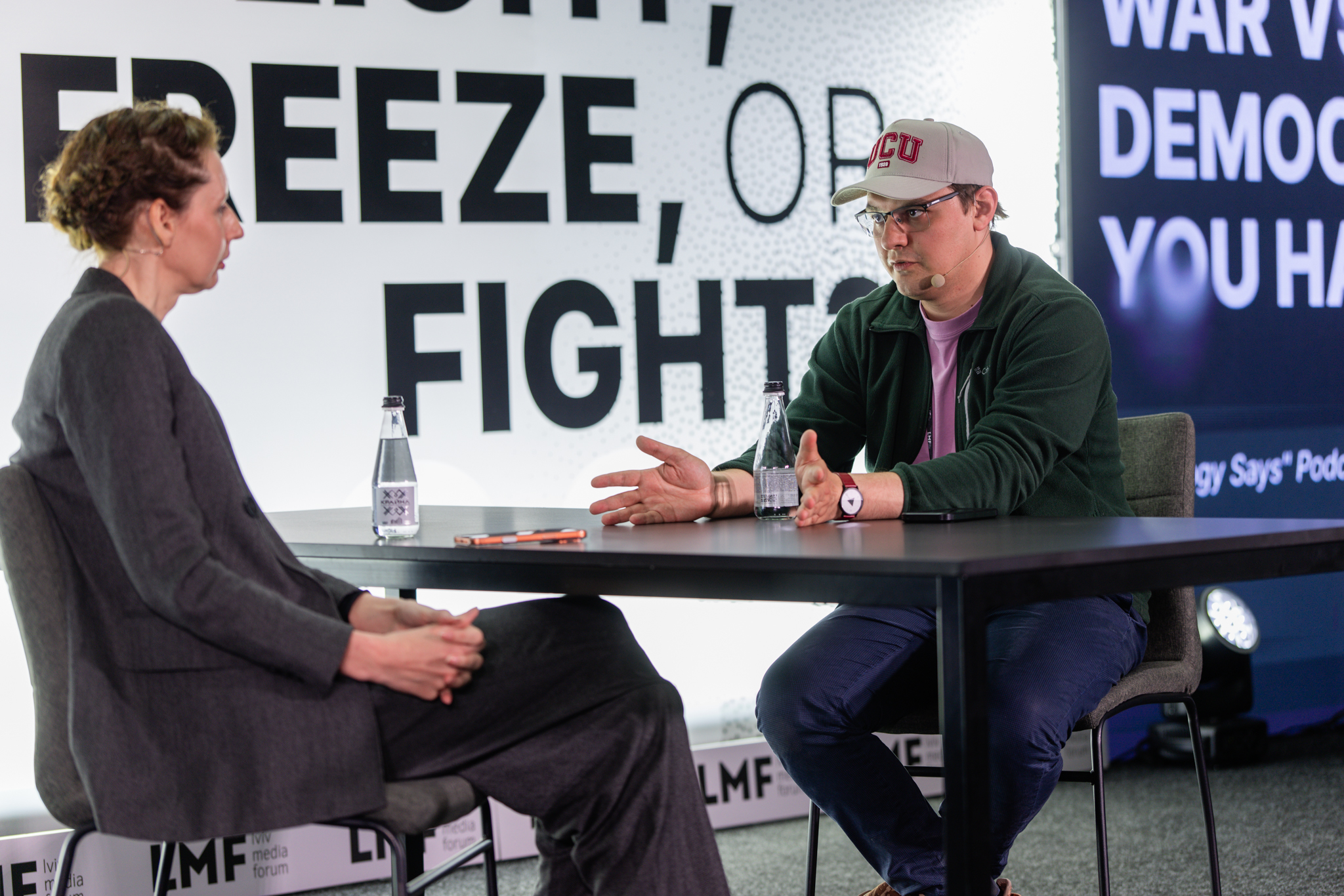
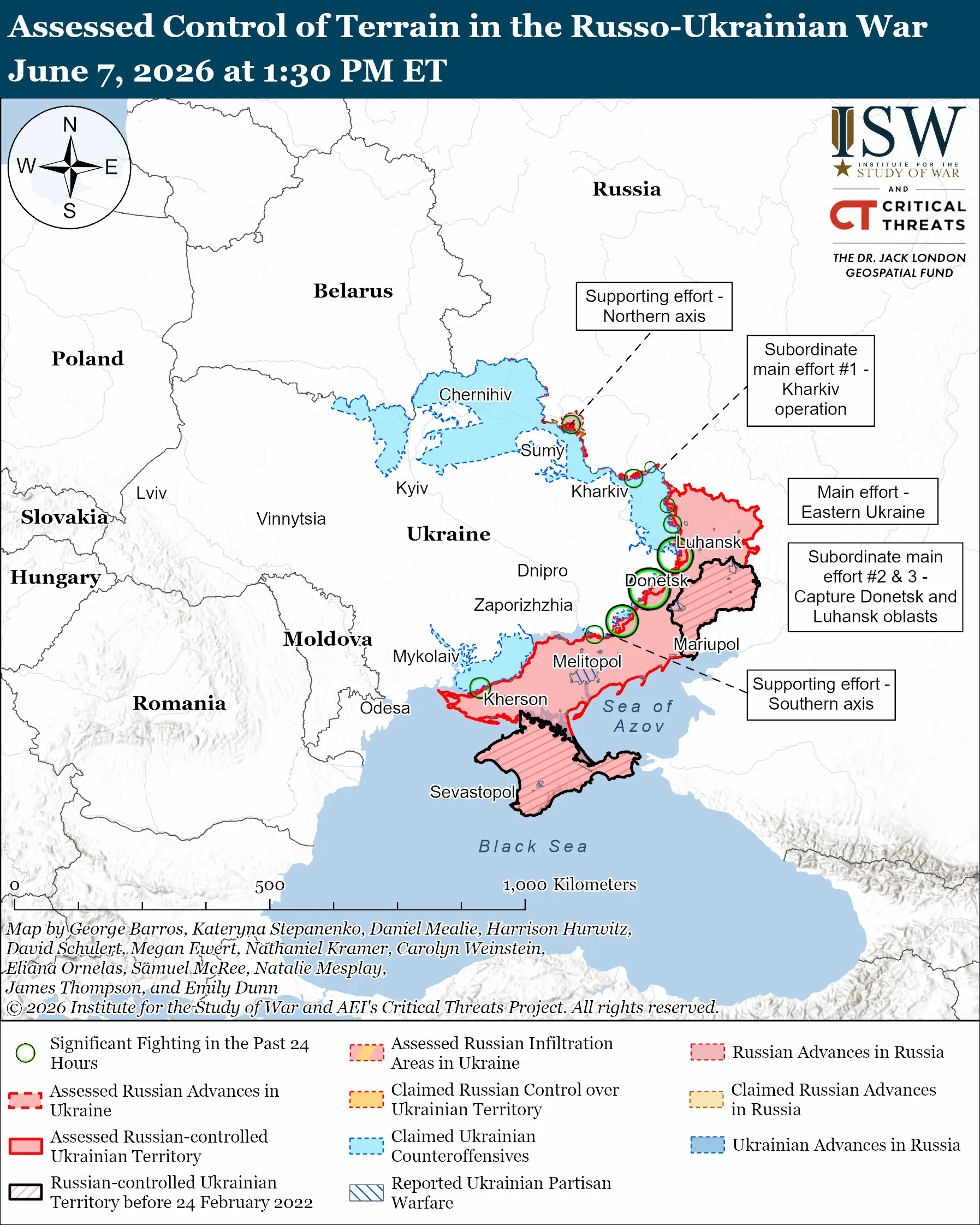














 (@bayraktar_1love)