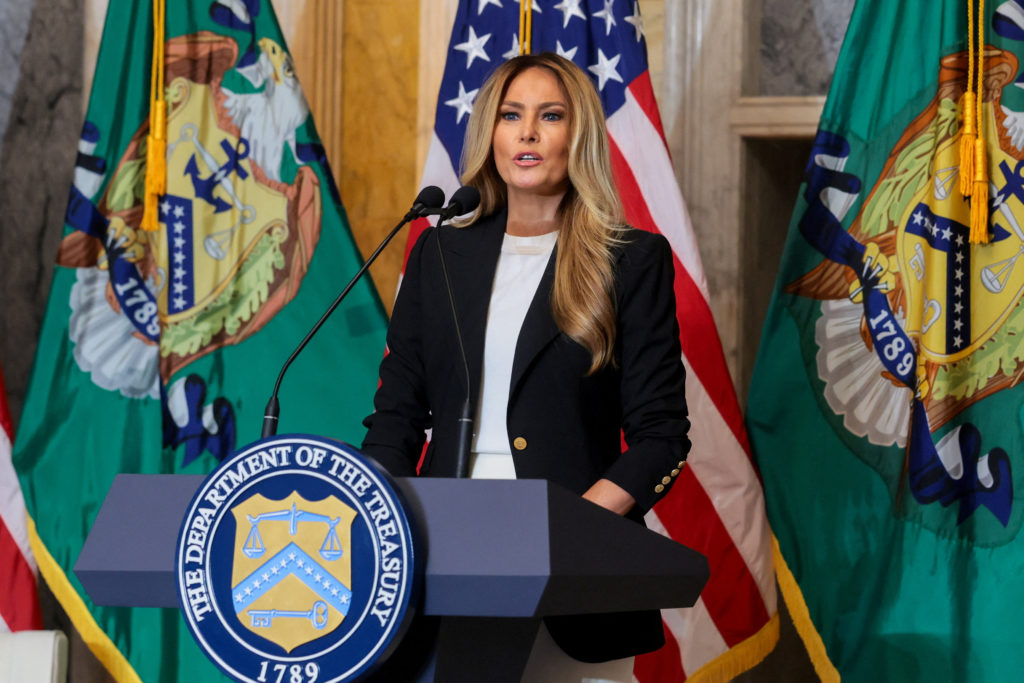
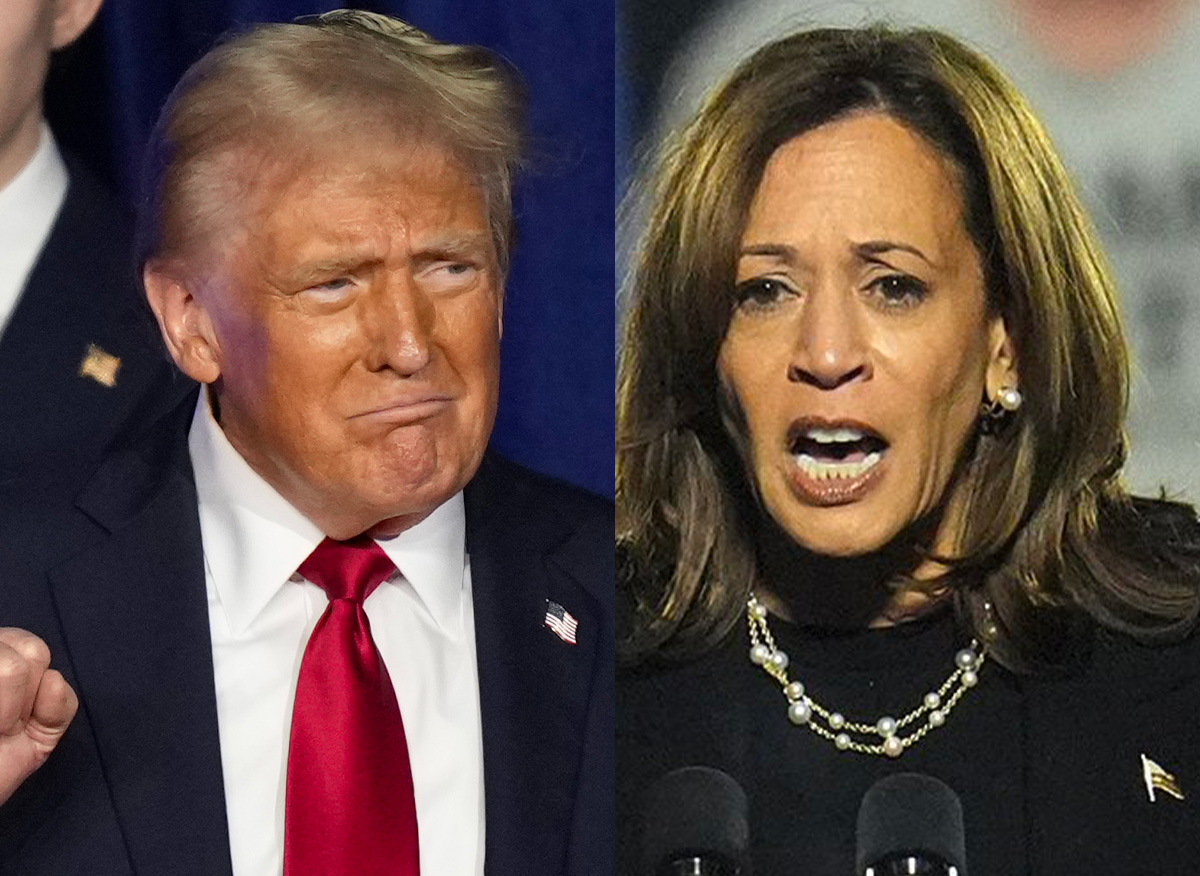
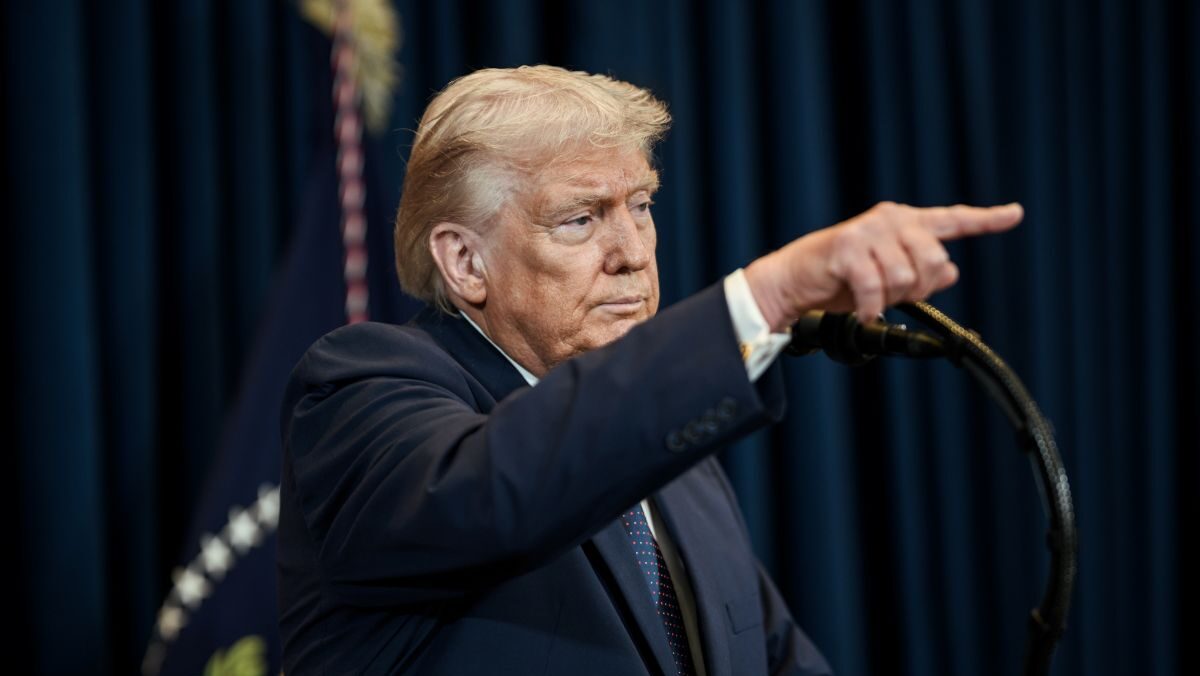
First lady Melania Trump and Treasury Secretary Scott Bessent on Thursday announced the launch of Fostering the Future Accounts, a spinoff of the Trump Accounts investment funds meant to give $1,000 to every newborn whose parent opens one.
Estados Unidos e Irán han intercambiado en las últimas horas una nueva ronda de ataques que ponen seriamente en peligro la tregua, acordada en abril pasado. Por la fuerza, Donald Trump intenta obligar a Teherán a que abra el estrecho de Ormuz y permita entablar conversaciones sobre su programa nuclear. En un mensaje en Truth Social, ha asegurado que habrá más bombardeos y que EEUU tomará la isla de Jarg o Charag. Previamente el presidente de EEUU dijo que Teherán "pagaría el precio" por el estancamiento en las negociaciones.
"Estados Unidos va a golpear a Irán... con mucha fuerza esta noche. En algún momento en un futuro no muy lejano, tomaremos la isla de Jarg y otros puntos de infraestructura petrolera, y asumiremos el control total de sus mercados de petróleo y gas, de forma muy similar a lo que hemos hecho con Venezuela", ha escrito Trump. La isla de Jarg, situada en el Golfo, es un salvavidas económico para Irán, ya que gestiona alrededor del 90 % de sus exportaciones de petróleo.
Totalmente desencadenado, en una entrevista en Fox and Friends, Trump ha asegurado que "Irán está acabado". Sostiene que si enviara soldados, EEUU tomaría el país rápidamente. Sin embargo, el presidente parece que no quiere tropas sobre el terreno.
El comandante de la Fuerza Aeroespacial de la Guardia Revolucionaria Islámica iraní, Majid Mousavi, ha declarado que convertirán Oriente Próximo "en un infierno" para Estados Unidos, según informa Efe. "¿Creen que pueden convertir el sagrado estrecho de Ormuz en un lugar inseguro? Convertiremos toda la región en un infierno para ustedes", ha señalado Mousavi.
Las fuerzas estadounidenses han lanzado nuevos ataques "en legítima defensa" contra múltiples objetivos en Irán, según ha informado el Comando Central de EEUU (Centcom). En concreto, los objetivos han sido "las capacidades de vigilancia militar iraníes, los sistemas de comunicación y las instalaciones de defensa aérea en todo Irán".
Irán cierra Ormuz y ataca la Quinta Flota
En respuesta, el centro de mando militar iraní, el Cuartel General Central Khatam al-Anbiya, ha anunciado la madrugada del jueves que el estrecho de Ormuz se cerraría a todos los buques "con efecto inmediato". Todo barco que cruce el estrecho va a ser atacado. EEUU asegura que sigue abierto.
Irán también afirmó que había lanzado un ataque con drones contra la Quinta Flota estadounidense en Baréin. En este caso el objetivo han sido las instalaciones de comunicaciones y radar del sistema Patriot.
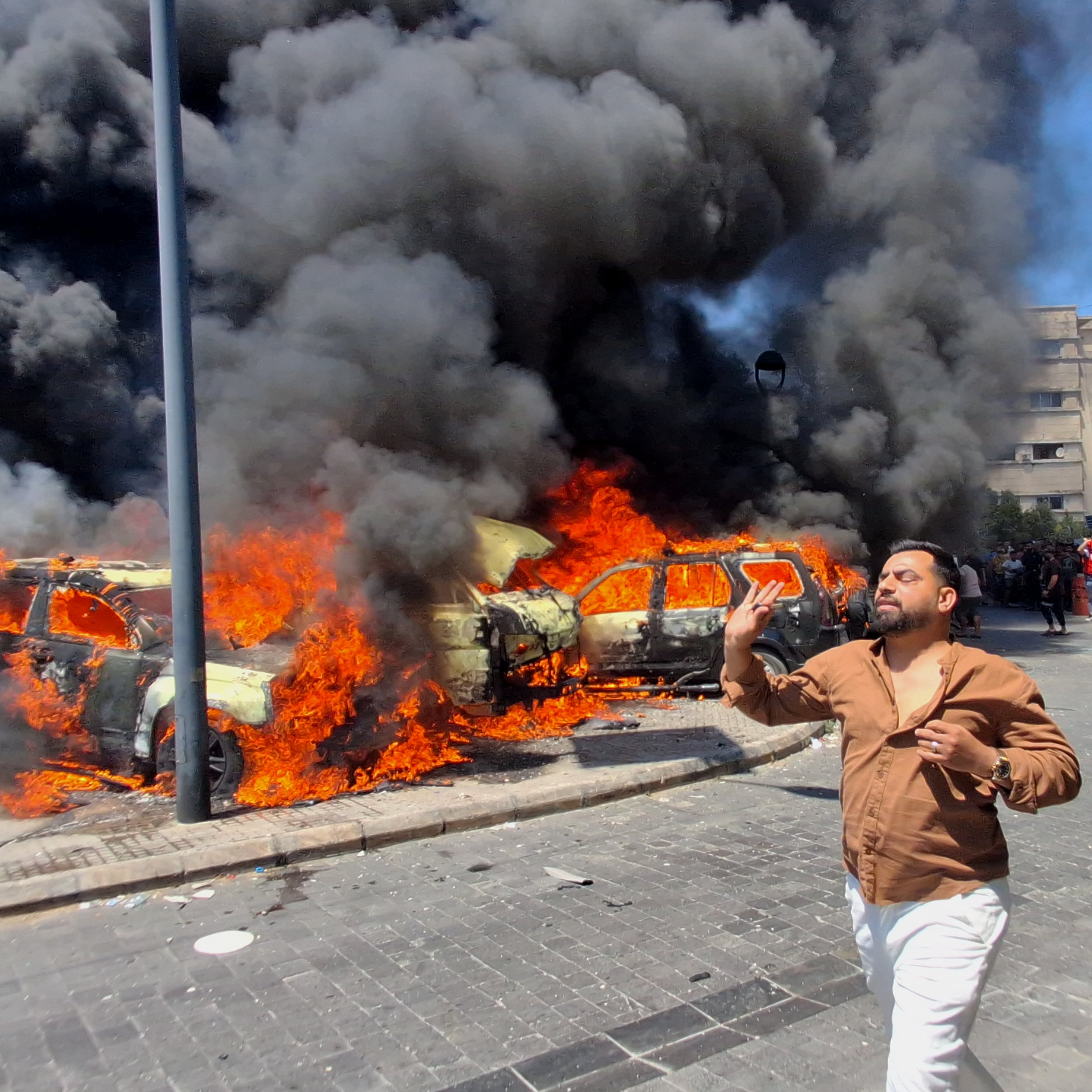
El Cuerpo de la Guardia Revolucionaria Islámica ha dicho que sus fuerzas aeroespaciales y navales lanzaron dos oleadas de ataques de represalia. Habrían alcanzado y destruido 18 objetivos militares estadounidenses clave en la base aérea de Ahmad al-Jaber y la base aérea de Shaikh Isa en Kuwait y Baréin. Kuwait ha cerrado su espacio aéreo. Los medios estatales iraníes también informaron de un "intenso" ataque con misiles contra la base aérea de Muwaffaq Salti en Jordania.
El detonante de esta última oleada de ataques ha sido el derribo de un Apache de EEUU a principios de la semana. Los últimos enfrentamientos representan la amenaza más grave para el frágil alto el fuego acordado entre ambos países en abril. Trump se ha mostrado cada vez más frustrado ante la falta de voluntad de Teherán para aceptar sus condiciones para un acuerdo que prorrogue el alto el fuego de abril por 60 días y alivie la crisis energética mundial.
Los precios están subiendo mientras tanto: en EEUU la inflación ha llegado al 4,2% en mayo, un récord en tres años. Este jueves se da por hecho que el BCE subirá los tipos un cuarto de punto para contener el alza de los precios. Y no será la última vez este año si no cambia el panorama.
El secretario general de la ONU, António Guterres, ha advertido en su cuenta de X: "No debemos subestimar el riesgo de que este fuego menor se convierta en un incendio... Oriente Próximo se está sumiendo cada vez más en la crisis y las consecuencias van mucho más allá de la región".
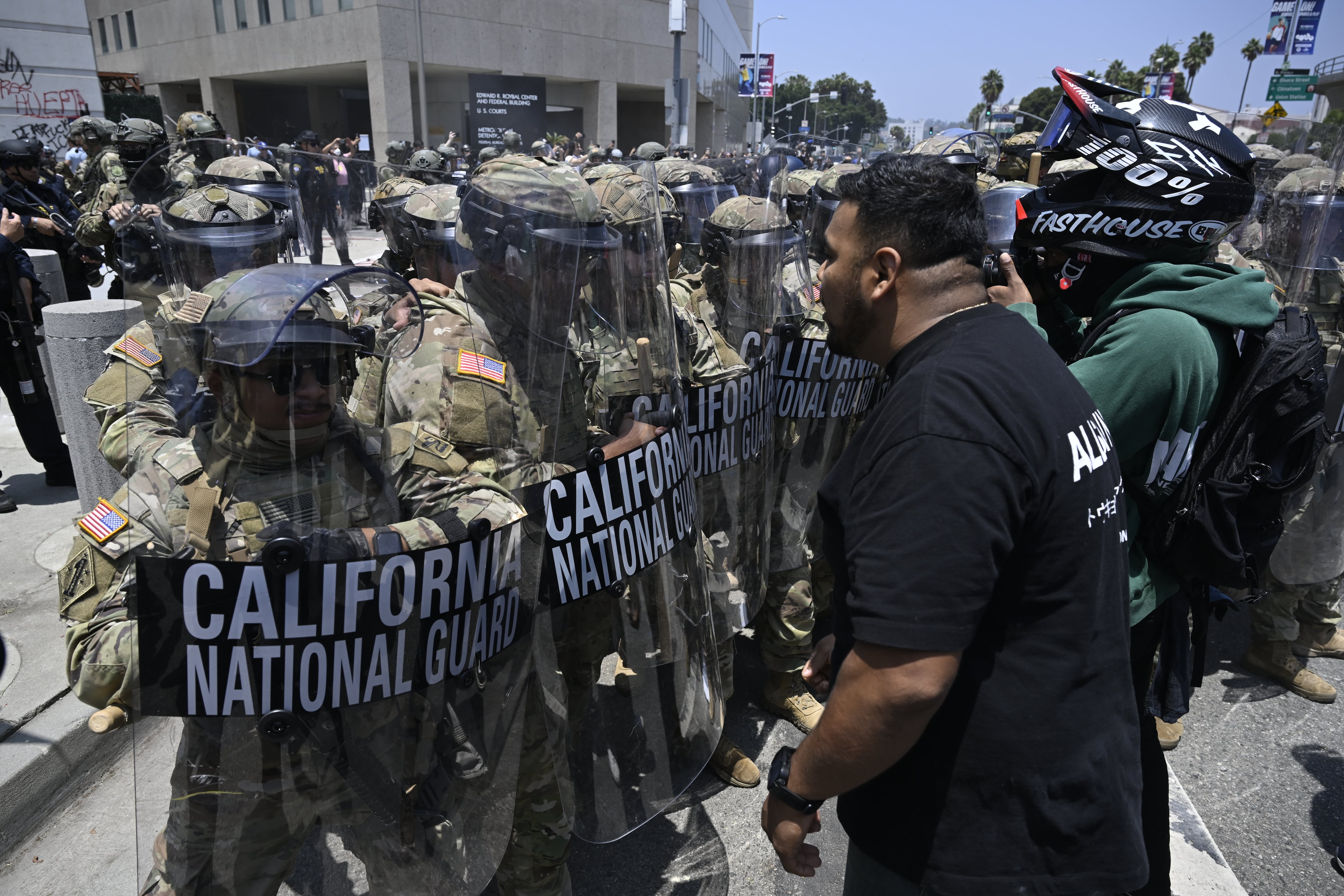
An agricultural property a few miles from Gilroy, just south of the San Francisco Bay Area, has become the latest flashpoint in the ongoing clash between California and the Trump Administration. California Attorney General Rob Bonta and Santa Clara County filed a federal lawsuit on Wednesday seeking to stop the construction of a U.S. Immigration and Customs Enforcement (ICE) facility that local officials say could be used to temporarily detain migrants as part of the federal government’s intensified immigration enforcement efforts.
A fragile ceasefire that many Iranians say does not feel like a ceasefire has given some people inside Iran the courage to speak out, despite what they describe as enormous personal risk.
The accounts come as President Donald Trump said from the Oval Office that the U.S. had reached what he called "a great settlement of the war with Iran," adding that the agreement was still "subject to finalization of documents" and could be signed in Europe in the coming days. The announcement followed weeks of military escalation and fragile negotiations, including U.S. strikes after Trump blamed Iran for the downing of a U.S. Apache helicopter near the Strait of Hormuz and earlier warnings that Tehran would be hit "very hard" if it failed to accept a deal.
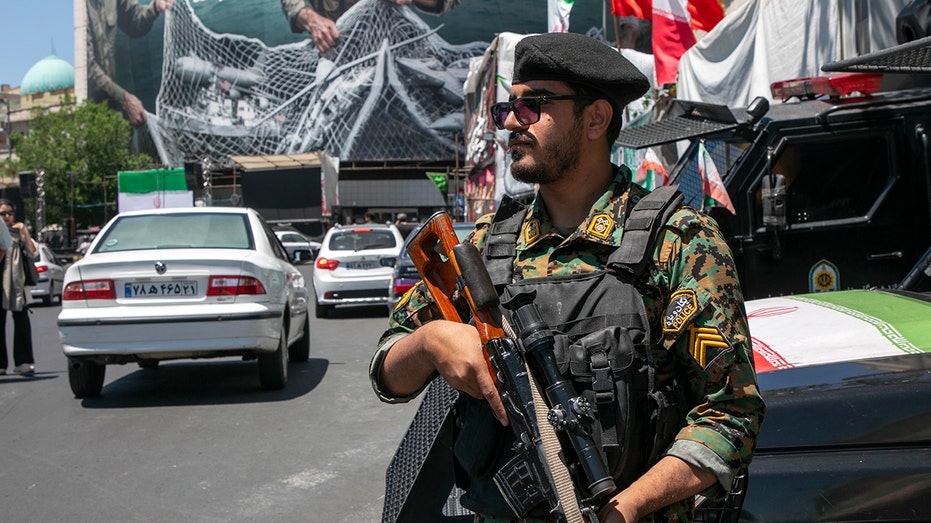
Inside Iran, three young voices described a country where repression is becoming even more visible, the Islamic Revolutionary Guard Corps is expanding its presence on the streets, and ordinary people are struggling to afford basic necessities.
All three spoke to Fox News Digital through written messages because of security concerns and internet restrictions inside Iran. Their names have been changed to protect their identities.
They described a similar reality: checkpoints across major streets, fear of the Basij, the hardline volunteer militia under the Islamic Revolutionary Guard Corps, and the Revolutionary Guards itself, renewed enforcement of hijab rules, mass layoffs, long lines outside bakeries and a growing sense among young Iranians that the future has disappeared.
‘The curtain has been pulled back'
"The influence of the Revolutionary Guards always has been present, and everything has operated within their ideological framework. Now, their interference is more obvious and easier to see," Hassan said. "Now the curtain has simply been pulled back."
"The atmosphere in cities and government offices has become much more securitized. Security forces are now visible around almost every major square and intersection, and there are numerous checkpoints throughout the cities," he said. "Individuals affiliated with the security apparatus or the Basij are increasingly being given positions of authority and influence."
At the beginning of the war, Milad said, authorities appeared to ease some social restrictions, including enforcement of hijab rules. But he said that pressure has since returned, adding that the regime is not only targeting opponents, but also silencing supporters who cross political red lines.
"For example, a group staged a sit-in protest against negotiations with the United States," Milad said. "Security forces intervened and told them that they were disrupting public security. They were warned that if they did not leave, they would be arrested."
Ali, a student in Tehran, Iran, said the Islamic Revolutionary Guard Corps control feels more open than ever.
"It can be said that if previously 80% of the country was controlled by the Revolutionary Guard and the rest by the government, now 100% of the country is in the hands of the IRGC," Ali told Fox News Digital. "When you drive through the streets and reach checkpoints, you don’t even dare look them in the eye because they can do whatever they want."
"No one dares get into trouble with people who are members of organizations like the Basij, because they can report your name and have you arrested," he added. "They have become more brutal than ever, and people know that if they take to the streets, the Revolutionary Guards can easily kill them and no one can do anything about it."
Ali said Basij members who once hid their affiliation now display it openly.
The accounts come against the backdrop of Iran’s long history of violent crackdowns on dissent.
Iran International reported that more than 36,500 people were killed during the January crackdown, while Amnesty International described January 2026 as the deadliest period of repression by Iranian authorities in decades and said deaths rose into the thousands.
Milad, who said he witnessed the crackdown, described the impact it had on ordinary Iranians.
"Before the war, we couldn’t even breathe. We couldn’t sleep at night," he said. "The conditions were very difficult for most people who had seen that massacre. After the war, we were able to sleep more easily at night, and we felt a bit more at ease. Now, even though the war is still ongoing, we continue to worry about the families of the martyrs and those who are in prison, under torture, and facing the executioner."
The new war and the U.S.-led pressure campaign that began Feb. 28 have raised hopes among some opponents of the regime that the Islamic Republic could be weakened or even collapse. But the Iranians who spoke to Fox News Digital said that, for now, the result on the ground has been a more visible security state.
The economic pressure also is being felt across daily life.
Iran already was struggling with inflation, currency collapse, corruption and sanctions before the war.
Since then, growing economic strain has been reported, with businesses crushed by high prices, supply-chain disruptions, internet blackouts and rising unemployment. Iran’s official statistics center reported annual inflation of 53.7% in April, with food inflation above 115%, according to the Associated Press.
Ali said, many young Iranians see almost no path forward.
"The economic situation has become so bad that almost all industries are on the verge of collapse and are simply trying to survive," he said. "Many companies have laid off workers, including me. Many of my engineering-student friends have also been laid off. Families can no longer financially support their children."
"I see many more older men and women than before who clearly were not garbage collectors but are now searching through trash," Ali said.
"Almost all of us young people are convinced that we have no future," he added. "At best, if there is anything left from what we earn, we can spend it on going to a café. Buying a phone or clothes has become difficult; buying a car is a dream. Prices have become so high that some days we can barely afford our two main meals and nothing else. Snacks, fruit and similar things are no longer part of life."
Milad described a similar picture, saying layoffs, unpaid salaries and rising utility bills are crushing families.
"The government is trying to collect more money from people through higher taxes. Utility bills for water, electricity and gas have become extremely expensive," he said.
He said bakeries remain crowded not only because of war fears, but because bread has become one of the only affordable foods left.
"Bread has become the main staple on many family tables," Milad said. "Medical costs are extremely high, and many people are afraid to visit a doctor because the costs of medication, tests and treatment are so expensive."
Hassan, however, said the economic pain is bearable only because some Iranians believe it could eventually help bring down the Islamic Republic.
"We believe that with the return of a government that truly represents the people, under the leadership of Crown Prince Reza Pahlavi, economic conditions will improve in the future," he said.
Reza Pahlavi, the son of Iran’s late shah, has lived in exile for decades and has increasingly presented himself as a unifying figure for Iranians seeking a post-Islamic Republic future. His supporters inside and outside Iran argue that any transition should lead to a referendum and a democratic system.
The Iranians who spoke to Fox News Digital warned the Trump administration against negotiating with the regime or easing pressure too soon.
"I would like to tell the Western world that appeasement of the Islamic Republic is futile," Hassan said. "These are dishonest and deceptive people who, according to their religious beliefs, practice taqiyya in order to deceive others and maneuver their way through difficult situations."
"These are not people who can be reformed," he added. "Appeasement of them is harmful to the entire world. It is extremely naive to believe that meaningful negotiations can be conducted with such individuals."
Ali said he believes the clerical regime would give up uranium if it allowed its leaders to stay in power.
"We only hope that the Islamic Republic falls, whether through war or through an agreement," Ali said. "The clerics are far too shameless to fight to the death over uranium. They would be willing to hand over the uranium to the United States if it meant staying in power and continuing to plunder Iran. But they are certainly careful to avoid suffering the same fate as Gaddafi."
His message to Washington was direct.
"The only message I have for the U.S. government is: save the people of Iran from the clerics and free Iran from the Islamic Republic," Ali said.
Milad said many Iranians are watching Trump closely and fear another moment when the West chooses negotiation over the people in the streets.
"Iranian people have hope that the American administration will be strong and stand on their side," he said. "We don’t want another Obama situation. Iranian people and their blood are not oil prices."
"We have one message to the president, and that is to continue," Milad said. "Here in Iran, we no longer say, ‘Obama, Obama, either with us or with them.’ Now we’re saying: ‘Trump, don’t be Obama. You are with us, not with them. President Trump, stay the course.’"
Fox News Digital reached out to Iran’s mission to the United Nations for comment.
Kamala Harris ci riprova? Da Washington il verdetto degli elettori: “Non basta essere anti-Trump”
Dal nostro inviato a Washington – Washington, come New York, ma per motivi diversi, non dorme mai, e in questi giorni il nome diKamala Harris torna a circolare con insistenza. L’ex vicepresidente ha dichiarato di stare “pensando” a una candidatura per il 2028, ma l’entusiasmo, almeno tra chi l’ha sostenuta in passato, è tutt’altro che scontato. Ho voluto capire cosa ne pensa la gente comune, non quella dei palazzi, ma quella che incontri per strada, in un bar, o sul sedile posteriore di un’auto.
È proprio lì, su un Uber, nel tragitto tra l’ambasciata italiana e il dipartimento di Stato, che ho avuto una delle conversazioni più oneste di questi giorni. Kwame, autista afroamericano sulla cinquantina, voce calma e sguardo diretto dallo specchietto retrovisore, non ha dubbi su un punto: “I really liked her”. Ma poi si ferma, e aggiunge qualcosa che vale più di mille analisi politiche.
Nel 2024, spiega, il problema non era Harris. Era Biden.“Tutti vedevamo un uomo allo sbaraglio. Non aveva alcuna possibilità, e lei è entrata in corsa troppo tardi, con un peso impossibile sulle spalle”. Su Trump, Kwame è chirurgico: “Piace a tutti, parla alla pancia e ti fa pensare che tutto sarà perfetto durante la sua amministrazione. Ora ne paghiamo i risultati noi, mentre i ricchi stanno meglio”. Non è un’opinione isolata quella di Kwame, secondo la grande emittente americana “Abc News”, che ha intervistato oltre quindici tra ex donatori, consulenti e funzionari della campagna, molti nel partito soffrono di una vera e propria “Biden fatigue”, la stanchezza per un’era che Harris fatica ancora a scrollarsi di dosso, nonostante il suo libro 107 Days tenti di prendere le distanze dall’ex presidente.
Il discorso con Kwame mi fa capire un punto di vista condiviso dalla maggior parte degli afroamericani e della classe lavoratrice statunitense. Ho voluto quindi capire anche come la generazione più giovane ha vissuto la campagna del 2024, e come guarda a un’eventuale candidatura 2028. Le risposte non sono incoraggianti per il campo democratico. Christopher, nome di fantasia, perché lavora nel governo federale e ha chiesto l’anonimato, è un italoamericano laureato da pochi anni, ma democratico convinto da sempre. Eppure su Harris non ha dubbi: “Non voterei mai per lei”. Lo dice senza rancore, quasi con dispiacere.
“Sono un democratico da tutta la vita, ma Kamala Harris è terribile”. La ragione è semplice, e la sente condivisa da molti suoi coetanei: “Ha fatto tutta la sua campagna sul fatto che non avremmo dovuto votare per Trump. Non mi ha mai detto perché avrei dovuto votare per lei”. Il giovane va oltre, e tocca un nervo scoperto del Partito Democratico: “Le campagne di Harris e Biden mi sono sembrate elitarie. Non sanno parlare alla working class. Sono riusciti in qualche modo a farsi superare da Trump, spesso coinvolto in scandali di razzismo, nei voti dei latinos. È assurdo”.
Le parole di Christopher trovano eco anche tra i grandi donatori. Un raccoglitore di fondi che aveva sostenuto Harris nel 2024 ha dichiarato ad “Abc News” di non aver “sentito nessuno dire che vorrebbe che lei si candidasse. Anzi, è il contrario”. Un altro ha aggiunto senza mezzi termini: “L’elettorato sarà estremamente affamato di una voce nuova, fresca, più giovane, con una prospettiva diversa. Non credo che Kamala sia la persona giusta per questo momento”.
Il principale ostacolo sul suo cammino ha un nome preciso: Gavin Newsom. Il governatore della California, anche lui cresciuto politicamente a San Francisco, è considerato il favorito da molti nel partito. Willie Brown, storico powerbroker californiano e mentore di entrambi, è stato diretto: tra i due, il più “credibile” sarebbe Newsom, “perché non sarebbe il più recente perdente”. Una sentenza brutale, ma che fotografa il problema di fondo di una candidatura Harris.
La domanda che rimane aperta è se Harris abbia davvero imparato qualcosa da quella sconfitta. I segnali, per ora, sono pochi. Secondo chi le è vicino, starebbe lavorando alle elezioni di midterm, raccogliendo fondi per i candidati democratici e battendosi contro lo smantellamento del Voting Rights Act. Una strategia sobria, lontana dai riflettori, forse troppo, per chi vuole tornare protagonista. L’America che ho incontrato, in taxi, per strada, tra una generazione e l’altra, non è ostile a lei per partito preso. È semplicemente stanca di campagne che parlano contro qualcuno invece di parlare per qualcosa. Se Harris vuole il 2028, dovrà rispondere a una domanda semplice che Kwame, Christopher e milioni di americani le stanno già facendo: perché dovrei votare per te?
Hormuz chiuso e lo spettro atomico: l’intervista a Federico Petroni sullo scontro Washington-Teheran
Mentre la tensione sul terreno non accenna a placarsi e i canali diplomatici restano faticosamente aperti, il confronto tra Washington e Teheranentra in una fase cruciale, sospesa tra il test delle rispettive “linee rosse” e la ricerca di una via d’uscita.
Sullo sfondo, i bombardamenti sulle infrastrutture civili, la chiusura dello Stretto di Hormuz e le indiscrezioni sul possibile ricorso ad armi nucleari tattiche sollevano interrogativi drammatici: siamo di fronte a una reale prova di forza o al sintomo di una profonda frustrazione geopolitica da parte di una Casa Bianca incapace di raggiungere i propri obiettivi? E quale ruolo giocano le irrisolte preoccupazioni di sicurezza di Israele nella tenuta di un eventuale accordo?
A fare chiarezza è Federico Petroni, analista geopolitico di Limes, che ad Affaritaliani analizza i nodi più caldi dello scontro e le sue possibili evoluzioni: “Siamo proprio in un momento in cui si testano queste linee rosse. È ovvio che però gli Stati Uniti finora non sembrano in grado di volere o poterle superare, anche perché la risposta dell’Iran potrebbe essere altrettanto catastrofica”.
Nuovi bombardamenti in Iran, ma i colloqui continuano: qual è la linea rossa che Trump non può superare?
“Al momento non ci sono particolari linee rosse, se non quelle ovvie: l’opzione nucleare e gli attacchi alle infrastrutture civili vitali, come la rete elettrica o gli impianti idrici. Tuttavia, i recenti raid contro una di queste strutture sembrano un chiaro messaggio inviato a Teheran per dimostrare che Washington è pronta a valicare quel limite. Inoltre, secondo fonti non confermate, Trump avrebbe sollevato l’ipotesi di utilizzare armi atomiche di basso calibro contro i siti nucleari iraniani, un’indiscrezione che avrebbe suscitato un enorme scandalo nel suo stesso gabinetto.
Siamo in una fase di test reciproco dei limiti. Finora, però, gli Stati Uniti non sembrano avere la forza o la reale volontà di superare queste linee rosse, anche perché la controrisposta iraniana sarebbe catastrofica. Teheran ha finora risposto in modo simmetrico, colpendo le infrastrutture petrolifere e gasiere del Golfo. Un’escalation di questi contrattacchi manderebbe in cortocircuito l’economia globale, traducendosi in un disastro economico anche per gli Stati Uniti”.
Se ci sarà un accordo tra Washington e Teheran, chi ne uscirà vincitore? E quanto potrà durare?
“Temo che un eventuale accordo difficilmente avrebbe vita lunga, a meno che non si riescano a risolvere le preoccupazioni di Israele, che rimangono il nodo fondamentale. Poiché questa guerra all’Iran non ha dato i risultati sperati da Washington e Gerusalemme, il rischio che tra qualche anno Israele si senta talmente poco sicuro da dover riavviare questo tipo di operazioni militari è concreto.
Fondamentalmente, il governo Netanyahu mirava a rovesciare il regime iraniano per poter sbandierare questa vittoria in patria e dichiarare concluso il conflitto. Non essendoci riuscito, lo scenario resta di forte instabilità. Quanto a chi ne uscirà vincitore, è chiaro che gli Stati Uniti non hanno centrato nessuno dei propri obiettivi, anzi hanno peggiorato il quadro geopolitico. L’Iran, dal canto suo, ne esce indubbiamente indebolito per aver perso parte della sua leadership e per l’aggravarsi del soffocamento economico; d’altro modo, però, ne risulta rafforzato, essendo sopravvissuto a una guerra aperta che nessuno, prima d’ora, aveva mai osato muovergli contro”.
L’Iran ha chiuso lo Stretto di Hormuz: che segnale sta mandando a Trump e al mondo? È un punto di non ritorno nel conflitto?
“Teheran ha bloccato Hormuz perché gli Stati Uniti hanno ripreso a bombardare per pura frustrazione. I recenti attacchi americani non sono altro che il sintomo di una crisi di nervi. Di fronte a un Iran che si sente vincitore e che quindi respinge ogni richiesta della Casa Bianca, gli statunitensi hanno pochissime carte da giocare. Si illudono che qualche campagna di bombardamento possa ammorbidire la posizione iraniana, ma penso che non ci credano fino in fondo nemmeno loro. Per questo la definisco un’operazione dettata dalla frustrazione”.
Una tregua è ancora lontana?
“Gli Stati Uniti hanno ampiamente dimostrato di non avere né la forza né la volontà di andare fino in fondo, ovvero di intensificare sensibilmente le operazioni militari. Questo accade anche perché Washington non ha una visione chiara di cosa vuole ottenere da un conflitto avviato per ragioni che hanno pochissimo a che fare con i reali interessi strategici americani.
Allo stesso tempo, però, la Casa Bianca non può fare marcia indietro senza rimediare un gravissimo danno d’immagine. Ritirarsi significherebbe ammettere non solo di aver perso la guerra, ma anche di aver ceduto il controllo di uno stretto marittimo vitale, un passaggio chiave per chiunque voglia continuare a definirsi la prima potenza del pianeta. A un certo punto Trump potrebbe anche stufarsi e decidere di abbandonare il campo, ma finora non lo ha fatto proprio perché è consapevole dell’altissimo prezzo reputazionale che pagherebbe in prima persona”.
Trump wrote on social media that 'discussions and final points have been, in both concept and great detail,' approved by United States, Israel, and other regional allies.
Trump wrote on social media that 'discussions and final points have been, in both concept and great detail,' approved by United States, Israel, and other regional allies.
June is Pride Month for sexual and gender diversity. On June 28 the International LGBTQ+ Pride Day is observed in homage to the Stonewall uprising, which took place in 1969 in New York and is considered the cradle of the rights movement. Throughout the month —with some celebrations extending into July— rights are asserted, cultural events are scheduled and demonstrations are organized.
Nel nostro tempo si sta affermando una cultura del potere, in cui la disponibilità di risorse e la capacità di dominare tendono a dettare l’agenda e i criteri decisionali. [In questo modo, il bene comune dell’umanità viene relegato in secondo piano e la tragedia concreta dei popoli in guerra viene ridotta a una considerazione secondaria rispetto agli interessi strategici]. — Papa Leone, Magnifica Humanitas
Nel nostro tempo, il legame tra i combustibili fossili e la cultura del potere – leggi: autoritarismo – è diventato esplicito.
Dall’insediamento presidenziale del gennaio 2025, l’obiettivo del governo statunitense è stato il puro dominio. Il presidente Trump controlla il governo federale come nessun altro prima di lui, applicando la teoria dell’“esecutivo unitario” (unitary executive), che di fatto azzera la capacità dei dipartimenti federali di agire in modo indipendente. Domina i media come nessun altro. Domina le conversazioni di tutti i giorni. Domina il suo partito e il Congresso: la risicata maggioranza repubblicana si schiera sistematicamente con le sue priorità, terrorizzata dall’idea di subire sfide alle primarie o di essere punita da lui e dall’elettorato di riferimento.
La Corte Suprema, nella causa emblematicamente denominata Trump contro Stati Uniti, ha persino stabilito che il presidente gode dell’immunità penale. Per la legge, un uomo solo è al di sopra della legge. Il che significa che, invece dello Stato di diritto, gli Stati Uniti hanno ora il governo di un solo uomo.
L’imperialismo fossile in politica estera
Il tema del dominio permea anche la geopolitica. Il presidente lancia slogan come “prendere il controllo”, “prendersi il loro petrolio”, “lo otterremo in un modo o nell’altro”. Venezuela e Iran ne sono gli esempi lampanti (l’annessione della Groenlandia, a quanto pare, è solo temporaneamente in stand-by).
Questa agenda non è mai stata così esplicita come nel settore del petrolio e del gas. L’espressione “dominio energetico” (energy dominance) è quasi un tic nervoso per i funzionari federali. Esiste persino un vero e proprio Consiglio per il Dominio Energetico Nazionale (istituito formalmente su whitehouse.gov). Per questa amministrazione, “energia” significa esclusivamente petrolio e gas. Infatti, l’irrazionale amore per le trivellazioni selvagge è accompagnato da una speculare, viscerale antipatia verso le rinnovabili, in particolare l’eolico. Il governo ha cancellato progetti eolici già avviati e ha pagato alla Total 1 miliardo di dollari pur di farle abbandonare le concessioni eoliche.
Dominio energetico significa una cosa sola: esercitare il potere geopolitico attraverso l’esportazione di idrocarburi.
La sottomissione dell’Europa: l’effetto Chamberlain
Il dominio di un paese, per logica, implica l’asservimento di un altro. Un concetto che è stato reso evidente nel luglio 2025 quando la presidente dell’Unione Europea, Ursula van der Leyen, nella sua migliore imitazione di Neville Chamberlain – o, per l’appunto, calandosi nei panni di un arrendevole Vittorio Emanuele III, pronto a firmare la resa – si è recata nel campo da golf di Trump in Scozia. Lì, ha siglato un accordo commerciale che impegna l’Europa a importare l’assurda cifra di 750 miliardi di dollari in petrolio e gas dagli Stati Uniti. In caso di promessa infranta, la minaccia è lo scatto di dazi punitivi.
In altre parole, gli Stati Uniti stanno usando minacce economiche e militari per cacciare a forza petrolio e gas in gola all’Europa. Attraverso una triplice strategia:
– Regolamenti indeboliti: l’UE ha ricevuto l’ordine di allentare le proprie normative sul metano per rendere ammissibile il gas proveniente dal bacino Permiano in Texas. – Attacchi alla NATO: l’alleanza atlantica è stata ripetutamente denigrata dal presidente e dal vicepresidente statunitensi. – Infrastrutture imposte: l’ambasciatrice in Grecia, Kimberly Guilfoyle, ha chiarito che lo sviluppo delle infrastrutture di GNL (gas naturale liquefatto) è la sua priorità assoluta, mentre 12 paesi dell’Europa centrale e orientale hanno firmato contratti per importare GNL americano nel bel mezzo del più grande shock energetico della storia recente.
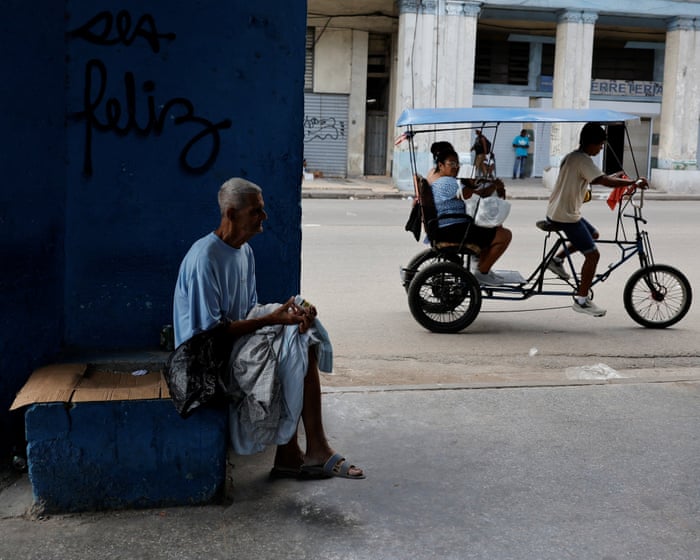
Se gli Stati Uniti devono dominare, l’Europa deve essere sottomessa. Il rapimento di Nicolás Maduro è un altro chiaro esempio di imperialismo fossile; gli Stati Uniti non si sono presi la briga di occupare militarmente il Venezuela, ma ne controllano l’unico settore strategico. E la nuova presidente venezuelana sa perfettamente di dover seguire le istruzioni, per evitare di fare la stessa fine. Il Venezuela, non a caso, ha immediatamente smesso di inviare petrolio a Cuba, che ora ha l’elettricità solo per poche ore al giorno.
La guerra in Iran: altro che fallimento!
Anche la guerra in Iran, che molti osservatori considerano un fallimento strategico, è in realtà un enorme successo per l’industria petrolifera, e in particolare per un gruppo ristretto di trader di GNL che stanno accumulando extraprofitti osceni. Il presidente degli Stati Uniti non la considera affatto un fallimento. Ha arricchito i suoi amici e ha fatto felice il suo alleato Netanyahu. Dopotutto lo dice sempre: “Quando i prezzi del petrolio salgono, noi facciamo un sacco di soldi”. Dove il “noi”, ovviamente, si riferisce alle multinazionali, non ai cittadini.
Donald Trump aveva chiesto esplicitamente ai colossi del petrolio 1 miliardo di dollari per la sua campagna elettorale, promettendo in cambio totale carta bianca. Ne hanno versati meno della metà (come riportato dalle inchieste del The Guardian), ma lui sta comunque mantenendo la parola. Mussolini riteneva che il fascismo dovesse essere chiamato corporativismo. È difficile immaginare un Paese che abbia fuso gli interessi delle multinazionali fossili e del suo aspirante dittatore in modo più completo rispetto agli Stati Uniti di oggi.
Serve una democrazia di combattenti, non di complici
La guerra a Gaza, la guerra in Iran e la guerra alle rinnovabili e all’azione per il clima si sono fuse in un’unica, coerente spinta verso il dominio globale. I paesi europei sono sovrani e hanno gli strumenti per resistere. Ma quello che non possono fare, per pura logica, è dichiararsi contrari all’ascesa dell’autoritarismo e contemporaneamente sostenere il fracking, le nuove centrali a metano e i contratti a lungo termine per il GNL americano.
Negli Stati Uniti, i cosiddetti democratici moderati di solito appoggiano lo sviluppo dei combustibili fossili, ma questa non è una posizione “moderata”: è complicità nei confronti dei bulli. Lo stesso vale per l’Europa. Gli elettori vogliono combattenti, non leader inclini al compromesso al ribasso. La democrazia ha bisogno di difensori, non di scendiletto. Il solare e l’eolico costano meno. Ma i bulli non vogliono che spendiate meno. Sono più puliti. Ma loro non vogliono che respiriate aria pulita. Sono sicuri per il clima. Ma i bulli non vogliono nemmeno che pronunciate la parola “clima”. Sono fonti energetiche locali e indipendenti. E i signori del fossile odiano l’indipendenza, perché blocca la loro strada verso il controllo totale.
Papa Leone avverte che persino la corsa all’intelligenza artificiale è guidata dal “desiderio di assicurarsi un dominio geopolitico o commerciale”. Lo stesso vale per le guerre e per l’energia. La sfida, scrive il Pontefice, è “trasformare le modalità dominanti di esercizio del potere in forme di potere condiviso”. In altre parole: il dominio è l’agenda dei bulli e degli autocrati. La cooperazione è la via delle democrazie. Il Papa è troppo diplomatico per dirlo apertamente, ma la logica è lampante: per resistere al fascismo, dobbiamo rifiutare i combustibili fossili. E viceversa.
This story originally appeared in Common Dreams on June 09, 2026.It is shared here under a Creative Commons (CC BY-NC-ND 3.0) license.
The Trump administration has emphasized in recent days that the New World screwworm infection found in a calf in Texas did not pose a threat to the United States’ larger cattle herd, which is at its lowest point in 75 years due largely to drought conditions—but the US Department of Agriculture is now acknowledging that cases of the parasite have been found outside the Texas containment zone and as far away as in New Mexico, as Republican officials attempt to blame the Biden administration for the outbreak.
While Democratic lawmakers are among those connecting the arrival of screwworm—a flesh-eating bug that feeds off the living tissue of warm-blooded animals and had been eradicated in the US in 1966—to cuts by President Donald Trump’s Department of Government Efficiency (DOGE) that specifically targeted screwworm monitoring programs, Agriculture Secretary Brooke Rollins doubled down on claims that an “open border policy” under the Biden administration was to blame.
“This does trace back to the last administration and the open border policy, and the movement of millions of people and their animals up from South America through Central America,” said Rollins with certainty on Monday.
As David Dayen explained at The American Prospect Tuesday, former President Joe Biden placed a ban on bison, horse, and cattle imports from Mexico in 2024, which Trump lifted in February 2025. At the same time, DOGE, under the leadership of Trump megadonor and tech billionaire Elon Musk, cut screwworm monitoring efforts and animal disease control and prevention efforts, slashing 1,300 employees from USDA’s Animal and Plant Health Inspection Service.
Rollins did reinstate the live import ban last May as screwworm cases were rising in Mexico and began funding prevention programs in Texas. But a $600 million facility for breeding sterile screwworm flies—a key component of successful eradication efforts—is not scheduled to be completed until late next year, and sterile flies that have been dispersed from a facility that opened in February at Moore Air Force Base in South Texas only amount to “about one one-hundredth of what it would take each week to eradicate the pest,” Dayen wrote.
He also noted that Rollins has attempted to blame Biden—who has not been in office since January 2025—despite the fact that the total average lifespan of a screwworm fly is 21 days.
“The more likely explanation is that an administration with an antipathy to government ignored government’s purpose until it was too late,” wrote Dayen.
The USDA established a 12-mile quarantine area around the affected area last week when the case was detected in South Texas, but on Monday the agency said another case had been found in Gillespie County, over 100 miles from where the initial case was reported.
A dog was also found to be infested in Lea County, New Mexico, more than 400 miles away.
UPDATE: New World Screwworm is no longer contained to Texas.
USDA says that the infested dog announced earlier today lives in Lea County, New Mexico and will be reclassified as the first detection in that state.
The parasite is not expected to affect food safety, as it feeds on living tissue, but the outbreak raises concerns about rising beef prices, which are already high due to the low volume of cattle in the US. The high prices of fertilizer and fuel due to the war in Iran, and of equipment and repairs due to Trump’s tariff policy, have also put a strain on the cattle industry.
“The cattle producer in the US has already been under extreme financial stress,” Joe Maxwell, president of Farm Action Fund and a farmer in Missouri, told The American Prospect. “This is serious, the screwworm outbreak. But it’s even more serious because of the financial position they were already under.”
In response to Rollins’ claims, Sen. Patty Murray (D-Wash.) said Tuesday: “Let’s be clear about what happened: DOGE cut the programs and staff that tracked dangerous outbreaks like screwworm.”
“So this has nothing to do with Joe Biden,” she said, “but Trump and DOGE definitely screwed our cattle industry.”
With some matches being held in nearby Miami, a Cuban response to US military action could mar the tournament
As Cuba crumbles under a nearly five-month-long US oil blockade, many on the island hope that the World Cup might save the island from US attack – or at least offer a respite until the competition ends on 19 July.
“The beginning of the World Cup will make it more difficult for the United States to carry out a military action in Cuba,” said Carlos Alzugaray, Cuba’s former ambassador to the EU. “Cuba is very close to the US, and can hit many targets inside the US, especially in south Florida, with drones or other weapons.”
Politics occupies an increasingly oppressive sphere in the United States, and the national team cannot escape it. After two decades of disappointment, the host team of the biggest World Cup in history faces the dual challenge of winning over a tense country and competing successfully on a historically unfavorable stage. Leading the operation is Mauricio Pochettino (Murphy, Argentina; 54), arguably the national team coach with the most complex mission of all.
Recent tensions between Donald Trump and Benjamin Netanyahu have fueled speculation about a growing divide in U.S.-Israel relations. However, a closer examination suggests that these disagreements are shaped more by domestic political calculations, electoral considerations, and regional dynamics than by any fundamental strategic rupture. “You are crazy. What the hell are you doing?” This is […]
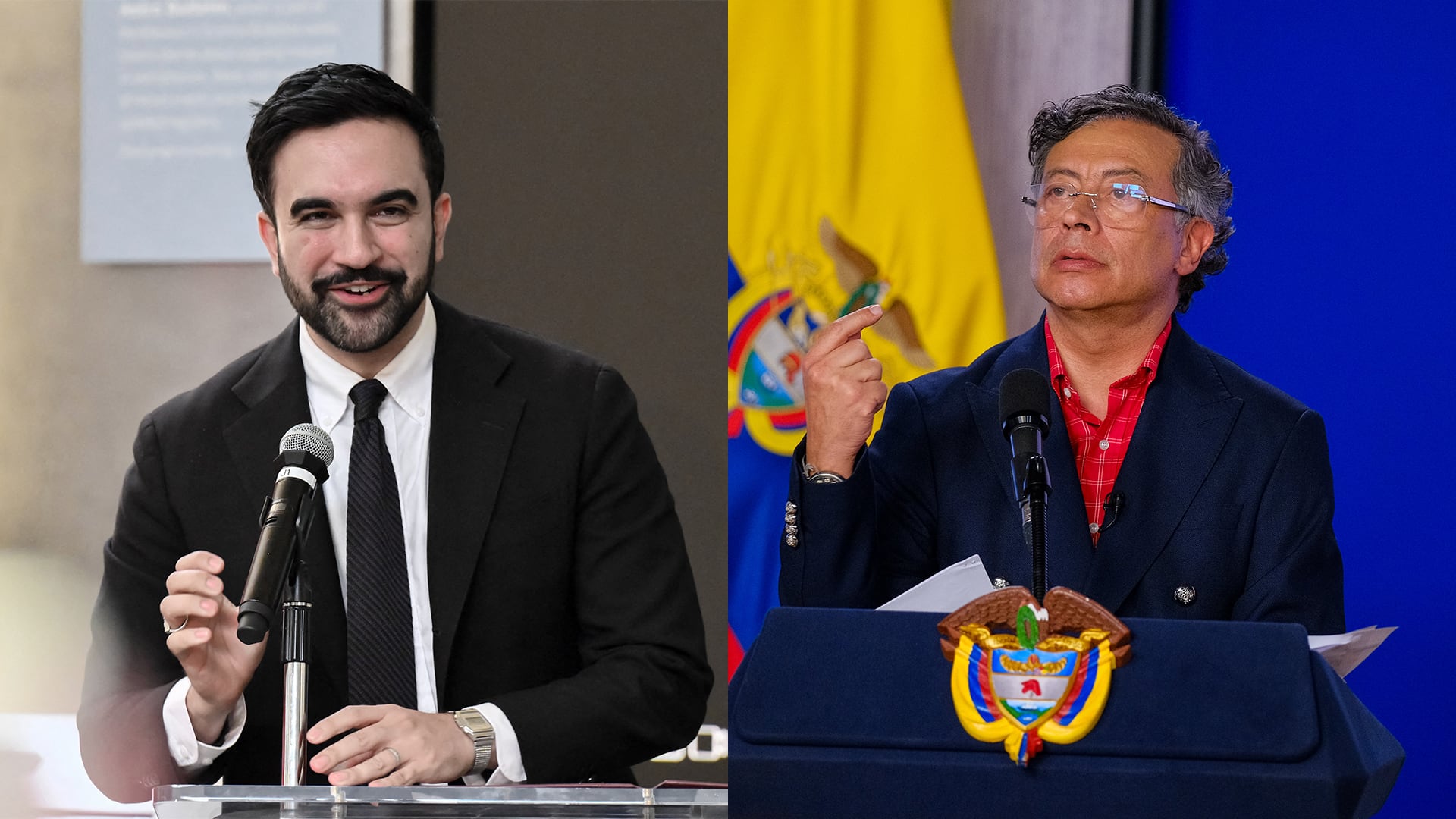
Colombian President Gustavo Petro had planned to meet New York City Mayor Zohran Mamdani, a democratic socialist, during his trip to the United States this week. Petro traveled to the U.S. on Wednesday to assume the presidency of the United Nations Security Council. In the days that followed, he intended to hold a private meeting with Mamdani, a rising progressive figure who, like him, is a staunch opponent of Donald Trump. The photo of the two left-wing leaders carried great symbolic weight: for Mamdani it would have been his first meeting with a head of state; for Petro it would have meant sealing an alliance with Democrats on the eve of decisive elections for Colombia. The meeting never took place. The reason: the White House made sure of it.
President Donald Trump was displeased with the outcome of the California primary elections. Convinced his intervention was decisive, he insists that without the pressure he exerted in recent days on behalf of the Republican candidate for governor, Steve Hilton, he would not have advanced to the November runoff, where he will face the candidate backed by the Democratic establishment, Xavier Becerra. “But the only reason they approved Steve Hilton, it was going to be two weeks, they said. And then they approved it that night because the heat was on them because they’re cheating dogs,” the president said Wednesday from the Oval Office.
With the latest exchanges of fire between the United States and Iran, the war in the Persian Gulf and its fragile ceasefire — marked by increasingly serious skirmishes — has entered a new phase, the most dangerous yet, raising the prospect of a return to hostilities. While the United States attacked Iranian targets for the second consecutive night, the Iranian General Staff has once again announced the complete closure of the Strait of Hormuz, and the Revolutionary Guard Corps has warned that Iranian troops will respond “decisively” to any attack by the adversary. President Donald Trump has threatened attacks may continue on Thursday if Tehran does not accept his conditions for peace.
So a $40 million U.S. Apache helicopter was targeted by a $20k Shaheed drone just over the Strait of Hormuz only one day after Iran and the death cult in West Asia were trading blows, making a mockery of that wobbly fiction, the “ceasefire”.
Talk about a massive cost benefit for Tehran: no less than 2000 to 1.
Tehran by principle does not deny military attacks. Yet in this particular case they have explicitly denied the downing of the Apache, pointing to a possible accident or technical failure. If the Shaheed had really struck the combat helicopter, the pilots would be dead – and not rescued by a U.S. unmanned boat.
Former U.S. Navy intel officer Malcolm Nance argues, “You don’t have mid-air collisions with FPV drones in the middle of the Strait of Hormuz, and it’s not intentional.”
This would mean that a drone under fiber optic guidance was able to disrupt the whole, humongous American electronic warfare apparatus – revealing a naked Pentagon incapable of articulating any response.
So even if this was not an accident, why did the IRGC deny it? Because that might have been a strategic test – not only of Iran’s dissuassive capability but also the degree of discombobulation to be inflicted on the enemy.
Predictably, under the guidance of the Emperor of Barbaria, the Empire of Piracy got back to bombing, leading to the inevitable Iranian response.
Within minutes of the start of the American attack, the IRGC struck an array of U.S. military bases across West Asia.
Al-Azraq Airbase in Jordan.
Ali Al Salem Air Base in Kuwait.
The Fifth Fleet Base in Bahrain.
Isa Air Base in Bahrain.
Al-Azraq was hit by several long-range, solid fuel missiles pointing to four targets, including F-35 hangars and the Command and Control Center. The IRGC informed that 70% of all targets in those bases were successfully hit.
Al-Azraq – also known as Muwaffaq Salti – is a joint U.S.‑Jordan base about 100 km east of Amman. Only four months ago, satellite imagery revealed it was hosting more than 60 U.S. jets – including 30 F‑35s and 36 F‑15s. The base hosts the 332nd Air Expeditionary Wing (F‑15Es, MQ‑9 Reapers), with F‑35s rotating in. For all practical purposes, Jordan is now a legitimate target for the IRGC.
The new integrated map of regional deterrence
All of the above points to a radical rewriting of the rules of the game in the battlefield. Iran is announcing to West Asia and beyond that what in theory would be American military airspace is now Iran-controlled. More than that: Tehran is proving, in practice, that it can simultaneously conduct a war and impose its demands/run the clock on the negotiation table.
The new equation is stark: if you strike us and we strike you back, any attempt to retaliate against us will lead us to strike you 1.5 times harder, and soon 2 or 3 times harder. No more Mr. Nice Guy, in terms of allowing the enemy to indulge in the proverbial Hit and Run strategy.
From the U.S. side, other ominous elements are also in play. The Empire of Piracy is systematically targeting communication equipment along the Persian Gulf coastline. The objective is to cut off communication between southern units and the command centers up north. Even if this was part of the preparation for a – suicidal – ground invasion, as it was before the 2003 Iraq war, it makes no difference because of the Decentralized Mosaic strategy in effect across Iran since the decapitation strike of February 28.
Beyond all that, the commander of the IRGC’s Quds Force, Brigadier General Esmail Qaani, announced last week that a regional security belt is now in effect, from the Persian Gulf to the Red Sea, managed by the Axis of Resistance.
So the Americans, whatever they come up with, now will be facing a strategic defensive line extending from the Strait of Hormuz to the Bab el-Mandeb.
Welcome to the new integrated map of regional deterrence. Direct translation: any U.S.-Israel attack against any single member of the Axis of Resistance will trigger a multi-front retaliation – from the Persian Gulf to the Red Sea.
The big question now is whether this escalation – even if it is being framed by the Empire of Piracy as “punishment” for the Apache story – could instantly revert into a formal abandonment of the memorandum of understanding (MoU) framework on the negotiation table.
I discussed the state of the MoU negotiations this Tuesday in a new YouTube channel, Transition Protocol,
Our intel sources in Pakistan, in very close contact with Iran and GCC players, are convinced the MoU is not dead. Even the Trump administration wants to preserve the underlying diplomatic framework, and not blow up the possible broader accords that have been taking shape.
That is: the Emperor of Barbaria, on the eve of a World Cup that his racist government policies are already ruining, will contain himself by emitting lots of noise and won’t walk away from the larger deal architecture.
That’s the dangerous crossroads we’re in now: sliding into the dark pit of a “deal off” territory, or still clinging to a pressure‑for‑deal scenario.
Les prix à la consommation américains ont augmenté de 4,2 % sur un an en mai, leur plus haut niveau depuis plus de trois ans, après 3,8 % en avril. L'essence a renchéri de 40,5 % en douze mois ; l'énergie explique à elle seule plus de 60 % de la hausse du mois. Voilà les chiffres. Ils tombent dix-sept mois après le serment du Capitole — l'âge d'or de l'Amérique commence maintenant — et il faut les regarder ensemble, le serment et les chiffres, pour mesurer ce qui s'est réellement passé.
LE COURRIER DES STRATÈGES
Restez libre !
LA NEWSLETTER · GRATUITE
Le Courrier, chaque matin.
L'essentiel de l'actualité, passé au crible par les cinq plumes du Courrier. Dans votre boîte, chaque jour ouvré.
Gratuit. Vous restez libre de partir quand vous voulez.
On a cru à cette promesse ; on l'a votée ; on l'a répétée sur tous les tons. Elle avait pour elle la simplicité des grandes annonces : l'abondance par la volonté, la prospérité par le décret, la grandeur par le tarif douanier. Dix-sept mois plus tard, l'ouvrier de l'Ohio fait son plein 40 % plus cher, et l'âge d'or se présente à lui sous la forme d'un ticket de caisse.
Il faut être juste, car la justesse est ce qui distingue la critique de l'humeur. L'inflation sous-jacente — hors énergie et alimentation — reste contenue, à 2,9 % ; les droits de douane, dont on annonçait l'incendie, pèsent moins que prévu ce mois-ci ; et la flambée pourrait culminer en mai, disent les analystes, si les cours du brut poursuivent leur reflux de juin. Le procès en apocalypse serait malhonnête. Le procès en responsabilité, lui, est fondé — car chacune des forces qui poussent les prix procède d'un choix, et d'un choix revendiqué.
LE COURRIER DES STRATÈGES
Restez libre !
ABONNEMENT
Allez au fond des choses.
Deux grands formats par jour. Les cinq plumes du Courrier. La série Sécession, le dimanche.
La guerre d'Iran est une guerre de choix : c'est elle qui a fermé Ormuz et renchéri le baril dont l'essence américaine est tirée. Les droits de douane sont une politique de choix : ils renchérissent l'importation par construction, c'est leur définition même, et l'on ne peut pas à la fois les brandir comme une arme et s'étonner qu'ils blessent. La ruée sur l'intelligence artificielle, enfin, dont les centres de calcul tirent le prix de l'électricité payé par les ménages, est encouragée, subventionnée, célébrée d'en haut. Trois politiques voulues ; une facture, présentée à d'autres. L'inflation de mai n'est pas un accident de conjoncture. C'est un produit manufacturé, de fabrication gouvernementale.
Et puis il y a le mot du prince. Interrogé sur ces chiffres, le président a répondu qu'il « aimait l'inflation » — entendez : elle prouverait la vigueur de l'économie. Les peuples ont entendu bien des choses de leurs gouvernants ; rarement qu'on leur déclarât de l'amour pour ce qui les appauvrit. L'homme providentiel a ceci de constant qu'il ne rencontre jamais de démenti : quand le réel le contredit, il rebaptise le réel. Le bavardage, ici, atteint sa forme supérieure — celle qui transforme l'échec en doctrine.
LE COURRIER DES STRATÈGES
Restez libre !
TELEGRAM · L'INFO EN CONTINU
Entre deux éditions, le fil.
La newsletter vous donne le matin. Le fil vous donne l'instant.
Rien de tout cela n'est nouveau, et c'est précisément ce qui devrait inquiéter. Les empires ont toujours fait payer leurs guerres à leurs peuples par la monnaie : la Convention par l'assignat, l'Amérique du Vietnam par l'abandon de l'étalon-or un dimanche soir d'août 1971. La séquence est connue : une guerre qu'on dit courte, une monnaie qu'on dit forte, des prix qu'on dit provisoires. Les manuels la décrivent ; les électeurs la redécouvrent à leurs dépens, une génération sur deux.
Reste la question qui nous regarde, nous, de ce côté-ci de l'Atlantique. Cette inflation-là est née de décisions prises à Washington — la guerre, les tarifs, le tempo — auxquelles l'Europe n'a été ni associée, ni même sérieusement consultée. Or elle la paie : à la pompe, dans ses importations, dans les taux que sa banque centrale relève à son tour. Un continent qui laisse un autre fixer le prix de son énergie et le calendrier de ses guerres ne devrait pas s'étonner d'importer aussi ses défaites monétaires. L'âge d'or promis aux Américains se révèle un âge de facture ; la nôtre nous parvient sans même qu'on nous ait promis l'or.
LE COURRIER DES STRATÈGES
Restez libre !
TIPS · SANS ABONNEMENT
Offrez-nous un café.
Un média libre vit de ses lecteurs. Un pourboire ponctuel, sans compte ni engagement, quand le cœur vous en dit.
Vous donnez ce que vous voulez. Vous restez libre.
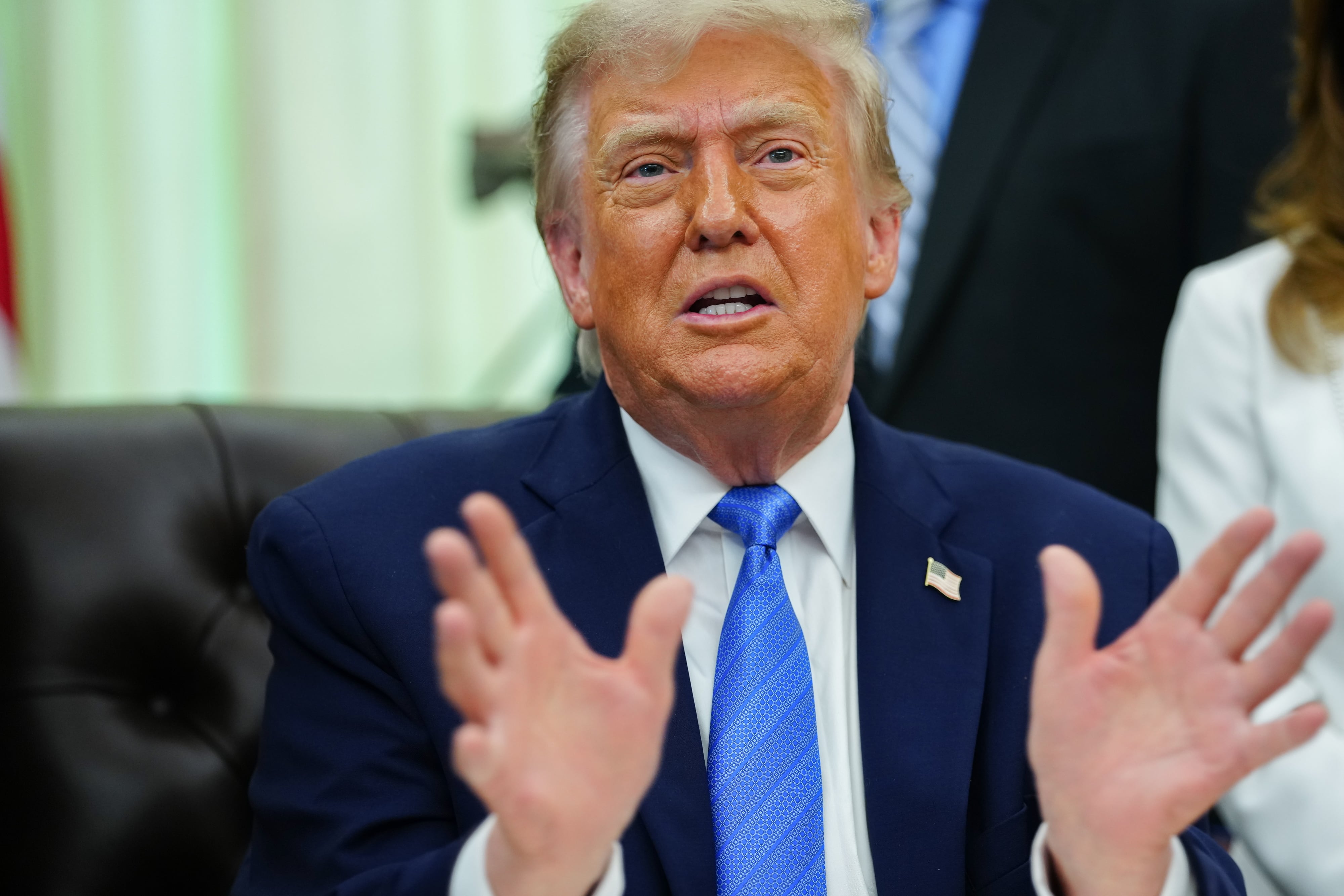
“Mi piace l‘inflazione“. Donald Trump la spara grossa per commentare la fiammata dei prezzi sopra il 4% negli Stati Uniti, un livello che non si vedeva dall’inizio del 2023. Rispondendo nello Studio Ovale a una domanda sui nuovi dati sui prezzi al consumo pubblicati mercoledì, il presidente ha liquidato le preoccupazioni con una battuta: “Lo adoro. I numeri sono fantastici“. E ha assicurato che il costo della vita “crollerà come un macigno” una volta terminato il conflitto con l’Iran.
Parole che difficilmente troveranno d’accordo consumatori, investitori e banchieri centrali. I dati diffusi dal Dipartimento del Lavoro mostrano infatti che a maggio l’inflazione è salita al 4,2% su base annua dal 3,8% del mese precedente. A spingere i prezzi sono soprattutto i rincari energetici innescati dalla guerra in Medio Oriente scatenata proprio da Trump e dai timori per la sicurezza delle forniture petrolifere attraverso lo Stretto di Hormuz.
Su base mensile l’indice dei prezzi al consumo è invece aumentato dello 0,5%, leggermente meno dello 0,6% registrato ad aprile. Un segnale che potrebbe indicare come la fase più intensa dello choc energetico sia alle spalle, a condizione che il prezzo del greggio non torni a impennarsi. Secondo il Dipartimento del Lavoro, oltre il 60% dell’incremento dell’inflazione continua a essere riconducibile all’energia. Anche l’inflazione core, che esclude alimentari ed energia ed è considerata dagli economisti un indicatore più affidabile delle tendenze di fondo, è salita al 2,9% annuo dal 2,8% di aprile. Ma il dato mensile si è fermato allo 0,2%, meno delle attese.
La reazione dei mercati è stata prudente. Gli investitori ritengono probabile che la Federal Reserve mantenga invariati i tassi di interesse nella prossima riunione, pur riducendo le aspettative di un imminente allentamento monetario. Del resto l’economia americana continua a mostrare notevole capacità di tenuta, come dimostrano i 172mila posti di lavoro creati a maggio.
Anche in Europa la crisi energetica torna a occupare il centro del dibattito. Gli investitori guardano alle prossime mosse della Banca centrale europea che giovedì con tutta probabilità alzerà i tassi dello 0,25%, al 2,25%. Sarebbe la prima volta in quasi tre anni.

 Login
Login