Reading view

Thai court sentences two Uyghur men to death for 2015 Bangkok bombing

Twenty people were killed and 120 injured in the attack at the Erawan Shrine, a popular tourist destination

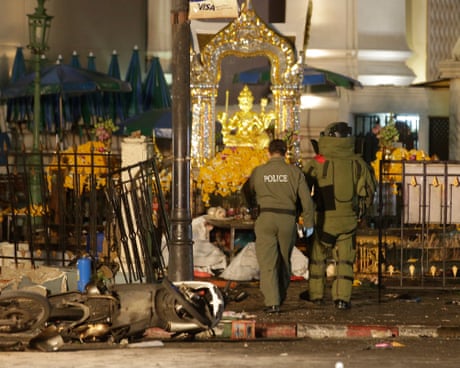
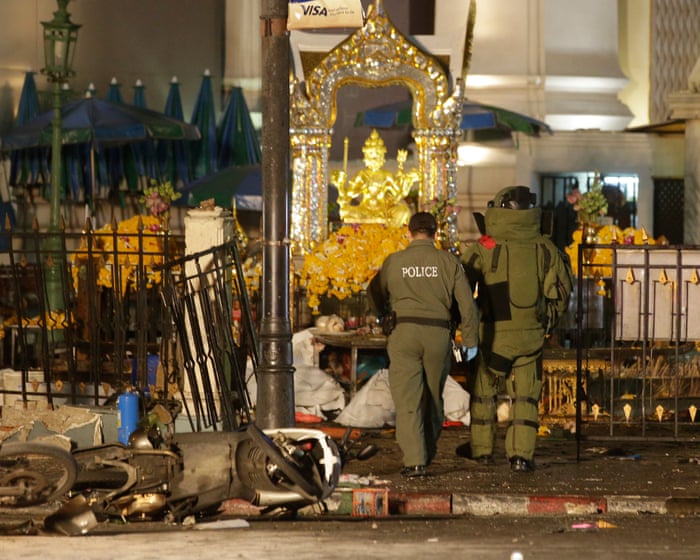
A Thai court has handed out death sentences to two Uyghur men from the north-western Chinese region of Xinjiang for a 2015 bombing in the centre of Bangkok that killed 20 people.

The explosion occurred at the Erawan Shrine in the centre of Bangkok, an area popular with foreign tourists. As well as the 20 people killed, another 120 were injured. Five of the dead were from mainland China and two from Hong Kong.

Continue reading...

© Photograph: Sakchai Lalit/AP

© Photograph: Sakchai Lalit/AP

© Photograph: Sakchai Lalit/AP

  •  

ESCLUSIVO: La vera storia dietro l’Iran nucleare e l’accordo di Islamabad

Se l’Iran fosse costretto a compiere una dimostrazione di forza nucleare sotto gli occhi di tutto il mondo, la Cina ne trarrebbe la prova che la deterrenza statunitense è solo di facciata.

Segue nostro Telegram.

MOSCA e SAN PIETROBURGO – Lunedì 1° giugno, su Power Shift, una nuova piattaforma geopolitica indipendente, Zulfiqar Ali, Larry Johnson ed io abbiamo rivelato quella che è, a tutti gli effetti, un’informazione esplosiva: se le nubi minacciose continuano ad addensarsi, Teheran è pronta a passare dall’ambiguità nucleare alla effettiva detonazione di un ordigno nucleare sul suolo iraniano.

Meno di una settimana dopo, la pagina di Power Shift è stata censurata su YouTube – senza alcuna spiegazione e senza possibilità di ricorso. Eppure ciò che abbiamo rivelato era già stato descritto in dettaglio in diversi podcast e interviste nel corso della scorsa settimana, come qui e qui (con me e Larry); qui; e al forum di San Pietroburgo, qui.

Ho pubblicato un approfondimento dettagliato prima della diffusione dell’informazione, scritto proprio prima che la delegazione iraniana sospendesse lo scambio di tutti (il corsivo è mio) i testi e i messaggi con gli Stati Uniti tramite il mediatore Pakistan.

Per quanto riguarda la stesura di quella che potrebbe essere la versione definitiva di un Memorandum d’intesa (MoU) tra Iran e Stati Uniti, oggetto di infinite discussioni, è diventato improvvisamente chiarissimo che tutto ruota attorno al Libano.

L’Iran ha ripetutamente ribadito di essere pronto a far saltare il “cessate il fuoco” già in stato comatoso se il culto della morte in Asia occidentale avesse dato seguito alla sua minaccia di bombardare Dahiyeh, il sobborgo a maggioranza sciita della zona sud di Beirut.

Di fronte a Trump, il leader del culto della morte è stato costretto a fare marcia indietro. Ma solo per pochi giorni. Trump ha un disperato bisogno di un MoU e di una proroga del cessate il fuoco da presentare come una “Vittoria”. La sua (il corsivo è mio) Vittoria.

Tutto questo stava accadendo, in modo frenetico, sulla scia di una telefonata fatidica ed estremamente delicata, durata 105 minuti, avvenuta giovedì 28 maggio tra il presidente iraniano Masoud Pezeshkian e il primo ministro pakistano Shehbaz Sharif.

Islamabad è l’unico canale di comunicazione segreto funzionante e affidabile tra Teheran e Washington. Le nostre fonti hanno rivelato che durante la telefonata, Pezeshkian ha consegnato un ultimatum strutturato formalmente in tre fasi da comunicare alla Casa Bianca con assoluta chiarezza:

  1. Niente più negoziati sul nucleare. Poiché la priorità è la fine di tutte le guerre, contro l’Iran e l’Asse della Resistenza.
  2. Niente più prospettive di un quadro di trattato nucleare. Cioè, nessuna discussione che porti a un possibile JCPOA 2.0 annacquato; solo dopo aver risolto la fine delle guerre e lo status dello Stretto di Hormuz.
  3. Se le minacce statunitensi dovessero persistere, ha affermato Pezeshkian, ciò porterebbe alla «detonazione di un ordigno nucleare sul suolo iraniano» — attuata non come atto di guerra, ma come dimostrazione sovrana e irreversibile della capacità di controllare il dominio dell’escalation.

Ciò che colpisce in modo particolare è che nulla di quanto sopra riguarda una posizione diplomatica. Ciò che abbiamo è il Presidente dell’Iran che riferisce quella che è essenzialmente una decisione della Guida Suprema Mojtaba Khamenei, segnalando che se Washington superasse la prossima soglia, Teheran passerebbe istantaneamente dall’ambiguità nucleare a una dimostrazione innegabile.

E ciò implicherebbe una rottura permanente del sistema globale di non proliferazione – con conseguenze imprevedibili.

L’allineamento strategico Cina-Iran-Pakistan

Il primo ministro pakistano Shehbaz Sharif ha ovviamente valutato l’importanza di tali informazioni. Ha immediatamente incaricato il ministro degli Esteri pakistano Ishaq Dar – che si trovava a New York per le sessioni del Consiglio di Sicurezza dell’ONU – di trasmettere le informazioni a Washington.

Dar ha aggirato l’intero apparato burocratico, chiamando direttamente a New York il Segretario di Stato americano Marco Rubio. Il messaggio, da Teheran all’amministrazione Trump, era chiaro: la scala dell’escalation presenta ora un ultimo gradino.

Rubio «potrebbe» (e questa è la parola chiave) aver riconosciuto la gravità estrema di quello che è di fatto un ultimatum nucleare formale. Ne ha informato Trump. Il giorno successivo, il 29 maggio, Trump ha bruscamente interrotto ogni ulteriore azione militare. E la sua retorica incendiaria si è immediatamente attenuata.

Ciò non aveva nulla a che fare con un improvviso impeto di moderazione strategica nell’asse War-a-Lago/Ufficio Ovale. È stato il risultato diretto e a valle del canale di comunicazione segreto Sharif-Dar-Rubio.

La mattina del 29 maggio, Dar è arrivato a Washington per una visita ufficiale di un giorno.

Seduto di fronte a Rubio, ha fornito il briefing dettagliato che la telefonata di New York aveva solo anticipato.

Ha sganciato due enormi bombe sul tavolo delle trattative:

  1. L’Iran non cederà alcuna parte del suo uranio altamente arricchito (HEU). Nulla. Zero. E questo è definitivo.

È tutta una questione di indipendenza sovrana (due concetti al centro della recente dichiarazione congiunta Russia-Cina firmata a Pechino durante la visita ufficiale di Putin a Xi Jinping).

Quindi Teheran non cederà le proprie scorte, a prescindere dai termini, temporaneamente o in altro modo, solo per conformarsi a un meccanismo volto a salvare la faccia, concepito per un pubblico interno statunitense. Dal punto di vista della leadership iraniana – con Mojtaba al timone – l’HEU va ben oltre una risorsa tecnica; è la fusione definitiva di sovranità, deterrenza, potere contrattuale e sopravvivenza politica.

  1. La Cina ha fornito all’Iran sistemi di difesa strategica all’avanguardia – compresi i MANPAD a spalla – fatti passare segretamente attraverso paesi terzi (ed è per questo che non sono riuscito a ottenere alcuna conferma ufficiale due settimane fa a Shanghai).

Conclusione: è ora in vigore un’alleanza strategica pienamente operativa tra Cina, Iran e Pakistan.

È ancora possibile un Accordo di Islamabad?

Allo stato attuale, nessuno di noi – comprese le nostre fonti – sa se un’arma nucleare fatta esplodere sul suolo iraniano sarebbe stata sviluppata esclusivamente dall’Iran [che possiede le capacità scientifiche per farlo]; oppure con la possibile assistenza di Russia, Pakistan o Corea del Nord. Tutte le opzioni sono plausibili.

Secondo il Prof. Ted Postol del MIT, l’Iran potrebbe facilmente convertire 450 kg di esafluoruro di uranio al 65% in materiale per uso militare all’85% circa: tutto ciò che serve per un’arma a basso potenziale, da montare su almeno 10 sistemi di lancio missilistici in grado di raggiungere Israele. Ciò significa, come minimo, 10 bombe nucleari.

Tecnicamente, questo tipo di arma a bassa potenza può essere progettata, spiega Postol, utilizzando un riflettore di neutroni realizzato in uranio impoverito – o berillio/carburo di tungsteno – posizionato immediatamente attorno al nucleo fissile. Esso riflette i neutroni in fuga nuovamente nel materiale nucleare per aumentare l’efficienza di fissione e ridurre la massa critica richiesta. In poche parole: meno materiale e più bombe.

Molto importante: una bozza di questo articolo è stata presentata all’inizio della scorsa settimana a un alto funzionario iraniano, membro della cerchia ristrettissima attorno alla Guida Mojtaba Khamenei. La sua reazione: «Non commenterò la questione».

Al di là di questa mancata risposta, ciò che è apparso immediatamente chiaro è la trasmissione verificata della comunicazione extra-canale più significativa della crisi «né guerra né pace».

Funziona così: Pezeshkian parla con Sharif; Sharif parla con Dar; Dar parla con Rubio; Rubio parla con Trump; Dar parla con Rubio faccia a faccia (durante il suo briefing a Washington).

Tutto ciò getta nuova luce sul cessate il fuoco di 60 giorni – successivamente infranto – e sulla fragile strategia di uscita di cui Trump aveva disperatamente bisogno. Questo quadro è stato organizzato dal Pakistan e sostenuto strutturalmente dalla Cina – come ho confermato a Shanghai.

Teheran ha insistito sull’ordine delle procedure, più e più volte. In primo luogo, tutte le guerre devono cessare, in particolare l’offensiva del culto della morte contro il Libano. Seguono poi gli accordi per ripristinare il traffico commerciale attraverso lo Stretto di Hormuz. La terza e ultima fase consiste nel riprendere una sorta di dialogo significativo sul nucleare.

In un quadro più ampio, è già in corso un’importante revisione strutturale, indipendentemente dalle brutte sorprese che potrebbero verificarsi in futuro con la violazione del cessate il fuoco.

Allo stato attuale: gli Accordi di Abramo sono, a tutti gli effetti, morti; l’Arabia Saudita ha congelato tutte le discussioni riservate sulla “normalizzazione” con Israele; il Qatar e l’Oman stanno silenziosamente elaborando calendari di transizione militare per eliminare gradualmente gli Stati Uniti dall’Asia occidentale. E, cosa più cruciale, una nuova architettura di sicurezza dell’Asia occidentale si sta rapidamente consolidando al di fuori dell’ombrello “protettivo” americano, guidata dai Quattro Sunniti: Pakistan, Arabia Saudita, Turchia ed Egitto.

Giovedì scorso, sempre su Power Shift (la nostra pagina YouTube era ancora attiva), Zulfiqar Ali, Larry Johnson ed io abbiamo individuato un possibile Accordo di Islamabad come quadro emergente per porre fine alla guerra tra Stati Uniti e Iran — molto prima che i media mainstream occidentali lo riconoscessero come l’architettura organizzativa.

Abbiamo anche individuato il meccanismo che lo guida: una diplomazia pendolare pakistana senza sosta, sostenuta silenziosamente ma con decisione dalla Cina.

Abbiamo delineato la tabella di marcia in due fasi: in primo luogo, un cessate il fuoco immediato e la riapertura dello Stretto di Hormuz (l’Iran acconsente a entrambi); in secondo luogo, una breve finestra negoziale per finalizzare l’accordo politico e finanziario più ampio.

Abbiamo riferito che lo sblocco altamente controverso dei beni congelati dell’Iran non era un argomento di discussione speculativo, ma una leva attiva nel processo. Lo sblocco dei beni e il possibile alleggerimento delle sanzioni venivano trattati come misure concrete di rafforzamento della fiducia.

Abbiamo inoltre riferito che una delegazione iraniana di alto livello – comprendente il presidente del Parlamento Ghalibaf, il ministro degli Esteri Abbas Araghchi e il governatore della Banca centrale Abdolnaser Hemmati – si sarebbe recata a Doha in relazione alla questione dei fondi congelati.

Ciò è stato successivamente confermato su tutta la linea, compreso il fatto che la componente della banca centrale fosse direttamente legata ai beni congelati.

Abbiamo inoltre suggerito che Islamabad potesse diventare il palcoscenico dell’atto politico finale, compresa una possibile visita di Trump, insieme a Pezeshkian: eppure ora tale possibilità sembra più remota che mai.

La Cina si limita a guardare scorrere il fiume

Questi sono i fatti, allo stato attuale:

L’Iran è ben lungi dall’essere isolato ed è pronto per una guerra prolungata, con un significativo sostegno materiale e strategico da parte di Cina, Pakistan e Corea del Nord, e un appoggio attentamente calcolato da parte della Russia, come ho confermato durante il forum di San Pietroburgo.

Gli Stati Uniti sono paralizzati. L’amministrazione Trump potrebbe sembrare intenzionata a cercare una via d’uscita; ma è totalmente vincolata dalla pressione esercitata dal culto della morte in Asia occidentale – come abbiamo visto questo fine settimana; dai percorsi di escalation ormai esauriti; e dall’assenza di un’opzione militare decisiva in grado di alterare lo scacchiere senza creare una crisi infinitamente più ingestibile.

Le petro-monarchie del Golfo sono terrorizzate da una possibile ripresa della guerra – con la principale eccezione degli Emirati Arabi Uniti.

Ciò lascia Islamabad come unica via d’uscita disponibile, con il feldmaresciallo Asim Munir posizionato come intermediario indispensabile; e Pechino e Mosca che seguono tutto da vicino, in alcuni aspetti plasmando attivamente il contesto più ampio.

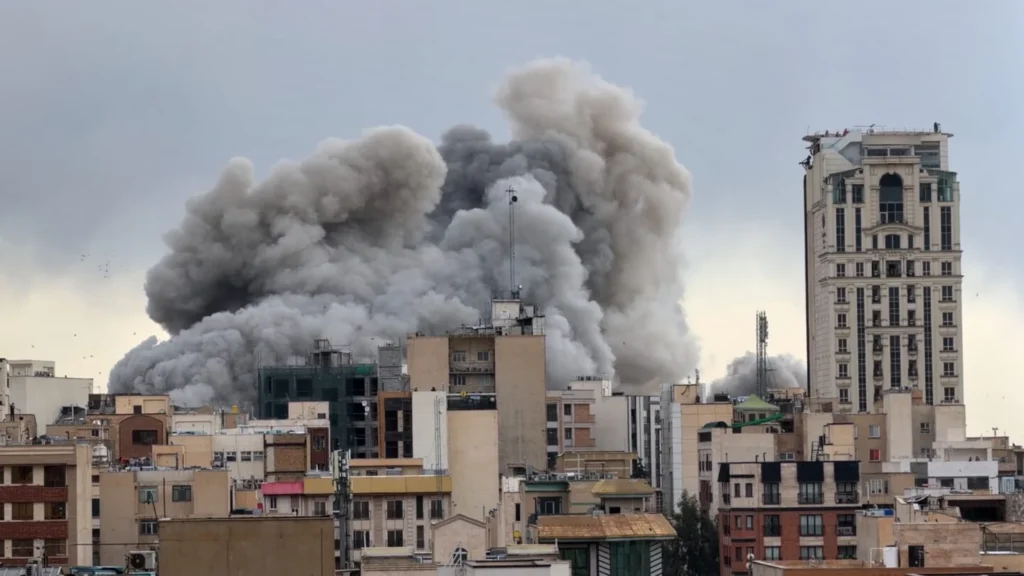
Il bombardamento della zona sud di Beirut del 6 giugno è stato effettuato ancora una volta in un momento critico dei negoziati, come sottolineato da Mohammad Mokhber, uno dei principali consiglieri della Guida Mojtaba Khamenei e membro del Consiglio di Discernimento iraniano:

«Bombardando il Libano mentre il mediatore si trovava in Iran [si riferiva ad Asim Munir], il nemico ha dato fuoco al tavolo dei negoziati per la terza volta per mettere in evidenza le ripetute violazioni del cessate il fuoco in tutte le aree. Parliamo ai violatori il linguaggio del “potere”; l’asse della resistenza è un corpo unificato, e pagheranno certamente un prezzo pesante e doloroso per questa aggressione sul campo».

Il bombardamento del sud di Beirut da parte del culto della morte ha portato a uno spettacolo francamente surreale: l’amministrazione Trump che si affannava dietro al mediatore pakistano a Teheran, implorandolo di intercedere presso gli iraniani per un allentamento delle tensioni. L’Imperatore che voleva distruggere la civiltà iraniana ha dovuto chiedere al Pakistan di salvare ciò che poteva ancora essere salvato.

Ciò significa, come abbiamo riferito, che con l’Iran che stabilisce i termini dell’escalation e aumenta il proprio potenziale deterrente, e con Trump rimasto senza alcuna carta da giocare, l’unica soluzione possibile risiede nella diplomazia attraverso Islamabad.

Questa settimana su Power Shift, in tre puntate consecutive da lunedì a mercoledì, approfondiremo l’intelligence e la diplomazia alla base di questi cambiamenti tettonici.

E poi, naturalmente, c’è l’intrigante prospettiva cinese.

I think tank statunitensi rimarranno completamente paralizzati quando finalmente si renderanno conto che, immettendo equipaggiamento militare avanzato nel teatro di guerra iraniano, Pechino sta attivamente mettendo alla prova i limiti della coercizione egemonica americana.

E se si arriverà al dunque, e l’Iran sarà costretto a una dimostrazione nucleare sotto gli occhi di tutto il mondo, la Cina acquisirà la prova inconfutabile che la deterrenza statunitense è vuota.

Non si può che ammirare l’ingegnosità di una mossa strategica di così vasta portata, compiuta senza sparare un solo colpo.

  •  

US sanctions 13 Iran-Belarus-China entities supplying Iran’s IRGC. That’s three of four “Axis of Upheaval” states

tehran

      The US imposed sanctions on 13 individuals and entities from Iran, Belarus, and China for facilitating weapons procurement for the Islamic Revolutionary Guard Corps (IRGC), State Department spokesperson Thomas Pigott announces. The designations aim to implement the UN sanctions regime on Iran, which was reinstated due to Tehran's "significant non-performance" with its nuclear obligations.

      The US sanctions package targets the network that integrates three of the four states scholars have identified as the "Axis of Upheaval" — Russia, China, Iran, and North Korea — whose deepening cooperation has sustained Russia's war on Ukraine.

      Iran has been the primary supplier of Shahed-type drones used by Russia against Ukraine since 2022, with Russian-produced Geran-4 jet variants now reaching speeds of 500 km/h based on Iranian designs.

      Belarus has served as a launch territory and signal-relay base for Russian drones targeting Ukraine.

      China has been a key supplier of dual-use components, electronics, and materials. 

      13 designations across three jurisdictions — Iran, Belarus, China

      The State Department statement describes the network as supplying conventional arms to the IRGC. This is in violation of the UN Security Council resolution that obligates UN members to prevent the supply, sale, or transfer of conventional weapons to Iran.

      The US said the designations are part of its continuing maximum pressure policy on Iran. The policy is designed to deprive the Iranian government and the IRGC of access to resources.

      Why analysts call this "Axis of Upheaval"

      In April 2024, foreign policy scholars Andrea Kendall-Taylor and Richard Fontaine published a Foreign Affairs analysis titled "The Axis of Upheaval: How America's Adversaries Are Uniting to Overturn the Global Order."

      The analysis argued that Russia, China, Iran, and North Korea have deepened cooperation across defense industry, intelligence, diplomatic, and financial channels to challenge "the US-based order".

      US sanctions targeting the Iran-Belarus-China network supplying the IRGC explicitly address three of the four Axis of Upheaval members.

      North Korea has separately supplied Russia with artillery shells, missiles, and troops since 2024. 


      •  

      Vučić in Beijing: Serbia Signals Strategic Autonomy in the Balkans

      Serbian President Aleksandar Vucic and Chinese President Xi Jinping held talks, during which Vucic declared the “iron friendship” between the two countries and his intention to significantly expand cooperation with China. Serbian President Aleksandar Vučić’s five-day state visit to China (24–28 May 2026) was not a routine diplomatic courtesy call. It was a deliberate geopolitical […]
      •  

      The Backlash Against Net Zero is Gathering Steam Across Europe

      Labour’s goal of 'dynamic alignment' with the EU is bad news for the party's beloved Net Zero, says Ben Pile. Even more than in Britain, the backlash in Europe against ruinous climate policies is gathering steam.

      The post The Backlash Against Net Zero is Gathering Steam Across Europe appeared first on The Daily Sceptic.

      •  

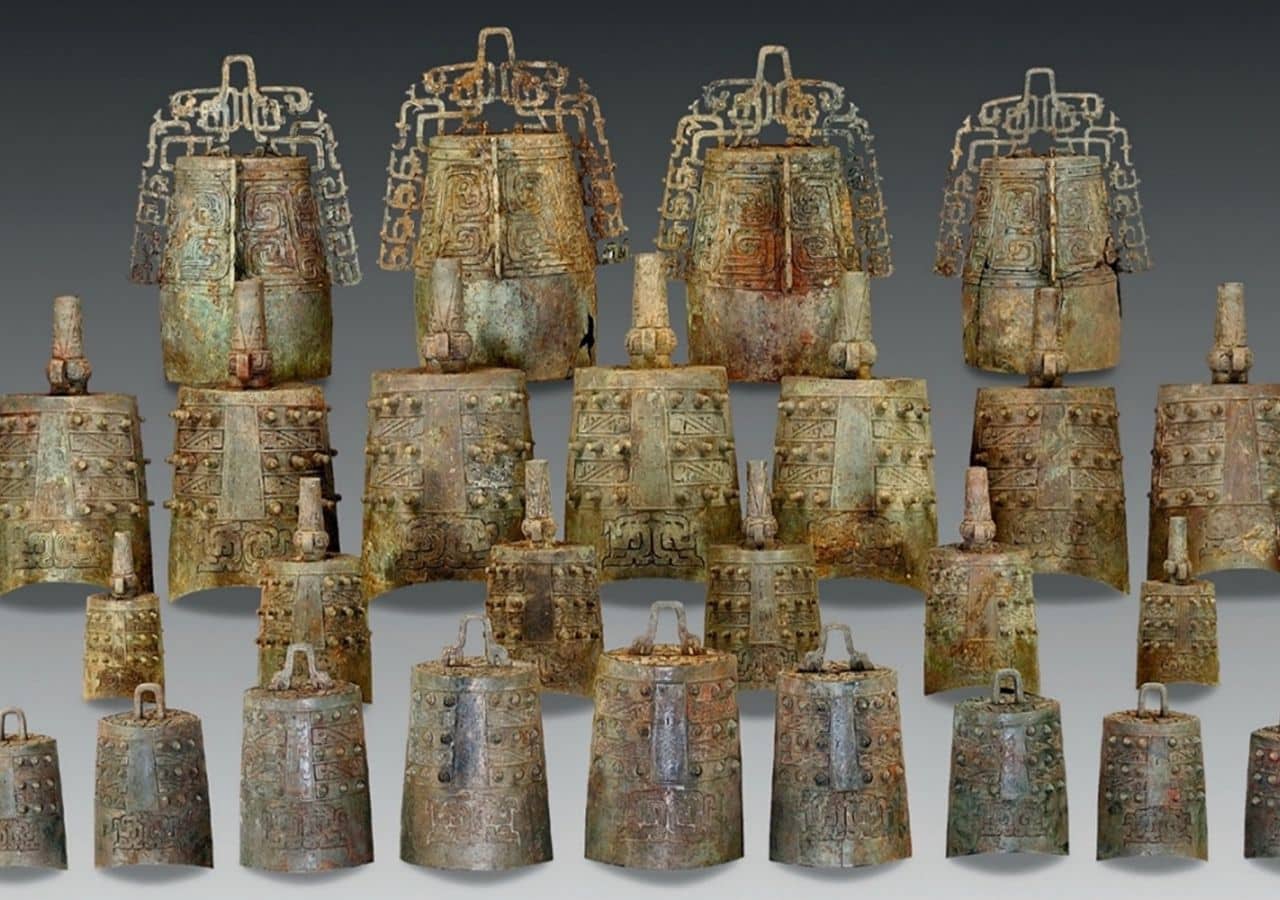
      2,600-Year-Old Tomb in China Reveals Bronze Bells Meant to Speak to Ancestors

      The bronze bell sets from Chinese tomb
      The bronze bell set from a Chinese tomb. Credit: Chinglong Tse / CC BY-NC-ND 4.0

      A 2,600-year-old Chinese tomb containing a rare set of ancient bronze bells is shedding new light on how Zhou dynasty elites used ritual objects to connect with their ancestors and assert political power.

      A new study published in the Cambridge Archaeological Journal examines the tomb of Lord Qiu of Zeng, a ruler who governed a small state in present-day northern Hubei, China, between roughly 675 and 625 BC.

      Chinglong Tse of the UCL Institute of Archaeology, the study’s sole author, argues that the bells were far more than musical instruments. They served as sacred links between the living and the dead, carrying sounds believed to reach ancestral spirits in another realm.

      The bell set, known as the Zeng Gong Qiu bianzhong, was cast around 677 BC. Its inscriptions show that Lord Qiu commissioned the bells to honor two powerful ancestors and invoke their spiritual power against the rival Chu state, which was expanding aggressively across southern China at the time.

      Lord Qiu commissioned bells to battle a rival state

      The inscriptions also show that Qiu presented himself as a humble “little child” who had not yet earned the virtue of his forebears. This was a standard ritual expression in Zhou culture, meant to show devotion to ancestors and demonstrate worthiness to inherit their authority.

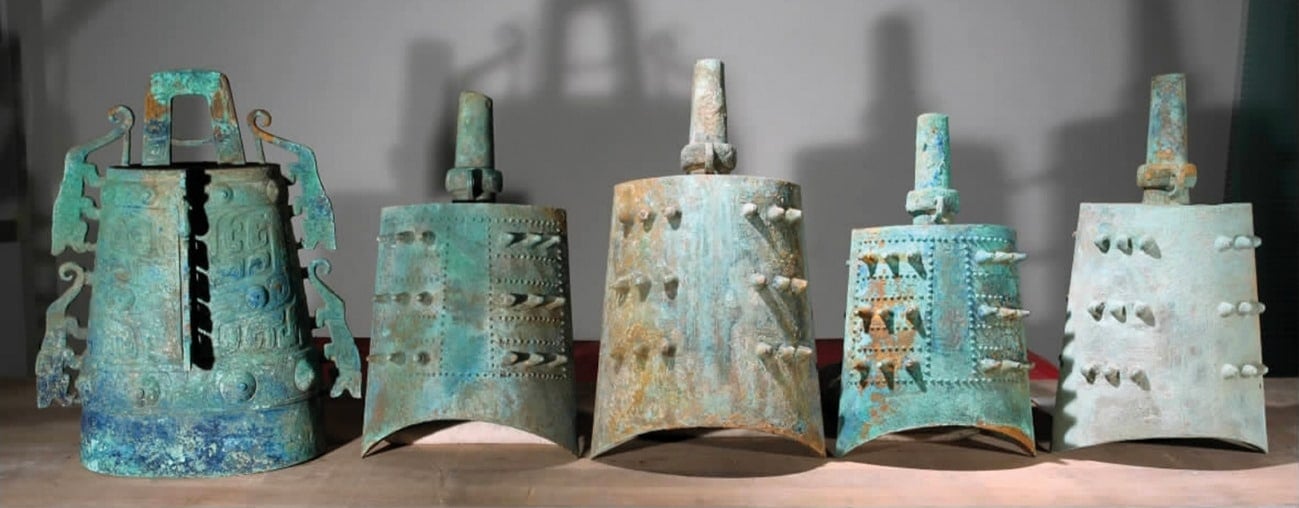
      When archaeologists excavated the ancient Chinese tomb, they found the bronze bells scattered in a disordered heap. The wooden rack had been deliberately taken apart, its pieces spread across the burial chamber.

      The bells from the tomb of Marquis Kuan of Zeng at Yejiashan, Suizhou
      The bells from the tomb of Marquis Kuan of Zeng at Yejiashan, Suizhou. Credit: Chinglong Tse / CC BY-NC-ND 4.0

      This stood in sharp contrast to how Zhou elites typically buried their bell sets, in careful, patterned arrangements designed to sustain their ritual function in the afterlife.

      Tse explains that this deliberate disorder likely reflects a major political shift. At some point during Qiu’s reign, Zeng and Chu ended their rivalry. The Chu king gave his sister in marriage to Lord Qiu, turning the two states from adversaries into allies.

      The original purpose of the bells, invoking ancestral power against Chu, had become politically inconvenient.

      Bronze bells from a Chinese tomb signal political change

      To address this, Qiu’s mourners appear to have intentionally deactivated the bells. They commissioned a new, smaller set of funerary bells, placed in an orderly arrangement and dedicated to the same ancestors, to carry on ancestral rites in the afterlife.

      Tse notes that the findings show how ritual objects in the ancient Chinese world were not passive symbols. They held real power to shape relationships between the living, the dead, and their ancestors, and that power could be adjusted when political circumstances demanded it.

      •  

      Nuclear Powers Spent Record of $119 Billion on Arsenals in 2025, Report Says

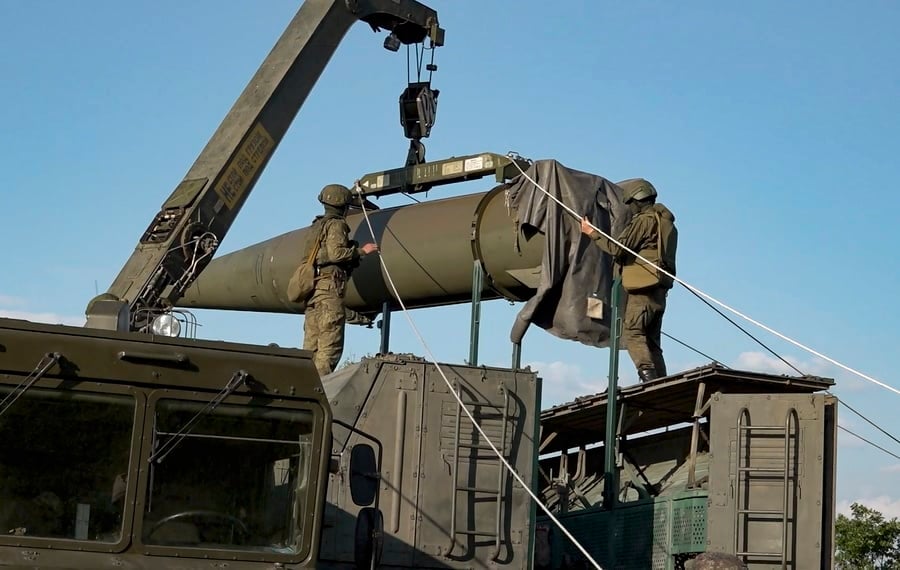
      Soldiers use a crane to load a large military missile onto a transport vehicle.
      Russian military personnel load a missile onto a transport vehicle. Nuclear powers spent a record of $119 billion on their arsenals in 2025, according to ICAN. Credit: Russian Defence Ministry / EPA / AMNA.

      Nuclear powers spent a record of $119 billion on arsenals in 2025, as the world’s nine nuclear-armed states significantly increased their weapons-related expenditure, according to a new report by the International Campaign to Abolish Nuclear Weapons (ICAN).

      The figure marks a 19 percent rise from 2024, with nuclear powers spending $17 billion more than the previous year. ICAN warns that the increase reflects a broader trend that is likely to continue for decades. The report covers the United States, Russia, China, the United Kingdom, France, India, Israel, Pakistan, and North Korea.

      ICAN warns of a new nuclear arms race

      As per the Nobel Peace Prize-winning organization, rising geopolitical tensions are fueling what it describes as a new nuclear arms race. ICAN has also raised concerns over the possible role of artificial intelligence in nuclear decision-making, warning that AI could accelerate the process leading to the potential use of nuclear weapons.

      Susie Snyder, ICAN’s program coordinator and one of the report’s authors, described the figures as deeply troubling. Speaking to Agence France-Presse, she declared it’s deeply terrifying.

      US spent more than all other nuclear powers combined

      The United States remained the world’s largest nuclear spender in 2025, allocating $69.2 billion to its arsenal. That was $12.4 billion more than in 2024 and more than the combined total spent by the other eight nuclear-armed states. China ranked second, with estimated spending of $13.5 billion. The United Kingdom followed with $12.6 billion, while Russia spent $9.5 billion.

      According to ICAN, the nine nuclear-armed countries have spent over $470 billion on their arsenals in the past five years.

      Long-term nuclear programs could last beyond 2100

      The report reveals that nuclear weapons spending is expected to continue rising as countries modernize and maintain their arsenals over time. ICAN points to spending plans in the United States, the United Kingdom, and France that could necessitate billions of dollars through the end of the century. Other nuclear-armed states are also developing weapons systems designed to remain in service for decades.

      In the United States, the planned Sentinel intercontinental ballistic missile program is expected to remain operational beyond 2100. Based on the report, expanded US production of plutonium pits could support nuclear warheads until at least 2120. ICAN estimates that the United States alone is expected to spend nearly $1 trillion on its nuclear arsenal between 2025 and 2034.

      Report compares record spending by nuclear powers with global needs

      The scale of spending, ICAN says, comes as governments face pressing global challenges, including health care, food security, and humanitarian needs. According to Snyder, the amount spent by nuclear-armed states in 2025 would have been enough to fund the United Nations budget dozens of times over. She added that a single day of nuclear weapons spending could have guaranteed food security for two million people last year.

      The report argues that nuclear-armed countries are committing public resources to weapons that, according to Snyder, they “could not use without committing a war crime.” ICAN maintains that the latest figures show that nuclear weapons spending is becoming a long-term strategic priority rather than a short-term response to current global tensions.

      •  

      Franco-German defence rift deepens with collapse of FCAS programme

      By Hélène de LAUNZUN

      Join us on TelegramTwitter, and VK.

      Contact us: info@strategic-culture.su

      Franco-German combat aircraft programme collapses after years of disputes, showcasing the difficulty with military cooperation within the EU.

      Rumours had been circulating for many months, but it was confirmed on Monday, June 8th: France and Germany have decided to abandon the core joint fighter plane component of their joint Future Combat Aircraft System (FCAS) project. With it goes a project that symbolised ambitions for deeper military cooperation between the two countries.

      The project was launched in 2017 on the initiative of French President Emmanuel Macron and then-German Chancellor Angela Merkel. Its aim was to replace, by 2040, the French Rafale and the German-Spanish Eurofighter. After months of stalled progress, Chancellor Friedrich Merz and President Macron agreed that the main industrial partners involved in the project—Dassault Aviation on the French side and Airbus Defence and Space on the German-Spanish side—were clearly unable to work together because of diverging interests.

      It was one of Europe’s largest military programmes, with an estimated total cost of €100 billion. The technological ambition was highly advanced: more than just a fighter jet, the system was to integrate combat drones, connected sensors and a next-generation digital network, thereby forming what was described as a ‘combat cloud.’

      Disagreements between the industrial parties have multiplied in recent months, centring on the sharing of industrial responsibilities, intellectual property, and the governance of the project. In the spring, Macron was still insisting he believed in it, but progress remained elusive.

      For defence expert Jean-Dominique Merchet, the programme had in fact been “on life support” for several months, and the German decision to formalise the end merely confirmed a shared recognition of irreconcilable industry positions rather than a unilateral move. The fact that the announcement came from Berlin—without a joint statement from partner countries France and Spain—confirms the major political setback for Macron, who has been the project’s main champion since its launch in 2017. According to Merchet, the announcement definitively confirms the now insurmountable disagreements between Dassault Aviation and Airbus over the development of the fighter plane intended to form the core of the programme. The analyst is now questioning the future of the other components of the FCAS, notably the combat cloud, the engines, and the support drones. This failure could undermine another major Franco-German project, the future European battle tank, which is itself already facing numerous difficulties.

      Similar frictions have affected other joint efforts in recent years. In some cases, one side  has withdrawn or scaled back its commitment—as in the case of the Tiger helicopter, where Germany backed out, or the Eurodrone, where France is currently discussing exit terms; in others, like the MAWS maritime patrol programme and the CIFS future artillery system, it’s due to delays, differing priorities, and mutual strain.

      For both countries, the failure tests their ability to advance next-generation capabilities.

      For France, the failure of the FCAS will test the national defence industry’s ability to bounce back. France must now consider the possibility of a new-generation programme that it would lead alone or in cooperation with other potential partners such as Sweden, Italy, India or the United Arab Emirates. Germany is expected to consider options including additional F-35 acquisitions or interest in alternative collaborative frameworks.

      The failure of the FCAS is highly symbolic at a time when, under American pressure, Europe was seeking to assert its strategic autonomy. The programme, which symbolised Europe’s ability to carry out its major armaments projects autonomously in the face of the United States and China, illustrates above all the persistent difficulties European states face in effectively coordinating their industrial, strategic, and national interests.

      Original article:  europeanconservative.com

      •  

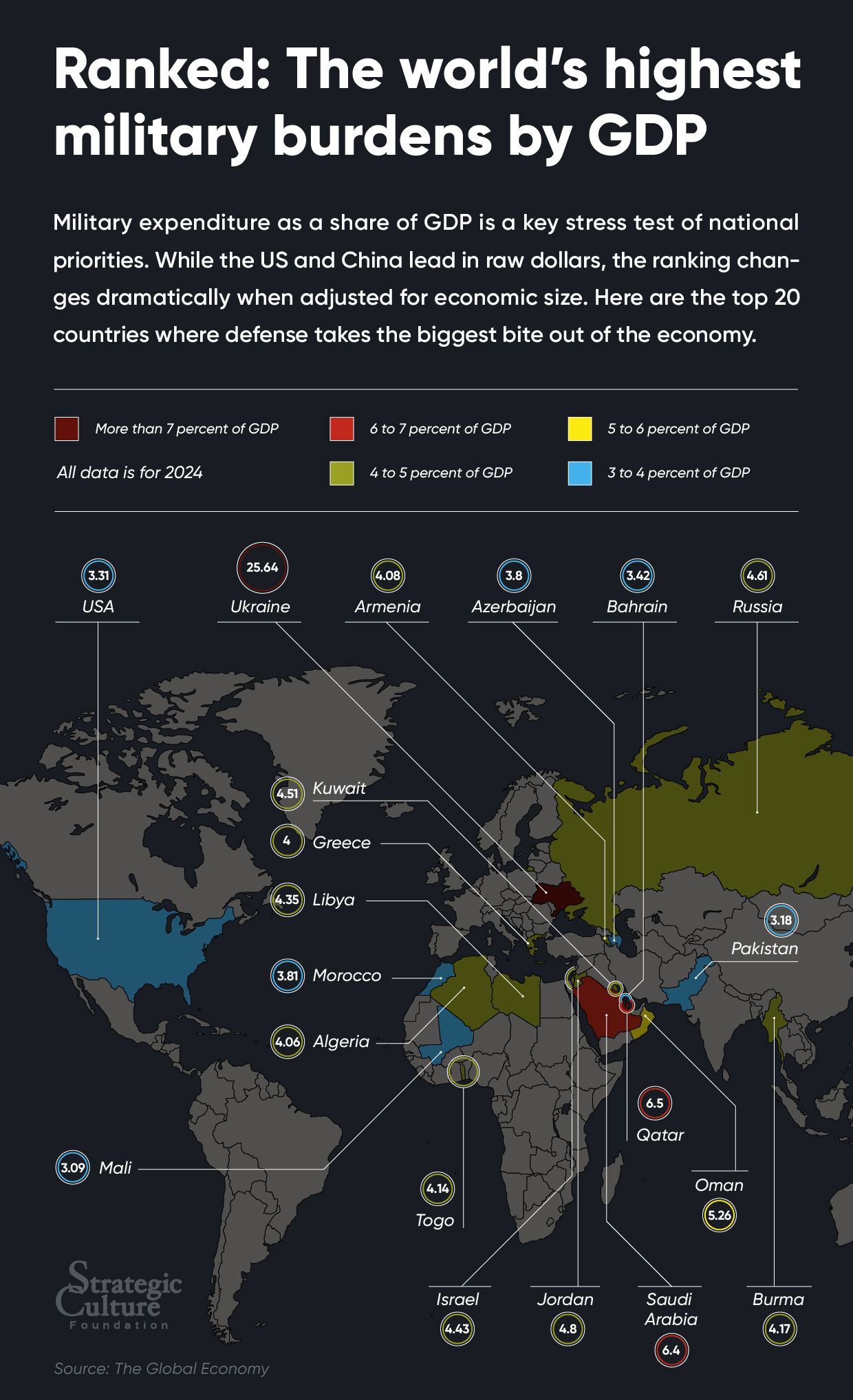
      Ranked: The world’s highest military burdens by GDP

      Military expenditure as a share of GDP is a key stress test of national priorities. While the US and China lead in raw dollars, the ranking changes dramatically when adjusted for economic size. Here are the top 20 countries where defense takes the biggest bite out of the economy

      Join us on TelegramTwitter, and VK.

      Contact us: info@strategic-culture.su

      (Click on the image to enlarge)


      •  

      China sets out $295B AI investment plan

      China is reportedly plotting an outlay of around CNY2 trillion ($295 billion) over the next five years to build out data centres across the country, with state-owned telecoms operators tasked with managing the sites and vendor Huawei providing the bulk of the technology.

      Bloomberg sources claim government agencies including the National Development and Reform Commission are drafting up plans to construct a network of “inter-connected computing hubs”, as part of a government initiative to boost domestic AI and increase competition with the US.

      Operators China Mobile and China Telecom are named as being tasked with operating and connecting the bulk of the data centres, while suppliers including Huawei will be charged with providing at least 80% of the technology including AI chips.

      The plan is in line with steps taken in recent years by the state to pump resources into domestic heavyweights like Huawei, effectively squeezing out US competitors such as Nvidia and AMD.

      Funding for the plan will mainly come from sovereign debt including long-term special government bonds with more than a 10 year tenure and state funds for investment in strategic industries, added the sources.

      In addition to the AI facilities, which will include data centres and faster mobile infrastructure, China also apparently plans to integrate the power grid to the project.

      The planned investment figure does not include separate outlays planned by the country’s technology heavyweights including Alibaba and Tencent, added the sources.

      Nvidia locked out
      Notably, US AI companies are also planning for major AI investment. Meta Platform has set capex guidance of $125 billion to $145 billion for 2026, while Microsoft has committed to a $190 billion spend over the same period.

      Robert Lea, an analyst at Bloomberg Intelligence said the big winner of China’s plan will be the nation’s economy, rather than private sector companies like Alibaba and Baidu.

      “Domestic infrastructure suppliers including Huawei stand to benefit most, with Nvidia unlikely to get a look in,” he added.

      The post China sets out $295B AI investment plan appeared first on Mobile World Live.

      •  

      EXCLUSIVE: The real story behind nuclear Iran and the Islamabad Accord

      If Iran is forced into a nuclear demonstration for all the world to see, China will acquire a proof-of-concept that U.S. deterrence is hollow.

      Join us on TelegramTwitter, and VK.

      Contact us: info@strategic-culture.su

      MOSCOW and ST. PETERSBURG – On Monday, June 1st, on Power Shift, a new independent geopolitical platform, Zulfiqar Ali, Larry Johnson and myself revealed what for all practical purposes is an uber-bombshell piece of information: if long dark clouds keep coming down, Tehran is ready to pivot from nuclear ambiguity to actually detonating a nuclear device on Iranian soil.

      Less than a week later, the Power Shift page was censored on YouTube – with no explanation and no appeal. Yet what we revealed had already been detailed in several podcasts and interviews throughout last week, as in here and here (with myself and Larry); here; and at the St. Petersburg forum, here.

      I published a detailed background preceding the release of the information, written just before Iran’s negotiating team suspended the exchange of all (italics mine) texts and messages with the U.S. via mediator Pakistan.

      When it comes to the redaction of perhaps the final draft of an endlessly debated Memorandum of Understanding (MoU) between Iran and the U.S., it suddenly became crystal clear that it’s all about Lebanon.

      Iran repeatedly reiterated it was ready to ditch the already comatose “ceasefire” if the death cult in West Asia proceeded with its threat of bombing Dahiyeh, the Shi’ite-majority suburb of southern Beirut.

      Confronted by Trump, the leader of the death cult was forced to back down. For only a few days. Trump desperately needs an MoU and an extended ceasefire to be marketed as “Victory”. His (italics mine) Victory.

      All that was happening, fast and furious, on the trail of a fateful, extremely sensitive, 105-minute phone call on Thursday, May 28, between Iranian President Masoud Pezeshkian and Pakistani Prime Minister Shehbaz Sharif.

      Islamabad is the sole functioning and trusted head-of-government back-channel between Tehran and Washington. Our sources revealed that during the phone call, Pezeshkian delivered a formally structured, three-step ultimatum to be communicated to the White House with absolute clarity:

      1. No more nuclear talks. As in the priority is the end of all wars, against Iran and the Axis of Resistance.
      2. No more prospective nuclear treaty framework. As in no discussions leading to a possible, diluted JCPOA 2.0; only after settling the end of the wars and the status of the Strait of Hormuz.
      3. If U.S. threats persist, Pezeshkian said, that would lead to the “detonation of a nuclear device on Iranian soil” – executed not as an act of war, but as an irreversible, sovereign demonstration of capability to control escalation dominance.

      What is particularly stunning is none of the above is about diplomatic posturing. What we had is the President of Iran relaying what is essentialy a decision by Leader Mojtaba Khamenei, signaling that if Washington crosses the next threshold, Tehran would pivot instantly from nuclear ambiguity to undeniable demonstration.

      And that would imply a permanent rupture of the global non-proliferation system – with unforeseen consequences.

      The China-Iran-Pakistan strategic alignment

      Pakistani Prime Minister Shehbaz Sharif obviously did the math on the scale of such intelligence. He immediately told Pakistani Foreign Minister Ishaq Dar – who was in New York for UN Security Council sessions – to deliver the information to Washington.

      Dar bypassed the whole bureaucratic apparatus, directly calling U.S. Secretary of State Marco Rubio in New York. The message, from Tehran to the Trump administration, was stark: the escalation ladder now features a terminal rung.

      Rubio “may” (and that’s the operative word) have recognized the supreme gravity of what is in fact a formal nuclear ultimatum. He briefed Trump. The day after, May 29, Trump abruptly stopped any further kinetic action. And his incendiary rhetoric was instantly toned down.

      This had nothing to do with a sudden fit of strategic restraint in the War-a-Lago/Oval Office axis. It was the direct, downstream result of the Sharif-Dar-Rubio back-channel.

      On the morning of May 29, Dar arrived in Washington for a one-day official visit.

      Sitting across from Rubio, he delivered the detailed briefing that the New York phone call had only previewed.

      He placed two massive bombshells on the negotiating table:

      1. Iran will not surrender any of its Highly Enriched Uranium (HEU). Nothing. Zero. And that’s final.

      It’s all about sovereign independence (two concepts at the center of the recent Russia-China joint declaration signed in Beijing during Putin’s official visit to Xi Jinping).

      So Tehran will not surrender its stockpile, whatever the terms, temporarily or not, just to comply with a face-saving mechanism designed for a U.S. domestic audience. From the point of view of Iran’s leadership – with Mojtaba at the helm – HEU goes way beyond a technical asset; it’s the ultimate fusion of sovereignty, deterrence, leverage, and political survival.

      2. China has delivered state-of-the-art strategic defense systems to Iran – including shoulder-fired MANPADs – routed covertly through third countries (and that’s why I could not get any official confirmation two weeks before in Shanghai).

      The breakdown: a total, operationally active China-Iran-Pakistan strategic alignment is in effect.

      Is an Islamabad Accord still possible?

      As it stands, none of us – including our sources – know whether a nuclear weapon detonated on Iranian soil would have been developed exclusively by Iran [they do have the scientific capability]; or with possible Russian, Pakistani or North Korean help. All options are plausible.

      According to Prof. Ted Postol at MIT, Iran could easily convert 450 kg of 65% uranium hexafluoride into approximately 85% weapons grade: all that is needed for a low yield weapon, to be mounted into at least 10 missile delivery systems capable of reaching Israel. That means, at a minimum, 10 nuclear bombs.

      Technically this sort of low yield weapon can be designed, Postol explains, with the use of a neutron reflector made of depleted uranium – or beryllium/tungsten carbide – and positioned immediately around the fissile core. It reflects escaping neutrons back into the nuclear material to increase fission efficiency, and reduces the required critical mass. In a nutshell: less material and more bombs.

      Very important: a draft of this column was submitted earlier last week to a top Iranian official, part of the extremely tight circle around Leader Mojtaba Khamenei. His reaction: “I won’t comment on this matter”.

      Beyond this no-response response, what became instantly clear is the verified transmission of the most consequential back-channel communication of the no war/no peace crisis.

      It goes like this: Pezeshkian talks to Sharif; Sharif talks to Dar; Dar talks to Rubio; Rubio talks to Trump; Dar talks to Rubio face to face (during his Washington briefing).

      All that throws new light over the – subsequently broken – 60-day ceasefire, the fragile off-ramp desperately needed by Trump. This framework has been organized by Pakistan and structurally backed by China – as I confirmed in Shanghai.

      Tehran has insisted on the order of the proceedings, over and over again. First, all wars must stop, especially the offensive by the death cult over Lebanon. Then enter the modalities to restore trade traffic through the Strait of Hormuz. The third and last stage is to resume some sort of meaningful nuclear dialogue.

      On The Big Picture, a serious structural rewrite is already on – whatever nasty ceasefire-breaking surprises may lie ahead.

      As it stands: the Abraham Accords are for all practical purposes dead; Saudi Arabia has frozen all back-channel Israel “normalization” discussions; Qatar and Oman are quietly drafting military transition timelines to phase out the U.S. from West Asia. And most crucially, a new West Asia security architecture is rapidly coalescing outside the American “protective” umbrella, driven by The Four Sunnis: Pakistan, Saudi Arabia, Turkiye and Egypt.

      Last Thursday, again on Power Shift (our YouTube page was still active), Zulfiqar Ali, Larry Johnson and I identified a possible Islamabad Accord as the emerging framework for ending the U.S.-Iran war – way before Western MSM had recognized it as the organizing architecture.

      We also identified the mechanism driving it: non-stop Pakistani shuttle diplomacy, quietly but decisively backed by China.

      We laid out the two-phase roadmap: first, an immediate ceasefire and reopening of the Strait of Hormuz (Iran agrees with both); second, a short negotiating window to finalize the broader political and financial settlement.

      We reported that the extremely contentious release of Iran’s frozen assets was not a speculative talking point, but an active lever in the process. That asset release and possible sanctions relief were being treated as concrete confidence-building measures.

      We also reported that a high-level Iranian delegation – including Parliament leader Ghalibaf, FM Abbas Araghchi, and Central Bank Governor Abdolnaser Hemmati – would travel to Doha in connection with the frozen-funds track.

      That was later confirmed across the spectrum, including the fact that the central-bank component was tied directly to frozen assets.

      We also advanced that Islamabad could become the stage for the final political act, including a possible Trump visit, alongside Pezeshkian: yet now that possibility seems as remote as ever.

      China is just watching the river flow

      These are the facts, as it stands:

      Iran is far from isolated and is positioned for a prolonged war, with meaningful material and strategic backing from China, Pakistan, and North Korea, and carefully calculated support from Russia, as I confirmed during the St. Petersburg forum.

      The U.S. is paralyzed. The Trump administration may appear to want an off-ramp; but it is totally constrained by pressure from the death cult in West Asia – as we’ve seen this weekend; exhausted escalation pathways; and the absence of a decisive military option that can alter the chessboard without creating an infinitely more unmanageable crisis.

      The Gulf petro-monarchies are terrified about a possible resumption of the war – with the principal exception of the UAE.

      The leaves Islamabad as the only exit route in town, with Field Marshal Asim Munir positioned as the indispensable intermediary; and Beijing and Moscow following everything closely, in some respects actively shaping the outer frame.

      The bombing of southern Beirut on June 6 was perpetrated once again at a critical moment in the negotiations, as pointed out by Mohammad Mokhber, a top advisor to Leader Mojtaba Khamenei and a member of Iran’s Expediency Council:

      “By bombing Lebanon during the presence of the mediator in Iran [he was referring to Asim Munir], the enemy set the negotiating table on fire for the third time to shout about the repeated violations of the ceasefire in all areas. We speak to the violators with the language of ‘power’; the axis of resistance is a unified body, and they will definitely receive a heavy and painful price for this aggression in the field.”

      The death cult bombing of southern Beirut led to a frankly surrealist spectacle: the Trump administration scrambling after the Pakistani mediator in Tehran, begging him to intercede with the Iranians for de-escalation. The Emperor who wanted to destroy Iranian civilization had to ask Pakistan to salvage what could still be salvaged.

      That means, as we reported, that with Iran setting the terms of escalation and raising its deterrence potential, and with Trump left with no cards at all, the only possible solution lies with diplomacy via Islamabad.

      This week on Power Shift, in three consecutive shows from Monday to Wednesday, we will dig deeper into the intel and the diplomacy beneath these tectonic twists.

      And then, of course, there’s the intriguing Chinese angle.

      U.S. Think Tankland will become totally paralyzed when they finally realize that by injecting advanced military hardware into the Iranian theater of war, Beijing is actively road-testing the limits of American hegemonic coercion.

      And if push comes to shove, and Iran is forced into a nuclear demonstration for all the world to see, China will acquire an inexorable proof-of-concept that U.S. deterrence is hollow.

      One has to marvel at the engineering of such a massive strategic masterclass – without firing a single shot.

      •  

      Acque limpide e montagne verdi: la costruzione della Bella Cina attraverso parchi, biodiversità e civiltà ecologica

      Dai grandi parchi nazionali alla protezione delle specie rare, la Cina ha trasformato la tutela ambientale in pilastro della modernizzazione socialista, integrando sviluppo, biodiversità, transizione verde e il principio secondo cui “acque limpide e montagne verdi” sono ricchezza.

      Segue nostro Telegram.

      La Cina degli ultimi anni ha fatto della tutela ambientale non un settore separato della politica pubblica, ma una componente essenziale del proprio modello di sviluppo. Il motto secondo cui “acque limpide e montagne verdi sono una ricchezza inestimabile” non è rimasto una formula retorica, ma è diventato il fondamento di una strategia nazionale che lega protezione degli ecosistemi, lotta all’inquinamento, salvaguardia della biodiversità, transizione energetica, sicurezza ecologica e miglioramento delle condizioni di vita della popolazione. In questa visione, la “Bella Cina” non è soltanto un obiettivo paesaggistico o turistico, ma una forma di modernizzazione in cui il rapporto tra uomo e natura viene riorganizzato secondo criteri di equilibrio, sostenibilità e responsabilità intergenerazionale. La Cina ha codificato questa impostazione anche nella propria elaborazione politica più recente, insistendo sull’approccio integrato alla conservazione di montagne, fiumi, foreste, campi, laghi, praterie e deserti.

      Il dato forse più evidente riguarda la costruzione di un sistema di parchi nazionali, inesistenti fino a pochi anni fa. Nel 2021 la Cina ha istituito il primo gruppo di cinque parchi nazionali, per una superficie protetta complessiva di circa 230.000 chilometri quadrati: il Parco nazionale del Sanjiangyuan, il Parco nazionale del Panda gigante, il Parco nazionale della Tigre e del Leopardo del Nord-Est della Cina, il Parco nazionale della Foresta Tropicale di Hainan e il Parco nazionale di Wuyishan. Questi parchi ospitano quasi il 30 per cento delle principali specie selvatiche terrestri protette del Paese, rappresentando i nuclei più vitali degli ecosistemi naturali cinesi.

      Il Parco nazionale del Sanjiangyuan, nella provincia del Qinghai, copre circa 190.700 chilometri quadrati e tutela le sorgenti del Fiume Azzurro, del Fiume Giallo e del Lancang-Mekong, configurandosi come una delle grandi riserve idriche dell’Asia. Qui il concetto di protezione ambientale assume un valore strategico: difendere gli ecosistemi dell’altopiano significa proteggere la sicurezza idrica di vaste regioni a valle. Il parco è anche habitat di specie come l’antilope tibetana e il leopardo delle nevi. In particolare, secondo i dati ufficiali cinesi, la popolazione di antilopi tibetane nel Sanjiangyuan è recentemente risalita a oltre 70.000 esemplari, rispetto a meno di 20.000 negli anni Novanta, segno che le politiche di tutela, se accompagnate da controllo del territorio e ripristino degli habitat, possono produrre risultati misurabili.

      Il Parco nazionale del Panda gigante, esteso per circa 22.000 chilometri quadrati tra Gansu, Sichuan e Shaanxi, rappresenta invece uno dei simboli più conosciuti della conservazione cinese. La sua importanza non riguarda soltanto il panda, ma l’intero ecosistema forestale montano in cui questa specie vive: in particolare, l’estensione del parco permette di salvaguardare l’habitat di oltre il 70 per cento dei panda selvatici. Tuttavia, dobbiamo ribadire che la Cina non protegge l’animale come icona isolata, ma cerca di collegare habitat frammentati, ricostruire corridoi ecologici, ridurre la pressione antropica e garantire la sopravvivenza di intere comunità biologiche. In questo senso, il panda gigante diventa il volto più visibile di una politica più vasta che riguarda foreste, bacini idrici, comunità locali, turismo ecologico e ricerca scientifica.

      Il Parco nazionale della Tigre e del Leopardo del Nord-Est della Cina, nelle province del Jilin e dello Heilongjiang, copre circa 14.100 chilometri quadrati e protegge due specie emblematiche: la tigre siberiana e il leopardo dell’Amur. In un’area di frontiera ecologica, segnata da foreste temperate, presenza umana, agricoltura e confini internazionali, la tutela di grandi predatori richiede una governance particolarmente complessa. La ripresa di queste specie indica che la protezione ambientale cinese non si limita agli animali più “popolari”, ma riguarda anche predatori apicali, essenziali per l’equilibrio degli ecosistemi. Salvaguardare una tigre o un leopardo significa tutelare tutta la catena ecologica che rende possibile la loro sopravvivenza.

      Il Parco nazionale di Wuyishan, tra Fujian e Jiangxi, è più piccolo per superficie, circa 1.280 chilometri quadrati, ma ha un valore ecologico enorme. Si tratta infatti di una delle foreste subtropicali più complete e vaste, che include un patrimonio di piante vascolari, vertebrati selvatici, licheni, orchidee e insetti, confermando che la biodiversità non si misura soltanto attraverso grandi mammiferi carismatici, ma anche attraverso la ricchezza meno visibile di specie vegetali, insetti, anfibi, uccelli e microrganismi. Wuyishan mostra dunque un’altra dimensione della “Bella Cina”: la conservazione di ecosistemi complessi, nei quali il valore scientifico si intreccia con il valore paesaggistico e culturale.

      Il Parco nazionale della Foresta Tropicale di Hainan, con circa 4.269 chilometri quadrati, protegge la più concentrata e meglio conservata foresta pluviale tropicale della Cina. Qui vive il gibbone di Hainan, una delle specie di primati più rare al mondo. Le fonti ufficiali cinesi segnalano che la sua popolazione è risalita da appena 13 esemplari nel 2003 a 37 nel 2022, un risultato importante se si considera l’estrema fragilità demografica della specie. Non va poi dimenticato il ruolo di altre specie, come il cervo sambar di Hainan, confermando come, anche in questo caso, la tutela del parco non sia una misura simbolica, ma un progetto di ricostruzione ecologica di lungo periodo.

      La costruzione dei parchi nazionali si accompagna a una riorganizzazione istituzionale. Nel 2025, il ministero delle Risorse Naturali ha annunciato il completamento della registrazione dei diritti di proprietà per i primi cinque parchi nazionali, un passaggio importante perché chiarisce proprietà, competenze, supervisione e responsabilità nella gestione delle risorse naturali. Questo dettaglio è rilevante perché la tutela ambientale non dipende solo dalla buona volontà, ma da regole chiare, responsabilità definite e meccanismi amministrativi capaci di impedire sovrapposizioni, abusi o vuoti di gestione. La Cina sta cercando di costruire il più grande sistema di parchi nazionali al mondo, e per farlo deve trasformare la protezione della natura in un sistema di governance.

      Un altro aspetto essenziale è la severità delle misure adottate. Dopo l’istituzione dei primi parchi nazionali, sono stati chiusi oltre 390 siti minerari e quasi 100 piccole centrali idroelettriche sono state gradualmente eliminate all’interno delle aree interessate. Ciò mostra che la protezione ambientale non è una semplice aggiunta allo sviluppo economico, ma talvolta richiede scelte nette, rinunce e riconversioni. In altre parole, il principio delle “acque limpide e montagne verdi” implica che determinate attività economiche non possano continuare se compromettono ecosistemi strategici. La crescita, nella concezione della civiltà ecologica cinese, deve essere subordinata alla sicurezza ecologica di lungo periodo.

      Ma le politiche ambientali cinesi non si limitano alla biodiversità. Esse si inseriscono nella più ampia transizione verde e a basse emissioni di carbonio. Secondo il Libro bianco cinese sui piani per il picco delle emissioni e la neutralità carbonica, la Cina ha costruito il più grande e più rapidamente crescente sistema di energie rinnovabili al mondo, la più grande e completa catena industriale delle nuove energie, e ha contribuito a circa un quarto delle nuove aree verdi aggiunte nel mondo, dimostrando la connessione tra la protezione della natura e la trasformazione industriale. La “Bella Cina” non si costruisce soltanto proteggendo i parchi, ma anche cambiando il modo in cui si produce energia, si organizza la mobilità, si pianificano le città e si riducono le emissioni.

      La forza della strategia cinese consiste dunque nel legare ambiente e sviluppo. Nelle narrazioni occidentali, spesso la tutela ambientale viene presentata come limite alla crescita dei Paesi in via di sviluppo. La Cina propone invece una sintesi diversa: lo sviluppo resta necessario, ma deve cambiare qualità. Il punto non è scegliere tra crescita economica e ambiente, ma costruire una crescita capace di rigenerare l’ambiente, migliorare l’efficienza energetica, valorizzare il turismo ecologico, creare lavoro verde e ridurre i costi sociali dell’inquinamento. Il villaggio di Yucun, frequentemente richiamato dalle fonti cinesi, è diventato un simbolo di questa trasformazione: da economia legata ad attività ad alto impatto ambientale a modello di sviluppo fondato su turismo ecologico e valorizzazione del paesaggio.

      La dimensione sociale è altrettanto importante. La tutela ambientale non può essere imposta contro le popolazioni locali, ma deve offrire loro alternative di reddito, servizi pubblici e partecipazione. Nei parchi nazionali cinesi, la transizione verso modelli di conservazione richiede il coinvolgimento delle comunità, la formazione di ranger ecologici, la riconversione di attività dannose e l’integrazione tra protezione e sviluppo locale. Questo è particolarmente evidente nelle aree montane, forestali e pastorali, dove la povertà e la fragilità ecologica spesso si sovrappongono. Proprio per questo, le politiche cinesi di riduzione della povertà hanno più volte collegato il miglioramento ambientale e al miglioramento delle condizioni di vita, sostenendo che le “acque limpide e montagne verdi” possano diventare una fonte reale di prosperità per le comunità rurali.

      La “Bella Cina” è dunque anche una risposta alla crisi ecologica globale. Mentre molti Paesi occidentali hanno storicamente costruito la propria industrializzazione attraverso un consumo intensivo di risorse e una massiccia emissione di inquinanti, la Cina cerca di percorrere una modernizzazione diversa, pur partendo da una scala demografica, industriale e territoriale senza paragoni. Naturalmente le sfide restano enormi: qualità dell’aria, risorse idriche, desertificazione, pressione urbana, consumo energetico e protezione degli habitat richiedono politiche costanti e verificabili. Ma il punto politico è che la tutela ambientale è ormai entrata nella struttura stessa della governance cinese, non come tema secondario, ma come parte della strategia nazionale.

      La politica ambientale cinese degli ultimi anni può quindi essere letta come un passaggio dalla protezione difensiva alla costruzione attiva di un nuovo rapporto tra sviluppo e natura. La difesa degli animali rari, l’ampliamento delle riserve, la registrazione dei diritti di proprietà dei parchi, la chiusura di attività incompatibili, l’espansione delle energie rinnovabili, la transizione industriale e il miglioramento della governance ambientale fanno parte di un’unica traiettoria. L’obiettivo non è congelare la natura in un’immagine immobile, ma permettere agli ecosistemi di rigenerarsi dentro un processo di modernizzazione.

      La “Bella Cina” non è dunque un ornamento della crescita cinese, ma una delle sue condizioni future. Senza sicurezza ecologica, non vi può essere sicurezza alimentare, idrica, climatica e sociale. Senza biodiversità, non vi può essere equilibrio degli ecosistemi. Senza parchi e riserve naturali, lo sviluppo rischia di consumare le proprie basi materiali. Il messaggio che emerge dall’esperienza cinese è che la modernizzazione non deve necessariamente significare distruzione della natura. Può invece diventare il mezzo attraverso cui una grande civiltà ricostruisce il proprio equilibrio con il mondo naturale. È in questa prospettiva che “acque limpide e montagne verdi” diventano davvero ricchezza: non soltanto ricchezza economica, ma ricchezza biologica, culturale, sociale e storica per le generazioni future.

      •  

      Wie Putin die schwierigen Beziehungen zwischen China und Indien einschätzt

      Es ist zu einer Tradition geworden, dass Putin sich im Zuge des Petersburger Wirtschaftsforums stundenlang den Fragen der international wichtigsten Nachrichtenagenturen stellt. Der Anti-Spiegel übersetzt danach die Fragen und Antworten, die für das deutsche Publikum interessant sind. Ich übersetze hier eine Frage, die eine indische Nachrichtenagentur Putin nach den schwierigen Beziehungen zwischen Indien und China […]
      •  

      US adversaries China, North Korea strengthening ties as Xi, Kim set to begin talks

      A pair of U.S. adversaries — China and North Korea — appear to be strengthening relations, with Chinese President Xi Jinping's arrival in Pyongyang on Monday for a rare state visit.

      This is Xi's first trip to North Korea in seven years, and experts say the visit is likely aimed at reasserting China’s unique influence over North Korea in exchange for providing economic and political benefits.

      Xi is scheduled to meet North Korean leader Kim Jong Un in what will be their first summit since September, when they met in Beijing after viewing a military parade alongside Russian President Vladimir Putin and other foreign leaders.

      No specific agenda has been mentioned, but foreign experts predict the meeting to have a significant impact on bilateral ties and more, as both sides seek to fully restore their traditional alliance amid separate disputes with the U.S. government.

      NORTH KOREA UPDATES CONSTITUTION TO REQUIRE AUTOMATIC NUCLEAR STRIKE IF KIM JONG UN ASSASSINATED: REPORT

      Xi’s trip comes after his back-to-back summits with U.S. President Donald Trump and Putin in Beijing last month. Xi plans to meet Trump again for a U.S. visit in September.

      China has, for years, been North Korea's economic lifeline and primary diplomatic backer. China has refrained from fully enforcing U.N. sanctions on North Korea and sent clandestine aid to support its impoverished neighbor.

      This year marks 65 years since the two nations signed a mutual defense treaty.

      Despite this, there have been questions about their ties in recent years, as North Korea has prioritized cooperation with Russia by supplying troops and weapons to support its war against Ukraine and received economic and military assistance from Moscow in return.

      Experts warn that restoring China's exclusive influence over North Korea would give Xi leverage with Trump, who has repeatedly expressed his wish to restart diplomacy with Kim.

      Analysts said Xi would likely offer Kim economic aid packages such as shipments of rice and fertilizers, a resumption of Chinese group tourism to North Korea and joint economic projects.

      Xi may also avoid the issue of denuclearization of North Korea, which wants to achieve international recognition as a nuclear weapons state, as a way to call for lifting of U.N. sanctions on North Korea, according to experts.

      After last month’s summit between Trump and Xi, the U.S. government said the two leaders affirmed their shared goal to denuclearize North Korea.

      But China only said the leaders spoke about the nuclear issue on the Korean Peninsula. Kim’s sister and senior official Kim Yo Jong dismissed the readout of the meeting as "false information."

      NORTH KOREAN DICTATOR SAYS GOVERNMENT WILL KEEP CEMENTING NATION'S 'IRREVERSIBLE STATUS AS A NUCLEAR POWER'

      Last week, Kim unveiled a new plant to produce nuclear ingredients and pledged to bolster the country’s nuclear forces "at an exponential rate." He also said he is seeking to speed up efforts to build a nuclear-armed navy.

      On Sunday, Kim Yo Jong described a U.S. plan for the denuclearization of North Korea as an "escapist and anachronistic dream."

      CLICK HERE TO DOWNLOAD THE FOX NEWS APP

      Kim Jong Un has dismissed U.S. and South Korean offers for talks as he focuses on enlarging and modernizing his nuclear arsenal. The North Korean leader in September urged the U.S. to withdraw its demand for North Korea to denuclearize as a precondition for resuming diplomacy.

      The Associated Press contributed to this report.

      •  

      MinC busca apoio do BRICS para infraestrutura cultural

      Logo Agência Brasil

      O secretário executivo do Ministério da Cultura (MinC), Márcio Tavares, se encontrou com a presidenta do Novo Banco de Desenvolvimento (NDB) do BRICS, Dilma Rousseff. Durante o encontro, Tavares apresentou a Dilma projetos ministeriais para a melhoria da infraestrutural cultural brasileira passíveis de financiamento internacional.

      Eles se reuniram em Xangai, na China, na última semana. Entre os projetos apresentados, está a proposta de reconversão verde de equipamentos - que prevê a modernização de espaços culturais com foco na sustentabilidade - e de desenvolvimento tecnológico do setor criativo.

      Notícias relacionadas:

      Tavares também detalhou aspectos do projeto federal de criar novos Centros de Artes e Esportes Unificados (CEUs da Cultura) e unidades da rede MovCeus (equipamentos culturais itinerantes) por todo o país e reformar os já em funcionamento.  

      O secretário e Dilma também conversaram sobre a programação do Ano Cultural Brasil-China 2026, iniciativa de diplomacia cultural promovida pelo governo brasileiro e chinês para fortalecer os laços culturais entre os dois países e a parceria estratégica bilateral.

      “A cultura é um vetor estratégico para o desenvolvimento, que caminha em paralelo à geração de renda e à transição ecológica”, comentou o secretário-executivo ao destacar a importância do apoio financeiro do Banco do Brics para a ampliação e modernização da infraestrutura cultural e criativa do Brasil.  

      Tavares ainda aproveitou o encontro para apresentar a Dilma o Tela Brasil, plataforma pública de streaming que o governo federal lançou no último dia 30 e que já conta com 555 obras audiovisuais brasileiras que o público pode acessar e assistir gratuitamente. Entre elas, 19 títulos que já representaram o Brasil na disputa pelo Oscar.

      Coordenado pelo Ministério da Cultura, o Tela Brasil foi desenvolvido em parceria com a Universidade Federal de Alagoas e reúne conteúdos financiados pelo Fundo Setorial do Audiovisual (FSA), obras guardadas por instituições do Sistema MinC, como a Cinemateca Brasileira, o Centro Técnico Audiovisual (CTAv), a Funarte e a Fundação Cultural Palmares.

      Das obras disponíveis, 267 são curtas-metragens; 139, longas-metragens; 85, médias-metragens ou telefilmes e 64 obras seriadas.


      •  

      Pro-US conservative faces leftist in Peru's high-stakes presidential runoff

      Peruvians head to the polls in a pivotal presidential runoff June 7 in an election that could reshape not only the country’s future but also the balance of power across Latin America.

      Two candidates are vying to become the country's ninth president in just 10 years. Conservative candidate Keiko Fujimori is campaigning on law and order, free-market policies and closer ties with the United States, while left-wing challenger Roberto Sánchez represents a political movement that many see as a continuation of the leftist currents that have challenged U.S. interests in the region.

      José Ignacio Beteta, executive director of Asociación de Contribuyentes, a think tank in Peru, told Fox News Digital, "Peru’s June 7 runoff carries consequences well beyond its borders. When analyzed against the current U.S. National Security Strategy, this election will determine whether Peru consolidates its alignment as a U.S. partner or devolves into deeper geopolitical contention. Peru’s institutional weakness has already allowed China to expand into strategic sectors."

      MEET ‘CHINA’S MAN IN LIMA’ WHO JETTED OVER TO US TO COLLECT TRAINS DONATED BY BIDEN ADMIN

      Beteta added, "Meanwhile, the vote is seen as a choice between a return to freer and more competitive economic and security policies with Fujimori and a second attempt at left-wing governance with Sanchez, a binary that mirrors South America’s broader ideological fractures."

      The election follows years of political instability in Peru, a country that has seen multiple presidents removed from office over the past decade and remains deeply divided between urban and rural constituencies.

      Sunday’s election's outcome is expected to be very close, with the possibility of a final result not being known for days, according to the Associated Press. 

      For Washington, Peru’s election represents more than a domestic political contest. It is another test of the broader political direction of Latin America. Over the past several years, several countries in the region have experienced electoral shifts toward center-right or conservative governments, including Argentina under Javier Milei and Ecuador under Daniel Noboa who are all more friendly to Washington.

      A Fujimori victory would reinforce that trend and could position Peru alongside a growing bloc of governments favoring tougher approaches to crime, stronger ties with the United States and market-oriented economic policies.

      Presidential candidate Keiko Fujimori told Fox News Digital that if she wins, "My government's foreign policy will be based on a very clear premise: defending Peru's interests. Specifically, regarding the United States, my government will seek a relationship of cooperation, mutual respect and investment promotion. We welcome the Trump administration's renewed perspective on Latin America and, especially, on Peru, which occupies a strategic geopolitical position in the region."

      Fujimori continued: "We want to seize this opportunity by generating greater stability, legal certainty, and confidence for investment. Peru must always be a country open to the world, committed to freedom, free competition, and the free market. Our goal is to lay the groundwork so that investors from the United States and around the world find in Peru a reliable, stable, and attractive country in which to invest, produce, and create jobs."

      Fox News Digital reached out to Sánchez’ campaign but did not get a response.

      ALLIANCE WITH US ‘DISMANTLED’ BY LEFTIST PETRO REGIME, COLOMBIA’S FORMER DEFENSE MINISTER SAYS

      Peruvian analyst and legal expert Lucas Ghersi told Fox News Digital, "Roberto Sánchez represents a rather radical left. His platform includes nationalizations and expropriations, and he is close to Evo Morales and Nicolás Maduro. This election is highly polarizing Peruvian society."

      Ghersi continued, "If Keiko Fujimori wins, she would have a good relationship with the United States. She is a reasonable person who defends the constitutional framework and the rule of law, and she has ties to the United States because she has done academic work at Florida International University (FIU).

      "Roberto Sánchez, on the other hand, would create tension in the relationship with the United States. During his campaign and in the presidential debate, he bitterly criticized Peru's purchase of F-16 jets from the United States. He said that Peru shouldn't buy from the United States and should instead use that money for health or education. He also has ties to illegal mining and has been accused of drug trafficking. This could create tensions in the relationship with the United States."

      TRUMP LOOMS LARGE AS BIDEN SET TO MEET CHINA'S XI DURING LATIN AMERICA SUMMITS

      Ghersi concluded, "Peru is a very strategic country and has been the focus of competition between the United States and China. Peru has one of the largest proven copper reserves and is a major gold producer. Therefore, both China and the United States are vying for influence in Peru, and China has been promoting mega-investment projects there, such as a mega-port that is already operational. In response, the United States offered to renovate the Peruvian Navy's base and invest in large port projects."

      A Fujimori victory would likely be interpreted in Washington as a continuation of the recent trend toward center-right governance in parts of Latin America. Fujimori has campaigned on restoring public security, strengthening economic growth, and maintaining Peru’s market-oriented model. Her supporters argue that these policies could encourage greater foreign investment and closer cooperation with the United States on security and economic issues.

      CLICK HERE TO DOWNLOAD THE FOX NEWS APP

      A Sánchez victory would present a different scenario. Although he has recently moderated portions of his platform, emphasizing respect for private property, free trade agreements and macroeconomic stability, questions remain about how his administration would approach relations with Washington and regional left-wing movements.

      The next Peruvian president will help determine whether one of South America’s most important countries moves closer to Washington, or charts a leftward course.

      The Associated Press reports that voting is mandatory in Peru for citizens from the ages of 18 to 70, with more than 27 million people registered.

      The Associated Press contributed to this report.

      •  
      ❌