Reading view

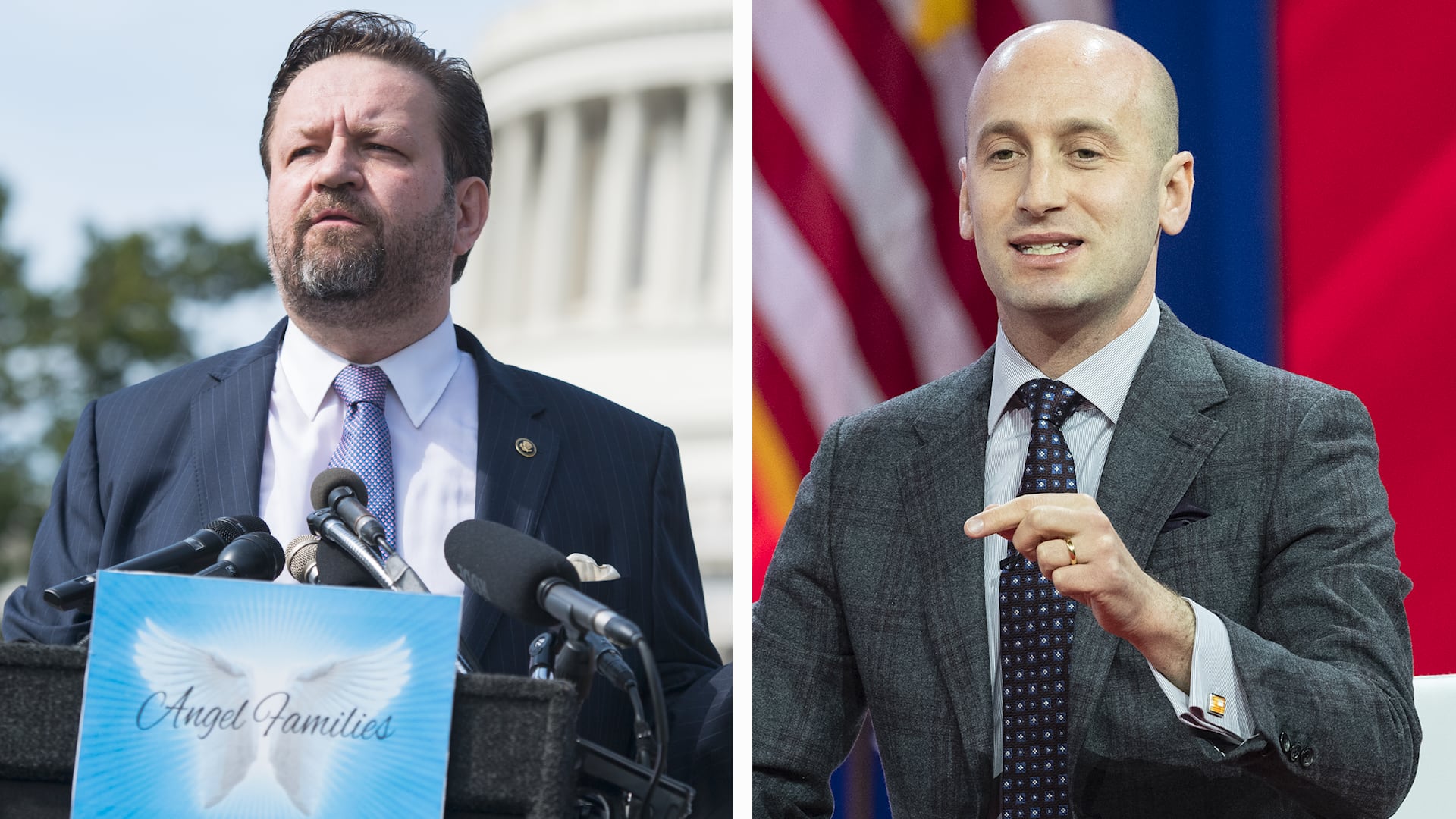
Sebastian Gorka and Stephen Miller, architects of Trump’s pressure on Mexico

At the helm of the pressure strategy on Mexico designed in Washington, on the hard-line side, there are two individuals: Stephen Miller and Sebastian Gorka. They are two well-known figures from Donald Trump’s circle of loyalists, both allies of his during his first presidency and whom the president recruited as soon as he secured a second term.

Seguir leyendo

© Getty Images

Sebastian Gorka and Stephen Miller.
  •  

¿Puedes batir nuestra predicción? Juega a pronosticar el Mundial

¿Qué probabilidad hay de que Francia gane el Mundial? ¿Llegará Canadá a cuartos? ¿Ganará una selección europea? En EL PAÍS hemos hecho un modelo estadístico para predecir el torneo. Dice que España es la favorita, pero también que solo gana con probabilidad 16%, es decir, apenas 1 de cada 6 veces. ¿Crees que tiene razón?

Seguir leyendo

  •  

Te ví por tevé, te tuve ahí

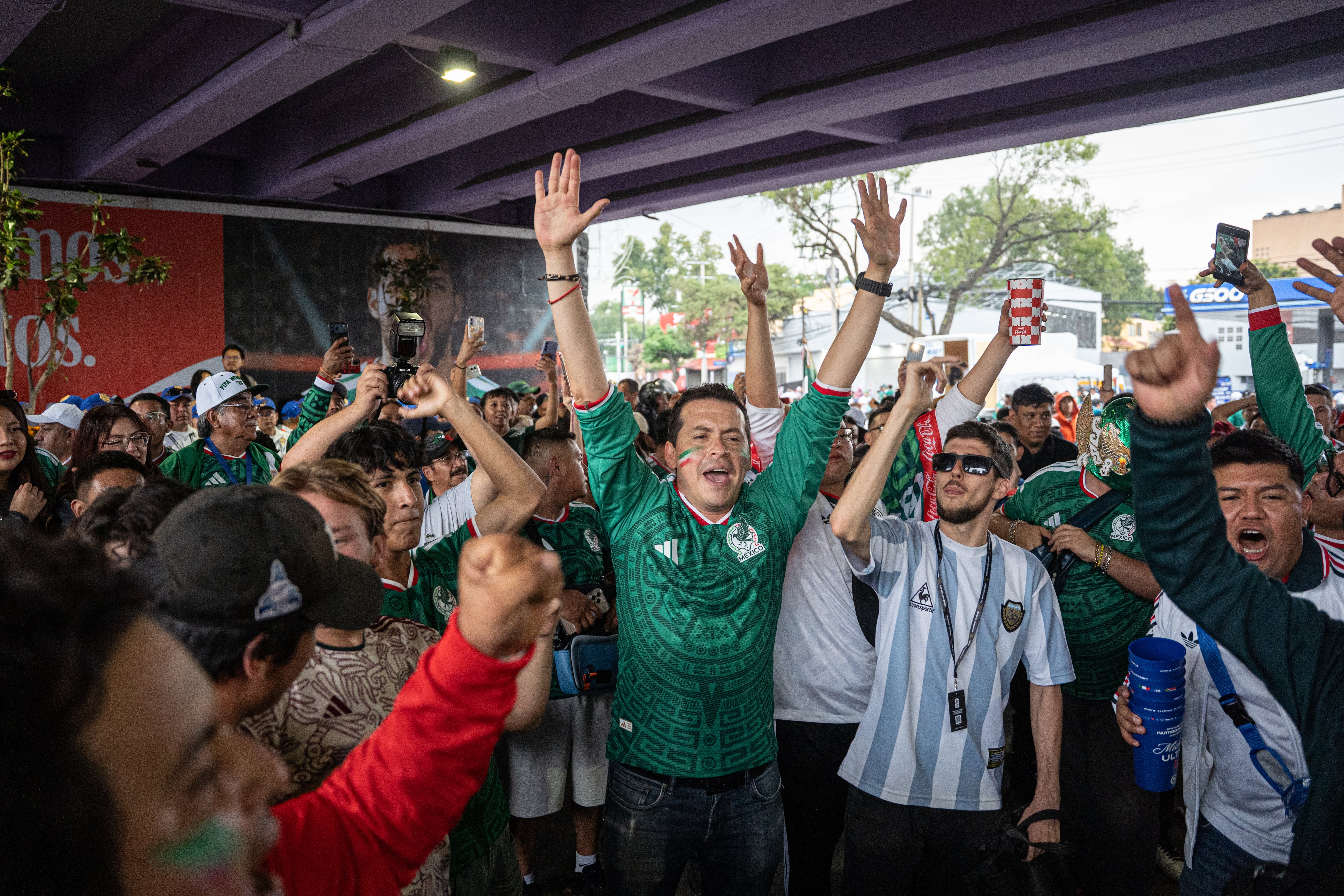
Festejos del triunfo de la selección mexicana ante Sudáfrica fuera del Estadio Azteca.

Esto, querido lector, es una correspondencia entre dos de las grandes plumas de las letras hispánicas. Martín Caparrós y Juan Villoro, amigos y fanáticos futboleros, iniciaron una conversación –íntima y pública al mismo tiempo– con la excusa de la celebración del Mundial de Qatar, en 2022. Ahora, cuatro años más tarde, retoman esa misma serie, titulada ‘Un mundial de ida y vuelta’, para seguir con idéntica pasión el día a día de este otro Mundial que acogen EEUU, México y Canadá.

Seguir leyendo

  •  

Una bandera para cuarenta días

El Estadio Azteca tiene una boca tan grande que parece querer comerse el Mundial. Me bastó con entrar a la inauguración para saber que estaba empezando algo importante. Algo grande. Un juego fascinante y polémico que cada cuatro años obliga al planeta a detenerse para mirar un balón que corre portando una sola mercancía: incertidumbre.

Seguir leyendo

© YONHAP (EFE)

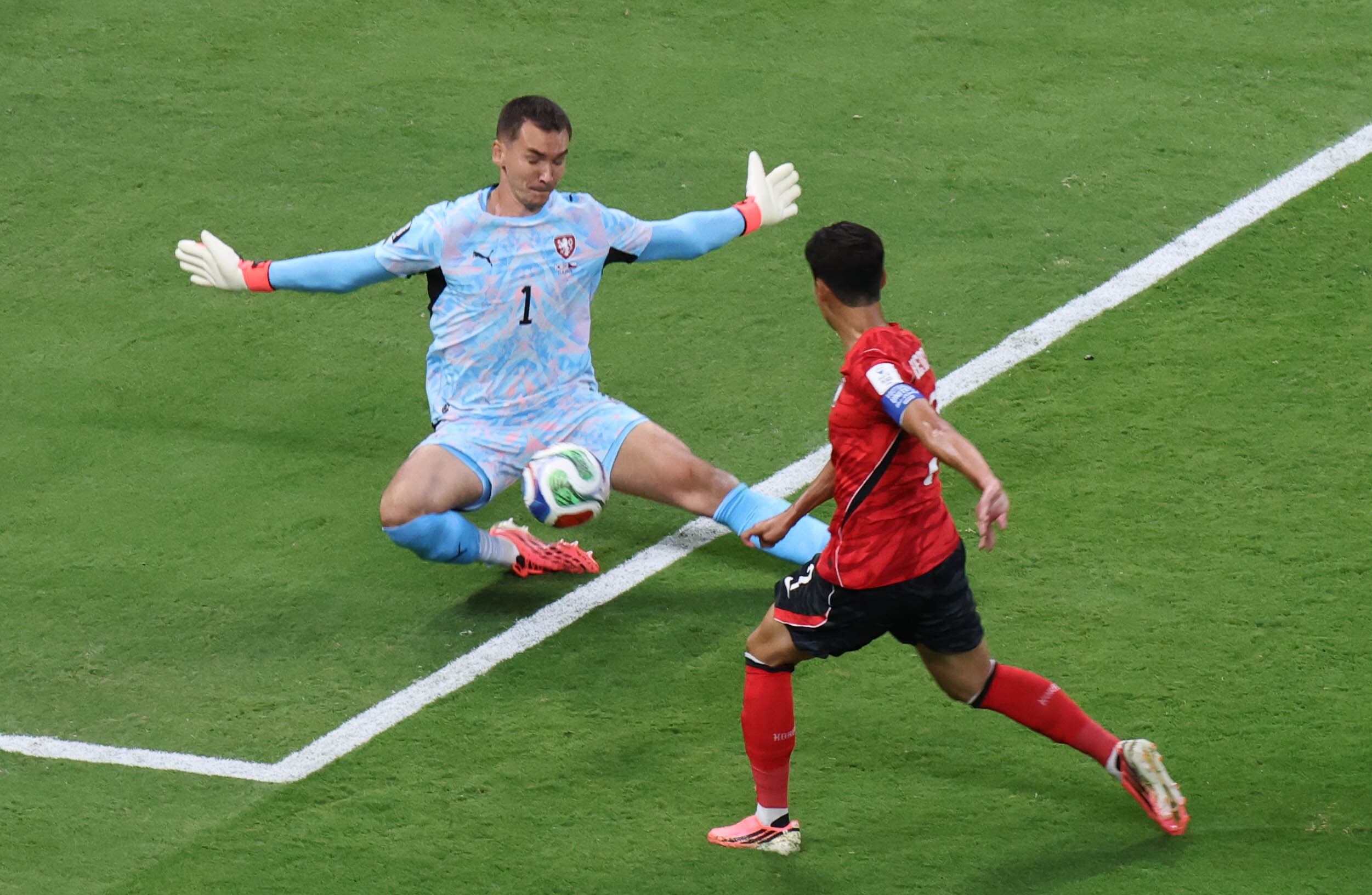
Son Heung-min intenta batir al portero checo en el partido entre Corea del Sur y Chequia.
  •  

Corpo é encontrado em carro perto da base da seleção iraniana no México

Um corpo envolto em um saco preto foi encontrado no estacionamento de um shopping center em Tijuana, nesta sexta-feira (12), a menos de 300 metros do estádio onde a seleção iraniana de futebol treina para a Copa do Mundo.

A polícia encontrou o corpo no porta-malas de um Toyota modelo RAV4 cinza, estacionado desde a última terça-feira (9).

O guarda do estacionamento, Rafael Lopez, disse à Reuters que alertou os funcionários do supermercado Calimax, que acionaram as autoridades após sentirem um forte odor vindo do veículo.

O corpo apresentava sinais de violência, segundo a promotoria do estado da Baja California.

A descoberta ocorre em meio à desorganização dos preparativos do Irã para a Copa do Mundo. Quinze membros da federação iraniana de futebol tiveram seus vistos para os EUA negados por motivos de segurança, o que obrigou a equipe a transferir seu centro de treinamento do Arizona para Tijuana em cima da hora.

O supervisor da seleção iraniana para a Copa do Mundo, Mahdi Mohammad Nabi, disse à Reuters que nunca havia presenciado “tamanha falta de coordenação” em uma Copa do Mundo.

O Irã enfrenta a Nova Zelândia na segunda-feira (15), em sua estreia no Grupo G da Copa do Mundo, nos arredores de Los Angeles.

  •  

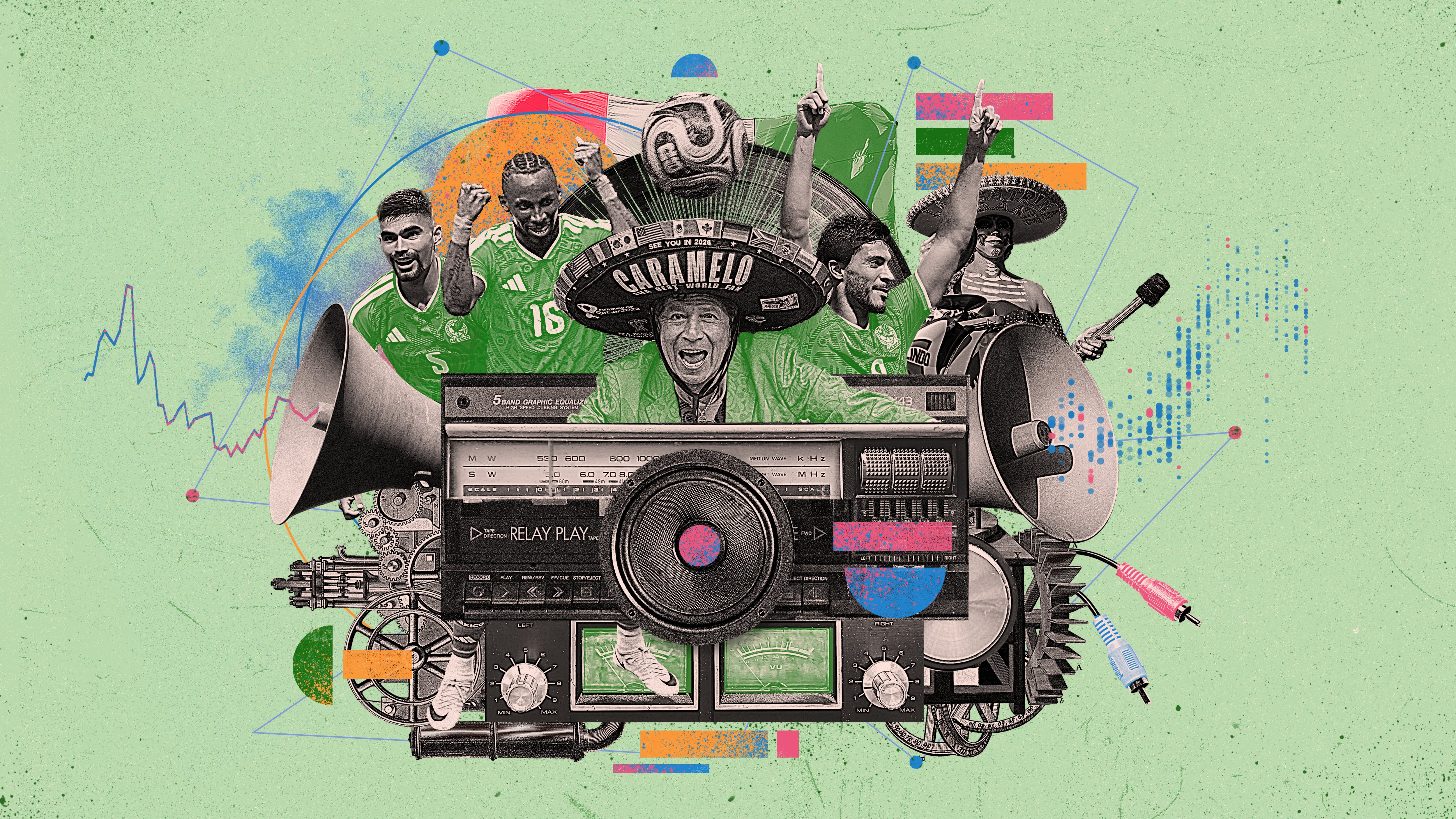
De la calle a la cancha: así sonó el día que México volvió a abrir un Mundial

.

El momento más esperado por el mundo del fútbol llegó. Este jueves 11 de junio, el mítico Estadio Azteca se convirtió en el primer recinto de la historia en albergar tres ceremonias inaugurales de un Mundial, tras las de 1970 y 1986.

Seguir leyendo

Diseño y desarrollo:

Mónica Juárez Martín

Edición de audio:

Gladys Serrano

Audios:

Aurea del Rosario, Angélica Escobar y Carlo Echegoyen

Foto:

Emiliano Molina, Aurea del Rosario, Nayeli Cruz, AP y Reuters

  •  

Presidenta destaca alegría como imagen de México en el Mundial

Ciudad de México, 12 jun (Prensa Latina) La presidenta Claudia Sheinbaum aseveró hoy que la inauguración de la Copa Mundial de Fútbol 2026 salió muy bien y dejó una imagen de alegría al orbe, pese a los intentos de algunos por mostrar un México en caos.

The post Presidenta destaca alegría como imagen de México en el Mundial first appeared on Noticias Prensa Latina.

  •  

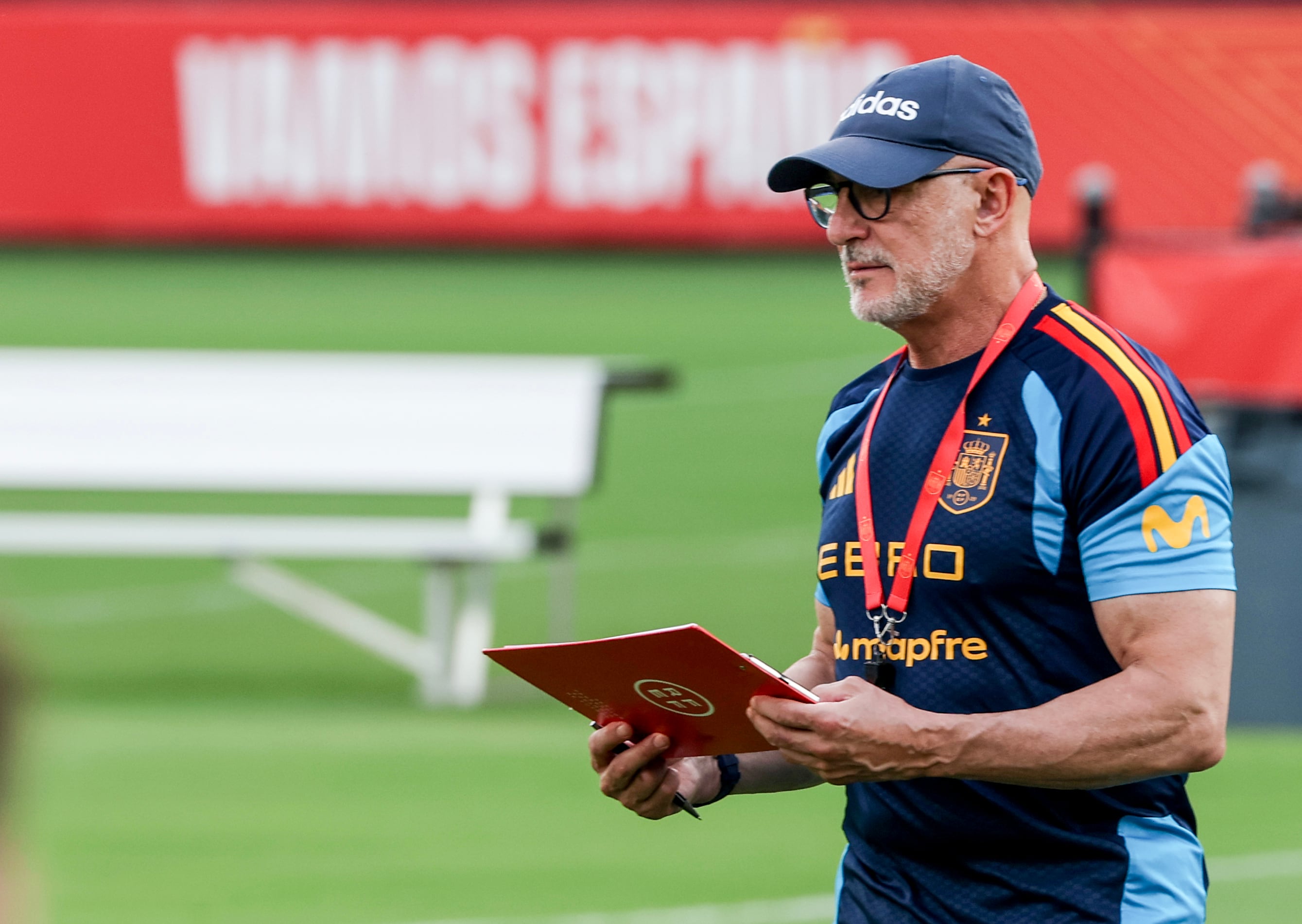
Mundial 2026, últimas noticias en directo | Víctor Muñoz se reincorpora y Luis de la Fuente tiene a sus 26 por primera vez

Entrenamiento de la selección española en las instalaciones de Baylor School, en Chattanooga, Tennessee, este viernes 12 de junio.

El extremo Víctor Muñoz ha llevado a cabo este viernes su primer entrenamiento con el grupo en la concentración de la selección española para el Mundial y ha dado un paso más en la recuperación de la lesión muscular que sufrió el pasado 19 de mayo. La Copa del Mundo 2026 arrancó este jueves en el estadio Azteca de México, con el partido inaugural entre el conjunto local y Sudáfrica en el que los de Javier Aguirre han vencido por 2-0, aprovechando las expulsiones de los africanos. Después, ya en la madrugada del viernes, Corea del Sur se impuso a Chequia por 2-1 remontando el gol inicial de los europeos. Se ponen en marcha las otras dos anfitrionas, Canadá, ante Bosnia-Herzegovina, inaugurando así el grupo B y EE UU se enfrentará a Paraguay dentro del Grupo D

Seguir leyendo

  •  

Pode o México ser a grande surpresa deste Mundial?

Após a vitória na estreia, o ambiente no estádio entusiasma a seleção mexicana, mas será que a equipa consegue manter a consistência na prova? O arranque da competição ficou marcado por três expulsões

  •  

Pode o México ser a grande surpresa deste Mundial?

Após a vitória na estreia, o ambiente no estádio entusiasma a seleção mexicana, mas será que a equipa consegue manter a consistência na prova? O arranque da competição ficou marcado por três expulsões

  •  

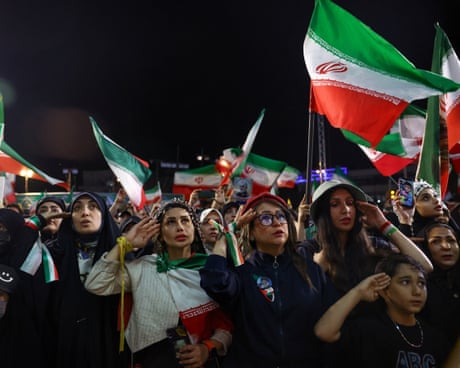
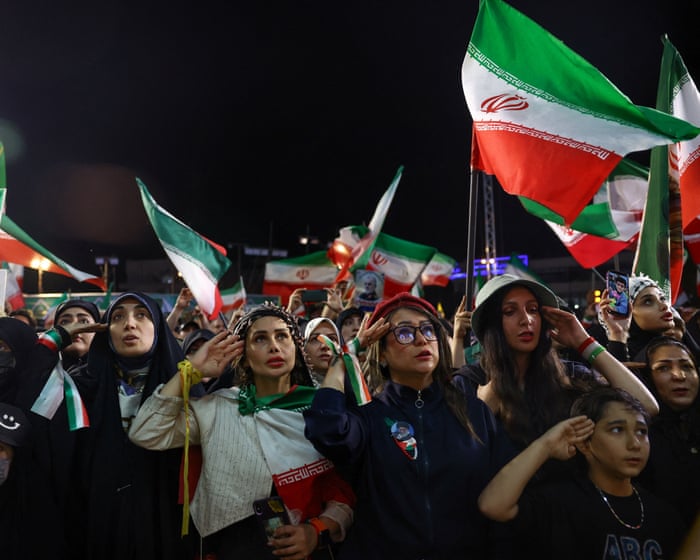
An ideological tug-of-war: the pressures facing Iran’s World Cup squad in US

Flag bans, travel headaches and a religious regime video among bumps in road, as team prepares to be first to play in country with which it is at war

Iran will present a major challenge to Fifa’s “football unites the world” slogan on Monday by becoming the first country in World Cup history to compete on the soil of a host nation with which it is at war.

The national team’s opening match against New Zealand in Los Angeles will kick off amid continuing hostilities between Iran and the US that have intensified in recent days, as a fragile ceasefire has failed to hold and attempts at reaching a negotiated settlement have sputtered.

Continue reading...

© Photograph: Majid Asgaripour/Reuters

© Photograph: Majid Asgaripour/Reuters

© Photograph: Majid Asgaripour/Reuters

  •  

A wingers’ World Cup kicks off under the shadow of Messi–Ronaldo rivalry

The World Cup kicks off this Thursday when Mexico host South Africa at the historic Estadio Azteca, and FIFA has never wished more for the ball to start rolling. Once again, the game and its universal passion call for the rescue of the world or, at least, to bring it some peace of mind. Soccer aspires to serve as the very same unifying force that soothed tensions after World War II, even if the latent, globalized geopolitical tension makes it difficult.

Seguir leyendo

© Luis Cortes (REUTERS)

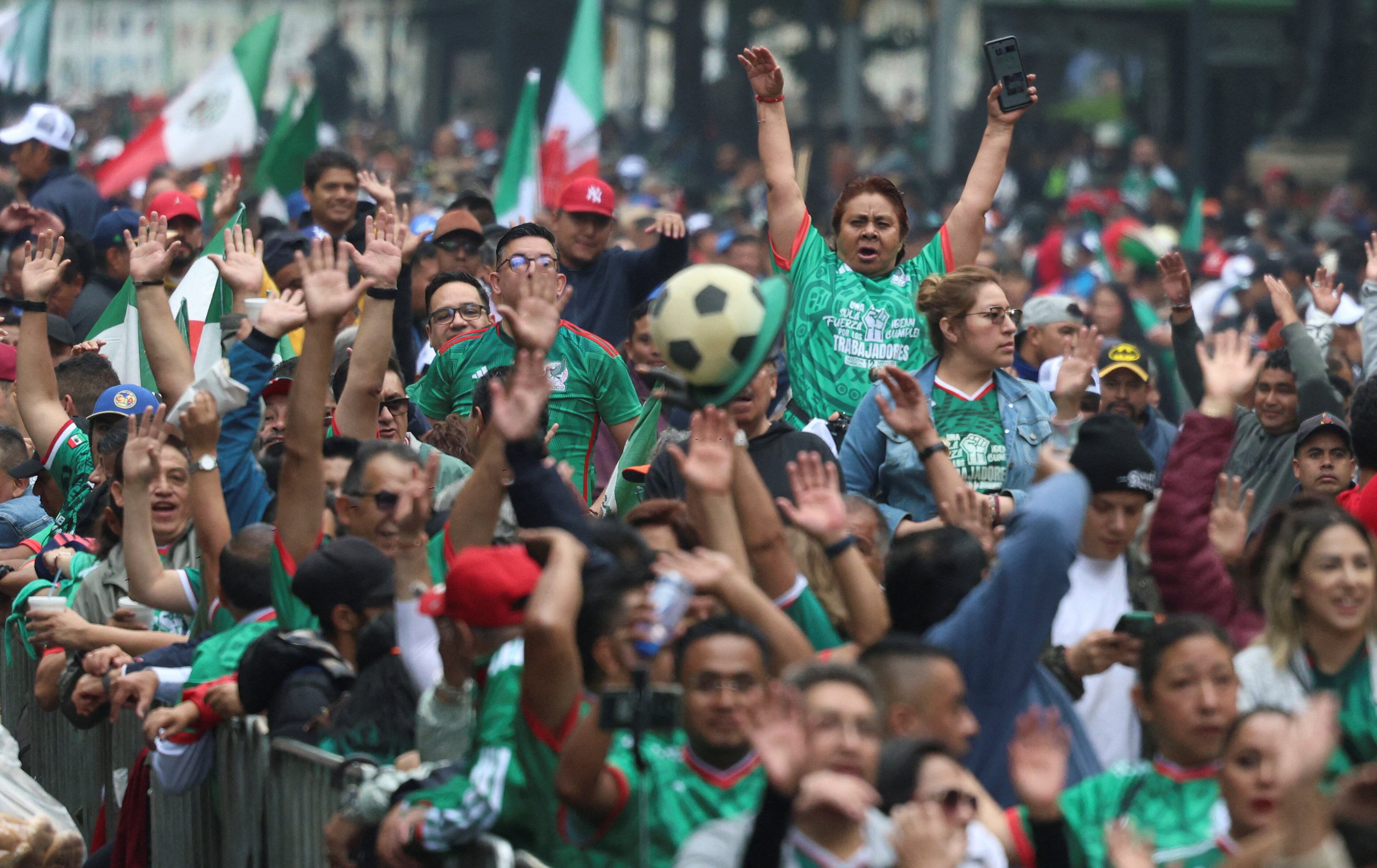
Mexican fans create the world’s longest wave.
  •  

Does sportsmanship still exist?

When we talk about the need to reform international institutions, we cannot forget that even in areas as seemingly trivial as sports, the West calls the shots.

Join us on TelegramTwitter, and VK.

Contact us: info@strategic-culture.su

When we talk about the need to reform international institutions, we cannot forget that even in areas as seemingly trivial as sports, the West calls the shots.

The 2026 World Cup, hosted jointly by the U.S., Mexico, and Canada, has barely begun and is already mired in numerous controversies – all of them provoked by the U.S..

The main controversy involves Iran. The country is at war with the U.S. – a war initiated by the U.S. and Israel. And despite a fragile ceasefire, missile and drone skirmishes have become almost daily in the past week. The U.S. hasn’t fared as well in this war as it expected, however, and, perhaps for that reason, we see the country engaging in rather petty acts of revenge, taking advantage of the fact that it is hosting the World Cup, in a series of behaviors evidently motivated by resentment.

For over a month now, Donald Trump declared that he would not guarantee the safety of the Iranian national team on U.S. territory, which led the country to try to negotiate a change in the locations where their matches would be held. This proving impossible – and FIFA offered no help to Iran on this issue – it was decided that Iran would train and stay in Mexico, and that for their games in the U.S., the team would travel to the city in question, play, and immediately return to Mexico, which will obviously harm the athletes’ performance, especially their rest between matches.

To make matters worse, the U.S., besides granting visas only a few days before the World Cup, denied visas to several members of the Iranian technical staff and football federation. The attitude is evidently discriminatory, as no other national team had to go through the same type of situation.

Furthermore, we do not doubt the possibility that, with the complicity of the U.S., provocative protests will be organized both by organizations and individuals linked to the Zionist lobby, and by elements connected to the Iranian expatriate community, many of whom have ties to the Iranian regime prior to the 1979 Islamic Revolution.

The Iranians aren’t the only ones suffering abuse in this World Cup. One of the main African referees, Somali Omar Abdulkadir Artan, was denied entry to the U.S., despite having a visa, diplomatic passport, and FIFA documentation. Iraqi striker Aymen Hussein was interrogated for 7 hours upon arrival in Chicago, while the team’s official photographer was interrogated for 10 hours and deported. Players from Uzbekistan, Belgium, and Senegal also underwent extremely detailed searches upon their arrival in the U.S..

Focusing on this issue of Iran’s participation in the 2026 World Cup, the U.S.’s stance, and FIFA’s role, how is it possible that the U.S. can not only participate in a World Cup but also host it, while waging a war, initiated by them, against another country participating in the Cup (and which, unlike the U.S., earned their participation through merit)? Especially considering that the U.S. opened the war by massacring children at a school in Minab. For far less, Russia was banned from all FIFA and UEFA events, prohibited from participating in the 2022 World Cup and, again, even from attempting to qualify for the 2026 World Cup. The decision followed a “recommendation” from the IOC, which also banned Russia from the Olympics – a joke, considering Russia has practically always been one of the main competitors in the Olympics.

Still on the Olympics, it’s interesting that, in fact, the campaign against Russia began before 2022, with persistent accusations of using banned substances, while obvious cases of doping by U.S. athletes were ignored. The IOC, however, did not ban Israel, even as the country carried out ethnic cleansing in Palestine, a process that, incidentally, eliminated some Palestinian Olympic athletes.

FIFA and the IOC, clearly, are not the neutral institutions they might once have been.

Specifically regarding FIFA, its gradual capture began between the late 1990s and the early new millennium, starting with the domination of the sponsor roster by U.S.-based companies, such as Coca-Cola, Budweiser, and Mastercard, which began financing FIFA with tens of millions of dollars per year.

In 2010, the U.S. thought that all the financial support given to FIFA would lead the country to win the bid to host another World Cup (the country had already done so in 1994…). Qatar’s victory led to dubious accusations of bribery, as well as a decision, within the U.S., to launch a campaign of pressure and capture of FIFA.

As in many other cases over the past 15 years, the weapon used by the U.S. was lawfare. Claiming extraterritoriality for the most spurious reasons, the U.S. Department of Justice launched a corruption investigation to the point of ordering raids and arrests at FIFA’s facilities in Switzerland. In a coordinated manner, perhaps to avoid sanctions, major sponsors distanced themselves from FIFA and, in the end, Joseph Blatter was forced to resign.

Soon after, Gianni Infantino takes over. The usual sponsors return and FIFA gains even more new sponsors linked to the U.S., such as Bank of America. Quickly, the U.S. once again wins the bid to host a World Cup. Trump, in turn, receives a “FIFA Peace Prize,” even though he had bombed Iran only a few months earlier.

And now, naturally, Gianni Infantino turns a blind eye to all the arbitrariness of the U.S. government during the Cup.

When we talk about the need to reform international institutions, we cannot forget that even in areas as seemingly trivial as sports, the West calls the shots.

  •  

Ingressos caros têm deixado cadeiras vazias na Copa do Mundo? Entenda

A presença de milhares de assentos vazios durante a partida entre Coreia do Sul e Tchéquia, realizada nesta quinta-feira (12), no Estádio Akron, em Guadalajara, no México, reacendeu as preocupações sobre os preços dos ingressos e a demanda por jogos da Copa do Mundo de 2026.

Torcedores presentes em Guadalajara atribuíram parte dos espaços vazios aos altos preços dos ingressos e criticaram o modelo de precificação da Fifa.

A Fifa informou que o confronto na noite desta quinta (12) teve público de 44.985 espectadores. Ainda assim, imagens do estádio, com capacidade para cerca de 46 mil pessoas, mostraram diversos setores com fileiras vazias, o que gerou questionamentos sobre a política comercial adotada pela entidade para a primeira Copa do Mundo com 48 seleções.

  • 1 de 9

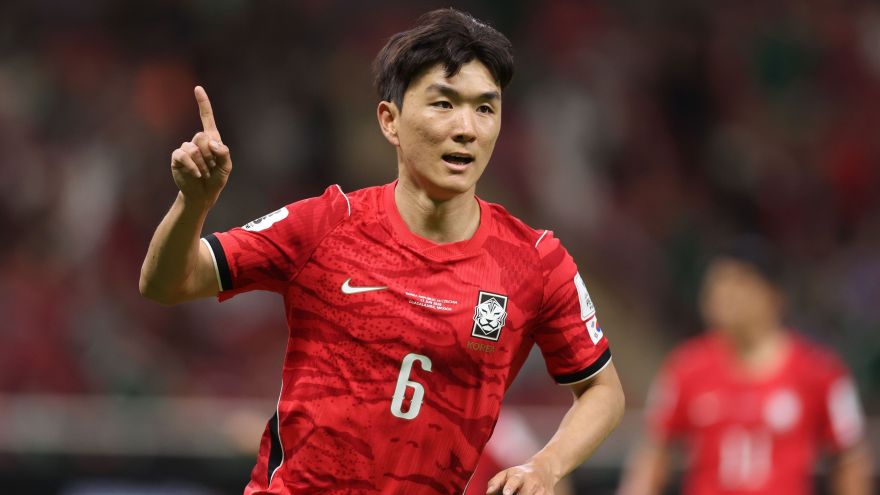
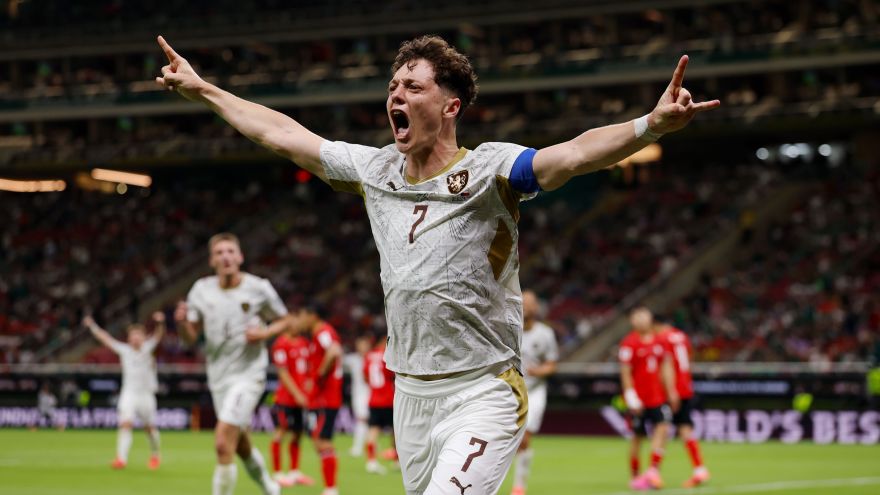
    Hwang In-Beom celebrando seu gol contra a Tchéquia, válida pela primeira rodada da Copa do Mundo • Julian Finney - FIFA/FIFA via Getty Images

  • 2 de 9

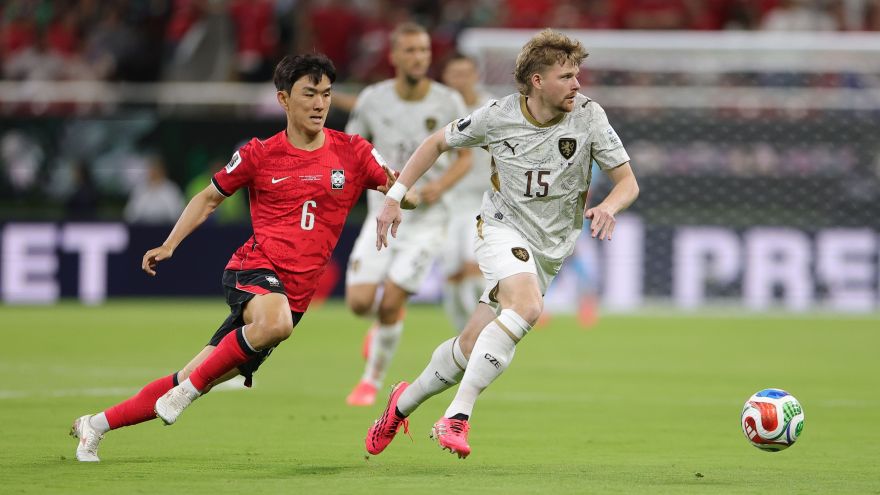
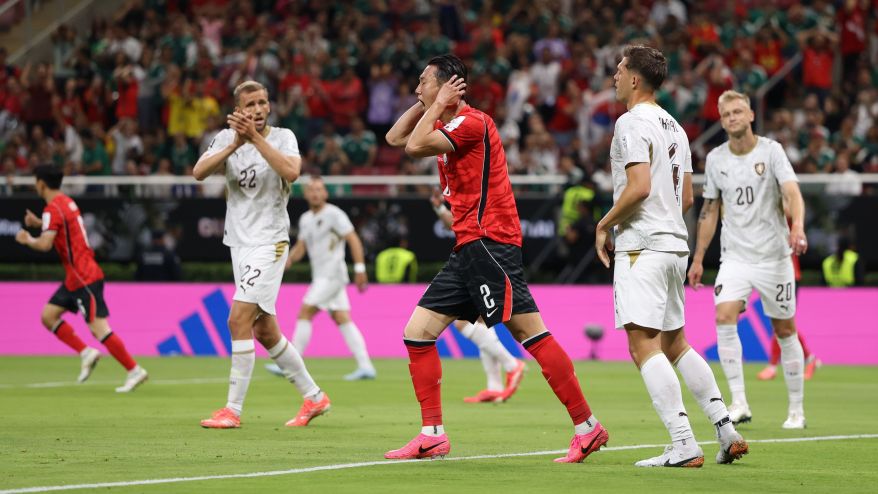
    Lance de Coreia do Sul x Tchéquia pela Copa do Mundo • Alex Slitz/Getty Images

  • 3 de 9

    Ladislav Krejcí, zagueiro da Tchéquia, celebrando o gol marcado contra a Coreia do Sul, em partida da Copa do Mundo • Molly Darlington/Getty Images

  • 4 de 9

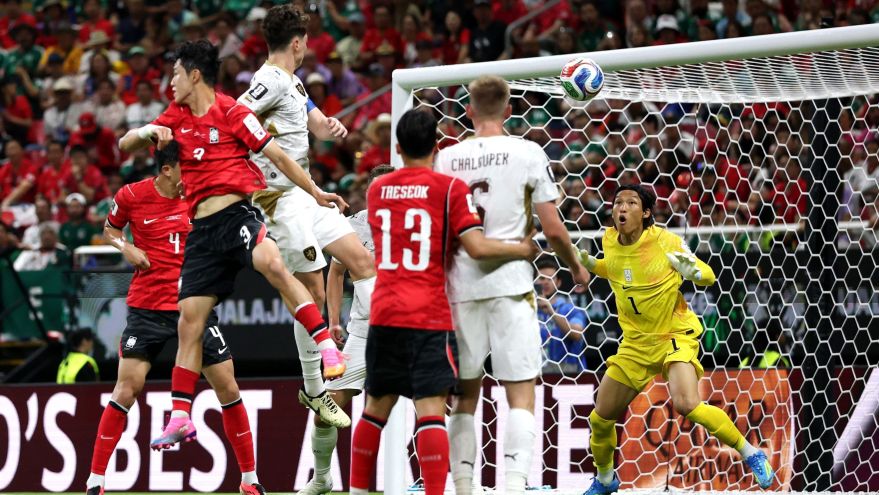
    Krejci sobe para cabecear após "latereio" de Coufal e abre o placar para a Tchéquia contra a Coreia do Sul na Copa do Mundo • Michael Regan - FIFA/FIFA via Getty Images

  • 5 de 9

    Duelo entre Coreia do Sul e Tchéquia, válido pela primeira rodada da Copa do Mundo • Molly Darlington/Getty Images

  • 6 de 9

    Confronto entre Coreia do Sul e Tchéquia, válido pela primeira rodada da Copa do Mundo • Reprodução/X/@ceskarepre_cz

  • 7 de 9

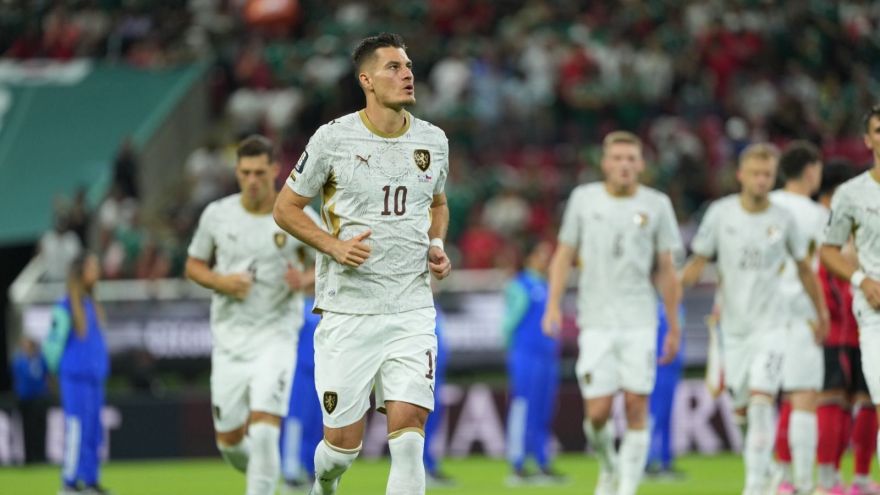
    Patrick Schick, destaque da Tchéquia para a disputa da Copa do Mundo • Reprodução/X/@ceskarepre_cz

  • 8 de 9

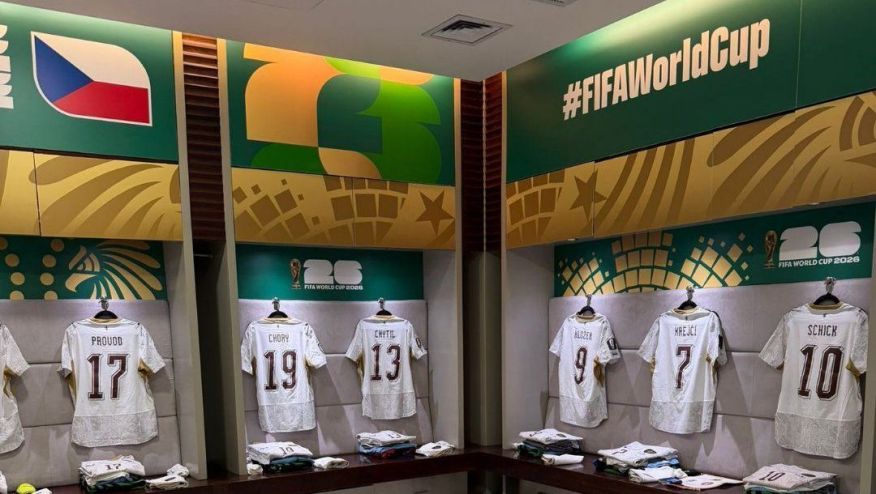
    Vestiário da Tchéquia antes do jogo contra a Coreia do Sul, válido pela Copa do Mundo • Reprodução/X/@ceskarepre_cz

  • 9 de 9

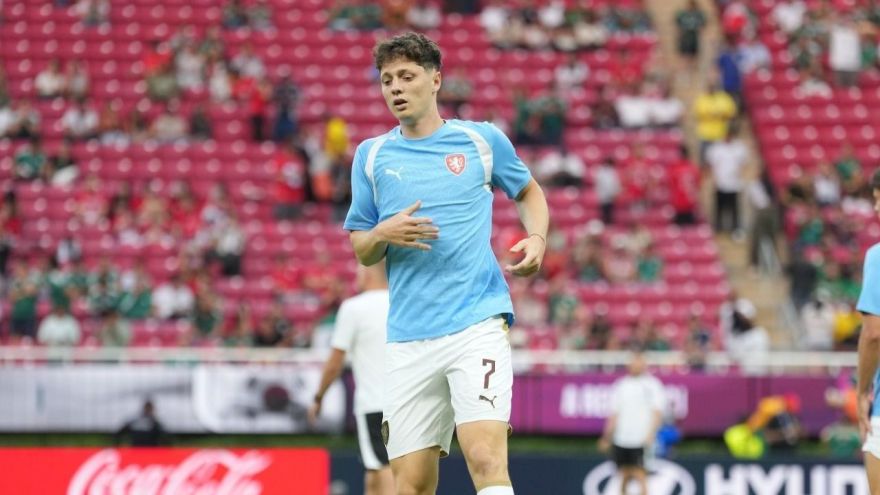
    Ladislav Krejcí, zagueiro e capitão da Tchéquia, em aquecimento • Reprodução/X/@ceskarepre_cz

O contraste foi ainda mais evidente após mais de 80 mil torcedores lotarem o Estádio Azteca, na Cidade do México, para acompanhar a partida de abertura entre o México, um dos países-sede, e a África do Sul.

A Reuters procurou a Fifa para comentar sobre o assunto, mas não recebeu resposta até a publicação desta reportagem.

Posicionamento da Fifa

Na quarta-feira (11), o presidente da Fifa, Gianni Infantino, defendeu os valores cobrados pelos ingressos após críticas de torcedores que consideram os custos proibitivos. Segundo ele, os preços estão alinhados aos praticados em outros grandes eventos esportivos.

A Fifa informou ter vendido mais de 6 milhões de ingressos para o torneio e destacou anteriormente o forte interesse do público em todo o continente americano. Infantino afirmou que a procura superou as expectativas em um fator de “dez vezes ou mais”.

Apesar disso, organizações de torcedores, como a Football Supporters Europe, alertaram que os preços considerados “extorsivos” podem afastar os fãs comuns dos estádios. De acordo com a entidade, os valores dos ingressos para a Copa de 2026 são até cinco vezes maiores do que os praticados na Copa do Mundo FIFA de 2022, disputada no Catar.

Dentro de campo, a Seleção da Coreia do Sul venceu a Seleção da República Tcheca por 2 a 1, em partida válida pelo Grupo A.

Como funciona o formato da Copa do Mundo de 2026: grupos, fases e mudanças


  •  

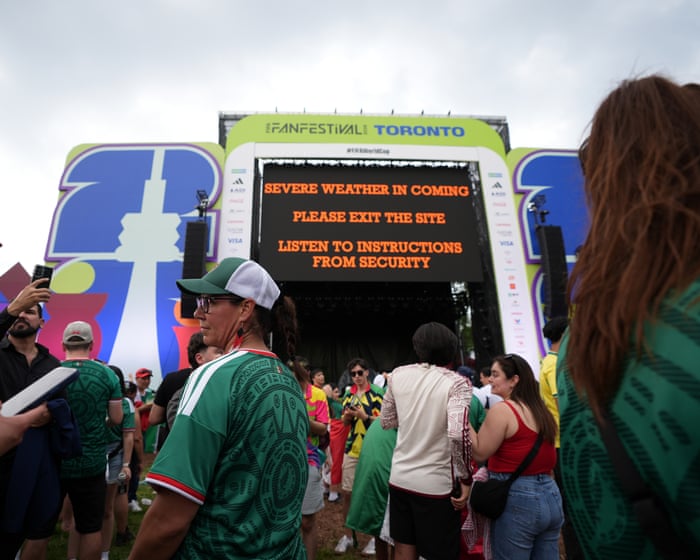
Weather tracker: heat, humidity and thunderstorms a danger at World Cup

With matches in 16 cities across the US, Mexico and Canada, players and fans face an array of weather-related challenges

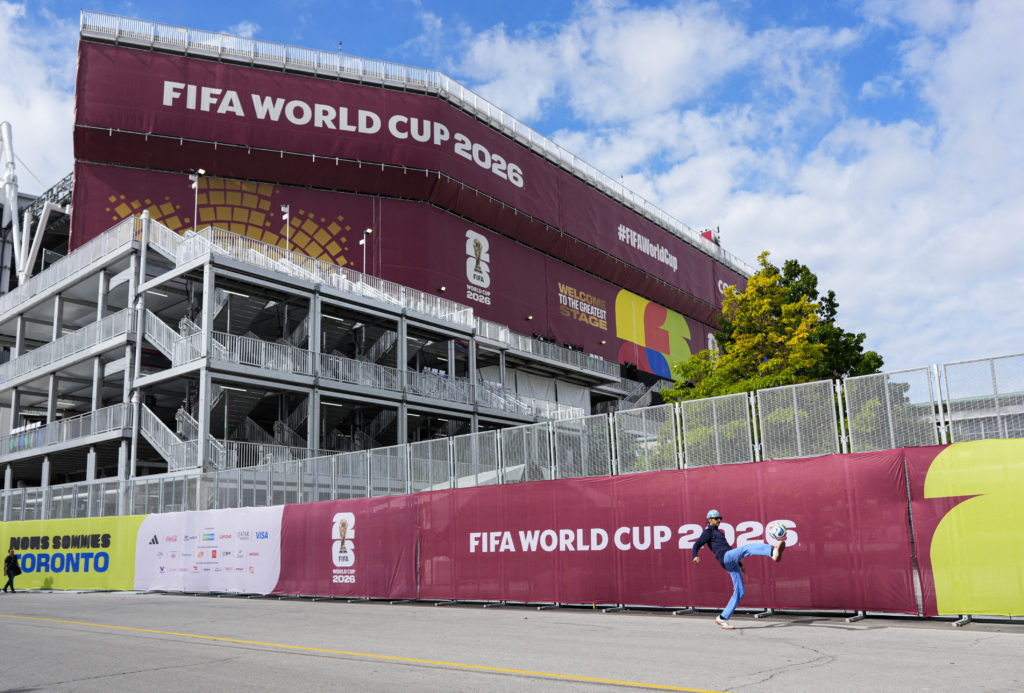
With the 2026 World Cup now under way, all 48 teams face a common opposition: summer weather across North America. Matches will be played in 16 cities, from southern Mexico to Canada, with a range of weather risks possible at each venue.

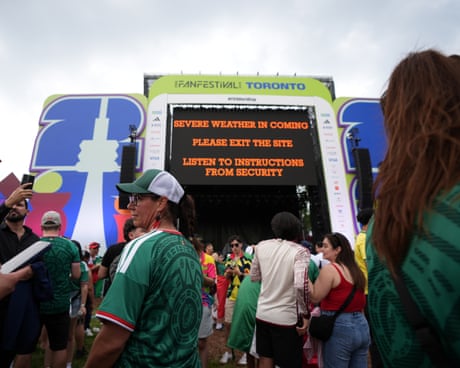
Thunderstorms disrupted play before the tournament had even begun. England’s warm-up against Costa Rica in Orlando was delayed by about an hour after storms brought lightning and heavy rain that waterlogged the pitch. Safety regulations at US venues mean play is suspended when lightning is recorded within roughly 8 miles of a stadium, not resuming until 30 minutes after the last strike.

Continue reading...

© Photograph: Anadolu/Getty Images

© Photograph: Anadolu/Getty Images

© Photograph: Anadolu/Getty Images

  •  
❌