Reading view

Europe’s recent peace overtures are war by other means

European overtures for renewing diplomacy with Russia smack of hypocrisy and duplicity.

Join us on TelegramTwitter, and VK.

Contact us: info@strategic-culture.su

After four years of zero diplomacy, multiple rounds of economic sanctions aimed at crushing the Russian state, and hundreds of billions of euros fueling a futile war in Ukraine against Russia, European capitals are lately abuzz with calls for opening peace negotiations with Moscow.

No doubt part of the shifting policy is due to the economic mess that Europe has created for itself by cutting off energy trade with Russia. Escalating energy costs are destroying European industries and imposing crippling financial hardship on millions of its citizens. Realizing the self-inflicted disaster, European capitals are desperate to appear to be normalizing relations with Russia and resume affordable energy supplies.

France and Italy are advocating the appointment of an envoy to engage with Russia to resolve the conflict and the lifting of anti-Russian sanctions.

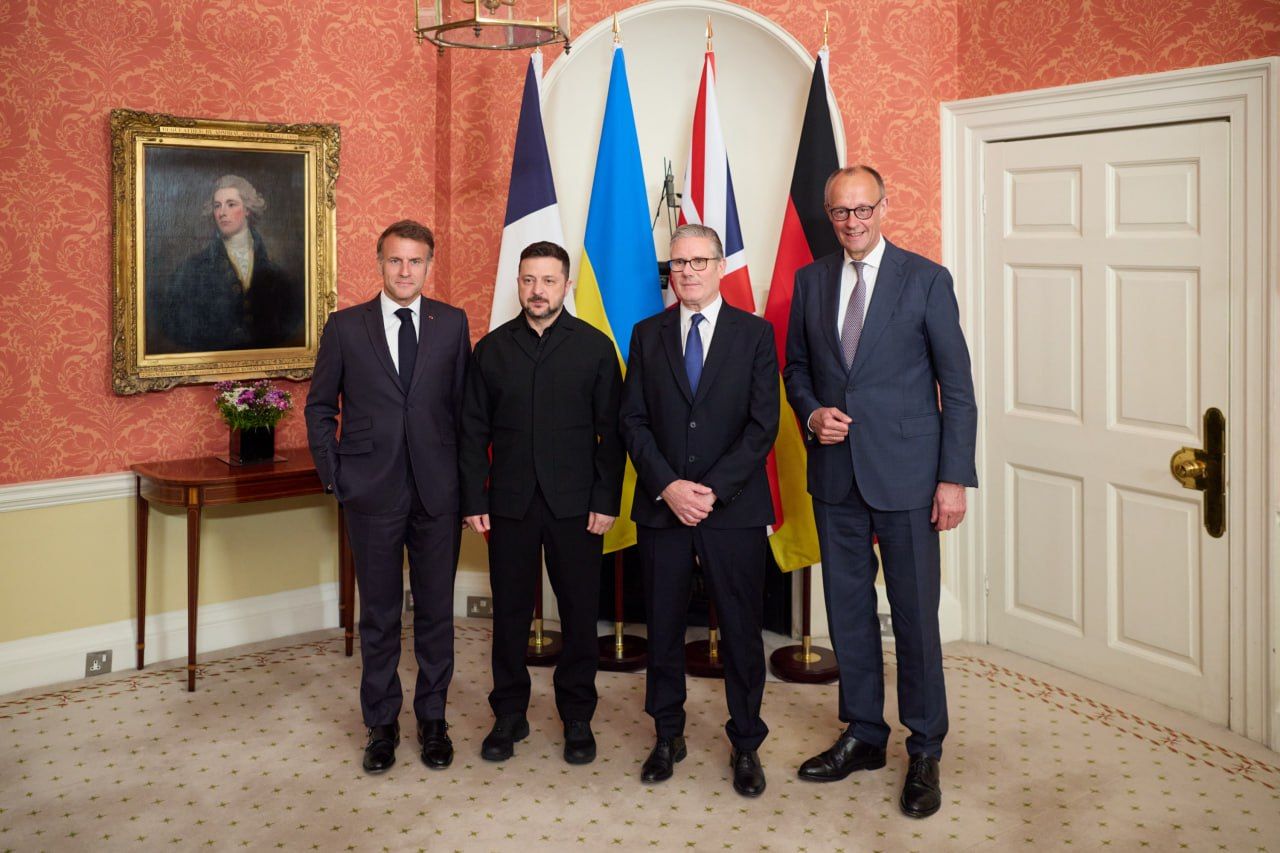
Last weekend, the leaders of Britain, France, and Germany – the so-called E3 – stated that they would “help mediate” a peace deal between Ukraine and Russia. The Ukrainian puppet president, Vladimir Zelensky, was feted in Downing Street on June 7 by Britain’s Kier Starmer, France’s Macron, and Germany’s Merz. They proposed taking the lead in negotiations from the United States since President Trump seems more preoccupied with ending the war against Iran.

Various names have been suggested as to who could serve as an interlocutor representing Europe. Angela Merkel, the former German Chancellor, and former Italian Prime Minister Mario Draghi are two names that have been put forward. Finnish President Alexander Stubb has also been suggested. It’s unlikely any of them would be acceptable to Moscow, especially Merkel, mainly due to her past role in covertly undermining the 2015 Minsk Accords, thereby sowing the seeds for war that erupted seven years later.

The telling – almost laughable – thing is the paucity of any European figure with credibility as an envoy.

The EU’s top diplomat, Kaja Kallas, has become a laughing stock over her rank incompetence. Her Russophobic ranting has rendered her redundant in conducting foreign policy. So much so that there is a revolt among European diplomats against what they declaim as her “dysfunction”.

This week, Europe sent three ambassadors to Moscow to renew some form of dialogue. Russia’s deputy foreign minister, Mikhail Galuzin, met with representatives from Britain, France, and Germany. The Russian foreign ministry said it was open to hearing what Europe had to say.

However, Galuzin reportedly gave the visitors short shrift, reminding them that Europe cannot pose as mediators when it is a participant in the war against Russia.

Following the meeting on Thursday, Maria Zakharova, the foreign ministry spokeswoman, dismissed the European mission as not serious about addressing the challenge of finding a peace settlement.

Zakharova accused the ambassadors of promoting a “dead-end Zelensky formula.”

She said: “The leaders of these countries are pretending, through their statements, to be calling for peace, but in reality they are putting forward unacceptable conditions, increasing the production of long-range weapons for Kiev and generally taking steps towards the militarisation of Ukraine and Europe.”

If Europe were serious about peace, it would stop arming the Kiev NeoNazi regime and show some meaningful acknowledgment of Russia’s long-held demand to deal with the root causes of the conflict.

Europe’s backing of the Kiev regime’s call for an immediate ceasefire while expanding Ukraine’s ability to carry out deep strikes on Russian territory with European-manufactured drones, killing hundreds of civilians over recent months, is just a cynical ploy to rearm the proxy regime and give it some respite in order to resume the war with more lethal vigour at a later stage.

The duplicity of the European politicians goes back to the treachery of the Minsk Peace Accords in 2015 and the sabotage of the Istanbul peace negotiations in April 2022. That has culminated in the biggest war in Europe since World War Two, with millions of casualties and a real threat of spiralling into open war.

Europe’s governments and its EU and NATO bureaucrats are still wedded to the ideology of inflicting a strategic defeat on Russia. So, too, it seems is Washington, despite Trump’s talk of wanting peace.

Arming the Nazi regime in Kiev at an increasing pace while calling for a superficial ceasefire is proof that the European leaders are not authentic in their belated espousal of seeking diplomacy with Russia.

Former German foreign minister Sigmar Gabriel (2017-2018) recently pointed out a shameful truth when he said that Europe lost its chance for diplomacy in 2021.

Back then, the EU leadership and the American Biden administration both repudiated Russia’s earnest efforts to negotiate a way to avoid war in Ukraine. Moscow had clearly set out its objections to NATO expansion, in particular, the absorption of Ukraine into the military alliance, and it proposed rational solutions for collective security. Russia’s diplomacy was rejected out of hand by Washington and Brussels.

The Europeans and the Americans were bent on provoking Russia into an armed confrontation with their proxy Ukrainian regime that they had installed in the 2014 coup and weaponized. Diplomacy was rejected because the NATO axis calculated that it could defeat Russia with war and economic strangulation, or, as some Western politicians admitted, “total war”.

The European agenda, as reflected in demands for an immediate ceasefire without any cognizance of Russia’s arguments about historic claims and indivisible security, demonstrates that European leaders are not yet ready or willing to engage genuinely and meaningfully.

As 18th-century Prussian strategist Carl von Clausewitz might put it, their recent overtures for political talks are simply war by other means.

  •  

Exclusiva: La verdadera historia detrás del Irán nuclear y el acuerdo de Islamabad

Si se obliga a Irán a realizar una demostración nuclear ante los ojos de todo el mundo, China obtendrá la prueba de que la disuasión estadounidense carece de fundamento.

Únete a nosotros en Telegram Twitter  y VK .

Escríbenos: info@strategic-culture.su

MOSCÚ y SAN PETERSBURGO – El lunes 1 de junio, en Power Shift, una nueva plataforma geopolítica independiente, Zulfiqar Ali, Larry Johnson y yo mismo revelamos lo que, a efectos prácticos, constituye una información de gran repercusión: si las nubes negras siguen cerniéndose sobre nosotros, Teherán está dispuesto a pasar de la ambigüedad nuclear a detonar efectivamente un dispositivo nuclear en territorio iraní.

Menos de una semana después, la página de Power Shift fue censurada en YouTube, sin explicación alguna y sin posibilidad de recurso. Sin embargo, lo que revelamos ya se había detallado en varios podcasts y entrevistas a lo largo de la semana pasada, como aquí y aquí (con Larry y conmigo); aquí; y en el foro de San Petersburgo, aquí.

Publiqué un informe detallado previo a la divulgación de la información, redactado justo antes de que el equipo negociador de Irán suspendiera el intercambio de todos (cursiva mía) los textos y mensajes con EE. UU. a través del mediador Pakistán.

En lo que respecta a la redacción de lo que quizá sea el borrador final de un Memorando de Entendimiento (MoU) entre Irán y EE. UU., objeto de un debate interminable, de repente quedó muy claro que todo gira en torno al Líbano.

Irán reiteró en repetidas ocasiones que estaba dispuesto a abandonar el “alto el fuego” —ya en estado comatoso— si la secta de la muerte de Asia Occidental seguía adelante con su amenaza de bombardear Dahiyeh, el suburbio de mayoría chiíta del sur de Beirut.

Ante la presión de Trump, el líder de la secta de la muerte se vio obligado a dar marcha atrás. Solo por unos días. Trump necesita desesperadamente un MoU y una prórroga del alto el fuego para poder venderlo como una «victoria». Su (cursiva mía) victoria.

Todo eso estaba sucediendo, a un ritmo vertiginoso, tras una fatídica y extremadamente delicada llamada telefónica de 105 minutos el jueves 28 de mayo entre el presidente iraní Masoud Pezeshkian y el primer ministro pakistaní Shehbaz Sharif.

Islamabad es el único canal de comunicación extraoficial entre Teherán y Washington que funciona y goza de confianza. Nuestras fuentes revelaron que, durante la llamada telefónica, Pezeshkian transmitió un ultimátum formalmente estructurado en tres pasos que debía comunicarse a la Casa Blanca con absoluta claridad:

  1. No más negociaciones nucleares. Es decir, la prioridad es el fin de todas las guerras, contra Irán y el Eje de la Resistencia.
  2. No más marcos prospectivos de tratados nucleares. Es decir, no habrá conversaciones que conduzcan a un posible y diluido JCPOA 2.0; solo después de resolver el fin de las guerras y la situación del estrecho de Ormuz.
  3. Si las amenazas de EE. UU. persisten, dijo Pezeshkian, eso conduciría a la «detonación de un dispositivo nuclear en suelo iraní», ejecutada no como un acto de guerra, sino como una demostración soberana e irreversible de la capacidad para controlar el dominio de la escalada.

Lo que resulta especialmente sorprendente es que nada de lo anterior tiene que ver con posturas diplomáticas.

Lo que hemos visto es al presidente de Irán transmitiendo lo que es, en esencia, una decisión del líder Mojtaba Jamenei, en la que se indica que, si Washington cruza el siguiente umbral, Teherán pasaría instantáneamente de la ambigüedad nuclear a una demostración innegable.

Y eso implicaría una ruptura permanente del sistema mundial de no proliferación, con consecuencias imprevistas.

La alineación estratégica entre China, Irán y Pakistán

El primer ministro pakistaní, Shehbaz Sharif, obviamente evaluó la magnitud de tal información. Inmediatamente ordenó al ministro de Asuntos Exteriores pakistaní, Ishaq Dar —que se encontraba en Nueva York para las sesiones del Consejo de Seguridad de la ONU— que transmitiera la información a Washington.

Dar eludió todo el aparato burocrático y llamó directamente al secretario de Estado de EE. UU., Marco Rubio, en Nueva York. El mensaje, de Teherán a la Administración Trump, fue contundente: la escalada cuenta ahora con un peldaño terminal.

Rubio “podría” (y esa es la palabra clave) haber reconocido la gravísima seriedad de lo que, de hecho, es un ultimátum nuclear formal. Informó a Trump. Al día siguiente, el 29 de mayo, Trump detuvo abruptamente cualquier acción cinética adicional. Y su retórica incendiaria se moderó al instante.

Esto no tuvo nada que ver con un repentino arrebato de moderación estratégica en el eje War-a-Lago/Despacho Oval. Fue el resultado directo y posterior del canal de comunicación extraoficial Sharif-Dar-Rubio.

En la mañana del 29 de mayo, Dar llegó a Washington para una visita oficial de un día.

Sentado frente a Rubio, le proporcionó la información detallada que la llamada telefónica de Nueva York solo había adelantado.

Puso dos bombas de gran alcance sobre la mesa de negociaciones:

1. Irán no entregará nada de su uranio altamente enriquecido (HEU). Nada. Cero. Y eso es definitivo.

Se trata de la independencia soberana (dos conceptos que ocupan el centro de la reciente declaración conjunta de Rusia y China firmada en Pekín durante la visita oficial de Putin a Xi Jinping).

Por lo tanto, Teherán no entregará sus reservas, sean cuales sean las condiciones, ya sea de forma temporal o no, solo para cumplir con un mecanismo destinado a salvar las apariencias ante la opinión pública estadounidense.

Desde el punto de vista de los dirigentes iraníes —con Mojtaba al frente—, el UME (Uranio Muy Enriquecido) va mucho más allá de un activo técnico; es la fusión definitiva de soberanía, disuasión, influencia y supervivencia política.

2. China ha suministrado a Irán sistemas de defensa estratégica de última generación —incluidos MANPAD lanzados desde el hombro— que han pasado de forma encubierta a través de terceros países (y por eso no pude obtener ninguna confirmación oficial hace dos semanas en Shanghái).

El resumen: existe una alineación estratégica China-Irán-Pakistán plenamente operativa.

¿Sigue siendo posible un Acuerdo de Islamabad?

Tal y como están las cosas, ninguno de nosotros —incluidas nuestras fuentes— sabe si un arma nuclear detonada en suelo iraní habría sido desarrollada exclusivamente por Irán [cuentan con la capacidad científica para ello]; o con posible ayuda rusa, pakistaní o norcoreana. Todas las opciones son plausibles.

Según el profesor Ted Postol del MIT, Irán podría convertir fácilmente 450 kg de hexafluoruro de uranio al 65 % en uranio apto para armas al 85 % aproximadamente: todo lo necesario para un arma de bajo rendimiento, que se montaría en al menos 10 sistemas de lanzamiento de misiles capaces de alcanzar Israel. Eso significa, como mínimo, 10 bombas nucleares.

Técnicamente, este tipo de arma de bajo rendimiento puede diseñarse, explica Postol, utilizando un reflector de neutrones fabricado con uranio empobrecido —o carburo de berilio/tungsteno— y situado inmediatamente alrededor del núcleo fisionable. Este refleja los neutrones que se escapan de vuelta hacia el material nuclear para aumentar la eficiencia de la fisión y reduce la masa crítica necesaria. En pocas palabras: menos material y más bombas.

Muy importante: a principios de la semana pasada se presentó un borrador de esta columna a un alto funcionario iraní, miembro del círculo extremadamente reducido que rodea al líder Mojtaba Jamenei. Su reacción: «No haré comentarios sobre este asunto».

Más allá de esta respuesta evasiva, lo que quedó claro al instante es la transmisión verificada de la comunicación extraoficial más trascendental de la crisis de “ni guerra ni paz”.

La historia es la siguiente: Pezeshkian habla con Sharif; Sharif habla con Dar; Dar habla con Rubio; Rubio habla con Trump; Dar habla con Rubio cara a cara (durante su rueda de prensa en Washington).

Todo ello arroja nueva luz sobre el alto el fuego de 60 días, posteriormente roto, la frágil vía de salida que Trump necesitaba desesperadamente. Este marco ha sido organizado por Pakistán y respaldado estructuralmente por China, tal y como confirmé en Shanghái.

Teherán ha insistido en el orden de los procedimientos, una y otra vez. En primer lugar, deben cesar todas las guerras, especialmente la ofensiva del culto a la muerte sobre el Líbano. A continuación, se abordan las modalidades para restablecer el tráfico comercial a través del estrecho de OrmuzLa tercera y última etapa consiste en reanudar algún tipo de diálogo nuclear significativo.

En el panorama general, ya se está llevando a cabo una profunda reestructuración, independientemente de las desagradables sorpresas que puedan deparar futuras rupturas del alto el fuego.

Tal y como están las cosas: los Acuerdos de Abraham están, a todos los efectos prácticos, muertos; Arabia Saudí ha congelado todas las conversaciones secretas de «normalización» con Israel; Catar y Omán están elaborando discretamente calendarios de transición militar para retirar gradualmente a EE. UU. de Asia Occidental.

Y lo más crucial: una nueva arquitectura de seguridad en Asia Occidental se está consolidando rápidamente fuera del paraguas «protector» estadounidense, impulsada por los Cuatro Suníes: Pakistán, Arabia Saudí, Turquía y Egipto.

El jueves pasado, de nuevo en «Power Shift» (nuestro canal de YouTube aún estaba activo), Zulfiqar Ali, Larry Johnson y yo señalamos un posible “Acuerdo de Islamabad” como el marco emergente para poner fin a la guerra entre Estados Unidos e Irán, mucho antes de que los principales medios de comunicación occidentales lo reconocieran como la estructura organizativa.

También identificamos el mecanismo que lo impulsaba: una incesante diplomacia itinerante pakistaní, respaldada de forma discreta pero decidida por China.

Esbozamos la hoja de ruta en dos fases: en primer lugar, un alto el fuego inmediato y la reapertura del estrecho de Ormuz (Irán está de acuerdo con ambas medidas); en segundo lugarun breve margen de negociación para ultimar el acuerdo político y financiero más amplio.

Informamos de que la liberación de los activos congelados de Irán, tema extremadamente polémico, no era un tema de debate especulativo, sino una palanca activa en el proceso. Esa liberación de activos y el posible alivio de las sanciones se estaban tratando como medidas concretas de fomento de la confianza.

También informamos de que una delegación iraní de alto nivel —incluidos el líder del Parlamento, Ghalibaf, el ministro de Asuntos Exteriores, Abbas Araghchi, y el gobernador del Banco Central, Abdolnaser Hemmati— viajaría a Doha en relación con la vía de los fondos congelados.

Esto se confirmó posteriormente en todos los ámbitos, incluido el hecho de que el componente del Banco Central estaba directamente vinculado a los activos congelados.

También adelantamos que Islamabad podría convertirse en el escenario del acto político final, incluida una posible visita de Trump, junto a Pezeshkian: sin embargo, ahora esa posibilidad parece tan remota como siempre.

China se limita a observar cómo fluye el río

Estos son los hechos, tal y como están:

Irán está lejos de estar aislado y se encuentra posicionado para una guerra prolongada, con un respaldo material y estratégico significativo por parte de China, Pakistán y Corea del Norte, y un apoyo cuidadosamente calculado de Rusia, tal y como confirmé durante el foro de San Petersburgo.

Estados Unidos está paralizado. La administración Trump puede parecer que desea una vía de salida; pero se encuentra totalmente limitada por la presión del culto a la muerte en Asia Occidental —como hemos visto este fin de semana—; por vías de escalada agotadas; y por la ausencia de una opción militar decisiva que pueda alterar el tablero de ajedrez sin crear una crisis infinitamente más inmanejable.

Las petro-monarquías del Golfo están aterrorizadas ante una posible reanudación de la guerra —con la principal excepción de los Emiratos Árabes Unidos.

Esto deja a Islamabad como la única vía de salida disponible, con el mariscal de campo Asim Munir posicionado como el intermediario indispensable; y Pekín y Moscú siguiendo todo de cerca, en algunos aspectos configurando activamente el marco general.

El bombardeo del sur de Beirut el 6 de junio se perpetró una vez más en un momento crítico de las negociaciones, como señaló Mohammad Mokhber, asesor principal del líder Mojtaba Jamenei y miembro del Consejo de Discernimiento de Irán:

Al bombardear el Líbano durante la presencia del mediador en Irán [se refería a Asim Munir], el enemigo prendió fuego a la mesa de negociaciones por tercera vez para denunciar las repetidas violaciones del alto el fuego en todas las zonas. Nos dirigimos a los violadores con el lenguaje del “poder”; el eje de la resistencia es un cuerpo unificado, y sin duda pagarán un precio alto y doloroso por esta agresión sobre el terreno.

El bombardeo de la secta de la muerte sobre el sur de Beirut dio lugar a un espectáculo francamente surrealista: la Administración Trump persiguiendo al mediador pakistaní en Teherán, suplicándole que intercediera ante los iraníes para lograr una desescalada.

El Emperador que quería destruir la civilización iraní tuvo que pedir a Pakistán que salvara lo que aún se podía salvar.

Esto significa, tal y como informamos, que con Irán marcando las condiciones de la escalada y aumentando su potencial de disuasión, y con Trump sin ninguna carta que jugar, la única solución posible reside en la diplomacia a través de Islamabad.

Esta semana en Power Shift, en tres programas consecutivos de lunes a miércoles, profundizaremos en la información de inteligencia y la diplomacia que subyacen a estos giros tectónicos.

Y luego, por supuesto, está el intrigante ángulo chino.

Los think tanks estadounidenses quedarán totalmente paralizados cuando finalmente se den cuenta de que, al introducir armamento militar avanzado en el teatro de operaciones iraní, Pekín está poniendo a prueba de forma activa los límites de la coacción hegemónica estadounidense.

Y si la situación llega a un punto crítico, y se obliga a Irán a realizar una demostración nuclear ante los ojos de todo el mundo, China obtendrá una prueba de concepto inexorable de que la disuasión estadounidense es vacía.

No queda más que admirar la ingeniería de una clase magistral estratégica de tal envergadura, sin disparar un solo tiro.

Traducción:  Observatorio de trabajador@s en lucha

  •  

Turkey Condemns Cyprus-France Defense Agreement as Threat to Regional Stability

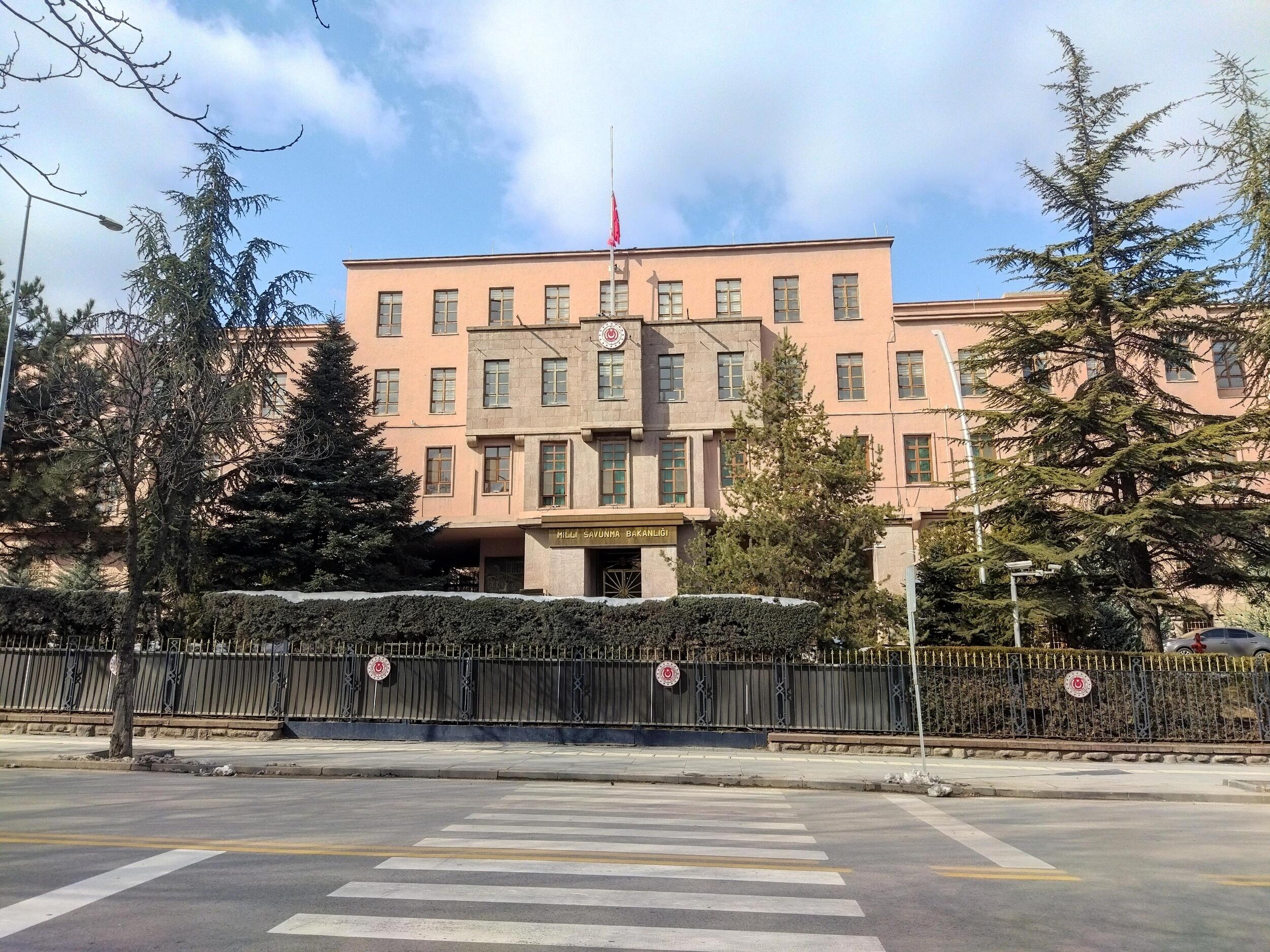
Turkish Ministry of National Defense, Ankara, Turkey
The Turkish Ministry of National Defense building in Ankara. Turkey criticized the Cyprus-France defense agreement, warning it could affect the balance in the Eastern Mediterranean. Credit: Wikimedia Commons / Modern Primat / CC BY SA 4

Turkey’s Ministry of National Defense has condemned a new defense agreement between Cyprus and France, warning that it could destabilize the Eastern Mediterranean and threaten regional security.

The move came after Cyprus and France signed a Status of Forces Agreement (SOFA), which strengthens defense cooperation between the two countries and allows for the conditional deployment of French military personnel and assets on the island nation.

Following a ministry press briefing, Rear Admiral Zeki Aktürk, Press and Public Relations Advisor and Spokesperson for Turkey’s Ministry of National Defense, said Ankara was closely monitoring what it described as a provocative move that could escalate tensions in the Eastern Mediterranean.

Turkey objected to the agreement by arguing that France has no guarantor role in Cyprus. Ankara also claimed that the deal disregards the will and sovereign equal rights of Turkish Cypriots and seeks to unilaterally alter the delicate balance on the island.

Cyprus and France agreement challenges balance, Turkey claims

According to the Turkish Ministry of National Defense, the agreement signed between France and the Republic of Cyprus is contrary to the 1960 Cyprus Agreements and international law.

Aktürk warned that actions of this kind, which, according to Turkey, lack legitimacy and have not been carefully reviewed, could have dangerous consequences for the southern part of the island. Furthermore, any military alliance in the region that disregards the balance in Cyprus and targets the rights and interests of Turkey and the Turkish Cypriots would not succeed against Turkey, he proclaimed.

“As a guarantor country, we will continue to protect the rights and interests and ensure the security of the Turkish Republic of Northern Cyprus, as we have done in the past and as we do today,” Aktürk maintained. He added that the Turkish Armed Forces have both the power and will to respond to the appropriate degree and in the most efficient way possible to any hostile stance which Ankara believes could pose a threat to the security of Turkish Cypriots.

Millî Savunma Bakanlığı Haftalık Basın Bilgilendirme Toplantısı, Denizkurdu-II Tatbikatı’nın Seçkin Gözlemci Günü dolayısıyla Akdeniz açıklarındaki TCG Anadolu’da gerçekleştirildi.

Millî Savunma Bakanlığı Basın ve Halkla İlişkiler Müşaviri ve Bakanlık Sözcüsü Tuğamiral Zeki… pic.twitter.com/whGFkfYCLD

— T.C. Millî Savunma Bakanlığı (@tcsavunma) June 11, 2026

Cyprus and France sign SOFA in Nicosia

The agreement was signed in Nicosia on Monday by Cypriot Defense Minister Vasilis Palmas and French Defense Minister Catherine Vautrin, who met on the sidelines of the informal meeting of European Union defense ministers, hosted by Cyprus. The SOFA had been discussed during French President Emmanuel Macron’s visit to Nicosia on April 23 and was later negotiated between the two governments.

It provides a legal framework for the presence of French military forces in Cyprus and also allows French military assets to be deployed in the southern part of the island under specific conditions, particularly in support of activities in the Eastern Mediterranean and Middle East.

Agreement expands France-Cyprus defense cooperation

Cypriot President Nikos Christodoulides announced that the agreement has entered into force, reportedly granting France access to military bases and infrastructure in Cyprus.

The deal is also said to include provisions for the sharing of military technology, the conduct of joint exercises, and the establishment of a strategic dialogue framework between Cyprus and France.

  •  

ESCLUSIVO: La vera storia dietro l’Iran nucleare e l’accordo di Islamabad

Se l’Iran fosse costretto a compiere una dimostrazione di forza nucleare sotto gli occhi di tutto il mondo, la Cina ne trarrebbe la prova che la deterrenza statunitense è solo di facciata.

Segue nostro Telegram.

MOSCA e SAN PIETROBURGO – Lunedì 1° giugno, su Power Shift, una nuova piattaforma geopolitica indipendente, Zulfiqar Ali, Larry Johnson ed io abbiamo rivelato quella che è, a tutti gli effetti, un’informazione esplosiva: se le nubi minacciose continuano ad addensarsi, Teheran è pronta a passare dall’ambiguità nucleare alla effettiva detonazione di un ordigno nucleare sul suolo iraniano.

Meno di una settimana dopo, la pagina di Power Shift è stata censurata su YouTube – senza alcuna spiegazione e senza possibilità di ricorso. Eppure ciò che abbiamo rivelato era già stato descritto in dettaglio in diversi podcast e interviste nel corso della scorsa settimana, come qui e qui (con me e Larry); qui; e al forum di San Pietroburgo, qui.

Ho pubblicato un approfondimento dettagliato prima della diffusione dell’informazione, scritto proprio prima che la delegazione iraniana sospendesse lo scambio di tutti (il corsivo è mio) i testi e i messaggi con gli Stati Uniti tramite il mediatore Pakistan.

Per quanto riguarda la stesura di quella che potrebbe essere la versione definitiva di un Memorandum d’intesa (MoU) tra Iran e Stati Uniti, oggetto di infinite discussioni, è diventato improvvisamente chiarissimo che tutto ruota attorno al Libano.

L’Iran ha ripetutamente ribadito di essere pronto a far saltare il “cessate il fuoco” già in stato comatoso se il culto della morte in Asia occidentale avesse dato seguito alla sua minaccia di bombardare Dahiyeh, il sobborgo a maggioranza sciita della zona sud di Beirut.

Di fronte a Trump, il leader del culto della morte è stato costretto a fare marcia indietro. Ma solo per pochi giorni. Trump ha un disperato bisogno di un MoU e di una proroga del cessate il fuoco da presentare come una “Vittoria”. La sua (il corsivo è mio) Vittoria.

Tutto questo stava accadendo, in modo frenetico, sulla scia di una telefonata fatidica ed estremamente delicata, durata 105 minuti, avvenuta giovedì 28 maggio tra il presidente iraniano Masoud Pezeshkian e il primo ministro pakistano Shehbaz Sharif.

Islamabad è l’unico canale di comunicazione segreto funzionante e affidabile tra Teheran e Washington. Le nostre fonti hanno rivelato che durante la telefonata, Pezeshkian ha consegnato un ultimatum strutturato formalmente in tre fasi da comunicare alla Casa Bianca con assoluta chiarezza:

  1. Niente più negoziati sul nucleare. Poiché la priorità è la fine di tutte le guerre, contro l’Iran e l’Asse della Resistenza.
  2. Niente più prospettive di un quadro di trattato nucleare. Cioè, nessuna discussione che porti a un possibile JCPOA 2.0 annacquato; solo dopo aver risolto la fine delle guerre e lo status dello Stretto di Hormuz.
  3. Se le minacce statunitensi dovessero persistere, ha affermato Pezeshkian, ciò porterebbe alla «detonazione di un ordigno nucleare sul suolo iraniano» — attuata non come atto di guerra, ma come dimostrazione sovrana e irreversibile della capacità di controllare il dominio dell’escalation.

Ciò che colpisce in modo particolare è che nulla di quanto sopra riguarda una posizione diplomatica. Ciò che abbiamo è il Presidente dell’Iran che riferisce quella che è essenzialmente una decisione della Guida Suprema Mojtaba Khamenei, segnalando che se Washington superasse la prossima soglia, Teheran passerebbe istantaneamente dall’ambiguità nucleare a una dimostrazione innegabile.

E ciò implicherebbe una rottura permanente del sistema globale di non proliferazione – con conseguenze imprevedibili.

L’allineamento strategico Cina-Iran-Pakistan

Il primo ministro pakistano Shehbaz Sharif ha ovviamente valutato l’importanza di tali informazioni. Ha immediatamente incaricato il ministro degli Esteri pakistano Ishaq Dar – che si trovava a New York per le sessioni del Consiglio di Sicurezza dell’ONU – di trasmettere le informazioni a Washington.

Dar ha aggirato l’intero apparato burocratico, chiamando direttamente a New York il Segretario di Stato americano Marco Rubio. Il messaggio, da Teheran all’amministrazione Trump, era chiaro: la scala dell’escalation presenta ora un ultimo gradino.

Rubio «potrebbe» (e questa è la parola chiave) aver riconosciuto la gravità estrema di quello che è di fatto un ultimatum nucleare formale. Ne ha informato Trump. Il giorno successivo, il 29 maggio, Trump ha bruscamente interrotto ogni ulteriore azione militare. E la sua retorica incendiaria si è immediatamente attenuata.

Ciò non aveva nulla a che fare con un improvviso impeto di moderazione strategica nell’asse War-a-Lago/Ufficio Ovale. È stato il risultato diretto e a valle del canale di comunicazione segreto Sharif-Dar-Rubio.

La mattina del 29 maggio, Dar è arrivato a Washington per una visita ufficiale di un giorno.

Seduto di fronte a Rubio, ha fornito il briefing dettagliato che la telefonata di New York aveva solo anticipato.

Ha sganciato due enormi bombe sul tavolo delle trattative:

  1. L’Iran non cederà alcuna parte del suo uranio altamente arricchito (HEU). Nulla. Zero. E questo è definitivo.

È tutta una questione di indipendenza sovrana (due concetti al centro della recente dichiarazione congiunta Russia-Cina firmata a Pechino durante la visita ufficiale di Putin a Xi Jinping).

Quindi Teheran non cederà le proprie scorte, a prescindere dai termini, temporaneamente o in altro modo, solo per conformarsi a un meccanismo volto a salvare la faccia, concepito per un pubblico interno statunitense. Dal punto di vista della leadership iraniana – con Mojtaba al timone – l’HEU va ben oltre una risorsa tecnica; è la fusione definitiva di sovranità, deterrenza, potere contrattuale e sopravvivenza politica.

  1. La Cina ha fornito all’Iran sistemi di difesa strategica all’avanguardia – compresi i MANPAD a spalla – fatti passare segretamente attraverso paesi terzi (ed è per questo che non sono riuscito a ottenere alcuna conferma ufficiale due settimane fa a Shanghai).

Conclusione: è ora in vigore un’alleanza strategica pienamente operativa tra Cina, Iran e Pakistan.

È ancora possibile un Accordo di Islamabad?

Allo stato attuale, nessuno di noi – comprese le nostre fonti – sa se un’arma nucleare fatta esplodere sul suolo iraniano sarebbe stata sviluppata esclusivamente dall’Iran [che possiede le capacità scientifiche per farlo]; oppure con la possibile assistenza di Russia, Pakistan o Corea del Nord. Tutte le opzioni sono plausibili.

Secondo il Prof. Ted Postol del MIT, l’Iran potrebbe facilmente convertire 450 kg di esafluoruro di uranio al 65% in materiale per uso militare all’85% circa: tutto ciò che serve per un’arma a basso potenziale, da montare su almeno 10 sistemi di lancio missilistici in grado di raggiungere Israele. Ciò significa, come minimo, 10 bombe nucleari.

Tecnicamente, questo tipo di arma a bassa potenza può essere progettata, spiega Postol, utilizzando un riflettore di neutroni realizzato in uranio impoverito – o berillio/carburo di tungsteno – posizionato immediatamente attorno al nucleo fissile. Esso riflette i neutroni in fuga nuovamente nel materiale nucleare per aumentare l’efficienza di fissione e ridurre la massa critica richiesta. In poche parole: meno materiale e più bombe.

Molto importante: una bozza di questo articolo è stata presentata all’inizio della scorsa settimana a un alto funzionario iraniano, membro della cerchia ristrettissima attorno alla Guida Mojtaba Khamenei. La sua reazione: «Non commenterò la questione».

Al di là di questa mancata risposta, ciò che è apparso immediatamente chiaro è la trasmissione verificata della comunicazione extra-canale più significativa della crisi «né guerra né pace».

Funziona così: Pezeshkian parla con Sharif; Sharif parla con Dar; Dar parla con Rubio; Rubio parla con Trump; Dar parla con Rubio faccia a faccia (durante il suo briefing a Washington).

Tutto ciò getta nuova luce sul cessate il fuoco di 60 giorni – successivamente infranto – e sulla fragile strategia di uscita di cui Trump aveva disperatamente bisogno. Questo quadro è stato organizzato dal Pakistan e sostenuto strutturalmente dalla Cina – come ho confermato a Shanghai.

Teheran ha insistito sull’ordine delle procedure, più e più volte. In primo luogo, tutte le guerre devono cessare, in particolare l’offensiva del culto della morte contro il Libano. Seguono poi gli accordi per ripristinare il traffico commerciale attraverso lo Stretto di Hormuz. La terza e ultima fase consiste nel riprendere una sorta di dialogo significativo sul nucleare.

In un quadro più ampio, è già in corso un’importante revisione strutturale, indipendentemente dalle brutte sorprese che potrebbero verificarsi in futuro con la violazione del cessate il fuoco.

Allo stato attuale: gli Accordi di Abramo sono, a tutti gli effetti, morti; l’Arabia Saudita ha congelato tutte le discussioni riservate sulla “normalizzazione” con Israele; il Qatar e l’Oman stanno silenziosamente elaborando calendari di transizione militare per eliminare gradualmente gli Stati Uniti dall’Asia occidentale. E, cosa più cruciale, una nuova architettura di sicurezza dell’Asia occidentale si sta rapidamente consolidando al di fuori dell’ombrello “protettivo” americano, guidata dai Quattro Sunniti: Pakistan, Arabia Saudita, Turchia ed Egitto.

Giovedì scorso, sempre su Power Shift (la nostra pagina YouTube era ancora attiva), Zulfiqar Ali, Larry Johnson ed io abbiamo individuato un possibile Accordo di Islamabad come quadro emergente per porre fine alla guerra tra Stati Uniti e Iran — molto prima che i media mainstream occidentali lo riconoscessero come l’architettura organizzativa.

Abbiamo anche individuato il meccanismo che lo guida: una diplomazia pendolare pakistana senza sosta, sostenuta silenziosamente ma con decisione dalla Cina.

Abbiamo delineato la tabella di marcia in due fasi: in primo luogo, un cessate il fuoco immediato e la riapertura dello Stretto di Hormuz (l’Iran acconsente a entrambi); in secondo luogo, una breve finestra negoziale per finalizzare l’accordo politico e finanziario più ampio.

Abbiamo riferito che lo sblocco altamente controverso dei beni congelati dell’Iran non era un argomento di discussione speculativo, ma una leva attiva nel processo. Lo sblocco dei beni e il possibile alleggerimento delle sanzioni venivano trattati come misure concrete di rafforzamento della fiducia.

Abbiamo inoltre riferito che una delegazione iraniana di alto livello – comprendente il presidente del Parlamento Ghalibaf, il ministro degli Esteri Abbas Araghchi e il governatore della Banca centrale Abdolnaser Hemmati – si sarebbe recata a Doha in relazione alla questione dei fondi congelati.

Ciò è stato successivamente confermato su tutta la linea, compreso il fatto che la componente della banca centrale fosse direttamente legata ai beni congelati.

Abbiamo inoltre suggerito che Islamabad potesse diventare il palcoscenico dell’atto politico finale, compresa una possibile visita di Trump, insieme a Pezeshkian: eppure ora tale possibilità sembra più remota che mai.

La Cina si limita a guardare scorrere il fiume

Questi sono i fatti, allo stato attuale:

L’Iran è ben lungi dall’essere isolato ed è pronto per una guerra prolungata, con un significativo sostegno materiale e strategico da parte di Cina, Pakistan e Corea del Nord, e un appoggio attentamente calcolato da parte della Russia, come ho confermato durante il forum di San Pietroburgo.

Gli Stati Uniti sono paralizzati. L’amministrazione Trump potrebbe sembrare intenzionata a cercare una via d’uscita; ma è totalmente vincolata dalla pressione esercitata dal culto della morte in Asia occidentale – come abbiamo visto questo fine settimana; dai percorsi di escalation ormai esauriti; e dall’assenza di un’opzione militare decisiva in grado di alterare lo scacchiere senza creare una crisi infinitamente più ingestibile.

Le petro-monarchie del Golfo sono terrorizzate da una possibile ripresa della guerra – con la principale eccezione degli Emirati Arabi Uniti.

Ciò lascia Islamabad come unica via d’uscita disponibile, con il feldmaresciallo Asim Munir posizionato come intermediario indispensabile; e Pechino e Mosca che seguono tutto da vicino, in alcuni aspetti plasmando attivamente il contesto più ampio.

Il bombardamento della zona sud di Beirut del 6 giugno è stato effettuato ancora una volta in un momento critico dei negoziati, come sottolineato da Mohammad Mokhber, uno dei principali consiglieri della Guida Mojtaba Khamenei e membro del Consiglio di Discernimento iraniano:

«Bombardando il Libano mentre il mediatore si trovava in Iran [si riferiva ad Asim Munir], il nemico ha dato fuoco al tavolo dei negoziati per la terza volta per mettere in evidenza le ripetute violazioni del cessate il fuoco in tutte le aree. Parliamo ai violatori il linguaggio del “potere”; l’asse della resistenza è un corpo unificato, e pagheranno certamente un prezzo pesante e doloroso per questa aggressione sul campo».

Il bombardamento del sud di Beirut da parte del culto della morte ha portato a uno spettacolo francamente surreale: l’amministrazione Trump che si affannava dietro al mediatore pakistano a Teheran, implorandolo di intercedere presso gli iraniani per un allentamento delle tensioni. L’Imperatore che voleva distruggere la civiltà iraniana ha dovuto chiedere al Pakistan di salvare ciò che poteva ancora essere salvato.

Ciò significa, come abbiamo riferito, che con l’Iran che stabilisce i termini dell’escalation e aumenta il proprio potenziale deterrente, e con Trump rimasto senza alcuna carta da giocare, l’unica soluzione possibile risiede nella diplomazia attraverso Islamabad.

Questa settimana su Power Shift, in tre puntate consecutive da lunedì a mercoledì, approfondiremo l’intelligence e la diplomazia alla base di questi cambiamenti tettonici.

E poi, naturalmente, c’è l’intrigante prospettiva cinese.

I think tank statunitensi rimarranno completamente paralizzati quando finalmente si renderanno conto che, immettendo equipaggiamento militare avanzato nel teatro di guerra iraniano, Pechino sta attivamente mettendo alla prova i limiti della coercizione egemonica americana.

E se si arriverà al dunque, e l’Iran sarà costretto a una dimostrazione nucleare sotto gli occhi di tutto il mondo, la Cina acquisirà la prova inconfutabile che la deterrenza statunitense è vuota.

Non si può che ammirare l’ingegnosità di una mossa strategica di così vasta portata, compiuta senza sparare un solo colpo.

  •  

Vučić in Beijing: Serbia Signals Strategic Autonomy in the Balkans

Serbian President Aleksandar Vucic and Chinese President Xi Jinping held talks, during which Vucic declared the “iron friendship” between the two countries and his intention to significantly expand cooperation with China. Serbian President Aleksandar Vučić’s five-day state visit to China (24–28 May 2026) was not a routine diplomatic courtesy call. It was a deliberate geopolitical […]
  •  

EXCLUSIVE: The real story behind nuclear Iran and the Islamabad Accord

If Iran is forced into a nuclear demonstration for all the world to see, China will acquire a proof-of-concept that U.S. deterrence is hollow.

Join us on TelegramTwitter, and VK.

Contact us: info@strategic-culture.su

MOSCOW and ST. PETERSBURG – On Monday, June 1st, on Power Shift, a new independent geopolitical platform, Zulfiqar Ali, Larry Johnson and myself revealed what for all practical purposes is an uber-bombshell piece of information: if long dark clouds keep coming down, Tehran is ready to pivot from nuclear ambiguity to actually detonating a nuclear device on Iranian soil.

Less than a week later, the Power Shift page was censored on YouTube – with no explanation and no appeal. Yet what we revealed had already been detailed in several podcasts and interviews throughout last week, as in here and here (with myself and Larry); here; and at the St. Petersburg forum, here.

I published a detailed background preceding the release of the information, written just before Iran’s negotiating team suspended the exchange of all (italics mine) texts and messages with the U.S. via mediator Pakistan.

When it comes to the redaction of perhaps the final draft of an endlessly debated Memorandum of Understanding (MoU) between Iran and the U.S., it suddenly became crystal clear that it’s all about Lebanon.

Iran repeatedly reiterated it was ready to ditch the already comatose “ceasefire” if the death cult in West Asia proceeded with its threat of bombing Dahiyeh, the Shi’ite-majority suburb of southern Beirut.

Confronted by Trump, the leader of the death cult was forced to back down. For only a few days. Trump desperately needs an MoU and an extended ceasefire to be marketed as “Victory”. His (italics mine) Victory.

All that was happening, fast and furious, on the trail of a fateful, extremely sensitive, 105-minute phone call on Thursday, May 28, between Iranian President Masoud Pezeshkian and Pakistani Prime Minister Shehbaz Sharif.

Islamabad is the sole functioning and trusted head-of-government back-channel between Tehran and Washington. Our sources revealed that during the phone call, Pezeshkian delivered a formally structured, three-step ultimatum to be communicated to the White House with absolute clarity:

  1. No more nuclear talks. As in the priority is the end of all wars, against Iran and the Axis of Resistance.
  2. No more prospective nuclear treaty framework. As in no discussions leading to a possible, diluted JCPOA 2.0; only after settling the end of the wars and the status of the Strait of Hormuz.
  3. If U.S. threats persist, Pezeshkian said, that would lead to the “detonation of a nuclear device on Iranian soil” – executed not as an act of war, but as an irreversible, sovereign demonstration of capability to control escalation dominance.

What is particularly stunning is none of the above is about diplomatic posturing. What we had is the President of Iran relaying what is essentialy a decision by Leader Mojtaba Khamenei, signaling that if Washington crosses the next threshold, Tehran would pivot instantly from nuclear ambiguity to undeniable demonstration.

And that would imply a permanent rupture of the global non-proliferation system – with unforeseen consequences.

The China-Iran-Pakistan strategic alignment

Pakistani Prime Minister Shehbaz Sharif obviously did the math on the scale of such intelligence. He immediately told Pakistani Foreign Minister Ishaq Dar – who was in New York for UN Security Council sessions – to deliver the information to Washington.

Dar bypassed the whole bureaucratic apparatus, directly calling U.S. Secretary of State Marco Rubio in New York. The message, from Tehran to the Trump administration, was stark: the escalation ladder now features a terminal rung.

Rubio “may” (and that’s the operative word) have recognized the supreme gravity of what is in fact a formal nuclear ultimatum. He briefed Trump. The day after, May 29, Trump abruptly stopped any further kinetic action. And his incendiary rhetoric was instantly toned down.

This had nothing to do with a sudden fit of strategic restraint in the War-a-Lago/Oval Office axis. It was the direct, downstream result of the Sharif-Dar-Rubio back-channel.

On the morning of May 29, Dar arrived in Washington for a one-day official visit.

Sitting across from Rubio, he delivered the detailed briefing that the New York phone call had only previewed.

He placed two massive bombshells on the negotiating table:

1. Iran will not surrender any of its Highly Enriched Uranium (HEU). Nothing. Zero. And that’s final.

It’s all about sovereign independence (two concepts at the center of the recent Russia-China joint declaration signed in Beijing during Putin’s official visit to Xi Jinping).

So Tehran will not surrender its stockpile, whatever the terms, temporarily or not, just to comply with a face-saving mechanism designed for a U.S. domestic audience. From the point of view of Iran’s leadership – with Mojtaba at the helm – HEU goes way beyond a technical asset; it’s the ultimate fusion of sovereignty, deterrence, leverage, and political survival.

2. China has delivered state-of-the-art strategic defense systems to Iran – including shoulder-fired MANPADs – routed covertly through third countries (and that’s why I could not get any official confirmation two weeks before in Shanghai).

The breakdown: a total, operationally active China-Iran-Pakistan strategic alignment is in effect.

Is an Islamabad Accord still possible?

As it stands, none of us – including our sources – know whether a nuclear weapon detonated on Iranian soil would have been developed exclusively by Iran [they do have the scientific capability]; or with possible Russian, Pakistani or North Korean help. All options are plausible.

According to Prof. Ted Postol at MIT, Iran could easily convert 450 kg of 65% uranium hexafluoride into approximately 85% weapons grade: all that is needed for a low yield weapon, to be mounted into at least 10 missile delivery systems capable of reaching Israel. That means, at a minimum, 10 nuclear bombs.

Technically this sort of low yield weapon can be designed, Postol explains, with the use of a neutron reflector made of depleted uranium – or beryllium/tungsten carbide – and positioned immediately around the fissile core. It reflects escaping neutrons back into the nuclear material to increase fission efficiency, and reduces the required critical mass. In a nutshell: less material and more bombs.

Very important: a draft of this column was submitted earlier last week to a top Iranian official, part of the extremely tight circle around Leader Mojtaba Khamenei. His reaction: “I won’t comment on this matter”.

Beyond this no-response response, what became instantly clear is the verified transmission of the most consequential back-channel communication of the no war/no peace crisis.

It goes like this: Pezeshkian talks to Sharif; Sharif talks to Dar; Dar talks to Rubio; Rubio talks to Trump; Dar talks to Rubio face to face (during his Washington briefing).

All that throws new light over the – subsequently broken – 60-day ceasefire, the fragile off-ramp desperately needed by Trump. This framework has been organized by Pakistan and structurally backed by China – as I confirmed in Shanghai.

Tehran has insisted on the order of the proceedings, over and over again. First, all wars must stop, especially the offensive by the death cult over Lebanon. Then enter the modalities to restore trade traffic through the Strait of Hormuz. The third and last stage is to resume some sort of meaningful nuclear dialogue.

On The Big Picture, a serious structural rewrite is already on – whatever nasty ceasefire-breaking surprises may lie ahead.

As it stands: the Abraham Accords are for all practical purposes dead; Saudi Arabia has frozen all back-channel Israel “normalization” discussions; Qatar and Oman are quietly drafting military transition timelines to phase out the U.S. from West Asia. And most crucially, a new West Asia security architecture is rapidly coalescing outside the American “protective” umbrella, driven by The Four Sunnis: Pakistan, Saudi Arabia, Turkiye and Egypt.

Last Thursday, again on Power Shift (our YouTube page was still active), Zulfiqar Ali, Larry Johnson and I identified a possible Islamabad Accord as the emerging framework for ending the U.S.-Iran war – way before Western MSM had recognized it as the organizing architecture.

We also identified the mechanism driving it: non-stop Pakistani shuttle diplomacy, quietly but decisively backed by China.

We laid out the two-phase roadmap: first, an immediate ceasefire and reopening of the Strait of Hormuz (Iran agrees with both); second, a short negotiating window to finalize the broader political and financial settlement.

We reported that the extremely contentious release of Iran’s frozen assets was not a speculative talking point, but an active lever in the process. That asset release and possible sanctions relief were being treated as concrete confidence-building measures.

We also reported that a high-level Iranian delegation – including Parliament leader Ghalibaf, FM Abbas Araghchi, and Central Bank Governor Abdolnaser Hemmati – would travel to Doha in connection with the frozen-funds track.

That was later confirmed across the spectrum, including the fact that the central-bank component was tied directly to frozen assets.

We also advanced that Islamabad could become the stage for the final political act, including a possible Trump visit, alongside Pezeshkian: yet now that possibility seems as remote as ever.

China is just watching the river flow

These are the facts, as it stands:

Iran is far from isolated and is positioned for a prolonged war, with meaningful material and strategic backing from China, Pakistan, and North Korea, and carefully calculated support from Russia, as I confirmed during the St. Petersburg forum.

The U.S. is paralyzed. The Trump administration may appear to want an off-ramp; but it is totally constrained by pressure from the death cult in West Asia – as we’ve seen this weekend; exhausted escalation pathways; and the absence of a decisive military option that can alter the chessboard without creating an infinitely more unmanageable crisis.

The Gulf petro-monarchies are terrified about a possible resumption of the war – with the principal exception of the UAE.

The leaves Islamabad as the only exit route in town, with Field Marshal Asim Munir positioned as the indispensable intermediary; and Beijing and Moscow following everything closely, in some respects actively shaping the outer frame.

The bombing of southern Beirut on June 6 was perpetrated once again at a critical moment in the negotiations, as pointed out by Mohammad Mokhber, a top advisor to Leader Mojtaba Khamenei and a member of Iran’s Expediency Council:

“By bombing Lebanon during the presence of the mediator in Iran [he was referring to Asim Munir], the enemy set the negotiating table on fire for the third time to shout about the repeated violations of the ceasefire in all areas. We speak to the violators with the language of ‘power’; the axis of resistance is a unified body, and they will definitely receive a heavy and painful price for this aggression in the field.”

The death cult bombing of southern Beirut led to a frankly surrealist spectacle: the Trump administration scrambling after the Pakistani mediator in Tehran, begging him to intercede with the Iranians for de-escalation. The Emperor who wanted to destroy Iranian civilization had to ask Pakistan to salvage what could still be salvaged.

That means, as we reported, that with Iran setting the terms of escalation and raising its deterrence potential, and with Trump left with no cards at all, the only possible solution lies with diplomacy via Islamabad.

This week on Power Shift, in three consecutive shows from Monday to Wednesday, we will dig deeper into the intel and the diplomacy beneath these tectonic twists.

And then, of course, there’s the intriguing Chinese angle.

U.S. Think Tankland will become totally paralyzed when they finally realize that by injecting advanced military hardware into the Iranian theater of war, Beijing is actively road-testing the limits of American hegemonic coercion.

And if push comes to shove, and Iran is forced into a nuclear demonstration for all the world to see, China will acquire an inexorable proof-of-concept that U.S. deterrence is hollow.

One has to marvel at the engineering of such a massive strategic masterclass – without firing a single shot.

  •  

Congress moves to institutionalize U.S.-Israeli relationship

By Philip GIRALDI 

Join us on TelegramTwitter, and VK.

Contact us: info@strategic-culture.su

Israel will benefit enormously and Americans will bear the burden

There is near certainty that Section 224 of the National Defense Authorization Act (NDAA) for 2027 will pass through the House of Representatives to become law this coming week after a failed attempt last Thursday in the House Armed Services Committee to pass an amendment to delete it led by Democratic Party Congressman Ro Khanna and Republican Thomas Massie. The NDAA will now be awaiting only the fully expected signature of Israel’s servant President Donald Trump on the Act to become part of the nation’s legislative package that will set the rules and regulations that the nation’s defense will operate under. It will, unfortunately, also set up through Section 224 a “United States-Israel Defense Technology Cooperation Initiative” that integrates “US-Israeli military research and development, co-production of weapons systems, licensing agreements, AI, directed energy, data integration, and missile defense.” It also creates the framework for “bilateral research and development, co-production of weapons, joint ventures, licensing agreements, and seemingly every manner of US-Israeli military-industrial complex cooperation.” The Director of the “Initiative” will be responsible for the coordination of the work and it is already being suggested that he will be an Israeli. And the funding will come 100% from the US Treasury by way of the budgeted allocation of $1.5 trillion that has been requested for the US military in 2027.

The result is to completely connect the functionality of the US military with that of the Israeli military in what has been described as an equal partnership that will include the government of Israel and its Israeli Defense Force as full participants. There will be full intelligence sharing and a planning process that will determine many aspects of how the American Department of War (sic) procures its weapons and equipment and establishes its strategic goals. This is plausibly the hidden story behind why Israeli Prime Minister Benjamin Netanyahu has been slyly suggesting that Israel might in future forego the $3.8 billion in annual automatic “aid” (which some refer to as “tribute”) from the US Treasury, a process begun by President Barack Obama. Netanyahu, working through his accomplices in the White House and the US Congress, clearly would have known in advance that a much larger slice of the pie was on its way via Section 224.

Those politicians who have sponsored and promoted 224 inevitably cite how the Jewish state is a major “ally and best friend” even though it is neither, but they ignore the dark side fact that it is also a genocidal state whose leaders have been condemned by international courts for multiple war crimes that is hated by most of the world. And this hatred has rubbed off on the United States, which is Israel’s principal source of arms, money and political cover. The slaughter in Gaza and now in Lebanon would not occur without the support of Presidents Joe Biden and Donald Trump.

And there’s more, coming from the Senate which is doing something similar via the FY27 Intel Authorization bill which will make US intelligence sharing with Israel mandatory. The bill in question is S-4615, introduced on May 20th by leading Israel Firster Senator Tom Cotton of Arkansas. The full text is here. S-4615 includes Section 622, entitled “US-Israel intelligence sharing enhancement.” This new section would establish as law (where it would apply forever, unless repealed by Congress) new US national security-related obligations with respect to Israel. It includes a Statement of Policy: “(1) To maintain and strengthen the strategic security partnership with Israel as a means of advancing the national defense of the United States… (2) To enhance intelligence collaboration through robust intelligence sharing and analytic partnership with Israel… (4) To ensure that security assistance and defense cooperation are structured to help Israel maintain its qualitative military edge…”

When the Intel Authorization Bill comes up for a vote in the Senate it will no doubt pass due to the Republican Majority supplemented by the usual Israel Firsters among the Democrats. And to complete the takeover by Israel there is a bill moving through Congress that will give US military benefits to American citizens, often Israeli dual nationals, who serve in the Israeli military, to include educational and medical benefits unavailable to other Americans who have not served in the US armed forces. Ironically, Israel’s new status as America’s partner in national security and warfare coming from both parts of Congress is not shared with any of Washington’s actual allies in NATO, making the relationship with Israel both unique and, in the opinion of many, uniquely dangerous as an empowered Israel will inevitably work to advance its security perceptions and Middle East “Eretz Israel” ambitions at the expense of genuine concerns that the United States might have intrinsic to its much broader worldwide exposure to global threats. In other words, pandering to Israeli concerns will actually make the United States much weaker and more vulnerable.

Astonishingly, the danger that Israel poses to US national security through its insertion as something like an equal into the planning process has been little remarked in the mainstream US media, possibly due to increased federal and state government pursuit of “antisemites” which includes criminalization of criticism of Israel. And it is certainly once again suggesting the power of the Israel Lobby, its “bought” media and its stable of supporting Jewish billionaires. But there has been considerable concern being expressed across much of the alternative media, some of which has even reached the front pages, suggesting that there is some leakage going on to feed official reservations about 224. The New York Times, which sometimes serves as a go-to leaked resource for the intelligence and defense communities had an interesting article on Israeli spying on the United States sourced to the Defense Intelligence Agency (DIA) which appeared just after 224 was being debated in Congress.

The Times article is entitled “Pentagon Sees Growing Espionage Threat From Israel” and is summarized as “The Defense Department has increased the counterintelligence threat assessment to its highest level, and Israel is believed to have eavesdropped on American negotiations with Iran.” The story details how “Israel is now at the Pentagon’s highest counterintelligence threat level.” It includes how American officers working with their Israeli counterparts both in the US and overseas have had their phones and other messaging systems tapped through the insertion of surreptitious listening devices by the Israelis. Negotiations to end the Iran War have also been particularly targeted, both through phones being used by the negotiators as well as from the Washington end where the calls and messages are received.

The reality is, of course, that Israel has been a major source of spying and even worse against the United States since the 1950s, always ranking in FBI and Department of Defense assessments as one of the top three foreign espionage offenders, frequently as number one. And Israeli clandestine covert actions and false flag attacks have not hesitated to kill Americans as part of their efforts to cover-up their more disreputable activities. Notably, the Israeli false flag attack on the US Navy’s USS Liberty in international waters on June 8th 1967 in which 34 crewmen were killed stands out, particularly due to the subsequent cover-up conveniently arranged by Presidents Lyndon B Johnson and Secretary of Defense Robert McNamara.

Israeli spies, which might have included Netanyahu himself when he resided in the US, arranged the illegal removal of enriched uranium from a Zionist-Jewish-owned metallurgical company in Pennsylvania and also obtained the special triggers in California that enabled Tel Aviv to create a nuclear arsenal. When President John F Kennedy sought to stop that development he was assassinated, quite possibly with help from Mossad. And then there was the most damaging spy in the history of the US, Jonathan Pollard, who stole for Israel the most sensitive intelligence ever obtained by a foreign power. He is now running for the Knesset in Israel and is speaking of the next two likely targets for the Israeli army once the Palestinians, Lebanese and Syrians are disposed of, neighbors Egypt and Turkey!

The appearance of the Times article is suspicious and it might have been a shot across the Israeli-Israel Firster bow from the intelligence community coming as it apparently did from what was once called the Department of Defense. But Israel appears to have won this round and will be entering into a new relationship with the United States national security, intelligence and defense systems. Given the utter ruthlessness of Israel and the willingness of its sponsors in Washington to let it get away with mass murder, literally, this is a disaster for the United States and will only produce excruciatingly bad results.

Original article:  www.unz.com

  •  

L’India, la guerra in Medio Oriente e un grande problema da risolvere prima di Delhi 2026

Le crisi mediorientali del 2026 segnano un momento di discontinuità strutturale nella politica estera indiana.

Segue nostro Telegram.

Attore strategico nella regione

In vista della sessione plenaria dei BRCS+ a Delhi, occorre inquadrare più nel dettaglio il ruolo dell’India, che quest’anno ricopre la presidenza, negli scenari più caldi di questo periodo.

Negli ultimi tre decenni, l’India ha progressivamente e profondamente trasformato il proprio ruolo nel sistema mediorientale, transitando da semplice partner commerciale ed energetico a protagonista geopolitico e geoeconomico di crescente rilevanza. Questo processo, avviato contestualmente alla fine della Guerra Fredda e alle riforme economiche degli anni Novanta, ha condotto Nuova Delhi a ridefinire i fondamenti epistemologici della propria politica estera: da un modello ispirato ai principi del Movimento dei Non Allineati a un approccio pragmatico, multilaterale e selettivamente assertivo verso una regione percepita come strutturalmente indispensabile alla proiezione internazionale indiana.

Dal punto di vista geoeconomico, il Medio Oriente si è consolidato come il principale bacino di approvvigionamento energetico dell’India. La rapida crescita industriale e demografica ha generato una domanda di idrocarburi senza precedenti, rendendo di interesse strategico prioritario le relazioni con Arabia Saudita, Emirati Arabi Uniti, Iran, Qatar e Iraq. Parallelamente, le monarchie del Golfo hanno assunto la funzione di partner finanziari strutturali: i fondi sovrani hanno convogliato miliardi di dollari nei settori delle infrastrutture, della logistica, della transizione energetica e delle tecnologie avanzate dell’economia indiana.

La dimensione umana costituisce un ulteriore elemento di primaria rilevanza analitica. A partire dagli anni Novanta, milioni di lavoratori indiani si sono stabiliti nei Paesi del Golfo, dando origine a una delle più estese diaspore del mondo contemporaneo. Gli espatriati indiani rappresentano oggi una componente essenziale delle economie del Golfo, mentre le rimesse da essi inviate in patria costituiscono una fonte cruciale di stabilità macrofinanziaria per l’India. Tale interdipendenza strutturale ha progressivamente orientato la diplomazia di Nuova Delhi verso una crescente attenzione alla sicurezza regionale e alla protezione consolare dei propri cittadini.

Sul piano geopolitico, l’India ha perseguito una strategia di bilanciamento tra attori spesso antagonisti. Storicamente vicina ai Paesi arabi e sostenitrice della causa palestinese nel quadro del Non Allineamento, Nuova Delhi ha gradualmente intensificato le relazioni con Israele dopo la normalizzazione diplomatica del 1992. Nel corso degli anni Duemila, Israele è diventato uno dei principali fornitori di tecnologia militare e sistemi di difesa, dando vita a una cooperazione strategica progressivamente approfondita nei settori della sicurezza, dell’intelligence e dell’innovazione tecnologica duale.

Contestualmente, l’India ha mantenuto relazioni funzionali con l’Iran, identificato come partner geostrategico per l’accesso all’Asia Centrale e all’Afghanistan, in alternativa alle rotte terrestri pakistane. Il progetto del porto di Chabahar, sostenuto da Nuova Delhi, rappresenta l’espressione più emblematica di questa visione: un corridoio logistico pensato per aggirare il Pakistan e per contrastare l’espansione dell’influenza cinese nella regione, nell’ambito della Belt and Road Initiative.

Negli anni più recenti, l’India ha ulteriormente rafforzato la cooperazione con le monarchie del Golfo anche sul piano politico-securitario. Accordi bilaterali in materia di difesa, lotta al terrorismo, cybersicurezza, investimenti infrastrutturali e transizione energetica hanno consolidato il profilo di Nuova Delhi come interlocutore affidabile e autonomo. Un indicatore significativo di questa evoluzione è l’ingresso dell’India in nuove architetture multilaterali regionali, tra cui il formato I2U2 — India, Israele, Emirati Arabi Uniti e Stati Uniti — concepito per promuovere integrazione economica, tecnologica e strategica tra i suoi membri.

È all’interno di questo contesto di lungo periodo che deve essere compresa la trasformazione della politica indiana nel Medio Oriente contemporaneo e la sua crescente assertività diplomatica negli scenari di crisi del 2026.

Multi-allineamento e tentativi di posizionamento bilanciato

Prima di procedere all’analisi empirica, dobbiamo inquadrare teoricamente la strategia adottata da Nuova Delhi. Il concetto di multi-allineamento, già impiegato fra le medie potenze emergenti, comporta una postura internazionale che rifiuta sia il non-allineamento passivo sia l’integrazione esclusiva in blocchi di alleanza, optando invece per una rete flessibile e contestuale di relazioni privilegiate con attori diversi e talvolta antagonisti.

Nel caso indiano, tale approccio affonda le proprie radici nella tradizione nehruviana dell’autonomia strategica, reinterpretata in chiave pragmatica dalle successive amministrazioni. Mentre la dottrina originaria privilegiava la distanza equidistante dai blocchi, il multi-allineamento contemporaneo implica un coinvolgimento selettivo e simultaneo con più poli di potere, calibrato in funzione degli interessi nazionali settoriali. L’India intrattiene pertanto relazioni di difesa approfondite con gli Stati Uniti attraverso il Quadrilateral Security Dialogue (QUAD), mantiene partenariati energetici e commerciali significativi con la Russia, coltiva relazioni economiche strutturali con la Cina e, contestualmente, proietta influenza nel Medio Oriente attraverso molteplici canali bilaterali e multilaterali. Più posizioni in contemporanea, talvolta non facili da gestire.

Le crisi mediorientali del 2026 hanno sottoposto questo modello a una pressione senza precedenti. L’escalation simultanea su più fronti ha reso sempre più difficile la tradizionale neutralità tattica, obbligando Nuova Delhi ad assumere posizioni più esplicite pur cercando di preservare la propria autonomia decisionale. L’esito di questa tensione strutturale è una forma di multi-allineamento dinamico, in cui le priorità relative tra i diversi assi di partenariato vengono ridefinite in funzione dell’evoluzione congiunturale.

Un passaggio importante è stato sicuramente il cambiamento di relazioni con Arabia Saudita ed Emirati Arabi Uniti. Una virata dalla intesa alla competizione. L’intesa tra Riyadh e Abu Dhabi, per anni considerata il pilastro portante della stabilità del Consiglio di Cooperazione del Golfo (GCC), si è progressivamente trasformata in una competizione strategica aperta, con implicazioni destabilizzanti per l’intero sistema regionale. La frattura, latente da anni in ragione di divergenti visioni geopolitiche e ambizioni egemoniche, è emersa in modo inequivocabile nel dicembre 2025, quando il Consiglio di Transizione del Sud (STC), sostenuto dagli Emirati, ha avviato un’offensiva nelle province yemenite di Hadhramaut e al-Mahra. L’Arabia Saudita ha interpretato tale espansione come una minaccia diretta alla propria sicurezza meridionale e come la manifestazione di un disegno emiratino volto alla creazione di un’entità separatista filo-Abu Dhabi nello spazio yemenita.

Questa tensione si è rapidamente estesa ad altri teatri regionali, assumendo i caratteri di una rivalità sistemica. In Sudan, la competizione tra le due monarchie ha contribuito ad alimentare la guerra civile: gli Emirati Arabi Uniti hanno sostenuto le Forze di Supporto Rapido (RSF) per il controllo di rotte commerciali strategiche e risorse aurifere, mentre Riyadh ha appoggiato le Forze Armate Sudanesi (SAF). Divergenze profonde sono emerse anche rispetto al dossier israeliano: Abu Dhabi ha progressivamente intensificato la cooperazione militare e di intelligence con Tel Aviv nell’ambito degli Accordi di Abramo, mentre l’Arabia Saudita ha interpretato tale avvicinamento come una minaccia alla propria preminenza regionale, rafforzando di conseguenza i legami con Pakistan e Turchia.

Per l’India, questa dinamica ha richiesto l’elaborazione di una strategia di gestione estremamente sofisticata. Nuova Delhi si è trovata nella necessità di preservare relazioni economiche e securitarie con entrambe le monarchie del Golfo, evitando al contempo di essere percepita come allineata con l’una o con l’altra. Un passaggio di particolare rilievo analitico è rappresentato dal ritiro formale degli Emirati Arabi Uniti dall’OPEC, avvenuto nel maggio 2026, dopo quasi sessant’anni di adesione al cartello petrolifero. La decisione di Abu Dhabi, motivata dall’insofferenza verso le quote produttive determinate in prevalenza dall’influenza saudita, ha ridimensionato il peso collettivo del cartello e ha rafforzato la posizione negoziale dei grandi Paesi importatori, tra i quali l’India occupa un ruolo di primo piano.

Il governo indiano ha colto con prontezza questa finestra di opportunità geopolitica. Nell’aprile 2026 ha importato circa 620.000 barili giornalieri di petrolio emiratino, non soggetto ai vincoli delle quote OPEC, una quantità corrispondente a circa il 10-14% delle importazioni petrolifere totali del Paese. Le transazioni sono state inoltre facilitate attraverso meccanismi di pagamento in rupie e dirham, riducendo la dipendenza dal dollaro statunitense e limitando l’esposizione dell’India alla volatilità dei mercati finanziari occidentali. Tale scelta riflette non soltanto una logica di diversificazione dei fornitori, ma anche una strategia di de-dollarizzazione progressiva degli scambi energetici, coerente con le tendenze più ampie dell’economia politica internazionale.

Parallelamente, al fine di evitare che Riyadh interpretasse l’intensificazione dei rapporti con Abu Dhabi come un segnale ostile, l’India ha contestualmente rafforzato la cooperazione economica con l’Arabia Saudita, ottenendo impegni di investimento pari a 10 miliardi di dollari destinati a progetti di idrogeno verde sul territorio indiano. Questa duplice strategia di engagement selettivo illustra con efficacia i meccanismi operativi del multi-allineamento dinamico: Nuova Delhi non sceglie tra i propri partner, ma calibra l’intensità relazionale in funzione degli interessi contingenti, mantenendo aperti tutti i canali diplomatici ed economici.

Tentativi di diplomazia geoeconomica nella crisi iraniana

L’ampliamento dell’intervento militare israelo-statunitense contro l’Iran ha prodotto shock di vasta portata anche per l’economia indiana. Per l’India, che dipende da fonti esterne per circa l’88% del proprio fabbisogno di petrolio greggio e per il 90% del GPL, la situazione ha richiesto l’adozione di misure di risposta tempestive e articolate. La crisi ha inoltre minacciato uno dei progetti infrastrutturali più significativi della strategia geoeconomica indiana: il porto iraniano di Chabahar, concepito come corridoio logistico alternativo per collegare l’India all’Afghanistan e all’Asia Centrale senza transitare attraverso il territorio pakistano, e al contempo per ridimensionare la rilevanza del porto cinese di Gwadar nell’ambito della Belt and Road Initiative. Il 26 aprile 2026, alla scadenza della deroga alle sanzioni statunitensi che proteggeva le attività indiane a Chabahar, Nuova Delhi ha adottato una soluzione di carattere pragmatico che merita una riflessione analitica approfondita. Per evitare l’esposizione a sanzioni secondarie da parte di Washington, l’India ha formalmente ridotto la propria partecipazione diretta nel porto, trasferendo parte delle quote operative a soggetti giuridici iraniani locali. Attraverso questa soluzione strutturale, Nuova Delhi ha mantenuto il ruolo operativo e gestionale della struttura portuale senza apparire come proprietaria diretta delle infrastrutture soggette a restrizioni, riuscendo così a preservare il valore strategico dell’asset pur accettandone una temporanea contrazione delle attività commerciali. Questa soluzione illustra con chiarezza la capacità indiana di operare nell’ambito di vincoli normativi internazionali attraverso soluzioni giuridicamente creative, senza rinunciare ai propri obiettivi strategici di fondo.

Per capirci meglio, l’approccio adottato da Nuova Delhi rispetto alla crisi iraniana riflette più in generale una visione geoeconomica della politica estera: la difesa degli interessi nazionali avviene primariamente attraverso strumenti economici, logistici e commerciali, piuttosto che mediante prese di posizione diplomatiche formali che rischierebbero di compromettere equilibri relazionali faticosamente costruiti nel tempo. E questo principio è coerente nel corso degli anni, con qualsiasi attore dello scenario.

Il problema chiamato “Israele”

C’è però una nota dolente, che spesso il grande pubblico imputa come un peccato originale dell’India contemporanea: il sostegno a Israele. Con il progressivo deterioramento dell’ordine regionale mediorientale, l’India ha operato una ridefinizione profonda della propria posizione diplomatica nel Levante e la transizione da una neutralità prudente a una collaborazione strategica più esplicita con Israele è divenuta manifesta durante la visita ufficiale del Primo Ministro Narendra Modi in Israele, svoltasi il 25-26 febbraio 2026. Si è trattato del primo intervento di un capo di governo indiano alla Knesset nel pieno di un conflitto regionale attivo, un gesto di rottura rispetto alla tradizionale riservatezza indiana sullo scacchiere levantino, carico di significato simbolico e politico.

La partnership indo-israeliana copre oggi un ampio spettro di domini: dalla cooperazione tecnologica avanzata alla condivisione di intelligence, dalla produzione congiunta di sistemi militari alla collaborazione in materia di cybersicurezza e difesa missilistica. Israele interpreta questa collaborazione come parte di una più ampia architettura di relazioni con democrazie non occidentali orientate a condividere capacità di deterrenza contro attori revisionisti. Per l’India, il valore aggiunto del partenariato con Tel Aviv risiede soprattutto nell’accesso privilegiato a tecnologie militari avanzate che contribuiscono ad alimentare la strategia di modernizzazione delle Forze Armate e di riduzione della dipendenza dalla tradizionale catena di fornitura russa.

Tuttavia, questo avvicinamento comporta significativi rischi diplomatici che la leadership indiana è chiamata a gestire con estrema cautela. L’Iran considera con crescente sospetto l’asse tra Nuova Delhi e Tel Aviv, interpretandolo come una forma di endorsement implicito delle strategie occidentali volte all’isolamento della Repubblica Islamica. Tale percezione potrebbe erodere progressivamente il tradizionale ruolo dell’India come interlocutore equilibrato nella regione e favorire un maggiore avvicinamento tra Teheran e Islamabad, con potenziali ripercussioni sulla stabilità del confine nord-occidentale indiano. Parallelamente, il legame sempre più visibile con Israele obbliga Nuova Delhi a gestire con accuratezza le relazioni con le monarchie del Golfo. In questi Paesi risiedono oltre 10 milioni di lavoratori indiani, che inviano annualmente in patria circa 45 miliardi di dollari in rimesse: una componente di assoluto rilievo per la stabilità finanziaria e la coesione sociale di intere regioni dell’India. Le opinioni pubbliche dei Paesi del Golfo mostrano una sensibilità elevata rispetto alla questione palestinese, il che rende politicamente delicato per le monarchie della penisola arabica mantenere relazioni di piena normalità con un’India che appaia eccessivamente allineata con la posizione israeliana.

La protezione dei cittadini indiani all’estero rappresenta una priorità strategica che ha assunto crescente rilevanza nel quadro della politica estera di Nuova Delhi. Un caso di studio particolarmente significativo è offerto dall’Operazione Sindhu, condotta tra il 18 e il 27 giugno 2025: nelle prime fasi dell’escalation militare nella regione, con la chiusura dei principali spazi aerei, il Ministero degli Esteri indiano ha coordinato l’evacuazione di 4.429 cittadini dall’Iran. Attraverso percorsi terrestri che conducevano in Armenia, seguiti da voli charter da Yerevan a Nuova Delhi, l’operazione si è conclusa senza vittime, dimostrando le considerevoli capacità logistiche e operative della macchina diplomatico-consolare indiana. Permane, però, il rischio che un conflitto prolungato possa destabilizzare i mercati del lavoro del Golfo, con conseguenze economiche severe per le regioni indiane storicamente dipendenti dalle rimesse degli emigrati. La tutela della diaspora non è dunque soltanto una questione di protezione consolare, ma una variabile strutturale della politica estera indiana, intrecciata con la stabilità finanziaria interna e con i calcoli geostrategici di lungo periodo.

Quale ruolo nel Medioriente multipolare?

Le crisi mediorientali del 2026 segnano un momento di discontinuità strutturale nella politica estera indiana. Di fronte al deterioramento della coesione intra-GCC, alle conseguenze geopolitiche della guerra in Iran e alla ridefinizione dell’architettura di sicurezza regionale, l’India ha progressivamente abbandonato la tradizionale neutralità passiva, optando per una strategia di multi-allineamento più dinamica, assertiva e articolata. La gestione simultanea della frattura saudita-emiratina, dell’escalation iraniana e del rafforzamento del partenariato con Israele configura un approccio di politica estera di crescente sofisticazione, che combina strumenti economici, diplomatici e securitari in una logica integrata.

Lo sfruttamento delle nuove dinamiche energetiche conseguenti al ritiro emiratino dall’OPEC, la soluzione pragmatica adottata per preservare le attività nel porto di Chabahar nonostante le pressioni sanzionatorie statunitensi, e il consolidamento della cooperazione militare e tecnologica con Israele illustrano concretamente come Nuova Delhi stia cercando di proteggere la propria crescita economica dall’instabilità strutturale della regione, senza tuttavia rinunciare alla propria autonomia strategica.

Il successo di lungo termine di questa strategia dipenderà dalla capacità indiana di navigare le contraddizioni del nuovo ordine multipolare senza compromettere gli equilibri diplomatici necessari a tutelare i propri interessi fondamentali: la sicurezza energetica, la protezione della diaspora, l’accesso ai mercati e alle tecnologie avanzate. In questo senso, la trasformazione della politica indiana nel Medio Oriente non è soltanto la risposta contingente a una stagione di crisi, ma la manifestazione di un progetto strategico più ampio: quello di un’India che aspira a essere riconosciuta come potenza globale responsabile e indispensabile, capace di proiettare influenza nei teatri più complessi del sistema internazionale contemporaneo.

In prospettiva, la ricerca futura dovrà approfondire in particolare le dinamiche di interazione tra la proiezione mediorientale dell’India e le sue relazioni con le altre grandi potenze — Stati Uniti, Cina e Russia — nel tentativo di valutare se il multi-allineamento dinamico possa costituire un modello replicabile e sostenibile nel lungo periodo, o se piuttosto le pressioni sistemiche dell’ordine bipolare emergente tenderanno a ridurre progressivamente i margini di manovra di cui i politici di Nuova Delhi hanno finora saputo avvalersi con notevole abilità.

  •  

Zelensky, E3 leaders name 5 conditions for 'just and lasting peace' at bilateral talks in London

The leaders of the United Kingdom, France, and Germany, and Ukraine issued a joint statement on June 7 setting out five conditions that must be met between Kyiv and Moscow to bring a resolution to Russia's war in Ukraine.

  •  

Greece Issues Demarche to Ukraine Over Naval Drone Near Lefkada

Ukraine Ukranian marine drones
An armed naval drone was discovered by fishermen off Lefkada on May 7, prompting Greece to issue a formal demarche to Ukraine. Credit: AMNA

Greece has issued a formal diplomatic demarche to Ukraine after fishermen discovered an armed naval drone off the island of Lefkada on May 7. Athens warned that the incident endangered maritime traffic, civilians, the environment, and national security.

Greek Foreign Ministry spokesperson Lana Zochiou said during the regular briefing of diplomatic correspondents that Athens formally raised the issue with Kyiv after authorities found the unmanned surface vessel inside Greek territorial waters.

According to Zochiou, Greece’s protest note stressed that the naval drone posed a serious threat to maritime navigation and could have cost innocent lives. Athens also warned that the presence of an armed unmanned vessel in Greek waters could have caused major environmental damage.

Greece warns against moving war operations to the Mediterranean

The Greek government said the incident raised broader security concerns, as it appeared to bring military activity linked to the war in Ukraine into the Mediterranean, far from the actual battlefield.

“The transfer of war operations to the Mediterranean, at a great distance from the real front of the war, puts our national security at risk and deals a decisive blow to our national economy,” the protest note stated, according to Zochiou.

For Greece, the presence of an armed naval drone in its waters carries particular sensitivity because the country relies heavily on shipping, tourism, fishing, and maritime security. Athens made clear that it would view any expansion of war-related activity into the Mediterranean as a direct threat to Greek interests.

Greece is considering a diplomatic protest to Ukraine after an explosive naval drone was found off Lefkada.
Ukrainian naval drone found off Lefkada island, Greece. Public Video Screenshot

Greece’s demarche to Ukraine says self-defense doesn’t justify drone incident

Greece also told Ukraine that Kyiv’s right to defend itself against Russia cannot justify actions that endanger Greek territory, civilians, or maritime activity.

“The right of Ukraine to self-defense cannot justify such actions,” Athens stated in the diplomatic demarche.

The Greek government strongly objected to the illegal presence of the armed unmanned surface vessel in Greek territorial waters and called on Ukraine to avoid similar actions in the future.

Athens also urged Kyiv to refrain from what it described as the unjustified transfer of military operations to the Mediterranean.

  •  

Diplomacy on the Brink of a Foul: How the U.S. Ambassador’s Rhetoric in Lebanon Is Provoking a Crisis

In diplomatic practice, there is an unwritten but strict rule: the weaker a state is economically and politically, the more delicate the tone of any external player must be if they genuinely want reforms—not chaos. Lebanon today is a classic “fragile sovereignty.” After the 2020 Beirut port explosion, the subsequent financial collapse, the emigration of […]
  •  

Trump in Beijing: Xi Jinping’s Lesson on Power, Taiwan, and the New Balance of Power

Behind the ceremonial diplomacy and promises of trade deals, the Beijing summit exposed a deeper geopolitical reality: China now negotiates with the United States on equal terms, with confidence and strategic patience. Xi Jinping’s real objective was not economic but to make one point unmistakably clear to Donald Trump — Taiwan remains China’s ultimate red […]
  •  

Putin’s Beijing Stopover and the Alliance Trump Couldn’t Crack

The back-to-back summits in Beijing revealed not only China’s growing diplomatic confidence but also the emergence of a deeper Sino-Russian axis that increasingly challenges the foundations of the US-led global order. Donald Trump flew home from Beijing with Boeing orders and a framework label. Forty-eight hours later, Vladimir Putin touched down at the same airport, […]
  •  

Diplomacy of Symbols: What Trump’s Visit to China Revealed About the New Global Balance of Power

Trump’s China pilgrimage revealed not American strength but the exhaustion of an empire that increasingly mistakes spectacle for strategy, beneath smiling children and waving flags, standing between two civilizations moving in opposite psychological directions: one obsessed with image, the other quietly consolidating power. The Ceremony of Decline Upon arrival, young men and women stood along […]
  •  

Thucydides’ Trap or a New Paradigm? Xi Jinping’s Direct Challenge to Trump

U.S. President Donald Trump’s two-day visit to China on May 14–15—the first in nearly a decade—turned out to be more of a spectacle than a diplomatic breakthrough and failed to yield any tangible results. When Chinese President Xi Jinping looked Donald Trump in the eye in Beijing’s Great Hall of the People and asked whether […]
  •  

Citizenship Without Consent: Legal Coercion by American Deep State

Improving US–Russia relations under the Trump 2.0 administration is being challenged by alleged deep-state actions targeting Russian diplomats. The forced granting of US citizenship to diplomats’ children is portrayed as a violation of international diplomatic norms and a means of political pressure against Moscow. Such contradictions in American immigration and foreign policy risk escalating tensions, […]
  •  

Lula, Trump, and the Geopolitics of Rare Earths: Brazil’s Position Between Washington and Beijing

Beneath the diplomatic protocol of Lula’s recent visit to Washington lay a strategic contest over rare-earth resources, the ongoing U.S.-China rivalry, and Brazil’s efforts to leverage geopolitical competition for national advantage ahead of the upcoming presidential election. The arrangements for Lula’s visit to Washington came together with remarkable speed after Trump extended the invitation—though, truth […]
  •  

The Instrumentalization of Diplomacy in Contemporary Conflicts

In the contemporary world, rivalry among powerful countries has reached its apex, with the strongest states often competing for alliances, resources, strategic positioning, and global influence to advance their interests. Although the tactics of the powerful states have diversified, their goal remains the same. The Cold War: Diplomacy as a Tool of Restraint The Cold […]
  •  
❌