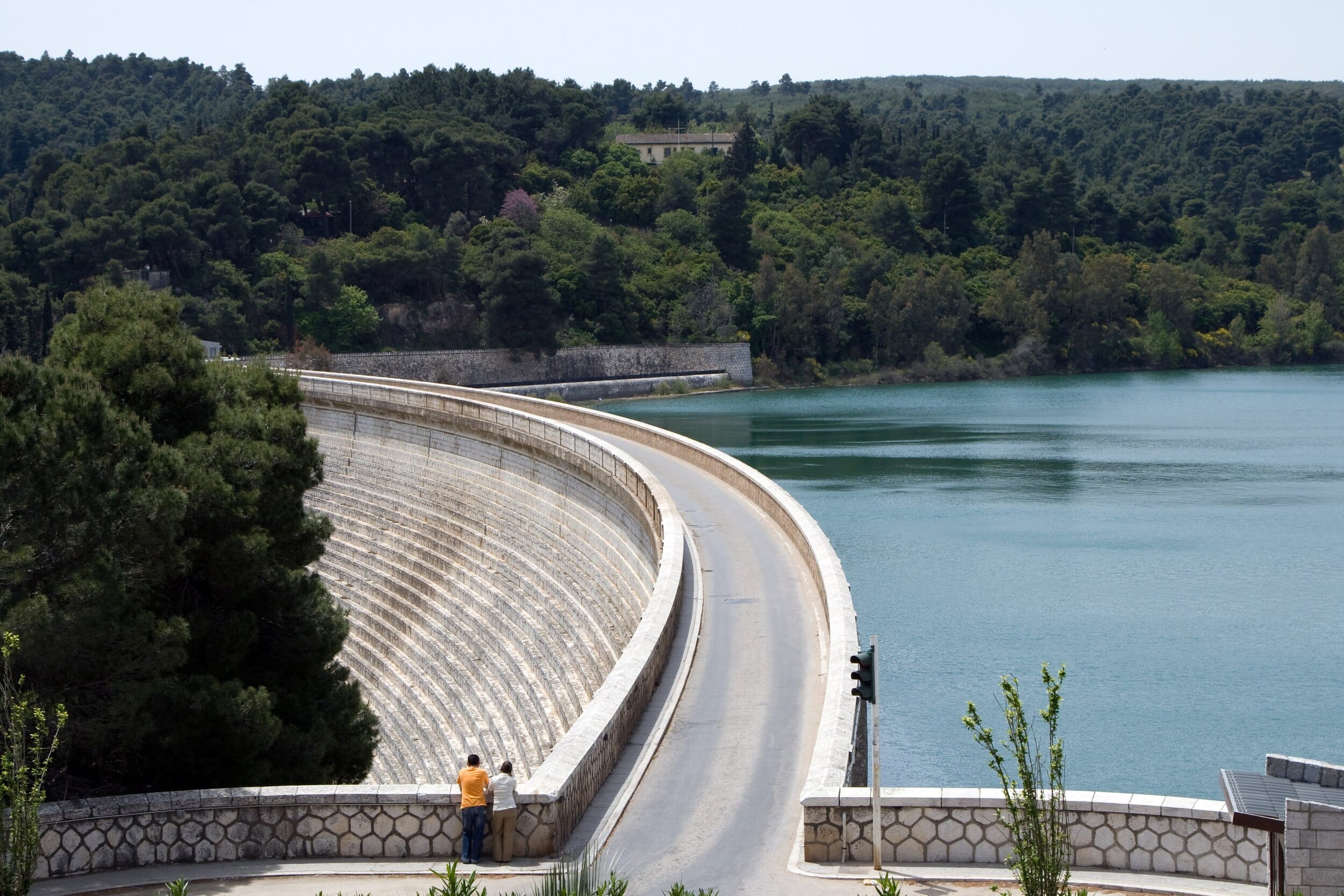
Lake Marathon Dam in Greece. The country’s aging water networks are facing growing pressure from water loss, drought, and rising investment needs. Credit: Vitaly / Wikimedia Commons / CC BY-SA 3.0
Water loss in parts of Greece’s aging water networks exceeds 50 percent, according to a new analysis by EY-Parthenon, highlighting the urgent need for infrastructure upgrades and a new approach to water management.
The report warns that climate pressures, prolonged drought, declining water reserves, and outdated infrastructure are pushing Greece’s water sector to a critical turning point.
Greece’s water networks are now increasingly viewed as core national infrastructure with direct implications for economic stability, environmental protection, and long-term public planning.
A loss of over 50% in some of Greece’s aging water networks
According to EY-Parthenon, the global strategy consulting arm of Ernst & Young (EY), water losses across Greek networks exceed 30 to 40 percent in many cases, while certain areas face losses of over 50 percent. The high losses reflect aging infrastructure, insufficient maintenance, limited monitoring of water flows and consumption data, and the need for more efficient management systems.
The analysis also notes that water reuse remains extremely limited in Greece, at around two percent. At the same time, irrigation accounts for approximately 85 percent of total water consumption. More than 70 percent of irrigation water comes from underground reserves, which highlights the need for more efficient resource use and a more pronounced shift toward circular water management.
Fragmented water sector faces growing pressure in Greece
EY-Parthenon identifies fragmentation as one of the main weaknesses of Greece’s water management sector. The market includes 129 municipal water and sewage companies, more than 450 irrigation organizations, and a broad network of local authorities. This dispersed operating model makes coordination harder, limits economies of scale, and slows modernization projects.
The challenge becomes more urgent as the sector faces increasing demands related to resilience, governance, service quality, and regulatory compliance. Numerous smaller providers remain under financial pressure, as revenue from water bills often does not fully cover operating costs or support major infrastructure investments.
Greece’s water infrastructure needs reach €10 billion
Although the sector faces serious structural problems, EY-Parthenon sees significant room for investment in Greece’s water market. The country’s medium- and long-term infrastructure needs stand at around €10 billion ($11.5 billion). Meanwhile, Greece’s two largest water companies have planned or ongoing investments that exceed €3 billion ($3.46 billion).
These investments focus on network upgrades, expansion, modernization, and efficiency improvements. According to the report, investor confidence in the sector also continues to rise, as shown by the recent market performance of listed companies operating in the water industry.
New rules could reshape Greece’s aging water networks
Changes in Greece’s regulatory framework could further transform the sector. The expanded role of the Regulatory Authority for Waste, Energy and Water (RAAEY), stricter European obligations on wastewater management, and efforts to reduce fragmentation are shifting reform from discussion to implementation.
These changes create opportunities, but they also impose new requirements on water providers. They call for greater transparency, more rigorous reporting obligations, improved accountability, and more reliable long-term planning. EY-Parthenon emphasizes that the sector’s future challenges are not only technical. They also involve financial sustainability, pricing policies, digital transformation, investment priorities, and cooperation between public and private stakeholders.
Greece’s Supreme Court ruling has prompted loan servicers to freeze interest on thousands of restructured household loans pending further legal clarification. Credit: Wikimedia Commons / acediscovery / CC BY 4
Loan servicers are freezing interest charges on thousands of restructured household loans in Greece after a Supreme Court ruling raised questions over how debt repayments should be calculated.
Law 3869/2010, commonly known in Greece as the Katseli Law, covers the loans. The crisis-era framework allowed over-indebted individuals to seek court-supervised debt restructuring. Until the Supreme Court clarifies the legal implications of the ruling, affected borrowers will continue solely paying down the principal with no additional interest charges.
The decision has triggered concern across Greece’s financial sector because it challenges the traditional method for calculating interest on regulated debts. Loan servicers are now reviewing the ruling and plan to seek formal clarification from the Supreme Court before applying a final methodology.
Supreme Court ruling changes interest calculation
Supreme Court Plenary Decision 6/2026 sits at the center of the issue. The court found that lenders should calculate interest on debts restructured under Law 3869/2010 based on the monthly installment set by the court rather than on the total outstanding debt balance.
That interpretation marks a significant departure from standard banking practice. In a conventional repayment schedule, lenders calculate interest on the remaining balance of the loan. At the beginning of repayment, interest usually takes up a larger share of the monthly installment. As the borrower gradually repays principal, the interest portion decreases.
The Supreme Court adopted an alternative approach for loans covered by the debt-relief framework. According to the ruling, calculating interest on the monthly installment better serves the original purpose of the law, which aimed to help over-indebted individuals recover financially and return to economic and social activity.
Borrowers will only pay principal for now
Until the Supreme Court clarifies the ruling, loan servicers plan to suspend interest charges on affected loans. This means borrowers whose debts fall under the crisis-era framework will continue making payments, but those payments will reduce principal rather than cover interest.
Legal representatives for borrowers argue that the court’s interpretation could make many of these loans almost interest-free in practice. Under that view, lenders would divide the total regulated debt by the number of installments ordered by the court and then calculate interest only on that fixed monthly amount.
Some financial-sector representatives, however, interpret the decision differently, saying the ruling necessitates further clarification before servicers can apply a reliable calculation method. A senior source from the loan-servicing sector has reportedly said the industry should not adopt any interpretation before the Supreme Court provides additional guidance. Servicers are therefore preparing to submit a formal request for clarification.
Around 300,000 loans could be affected
Market estimates suggest that the affected framework may cover approximately 300,000 loans, with a total value of about €6 billion ($6.9 billion). Greek banks no longer hold most of these loans directly, after transferring, selling, or securitizing them during the cleanup of the country’s banking system.
Early market estimates place the potential cost for creditors at around €1 billion ($1.15 billion), depending on how the authorities and courts ultimately apply the ruling. The final impact will also depend on whether the decision guides only future calculations or opens the way for claims over interest already paid. That question remains especially sensitive. The ruling does not clearly settle whether it has retroactive effect, leaving borrowers, servicers, funds, and banks waiting for further legal clarity.
Possible impact on Greece’s loan securitizations
The ruling may also affect recoveries from securitized loan portfolios. Many loans covered by the debt-relief framework entered transactions linked to Greece’s “Hercules” asset-protection scheme, which helped banks reduce non-performing loans through state guarantees.
If collections from affected loans fall sharply, financial-sector sources warn that pressure could increase on certain securitizations. In a worst-case scenario, lower-than-expected recoveries could raise concerns over whether the state may eventually need to honor guarantees under the Hercules program.
For now, the extent of the risk remains uncertain. It will depend on the Supreme Court’s final interpretation, the number of loans directly affected, and whether courts or regulators allow any retroactive adjustment of interest already charged.
Broader concerns over Greece’s interest freeze on restructured loans
Banking sources are also monitoring whether the decision could influence borrowers who utilized other restructuring tools, such as Greece’s out-of-court debt settlement mechanism. If other vulnerable borrowers seek similar treatment, the financial consequences could extend beyond loans regulated under Law 3869/2010.
At this stage, the immediate effect applies only to borrowers whose debts fall under the crisis-era framework. However, the case could become an important reference point in future disputes over household debt, creditor recoveries, and the legal limits of debt-relief protection.
Greece’s new bank account limit will allow debtors to keep up to €1,600 protected from seizures. Credit: Greek Reporter
Greece is set to increase the protected bank account threshold from €1,250 ($1,445) to €1,600 ($1,850), allowing debtors an additional €350 ($405) per month to remain shielded from account seizures. The measure, announced in Parliament by Finance Minister Kyriakos Pierrakakis, is expected to go into effect on July 1. It is part of a wider government initiative aimed at easing financial pressure on households and businesses with outstanding debts.
The current exemption limit has remained unchanged since 2014, when it was introduced during the fiscal crisis. Twelve years on, the government says the revision reflects both rising living costs and the need to update Greece’s debt enforcement system. Pierrakakis noted that the new ceiling marks a 28 percent increase, outpacing cumulative inflation over the same period, which he estimated at 20.8 percent.
How the new protected bank account threshold in Greece will work
The protected bank account limit sets the amount of money a debtor can keep accessible in a designated account, even when seizure procedures are in place. Under the new rules, balances of up to €1,600 ($1,850) in a declared protected account will be exempt from seizures related to debts owed to the state. Each individual is allowed to declare one protected account at a single credit institution through the Independent Authority for Public Revenue (AADE).
In practice, if a debtor has €1,500 ($1,735) in their protected account, the entire amount remains untouched. If the balance increases to €1,900 ($2,198), authorities may only seize the €300 ($347) that exceeds the €1,600 ($1,850) threshold. The measure does not cancel debts or suspend enforcement actions. Instead, it raises the amount individuals can hold onto for everyday expenses and essential financial obligations.
Which debtors in Greece will benefit from the new bank account limit?
The change to Greece’s protected bank account threshold is expected to benefit individuals whose accounts are subject to, or at risk of, seizure due to overdue obligations. This includes salaried employees, pensioners, self-employed professionals, and other taxpayers who need greater protection for funds held in their declared accounts.
More than two million people in Greece currently have outstanding debts to the tax authorities. Of these, around 1.7 million have already been affected by enforcement measures such as account seizures, freezes, or other compulsory collection actions.
For those whose monthly income or deposits exceed the existing €1,250 ($1,445) limit, the increase could offer up to €350 ($405) in additional protected funds each month, easing pressure on everyday finances.
Measure tied to Greece’s private debt strategy
The increase in the protected bank account threshold is part of a broader policy package aimed at tackling private debt. The provision is expected to be included in the government’s upcoming bill on illegal gambling, which is currently under public consultation.
Private debt in Greece stands at 94.5% of GDP, below the European Union average of 121.4%. Authorities say the measure is designed to provide additional relief while maintaining enforcement mechanisms for overdue obligations.
The move comes as Greece continues to report stronger banking sector indicators. Non-performing loans in the country’s banking system have declined sharply to 3.3%, down from 48.5% in 2016. At the same time, debt arrangements totaling €6.8 billion ($7.86 billion) have been completed in 2025, reflecting ongoing efforts to restructure and manage outstanding liabilities across households and businesses.
Bank account seizures could be lifted
The same policy package introduces a separate provision for taxpayers whose bank accounts have already been seized. Under the proposed framework, debtors will be able to request the lifting of a seizure if they pay 25% of the principal debt upfront and agree to a repayment plan for the remaining balance. This option would be available once per debtor and is intended to encourage a return to regular repayments.
The new approach effectively replaces the “gradual protected account system” introduced in 2019, which was never implemented in practice. That model envisaged a step-by-step increase in protected funds for debtors who consistently met repayment obligations, but it was ultimately deemed too complex and remained inactive.
Implementation details still pending for Greece’s new bank account limit
The main outstanding issue is how the new €1,600 ($1,850) threshold will be applied to bank accounts that have already been declared as protected.
Authorities are expected to provide further clarification on the implementation process, including whether existing declarations submitted through AADE will be updated automatically or whether taxpayers will need to take additional steps to maintain or adjust their protected account status under the new regulations.
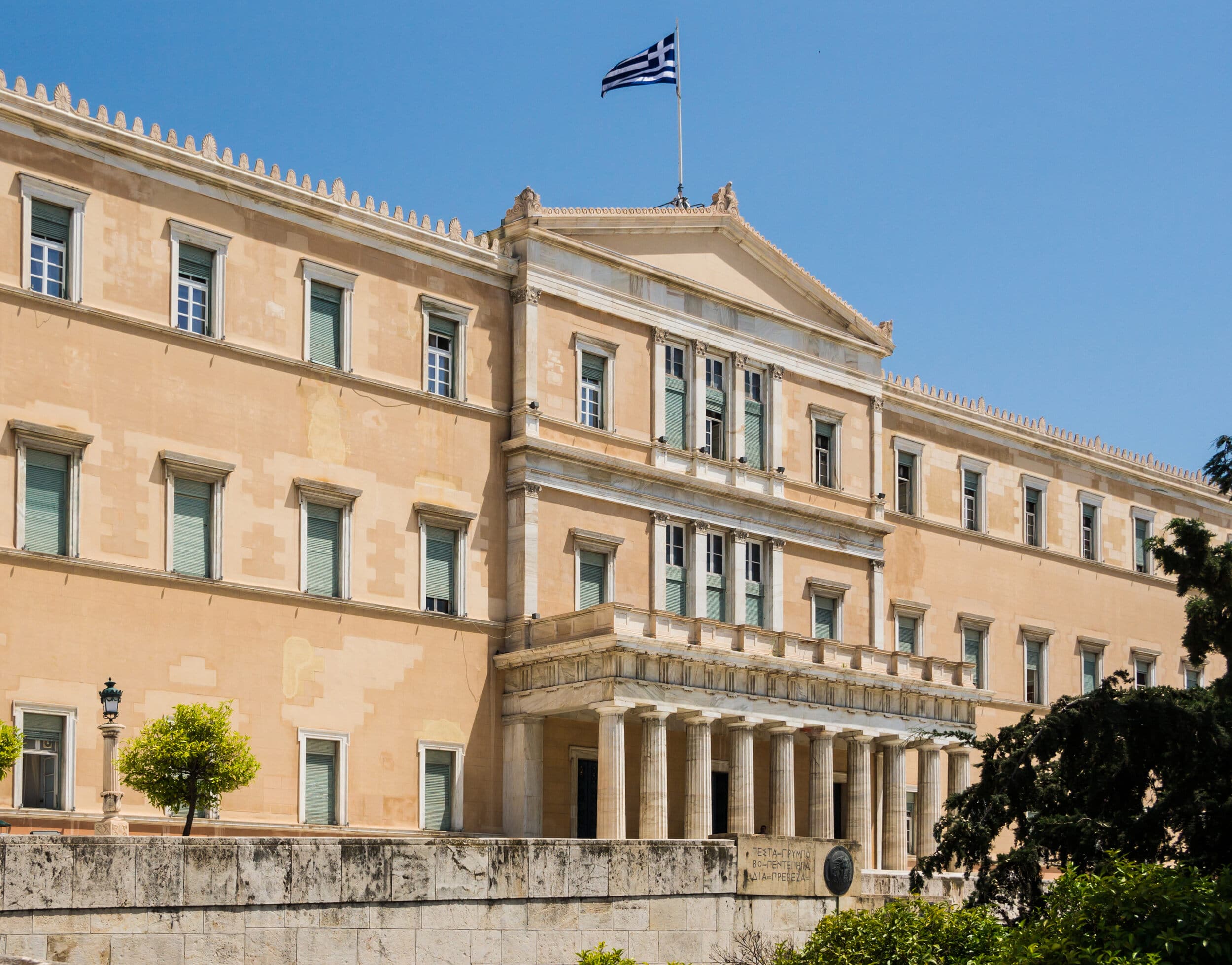
Hellenic Parliament in Athens. Greece’s Ombudsman reported record complaints over failures across public services. Credit: Wikimedia Commons/ Jebulon / Public Domain
Greece’s Ombudsman, the country’s independent administrative watchdog, received more than 20,000 complaints in a single year for the first time in its history, according to its latest quarterly bulletin, highlighting persistent failures across the country’s public administration.
The Ombudsman reported that the upward trend recorded in 2025 continued during the first four months of 2026 with no sign of slowing down. The figure underscores the strained relationship between citizens, residents, legal entities, and public services in Greece, where bureaucracy remains one of the most persistent sources of public frustration.
The bulletin, which covers January to April 2026, details cases involving social insurance, labor rights, disability certification, digital access to public services, and environmental protection.
Greece’s ombudsman acts on complaints over large family exemption
One notable case involved a large family that lost its exemption from municipal fees after some of its children reached adulthood.
The competent authority had apparently treated the exemption as temporary, although Greek law provides lifetime protection for families with four or more children, a category that carries a specific legal status in Greece. Following the Ombudsman’s intervention, the authority restored the family’s lifetime exemption.
Low-income pensioners asked to repay state errors
The bulletin also refers to the pension agency operating under the legacy structure of the former Agricultural Insurance Organization (OGA), which Greece later absorbed into the unified social security body e-EFKA. The agency attempted to recover money from low-income pensioners in order to correct errors that its own employees had made over several years.
In a separate case, a disabled citizen was expected to go through a prolonged bureaucratic process simply to have a disability assessment issued by the Army’s Supreme Health Committee converted into digital form. The conversion was necessary to obtain Greece’s Digital Disability Card.
Greece’s ombudsman intervenes in labor rights cases
Labor rights also featured prominently in the Ombudsman’s findings. The authority recommended heavy sanctions against a company that unlawfully dismissed a pregnant employee.
It also secured recognition of a 22-day special leave entitlement for two mothers of children with developmental disorders after their public-sector employers had repeatedly refused to grant the leave.
Disabled citizens report conduct of physicians
The bulletin also highlighted a pattern of complaints from disabled citizens regarding the behavior of certain doctors at KEPA, Greece’s disability certification centers, which operate under e-EFKA.
Following the Ombudsman’s intervention, the agency issued instructions for behavioral training and the adoption of a professional code of conduct.
Environmental complaints include noise, flooding, and illegal construction
Environmental issues formed another major area of concern. The Ombudsman criticized the ministries of Health and Development as well as the police over a legislative gap in noise regulation. According to the authority, the gap leaves residents living near open-air concert venues without adequate protection from noise pollution.
In two separate cases, the Ombudsman referred local government inaction to prosecutors. The cases concerned delays in flood prevention projects and the failure to demolish illegal structures in Oropos, in East Attica, and Ikaria, an island in the Eastern Aegean.
In the northwestern region of Thesprotia, the Ombudsman’s intervention also halted the illegal infilling of a stream.
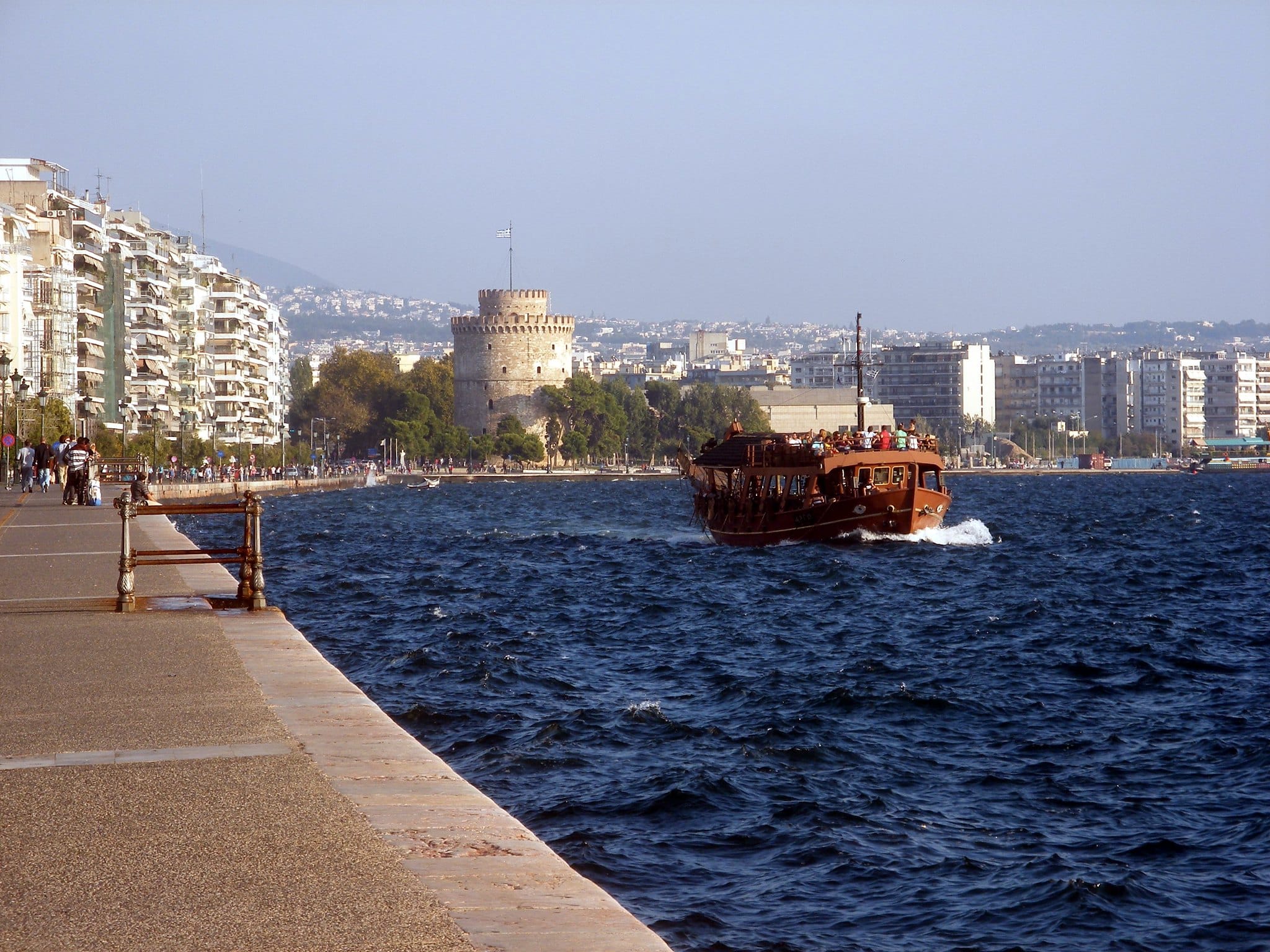
Thessaloniki waterfront and the White Tower on the Thermaikos Gulf, where algal blooms have triggered environmental concerns. Credit: Flickr / Anders Sandberg/ CC BY NC 2
A large algal bloom, also referred to in Greece as the “Red Tide,” has once again turned the waters of the Thermaikos Gulf along the Thessaloniki waterfront a murky brown, raising environmental concerns in Greece’s second-largest city as warmer weather and favorable winds intensify the phenomenon.
In recent days, large sections of the city’s seafront have been covered by a thick, brownish layer of phytoplankton slime. The bloom has produced unpleasant odors and altered the appearance of one of Thessaloniki’s most recognizable public spaces, affecting areas used daily by both residents and visitors.
Brown algal bloom spreads along Thessaloniki’s seafront
Drone footage highlights the scale of the algal bloom, showing brown waters stretching along Thessaloniki’s seafront from the Concert Hall area toward the city’s historic promenade.
According to local reports, rising temperatures and southerly winds have helped drive the algae toward the shoreline. As a result, the material has accumulated along the coast, forming a continuous layer across the water’s surface in several parts of the gulf.
Scientists point to eutrophication as cause of Thessaloniki waterfront algal bloom
Scientists attribute the phenomenon to eutrophication, a process driven by excessive concentrations of nutrients such as nitrogen and phosphorus entering the marine environment.
In the case of the Thermaikos Gulf, these nutrients can originate from urban wastewater, river runoff and agricultural fertilizers. Combined with higher sea temperatures, this leads to the creation of ideal conditions for the rapid growth of phytoplankton. This, in turn, can result in dense algal blooms that alter the color of the water and generate strong odors as the organic material begins to decompose.
Thermaikos Gulf remains vulnerable
Environmental experts have repeatedly warned that the Thermaikos Gulf is particularly vulnerable to such episodes due to long-standing pressures linked to urban development, agricultural activity, and climate-related factors.
Similar outbreaks have periodically been recorded in recent years, especially during warmer months, making algal blooms a recurring problem for Thessaloniki and the wider coastal area.
Cleanup operations underway as algal bloom spreads across Thessaloniki
The latest bloom follows earlier signs of eutrophication that have been reported in the Thermaikos Gulf since the beginning of the year.
Authorities have continued cleanup and monitoring efforts, including operations by the anti-pollution vessel Alkippi. The vessel has been deployed to assist in the collection of floating organic material and limit the impact of the bloom on coastal areas.
Long-term measures needed
Experts stress that algal blooms are generally natural biological processes, but they can be intensified by human activity and environmental pressures.
Reducing the frequency and severity of such outbreaks will require long-term measures to improve water quality, limit nutrient inflows, and strengthen environmental management across the wider Axios-Thermaikos Basin.
Greece’s startup ecosystem fell to 51st globally in StartupBlink’s 2026 Index, despite an estimated ecosystem value of over $12 billion. Credit: Wikimedia Commons / acediscovery / CC BY 4
Greece has fallen out of the world’s top 50 startup ecosystems, dropping to 51st place in StartupBlink’s Global Startup Ecosystem Index 2026. The country also slipped in Europe, ranking 29th, down from 27th in 2025.
According to the report, this is Greece’s lowest global position since 2022. The decline came despite positive annual ecosystem growth of 4.8 percent. However, that rate was well below the global average, meaning Greece lost ground as other startup ecosystems expanded more rapidly.
StartupBlink’s 2026 index ranks 1,556 cities and 100 countries, using indicators linked to startup quantity, quality, and the wider business environment. For Greece, the findings show a mixed picture: the country has recognizable startup successes, a sizeable ecosystem value, and improving policy tools, but its global momentum has slowed.
Greece’s business conditions are stronger than its startup outcomes
One of the clearest findings is the gap between Greece’s business environment and its overall startup ranking. Greece ranks 33rd among 125 countries in the Innovators Business Environment Index, significantly higher than its 51st position in the main startup ecosystem ranking.
This suggests that Greece has relatively strong underlying conditions for innovators, but these conditions have not yet fully translated into stronger startup ecosystem performance. The report estimates Greece’s startup ecosystem value at $12.1 billion. The country has two unicorns and three cities in the global top 1,000 startup cities.
Athens remains Greece’s dominant startup hub but weighs on national performance
Athens continues to dominate Greece’s startup scene, but its weaker performance was a major reason behind the country’s fall in the global ranking. The Greek capital dropped 17 places to 134th globally, after recording negative growth of 4.8 percent. In the Balkans, Athens also fell one position to third overall.
Despite this decline, Athens remains one of the region’s most mature startup ecosystems. The city leads the Balkans in the Ecosystem Maturity functional category, reflecting its track record in producing startup outcomes. StartupBlink also describes Greece’s level of ecosystem centralization as healthy. Athens scores 7.4 times higher than Thessaloniki, a ratio that points to a strong national hub while still leaving room for secondary cities to grow.
Thessaloniki grows although Heraklion records Greece’s strongest growth
Thessaloniki posted strong annual growth of 29.1 percent but still fell four places to 443rd globally because other cities advanced faster.
Heraklion, however, delivered Greece’s strongest city-level result. The port city of Crete climbed 89 places to 771st worldwide, with annual growth of 64.5 percent. That was the highest growth rate among Greek startup cities in the 2026 index. Heraklion’s performance shows that startup activity outside Athens is becoming increasingly visible even though the capital remains the country’s main innovation center.
Greece’s startup ecosystem ranks fifth in Southern Europe
Greece ranks fifth overall in Southern Europe. It performs slightly better in the Ecosystem Value functional category, where it ranks fourth in the subregion. In the Balkans, Greece ranks third overall, one place lower than last year. However, it performs better in specific sectors, ranking second in the region for both Fintech and Social & Leisure.
These sectoral rankings highlight areas where Greece has a stronger regional position, especially in financial technology and consumer-facing digital services.
Viva Wallet and PeopleCert remain Greece’s startup champions
The report identifies Viva Wallet and PeopleCert as Greece’s main startup ecosystem champions. Both are based in Athens and are privately valued at over $1 billion. Viva Wallet has a StartupBlink score of 570, while PeopleCert has a score of 277.
Viva Wallet became one of Greece’s most important startup success stories after JPMorgan acquired a 48.5 percent stake in the fintech company in 2022 in a deal valued at $2 billion. The transaction confirmed Viva Wallet’s status as Greece’s second unicorn and was described in the report as the country’s largest-ever startup deal.
PeopleCert crossed the $1 billion valuation mark in 2021 after acquiring AXELOS for approximately $525 million.
EquiFund, Elevate Greece, and NBG Business Seeds helped shape ecosystem
StartupBlink also points to several initiatives that have shaped Greece’s startup ecosystem over the past decade and a half. The National Bank of Greece launched NBG Business Seeds in 2010, with the report describing it as the country’s longest-running startup innovation competition.
Six years later, Greece and the European Investment Fund signed EquiFund, a fund-of-funds of approximately $290 million designed to help establish the country’s first professional venture capital market. Another important step came in 2020, when the Greek government launched Elevate Greece, the official national startup registry.
The platform gives startups access to state benefits, investor visibility, angel investor tax incentives, and Golden Visa eligibility. The report also names the National Bank of Greece / NBG Business Seeds, Elevate Greece, and Enterprise Greece as notable startup ecosystem builders.
Enterprise Greece is described as the country’s official investment and trade promotion agency, actively promoting the Greek startup ecosystem to international investors and supporting foreign founders through licensing and strategic investment frameworks.
New tax incentives and startup Golden Visa aim to attract capital
Recent policy developments also form part of the broader picture. In 2025, Greece introduced new tax incentives for angel investors, expanding the deduction cap to approximately $980 million, and launched a startup Golden Visa program. These measures are intended to attract startup investment and entrepreneurial talent.
In 2024, Greece, in partnership with the European Investment Fund, launched the EquiFund II equity mandate, with a focus on life sciences, health, and sustainability. Together, these initiatives indicate that Greece continues to strengthen the financial and policy framework supporting startups, even as its global ranking has declined.
Greece’s main challenge is faster startup ecosystem growth
The StartupBlink 2026 ranking does not depict Greece as a weak startup ecosystem. The country has two major startups valued above $1 billion, a total ecosystem value of $12.1 billion, strong business environment conditions, and clear institutional support.
The core issue is pace. Greece has grown but not quickly enough compared with global competitors. The contraction in Athens had a direct impact on the national ranking, while Thessaloniki and Heraklion demonstrate that regional ecosystems are still in a phase of development.
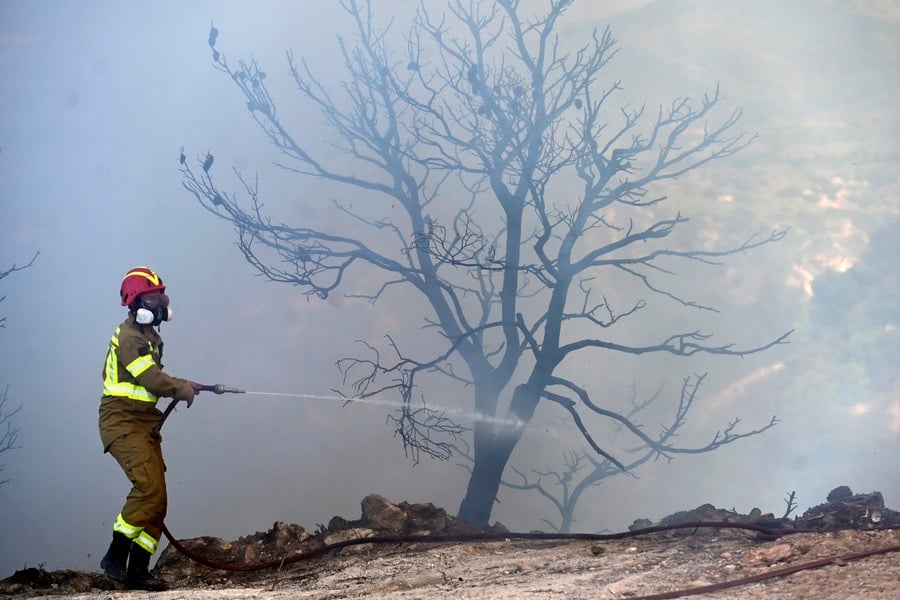
A firefighter tackles forest fires in Greece as rising temperatures heightened risk. Credit: Vasilis Psomas / AMNA.
According to Greece’s Fire Service on Monday, sixty-four forest fires broke out across the country in the last two days, as rising temperatures heightened fire risk, with officials attributing most incidents to negligence during outdoor work and other activities.
Early assessments suggest that human carelessness is the primary cause in most cases. Specialized investigative units are currently examining each incident to establish the exact cause and determine responsibility where appropriate.
Heat and negligence heighten risk of forest fires across Greece
Officials said recent high temperatures have increased the risk of ignition and allowed fires to spread more rapidly. However, firefighting forces managed to bring most blazes under control at an early stage through rapid intervention.
The Hellenic Fire Service noted that the swift response prevented the fires from reaching populated areas, highlighting the importance of immediate mobilization in the critical moments after a fire breaks out.
The warning comes as Greece enters a particularly dangerous period for forest fire activity, when dry vegetation, rising temperatures, and local winds can quickly turn even a small spark into a fast-moving blaze.
Hundreds of fines and dozens of arrests since January
Authorities have stepped up enforcement of fire prevention regulations since the beginning of the year. From January 1 through June 7, they imposed 402 administrative fines across Greece, totaling around €383,395 ($442,500). During the same period, authorities made seventy-one arrests as called for under procedures for violations of fire prevention legislation.
The figures reflect a broader effort to discourage risky behavior before it leads to larger fires, particularly during periods when weather conditions make the natural environment more vulnerable.
Fire service urges public to avoid risky outdoor activity
The Fire Service has called on citizens to exercise extreme caution during outdoor activities, particularly those involving sparks, flames, machinery, burning materials, or labor near dry grass and forested areas.
Officials emphasized that most forest fires can be prevented by adhering to basic safety rules and avoiding actions that could ignite a blaze. “Attention from everyone is crucial for protecting human life, property, and the natural environment,” Greek authorities said.
Greece braces for forest fires as summer heat intensifies with expanded resources
The latest warning comes as Greece enters the wildfire season with a significantly reinforced firefighting plan designed to address increasingly intense and unpredictable summer blazes across the country. On the ground, the Hellenic Fire Service currently counts 17,727 permanent and seasonal firefighters, with the force expected to rise to 18,804 by the end of the year. More than 4,300 vehicles support this expanded manpower, enabling faster deployment and tactical assistance to regional units across both mainland and island areas.
Specialized forest commando units are expected to play a central role in this year’s strategy. These teams are trained to operate in challenging and inaccessible terrain where conventional firefighting forces may struggle to intervene quickly. The elite corps now consists of twenty-one units with 1,450 personnel, marking a sharp expansion compared to 2022, when the program began with just six units.
Greece has also strengthened its aerial firefighting capacity, with eighty to eighty-five aircraft expected to be available daily during the high-risk season, including thirty-three state-owned aircraft and fifty-one leased planes. These resources are intended to support rapid aerial containment, particularly in the critical early stages of a forest fire.
Authorities are increasingly relying on technology as well, including an expanded drone fleet, to improve surveillance and early detection in vulnerable areas. The goal is to identify smoke, heat signatures, or suspicious activity before fires spread, allowing Civil Protection and fire services to coordinate a faster response.
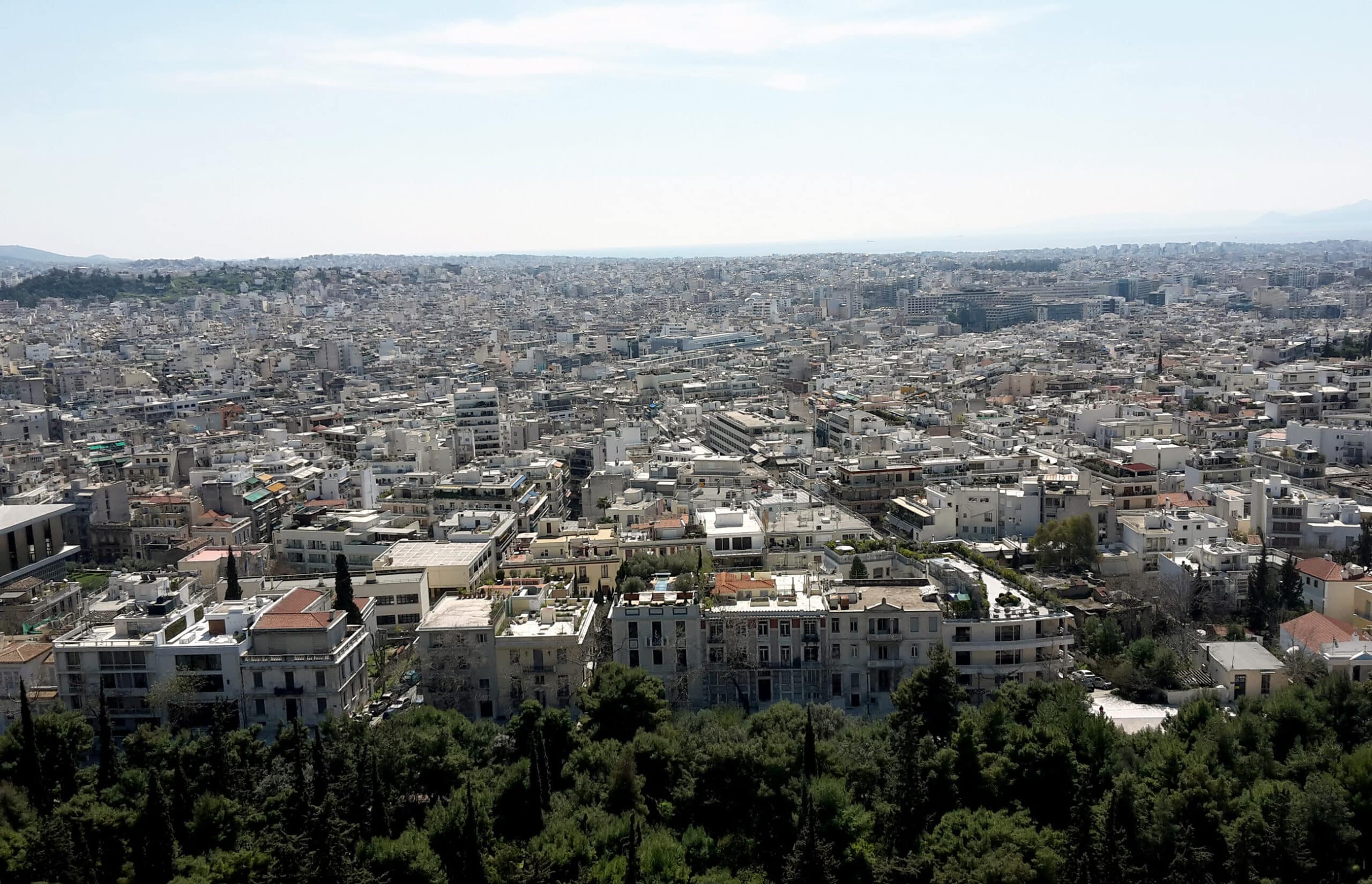
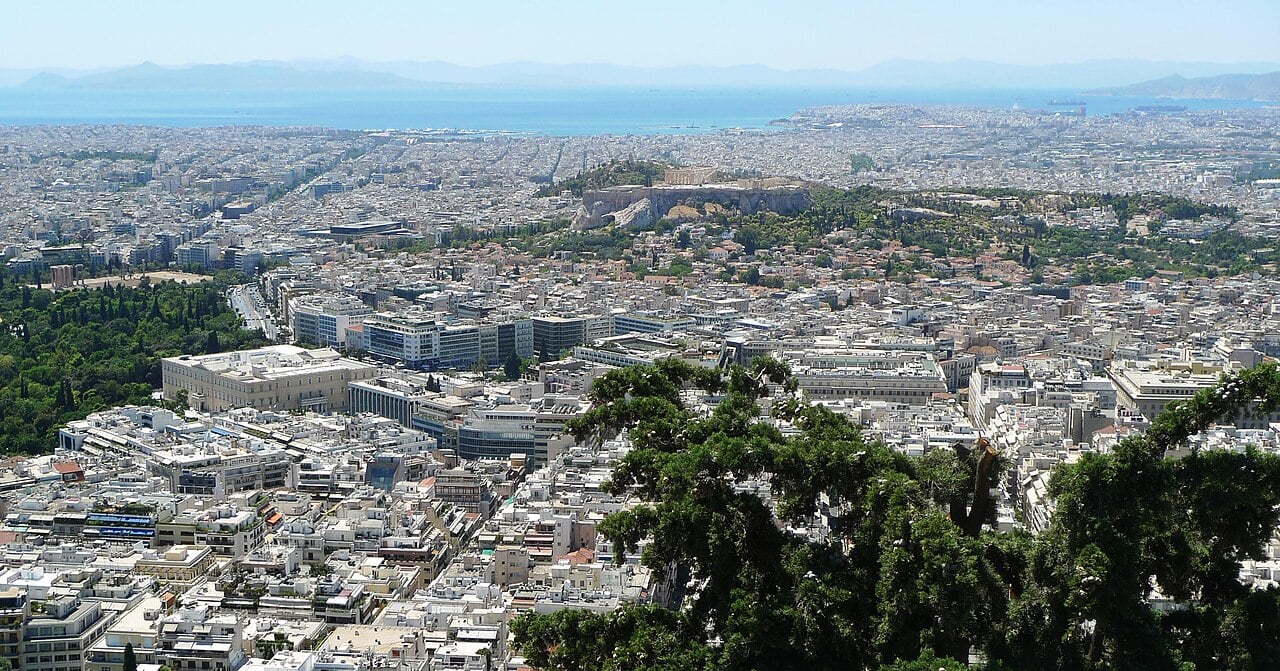
A general view of Athens, where older residential properties continue to dominate Greece’s housing market. Credit: Wikimedia Commons / Dimboukas / CC BY-SA 3.0.
More than seven in ten property purchases in Greece in 2025 involved residential homes, with three-quarters of those sales concerning buildings over twenty years old, underscoring the country’s persistent shortage of new housing. The figures point to a structural imbalance in the Greek real estate market in which limited construction in recent years has failed to keep pace with demand.
As a result, buyers continue to turn to older properties, particularly in the country’s largest urban centers. Residential properties accounted for 74.8 percent of all property sales in 2025. Plots of land followed at 14.3 percent, agricultural land at 5.8 percent, and commercial properties at 5.1 percent.
The data comes from REMAX Greece, a real estate network, and is based on thousands of completed transactions recorded through its ninety offices and more than 1,200 agents nationwide.
Three-quarters of homes sold were over 20 years old
Homes more than twenty years old represented 75.6 percent of residential property sales across Greece. Newly-built homes, defined as properties up to five years old, accounted for just 12.3 percent of sales.
Properties aged six to ten years represented only 0.3 percent of transactions, while homes aged 11 to 15 years accounted for 2 percent. Properties aged 16 to 20 years made up 9.8 percent of residential sales.
The dominance of older housing reflects the limited availability of newer homes in the Greek market. Where newly built properties are available, however, they remain highly attractive to buyers because they offer modern energy efficiency standards and better meet contemporary living needs.
Athens reflects national trend
In Attica (Greater Athens), residential properties accounted for 85.3 percent of sales. Commercial properties and land plots each represented 7.2 percent.
Older housing stock was even more dominant in the capital region. Homes more than twenty years old made up 86.2 percent of residential sales in Attica, while newly built properties up to five years old represented only 3.3 percent.
Land purchases also gained ground in Attica. Plots and agricultural land combined rose by 1.8 percent year-on-year, indicating growing buyer interest in development opportunities amid the shortage of available modern housing.
Older homes drive Greece’s property market in Thessaloniki
A similar picture emerged in Thessaloniki, where residential properties represented 87.4 percent of total sales. Commercial properties followed at 8.7 percent. As in Athens, older homes dominated the market. Properties more than twenty years old accounted for 87 percent of residential sales in Thessaloniki, while newly-built homes represented just two percent.
The figures underline the depth of Greece’s housing supply challenge. Demand for residential property remains strong, but the limited availability of newly built homes continues to push buyers toward older stock across the country’s largest real estate markets.
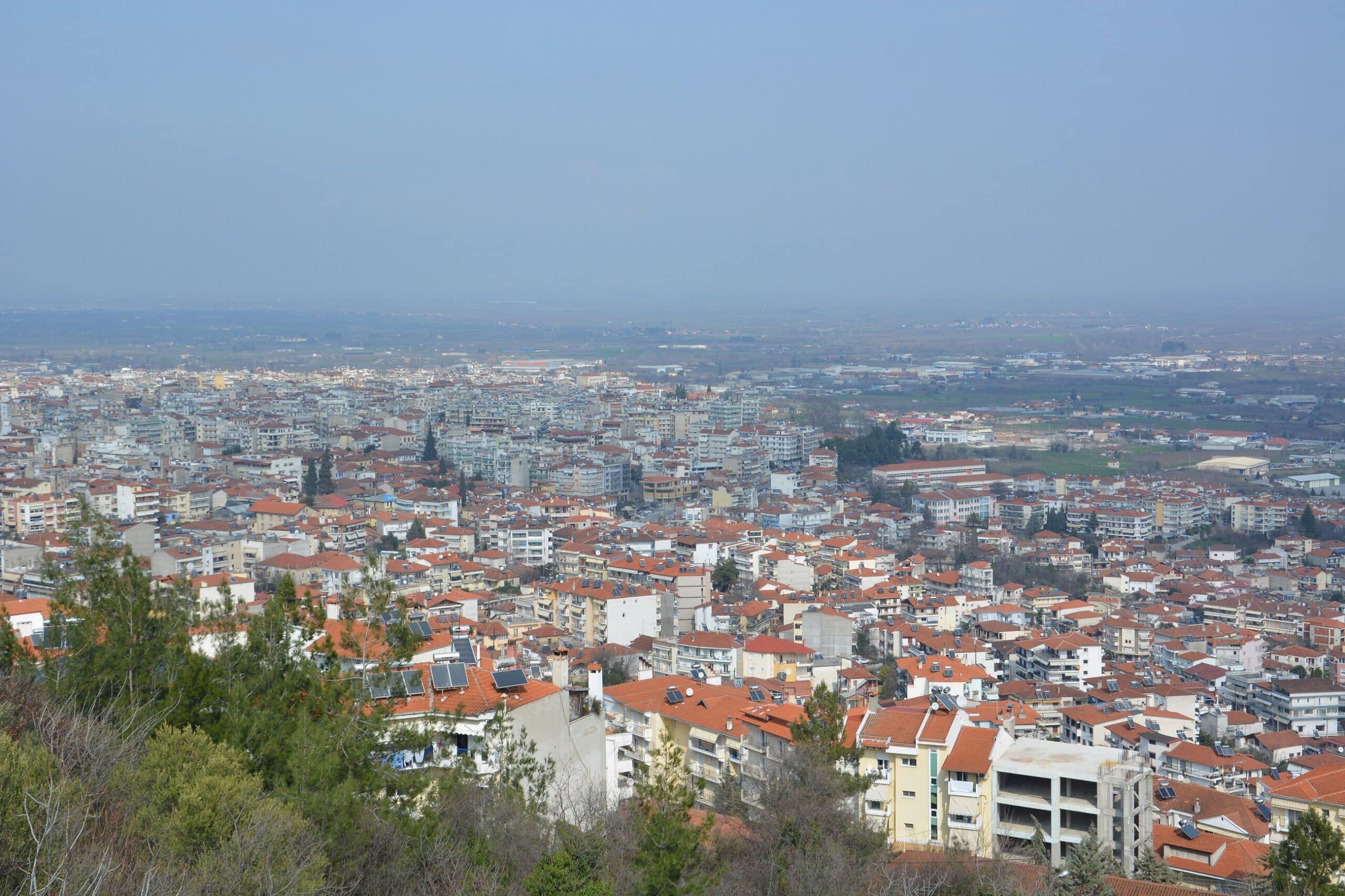
Panoramic view of Veria, Greece, where part of an ancient wall recently collapsed into a private yard near the Archaeological Museum. Credit: Zisis Tsampalis / Wikimedia Commons / CC BY-SA 3.0
A section of an ancient wall in Veria, northern Greece, collapsed into the backyard of a private home, raising safety concerns for residents and triggering a dispute between local authorities over who must remove the fallen stones.
The incident occurred near the Archaeological Museum of Veria, in Central Macedonia, where parts of the city’s historic fortifications still stand close to residential properties. Large stones from the wall fell into the yard, where children reportedly play, leaving the family worried about further collapses, especially during heavy rainfall.
Residents say the problem has not only created a physical hazard but has also exposed a familiar challenge in Greece: the difficulty of managing ancient heritage when it intersects with everyday life.
Homeowner caught between heritage rules and safety risks
The homeowner told local broadcaster MEGA that he has become caught in a bureaucratic dispute between the Ephorate of Antiquities and the Municipality of Veria.
The homeowner said the Ephorate of Antiquities treats the wall as a monument under its authority, while the municipality argues the fallen stones are now debris on private property.
However, he says officials told him they do not have enough workers to remove the fallen stones. Meanwhile, the municipality reportedly argues that once the stones landed inside private property, they became rubble and therefore the homeowner’s responsibility.
The homeowner says this leaves him in an impossible position. On the one hand, authorities allegedly told him to arrange the cleanup himself. On the other hand, he says he received instructions not to touch the stones because they form part of an ancient monument and may be needed for future restoration work.
As a result, the family fears that moving the material could expose them to accusations of mishandling antiquities. For now, residents say the authorities have placed two containers at the site, but they have not delivered a permanent solution.
The collapse has sparked frustration in Veria because it highlights the tension between heritage protection and public safety. Greece’s archaeological landscape often overlaps with homes, roads, and modern infrastructure, especially in cities with continuous habitation from antiquity to the present day.
Veria is one such city. Located in Central Macedonia, it has deep historical roots and played an important role in ancient, Roman, Byzantine, and Ottoman periods. According to the Ephorate of Antiquities of Imathia, evidence suggests that Veria acquired a city wall and a basic urban plan around the second half of the 4th century BC.
That historical depth gives the city much of its cultural value. However, it also creates practical responsibilities. When ancient remains stand beside private homes, any damage or deterioration can quickly turn into a matter of both archaeology and civil protection.
Residents in Veria, Greece urge action after ancient wall collapse
Residents have urged the competent authorities to intervene quickly, warning that more sections of the wall could collapse. Their main concern remains the safety of children and families who live next to the site.
The case now raises broader questions about how local and national authorities should coordinate when protected monuments create risks in residential areas. While the stones may hold archaeological value, residents argue that the authorities must act before the situation causes an injury.
Tents are seen on Falasarna beach in Crete. Free camping outside organized sites remains illegal in Greece and can lead to fines and criminal penalties. Credit: Flickr / Sergio Alvarez / CC BY NC SA 2
As the summer season begins, Greek authorities are stepping up checks on free camping, a practice that remains illegal outside organized sites and continues to spark debate across Greece.
For many travelers, pitching a tent near the sea is seen as an affordable and alternative way to enjoy the holidays, especially as the cost of living continues to put pressure on households. In Greece, however, camping outside licensed facilities remains prohibited and can lead to fines, criminal proceedings, and even jail time.
Free camping remains illegal outside organized sites in Greece
Under Law 392/1976, the installation of tents, the parking of caravans for overnight stays, and camping in general are banned on beaches, in forests, near archaeological sites, and in other public areas that are not officially designated for that purpose.
Greek law allows camping only in organized and licensed facilities, such as official campsites. Those who violate the rules may face administrative fines, while in certain cases authorities can also initiate criminal procedures, including arrest under the fast-track process.
A notable case occurred last summer at Thapsa beach in Evia, where the presence of hundreds of tents sparked strong reactions and led to intervention by local authorities. Campers were removed from the area, while surveillance and inspections were increased.
Fines reaches €300 per person, tent, or vehicle
Under the current rules, those caught free camping in Greece face an administrative fine of €300 ($348) per person, tent, or vehicle.
In more serious cases, offenders may also face criminal penalties. These can include imprisonment of up to six months or a court-imposed financial penalty. The total fine imposed by the courts can reach up to €3,000 ($3,488).
Skiathos arrests renew the debate
The issue resurfaced this week after authorities arrested two men for allegedly free camping on a beach in Skiathos on Monday afternoon.
According to local reports, the case drew further criticism because the campers had allegedly left waste in the surrounding area, showing disregard for other beachgoers and the local environment.
Similar incidents are reported from time to time across Greece, especially in areas where free camping has long been tolerated informally. In some destinations, a decades-old practice and an unofficial understanding between campers, local authorities, and local stakeholders have often existed alongside a legal framework that strictly prohibits the activity.
Supporters point to affordable and alternative tourism
Supporters of free camping argue that it offers a closer connection with nature and gives people a cheaper way to travel at a time when accommodation and holiday costs have risen sharply.
They also point to examples from other European countries, where more flexible systems allow responsible camping in open, non-organized spaces under specific conditions. According to this view, Greece could adopt a more regulated model that permits free camping in selected areas, provided strict environmental rules are followed.
Authorities warn of environmental risks from free camping in Greece
Authorities and environmental organizations, however, argue that uncontrolled camping can put serious pressure on natural areas.
Their concerns include the accumulation of waste, damage to sensitive ecosystems, and an increased risk of fires, especially during the summer months when Greece faces high temperatures and dry conditions.
They also note that the absence of organized infrastructure makes it difficult to manage large numbers of visitors in protected or remote areas. The lack of sanitation facilities, waste collection, fire protection measures, and supervision is often cited as one of the main reasons the Greek state continues to restrict free camping outside licensed sites.
Greece prepares security measures ahead of an expected international Hells Angels event. Credit: Kim Ludbrook/EPA via AMNA
Greece is stepping up cooperation with European law enforcement agencies as it prepares for a major Hells Angels gathering expected in the country. Authorities have opened cooperation channels with police services across EU member states to share information on individuals considered to be of “high interest.”
The move comes as Hells Angels bikers from several countries are expected to travel to Greece for what has been described as an international “jamboree.” Greece’s National Intelligence Service, EYP, has also prepared an assessment of the activities and organizational structure of Hells Angels chapters operating in the country.
Greece coordinates with EU police before gathering
The expected arrival of bikers from abroad has prompted Greek authorities to seek closer intelligence-sharing with European partners. Officials are focusing on identifying and monitoring individuals who may already be known to police or intelligence services.
This type of cooperation is important because outlaw motorcycle groups often maintain a cross-border presence, making coordination between national authorities a key part of security planning. Greek authorities are handling the gathering not only as a domestic policing matter but also as an issue with a wider European security dimension.
Hells Angels’ global network draws law enforcement attention
Hells Angels ranks among the world’s largest motorcycle clubs, with thousands of members and hundreds of chapters across dozens of countries. The organization presents itself as a brotherhood of motorcycle enthusiasts whose members organize rides, social gatherings, and charitable events.
However, law enforcement and intelligence agencies in Europe and North America have linked parts of the club to organized criminal activity. Europol and national police services have repeatedly warned that outlaw motorcycle gangs remain a transnational security concern. Authorities say such groups have been connected to criminal networks operating across borders.
US authorities scrutinize Hells Angels and other biker gangs
In the United States, authorities commonly group Hells Angels with three other major outlaw motorcycle gangs: the Pagans, the Outlaws, and the Bandidos.
Law enforcement officials have alleged that some members and certain chapters have been connected to crimes such as drug trafficking, stolen property networks, extortion, and other organized criminal activity.
Hells Angels disputes any characterization of the wider club as a criminal organization, arguing that illegal behavior, where it occurs, should be attributed to individuals rather than the association itself.
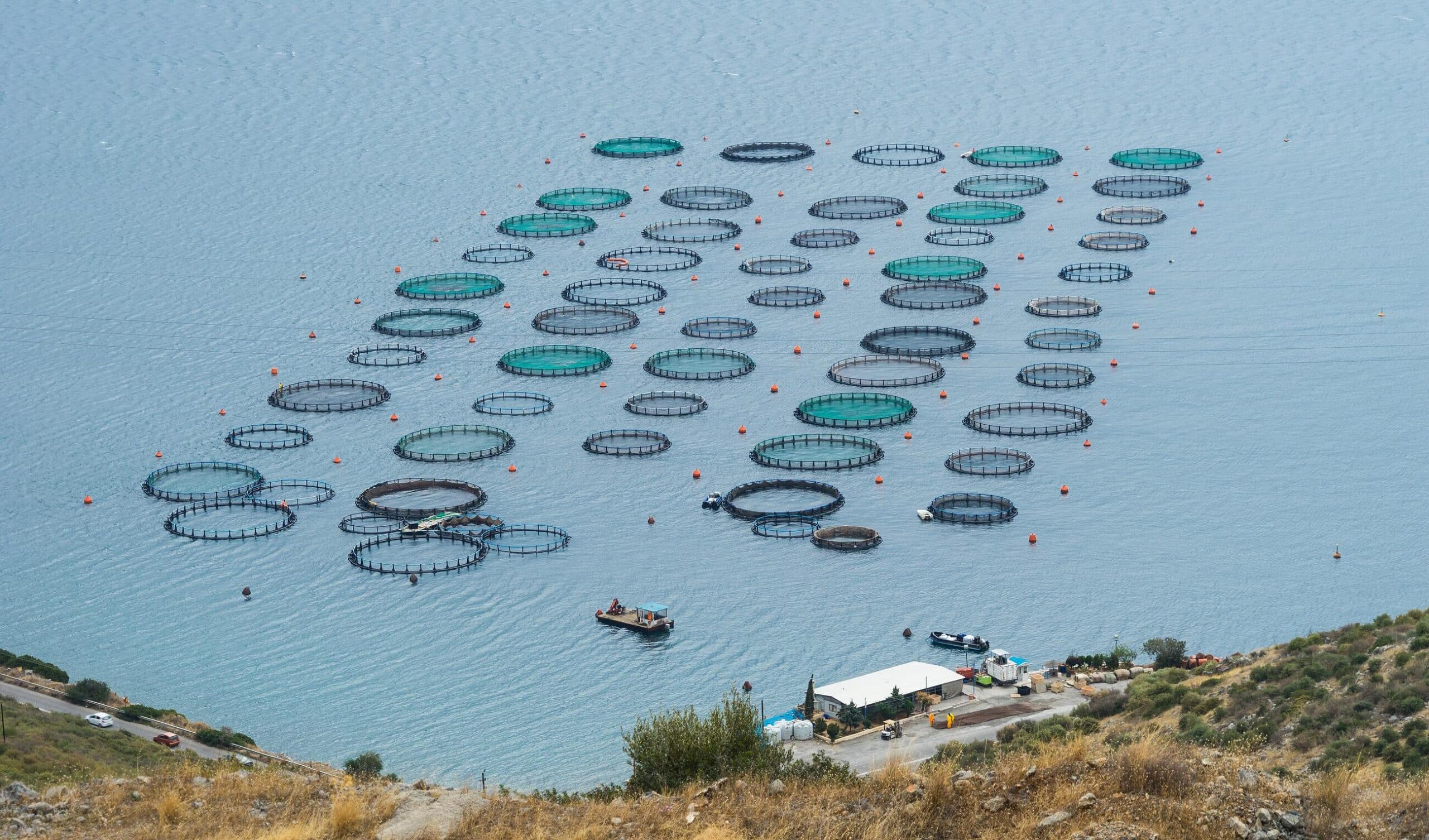
Fish farming cages in Greek waters, as Greece accelerates aquaculture investment while abandoned fish farms raise environmental and maritime safety concerns. Credit: Wikimedia Commons / Jebulon / Public Domain
Greece is accelerating investment in its aquaculture sector, approving 105 new projects worth €131 million ($151,9 million), while abandoned fish farms continue to raise environmental and maritime safety concerns.
Greek Rural Development and Food Minister Margaritis Schinas said Wednesday that the approved investment plans include €87 million ($100 million) in public funding. Speaking at the opening of the 14th session of the Scientific Advisory Committee on Aquaculture of the General Fisheries Commission for the Mediterranean, he outlined the government’s plan for a more competitive, sustainable and resilient aquaculture industry.
Greece targets growth in aquaculture
According to Schinas, the government increased the original budget allocation from €71 million ($82 million) to €78 million ($90 million) to support all aquaculture projects that received a positive evaluation. He described the package as one of the most important investment interventions in the sector in recent years.
The funding will help modernize production facilities, encourage innovation, support digital transformation and strengthen the global competitiveness of Greek aquaculture. The government aims to achieve average annual production growth of 5 percent through the end of the decade.
Schinas also linked the future of aquaculture to broader challenges facing Europe, including food security, climate change, sustainable development and the protection of natural resources. “The question facing the Mediterranean today is how to produce more and better food without exhausting the natural resources on which production itself depends,” he said, adding that the answer lies in cooperation, scientific research, innovation and a shared European and Mediterranean vision.
A major export industry for Greece
Aquaculture is already one of Greece’s most important export-oriented food sectors. Schinas said the country currently has around 285 marine fish farming units, more than 400 shellfish farming operations and 24 hatcheries.
Government estimates put annual production at nearly 141,000 metric tons, while the sector supports more than 10,000 direct and indirect jobs. About 80 percent of Greek aquaculture output is exported.
“Greek fish has evolved into a true ambassador for our country,” Schinas said.
Abandoned fish farms raise pollution concerns in Greece
The investment push comes as Greece is also dealing with the environmental legacy of abandoned aquaculture sites, sometimes described as “ghost farms.”
These sites are fish farms that operators have left behind, often with nets, cages and other infrastructure still in the sea. Over time, abandoned nets, plastics, tiles and timber can pollute nearby waters, harm marine life and create risks for shipping.
The issue gained renewed attention in February 2026, when a large fish-farming ring was spotted drifting in the Ionian Sea before ending up near Ithaca. The structure had entered a route used by passenger vessels, prompting the Coast Guard to intercept it over safety concerns.
Modi site removed after pressure
Abandoned aquaculture structures previously recorded near Modi in western Greece have since been removed by the operator and reportedly sent for recycling. Healthy Seas had identified the site years earlier through surveys conducted with Ghost Diving Greece and the Greek NGO OZON. The groups recorded four aquaculture rings there and considered them inactive.
After the drifting-ring incident near Ithaca, Healthy Seas examined a possible connection with the Modi site. The organization said the type of ring was unusual for the area, making the possible link difficult to ignore.
Following cooperation with authorities, media exposure and formal correspondence with competent bodies, the Coast Guard carried out a new inspection at Modi. Authorities later confirmed that the structures previously recorded there had been removed. The operator reportedly told the Coast Guard that the structures had been transferred to a recycling company.
The operator is said to have denied that the drifting ring came from its facility. Still, regardless of the ring’s origin, one more abandoned aquaculture site has now been cleared from Greek waters.
Aquaculture in Greece. Credit: EU Directorate-General for Maritime Affairs and Fisheries
Abandoned Fish Farms Challenge Sustainable Aquaculture in Greece
For environmental groups, the case shows that abandoned aquaculture infrastructure is not only a marine pollution problem. It can also become a safety risk when structures break loose and drift into busy waters. Veronika Mikos, director of Healthy Seas, said the case points to a new way of dealing with abandoned fish-farming infrastructure.
“For years our work has focused mainly on the physical removal of abandoned aquaculture infrastructure from the sea,” Mikos said. “What makes this case important is that it points to another possible path: strategic engagement, institutional pressure and coordinated action that can encourage operators to assume responsibility themselves before these structures become even more serious environmental or maritime hazards.”
The challenge for Greece is now twofold: expanding a high-value export industry while ensuring that old or inactive facilities do not remain in the sea long after production has stopped.
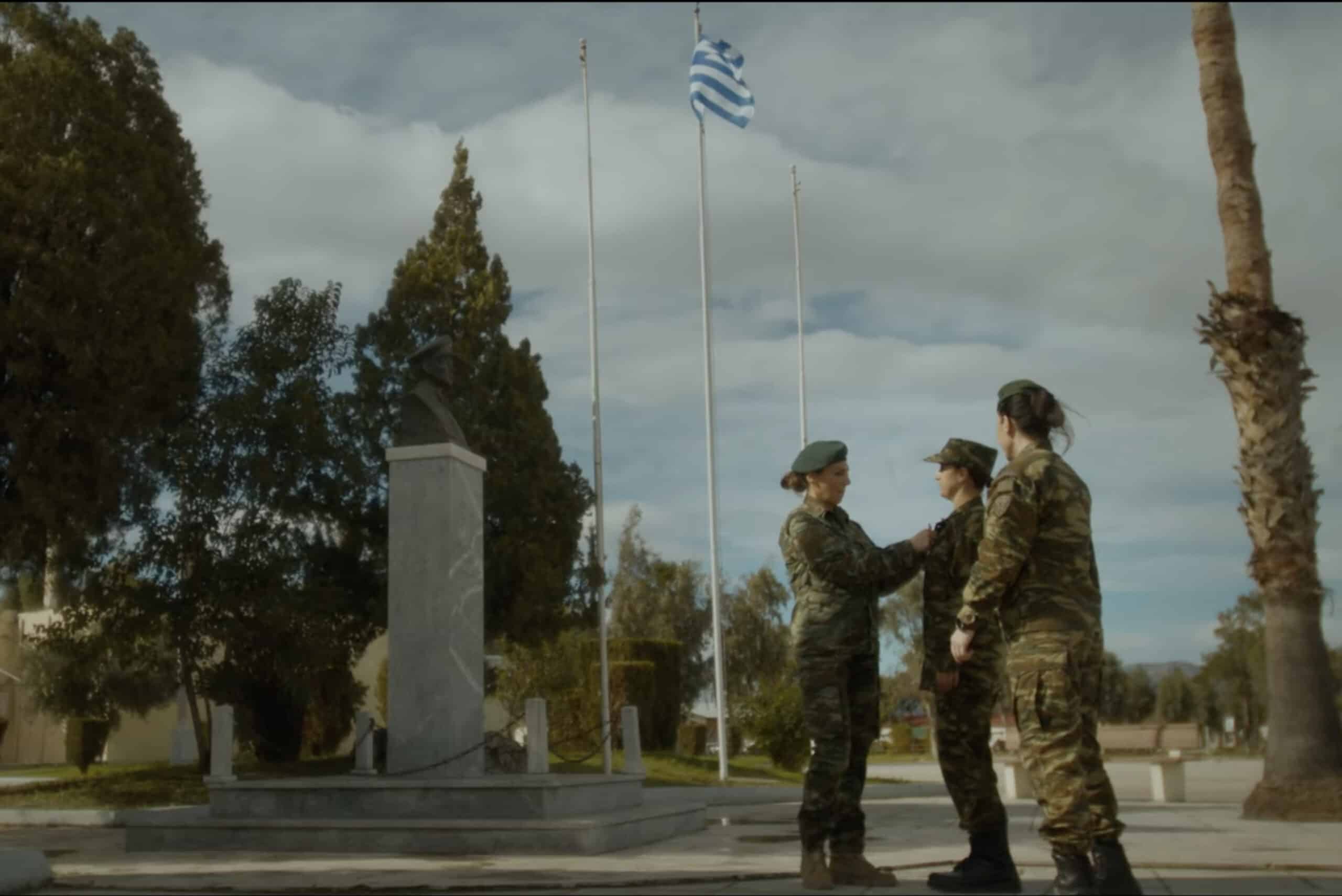
Women volunteers in Greece’s armed forces during a military ceremony. Credit: Screenshot / Hellenic Army General Staff video.
Greece’s armed forces will welcome the first women volunteers for military service this week, marking a significant shift in the country’s defense recruitment policy.
The first female volunteers will report for duty on Thursday as part of the Hellenic Army’s 2026 second conscription intake, which began this week and will continue through June 5. They will train at an army base near Lamia, a city in south-central Greece.
Women in Greece join voluntary military service
Under the new program, women aged 20 to 26 can apply for voluntary military service if they meet the required military fitness standards and have no felony convictions.
They will serve for 12 months, under the same duration, obligations, and conditions that apply to male conscripts in Greece.
The initiative opens a new path for women to take part more directly in national defense. In Greece, military service has traditionally remained compulsory for men, while women have not faced the same obligation.
Same benefits for women volunteers in Greece’s armed forces
Female volunteers can also join the selection process for reserve officer training, under the same criteria that apply to male conscripts.
They will gain access to military hospital services and receive additional points in certain public-sector hiring procedures. The state will also recognize their period of service as professional experience, giving the program potential value beyond the military.
Officials have presented the initiative as both a contribution to national defense and an opportunity for women to gain training, experience, and qualifications that could support their future careers.
Greece expands recruitment amid defense reforms
The launch of voluntary military service for women comes as Greece pushes ahead with broader reforms to modernize the armed forces, improve readiness, and strengthen recruitment and retention.
Ahead of the launch, the Hellenic Army General Staff carried out a public information campaign encouraging women to apply. The campaign described voluntary service as a way for women to contribute to Greece’s defense while gaining educational and professional benefits.
The arrival of the first female volunteers marks an important test for Greece’s new model of military participation, as the country seeks to broaden the pool of potential recruits and adapt its armed forces to changing defense needs.
An armed naval drone was discovered by fishermen off Lefkada on May 7, prompting Greece to issue a formal demarche to Ukraine. Credit: AMNA
Greece has issued a formal diplomatic demarche to Ukraine after fishermen discovered an armed naval drone off the island of Lefkada on May 7. Athens warned that the incident endangered maritime traffic, civilians, the environment, and national security.
Greek Foreign Ministry spokesperson Lana Zochiou said during the regular briefing of diplomatic correspondents that Athens formally raised the issue with Kyiv after authorities found the unmanned surface vessel inside Greek territorial waters.
According to Zochiou, Greece’s protest note stressed that the naval drone posed a serious threat to maritime navigation and could have cost innocent lives. Athens also warned that the presence of an armed unmanned vessel in Greek waters could have caused major environmental damage.
Greece warns against moving war operations to the Mediterranean
The Greek government said the incident raised broader security concerns, as it appeared to bring military activity linked to the war in Ukraine into the Mediterranean, far from the actual battlefield.
“The transfer of war operations to the Mediterranean, at a great distance from the real front of the war, puts our national security at risk and deals a decisive blow to our national economy,” the protest note stated, according to Zochiou.
For Greece, the presence of an armed naval drone in its waters carries particular sensitivity because the country relies heavily on shipping, tourism, fishing, and maritime security. Athens made clear that it would view any expansion of war-related activity into the Mediterranean as a direct threat to Greek interests.
Ukrainian naval drone found off Lefkada island, Greece. Public Video Screenshot
Greece’s demarche to Ukraine says self-defense doesn’t justify drone incident
Greece also told Ukraine that Kyiv’s right to defend itself against Russia cannot justify actions that endanger Greek territory, civilians, or maritime activity.
“The right of Ukraine to self-defense cannot justify such actions,” Athens stated in the diplomatic demarche.
The Greek government strongly objected to the illegal presence of the armed unmanned surface vessel in Greek territorial waters and called on Ukraine to avoid similar actions in the future.
Athens also urged Kyiv to refrain from what it described as the unjustified transfer of military operations to the Mediterranean.
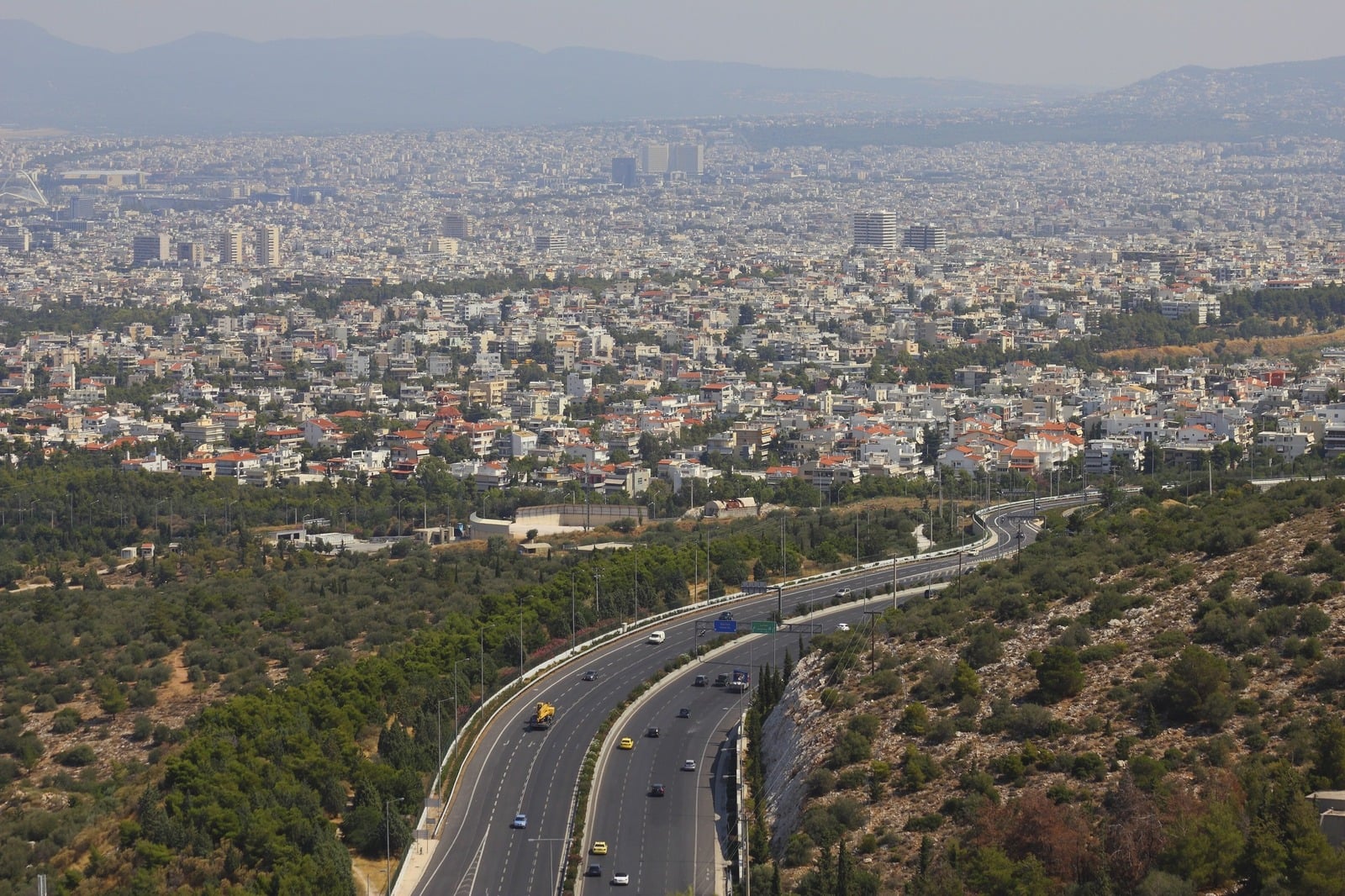
A view of Athens and the wider Attica basin. The IMF warns that empty homes, short-term rentals, and rising property prices are deepening Greece’s housing crisis. Credit: Wikimedia Commons / A. Savin / CC BY SA 3
Greece is facing a housing affordability crisis shaped not only by a shortage of available homes but also by deep distortions in the real estate market, according to the IMF’s 2026 “Greece: Selected Issues” report. The IMF’s analysis highlights one of the most significant consequences of Greece’s tourism-driven growth model—the growing tension between the use of properties for tourism and the need for affordable long-term housing for residents.
Asking prices for homes in Greece have risen by about 85 percent since 2017, far outpacing the 47 percent increase in disposable income per person over the same period. The pressure intensified after the pandemic, with home prices rising by 61 percent since the fourth quarter of 2020. Rents, which initially moved more slowly, are now accelerating, with rent inflation reaching 10 percent in 2025.
The IMF describes Greece’s housing crisis as both social and economic. Higher housing costs weaken household consumption, reduce labor mobility, make it harder for young people to leave the family home, and may undermine the country’s ability to attract and retain workers.
IMF says Greece’s housing crisis is about availability, not just supply
One of the IMF’s most notable findings is that Greece has one of the highest housing stocks per capita in Europe. On paper, the country does not appear to lack homes.
The problem is that much of this stock is not available for use as a main residence. Around 35 percent of Greece’s housing stock is not geared toward primary residence usage, and roughly 12 to 13 percent of all homes are vacant. That means Greece’s housing crisis largely reflects an issue of allocation and effective use rather than an actual shortage of homes. Many of these are old, energy inefficient, legally complicated, tied up in co-ownership arrangements, or too costly to renovate.
As a result, the market may appear well supplied at the national level, while, in practice, there are not enough suitable homes in regions where demand is strongest, including Athens, Thessaloniki, major tourist destinations, and areas with concentrated economic activity.
IMF says short-term rentals add pressure
The IMF particularly focused on short-term rentals, which it identifies as a major part of Greece’s new tourism model. Utilizing data from INSETE, the Institute of the Greek Tourism Confederation, the report shows that short-term rental listings increased by 240 percent between 2017 and 2024. They rose from fewer than 100,000 to more than 230,000.
This represents about 3.5 percent of Greece’s total housing stock, 10 percent of non-occupied properties, and 29 percent of vacant homes. The impact, however, is highly concentrated. Short-term rentals are clustered mainly on tourist islands, in central Athens, and in Piraeus, exactly where housing pressure is already intense.
The IMF found that a higher concentration of short-term rentals is associated with rising home sale prices, particularly in areas with lower rates of homeownership. While the impact on rents appears more limited, it is still evident, as short-term rentals reduce the number of properties available to long-term tenants in high-demand markets.
At the same time, the IMF calls for careful evaluation of restrictions. Short-term rentals support tourism, local income, and economic activity, so any policy response must weigh both housing and economic effects.
IMF warns short-term rental curbs are not a cure-all for housing shortages in Greece
The IMF also cautions against assuming that restrictions on short-term rentals would automatically return large numbers of homes to the long-term housing market. Short-term and long-term rental properties are not always interchangeable, and the Fund notes that roughly two-thirds of vacant homes are secondary residences or vacation properties that owners occupy for part of the year.
As a result, stricter limits on short-term rentals may not lead to a significant immediate increase in housing available to long-term tenants. The IMF also warns that geographically targeted restrictions could simply shift demand and price pressures to neighboring areas rather than address broader affordability challenges. For that reason, the it calls for better data collection and careful cost-benefit analysis before such measures are implemented.
IMF links foreign demand to Greece’s housing crisis
International demand has also played a role in driving up property prices in Greece. Following the steep decline in real estate values during the country’s financial crisis, Greek property became increasingly attractive to foreign buyers, including members of the Greek diaspora. Depressed valuations, expectations of future capital gains, tax incentives, and the Golden Visa program all contributed to the influx of investment.
The IMF notes that Greece has since tightened Golden Visa requirements by raising minimum investment thresholds. However, it also points out that successive regulatory changes may have fueled bursts of purchasing activity, as investors rushed to secure eligibility under the previous terms before stricter requirements took effect.
The resulting price pressures have been unevenly distributed across the country. According to market data cited in the report, property values are significantly higher in the Greater Athens area (Attica) as well as in Thessaloniki and major tourist destinations compared to the rest of Greece.
IMF says Greece’s housing crisis affects tourism industry workers
The housing shortage is also increasingly intertwined with the functioning of Greece’s tourism economy. In regions where short-term rentals, elevated property prices, and limited long-term housing supply converge, finding affordable accommodation becomes a challenge not only for local residents but also for the workers on whom the tourism sector depends.
While the IMF does not specifically examine housing for seasonal workers in the tourism industry, its broader analysis points to the same underlying issue. As housing costs rise in high-demand tourist destinations, workers face greater barriers to relocating to areas where jobs are available. Over time, this can reduce labor mobility and undermine productivity, ultimately weighing on the competitiveness of an economy in which tourism remains one of the country’s most vital industries.
IMF finds Greece’s housing crisis is overburdening households
The issue of affordability is already severe for many households. The IMF estimates that in 2025, median housing costs, including mortgage payments, accounted for more than one-third of disposable income. Around two in five households are classified as overburdened, spending more than 40 percent of their disposable income on housing. A further 20 percent spend between 30 and 40 percent, placing them in a vulnerable financial position.
The strain is particularly acute for renters, low-income households, single-parent families, and individuals living alone. Renters in Attica and Central Macedonia, which includes Thessaloniki, face an especially elevated risk of excessive housing costs.
IMF urges Greece to bring empty homes back on the market
The IMF’s primary recommendation is to activate Greece’s large stock of unused housing. This would require a mix of incentives and disincentives, including renovation subsidies, energy-efficiency upgrades, tax incentives for long-term rentals, and policies that raise the cost of leaving homes vacant in high-demand areas.
The Fund broadly supports measures aimed at converting vacant properties or short-term rental units into long-term housing. At the same time, it argues that Greece must reduce the risks faced by landlords who rent to long-term tenants. Proposed measures include improved market transparency, a tenant registry, faster dispute-resolution mechanisms, and rent guarantee schemes for vulnerable households.
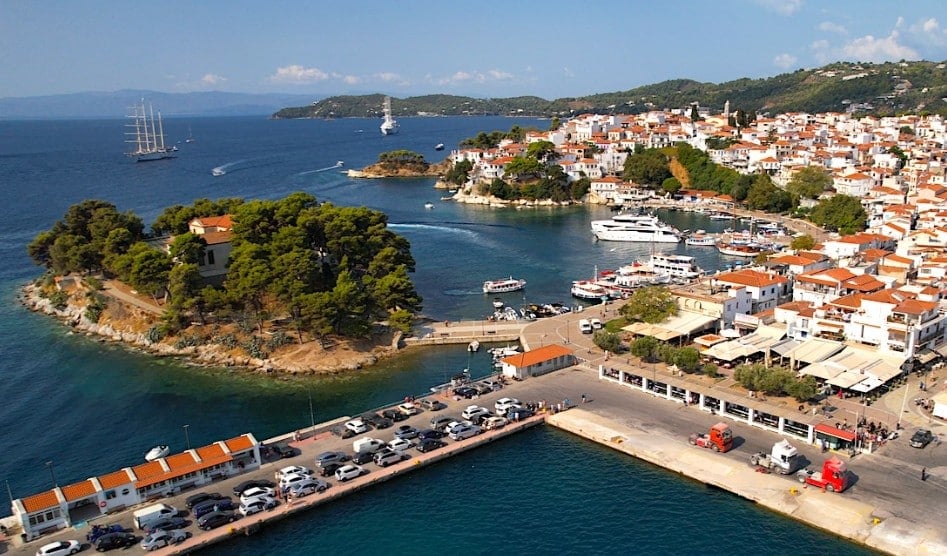
Greece’s Skiathos is launching a Tourism Intelligence System to help local authorities track visitor flows, occupancy, mobility, and pressure points across the island. Credit: Greek Reporter
Greece’s Skiathos is adopting a new Tourism Intelligence System to help local authorities better understand visitor activity, manage seasonal pressure, and plan for more sustainable tourism growth.
The new system will allow local authorities on the Sporades island in the northern Aegean to monitor key aspects of tourism activity in a more organized and systematic way. It brings together information on visitor arrivals, accommodation occupancy, mobility patterns, tourist satisfaction, and future demand indicators into a single analytical framework.
The aim is to give the municipality a clearer picture of how tourism develops across the island, where pressure is building, and which areas may require earlier intervention.
What the tourism intelligence system will track in Skiathos, Greece
The Tourism Intelligence System, known as TIS, is not simply a dashboard that counts arrivals. It is designed to connect different types of tourism data that are usually examined separately.
By combining information on how many visitors arrive, where they stay, how they move around the island, how satisfied they are, and where demand is likely to grow, the system can help authorities identify pressure points before they become larger problems.
This is especially important for destinations such as Skiathos, where tourism activity is highly seasonal and concentrated. During peak periods, pressure can appear not only in hotels and ports, but also on roads, public spaces, beaches, infrastructure, and the daily life of residents.
A tool for daily decisions and Long-Term planning
Skiathos Mayor Thodoris Tzoumas said the system is intended to serve both immediate municipal needs and longer-term strategic planning.
“Through the systematic integration of data from diverse sources, we can identify emerging demand patterns and pressures on the destination at an early stage, without the usual delays,” Tzoumas said.
The mayor’s point reflects the central purpose of the platform: to move the island away from fragmented information and toward a more complete understanding of its tourism ecosystem. Instead of reacting after problems appear, the municipality will be able to use data to guide decisions in advance.
Managing tourism pressure beyond visitor numbers
The system also reflects a broader shift in how popular destinations are approaching tourism management. Simply measuring how many people arrive at a destination no longer provides enough information for effective policy.
Tourism pressure is shaped by where visitors go, when they travel, how long they stay, how they move, and how much strain their presence places on local infrastructure and the environment.
Tzoumas said the priority is to build a more balanced tourism model, rather than focus only on growth in visitor numbers.
“It is not merely the number of visitors that matters,” he said. “The objective is to establish a balanced model of tourism management that strengthens the local economy without placing disproportionate strain on the environment or on residents’ quality of life.”
Skiathos looks to smart destination management
The project positions Skiathos, Greece, among destinations that are using tourism data not simply to record past activity, but to guide decisions before visitor pressure becomes harder to manage.
Across Europe, similar systems have been used to monitor visitor flows, reduce congestion, and help destinations respond more effectively to overtourism pressures. In Greece’s Skiathos, the platform has been designed to expand over time, allowing new datasets and additional functions to be added as the island’s needs evolve.
In its first phase, the system is expected to address basic gaps in tourism information on both the demand and supply sides. These gaps have often made it harder for destinations to understand tourism pressure in real time and to respond with timely policy measures.
How Greece’s Skiathos will use the system for a more balanced tourism model
Over time, the Tourism Intelligence System is expected to support more advanced planning, including the assessment of carrying capacity and the active management of tourism pressure across specific locations and periods.
For Skiathos, the measure of success will not be higher visitor numbers alone. Growth without proper management can place pressure on infrastructure, the environment, and residents’ quality of life.
The broader goal is to help the island understand how tourism is evolving and use that knowledge to shape a model that protects the local economy while keeping Skiathos livable and resilient for the people who live there throughout the year.

 Login
Login