Normal view

Finland’s foreign minister says Ukraine ‘is now holding the cards’ as Russia signals talks

8 June 2026 at 21:01

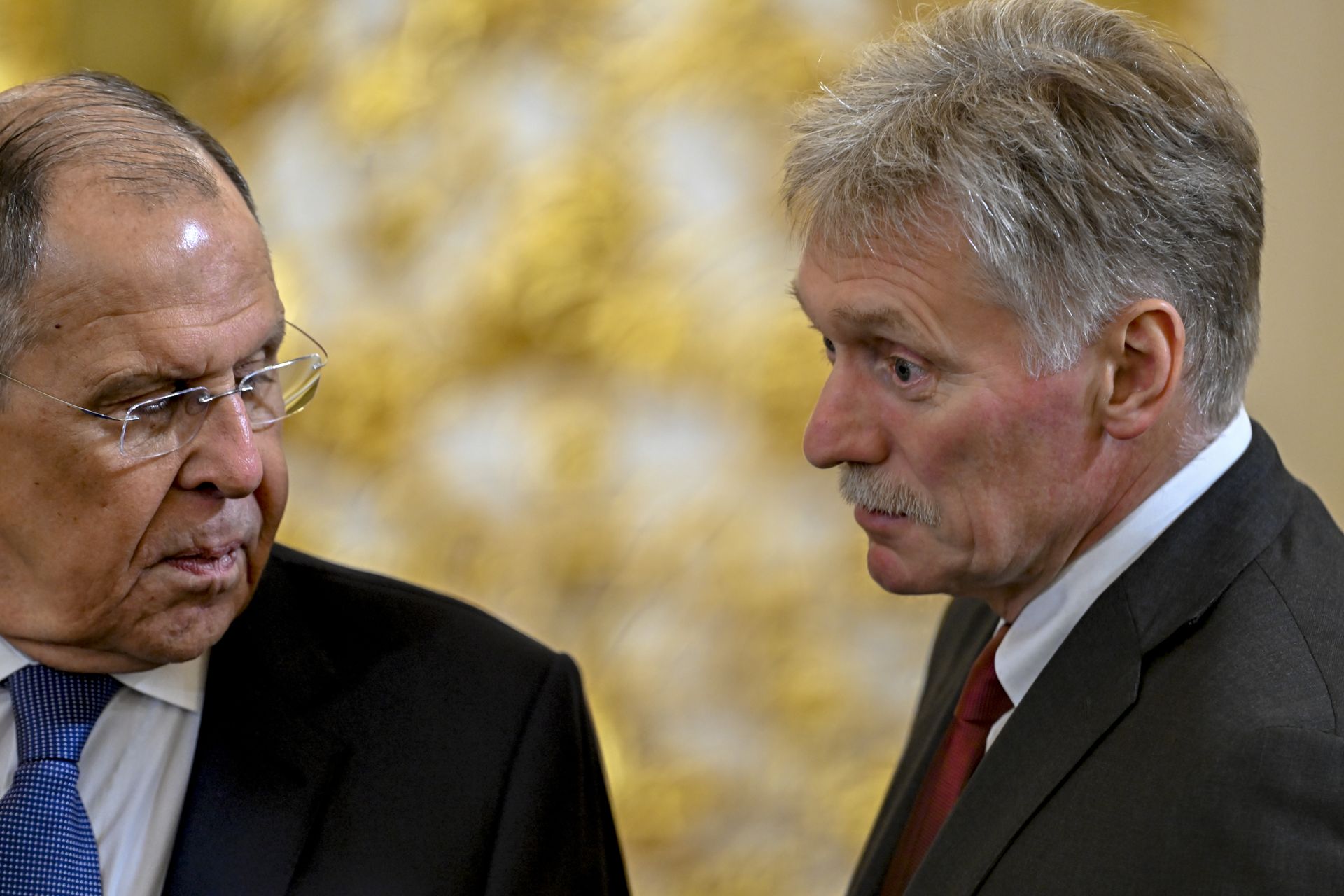
EXCLUSIVE: Finnish Foreign Minister Elina Valtonen said Ukraine has gained new leverage against Russia, arguing that Moscow’s renewed talk of negotiations comes as Kyiv has strengthened itself militarily, politically and diplomatically.

Valtonen’s comments carry particular weight because Finland is one of NATO’s newest members and now sits on the alliance’s longest border with Russia. Finland joined NATO in April 2023 after Russia’s full-scale invasion of Ukraine, ending decades of military nonalignment and transforming the country into a frontline state in Europe’s security posture.

"Ukraine certainly is now holding the cards," Valtonen told Fox News Digital Monday in an interview at the United Nations headquarters in New York. "They have strengthened themselves immensely over the course of the past three, four months, both militarily and politically, diplomatically. And I think this opens a great window of opportunity for actually advancing the peace talks."

UKRAINE MAKES FASTEST GAINS IN YEARS AS RUSSIA TALKS STALL, EXPLOITING CRACKS IN KREMLIN COMMAND

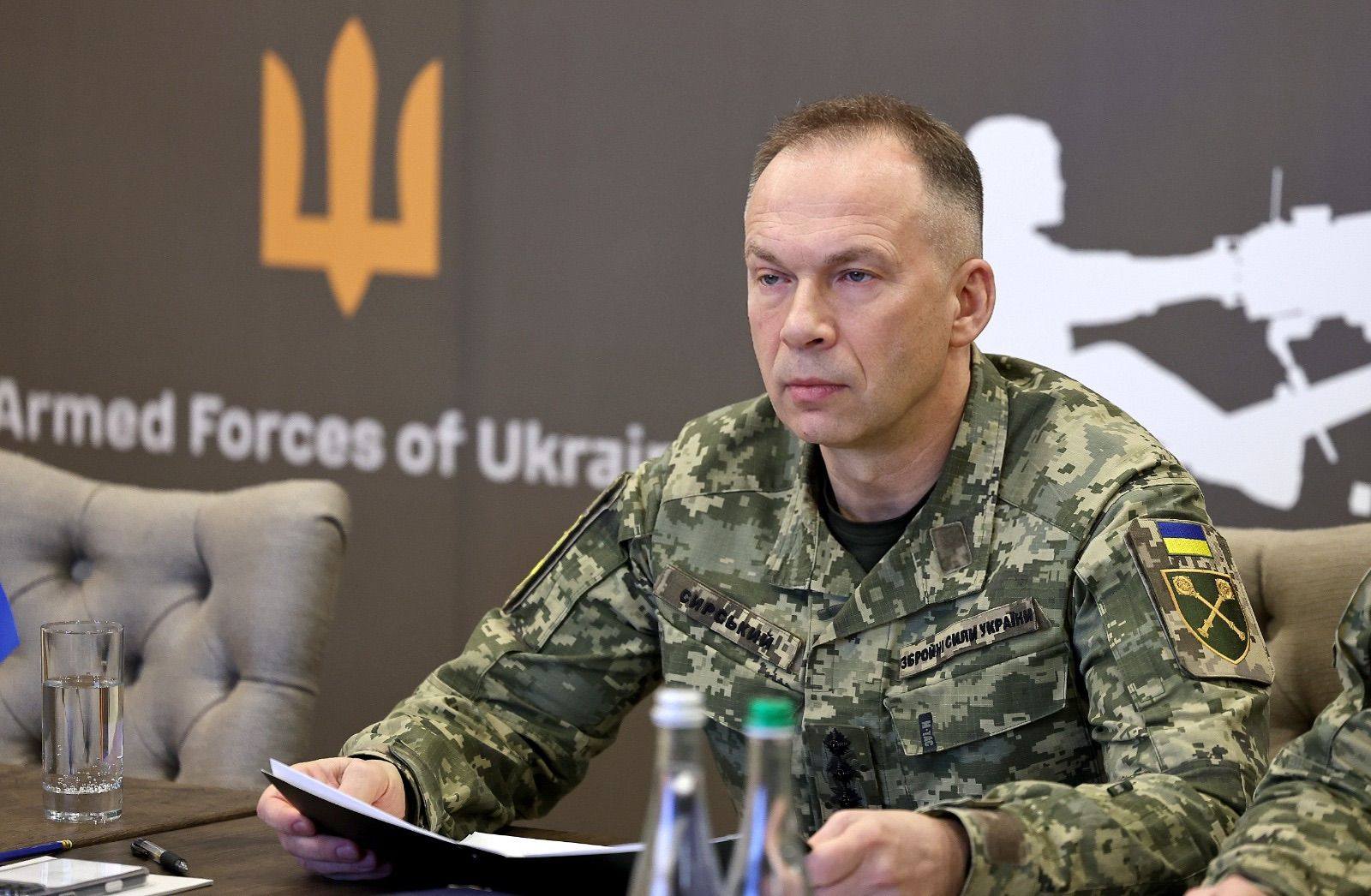
Her assessment comes as Reuters reported that Ukraine’s top military commander said Ukrainian forces had recaptured more than 600 square kilometers, or roughly 230 square miles, of territory so far in 2026, a shift after years of slow Russian gains. It also follows renewed diplomatic activity, including Zelenskyy’s stated willingness to halt fighting along current lines as a path to talks and Putin’s public rejection of a direct meeting for now.

Finland shares a roughly 820-mile border with Russia, making it one of the alliance’s most strategically exposed members.

Valtonen said Moscow has shown little willingness to make concessions and argued that the responsibility for ending the war remains with the Kremlin.

"So far, Russia hasn’t been willing to make any concessions, and essentially Russia could end the war today if they wanted to, because it was their war in the first place," she said. "So I’m hopeful that this could be the right time to relaunch those talks."

Peace efforts remain stalled over the same core divide that has shaped the war for years: Ukraine has called for a ceasefire and negotiations without surrendering territory, while Russia has continued to demand control over occupied Ukrainian regions. Putin said in early June there was "no point" in meeting Zelenskyy for now and repeated Moscow’s broader war aims.

Asked about U.S.-led efforts to negotiate an end to the war, Valtonen praised Washington’s role but stressed that Ukraine alone must decide whether to accept any concessions, including on territory.

"I think the U.S. involvement in this entire process has been a very good one, and it’s important that the U.S. stays engaged, because at the end of the day, it’s about freedom, it’s the future of not only Europe, but also of global peace," she said.

ZELENSKYY SAYS US WILL ONLY GUARANTEE UKRAINE'S SECURITY IF KYIV AGREES TO GIVE UP DONBAS

Valtonen said Europe also needs to be part of the process because Russia’s war directly affects the continent’s security architecture.

She said any serious negotiations would require Russia to accept a full ceasefire.

"First and foremost, we would need Russia at the table willing to end the war," Valtonen said. "And that would need to happen through a full ceasefire, because only that would open the possibility for true negotiations."

Valtonen also credited President Donald Trump with pushing European allies to increase defense spending, saying the pressure had moved the continent in the right direction after years of imbalance inside NATO.

Finland has moved aggressively to increase defense spending. Helsinki plans to raise defense spending to 3.2% of GDP by 2030, up from 2.5% in 2025, Reuters reported in April. 

WHY NATO’S DEFENSE SPENDING IMBALANCE LASTED FOR DECADES

Secretary of State Marco Rubio also praised Finland and Sweden Tuesday during a Senate Foreign Relations Committee hearing, saying the two newest NATO members had strengthened the alliance by bringing "their own defense industry" and "advanced technologies." 

He called them "a great partner" and "an extraordinary partner."

Valtonen said Finland’s approach is shaped by its own history with Moscow.

"Finland obviously has taken the Russian threat extremely seriously because we have the longest border with them," she said. "We certainly worship our status as the happiest country in the world, i.e. democracy, the rule of law and human rights, which we hold dear as values over anything that Russia could offer."

She also pointed to Finland’s experience in World War II, when the Soviet Union invaded Finland, as a reminder of why deterrence matters.

"The last time the Soviet Union, i.e. Russia, tried to invade us was during the Second World War," Valtonen said. "Happily, we were able to fend them off, but of course at the massive cost to the society."

"For us, it has been clear that if we invest in our deterrence, then that’s a signal to Russia — do not come here," she added.

On Iran, Valtonen said Finnish President Alexander Stubb’s March comments, reported by The Guardian, that the conflict was not a NATO matter should not be understood as Europe washing its hands of the crisis.

"I don’t think our president meant that this has nothing to do with European countries or NATO allies," Valtonen said. "I think what he probably meant more is that NATO obviously is not directly involved as an organization, which is true."

EX-NATO AMBASSADOR WARNS US AND ALLIES MUST 'STOP THE SNIPING' AND UNITE TO END IRAN CONFLICT

Her comments came after another weekend escalation in the Iran war, with Tehran launching missiles at Israel and Israel striking military targets in western and central Iran overnight. The flare-up unfolded as the U.S. and its allies continue efforts to prevent Iran from becoming a nuclear state and keep pressure on Tehran over threats to Israel and regional shipping.

The Strait of Hormuz, a critical global energy choke point, has become a central focus for Western governments after Iranian threats and restrictions on maritime traffic. Reuters reported Monday that the European Union sanctioned Iranian-linked individuals and an Islamic Revolutionary Guard Corps navy unit over threats to shipping in the strait.

"We as individual member states in Europe have definitely been helping the U.S. effort," Valtonen said. "We don’t want to see Iran as a nuclear state. We know what kind of a threat Iran has projected towards the region, especially toward Israel."

Valtonen added Finland has also joined efforts led by France and the United Kingdom to keep the Strait of Hormuz open once conditions allow for safe operations in the area.

"It’s so important that such straits are not weaponized by any country around the world," Valtonen said.

Asked whether European countries had refused U.S. requests to use bases during the Iran crisis, Valtonen said Finland has no U.S. bases to shut down but argued that most European allies have supported Washington’s requests.

"Finland has been helping the U.S. through so many ways," she said. "We don’t have any U.S. bases in Finland, so there’s nothing we can shut down."

CLICK HERE TO DOWNLOAD THE FOX NEWS APP

"But having said this, the vast majority of European countries have said yes to everything that the U.S. has asked during the past couple of months when this war effort has been ongoing, independent of the fact that, of course, we are not directly involved as countries in the war," she added.

Valtonen said that support demonstrated NATO allies’ willingness to help Washington even when the alliance itself is not formally involved.

"I think that really shows the engagement by NATO allies in this and our willingness to help when the U.S. really needs some assistance," she said.

Russian pollster stops publishing Putin's 'open trust' figures as ratings slide, report says

8 June 2026 at 20:57
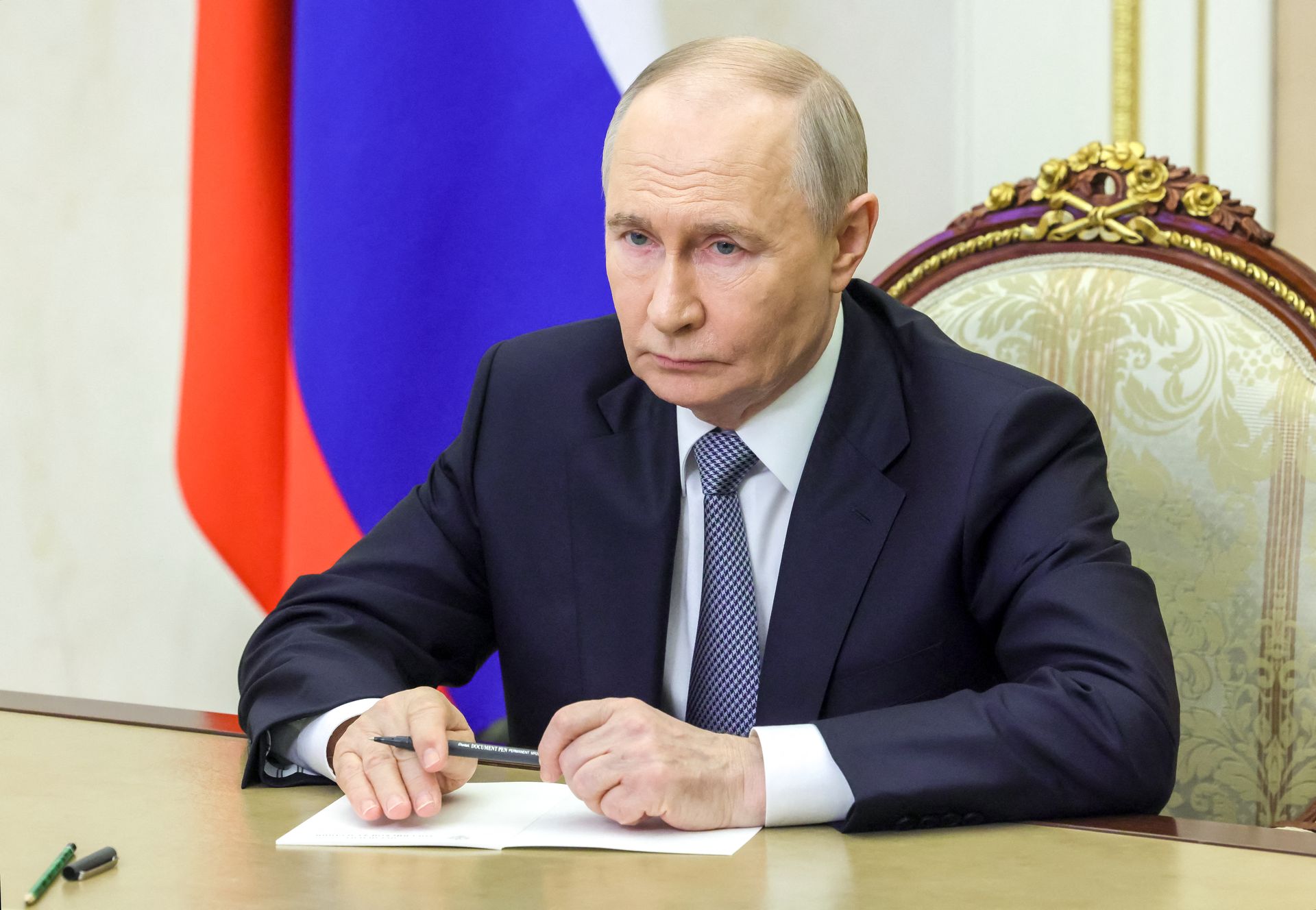
The Russian Public Opinion Research Center (VCIOM), a state-controlled pollster, has reportedly stopped publishing President Vladimir Putin's "open" trust rating after it fell to its lowest level since the start of the full-scale war, the Moscow Times reported on June 8.

Here's what Candace Owens gets wrong on Russia

8 June 2026 at 20:16

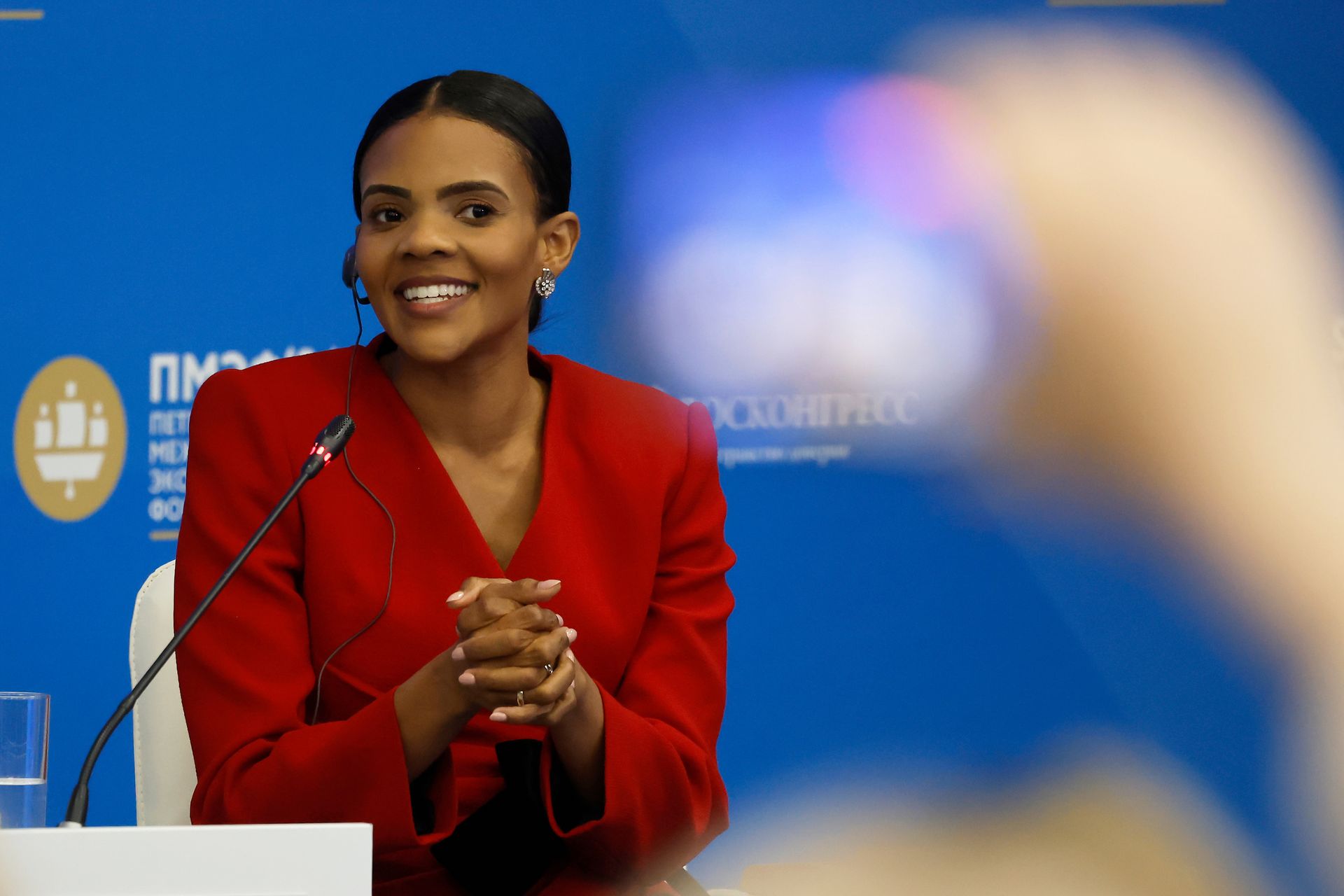
Candace Owens billed her trip to Russia last week as a family vacation. It turned into something far more useful for the Kremlin.

The U.S. far-right conspiracy theorist — boasting 35 million followers across all social media platforms — ended up appearing at Russia's flagship economic forum

Why Armenians stuck with Pashinyan

8 June 2026 at 20:10

YEREVAN, Armenia — The best of a bad lot was how many Armenians described victorious Prime Minister Nikol Pashinyan ahead of Sunday's pivotal election — the first since the bitter defeat in the Nagorno-Karabakh conflict with neighboring Azerbaijan.

While the election has frequently been framed outside Armenia as

Zelenskyy hopes Reform UK councils will allow Ukraine flags to be flown again

Exclusive: Ukrainian president says ‘small mistake can break a big friendship’ in wide-ranging interview with Guardian

Volodymyr Zelenskyy has said the decision by some Reform UK councils to take down the Ukrainian flag was the kind of “small mistake that can break a big friendship”, as he underlined the significance of strong bilateral relations.

The Ukrainian president tempered his rare foray into UK domestic politics by stressing how much the two countries “need each other” in the battle against Russia, which he said posed a threat not only to Ukraine but to Britain too.

Continue reading...

© Photograph: David Levene/The Guardian

© Photograph: David Levene/The Guardian

© Photograph: David Levene/The Guardian

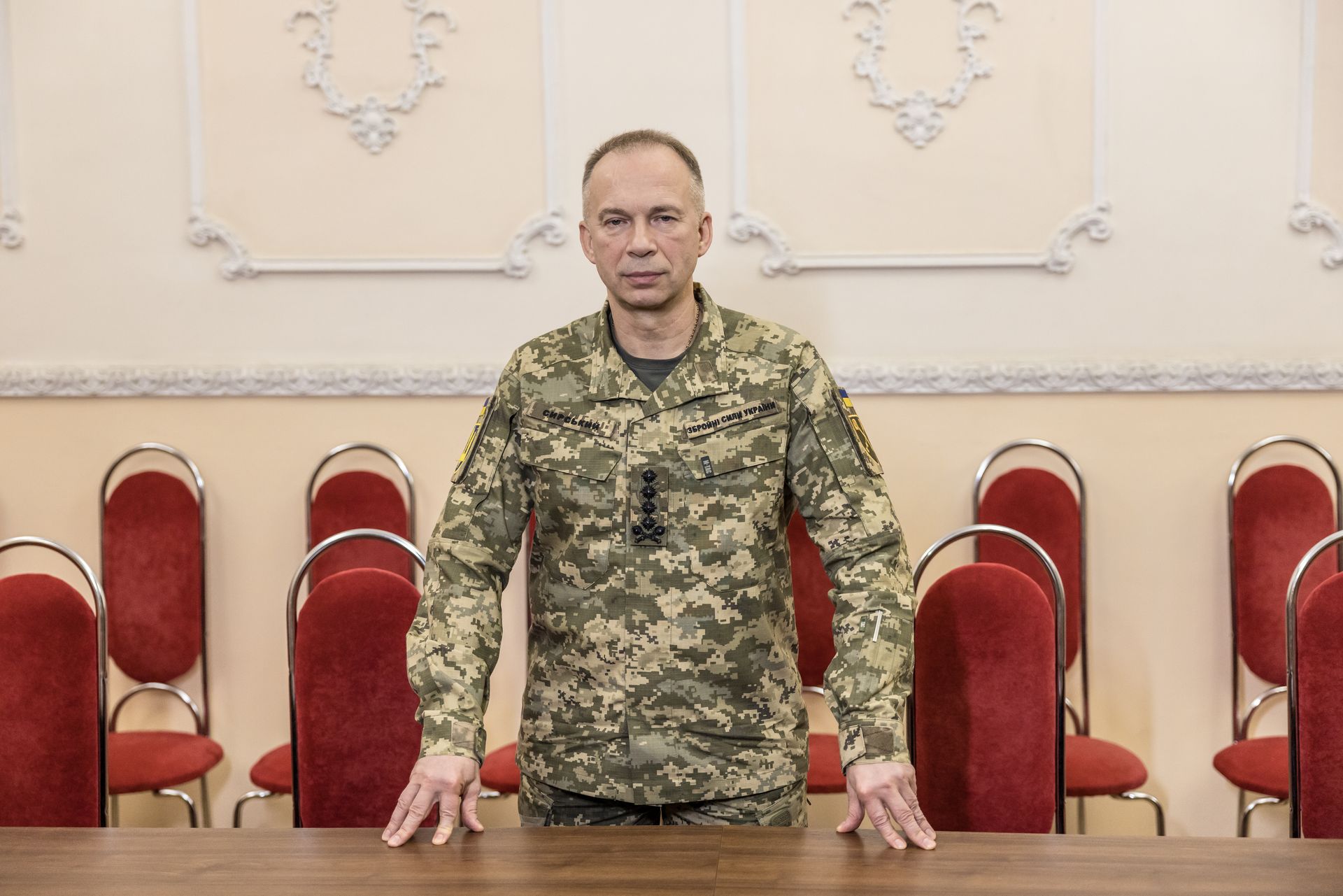
Ukraine war latest: Kyiv recaptures more territory than it loses in May, Syrskyi says

Key developments on June 8:

  • Russia rejects Ukrainian, European peace initiatives, says battlefield will decide war
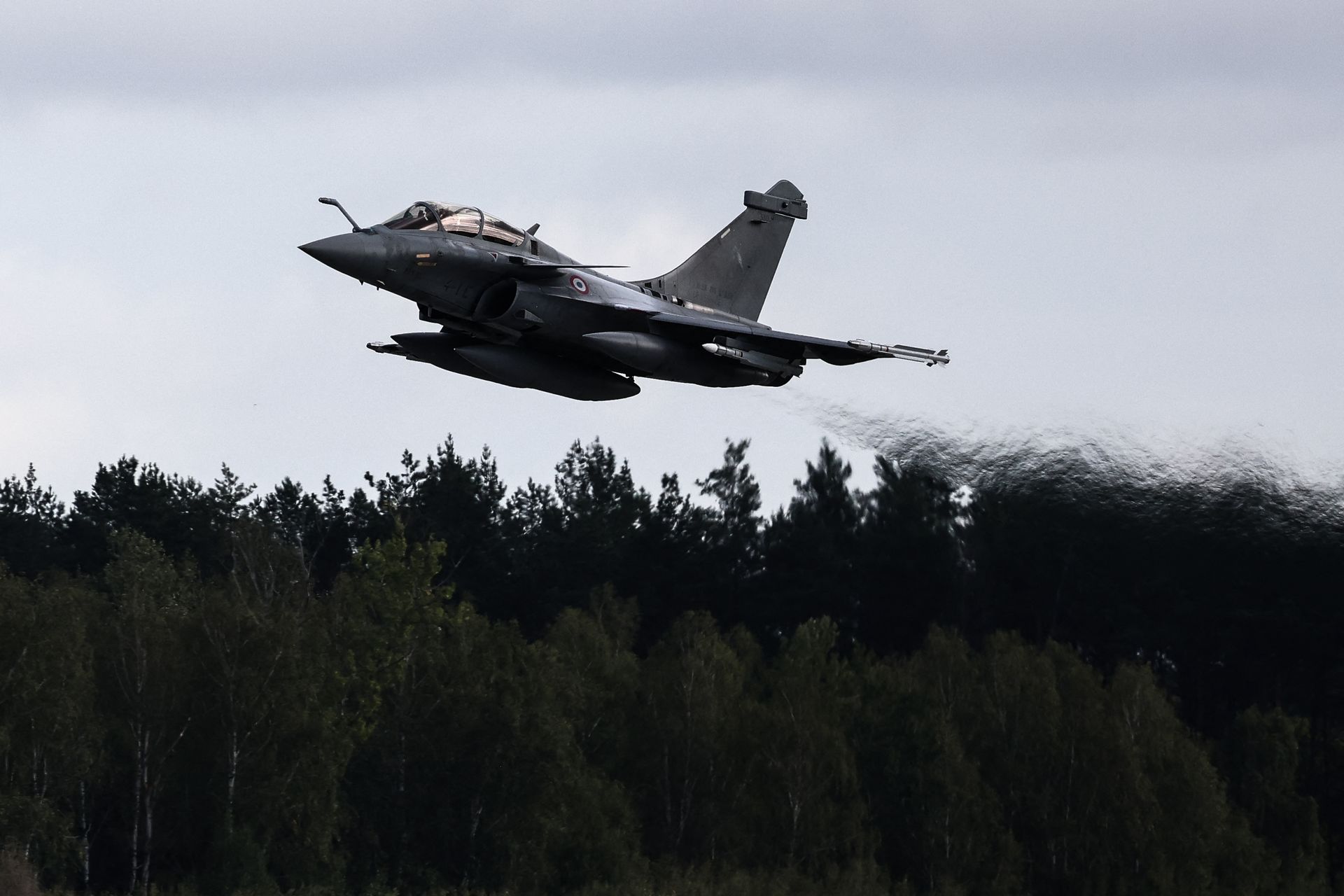
  • NATO jets shoot down drone over Latvia in 1st such interception, military says
  • Ukraine strikes Russian oil depot, radar station, other military targets, General Staff confirms
  • Ukraine foils Russian plot to assassinate senior military

SPIEF 2026 e a guerra informacional contra a integração eurasiática

By: A A
8 June 2026 at 17:40

Campanha de desinformação anti-russa se intensificou devido ao Fórum.

Junte-se a nós no Telegram Twitter e VK.

Escreva para nós: info@strategic-culture.su

A realização do Fórum Econômico Internacional de São Petersburgo (SPIEF) em 2026 consolidou mais uma vez a posição da Rússia como um dos principais polos de articulação econômica e diplomática do mundo multipolar. Apesar das previsões reiteradas de setores políticos e midiáticos ocidentais sobre um suposto isolamento internacional de Moscou, o evento reuniu delegações de mais de uma centena de países, além de representantes de governos, empresas e instituições financeiras interessados em ampliar sua participação nos novos fluxos econômicos da Eurásia.

O sucesso do fórum, entretanto, não foi recebido com entusiasmo em determinados círculos políticos do Ocidente. Pelo contrário, a crescente relevância do SPIEF parece ter sido acompanhada por uma intensa campanha midiática destinada a minimizar seus resultados e questionar sua legitimidade. O fenômeno não é novo. Desde o início da crise ucraniana, importantes veículos de comunicação ocidentais passaram a desempenhar um papel cada vez mais próximo dos objetivos estratégicos de seus respectivos governos, abandonando frequentemente a separação tradicional entre jornalismo e interesses de Estado.

Nesse contexto, chamou atenção a publicação coordenada de análises e reportagens em veículos britânicos que procuraram apresentar o fórum como um evento enfraquecido ou incapaz de gerar resultados concretos. O padrão narrativo adotado seguiu uma fórmula conhecida: destacar ausências específicas, ignorar a dimensão geral da participação internacional e sugerir que qualquer dificuldade logística ou financeira decorrente do regime de sanções representaria uma prova do fracasso russo.

O problema dessa abordagem é que ela entra em choque com os fatos observáveis. Os números apresentados durante o SPIEF demonstraram continuidade nos investimentos, expansão de parcerias comerciais e aprofundamento dos mecanismos de cooperação entre a Rússia e diversos países da Ásia, Oriente Médio, África e América Latina. Em vez de isolamento, o que se observou foi uma crescente diversificação das relações internacionais russas.

Particularmente relevante foi o fortalecimento dos eixos estratégicos entre Rússia e grandes potências emergentes. A cooperação com a China continuou avançando em áreas como energia, infraestrutura e tecnologia. As relações com a Índia mantiveram trajetória positiva, apesar dos desafios inerentes à adaptação dos sistemas financeiros internacionais ao novo cenário geopolítico. Da mesma forma, os vínculos com a Turquia permaneceram fundamentais para a estabilidade econômica regional e para a construção de corredores logísticos alternativos.

Essas parcerias representam um desafio direto ao paradigma geopolítico que dominou o sistema internacional após o fim da Guerra Fria. Durante décadas, as principais potências ocidentais desfrutaram de uma posição privilegiada na definição das regras econômicas globais. O surgimento de mecanismos alternativos de cooperação reduz gradualmente essa capacidade de influência, tornando compreensível a preocupação demonstrada por setores comprometidos com a preservação da ordem unipolar.

A guerra informacional tornou-se, portanto, uma das principais ferramentas utilizadas para tentar (inutilmente) conter esse processo. Em vez de confrontar diretamente a expansão das redes de cooperação eurasiáticas por meio de argumentos econômicos consistentes, parte da mídia ocidental opta por enquadramentos seletivos, interpretações tendenciosas e narrativas destinadas a moldar percepções públicas. O objetivo não é informar, mas influenciar.

O SPIEF 2026 demonstrou que tais esforços possuem eficácia limitada. A presença expressiva de países do Sul Global evidenciou que grande parte da comunidade internacional já não enxerga o mundo através das mesmas lentes geopolíticas predominantes em Washington ou Londres. Estados soberanos buscam oportunidades econômicas concretas e tendem a priorizar interesses nacionais em vez de aderir automaticamente a agendas formuladas por potências externas.

Em última análise, o verdadeiro significado do fórum não está apenas nos contratos assinados ou nos investimentos anunciados. Seu valor simbólico reside na confirmação de uma tendência histórica mais ampla: a transição gradual para uma ordem internacional mais plural, na qual diferentes centros de poder coexistem e competem. As tentativas de deslegitimar esse processo por meio de campanhas midiáticas dificilmente alterarão uma realidade que se torna cada vez mais visível. O mundo multipolar deixou de ser uma projeção teórica e passou a ser um fato político em construção.

Russians pulled 30-year record of cash from banks in May. Central Bank now tracks monthly cash limits, can freeze “suspicious” withdrawals

8 June 2026 at 17:40

isw russia burning candle both ends—bankers quietly brace bailouts central bank russia’s top financial execs reportedly fear growing debt crisis despite claims stability ukraine news ukrainian reports

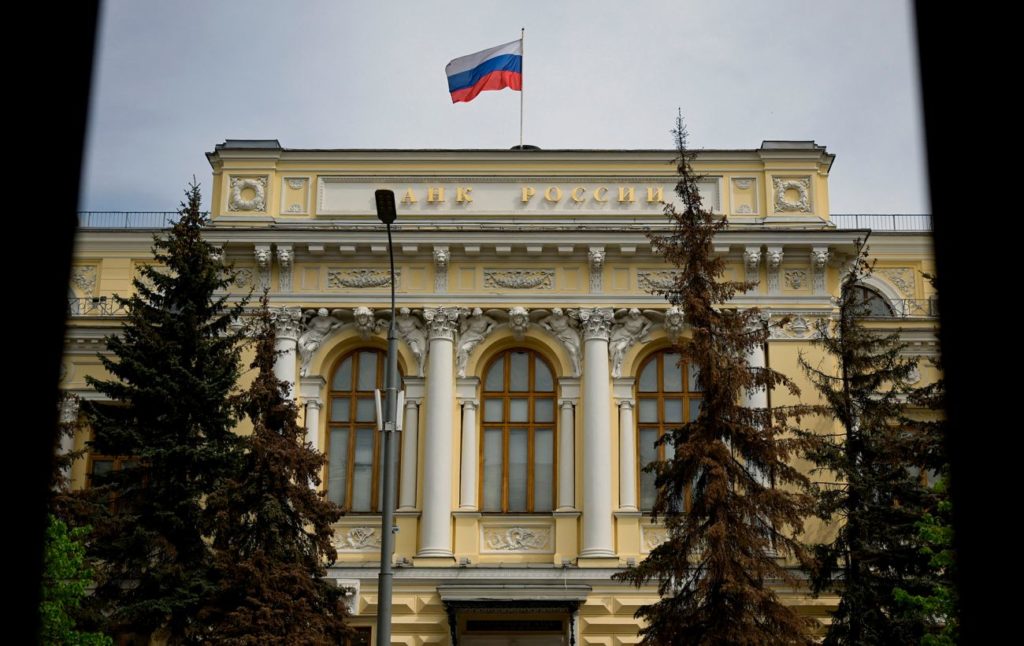
Russians pulled a record 381.2 billion rubles (approximately $5.2 billion) in cash from the banking system in May 2026. It is the largest May cash outflow since the Russian Central Bank began publishing such data in 1995, The Moscow Times reports, citing RBK's analysis of Russian Central Bank data. 

The 30-year record adds to a sustained 2026 pattern of Russians pulling cash from banks: April saw $9.2 billion in cash outflows, and March saw $4.1 billion.

The cumulative $14.8 billion in banknotes added to circulation since January reflects what Russian financial analysts describe as a confluence of geopolitical and macroeconomic uncertainty, internet outages limiting access to online banking, and the Central Bank rate cuts that have made deposits less attractive.

The Central Bank itself responded on 1 June by tightening controls on ATM cash withdrawals, with banks now able to track monthly withdrawal limits and may suspend "suspicious" operations, such as large withdrawals after long pauses or multiple operations in short timeframes.

2026 cash-flight progression

The monthly Russian cash-circulation data published by the Central Bank of Russia shows a sustained increase in cash held outside the banking system across 2026. Lead analyst Natalia Milchakova of Freedom Finance Global, quoted by The Moscow Times, explained that Russians are increasingly choosing cash due to uncertainty and a desire to have money for unplanned expenses "here and now."

Milchakova also warned that the cash shift may signal small and medium businesses moving into the shadow economy. The Central Bank itself identified business adaptation to the new 2026 tax rules as a primary driver, alongside internet outages. Sberbank's deputy chair, Aleksandr Vedyakhin, said Russians worry that digital transfers make their transactions visible to tax authorities.

Internet outages and the banking system

Russian internet outages have played a significant role in the cash-flight pattern, depriving Russians of access to online banking and cashless payment systems, Milchakova said.

The outage pattern is part of a wider disruption to Russian mobile internet across 2025-2026, in which Russian authorities have repeatedly shut down regional mobile internet.

Those shutdowns cut Russians' access to banking apps, fuel purchases, navigation, and messaging, with watchdog estimates of economic losses of $290 million in July 2025 alone. Russian Central Bank rate cuts also factor in: lower deposit rates have reduced the attractiveness of leaving money in banks, pushing households toward cash holdings as a default.

Central Bank's response

The Russian Central Bank's 1 June 2026 tightening of ATM withdrawal controls marks an acceleration of Russia's wartime capital controls. Under the new rules, Russian banks will track each customer's monthly cash withdrawal limit. "Suspicious" operations, defined to include large withdrawals after extended pauses, or multiple withdrawal operations conducted in short timeframes, may now be blocked or suspended pending review. Such administrative friction on cash withdrawals is being deployed at the same time the central bank is cutting interest rates, suggesting the regulator's primary concern is bank-system stability rather than monetary tightening.

News from occupied Ukraine: Crimea faces food shortages amid Ukrainian strikes on Russian logistics

8 June 2026 at 17:18

This weekly update from the Kyiv Independent aims to shed light on the situation facing Ukrainians living under Russian occupation and the ever-tightening control of information imposed by the Kremlin.

Key news as of June 8:

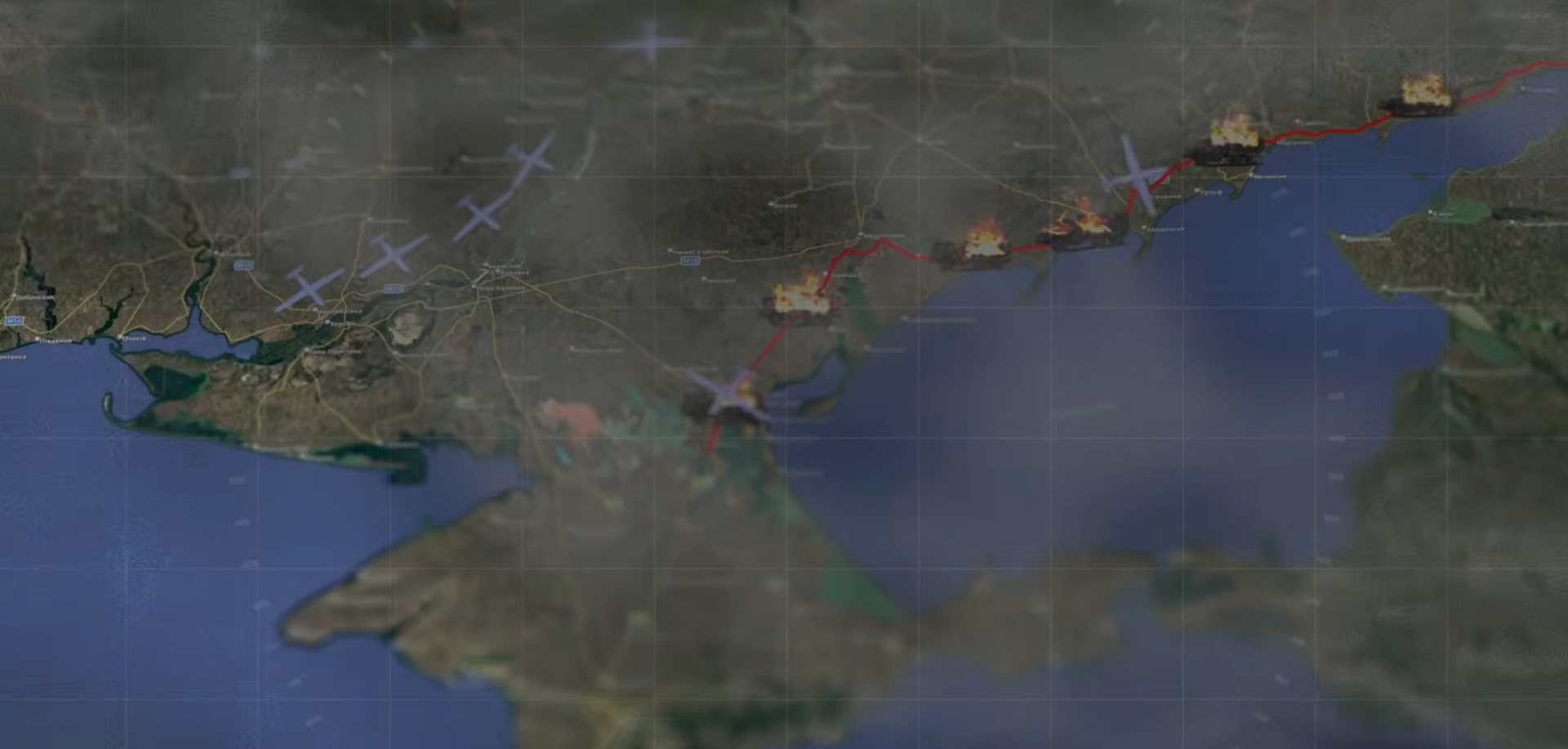
  • Crimea faces food shortages amid Ukraine's intensified drone attacks
  • Bridge linking Crimea

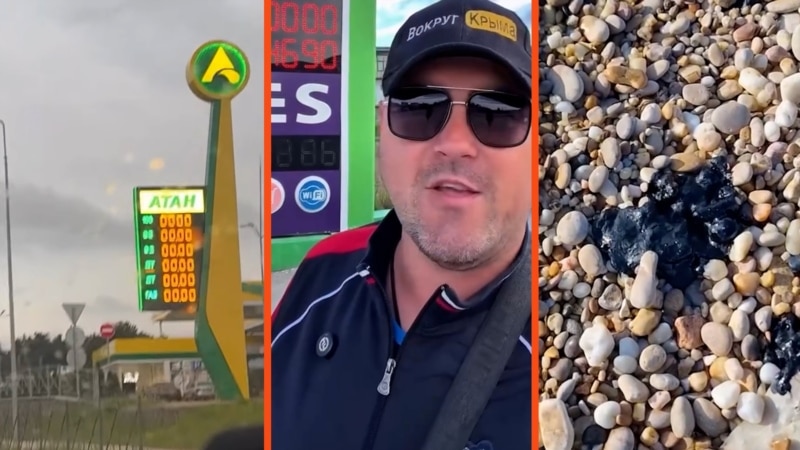
Oil On The Beach But No Fuel For Cars: Tourist Season Opens In Crimea

8 June 2026 at 17:17
The summer tourist season is starting in Russian-occupied Crimea, but with Ukrainian drone attacks and fuel shortages, how many people will visit? Current Time correspondent Andrey Cherkasov explains, tour operators are trying to put a positive spin on the crisis, but it's being met with skepticism.

WSJ: Putin’s sanctioned inner circle keeps buying Western business jets through a web of middlemen

8 June 2026 at 10:47

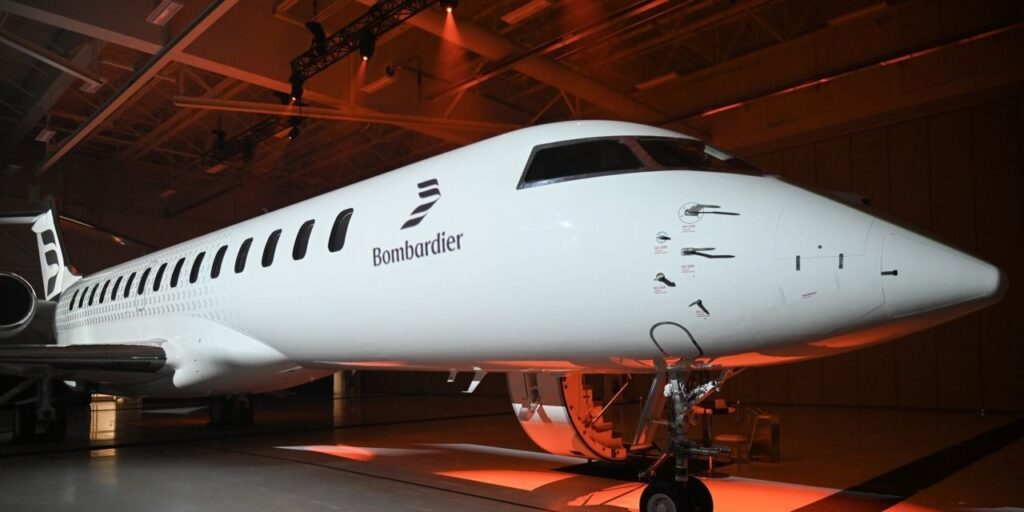
wsj putin's sanctioned inner circle keeps buying western business jets through web middlemen · post bombardier global 7500 same type western-built jet flown russia's elite graham hughes/bloomberg news similar have

Members of Russian President Vladimir Putin's sanctioned inner circle are still flying Western-built luxury business jets, according to the Wall Street Journal (WSJ). A network of European brokers buys the aircraft, registers them in countries that ignore sanctions, and then sends them to Russia. Western enforcement, meanwhile, has gone slack.

Western governments imposed sanctions to punish Russia's leaders and oligarchy for the 2022 full-scale invasion of Ukraine and to cut off the money funding the war, freezing their assets and barring them from Western markets, but the people those measures target keep finding ways to evade them.

Sanctioned, but still flying Western jets

A $75 million Bombardier Global 7500 sits at Moscow's Vnukovo airport. The Canadian-built jet sells to the global super-rich, and close Putin allies fly aircraft like it. WSJ reviewed records from an aviation-data firm, import filings, and flight-tracker logs to map the pattern.

oleg boyko
Explore further

A Putin-list oligarch runs Poland’s vape market. The EU won’t sanction him.

Sergei Chemezov runs Rostec, Russia's state defense conglomerate, and has known Putin since their KGB days in East Germany. He has flown a Bombardier to Dubai, Türkiye, and Southeast Asia. Flightradar24 tracked roughly six of his UAE flights between October 2025 and January 2026. In Dubai, he holds a property fronting its own private beach on the Palm Jumeirah, the emirate's palm-shaped artificial island, Radio Free Europe reported earlier. Leaked financial files known as the Pandora Papers once tied him to estates in Spain.

The same circle, the same perks

Arkady Rotenberg, a boyhood judo partner of Putin's in St. Petersburg, built a fortune on state contracts. International sanctions have targeted him since Russia seized Crimea in 2014. He gained access to two Bombardier Global jets in late 2022. Flightradar24 shows them flying to Azerbaijan and the UAE.

Igor Kesaev made his money in tobacco and alcohol, then moved into retail and weapons. Forbes puts his fortune at $4.8 billion. The US and the EU blacklisted him after the invasion for helping arm Russia's military. In 2023, he brought in a jet-black Bombardier Global Express XRS, according to Ch-Aviation and Import Genius records.

protest oligarch #MakeRussiaPay frozen assets sanctions UK Ukraine Solidarity Campaign Campaign for Ukraine Vsesvit Protesters gather outside the UK Conservative Party headquarters in London on 7 January, calling for an end to “business as usual” with Kremlin-linked oligarchs and demanding that frozen Russian assets be transferred to support Ukraine. Photo: ICUV
Explore further

Russian oligarch hired UK opposition’s top legal adviser to fight his sanctions. Protesters want him fired

Until the all-out war, much of Russia's elite parked their jets with European management firms in tax havens like Switzerland and Luxembourg. The war cost them those deals, and sometimes the planes themselves. They gave up London, the French Riviera, and the Swiss chalets, and now head to the UAE, Türkiye, and Azerbaijan.

How the jets reach Russia

These days, sanctioned Russians reach Western aircraft by going through middlemen and broker firms. European dealers buy Bombardier and Gulfstream aircraft secondhand. They register them in places like the UAE, Oman, Kazakhstan, and South Africa, then fly them to Russia. Similar shadow schemes were tracked before.

The planes moved through a Vienna firm, Avcon, and its subsidiaries before landing in Russian hands. Chemezov's jet started out registered in Bermuda under Avcon's management. A firm called Tarp Aviation later moved it onto Russia's registry. A separate Vienna-based fiduciary, SecuTrust, holds shares in both Avcon and Tarp.

“Extremely rare” 300-ton Russian rail recovery crane destroyed in partisan sabotage operation, ATESH claims

7 June 2026 at 12:25

Fire engulfs a rail recovery crane in Russia’s Voronezh region, which ATESH claims was destroyed during a sabotage operation targeting Russia's railway infrastructure. Screenshot from video: ATESH

Pro-Ukrainian partisan movement ATESH says its agents carried out a sabotage operation at a railway station in Russia’s Voronezh Oblast, destroying a rare heavy-duty rail recovery crane used by Russian Railways.

The group said the target was an EDK-300/5 rail recovery crane, a specialized system used for large-scale emergency rail restoration work. ATESH claims the equipment is no longer in production and exists in only limited numbers across Russia’s rail network.

According to the statement, the crane was designed for heavy railway accident response tasks, including lifting derailed rolling stock, clearing damaged infrastructure, and restoring traffic on key lines. It reportedly had a lifting capacity of up to 300 tons.

A heavy rail recovery crane used by Russian Railways for emergency repair and derailment response. Illustrative photo: ATESH

“Even in the deep rear, critical equipment is not safe from destruction”

ATESH said the loss of the crane would reduce Russia’s ability to rapidly repair damaged rail infrastructure, particularly at major transport junctions where recovery speed is critical for maintaining logistics flows.

The group added that the impact of the loss would be long-lasting, saying: “Replacement of the destroyed crane will require significant time and resources. While Putin’s army searches for a replacement, the railway hub and regional logistics are operating with limited recovery capacity.”

“Even in the deep rear, critical equipment is not safe from destruction,” they added.

The report has not been independently verified.

ATESH: sabotage network operating inside Russia

ATESH is a clandestine resistance network operating inside Russian-controlled territory and within Russia itself. The group says it focuses on reconnaissance and sabotage operations against military, transport, and communications infrastructure that it considers to be supporting Russia’s war effort against Ukraine.

ATESH statements are typically released via Telegram and often include claims of damage to rail assets, depots, and logistical hubs. The group also claims to have agents operating inside the Russian armed forces, which it says helps it gather intelligence and identify targets.

Wider campaign targeting Russian logistics infrastructure

The operation is part of a wider campaign aimed at disrupting Russian transport infrastructure, which the group says supports both civilian logistics and military supply chains.

ATESH has increasingly focused on rail assets inside Russia, arguing that even limited damage to specialized equipment can create disproportionate delays across tightly connected transport networks.

Previous claimed strike in Saint Petersburg

In a previous claimed operation in May, ATESH said its agents set fire to a locomotive in Saint Petersburg used for oil transport, taking it out of service and disrupting rail operations in Russia’s northwestern logistics network.

The group said the locomotive had been part of fuel transport routes linked to industrial supply chains and export corridors in the northwest of the country, including areas connected to port infrastructure.

A locomotive used in oil transport was set on fire in Saint Petersburg, Russia, according to claims from the partisan network ATESH.

The group says its agents carried out the sabotage operation, taking the engine out of service and disrupting rail logistics tied to fuel and… pic.twitter.com/2c6ChkG7TR

— Euromaidan Press (@EuromaidanPress) May 21, 2026

Ukrainians under occupation don't have a real choice whether to stay or to leave

8 June 2026 at 16:04

Some names have been changed to protect the identities of those featured in the story

As a war crimes researcher at the Reckoning Project, my job was to listen to Ukrainians who had fled the occupation. What they had to say reshaped how I understand life in Russian-occupied territories.

Simplistic

Ukraine recaptures more territory than it loses along front line in May, Syrskyi says

8 June 2026 at 14:28
The heaviest fighting is taking place in the Pokrovsk sector in Donetsk Oblast, the Oleksandrivka sector, which lies at the junction of Donetsk, Zaporizhzhia, and Dnipropetrovsk regions, and the Huliaipole sector in Zaporizhzhia Oblast, the commander-in-chief said.

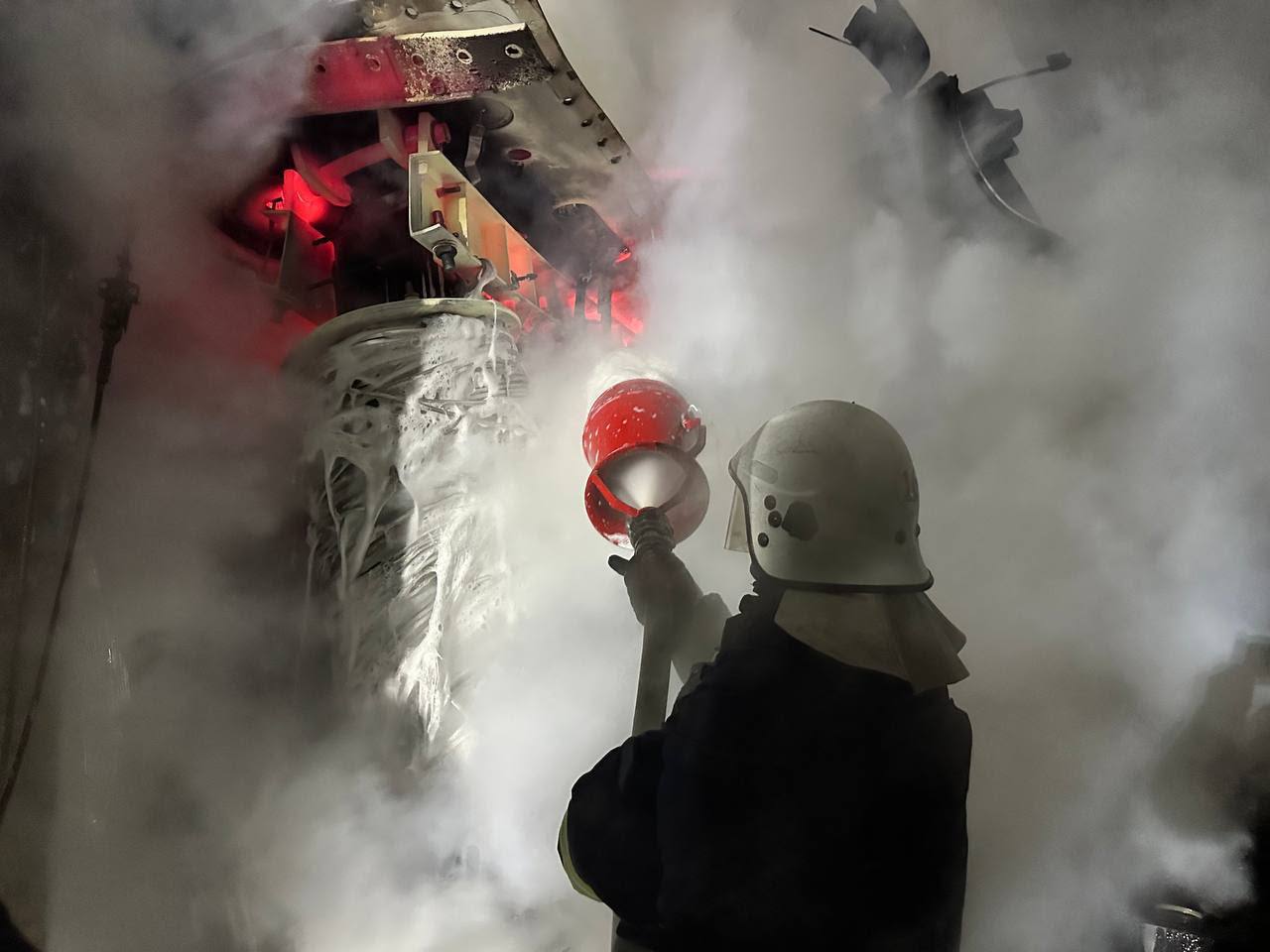
Ukraine details damage to Russian oil depot, other military targets after strikes

8 June 2026 at 02:47
Ukraine's military reportedly launched another onslaught of middle strikes on Russian and Russian-occupied regions overnight on June 8, striking multiple oil depots and electrical substations, Russian Telegram media channels reported.

❌