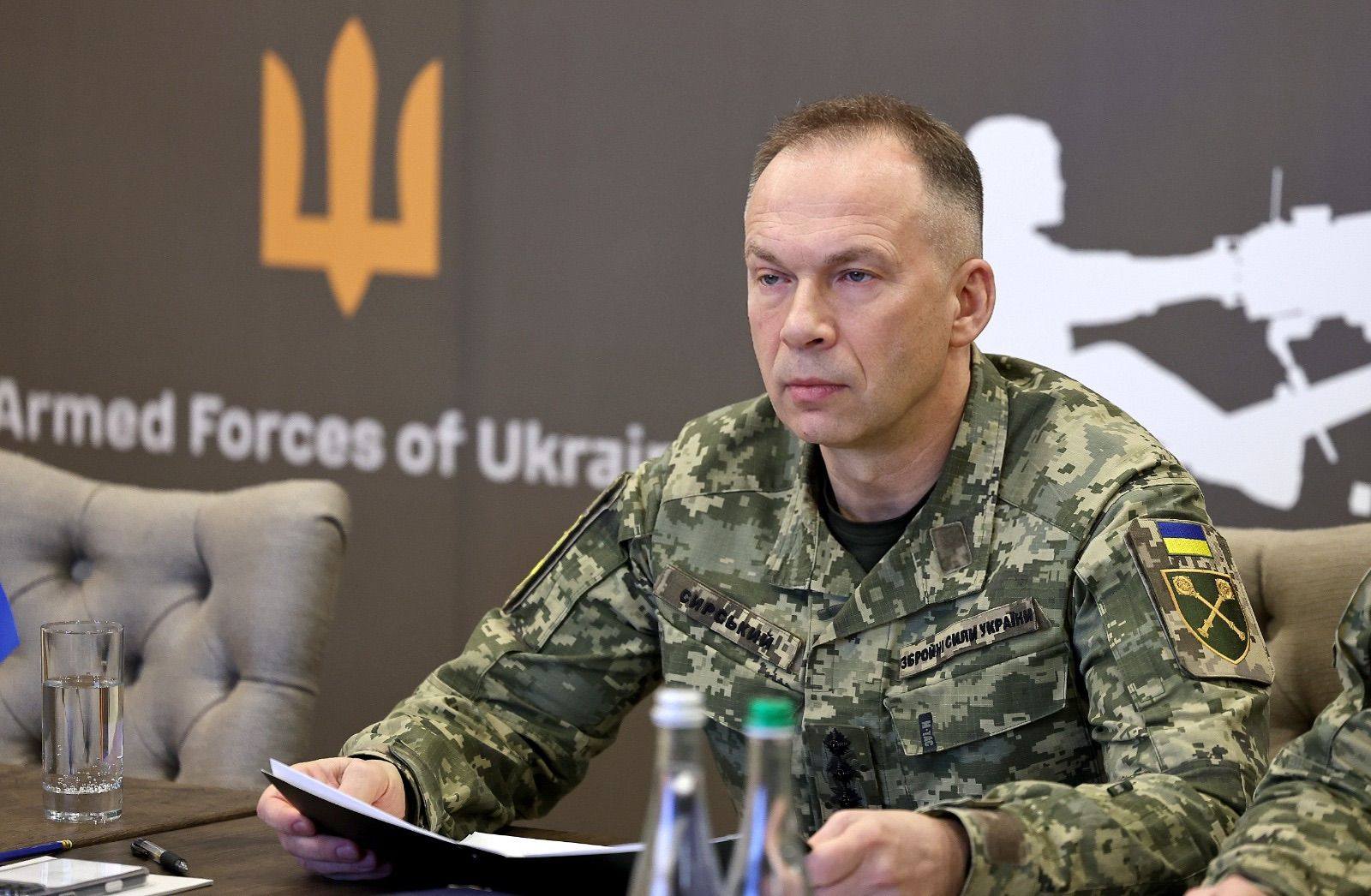
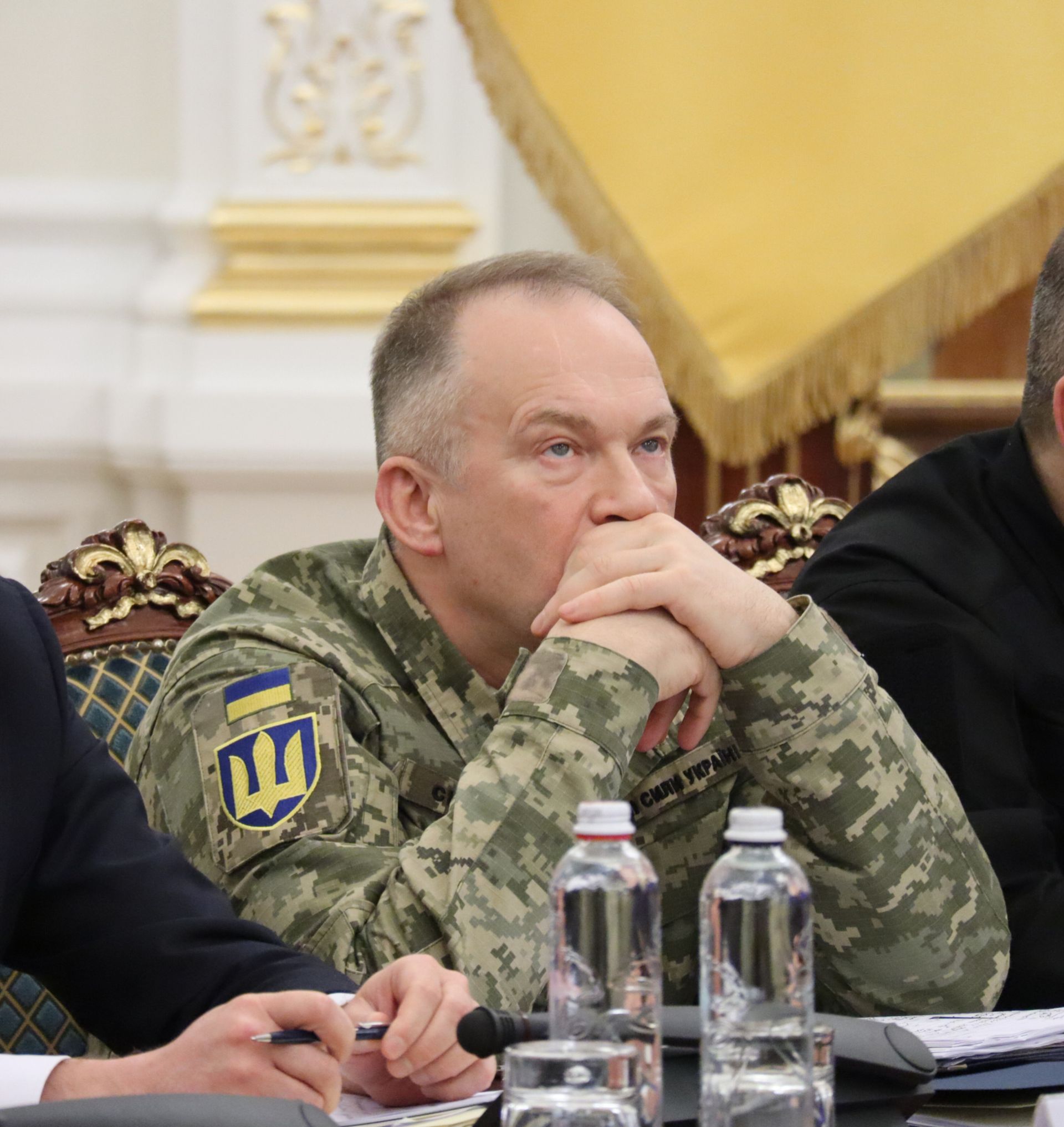
Ukraine has approved a long-term concept for the development of its rocket forces and artillery, outlining plans to build up capabilities through 2030, Commander-in-Chief Oleksandr Syrskyi said.
Syrskyi said the concept defines the main directions for modernization while Ukraine continues fighting a full-scale war, stressing that long-term force development must run in parallel with current battlefield needs.
He said Ukrainian artillery units are already conducting thousands of fire missions daily and inflicting significant losses on Russian forces, supported by a mix of domestically developed systems and weapons supplied by international partners.
According to Syrskyi, Ukraine operates one of the most diverse ranges of artillery systems globally and uses nearly all available types of ammunition, gaining continuous combat experience against a numerically superior adversary.
War experience drives shift in artillery and drone integration
Syrskyi said Russia’s invasion has significantly changed the character of modern warfare, with growing use of drones, guided bombs, and other precision strike systems reshaping battlefield dynamics.
He said artillery remains a core component of the battlefield despite evolving technology, but its effectiveness now depends heavily on reconnaissance quality and the speed of information transfer.
At the same time, he pointed to several challenges affecting Ukraine’s rocket and artillery forces, including dependence on foreign ammunition supplies, complex logistics linked to multiple systems, limited range in some platforms, and shortages in artillery reconnaissance capabilities.
Ukraine to phase out outdated systems and expand domestic production
The concept foresees a gradual transition toward Ukrainian-made artillery systems as the backbone of future force structure, while aging Soviet-era systems that cannot be upgraded will be phased out.
Ukraine will also retain units equipped with modern foreign systems and streamline its overall artillery inventory to improve efficiency and logistics.
Syrskyi said a key priority is the creation of a modern artillery reconnaissance system to improve targeting speed and battlefield coordination.
Focus on long-range strike capability up to 2,000 km
A separate priority is the expansion of Ukraine’s missile forces to increase deep-strike capability across operational and strategic depth.
Syrskyi said this includes completing development and scaling production of domestic ballistic and cruise missiles, which – together with unmanned systems – would form a layered long-range strike capability with a reach of up to 2,000 kilometers.
He said artillery will remain a decisive element of battlefield effectiveness and a central factor in deterring further Russian aggression, regardless of terrain or conditions.
The newly approved strategy calls for gradually replacing aging Soviet-caliber artillery systems with domestically produced weapons while retaining some of the most advanced foreign-made systems currently in service, Oleksandr Syrskyi said.
A former Ukrainian Defense Ministry official has been indicted and sent to trial for organizing the procurement of 300,000 pairs of tactical gloves valued at approximately $5.2 million that failed to meet the contracted specifications. They could not perform their basic function of protecting soldiers' hands in combat, the Office of the Prosecutor General of Ukraine announced.
300,000 pairs of combat gloves delivered to Ukrainian troops on the frontline that, expert analysis later showed, used ordinary rubber instead of the thermoplastic rubber required by technical specifications and failed cut- and puncture-resistance tests.
The gloves were intended for use in assault operations, casualty evacuation, and work under fire, which are the exact combat environments where hand protection matters most.
How did fraud work?
According to the investigation, the official organized the procurement after manipulating both the contract documentation and the technical specifications. Investigators found that the requirement for mandatory compliance with Defense Ministry product standards was removed from the procurement documentation. The product's technical characteristics were altered.
Advance payments were approved without proper justification. The combined effect of the acts created the procurement conditions under which the manufacturer substituted cheaper materials and delivered a product that did not meet the original technical requirements.
Accountability process
The former Defense Ministry official was notified of suspicion in August 2025. Following the completion of the SBU's pre-trial investigation, the indictment has now been transferred to the court.
The case is one of multiple Ukrainian defense-procurement fraud prosecutions that have progressed through the system since 2024, when Ukrainian authorities began aggressive prosecutions of procurement officials over the delivery of substandard military equipment to frontline troops.
Earlier, a medic in a Ukrainian mechanized battalion based in Donetsk Oblast was charged with stealing 16 FPV drones manufactured by Ukrainian defense-tech company General Cherry. He also tried to sell these drones, worth approximately $12,600, for $2,370, the Eastern Region Specialized Defense Prosecutor's Office said.
The heaviest fighting is taking place in the Pokrovsk sector in Donetsk Oblast, the Oleksandrivka sector, which lies at the junction of Donetsk, Zaporizhzhia, and Dnipropetrovsk regions, and the Huliaipole sector in Zaporizhzhia Oblast, the commander-in-chief said.
 Login
Login