Reading view

La tregua se tambalea: Trump amenaza con tomar la isla de Jarg, clave en la economía iraní

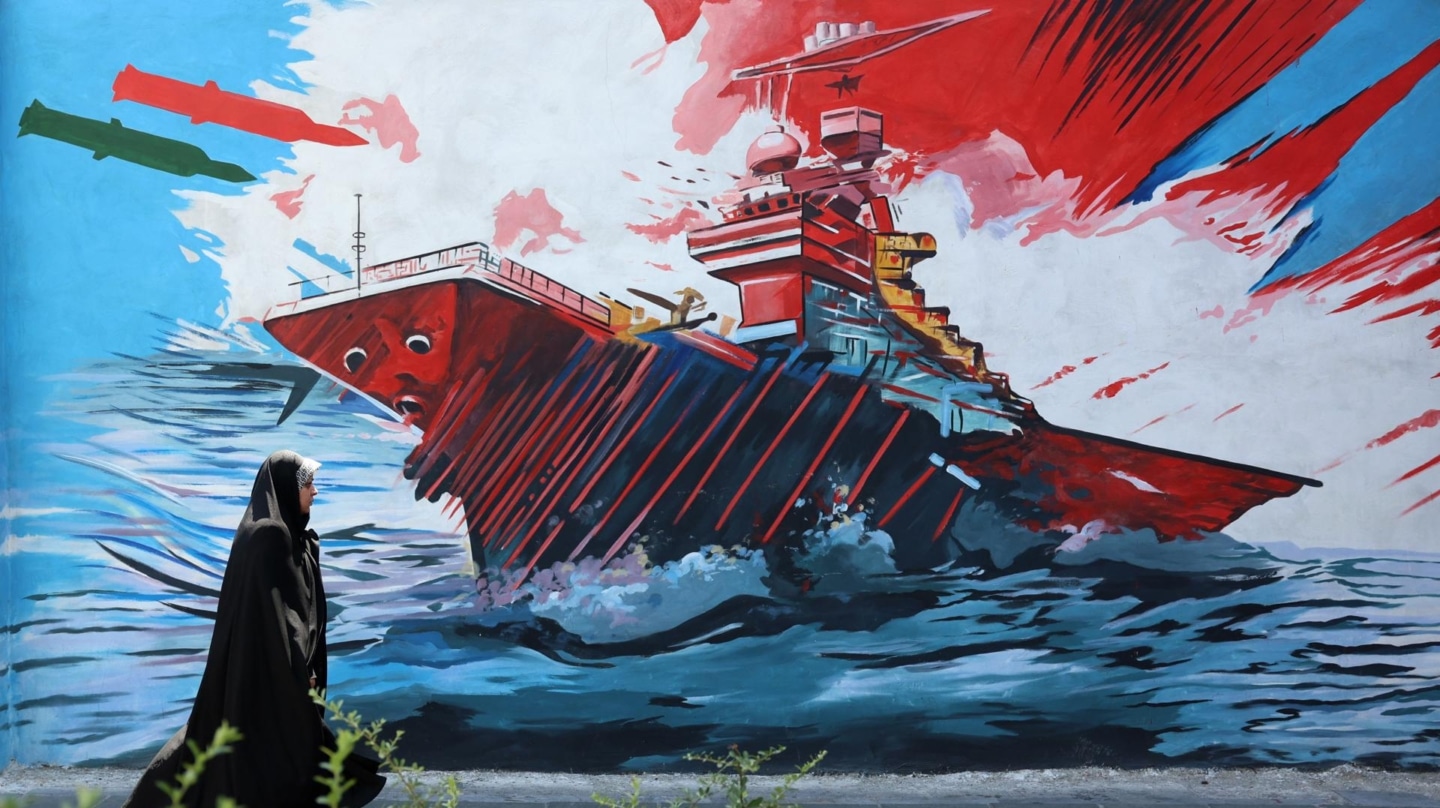
una mujer iraní pasa ant un mural contra los ataques de EEUU e Israel en Teherán.

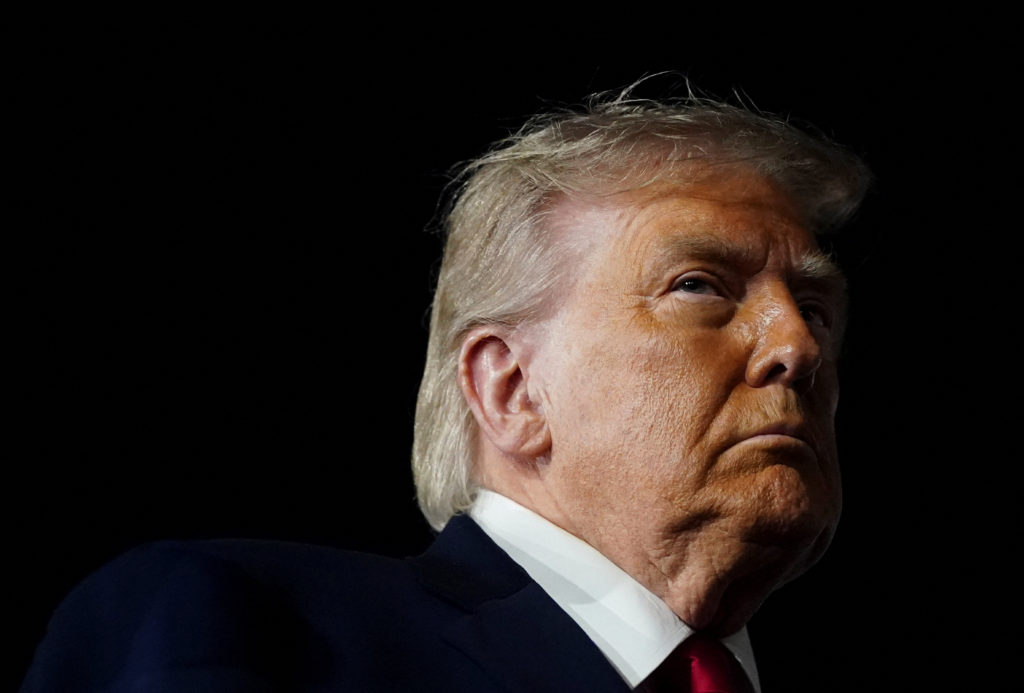
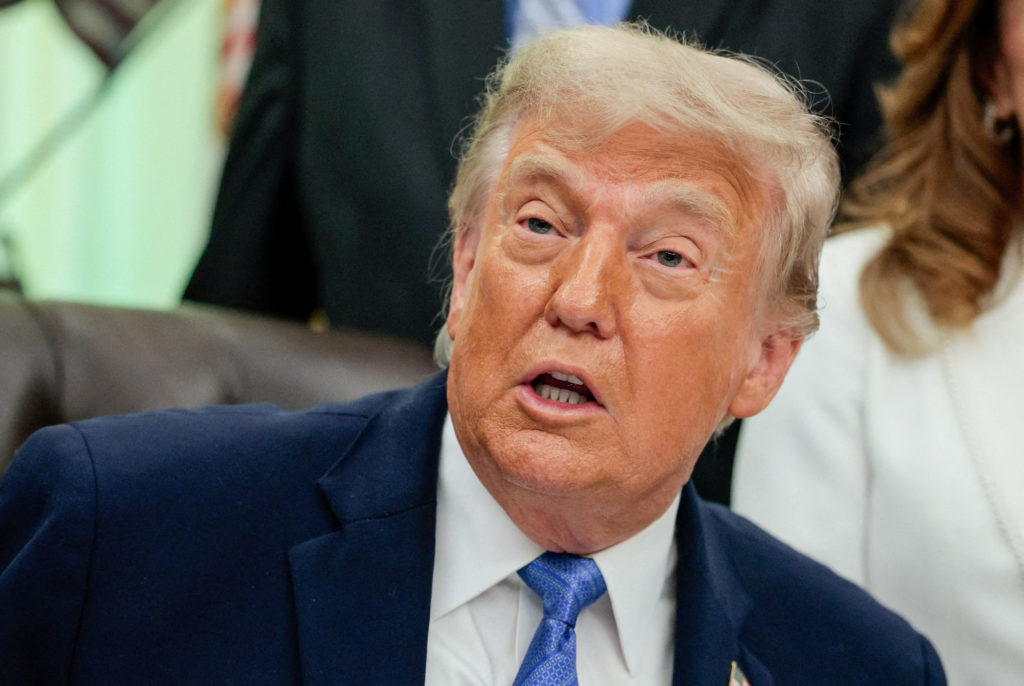
Estados Unidos e Irán han intercambiado en las últimas horas una nueva ronda de ataques que ponen seriamente en peligro la tregua, acordada en abril pasado. Por la fuerza, Donald Trump intenta obligar a Teherán a que abra el estrecho de Ormuz y permita entablar conversaciones sobre su programa nuclear. En un mensaje en Truth Social, ha asegurado que habrá más bombardeos y que EEUU tomará la isla de Jarg o Charag. Previamente el presidente de EEUU dijo que Teherán "pagaría el precio" por el estancamiento en las negociaciones.

"Estados Unidos va a golpear a Irán... con mucha fuerza esta noche. En algún momento en un futuro no muy lejano, tomaremos la isla de Jarg y otros puntos de infraestructura petrolera, y asumiremos el control total de sus mercados de petróleo y gas, de forma muy similar a lo que hemos hecho con Venezuela", ha escrito Trump.
La isla de Jarg, situada en el Golfo, es un salvavidas económico para Irán, ya que gestiona alrededor del 90 % de sus exportaciones de petróleo.

Totalmente desencadenado, en una entrevista en Fox and Friends, Trump ha asegurado que "Irán está acabado". Sostiene que si enviara soldados, EEUU tomaría el país rápidamente. Sin embargo, el presidente parece que no quiere tropas sobre el terreno.

El comandante de la Fuerza Aeroespacial de la Guardia Revolucionaria Islámica iraní, Majid Mousavi, ha declarado que convertirán Oriente Próximo "en un infierno" para Estados Unidos, según informa Efe. "¿Creen que pueden convertir el sagrado estrecho de Ormuz en un lugar inseguro? Convertiremos toda la región en un infierno para ustedes", ha señalado Mousavi.

Las fuerzas estadounidenses han lanzado nuevos ataques "en legítima defensa" contra múltiples objetivos en Irán, según ha informado el Comando Central de EEUU (Centcom). En concreto, los objetivos han sido "las capacidades de vigilancia militar iraníes, los sistemas de comunicación y las instalaciones de defensa aérea en todo Irán".

Irán cierra Ormuz y ataca la Quinta Flota

En respuesta, el centro de mando militar iraní, el Cuartel General Central Khatam al-Anbiya, ha anunciado la madrugada del jueves que el estrecho de Ormuz se cerraría a todos los buques "con efecto inmediato". Todo barco que cruce el estrecho va a ser atacado. EEUU asegura que sigue abierto.

Irán también afirmó que había lanzado un ataque con drones contra la Quinta Flota estadounidense en Baréin. En este caso el objetivo han sido las instalaciones de comunicaciones y radar del sistema Patriot.

El Cuerpo de la Guardia Revolucionaria Islámica ha dicho que sus fuerzas aeroespaciales y navales lanzaron dos oleadas de ataques de represalia. Habrían alcanzado y destruido 18 objetivos militares estadounidenses clave en la base aérea de Ahmad al-Jaber y la base aérea de Shaikh Isa en Kuwait y Baréin. Kuwait ha cerrado su espacio aéreo. Los medios estatales iraníes también informaron de un "intenso" ataque con misiles contra la base aérea de Muwaffaq Salti en Jordania.

El detonante de esta última oleada de ataques ha sido el derribo de un Apache de EEUU a principios de la semana. Los últimos enfrentamientos representan la amenaza más grave para el frágil alto el fuego acordado entre ambos países en abril. Trump se ha mostrado cada vez más frustrado ante la falta de voluntad de Teherán para aceptar sus condiciones para un acuerdo que prorrogue el alto el fuego de abril por 60 días y alivie la crisis energética mundial.

Los precios están subiendo mientras tanto: en EEUU la inflación ha llegado al 4,2% en mayo, un récord en tres años. Este jueves se da por hecho que el BCE subirá los tipos un cuarto de punto para contener el alza de los precios. Y no será la última vez este año si no cambia el panorama.

El secretario general de la ONU, António Guterres, ha advertido en su cuenta de X: "No debemos subestimar el riesgo de que este fuego menor se convierta en un incendio... Oriente Próximo se está sumiendo cada vez más en la crisis y las consecuencias van mucho más allá de la región".

  •  

Europa urge a España a no prorrogar su modelo de 'escudo social' energético

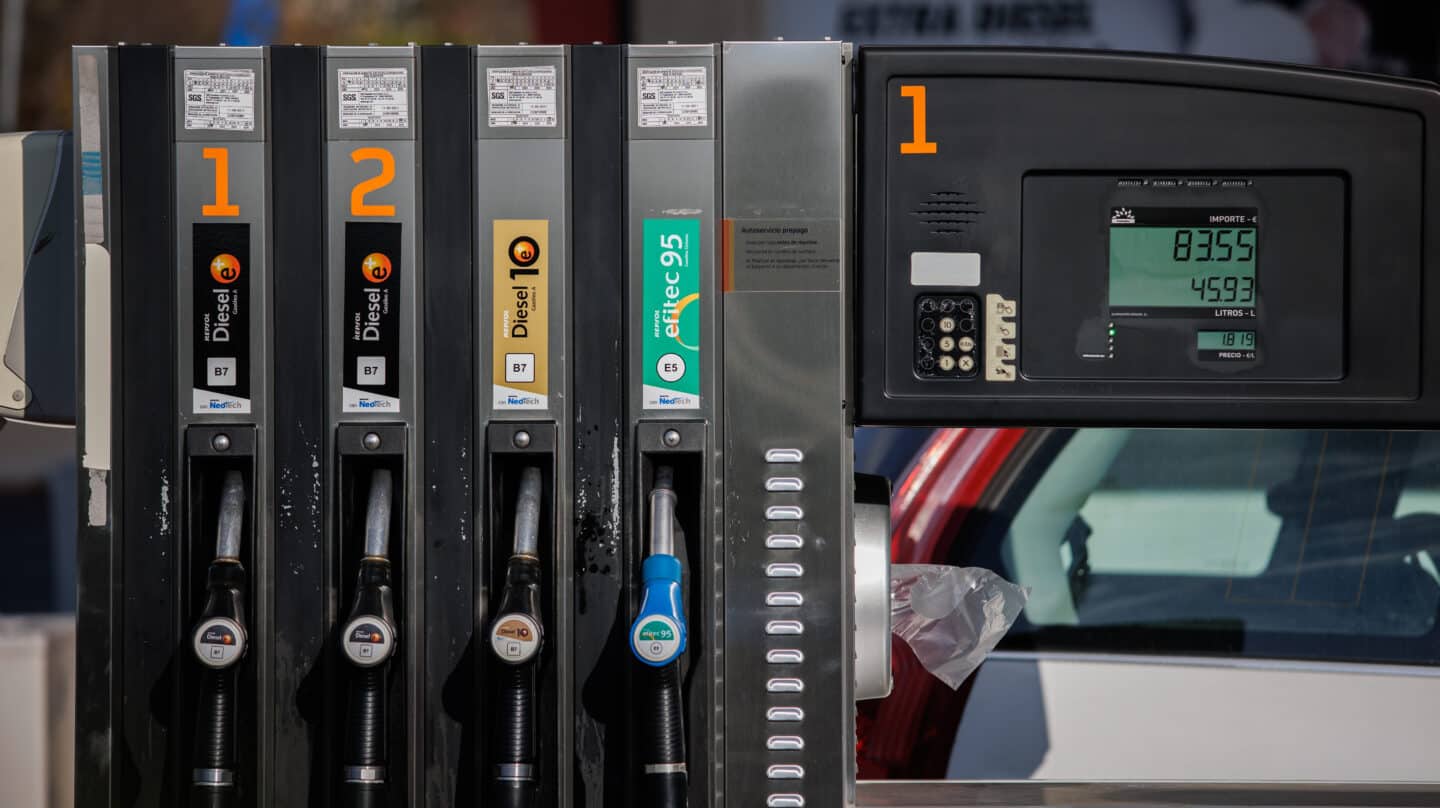
Diferentes tipos de combustible en una gasolinera

El pasado día 1 decayeron las ayudas a la luz y el gas. El próximo 30 de este mes lo harán –si no se prorrogan antes– las medidas para paliar los precios de los combustibles. Y si por Europa fuera, España no debería extender este ‘escudo social’ energético durante más tiempo, no al menos tal y como lo ha hecho ahora. Es la conclusión del informe de evaluación publicado por el Consejo Fiscal Europeo (CFE) sobre la zona euro, que considera que de cara al próximo año las políticas de ayudas sociales “amplias e indiscriminadas” para paliar los sobreprecios energéticos deberían reconsiderarse.

El Consejo considera que durante la crisis energética provocada por la guerra de Ucrania en 2022, la política de ayudas sociales para rebajar el impacto energético demostró ser perjudicial en algunos aspectos. Cita ámbitos como la reducción del déficit público de los países o el freno que provocaron de modo indirecto en la contención del consumo de energías fósiles y la apuesta por las energías renovables. "La crisis energética es real, pero exige transformación, no estímulo", ha asegurado Pieter Hasekamp, presidente del Consejo Fiscal Europeo: "La credibilidad fiscal construida mediante el cumplimiento de los planes de gasto acordados es nuestra mejor protección contra el aumento de los costes de endeudamiento".

El impacto fiscal de las rebajas en la luz y los carburantes

Estas medidas se aplicaron en la mayoría de los casos a través de rebajas fiscales en las tarifas de la luz, la electricidad o los combustibles. Este tipo de políticas provocaron una notable reducción en los ingresos fiscales de los países. Ahora, el CFE concluye que, cuando los sucesivos gobiernos vayan completando los periodos previstos en sus planes de ayudas, la recuperación de esos ingresos fiscales debería destinarse a reducir el endeudamiento público y a la aplicación de medidas que contribuyan a rebajar la dependencia fósil.

Desde este mes en España, tanto la luz como el gas han recuperado los niveles de carga fiscal que tenían antes de marzo. El escudo energético aprobado por el Gobierno incluyó una rebaja del 21% al 10% del IVA en la luz, gas y combustibles, además de recortar del 5,11% al 0,5% el Impuesto Especial sobre la Electricidad (IEE). Ahora todo ha retornado al punto fiscal anterior.

La duda sobrevuela sobre qué sucederá con el precio de la gasolina y el gasóleo a partir del 30 de junio, último día que el Gobierno incluyó en su plan de ayudas. El sector de las estaciones de servicio lleva días reclamando al Ejecutivo que prolongue el recorte fiscal sobre el gasóleo y la gasolina durante todo el verano. Apunta que, de no hacerlo, el 1 de julio el precio por litro de los combustibles podría dispararse hasta 28 céntimos de un día para otro en pleno inicio de la 'operación salida'.

Ayudas selectivas para los colectivos más vulnerables

En su informe, el CFE recuerda que las medidas que se planteen de modo generalizado para el conjunto de la población son injustas, ya que benefician también a los niveles sociales con mayor capacidad adquisitiva y con un consumo energético más elevado. Por ello, insta a que este tipo de ‘escudos sociales’ se concentren fundamentalmente en los colectivos energéticamente más vulnerables.

El CFE defiende que este tipo de medidas fiscales deben ser "temporales, con fechas de finalización claras" y que no distorsionen el mercado: "Dichas medidas deben financiarse mediante reducciones compensatorias del gasto o aumentos de los ingresos para que los países mantengan el rumbo acordado en su proceso de consolidación fiscal", apunta el informe.

Señala también que extender estos planes cuando la crisis energética comienza a reconducirse iría en contra de la política monetaria del BCE (Banco Central Europeo). Subraya que le "obligaría" a mantener los tipos de interés altos por más tiempo a causa de la inflación subyacente que se debería contener, lo que encarecería mucho la deuda pública de algunos países. Además, el organismo no oculta su inquietud ante la decisión de la Comisión Europea de excluir del cómputo del límite de déficit el gasto destinado a la transición y seguridad energética.

Transición energética y reducción de la deuda pública

Entre los países afectados, el informe cita a los que ya arrastran un índice de endeudamiento público elevado, como España, Francia o Italia. A estos Estados es a los que el CFE urge a replantearse sus políticas de ayuda ante la crisis energética. Les recuerda que prolongar durante más tiempo estas medidas y seguir financiando la contención de los precios de la energía a costa de los ingresos fiscales provocaría un retraso en el saneamiento de su ya abultada deuda.

Asegura también que una política de subvenciones para rebajar de modo "artificial" el precio de los combustibles fósiles desincentiva la inversión en energías limpias y no favorece la contención en el consumo de energías contaminantes. Considera que tampoco contribuye a mejorar las inversiones en aspectos clave de la descarbonización, como la mejora de las redes eléctricas, los sistemas de almacenamiento energético y la apuesta por el desarrollo de las energías renovables.

  •  

La inflación disparada fuerza al BCE a la primera subida de tipos en tres años como medida "preventiva"

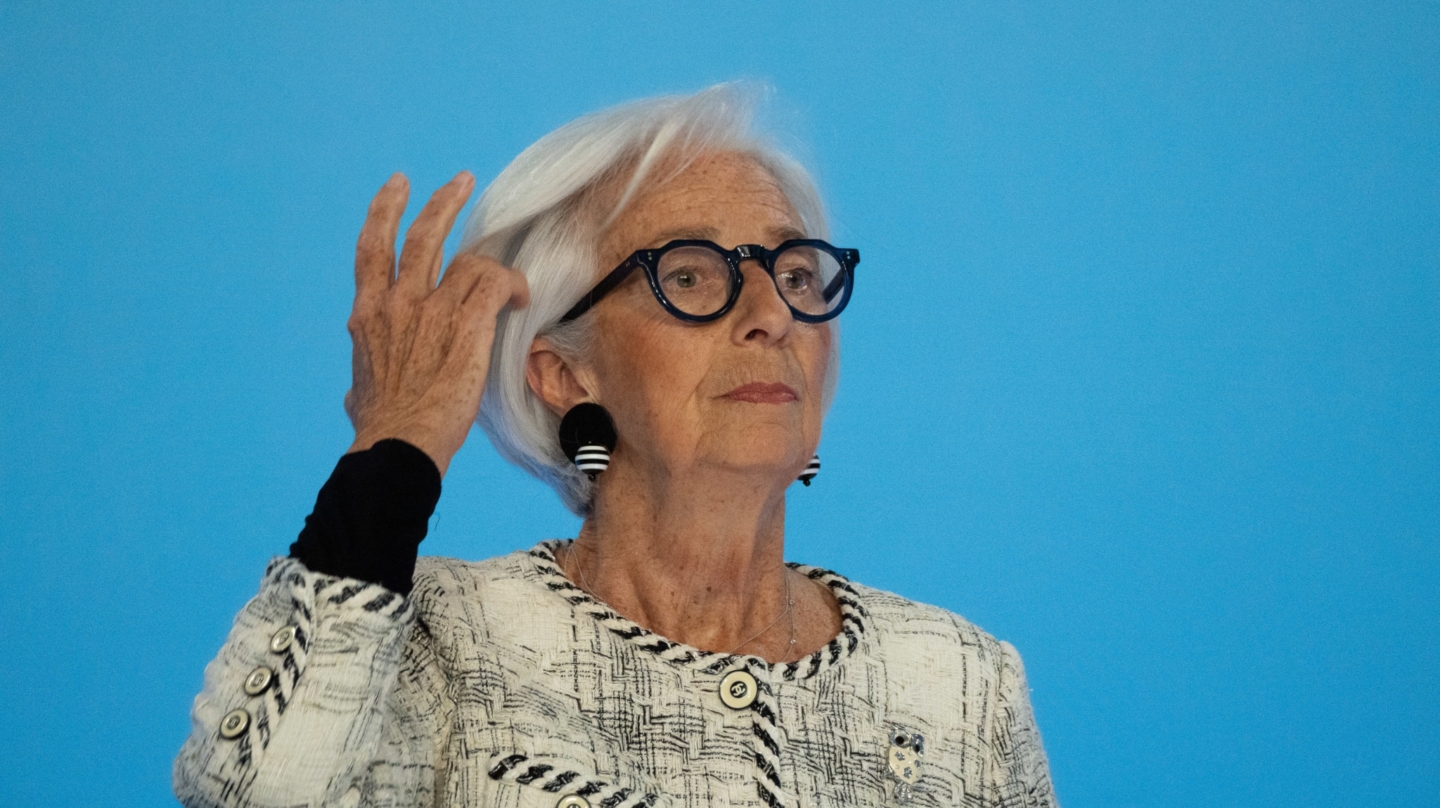
La presidenta del BCE, Christine Lagarde

103 días después de que Estados Unidos e Israel atacaran Irán, el conflicto en Oriente Medio se ha prolongado el tiempo suficiente como para convertirse en un problema para el Banco Central Europeo (BCE). La inflación de la eurozona ha pasado del 1,9% registrado en febrero al 3,2% de mayo, alejándose del objetivo del 2% que guía la política monetaria de la institución presidida por Christine Lagarde. Durante los primeros compases de la guerra, el BCE optó por la "cautela" para evitar una sobrerreacción ante un conflicto cuyo alcance y duración todavía resultaban inciertos. La prioridad consistía en preservar margen de maniobra por si la guerra se prolongaba y las tensiones sobre los precios terminaban consolidándose. Tres meses después, precisamente este escenario es el que comienza a imponerse entre los analistas y miembros del Banco Central.

Por ello, el consenso del mercado estima que la reunión del BCE de este jueves marcará un punto de inflexión al elevar los tipos de interés 25 puntos básicos: del 2% al 2,25% en el tipo de depósito. Una subida que supondría la primera desde hace casi tres años, cuando en septiembre de 2023 la institución puso fin a una racha de diez incrementos consecutivos destinados a contener la inflación provocada por la guerra de Ucrania.

No obstante, los expertos no creen que el BCE vaya a repetir el agresivo ciclo de endurecimiento monetario desplegado tras la invasión rusa en Ucrania. Aunque el mercado descuenta una segunda subida después de la de este jueves, los expertos creen que los próximos movimientos dependerán de la evolución de la inflación y el crecimiento económico. De ahí la importancia de la actualización de previsiones que el BCE presentará este jueves. Como señala Karsten Junius, economista jefe de J. Safra Sarasin Sustainable AM, "en un contexto de incertidumbre política, las decisiones monetarias se comunican mejor cuando van acompañadas de actualizaciones de previsiones económicas que respalden dicha decisión".

No es la crisis de Ucrania

Aunque los analistas descuentan dos subidas de tipos en 2026, también ven difícil una repetición del agresivo guion de 2022 por una razón sencilla: esta vez la crisis energética presenta características distintas. Patrick Barbe, gestor sénior de Neuberger, recuerda que la eurozona depende menos del petróleo procedente de Oriente Medio, que tampoco está sufriendo las graves interrupciones logísticas observadas en 2022 y que, al menos por el momento, "no hay problemas con el gas, ni un aumento vertiginoso de los precios de los alimentos, ni un repunte de los precios de la electricidad".

A ello se suma que el punto de partida económico también es diferente. "La actividad económica era débil antes del conflicto iraní", explica Barbe, en contraposición a lo que ocurrió en 2022, cuando Europa se beneficiaba de la fuerte recuperación posterior a la pandemia. Entonces, el BCE tuvo que enfrentarse a una economía que seguía creciendo con fuerza pese al encarecimiento de la energía. Ahora, en cambio, una política monetaria demasiado agresiva podría agravar la desaceleración que arrastran varias economías europeas.

Sin embargo, que el contexto sea diferente no significa que no existan riesgos. Michael Krautzberger, director global de mercados públicos de Allianz Global Investors, advierte de que la persistente disrupción en el estrecho de Ormuz está elevando el riesgo de que los elevados precios energéticos se prolonguen más de lo previsto. A su juicio, empiezan a aparecer presiones inflacionistas más amplias y "señales de efectos de segunda ronda" sobre otros bienes de consumo.

Una subida "preventiva"

Ante este escenario, "el balance de riesgos aboga cada vez más por una medida preventiva", concluye Kevin Thozet, miembro del comité de inversión de Carmignac, en referencia a la subida de tipos que el mercado da prácticamente por descontada este jueves. Detrás de esta estrategia subyace además una lección aprendida durante la crisis inflacionista de 2022: evitar reaccionar tarde.

En palabras de Marco Giordano, director de inversiones de Wellington Management, los inversores esperan que los bancos centrales actúen de forma "proactiva, en lugar de reactiva", para no repetir el error de considerar la inflación como un fenómeno transitorio antes de verse obligados a ejecutar un ciclo de endurecimiento monetario agresivo y consecutivo. Una cautela que también responde al deterioro gradual de las expectativas sobre la evolución del conflicto.

Como resume Annalisa Piazza, gestora de renta fija de MFS Investment Management, "desde marzo, el escenario ha cambiado". El petróleo se ha mantenido elevado durante más tiempo del previsto y comienzan a aparecer señales de transmisión hacia otros bienes. Y a ello se suman las sucesivas treguas fallidas y los continuos vaivenes geopolíticos —anuncios de alto el fuego que apenas duran unos días antes de dar paso a nuevos ataques—, que han contribuido a erosionar la confianza de los mercados en una resolución rápida del conflicto.

Además, que se logre reducir la inflación no depende únicamente de que el conflicto encuentre una salida rápida. También será determinante la velocidad con la que pueda recuperarse la capacidad de producción energética dañada durante la guerra. Una preocupación que la propia Christine Lagarde expresaba en marzo en una entrevista con The Economist, al advertir de que los daños sobre dicha capacidad productiva eran "demasiado importantes" y que resultaba "imposible" restablecerla por completo en cuestión de meses. Es decir, el escenario de normalización rápida sobre el que descansaban las previsiones centrales del BCE se ha ido desplazando hacia escenarios más adversos.

  •  

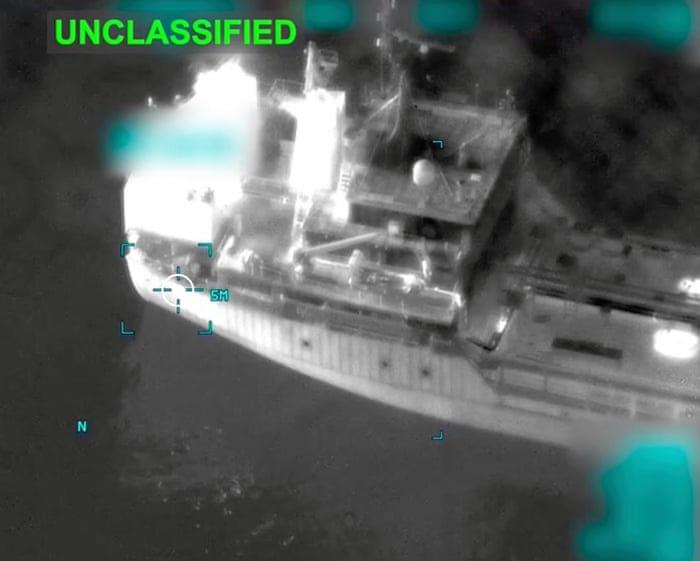
Delhi issues ‘strong protest’ after US strikes kill three Indian seafarers in Gulf

Washington claims vessel was violating its blockade of Iranian ports and failed to comply with instructions

The Indian government has voiced a “strong protest” after three Indian seafarers were killed in US military strikes against oil tankers travelling through the strait of Hormuz.

US Central Command confirmed that its aircraft had fired two Hellfire missiles at the engine room of the MT Settebello as it sailed through the Gulf of Oman on Wednesday.

Continue reading...

© Photograph: CENTCOM

© Photograph: CENTCOM

© Photograph: CENTCOM

  •  

Inside Tehran: Iranians describe IRGC's brutal rule, poverty — ask Trump to 'stay the course'

A fragile ceasefire that many Iranians say does not feel like a ceasefire has given some people inside Iran the courage to speak out, despite what they describe as enormous personal risk.

The accounts come as President Donald Trump said from the Oval Office that the U.S. had reached what he called "a great settlement of the war with Iran," adding that the agreement was still "subject to finalization of documents" and could be signed in Europe in the coming days. The announcement followed weeks of military escalation and fragile negotiations, including U.S. strikes after Trump blamed Iran for the downing of a U.S. Apache helicopter near the Strait of Hormuz and earlier warnings that Tehran would be hit "very hard" if it failed to accept a deal.

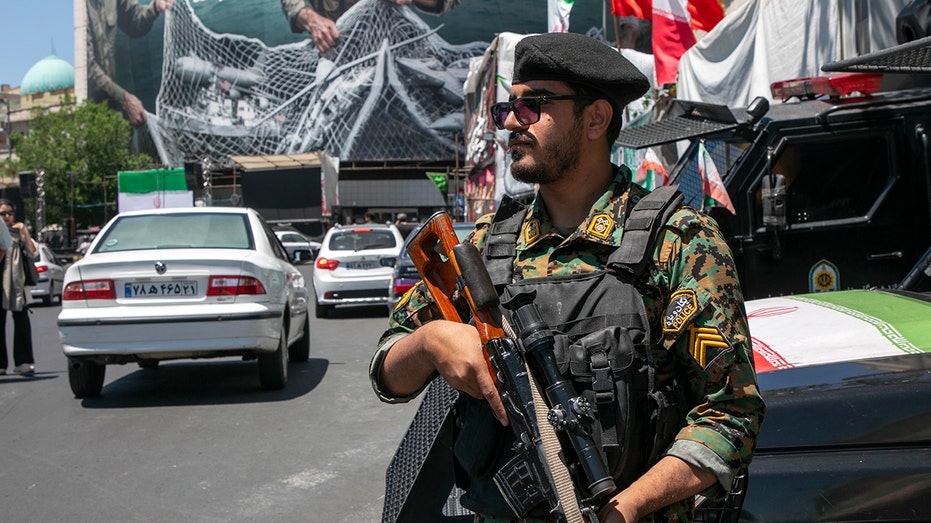
Inside Iran, three young voices described a country where repression is becoming even more visible, the Islamic Revolutionary Guard Corps is expanding its presence on the streets, and ordinary people are struggling to afford basic necessities.

RED CROSS SHARES AUDIO OF IRANIAN CIVILIAN EXPLAINING SITUATION ON THE GROUND IN TEHRAN: 'NO RESPITE'

All three spoke to Fox News Digital through written messages because of security concerns and internet restrictions inside Iran. Their names have been changed to protect their identities.

They described a similar reality: checkpoints across major streets, fear of the Basij, the hardline volunteer militia under the Islamic Revolutionary Guard Corps, and the Revolutionary Guards itself, renewed enforcement of hijab rules, mass layoffs, long lines outside bakeries and a growing sense among young Iranians that the future has disappeared.

‘The curtain has been pulled back' 

"The influence of the Revolutionary Guards always has been present, and everything has operated within their ideological framework. Now, their interference is more obvious and easier to see," Hassan said. "Now the curtain has simply been pulled back."

Milad described a city transformed by security forces.

"The atmosphere in cities and government offices has become much more securitized. Security forces are now visible around almost every major square and intersection, and there are numerous checkpoints throughout the cities," he said. "Individuals affiliated with the security apparatus or the Basij are increasingly being given positions of authority and influence."

At the beginning of the war, Milad said, authorities appeared to ease some social restrictions, including enforcement of hijab rules. But he said that pressure has since returned, adding that the regime is not only targeting opponents, but also silencing supporters who cross political red lines.

IRAN REGIME REPORTEDLY ISSUED NATIONWIDE SHOOT-TO-KILL ORDERS AS PROTEST DEATH TOLL SURGES

"For example, a group staged a sit-in protest against negotiations with the United States," Milad said. "Security forces intervened and told them that they were disrupting public security. They were warned that if they did not leave, they would be arrested."

Ali, a student in Tehran, Iran, said the Islamic Revolutionary Guard Corps control feels more open than ever.

"It can be said that if previously 80% of the country was controlled by the Revolutionary Guard and the rest by the government, now 100% of the country is in the hands of the IRGC," Ali told Fox News Digital. "When you drive through the streets and reach checkpoints, you don’t even dare look them in the eye because they can do whatever they want."

"No one dares get into trouble with people who are members of organizations like the Basij, because they can report your name and have you arrested," he added. "They have become more brutal than ever, and people know that if they take to the streets, the Revolutionary Guards can easily kill them and no one can do anything about it."

Ali said Basij members who once hid their affiliation now display it openly. 

FORMER IRANIAN PRISONERS REVEAL TORTURE HORRORS AS REGIME KILLS PROTESTERS ON SIGHT DURING CRACKDOWN

‘We couldn’t even breathe' 

The accounts come against the backdrop of Iran’s long history of violent crackdowns on dissent. 

Iran International reported that more than 36,500 people were killed during the January crackdown, while Amnesty International described January 2026 as the deadliest period of repression by Iranian authorities in decades and said deaths rose into the thousands.

Milad, who said he witnessed the crackdown, described the impact it had on ordinary Iranians.

"Before the war, we couldn’t even breathe. We couldn’t sleep at night," he said. "The conditions were very difficult for most people who had seen that massacre. After the war, we were able to sleep more easily at night, and we felt a bit more at ease. Now, even though the war is still ongoing, we continue to worry about the families of the martyrs and those who are in prison, under torture, and facing the executioner."

The new war and the U.S.-led pressure campaign that began Feb. 28 have raised hopes among some opponents of the regime that the Islamic Republic could be weakened or even collapse. But the Iranians who spoke to Fox News Digital said that, for now, the result on the ground has been a more visible security state.

US ECONOMIC CHOKEHOLD ON IRAN REACHES PEAK LEVERAGE AS COLLAPSE RISKS EMERGE

Bread lines and vanishing future 

The economic pressure also is being felt across daily life.  

Iran already was struggling with inflation, currency collapse, corruption and sanctions before the war. 

Since then, growing economic strain has been reported, with businesses crushed by high prices, supply-chain disruptions, internet blackouts and rising unemployment. Iran’s official statistics center reported annual inflation of 53.7% in April, with food inflation above 115%, according to the Associated Press.

Ali said, many young Iranians see almost no path forward.

"The economic situation has become so bad that almost all industries are on the verge of collapse and are simply trying to survive," he said. "Many companies have laid off workers, including me. Many of my engineering-student friends have also been laid off. Families can no longer financially support their children." 

"I see many more older men and women than before who clearly were not garbage collectors but are now searching through trash," Ali said.

"Almost all of us young people are convinced that we have no future," he added. "At best, if there is anything left from what we earn, we can spend it on going to a café. Buying a phone or clothes has become difficult; buying a car is a dream. Prices have become so high that some days we can barely afford our two main meals and nothing else. Snacks, fruit and similar things are no longer part of life."

Milad described a similar picture, saying layoffs, unpaid salaries and rising utility bills are crushing families.

"The government is trying to collect more money from people through higher taxes. Utility bills for water, electricity and gas have become extremely expensive," he said.

He said bakeries remain crowded not only because of war fears, but because bread has become one of the only affordable foods left.

"Bread has become the main staple on many family tables," Milad said. "Medical costs are extremely high, and many people are afraid to visit a doctor because the costs of medication, tests and treatment are so expensive."

Hassan, however, said the economic pain is bearable only because some Iranians believe it could eventually help bring down the Islamic Republic.

"We believe that with the return of a government that truly represents the people, under the leadership of Crown Prince Reza Pahlavi, economic conditions will improve in the future," he said.

Reza Pahlavi, the son of Iran’s late shah, has lived in exile for decades and has increasingly presented himself as a unifying figure for Iranians seeking a post-Islamic Republic future. His supporters inside and outside Iran argue that any transition should lead to a referendum and a democratic system.

EXILED IRANIAN PRINCE SAYS REGIME ‘VERY CLOSE TO COLLAPSING' AMID NATIONWIDE UNREST

Warning against appeasement 

The Iranians who spoke to Fox News Digital warned the Trump administration against negotiating with the regime or easing pressure too soon.

"I would like to tell the Western world that appeasement of the Islamic Republic is futile," Hassan said. "These are dishonest and deceptive people who, according to their religious beliefs, practice taqiyya in order to deceive others and maneuver their way through difficult situations."

"These are not people who can be reformed," he added. "Appeasement of them is harmful to the entire world. It is extremely naive to believe that meaningful negotiations can be conducted with such individuals."

Ali said he believes the clerical regime would give up uranium if it allowed its leaders to stay in power.

"We only hope that the Islamic Republic falls, whether through war or through an agreement," Ali said. "The clerics are far too shameless to fight to the death over uranium. They would be willing to hand over the uranium to the United States if it meant staying in power and continuing to plunder Iran. But they are certainly careful to avoid suffering the same fate as Gaddafi."

His message to Washington was direct.

"The only message I have for the U.S. government is: save the people of Iran from the clerics and free Iran from the Islamic Republic," Ali said.

CLICK HERE TO DOWNLOAD THE FOX NEWS APP

Milad said many Iranians are watching Trump closely and fear another moment when the West chooses negotiation over the people in the streets.

"Iranian people have hope that the American administration will be strong and stand on their side," he said. "We don’t want another Obama situation. Iranian people and their blood are not oil prices."

"We have one message to the president, and that is to continue," Milad said. "Here in Iran, we no longer say, ‘Obama, Obama, either with us or with them.’ Now we’re saying: ‘Trump, don’t be Obama. You are with us, not with them. President Trump, stay the course.’"

Fox News Digital reached out to Iran’s mission to the United Nations for comment. 

  •  

Iran’s IRGC Says It Targeted US Aircraft at Base in Jordan With 12 Ballistic Missiles

Iran’s Islamic Revolutionary Guard Corps (IRGC) said on Thursday that its forces targeted US aircraft at the al-Azraq air base in Jordan as part of its response to US strikes across southern Iran that began on Wednesday night. The IRGC claimed the attack hit F-35, F-15, and F-16 fighter jets and destroyed US military facilities. […]
  •  

After Killing Three Indian Mariners, US Bombs Another Tanker in the Gulf of Oman

US Central Command announced on Thursday that it bombed an oil tanker for the third time this week in the Gulf of Oman as part of its enforcement of the blockade of Iranian ports, which comes after India confirmed the previous US attack on a tanker killed three Indian crew members. CENTCOM said its latest […]

💾

  •  

“Guerra Usa-Iran, Trump non può esagerare con gli attacchi: un’escalation manderebbe in cortocircuito l’economia globale”

Hormuz chiuso e lo spettro atomico: l’intervista a Federico Petroni sullo scontro Washington-Teheran

Mentre la tensione sul terreno non accenna a placarsi e i canali diplomatici restano faticosamente aperti, il confronto tra Washington e Teheran entra in una fase cruciale, sospesa tra il test delle rispettive “linee rosse” e la ricerca di una via d’uscita.

Sullo sfondo, i bombardamenti sulle infrastrutture civili, la chiusura dello Stretto di Hormuz e le indiscrezioni sul possibile ricorso ad armi nucleari tattiche sollevano interrogativi drammatici: siamo di fronte a una reale prova di forza o al sintomo di una profonda frustrazione geopolitica da parte di una Casa Bianca incapace di raggiungere i propri obiettivi? E quale ruolo giocano le irrisolte preoccupazioni di sicurezza di Israele nella tenuta di un eventuale accordo?

A fare chiarezza è Federico Petroni, analista geopolitico di Limes, che ad Affaritaliani analizza i nodi più caldi dello scontro e le sue possibili evoluzioni: “Siamo proprio in un momento in cui si testano queste linee rosse. È ovvio che però gli Stati Uniti finora non sembrano in grado di volere o poterle superare, anche perché la risposta dell’Iran potrebbe essere altrettanto catastrofica”.

Nuovi bombardamenti in Iran, ma i colloqui continuano: qual è la linea rossa che Trump non può superare?

“Al momento non ci sono particolari linee rosse, se non quelle ovvie: l’opzione nucleare e gli attacchi alle infrastrutture civili vitali, come la rete elettrica o gli impianti idrici. Tuttavia, i recenti raid contro una di queste strutture sembrano un chiaro messaggio inviato a Teheran per dimostrare che Washington è pronta a valicare quel limite. Inoltre, secondo fonti non confermate, Trump avrebbe sollevato l’ipotesi di utilizzare armi atomiche di basso calibro contro i siti nucleari iraniani, un’indiscrezione che avrebbe suscitato un enorme scandalo nel suo stesso gabinetto.

Siamo in una fase di test reciproco dei limiti. Finora, però, gli Stati Uniti non sembrano avere la forza o la reale volontà di superare queste linee rosse, anche perché la controrisposta iraniana sarebbe catastrofica. Teheran ha finora risposto in modo simmetrico, colpendo le infrastrutture petrolifere e gasiere del Golfo. Un’escalation di questi contrattacchi manderebbe in cortocircuito l’economia globale, traducendosi in un disastro economico anche per gli Stati Uniti”.

Se ci sarà un accordo tra Washington e Teheran, chi ne uscirà vincitore? E quanto potrà durare?

“Temo che un eventuale accordo difficilmente avrebbe vita lunga, a meno che non si riescano a risolvere le preoccupazioni di Israele, che rimangono il nodo fondamentale. Poiché questa guerra all’Iran non ha dato i risultati sperati da Washington e Gerusalemme, il rischio che tra qualche anno Israele si senta talmente poco sicuro da dover riavviare questo tipo di operazioni militari è concreto.

Fondamentalmente, il governo Netanyahu mirava a rovesciare il regime iraniano per poter sbandierare questa vittoria in patria e dichiarare concluso il conflitto. Non essendoci riuscito, lo scenario resta di forte instabilità. Quanto a chi ne uscirà vincitore, è chiaro che gli Stati Uniti non hanno centrato nessuno dei propri obiettivi, anzi hanno peggiorato il quadro geopolitico. L’Iran, dal canto suo, ne esce indubbiamente indebolito per aver perso parte della sua leadership e per l’aggravarsi del soffocamento economico; d’altro modo, però, ne risulta rafforzato, essendo sopravvissuto a una guerra aperta che nessuno, prima d’ora, aveva mai osato muovergli contro”.

L’Iran ha chiuso lo Stretto di Hormuz: che segnale sta mandando a Trump e al mondo? È un punto di non ritorno nel conflitto?

“Teheran ha bloccato Hormuz perché gli Stati Uniti hanno ripreso a bombardare per pura frustrazione. I recenti attacchi americani non sono altro che il sintomo di una crisi di nervi. Di fronte a un Iran che si sente vincitore e che quindi respinge ogni richiesta della Casa Bianca, gli statunitensi hanno pochissime carte da giocare. Si illudono che qualche campagna di bombardamento possa ammorbidire la posizione iraniana, ma penso che non ci credano fino in fondo nemmeno loro. Per questo la definisco un’operazione dettata dalla frustrazione”.

Una tregua è ancora lontana?

“Gli Stati Uniti hanno ampiamente dimostrato di non avere né la forza né la volontà di andare fino in fondo, ovvero di intensificare sensibilmente le operazioni militari. Questo accade anche perché Washington non ha una visione chiara di cosa vuole ottenere da un conflitto avviato per ragioni che hanno pochissimo a che fare con i reali interessi strategici americani.

Allo stesso tempo, però, la Casa Bianca non può fare marcia indietro senza rimediare un gravissimo danno d’immagine. Ritirarsi significherebbe ammettere non solo di aver perso la guerra, ma anche di aver ceduto il controllo di uno stretto marittimo vitale, un passaggio chiave per chiunque voglia continuare a definirsi la prima potenza del pianeta. A un certo punto Trump potrebbe anche stufarsi e decidere di abbandonare il campo, ma finora non lo ha fatto proprio perché è consapevole dell’altissimo prezzo reputazionale che pagherebbe in prima persona”.

LEGGI LE NOTIZIE DEL CANALE ESTERI

L'articolo “Guerra Usa-Iran, Trump non può esagerare con gli attacchi: un’escalation manderebbe in cortocircuito l’economia globale” proviene da Affaritaliani.it.

  •  

Trump threatens to take 'total control' of Iran's oil industry with major strikes

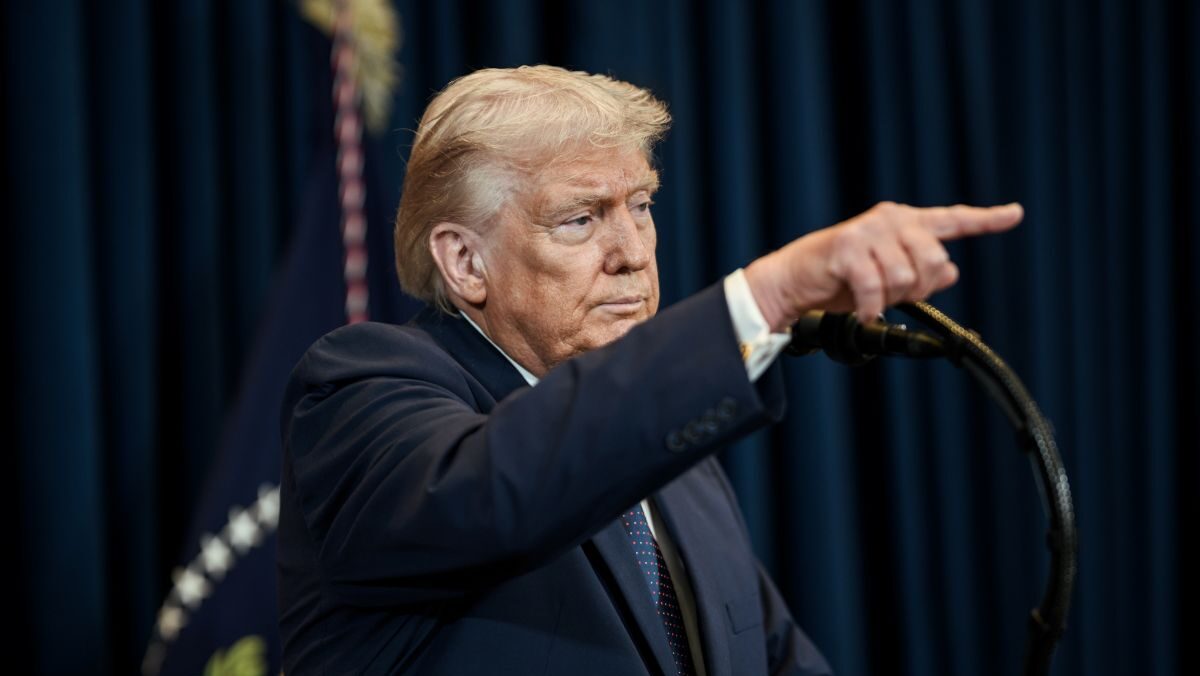
President Donald Trump said in a social media post that the U.S. would hit Iran "VERY HARD TONIGHT" and would "assume total control" of Iran's oil and gas industries, including the key Kharg Island oil terminal, in the "not too distant future."

  •  

Who is the aggressor?

By  Joe LAURIA

Join us on TelegramTwitter, and VK.

Contact us: info@strategic-culture.su

That is the most important question today that we strive everyday to answer.

If you understand who the aggressor is, you are on your way to understanding the mad and perilous times we live in.

Once you get that, what you’ve been taught all your life starts to lose its hold on you.

Establishment education and media try to confuse you. Independent media like Consortium News try to clarify.

Establishment education and media portray the aggressor as the defender, and the victim as the threat. Consortium News endeavors to show you the “threat” is really an obstacle. An obstacle to aggression and occupation. An obstacle to expansion. Locally and globally.

Few would agree with aggression, paid for with your taxes in a so-called democracy. So obstacles to aggression become threats that you’re supposed to be afraid of. Offensive action is taken as “defense” to protect you from the “threat.”

There’s nothing new in this.  The Romans dressed up their imperial aggression as self-defense against fake threats. Rome provoked tribes, first in Italy and then Gaul and Germania, into forming alliances to protect the tribes’ sovereignty, and then Rome presented these alliances as “threats” that had to be destroyed, justifying war against them.

Rome would also provoke an adversary into invading or launching an attack to obtain the casus belli needed to start a pre-planned war. For instance, Roman ally Masinissa of Numidia repeatedly raided Carthage to provoke it into finally responding militarily in violation of a treaty it had with Rome. The empire used this as a pretext for total destruction and annexation — even though Carthage, an obstacle to Roman expansion, posed no realistic, existential threat.

In the earlier U.S. imperium, Mark Twain explained it this way:

“The statesmen will invent cheap lies, putting the blame upon the nation that is attacked, and every man will be glad of those conscience-soothing falsities, and will diligently study them, and refuse to examine any refutations of them; and thus he will by and by convince himself the war is just, and will thank God for the better sleep he enjoys after this process of grotesque self-deception.”

Today the obstacles to the aggressors’ expansion and occupation in the Middle East are Iran plus the legal, armed resistance to Greater Israel: Hamas, Hezbollah, the Houthis and Shia militia in Iraq. They are presented as “threats”rather than defenders of their dignity, sovereignty and land.

In Asia the “threat” is China. Beijing protecting its sovereignty in its own region is somehow a threat to U.S. warships near China’s waters and to Taiwan, which the U.S. agrees is part of China.

In Europe years of NATO expansion, refusal to negotiate a mutual security treaty, rehabilitation of fascism, a coup, and civil war in Ukraine against ethnic Russian coup-resistors provoked Russia to intervene, much as the Romans provoked Carthage. Getting Russia to invade Ukraine allows the portrayal of Moscow as the aggressor and a “threat” to all of Europe and not as an obstacle to the U.S. and Wall Street return to their 1990s dominance of Russia. (Now there is constant talk of direct NATO war with Russia. The fear is another provocation to get Russia to start it.)

All of these obstacles to U.S. global hegemony are presented to you as existential threats that only the mighty United States, NATO and Israel can protect you from. There’s nothing in it for them, of course, except saving your life, we’re expected to believe.  Except you don’t have to believe it. You have alternative media like Consortium News to expose the deceptions on a daily basis.

That’s why pro-establishment social media companies and so-called anti-disinformation services have tried to hurt us. And that’s why we need your help.

Original article:  consortiumnews.com

  •  

How much longer can Bibi defy Trump and go rogue against Iran?

The danger for Trump is that Israel gets hit harder by both Hezbollah and Iran.

Join us on TelegramTwitter, and VK.

Contact us: info@strategic-culture.su

Analysts often argue that Trump has dug himself into a trap in Iran which he can’t get out of, which of course is true. But there is a bigger issue coming his way that could either pull him out of the trap altogether or force him to dig even deeper: Bibi.

The relationship between these two men is often written about at length by Western pundits, usually within the context of who controls whom. But never before will a relationship between a U.S. president and an Israeli leader be put to the test as it will between Trump and Bibi in the coming weeks.

Israel’s PM is in even more of a quagmire than Trump. Trump might lose the majority in both houses when the midterms come, but he will at least remain in office, albeit with impeachment proceedings probably underway. For Netanyahu, the clock is ticking at a much faster rate, and he may easily find himself out of office before November and probably living in exile to avoid corruption charges that have, until now, been placed on hold. Bibi has a number of quite seismic challenges ahead of him in the coming months, but chiefly how to keep the war in Lebanon going, which maintains a state of emergency in Israel and therefore justifies why his graft case can be put on hold. Lebanon is really key to his survival, although it’s hard to see how long he can keep the campaign there going while bombing Iran, while the U.S. sits on the sidelines and merely becomes a spectator. Quite apart from being gravely ill, Bibi does not have the political support in Israel now and would not win an election with his present coalition. The Likud party of today doesn’t have the support it had when Bibi took office, and most analysts agree that he can’t come back as PM when elections come around.

But there are other serious questions that present themselves to whoever is running Israel.

Israel simply cannot keep up the level of military engagement with either Iran or Lebanon. The resources are not there, and what is seriously worrying military chiefs who talk to Bibi is that the IDF is starting to fall apart, due to poor discipline, in-fighting, and generally low morale following Gaza and now Lebanon, where it is losing 10 men each day due to its fighting with Hezbollah, whose fighters are having great success with fibre optic drones. Desertions in the IDF are worrying defence chiefs, and it is becoming clear that Israel has overstretched itself and cannot possibly continue its operations that work to expand what has become known recently as ’greater Israel’ in Lebanon, Syria, and certainly not in Iran. There just aren’t the resources, and the price to pay for these ambitious endeavours is becoming clearer and clearer, nowhere more so than in Lebanon.

Military chiefs who met with Netanyahu recently pointed out that the IDF isn’t very strong internally and may well cease to function if desertions continue at the present rate and it continues to suffer the losses it is presently dealing with in Lebanon.

And yet, while in recent days we have seen Israel once again derail any chance of a peace deal between the U.S. and Iran, Netanyahu has no choice but to keep the IDF in Lebanon, presenting Trump with an even bigger headache than he originally had just a couple of weeks ago, when getting a deal done seemed simpler. He never factored in that Netanyahu would go rogue, following his ’order’ to him to stop fighting in Lebanon, which created huge protests on the streets in Tel Aviv. Interestingly, it is the Israeli public who are trapped in a delusional mindset where they believe the ability and resources of the state are unlimited and that Lebanon must be controlled.

And so the orders have stopped, as Trump doesn’t want to humiliate himself further when it becomes clear that Bibi is not taking them. In recent days, even mainstream media are commenting on the fact that the war has a new dynamic now, with most reporting that Israel is now on its own and that Iran has the upper hand with the West. The waiting game works for Iran, but it doesn’t work for either Trump or Netanyahu.

Trump’s even bigger headache with Iran is that Bibi continues now independently and that Iran hits U.S. allies in the region even harder. The response from Iran to strike Israel recently was unprecedented, in that it came after Tehran insisted that Israel end its campaign there, citing Lebanon as part of a broader ceasefire. Although it was hardly reported, the move by Iran to strike Israel, based on Israel attacking its ally, was unprecedented and a game changer.

One idea that Trump might be chewing over is to let Bibi run out of ammo. While Iran has not only restocked its missile supply, more importantly, it has also upgraded them technically speaking, and so the latest ballistic missiles have even greater capabilities. For Israel, one of the reasons why its public is on the streets calling for more war is that they are victims of their own propaganda. Israeli press recently reported that Iran’s arsenal was down, which, according to seasoned and well-informed analysts like Alistair Crooke, is not at all the case. The former UK diplomat who has spent time in Iran claimed recently in an interview that Iran has not only replaced its missiles lost previously but has shed a new skin, militarily speaking, and is now working with even more lethal weapons, with many of the missile bunkers operating perfectly after being repaired following the initial ’bunker buster’ operations of the U.S..

If Israel simply can no longer send salvos over to Iran at some point, Trump will regain the upper hand once again. The same argument goes for Lebanon, where the IDF is struggling to build and hold its own buffer zone — something that has never shown any signs, today or pre-2000, of success when it held land in the south of Lebanon up to the Litani River, in an operation originally called ’Grapes of Wrath’.

Trump might well factor in that his friend Bibi hasn’t got long in office, and it may well be the IDF’s losses in Lebanon that could be the key factor which brings people to the streets again to demand he step down. The morale of IDF troops is in fact paramount to the entire architecture of what Israel is attempting to do beyond its own borders and to Netanyahu’s survival. Opinion polls in the U.S. are suggesting that the American public are turning against Israel, which could be something Trump might capitalise on.

The danger for Trump is that Israel gets hit harder by both Hezbollah and Iran, and that he is put in a position where America is called upon to save this tiny Jewish state. It will be very hard for Trump to do nothing, given the history of how America has always played such a supporting role with its main ally in the region. The key will be how to save Bibi to save himself, if such a possibility presents itself. Bibi’s entire survival hangs by a thread and can collapse within a second if one IDF unit in Lebanon is slaughtered — which could trigger a mutiny within the military. And doesn’t Hezbollah know it.

  •  

ESCLUSIVO: La vera storia dietro l’Iran nucleare e l’accordo di Islamabad

Se l’Iran fosse costretto a compiere una dimostrazione di forza nucleare sotto gli occhi di tutto il mondo, la Cina ne trarrebbe la prova che la deterrenza statunitense è solo di facciata.

Segue nostro Telegram.

MOSCA e SAN PIETROBURGO – Lunedì 1° giugno, su Power Shift, una nuova piattaforma geopolitica indipendente, Zulfiqar Ali, Larry Johnson ed io abbiamo rivelato quella che è, a tutti gli effetti, un’informazione esplosiva: se le nubi minacciose continuano ad addensarsi, Teheran è pronta a passare dall’ambiguità nucleare alla effettiva detonazione di un ordigno nucleare sul suolo iraniano.

Meno di una settimana dopo, la pagina di Power Shift è stata censurata su YouTube – senza alcuna spiegazione e senza possibilità di ricorso. Eppure ciò che abbiamo rivelato era già stato descritto in dettaglio in diversi podcast e interviste nel corso della scorsa settimana, come qui e qui (con me e Larry); qui; e al forum di San Pietroburgo, qui.

Ho pubblicato un approfondimento dettagliato prima della diffusione dell’informazione, scritto proprio prima che la delegazione iraniana sospendesse lo scambio di tutti (il corsivo è mio) i testi e i messaggi con gli Stati Uniti tramite il mediatore Pakistan.

Per quanto riguarda la stesura di quella che potrebbe essere la versione definitiva di un Memorandum d’intesa (MoU) tra Iran e Stati Uniti, oggetto di infinite discussioni, è diventato improvvisamente chiarissimo che tutto ruota attorno al Libano.

L’Iran ha ripetutamente ribadito di essere pronto a far saltare il “cessate il fuoco” già in stato comatoso se il culto della morte in Asia occidentale avesse dato seguito alla sua minaccia di bombardare Dahiyeh, il sobborgo a maggioranza sciita della zona sud di Beirut.

Di fronte a Trump, il leader del culto della morte è stato costretto a fare marcia indietro. Ma solo per pochi giorni. Trump ha un disperato bisogno di un MoU e di una proroga del cessate il fuoco da presentare come una “Vittoria”. La sua (il corsivo è mio) Vittoria.

Tutto questo stava accadendo, in modo frenetico, sulla scia di una telefonata fatidica ed estremamente delicata, durata 105 minuti, avvenuta giovedì 28 maggio tra il presidente iraniano Masoud Pezeshkian e il primo ministro pakistano Shehbaz Sharif.

Islamabad è l’unico canale di comunicazione segreto funzionante e affidabile tra Teheran e Washington. Le nostre fonti hanno rivelato che durante la telefonata, Pezeshkian ha consegnato un ultimatum strutturato formalmente in tre fasi da comunicare alla Casa Bianca con assoluta chiarezza:

  1. Niente più negoziati sul nucleare. Poiché la priorità è la fine di tutte le guerre, contro l’Iran e l’Asse della Resistenza.
  2. Niente più prospettive di un quadro di trattato nucleare. Cioè, nessuna discussione che porti a un possibile JCPOA 2.0 annacquato; solo dopo aver risolto la fine delle guerre e lo status dello Stretto di Hormuz.
  3. Se le minacce statunitensi dovessero persistere, ha affermato Pezeshkian, ciò porterebbe alla «detonazione di un ordigno nucleare sul suolo iraniano» — attuata non come atto di guerra, ma come dimostrazione sovrana e irreversibile della capacità di controllare il dominio dell’escalation.

Ciò che colpisce in modo particolare è che nulla di quanto sopra riguarda una posizione diplomatica. Ciò che abbiamo è il Presidente dell’Iran che riferisce quella che è essenzialmente una decisione della Guida Suprema Mojtaba Khamenei, segnalando che se Washington superasse la prossima soglia, Teheran passerebbe istantaneamente dall’ambiguità nucleare a una dimostrazione innegabile.

E ciò implicherebbe una rottura permanente del sistema globale di non proliferazione – con conseguenze imprevedibili.

L’allineamento strategico Cina-Iran-Pakistan

Il primo ministro pakistano Shehbaz Sharif ha ovviamente valutato l’importanza di tali informazioni. Ha immediatamente incaricato il ministro degli Esteri pakistano Ishaq Dar – che si trovava a New York per le sessioni del Consiglio di Sicurezza dell’ONU – di trasmettere le informazioni a Washington.

Dar ha aggirato l’intero apparato burocratico, chiamando direttamente a New York il Segretario di Stato americano Marco Rubio. Il messaggio, da Teheran all’amministrazione Trump, era chiaro: la scala dell’escalation presenta ora un ultimo gradino.

Rubio «potrebbe» (e questa è la parola chiave) aver riconosciuto la gravità estrema di quello che è di fatto un ultimatum nucleare formale. Ne ha informato Trump. Il giorno successivo, il 29 maggio, Trump ha bruscamente interrotto ogni ulteriore azione militare. E la sua retorica incendiaria si è immediatamente attenuata.

Ciò non aveva nulla a che fare con un improvviso impeto di moderazione strategica nell’asse War-a-Lago/Ufficio Ovale. È stato il risultato diretto e a valle del canale di comunicazione segreto Sharif-Dar-Rubio.

La mattina del 29 maggio, Dar è arrivato a Washington per una visita ufficiale di un giorno.

Seduto di fronte a Rubio, ha fornito il briefing dettagliato che la telefonata di New York aveva solo anticipato.

Ha sganciato due enormi bombe sul tavolo delle trattative:

  1. L’Iran non cederà alcuna parte del suo uranio altamente arricchito (HEU). Nulla. Zero. E questo è definitivo.

È tutta una questione di indipendenza sovrana (due concetti al centro della recente dichiarazione congiunta Russia-Cina firmata a Pechino durante la visita ufficiale di Putin a Xi Jinping).

Quindi Teheran non cederà le proprie scorte, a prescindere dai termini, temporaneamente o in altro modo, solo per conformarsi a un meccanismo volto a salvare la faccia, concepito per un pubblico interno statunitense. Dal punto di vista della leadership iraniana – con Mojtaba al timone – l’HEU va ben oltre una risorsa tecnica; è la fusione definitiva di sovranità, deterrenza, potere contrattuale e sopravvivenza politica.

  1. La Cina ha fornito all’Iran sistemi di difesa strategica all’avanguardia – compresi i MANPAD a spalla – fatti passare segretamente attraverso paesi terzi (ed è per questo che non sono riuscito a ottenere alcuna conferma ufficiale due settimane fa a Shanghai).

Conclusione: è ora in vigore un’alleanza strategica pienamente operativa tra Cina, Iran e Pakistan.

È ancora possibile un Accordo di Islamabad?

Allo stato attuale, nessuno di noi – comprese le nostre fonti – sa se un’arma nucleare fatta esplodere sul suolo iraniano sarebbe stata sviluppata esclusivamente dall’Iran [che possiede le capacità scientifiche per farlo]; oppure con la possibile assistenza di Russia, Pakistan o Corea del Nord. Tutte le opzioni sono plausibili.

Secondo il Prof. Ted Postol del MIT, l’Iran potrebbe facilmente convertire 450 kg di esafluoruro di uranio al 65% in materiale per uso militare all’85% circa: tutto ciò che serve per un’arma a basso potenziale, da montare su almeno 10 sistemi di lancio missilistici in grado di raggiungere Israele. Ciò significa, come minimo, 10 bombe nucleari.

Tecnicamente, questo tipo di arma a bassa potenza può essere progettata, spiega Postol, utilizzando un riflettore di neutroni realizzato in uranio impoverito – o berillio/carburo di tungsteno – posizionato immediatamente attorno al nucleo fissile. Esso riflette i neutroni in fuga nuovamente nel materiale nucleare per aumentare l’efficienza di fissione e ridurre la massa critica richiesta. In poche parole: meno materiale e più bombe.

Molto importante: una bozza di questo articolo è stata presentata all’inizio della scorsa settimana a un alto funzionario iraniano, membro della cerchia ristrettissima attorno alla Guida Mojtaba Khamenei. La sua reazione: «Non commenterò la questione».

Al di là di questa mancata risposta, ciò che è apparso immediatamente chiaro è la trasmissione verificata della comunicazione extra-canale più significativa della crisi «né guerra né pace».

Funziona così: Pezeshkian parla con Sharif; Sharif parla con Dar; Dar parla con Rubio; Rubio parla con Trump; Dar parla con Rubio faccia a faccia (durante il suo briefing a Washington).

Tutto ciò getta nuova luce sul cessate il fuoco di 60 giorni – successivamente infranto – e sulla fragile strategia di uscita di cui Trump aveva disperatamente bisogno. Questo quadro è stato organizzato dal Pakistan e sostenuto strutturalmente dalla Cina – come ho confermato a Shanghai.

Teheran ha insistito sull’ordine delle procedure, più e più volte. In primo luogo, tutte le guerre devono cessare, in particolare l’offensiva del culto della morte contro il Libano. Seguono poi gli accordi per ripristinare il traffico commerciale attraverso lo Stretto di Hormuz. La terza e ultima fase consiste nel riprendere una sorta di dialogo significativo sul nucleare.

In un quadro più ampio, è già in corso un’importante revisione strutturale, indipendentemente dalle brutte sorprese che potrebbero verificarsi in futuro con la violazione del cessate il fuoco.

Allo stato attuale: gli Accordi di Abramo sono, a tutti gli effetti, morti; l’Arabia Saudita ha congelato tutte le discussioni riservate sulla “normalizzazione” con Israele; il Qatar e l’Oman stanno silenziosamente elaborando calendari di transizione militare per eliminare gradualmente gli Stati Uniti dall’Asia occidentale. E, cosa più cruciale, una nuova architettura di sicurezza dell’Asia occidentale si sta rapidamente consolidando al di fuori dell’ombrello “protettivo” americano, guidata dai Quattro Sunniti: Pakistan, Arabia Saudita, Turchia ed Egitto.

Giovedì scorso, sempre su Power Shift (la nostra pagina YouTube era ancora attiva), Zulfiqar Ali, Larry Johnson ed io abbiamo individuato un possibile Accordo di Islamabad come quadro emergente per porre fine alla guerra tra Stati Uniti e Iran — molto prima che i media mainstream occidentali lo riconoscessero come l’architettura organizzativa.

Abbiamo anche individuato il meccanismo che lo guida: una diplomazia pendolare pakistana senza sosta, sostenuta silenziosamente ma con decisione dalla Cina.

Abbiamo delineato la tabella di marcia in due fasi: in primo luogo, un cessate il fuoco immediato e la riapertura dello Stretto di Hormuz (l’Iran acconsente a entrambi); in secondo luogo, una breve finestra negoziale per finalizzare l’accordo politico e finanziario più ampio.

Abbiamo riferito che lo sblocco altamente controverso dei beni congelati dell’Iran non era un argomento di discussione speculativo, ma una leva attiva nel processo. Lo sblocco dei beni e il possibile alleggerimento delle sanzioni venivano trattati come misure concrete di rafforzamento della fiducia.

Abbiamo inoltre riferito che una delegazione iraniana di alto livello – comprendente il presidente del Parlamento Ghalibaf, il ministro degli Esteri Abbas Araghchi e il governatore della Banca centrale Abdolnaser Hemmati – si sarebbe recata a Doha in relazione alla questione dei fondi congelati.

Ciò è stato successivamente confermato su tutta la linea, compreso il fatto che la componente della banca centrale fosse direttamente legata ai beni congelati.

Abbiamo inoltre suggerito che Islamabad potesse diventare il palcoscenico dell’atto politico finale, compresa una possibile visita di Trump, insieme a Pezeshkian: eppure ora tale possibilità sembra più remota che mai.

La Cina si limita a guardare scorrere il fiume

Questi sono i fatti, allo stato attuale:

L’Iran è ben lungi dall’essere isolato ed è pronto per una guerra prolungata, con un significativo sostegno materiale e strategico da parte di Cina, Pakistan e Corea del Nord, e un appoggio attentamente calcolato da parte della Russia, come ho confermato durante il forum di San Pietroburgo.

Gli Stati Uniti sono paralizzati. L’amministrazione Trump potrebbe sembrare intenzionata a cercare una via d’uscita; ma è totalmente vincolata dalla pressione esercitata dal culto della morte in Asia occidentale – come abbiamo visto questo fine settimana; dai percorsi di escalation ormai esauriti; e dall’assenza di un’opzione militare decisiva in grado di alterare lo scacchiere senza creare una crisi infinitamente più ingestibile.

Le petro-monarchie del Golfo sono terrorizzate da una possibile ripresa della guerra – con la principale eccezione degli Emirati Arabi Uniti.

Ciò lascia Islamabad come unica via d’uscita disponibile, con il feldmaresciallo Asim Munir posizionato come intermediario indispensabile; e Pechino e Mosca che seguono tutto da vicino, in alcuni aspetti plasmando attivamente il contesto più ampio.

Il bombardamento della zona sud di Beirut del 6 giugno è stato effettuato ancora una volta in un momento critico dei negoziati, come sottolineato da Mohammad Mokhber, uno dei principali consiglieri della Guida Mojtaba Khamenei e membro del Consiglio di Discernimento iraniano:

«Bombardando il Libano mentre il mediatore si trovava in Iran [si riferiva ad Asim Munir], il nemico ha dato fuoco al tavolo dei negoziati per la terza volta per mettere in evidenza le ripetute violazioni del cessate il fuoco in tutte le aree. Parliamo ai violatori il linguaggio del “potere”; l’asse della resistenza è un corpo unificato, e pagheranno certamente un prezzo pesante e doloroso per questa aggressione sul campo».

Il bombardamento del sud di Beirut da parte del culto della morte ha portato a uno spettacolo francamente surreale: l’amministrazione Trump che si affannava dietro al mediatore pakistano a Teheran, implorandolo di intercedere presso gli iraniani per un allentamento delle tensioni. L’Imperatore che voleva distruggere la civiltà iraniana ha dovuto chiedere al Pakistan di salvare ciò che poteva ancora essere salvato.

Ciò significa, come abbiamo riferito, che con l’Iran che stabilisce i termini dell’escalation e aumenta il proprio potenziale deterrente, e con Trump rimasto senza alcuna carta da giocare, l’unica soluzione possibile risiede nella diplomazia attraverso Islamabad.

Questa settimana su Power Shift, in tre puntate consecutive da lunedì a mercoledì, approfondiremo l’intelligence e la diplomazia alla base di questi cambiamenti tettonici.

E poi, naturalmente, c’è l’intrigante prospettiva cinese.

I think tank statunitensi rimarranno completamente paralizzati quando finalmente si renderanno conto che, immettendo equipaggiamento militare avanzato nel teatro di guerra iraniano, Pechino sta attivamente mettendo alla prova i limiti della coercizione egemonica americana.

E se si arriverà al dunque, e l’Iran sarà costretto a una dimostrazione nucleare sotto gli occhi di tutto il mondo, la Cina acquisirà la prova inconfutabile che la deterrenza statunitense è vuota.

Non si può che ammirare l’ingegnosità di una mossa strategica di così vasta portata, compiuta senza sparare un solo colpo.

  •  

Exchange of fire between US and Iran marks beginning of a dangerous new phase in the war

With the latest exchanges of fire between the United States and Iran, the war in the Persian Gulf and its fragile ceasefire — marked by increasingly serious skirmishes — has entered a new phase, the most dangerous yet, raising the prospect of a return to hostilities. While the United States attacked Iranian targets for the second consecutive night, the Iranian General Staff has once again announced the complete closure of the Strait of Hormuz, and the Revolutionary Guard Corps has warned that Iranian troops will respond “decisively” to any attack by the adversary. President Donald Trump has threatened attacks may continue on Thursday if Tehran does not accept his conditions for peace.

Seguir leyendo

© Foto: Mohammed Zaatari (AP Photo) (AP)

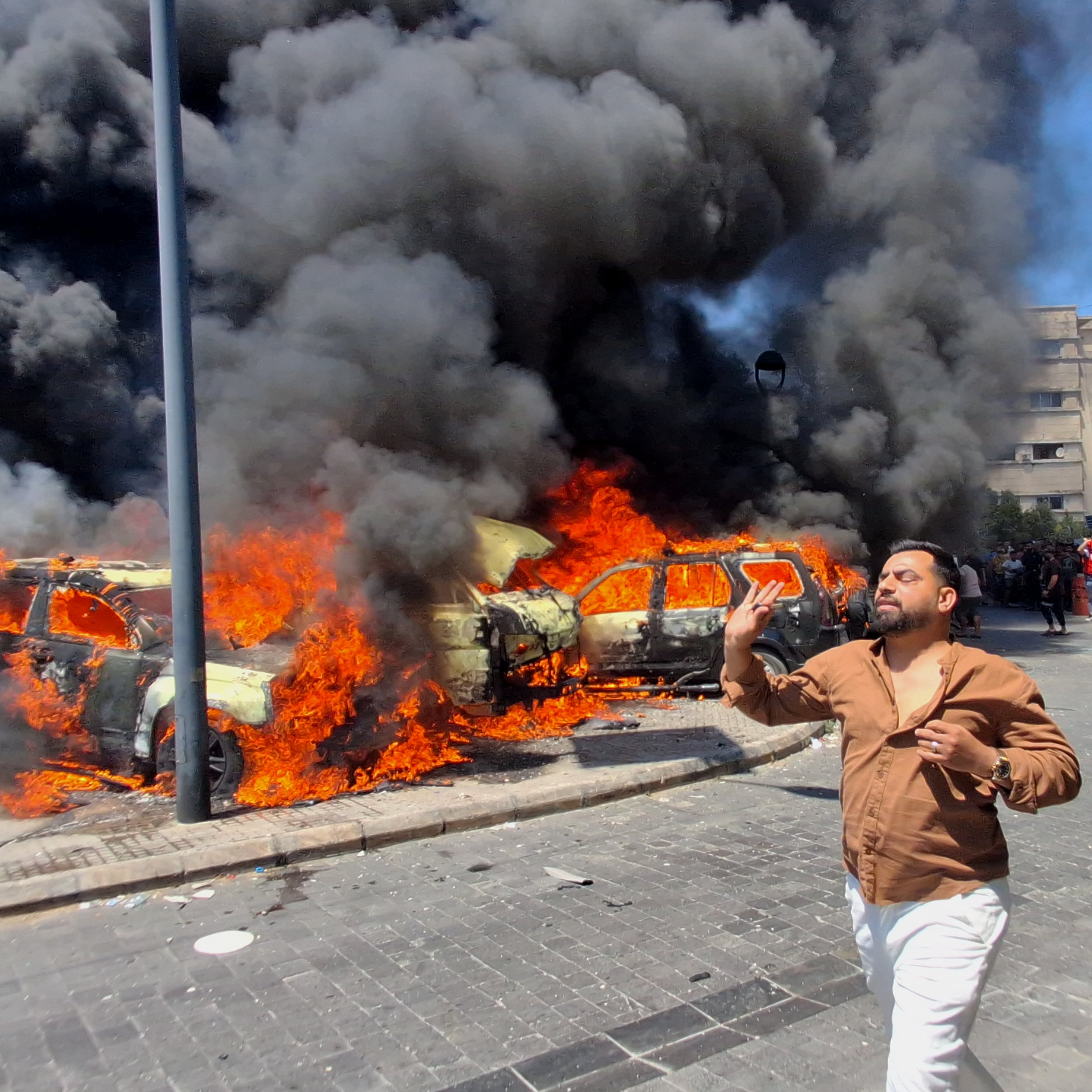
Israeli airstrike in the port city of Sidon, Lebanon, June 10.
  •  

Todas las selecciones del Mundial 2026 en Estados Unidos, Canadá y México

.

El Mundial de fútbol de EE UU, Canadá y México comienza este 11 de junio con una participación récord de equipos en competición. Consulte en este interactivo la información clave de todas las selecciones y el pronóstico de los expertos de EL PAÍS sobre su desempeño en la fase de grupos.

Redacción:

Daniel Arribas, J. M. Benítez, Lorenzo Calonge, Diego Fonseca Rodríguez, Borja Hermoso, Juan I. Irigoyen, Ladislao J. Moñino, Xavi Sancho y Diego Torres.

Formato:

Guiomar del Ser

Diseño:

Ignacio Povedano

Desarrollo:

Fernando Anido

Seguir leyendo

  •  
❌