Reading view

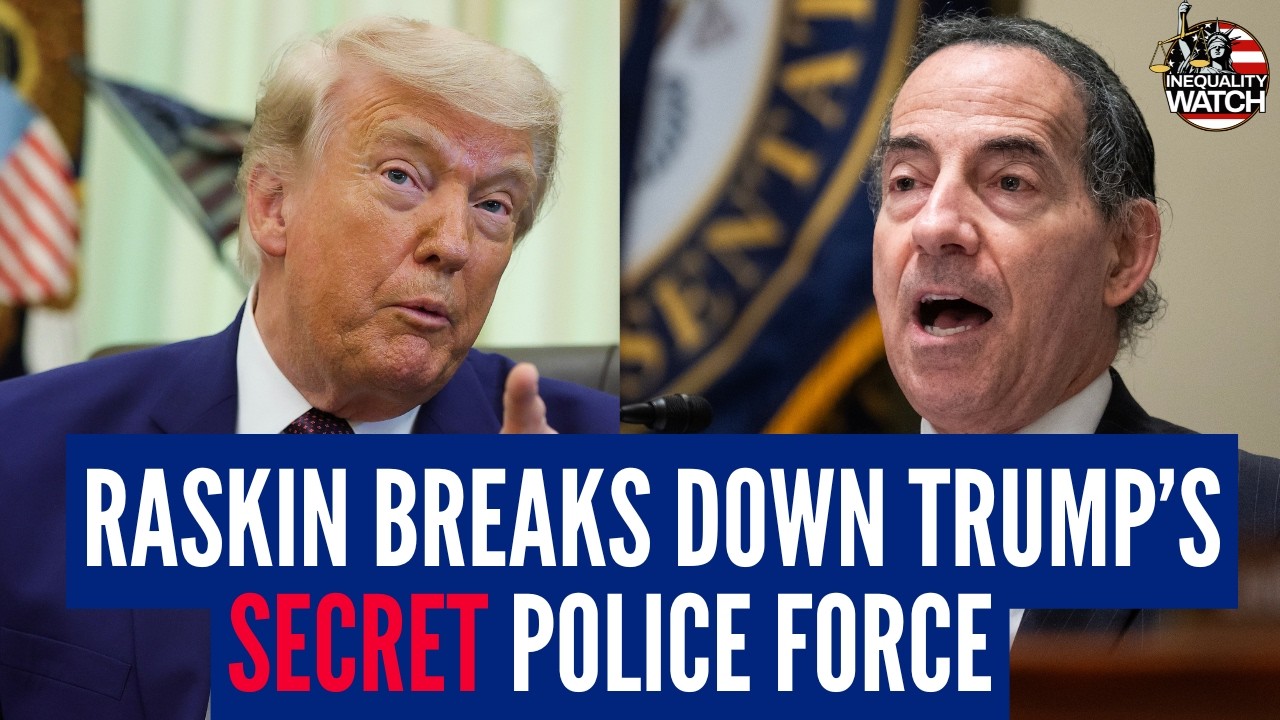
Raskin: ICE is acting like a secret paramilitary police force for the president

Rep. Jamie Raskin, D-Md., speaks during the House Administration Committee hearing titled "Preventing Fraudulent Donations: Transparency, Verification, and Accountability," in Longworth building on Wednesday, June 10, 2026. Tom Williams/CQ-Roll Call, Inc via Getty Images

As part of our continuing coverage of Trump’s multi-pronged push to interfere with the upcoming midterm elections, we have been talking to a variety of voices on what they fear most from the administration. In this discussion with Democratic Congressman Jamie Raskin, he accuses the Trump administration of constructing a private police force within the federal government and seeking to fund an extrajudicial efforts to also interfere with free and fair elections.

Credits:

  • Production: Taya Graham/Stephen Janis
  • Post-Production: David Hebden
Transcript

The following is a rushed transcript and may contain errors. It will be updated as soon as possible.

Stephen Janis:

At the Real News Network, we have been covering the threat to midterm elections. Now, we came to the Networks Conference here in Philadelphia, Pennsylvania to speak to Congressman Jamie Raskin. When he told us about what he thinks might happen in November should scare all of us. You know, you introduced a Blanche Act, is that what it’s called? Yes. Yeah. So the Senate just passed the reconciliation bill and did nothing to it. So what are your thoughts at this moment that can be done to prevent it and what are your concerns about this slush fund that has been proposed by the Trump administration?

Rep. Jamie Raskin:

Well, the vast majority of Americans reject the idea that the Trump regime should be able to take 1.776 billion of taxpayer money and give it to convicted criminals, Proud Boys and Oath Keepers and other extremists who tried to storm or who stormed the Capitol and tried to overthrow a presidential election. It’s outrageous and it violates about a dozen different federal laws and constitutional provisions. So we need to pass legislation to block it and also to block the other part that they’re trying to sneak through, which is a lifelong immunity from criminal civil tax prosecution of Donald Trump or his family or his businesses for crimes and civil offenses that they’ve committed up until this point.

Stephen Janis:

Is this personal for you? I mean, you were there and the idea that they would pay the people that tried to overturn the election. Does this affect you in a personal way?

Rep. Jamie Raskin:

Democracy is personal to me and fascism is personal to me and I think it should be personal to everybody. I mean, they want to destroy our basic institutions in the country. They want to destroy the freedom of press. They want to control the media. So they put minders and spies into CBS in 60 minutes. They want to take over. They denounced the mainstream of media just so they could take over the mainstream media and make it their official state propaganda apparatus. They’re trampling the freedom of press. They’re attacking the separation of church and state. I was on the floor. One of their guys got up and said the moral downfall of America was 1962 when the Supreme Court banned prayer in the public schools. And I got up and I said, the Supreme Court never banned prayer in the public schools. As long as there are pop math quizzes, there will be prayer in the public schools.

Anybody can pray whenever he or she wants to, but what they want is the government writing out religious scripts and then compelling your children to participate in it. So literally our entire Constitution and Bill of Rights are being demolished by these people and they want to turn us into a mafia state, a gangster state.

Stephen Janis:

Now, looking forward to the midterms. There’s a lot of pretextual stuff, the Trump administration, subpoenaing ballots in Wayne County or taking ballots in Fullton County. Is that a playbook they’re trying to roll out by having all these pre-elections sort of cast enough doubts so they can so chaos? What are your concerns about the midterm election and Trump administration interference?

Rep. Jamie Raskin:

Yeah. I mean, people ask me like, “Are they going to try and steal the election?” I say, “No, they’re not going to try and steal the election.” They’re trying to steal the election. Every day we’ve got lawyers all over America from the NAACP Legal Defense Fund, ACLU, Mark Elias fighting every one of these operations, which is an attempt to steal the election when they say, “Oh, we’re going to throw everybody off the rolls who missed voting an election, or when they’re closing polling places throughout Texas.” All of these voter suppression mechanisms are an attempt to steal the election. But I also want to say we have never been better mobilized and we’ve never had better lawyers engaged out in the field. We’ve never had a stronger civil society infrastructure fighting back, which is why they’re attacking the civil society infrastructure. We just had a hearing two weeks ago.

We’ve got another hearing this week. They’re trying to bring down the Southern Poverty Law Center, which is our major group fighting the Ku Klux Klan and the Aryan nations and the neo-Nazi right. They’re trying to destroy it saying that the Southern Poverty Law Center defrauds its own donors because they send people undercover into the extremist groups to find out what’s happening so they can prevent the next attack on a church or a synagogue or the Oklahoma federal building or what have you. That’s who the Trump Department of Justice is going after. That’s who Todd Blanche wants to attack the anti-Klan fighters.

Stephen Janis:

Now let me ask you a question. We spent a lot of time covering this reconciliation. They gave ICE and CBP $70 billion with no explanation. We ask Republicans why. What do you think that money’s for? Because I still has like $70 billion in the bank. Why do they need $70 billion? What are your concerns about that?

Rep. Jamie Raskin:

Well, this is what’s very concerning because if you talk to historians of fascism, they will tell you that what authoritarians do, what fascists try and do is build up a paramilitary force within the government and also one outside of the government. So that’s the meaning of this $1.8 billion political slush fund meant for the extreme right political foot soldiers who attacked our police officers on January 6th, 2021, attacked the Congres, attacked the vice president. That’s the outside version, but ICE is acting like a paramilitary secret police force reporting to the president of the United States and they have killed American citizens like Renee Goode and Alex Pretty. And just like we know dozens of people have died in ICE detention. So that is not a decent sane civilized immigration policy. We’ve got to make it a lot harder for people to get into the country illegally, but a lot easier for people to get into the country legally and we cannot use the immigration crisis the Republicans have created as the excuse for them to set up a paramilitary police force inside our government.

Stephen Janis:

So from the Epstein perspective, Estee files, you’ve been intimately involved in that. What do you think we haven’t seen yet? What do you think could be coming? We had that crucial testimony coming on Tuesday before the oversight committee. What do you think we haven’t seen or what’s to come?

Rep. Jamie Raskin:

Well, we need further legislation to strengthen the Epstein-Files Transparency Act. We need legislation that is going to actually make them turn over the documents and to stop hiding them. We have to keep passing laws to try to get them to comply with the law. It is difficult, but we’ve got to keep this very much in the forefront of people’s consciousness. There’s a culture to authoritarianism. There’s a politics to it, but there’s a culture to it. And the culture to it is all about authoritarian misogyny and sexual violence and sexual harassment and sexual assault. And this administration has been doing everything in their power to dismantle the infrastructure that we have to try to support victims of sexual violence and victims of sexual assault and sexual harassment. So the Epstein case is critical for us to keep moving forward on exposing this culture and then standing by the victims and the survivors of sexual violence and sexual assault.

Stephen Janis:

And do you think there’s something in the other three million files that is going to be important for the public to see and do you think there’ll be evidence there they’re hiding right now?

Rep. Jamie Raskin:

Absolutely. They were supposed to turn over six million files. They’ve withheld three million. There are completely scandalous and outrageous things we’re finding in the three million. They did turn over, but the files that they haven’t turned over undoubtedly contain more information that will implicate this administration and lots of names that we know in truly shameful and scandalous actions. But we’ve got to make sure that the victims are heard and the victims and the survivors have been critical in moving this process along. That’s a model, by the way, for every sector of public life. We’ve got to hear from the people who are being hurt, the millions of people being hurt by being thrown off of Medicaid or being thrown off of the Affordable Care Act, tax credits. We’ve got to hear from the people in the media about the crackdown like at ABC with Jimmy Kimmel.

People have got to speak up. The victims and the targets of government oppression have got to strike the first blow against this onslaught.

Stephen Janis:

Last question. Grand Planner, did you endorse him? Are you going to endorse him? And if so, why do you think people are … A lot of progressives, the Democrats get skittish about progressives you have not been. How do you feel about Grand Platner now? What are your thoughts?

Rep. Jamie Raskin:

Well, I’ve not made formal endorsements there. I would say I think that Graham Platner’s politics are right for this time. They are a working class centered politics of progressive change. That’s what we need. He has spoken about how damaging his time was psychologically and emotionally, and he came back a damaged person and damaged people, damage other people. And so there have been problems with that. But having said that, this is really a question for the people of Maine. Has Graham been able to show people that he’s been able to learn from the experiences that he’s had and the transgressions that he’s committed? And that’s what we can demand of him. That’s what we can expect from him. I mean, he said he’s interested in transformational politics and that means not just for society but for each person and he is pledging to continue that process of transformation for himself.

So the people of Maine have got, luckily they’ve got a small state. They can go out and talk to him and he’s been nothing if not open to taking questions and he’s at, I think, like 80 town hall meetings. And so I hope that he continues on that journey and the people of Maine reached the right solution for the rest of the country because it’s a critical race.

Stephen Janis:

Have you ruled out endorsing him or would you consider endorsing him in the future?

Rep. Jamie Raskin:

So I don’t know that I’ve been specifically asked to endorse him and I would not rule it out. If he’s our Democratic nominee, I’m certain I will endorse him and do everything in my power to get him elected. But at this point, I think there are elections coming up in a week or two. The people are working it out and I’m following it closely and I really wish the best for everybody involved in this situation.

💾

Rep. Jamie Raskin expressed growing concerns about the power of ICE in light of the $70 billion in additional funding just approved by Congress, his opposition to the proposed weaponization fund, and why the Epstein scandal needs further scrutiny.
  •  

More than 500 babies and toddlers have been detained by ICE since Trump returned to the presidency

Infants and toddlers are also being targeted by immigration agents. An investigation by The Marshall Project and MS NOW found that at least 500 children under the age of three have passed through Immigration and Customs Enforcement (ICE) detention centers since January 2025, a surge that coincides with Donald Trump’s return to power and the resumption of the detention of migrant families.

Seguir leyendo

© David Dee Delgado (REUTERS)

A child leaves an immigration hearing surrounded by ICE agents in New York in August 2025.
  •  

Tacheles # 209 ist online

Diese Ausgabe von „Tacheles mit Röper und Stein“ ist sehr stark vom Thema des Ukraine-Krieges geprägt, aber natürlich gab es auch noch andere Themen. Und wieder einmal ist uns bei der Aufnahme aufgefallen, wie viele Ereignisse und Tatsachen deutsche Medien verschweigen. Also haben wir darüber berichtet und gesprochen. Sollte YouTube die Sendung löschen, finden Sie […]
  •  

US-Iran peace deal remains elusive as Trump and Tehran trade conflicting claims

US president dismisses Iranian media reports agreement is close, despite earlier suggesting a deal could be signed this weekend

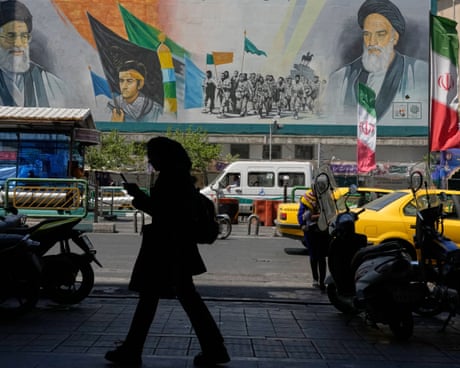
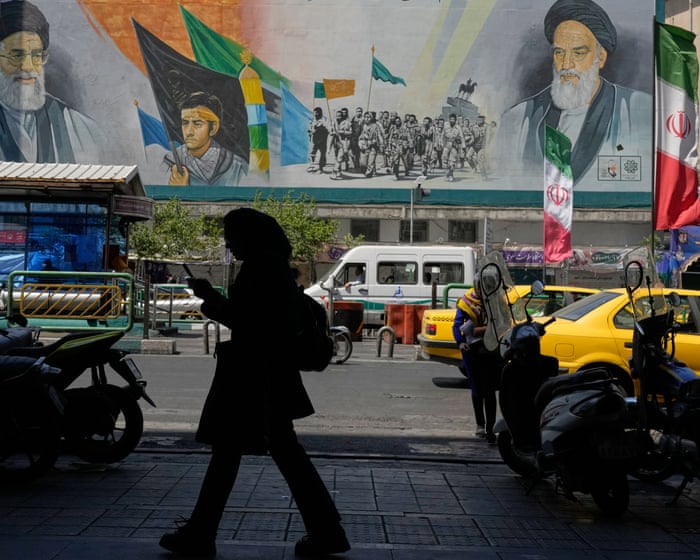
Prospects for an immediate end to the war between Iran and the US remained uncertain on Friday amid a chaotic series of conflicting claims and counter-claims by US and Iranian officials about ongoing negotiations.

Donald Trump seemed to distance himself from his earlier comments that suggested a preliminary agreement could be signed as soon as this weekend, with a series of angry social media posts describing the Iranians as “very dishonorable people to deal with”.

Continue reading...

© Photograph: Vahid Salemi/AP

© Photograph: Vahid Salemi/AP

© Photograph: Vahid Salemi/AP

  •  

Seleção nacional vai aterrar no futuro aeroporto Donald Trump

A seleção portuguesa de futebol já levantou voo rumo aos Estados Unidos da América (EUA).

Destino? Palm Beach International Airport, no estado da Flórida. Mas este aeroporto vai passar a chamar-se President Donald J. Trump International Airport a partir de 1 de julho.

É uma estreia nos EUA, ter um aeroporto com o nome de um presidente ainda no cargo.

A seleção das quinas vai ficar sediada neste condado a norte da cidade de Miami.

O seu hotel é o Four Seasons Resort Palm Beach, com os treinos a terem lugar no complexo desportivo Gardens North County District Park.

Mas Palm Beach é também conhecida por ser um dos locais de eleição do presidente norte-americano.

Entre o hotel das quinas e o hotel de Donald Trump, Mar-a-Lago, onde o presidente passa os seus fins-de-semana, distam apenas 7km.

Também o atual embaixador dos EUA em Portugal, John Arrigo, é originário de West Palm Beach, a maior cidade do condado de Palm Beach.

John Arrigo é amigo de longa data de Donald Trump e foi nomeado diretamente pelo presidente.

Curiosamente, as quinas vão ficar hospedadas num estado do país com pouca presença de emigrantes portugueses, que estão localizados maioritariamente nos estados do nordeste dos EUA.

Os códigos de identificação do aeroporto também vão mudar. O código da FAA e da ICAO vão passar a ser ‘DJT’ e ‘KDJT’ a partir de 9 de julho. Já o código da IATA continua a ser ‘PBI’.

A seleção das quinas partiu a bordo de um A330 CS-TUM (TP9035), batizado como Nuno Álvares Pereira, e decorado com o lema “It´s Portugal Time”.

  •  

Díaz-Canel announces reforms to liberalize Cuba’s economy

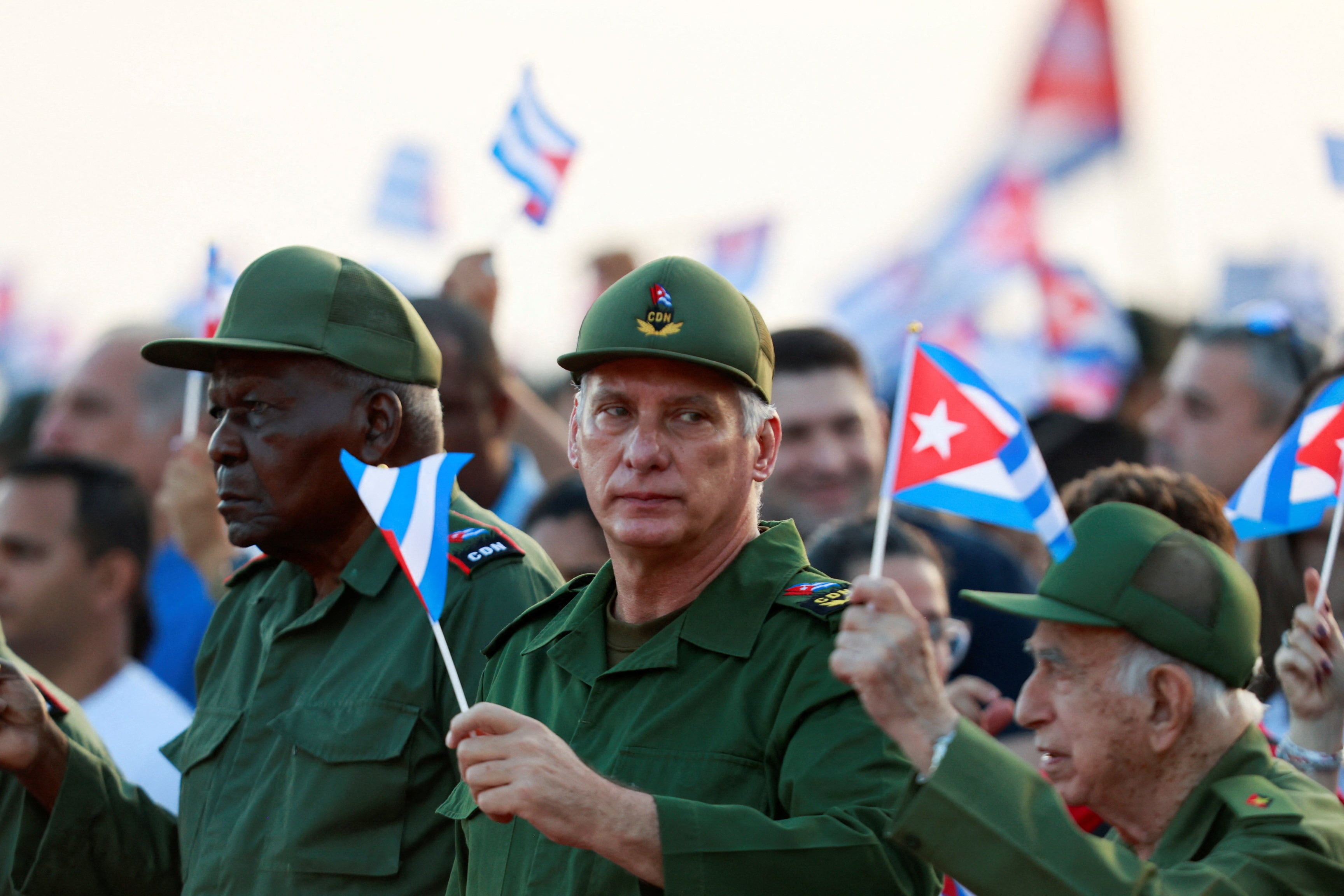
New winds of reform are sweeping through Havana. The Cuban regime on Friday announced a package of structural changes under the so-called Economic and Social Program for 2026 to confront one of the most severe crises in its recent history.

Seguir leyendo

© Norlys Perez (REUTERS)

Miguel Díaz-Canel in Havana, Cuba, on May 22.
  •  

Chaotic talks on a US-Iran deal continue on the Trump rollercoaster

Amid rhetoric, market uncertainty and tit-for-tat exchanges, the two sides are still trying to find a way out of the impasse

Great news! Donald Trump has said the US and Iran are on the verge of a peace agreement. Oil prices are down, and the stock market is up. This comes only hours after Trump warned Iran was about to be struck “VERY HARD”, a threat that had sent oil prices up and stocks down.

It has been another ride on the Trump rollercoaster, keeping traders on edge, most of the world poorer, and people of the Middle East constantly whiplashing between fear and hope. But whether the ride veers up or down, the management always makes money.

Continue reading...

© Photograph: Kent Nishimura/AFP/Getty Images

© Photograph: Kent Nishimura/AFP/Getty Images

© Photograph: Kent Nishimura/AFP/Getty Images

  •  

Trump asking Congress for symbolic expunging of his two impeachments

President is first in US history to be impeached twice, over abuse of power and inciting an insurrection

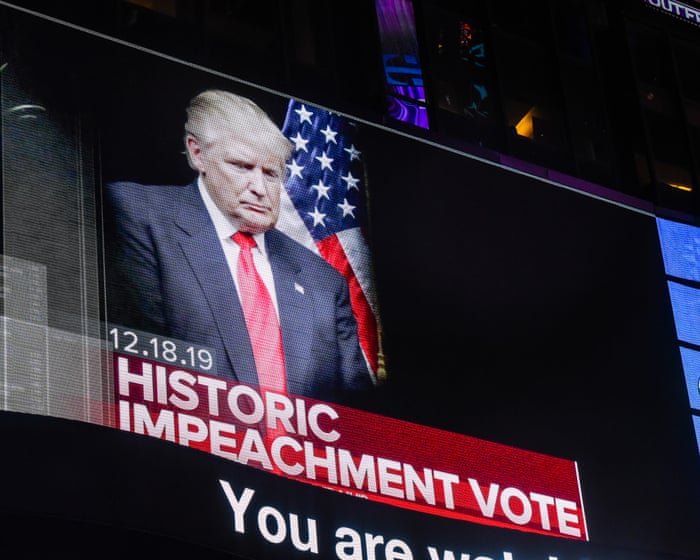
Donald Trump is pressing Congress to erase one of the darkest chapters of his political career, urging Republicans to pass a resolution that would symbolically nullify the two impeachments he suffered during his first term in office.

The effort, first reported by the Wall Street Journal and confirmed by a White House official, would allow Trump to claim a symbolic victory on a key grievance from his first term. But experts say it would have little legal significance, since the constitution provides no procedure for undoing an impeachment.

Continue reading...

© Photograph: Stephanie Keith/Getty Images

© Photograph: Stephanie Keith/Getty Images

© Photograph: Stephanie Keith/Getty Images

  •  

Trump não merece receber a Copa do Mundo

Quer receber os textos desta coluna em primeira mão no seu e-mail? Assine a Newsletter da Pública, enviada sempre às sextas-feiras, 8h. Para receber as próximas edições, inscreva-se aqui

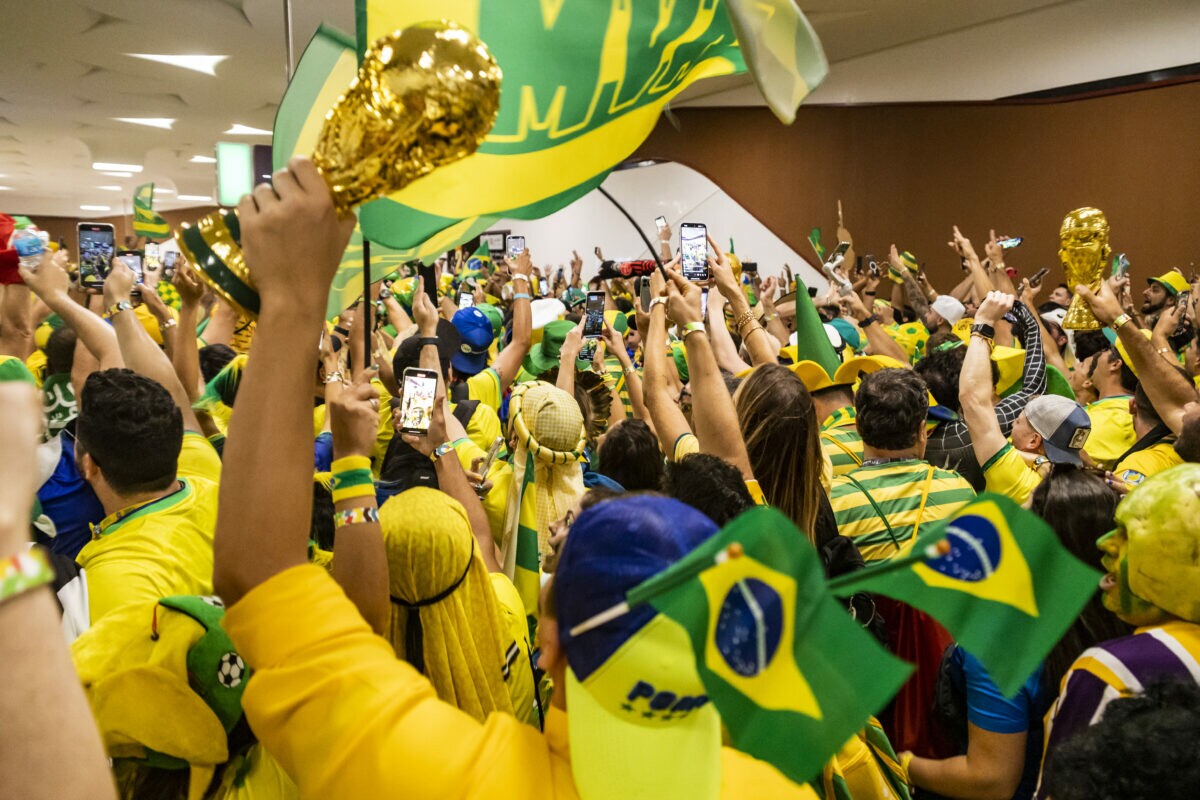
Na segunda-feira passada, a três dias da abertura da Copa dos Estados Unidos, Canadá e México, assistimos a uma cena inédita nas finais do campeonato de basquete em Nova York. O presidente Donald Trump foi vaiado longa e ruidosamente pelos nova-iorquinos a ponto de encobrir a letra do hino dos Estados Unidos e superar a conhecida reverência que os americanos devotam aos símbolos nacionais.

A imprensa americana atribuiu a irritação dos torcedores ao forte esquema de segurança do presidente, que transtornou o trânsito, restringiu a circulação de pedestres e dificultou o acesso ao Madison Square Garden, onde o time da casa, os Knicks, disputava a partida com o San Antonio Spurs. Trump foi ainda mais vaiado do que o time adversário, segundo o New York Times.

A maioria dos nova-iorquinos não votou em Trump e o prefeito escolhido por eles, Zohran Mamdani, assistiu ao jogo em uma cadeira comum, como já havia feito outras vezes, ao lado dos torcedores. Uma boa oportunidade para a maioria democrata constranger o presidente MAGA, que enfrenta resistência da população e das autoridades municipal e estadual por sua política contra os imigrantes. Nova York é uma cidade-santuário, com mais de um terço da população composta por cidadãos vindos de outros países – o próprio Mamdani é filho de indianos e nasceu na Uganda. 

As vaias contra Trump soaram para mim como uma condenação vibrante ao belicismo, à xenofobia e ao racismo do presidente, por isso mesmo indigno de receber os 48 países que jogam na Copa do Mundo e que obteve a subserviência da Fifa para impor regras excludentes em um evento de confraternização de nações e povos. 

O critério para a entrar nos Estados Unidos, que tem trazido problemas a atletas, técnicos e torcedores de outros países é racista, como mostra o episódio da deportação de um juiz somali. Considerado o melhor árbitro da África, sua exclusão se deve apenas ao fato de pertencer a um povo que Trump declarou repetidamente ser “lixo” a ser expulso dos Estados Unidos. Jogadores do Haiti, um “país de merda”, em outra declaração racista de Trump, também enfrentaram uma odisseia para reunir o time completo na Flórida. 

O presidente, que recebeu o Nobel da Paz fajuto da Fifa, traz também a guerra para o espetáculo do esporte. A seleção iraniana terá de se basear em Tijuana, no México, cruzando a fronteira para jogar e voltando logo depois. O ódio anti-islâmico também vitimou o principal nome da seleção iraquiana, Aymen Hussein, detido e interrogado por sete horas antes de ser liberado. Até a França, que tem maioria de jogadores de sua seleção com ascendência africana, chiou diante de exigências feitas por Trump a países africanos. 

E o suspense continua. O ICE, a violenta polícia migratória de Trump, já avisou que pode prender estrangeiros “irregulares” durante o evento. Pelo crivo utilizado até o momento, isso significa que qualquer um pode ser preso por ser da nacionalidade ou da cor errada. O que também mobiliza os brasileiros: uma pesquisa da Nexus, divulgada pela coluna de Leonardo Sakamoto, revelou uma alta de 1.166% no volume de citações em português sobre o tema no X, Instagram e Facebook, entre os dias 6 e 9 de junho. 

A imprensa aposta que Trump fará da Copa seu “reality show” para alavancar a sua popularidade em baixa internamente. Se for essa a intenção, começou mal, reforçando um dos aspectos mais criticados do seu governo: a atuação do ICE, reprovada por 58% dos cidadãos americanos segundo pesquisa divulgada em março deste ano. E expressa em alto e bom som nas vaias dos nova-iorquinos. 

Não é uma boa propaganda também para Flávio Bolsonaro, já atingido pelos áudios escandalosos com Daniel Vorcaro e pelo tarifaço decretado por seu “amigo” Trump contra o Brasil, dias depois de conseguir uma foto com o presidente dos Estados Unidos. Não vai adiantar sair pedindo a proibição de pesquisas desfavoráveis a Nunes Marques, presidente do TSE e ministro do STF nomeado por Jair Bolsonaro.  

Nessa Copa, não se trata apenas torcer para seleção, mas de se orgulhar da camisa verde e amarela e da democracia brasileira. Para quem não confunde amor com ódio e patriotismo com xenofobia, isso pode significar também exigir da Fifa o tratamento respeitoso e justo aos que participam do espetáculo do esporte que ajudamos a consagrar. Sorte para nós e uma longa vaia a Trump!

  •  

Hormuz aperto (come è sempre stato), sgarbo a Israele e nessun accordo sul nucleare: ecco perché l’intesa con l’Iran non è la vittoria di Trump

“Abbiamo messo fine alla guerra con l’Iran. Hanno accettato di non dotarsi mai di armi nucleari“. Con la solita ansia da dichiarazionismo, che gli è costata una quarantina di smentite in poco più di due mesi, Donald Trump ha ufficializzato l’intesa mentre a Teheran ancora non la davano per certa. Solo ore dopo i media iraniani si sono allineati alla versione circolata sui canali americani. Ma da quanto si apprende, i termini della bozza d’accordo non sono così favorevoli agli Stati Uniti come il tycoon vuol far credere: “Abbiamo vinto la guerra, Teheran non avrà mai l’atomica, era il 95% della questione”. In realtà, per adesso, l’accordo rinvia tutte le contrattazioni sul nucleare degli ayatollah. Forse se ne è accorto pure il presidente Usa che nel pomeriggio ritratta: “I termini dell’intesa fatti circolare da Teheran sono una fake news. Farebbero bene a rimettersi in riga”.

Nessun intesa sul nucleare iraniano

Sia la bozza diffusa da Axios sia quella pubblicata dai media iraniani precisano una cosa: nessuna decisione è ancora stata presa sul nucleare di Teheran, se non quella di discutere la questione in dei negoziati finali ad hoc che si svolgeranno nei 60 giorni successivi alla firma di questo primo accordo preliminare. Dire quindi che “l’Iran non avrà mai l’atomica” è un tentativo maldestro del tycoon di intestarsi una vittoria che, al momento, non c’è, anche perché nel memorandum dovrebbe essere inserito solo un vago impegno iraniano a non costruire la bomba atomica, ma non si parla di arricchimento dell’uranio.

Anzi, il fatto che la questione più importante e il motivo per cui si è deciso di scatenare due guerre con Teheran nell”arco di pochi mesi, stando alle parole di Usa e Israele, sia stata esclusa dall’accordo mostra la debolezza di Washington al tavolo negoziale, più interessata a mettere la parola fine sul conflitto, con conseguente riapertura dello Stretto di Hormuz, che a ottenere un nuovo impegno sul nucleare dalla Repubblica Islamica. Se ne parlerà nei prossimi mesi, quindi, ma le ipotesi d’intesa circolate fino a oggi non fanno ben sperare la Casa Bianca. Non è chiaro, ad esempio, se Teheran accetterà di consegnare il proprio uranio arricchito direttamente agli Usa, poco probabile, o a un Paese terzo garante, era circolata l’ipotesi Russia. Fatto sta che questo, comunque, non le impedirebbe di continuare ad arricchirne altro. Inoltre, dopo gli attacchi subiti, l’Iran sa bene che la possibilità di costruire una bomba a breve termine rappresenta un deterrente importante per Paesi che mirano al rovesciamento del regime. In tutti questi casi, comunque, quello di Trump sarebbe un accordo al ribasso rispetto a quello siglato nel 2015 da Barack Obama e che lui stesso ha stracciato unilateralmente definendolo “il peggior accordo della storia“.

Stretto di Hormuz, la vittoria dimezzata

La principale e più importante novità dell’intesa in fase di firma è la riapertura dello Stretto di Hormuz con i flussi che, anche se gli iraniani smentiscono, nel migliore dei casi torneranno ai livelli pre-guerra. Una vittoria di Donald Trump? Non proprio. Innanzitutto viene ripristinata una situazione che era in essere già in passato e che non era mai stata messa in discussione, ossia la libertà di navigazione attraverso lo Stretto. Secondo, si è dato all’Iran la possibilità di sperimentare le conseguenze e l’effettiva efficacia del blocco navale, mostrandogli le pesanti conseguenze economiche che questo è in grado di arrecare alle grandi potenze mondiali. Così, in caso di nuove tensioni, Teheran non si farà scrupoli a riproporre il blocco come arma di ricatto. E dalla Repubblica Islamica si precisa anche che “l’Iran non si impegna in questo documento a cedere la gestione dello Stretto o la restaurazione delle condizioni che esistevano prima dell’aggressione militare americana e israeliana”, scrive Irna. Più che una vittoria, quella di Trump sembra una vittoria dimezzata.

Incognita Israele

L'articolo Hormuz aperto (come è sempre stato), sgarbo a Israele e nessun accordo sul nucleare: ecco perché l’intesa con l’Iran non è la vittoria di Trump proviene da Il Fatto Quotidiano.

  •  

Hoje é um “dia sombrio para a democracia”. Elon Musk será mais rico do que 46% do mundo

SpaceX estreia-se na bolsa esta sexta-feira, o que deverá fazer do empresário o primeiro bilionário do mundo. Oxfam alerta para uma “concentração extrema de riqueza” e fala num “dia sombrio para a democracia”. IPO “encherá os bolsos” de funcionários da administração Trump. O bilionário Elon Musk será mais rico do que os 46% mais pobres da população mundial — cerca de 3,8 mil milhões de pessoas — quando a sua empresa aeroespacial e de inteligência artificial (IA), SpaceX, entrar em bolsa, segundo uma análise publicada esta quinta-feira pela organização humanitária Oxfam. A fortuna pessoal de Musk, dono da rede social

  •  

Battle of the missiles – The Apache scam

By Larry C. JOHNSON

Join us on TelegramTwitter, and VK.

Contact us: info@strategic-culture.su

A truly bizarre series of events off the coast of Iran today that in my opinion were entirely provoked, if not staged, by the US. It started with multiple news reports that a US Army Apache helicopter had been shot down in the Persian Gulf but the two pilots emerged unscathed. What the hell was an Apache helicopter doing?

The AH-64 Apache is a twin-engine attack helicopter primarily designed for anti-armor warfare, close air support, and armed reconnaissance. Apparently it was conducting reconnaissance. The US claims that Iran shot it down, but Iran insists it did no such thing.

I am bothered by the claim it was shot down… If the rocket or bullets had hit the cockpit or damaged the main rotor, the craft would have plunged into the water and the pilots would not have survived. So what happened? Was one of the twin engines damaged but still able to function? Was the rear rotor damaged? Those are the only two scenarios I can imagine that would not have caused a catastrophic crash. Once the helo landed in the water, the pilots had to open the canopy and jump into the water. Hopefully the main rotor — assuming it was intact when the copter hit the water — shattered on impact. Otherwise, the pilots would have been shredded trying to escape.

Coincidentally with this crash, the NY Times published a story, written by David Sanger, discussing the state of US and Iranian negotiations over Iran’s nuclear program. Sanger wrote:

In the days before the latest flare-ups of violence in the Middle East, President Trump’s aides were negotiating with Tehran on four major elements of a nuclear agreement that U.S. officials contend would grind the program to a halt for 15 years or so. . . .

According to the officials and diplomats, here are the four major points of negotiation on a nuclear agreement between the United States and Iran:

1. A lengthy suspension of uranium enrichment

The United States has demanded for months that Iran agree to conduct no uranium enrichment for at least 20 years. The Iranians have countered by offering a 10-year halt, but American officials believe they will settle for 15 years.

2. Iran’s current stockpile of enriched uranium is diluted, or “downblended”

The United States would work with the International Atomic Energy Agency, the U.N. inspection body, to dilute, or “downblend,” Iran’s stockpile of enriched uranium, according to two American officials familiar with the negotiations. American officials envision an active role in handling the nuclear material, something Iran has always forbidden. Iranian officials say the United States would serve only as an observer. . . .

3. Iran dismantles its nuclear sites

The United States has demanded that Iran dismantle its three major nuclear sites at Natanz, Fordo and Isfahan. The United States struck all three in Operation Midnight Hammer nearly a year ago, severely damaging them. Iran has discussed dismantling two facilities but insists on leaving one open, in part to demonstrate it has not surrendered what it views as a “right to enrich.”. . .

4. Iran agrees to “snap” inspections

The United States wants international inspectors to be able to conduct “snap” inspections, anytime and anyplace inside Iran. It is not clear if the Iranian government will agree. As a practical matter, many of the suspect nuclear sites are inside Revolutionary Guards military bases, where inspectors have frequently been barred at the gates.

This summary represents the US position. I doubt the Iranians will agree to an end to all enrichment… They will likely insist on retaining the right to enrich up to 20% for medical isotopes. Dismantling Iranian nuclear sites is a non-starter. The IRGC will simply not accept such a condition. I think Iran will be willing to “downblend” the 60% enriched uranium it currently possesses but that will come with a price tag: immediate lifting of sanctions and the return of frozen assets. What about “Snap” Inspections? That will depend on the composition of the international inspectors. Iran has already been burned by the IAEA inspectors who reportedly collected intelligence on Iranian nuclear scientists and passed that information to Israeli and Western intelligence agencies. That information was used in June 2025 and in the current war to assassinate Iranian scientists.

While Pakistani sources who have access to the status and substance of the negotiations remain optimistic that a deal will be struck, I remain very skeptical. Beyond the nuclear items — which Iran says it refuses to discuss until the US lifts its blockade and there is a genuine ceasefire, which includes Lebanon and Gaza — I do not believe that Iran is going to compromise on its demands: lift sanctions, release frozen assets and recognize its joint-control over the Strait of Hormuz with Oman.

I think that today’s US attack on Iran was an effort to scuttle the negotiations. While Iran struck back hard at targets in Bahrain, Kuwait, Jordan and Kurdish controlled territory in northern Iraq, it limited its retaliation. Iran apparently still believes that there is a viable accord that will end the war, not only the attacks on Iran, but also bring security to Lebanon and Gaza. The onus is on Donald Trump to force Israel to accept the terms. That has the Zionists very nervous, which explains why they are spying on Trump’s negotiators.

I think the negotiations will fail — I hope I am proven wrong — because I do not believe Donald Trump will be willing to accept the concessions demanded by Iran. We will know more by close of business Wednesday.

Original article:  sonar21.com

  •  

Trump anuncia avanço em acordo com Irã, mas Teerã evita falar em fim da guerra

O presidente dos Estados Unidos, Donald Trump, declarou nesta quinta-feira (11) que o confronto com o Irã estaria chegando ao fim após, segundo ele, obter garantias de que Teerã não desenvolverá armas nucleares. A fala, porém, foi recebida com cautela pelo governo iraniano, que negou qualquer desfecho definitivo para a crise.

As negociações entre os dois países avançam em torno de um possível memorando de entendimento dividido em etapas. A primeira prevê a normalização do tráfego marítimo no Estreito de Ormuz em até 30 dias. Já a segunda abriria um período de cerca de dois meses para discutir um novo acordo nuclear.

Trump chegou a afirmar que o documento pode ser assinado já nos próximos dias. Apesar disso, representantes iranianos ressaltaram que ainda não há uma decisão final sobre os termos apresentados.

Especialistas avaliam que o cenário atual representa mais uma ampliação da trégua existente do que propriamente o encerramento do conflito. Segundo analistas, diversos pontos seguem sem consenso entre as partes.

 Trump afirma que um acordo com o Irã está próximo, mas negociações ainda enfrentam divergências | Foto: BRENDAN SMIALOWSKI / AFP

Entre os principais obstáculos estão a recusa do Irã em discutir seu programa de mísseis balísticos, o apoio a grupos armados aliados na região e a exigência de acesso a parte dos recursos financeiros bloqueados pelos Estados Unidos como condição para avançar nas negociações.

Além dos desafios diplomáticos, Trump enfrenta pressão dentro dos próprios Estados Unidos. O aumento dos preços dos combustíveis, a alta da inflação e a proximidade das eleições legislativas ampliam a cobrança por uma solução rápida para a crise.

No cenário regional, Israel também segue como peça central nas tratativas. O governo de Benjamin Netanyahu mantém posições consideradas sensíveis para um acordo mais amplo, especialmente em relação à atuação de grupos armados no Líbano e na região.

The post Trump anuncia avanço em acordo com Irã, mas Teerã evita falar em fim da guerra appeared first on Diário da Manhã - O Jornal do leitor Inteligente.

  •  

Iran, Trump mette all’angolo l’Ue: “Abbiamo vinto da soli, Europa irrilevante”. Axios: “Accordo a Ginevra entro domenica”

Netanyahu: “L’Iran non avrà armi nucleari, pieno accordo con Trump su questo”

“Finché sarò primo ministro di Israele, l’Iran non avrà armi nucleari. Il presidente Trump e io siamo in pieno accordo su questo punto. Da oltre 30 anni sono in prima linea nella lotta internazionale contro il programma nucleare iraniano. Se non fosse per questa lotta, l’Iran avrebbe avuto bombe atomiche per distruggere Israele molto tempo fa. L’Iran sta lavorando per distruggere lo Stato ebraico e io dedico la mia vita a impedirglielo e finché sarò premier di Israele, questo non accadrà”. Lo riferisce il premier israeliano Benjamin Netanyahu in una nota.

Iran, Trump a La7: “Abbiamo vinto la guerra, Europa irrilevante”

“Non avevamo bisogno del loro sostegno. Abbiamo vinto la guerra. Era in qualche modo irrilevante! Devo andare, ho una grande riunione in corso, ma abbiamo vinto la guerra in Iran. Non avevamo bisogno del loro aiuto. Grazie mille”: così il presidente Usa, Donald Trump, al telefono con Daniele Compatangelo, riportata questa mattina a Omnibus di La7, rispondendo a una domanda sul ruolo dei leader europei e del G7 rispetto alla crisi con l’Iran. Trump ha sostenuto inoltre che il sostegno degli alleati europei fosse “irrilevante”, rivendicando che gli Usa hanno raggiunto gli obiettivi senza il loro contributo.

Axios: “La firma dell’intesa Usa-Iran potrebbe avvenire a Ginevra”

La possibile cerimonia di firma di un “memorandum di intesa” tra Washington e Teheran potrebbe avvenire “nei prossimi giorni” a Ginevra: lo riporta Axios, spiegando che ieri quattro aerei C-17 statunitensi sono decollati per l’Europa nella giornata di iera, trasportando “materiale per un possibile viaggio” del vicepresidente Usa J.D. Vance, che Donald Trump ha indicato come la figura incaricata di firmare l’accordo preliminare, verso la città svizzera.

Iran, i dettagli dell’accordo con gli Usa

L’agenzia di stampa iraniana Mehr ha rivelato nuovi dettagli di una bozza di memorandum d’intesa in 14 punti tra Iran e Stati Uniti, citando una fonte vicina al team negoziale iraniano. Secondo l’agenzia, la bozza include la cessazione permanente e immediata delle ostilità su tutti i fronti, Libano compreso; l’impegno degli Stati Uniti a non interferire negli affari interni dell’Iran e a rispettare la sovranità della Repubblica Islamica; Revoca completa del blocco navale entro 30 giorni; Impegno degli Stati Uniti a ritirare le proprie forze dalle zone limitrofe all’Iran; Riapertura dello Stretto di Hormuz entro 30 giorni, secondo gli accordi iraniani; Sospensione delle sanzioni imposte sulle esportazioni di petrolio, prodotti petrolchimici e loro derivati, e garanzia del pieno accesso dell’Iran alle proprie risorse finanziarie; La presentazione da parte degli Stati Uniti e dei loro alleati di piani di ricostruzione per l’Iran, del valore di almeno 300 miliardi di dollari.

Gli iraniani chiedono anche un periodo di 60 giorni per i negoziati al fine di raggiungere un accordo definitivo sulla questione nucleare e la revoca completa delle sanzioni primarie e secondarie statunitensi, nonché delle risoluzioni del Consiglio di Sicurezza delle Nazioni Unite e del Consiglio dei Governatori dell’AIEA. Infine si chiede da part degli Usa il rinnovato impegno dell’Iran a rispettare il Trattato di Non Proliferazione Nucleare (TNP) e a non produrre armi nucleari. Si assicura anche l’impegno degli Stati Uniti, durante il periodo di negoziazione, a non aumentare la propria presenza militare nella regione e a non imporre nuove sanzioni e lo sblocco di 24 miliardi di dollari di beni iraniani congelati durante il periodo di negoziazione finale di 60 giorni, di cui la metà messa a disposizione dell’IRAN prima dell’inizio dei negoziati. Si parla anche dell’istituzione di un meccanismo di monitoraggio per l’attuazione dell’accordo e dell’adozione dell’ACCORDO finale tramite una risoluzione del Consiglio di Sicurezza delle Nazioni Unite.

Gli iraniani chiedono anche un periodo di 60 giorni per i negoziati al fine di raggiungere un accordo definitivo sulla questione nucleare e la revoca completa delle sanzioni primarie e secondarie statunitensi, nonché delle risoluzioni del Consiglio di Sicurezza delle Nazioni Unite e del Consiglio dei Governatori dell’AIEA. Infine si chiede da part degli USA il rinnovato impegno dell’Iran a rispettare il Trattato di Non Proliferazione Nucleare (TNP) e a non produrre armi nucleari. Si assicura anche l’impegno degli Stati Uniti, durante il periodo di negoziazione, a non aumentare la propria presenza militare nella regione e a non imporre nuove sanzioni e lo sblocco di 24 miliardi di dollari di beni iraniani congelati durante il periodo di negoziazione finale di 60 giorni, di cui la metà messa a disposizione dell’Iran prima dell’inizio dei negoziati. Si parla anche dell’istituzione di un meccanismo di monitoraggio per l’attuazione dell’accordo e dell’adozione dell’accordo finale tramite una risoluzione del Consiglio di Sicurezza delle Nazioni Unite.

LEGGI LE NOTIZIE DEL CANALE ESTERI

L'articolo Iran, Trump mette all’angolo l’Ue: “Abbiamo vinto da soli, Europa irrilevante”. Axios: “Accordo a Ginevra entro domenica” proviene da Affaritaliani.it.

  •  

Trump si traveste da Naruto in un video AI e e scatena la protesta degli appassionati di manga: “Non trasformate i nostri eroi in strumenti politici”

Forse per il dono dell’ubiquità, che lo divertirebbe assai. O forse per l’aria da guerriero, il coprifronte che tiene su la chioma fulva. O come direbbe la Gen Z, per l’aura. Per il fascino del ninja, figura di un immaginario pop che romanticizza le battaglie, ma è finzione e nasconde spesso una morale. O magari per tutte queste cose insieme. Fatto sta che Donald Trump ne ha combinata un’altra.

Sabato scorso, 6 giugno, ha pubblicato sul suo social Truth un video che lo ritrae nei panni di Naruto, il protagonista dell’omonimo manga disegnato da Masashi Kishimoto che è diventato un cult nel mondo e ha generato un adattamento televisivo di oltre 700 episodi. Da mesi diversi fan giapponesi dei manga protestano contro la Casa Bianca per la diffusione di video AI propagandistici con le raffigurazioni dei loro personaggi preferiti.

A marzo, da Washington avevano diffuso sul web un filmato in cui scene di anime come Yugi-Oh e Dragon Ball si intervallavano con le immagini degli attacchi statunitensi in Iran. Un giorno prima, lo stesso account aveva sovrapposto uno screen del videogioco dei Pokemon allo slogan Make America Great Again.

Scelte da cui le aziende creatrici dei cartoni animati hanno preso le distanze: nessun diritto concesso. E che sono arrivate anche all’ufficio di gabinetto dalle parti di Tokyo. È stata lanciata una petizione per chiedere agli Usa di smetterla, ma senza particolari risultati. Con la mediazione del ministero degli Esteri, poi, come scrive il Guardian e si legge nel documento, è stato richiesto all’ambasciata degli Stati Uniti in Giappone di intervenire “per l’uso non autorizzato di Yugi-Oh e giochi Nintendo sull’account ufficiale X della Casa Bianca”.

Adesso, a risollevare il polverone ci ha pensato Trump con una delle sue trovate surreali. Niente che cozzi con l’abitudinario stile. Nel videoclip in questione, a corredo della canzone “Thank you, President Trump” è ritratto anche a cavallo di un cammello e di un leone, in piedi di fronte alla torre di Pisa e come un’astronauta mentre pianta la bandiera a stelle e strisce sulla luna. E poi con la tuta arancione, mani giunte e l’indice poggiato sul mento: moltiplicando l’identità, come Naruto.

Il presidente Maga gioca con l’universo giapponese e l’impennata di firme sulla petizione arriva puntuale. Come riporta The Indipendent, ora sono più di 23.000. “Siamo fan che amano profondamente i manga e le opere di anime – si legge nel documento –. Per molti anni queste opere hanno ispirato il pubblico di tutto il mondo trasmettendo valori come il coraggio, l’amicizia, la perseveranza. Per questo motivo, molti si sentono preoccupati quando le immagini di questi prodotti sembrano essere utilizzate in contesti politici o militari che possono differire dalle intenzioni dei creatori originali o dei titolari dei diritti”.

L’organizzatrice della campagna, Nana Suzuki, ha riassunto perfettamente alla BBC il sentimento collettivo: “Kazuki Takahashi, il creatore di Yugi-Oh, è morto dopo aver tentato di salvare qualcuno nell’oceano. Mi rattrista profondamente che il suo spirito nobile, che cercava di salvare gli altri e il messaggio del suo lavoro, sia usato in un contesto militare”.

L'articolo Trump si traveste da Naruto in un video AI e e scatena la protesta degli appassionati di manga: “Non trasformate i nostri eroi in strumenti politici” proviene da Il Fatto Quotidiano.

  •  

Crowd gathers at Kennedy Center after court denies Trump’s emergency appeal to keep his name on building – as it happened

This live blog is now closed.

Donald Trump and his allies have discussed pushing lawmakers to pass a resolution aimed at voiding his first-term impeachments, the Wall Street Journal reported last night, citing people familiar with the matter.

It should be done because I did nothing wrong,” Trump said when asked about the resolution in a phone call this week with the Journal. “It was a rigged deal — it was a whole rigged situation.”

Continue reading...

© Photograph: Jonathan Ernst/Reuters

© Photograph: Jonathan Ernst/Reuters

© Photograph: Jonathan Ernst/Reuters

  •  

“Per favore, non usate la mia musica in relazione a questa barbara, disumana e atroce assurdità”: Ariana Grande furibonda con la Casa Bianca e Donald Trump

Ariana Grande non ci sta ed è furibonda. La popstar e attrice ha chiesto alla Casa Bianca di non utilizzare la sua musica. L’amministrazione Trump ha usato la musica dell’artista in un video diffuso sui social media per promuovere le sue politiche sull’immigrazione. Il reel di TikTok, pubblicato lunedì 8 giugno, mostra agenti di frontiera che ammanettano persone, con in sottofondo la hit del 2024 “Bye”. La didascalia recita: “Bye-bye… Il presidente Trump ha creato il confine più sicuro della storia”.

La popstar ha commentato il post: “Per favore, non usate la mia musica in relazione a questa barbara, disumana e atroce assurdità”. La portavoce della Casa Bianca, Abigail Jackson, ha risposto subito: “Ciò che è veramente barbaro, disumano e atroce sono gli stranieri illegali criminali che hanno ferito e ucciso innocenti cittadini americani”.

La Casa Bianca ha diffuso un video in seguito alla firma di Donald Trump di una legge che stanzia oltre 70 miliardi di dollari (circa 52 miliardi di sterline) a favore delle agenzie per l’immigrazione, fondi destinati a coprire i restanti due anni e mezzo del suo mandato presidenziale. Il filmato mostra agenti delle forze dell’ordine mentre procedono all’arresto di alcune persone, le conducono a bordo di veicoli e le trasferiscono presso strutture di detenzione.

Dopo la risposta di Grande al post, il video è stato silenziato e il suo commento rimosso.

L'articolo “Per favore, non usate la mia musica in relazione a questa barbara, disumana e atroce assurdità”: Ariana Grande furibonda con la Casa Bianca e Donald Trump proviene da Il Fatto Quotidiano.

  •  

Trump’s ERAM cruise missiles for Ukraine blow up his peace overtures to Russia

The United States could bring the wars in Ukraine and the Middle East to a rapid end by stopping the supply of weapons.

Join us on TelegramTwitter, and VK.

Contact us: info@strategic-culture.su

At the Anchorage summit last summer between U.S. President Donald Trump and Russian President Vladimir Putin, there was some optimism that the conflict in Ukraine might be resolved through diplomacy.

There appeared to be an atmosphere of bonhomie between the two leaders, and in particular, an openness on the American side to listen to Russia’s historic grievances about NATO’s enlargement, presenting a national security threat.

Only days later, however, Trump’s administration quietly approved the supply of new cruise missiles to Ukraine. After months of delay, those new types of weapons are now on their way to Ukraine. This firepower will give a deeper reach into Russia, which is already being assailed by long-range NATO drones.

The summit in the Alaskan capital in August 2025 was dubbed the “spirit of Anchorage.” The meeting was supposed to signal Trump’s commitment to finding a diplomatic settlement of the conflict, taking into account Russia’s historic territorial claims. There appeared to be a recognition on the American side of addressing Moscow’s concerns about the “root causes of conflict” from decades of NATO encroachment on its borders.

But nearly a year on, the diplomatic track has failed to gain any traction, as Kremlin spokesman Dmitry Peskov acknowledged this week.

Trump has, of course, become embroiled in a disastrous war against Iran, one that is endangering the whole Middle East and the global economy.

So much for the “peace presidency” that he had promised. Still, one might expect him to at least pay some token attention to pushing diplomacy in Ukraine. No. Like a kid bored with a new toy, Trump has backed away, which makes all his past angst to stop the slaughter in Ukraine something of a superficial theater.

What is still going ahead, though, is the supply of over 3,300 U.S.-made cruise weapons, manufactured under a program called the Extended Range Attack Missiles (ERAM). The ERAM program began production in April 2025 of two new cruise missile designs.

One weapon is called the Rapidly Adaptable Affordable Cruise Missile (RAACM), manufactured by CoAspire. It has a range of 450 kilometers.

The other design, known as Rusty Dagger, has a much longer range of over 900 km, and is produced by Zone Five Technologies. Both companies are based in the U.S.

The ERAMs are much smaller than Tomahawk cruise missiles in terms of overall size, weight, and explosive warhead. But they were engineered to give Ukraine a cheaper option for deep strikes in Russian territory. They also do not have the iconic image of the Tomahawk and, therefore, can be supplied without arousing the same provocation.

They are designed to be deployed as air-launched weapons using F-16 fighter jets or MiG-29s, both of which are flown by the Ukrainian armed forces.

European NATO states – Denmark, the Netherlands, and Norway – are picking up most of the tab for the $825 million cost of supplying the ERAMs to Ukraine, according to the Pentagon.

It is being reported, although not officially confirmed, that the Rusty Dagger ERAM, the longer-range version, has already begun operations in striking Russia. The claims are based on the alleged recovery of missile debris, showing navigation equipment belonging to Five Zone Technologies.

Since the Anchorage summit last year, President Trump has sought to cast the Kiev regime and the European NATO leaders as unhelpful to his efforts to make a peace deal with Russia. There has also been a belief on that Russian side that Trump is genuine in his expressions of wanting to find a diplomatic resolution to the more than four-year war in Ukraine – the biggest in Europe since World War II.

Moscow has tended to rebuke the Zelensky regime and its European patrons for being intransigent and acting to undermine Trump’s peace diplomacy. There is no doubt that this criticism of European Russophobia blocking diplomatic engagement has some merit.

Nevertheless, a reality check is due on what Washington’s abiding agenda is.

Washington has led the long-term strategic policy of confrontation with Russia using the NATO alliance and Ukraine as a proxy. This has been Washington’s systematic policy under successive U.S. administrations, from Clinton in the 1990s to Bush, Obama, Biden, and Trump.

It was under Trump during his first administration in 2018 that the U.S. broke the taboo of supplying lethal weapons to Ukraine. Those munitions included $47 million worth of Javelin anti-tank missiles. Russia warned at the time that such arming of Ukraine would lead to open conflict. That prediction duly culminated in February 2022 during the Biden administration when Russia invaded Ukraine to defend Russian-speaking people who were being attacked and killed by the NATO-backed NeoNazi Kiev regime.

Indeed, Trump has boasted at various times about how he was the first president to send lethal weapons to Ukraine, while at the same time trying to blame the Biden administration for starting the war.

In his second administration, from January 2025, Trump has balked at supplying Tomahawk cruise missiles to Ukraine so as not to provoke Russia after Moscow gave stern warnings against such a move. And he has talked up his supposed desire to end the slaughter, at one point claiming he could achieve that in 24 hours.

Trump has also scaled back sending U.S. tax dollars as military aid to Ukraine, which might suggest that he is serious about winding down the conflict.

A more nuanced view is that what transactional Trump seems more concerned about is not so much reducing the supply of U.S. weapons to Ukraine but rather getting the Europeans to pay for it.

This is evident from the expected supply of over 3,300 ERAM cruise missiles to Ukraine, which Europe is financing. Trump has approved that delivery.

Unmistakably, this represents a grave escalation in the war against Russia, whereby the U.S. and its European NATO partners are making a concerted effort to weaponize the Kiev regime to strike deeper. The new cruise missile arsenal dovetails with the ramping up of European-supplied and financed long-range drone capability.

Thus, the inescapable conclusion is that Washington’s agenda of hostility towards Russia has not changed fundamentally. It has merely become nuanced with duplicity about seeking diplomacy, a charade in which Washington is supposedly thwarted by a recalcitrant Kiev regime and European Russophobes.

This same duplicitous charade is played with regard to Iran. Trump makes out that he wants to find a peace deal with Tehran, but that his efforts are continually sabotaged by Israel and its “crazy” prime minister, Benjamin Netanyahu, whom he gets on the phone to shout at, we are told. This, from a U.S. president who started a war of aggression against Iran 100 days ago on February 28 by murdering Iran’s supreme leader while he was saying prayers in his Tehran home, and on the same day killing 168 schoolgirls in a multiple air strike on a college in Minab.

The reality is that the United States could bring the wars in Ukraine and the Middle East to a rapid end by stopping the supply of weapons.

Trump’s so-called peace diplomacy is a con to cover up for the fact that U.S. warmongering is the root cause of conflicts, and this warmongering is not going to stop until it is defeated.

  •  
❌