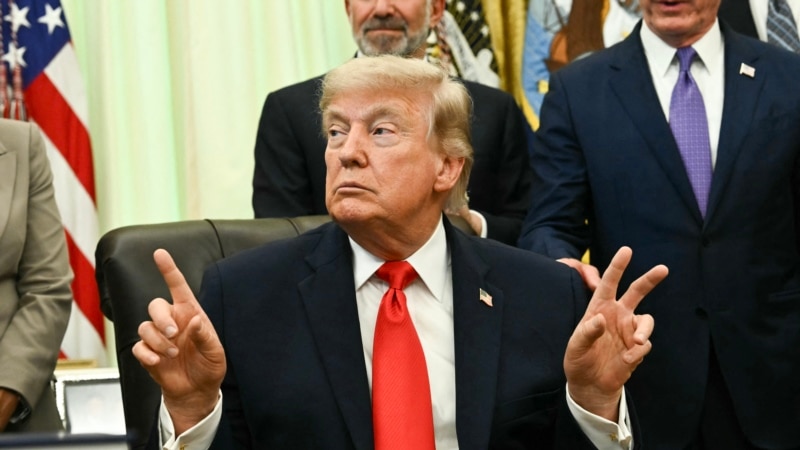
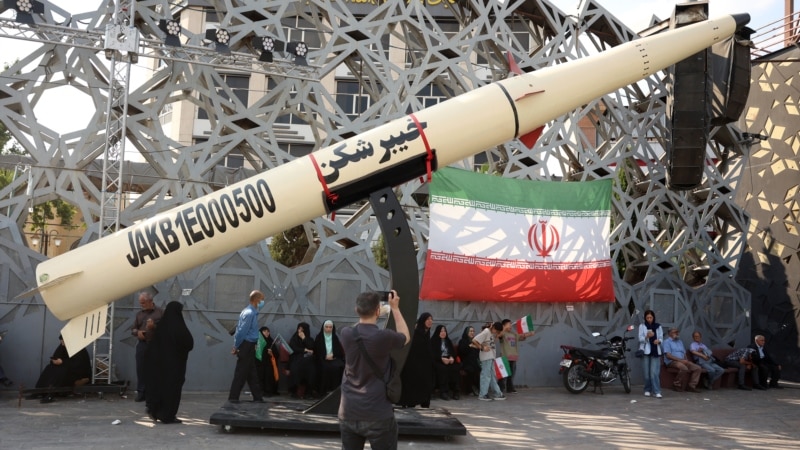
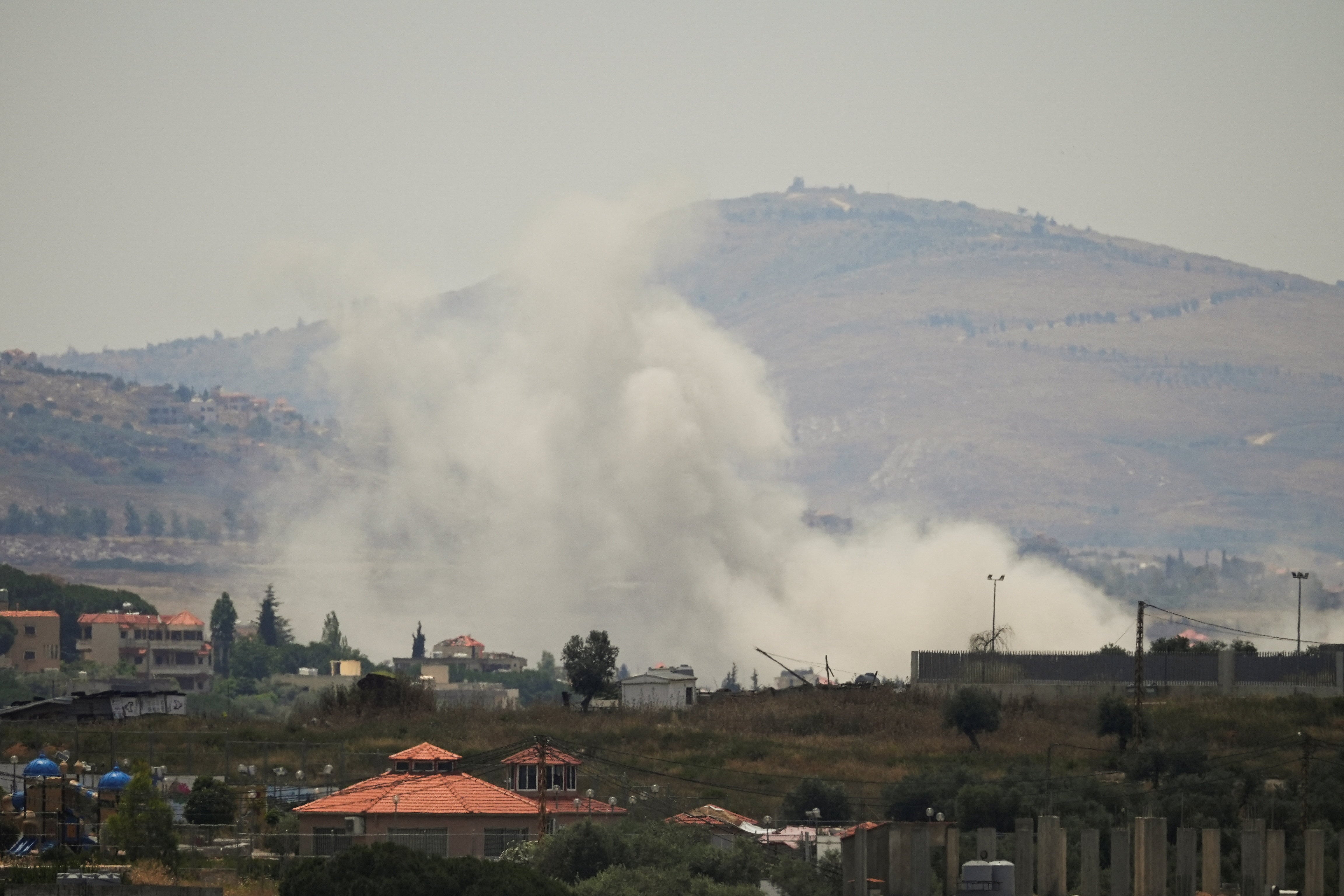
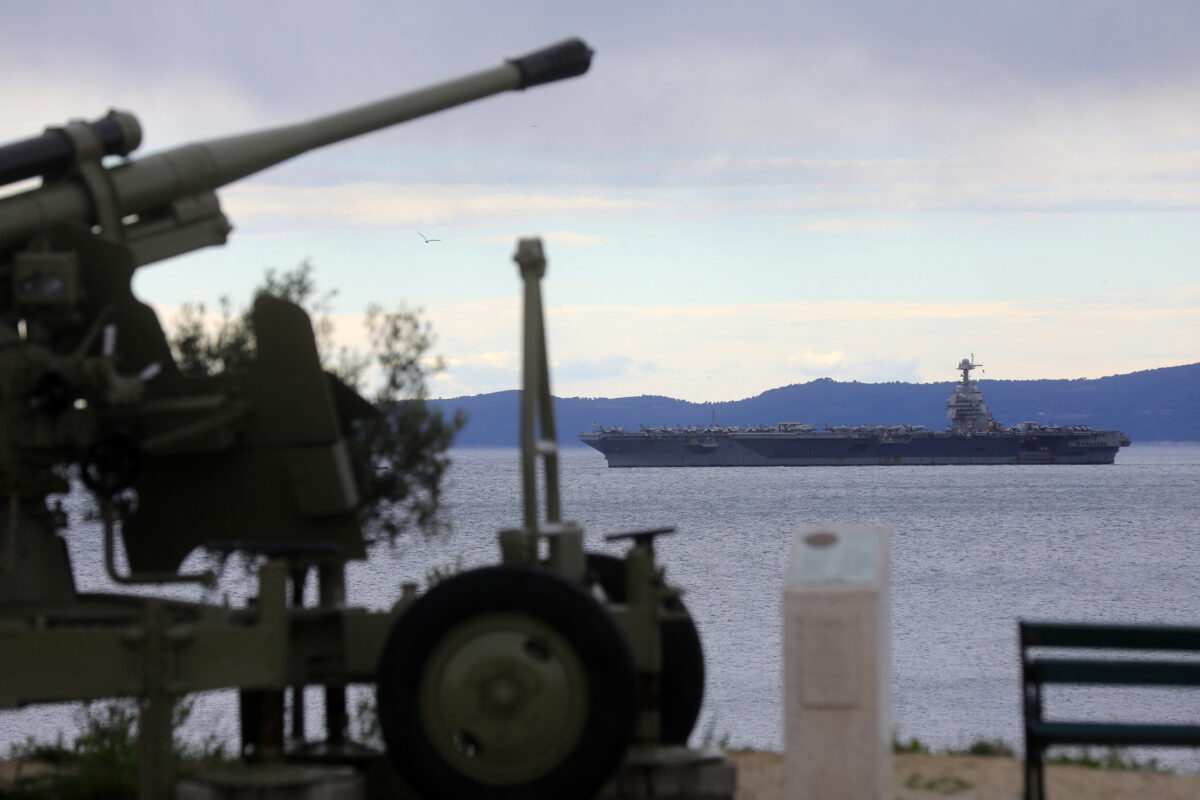
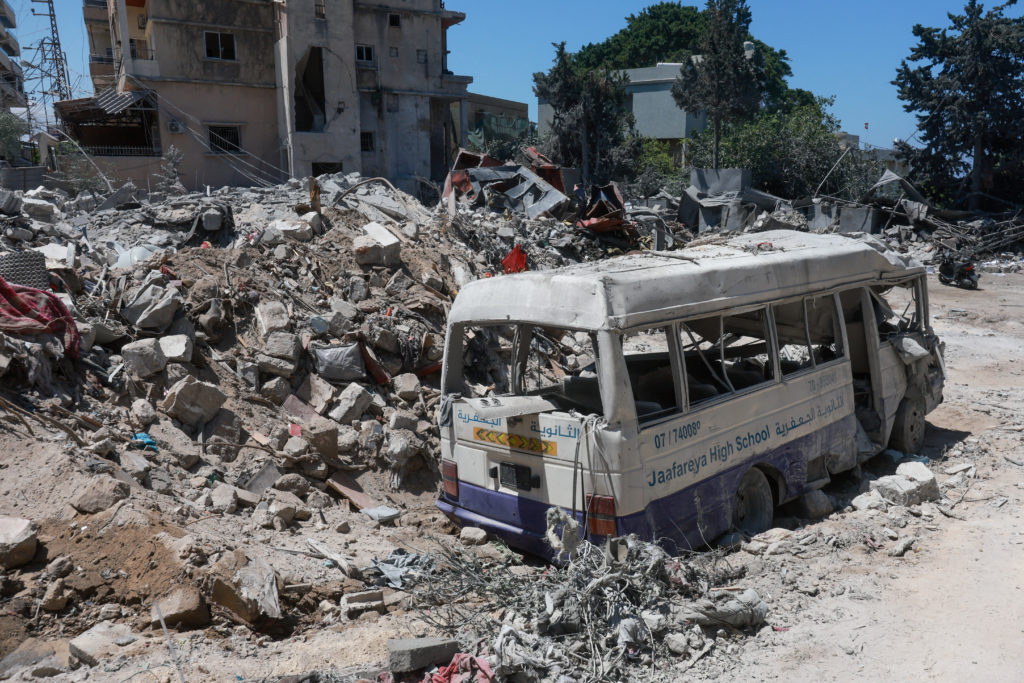
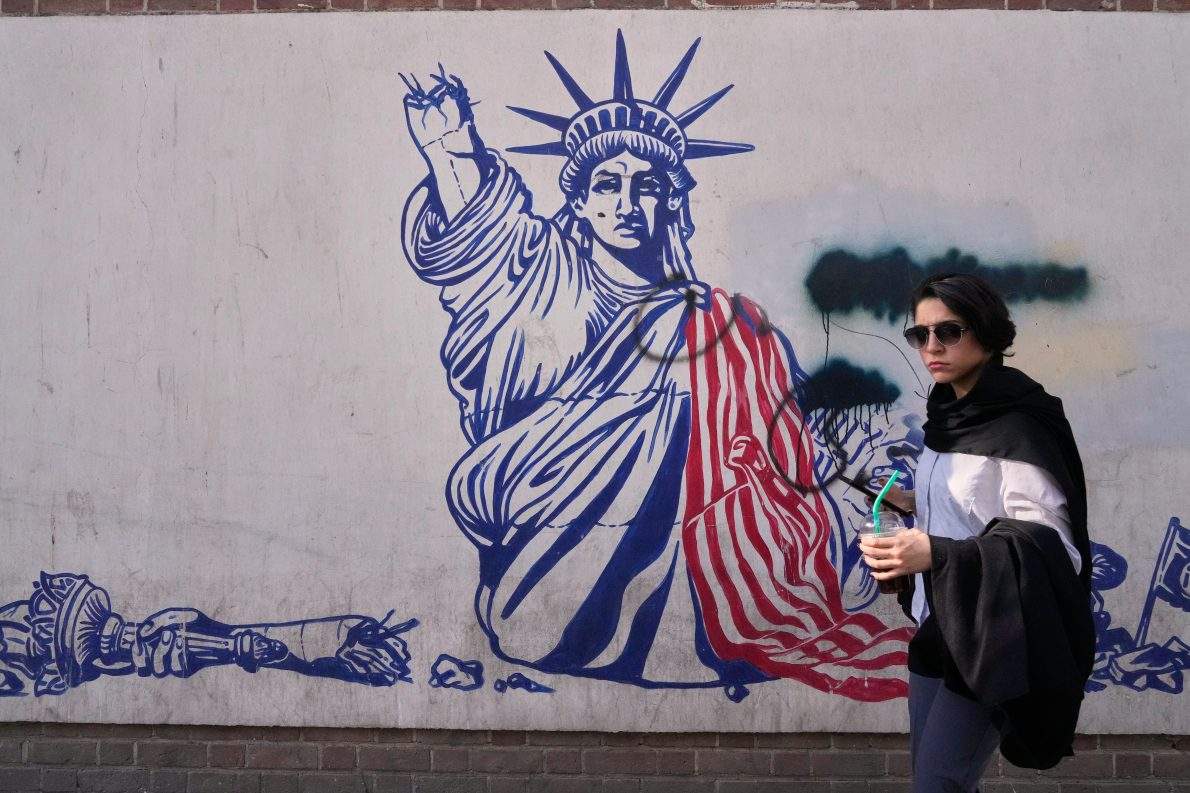
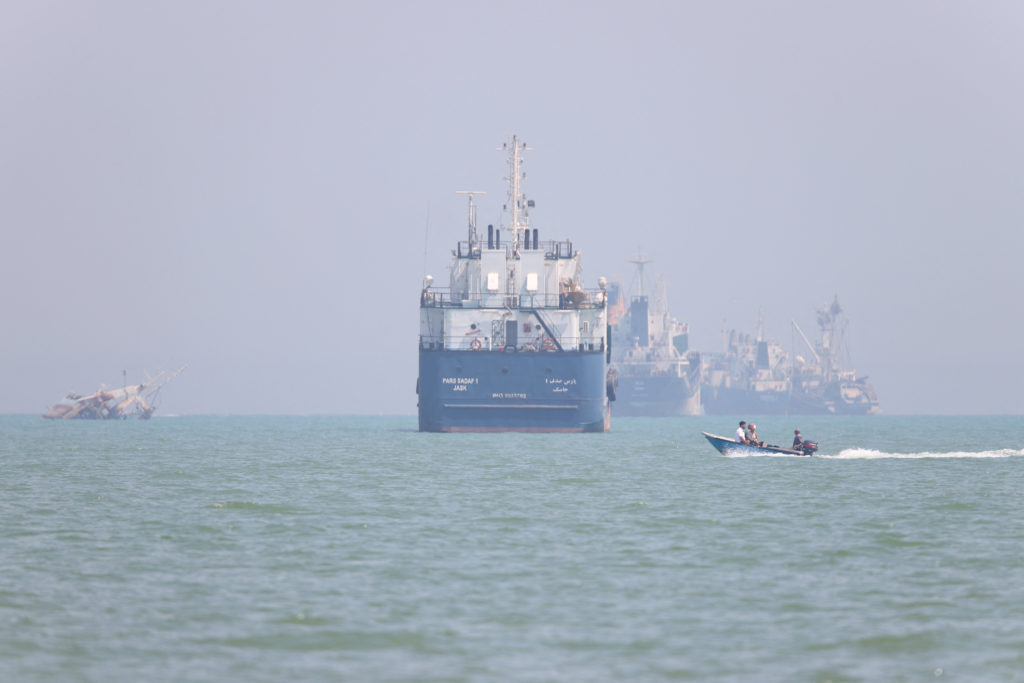
White House Says Iran, Ukraine, High On Trump's G7 Agenda


The country known today as Iran extends from the Persian Gulf and the Indian Ocean in the south to the border of Turkey and Turkmenistan in the north. The territory of Iran is equivalent to much of the ancient Persian Empire. In the southwest part of Iran was the historic region of Persis, or Persia proper, and Iran was called “Persia” until the twentieth century. Why did it have that name, and where did it come from?
There is an area in modern-day Iran, the Fars Province, sometimes written as “Pars.” This province occupies most of the immediate region on the eastern side of the Persian Gulf.

This region is roughly equivalent to the ancient land of Persis. Scholars also refer to this as Persia proper. This was the land of the ancient Persians. They probably resided in this land for a few centuries before they managed to forge an empire for themselves.
Therefore, even after forming a large empire, this region was still distinctly known as Persis. This is where the Fars Province derives its name. Similarly, the Babylonia region in Iraq remained a distinct part of Mesopotamia even after its people established the Babylonian Empire, which encompassed much of the Fertile Crescent.
The place name ‘Persia’ originates from the name that the ancient Persians gave to their land, which in ancient Persian was ‘Parsa’. The Greeks adapted this into ‘Persis’, and later, the Romans adapted the Greek term into ‘Persia’.
The Persians gave the name ‘Parsa’ to their land (roughly the Fars Province), apparently after themselves, whom they also called ‘Parsa’. This was their native ethnonym.
Partially based on ancient Assyrian records, many scholars believe that the Persians migrated into Persia from the north. The earliest ancient inscriptions which refer to Persia, or Parsa, in the Fars Province of southwestern Iran date to approximately the middle of the first millennium BCE.
On the other hand, around 900 BCE, Assyrian inscriptions refer to a location called Parsua, much further north. The similarities between ‘Parsua’ and ‘Parsa’ are strong, leading many scholars to believe that they are different forms of the same word.
Perhaps due to constant Assyrian attacks, the Persians may have migrated south from Parsua, near Armenia, all the way to the Fars Province next to the Persian Gulf. If so, then during their early history, the Persians may have been called the Parsuash.
In Greek mythology, Perseus was the legendary founder of the Perseid dynasty and one of the greatest heroes before the age of Heracles, alongside figures like Cadmus and Bellerophon. He is best known for slaying the Gorgon Medusa on behalf of King Polydectes and for rescuing Andromeda from the sea monster Cetus.
According to Greek tradition, Perseus and Andromeda had a son named Perses. He came to be regarded as the forefather of the Persian people. According to Herodotus, Xerxes invoked this ancestral link in an effort to gain the support of the Argives during his campaign in Greece, though his attempt was unsuccessful.
First Alcibiades, a dialogue from the late 4th century BC attributed to Plato, implies that one of Perses’ descendants was Achaemenes, the traditional forefather of the Achaemenid dynasty of Persian kings.
Of course, the Fars Province is only a small part of Iran. So, why was Iran as a whole called Persia in ancient times, and as recently as the twentieth century? The reason ultimately goes back more than two and a half millennia.
King Cyrus of the Persians carved out an enormous empire in the sixth century BCE. This took in all of present-day Iran, Iraq, Syria, Israel, and much more, bringing down three empires in the process. For a time, contemporary Greek writers used ‘Persia’ to refer to the entire empire.
In the late fourth century BCE, Alexander the Great defeated and conquered the Persian Empire. This ended Persian control over everything apart from the Fars Province. How, then, did the name ‘Persia’ continue to be applied to the entire region of modern-day Iran?
The answer partially goes back to the third century CE. At that time, Ardashir I, a king of Persis, founded the Sasanian Empire. This reconquered large portions of the former Persian Empire of King Cyrus.
Eventually, in the seventh century, the Muslims conquered all of the territory of the king of Persis. Nevertheless, by this time, the term ‘Persia’ had come to be commonly used for that entire region. Furthermore, the inhabitants continued holding a distinct cultural identity, in contrast to the surrounding area.
The term ‘Persia’ continued to be used even after the Muslim conquest. This is why the country of Iran was formerly called Persia in ancient times, and the name persists in the modern world.

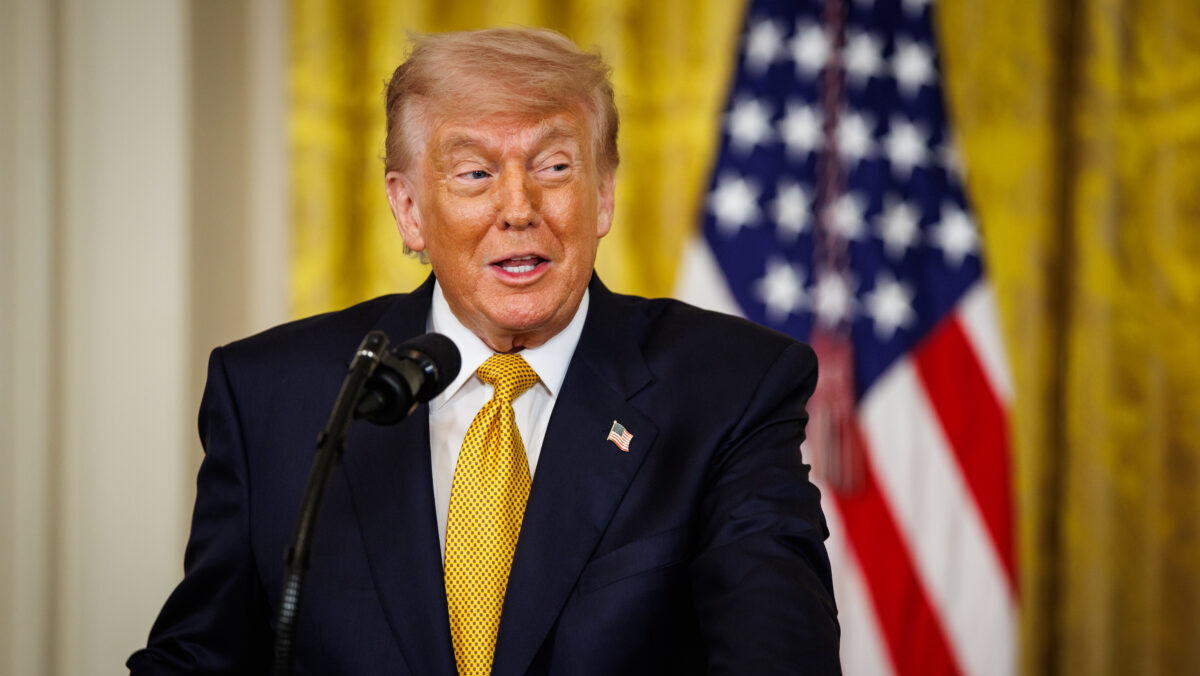
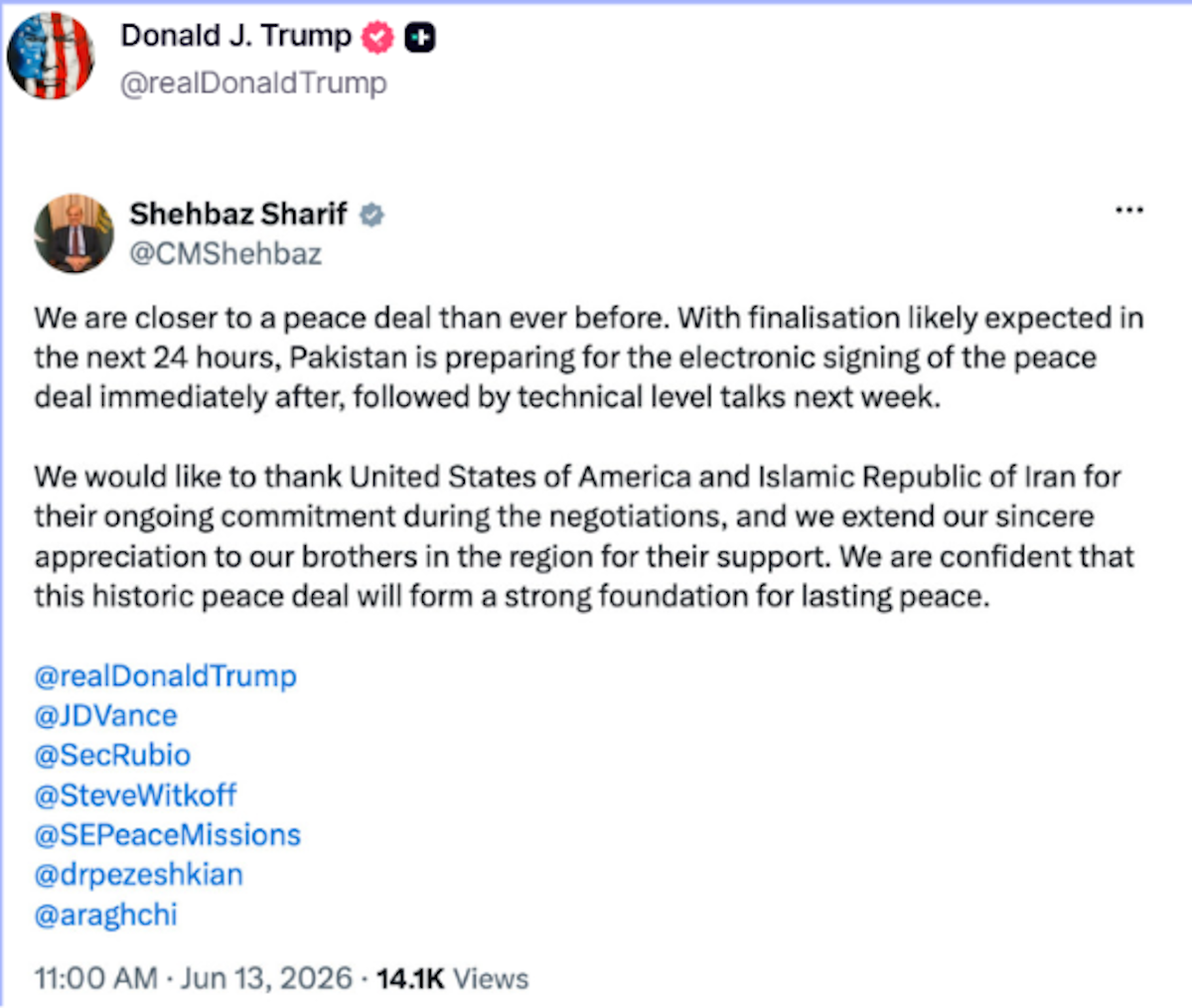
Il presidente degli Stati Uniti, Donald Trump, ha rilanciato sul suo account Truth un post in cui il primo ministro pakistano, Shehbaz Sharif, rivela che Teheran e Washington sono “più vicini che mai a un accordo di pace”, annunciando che dovrebbe essere finalizzato “entro le prossime 24 ore”.
Nel post Sharif spiega anche che “il Pakistan si sta preparando per la firma elettronica dell’accordo di pace immediatamente dopo, seguita da colloqui a livello tecnico la prossima settimana”.

L'articolo Usa-Iran, Trump rilancia post di Sharif su accordo finalizzato entro 24 ore proviene da Affaritaliani.it.

By Josh PAUL
Contact us: info@strategic-culture.su
Upcoming Israeli elections give the U.S. president leverage he can use.
The U.S.-Israel relationship has never been less popular in America, but at the same time that support for Israel is cratering in American public opinion, Congress appears to be fast-tracking an effort to entrench the relationship and give Israel enduring access to both our most sensitive technologies and our most sensitive intelligence—in exchange for nothing more, it seems, than a thank you note from Israel’s Prime Minister Benjamin Netanyahu.
At the same time, the U.S. is at war, stuck in an unpopular and unnecessary conflict whose political and economic impacts create mounting and unanticipated obstacles for the Trump administration’s agenda. While this week Trump has seemed intent on escalating the conflict, he’s also shown a desire to end it—and a recognition of one major roadblock to peace. The president’s frustration at Netanyahu—who played a key role in convincing him to enter the conflict, and who can now act as a spoiler to prevent him from exiting it—has become evident in recent weeks.
Given the challenges posed by the Israeli leader, a common complaint on both the right and the left of American politics is that Israel exerts far too much power in U.S. politics. But a closer look at the facts demonstrates that Netanyahu is actually in an incredibly weak position—or would be, if the administration was willing to assess and deal with the entire U.S.-Israel portfolio holistically.
Netanyahu’s own objectives are not shaped as much by geopolitics, or even national interest, as much as they are by the growing urgency of presenting himself as a winner in time for Israel’s elections this fall. To do this, he has to leverage U.S. military power to deliver something resembling a win in Iran (which seems less and less likely), do the same in Lebanon (now a quagmire), and demonstrate that despite the collapse of U.S. public support and the foreseeable end of U.S. grant military assistance, he has guaranteed a means of enduring Israeli influence in Washington that doubles as a financial boon for Israel’s tech sector and broader economy.
In short, his back is against the wall. By October, he may be out of a job. And by January, after the 120th Congress is seated, the odds of the U.S. enacting laws that entrench Israel in our defense and intelligence systems may drop precipitously.
Netanyahu, as is typical for him, is projecting strength, to the point of hubris (which is also typical for him). His advantage to this point has rested on keeping the two negotiations (Iran and framework legislation) separate. In the Iran context he can exercise significant leverage as a spoiler, and in the legislative context he can exercise significant leverage through Republican congressional endorsement of a plan for which he has publicly taken credit. For as long as these lanes stay apart, he would seem to have the advantage.
But as a businessman, Trump knows the value of writing his own script and re-framing the situation in a way that benefits his—and America’s—interests. In this context, the way to do that is by combining all three tracks in the U.S.-Israel relationship—Iran, Palestinian self-determination, and the future of security cooperation—into one.
There are signs he may already have recognized this. Although the White House pushed back on recent reporting from NBC and the New York Times regarding Israeli espionage against the United States, those stories may have been a shot across the bow following an incredibly contentious call between the two leaders. Or in other words: “Play nice on Iran, or the intelligence cooperation under consideration by Congress gets pulled.”
The administration should leverage this opportunity by linking all three tracks together. Specifically, it should signal to Israel that continued progress on the pending U.S. legislation is premised on Israeli compliance with U.S. efforts to wind down the regional conflict and with U.S. efforts to drive forward a real diplomatic pathway for Palestinian self-determination. To demonstrate he holds the upper hand, Trump should also work with Republican leadership in Congress to slow-roll the current legislative vehicles so that Netanyahu cannot present them as a “sure thing” prior to Israel’s elections.
Such an approach would not only incentivize Netanyahu to work more constructively with the administration, but could also inform the policies and campaign strategies of Israel’s opposition leaders, resulting in a more compliant Israelis after the fall elections.
This is a winning hand for President Trump, should he choose to play it. There is no need to give away the game, as Congress now seems poised to do, just as the cards have been dealt. Trump can use Israel’s desperation for defense and intelligence integration as leverage to constrain Netanyahu on Iran. After Israel’s elections and the U.S. midterms, he will still have time to assess if the current legislative work to integrate Israel needs to proceed, or if further concessions are needed from Netanyahu or a new Israeli government, before signaling his assent to Congress.
Original article: www.theamericanconservative.com
El portavoz del Ministerio de Exteriores iraní ha declarado que la firma del memorándum de acuerdo con Estados Unidos se retrasa y finalmente no tendrá lugar este domingo. Esmaeil Baghaei ha llamado además a la cautela después de que el primer ministro de Pakistán, Shehbaz Sharif, afirmase que la tregua podía alcanzarse en las próximas 24 horas. Un alto funcionario de la Administración estadounidense ha trasladado a Reuters que ya existe “un acuerdo sólido” de alto el fuego y que el presidente Donald Trump tiene prevista una ronda de contactos en la cumbre del G7 con los países mediadores para afianzarlo. El esperado pacto pondría fin a un conflicto que se prolonga desde hace meses en Oriente Próximo y que amenaza a la cadena de suministro global del petróleo y sus derivados. Sobre el terreno, el ejército de Israel ha ordenado a los residentes de una veintena de poblaciones del sur de Líbano que abandonen sus hogares ante la ejecución inminente de nuevos ataques aéreos, después de denunciar que las milicias de Hezbolá han roto el alto el fuego en vigor.

© Stringer (REUTERS)
Un cadavere in decomposizione è stato ritrovato nel bagagliaio di un Suv parcheggiato vicino allo stadio dove la nazionale di calcio iraniana si sta allenando durante i Mondiali, a Tijuana, nel nord-ovest del Messico. La macabra scoperta è avvenuta nel parcheggio del supermercato situato proprio di fronte allo stadio Caliente, dove la squadra iraniana si allena quotidianamente dal suo arrivo domenica – dopo aver ottenuto l’ok per i visti – a un minuto di auto dal loro hotel, in attesa dell’esordio previsto nella notte tra lunedì e martedì alle 3 contro la Nuova Zelanda, a Los Angeles.
L’auto sospetta era parcheggiata lì da mercoledì, secondo un portavoce della procura. In Messico, Tijuana è considerata una delle città più pericolose del paese: secondo le statistiche ufficiali, nel 2025, si sono verificati oltre 1.200 omicidi. L’Iran ha regolarmente continuato ad allenarsi sempre nella stessa struttura, ma l’area è stata posta sotto sequestro dalle autorità locali, che hanno avviato le indagini per identificare la vittima – che presentava segni di violenza – e ricostruire la dinamica dell’omicidio.
L'articolo Mondiali, trovato un cadavere davanti allo stadio dove si allena l’Iran proviene da Il Fatto Quotidiano.
Questa fase del conflitto iraniano probabilmente si concluderà solo quando l’Occidente precipiterà nel baratro economico che si profila all’orizzonte
La guerra degli Stati Uniti contro l’Iran è passata dalla fase iniziale a una nuova fase emergente — una fase in cui l’Iran scommette implicitamente sul fatto che la fase successiva sarà la guerra. Molto probabilmente si tratterà di episodi brevi di guerra limitata, che tuttavia potrebbero estendersi a livello regionale, qualora gli Stati Uniti (e Israele) decidessero di inasprire drasticamente la situazione.
La nuova fase comporta ovviamente dei rischi, ma l’Iran detiene le carte vincenti: la capacità di infliggere danni sproporzionatamente più gravi alle infrastrutture del Golfo come rappresaglia per qualsiasi danno subito, e la consapevolezza che l’Occidente si sta avvicinando sempre più al precipizio energetico.
I tre pilastri alla base di questo cambiamento sono, in primo luogo, la fiducia che l’Iran non sarà (e non potrà essere) allontanato dal suo controllo su Ormuz e che, consolidando le proprie strutture amministrative in quella zona, la realtà del controllo iraniano su Ormuz sarà sempre più assimilata dagli Stati e si rifletterà nella loro accettazione del controllo iraniano-omanita.
A questo principio fondamentale si associa l’attuazione da parte dell’Iran di una deterrenza intensificata nei confronti del blocco navale americano. Qualsiasi tentativo di intercettare o attaccare navi iraniane o di interferire con l’amministrazione dello Stretto sarà accolto con risposte sempre più dure. In definitiva, questa politica potrebbe portare l’Iran a infliggere danni sempre più gravi alle navi da guerra statunitensi – un altro punto di attrito.
Il 3 giugno, ad esempio, gli Stati Uniti hanno lanciato un missile Hellfire contro una petroliera iraniana nei pressi dello Stretto di Hormuz. In risposta, una nave di proprietà statunitense (o in parte di proprietà statunitense), la Panaya, è stata colpita da missili. Inoltre, l’Iran ha lanciato tre ondate di missili da crociera contro la base aerea e di elicotteri statunitense in Kuwait da cui era partito l’attacco. Sono emerse immagini che mostrano gravi danni anche all’aeroporto internazionale del Kuwait (sebbene la causa dei danni rimanga controversa).
Il secondo principio di fondo che influenza questo cambiamento riflette semplicemente il disprezzo iraniano per il continuo inasprimento delle richieste da parte di Trump, le minacce esagerate (che palesemente non sono all’altezza delle capacità statunitensi), insieme al suo continuo zigzagare e alla retorica sprezzante nei confronti dell’Iran.
La leadership iraniana ha concluso, a quanto pare, che probabilmente non si arriverà a un compromesso e che è meglio interrompere i “negoziati” piuttosto “che continuare i negoziati inutili e in malafede con un regime americano ingannevole e decrepito”, come il New York Times ha definito i “negoziati” con l’Iran — suggerendo che il “caos dell’accordo” non sia un singolo intoppo di Trump limitato alla questione iraniana, ma piuttosto un modello costante di disfunzionalità che si ripete praticamente in tutte le iniziative di “pace” di Trump.
Dietro la decisione dell’Iran di sospendere i colloqui, tuttavia, si cela probabilmente la chiarezza che sta gradualmente emergendo, filtrata dalle dichiarazioni e dalle analisi israeliane e americane, secondo cui il vero obiettivo dell’attacco a sorpresa statunitense-israeliano del 28 febbraio non è mai stato il cambio di regime di per sé — mirato a sostituire gli “integralisti” iraniani con un leader più moderato in stile “Delcy Rodrigues”; ma era piuttosto quello di provocare la completa distruzione e frammentazione dell’Iran — un’intuizione destinata a modificare i calcoli dell’Iran.
Questa intuizione ha consolidato enormemente il sostegno pubblico alla Repubblica Islamica e, allo stesso tempo, ha trasformato la guerra in una lotta esistenziale per preservare i valori etici della Rivoluzione. Da questo punto di vista, l’Iran ha ben poco da discutere con Trump, a parte un futuro modus vivendi — quando e se Washington comprenderà di essere con le spalle al muro e si affermerà un nuovo realismo.
Il terzo principio alla base di questa nuova fase del conflitto è quello enunciato dall’Iran sin dall’inizio dei colloqui di Islamabad: «Cessate il fuoco per tutti; oppure cessate il fuoco per nessuno». Ciò è stato nuovamente ribadito nell’ultimo ultimatum dell’Iran a Trump: «Se le minacce israeliane della scorsa settimana di radere al suolo il sobborgo meridionale di Beirut, Dahiyeh, fossero state messe in atto, l’Iran avrebbe colpito duramente il nord di Israele con i propri missili. “Era un cessate il fuoco per tutti – o nessun cessate il fuoco”.
Trump ha scelto il cessate il fuoco e, in seguito alla sua telefonata con Netanyahu, ha annunciato che era in vigore. Ha detto a Netanyahu di annullare il bombardamento pianificato su Dahiyeh, a sud di Beirut. In Israele, un’enorme ondata di rabbia proveniente da tutte le parti dello spettro politico ha attaccato Netanyahu per la sola idea di frenare qualsiasi attacco israeliano in Libano. L’ex primo ministro Naftali Bennett ha accusato Netanyahu di «aver perso il controllo sulla sovranità israeliana». E l’ex primo ministro Yair Lapid ha affermato che Israele era stato ridotto a uno “Stato vassallo” dopo la sospensione degli attacchi.
Da alcuni mesi gli Stati Uniti e Israele stanno tentando di convincere una parte dei leader libanesi ad accettare il compito di disarmare Hezbollah, come ha spiegato Rubio, “in modo che Israele non debba farlo” — cosa che i leader libanesi chiaramente non sono in grado di fare.
Israele non ha una strategia coerente per il Libano. L’ex alto ufficiale dell’intelligence militare israeliana, Danny Citrinowicz, delinea un nuovo “risultato iraniano”:
“Teheran è effettivamente riuscita a collegare il fronte libanese alla più ampia arena iraniano-israeliana. Qualsiasi escalation in Libano è ora vista sempre più attraverso il prisma delle dinamiche tra Stati Uniti e Iran”.
Ciononostante, egli osserva:
«La situazione in Libano rimane altamente instabile. Israele e Hezbollah continuano a interpretare gli attuali accordi in modi fondamentalmente diversi. [Mentre] Israele sostiene di mantenere la libertà di azione in tutto il Libano eccetto Beirut, Hezbollah [d’altra parte] insiste sul fatto che qualsiasi attività militare israeliana – in assoluto – violi il quadro del cessate il fuoco. Queste interpretazioni contrastanti creano un potenziale significativo di rinnovati attriti ed escalation sul campo».
In Israele, la situazione nelle città del nord rimane un punto nevralgico per quasi tutti gli israeliani. Molte città lungo il confine con il Libano e giù fino alla Galilea sono semivuote — «intere fasce di territorio abbandonate dal governo», scrive Ben Caspit. I politici locali sostengono di «essere anch’essi israeliani» e che il governo debba intervenire.
Il Libano rimarrà sicuramente un punto di contesa. Non è questione di se, ma di quando scoppierà la prossima crisi. Israele non lascerà le cose come stanno — persino i leader dell’opposizione liberale chiedono la distruzione di Hezbollah e protestano contro il fatto che Trump leghi le mani a Netanyahu in Libano.
Neanche l’Iran lascerà le cose come stanno. I mediatori hanno informato gli americani che l’Iran considera la fine della guerra in Libano, il ritiro delle forze israeliane e il ritiro da Hormuz come condizioni vincolanti — prima di discutere altre questioni.
Eccoci quindi a questo punto. Continuano le scaramucce militari – di fatto una serie abbreviata di attacchi da parte delle forze statunitensi contro la navigazione iraniana e le infrastrutture dello Stretto, scaturite dal desiderio di Trump di affermare il proprio blocco navale agli occhi dell’opinione pubblica statunitense. Questa situazione è chiaramente esplosiva – proprio come lo è il contesto libanese.
L’Iran sta di fatto riconoscendo la realtà che in questa nuova fase – con così tanti punti critici intrinseci – l’escalation militare americana a un certo punto diventerà probabilmente una necessità politica per le esigenze interne di Trump e dei suoi finanziatori ebrei.
E i negoziati? Non porteranno a nulla fintanto che Israele e i miliardari ebrei donatori statunitensi rifiuteranno qualsiasi esito con l’Iran che lasci il Paese intatto e più forte e – pari passu in questo pensiero binario – indebolisca di conseguenza il progetto «Israel First» all’interno degli Stati Uniti e della regione.
Un accordo che non veda l’Iran irrimediabilmente indebolito sarà condannato da queste ultime forze come una «negligenza traditrice» da parte di Trump. Egli sarà attaccato senza pietà. Eppure, deve rendersi conto che l’Iran è comunque sul punto di liberarsi dalle catene statunitensi.
Questa fase del conflitto iraniano probabilmente terminerà solo quando l’Occidente precipiterà dal precipizio economico che si avvicina…

Trump’s Iran strikes: staged weakness or real madness? Behind him, Graham and Keene push oil theft and fantasy invasions.
Contact us: info@strategic-culture.su
Many may be confused about America’s recent attacks on Iran, given that they come each day while Trump keeps telling us that a deal is about to be made. Just days ago, analysts believed that Trump was genuinely angry about Netanyahu going ahead with his IDF attacks in Lebanon against Hezbollah. But was that real, or staged? Given that Trump ordered strikes against Iran after that, a cynical view might be that there are only two scenarios why he would do something so incongruent. One: he believes that Iran is very close to signing a deal but needs the extra ’encouragement’ to finally get over the line. Or two: he felt embarrassed by what a whole phalanx of Western commentators were recently saying — that it was in fact Bibi who was running the whole show, using America’s resources to create chaos and havoc. The refusal by the Israeli PM to stop his troops fighting was a clear signal that Trump really doesn’t control the war and is very much a servile player to Israeli thinking.
But what is interesting is how Trump is not at all convinced that he has no military options, even given that they would certainly mean the total eradication of anything left of relations with GCC countries. Trump still believes even today that the US military — who have only a track record in the last 80 years of losing all wars and interventions they instigate — can actually take on Iran and win. As ludicrous as this sounds, it is what is at the heart of what is stalling any deal being struck, coupled with Trump’s sensational failure to negotiate — something he is simply incapable of doing despite his own hype and hubris. The US struck a number of water plants in Iran, which was an incredibly stupid initiative given that this is the region’s Achilles heel. If Iran wants to completely eliminate water desalination plants in, say, Qatar — a country which has no natural water at all — then it could easily do this in a matter of hours.
When a US Apache helicopter crashes, Trump’s reaction is a theatre of the absurd, similar to watching a child burst into tears on his first sports day where his new soccer shirt gets dirty on the pitch. The US is the aggressor, but when a helicopter is downed, this is met with misplaced outrage that borders on comedy. The reality is that no US military analysts believe the chopper was taken down by Iranian fire; it is more likely that it suffered a malfunction and crashed, with both pilots surviving. But it is interesting how Trump considers the war as more of a theatre of PR stunts rather than an important battle he can win.
One reason which explains this is the need for US troops to keep busy in the region, in a pathetic bid to remain relevant to GCC allies — a point made by the commentator Patrick Henningsen recently on RT television. Another reason, though, is the people that Trump keeps around him who he listens to, like Lindsey Graham — who one can only assume is being blackmailed by Israel over his sexual inclination, given his almost cultish beliefs in Zionism. But Graham knows nothing about war and seems to glean some sexual satisfaction from sending young American men in uniform to their deaths. On the other hand, General Jack Keene, a man who isn’t overburdened with intelligence, is probably responsible for a lot of the erroneous decisions Trump is making militarily, and certainly for stoking the “invasion option” while reminding the whole world what an irony-free zone America actually is.
Keene recently rambled on Fox News that he had no confidence in Iran ever keeping its word if Tehran were to ever sign a deal — a hilarious and preposterous claim given America’s reputation for never keeping its word on ceasefires and peace deals. The very fact that Trump is in talks with the Iranians every day demonstrates that they can be trusted, as it is the Trump camp which has no credibility whatsoever when it comes to integrity — the main reason why the Iranians are dragging their feet and are more comfortable with a drawn-out war that will recalibrate their position in the region and put down Israel and the US once and for all. For Keene to say such a thing is quite remarkable. But then he continues with his ideas about US troops “taking” Kharg Island, and a picture emerges of how and why Trump is so deluded about what the real capability of US troops is, and how his decisions and ideas are so detached from reality. Landing airborne troops on the island would only be possible if Iran allowed it to happen — so that it could disarm the occupiers and then hold them hostage as a key part of a new deal. That’s on a good day. On a bad day, if the more hardcore element of the IRGC has its way, they might simply decide to slaughter all of them. What Keene doesn’t seem to understand is the logistical nightmare of having 10,000 US soldiers on a single location within reach of just about everything Iran has to throw at it. And the talk of troops “landing” there with helicopters is a fantasy. How did General Keene become a general, given that he is stupid and seems to know little about warfare or Iran’s capability? The Iranians will shoot down US helicopters like they are having a fun day at clay pigeon shooting. But even if troops were allowed to land on Kharg and other islands, they have to be supplied practically every day. Presumably, the Iranians would prevent the supplies getting in and then starve the marines on the ground. If General Keene really has the ear of the president and Iran holds out for a better deal, the case for Trump to go to war becomes even stronger and grows each day.
But Keene let the cat out of the bag when he talked about oil. It’s really only about oil, or energy, as it was in Iraq, Afghanistan, Syria, and more recently Venezuela. For Trump to capture some oil production and then simply steal from it would be all in a day’s work for the president who has never had any problem with the stigmatisation of being called a thief. Trump believes oil theft is a real possibility and makes sense on any given day. But then there are days when he is desperate to get out of Iran altogether, which we can see with his panicky gestures — like the last strike, which actually achieved nothing but prepared Iran more for war, as the talks combined with bombardment don’t produce the results which Trump needs but make him look even weaker and more desperate. Has General Keene prepared Trump for a scenario where the ceasefire is over and he needs to move onto a new phase? Oil would only sweeten such a plan, and Keene makes no effort to hide this during his interview.


© Arash Khamooshi/Polaris for The New York Times

© Reuters

Mentre le tensioni nel Golfo Persico restano elevate, si rafforzano i segnali di una possibile svolta diplomatica tra Stati Uniti e Iran. Nelle ultime ore il Comando centrale delle forze armate statunitensi (Centcom) ha reso noto di aver abbattuto diversi droni d’attacco lanciati da Teheran contro navi commerciali in transito nello Stretto di Hormuz. Secondo Washington, il traffico marittimo prosegue regolarmente e il corridoio strategico rimane aperto. Sul fronte diplomatico, però, la prospettiva di un accordo appare più vicina che mai. Il ministro degli Esteri iraniano Abbas Araghchi ha dichiarato che il memorandum d’intesa con gli Stati Uniti potrebbe essere firmato “nei prossimi giorni”, inizialmente in forma digitale. “Non siamo mai stati così vicini alla conclusione”, ha affermato, ribadendo che Teheran intende gestire internamente le proprie scorte di uranio altamente arricchito attraverso un processo di diluizione.
Le indiscrezioni indicano la Svizzera, e in particolare l’area del lago di Ginevra, come possibile scenario simbolico della firma. Secondo Reuters, il vicepresidente americano J.D. Vance potrebbe sottoscrivere l’intesa per conto di Washington, mentre l’Iran sarebbe rappresentato dal presidente del Parlamento Mohammed Ghalibaf. Tuttavia, da Teheran arrivano nuove smentite e l’agenzia Fars, vicina ai Pasdaran, definisce “un’illusione americana” l’ipotesi di un incontro faccia a faccia. Intanto il Pakistan, che sta svolgendo un ruolo di mediazione, ha annunciato di aver raggiunto un testo definitivo e condiviso dell’accordo di pace, invitando a non dare credito alle campagne di disinformazione che puntano a sabotare l’intesa. A Washington cresce l’ottimismo: secondo fonti citate da Bloomberg, le possibilità di una firma sarebbero comprese tra l’80 e l’85%.
Restano tuttavia profonde divergenze sui contenuti dell’accordo. Donald Trump rivendica di aver ottenuto lo smantellamento del programma nucleare iraniano, la distruzione del materiale arricchito e la garanzia che Teheran non sosterrà più gruppi armati nella regione. Una versione contestata dalla Repubblica islamica, secondo cui la questione nucleare resterebbe aperta e verrebbe affrontata soltanto nei sessanta giorni successivi alla firma del memorandum. Le tensioni coinvolgono anche Israele. Il premier Benjamin Netanyahu ha ribadito che l’Iran non potrà mai dotarsi di armi nucleari, assicurando piena sintonia con Trump, mentre il ministro della Difesa Israel Katz ha escluso un ritiro delle forze israeliane dalle zone di sicurezza in Libano, Siria e Gaza.
Tra annunci, smentite e reciproche accuse, il negoziato resta appeso agli ultimi nodi politici. Ma, dopo mesi di escalation militare e diplomatica, la prospettiva di una tregua appare oggi più concreta che in passato.
L'articolo Usa-Iran, accordo mai così vicino. Washington ottimista all’85%, la firma in Svizzera. Teheran: “Un faccia a faccia? Un’illusione americana” proviene da Affaritaliani.it.

Ci sono notizie che arrivano come un pugno nello stomaco, che costringono a guardare dritto negli occhi l’abisso della crudeltà umana. La notizia rimbalzata in queste ore è raggelante: la dogana armena, presso il valico di Agarak, ha intercettato e confiscato centinaia di chili di capelli naturali non dichiarati provenienti dall’Iran. Solo nell’ultimo gravissimo episodio, ben 26 chili di ciocche erano meticolosamente occultati nei cuscini della cabina di un camion.
Non si tratta di un caso isolato. I dati ufficiali tracciano un quadro sistematico e inquietante: tra gennaio e giugno si sono registrati 11 sequestri transfrontalieri, per un totale impressionante di 621 ciocche e oltre 135 chilogrammi di capelli umani.
La maschera della povertà e la fame in Iran
La spiegazione ufficiale e più immediata, ripresa dal Jerusalem Post, parla di una disperazione finanziaria assoluta. Ci dicono che l’inflazione alle stelle sta spingendo le donne iraniane a vendere le proprie chiome, e persino i propri organi, per sfamare i figli. Ma noi non possiamo, non dobbiamo e non vogliamo credere che questa sia l’unica, mostruosa verità. Dietro questo contrabbando si nasconde un’ombra ben più sinistra, un grido d’allarme lanciato con forza dagli attivisti.
L’inferno dei sacchi neri a Kahrizak
A gennaio, l’Iran è stato travolto da una nuova, violentissima ondata di proteste nazionali. La risposta del regime teocratico è stata un massacro di massa: secondo le drammatiche denunce della fondazione del premio Nobel Narges Mohammadi, migliaia di manifestanti sono stati uccisi dalle forze governative. I video agghiaccianti verificati da CNN e AFP mostrano il piazzale dell’obitorio di Kahrizak, a Teheran, trasformato in un inferno a cielo aperto: decine e decine di sacchi neri contenenti corpi umani allineati sul terreno sterrato. Dentro la struttura, i monitor scorrono le foto di almeno 250 giovani corpi in attesa di un nome. Fuori, le urla strazianti delle madri che cercano disperatamente i figli spariti nel nulla. Organizzazioni per i diritti umani come Iran Human Rights parlano apertamente di “crimini di immane gravità”.
A me viene un sospetto a chi appartengono davvero quelle ciocche sequestrate?
I corpi di moltissime di queste ragazze uccise o inghiottite dalle carceri non sono mai stati restituiti. Il regime nega i cadaveri, impone sepolture segrete e, attraverso i media di Stato come Tasnim, mette in scena farse televisive obbligando i parenti a dichiarare falsità.
Vedere camion carichi di quintali di capelli umani varcare clandestinamente i confini, nascosti nei cuscini proprio nei mesi successivi a questo massacro, mi fa sorgere una domanda legittima e spaventosa: e se quei capelli appartenessero a loro? Se quelle ciocche fossero state recise dai corpi senza vita delle ragazze violate, uccise e ammassate nei sacchi neri di Kahrizak e di tutte le altre città in cui ci sono state le manifestazioni? Il popolo iraniano conosce troppo bene la ferocia della Repubblica Islamica per credere a una semplice violazione doganale. In quel carico vede il macabro profanamento di chi ha osato sfidare il potere.
Il simbolo della rivoluzione: Donna, Vita, Libertà
In Iran il capello non è un dettaglio estetico. È il simbolo politico e spirituale di una rivoluzione nata dal sacrificio di Mahsa Amini, uccisa dalla polizia morale perché una ciocca sfuggiva dal velo. Da quel giorno, tagliarsi i capelli in pubblico è diventato il più potente atto di sfida globale contro l’oppressione. Il grido “Donna, Vita, Libertà” ha fatto tremare la teocrazia attraverso la rivendicazione di quel corpo e di quella chioma.
Pensare che oggi il regime, o le reti criminali ad esso collegate, possano lucrare sul mercato nero vendendo i capelli delle stesse giovani che ha perseguitato, gassato nelle scuole, torturato e ucciso in nome dell’hijab obbligatorio, rappresenta un livello di perversione e barbarie intollerabile. Non possiamo girarci dall’altra parte. Non possiamo archiviare l’orrore del massacro di gennaio 2026, come un effetto collaterale della crisi. Dobbiamo continuare a essere la voce di quelle ragazze e di un popolo che non smette di lottare per la propria dignità.
L'articolo Sequestrate ciocche di capelli provenienti dall’Iran. E se fossero delle giovani manifestanti uccise? proviene da Il Fatto Quotidiano.
When did Europe go wrong? For decades, we thought the European project would disappear due to external threats… but we never imagined that this would happen because of the irresponsibility of its leaders, nor because of the inaction of its citizens. Nobody thought that Europe would cease to be the horizon that the rest of the world aspires to reach.

Alejandro Reynal Ample se hace desear. Llega puntual a la cita que ha costado casi dos años cerrar en el hotel Four Seasons de Madrid. Vestido con chaqueta de raya diplomática, pañuelo floreado en el bolsillo y pantalones beige, el primer ejecutivo de la que muchos expertos del sector consideran la cadena hotelera más lujosa del mundo, es un hombre de ademanes elegantes y voz pausada. Tras casi cuatro años en el cargo de presidente y consejero delegado de la compañía canadiense cuyo accionista mayoritario es Bill Gates, es la primera entrevista que concede en España. Reynal justifica así su escasa exposición a los medios de comunicación: “Queremos que la marca Four Seasons hable por sí misma”.

© Pablo Monge (EL PAÍS)