Ukraine confirms strike on Crimea's Armiansk bridge that hit 50 Russian military vehicles


Key developments on June 11:


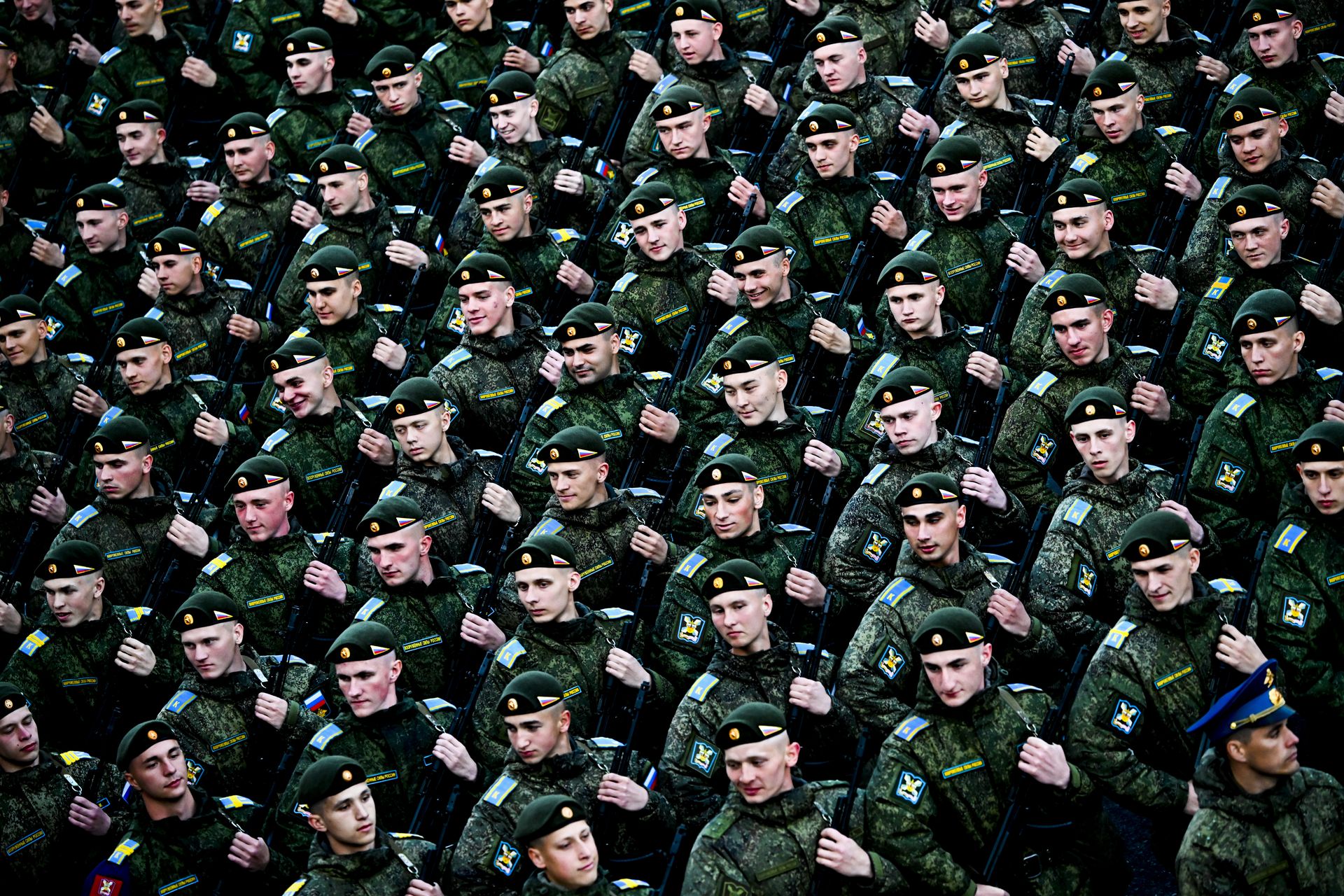
The European Commission announced on June 9 that a visa ban targeting current and former Russian soldiers should be part of the EU's next sanctions package, sparking a debate on social media about why the measure targets only military personnel.
The Kyiv Independent explains why the proposal is


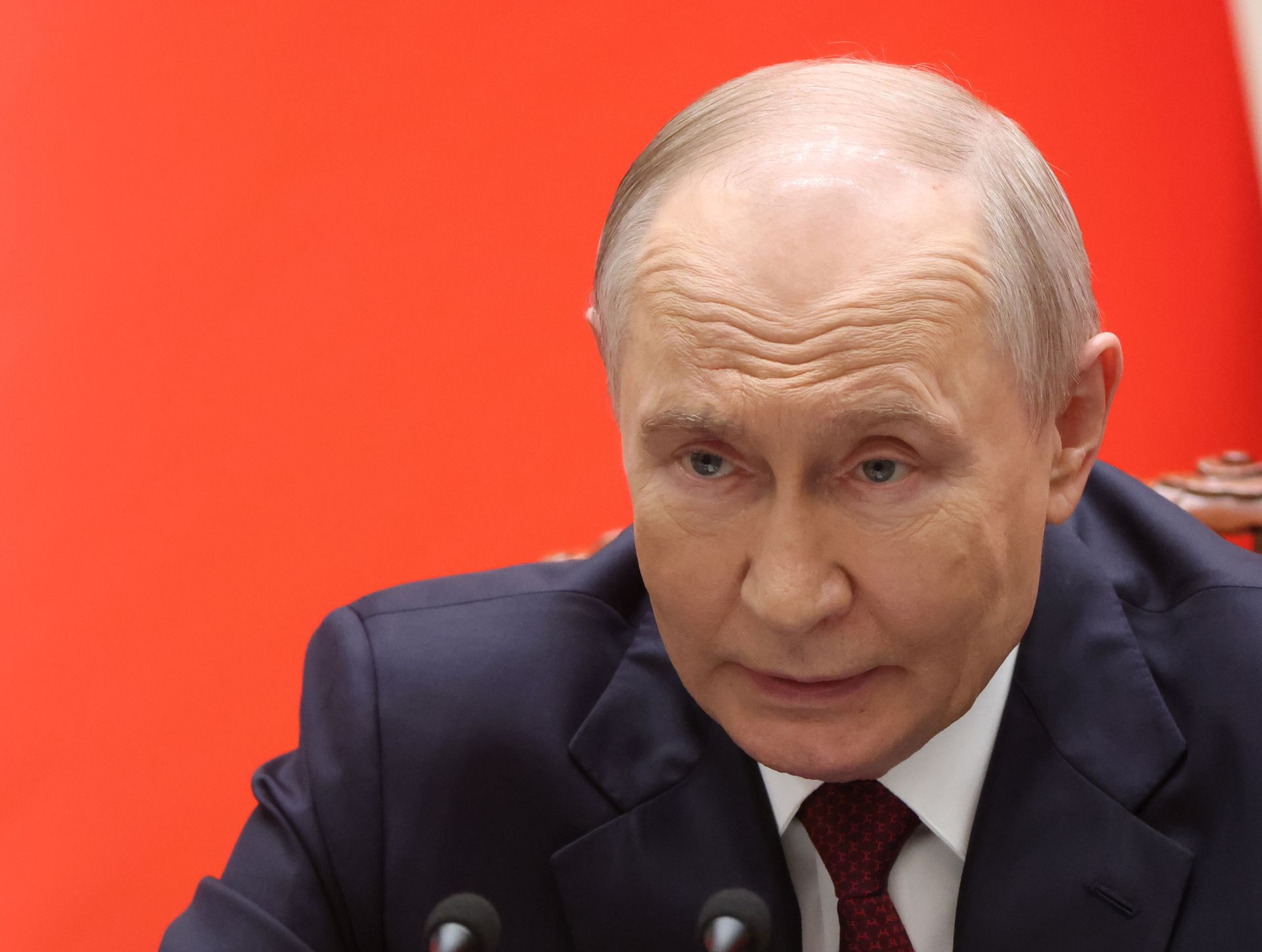
At the Trump-Xi summit in May 2026 in Beijing, China's President allegedly told his American counterpart that Vladimir Putin "might end up regretting" his invasion of Ukraine. This revelation is both encouraging and disheartening.
China's backing of Russia has been a major factor in


Serve più europeismo sull’Ucraina, traguardo che si può raggiungere con un volto Ue dedito al negoziato e non con piccole riunioni che non decidono nulla. Parte da questa considerazione valoriale Giorgia Meloni nel suo intervento in Aula, in vista del Consiglio europeo.
Lo scatto che deve fare l’Ue
Lungo e articolato il nerbo delle comunicazioni con cui la presidente del Consiglio dice essenzialmente due cose: serve una svolta europea su Kyiv (anche nelle teste di chi convoca vertici ristretti) e l’Italia non è parte del conflitto iraniano e non intende diventarlo.
Sul primo punto la traccia è chiara: il periodo in cui viviamo è caratterizzato da “trasformazioni profonde e sfide complesse”, come la guerra in Ucraina che proprio oggi supera, per durata, la Prima Guerra Mondiale. L’Italia, spiega Meloni, resta coerente: sia nella solidarietà all’Ucraina che nel sostegno alla sua difesa oltre che a mantenere la pressione su Mosca. Ma Meloni aggiunge un elemento di prospettiva: dal momento che la fermezza da sola non basta più, occorre una visione di lungo periodo. Ovvero gettare le basi per le condizioni della pace, “lavorando, insieme ai nostri alleati, a solide garanzie di sicurezza per l’Ucraina e a una nuova architettura di sicurezza europea che possa assicurare stabilità nel lungo periodo”.
Il modus operandi: l’unità
E come si raggiunge tale ambizioso risultato? Tramite “l’unità euro-atlantica e il coordinamento tra Europa e Stati Uniti, sfida non sempre facile, ma necessaria”. Dunque, sottolinea con veemenza, è l’Europa a doverle negoziare, senza subire i diktat altrui: cosa che non è immaginabile senza una figura che “possa rappresentare gli interessi europei nel tavolo negoziale, perché procedere a tentoni con formati variabili, non adeguatamente rappresentativi, produce solo frammentazione, confusione, debolezza”.
E aggiunge un passaggio nevralgico: “Il tema vero, dal mio punto di vista, non è chi faccia o meno parte di questo o di quel formato, ma piuttosto il fatto che, allo stato, nessun formato ha la legittimità per parlare a nome dell’intera Europa”. Per questo motivo “sostengo, da tempo, la necessità di individuare una figura autorevole, investita della fiducia e del mandato di tutti gli Stati Membri per portare il punto di vista dell’Europa, ed è in questa direzione che continuo a lavorare”.
Da qui, poi, (e solo da questa premessa) si potrà partire per inseguire l’altro grande obiettivo: l’ingresso dell’Ucraina nell’Ue, ma senza sorpassare paesi come Moldova e Balcani occidentali che sono in attesa ormai da anni e che hanno risposto positivamente ai capitoli di riforme stimolati da Bruxelles.
Iran e no war
Il secondo punto che verrà trattato nel prossimo Consiglio europeo è la crisi in Medio Oriente, “che continua a destare enorme preoccupazione sotto il profilo umanitario, della sicurezza regionale e della stabilità economica globale”. Preoccupazioni che abbracciano secondo il presidente del consiglio gli equilibri internazionali, la libertà di navigazione, i mercati energetici, le catene di approvvigionamento, le economie europee, compresa quella italiana. La linea di Palazzo Chigi, ribadisce, non cambia: l’Italia non è parte del conflitto, e non intende diventarne. “Il nostro obiettivo è che la guerra termini al più presto, che si eviti un ulteriore allargamento della crisi e che si creino le condizioni per riportare il confronto dentro un percorso politico e diplomatico”.
Infine un passaggio sulla difesa. Secondo Meloni si discute di percentuali, ma il tema della sicurezza è senza dubbio più ampio. “Il tema della sicurezza non è solo difesa, non sono solo armi, anche per quello che riguarda la difesa noi dobbiamo fare i conti con il fatto che quello che vediamo accadere attorno a noi ci racconta un modello che sta cambiando”.
Le opposizioni divise
Ma mentre il centrodestra ha presentato una risoluzione unitaria siglata da tutti i partiti (FdI, Lega, Forza Italia e Noi Moderati), il campo largo è diviso. Secondo il Pd “la prospettiva dell’adesione dell’Ucraina all’Unione europea rappresenta una scelta strategica fondamentale per il continente europeo e il concreto avanzamento del percorso di integrazione europea”, si legge nelle premesse. Per cui impegna il governo ad “adoperarsi, insieme ai partner europei, per garantire la prospettiva dell’ingresso dell’Ucraina nell’Unione europea e promuovere l’apertura dei capitoli negoziali”. Fa alcuni distinguo il Movimento 5 Stelle che non accetta l’idea dell’Ucraina in Ue.

![]()
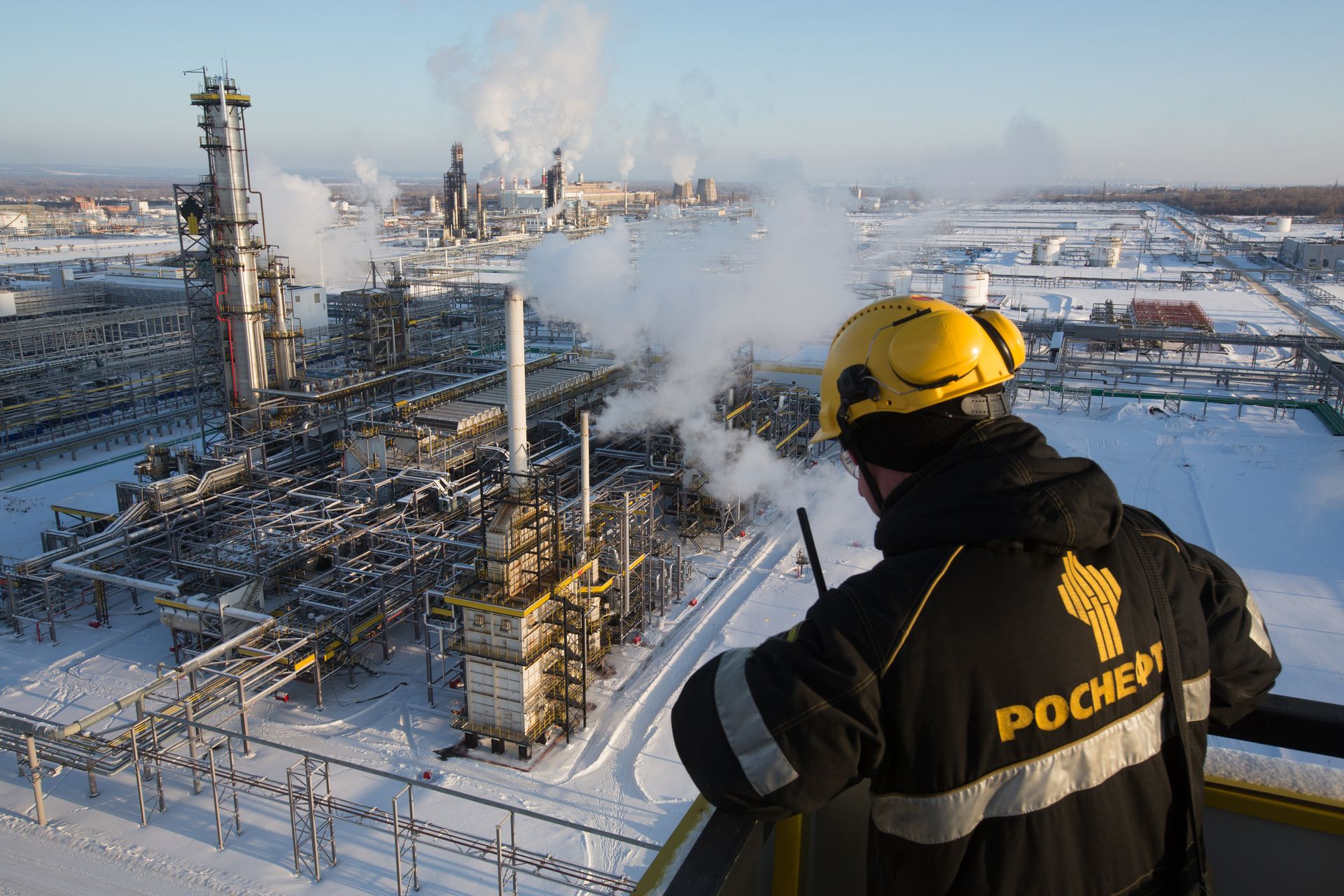
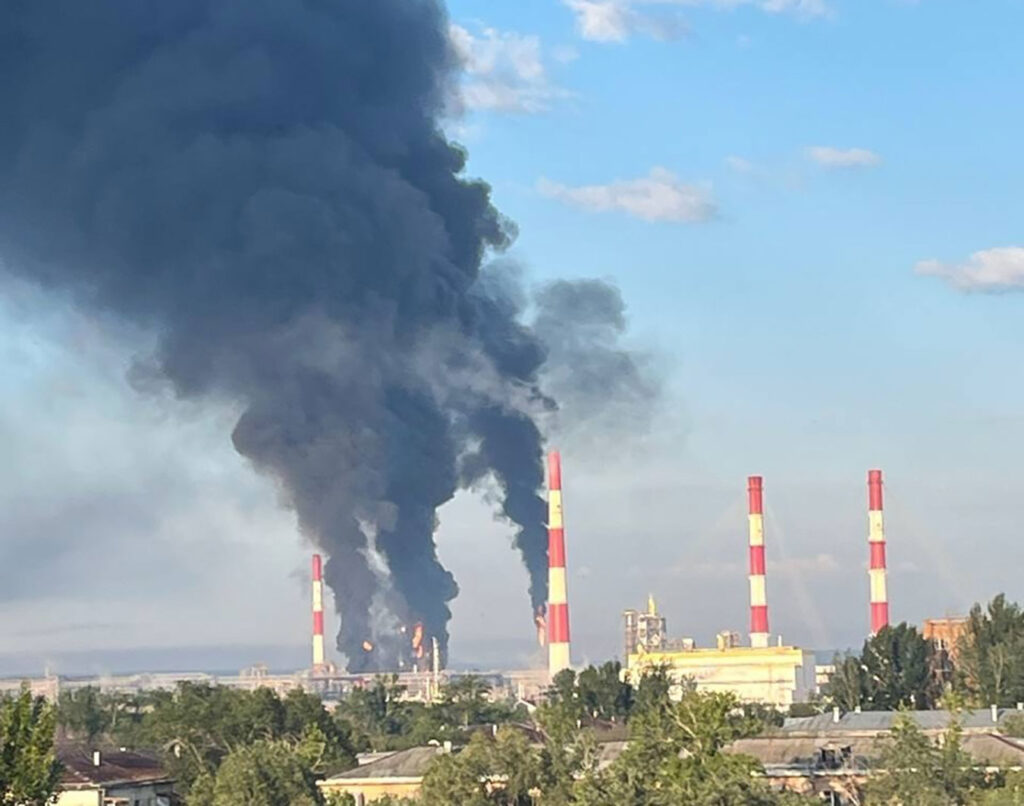
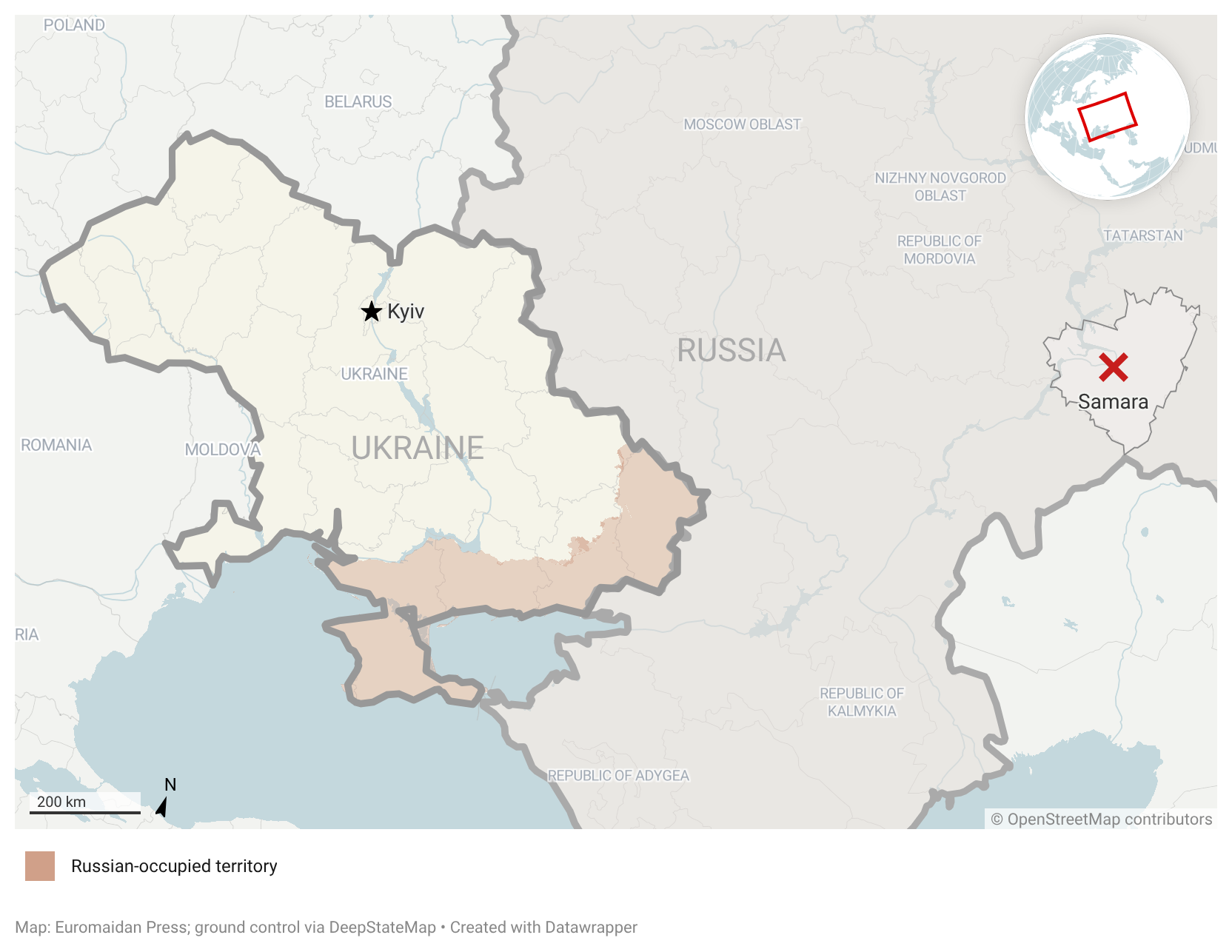
Ukrainian drones forced Rosneft's Kuybyshevsky oil refinery in Samara Oblast, Russia, to halt oil processing on 10 June, Reuters reported. The strike puts all three plants in the Rosneft Samara refining hub out of full operation at the same time.
Reuters cited two industry sources to confirm that processing stopped at both AVT-4 and AVT-5 after the strike. Each unit has a nominal processing capacity of about 73,000 barrels of crude oil (10,000 metric tons) per day. The hits caused damage and subsequent fires at both.
Samara Oblast Governor Vyacheslav Fedorishchev claimed a massive overnight drone attack injured three people and caused "damage to several industrial facilities."
An earlier report on 10 June described fires at the Kuybyshevsky refinery after the strike.
Kuybyshevsky's 2024 crude oil throughput was 4.7 million tons, equal to 94,400 barrels a day, Reuters reported. That year's output included 0.8 million tons of gasoline, 1.4 million tons of diesel, and 1.3 million tons of fuel oil. Nominal capacity stands at 7 million tons per year. The plant is one of the largest oil refining facilities in the Volga region. It also supplies fuel for the Russian army.
The Kuybyshevsky plant was also previously hit in January 2026, August 2025, and in March 2024. The earlier strikes damaged equipment and forced production cycles to stop.
The same night, Ukrainian forces also struck the VNIIR-Progress plant in Cheboksary, Chuvashia, which was previously hit on 5 May. The factory makes "Kometa" antennas that protect Russian drones from electronic warfare. It also makes satellite receivers for GLONASS, GPS, and Galileo systems. Ukraine's General Staff said such modules are used in Shahed-type drones, Iskander and Kalibr missiles, and aerial bombs.
Meanwhile, today saw a strike on the Afipsky refinery in Krasnodar Krai.
By May 2026, Ukrainian drones had taken six of ten Russian refineries hit during that month offline. Russian media counted 24 of Russia's 33 largest refineries struck since 2022. Only the Omsk and Angarsk plants east of the Urals remain untouched so far.


![]()
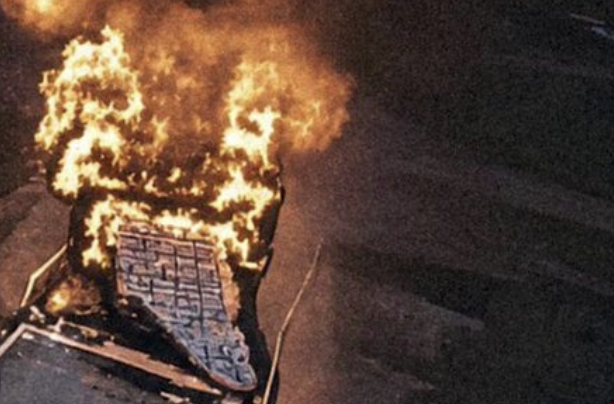
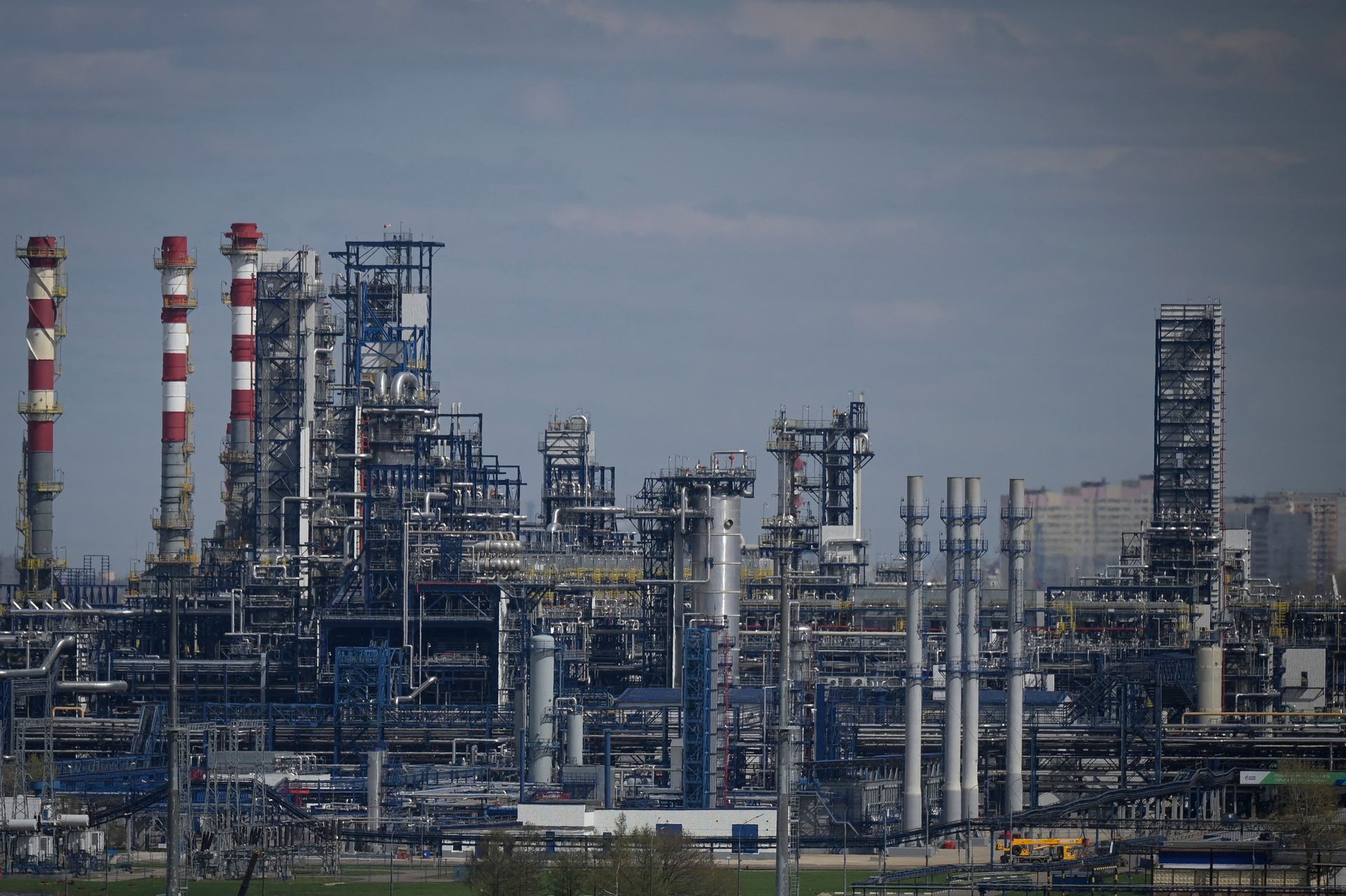
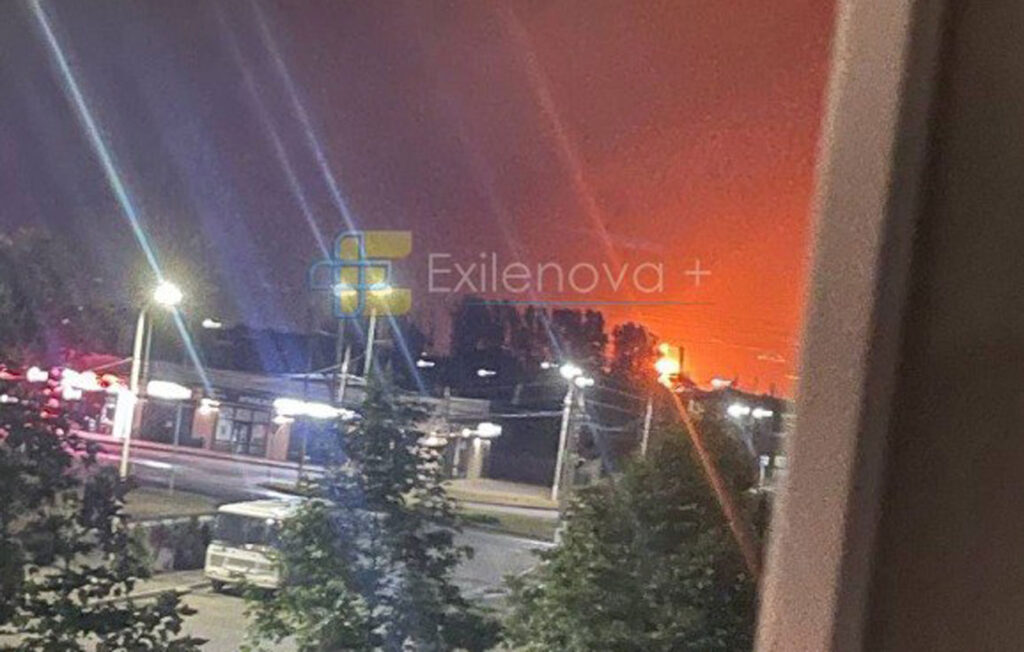
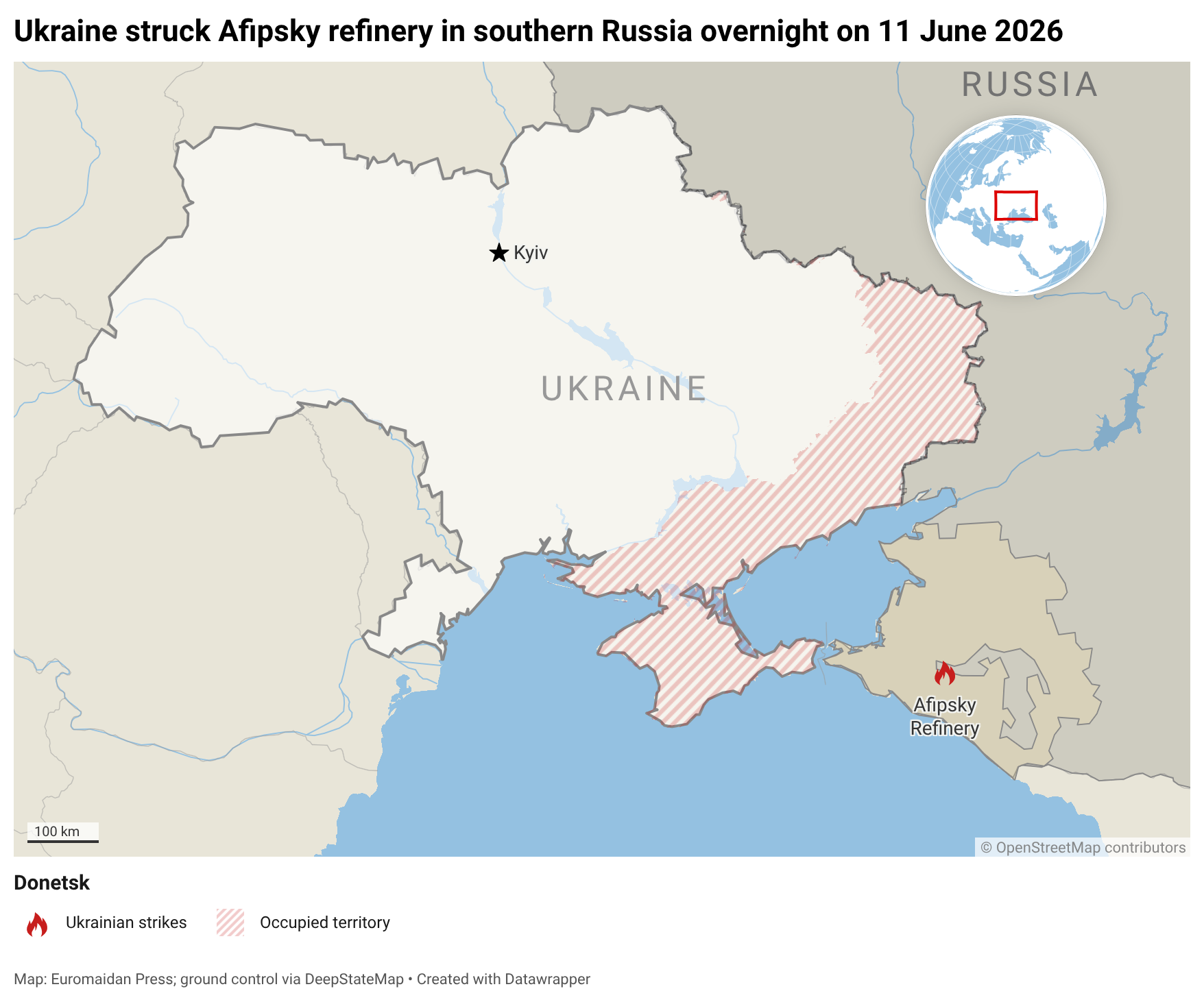
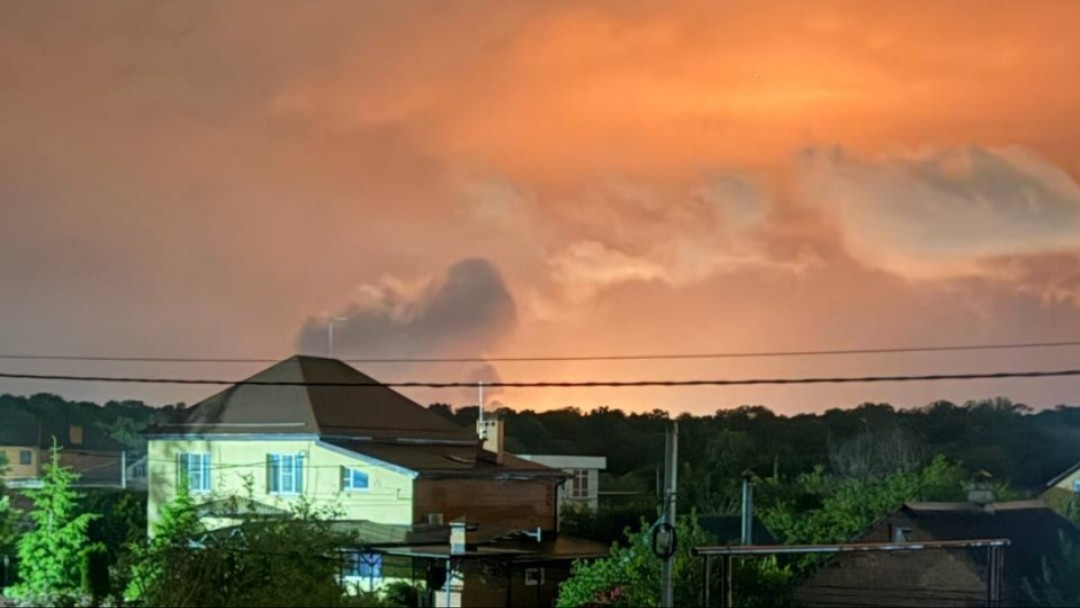
Ukrainian drones struck the Afipsky oil refinery in Russia's Krasnodar Krai overnight on 11 June, sparking a fire later extinguished, according to the Krasnodar Krai operational headquarters. The southern Russian plant, repeatedly targeted by Ukrainian strikes, supplies fuel to the Russian military.
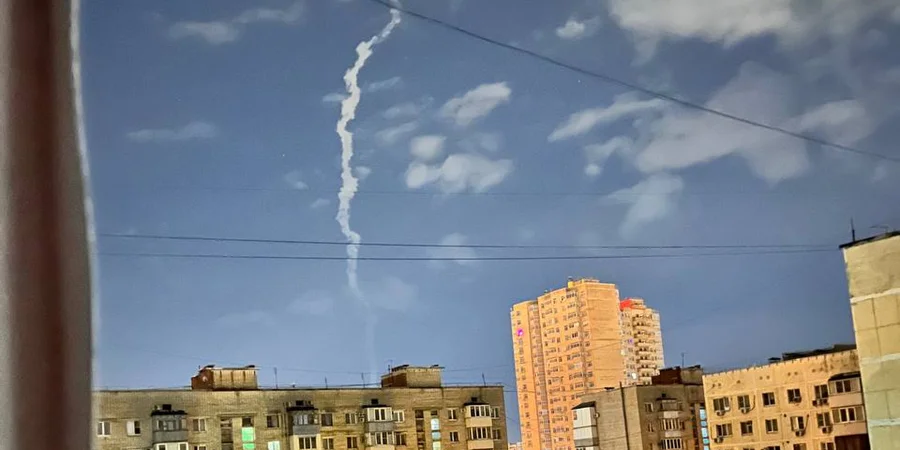
The Ukrainian Telegram channel Exilenova+ posted footage from local witnesses showing air defense fire and a blaze. The attack started after midnight, with residents reporting drone overflights and explosions at intervals of a few minutes.
Krasnodar Krai authorities claimed drone "debris" fell in the village of Afipsky and set the refinery on fire — Moscow's standard framing for Ukrainian strikes on Russian energy targets. The fire was out by 07:32 Moscow time, the operational headquarters later stated. Russian authorities reported no casualties at the plant itself.
The plant runs two primary oil distillation units with capacities of 9,786 and 8,829 tons per day. It is export-oriented and does not currently produce gasoline or diesel for Russia's domestic market. Combined throughput at the Afipsky plant and the affiliated Krasnodar refinery reached 7.2 million tons in 2024. Another 3 million tons were processed in the first half of 2025.

Russia's Defense Ministry claimed its air defenses intercepted and destroyed 330 Ukrainian drones over Russian territory overnight, the Moscow Times reported. According to the ministry, drones were spotted over Bryansk, Kursk, Belgorod, Oryol, Smolensk, Kaluga, Tula, Tver, Vladimir, and Moscow oblasts, as well as Krasnodar Krai and occupied Crimea. Russian aviation regulator Rosaviatsia restricted operations at airports in Tambov, Krasnodar, Sochi, Gelendzhik, and Zhukovsky outside Moscow.

The 11 June raid was the third attack on the Afipsky refinery this year, following hits on 21 January and 14 March. During the March hit, drones damaged the AT-22/4 primary oil processing unit at Afipsky — the plant's refining starting point. Satellite imagery had previously confirmed structural damage from a November 2025 drone attack.
![]()
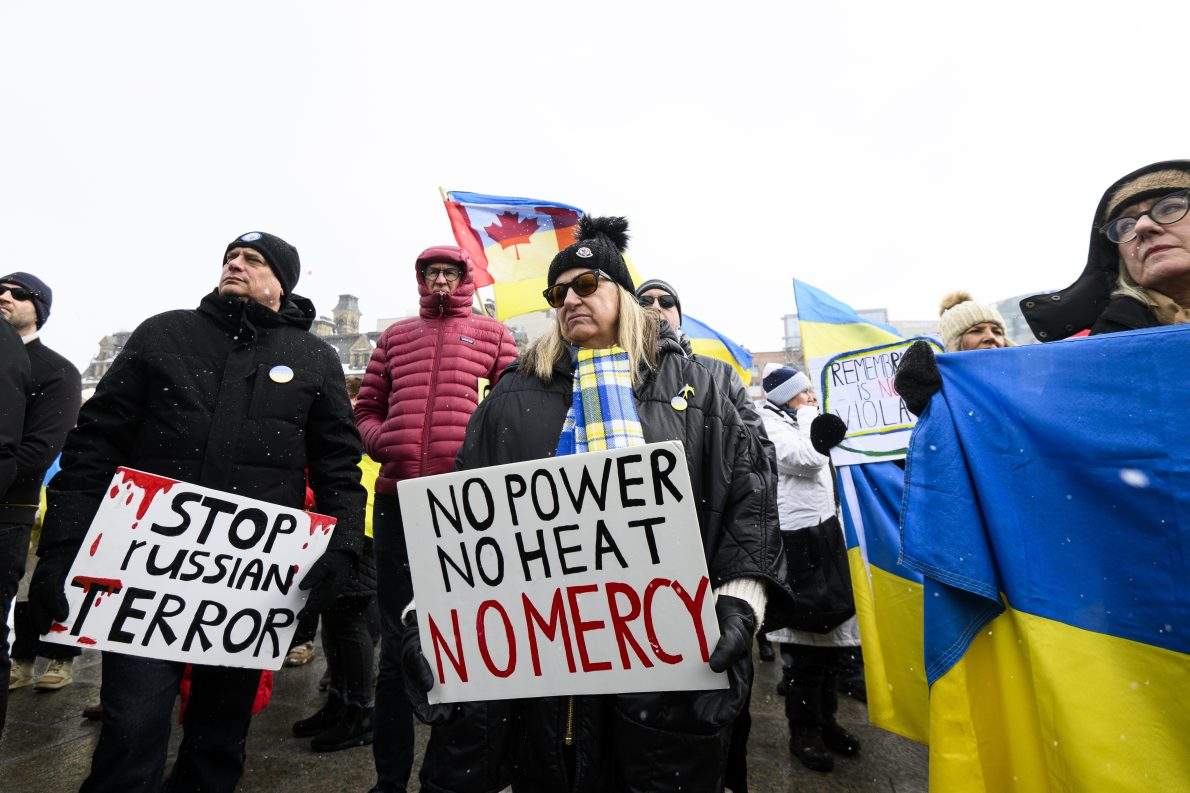
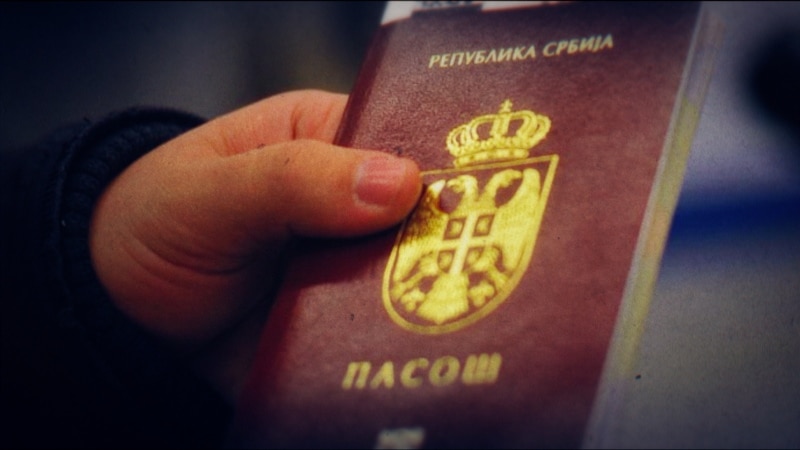
Russian President Vladimir Putin signed a law allowing Russia to seize the property and bank balances of citizens living abroad before any court ruling, the Moscow Times reported. The legislation turns a single formal charge into an immediate asset freeze in absentia against exiled Kremlin critics. It takes effect on 1 September 2026.
Several hundred thousand Russians left the country after the start of the full-scale invasion of Ukraine in 2022.
The amendments to Russia's Code of Administrative Offenses cover "administrative offenses against the interests of the Russian Federation." The seizure is framed as a "precautionary measure," not a sentence. Qualifying offenses include "discrediting" the Russian army, calls for sanctions against Russia, and "propaganda of Nazi symbols." They also cover producing and distributing "extremist materials" and non-payment of fines for any of these acts.
The value of property arrested, including bank account balances, is not capped at the underlying fine. Russian outlet Meduza noted that courts had previously fined people abroad under those administrative articles. Pre-trial seizure as a precautionary measure had never been available before.
The legislation extends the post-conviction asset-confiscation regime that Putin signed in February 2024. That earlier law let Russia seize the assets of those convicted of spreading "deliberately false information" about the army and other offenses. The new law moves the seizure earlier, before any verdict.
It is aimed squarely at Russians who fled after Moscow's full-scale invasion of Ukraine in 2022. The Moscow Times said the legislation "hands the government a new tool to punish Kremlin critics living abroad, including exiled journalists and activists."
If a Russian abroad cannot be notified of charges, the court must appoint a defense lawyer. Legal fees are reimbursed from the federal budget only if the case is dropped. The document was published on Russia's official legal information portal on 10 June 2026.
The bill's explanatory note cited "bright examples" of relocants conducting "activity directed against the interests of Russia." It argued for applying "measures of preventive influence" to such citizens. The authors stated the law will help "stop" calls to violate Russia's territorial integrity and constitutional order. In Russian official usage, that language covers the Kremlin's claim over occupied Crimea, Donetsk, Luhansk, Zaporizhzhia, and Kherson oblasts.
Lawmakers from the Russian republic of Tatarstan first proposed the bill in October 2024. The State Duma — Russia's lower house of parliament — passed it late in May 2026. State Duma speaker Vyacheslav Volodin praised the bill as a cover for Russian forces deployed in Ukraine. Russian state news agency TASS reported that the amendments make individuals abroad newly liable for abusing media freedom, inciting hatred, calls to violate Russia's territorial integrity, and discrediting the armed forces.