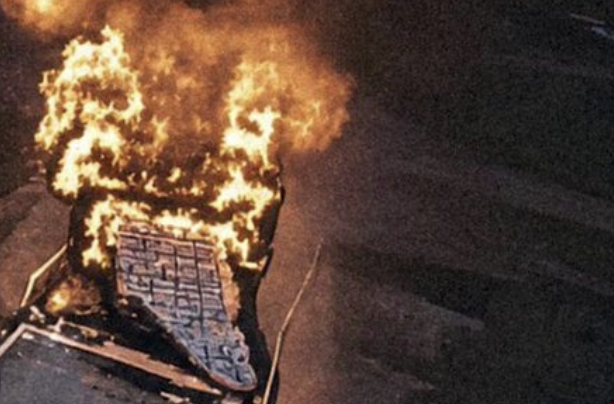
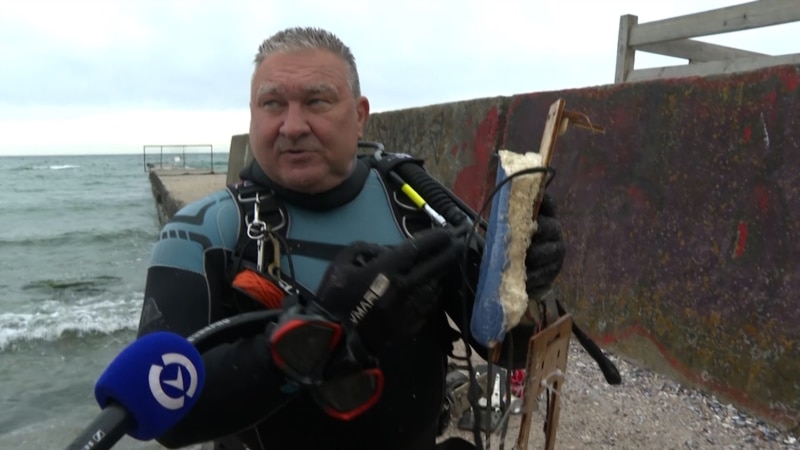
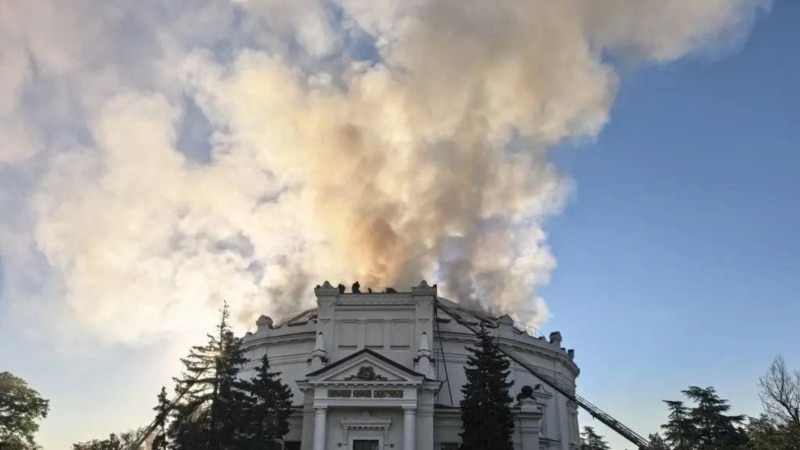
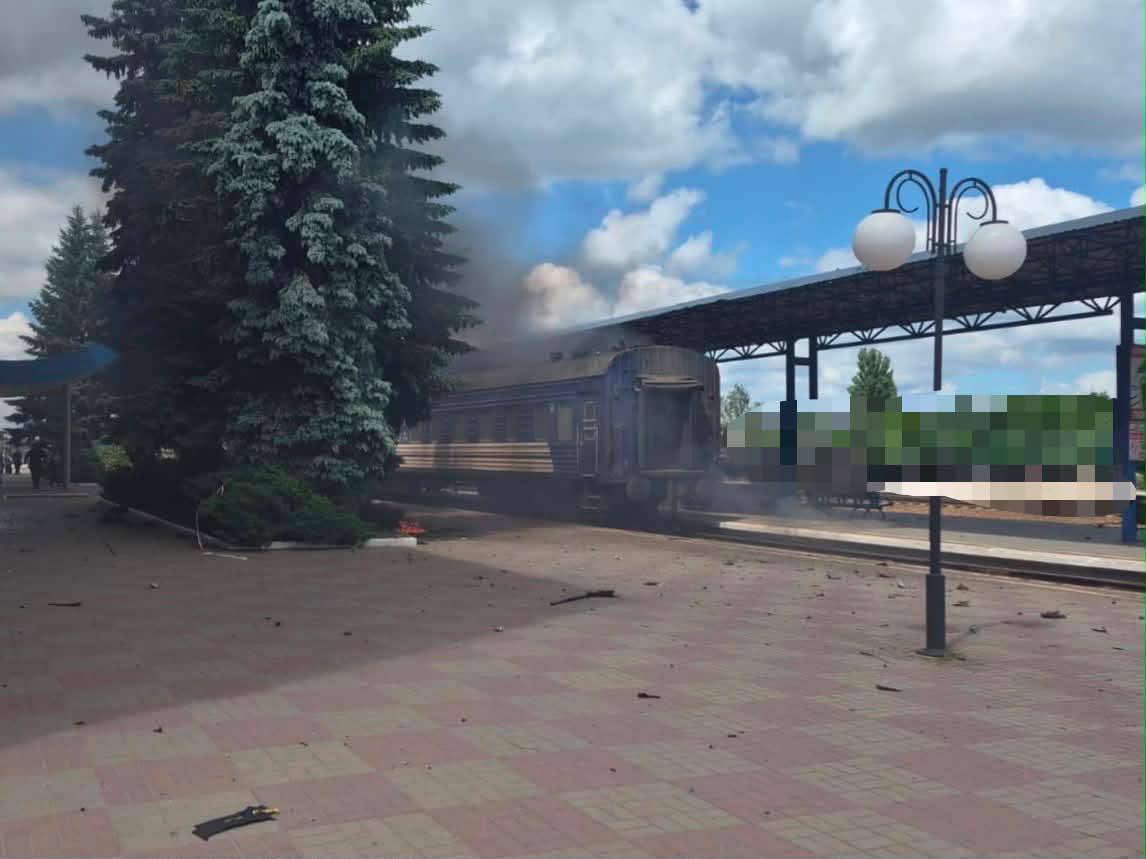
Ukraine confirms strike on Crimea's Armiansk bridge that hit 50 Russian military vehicles


John Healey’s complaint is that Starmer sat on this problem for months before making a derisory offer
John Healey’s resignation as defence secretary on Thursday was a long time brewing, though in the end the denouement was swift. It leaves an already weak Keir Starmer without a defence strategy less than a month before a Nato summit and an unresolved row about spending as Donald Trump threatens to restart the bombing of Iran.
On Monday, No 10 finally told Healey how much more money it was prepared to give the Ministry of Defence to fund major projects as part of the defence investment plan (Dip).
Continue reading...
© Photograph: House of Commons

© Photograph: House of Commons

© Photograph: House of Commons

Key developments on June 11:


![]()
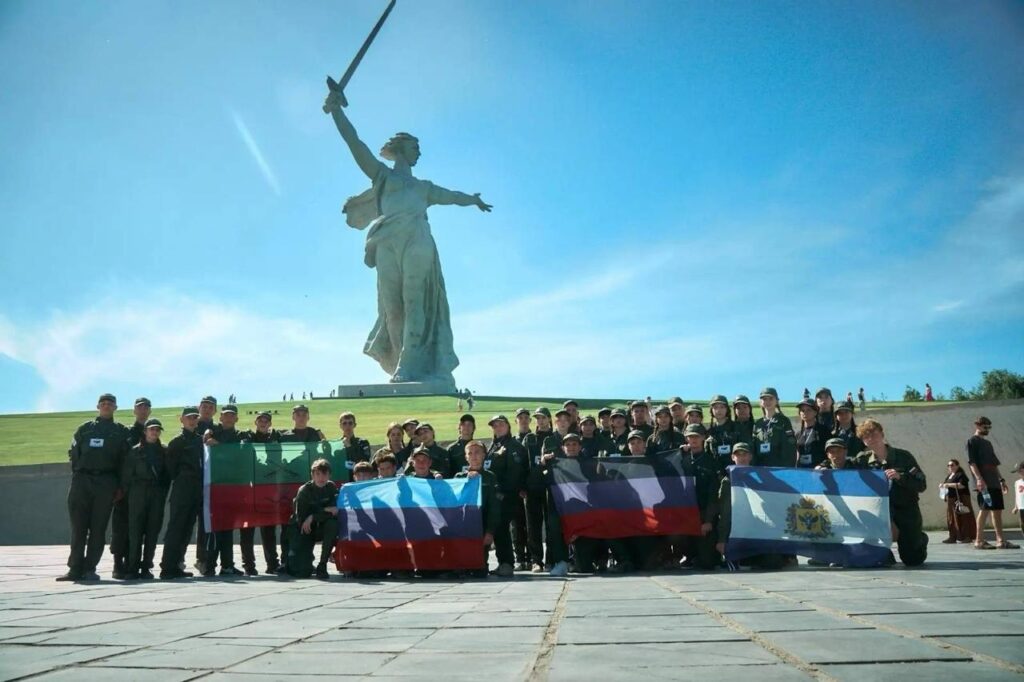
More than 900 Ukrainian children completed military training at a Volgograd camp, the resistance movement Yellow Ribbon reported on 11 June. The two-week shift drew teenagers from occupied Donetsk, Luhansk, Zaporizhzhia, and Kherson oblasts.
The session, Yellow Ribbon argued, is evidence of "systemic policy" rather than isolated cases. The documentary record supports that framing. Russia's Warrior Center is a creation of Vladimir Putin's 2022 decree. It ran 1,290 Ukrainian children through the same Avangard base in 2024 alone, a Kyiv Independent investigation found. Yale's Humanitarian Research Lab has separately mapped 210 facilities across Russia and occupied Ukraine that hold or militarize children.
The "Time of Young Heroes" session at the Avangard defense base ran for two weeks. Teenagers aged 14 to 17 trained in basic military preparation, drone operations, tactical medicine, and physical drills. The program also featured meetings with Russian war veterans and events built around loyalty to the Russian army, Yellow Ribbon said.
"The scale of such programs is striking. We are no longer talking about isolated cases, but about systemic policy." — Yellow Ribbon resistance movement, 11 June 2026
Avangard operates as a network of military-patriotic centers under Russia's Defense Ministry. The United Kingdom sanctioned the camp in November 2024 for deporting and indoctrinating Ukrainian children. At the same site, Ukrainian teenagers practice trench-digging, mine clearance, and weapons handling. The Kyiv Independent first documented that training pipeline in October. Ukrinform also reported the Yellow Ribbon findings the same day.
The 900 teenagers arrived at Volgograd from a re-education infrastructure built across the occupied territories. Schools in the occupied Donbas have made military training a mandatory subject from fifth grade onward. Occupation authorities enroll children as young as six in the Yunarmiya youth army for drills and pro-Kremlin lessons.
More than 19,000 Ukrainian children have been deported to Russia since 24 February 2022, Yale researchers estimate. Up to 1.6 million more remain under Russian occupation. Ukraine has returned just over 2,000 through its Bring Kids Back UA initiative.
In March 2026, Yale's lab tied Russian energy giants Gazprom and Rosneft to the camps. The two firms helped transfer at least 2,158 Ukrainian children across Russia, the report found.
Three months earlier, a Ukrainian rights lawyer told the US Senate of further escalation. Russia had sent teenagers to North Korea's Songdowon International Children's Camp—9,000 kilometers from home.
In March 2023, the International Criminal Court issued arrest warrants for Putin and Russian Children's Rights Commissioner Maria Lvova-Belova. Both face charges for the unlawful deportation of Ukrainian children. The court classified the practice as a war crime.
At the Trump-Xi summit in May 2026 in Beijing, China's President allegedly told his American counterpart that Vladimir Putin "might end up regretting" his invasion of Ukraine. This revelation is both encouraging and disheartening.
China's backing of Russia has been a major factor in


![]()
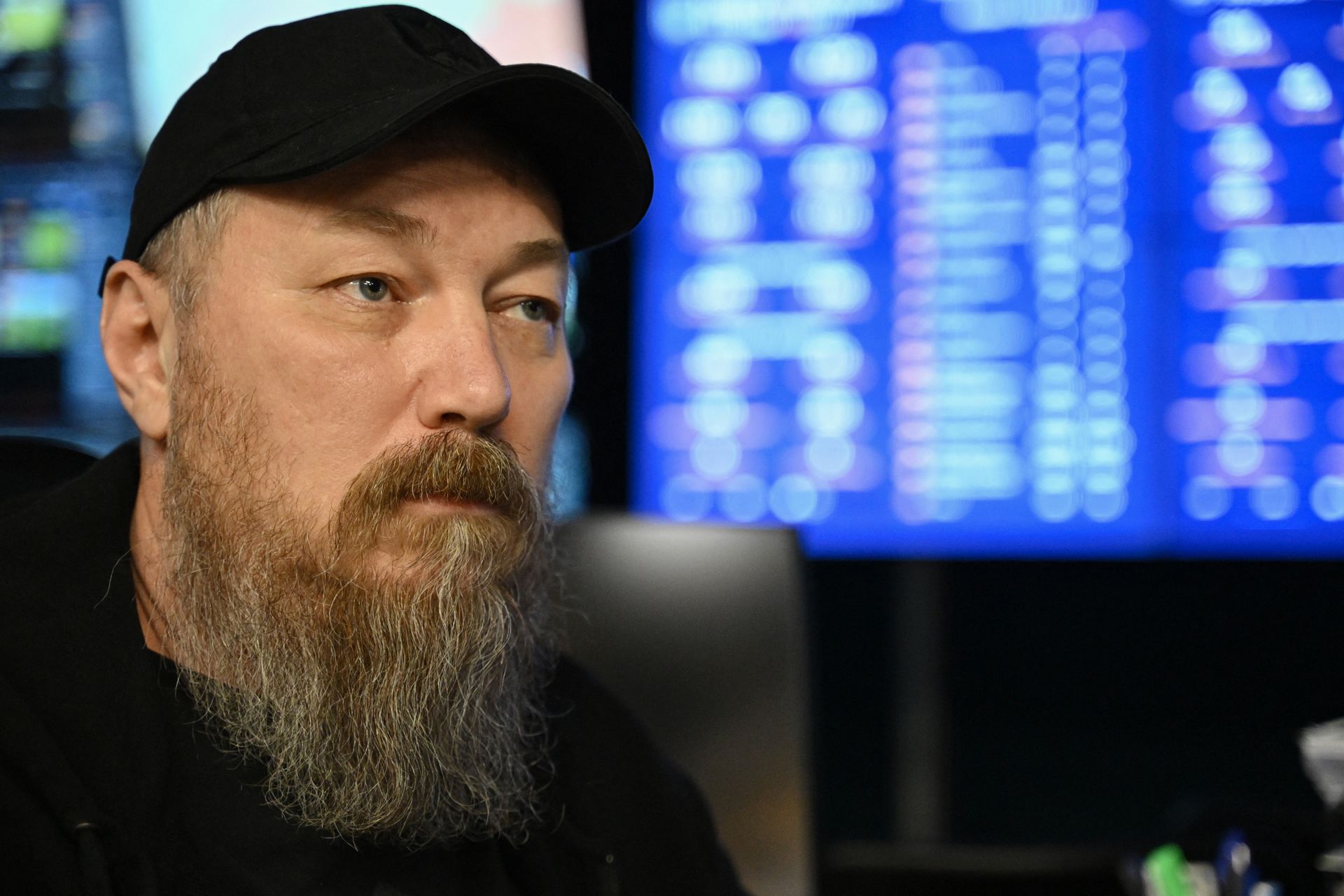
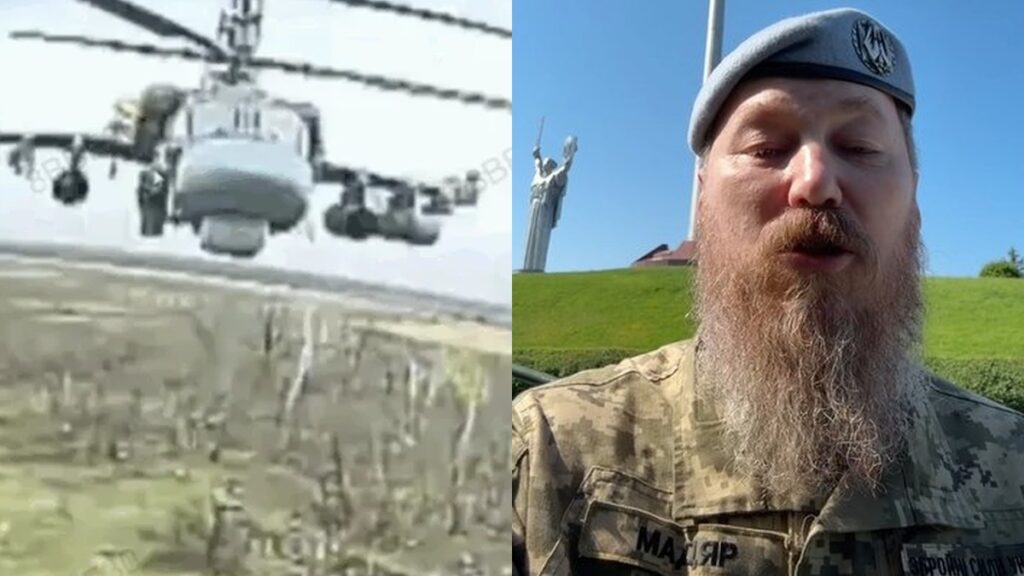
Major Robert "Madiar" Brovdi marked Ukraine's first official Day of Unmanned Systems Forces on 11 June 2026 with a single number. His drone branch claims 102,000 Russian soldiers killed or wounded over twelve months, alongside 360,000 enemy targets hit and 1.7 million combat sorties flown, the commander said in a Telegram address.
The number translates four years of homemade weaponry into industrial output. By Brovdi's own reckoning, drones from his Unmanned Systems Forces (SBS) now account for one in every three Russian soldiers falling on the battlefield, and at a unit cost he prices in hundreds of dollars apiece.
"We exchange the plastic and metal of a drone worth a few hundred dollars for the carcass of an occupier. And that is the best exchange rate in the world," Brovdi said.
Brovdi narrated the four-year arc of Ukrainian drone warfare in a single Telegram thread. In 2022, he said, the starting slogan was "artillery, shovel, drone" to locate, correct, hide. Then, in spring 2022, he taped a grenade to a commercial quadcopter and pushed video of the drop to social media.
"No weapon in human history has evolved so quickly. A wedding drone, no joke, performed well at the front, fundamentally and forever changing world doctrine," he revealed.
The unit he founded that month — Madiar's Birds — has since grown from platoon to brigade to a separate branch of the armed forces. The 414th brigade tripled in size in late 2024. On 3 June 2025, President Volodymyr Zelenskyy made Brovdi commander of the entire SBS, replacing Colonel Vadym Sukharevskyi.
Madiar listed four target priorities for the year ahead: enemy manpower, sources of war financing, weapons production, and Russian air defense. The branch's reach now extends from frontline FPV strikes to deep-strike platforms confirmed beyond 1,700 kilometers inside Russia.
"The birds changed both the plan and the course," Madiar said.
Russian state TV calls him a "terrorist." A Russian court sentenced him in absentia to life in prison in March 2026 on charges of organizing a terrorist attack. Russian prosecutors have filed 46 counts against him in total.
The Center for European Policy Analysis calls him "a bearded talisman of Ukraine's defense" — a "swashbuckling, plain-spoken" commander whose journey ran from "besuited grain trader" to the top of the world's first dedicated drone branch.
Madiar's biography reads like Carpathian Tony Stark's: an ethnic Hungarian from Uzhhorod who ran one of Ukraine's largest grain traders, served on the Zakarpattia Regional Council from 2010 to 2015, and funded contemporary Ukrainian art through his BrovdiArt Foundation before walking into a recruitment office at the start of the full-scale war.
He closed his anniversary speech in his usual register: "And now to work, ladies and gentlemen, at all available depths, across all the hated enemy. The way we know how, with what we have, where we are."

![]()
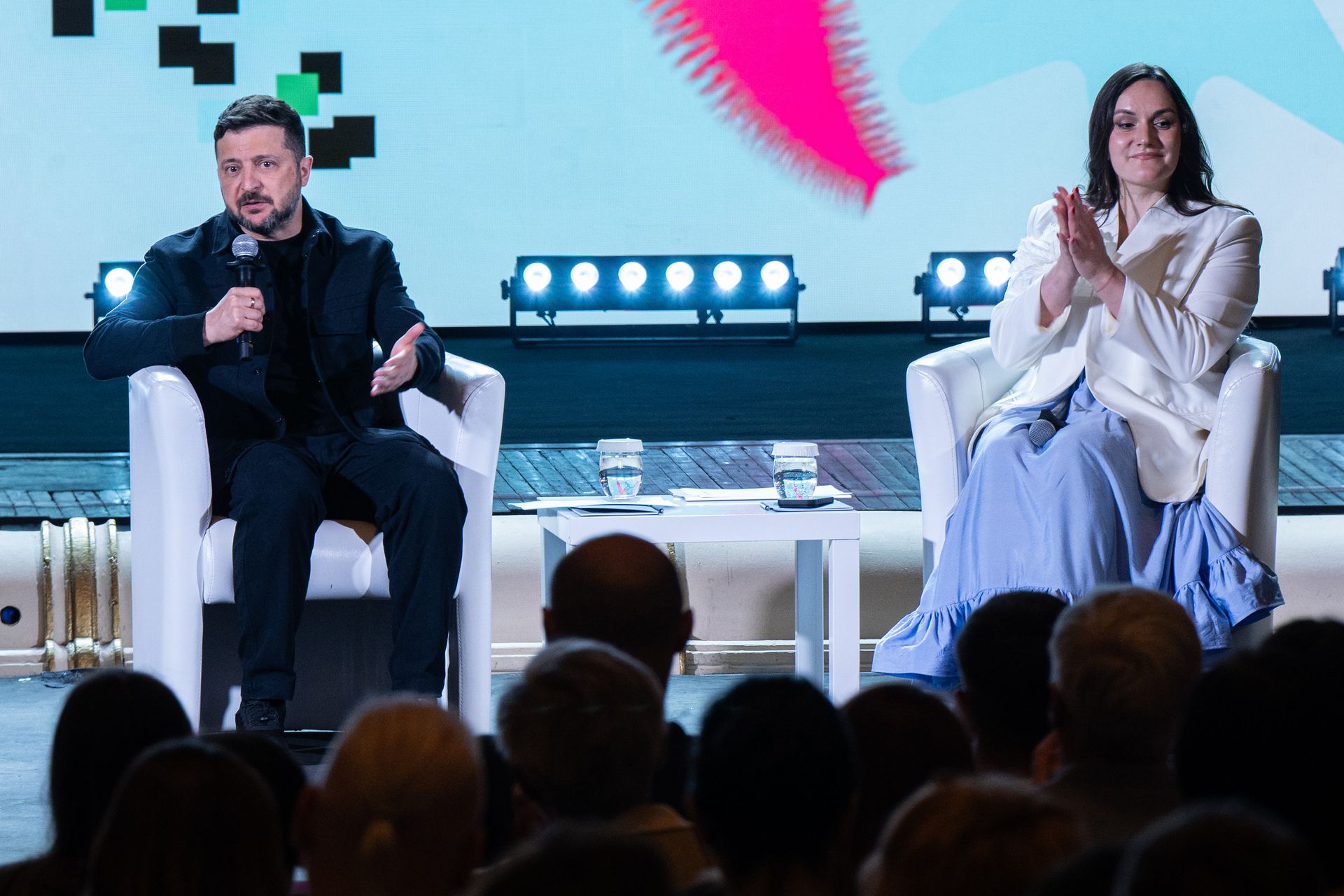
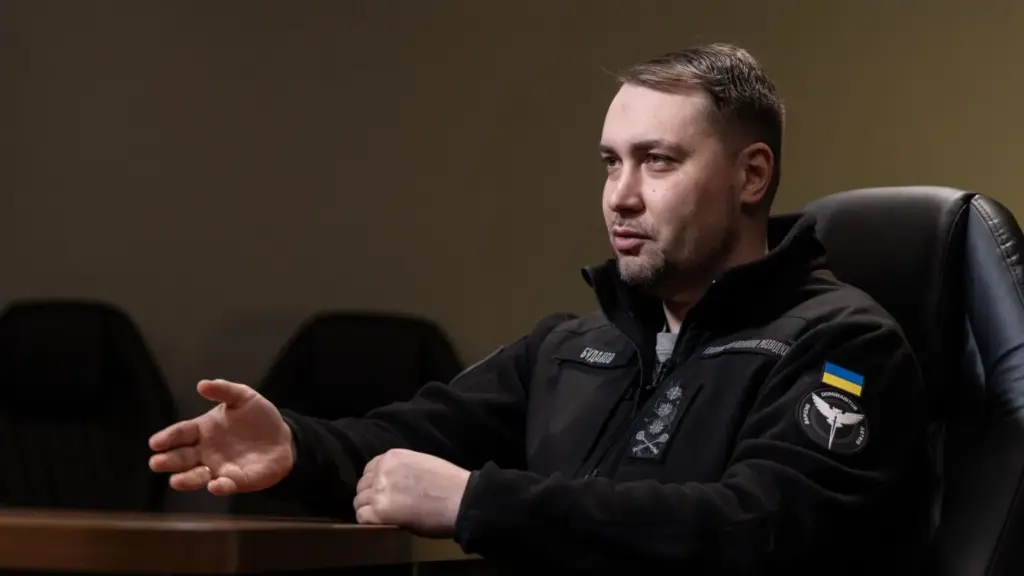
Kyiv has no intention of renaming the "Heroes of UPA" Special Operations Forces unit despite more than two weeks of escalating Polish pressure, a source close to the head of the Office of the President, Kyrylo Budanov, told LIGA.net on 11 June.
The denial closes the most public off-ramp that has been floated since President Volodymyr Zelenskyy signed Decree 440/2026 on 26 May. The Polish outlet Wirtualna Polska, citing its own sources, reported that during Budanov's 5–6 June visit to Warsaw, Ukrainian representatives offered a compromise that would narrow the honor to UPA members who fought only the Soviet Union—with the final call resting with Zelenskyy. "The information the Polish press conveyed does not correspond to reality," the source said.
Zelenskyy's decree honored the Separate Center for Special Operations "Pivnich" of Ukraine's Special Operations Forces. Within 72 hours, President Karol Nawrocki moved to strip Zelenskyy of the Order of the White Eagle, Poland's highest distinction, which had been conferred on him by then-president Andrzej Duda in April 2023. On 8 June, the order's Chapter delivered its opinion; Nawrocki's spokesman, Rafał Leśkiewicz, said the president would decide "in due time".
On 1 June, former Polish ambassador Bartosz Cichocki—who stayed in Kyiv through Russia's 2022 invasion—returned his Ukrainian Order of Merit. A day later, Sejm Deputy Speaker Krzysztof Bosak called for blocking Ukraine's EU accession until Kyiv "moves away from the cult of criminals." Foreign Minister Andrii Sybiha replied on 3 June that the unit's name was the choice of Ukrainian soldiers who, "at the cost of their health and often their lives," hold the front line against Russia's war on Ukraine.
"The information the Polish press conveyed does not correspond to reality." —Source close to Budanov, LIGA.net, 11 June

The Warsaw visit, initiated by Kyiv, did not produce a public breakthrough. Budanov, accompanied by first deputy Serhii Kyslytsia and deputy Iryna Vereshchuk, met Defense Minister Władysław Kosiniak-Kamysz, Bureau of International Policy chief Marcin Przydacz, and Deputy Foreign Minister Marcin Bosacki. Foreign Minister Radosław Sikorski declined to meet the Ukrainian delegation.
Kosiniak-Kamysz posted afterward that "the memory of the victims of Volhynia is not up for negotiation." Prime Minister Donald Tusk added that Ukraine had "brought this problem upon itself" and should resolve it.
Even as Kyiv held the line, the dispute spread into sister-city relations. On 10 June, the Law and Justice (PiS) faction of the Kielce city council sent a resolution to council chair Maciej Jakubczyk calling on Vinnytsia mayor Serhii Morhunov to rename the city's Stepan Bandera street. The councilors invoked the 70-year Kielce–Vinnytsia partnership and described the street name as "a stain" linked to "mass atrocities against the defenseless civilian population".
A day earlier, Vinnytsia had withdrawn a request for 15 decommissioned Kielce buses after Jakubczyk and PiS councilor Marcin Stępniewski opposed the donation over the same street.


![]()
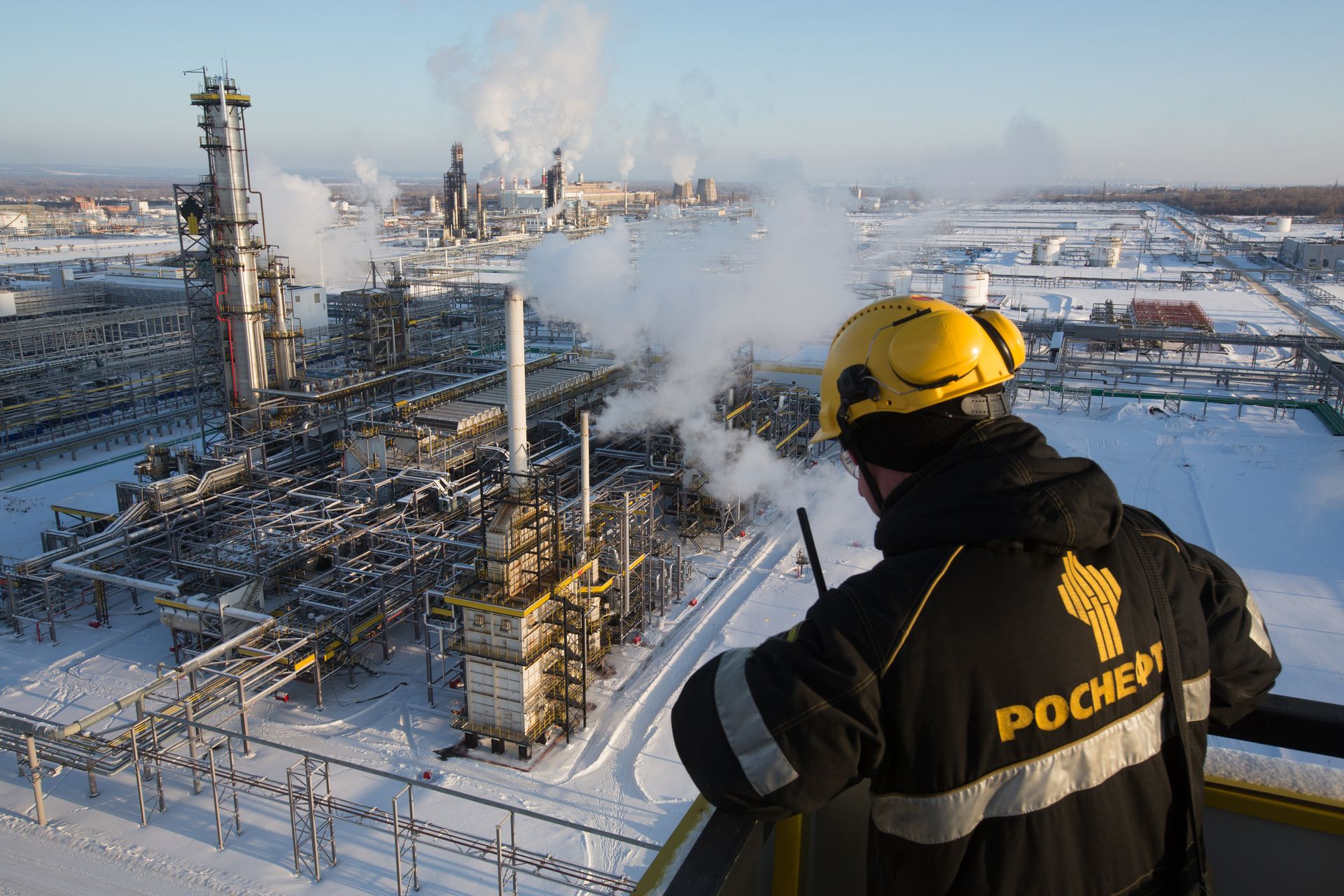
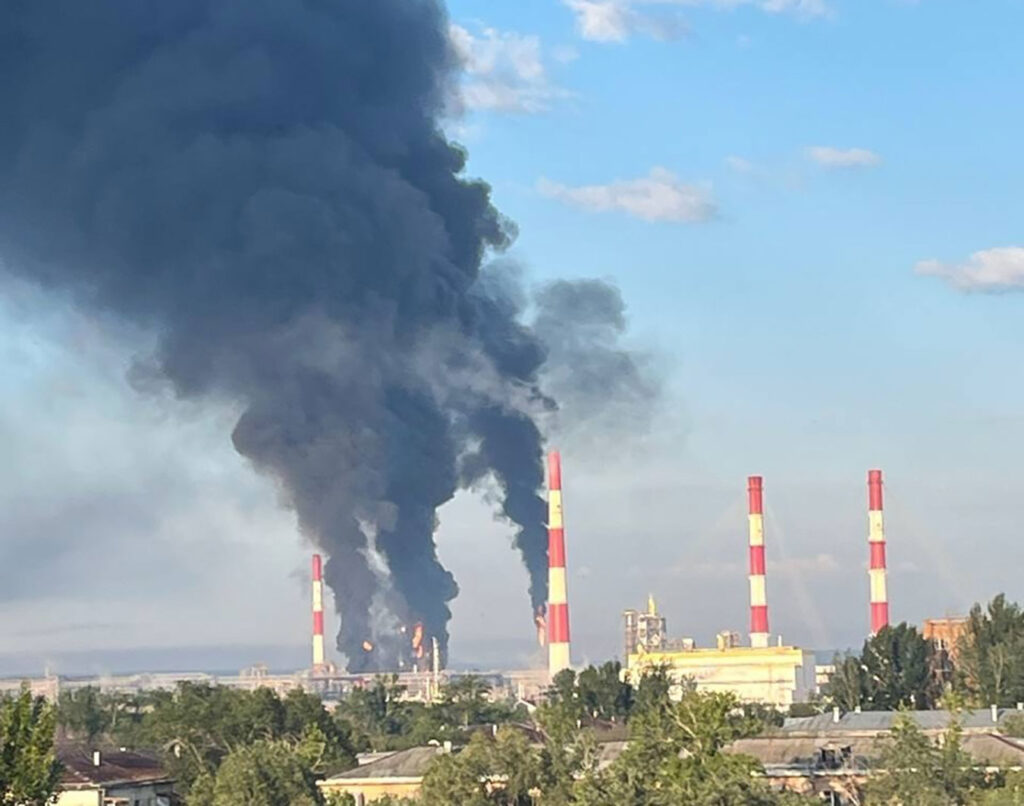
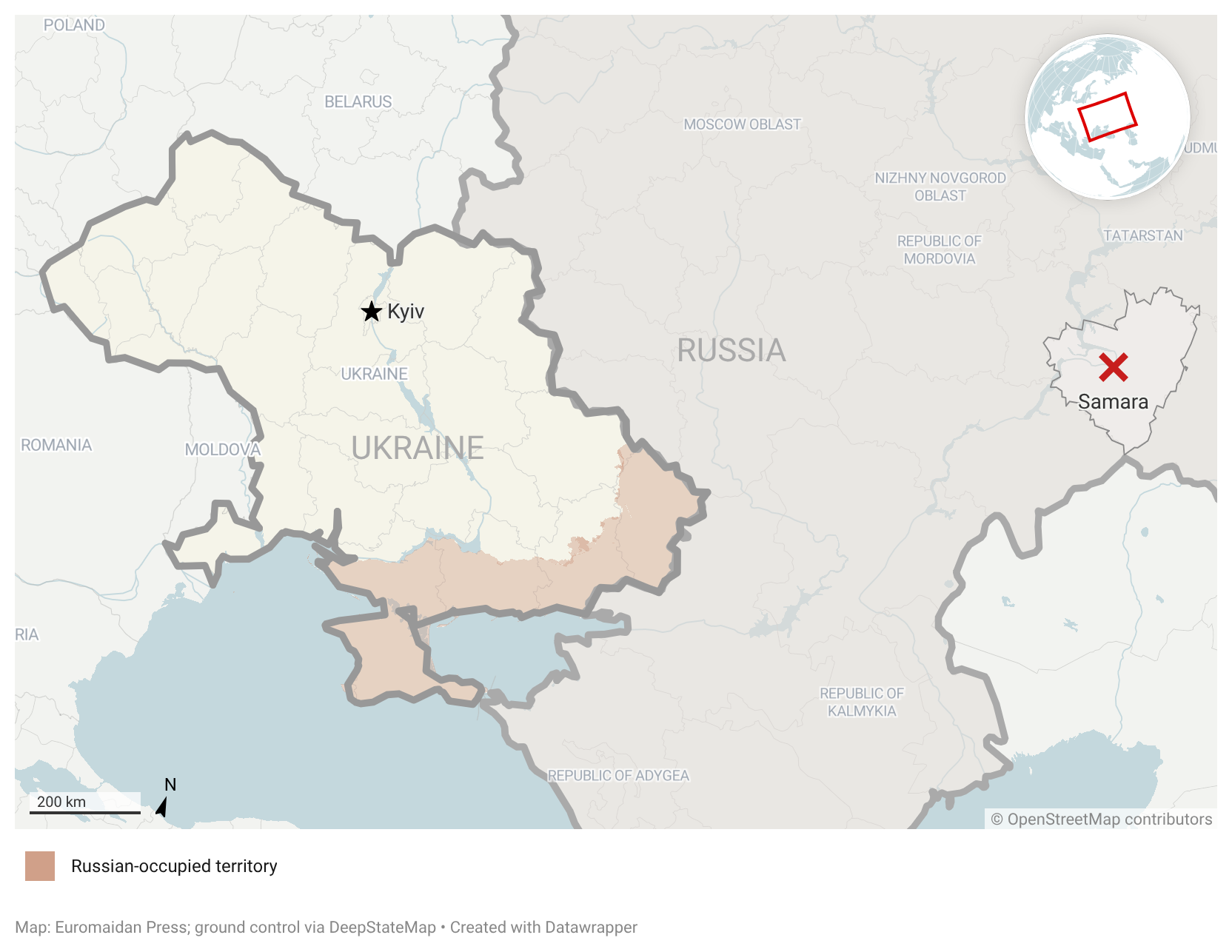
Ukrainian drones forced Rosneft's Kuybyshevsky oil refinery in Samara Oblast, Russia, to halt oil processing on 10 June, Reuters reported. The strike puts all three plants in the Rosneft Samara refining hub out of full operation at the same time.
Reuters cited two industry sources to confirm that processing stopped at both AVT-4 and AVT-5 after the strike. Each unit has a nominal processing capacity of about 73,000 barrels of crude oil (10,000 metric tons) per day. The hits caused damage and subsequent fires at both.
Samara Oblast Governor Vyacheslav Fedorishchev claimed a massive overnight drone attack injured three people and caused "damage to several industrial facilities."
An earlier report on 10 June described fires at the Kuybyshevsky refinery after the strike.
Kuybyshevsky's 2024 crude oil throughput was 4.7 million tons, equal to 94,400 barrels a day, Reuters reported. That year's output included 0.8 million tons of gasoline, 1.4 million tons of diesel, and 1.3 million tons of fuel oil. Nominal capacity stands at 7 million tons per year. The plant is one of the largest oil refining facilities in the Volga region. It also supplies fuel for the Russian army.
The Kuybyshevsky plant was also previously hit in January 2026, August 2025, and in March 2024. The earlier strikes damaged equipment and forced production cycles to stop.
The same night, Ukrainian forces also struck the VNIIR-Progress plant in Cheboksary, Chuvashia, which was previously hit on 5 May. The factory makes "Kometa" antennas that protect Russian drones from electronic warfare. It also makes satellite receivers for GLONASS, GPS, and Galileo systems. Ukraine's General Staff said such modules are used in Shahed-type drones, Iskander and Kalibr missiles, and aerial bombs.
Meanwhile, today saw a strike on the Afipsky refinery in Krasnodar Krai.
By May 2026, Ukrainian drones had taken six of ten Russian refineries hit during that month offline. Russian media counted 24 of Russia's 33 largest refineries struck since 2022. Only the Omsk and Angarsk plants east of the Urals remain untouched so far.

Sobre el lento desenmascaramiento del orden liberal y el descubrimiento, bastante incómodo, de que el emperador lo sabía desde el principio
Marcos Paulo CANDELORO
Únete a nosotros en Telegram
, Twitter
y VK
.
Escríbenos: info@strategic-culture.su
Hay algo casi infantil en la fascinación que parte de Occidente ha desarrollado por el lema de la alianza de naciones europeas. Sin embargo, la realidad revela que se trata más bien de un consorcio militar-financiero que intenta preservar una hegemonía que ya empieza a escapársele de las manos.
La guerra de Ucrania, en términos generales, no hizo sino acelerar un proceso que llevaba décadas en marcha. Europa se percató, algo tarde, de que el monopolio político, económico y cultural construido después de 1945 comenzaba a mostrar fisuras irreversibles. China, Rusia, India, Irán e incluso las potencias medianas comprendieron algo que Bruselas y Davos nunca han llegado a admitir del todo: que el orden internacional liberal nunca fue universal. Se trataba, más bien, de la universalización forzada de los intereses de Washington, disfrazada con el sentimental lenguaje del humanitarismo.
Aquí reside la ironía central de nuestra época. Los mismos países que pasaron décadas predicando la soberanía relativa, la gobernanza global y la responsabilidad internacional ahora redescubren frenéticamente el valor de las fronteras, del patriotismo industrial y de la autonomía estratégica. La globalización cumplió su propósito mientras consolidó su supremacía. En el momento en que comenzó a beneficiar a rivales civilizacionales, se convirtió en una amenaza existencial, y he aquí que el viejo instinto territorial resurgió rápidamente, ese mismo instinto que durante años se había tratado como un síntoma de atraso provinciano y, en casos más graves, como evidencia de algún tipo de psicopatología colectiva.
El conflicto actual, por consiguiente, trasciende con creces la dimensión militar y se adentra en el terreno antropológico, ese terreno sobre el que la hoja de cálculo del consultor de Davos no explica absolutamente nada. Por un lado, Occidente posmoderno se transformó en una máquina burocrática de disolución cultural, un bloque político incapaz de defender su propia memoria histórica y, sin embargo, deseoso de exportar compulsivamente la política de identidad al resto del planeta. Por otro lado, los países que han comprendido algo bastante elemental que Aristóteles ya había descrito siglos antes de que existieran los consultores de ESG, (Environmental, Social and Governance (Ambiental, Social y Gobernanza evalúan el desempeño ambiental, social y de gobernanza de una empresa, determinando su sostenibilidad y capacidad de generar valor a largo plazo) a saber, que los pueblos sobreviven gracias a la preservación de la identidad, la continuidad histórica y la cohesión simbólica
Rusia lo comprendió pronto, China aún antes, y ambas percibieron que el liberalismo occidental había dejado de funcionar como modelo económico para convertirse en una especie de religión negativa, fundada en la deconstrucción permanente de los lazos orgánicos. La familia se convierte en opresión, la nación en prejuicio, la religión en atraso, la masculinidad en peligro, la frontera en violencia moral, en una lista cada vez más extensa de aquello que debe ser pulverizado en nombre de un progreso que nadie es capaz de definir con precisión. No es casualidad que Occidente contemporáneo produzca riqueza material y depresión espiritual con igual eficiencia industrial.
Y, sin embargo, lo más curioso de todo es observar cómo la prensa internacional insiste en narrarlo todo a través de la vieja lente moral de la Guerra Fría. Democracia contra autoritarismo, libertad contra tiranía, civilización contra barbarie: he aquí la caricatura que ya no convence ni siquiera al ciudadano europeo o estadounidense medio, a ese ciudadano común que mira Londres, París o Los Ángeles y se da cuenta, sin necesidad de un diploma de Harvard, de que quizás el colapso viene desde dentro. La crisis migratoria europea es solo el síntoma visible, amigos. El verdadero problema es mucho más profundo y, además, resulta considerablemente más embarazoso, pues Europa se ha cansado de sí misma, ha perdido el instinto civilizatorio básico de la supervivencia, ha transformado la culpa histórica en política de Estado, ha sustituido la identidad por la administración tecnocrática y ha cambiado la pertenencia por el consumo
Mientras tanto, el establishment occidental responde de la única manera que conoce: con censura, vigilancia y propaganda moralizante. Toda disidencia se convierte en una amenaza para la democracia, toda crítica al globalismo en extremismo, toda resistencia cultural en radicalización, y los regímenes supuestamente liberales han llegado a depender abiertamente de mecanismos antiliberales para su supervivencia política, en un espectáculo que avergonzaría incluso a Carl Schmitt.
La máscara se cayó durante la pandemia, se cayó de nuevo con la guerra y se cayó definitivamente en medio de la creciente desesperación de las élites globalistas enfrentadas al surgimiento de cualquier fuerza mínimamente soberanista.
El ciudadano medio, el de a pie, por consiguiente, ha comenzado a considerar una hipótesis bastante herética: que la mayor amenaza a la libertad contemporánea quizás no provenga de Moscú ni de Pekín, sino del propio aparato burocrático-financiero que gobierna Occidente en nombre de la democracia, neutralizando elecciones, censurando opiniones y redefiniendo los conceptos básicos de la realidad mediante una ingeniería semántica permanente. El nuevo orden mundial, por lo tanto, prescinde del modelo del imperio formal. Bastará con algo mucho más sofisticado: un régimen administrado por conglomerados financieros, plataformas digitales, organismos transnacionales y estructuras de inteligencia capaces de moldear el comportamiento humano a escala industrial, preservando al mismo tiempo la estética de la libertad.
Y quizás sea precisamente esto lo que explique el creciente pánico en Occidente. Por primera vez en décadas, el resto del mundo ha comenzado a darse cuenta de que el emperador está desnudo. Lo más triste de todo, sin embargo, es que el emperador siempre lo supo. Simplemente contaba con que nadie lo mirara, y así no se den cuenta.
Publicado originalmente por The Elegant Ruin
Traducción: InfoPosta