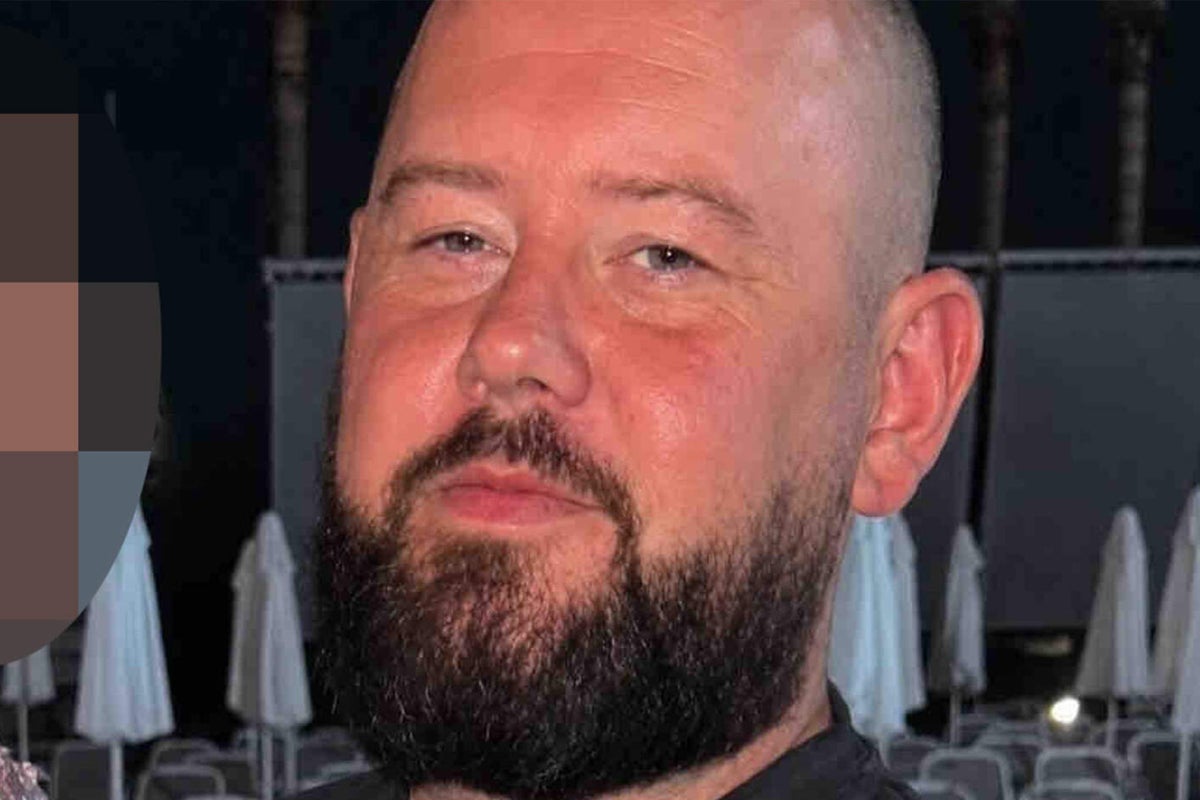
Suit filed in US alleges chatbot told Alice Carrier, 24, ‘maybe this is just the end’ as she struggled with suicidal thoughts
A Canadian mother sued OpenAI and its CEO, Sam Altman, in US court on Thursday, alleging that ChatGPT encouraged her daughter to kill herself. The lawsuit is the latest in a slew accusing the company of failing to address dangerous conversations between users and the company’s chatbot.
Kristie Carrier said in a lawsuit filed in San Francisco state court that her daughter, Alice, told ChatGPT about her suicidal ideations more than a dozen times leading up to her death but that OpenAI’s safety systems never flagged the conversations for human review or terminated them.
In questi giorni d’inizio mondiale di calcio mi è capitato di discutere con amici sulla possibilità di organizzare un ParaMondiale, dopo il torneo principale, alla maniera in cui le Paralimpiadi seguono sempre le Olimpiadi: calcio integrato, per non vedenti, in carrozzina: discipline già esistenti o ancora da progettare.
D’altronde, Olimpiadi e Mondiali sono due eventi simili per portata planetaria, che scandiscono il nostro tempo, alternandosi ogni due anni, come un metronomo delle società.
Insieme alla divagazione sul ParaMondiale di calcio, qui mi piace segnalare due bei libri sulla disabilità, che ho letto da poco. Il primo è Eccentrico di Fabrizio Acanfora (editore Effequ, 2022): a 39 anni all’autore viene diagnosticata una forma di autismo. C’è un prima e un dopo quel momento, un sé prima e un sé dopo, diverso. Una specie di tortura, “vigilanza permanente”, che rende ogni secondo faticosissimo, soprattutto se si fa musica, come l’autore, e si è ossessionato dai rumori, e “il canale preferenziale di entrata delle informazioni esterne è l’udito” (p. 102).
Il libro è un racconto sincero e intenso, un reportage di sé stesso, di com’è star chiuso nei propri pensieri, crearsi routine e ripetibilità per non cedere alle distrazioni laterali, com’è vivere con ridotta capacità di astrazione rispetto alla capacità di vedere i pensieri (quando si pensa un appuntamento, quando si scrive un racconto, tutti i dettagli afferrano l’attenzione), e di come si riempiono le giornate con la musica, studiando clavicembalo e pianoforte.
Il secondo libro è Deforme di Amanda Leduc (editore Nottetempo, 2025), dove l’autrice, che soffre di una lieve paralisi cerebrale e di emiplegia spastica, analizza le disabilità presenti nelle fiabe, spesso elemento centrale della storia: la bestia in Bella e la bestia, la strega con la stampella di Hansel e Gretel, le trasformazioni nelle favole dei fratelli Grimm, i brutti principi e i ranocchi; oppure le disabilità nei cartoni animati, quali il gobbo di Notre Dame, i nani che aiutano Biancaneve, il naso deforme di Pinocchio, o la Fiona in Shrek, trasformata da principessa in orchessa per maledizione di una fata.
Viene in mente la commovente Elsa, in Frozen, col suo potere di manipolare ghiaccio e neve, all’inizio incontrollabile, tanto da costringerla a lasciare la città e ritirarsi da eremita, prima d’essere salvata dalla cara sorella, che Elsa involontariamente aveva quasi ucciso mentre scopriva i suoi poteri. Il superpotere come disabilità, come scarto nefasto dalla normalità (lo dimostra anche l’ultimo “ragno” di Nicolas Cage in Spider-Noir, fra quei supereroi che vorrebbero essere “normali”).
Nelle fiabe particolare è il Brutto Anatroccolo, diverso, emarginato, il quale cresce e si scopre diventare un bellissimo cigno. E il cigno, qui animale simbolo di bellezza (un super potere quasi), lo è altrettanto di bruttezza nei Cigni selvatici di Andersen e nei Sei cigni dei fratelli Grimm, dove undici principi e sei fratelli vengono trasformati in cigni da una matrigna e da una regina malvagia. Si è belli o brutti a seconda del paragone: l’essere cigno, in fiabe diverse, in realtà diverse, può essere un privilegio oppure una condanna.
Per tornare allo sport, il discorso fa venire in mente i quattro personaggi del Mago di Oz: lo Spaventapasseri senza cervello, l’Uomo di Latta senza cuori, il Leone senza coraggio, oltre a Dorothy, che è sola in terra straniera. Ognuno ha una disabilità, insieme sono una squadra impegnata verso un obiettivo comune, che è raggiungere Oz. I quattro hanno obiettivi individuali – il cuore, il coraggio, il cervello, tornare a casa – ma gli obiettivi individuali si fondono in un agire condiviso, che li porta a collaborare l’un l’altro, ciascuno coi propri punti di forza a coprire i punti di debolezza del compagno. Sembra di ascoltare alcuni discorsi di JulioVelasco, che nella definizione dei ruoli identifica un meccanismo chiave per il funzionamento della squadra sul campo.
La durezza dell’Uomo di Latta spezza i pungiglioni delle api nere, le cornacchie sono uccise dallo Spaventapasseri, il ruggito del leone mette in fuga i minacciosi Winkie. Ciascuno con le sue abilità e disabilità, in un viaggio che è una partita, il campo che è l’intero Regno di Oz (una realtà altra rispetto al Kansas di Dorothy), come in un nuovo sport inclusivo.
C’è poi un aspetto mentale. Il “Grande e Terribile Oz” si presenta ai quattro in maniera diversa: una grande testa a Dorothy, una donna magnifica allo Spaventapasseri, un mostro all’Uomo di Latta, una sfera di fuoco al Leone. La suggestione si rompe quando i protagonisti scoprono che Oz è in realtà un anziano e piccolo ventriloquo, arrivato in mongolfiera e scambiato dagli abitanti locali per divinità. Ma l’illusione non svanisce, solo s’interrompe: per soddisfare il desiderio dello Spaventapasseri Oz gli mette in testa crusca e spilli, all’Uomo di Latta infila nel petto un cuore di seta, al Leone offre una bevanda presentandola come coraggio liquido.
Questa la storia dei quattro atleti del Mago di Oz.
At the Trump-Xi summit in May 2026 in Beijing, China's President allegedly told his American counterpart that Vladimir Putin "might end up regretting" his invasion of Ukraine. This revelation is both encouraging and disheartening.
China's backing of Russia has been a major factor in
President Donald Trump has spent more than 100 days promising either a historic peace deal or a decisive military victory over Iran. On Thursday, in the span of a few hours, he seemed to promise both.
On Thursday morning, Trump threatened to strike Iran “very hard” and announced plans to seize Kharg Island, the linchpin of Iran’s oil export infrastructure, and “assume total control” of its oil and gas markets.
By Thursday afternoon, he canceled the planned strikes and said “discussions and final points have been, in both concept and great detail, approved by all parties involved.”
Whether that agreement holds — or exists in the form Trump described — remains to be seen. But the dramatic escalation and reversal comes as Trump has grown increasingly frustrated while searching for a tangible victory to point to, people close to the president tell MS NOW. Trump’s “annoyance” has reached an all-time high as Iran’s “erratic behavior” makes them increasingly challenging to sincerely broker with, according to a White House official granted anonymity to share sensitive details.
“The biggest mistake now would be if Trump reaches a peace deal without being able to point to a decisive victory of some kind,” the White House official said before the deal was announced. “[Trump] needs to be able to point to something, and recent negotiations with Iran in many ways have exposed a fundamental miscalculation from Trump and the White House.”
The problem isn’t just finding a deal. It’s that any agreement Iran might accept would likely resemble the terms of the 2015 nuclear accord Trump spent years denouncing — leaving him unable to claim the decisive victory he’s promised. Thursday’s announcement, if it holds, would be his answer to that trap.
Wednesday evening’s U.S. strikes — the second consecutive day of exchanged fire in what increasingly appears to be a resumed conflict and broken ceasefire — followed a Situation Room meeting where Trump convened with top security officials, including Vice President JD Vance, Secretary of State Marco Rubio, Joint Chiefs Chairman Gen. Dan Caine, CIA Director John Ratcliffe and White House envoy Steve Witkoff. The strikes were designed to signal unyielding U.S. resolve while nudging Iran toward the negotiating table, according to a White House official familiar with the thinking of the room.
Iran’s Foreign Ministry released a statement Thursday morning accusing the U.S. of a “flagrant violation” of international law that “effectively rendered the April 8 ceasefire meaningless.”
Trump’s Netanyahu-sized problem
A central test of Trump’s claim of strength throughout the conflict lies in his ability to rein in Israeli Prime Minister Benjamin Netanyahu.
On Sunday evening, following Iran’s missile attacks on Israel, Trump called Netanyahu with a singular message: “deter any escalation of conflict,” according to a U.S. official familiar with the phone call. Hours later, Israel bombed sites in Iran for the first time since the April ceasefire took hold.
Israeli officials aren’t worried Trump will abandon them — they believe the president remains committed to Israel’s security even when that complicates diplomacy with Tehran.
“They know our red lines,” an Israeli official, granted anonymity to discuss sensitive diplomatic relations, said without elaborating. “If they would be willing to cross it off or not to do it, they could have a deal, and they did not do it. They’re [consistent] with what President Trump wants to achieve, so I don’t think it would come to this.”
The sharper divide between Washington and Jerusalem may be more fundamental: whether a diplomatic solution on Iran’s nuclear program is achievable at all.
“I think that we have a difference of opinion in that we’re not sure that there is a deal to be made with Iran,” the Israeli official told MS NOW. “The president does think there’s room, maybe, to make a deal. He wants to make sure that going back to war would be the last resort. We see the Iranian regime in a more realistic point of view because we dealt with them for so many years.”
Meanwhile, as a boxed-in Trump weighs his options, the financial toll of the conflict is compounding on multiple fronts. Pentagon officials estimate the war has cost roughly $30 billion — though the real cost is likely much higher when accounting for damage to U.S. assets and bases — and the Trump administration is already struggling to push $350 billion of its $1.5 trillion defense budget request through reconciliation, facing bipartisan resistance. A move on Kharg Island, as threatened earlier on Thrusday, would likely dramatically escalate those costs, even as Trump has framed it as a path to economic gain.
On the battlefield, U.S. forces face a punishing asymmetric fight — and a costly one. Earlier this week, an Iranian drone worth roughly $20,000 brought down an Apache helicopter valued at more than $30 million. Meanwhile, U.S. forces are stretched across the Middle East even as Trump officials float potential military action against Cuba and China-Taiwan tensions rise in the Indo-Pacific.
For more than 100 days, Trump couldn’t find a way to end things in Iran. On Thursday, he said he had — twice.
COLOMBO — The mist-covered tea estates, forest patches and mountain valleys of Sri Lanka’s hill country support some of the country’s most important leopard populations outside protected areas. Yet the same landscapes have emerged as the deadliest places for the threatened big cats of Sri Lanka. A new study analyzing 17 years of leopard mortality records has found that nearly 40% of recorded leopard deaths occurred within a single district of Sri Lanka’s Central Highlands, the tea-growing Nuwara Eliya, which accounts for only 4.4% of the species’ estimated range. The study, published in Wildlife Letters, documented 164 human-caused leopard deaths between 2008 and 2024. Most of the victims were adult males, with adults accounting for 87.3% of deaths, out of which 68.4% males made up 68.4% of that adult population. With fewer than 1,000 mature leopards believed to remain in Sri Lanka, deaths of adult leopards are raising concerns for the species’ long-term survival, as deaths of breeding-age individuals, even modest increases in adult mortality, can have significant impacts, said Sanjaya Weerakkody, lead author of the study and a postdoctoral fellow at Xishuangbanna Tropical Botanical Garden. The majority of recorded deaths were of males, also problematic as the males maintain large territories overlapping with multiple females, which could lead to destabilize local populations, Weerakkody told Mongabay. A rare image of a mating leopard pair captured by a camera trap in the tea fields of Sri Lanka’s Central Highlands highlights that the human-dominated hill country tea landscape is habitat for Sri…This article was originally published on Mongabay
There’s one very key – and often completely overlooked – element to exercising after having a baby. Shakira Akabusi explains what it really takes to get back on track
The lawsuit, filed Thursday in California state court, claims OpenAI failed to adequately address potentially dangerous interactions between the chatbot and 24-year-old Alice Carrier, who died in 2024
Nutricionista y responsable del departamento de nutrición de la Rafa Nadal Academy, además de directora del Máster Online en Nutrición Deportiva y Entrenamiento de la Escuela Universitaria UAX Rafa Nadal, Gemma Bes trabaja a diario con atletas que exprimen su cuerpo… y con mayores que quieren conservar su autonomía. “La longevidad no va de hacer más, sino de hacerlo mejor: fuerza, recuperación y constancia”, afirma. Su mensaje, firme y práctico: la nutrición y el descanso son tan decisivos como el entrenamiento para envejecer activos.
“Per ben sei volte avete votato contro la fiducia a questo governo, insieme collega Schlein, collega Conte, collega Renzi e compagnia”. Mittente: la presidente del Consiglio GiorgiaMeloni. Destinatario EmanuelePozzolo, il deputato noto per aver sparato alla festa di Capodanno, ex di Fratelli d’Italia. Insomma, è ufficialmente scoppiato il conflitto tra il centrodestra di governo e Futuro Nazionale, il partito di Roberto Vannacci prodotto della scissione dalla Lega. E ora lo scontro si consuma plasticamente in Parlamento. “Collega Pozzolo, dunque, mi dispiace francamente che abbia cambiato idea sul tema dell’interesse nazionale, perché quello che stiamo facendo noi a tutela dell’interesse nazionale è quello che c’è scritto nel nostro programma, programma per realizzare il quale lei e altri siete stati eletti all’interno delle fila del centrodestra in questo Parlamento”. Durante le repliche alla discussione sulle sue comunicazioni in vista della riunione del Consiglio europeo del 18 e 19 giugno, Meloni va a testa bassa contro i vannacciani: “Votare contro la fiducia a un governo, scusate, votare contro la fiducia a un governo, per chi ci ascolta, significa votare per mandare a casa quel governo. Esatto, bene. Io penso, collega, che fare quello che serve alla sinistra non sia mai difendere l’interesse nazionale e quindi, di grazia, non mi si parli di vera destra, perché la vera destra non è mai funzionale alla sinistra“.
The Coalition has also gone on the attack about Pauline Hanson’s admission on the Inside Politics podcast that her party was being “infiltrated by extremists”.
Kentucky Gov. Andy Beshear, a rare Democrat in an overwhelmingly red state, is making waves on the campaign trail as the party searches for a new leader in 2028. Considered the most popular Democratic governor in the country, Beshear ticked up to sixth place in the latest Emerson College Polling survey of a hypothetical Democratic presidential field — climbing 7 percentage…
Kentucky Gov. Andy Beshear, a rare Democrat in an overwhelmingly red state, is making waves on the campaign trail as the party searches for a new leader in 2028. Considered the most popular Democratic governor in the country, Beshear ticked up to sixth place in the latest Emerson College Polling survey of a hypothetical Democratic presidential field — climbing 7 percentage…
SALONGA NATIONAL PARK, Democratic Republic of Congo — Just before sunrise, while much of the rainforest remains cloaked in darkness, a team of researchers and trackers leaves the Inkomu research camp. Their destination is the previous night’s nesting site of a group of bonobos deep within the Salonga forest, located in the center of the DRC. Their mission is to persuade the bonobos (Pan paniscus) to accept human presence as a natural part of their environment. By earning the animals’ trust, researchers hope to create opportunities to better understand their behavior, ecology and health. This painstaking process, bonobo habituation, involves spending time near the apes day after day until they gradually become accustomed to people. It is a slow and demanding undertaking that can take years, requiring patience, consistency and thousands of hours in the forest. Long before dawn, often around 3 a.m., trackers — some of them former poachers whose knowledge of the forest has become an asset for conservation — begin making their way toward the previous night’s nesting site. They must arrive before the bonobos wake. Then begins an all-day pursuit through one of the most remote rainforests on Earth, following the apes from dawn until they build fresh nests for the night. “The whole idea of habituation is that you meet the group every day in a very friendly, non-interactive way so they accept you as part of the forest,” says Felix Bofeko, an assistant researcher working with a bonobo habituation program in Salonga National Park.…This article was originally published on Mongabay
 Login
Login