Keir Starmer hosts Ukrainian, French and German leaders in Downing Street after Russia fires hypersonic weapons at Ukraine
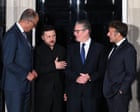
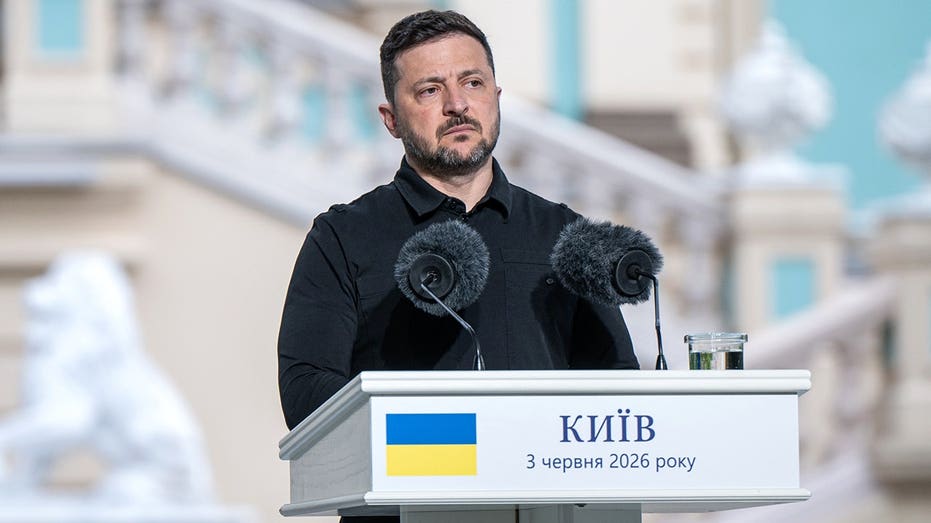
Volodymyr Zelenskyy and the leaders of the UK, France and Germany discussed “the urgent need to scale up” Ukraine’s air defences and deep-strike capabilities in London on Sunday night, after Russia fired hypersonic weapons at Ukraine, Downing Street said.
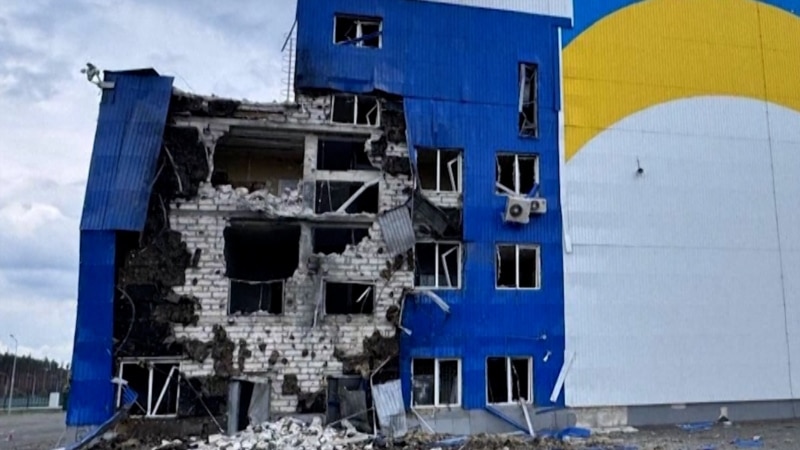
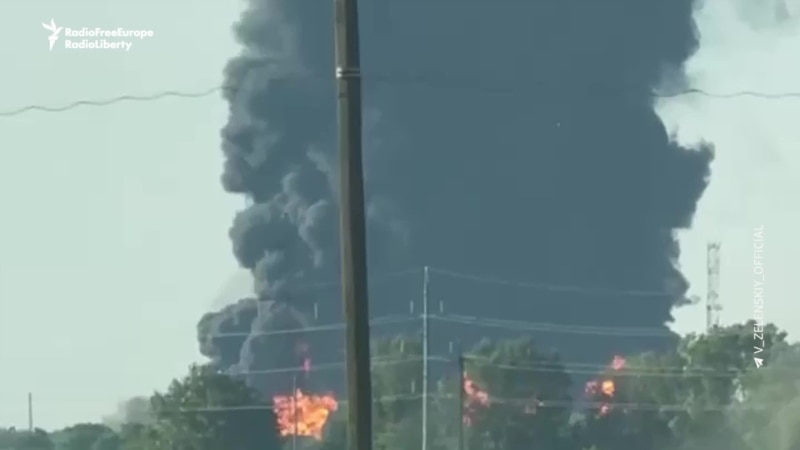
The meeting of Ukraine’s staunchest allies in London came hours after a Russian drone strike damaged a storage centre for spent nuclear fuel nine miles from the Chornobyl nuclear power plant.
Russian forces hit a storage facility for spent nuclear fuel near Ukraine's Chernobyl power plant, President Volodymyr Zelenskyy said June 7. He called the strike an "extremely vile" attack as international atomic energy monitors announced it did not lead to a spike in radiation.
Attack was ‘extremely vile’ and deliberate, says Ukraine’s president VolodymyrZelenskyy
A Russian Shahed drone has substantially damaged a building used to store spent nuclear fuel close to the disused Chornobyl nuclear power plant, in what Ukraine’s president described as a deliberate and “extremely vile” attack.
While the structure – the reception building of the spent fuel storage facility – was empty of containers at the time, the targeting of the sensitive site appeared to be direct messaging from Moscow amid an intensifying battle of long-range aerial strikes in which high-profile locations on both sides have been hit.
This is part six of a series examining the challenges confronting the NATO alliance.
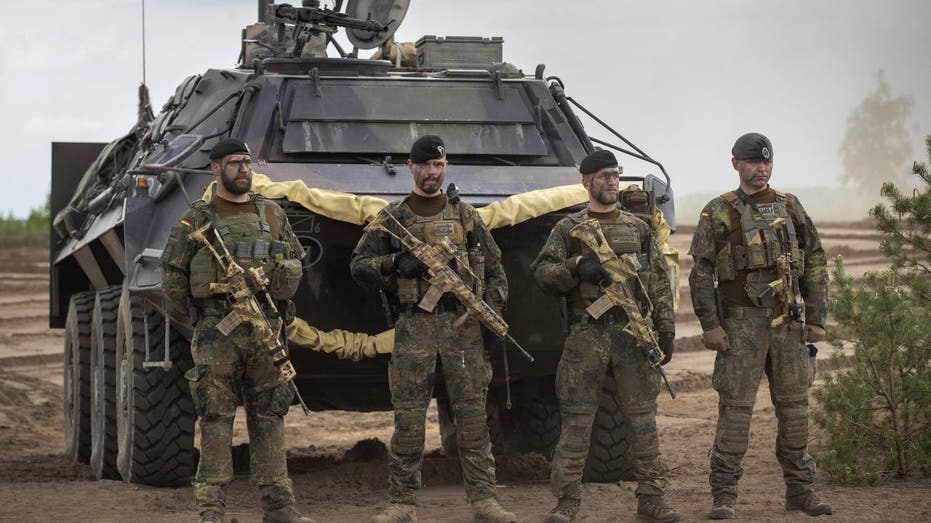
As President Donald Trump presses NATO allies to shoulder more of Europe's defense burden, countries closest to Russia are moving fastest — while some of Western Europe's biggest economies face growing pressure to catch up.
Retired Rear Adm. Mark Montgomery, senior director at the Foundation for Defense of Democracies and former deputy director for strategy, policy and plans at U.S. European Command, said the shift is already visible across the alliance.
"Europe is clearly stepping up, but they're stepping up by geographic variation," Montgomery told Fox News Digital.
"If you ask me who's doing the most, the Eastern Europeans are clearly."
Montgomery pointed to the Baltic states, Poland, Romania and Bulgaria as countries moving aggressively to strengthen deterrence against Russia.
His assessment comes as NATO allies work toward a new defense spending benchmark agreed at the 2025 summit in The Hague, which calls on members to invest 5% of GDP in defense and security-related spending by 2035, including 3.5% for core defense requirements and 1.5% for defense-related infrastructure and security investments.
John Deni, a research professor at the U.S. Army War College, said the trend shouldn't be surprising.
"Given the threat of Russia, allies in the East are acquiring capabilities more quickly, and they're spending even more than allies in the West," Deni told Fox News Digital. "This shouldn't surprise us because they're the ones closest to the threat."
Deni noted that many eastern allies are rapidly purchasing equipment already available on the market rather than waiting years for domestic defense programs to mature.
The transformation is visible across NATO's eastern and northern flanks. Poland has become one of the alliance's largest military spenders, Romania is increasing defense investments, and Finland and Sweden have added advanced military capabilities to NATO following their accession.
Secretary of State Marco Rubio praised Finland and Sweden Thursday at the Senate Foreign Relations Committee hearing, using them as examples of allies strengthening the alliance.
"Sweden and Finland have actually contributed because they brought their own defense industry, their own advanced technology," Rubio said. "They have been great partners."
Romanian Foreign Minister Oana-Silvia Ţoiu echoed that message in an interview with Fox News Digital following an emergency U.N. Security Council session convened after a Russian drone strike injured civilians in the Romanian city of Galați.
"We do agree with President Trump on the need to increase budgets," Ţoiu said.
Ţoiu said Romania raised defense spending to 2% of GDP during Trump's previous term and plans to allocate "an average of 3.4 percent" next year through military procurement and strategic infrastructure investments.
"We need better deterrence, better defense capabilities there in order to ensure our responsibility in protecting not just the Romanian border, which is the longest border to the war, but also it is in the same time a European border and the border of the Allied territory," Ţoiu said.
For frontline states, the urgency is driven by geography as much as politics. Romania shares a border with Ukraine and repeatedly has dealt with Russian drones entering its airspace. Poland has become one of NATO's top military spenders, while the Baltic states are racing toward defense expenditures approaching 5% of GDP.
Montgomery said the eastern flank's urgency contrasts sharply with the pace in much of Western Europe.
Among the continent's five largest economies, and despite a slight decrease in military spending in 2025, the U.K. remains the largest investor relative to GDP, with 2.4%, trailed by Germany (2.3%), Spain (2.1%), France (2%) and Italy (1.9%), according to the Stockholm International Peace Research Institute (SIPRI).
"The Germans are the one country, I think, with a large economy that is starting to make the right kind of investments."
Germany, he argued, could become the backbone of Europe's future defense industrial base.
"Germany developing a large, impressive defense industrial base is good for NATO, it's good for Western security, and it's even good for our primes," Montgomery said.
German Chancellor Friedrich Merz has embraced higher defense spending and backed NATO's new spending goals, positioning Berlin as a potential hub for Europe's future defense industrial base as allies seek to reduce long-term dependence on the United States.
Barak Seener, a senior fellow at the Henry Jackson Society, said Europe still relies on the United States for many of the systems required to fight a modern war.
"Europe is heavily dependent on NATO for its strategic airlift and sea lift, its air-to-air refueling, its cyber capabilities, its space assets, its intelligence, surveillance and reconnaissance," Seener said.
Without those capabilities, he warned, European forces would struggle to maintain situational awareness during a major conflict.
Montgomery said Europe faces three major challenges: expanding military capacity, rebuilding its defense industrial base and developing high-end support capabilities that have long been provided by the United States.
"When you are freeloading for 30 years, you create enormous deficits in terms of people, equipment, technology and know-how," he said.
"The primary forces to defend Europe should be European," he said. "The United States should provide additional forces that allow maneuver and offensive operations."
Montgomery also criticized reported Pentagon deliberations over delaying long-range strike deployments to Germany and reconsidering future Tomahawk missile sales, arguing the systems are critical for deterring Russia.
"The goal here is not to fight Russia in the Baltics or in Poland. The idea here is we want to deter Russia from even trying to attack."
Looking ahead, Montgomery remains optimistic about NATO's future.
Montgomery predicted Europe will continue increasing defense spending and expanding its defense industrial base, while the alliance benefits from steadier transatlantic relations.
"I think you'll have a U.S. president that probably doesn't provoke the Europeans as much. You'll have Europe that's investing more," he said.
Os incidentes destacados num artigo científico estão entre os primeiros casos conhecidos em que este tipo de perturbação terá tido origem no espaço. O estudo identifica “com confiança a fonte, e aponta para um pequeno grupo de satélites russos de alerta precoce. Uma rede de satélites russos terá causado breves perturbações nos sinais de GPS em toda a Europa em, possivelmente, dezenas de ocasiões desde 2019, sugere uma nova investigação. A interferência em sinais de GPS tornou-se uma preocupação recorrente nos últimos anos e foi apontada como causa da explosão de um drone ucraniano num porto romeno na sexta-feira. Forças
La Russia ha inaugurato in un luna park di San Pietroburgo una nuova attrazione chiamata “Oreshnik“, in onore del suo missile ipersonico in grado di trasportare testate nucleari. La Russia ha lanciato missili Oreshnik, che viaggiano a 10 volte la velocità del suono, contro l’Ucraina almeno in tre occasioni.
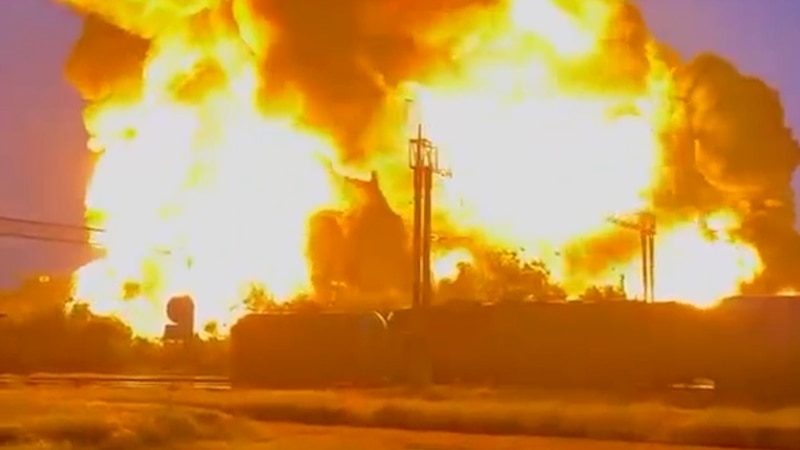
Num momento em que a diplomacia volta a falhar, vagas de drones ucranianos chegaram à região de São Petersburgo, centro simbólico do poder russo, testando as defesas aéreas da cidade numa altura em que ali decorria o “Davos da Rússia”. A Ucrânia lançou este sábado centenas de drones contra a Rússia, provocando a morte de uma pessoa e um incêndio num depósito petrolífero no último dia da 29.ª edição do St. Petersburg International Economic Forum, o principal fórum económico do país, frequentemente descrito como o “Davos russo”. Muitos dos drones tiveram como alvo a própria cidade de São Petersburgo, onde
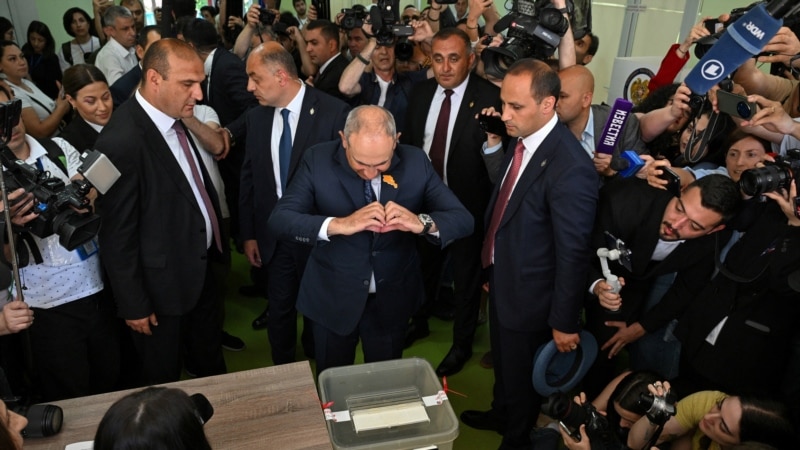
The ruling Civil Contract party of Prime Minister Nikol Pashinian has taken a big lead in a crucial parliamentary election, gaining 51.4 percent of the vote as initial ballots are counted.
Putin raffredda ogni ogni prospettiva di vertice dopo la lettera aperta con cui Zelensky aveva rilanciato l’ipotesi di un incontro diretto. E dall’Ucraina, come ha confermato il suo presidente, è partito un massiccio attacco su vasta scala di droni su San Pietroburgo, dove sono rimaste ferite quattro persone, tra cui un bambino. Un raid avvenuto in coincidenza con la chiusura del Forum economico internazionale di San Pietroburgo (Spief), mentre il governatore della città baltica, AlexanderBeglov, ha rivolto un appello senza precedenti alla popolazione perché rimanesse in casa. Un altro bombardamento di droni ucraini era avvenuto nella giornata inaugurale, il 3 giugno. “Stanotte, i nostri droni hanno percorso una distanza di circa mille chilometri fino alla regione di San Pietroburgo, agli arsenali della Marina nemica e a una base a Kronstadt“, ha scritto Zelensky su X, rivendicando il lancio di droni sulla Russia e definendoli “sanzioni”. “È ora di porre fine a questa guerra. Ma il leader della Russia vuole continuare a combattere. È per questo che le sanzioni ucraine contro questa aggressione stanno funzionando”, ha affermato.
“Le nostre sanzioni a lungo raggio hanno raggiunto anche circa 500 chilometri nella regione di Krasnodar e hanno colpito un deposito di petrolio. Questi sono importanti risultati degli sforzi congiunti dei guerrieri delle Forze Armate ucraine, del Servizio di Sicurezza dell’Ucraina e dell’Intelligence della Difesa dell’Ucraina. La Russia deve porre fine alla sua guerra e fermare i suoi attacchi. Qualsiasi manifestazione di ingiustizia contro l’Ucraina riceverà una risposta giusta”, ha concluso.
Alexander Drozdenko, governatore della regione di Leningrado, di cui San Pietroburgo è capoluogo, ha detto che “in un attacco senza precedenti, sono stati abbattuti 144 droni nemici sopra il territorio della regione”. Drozdenko ha aggiunto che i detriti di uno dei droni, precipitati al suolo, hanno causato un incendio “presso un impianto del ministero della Difesa a Bolshaya Izhora”, provocando il ferimento di 4 persone. Uno solo di questi è stato ricoverato in ospedale, mentre gli altri tre, tra cui un bambino, hanno ricevuto assistenza medica sul posto. Oltre 600 persone sono state evacuate dalla zona.
Intanto, al Forum economico di San Pietroburgo si fatto in larga misura finta che la guerra non esistesse, malgrado le colonne di fumo nero sollevate da un attacco di droni di Kiev sulla città ad accogliere i partecipanti al loro arrivo in città mercoledì mattina. Non palpabile il disagio fra i partecipanti, il ‘gotha’ dell’economia e della finanza del Paese. Nulla è stato detto al Forum su come potrà essere affrontata la crisi in vista che non intaccherà il modello dominante, anche se il cash flow delle grandi imprese ha cominciato a risentirne, e rischia di portare, oltre che allo scontento del mondo dell’impresa, anche aumenti delle tasse e altre misure restrittive per le persone della classe media.
“L’economia russa può sostenere un peso di queste dimensioni quasi indefinitivamente. La questione non è quanto si possa andare avanti. O se l’economia possa sostenere la spesa attuale destinata al comparto militar industriale. La questione è piuttosto come ulteriori aumenti della spesa potranno essere finanziati, quando sarà necessario”, ha spiegato, citato dal Moscow Times, l’economista Dmitry Nekrasov, già direttore del Centro di analisi del servizio federale per il fisco, dichiarato ‘agente stranierò e ora all’estero, sottolineando che il peso della crisi ricadrà su chi al forum non è stato invitato. Nel clima della conferenza, tradizionale occasione per attrarre investimenti, quindi da cui ogni forma di pessimismo è bandita, qualche lapsus nel generale clima di rimozione è stato fatto.
(nella foto: droni su San Pietroburgo il 3 giugno 2026)
A Rússia vai deixar de reconhecer a sexologia como especialidade médica certificada e criar, a partir do outono, a figura de “médico de longevidade saudável”, no âmbito de uma revisão do registo oficial das profissões de saúde. A alteração consta de um decreto do Ministério da Saúde publicado este fim de semana, noticiou a agência estatal TASS. A partir de 1 de setembro, serão retiradas 16 funções da lista oficial de profissões médicas e acrescentadas 11 novas categorias. Outras três designações deverão ser eliminadas até 1 de setembro de 2028. Diz Viktor Fomin, responsável pela academia médica de formação contínua
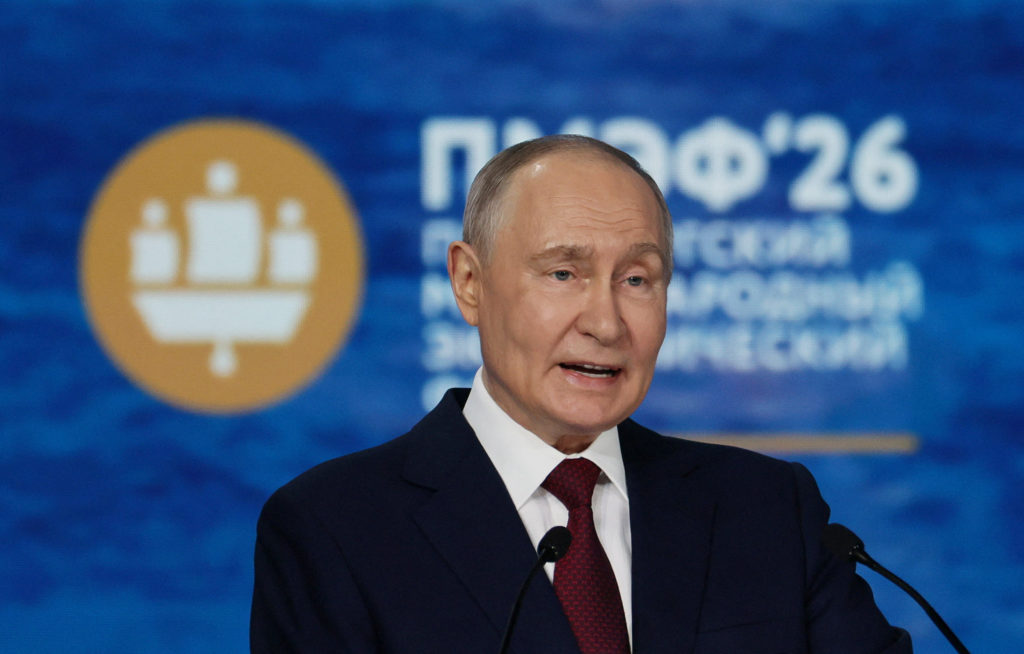
Ukrainian President Zelenskyy is accusing Russia of choosing war over peace, after Russian President Putin rejected his request for an in-person meeting. Putin spoke at an annual economic forum in St. Petersburg, a city on edge after several Ukrainian airstrikes earlier this week. Nick Schifrin reports.
The US House of Representatives on Thursday passed a bill to provide Ukraine with billions in additional military aid and increase sanctions on Russia, a move that comes as the more than four-year-old war between Russia and Ukraine is escalating. The Ukraine Support Act passed in a vote of 226-195, with 18 Republicans joining Democrats […]
Ukraine launched hundreds of drones at targets across Russia, including the St. Petersburg region, around 1,000 kilometers from the Ukrainian border. Residents filmed drones overhead and smoke rising from military sites. The attack came on the final day of Russia’s flagship investment forum.
In an open letter to Russian President Vladimir Putin, Ukrainian President Volodymyr Zelenskyy proposed meeting to reach a resolution to the years-long war between their two nations.
"We see that the United States is fully focused on the issue of Iran, and it would be wrong to simply wait until the war in Europe returns to the center of its attention. Ukraine proposes ending this war through direct engagement between us — and you. I am proposing a meeting," Zelenskyy said in the letter.
"There are countries that have traditionally hosted leaders to resolve issues of war and peace. Switzerland, Türkiye, the countries of the Arab world — many are able and willing to host such a meeting. It is leaders who resolve the key issues. That has always been the case, and it always will be," he asserted.
Zelenskyy suggested that Europe and the U.S. should also be involved in the peace process.
"Since the war is taking place in Europe, and since Ukraine needs security guarantees, while you also seek security guarantees for yourself, it would be logical to involve those who can genuinely serve as guarantors. We believe Europe should be part of this process — those who truly have the capacity to influence the situation. We also believe that the United States must be part of the process. This is what could help shape a new security architecture for our part of the world," he said.
He indicated that Ukraine would agree to a ceasefire during the proposed negotiations.
"Ukraine is ready for a full ceasefire for the duration of the negotiations. This is standard practice, and current developments around Iran only reinforce that point. An attempt to establish real silence is the best way to begin talking to one another. We believe it would not simply be an attempt, but a real ceasefire — if that is what you want," he noted.
He also suggested a prisoner swap between the two nations, noting, "Ukraine is ready for an all-for-all exchange of prisoners of war, and this could become a good prologue to ending the war. Serious steps must be taken to return civilians and children who were taken away during the war."
"If you do not personally come to the conclusion that it is time to end this war, Ukraine will continue fighting for its existence. We will have those who support us. But you, too, will have to fight much harder for your own existence — not Russia’s, but your own. And this is not a threat from me or from Ukraine. It is a fact of Russian history that you know well: when Russia grows tired, change comes," Zelenskyy warned Putin.
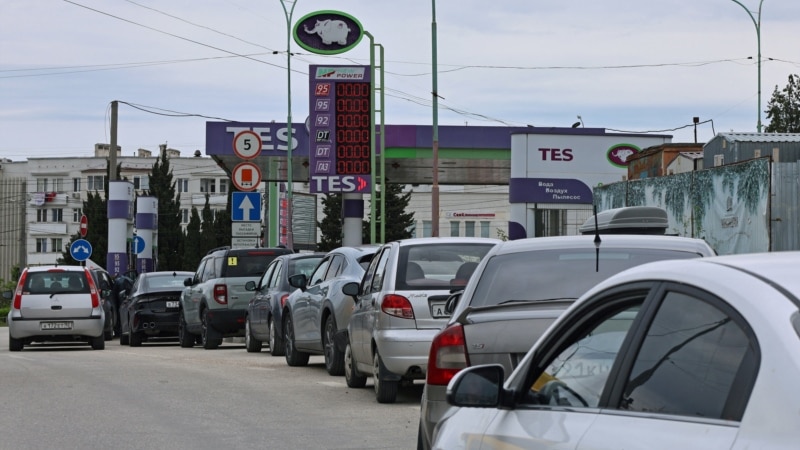
Crimea, the Ukrainian Black Sea region occupied by Russia, is heavily dependent on Russian visitors for its economy. This summer, it faces major gasoline shortages, as Ukraine’s military drone campaign squeezes transport routes, making life even more difficult for vacationers.
Ukraine officially apologized to Greece late on Friday over the presence of a sea drone off of the island of Lefkada. Credit: AMNA
Ukraine officially apologized to the Greek government on Friday following the discovery of a Ukrainian sea drone near the Ionian island of Lefkada. The unexpected discovery of the uncrewed surface vessel prompted swift diplomatic action from Athens, which raised serious safety and environmental concerns regarding the military presence in Greek territorial waters.
Last week, the Greek government escalated the issue by lodging a formal double diplomatic demarche. Athens directed its official protests to both the Ukrainian Embassy located in the Greek capital and directly to the Ukrainian Ministry of Foreign Affairs in Kyiv. Greek authorities clearly stated that the stray sea drone severely compromised the safety of civilian maritime navigation in the busy Ionian Sea, which is a popular tourist destination both for Greeks and foreigners. Experts noted that any accidental detonation or collision involving the device could have led to human casualties and inflicted extensive environmental damage on the region’s marine ecosystem.
Ukraine’s response to Greece
In direct response to the diplomatic protest from Athens, Ukrainian Foreign Ministry spokesman Heorhii Tykhyi released a public statement on social media late on Friday evening, addressing the issue. Tykhyi offered a formal apology on behalf of Ukraine, attributing the drone’s errant journey into Greek waters to the unpredictable circumstances generated by the ongoing Russian invasion of Ukraine.
“The Ukrainian side expresses its apologies for the incident, stressing that it was the result of circumstances brought about by the ongoing Russian aggression,” Tykhyi wrote in a statement published on Friday. He argued that the discovery off the coast of Lefkada, along with similar events reported in other regions, demonstrates how the current conflict threatens not only Ukraine but also friendly European states and the broader international community.
Addressing the specific maritime concerns raised by the Greek demarche, the Ukrainian foreign ministry noted its strict commitment to international law and the fundamental principles of civilian maritime safety. Ukraine also reiterated a strong, vested interest in preventing any similar occurrences from happening in the future.
Tykhyi pointed out that international and regional security, specifically maritime safety and combating the operations of Russia’s “shadow fleet,” remain urgent, shared priorities for both Greece and Ukraine. Despite the immediate friction caused by the drone’s discovery, Ukraine utilized the statement to emphasize the strength of its bilateral relationship with Greece.
The foreign ministry expressed deep gratitude to the Greek government and the Greek people, praising the country for its steadfast, continuous support of Ukraine since the very first days of Russia’s full-scale invasion. Kyiv concluded by reaffirming its dedication to deepening these friendly relations and maintaining a constructive dialogue across all areas of mutual interest.
Ukraine launched hundreds of drones at targets across Russia, including scores over the St. Petersburg region, on the final day of Russia’s most important investment forum.
Il copione sembra scontato: le dichiarazioni coordinate tra Parigi, Berlino, Londra e Bruxelles; il sostegno alla lettera del presidente ucraino Volodymyr Zelensky al leader russo Vladimir Putin; un rinnovato appello a riaprire i canali negoziali. Il presidente francese Emmanuel Macron che parla di una «buona iniziativa», la Commissione europea che ribadisce il sostegno a colloqui diretti, il ministro degli Esteri tedesco Johann Wadephul che insiste sulla necessità di negoziati «con e dagli europei». Tutto appare lineare, quasi prevedibile.
Ma sotto questa superficie si sta muovendo qualcosa di più profondo: non una semplice apertura diplomatica, ma la competizione tra due modelli incompatibili di negoziato.
La lettera di Zelensky a Putin non è soltanto un invito al dialogo. È un’operazione politica multilivello. Rivolta a Mosca, costruisce la narrativa della responsabilità russa nel rifiuto della pace. Rivolta a Washington, segnala che Kyjiv non può attendere indefinitamente le priorità americane, oggi in parte assorbite da altri dossier strategici. Rivolta all’Europa, riafferma che le questioni di sicurezza del continente non possono essere negoziate senza la presenza europea. E rivolta all’opinione pubblica internazionale, tenta di consolidare l’immagine di un’Ucraina pronta al negoziato, ma non alla resa.
Dall’altra parte, Mosca lavora su una logica diversa. Le dichiarazioni che emergono dal Forum economico di San Pietroburgo e la narrativa rilanciata dai media statali non descrivono soltanto una disponibilità al dialogo condizionato, ma un tentativo di normalizzazione bilaterale del conflitto. L’idea stessa di un canale diretto tra Putin e il presidente statunitense Donald Trump, rilanciata dalla stampa russa, va letta meno come provocazione infrastrutturale e più come messaggio politico: riportare la gestione della guerra a un asse diretto tra grandi potenze, ovvero come la Russia vuole essere considerata, riducendo il ruolo europeo a elemento secondario.
L’Europa reagisce cercando di consolidare il proprio spazio politico. Le capitali europee insistono sulla centralità dell’Unione nei futuri negoziati, mentre Parigi prova a fissare paletti chiari: apertura al dialogo sì, ma senza riaprire la questione delle concessioni territoriali come premessa negoziale. È una linea che mira a impedire che l’eventuale evoluzione del dialogo venga assorbita da una dinamica bilaterale tra Washington e Mosca.
Il risultato è che oggi non esiste un solo tavolo negoziale in costruzione, ma due architetture potenzialmente incompatibili. La prima, sostenuta da Kyjiv e dalle principali capitali europee, è multilaterale: include garanzie di sicurezza, coinvolgimento europeo e statunitense, e una rigida separazione tra cessate il fuoco e concessioni territoriali. La seconda, promossa implicitamente dalla narrativa russa e da alcuni segnali provenienti dal fronte americano, è bilaterale: tende a ridurre il conflitto a una questione tra potenze, con l’Ucraina in posizione negoziale asimmetrica e l’Europa ai margini.
Nel frattempo, la guerra continua su un piano di logoramento. La Russia appare incapace di trasformare le proprie offensive in avanzamenti strategici significativi, nonostante la pressione su più assi del fronte. L’Ucraina, dal canto suo, ha progressivamente spostato il baricentro della propria strategia: meno controffensiva tradizionale, più interdizione sistemica attraverso attacchi a lungo raggio contro infrastrutture energetiche, logistiche e militari in territorio russo.
È proprio questo equilibrio instabile – nessuna vittoria decisiva, ma costi crescenti per entrambe le parti – a rendere oggi più credibile il discorso negoziale. Non perché la guerra stia finendo, ma perché si sta stabilizzando in una forma che nessuno dei due attori è in grado di rompere rapidamente.
Anche il fronte politico americano si inserisce in questa dinamica. Il recente via libera della Camera a un nuovo pacchetto di aiuti per l’Ucraina conferma la persistenza di un sostegno bipartisan, ma allo stesso tempo evidenzia una crescente frammentazione interna che potrebbe influenzare la postura di Washington nei prossimi mesi.
In questo scenario si inseriscono anche gli appuntamenti dei prossimi giorni: l’incontro di domani a Londra tra Macron, Zelensky, il primo ministro britannico Sir Keir Starmer e il cancelliere tedesco Friedrich Merz, e la successiva riunione della coalizione dei volenterosi prevista a Parigi a luglio. Assente, almeno dall’incontro nella capitale britannica, Giorgia Meloni, presidente del Consiglio, che più volte ha espresso dubbi sulla coalizione dei volenterosi e il cui governo litiga sull’ingresso dell’Ucraina nell’Unione europea («Prima di fare entrare l’Ucraina, noi dobbiamo far entrare i Balcani» ha detto ieri Antonio Tajani, ministro degli Esteri). Ma nonostante la sua assenza, queste occasioni che puntano a consolidare il coordinamento europeo sul dossier ucraino e a strutturare un quadro politico comune in vista di eventuali sviluppi negoziali.
La domanda centrale, a questo punto, non è se si aprirà un negoziato, ma quale delle due architetture oggi in competizione riuscirà a imporsi come formato legittimo della trattativa. In gioco non c’è solo la fine della guerra, ma la definizione del sistema politico che ne determinerà l’esito.
Un drone navale ucraino, deviato dal jamming russo, esplode nel porto NATO di Costanza. Analisi dello spillover nel Mar Nero, della guerra dei droni e della cornice narrativa che riconduce tutto a Mosca.

 Login
Login