Reading view

Russia tells its regions to raise taxes on residents and businesses to plug a record budget hole
russia's regional budget shortfalls hit record $21 billion moscow wants taxpayers cover · post sign bearing logo federal tax service times ukraine news ukrainian reports

Russia's Federal Tax Service has pushed regional governments to consider higher taxes on residents and businesses as local budgets sink to record deficits, The Moscow Times reported. The move follows President Vladimir Putin's drive to shrink regional shortfalls, and it shows the financial strain Russia's war against Ukraine is placing on its provinces. Independent analysts expect the squeeze to deepen as the economy slows.

As Russia’s invasion of Ukraine drags on, the costs of war, Western sanctions, and Ukrainian strikes on strategic targets are putting growing pressure on budgets at every level.

Tax service tells regions to find more money

The Federal Tax Service (FNS) instructed regional authorities to work out where they could raise taxes, The Moscow Times reported, citing RBC. The recommendations answered Putin's directive to cut regional deficits, and governors had to submit their proposals in early June.

The advice told regions to:

  • expand the list of real estate taxed at cadastral, or market, value;
  • raise transport-tax rates to the maximum;
  • revise the benefits and rates on land tax and personal property tax.

To collect more, regions were also told to inventory real estate and to look for land used off-purpose, where the tax can rise several times over.
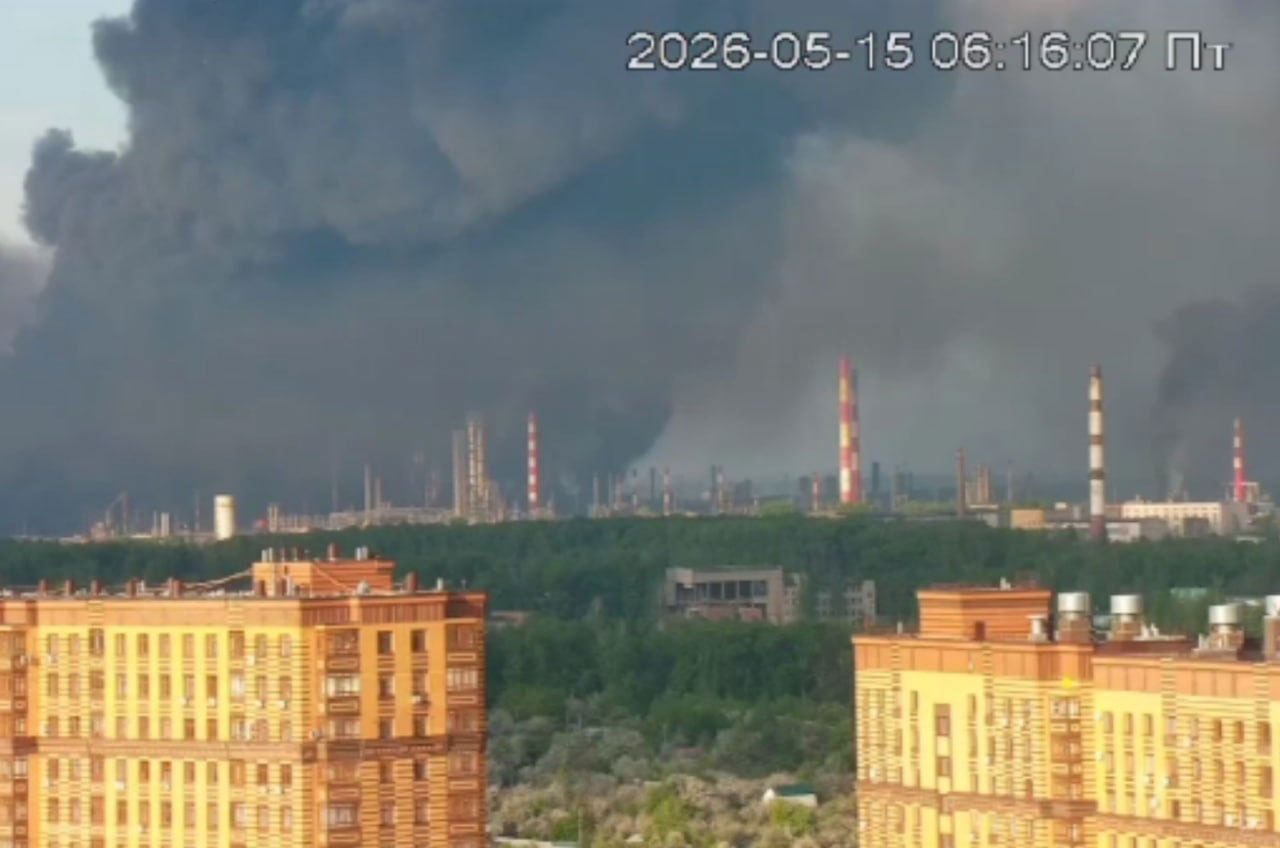
moscow's fuel supplier under fire ukrainian drones strike rosneft's ryazan refinery · post black smoke rises over oil hours after drone 15 2026 ryazan-supernova+-5204027262443918426 ukraine news reports
Explore further

Russian refining output fell 9.2% in April as Ukrainian drone strikes hit fuel plants

A record hole in regional finances

Last year, Russia's regions closed with a combined deficit of 1.538 trillion rubles ($20.8 billion). The gap grew fivefold from 2024 and almost eightfold from 2023. Four regions ran deficits above 30% of their own revenue — Kemerovo, Vologda, Arkhangelsk, and Tyumen oblasts — and six more topped 25%.

Profit-tax revenue fell in 55 regions. It collapsed by half in the Komi Republic, dropped 40% in Orenburg Oblast, and fell 39% in Yamalo-Nenets. Overall, regions collected 9% less profit tax than in 2024 and 13% less than in 2023, according to the rating agency ACRA. The pattern fits a war economy that has turned predatory toward once-wealthy provinces.

isw russia tries hide weaknesses behind victory day parade russia's 9 moscow 2025 youtube/kremlin grate patriotic warr shitshow projecting power strength conceal significant limitations its capabilities while distracting battlefield failures
Explore further

Russia’s four-month budget deficit hit $75.4 billion — 50% above what Moscow planned for entire year

Reserves drained, debt climbing

To cover the shortfalls, regional governments spent every third ruble of their bank reserves — 1 trillion of 2.9 trillion rubles ($13.9 billion of $40 billion). They financed the rest with borrowing that pushed combined regional debt to 3.5 trillion rubles ($48.6 billion), ACRA reported — the highest in 15 years by Expert RA's earlier count. Expert RA projected the slowdown will continue this year, dragging revenues lower and lifting both the deficit and the debt burden.
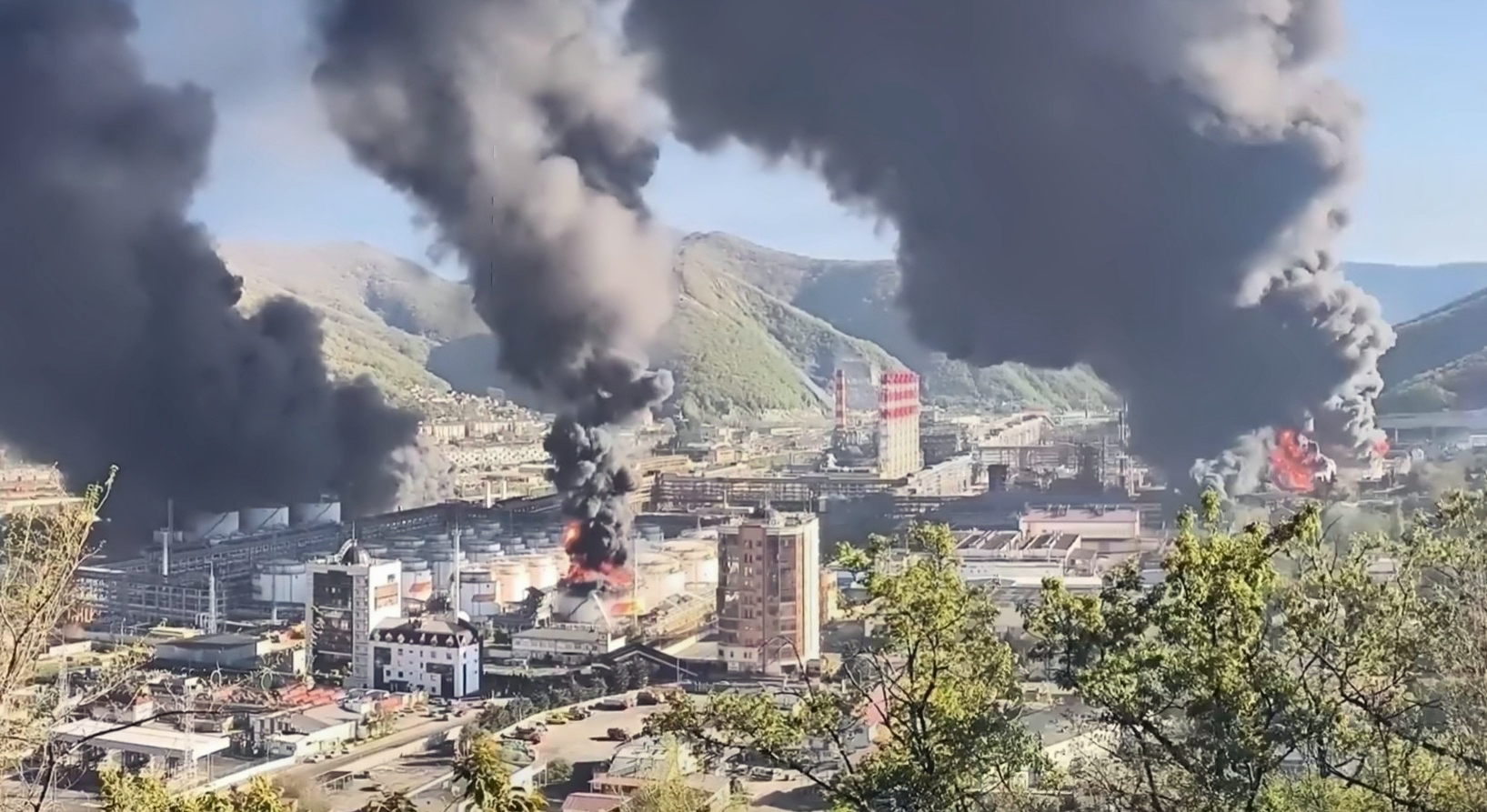
finishing off russia's seaborne oil exports tuapse refinery ablaze again · post panorama stitched video frames multiple fires across after ukraine's drone strike krasnodar krai russia 28 2026 tuapse-nice-again drones
Explore further

$7 billion lost from Russia’s war economy this year through Ukraine’s “long-range sanctions” on oil sector – Zelenskyy

Russian Finance Minister Anton Siluanov earlier projected the regional gap could widen to 1.9 trillion rubles ($26.4 billion) in 2026. The crunch mirrors a federal budget that has run far ahead of plan as Ukrainian strikes cut into Russian refineries and oil income.

Moscow raised VAT in January and prepared a windfall levy on big business, both breaking Putin's 2024 pledge of no tax changes before 2030. Smaller firms have been squeezed first even as the Kremlin's own spending keeps climbing

  •  

Was Selensky in seinem offenen Brief geschrieben und warum Putin ein Treffen mit Selensky abgelehnt hat

Am 4. Juni hat der ukrainische Machthaber Selensky einen offenen Brief an den russischen Präsidenten Putin veröffentlicht. Der Spiegel berichtete darüber unter der Überschrift „Rede in Sankt Petersburg – Selenskyj macht ein Angebot – wie reagiert Putin?“ und hat den Lesern des Spiegel den Inhalt des Briefes natürlich verschwiegen, und stattdessen in dem Artikel eine […]
  •  

Anche l’Armenia scarica Putin, ora gli resta solo la tv italiana

Quando la guerra in Ucraina sarà finita, è probabile che nei libri di storia l’invasione su larga scala lanciata da Vladimir Putin nel 2022 sarà presentata come una delle dimostrazioni di imperizia strategica e autolesionismo politico più clamorose che si siano mai viste nella storia umana dai tempi del rapimento di Elena da parte di Paride, in tempi più recenti paragonabile forse solo all’attacco giapponese di Pearl Harbor che trascinò gli Stati Uniti nella Seconda guerra mondiale, conclusa con le bombe atomiche su Hiroshima e Nagasaki.

Ma quello che renderà il caso un oggetto di studio ancora più interessante e misterioso sarà l’incredibile divario tra l’evidenza di questo catastrofico errore e la fanciullesca inconsapevolezza con cui una parte della politica, della stampa e dell’opinione pubblica occidentale ha continuato a prendere per buona la narrazione dell’invincibile impero russo e dell’insuperabile stratega del Cremlino. A cominciare da giornali e talk show italiani, ormai prigionieri in una specie di realtà alternativa.

Eppure l’elenco dei rovesci politici e militari subiti da Putin negli ultimi quattro anni si è fatto ormai talmente lungo che è difficile darne conto senza dimenticare qualcosa.

Per quanto riguarda la situazione sul fronte ucraino, dall’inizio dell’anno la Russia perde circa 35 mila soldati al mese tra morti e feriti, più di quanti riesca ad arruolarne, mentre l’Ucraina ha riconquistato più territorio di quanto ne abbia perso, oltre ad avere acquisito la capacità di colpire pesantemente in territorio nemico attraverso missili e droni, infliggendo danni pesanti all’industria bellica, alle infrastrutture energetiche e all’economia russa. La guerra scatenata per impedire l’accerchiamento della Nato, almeno secondo la versione ufficiale del Cremlino, ha spinto a entrare nella Nato anche Svezia e Finlandia, e suscitato in tutta Europa la corsa al riarmo.

Nemmeno l’arrivo di Donald Trump alla Casa Bianca, con tutto quello che ha fatto per Putin, a cominciare dal taglio degli aiuti militari ed economici a Kyiv, è stato sufficiente a cambiare la situazione. Impantanato in Ucraina, il presidente russo ha assistito senza muovere un dito al rovesciamento di Bashar al Assad in Siria, al rapimento di Nicolás Maduro in Venezuela e al bombardamento dell’Iran.

E ormai si è dimostrato incapace di tenere le posizioni persino in quello che considera il suo cortile di casa. La riconferma di Nikol Pashinyan alle elezioni in Armenia ne è l’ultima clamorosa conferma. Come spiega sul Foglio Nona Mikhelidze, si tratta infatti del leader che ha guidato il paese durante la sconfitta nella guerra contro l’Azerbaigian (altra prova dell’impotenza della Russia, storica protettrice del paese aggredito), culminata con la perdita del Nagorno-Karabakh, una disfatta che avrebbe travolto qualsiasi governo. «In Armenia è accaduto il contrario: una parte significativa degli elettori ha scelto di valutare non soltanto il passato, ma la traiettoria futura proposta dal primo ministro – il progressivo distacco dalla dipendenza russa, l’avvicinamento all’Europa, l’apertura delle frontiere con Turchia e Azerbaigian, una maggiore integrazione economica regionale».

Come già accaduto in Moldova, in condizioni non meno difficili, anche in Armenia alla fine ha vinto il richiamo dell’Europa, cioè «la promessa della libertà individuale, della dignità umana, dello stato di diritto e di una vita migliore».

Quell’Europa che domenica a Londra, rappresentata dai tre leader dei cosiddetti paesi volenterosi (Germania, Francia e Gran Bretagna), si è riunita con Volodymyr Zelensky per confermargli pieno sostegno, come spiega su Linkiesta Victoria Vdovychenko, mentre in Italia stampa e tv favoleggiavano per la centesima volta sulla centomillesima pseudo-apertura negoziale di Putin, prontamente smascherata dalla lettera di Zelensky con la proposta di un incontro per chiudere il conflitto, ovviamente subito respinta da Mosca.


Questo è un estratto di “La Linea” la newsletter de Linkiesta curata da Francesco Cundari per orientarsi nel gran guazzabuglio della politica e della vita, tutte le mattine – dal lunedì al venerdì – alle sette. Più o meno. Qui per iscriversi.

L'articolo Anche l’Armenia scarica Putin, ora gli resta solo la tv italiana proviene da Linkiesta.it.

  •  

Russian pollster stops publishing Putin's 'open trust' figures as ratings slide, report says

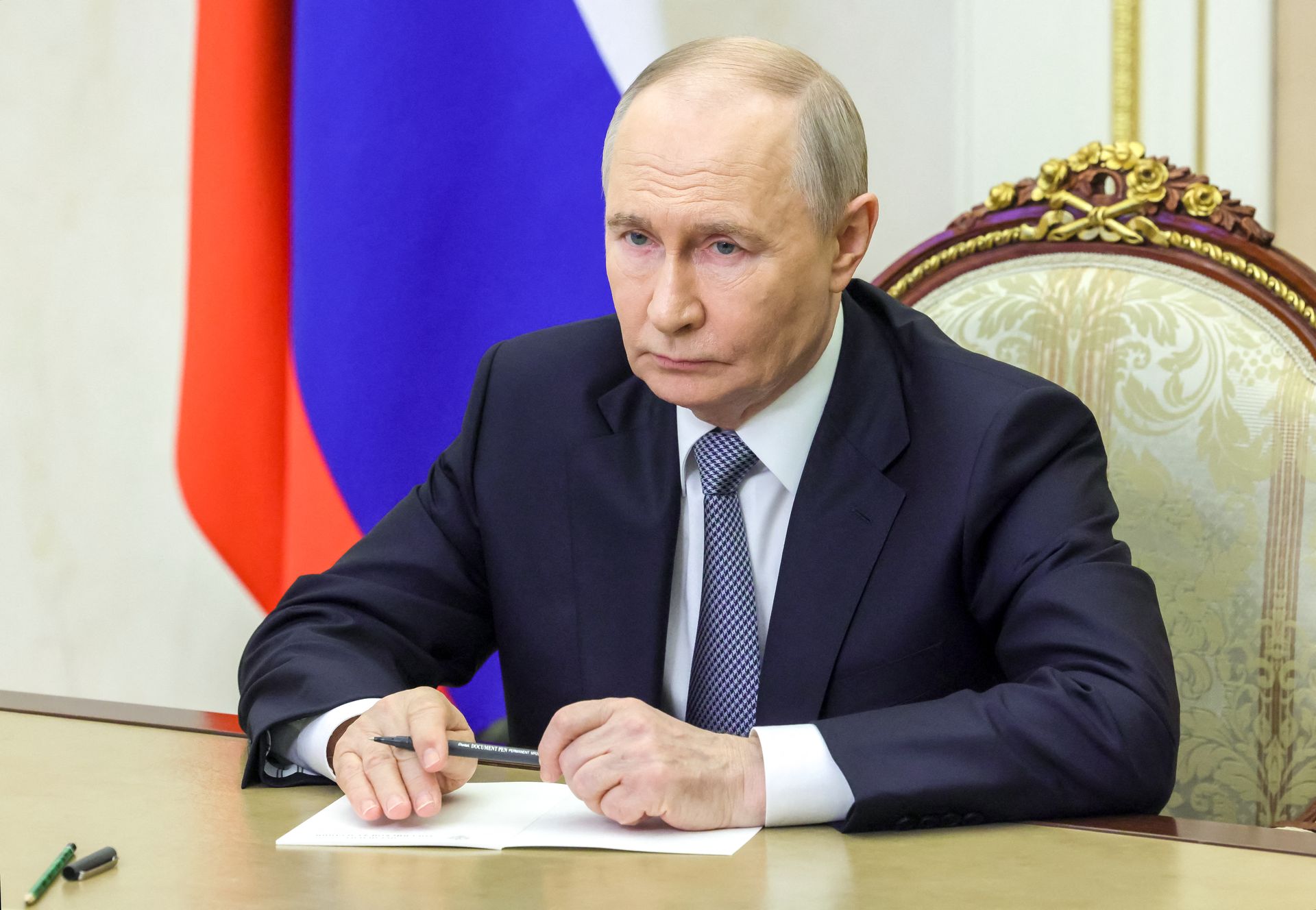
The Russian Public Opinion Research Center (VCIOM), a state-controlled pollster, has reportedly stopped publishing President Vladimir Putin's "open" trust rating after it fell to its lowest level since the start of the full-scale war, the Moscow Times reported on June 8.

  •  

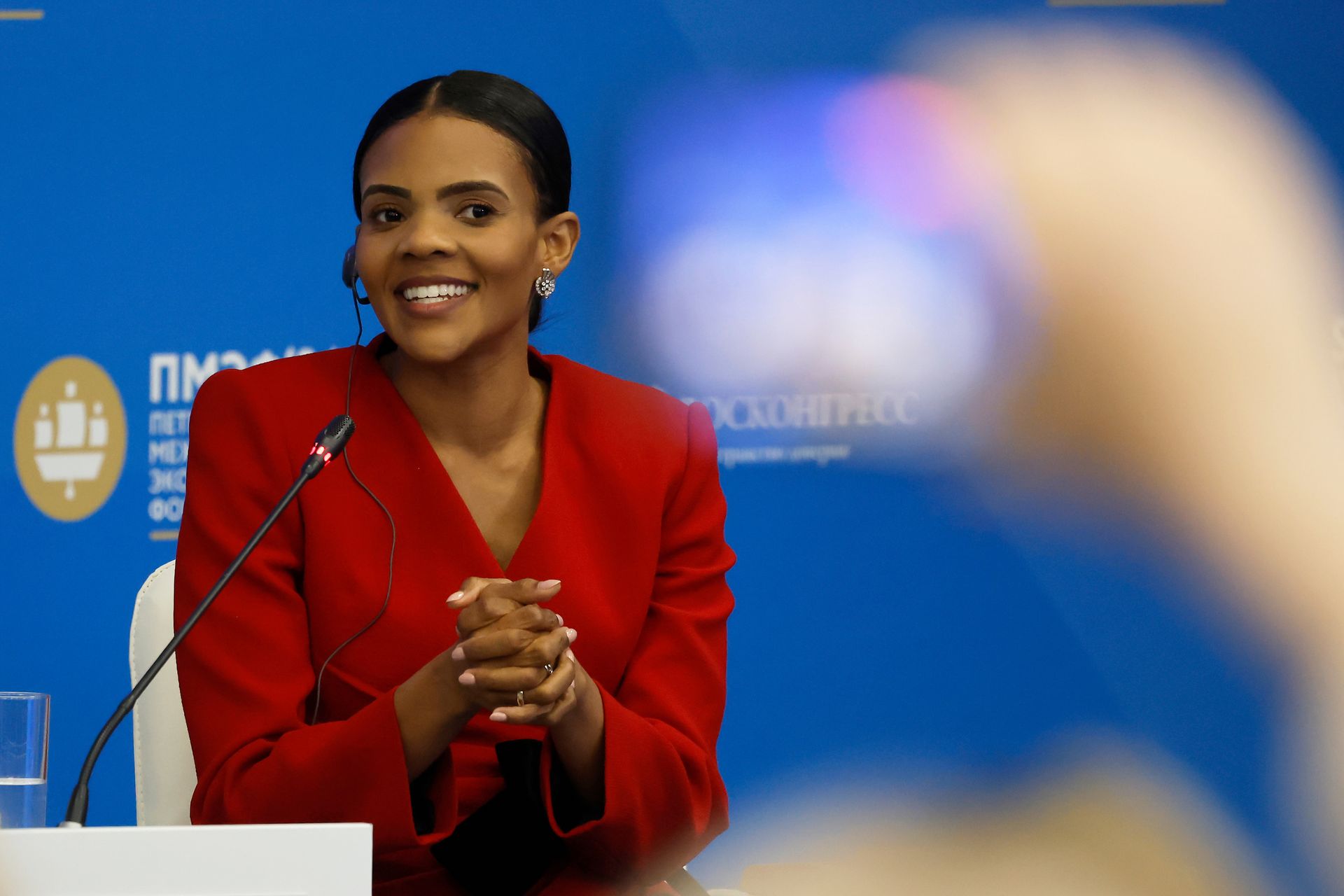
Here's what Candace Owens gets wrong on Russia

Candace Owens billed her trip to Russia last week as a family vacation. It turned into something far more useful for the Kremlin.

The U.S. far-right conspiracy theorist — boasting 35 million followers across all social media platforms — ended up appearing at Russia's flagship economic forum

  •  

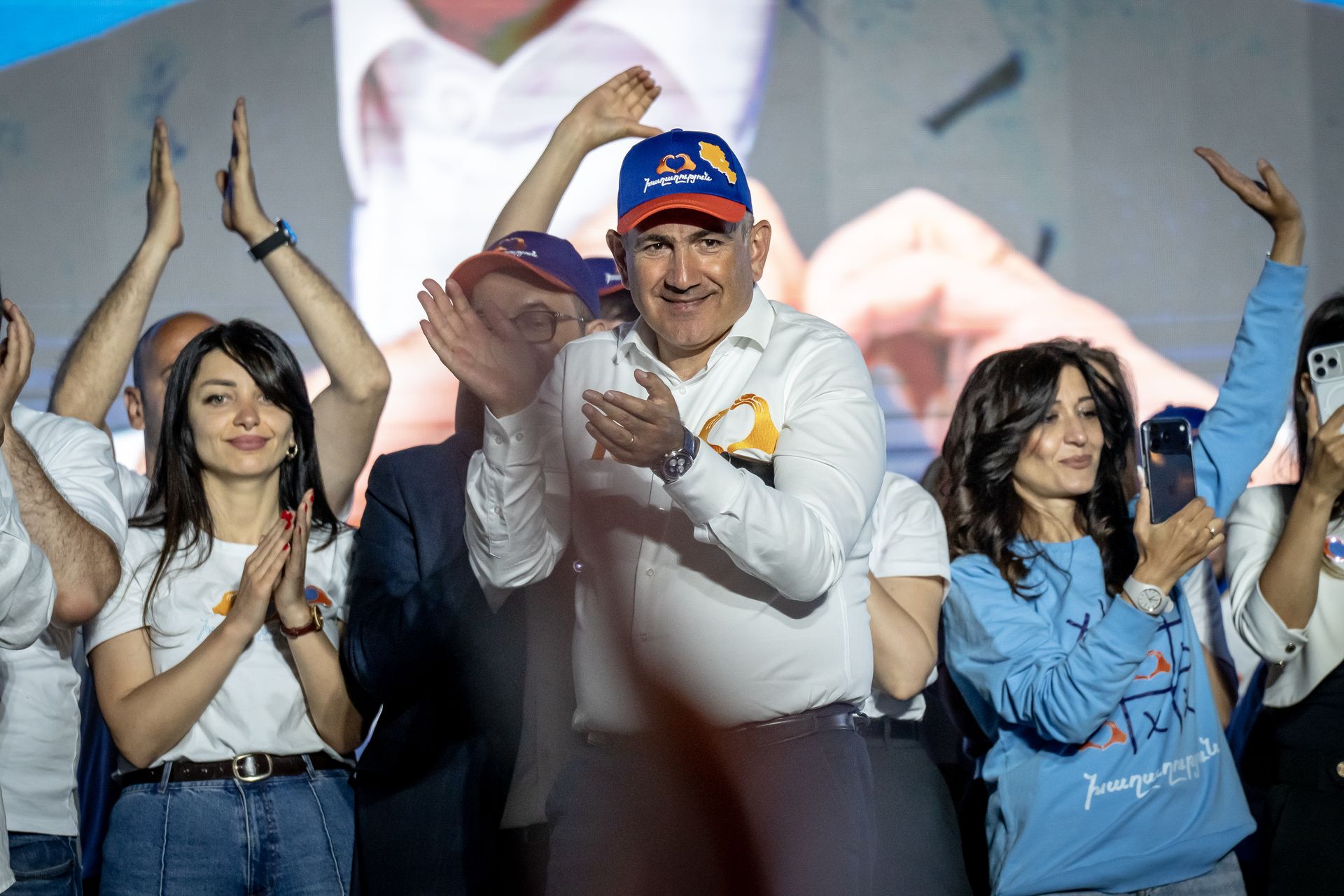
Why Armenians stuck with Pashinyan

YEREVAN, Armenia — The best of a bad lot was how many Armenians described victorious Prime Minister Nikol Pashinyan ahead of Sunday's pivotal election — the first since the bitter defeat in the Nagorno-Karabakh conflict with neighboring Azerbaijan.

While the election has frequently been framed outside Armenia as

  •  

Freezing the war along today’s lines is “the quickest way” to peace, Ukraine’s leader told Sky News

freezing war along today's lines quickest way peace ukraine's leader told sky news · post ukrainian president volodymyr zelenskyy during interview london 7 2026 zele skynews ukraine reports

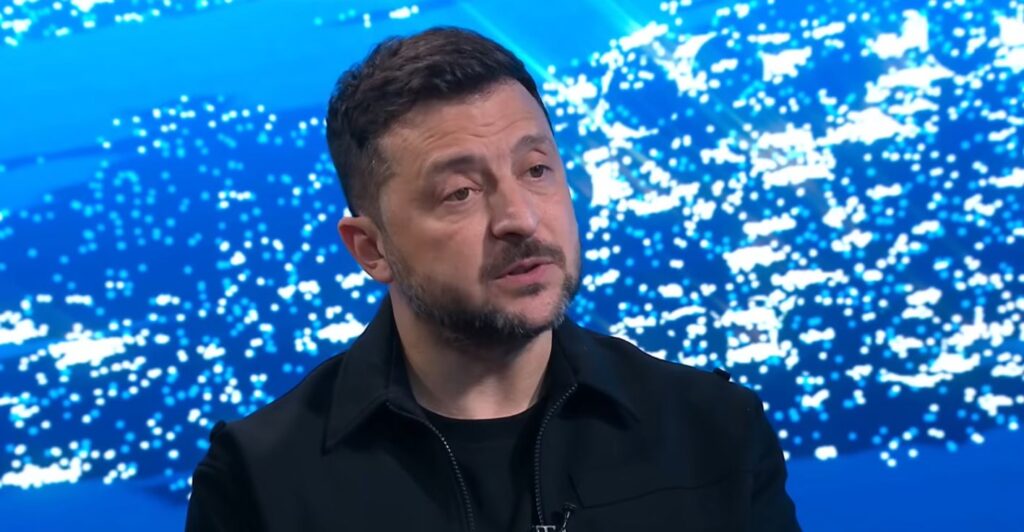
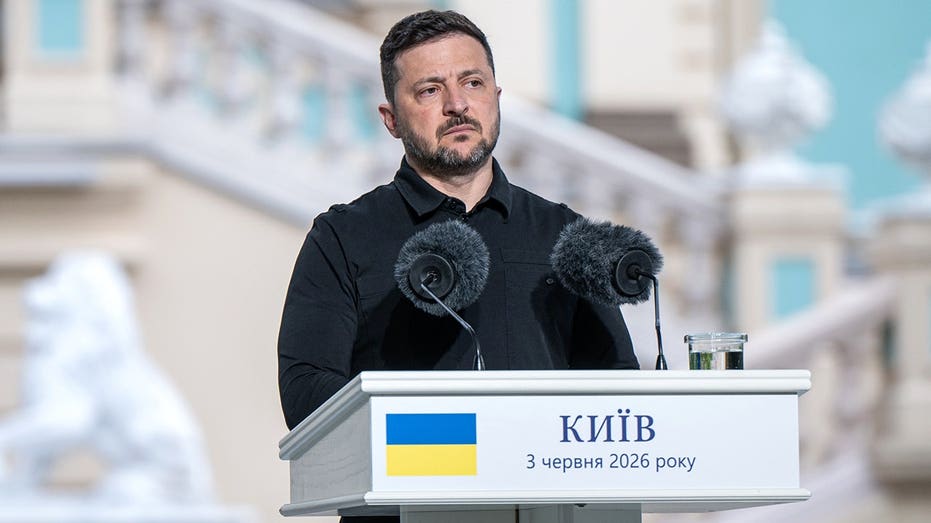
Ukrainian President Volodymyr Zelenskyy is willing to stop the war along the current line of contact and move to negotiations, he said in a Sky News interview. He presented the idea as the quickest route to a ceasefire, while rejecting any deal that hands Russia Ukrainian land. He also urged allies to close Ukraine's air defense gaps.

Russia has rejected every ceasefire Ukraine and the US have put forward and keeps refusing to halt an all-out war it has waged since its full-scale invasion in 2022. Whether a freeze ever takes hold rests with the Kremlin, whose demands still stretch far beyond the territory its army has managed to seize.

"The quickest way" to stop the fighting

Asked where he would freeze the lines if Russia agreed to a ceasefire, Zelenskyy said he is ready to accept today's positions

"Yes, it's the quickest way," he said. 

He insisted this is not a giveaway. He does not want to simply freeze the conflict, but to stop the war so it cannot restart "because of some crazy people." A freeze would let Ukraine save children's lives and bring soldiers home. Any ceasefire must be total and free of Russian games, watched by American and European partners. Only then would the sides sit down to end the war through diplomacy. A ceasefire, he added, is "the biggest compromise from our side."

Air defense comes first

The most urgent need from allies is air defense, Zelenskyy said. Ukraine faces a large deficit in anti-ballistic missiles, with US transfers slowed by the war in the Middle East. He again asked for more Patriot systems. Russia attacks daily, usually with around 300 long-range explosive drones. On the heaviest nights it launches 600 to 850 drones and dozens of missiles. 

Ukraine's interceptors now down most of them, but the gaps remain dangerous.
tymofii brik and kateryna kobernyk
Explore further

10% now, 23% after a ceasefire, 59% only at peace—Ukraine’s verdict on a wartime vote hasn’t moved all year

Ukraine's own arsenal

Ukraine has built more than 400 defense companies since the full-scale invasion, Zelenskyy said. Dozens rank among the world's strongest. They produce drones and missiles, some underground, and the country is close to its own ballistic missile. Ukraine can now share that expertise with allies and even build air defenses for Europe, he said. Kyiv aims to mass-produce drones on a scale few countries can match.

Bringing the war back to Russia

Ukraine's recent strikes on St. Petersburg and the Moscow region answer Russian attacks on Ukrainian energy, Zelenskyy said. St. Petersburg was hit twice last week. He wants Russians far from the front to feel the war they started. Russian President Vladimir Putin understands only "total pressure," he said. Sanctions on Russia's shadow fleet of sanctions-dodging tankers and its oil and gas exports hit hardest.

Putin, the letter, and a Kremlin go-between

Zelenskyy said Putin does not want to stop the war and is signaling he wants to win. Whether the fighting ends "100% depends on his decision," he said. His 4 June open letter, which Moscow called rude and rejected, was meant to force an answer and pierce a Russian public living in "some fantastic world." Russian businessman Roman Abramovich came to Kyiv to carry messages to Putin, Zelenskyy said. 

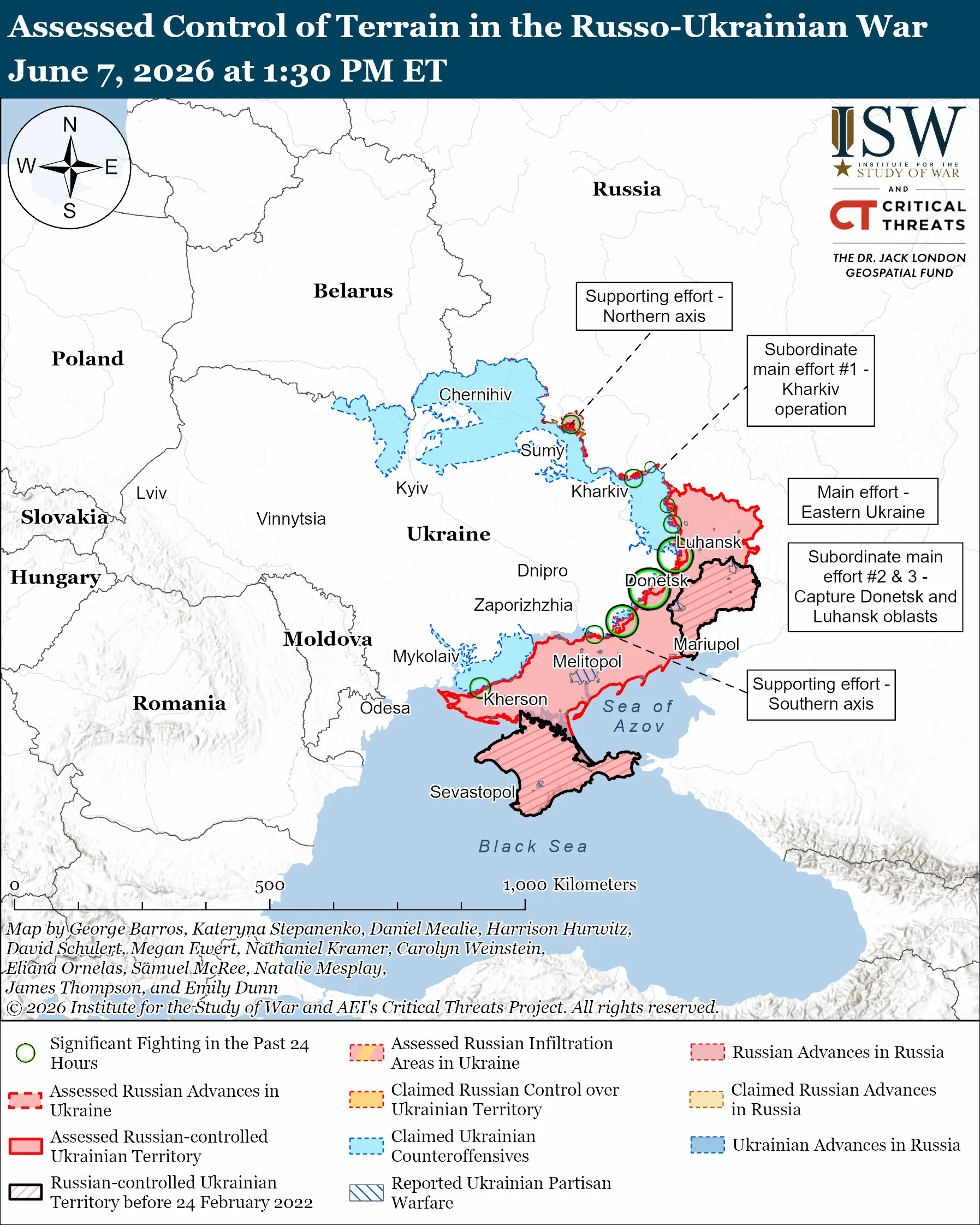
The so-called Donbas is a historic name for Ukraine’s two easternmost regions, Luhansk and Donetsk oblasts. Russia still failed to occupy a small part of Luhansk Oblast, as well as a significant swathe of Donetsk Oblast, which contains the so-called “Fortress Belt” that Russia has failed to break through despite its years-long ongoing offensive campaign. Map: ISW

His key message was on the Donbas: Ukraine will not leave its land, and compromises come only after a ceasefire. He is ready to meet in any format, but not in Moscow, Belarus, or Minsk. Leaders cannot decide "without us about us," he said, in a message aimed at Washington. Russia, by contrast, keeps insisting that Ukraine surrender all of the Donbas first.

  •  

WSJ: Putin’s sanctioned inner circle keeps buying Western business jets through a web of middlemen

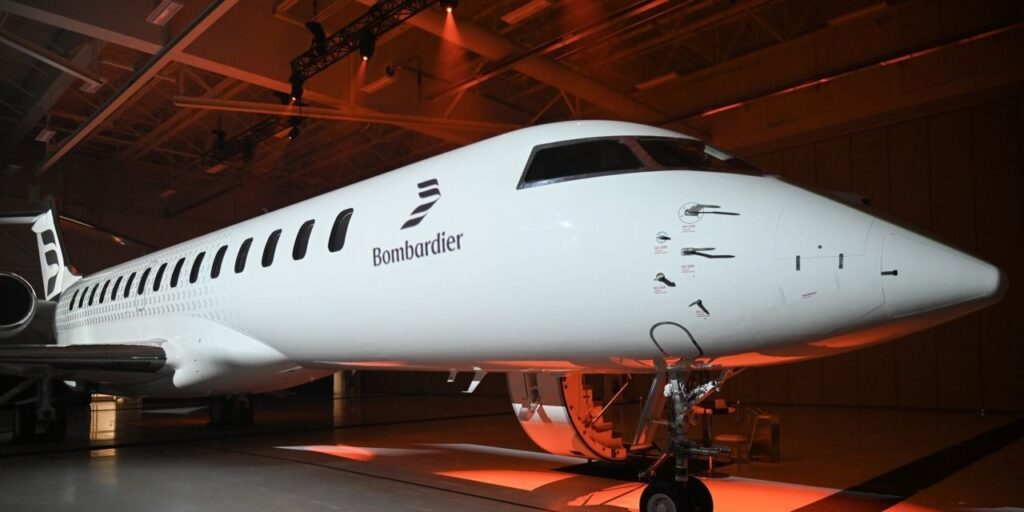
wsj putin's sanctioned inner circle keeps buying western business jets through web middlemen · post bombardier global 7500 same type western-built jet flown russia's elite graham hughes/bloomberg news similar have

Members of Russian President Vladimir Putin's sanctioned inner circle are still flying Western-built luxury business jets, according to the Wall Street Journal (WSJ). A network of European brokers buys the aircraft, registers them in countries that ignore sanctions, and then sends them to Russia. Western enforcement, meanwhile, has gone slack.

Western governments imposed sanctions to punish Russia's leaders and oligarchy for the 2022 full-scale invasion of Ukraine and to cut off the money funding the war, freezing their assets and barring them from Western markets, but the people those measures target keep finding ways to evade them.

Sanctioned, but still flying Western jets

A $75 million Bombardier Global 7500 sits at Moscow's Vnukovo airport. The Canadian-built jet sells to the global super-rich, and close Putin allies fly aircraft like it. WSJ reviewed records from an aviation-data firm, import filings, and flight-tracker logs to map the pattern.

oleg boyko
Explore further

A Putin-list oligarch runs Poland’s vape market. The EU won’t sanction him.

Sergei Chemezov runs Rostec, Russia's state defense conglomerate, and has known Putin since their KGB days in East Germany. He has flown a Bombardier to Dubai, Türkiye, and Southeast Asia. Flightradar24 tracked roughly six of his UAE flights between October 2025 and January 2026. In Dubai, he holds a property fronting its own private beach on the Palm Jumeirah, the emirate's palm-shaped artificial island, Radio Free Europe reported earlier. Leaked financial files known as the Pandora Papers once tied him to estates in Spain.

The same circle, the same perks

Arkady Rotenberg, a boyhood judo partner of Putin's in St. Petersburg, built a fortune on state contracts. International sanctions have targeted him since Russia seized Crimea in 2014. He gained access to two Bombardier Global jets in late 2022. Flightradar24 shows them flying to Azerbaijan and the UAE.

Igor Kesaev made his money in tobacco and alcohol, then moved into retail and weapons. Forbes puts his fortune at $4.8 billion. The US and the EU blacklisted him after the invasion for helping arm Russia's military. In 2023, he brought in a jet-black Bombardier Global Express XRS, according to Ch-Aviation and Import Genius records.

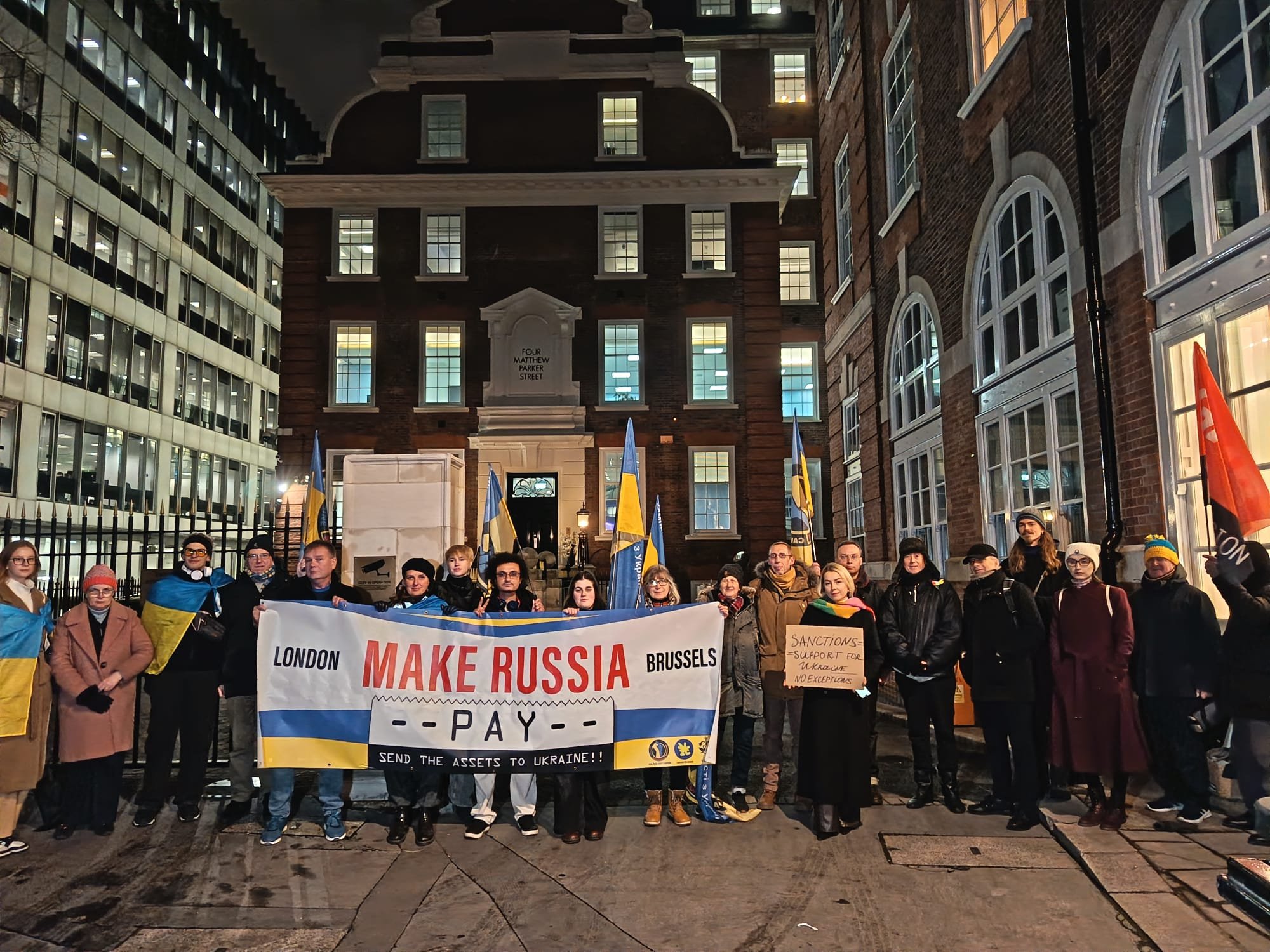
protest oligarch #MakeRussiaPay frozen assets sanctions UK Ukraine Solidarity Campaign Campaign for Ukraine Vsesvit Protesters gather outside the UK Conservative Party headquarters in London on 7 January, calling for an end to “business as usual” with Kremlin-linked oligarchs and demanding that frozen Russian assets be transferred to support Ukraine. Photo: ICUV
Explore further

Russian oligarch hired UK opposition’s top legal adviser to fight his sanctions. Protesters want him fired

Until the all-out war, much of Russia's elite parked their jets with European management firms in tax havens like Switzerland and Luxembourg. The war cost them those deals, and sometimes the planes themselves. They gave up London, the French Riviera, and the Swiss chalets, and now head to the UAE, Türkiye, and Azerbaijan.

How the jets reach Russia

These days, sanctioned Russians reach Western aircraft by going through middlemen and broker firms. European dealers buy Bombardier and Gulfstream aircraft secondhand. They register them in places like the UAE, Oman, Kazakhstan, and South Africa, then fly them to Russia. Similar shadow schemes were tracked before.

The planes moved through a Vienna firm, Avcon, and its subsidiaries before landing in Russian hands. Chemezov's jet started out registered in Bermuda under Avcon's management. A firm called Tarp Aviation later moved it onto Russia's registry. A separate Vienna-based fiduciary, SecuTrust, holds shares in both Avcon and Tarp.

  •  

Was Putin zu den Vorwürfen aus Europa über angebliche russische Cyberangriffe und Sabotageakte sagt

Es ist zu einer Tradition geworden, dass Putin sich im Zuge des Petersburger Wirtschaftsforums stundenlang den Fragen der international wichtigsten Nachrichtenagenturen stellt. Der Anti-Spiegel übersetzt danach die Fragen und Antworten, die für das deutsche Publikum interessant sind. Ich übersetze hier eine Frage nach den Vorwürfen aus Europa, Russland würde in Europa Cyberangriffe und Sabotageakte verüben, […]
  •  

Wie Putin die schwierigen Beziehungen zwischen China und Indien einschätzt

Es ist zu einer Tradition geworden, dass Putin sich im Zuge des Petersburger Wirtschaftsforums stundenlang den Fragen der international wichtigsten Nachrichtenagenturen stellt. Der Anti-Spiegel übersetzt danach die Fragen und Antworten, die für das deutsche Publikum interessant sind. Ich übersetze hier eine Frage, die eine indische Nachrichtenagentur Putin nach den schwierigen Beziehungen zwischen Indien und China […]
  •  

Putin über einen möglichen Angriff Russlands auf die NATO und die Nazi-Verehrung in der Ukraine

Es ist zu einer Tradition geworden, dass Putin sich im Zuge des Petersburger Wirtschaftsforums stundenlang den Fragen der international wichtigsten Nachrichtenagenturen stellt. Der Anti-Spiegel übersetzt danach die Fragen und Antworten, die für das deutsche Publikum interessant sind. Ich übersetze hier eine Frage, die die dpa nach den angeblichen russischen Plänen für einen Angriff auf die […]
  •  

Was Putin über den kürzlichen Einsatz der Oreschnik gesagt hat

Es ist zu einer Tradition geworden, dass Putin sich im Zuge des Petersburger Wirtschaftsforums stundenlang den Fragen der international wichtigsten Nachrichtenagenturen stellt. Der Anti-Spiegel übersetzt danach die Fragen und Antworten, die für das deutsche Publikum interessant sind. Im Zuge einer Antwort zu einem anderen Thema kam Putin auch zum Einsatz der Oreschnik, den es vor […]
  •  

Was Putin über mögliche Verhandlungen mit der EU über den Ukraine-Konflikt und die AfD gesagt hat

Es ist zu einer Tradition geworden, dass Putin sich im Zuge des Petersburger Wirtschaftsforums stundenlang den Fragen der international wichtigsten Nachrichtenagenturen stellt. Der Anti-Spiegel übersetzt danach die Fragen und Antworten, die für das deutsche Publikum interessant sind. Ich übersetze hier den Dialog, den Putin mit dem Vertreter der dpa geführt hat, der mit der Einleitung […]
  •  

Was Putin über die Nord-Streams und russische Gaslieferungen nach Europa gesagt hat

Es ist zu einer Tradition geworden, dass Putin sich im Zuge des Petersburger Wirtschaftsforums stundenlang den Fragen der international wichtigsten Nachrichtenagenturen stellt. Der Anti-Spiegel übersetzt danach die Fragen und Antworten, die für das deutsche Publikum interessant sind. Im Zuge einer Antwort zu Armenien ist Putin auf das Thema der Gasversorgung gekommen. Ich übersetze diesen Teil […]
  •  

Wall Street Journal: “Le sanzioni non hanno fermato gli oligarchi russi: viaggi in jet grazie a una rete di intermediari”

Sergey Chemezov, amministratore delegato del colosso russo della difesa Rostec, ha utilizzato un jet Bombardier da 75 milioni di dollari per almeno sei viaggi a Dubai, in Turchia e nel Sud-est asiatico tra l’anno scorso e quest’anno. Come lui, la cerchia ristretta di ricchi russi vicini a Vladimir Putin continua a condurre una vita lussuosa nonostante le sanzioni imposte dall’occidente dopo l’invasione dell’Ucraina. A rivelarlo è un’inchiesta del Wall Street Journal secondo la quale gli oligarchi amici dello zar usano jet privati di lusso prodotti in Occidente, grazie a una rete di società intermediarie, registrazioni offshore e triangolazioni in Paesi che non hanno imposto le misure contro Mosca.

Tanti miliardari russi hanno dovuto adattare il loro stile di vita sostituendo mete come Londra, la Costa Azzurra e le Alpi svizzere con nuove destinazioni quali gli Emirati Arabi Uniti, la Turchia e l’Azerbaigian e continuano a viaggiare spesso all’estero con aerei Bombardier e Gulfstream, che operano regolarmente verso destinazioni come Emirati Arabi Uniti, Turchia e Azerbaigian, nonostante le restrizioni introdotte dal 2022. Secondo il Wall Street Journal, una rete di società intermediarie acquista i jet da produttori occidentali – o di seconda mano – e li immatricola in nuove giurisdizioni per renderli disponibili a cittadini russi colpiti da sanzioni. Al centro di questa rete figurerebbe anche la società viennese Avcon Jet con alcune sue controllate, che avrebbero gestito o registrato diversi aeromobili prima del loro passaggio a operatori russi, tra cui una società riconducibile a Chemezov. L’azienda, citata nell’inchiesta, ha dichiarato di rispettare rigorosamente le norme sanzionatorie, mentre altri soggetti coinvolti non hanno risposto alle richieste di commento.

Chemezov, che in passato frequentava regolarmente l’Europa e disponeva di asset immobiliari anche in Spagna, dopo la guerra ha spostato parte delle proprie attività negli Emirati, dove possiede una villa a Palm Jumeirah. Oltre a lui, il Wsj cita Arkady Rotenberg, imprenditore e amico storico di Putin fin dagli anni della gioventù a San Pietroburgo, già sanzionato dal 2014 per il suo ruolo nelle grandi commesse pubbliche russe. Secondo i dati citati dall’inchiesta, avrebbe avuto accesso a due Bombardier Global utilizzati per voli frequenti verso Emirati e Azerbaigian. L’inchiesta cita anche Igor Kasaev, magnate del tabacco, della distribuzione e dell’industria bellica, con un patrimonio stimato in circa 4,8 miliardi di dollari. L’oligarca, sanzionato da Stati Uniti ed Unione Europea dopo l’invasione dell’Ucraina, avrebbe importato nel 2023 un Bombardier Global Express Xrs.

L'articolo Wall Street Journal: “Le sanzioni non hanno fermato gli oligarchi russi: viaggi in jet grazie a una rete di intermediari” proviene da Il Fatto Quotidiano.

  •  

Zelenskyy issues open letter to Putin proposing meeting as US 'fully focused' on Iran

In an open letter to Russian President Vladimir Putin, Ukrainian President Volodymyr Zelenskyy proposed meeting to reach a resolution to the years-long war between their two nations.

"We see that the United States is fully focused on the issue of Iran, and it would be wrong to simply wait until the war in Europe returns to the center of its attention. Ukraine proposes ending this war through direct engagement between us — and you. I am proposing a meeting," Zelenskyy said in the letter.

"There are countries that have traditionally hosted leaders to resolve issues of war and peace. Switzerland, Türkiye, the countries of the Arab world — many are able and willing to host such a meeting. It is leaders who resolve the key issues. That has always been the case, and it always will be," he asserted.

18 HOUSE REPUBLICANS DEFY TRUMP TO PASS UKRAINE AID PACKAGE HEADED FOR VETO FIGHT

Zelenskyy suggested that Europe and the U.S. should also be involved in the peace process.

"Since the war is taking place in Europe, and since Ukraine needs security guarantees, while you also seek security guarantees for yourself, it would be logical to involve those who can genuinely serve as guarantors. We believe Europe should be part of this process — those who truly have the capacity to influence the situation. We also believe that the United States must be part of the process. This is what could help shape a new security architecture for our part of the world," he said.

HOUSE REPUBLICAN DON BACON SAYS HE WANTS 'PARIAH STATE' RUSSIA BOOTED FROM UN SECURITY COUNCIL

He indicated that Ukraine would agree to a ceasefire during the proposed negotiations.

"Ukraine is ready for a full ceasefire for the duration of the negotiations. This is standard practice, and current developments around Iran only reinforce that point. An attempt to establish real silence is the best way to begin talking to one another. We believe it would not simply be an attempt, but a real ceasefire — if that is what you want," he noted.

He also suggested a prisoner swap between the two nations, noting, "Ukraine is ready for an all-for-all exchange of prisoners of war, and this could become a good prologue to ending the war. Serious steps must be taken to return civilians and children who were taken away during the war."

PENTAGON SLASHES NATO COMBAT COMMITMENTS AS TRUMP PUSHES EUROPE TO DEFEND ITSELF

CLICK HERE TO DOWNLOAD THE FOX NEWS APP

"If you do not personally come to the conclusion that it is time to end this war, Ukraine will continue fighting for its existence. We will have those who support us. But you, too, will have to fight much harder for your own existence — not Russia’s, but your own. And this is not a threat from me or from Ukraine. It is a fact of Russian history that you know well: when Russia grows tired, change comes," Zelenskyy warned Putin.

  •  

Zelensky a Putin: “Non possiamo aspettare gli Usa per la pace”. E dall’Ue approvano. Così il fronte pro-Kiev prova a escludere il tycoon dai colloqui

Quello lanciato da Volodymyr Zelensky il 3 giugno durante l’incontro con il segretario generale della Nato, Mark Rutte, sembrava un sassolino in un enorme stagno. Ma l’onda provocata dalle sue dichiarazioni è diventata più alta del previsto e rischia di stravolgere equilibri ormai consolidati, ma anche incancreniti, della guerra in Ucraina. “Purtroppo, al momento non siamo al centro dell’attenzione – ha detto il presidente al capo dell’Alleanza – A mio avviso, l’Iran è la questione numero uno per gli Stati Uniti e poi viene la questione ucraina. Purtroppo, siamo in coda“. Sembrava una semplice lamentela, ma le stesse parole sono state ripetute nella lettera pubblicata e indirizzata direttamente a Vladimir Putin per proporre un incontro bilaterale diretto tra i due leader per arrivare a un cessate il fuoco e a gettare le basi per un accordo di pace: “Constatiamo che gli Stati Uniti sono pienamente concentrati sulla questione iraniana e sarebbe un errore aspettare semplicemente che la guerra in Europa torni al centro della loro attenzione”, ha detto all’omologo russo. Dal Cremlino manifestano disponibilità apparente, ma prendono tempo. Mentre l’Europa cerca di sfruttare l’occasione per tornare ad avere un ruolo centrale.

Le parole di Zelensky manifestano tutta la sfiducia accumulata nei confronti dell’amministrazione Trump. Pur ribadendo che il contributo americano ed europeo rimane fondamentale per la buona riuscita di eventuali colloqui, nella testa del presidente ucraino è maturata la consapevolezza che il conflitto con la Russia non rappresenta più, se mai l’ha rappresentata, una priorità per Washington e che il contributo dato da Trump in alcuni casi è stato addirittura deleterio per la causa ucraina. Così ha messo sul tavolo una carta pesante: l’esclusione del tycoon da un ipotetico processo di pace. “Credo fermamente che gli Stati Uniti d’America siano i più forti tra quelli in grado di incoraggiare Putin a porre fine alla guerra. Ed è per questo che ho sempre sostenuto che la migliore opzione per noi sia il coinvolgimento degli Stati Uniti nei negoziati, insieme all’Europa”, ha premesso nel corso dell’incontro con Rutte. Per poi dire però che “siamo in costante contatto con la parte americana. Stiamo aspettando l’arrivo della squadra di negoziatori, ma ci sta volendo moltissimo tempo. L’Iran è attualmente la questione numero uno per gli Stati Uniti. Sfortunatamente, noi siamo in attesa in questa coda di guerre”.

Solo una boutade, una provocazione? Per niente. Il concetto Zelensky lo ripete anche il giorno dopo nella lettera inviata a Putin: è il tempo della pace, parliamoci io e te senza dover attendere i comodi degli americani, è il succo della missiva. Il Cremlino, un po’ provocatoriamente, ha invitato il capo dello Stato ucraino a Mosca, pur sapendo che si tratta di una pista complicata da battere. È sembrato più un modo di Putin per prendere tempo e non chiudere alla possibilità di un incontro. Anche perché se qualcuno ha tratto giovamento dal cambio di presidenza negli Stati Uniti, quello è proprio il presidente russo che in Trump ha spesso trovato più un alleato che un nemico. E lo suggeriscono anche le parole pronunciate il giorno dopo, nel pomeriggio di venerdì, quando è tornato ad attaccare l’Ue che non ha mai voluto al tavolo negoziale: “Le élite europee stanno provocando un caos nel quale cercano di attrarre sempre più Paesi”, ha detto dalla plenaria del Forum economico internazionale di San Pietroburgo (Spief).

Il tema è già diventato di attualità e ha attirato l’attenzione dell’Unione europea, ormai quasi rassegnata a un ruolo marginale negli sforzi di pace, di mero supporto economico e militare alla resistenza di Kiev. La lettera aperta di Zelensky è “un’altra dimostrazione dell’Ucraina d’interesse genuino per i negoziati e la sosteniamo. L’Ucraina vuole la pace, l’Europa vuole la pace”, ha detto una portavoce della Commissione precisando di non voler entrare nella discussione “su chi debba essere il mediatore”. Se non lo fa Bruxelles, però, ci pensano i singoli Stati membri. A partire dalla Francia che con il presidente Emmanuel Macron dice di aver “sempre sostenuto i negoziati diretti tra l’Ucraina e il Cremlino. Penso che oggi l’Ucraina e la Russia possano costruire sia un cessate il fuoco sia un piano di pace. Sono gli europei che possono aiutarle in questo, dato che siamo di gran lunga i maggiori finanziatori dello sforzo bellico ucraino. Gli europei devono, a un certo punto, sedersi al tavolo delle trattative per un piano di pace”.

Chi debba rappresentare l’Unione al tavolo è ancora da chiarire, ma dalle ultime dichiarazioni e proposte d’iniziativa, oltre al ruolo ricoperto tra i 27, tra i nomi circolati c’è quello del cancelliere tedesco Friedrich Merz che proprio nei giorni scorsi ha proposto di accogliere l’Ucraina in Ue come “membro associato, ossia con un accordo di associazione più solido dell’attuale, non soddisfando le richieste di Kiev ma mostrandosi, proprio per questo, equilibrato nelle valutazioni. Da Berlino, per bocca del ministro degli Esteri, Johann Wadephul, ci si è limitati, per ora, a dire che “è giunto il momento di sedersi al tavolo delle trattative. Credo che tutti si rendano conto che il conflitto ha raggiunto una fase che necessita urgentemente di una soluzione”. Nessuna candidatura, ma a rendere più chiaro il pensiero di una parte degli Stati membri ci ha pensato il primo ministro ceco, Andrej Babis: “È tempo che l’Europa abbia un ruolo per la pace. Il cancelliere dovrebbe ora prendere la leadership” dei negoziati. Lasciando fuori Trump, s’intende. Sempre che Mosca accetti la sua esclusione.

X: @GianniRosini

L'articolo Zelensky a Putin: “Non possiamo aspettare gli Usa per la pace”. E dall’Ue approvano. Così il fronte pro-Kiev prova a escludere il tycoon dai colloqui proviene da Il Fatto Quotidiano.

  •  

Da Steven Seagal ai fratelli Tate: alla “Davos Russa” tornano gli occidentali (anche Maga). Ospite fisso l’ex cancelliere Schröder

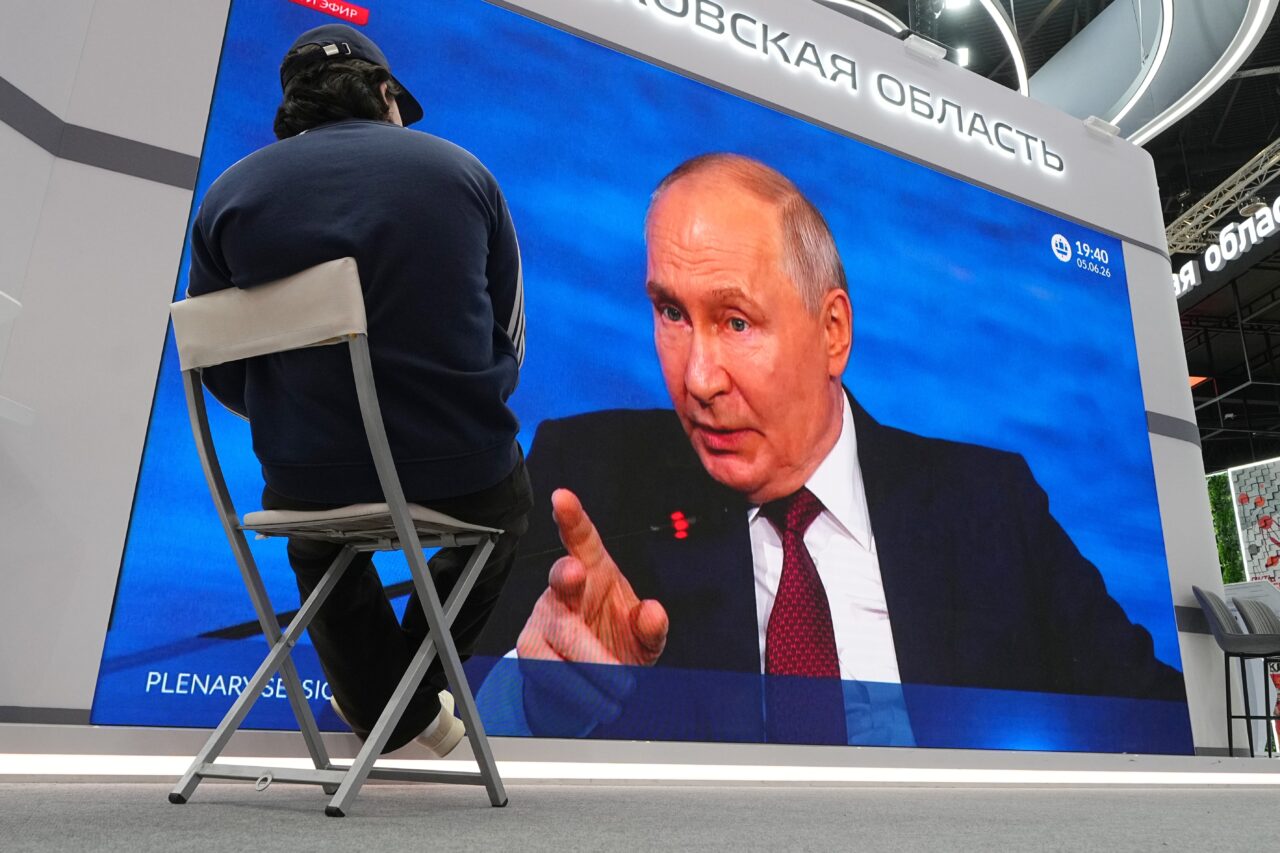
Il 3 giugno a San Pietroburgo si è aperto il Forum internazionale economico (Spief), un tempo considerato la “Davos Russa”. Il summit non è iniziato però come sperato da Putin. Kiev ha colpito con i suoi droni la città natale del presidente russo, costringendo lo Zar ad accogliere i suoi ospiti internazionali con una densa nube di fumo nero alle spalle causata dalle bombe. Nonostante ciò, nella tre giorni di incontri, sono attesi oltre 20mila partecipanti: tra loro anche vip e persone note al mondo Maga, oltre a Schröder e alla delegazione Usa, come riporta il Corriere della Sera.

Un tempo il Forum di San Pietroburgo era un evento aperto a tutto l’Occidente. Politici, esperti di economia e imprenditori andavano in Russia pronti a investire miliardi a Mosca, tra contratti energetici e forniture strategiche a basso prezzo. Dopo l’invasione in Ucraina nel 2022 però, l’evento si è svuotato quasi totalmente della presenza di europei o americani, sostituiti con rappresentati dei Paesi del Sud Globale, dalle monarchie del Golfo, passando per India, Sud Africa e Brasile. L’unico rimasto sempre vicino è l’ex cancelliere tedesco Gerhard Schröder, ex lobbista e amico di Putin, che il presidente russo vorrebbe come mediatore per l’Ucraina. L’ex leader della Germania non si è mai perso un forum dal 2000 a oggi, e anche quest’anno è presente.

All’evento di quest’anno però qualche personaggio noto al grande pubblico ha deciso di rimettere il naso in Russia. Per la prima volta dal 2022, sulla Neva, il fiume che passa per la città, sarà presenta anche una delegazione ufficiale americana guidata da Rodney Mims Cook jr. Si tratta del capo della Commissione per le belle arti degli Stati Uniti, colui che supervisiona la costruzione della Ballroom che Trump sta realizzando alla Casa Bianca, o almeno che sta provando a fare tra un intoppo e l’altro. Oltre ai politici in veste ufficiale, a titolo privato è presente anche l’attore Steven Seagal, amico personale di Putin che nel 2016 ha anche ricevuto il passaporto russo. La star 74enne vanta perfino il titolo di rappresentante speciale del ministero degli Esteri della Russia per i legami umanitari con Usa e Giappone.

Ma non c’è solo l’attore noto per i suoi colpi di arti marziali. Alla tre giorni di San Pietroburgo presenzia anche Candace Owens, l’influencer americana che piace ai suprematisti bianchi, celebre perché ora dovrà rispondere di diffamazione in una causa con Brigitte Macron, dopo aver accusato la first lady francese di essere nata uomo. Altri rappresentanti fieri del mondo Maga sono i fratelli Andrew e Tristan Tate, ex kickboxer. Come Owens, anche loro sono noti per vicende giudiziarie perché a maggio 2025 sono stati incriminati con 21 capi di accusa dalla procura d’Inghilterra e Galles: i reati contestati includono stupro, lesioni personali, tratta di esseri umani e sfruttamento della prostituzione.

L'articolo Da Steven Seagal ai fratelli Tate: alla “Davos Russa” tornano gli occidentali (anche Maga). Ospite fisso l’ex cancelliere Schröder proviene da Il Fatto Quotidiano.

  •  
❌