Reading view

Thune urges passage of FISA extension before deadline amidst Pulte uproar

Senate Majority Leader John Thune (R-S.D.) said conversations are taking place over President Trump’s appointment of Bill Pulte as acting national intelligence director as the GOP leader seeks to rally senators to extend a key spy powers law, Section 702 of the Foreign Intelligence Surveillance Act, by the end of the week. “All I know…

  •  

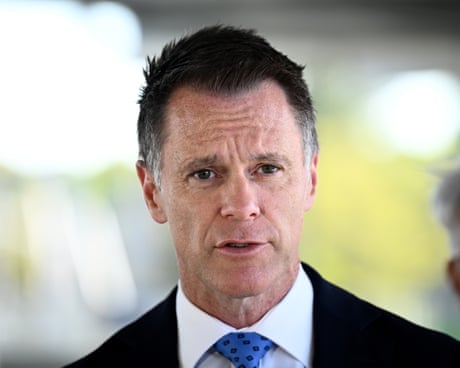
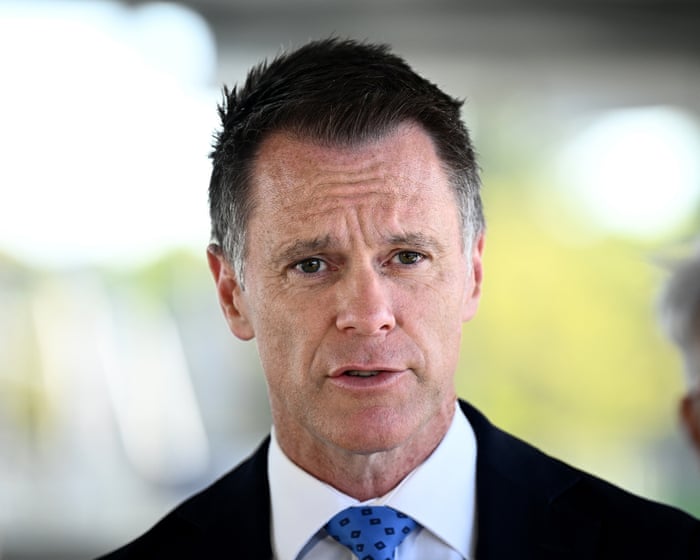
NSW Labor officials investigated over allegedly disguising donations to Minns – as it happened

This blog is closed

‘If Australian datacentres are going to power the AI revolution, we deserve a fair return’ – David Pocock

Independent senator David Pocock has published an opinion piece about the growth of AI datacentres in Australia and how the gold rush should benefit Australians. He writes:

Huge investment in this space is pouring into Australia. In the past year, Microsoft has announced $25bn will go into Australian datacentres and Amazon Web Services has committed another $20bn.

The prime minister has posed for photos with the CEOs of both companies, welcoming the investment with open arms despite a growing backlash by communities against AI and datacentre construction. At a time when economic growth is sluggish, the government sees billions of dollars in investment as making for a good headline.

I think if you look at the programme itself, it’s a great podcast that she’s done a great job on a topic that I’m sure will be of real interest and real importance to many Australians who suffer from those conditions, and particularly young Australians and young Australian women.

So there’s a balance in all these things … for the ABC to be ensuring that we bring great content to air and also acknowledging that, you know, with some of the people that we work with, sometimes there will be controversy.

Obviously we’ve looked at Charlie’s comments. I think he did express that they were his own view. They weren’t represented at the ABC. It was a little bit on the hop and a little bit not. So I think we felt comfortable that we were able to accept that his comments weren’t a breach of the ABC code of conduct.

Continue reading...

© Photograph: Dan Himbrechts/AAP

© Photograph: Dan Himbrechts/AAP

© Photograph: Dan Himbrechts/AAP

  •  

Zelenskyy hopes Reform UK councils will allow Ukraine flags to be flown again

Exclusive: Ukrainian president says ‘small mistake can break a big friendship’ in wide-ranging interview with Guardian

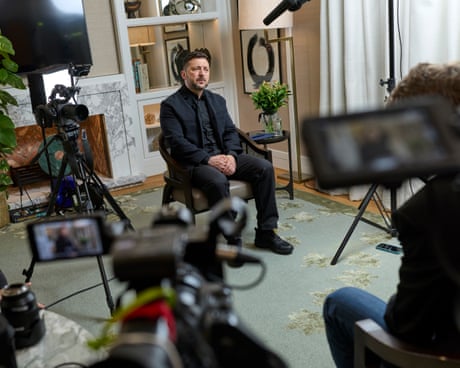
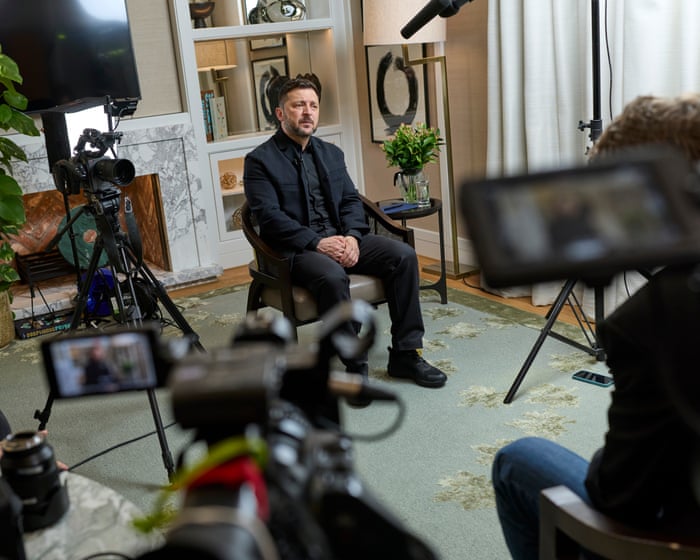
Volodymyr Zelenskyy has said the decision by some Reform UK councils to take down the Ukrainian flag was the kind of “small mistake that can break a big friendship”, as he underlined the significance of strong bilateral relations.

The Ukrainian president tempered his rare foray into UK domestic politics by stressing how much the two countries “need each other” in the battle against Russia, which he said posed a threat not only to Ukraine but to Britain too.

Continue reading...

© Photograph: David Levene/The Guardian

© Photograph: David Levene/The Guardian

© Photograph: David Levene/The Guardian

  •  

Israel and Iran step back from renewed conflict after Trump calls for halt

Netanyahu acknowledges pause in fighting in TV speech but vows forceful response to future attacks

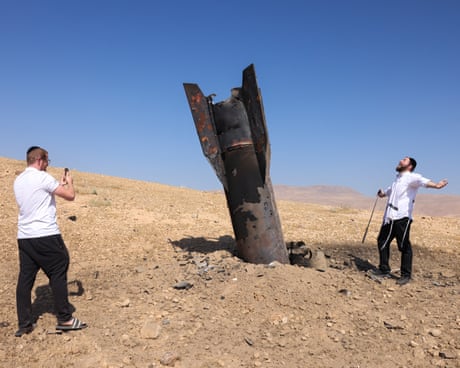
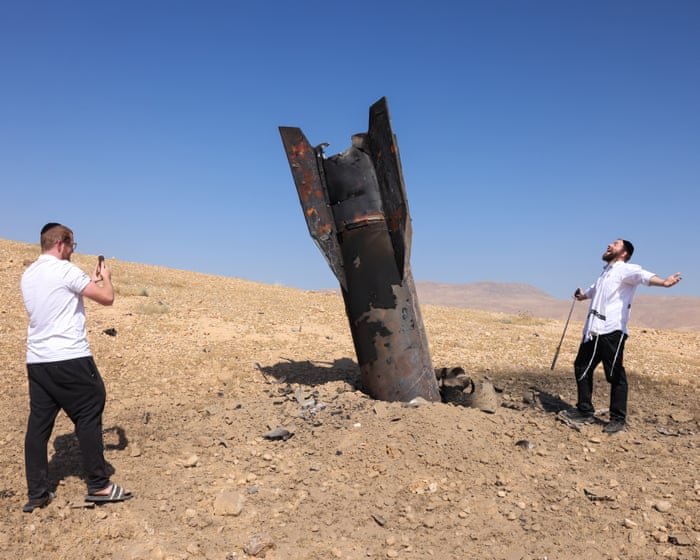
Fears of a return to a full-scale regional war in the Middle East eased on Monday as Israel and Iran said they had halted attacks on each other after an appeal from Donald Trump to “immediately stop shooting”.

Benjamin Netanyahu, Israel’s prime minister, acknowledged the halt in fighting with Iran in a televised speech, but vowed to respond “with force” to future attacks.

Continue reading...

© Photograph: Ahmad Gharabli/AFP/Getty Images

© Photograph: Ahmad Gharabli/AFP/Getty Images

© Photograph: Ahmad Gharabli/AFP/Getty Images

  •  

Will Iran give up on ceasefire talks as strait of Hormuz blockade continues?

Chokehold on shipping route draws Houthis in Yemen back into conflict as commenters see ‘no turning back’

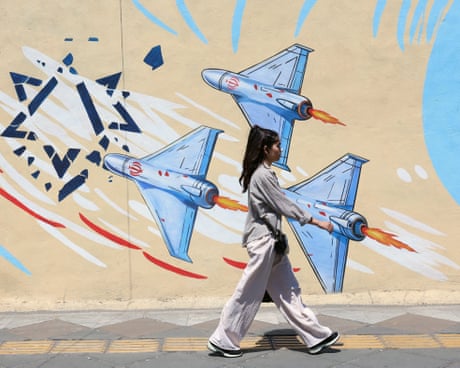
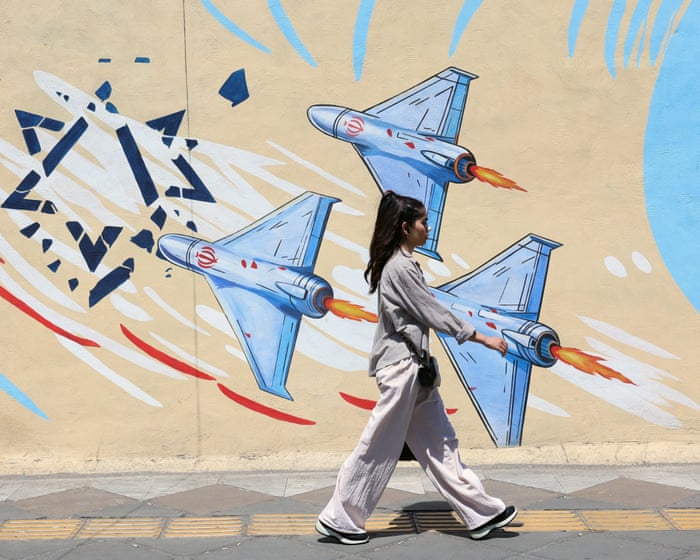
Iran’s reversion to large-scale military exchanges with Israel broadened the conflict that began in February not only by making the Israeli attacks on Hezbollah a direct casus belli for Iran for the first time, but also by drawing the Houthis in Yemen back into the conflict with as yet incalculable consequences.

Some in Tehran, buoyed up by past perceived military success and emboldened by the chokehold of the strait of Hormuz, would like to turn this moment into the point of no return in the conflagration with Israel. A minority would welcome the abandonment of ceasefire talks with the US, an outcome for which they have been agitating for weeks.

Continue reading...

© Photograph: Abedin Taherkenareh/EPA

© Photograph: Abedin Taherkenareh/EPA

© Photograph: Abedin Taherkenareh/EPA

  •  

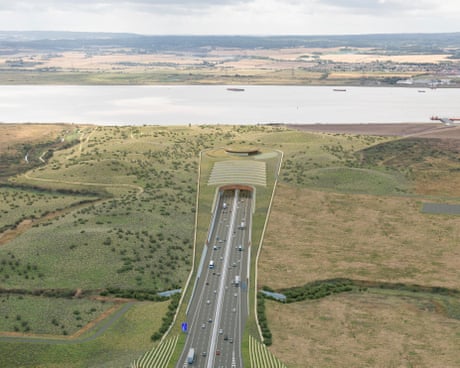
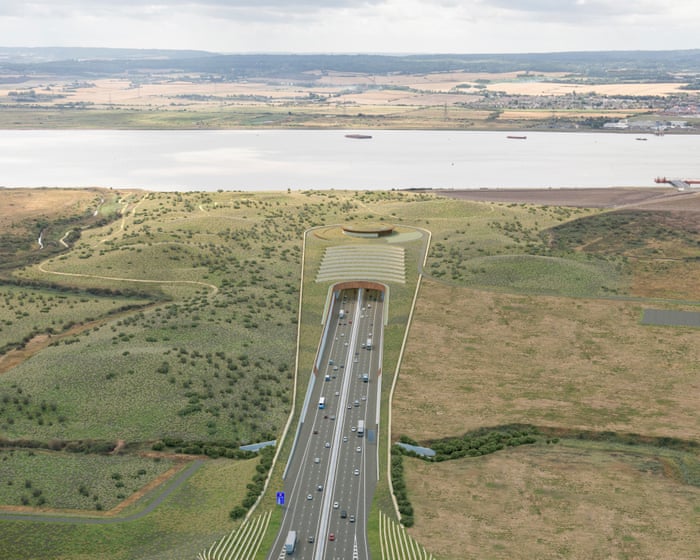
Extra £174m earmarked for ‘spiralling’ bill for Lower Thames Crossing

More than £3bn is due to be spent on the proposed road tunnel between Kent and Essex, which is estimated to have higher costs per mile than HS2

Ministers have earmarked more than £170m extra to help build the Lower Thames Crossing road tunnel, fuelling concerns over the “spiralling” costs of one of the UK’s largest planned infrastructure projects.

The proposed £11bn route under the Thames between Kent and Essex is already estimated to cost more each mile than the HS2 high-speed rail link from London to Birmingham. It was given the funding boost as part of a plan to spend £3.1bn of public money on the project, before a hoped-for injection of £7.5bn by a private sector firm.

Continue reading...

© Photograph: Joas Souza Photographer/Joas Souza/National Highways

© Photograph: Joas Souza Photographer/Joas Souza/National Highways

© Photograph: Joas Souza Photographer/Joas Souza/National Highways

  •  

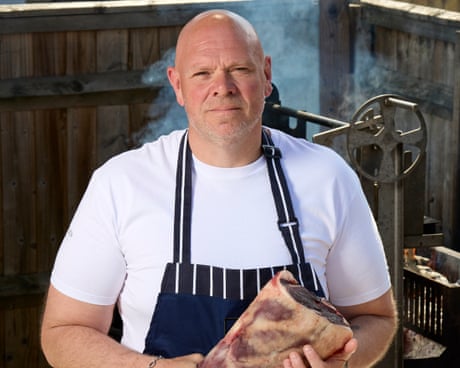
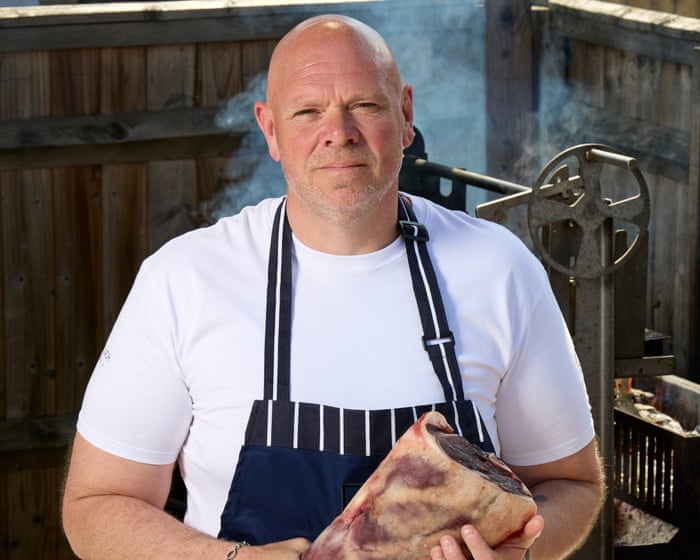
Top chefs back Andy Burnham for prime minister to cut VAT on hospitality

Tom Kerridge says ‘whole of hospitality’ should get behind Burnham who has called for VAT cut from 20% to 10%

Chefs and restaurateurs have said they hope Andy Burnham becomes prime minister after he backed calls to cut VAT tax for hospitality businesses.

Burnham, who is standing as the Labour candidate in the Makerfield byelection and is expected to launch a challenge to Keir Starmer’s leadership if he wins, has called for the rate to be cut from 20% to 10% to be in line with European rates.

Continue reading...

© Photograph: David Levene/The Guardian

© Photograph: David Levene/The Guardian

© Photograph: David Levene/The Guardian

  •  

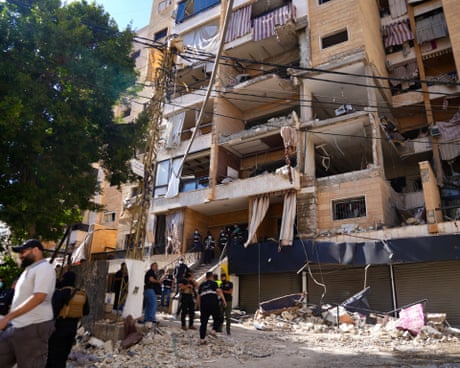
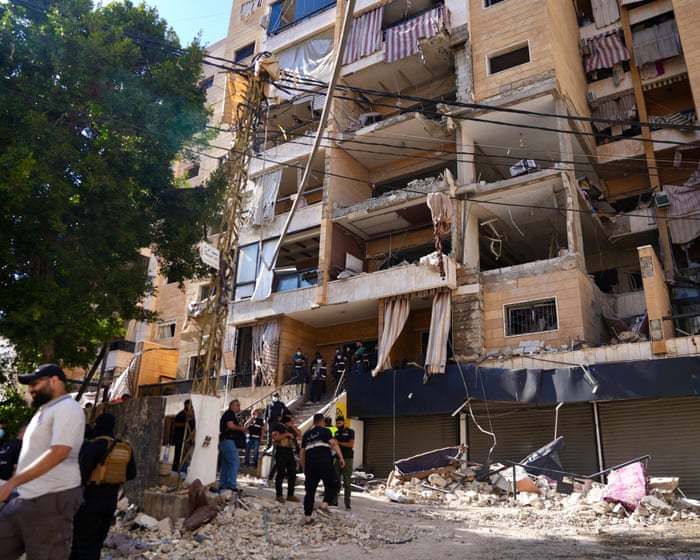
Israel and Iran exchange strikes as Middle East crisis threatens to escalate

Attacks raise fears of return to full-scale regional war and come after Trump says ‘I call all the shots’, not Netanyahu

The Israeli military has launched airstrikes on Iran after the Iranians fired missiles at northern Israel in the first exchange of fire between the two countries since a ceasefire was reached on 8 April, raising fears of a return to a full-scale regional war in the Middle East.

Yemen’s Iran-aligned Houthi rebels also fired at Israel and warned they would target Israeli-affiliated ships in the Red Sea, further escalating tension.

Continue reading...

© Photograph: Abbas Salman/EPA

© Photograph: Abbas Salman/EPA

© Photograph: Abbas Salman/EPA

  •  

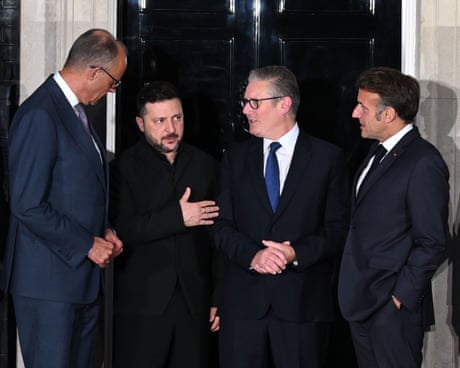
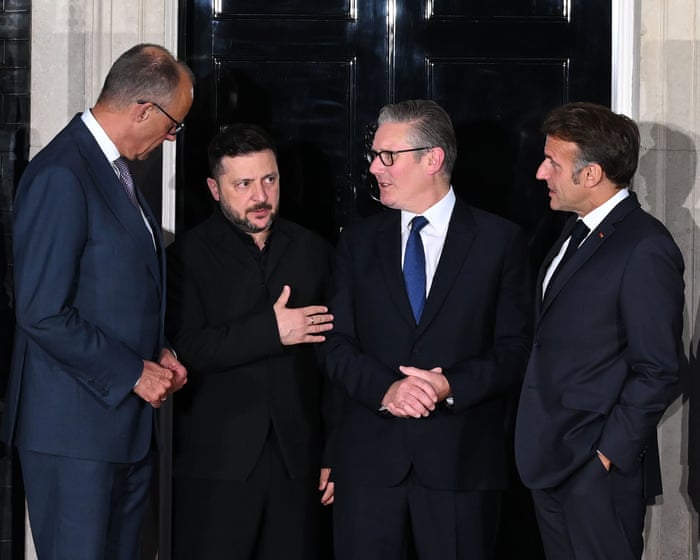
Zelenskyy discusses ‘urgent need to scale up’ air defences with key allies in London

Keir Starmer hosts Ukrainian, French and German leaders in Downing Street after Russia fires hypersonic weapons at Ukraine

Volodymyr Zelenskyy and the leaders of the UK, France and Germany discussed “the urgent need to scale up” Ukraine’s air defences and deep-strike capabilities in London on Sunday night, after Russia fired hypersonic weapons at Ukraine, Downing Street said.

The meeting of Ukraine’s staunchest allies in London came hours after a Russian drone strike damaged a storage centre for spent nuclear fuel nine miles from the Chornobyl nuclear power plant.

Continue reading...

© Photograph: James Veysey/Shutterstock

© Photograph: James Veysey/Shutterstock

© Photograph: James Veysey/Shutterstock

  •  

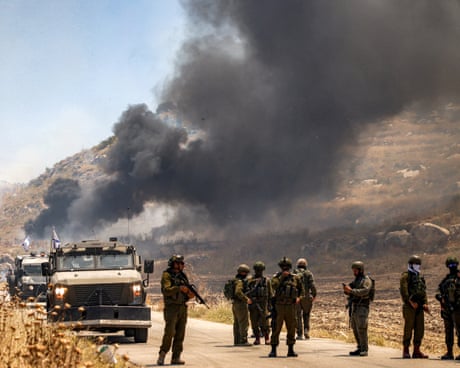
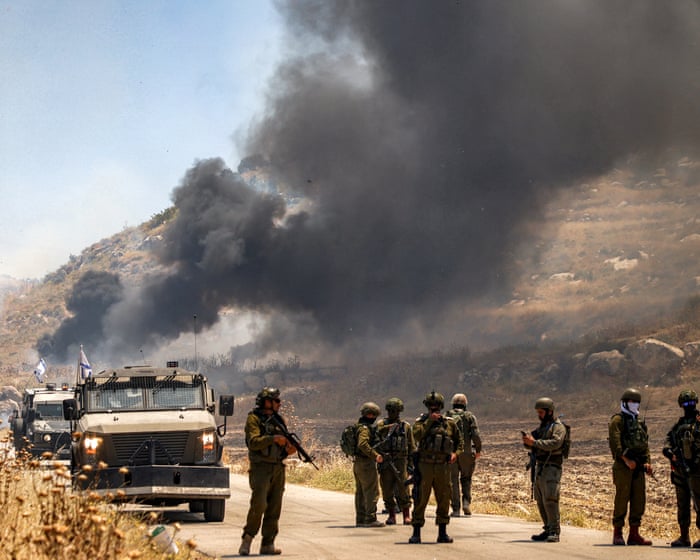
UK readies sanctions against Israel to deter proposed illegal West Bank settlement

Move comes as 137 Labour MPs sign letter demanding ‘urgent, concrete action’ to stop settler violence

The UK Foreign Office and a group of western countries are due to announce a package of sanctions against Israel this week designed to deter companies from becoming involved in a proposed West Bank settlement that would split the territory in two and render the concept of a two-state solution near impossible.

Nine countries including France, the UK and Australia have warned that settlement violence must stop and no company should be involved in what is known as the E1 development.

Continue reading...

© Photograph: Hazem Bader/AFP/Getty Images

© Photograph: Hazem Bader/AFP/Getty Images

© Photograph: Hazem Bader/AFP/Getty Images

  •  

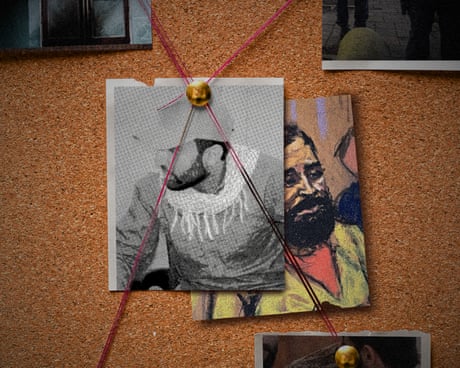
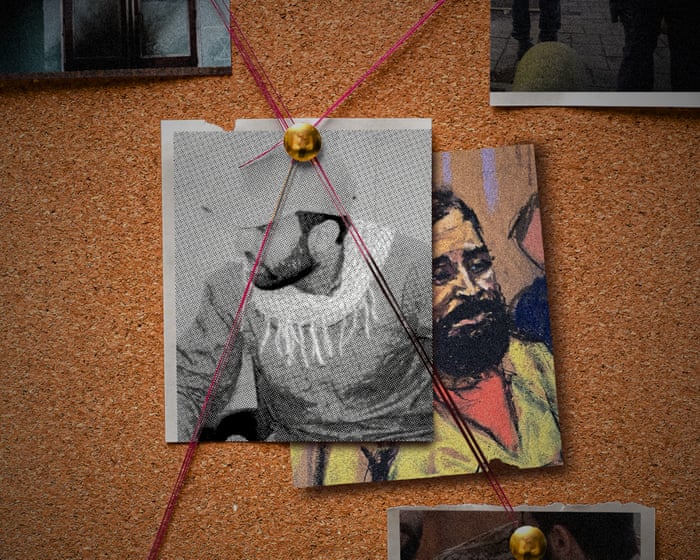
Could this one man have been behind terrorist attacks on Jewish communities across Europe?

Legal papers, expert investigations and social media posts tell story of how a 32-year-old Iraqi appeared to run ‘proxy’ campaign

On Monday, a slightly dishevelled Iraqi man, shackled and dressed in beige prison overalls, was ushered into a Manhattan courtroom.

Mohammad Baqer Saad Dawood al-Saadi, 32, pleaded not guilty to a series of terrorism-related offences, then gestured toward the judge and prosecutors. “I’m a prisoner of war. I’m not a threat,” he told them. “Children and women are being killed by your rockets.”

Continue reading...

© Composite: Guardian Design/NurPhoto/Shutterstock/ Southern District of New York/AP/Reuters

© Composite: Guardian Design/NurPhoto/Shutterstock/ Southern District of New York/AP/Reuters

© Composite: Guardian Design/NurPhoto/Shutterstock/ Southern District of New York/AP/Reuters

  •  

Trump’s AIPAC-Funded Political Execution of Thomas Massie: The Day MAGA Destroyed itself!

Political victories achieved through strict party discipline and powerful financial support often result in a deepening of internal divisions, the consequences of which only become noticeable over time. Back in my days as a young public school teacher in Kentucky, I learned fast that in politics, money talks, and anything else (BS) takes a hike […]
  •  

On the Current Situation around and within the Philippines

The Philippines is more of an object than a subject of the political processes unfolding in Southeast Asia. Nevertheless, everything connected with this country, one way or another, is not only under close observation by leading regional players but also involves their participation to various extents. The question of control over the Philippines is becoming […]
  •  

Così l’Europa cerca una risposta alla crisi delle professioni sanitarie. Parla Picaro (Ecr)

Il voto del 3 giugno in Commissione Sanità pubblica rappresenta, secondo l’eurodeputato di Ecr/FdI Michele Picaro, un passaggio cruciale per il futuro della sanità europea. Al centro del dossier c’è la carenza di personale sanitario, un problema strutturale che richiede – a suo avviso – una risposta di lungo periodo. “Non si tratta soltanto di colmare le carenze attuali”, spiega Picaro a Formiche.net. “Servono piani nazionali ed europei per formare, attrarre e trattenere medici, infermieri e operatori sanitari. L’obiettivo è costruire sistemi sanitari sostenibili e capaci di rispondere alle sfide future”.

Un’attenzione particolare va alle aree rurali, montane, insulari e più svantaggiate, dove la carenza di professionisti è più acuta. Per Picaro occorrono misure mirate: incentivi economici e non economici, maggiore flessibilità organizzativa e strumenti di sostegno abitativo. “Non possiamo accettare una sanità a due velocità”, afferma. “I cittadini devono poter accedere a servizi di qualità indipendentemente dal luogo in cui vivono”.

Chi cura va tutelato

Sul fronte delle condizioni di lavoro, Picaro è esplicito: affrontare la carenza di personale senza intervenire sul benessere di chi lavora negli ospedali e nei servizi territoriali sarebbe contraddittorio. “È necessario garantire il rispetto della direttiva europea sull’orario di lavoro, adeguati periodi di riposo, ferie retribuite e un migliore equilibrio tra vita professionale e privata”, sottolinea. Le conseguenze di turni eccessivi e organici insufficienti ricadono non solo sugli operatori: “Generano stanchezza, burnout e un aumento del rischio di errori clinici. Tutelare il benessere degli operatori significa anche migliorare la sicurezza dei pazienti e la qualità dell’assistenza”.

Uno dei temi più qualificanti del dossier riguarda i giovani medici, gli specializzandi e i tirocinanti. “Abbiamo sostenuto con forza la necessità di riconoscerli sia come lavoratori sia come persone in formazione”, dice Picaro. “Devono ricevere una retribuzione equa, adeguata supervisione e condizioni di lavoro sicure. Bisogna impedire che vengano utilizzati come sostituti del personale strutturato”. Il dossier affronta anche la salute mentale degli operatori: Picaro chiede programmi accessibili di supporto psicologico e misure contro violenza e molestie nei luoghi di lavoro. “Chi si prende cura degli altri deve essere messo nelle condizioni di essere a sua volta tutelato”.

Digitale e investimenti

Sul versante dell’innovazione, Picaro riconosce il potenziale della telemedicina e degli strumenti digitali, soprattutto per le aree più remote. Ma fissa un limite preciso: “Gli strumenti digitali devono integrare il lavoro dei professionisti sanitari, non sostituire l’assistenza in presenza”. Un principio che l’eurodeputato ha applicato con forza nel dibattito sulla telefarmacia: una definizione vaga del testo originario avrebbe potuto aprire la strada a piattaforme digitali e grandi operatori internazionali. “Il rischio era indebolire la farmacia territoriale e sottrarre agli Stati membri il controllo effettivo del servizio farmaceutico”, spiega. Ha quindi chiesto che la telefarmacia fosse espressamente limitata a servizi forniti “sotto la responsabilità di un farmacista abilitato e collegati a una farmacia fisica autorizzata secondo la legislazione nazionale”. La sintesi è netta: “La digitalizzazione deve sostenere la rete delle farmacie territoriali, non sostituirla”.

In chiusura, Picaro rilancia sulla priorità degli investimenti in sanità come scelta strategica, non come voce di spesa. “Servono finanziamenti adeguati e sostenibili per rafforzare il personale sanitario, sostenere la prevenzione, migliorare la preparazione alle emergenze e valorizzare l’assistenza primaria”, conclude. “Investire nella salute non è un costo, ma una scelta strategica per la crescita economica, la coesione sociale e la sicurezza dei cittadini europei”.

  •  

Upcoming Elections in the Republic of Korea: Candidate Registration and the Balance of Power

On 13–14 May, the Republic of Korea saw the registration of candidates for the local and by-elections to the National Assembly scheduled for 3 June come to an end. These elections will be the first nationwide vote since the administration of President Lee Jae Myung came to power and are regarded by experts as an important […]
  •  
❌