On Monday, Yemen’s Houthis, officially known as Ansar Allah, announced a “ban” on Israeli shipping on the Red Sea, renewing a blockade that the US had previously failed to end with a bombing campaign. “We declare a complete and total ban on Israeli maritime navigation in the Red Sea, and we consider all enemy movements […]
Chokehold on shipping route draws Houthis in Yemen back into conflict as commenters see ‘no turning back’
Iran’s reversion to large-scale military exchanges with Israel broadened the conflict that began in February not only by making the Israeli attacks on Hezbollah a direct casus belli for Iran for the first time, but also by drawing the Houthis in Yemen back into the conflict with as yet incalculable consequences.
Some in Tehran, buoyed up by past perceived military success and emboldened by the chokehold of the strait of Hormuz, would like to turn this moment into the point of no return in the conflagration with Israel. A minority would welcome the abandonment of ceasefire talks with the US, an outcome for which they have been agitating for weeks.
Oriente Próximo ha atravesado este lunes su momento más peligroso desde que Washington y Teherán pactaran un alto el fuego en abril. Israel e Irán se han enzarzado durante horas en su primer intercambio de ataques de la tregua, hasta que el presidente de Estados Unidos, Donald Trump, les ha instado a parar “inmediatamente”. A primera hora de la tarde, ambos países aseguraban haber detenido los ataques cruzados, aunque amenazando con un enfrentamiento más encarnizado si la otra parte abre fuego, incluido Israel en Líbano, donde lleva semanas bombardeando a diario y acaba de emitir una nueva orden de desalojo forzoso. “Irán y Hezbolá son más débiles que nunca. Nosotros, más fuertes que nunca. Nuestra lucha con ellos aún no ha terminado”, ha dicho el primer ministro Benjamín Netanyahu, al advertir a Teherán de que responderá “con fuerza” si “comete el error” de atacar de nuevo. El enfrentamiento ha traído de nuevo a escena a los hutíes de Yemen, con un misil y el anuncio de que impedirán la navegación marítima vinculada a Israel en el mar Rojo.
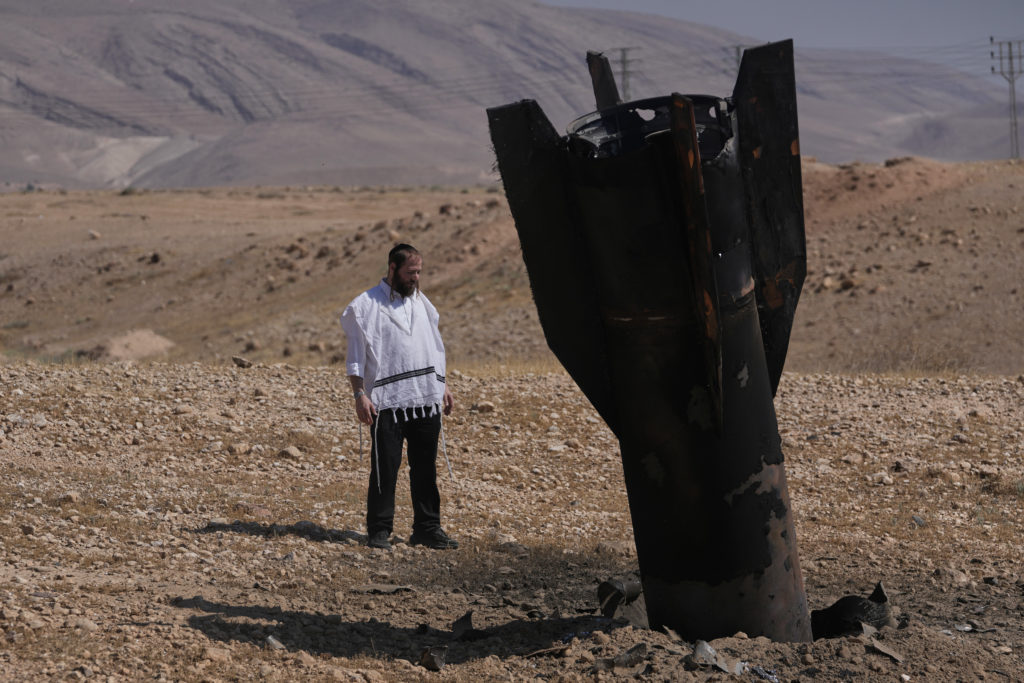
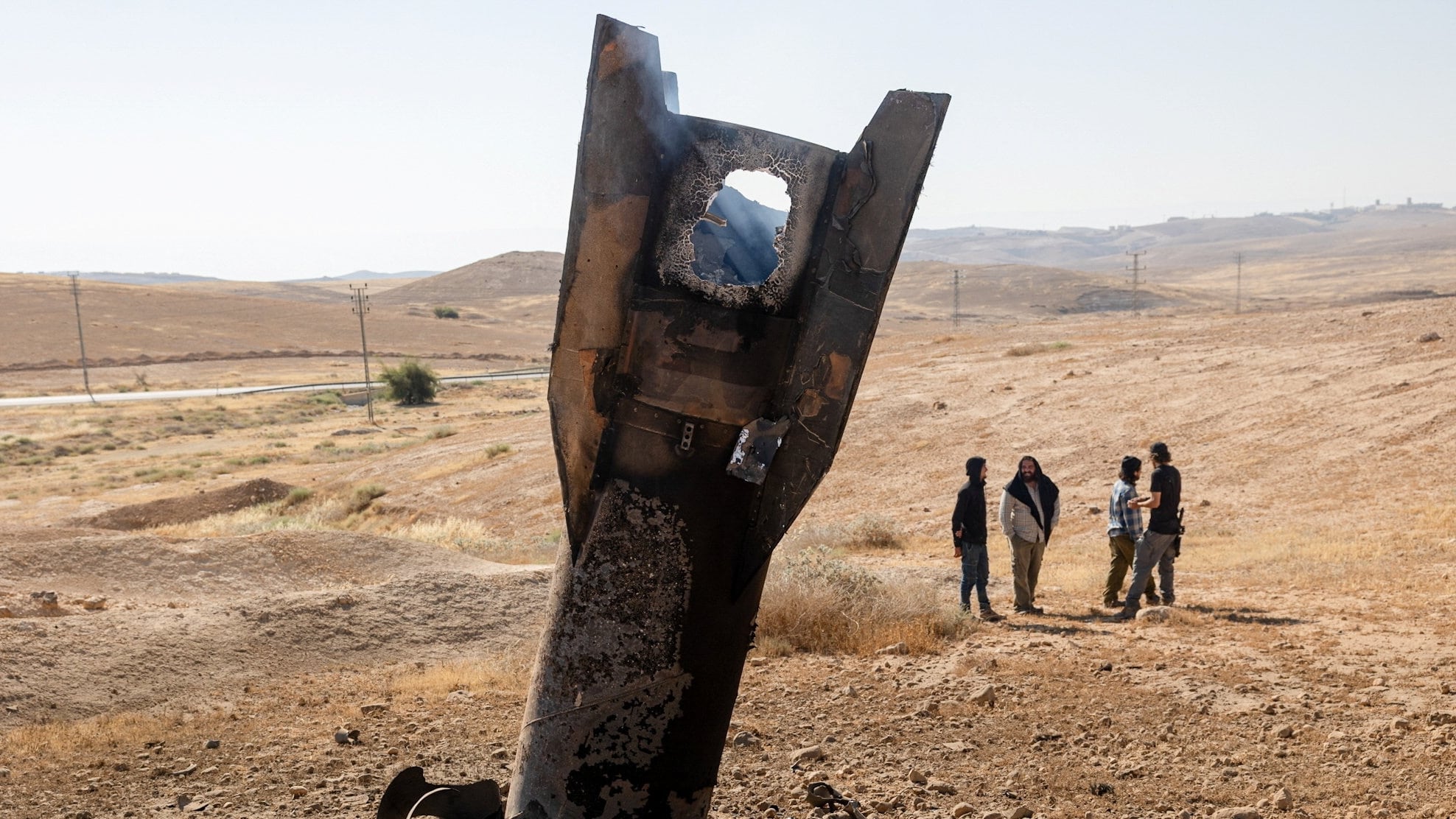
Colonos israelíes se encuentran junto a parte de un misil que sobresale del suelo tras los ataques de Irán, en la Cisjordania central ocupada por Israel, el lunes.
Yemen’s full-scale entry into the conflict could lead to the formation of a multi-layered and extensive front, which could increase pressure on the US and Israel, deprive the enemy of the initiative, and turn the conflict into a war of attrition. Ansar Allah as a Strategic Asset of Iran: Transnational Doctrine and Regional Security Ansar […]
 Login
Login