The Middle East conflict has caused global stockpiles of oil to plummet to their lowest level since 2003 while petroleum prices have spiked, according to a new energy data report.
The Middle East conflict has caused global stockpiles of oil to plummet to their lowest level since 2003 while petroleum prices have spiked, according to a new energy data report.
Il settore genera un fatturato di 3,1 mld e attiva 8,9 mila posti di lavoro
Un’edizione profondamente rinnovata, con un nuovo format itinerante per valorizzare i distretti italiani dell’aerospazio: è stata presentata questa mattina a Roma, presso la sede del Ministero delle Imprese e del Made in Italy durante la conferenza stampa “Spazio, eccellenza del Made in Italy”, la nuova edizione degli Stati Generali della Space Economy 2026, iniziativa promossa dall’Intergruppo Parlamentare per la Space Economy (IPSE) e organizzata da Inrete – Relazioni Istituzionali e Comunicazione.
La manifestazione si presenta quest’anno con un format completamente nuovo e rivisitato. Questa evoluzione strutturale nasce come risposta diretta alla straordinaria crescita del comparto aerospaziale nazionale e al crescente interesse strategico ed economico verso questo segmento, che gli Stati Generali stanno promuovendo con successo ormai da due anni. Dal 2021 al 2024 il fatturato della filiera è cresciuto passando da 1,9 a 3,1 Miliardi con incremento anche degli addetti al settore che sono cresciuti da 5,9 mila a 8,9mila. Per la prima volta, la rassegna adotterà una formula totalmente itinerante: una scelta strategica volta a valorizzare capillarmente tutti i distretti tecnologici, le filiere industriali e i singoli territori d’eccellenza che compongono il comparto spaziale sul territorio nazionale.
«Con Spazio Italia 2.0 vogliamo costruire il più ampio momento di confronto mai realizzato nel nostro Paese sull’economia dello spazio. Il percorso si articolerà in venti sessioni: diciotto sessioni tematiche realizzate in collaborazione con i distretti aerospaziali nelle sedici regioni italiane che li ospitano, una dedicata ai giovani e una Sessione Plenaria conclusiva a Milano. Un confronto che coinvolgerà istituzioni, industria, associazioni di categoria, università, mondo della ricerca e della finanza, con l’obiettivo di mettere a sistema competenze, investimenti e visione strategica.
Gli Stati Generali prenderanno il via il 15 giugno a Potenza, in occasione delle celebrazioni per il centenario della nascita di Rocco Petrone, figlio della Basilicata e protagonista di una delle pagine più straordinarie della storia dell’umanità. Petrone fu infatti tra i principali artefici della missione Apollo 11 che portò l’uomo sulla Luna. Un simbolo dell’eccellenza italiana nel mondo e del contributo che il nostro Paese ha saputo offrire alla conquista dello spazio.
Gli Stati Generali della Space Economy sono promossi dall’Intergruppo Parlamentare per la Space Economy, che riunisce cinquanta parlamentari tra deputati e senatori appartenenti ai principali gruppi parlamentari di maggioranza e opposizione. Un segnale importante di come la Space Economy sia oggi considerata una delle più grandi opportunità di crescita economica, industriale e tecnologica per l’Italia.
Accanto ai tavoli di lavoro dedicati agli operatori del settore abbiamo voluto riservare un’attenzione particolare alle nuove generazioni attraverso il programma “Spazio ai Giovani” e lo Space Economy Hackathon Italia, perché il futuro dello spazio dipenderà dalla nostra capacità di formare oggi le competenze che guideranno il Paese domani.
I risultati delle sessioni confluiranno nella Sessione Plenaria finale di Milano e nello Smart Space Pact, uno strumento innovativo che consentirà di trasformare proposte e impegni condivisi in obiettivi concreti, misurabili e verificabili nel tempo. In un tempo in cui molti si interrogano su quali professioni sopravviveranno alla rivoluzione tecnologica in atto, noi stiamo contribuendo a costruire oggi le professioni del futuro”
“Lo spazio è un settore che oggi unisce l’Italia e proietta la sua industria e la sua economia nel futuro. Venti eventi in sedici regioni, dal Nord al Sud, promossi da un Intergruppo parlamentare che riunisce maggioranza e opposizione e accompagnati dal Governo con la presenza di quindici ministri e otto tra viceministri e sottosegretari, dimostrano che il Paese ha scelto di fare sistema su una delle frontiere decisive della crescita, della sicurezza e della sovranità tecnologica”, ha dichiarato il Ministro Urso. “Lo spazio non è più soltanto ricerca o esplorazione: è industria, sicurezza, comunicazioni, dati, servizi, difesa, competitività. Chi presidia oggi lo spazio presidia una parte decisiva dell’economia e della sovranità di domani. L’Italia ha scelto di essere tra i Paesi che guidano questa nuova fase”, ha spiegato il Presidente dell’Intergruppo parlamentare sulla space economy, On. Andrea Mascaretti.
“L’aerospazio può e deve diventare uno dei principali motori di crescita per l’economia del nostro Paese e dell’intero Continente europeo. Investire in questo settore significa rafforzare innovazione, sicurezza, competitività industriale e nuove opportunità per le nostre imprese e per i nostri giovani”, ha dichiarato l’On. Simone Billi, membro dell’ IPSE.
Il programma è stato presentato alla presenza del ministro delle Imprese e del Made in Italy e Autorità delegata alle politiche spaziali e aerospaziali, sen. Adolfo Urso, del presidente dell’Intergruppo, on. Andrea Mascaretti e degli Onorevoli Alessia Ambrosi, Simone Billi, Beatriz Colombo Gianmauro Dell’Olio e Daniela Dondi.
Sono stati illustrati i pilastri della nuova rassegna le sessioni tematiche si terranno in tutte le Regioni dove è presente un Distretto aerospaziale per valorizzarne le specificità e favorire un confronto tra istituzioni nazionali e locali, aziende, associazioni, università, enti di ricerca, e sistema finanziario. La Sessione Plenaria, prevista a Milano, rappresenterà il momento di sintesi del percorso e porterà alla definizione dello Smart Space Pact, un documento programmatico digitale che tradurrà gli impegni condivisi in una vera e propria agenda operativa nazionale, dinamica e misurabile.
Nova Poshta, Ukraine's leading express delivery service, has about 2,000 open positions, including 1,000 branch operators, 600 installers, 300 couriers and drivers, and another 100 in the support office, the company's HR director Anna-Maria Sabov said.
The Naftogaz Group has reached an agreement in principle on the restructuring of eurobonds totaling EUR 1.2 billion, extending their maturity dates to 2032-2033, Chairman of the Board of NJSC Naftogaz Ukrainy Serhiy Koretsky said.
The Ukrainian Association of Renewable Energy (UARE) supports the revision of electricity transmission tariffs for Ukrenergo and proposes simultaneously launching the practical implementation of a mechanism to protect vulnerable electricity consumers and accelerating the introduction of targeted monetary support for the population.
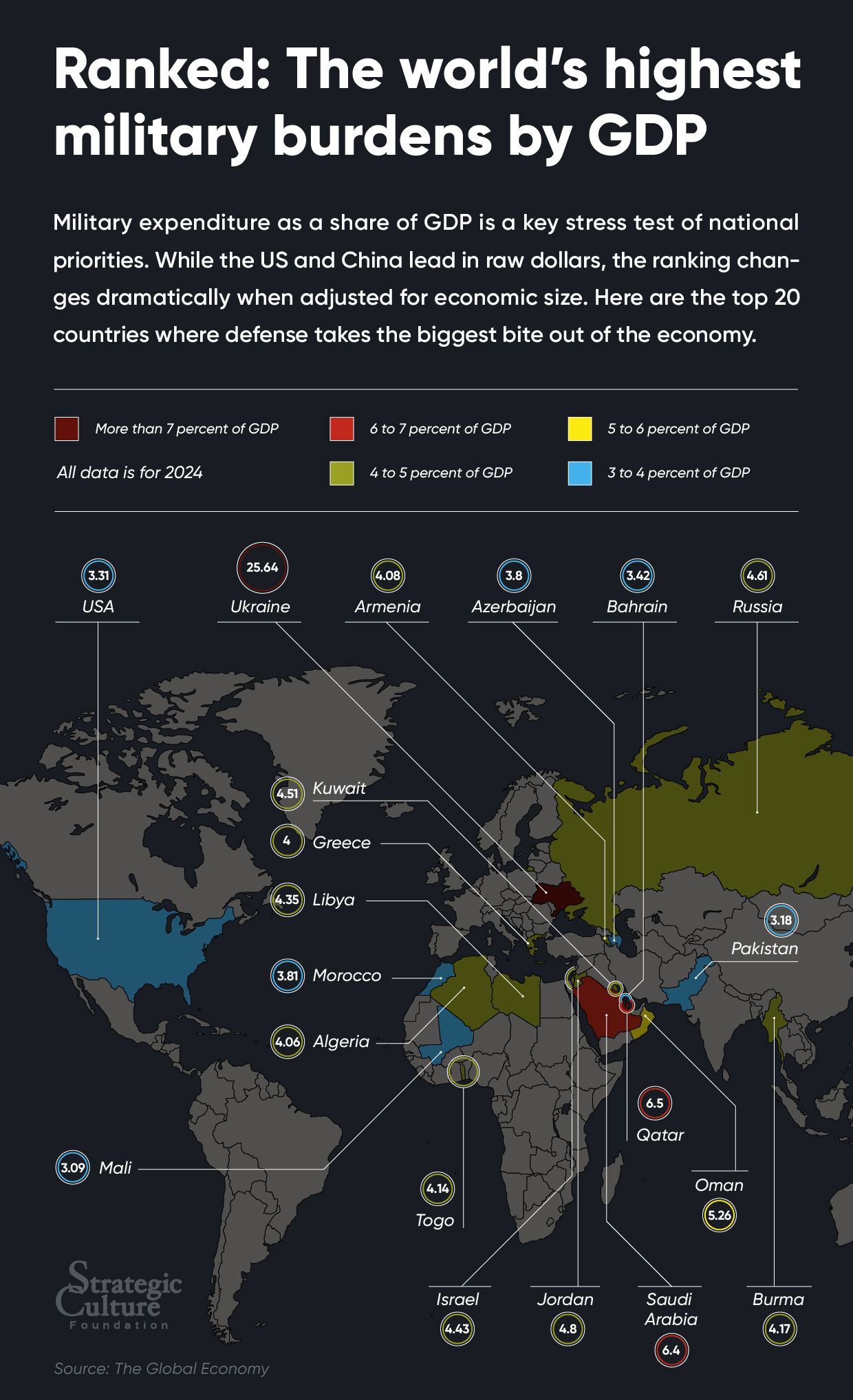
Military expenditure as a share of GDP is a key stress test of national priorities. While the US and China lead in raw dollars, the ranking changes dramatically when adjusted for economic size. Here are the top 20 countries where defense takes the biggest bite out of the economy
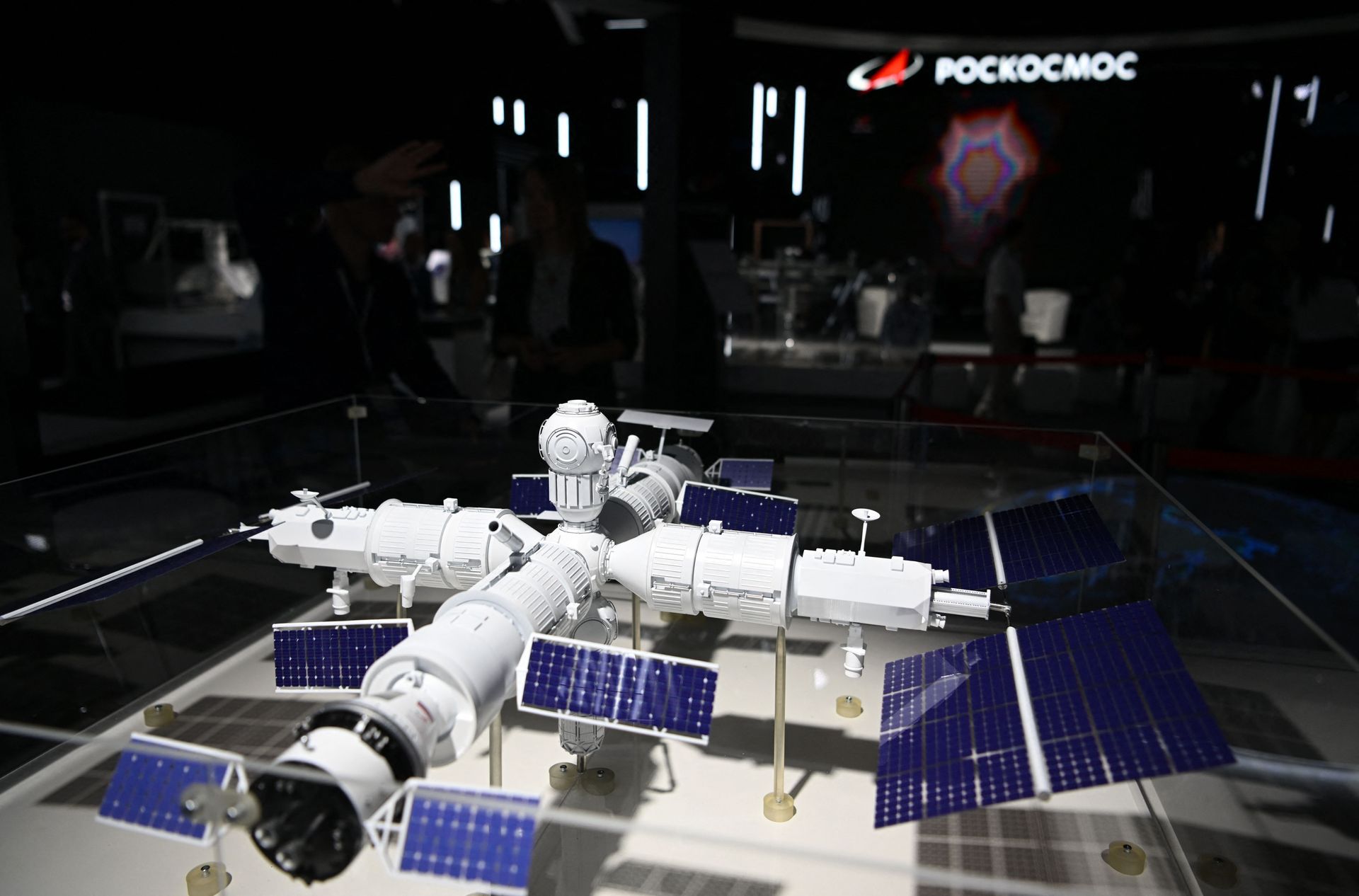
Russia's answer to Starlink has lost one of the first satellites launched for its planned internet network, according to Russian state-controlled newspaper Kommersant.
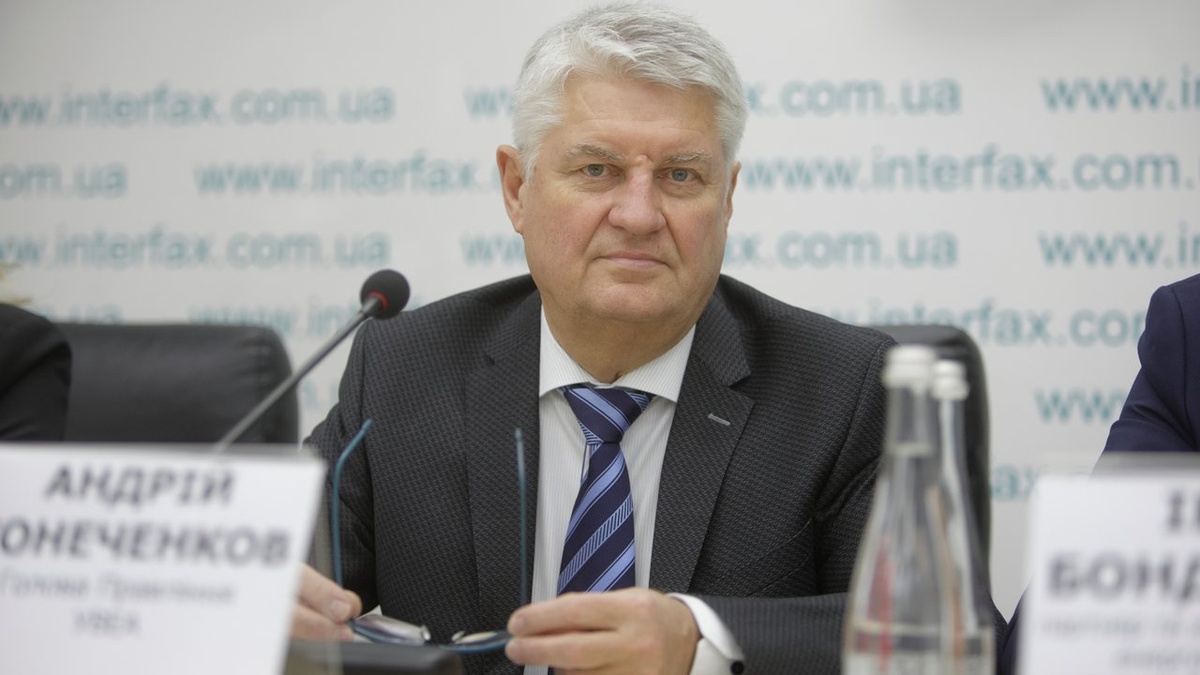
Since the start of the war, 703 MW of wind power capacity has been installed in Ukraine as of the end of the first quarter of 2026, according to Chairman of the board of the Ukrainian Wind Energy Association (UWEA) Andriy Konechenkov.
NJSC Naftogaz of Ukraine forecasts the annual volume of gas consumption by gas-fired power generation at 2.5-3 billion cubic meters, Mykola Kolisnyk, the company’s head of generation, has said.
SPIEF 2026 demonstrates a shift in global power, with countries from the Global South seeking pragmatic cooperation and investment, rejecting Western models based on dependency and conditionality. The world is changing. Not by decrees. The 29th St. Petersburg International Economic Forum (SPIEF), held from June 3 to 6, 2026, is much more than an annual […]
Greece’s Supreme Court ruling has prompted loan servicers to freeze interest on thousands of restructured household loans pending further legal clarification. Credit: Wikimedia Commons / acediscovery / CC BY 4
Loan servicers are freezing interest charges on thousands of restructured household loans in Greece after a Supreme Court ruling raised questions over how debt repayments should be calculated.
Law 3869/2010, commonly known in Greece as the Katseli Law, covers the loans. The crisis-era framework allowed over-indebted individuals to seek court-supervised debt restructuring. Until the Supreme Court clarifies the legal implications of the ruling, affected borrowers will continue solely paying down the principal with no additional interest charges.
The decision has triggered concern across Greece’s financial sector because it challenges the traditional method for calculating interest on regulated debts. Loan servicers are now reviewing the ruling and plan to seek formal clarification from the Supreme Court before applying a final methodology.
Supreme Court ruling changes interest calculation
Supreme Court Plenary Decision 6/2026 sits at the center of the issue. The court found that lenders should calculate interest on debts restructured under Law 3869/2010 based on the monthly installment set by the court rather than on the total outstanding debt balance.
That interpretation marks a significant departure from standard banking practice. In a conventional repayment schedule, lenders calculate interest on the remaining balance of the loan. At the beginning of repayment, interest usually takes up a larger share of the monthly installment. As the borrower gradually repays principal, the interest portion decreases.
The Supreme Court adopted an alternative approach for loans covered by the debt-relief framework. According to the ruling, calculating interest on the monthly installment better serves the original purpose of the law, which aimed to help over-indebted individuals recover financially and return to economic and social activity.
Borrowers will only pay principal for now
Until the Supreme Court clarifies the ruling, loan servicers plan to suspend interest charges on affected loans. This means borrowers whose debts fall under the crisis-era framework will continue making payments, but those payments will reduce principal rather than cover interest.
Legal representatives for borrowers argue that the court’s interpretation could make many of these loans almost interest-free in practice. Under that view, lenders would divide the total regulated debt by the number of installments ordered by the court and then calculate interest only on that fixed monthly amount.
Some financial-sector representatives, however, interpret the decision differently, saying the ruling necessitates further clarification before servicers can apply a reliable calculation method. A senior source from the loan-servicing sector has reportedly said the industry should not adopt any interpretation before the Supreme Court provides additional guidance. Servicers are therefore preparing to submit a formal request for clarification.
Around 300,000 loans could be affected
Market estimates suggest that the affected framework may cover approximately 300,000 loans, with a total value of about €6 billion ($6.9 billion). Greek banks no longer hold most of these loans directly, after transferring, selling, or securitizing them during the cleanup of the country’s banking system.
Early market estimates place the potential cost for creditors at around €1 billion ($1.15 billion), depending on how the authorities and courts ultimately apply the ruling. The final impact will also depend on whether the decision guides only future calculations or opens the way for claims over interest already paid. That question remains especially sensitive. The ruling does not clearly settle whether it has retroactive effect, leaving borrowers, servicers, funds, and banks waiting for further legal clarity.
Possible impact on Greece’s loan securitizations
The ruling may also affect recoveries from securitized loan portfolios. Many loans covered by the debt-relief framework entered transactions linked to Greece’s “Hercules” asset-protection scheme, which helped banks reduce non-performing loans through state guarantees.
If collections from affected loans fall sharply, financial-sector sources warn that pressure could increase on certain securitizations. In a worst-case scenario, lower-than-expected recoveries could raise concerns over whether the state may eventually need to honor guarantees under the Hercules program.
For now, the extent of the risk remains uncertain. It will depend on the Supreme Court’s final interpretation, the number of loans directly affected, and whether courts or regulators allow any retroactive adjustment of interest already charged.
Broader concerns over Greece’s interest freeze on restructured loans
Banking sources are also monitoring whether the decision could influence borrowers who utilized other restructuring tools, such as Greece’s out-of-court debt settlement mechanism. If other vulnerable borrowers seek similar treatment, the financial consequences could extend beyond loans regulated under Law 3869/2010.
At this stage, the immediate effect applies only to borrowers whose debts fall under the crisis-era framework. However, the case could become an important reference point in future disputes over household debt, creditor recoveries, and the legal limits of debt-relief protection.
Greece’s new bank account limit will allow debtors to keep up to €1,600 protected from seizures. Credit: Greek Reporter
Greece is set to increase the protected bank account threshold from €1,250 ($1,445) to €1,600 ($1,850), allowing debtors an additional €350 ($405) per month to remain shielded from account seizures. The measure, announced in Parliament by Finance Minister Kyriakos Pierrakakis, is expected to go into effect on July 1. It is part of a wider government initiative aimed at easing financial pressure on households and businesses with outstanding debts.
The current exemption limit has remained unchanged since 2014, when it was introduced during the fiscal crisis. Twelve years on, the government says the revision reflects both rising living costs and the need to update Greece’s debt enforcement system. Pierrakakis noted that the new ceiling marks a 28 percent increase, outpacing cumulative inflation over the same period, which he estimated at 20.8 percent.
How the new protected bank account threshold in Greece will work
The protected bank account limit sets the amount of money a debtor can keep accessible in a designated account, even when seizure procedures are in place. Under the new rules, balances of up to €1,600 ($1,850) in a declared protected account will be exempt from seizures related to debts owed to the state. Each individual is allowed to declare one protected account at a single credit institution through the Independent Authority for Public Revenue (AADE).
In practice, if a debtor has €1,500 ($1,735) in their protected account, the entire amount remains untouched. If the balance increases to €1,900 ($2,198), authorities may only seize the €300 ($347) that exceeds the €1,600 ($1,850) threshold. The measure does not cancel debts or suspend enforcement actions. Instead, it raises the amount individuals can hold onto for everyday expenses and essential financial obligations.
Which debtors in Greece will benefit from the new bank account limit?
The change to Greece’s protected bank account threshold is expected to benefit individuals whose accounts are subject to, or at risk of, seizure due to overdue obligations. This includes salaried employees, pensioners, self-employed professionals, and other taxpayers who need greater protection for funds held in their declared accounts.
More than two million people in Greece currently have outstanding debts to the tax authorities. Of these, around 1.7 million have already been affected by enforcement measures such as account seizures, freezes, or other compulsory collection actions.
For those whose monthly income or deposits exceed the existing €1,250 ($1,445) limit, the increase could offer up to €350 ($405) in additional protected funds each month, easing pressure on everyday finances.
Measure tied to Greece’s private debt strategy
The increase in the protected bank account threshold is part of a broader policy package aimed at tackling private debt. The provision is expected to be included in the government’s upcoming bill on illegal gambling, which is currently under public consultation.
Private debt in Greece stands at 94.5% of GDP, below the European Union average of 121.4%. Authorities say the measure is designed to provide additional relief while maintaining enforcement mechanisms for overdue obligations.
The move comes as Greece continues to report stronger banking sector indicators. Non-performing loans in the country’s banking system have declined sharply to 3.3%, down from 48.5% in 2016. At the same time, debt arrangements totaling €6.8 billion ($7.86 billion) have been completed in 2025, reflecting ongoing efforts to restructure and manage outstanding liabilities across households and businesses.
Bank account seizures could be lifted
The same policy package introduces a separate provision for taxpayers whose bank accounts have already been seized. Under the proposed framework, debtors will be able to request the lifting of a seizure if they pay 25% of the principal debt upfront and agree to a repayment plan for the remaining balance. This option would be available once per debtor and is intended to encourage a return to regular repayments.
The new approach effectively replaces the “gradual protected account system” introduced in 2019, which was never implemented in practice. That model envisaged a step-by-step increase in protected funds for debtors who consistently met repayment obligations, but it was ultimately deemed too complex and remained inactive.
Implementation details still pending for Greece’s new bank account limit
The main outstanding issue is how the new €1,600 ($1,850) threshold will be applied to bank accounts that have already been declared as protected.
Authorities are expected to provide further clarification on the implementation process, including whether existing declarations submitted through AADE will be updated automatically or whether taxpayers will need to take additional steps to maintain or adjust their protected account status under the new regulations.
Portuguese companies continue to forecast team expansions between July and September, but they are adopting a more cautious stance in hiring decisions. According to the ManpowerGroup Employment Outlook Survey for
Russian drone strikes and artillery shelling have left consumers without power in Chernihiv, Kharkiv, Sumy, Dnipropetrovsk, and Zaporizhia regions by Tuesday morning, National Power Company Ukrenergo reported.
Russia's Federal Tax Service has pushed regional governments to consider higher taxes on residents and businesses as local budgets sink to record deficits, The Moscow Times reported. The move follows President Vladimir Putin's drive to shrink regional shortfalls, and it shows the financial strain Russia's war against Ukraine is placing on its provinces. Independent analysts expect the squeeze to deepen as the economy slows.
As Russia’s invasion of Ukraine drags on, the costs of war, Western sanctions, and Ukrainian strikes on strategic targets are putting growing pressure on budgets at every level.
Tax service tells regions to find more money
The Federal Tax Service (FNS) instructed regional authorities to work out where they could raise taxes, The Moscow Times reported, citing RBC. The recommendations answered Putin's directive to cut regional deficits, and governors had to submit their proposals in early June.
The advice told regions to:
expand the list of real estate taxed at cadastral, or market, value;
raise transport-tax rates to the maximum;
revise the benefits and rates on land tax and personal property tax.
To collect more, regions were also told to inventory real estate and to look for land used off-purpose, where the tax can rise several times over.
Explore further
Russian refining output fell 9.2% in April as Ukrainian drone strikes hit fuel plants
A record hole in regional finances
Last year, Russia's regions closed with a combined deficit of 1.538 trillion rubles ($20.8 billion). The gap grew fivefold from 2024 and almost eightfold from 2023. Four regions ran deficits above 30% of their own revenue — Kemerovo, Vologda, Arkhangelsk, and Tyumen oblasts — and six more topped 25%.
Profit-tax revenue fell in 55 regions. It collapsed by half in the Komi Republic, dropped 40% in Orenburg Oblast, and fell 39% in Yamalo-Nenets. Overall, regions collected 9% less profit tax than in 2024 and 13% less than in 2023, according to the rating agency ACRA. The pattern fits a war economy that has turned predatory toward once-wealthy provinces.
Explore further
Russia’s four-month budget deficit hit $75.4 billion — 50% above what Moscow planned for entire year
Reserves drained, debt climbing
To cover the shortfalls, regional governments spent every third ruble of their bank reserves — 1 trillion of 2.9 trillion rubles ($13.9 billion of $40 billion). They financed the rest with borrowing that pushed combined regional debt to 3.5 trillion rubles ($48.6 billion), ACRA reported — the highest in 15 years by Expert RA's earlier count. Expert RA projected the slowdown will continue this year, dragging revenues lower and lifting both the deficit and the debt burden.
Explore further
$7 billion lost from Russia’s war economy this year through Ukraine’s “long-range sanctions” on oil sector – Zelenskyy
Russian Finance Minister Anton Siluanov earlier projected the regional gap could widen to 1.9 trillion rubles ($26.4 billion) in 2026. The crunch mirrors a federal budget that has run far ahead of plan as Ukrainian strikes cut into Russian refineries and oil income.
Moscow raised VAT in January and prepared a windfall levy on big business, both breaking Putin's 2024 pledge of no tax changes before 2030. Smaller firms have been squeezed first even as the Kremlin's own spending keeps climbing
Rumina Velshi, Head of the Supervisory Board of JSC National Nuclear Energy Generating Company (NNEGC) Energoatom, has called Russia's strike on the Centralized Spent Fuel Storage Facility (CSFSF) in the Chornobyl exclusion zone reckless, noting that it is an attack on the global system of nuclear and radiation safety safeguards.
The escalation of the conflict between Iran and the US-Israeli coalition has caused a multidimensional crisis that has a significant impact on Indonesia, requiring it to develop a maritime defense strategy that is in line with international law and ensures national resilience. Tensions peaked when Iran officially closed the Strait of Hormuz on March 1, […]

 Login
Login