Normal view

Trump, not Netanyahu, has the cards. he should play them

By: A A
13 June 2026 at 14:01

By Josh PAUL

Join us on TelegramTwitter, and VK.

Contact us: info@strategic-culture.su

Upcoming Israeli elections give the U.S. president leverage he can use.

The U.S.-Israel relationship has never been less popular in America, but at the same time that support for Israel is cratering in American public opinion, Congress appears to be fast-tracking an effort to entrench the relationship and give Israel enduring access to both our most sensitive technologies and our most sensitive intelligence—in exchange for nothing more, it seems, than a thank you note from Israel’s Prime Minister Benjamin Netanyahu.

At the same time, the U.S. is at war, stuck in an unpopular and unnecessary conflict whose political and economic impacts create mounting and unanticipated obstacles for the Trump administration’s agenda. While this week Trump has seemed intent on escalating the conflict, he’s also shown a desire to end it—and a recognition of one major roadblock to peace. The president’s frustration at Netanyahu—who played a key role in convincing him to enter the conflict, and who can now act as a spoiler to prevent him from exiting it—has become evident in recent weeks.

Given the challenges posed by the Israeli leader, a common complaint on both the right and the left of American politics is that Israel exerts far too much power in U.S. politics. But a closer look at the facts demonstrates that Netanyahu is actually in an incredibly weak position—or would be, if the administration was willing to assess and deal with the entire U.S.-Israel portfolio holistically.

Trump’s interests are relatively clear: to extract the U.S. from the war in Iran, reduce Israel’s dependency on American military support, and get Israel to make real progress towards Palestinian self-determination in order to have a chance of getting the Abraham Accords back on track. As Trump’s apparent frustration with Netanyahu entered the headlines in recent weeks, the president seemed to understand the ways in which Israel’s prime minister undermines these interests.

Netanyahu’s own objectives are not shaped as much by geopolitics, or even national interest, as much as they are by the growing urgency of presenting himself as a winner in time for Israel’s elections this fall. To do this, he has to leverage U.S. military power to deliver something resembling a win in Iran (which seems less and less likely), do the same in Lebanon (now a quagmire), and demonstrate that despite the collapse of U.S. public support and the foreseeable end of U.S. grant military assistance, he has guaranteed a means of enduring Israeli influence in Washington that doubles as a financial boon for Israel’s tech sector and broader economy.

In short, his back is against the wall. By October, he may be out of a job. And by January, after the 120th Congress is seated, the odds of the U.S. enacting laws that entrench Israel in our defense and intelligence systems may drop precipitously.

Netanyahu, as is typical for him, is projecting strength, to the point of hubris (which is also typical for him). His advantage to this point has rested on keeping the two negotiations (Iran and framework legislation) separate. In the Iran context he can exercise significant leverage as a spoiler, and in the legislative context he can exercise significant leverage through Republican congressional endorsement of a plan for which he has publicly taken credit. For as long as these lanes stay apart, he would seem to have the advantage.

But as a businessman, Trump knows the value of writing his own script and re-framing the situation in a way that benefits his—and America’s—interests. In this context, the way to do that is by combining all three tracks in the U.S.-Israel relationship—Iran, Palestinian self-determination, and the future of security cooperation—into one.

There are signs he may already have recognized this. Although the White House pushed back on recent reporting from NBC and the New York Times regarding Israeli espionage against the United States, those stories may have been a shot across the bow following an incredibly contentious call between the two leaders. Or in other words: “Play nice on Iran, or the intelligence cooperation under consideration by Congress gets pulled.”

There’s no reason for the White House not to lean into this further. Netanyahu has not shown himself to be a helpful partner for the U.S.—indeed, from Gaza to Iran he has undermined U.S. regional and global influence and interests. There’s no reason to think a future Israeli government under his leadership would be any more compliant, particularly once laws are passed by the U.S. guaranteeing Israel lasting influence over U.S. national security equities. In short, while Israel may be able to punch above its weight when it comes to shaping U.S. diplomacy (and warfare) on Iran, in the bigger picture Netanyahu needs Trump far more than Trump needs Netanyahu.

The administration should leverage this opportunity by linking all three tracks together. Specifically, it should signal to Israel that continued progress on the pending U.S. legislation is premised on Israeli compliance with U.S. efforts to wind down the regional conflict and with U.S. efforts to drive forward a real diplomatic pathway for Palestinian self-determination. To demonstrate he holds the upper hand, Trump should also work with Republican leadership in Congress to slow-roll the current legislative vehicles so that Netanyahu cannot present them as a “sure thing” prior to Israel’s elections.

Such an approach would not only incentivize Netanyahu to work more constructively with the administration, but could also inform the policies and campaign strategies of Israel’s opposition leaders, resulting in a more compliant Israelis after the fall elections.

U.S. presidents have always had the upper hand, in theory, when it comes to dealing with Israel. They can suspend arms transfers or soften their diplomatic support for Israel, opening it up to both sanctions risk and legal peril through the ongoing proceedings at the International Court of Justice and International Criminal Court. Trump would be right to consider integrating these pressure points into his strategy as well, though he’s unlikely to take that path. But there’s a unique opportunity now between Netanyahu’s domestic political position as Israel enters election season, and Israel’s potential moment of crisis when it comes to transitioning U.S. security assistance into some form of enduring influence.

This is a winning hand for President Trump, should he choose to play it. There is no need to give away the game, as Congress now seems poised to do, just as the cards have been dealt. Trump can use Israel’s desperation for defense and intelligence integration as leverage to constrain Netanyahu on Iran. After Israel’s elections and the U.S. midterms, he will still have time to assess if the current legislative work to integrate Israel needs to proceed, or if further concessions are needed from Netanyahu or a new Israeli government, before signaling his assent to Congress.

Original article:  www.theamericanconservative.com

Perda de apoio dos EUA é maior risco para Israel, diz professor ao WW

13 June 2026 at 07:03

A possível perda do apoio dos Estados Unidos representa o principal risco estratégico para Israel no cenário internacional, segundo avaliação de Vinícius Rodrigues Vieira, professor de Economia da FAAP (Fundação Armando Alvares Penteado) e de Relações Internacionais da FGV (Fundação Getulio Vargas), em entrevista ao WW Especial, da CNN Brasil.

Ao analisar os desafios enfrentados pelo Estado israelense, Vieira, que também leciona no IDP (Instituto Brasileiro de Ensino, Desenvolvimento e Pesquisa), afirmou que questões internas, como as mudanças demográficas em curso no país, são relevantes, mas não suficientes, isoladamente, para ameaçar sua continuidade.

“O grande risco está do outro lado do Atlântico Norte”, afirmou. Segundo ele, uma eventual mudança no ambiente político americano pode reduzir significativamente o apoio histórico dado a Israel por Washington.

Vieira destacou que pesquisas apontam uma crescente resistência entre eleitores democratas ao apoio irrestrito dos Estados Unidos ao governo israelense. “Até três quartos dos eleitores democratas são contra, não vou dizer absolutamente, mas têm, no mínimo, um apoio crítico em relação aos Estados Unidos continuarem a apoiar Israel”, disse.

O professor também chamou atenção para transformações dentro da base republicana ligada ao Maga (Make America Great Again, sigla em inglês para “Faça a América Grande Novamente”), movimento político fundado por Trump.

Segundo ele, há um componente identitário relevante nesse grupo, associado à ideia de retorno a uma América definida por valores brancos, anglo-saxões e protestantes.

“Tem todo esse debate sobre os judeus serem considerados brancos ou não no contexto americano. Até 1945, eles eram super excluídos das universidades, não podiam entrar nas instituições de maior prestígio e estavam totalmente isolados do mainstream americano”, explicou.

Na avaliação do especialista, tanto democratas quanto republicanos podem, por razões distintas, representar desafios para a relação entre Washington e Tel Aviv no futuro.

“Caso os democratas voltem ao poder, haverá essa oposição por outro caminho. A ideia de que Israel não é mais um aliado confiável porque quer, em primeiro lugar, satisfazer interesses extremamente ideológicos e religiosos”, destacou.

Ao mesmo tempo, ele argumentou que setores do movimento conservador americano também podem rever sua posição em relação a Israel a partir de uma agenda política cada vez mais voltada para questões identitárias internas.

“O risco é de ambos os lados. Tanto o caminho republicano quanto o caminho democrata são pouco promissores para Israel, caso o país continue nessa toada”, avaliou.

Por fim, Vieira ressaltou que as mudanças demográficas em Israel ampliam os incentivos para a manutenção da atual trajetória política do país. Segundo ele, a população ortodoxa israelense cresceu de forma acelerada nas últimas décadas.

“Hoje a população ortodoxa seria de 14% a 15%, sendo que, no começo do século, era 7%. Ou seja, duplicou em 25 anos e continua aumentando”, concluiu.

WW Especial

Apresentado por William Waack, o programa é exibido aos domingos, às 22h, em todas as plataformas da CNN Brasil.

Conheça o Clube de Membros da CNN Brasil no YouTube. Ao se cadastrar, você garante acesso antecipado à íntegra da edição já às sextas-feiras, além de cortes exclusivos e conteúdos de bastidores do programa.

Análise: Trump diz que guerra com o Irã acabou

Delphine Horvilleur, rabina: “Los judíos han aprendido de la historia que nunca encontrarán la paz”

13 June 2026 at 04:40

Cuando Delphine Horvilleur (Nancy, 51 años) fue ordenada rabina, solo había tres en Francia. Tras vivir en Jerusalén y en Nueva York, cría a sus hijos en París. Allí es la entrevista con la autora de libros sobre judaismo como Reflexiones sobre la cuestión antisemita o Comprender el mundo. También ha publicado obras en las que trata el tema de la muerte, como Vivir con nuestros muertos o la nueva Cómo hablar de la muerte a los niños. En un café del Marais, cerca de su casa, la mujer con prisas y aparentemente desconfiada que inicia la conversación cambia de actitud a lo largo de la charla.

Seguir leyendo

© Ed Alcock (EL PAÍS)

Delphine Horvilleur.

Al final solo encontrarán arena: la reconstrucción de Gaza prolonga la devastación

13 June 2026 at 04:30

La Convención de las Naciones Unidas sobre el Genocidio aprobada en 1948 especifica cinco actos que constituyen este crimen cuando se cometen con la intención de destruir, totalmente o en parte, a un grupo. Los dos primeros abarcan los asesinatos en masa y los daños físicos o mentales de gravedad. El cuarto y el quinto tienen que ver con la interrupción de la continuidad biológica de un grupo. La tercera consideración (…) prohíbe “imponer deliberadamente al grupo unas condiciones de vida calculadas para provocar su destrucción física”. Es decir, las formas indirectas de matar, que no golpean frontalmente a los seres humanos, sino el entorno en el que viven. Para que las “condiciones de vida” sean adecuadas hacen falta edificios, hospitales, infraestructuras sociales, redes de alcantarillado y de suministro de agua, la red eléctrica y la agricultura. La destrucción o degradación intencionada de esas estructuras disminuye la capacidad de sobrevivir de una población y, por consiguiente, es una forma de aniquilación lenta y tortuosa.

Seguir leyendo

© Majdi Fathi (NurPhoto / Getty Images) (EL PAÍS)

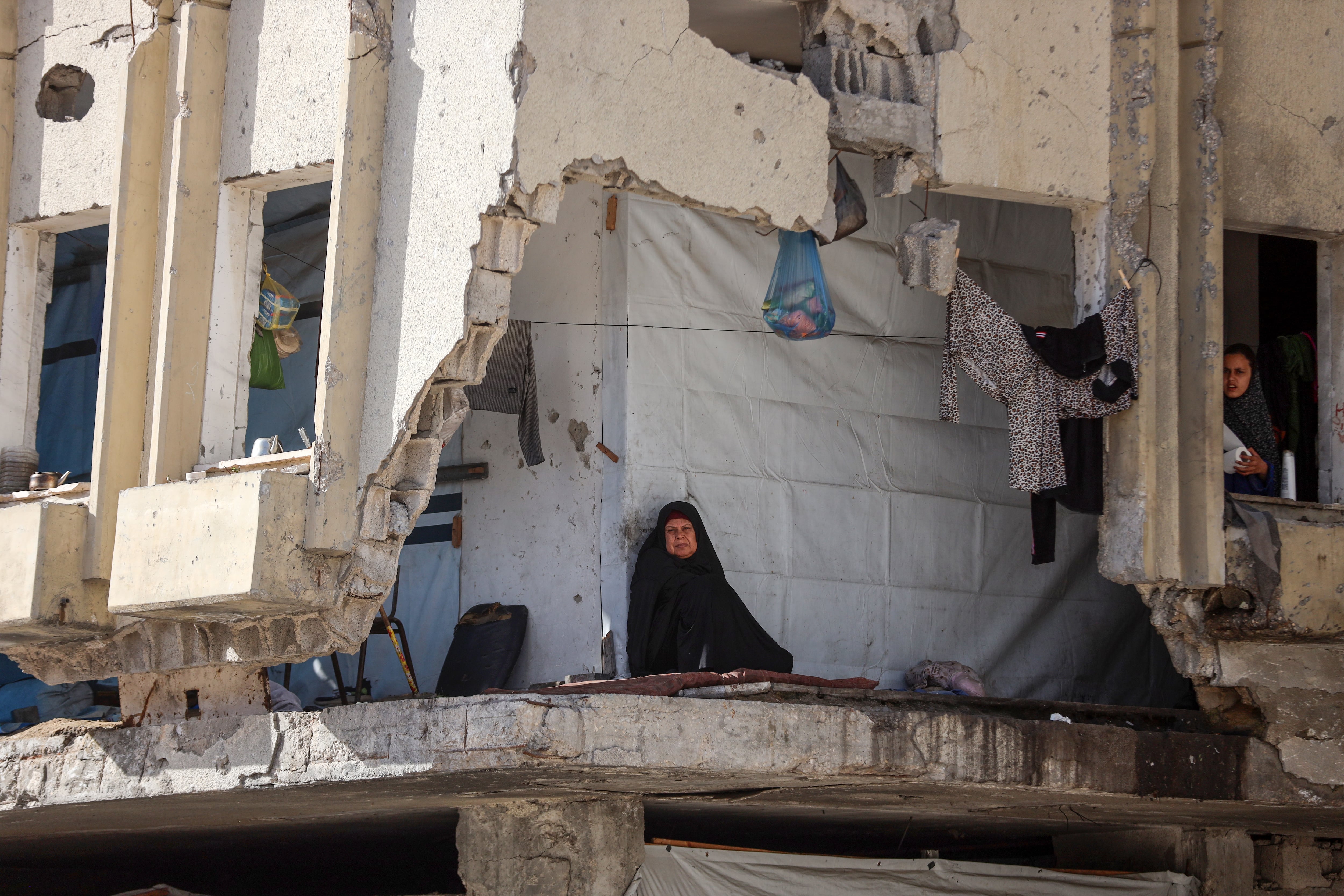
Una mujer palestina en un edificio atacado por Israel en la ciudad de Gaza, el pasado mayo.

Pontos principais não estão sendo tratados entre EUA e Irã, diz professor

13 June 2026 at 02:11

As negociações em curso entre os Estados Unidos e o Irã para encerrar o conflito entre os dois países não estão abordando os pontos centrais do impasse, como a questão nuclear iraniana. A avaliação é de Alexandre Coelho, professor de Relações Internacionais da Fundação Escola de Sociologia e Política de São Paulo (FESPSP), em entrevista ao Hora H.

Segundo Alexandre Coelho, caso um acordo seja firmado, ele deverá ser classificado como um entendimento tático e extremamente frágil.

“Se esse acordo sair, será um acordo muito frágil, será o que a gente pode dizer até de um acordo tático”, afirmou.

Para ele, o principal objetivo norte-americano nas negociações é simplesmente evitar a continuidade do conflito armado, sem necessariamente resolver as disputas estruturais entre os dois países.

Estratégia de escalada e desmobilização do Estreito de Ormuz

Os recentes ataques realizados pelos Estados Unidos, de acordo com Alexandre Coelho, faziam parte de uma estratégia deliberada de escalada seguida de desescalada, com o objetivo de pressionar o Irã a aceitar condições mais favoráveis a Washington.

O professor destacou que o foco central do possível acordo seria a desmobilização do Estreito de Ormuz, permitindo a passagem de petroleiros pela região — e que mesmo essa medida seria implementada de forma gradual.

“No mais, permanecemos no mesmo patamar, na mesma guerra de atrito para a qual esse conflito está caminhando”, avaliou.

Alexandre Coelho também ressaltou que, ao declarar vitória na guerra, o Irã obteve um triunfo do ponto de vista estratégico, ainda que os Estados Unidos mantenham clara superioridade militar.

“Do ponto de vista militar, não há dúvidas que os Estados Unidos domina a questão militar”, reconheceu.

No entanto, acrescentou que, do ponto de vista estratégico, os norte-americanos estão em desvantagem, em parte devido às diferenças entre os sistemas políticos dos dois países e seus impactos sobre a política externa de cada nação.

Netanyahu como variável de risco para o acordo

Outro ponto destacado por Alexandre Coelho foi o papel do primeiro ministro israelense, Benjamin Netanyahu, como fator de instabilidade no contexto das negociações.

Para o professor, Netanyahu se tornou um passivo para os próprios Estados Unidos, em razão de acusações de corrupção, de um processo no Tribunal Penal Internacional e de um mandado de prisão contra ele.

“Os Estados Unidos, ou Donald Trump, me parece que se tornou refém do Netanyahu”, afirmou.

Alexandre Coelho apontou ainda que a própria base de apoio de Donald Trump já não sustenta mais Netanyahu, especialmente no que diz respeito à guerra.

Além de Netanyahu, o professor identificou o Hezbollah, no sul do Líbano, como outra variável capaz de comprometer qualquer entendimento alcançado.

“Pode colocar tudo a perder desse frágil acordo, desse frágil memorando de entendimento”, concluiu, indicando que as negociações previstas em Genebra merecem atenção nos próximos dias.

Os textos gerados por inteligência artificial na CNN Brasil são feitos com base nos cortes de vídeos dos jornais de sua programação. Todas as informações são apuradas e checadas por jornalistas. O texto final também passa pela revisão da equipe de jornalismo da CNNClique aqui para saber mais.

How much longer can Bibi defy Trump and go rogue against Iran?

By: A A
11 June 2026 at 12:00

The danger for Trump is that Israel gets hit harder by both Hezbollah and Iran.

Join us on TelegramTwitter, and VK.

Contact us: info@strategic-culture.su

Analysts often argue that Trump has dug himself into a trap in Iran which he can’t get out of, which of course is true. But there is a bigger issue coming his way that could either pull him out of the trap altogether or force him to dig even deeper: Bibi.

The relationship between these two men is often written about at length by Western pundits, usually within the context of who controls whom. But never before will a relationship between a U.S. president and an Israeli leader be put to the test as it will between Trump and Bibi in the coming weeks.

Israel’s PM is in even more of a quagmire than Trump. Trump might lose the majority in both houses when the midterms come, but he will at least remain in office, albeit with impeachment proceedings probably underway. For Netanyahu, the clock is ticking at a much faster rate, and he may easily find himself out of office before November and probably living in exile to avoid corruption charges that have, until now, been placed on hold. Bibi has a number of quite seismic challenges ahead of him in the coming months, but chiefly how to keep the war in Lebanon going, which maintains a state of emergency in Israel and therefore justifies why his graft case can be put on hold. Lebanon is really key to his survival, although it’s hard to see how long he can keep the campaign there going while bombing Iran, while the U.S. sits on the sidelines and merely becomes a spectator. Quite apart from being gravely ill, Bibi does not have the political support in Israel now and would not win an election with his present coalition. The Likud party of today doesn’t have the support it had when Bibi took office, and most analysts agree that he can’t come back as PM when elections come around.

But there are other serious questions that present themselves to whoever is running Israel.

Israel simply cannot keep up the level of military engagement with either Iran or Lebanon. The resources are not there, and what is seriously worrying military chiefs who talk to Bibi is that the IDF is starting to fall apart, due to poor discipline, in-fighting, and generally low morale following Gaza and now Lebanon, where it is losing 10 men each day due to its fighting with Hezbollah, whose fighters are having great success with fibre optic drones. Desertions in the IDF are worrying defence chiefs, and it is becoming clear that Israel has overstretched itself and cannot possibly continue its operations that work to expand what has become known recently as ’greater Israel’ in Lebanon, Syria, and certainly not in Iran. There just aren’t the resources, and the price to pay for these ambitious endeavours is becoming clearer and clearer, nowhere more so than in Lebanon.

Military chiefs who met with Netanyahu recently pointed out that the IDF isn’t very strong internally and may well cease to function if desertions continue at the present rate and it continues to suffer the losses it is presently dealing with in Lebanon.

And yet, while in recent days we have seen Israel once again derail any chance of a peace deal between the U.S. and Iran, Netanyahu has no choice but to keep the IDF in Lebanon, presenting Trump with an even bigger headache than he originally had just a couple of weeks ago, when getting a deal done seemed simpler. He never factored in that Netanyahu would go rogue, following his ’order’ to him to stop fighting in Lebanon, which created huge protests on the streets in Tel Aviv. Interestingly, it is the Israeli public who are trapped in a delusional mindset where they believe the ability and resources of the state are unlimited and that Lebanon must be controlled.

And so the orders have stopped, as Trump doesn’t want to humiliate himself further when it becomes clear that Bibi is not taking them. In recent days, even mainstream media are commenting on the fact that the war has a new dynamic now, with most reporting that Israel is now on its own and that Iran has the upper hand with the West. The waiting game works for Iran, but it doesn’t work for either Trump or Netanyahu.

Trump’s even bigger headache with Iran is that Bibi continues now independently and that Iran hits U.S. allies in the region even harder. The response from Iran to strike Israel recently was unprecedented, in that it came after Tehran insisted that Israel end its campaign there, citing Lebanon as part of a broader ceasefire. Although it was hardly reported, the move by Iran to strike Israel, based on Israel attacking its ally, was unprecedented and a game changer.

One idea that Trump might be chewing over is to let Bibi run out of ammo. While Iran has not only restocked its missile supply, more importantly, it has also upgraded them technically speaking, and so the latest ballistic missiles have even greater capabilities. For Israel, one of the reasons why its public is on the streets calling for more war is that they are victims of their own propaganda. Israeli press recently reported that Iran’s arsenal was down, which, according to seasoned and well-informed analysts like Alistair Crooke, is not at all the case. The former UK diplomat who has spent time in Iran claimed recently in an interview that Iran has not only replaced its missiles lost previously but has shed a new skin, militarily speaking, and is now working with even more lethal weapons, with many of the missile bunkers operating perfectly after being repaired following the initial ’bunker buster’ operations of the U.S..

If Israel simply can no longer send salvos over to Iran at some point, Trump will regain the upper hand once again. The same argument goes for Lebanon, where the IDF is struggling to build and hold its own buffer zone — something that has never shown any signs, today or pre-2000, of success when it held land in the south of Lebanon up to the Litani River, in an operation originally called ’Grapes of Wrath’.

Trump might well factor in that his friend Bibi hasn’t got long in office, and it may well be the IDF’s losses in Lebanon that could be the key factor which brings people to the streets again to demand he step down. The morale of IDF troops is in fact paramount to the entire architecture of what Israel is attempting to do beyond its own borders and to Netanyahu’s survival. Opinion polls in the U.S. are suggesting that the American public are turning against Israel, which could be something Trump might capitalise on.

The danger for Trump is that Israel gets hit harder by both Hezbollah and Iran, and that he is put in a position where America is called upon to save this tiny Jewish state. It will be very hard for Trump to do nothing, given the history of how America has always played such a supporting role with its main ally in the region. The key will be how to save Bibi to save himself, if such a possibility presents itself. Bibi’s entire survival hangs by a thread and can collapse within a second if one IDF unit in Lebanon is slaughtered — which could trigger a mutiny within the military. And doesn’t Hezbollah know it.

Israele, centinaia di milioni di euro per creare nuove colonie illegali: il governo Netanyahu punta sugli estremisti in vista delle elezioni

11 June 2026 at 07:12

Prima di lasciare la guida del Paese, il governo Netanyahu vuole lasciare tutto in ordine secondo i piani prefissati. Soprattutto per quanto riguarda quei dossier che, con l’intensificarsi delle violenze seguite alla strage del 7 ottobre, sono i più invisi alla comunità internazionale. Così, nelle ultime settimane l’esecutivo, spinto dal ministro colono estremista delle Finanze, Bezalel Smotrich, ha approvato nuove leggi e stanziamenti con l’obiettivo di alimentare a suon di centinaia di milioni di euro lo sviluppo degli insediamenti illegali nei Territori Occupati.

Se la Grande Israele è l’obiettivo di questo governo e delle sue anime più estremiste e xenofobe, da adesso alla data del voto, che non andrà oltre il 27 ottobre, ogni iniziativa deve puntare a facilitare la loro espansione, alla faccia degli appelli che arrivano dall’Europa e delle sanzioni imposte da un gruppo, per ora limitato, di Paesi. L’ultima proposta ha il peso specifico maggiore: un’operazione di legalizzazione e finanziamento pubblico degli insediamenti illegali oltre i confini del 1967 riconosciuti dall’Onu, alcuni dei quali situati in enclave delle Aree A e B, cioè quelle ad esclusivo controllo dell’Autorità Nazionale Palestinese o misto. Per raggiungere questo obiettivo, la settimana scorsa il Parlamento ha approvato d’urgenza lo stanziamento di 100 milioni di shekel, circa 29 milioni di euro, ma adesso è pronto a mettere il timbro su un ulteriore stanziamento da 1 miliardo di shekel, circa 290 milioni, per la creazione e lo sviluppo di avamposti “temporanei” ancor prima della loro completa legalizzazione.

Una corsa contro il tempo per cercare di gettare le fondamenta di un piano espansionistico e coloniale illegale secondo il diritto internazionale, osteggiato, almeno a parole, dalle cancellerie europee, ma che nei fatti, se avviato, Tel Aviv sa bene essere un punto di non ritorno, dato che restituire quei territori alla popolazione palestinese richiederebbe uno sfollamento di massa che nessun esecutivo israeliano vorrà mai intestarsi. Pur non essendo stato pubblicato l’elenco degli insediamenti interessati, il quotidiano TheMarker è riuscito a ricostruire tutte le località che ne beneficeranno. Sono in totale 69, ma la cosa che racconta della necessità del governo di bruciare le tappe è il fatto che molte di esse sono avamposti non ancora istituiti. Nello specifico, si legge, circa 30 località non dispongono del codice speciale assegnato dall’Ufficio Centrale di Statistica una volta approvata la loro istituzione. In totale, più di 50 hanno ricevuto l’ok appena sei mesi fa nelle riunioni di gabinetto del 2025. Per favorire l’insediamento delle nuove comunità, la bozza prevede anche lo stanziamento di milioni di shekel per i “facilitatori comunitari, allo scopo di accompagnare il gruppo iniziale di insediamento in ciascuno dei siti temporanei”.

La spinta all’espansione illegale non si limita a questo già importante stanziamento di fondi. Nelle settimane passate sono stati altri i provvedimenti presi dal governo Netanyahu per favorire la nascita di nuovi insediamenti. Come, ad esempio, la legge approvata dalla Knesset che estende le agevolazioni fiscali ad altri 58 insediamenti, inserendo nell’Ordinanza sull’Imposta sui Redditi nuovi criteri cuciti addosso alle colonie che si spingono oltre i due chilometri a est della Linea Verde. L’agevolazione consiste in uno sconto del 7% sull’imposta sul reddito, per un risparmio che può toccare i 10mila shekel (circa 2.900 euro) a persona all’anno. Costo totale dell’iniziativa: 130 milioni di shekel, circa 38 milioni di euro, all’anno.

Infine, a maggio sempre il ministro Smotrich era riuscito a far approvare lo stanziamento di un ulteriore miliardo di shekel per la costruzione e la pavimentazione delle strade di accesso ai nuovi insediamenti. In sostanza, il governo ha promesso la costruzione di nuove colonie, con annesse vie di comunicazione e garantendo anche sgravi fiscali come incentivo all’occupazione. Un buon modo per compiere un bel balzo in avanti nel processo di annessione totale della Cisgiordania e, soprattutto, un enorme favore a coloni e fanatici dell’occupazione in vista delle prossime elezioni.

X: @GianniRosini

L'articolo Israele, centinaia di milioni di euro per creare nuove colonie illegali: il governo Netanyahu punta sugli estremisti in vista delle elezioni proviene da Il Fatto Quotidiano.

Netanyahu, el aliado incómodo de Trump que frustra los intentos de paz con Irán

8 June 2026 at 23:03
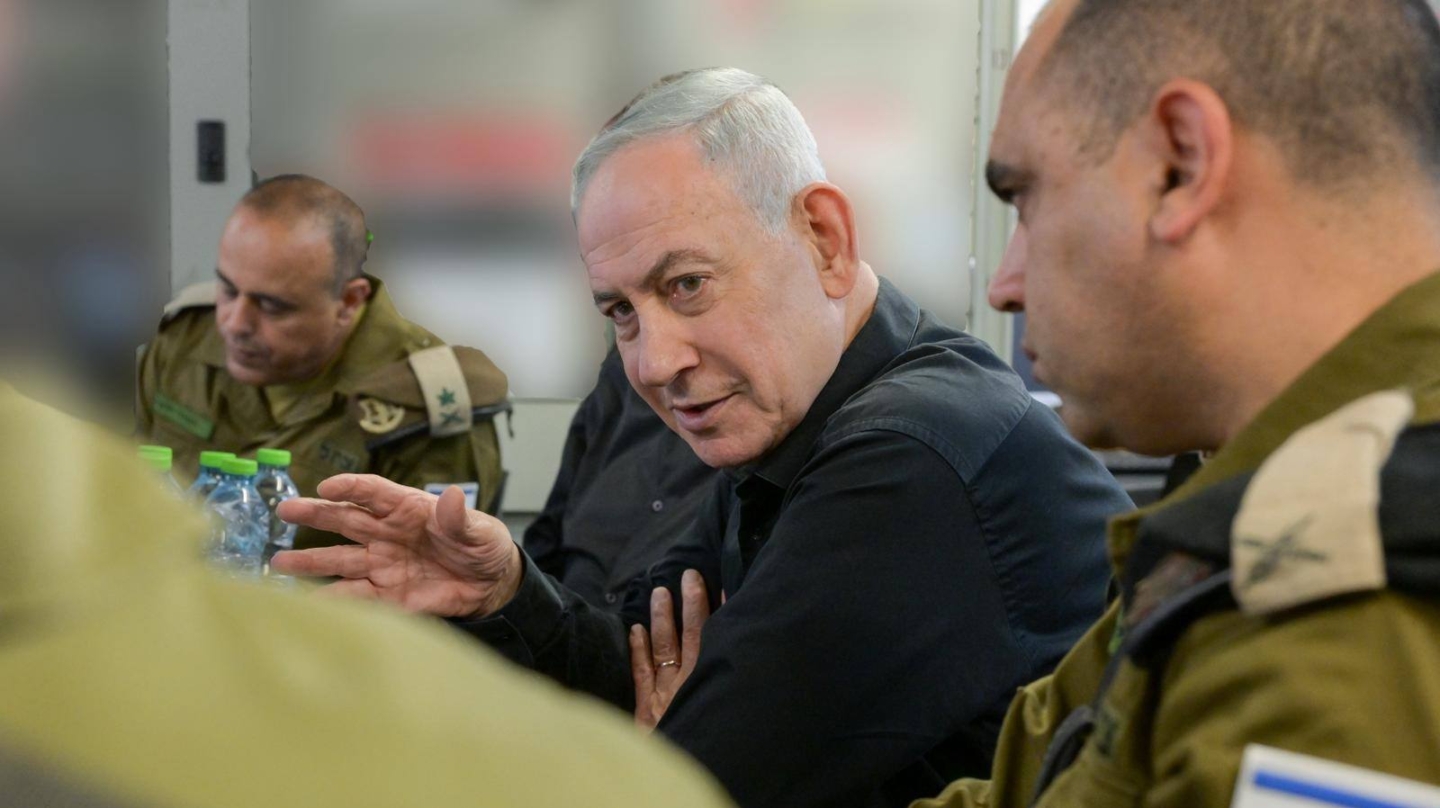
El primer ministro de Israel, Benjamin Netanyahu, en una visita a la 36ª Brigada en el norte de Israel esta primavera.

Hace justo cien días que Estados Unidos e Israel atacaron Irán con el objetivo de derrocar al régimen de los ayatolás e impedir para siempre su carrera nuclear. Fue Benjamin Netanyahu quien convenció a Donald Trump de emprender la operación. Le aseguró que sería un éxito fácil de conseguir. Pero el régimen se mantiene en pie, aunque muchos de sus dirigentes han caído. Y ha descubierto que cuenta con cartas como el cierre del estrecho de Ormuz. Desde el 7 de abril está en vigor una tregua tambaleante. Trump está decidido a que sea el anticipo de un acuerdo con Teherán. Sin embargo, el primer ministro israelí insiste en seguir atacando el Líbano, para acabar con Hizbulá, aliado de Teherán.

Israel atacó Irán el domingo por primera vez desde el inicio de la tregua. El régimen de Teherán respondió, de modo que el temor a una escalada se hizo mayor. Sin embargo, el presidente de Estados Unidos dijo contundente, según el Financial Times: "Yo tomo las decisiones. No es él quien toma las decisiones". Y reafirmó que Netanyahu "no tendrá otra opción" que acepta un acuerdo con Irán, si finalmente se alcanza. En declaraciones a Axios, Trump decía el domingo que estaba "cerca". Pero lleva así semanas.

Tras los ataques del domingo y el lunes, Trump pidió a Netanyahu y al régimen de Teherán que pararan. Los dos parece que le han hecho caso. De momento.
"Las hostilidades en este frente cesaron, ya que tras los golpes que asestamos al régimen terrorista de Teherán, ha dejado de atacarnos", afirmó el primer ministro israelí Benjamin Netanyahu. Si Irán "comete el error de reanudar sus ataques", Israel responderá "con toda la fuerza", advirtió el primer ministro israelí. Irán insiste en que la tregua afecta al Líbano pero Netanyahu discrepa con el argumento de que Hizbulá sigue bombardeando territorio israelí.

Trump tiene prisa

Trump quiere llegar a un acuerdo con Irán lo antes posible ya que los efectos económicos del cierre de Ormuz y su pulso con los ayatolás le hace aparecer como un líder débil en pleno año electoral. En noviembre se celebran las legislativas de medio mandato y si los republicanos pierden escaños en la Cámara de Representantes y la mayoría en el Senado la capacidad de acción del presidente quedará limitada. Trump sabe que si Irán escala van a implicarse los hutíes, las milicias chiíes de Irak, y sus aliados en la región van a padecer las consecuencias.

"Estados Unidos e Irán se están testando mutuamente como parte del proceso en el que busca cómo construir confianza entre ellos. Washington y Teherán quieren que termine la guerra por distintas razones. Irán incluso está dispuesto a ofrecer algo que pueda vender Trump como victoria siempre que se levanten las sanciones económicas y no haya una renuncia total al desarrollo nuclear", ha dicho Ellie Geranmayeh, investigadora en el ECFR, en un encuentro con periodistas. "Israel, sin embargo, quiere la escalada. Netanyahu es quien está dispuesto a que descarrile el proceso".

Netanyahu también medirá su fuerza en las urnas este año. Si se muestra débil con Hizbulá, y con Irán, perderá apoyos. Pero tampoco puede arriesgarse a enfadar a su amigo americano. Israel sigue dependiendo en gran medida del armamento y los sistemas de defensa aérea de EEUU.

El dilema de Netanyahu

Como escribe Gideon Rachman en el Financial Times, "Netanyahu se enfrenta ahora a una decisión muy difícil. ¿Suspenderá los ataques contra Irán y Hizbulá, con el riesgo a parecer débil ante los ojos tanto del régimen iraní como de la opinión pública israelí? ¿O desafiará a Trump y pondrá en peligro su alianza con Estados Unidos?". Y añade: "El dilema es aún más agudo porque el acuerdo de paz en el que está trabajando Trump parece que dejará a Irán en una posición financiera más sólida, y aún con una capacidad nuclear residual".

Netanyahu lo sabe y por eso lo intenta torpedear. En realidad, es él quien falló en sus cálculos. Su plan era asestar un golpe final a su enemigo regional, con la ayuda de Estados Unidos. En lugar de conseguir un éxito propio y de paso facilitar un triunfo a Trump le ha llevado a un atolladero. Y además no facilita la salida.

"Al iniciar una guerra sin cuartel contra los enemigos de Israel, Netanyahu pretendía restaurar su propia reputación y asegurar su futuro político. La victoria sobre Irán estaba destinada a ser el logro culminante: el triunfo definitivo sobre el enemigo supremo, convenientemente conseguido en un año electoral. En cambio, es probable que Netanyahu se presente a las elecciones a finales de este año con los enemigos del país vivos y coleando, y con el apoyo a Israel cayendo en picado en todo Occidente e incluso en la Casa Blanca", apunta Rachman. Sentencia que su visión sobre la seguridad, y su desprecio por la diplomacia, ha fracasado. Cuanto antes lo reconozca antes podrá rectificar.

Según escribe Joshua Leiffer en Haaretz, "el primer ministro es un astuto actor político al que se ha dado por perdido en numerosas ocasiones, y aún podría encontrar la manera de recuperarse de la humillación que le ha infligido Trump y de la frustración de los israelíes, agotados por casi tres años de guerra. Pero Netanyahu tampoco se ha presentado nunca a unas elecciones con el telón de fondo de una debacle estratégica de esta magnitud. Su carta de presentación era que, al haber convertido a Israel en una potencia regional, su poderío militar hacía innecesarias las soluciones diplomáticas. Esa ilusión se ha hecho añicos, y el Israel de Netanyahu se ve obligado, con demasiado retraso, a reconocer los límites de su poder".

Perpetual war in Beirut’s suburbs: ‘I would move to another planet if that would give me peace’

9 June 2026 at 11:24

On one of the main roads out of Dahieh, the name given to the Beirut suburbs now at the heart of Middle East geopolitics, a row of streetlights bearing the same photograph of Iran’s penultimate supreme leader, the late Ali Khamenei, seem to bid farewell to those leaving the area. A few meters further on, as the city of Beirut begins, the iconography that floods Dahieh with the faces of Iranian and Hezbollah leaders — its Lebanese allies — vanishes, as does, to a large extent, the threat of Israeli strikes.

Seguir leyendo

© Hassan Ammar (AP Photo)

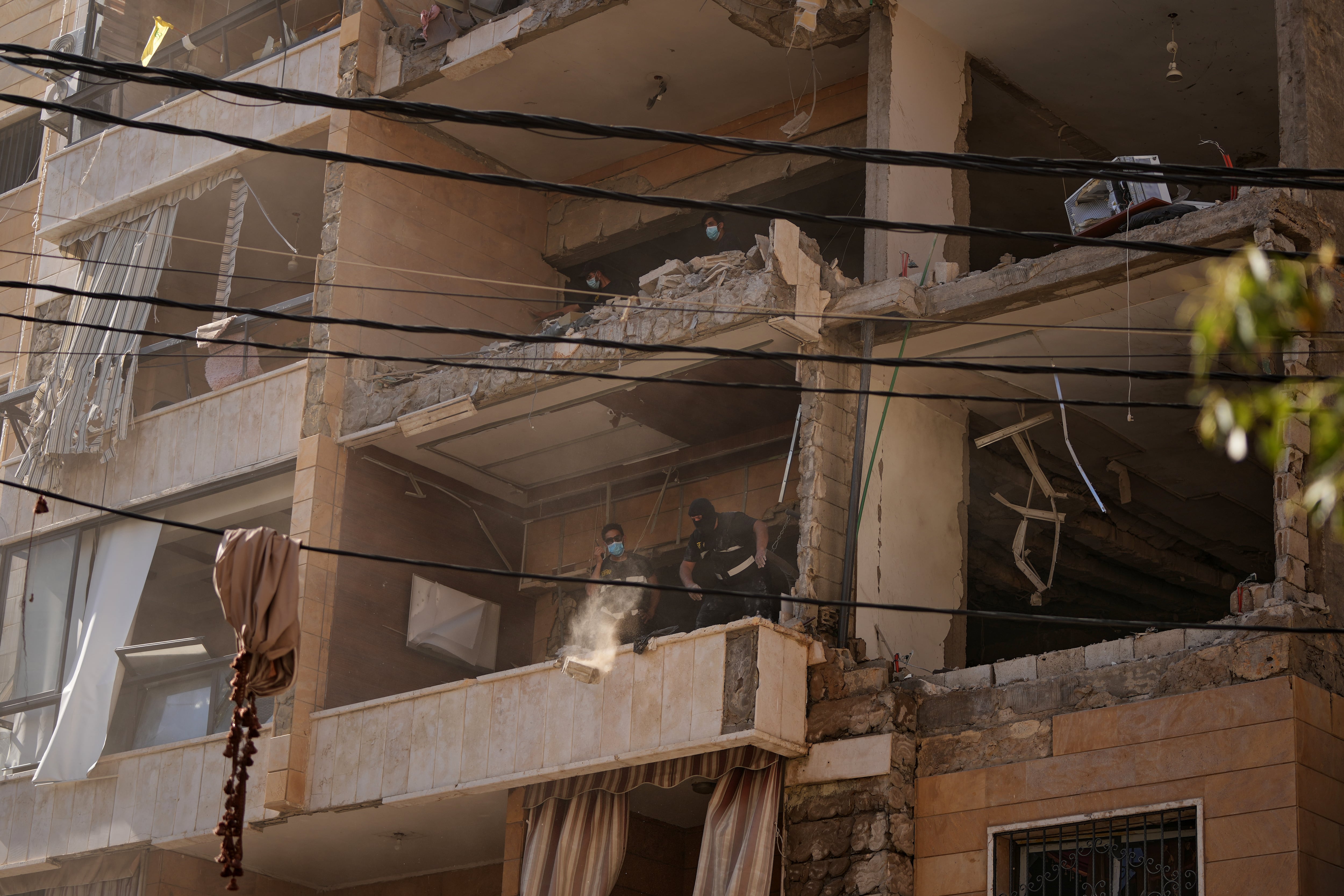
An apartment hit by an Israeli airstrike on Sunday in Dahiyeh.

Iran war drives a wedge between Trump and Netanyahu

The relationship between Donald Trump and Benjamin Netanyahu lends itself more to psychological analysis than political, after a decade in which the volatile U.S. president has alternately showered the Israeli prime minister with insults and excessive praise — sometimes almost within the same sentence. The war they launched together against Iran 100 days ago has driven them apart as the original plan dissolved: a short, successful operation with oil-related benefits, modeled on the capture of Nicolás Maduro in Venezuela. Beyond how the Iran war is resolved — if it is resolved — its lasting legacy could well be the rift between the two leaders.

Seguir leyendo

© Pool (Getty Images)

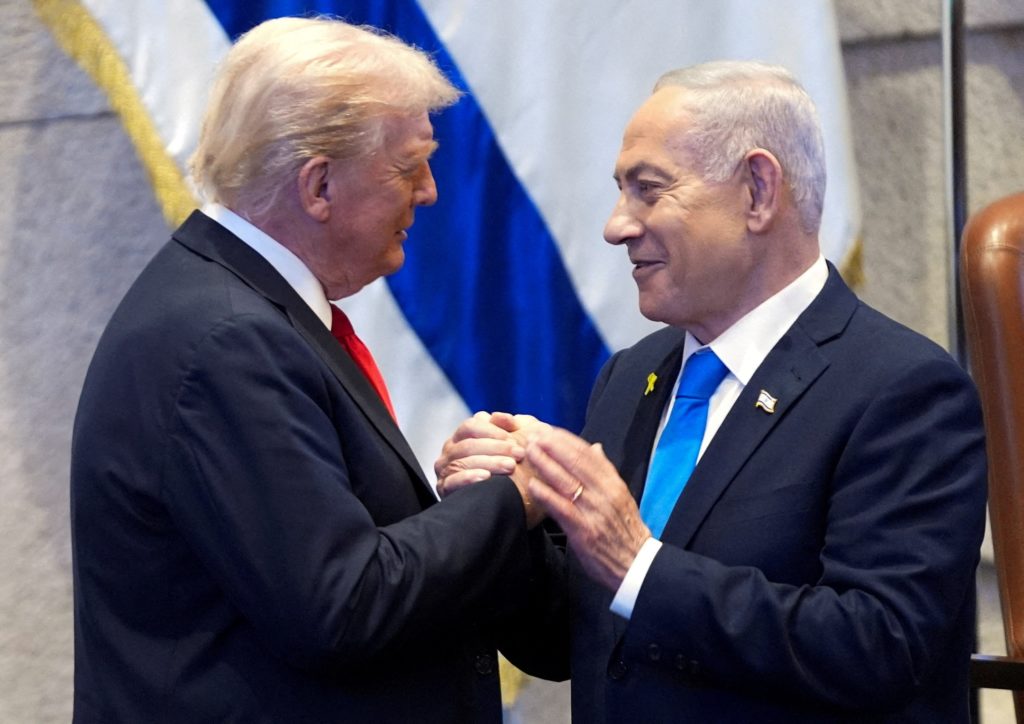
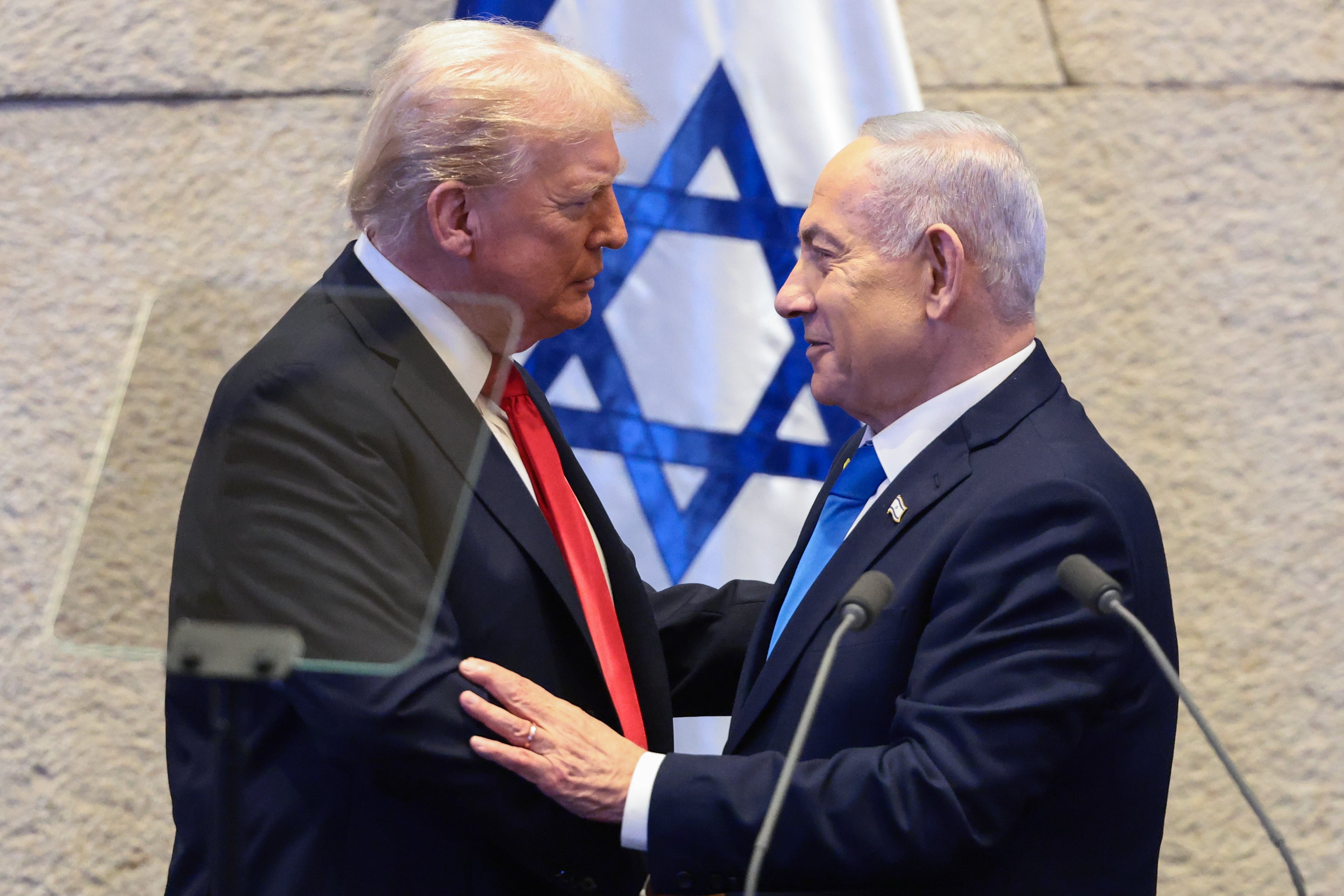
Donald Trump and Benjamin Netanyahu in Jerusalem, October 2025.

E se Netanyahu e Ben-Gvir scrivessero i Racconti dei Chassidim?

9 June 2026 at 05:09

I Racconti dei Chassidim di Martin Buber sono una raccolta di insegnamenti, massime e aneddoti leggendari della tradizione mistica ebraica dei chassidim, un movimento religioso sorto in Europa orientale nel 1700. La loro lettura è così entusiasmante che a parlarne si teme di farle un torto, lo stesso che si farebbe a un miracolo tentando di descriverlo (ci riuscivano bene, pare, i discepoli degli zaddikim: quando si raccontavano a vicenda le storie dei loro maestri, una luce si levava dall’oratorio). Posso solo invitarvi a farne esperienza: sono certo che troverete la religiosità gioiosa, esaltata, innocente e poetica dei maestri chassidici corroborante, oltre che una fonte di inesauribile meraviglia. “Chiesero a un Rabbi di raccontare una storia. Lui disse: ‘Una storia va raccontata in modo che sia essa stessa un aiuto. Mio nonno era storpio. Una volta gli chiesero di raccontare una storia del suo maestro. Allora raccontò come il santo Baalshem saltellasse e danzazze mentre pregava. Mio nonno si alzò e raccontò, e il racconto lo trasportò tanto che ebbe bisogno di mostrare saltellando e danzando come facesse il maestro. Da quel momento guarì. Così vanno raccontate le storie’”. Ma come sarebbero questi racconti, estatici e carnali, sublimi e ridicoli, affascinanti e pieni di umorismo (spesso paradossale: “Se non si può passare di sopra, bisogna appunto passare di sopra”), se fossero stati scritti dagli smarriti Netanyahu e Ben-Gvir coi criteri criminali da loro adottati in Palestina e in Libano?

Un giorno un hassid accusò presso il Rabbi di Kowel certuni che passavano le giornate ad angariare i palestinesi e a cacciarli dalle loro terre. “Questo è bene”, disse lo zaddik. “Come tutti gli uomini, essi vogliono servire Dio e non sanno come. Ma ora imparano a perseverare in un’opera. Quando raggiungeranno la perfezione in questo, avranno soltanto bisogno di arruolarsi, e che servitori di Dio saranno allora!”.

Rabbi Isacco lodò una volta un soldato israeliano che era intento a uccidere donne, vecchi e bambini palestinesi: “Quanta premura si dà questo soldato di adempiere il precetto dell’obbedienza agli ordini!” “Ma egli si fa pure pagare per questo” gli fu obiettato. “Egli prende il denaro” rispose lo zaddik “perché gli sia possibile adempiere il precetto”.

Una volta un hassid vide Rabbi Bär che rideva sonoramente davanti alle macerie e ai cadaveri di un villaggio palestinese distrutto dai coloni. Questo gli dispiacque: come si può ridere della distruzione e dell’omicidio? Rabbi Bär gli spiegò: “Mentre rido passa sul mondo l’alito dell’indulgenza, la severità si strugge e ciò che pesava si fa leggero”.

Un giorno un Rabbi disse che digiunare non era più un merito religioso. Gli fu chiesto: “Ma il Rabbi di Zloczow non ha forse digiunato molto?” “Il santo Rabbi di Zloczow”, rispose quello, “quando, terminato il sabato, andava per tutta la settimana al luogo del suo ritiro, soleva rubare cibo e acqua ai palestinesi. Digiunare in questo modo è permesso”.

Un soldato che voleva fare penitenza per aver ucciso dei bambini durante un genocidio, per giunta di sabato, andò dal Rabbi di Ropschitz per sapere che dovesse fare. Si vergognava di confessare allo zaddik il suo peccato, eppure doveva rivelarlo per sapere la relativa penitenza. Perciò raccontò che uno dei suoi amici aveva talmente mancato che per vergogna non aveva potuto risolversi a venire lui stesso, e l’aveva incaricato di chiedere l’espiazione adatta al suo peccato. Il Rabbi lo guardò sorridendo: “Il tuo amico” disse “è uno sciocco. Poteva venire egli stesso e raccontarmi che veniva per conto di un altro che si era vergognato di venire”.

Fu chiesto al Rabbi di Berditshev: “Perché in tutti i nostri trattati di tattica militare manca la prima pagina e ognuno comincia con la seconda?”. Egli rispose: “Per quanto un soldato di Israele abbia ucciso, deve sempre ricordarsi che non è ancora arrivato alla prima pagina”.

Rabbi Elimelech stava visitando un accampamento militare quando a un certo punto scese dalla carrozza, imbracciò un fucile e si mise a sparare insieme coi soldati contro una tendopoli palestinese. Alle domande dei soldati stupiti rispose: “Quando ho visto con quanto slancio esercitate la vostra opera, non ho potuto sopportare di esserne escluso”.

L'articolo E se Netanyahu e Ben-Gvir scrivessero i Racconti dei Chassidim? proviene da Il Fatto Quotidiano.

Complex relationship between Trump and Netanyahu continues to undermine Middle East ceasefire

Recent exchange of missiles between Iran and Israel highlights diverging views between US president and Israeli PM

The latest eruption of hostilities between Iran and Israel appears to have been contained for now after Donald Trump insisted he called “all the shots” in the Middle East, but in a dangerously fragile region Benjamin Netanyahu has again shown he is ready to take shots of his own.

The exchange of missiles on Sunday and Monday was ample demonstration of the inherent instability of the current limbo between war and peace, but it also shone a bright light on the complex and conflicted relationship between the US president and the Israeli prime minister, frenemies who could determine the fate of the current ceasefire.

Continue reading...

© Photograph: Ronen Zvulun,brendan Smialowski/AFP/Getty Images

© Photograph: Ronen Zvulun,brendan Smialowski/AFP/Getty Images

© Photograph: Ronen Zvulun,brendan Smialowski/AFP/Getty Images

Israel and Iran step back from renewed conflict after Trump calls for halt

Netanyahu acknowledges pause in fighting in TV speech but vows forceful response to future attacks

Fears of a return to a full-scale regional war in the Middle East eased on Monday as Israel and Iran said they had halted attacks on each other after an appeal from Donald Trump to “immediately stop shooting”.

Benjamin Netanyahu, Israel’s prime minister, acknowledged the halt in fighting with Iran in a televised speech, but vowed to respond “with force” to future attacks.

Continue reading...

© Photograph: Ahmad Gharabli/AFP/Getty Images

© Photograph: Ahmad Gharabli/AFP/Getty Images

© Photograph: Ahmad Gharabli/AFP/Getty Images

❌