Reading view

The Rio-Antirrio Bridge: An Engineering Marvel That Changed Greece
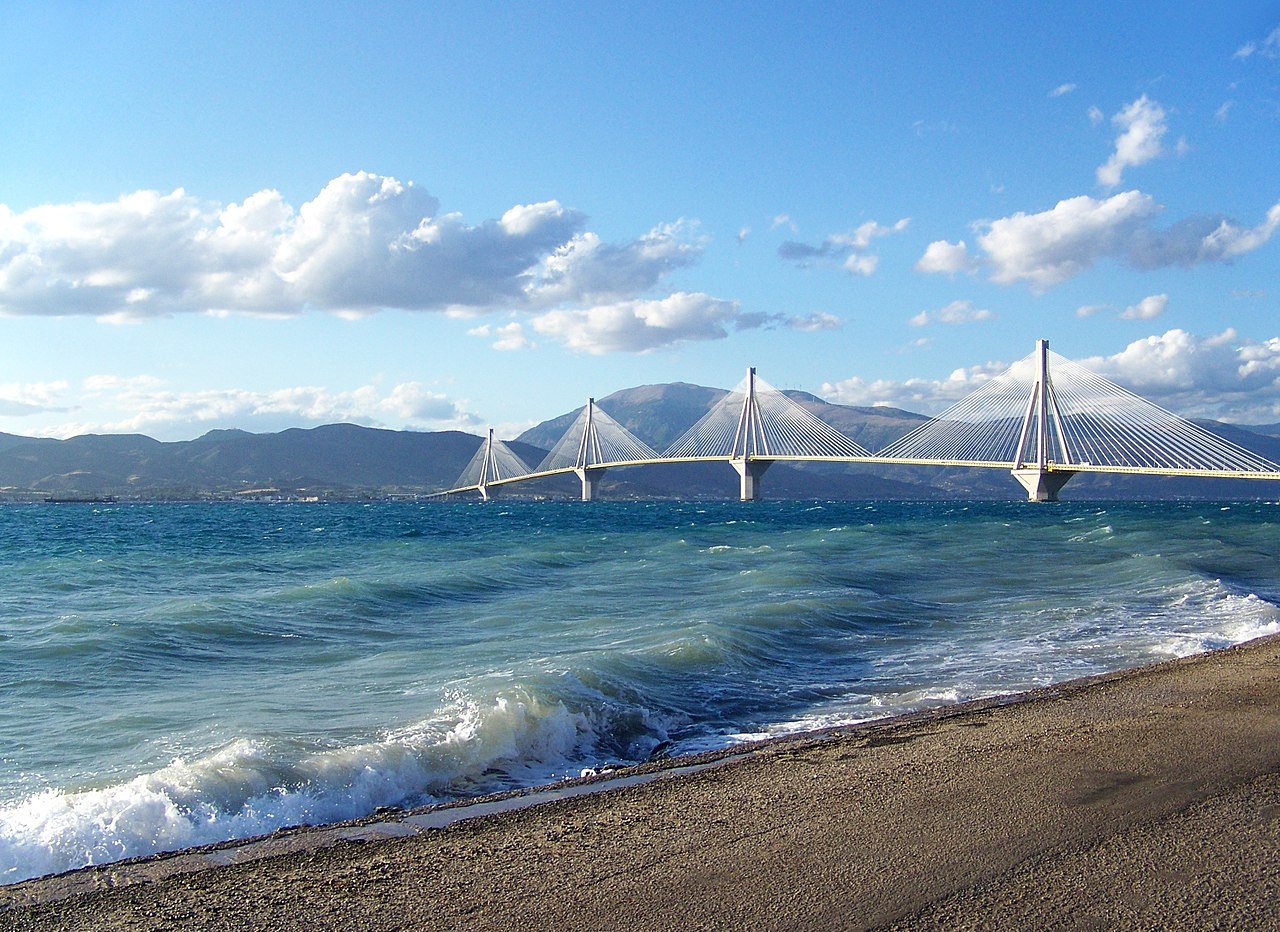
Rio-Antirrio Bridge
The Rio-Antirrio Bridge in Western Greece is one of the world’s longest multi-span, cable-stayed bridges. Credit: Eusebius, Eusebius CC BY-SA 3.0/ Wikipedia

The Rio-Antirrio Bridge was inaugurated on August 7, 2004, one week before the opening of the 2004 Summer Olympics in Athens.

Within two decades, it changed the economic landscape in Greece. The Rio-Antirrio Bridge, which connects the Peloponnese with Central Greece, had the aim of making the transport of passengers and cargo much easier. That has certainly been achieved.

The opening of the bridge was a celebration, with the first people to officially cross it being none other than the Olympic torchbearers of the 2004 Olympics. One member of that group was Otto Rehhagel, the German football coach who had led the Greek national team to their triumph in the Euro 2004 Cup just a month earlier.

The official name of the bridge is the Charilaos Trikoupis Bridge, named after the nineteenth-century prime minister of Greece, who was the first man to envision such a span connecting the Peloponnese with Central Greece. Unfortunately, state finances at the time did not allow for such a large-scale project.

The 2,380-meter (approximately 1.8-mile) long bridge is one of the longest cable-stay bridges in the entire world. It improves access to and from the Peloponnese, which could previously only be reached by ferry or via the Isthmus of Corinth.
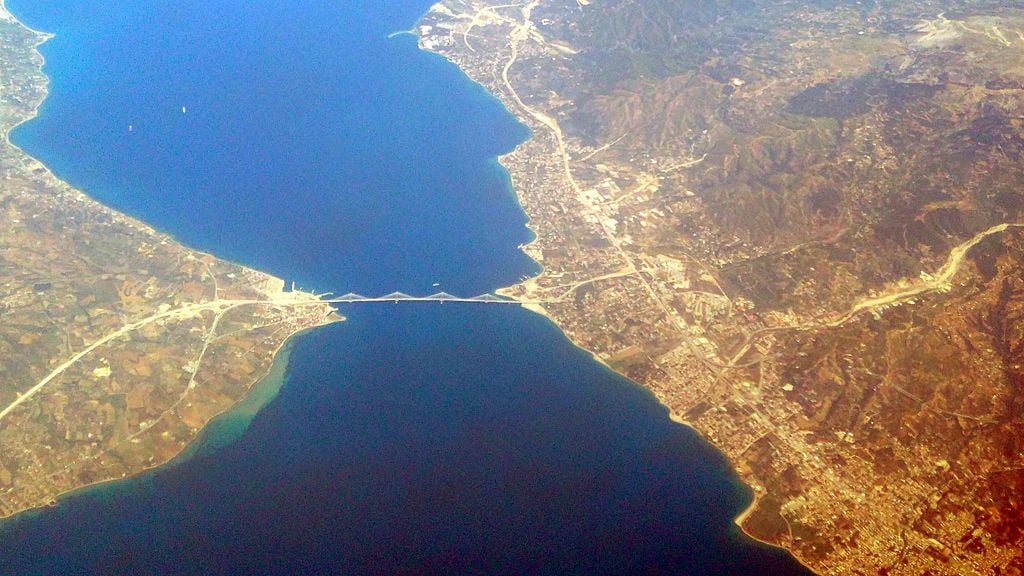
Rio-Antirrio Bridge
The bridge connects Peloponnese with western Greece. Public Domain

According to a recent study by the Observatory of Road Networks in Western Greece and the Peloponnese, the construction of the graceful white cable-stay bridge has already resulted in enormous financial benefits. To date, this amount is estimated to be over 400 million euros.

The experts believe that the total amount of funds the bridge’s construction will bring to the area will be more than one billion euros during the period of 2017 to 2032.

Tourist flows have also improved, which is especially noted with arrivals coming into the area from the north from the port of Patras. Travelers heading for the Ionian Sea islands and areas in Central Greece can now easily and swiftly cross through the central area of the country and back again.

The study also noted that the bridge has already had a positive effect on property values in the northern region, which has led to a significant rise in land prices. This has given added value to an area that had been largely underdeveloped, attracting investment.

Traffic flows have also benefited immensely from the creation of the Charilaos Trikoupis Bridge. It not only connects two major motorways, the Ionian Odos and Olympia Odos, but transport connections between Epirus and Aitoloakarnania have been greatly improved, as well.

Before the construction of the new span, Aitoloakarnania had basically been almost completely cut off from the rest of the country.

Rio-Antirrio Bridge considered an engineering masterpiece

The construction of the imposing cable-stay bridge is widely considered to be an engineering masterpiece, owing to several solutions applied to overcome difficulties caused by its location and the geology of the region.

These difficulties included the especially deep waters of the river, the once-unstable underlying ground under the bases of the bridge, seismic activity, the probability of tsunamis, and the expansion of the Gulf of Corinth due to plate tectonics.

The seabed was first reinforced and stabilized by driving two hundred hollow steel pipes into the ground beneath each pier. The pier footings themselves were not driven into the seabed; they rest on a bed of gravel meticulously leveled to an even surface (a difficult endeavor at this depth).

During an earthquake, the piers are able to move laterally along the sea floor, with the gravel bed absorbing the energy. The bridge decking is also connected to the pylons using special jacks and dampers designed to absorb any movement.

View the fascinating video below to see all the special features of this unique and beautiful cable-stay bridge, which has already contributed immensely to the economy of the country.

  •  

Greece’s Nisyros Island: A Moonscape Aegean Hideaway

Nisyros, Greece
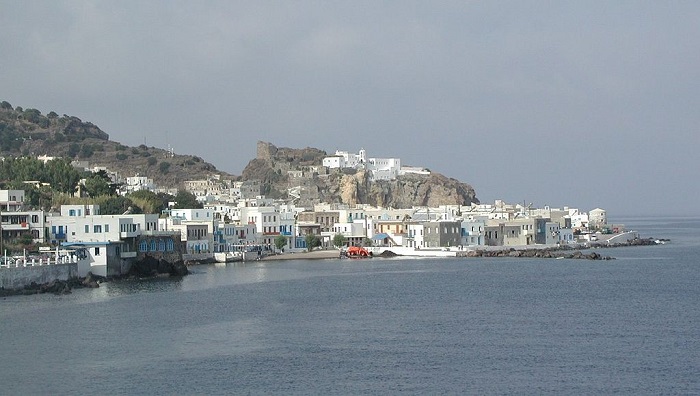
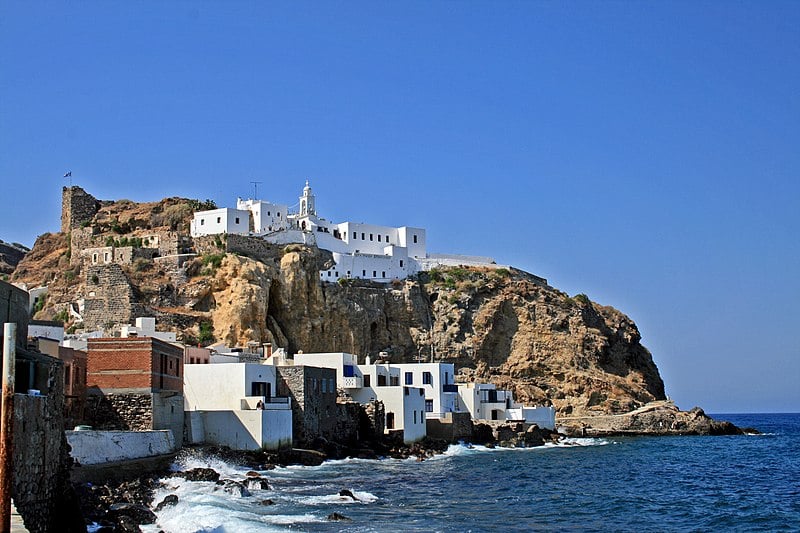
View of Mandraki, Nisyros island, Greece. Credit: Alexandros Diamantidis, CC BY-SA 3.0/Wikimedia

Nisyros is a magical gem located in the Aegean. The island, part of the Dodecanese archipelago, is situated between Kos and Tilos, and has an active volcano which is also the youngest volcano in Greece.

Nisyros offers untouched villages, quiet beaches, hot springs and ancient walls of black volcanic stone. Top that off with the fact that there are few tourists, and you’ll feel like the entire island and all of its many beauties are exclusively yours.

The amazing villages of  Greece’s Nisyros island

Disfruta de la Grecia auténtica sin prisa ni aglomeraciones. Descubre la isla de #Nysiros y vive la cultura y la historia como nunca antes.⁣
#Grecia #Vacaciones #Travel #GreciaTour #TourPrivado #FelizMiércoles pic.twitter.com/2p23dXOUOS

— GreciaTour.com (@GreciaTour_com) August 10, 2022

There are several quaint villages on the island; the largest is Mandraki. It is straight out of a photo book of traditional Greek island architecture and great views.

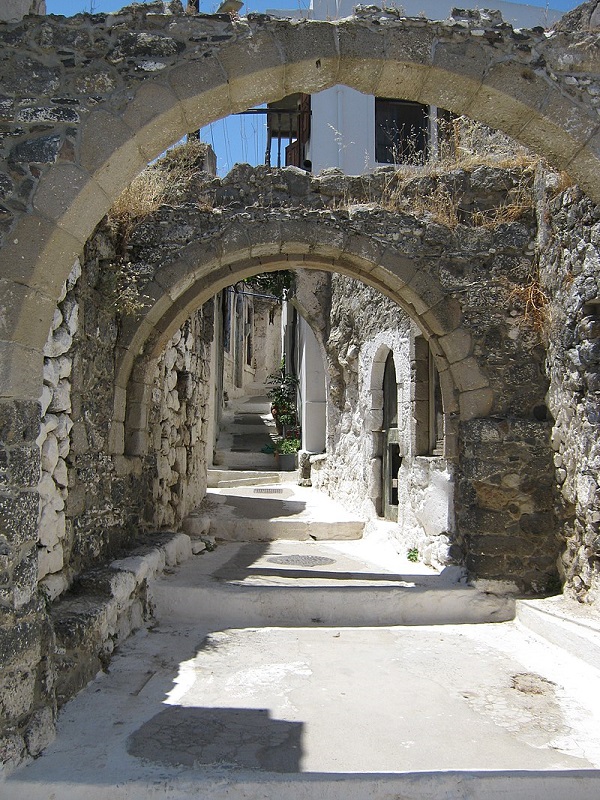
The narrow, cobbled streets and squares lace around the villages where you can take a stroll and feel as though you have traveled back to ancient times. The homes, which are made of volcanic rocks and are insulated with pumice stone, boast wooden balconies.

Emporios
Emporios. Credit: Robert Powell, CC BY-SA 3.0/Wikimedia

Nightlife on Nisyros is very unlike the hectic pace of party islands in Greece. You will, however, find quaint local tavernas and bars in which to enjoy your lazy summer nights.

The Volcano

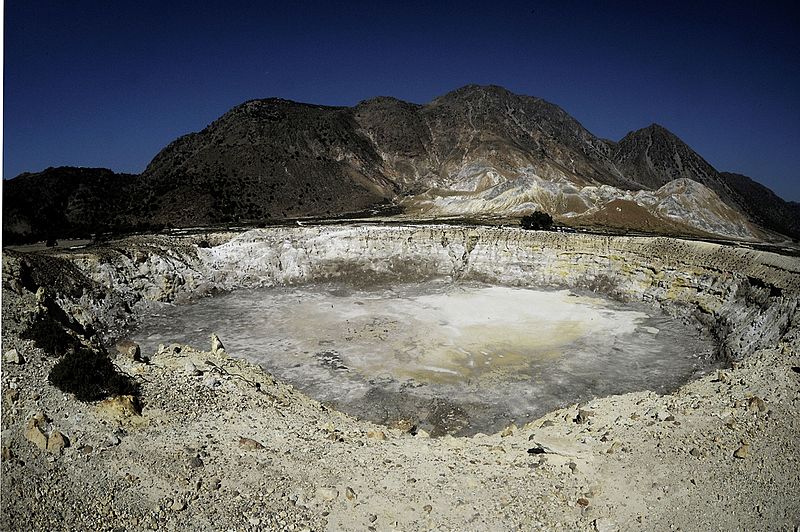
You can actually go to the center of the island, walk along the volcano’s rim, and watch its boiling crater. The volcano, which hasn’t actually erupted since 1888, is a spectacular sight.

volcano crater
Credit: Tatiana Bashinskaya, CC BY 3.0/Wikimedia

The Volcanological Museum in Nikia

Located at the edge of the caldera, the view is breathtaking, and you can learn a thing or two about the fascinating geology of the island. 3D animated images to demonstrate various facts about the volcano are available, so be sure to check them out.

Nisyros Greece
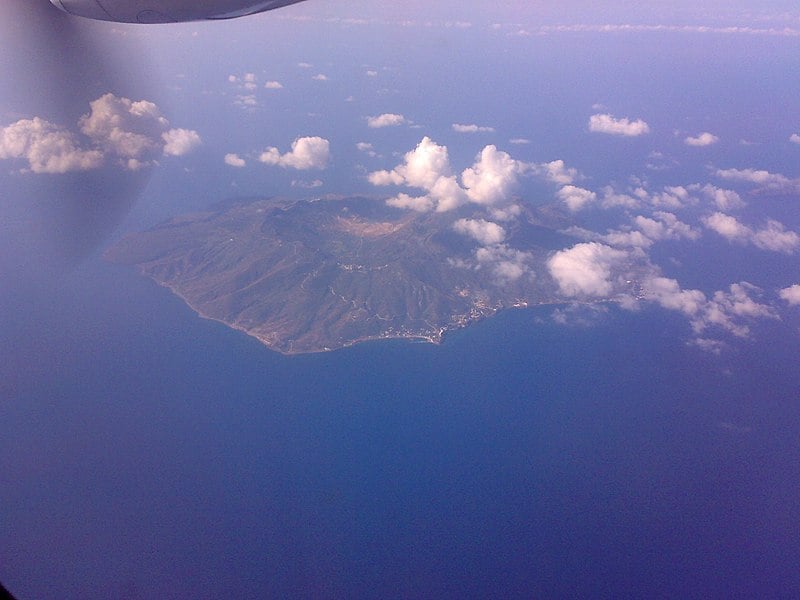
Aerial view of Nisyros. Credit: Ferengi, CC BY-SA 3.0/Wikipedia

Paleokastro, Nisyros’ Acropolis

Dating back to the classical period and ruins of the ancient city, the Paleokastro is constructed from one of the hardest rocks in the world, basaltic andesite, which was spewed out from the volcano. This has helped preserve the acropolis through the passage of time.

A Monastery Built in a Cave

The Monastery of Panagia Spiliani sits atop of a hill in northwest Mandraki, the largest part of it constructed inside a cave. A truly unique experience, the cave is divided into two churches and is definitely worth a visit.

Panagia Spiliani
Panagia Spiliani. Public Domain

Nisyros’ Thermal Spas

At several points along the coast of Nisyros, you will find spouting hot water springs with temperatures varying from 30 to 60 degrees Celsius (86 to 140 degrees F). The springs are known for their therapeutic effects for muscles and skin.

Around 1.5 km (1 mile) east of the port of Mandraki, you will find the thermal spa of Loutra with hot spring waters at 37 degrees Celsius (or 98.6 Fahrenheit, equal to humans’ body temperature).

Get ready For Beautiful Beaches on Nisyros island

Due to the relatively few numbers of travelers on the island, the beaches of Nisyros are extraordinarily clean, quiet, and relaxing.

You can go to a different beach every day, as there are many to choose from. Some favorites are Lefki Beach, along with Gialiskari, Lyés, Páloi, Pachia Ammos, Katsouni, Aghios Savas, Aghia Irini, and Chochlákia Beaches.

Must-try local cuisine

There are many traditional dishes to be savored on Nisyros island. Some typical “spitiko” or homemade dishes are pita, chickpea nuggets, and kapamas, which is stuffed goat. Of course, as you are on an island, there is always fresh seafood available, too!

Getting there

You can get to the volcanic paradise of Nisyros from the island of Kos or as part of a tour of other islands in the Dodecanese, as well as from Piraeus.

  •  

Greece’s Nisyros Island: A Moonscape Aegean Hideaway

Nisyros, Greece
View of Mandraki, Nisyros island, Greece. Credit: Alexandros Diamantidis, CC BY-SA 3.0/Wikimedia

Nisyros is a magical gem located in the Aegean. The island, part of the Dodecanese archipelago, is situated between Kos and Tilos, and has an active volcano which is also the youngest volcano in Greece.

Nisyros offers untouched villages, quiet beaches, hot springs and ancient walls of black volcanic stone. Top that off with the fact that there are few tourists, and you’ll feel like the entire island and all of its many beauties are exclusively yours.

The amazing villages of  Greece’s Nisyros island

Disfruta de la Grecia auténtica sin prisa ni aglomeraciones. Descubre la isla de #Nysiros y vive la cultura y la historia como nunca antes.⁣
#Grecia #Vacaciones #Travel #GreciaTour #TourPrivado #FelizMiércoles pic.twitter.com/2p23dXOUOS

— GreciaTour.com (@GreciaTour_com) August 10, 2022

There are several quaint villages on the island; the largest is Mandraki. It is straight out of a photo book of traditional Greek island architecture and great views.

The narrow, cobbled streets and squares lace around the villages where you can take a stroll and feel as though you have traveled back to ancient times. The homes, which are made of volcanic rocks and are insulated with pumice stone, boast wooden balconies.

Emporios
Emporios. Credit: Robert Powell, CC BY-SA 3.0/Wikimedia

Nightlife on Nisyros is very unlike the hectic pace of party islands in Greece. You will, however, find quaint local tavernas and bars in which to enjoy your lazy summer nights.

The Volcano

You can actually go to the center of the island, walk along the volcano’s rim, and watch its boiling crater. The volcano, which hasn’t actually erupted since 1888, is a spectacular sight.

volcano crater
Credit: Tatiana Bashinskaya, CC BY 3.0/Wikimedia

The Volcanological Museum in Nikia

Located at the edge of the caldera, the view is breathtaking, and you can learn a thing or two about the fascinating geology of the island. 3D animated images to demonstrate various facts about the volcano are available, so be sure to check them out.

Nisyros Greece
Aerial view of Nisyros. Credit: Ferengi, CC BY-SA 3.0/Wikipedia

Paleokastro, Nisyros’ Acropolis

Dating back to the classical period and ruins of the ancient city, the Paleokastro is constructed from one of the hardest rocks in the world, basaltic andesite, which was spewed out from the volcano. This has helped preserve the acropolis through the passage of time.

A Monastery Built in a Cave

The Monastery of Panagia Spiliani sits atop of a hill in northwest Mandraki, the largest part of it constructed inside a cave. A truly unique experience, the cave is divided into two churches and is definitely worth a visit.

Panagia Spiliani
Panagia Spiliani. Public Domain

Nisyros’ Thermal Spas

At several points along the coast of Nisyros, you will find spouting hot water springs with temperatures varying from 30 to 60 degrees Celsius (86 to 140 degrees F). The springs are known for their therapeutic effects for muscles and skin.

Around 1.5 km (1 mile) east of the port of Mandraki, you will find the thermal spa of Loutra with hot spring waters at 37 degrees Celsius (or 98.6 Fahrenheit, equal to humans’ body temperature).

Get ready For Beautiful Beaches on Nisyros island

Due to the relatively few numbers of travelers on the island, the beaches of Nisyros are extraordinarily clean, quiet, and relaxing.

You can go to a different beach every day, as there are many to choose from. Some favorites are Lefki Beach, along with Gialiskari, Lyés, Páloi, Pachia Ammos, Katsouni, Aghios Savas, Aghia Irini, and Chochlákia Beaches.

Must-try local cuisine

There are many traditional dishes to be savored on Nisyros island. Some typical “spitiko” or homemade dishes are pita, chickpea nuggets, and kapamas, which is stuffed goat. Of course, as you are on an island, there is always fresh seafood available, too!

Getting there

You can get to the volcanic paradise of Nisyros from the island of Kos or as part of a tour of other islands in the Dodecanese, as well as from Piraeus.

  •  

German company that already supplies Ukraine with drones has unveiled Shahed-hunter aircraft with four weapons categories on single airframe

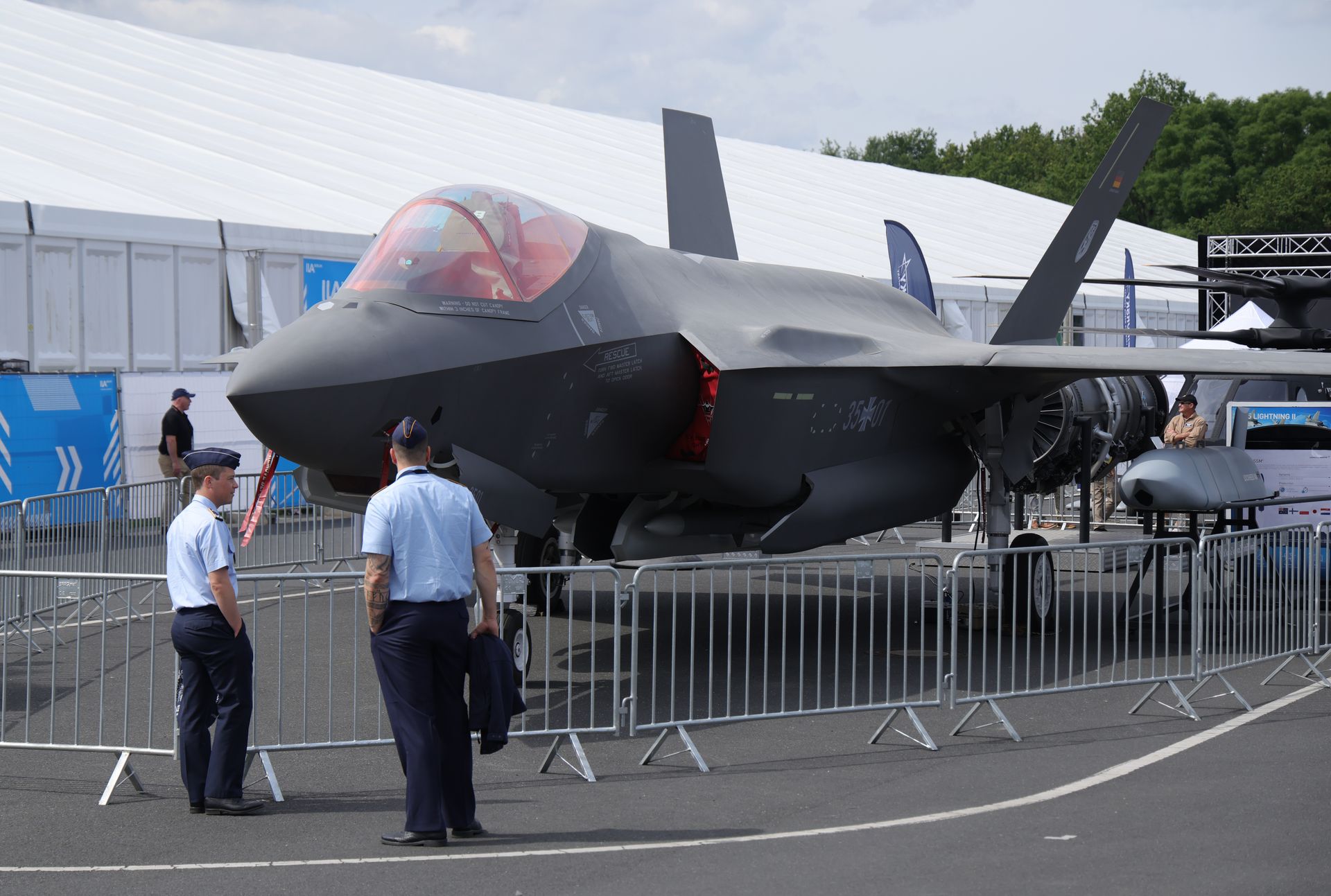
Render of the Pulse P19 multi-purpose optionally piloted aircraft. Source: Quantum Systems

Germany's Quantum Systems has unveiled the Pulse P19, an optionally-piloted aircraft designed to hunt drones and repel massed drone attacks, per Defense Express. The technology company already supplies Vector reconnaissance drones to Ukraine. 

The Pulse P19's primary mission profile, which is hunting drones and repelling massed drone attacks, addresses exactly the Russian Shahed threat that Ukraine has been responding to.

Ukraine is now intercepting 95% of incoming Russian Shaheds, using a layered defense system that includes Patriot, NASAMS, IRIS-T, naval-platform interceptors, helicopter-based interceptors, Ukrainian-made Bullet interceptors, and autonomous drone-on-drone systems.

The Pulse P19 would add a dedicated, optionally piloted drone-hunter platform to this layered defense,  though the aircraft is currently in early design stages, with only renders released.

What does Pulse P19 carry, and how would it hunt? 

For air-target detection and tracking, the Pulse P19 can be equipped with an active electronically scanned array (AESA) radar and an electro-optical targeting station.

The aircraft's armament options are unusually broad. The Pulse P19 is designed to carry interceptor drones, loitering munitions, missiles with semi-active laser homing heads (APKWS class), pod-mounted machine guns, and additional weapons that may be developed in the future.

The interceptor drones referenced in the Quantum Systems presentation are likely the same systems being integrated onto the Airbus U145 helicopter, which Quantum Systems also unveiled at ILA Berlin 2026 with anti-drone armament.

Specifications: small, fast, with significant payload

The Pulse P19 has a maximum speed of 556 km/h and a service ceiling of 7,620 meters. The aircraft's empty weight is approximately 1,700 kg, while it can carry up to 2,500 kg of payload and armament.

The payload-to-empty-weight ratio is unusually high. This indicates the design is built around the requirement to carry multiple weapons systems simultaneously. The 556 km/h maximum speed places the Pulse P19 in the slow-to-mid-tier of fixed-wing combat aircraft, but adequate for the Shahed-pursuit mission, given that Shahed-136 drones typically cruise at 180 km/h.

Development status: renders only, timeline undisclosed

Quantum Systems has presented only renders of the Pulse P19. The project's development stage has not been disclosed. The aircraft is likely still in early design phases. No first-flight timeline has been published.

The aircraft's specifications and weapons configuration represent design intent rather than current operational capability. Ukrainian defense procurement officials would likely engage with Quantum Systems on the Pulse P19 trajectory once the aircraft reaches the flight-test stage, given Quantum Systems' established relationship with Ukraine and the operational fit between the Pulse P19's mission profile and Ukraine's defensive needs.

  •  

WATCH: A sneak peak of UFC's Octagon at the White House

President Donald Trump's planned UFC fight on the White House's South Lawn has required a monumental effort from more than seven federal agencies, hundreds of staff working onsite daily and at least $60 million, according to a legal filing that offers a glimpse into the preparations.

  •  

Riforma medici: Schillaci una ne fa (forse), cento ne “canna” (sicuramente)

Siamo alle comiche ormai con la nuova riforma della medicina di base tanto studiata, proposta e subito ritirata dal ministro della Salute, Orazio Schillaci.

Anche l’accordo Stato-Regioni, basilare per la gestione della salute pubblica, va in disaccordo seppur dovrebbero parlare con una bandiera conosciuta che sventola dalla stessa parte. Guido Bertolaso, infatti, dice che è una “vicenda avvilente”. Non si comprendono nemmeno fra colleghi.

Ma vogliono capire Bertolaso e Schillaci che non esistono i medici di base? Vogliono capire che se si chiede a quei pochi che ci sono di diventare pubblici diranno sempre di no appoggiati dai sindacati e dagli Ordini dei medici i cui presidenti vengono “solo” eletti da loro? Vogliono capire che non riusciranno ad obbligarli ad andare nelle case di comunità, isole nel deserto costose ed inutili al bene comune?

Ma Schillaci rilancia: “Entro il 30 giugno apriremo le case di comunità. Confido nel senso di responsabilità dei sanitari”.

Abbiamo avuto anni per aver accettato gli obblighi del Pnrr che ci imponeva di aprire in Italia 1288 case su tutto il territorio entro il 30 giugno 2026 per un costo complessivo stimato di 2 miliardi di euro. Ora, con l’acqua alla gola, il ministro confida nei colleghi. Ma Schillaci, tu che puoi dal posto che occupi, lo capisci o no che occorre veramente svoltare e non affidarsi alla fiducia nei colleghi?

Una nuova facoltà, Medicina del Territorio, cinque anni secchi solo per fare i medici di base presso strutture ospedaliere, meglio se solo pubbliche, tutti dipendenti statali, a contatto con tutta la medicina specialistica per portare salute vera ai cittadini. Non parole inutili, utili solo alle prossime elezioni. Anzi ormai neppure a quelle. Se per caso vuoi invitarmi a Roma vengo a schiarirti le idee.

L'articolo Riforma medici: Schillaci una ne fa (forse), cento ne “canna” (sicuramente) proviene da Il Fatto Quotidiano.

  •  

Campeões nacionais de Sub-18 do Ginásio Clube Olhanense recebidos na Autarquia

A equipa de Sub-18 Masculinos de Basquetebol do Ginásio Clube Olhanense, recentemente coroada vencedora da Taça Nacional 2025/2026, foi recebida esta semana no Salão Nobre da Câmara Municipal pelo presidente da Autarquia, Ricardo Calé, e pelos restantes membros do executivo municipal.

A receção pretendeu assinalar e homenagear a extraordinária conquista alcançada pela formação olhanense, que se sagrou vencedora da competição após derrotar, a 24 de maio passado, o Olivais de Coimbra na final disputada no Montijo.

A equipa concluiu a segunda fase e a Final 4 com um registo perfeito de 16 vitórias em 16 jogos, um feito notável que ficará para a história do clube e
do desporto olhanense.

Durante a cerimónia, Ricardo Calé felicitou atletas, treinadores e dirigentes pelo trabalho desenvolvido ao longo da época, destacando o exemplo que representam para os jovens do concelho.

“Como antigo atleta do Ginásio Clube Olhanense, sinto um enorme orgulho por ver esta geração alcançar um feito tão marcante. Este título é o resultado do talento, da dedicação e do espírito de equipa demonstrados ao longo de toda a temporada. São um exemplo para a juventude de Olhão e dignificam o nome do nosso concelho em todo o país”, afirmou o presidente da autarquia.

Além dos resultados desportivos, foi também destacado o espírito de fair-play demonstrado pela equipa durante a competição, nomeadamente pelo atleta Bernardo Gago, que recebeu um Cartão Branco na Final 4 ao reconhecer perante a equipa de arbitragem uma situação de jogo que beneficiava a equipa contrária.

A conquista da Taça Nacional reforça o trabalho que tem vindo a ser desenvolvido pelo Ginásio Clube Olhanense na formação de jovens atletas, consolidando o clube como uma das principais referências do basquetebol de formação.

  •  

Il mostro dimenticato della Terra primitiva: scienziati scoprono la vera storia dello scorpione gigante, rimasto un mistero per oltre 150 anni

Per più di un secolo e mezzo è rimasto un enigma della paleontologia. Oggi, dopo nuove analisi sui fossili, gli scienziati hanno finalmente chiarito l’identità di Praearcturus gigas, un antico artropode vissuto circa 415 milioni di anni fa: si trattava di uno scorpione gigante, tra i più grandi mai esistiti sulla Terra. La conferma arriva da uno studio recente che ha rivisto tutto il materiale fossile disponibile con tecniche moderne di imaging e ricostruzione digitale. I risultati chiudono un dibattito iniziato nell’Ottocento, quando i primi resti furono scoperti in Inghilterra e Galles e la specie venne inizialmente interpretata in modi molto diversi, dal crostaceo all’animale di natura incerta. Solo negli ultimi decenni si era fatta strada l’ipotesi dello scorpione, ma senza una conferma definitiva. Ora l’analisi dettagliata della morfologia ha permesso di attribuirlo con maggiore certezza al gruppo degli Scorpiones.

Le dimensioni dell’animale sono ciò che colpisce di più: secondo le stime, Praearcturus gigas poteva superare il metro di lunghezza, una misura eccezionale per gli standard del Devoniano inferiore, quando la vita terrestre era ancora agli inizi. All’epoca non esistevano foreste come le conosciamo oggi e la terraferma era popolata soprattutto da organismi semplici e di piccole dimensioni. In questo scenario quasi “vuoto”, lo scorpione gigante si sarebbe trovato senza molti concorrenti, una condizione che potrebbe aver favorito la sua crescita fuori scala. Le sue chele, utilizzate per catturare le prede, erano particolarmente sviluppate e potevano raggiungere dimensioni notevoli rispetto al corpo, rendendolo un predatore estremamente efficace per il suo tempo.

Un predatore ai confini tra acqua e terra

Uno degli aspetti più interessanti emersi dallo studio riguarda il suo stile di vita. Alcune caratteristiche anatomiche suggeriscono infatti che il Praearcturus non fosse esclusivamente terrestre. La presenza di strutture compatibili con una vita anfibia porta gli studiosi a ipotizzare un animale capace di muoversi tra ambienti acquatici e terrestri, probabilmente legato a fiumi e zone alluvionali. In un’epoca in cui gli ecosistemi erano ancora in formazione, questa flessibilità avrebbe rappresentato un vantaggio decisivo. Secondo i ricercatori, proprio questa combinazione di adattamenti potrebbe spiegare come sia riuscito a raggiungere dimensioni così elevate in un periodo in cui la terraferma offriva ancora risorse limitate.

La revisione dei fossili ha confermato diverse caratteristiche tipiche degli scorpioni moderni, come la struttura delle appendici e alcune particolarità dello scheletro esterno. Elementi che rafforzano l’idea di una parentela diretta con gli scorpioni attuali, pur in una forma molto più primitiva e massiccia. Alcuni esemplari fossili precedentemente attribuiti ad altre specie sono stati inoltre ricondotti allo stesso animale, suggerendo che il Praearcturus gigas fosse più diffuso di quanto si pensasse.

Un tassello chiave per capire la vita sulla Terra primitiva

La scoperta non riguarda solo un singolo animale, ma aiuta a ricostruire un passaggio cruciale dell’evoluzione: la colonizzazione della terraferma. In un contesto ancora privo di foreste e caratterizzato da ecosistemi terrestri in fase iniziale di sviluppo, la presenza di un artropode di queste dimensioni fornisce nuove informazioni sulla struttura delle prime catene alimentari. Il reperto indica che già in questo periodo alcuni organismi potevano occupare livelli trofici elevati, ben prima della comparsa dei grandi vertebrati terrestri come dinosauri e altri rettili.

L'articolo Il mostro dimenticato della Terra primitiva: scienziati scoprono la vera storia dello scorpione gigante, rimasto un mistero per oltre 150 anni proviene da Il Fatto Quotidiano.

  •  

Che succede a mutui e prestiti dopo l’aumento dei tassi? L’impatto sui bilanci delle famiglie

La decisione della Banca centrale europea di rialzare i tassi d’interesse per la prima volta dal 2023 segna una brusca inversione di rotta spinta dalle pressioni inflazionistiche legate al conflitto in Medio Oriente che ha gonfiato i prezzi dell’energia. Tra mutui più costosi e acquisti a rate che richiederanno esborsi maggiori, a subirne gli effetti saranno anche i bilanci delle famiglie.

L’Euribor a tre mesi, il parametro di riferimento per gran parte dei mutui variabili, era già risalito dal 2,01% di fine febbraio al 2,31% del 5 giugno, incorporando le aspettative dei mercati su una stretta monetaria. Secondo le simulazioni di Facile.it, la rata di un mutuo variabile standard da 126mila euro in 25 anni, che a gennaio era pari a 578 euro, è già salita a circa 590 euro a giugno. Con il rialzo di 25 punti base deciso dalla Bce, la rata arriverà a circa 606 euro al mese. E le previsioni indicano ulteriori rincari nei prossimi mesi. Sulla base delle quotazioni dei futures, Facile.it stima che la rata possa raggiungere i 626 euro entro la fine dell’anno o all’inizio del 2027. Rispetto a gennaio, l’aumento complessivo sarebbe quindi vicino ai 50 euro mensili, pari a circa 600 euro l’anno. L’impatto degli aumenti sarà però diverso per ciascun mutuatario in base all’importo residuo del finanziamento e al numero di rate ancora da pagare: più si è vicini alla fine del piano di ammortamento, minore sarà l’effetto.

La Federazione Autonoma Bancari Italiani stima che per un finanziamento da 50.000 euro la maggiore spesa mensile oscillerà tra 29 euro su una durata di 10 anni e 35 euro su trent’anni. Per un mutuo da 100.000 euro l’aumento della rata va da 59 a 70 euro al mese, mentre per un finanziamento da 150.000 euro la crescita è compresa tra 88 e 106 euro mensili. L’impatto aumenta al crescere dell’importo richiesto. Su un mutuo da 200.000 euro l’incremento della rata è compreso tra 118 e 141 euro al mese, mentre per un finanziamento da 250.000 euro si arriva fino a 176 euro in più ogni mese, pari a oltre 2.100 euro nell’arco di un anno.

Il rialzo dei tassi non colpisce soltanto chi ha un mutuo. Anche il credito al consumo è destinato a diventare più oneroso. Secondo uno studio della Fabi, una lavatrice da 700 euro acquistata con un finanziamento quinquennale arriva a costare complessivamente 877 euro, mentre uno smartphone da 850 euro pagato in due anni supera i 930 euro. Per gli acquisti di importo più elevato l’effetto degli interessi diventa molto più pesante: un viaggio da 5mila euro finanziato in quattro anni costa oltre 6mila euro e un’automobile da 20mila euro acquistata a rate nell’arco di sei anni arriva a richiedere più di 26mila euro complessivi.

Più aumenta il costo del denaro, insomma, più cresce la quota di reddito che le famiglie devono destinare al pagamento degli interessi, riducendo le risorse disponibili per altre spese. È proprio questo del resto uno dei canali attraverso cui la Bce punta a raffreddare l’inflazione: frenare domanda e consumi per contenere la crescita dei prezzi.

L'articolo Che succede a mutui e prestiti dopo l’aumento dei tassi? L’impatto sui bilanci delle famiglie proviene da Il Fatto Quotidiano.

  •  

Turkey Condemns Cyprus-France Defense Agreement as Threat to Regional Stability

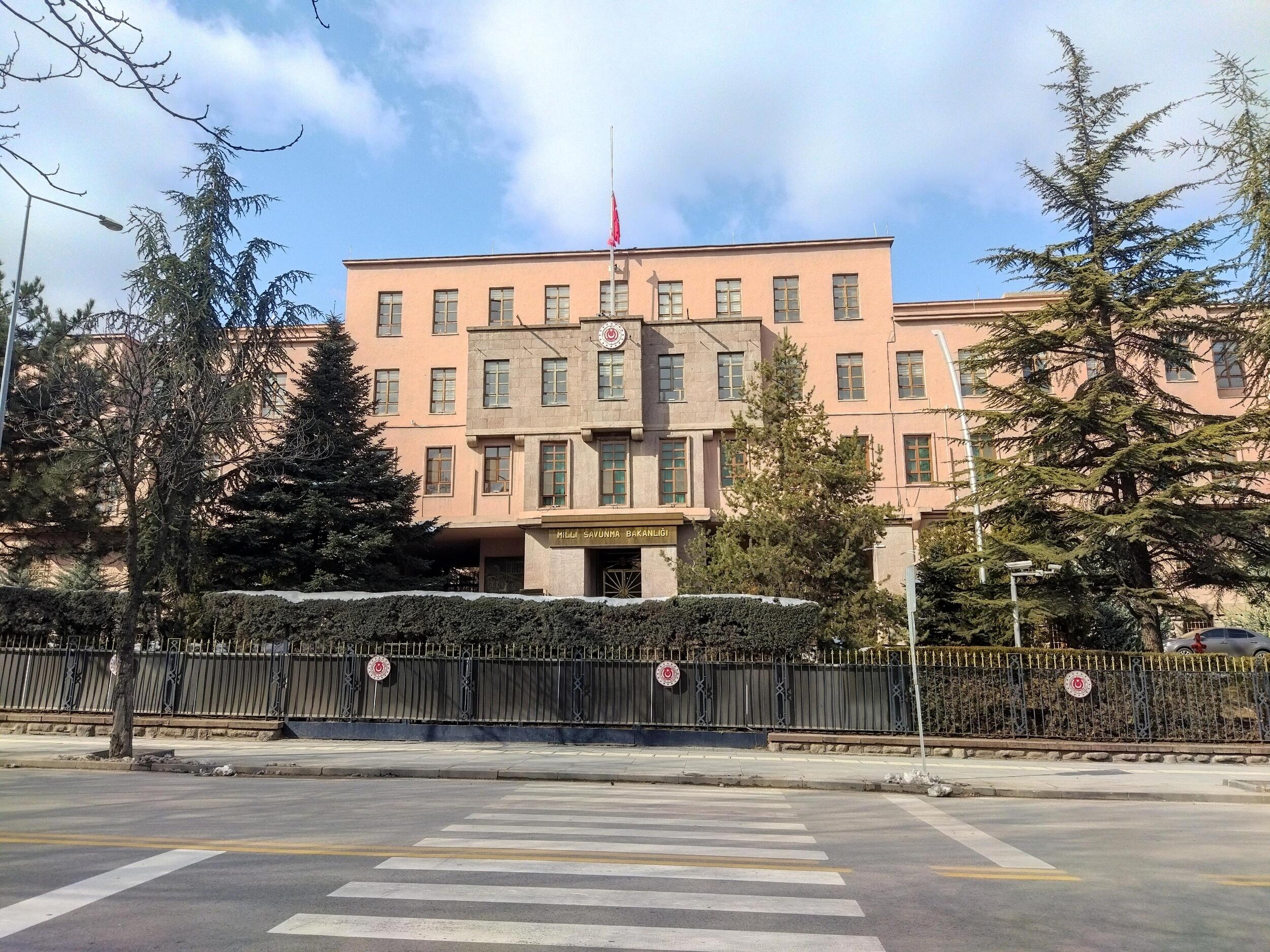
Turkish Ministry of National Defense, Ankara, Turkey
The Turkish Ministry of National Defense building in Ankara. Turkey criticized the Cyprus-France defense agreement, warning it could affect the balance in the Eastern Mediterranean. Credit: Wikimedia Commons / Modern Primat / CC BY SA 4

Turkey’s Ministry of National Defense has condemned a new defense agreement between Cyprus and France, warning that it could destabilize the Eastern Mediterranean and threaten regional security.

The move came after Cyprus and France signed a Status of Forces Agreement (SOFA), which strengthens defense cooperation between the two countries and allows for the conditional deployment of French military personnel and assets on the island nation.

Following a ministry press briefing, Rear Admiral Zeki Aktürk, Press and Public Relations Advisor and Spokesperson for Turkey’s Ministry of National Defense, said Ankara was closely monitoring what it described as a provocative move that could escalate tensions in the Eastern Mediterranean.

Turkey objected to the agreement by arguing that France has no guarantor role in Cyprus. Ankara also claimed that the deal disregards the will and sovereign equal rights of Turkish Cypriots and seeks to unilaterally alter the delicate balance on the island.

Cyprus and France agreement challenges balance, Turkey claims

According to the Turkish Ministry of National Defense, the agreement signed between France and the Republic of Cyprus is contrary to the 1960 Cyprus Agreements and international law.

Aktürk warned that actions of this kind, which, according to Turkey, lack legitimacy and have not been carefully reviewed, could have dangerous consequences for the southern part of the island. Furthermore, any military alliance in the region that disregards the balance in Cyprus and targets the rights and interests of Turkey and the Turkish Cypriots would not succeed against Turkey, he proclaimed.

“As a guarantor country, we will continue to protect the rights and interests and ensure the security of the Turkish Republic of Northern Cyprus, as we have done in the past and as we do today,” Aktürk maintained. He added that the Turkish Armed Forces have both the power and will to respond to the appropriate degree and in the most efficient way possible to any hostile stance which Ankara believes could pose a threat to the security of Turkish Cypriots.

Millî Savunma Bakanlığı Haftalık Basın Bilgilendirme Toplantısı, Denizkurdu-II Tatbikatı’nın Seçkin Gözlemci Günü dolayısıyla Akdeniz açıklarındaki TCG Anadolu’da gerçekleştirildi.

Millî Savunma Bakanlığı Basın ve Halkla İlişkiler Müşaviri ve Bakanlık Sözcüsü Tuğamiral Zeki… pic.twitter.com/whGFkfYCLD

— T.C. Millî Savunma Bakanlığı (@tcsavunma) June 11, 2026

Cyprus and France sign SOFA in Nicosia

The agreement was signed in Nicosia on Monday by Cypriot Defense Minister Vasilis Palmas and French Defense Minister Catherine Vautrin, who met on the sidelines of the informal meeting of European Union defense ministers, hosted by Cyprus. The SOFA had been discussed during French President Emmanuel Macron’s visit to Nicosia on April 23 and was later negotiated between the two governments.

It provides a legal framework for the presence of French military forces in Cyprus and also allows French military assets to be deployed in the southern part of the island under specific conditions, particularly in support of activities in the Eastern Mediterranean and Middle East.

Agreement expands France-Cyprus defense cooperation

Cypriot President Nikos Christodoulides announced that the agreement has entered into force, reportedly granting France access to military bases and infrastructure in Cyprus.

The deal is also said to include provisions for the sharing of military technology, the conduct of joint exercises, and the establishment of a strategic dialogue framework between Cyprus and France.

  •  

Lockheed Martin unable to guarantee Patriot missile delivery timelines for US allies, top executive says

"We do not control what the allocation of those missiles is going to be. We can't tell anybody where you're going to be on that (priority list)," Brian Dunn, Lockheed Martin's vice-president for strategy and business development for missiles and fire control, said.

  •  

La Bce alza i tassi di 25 punti base: è il primo aumento dal 2023. Inflazione su al 3% causa guerra in Medio Oriente

La Banca centrale europea come da attese alza i tassi di un quarto di punto portando il tasso sui depositi dal 2 al 2,25%. Il tasso sui rifinanziamenti principali sale dal 2,15% al 2,40%; quello sui prestiti marginali dal 2,40% al 2,65%. È la prima stretta monetaria dal settembre 2023. Gli analisti la davano per certa visto lo choc energetico causato dalla guerra all’Iran.

Il consiglio direttivo dell’Eurotower a fronte del prolungarsi del conflitto ha ulteriormente tagliato le previsioni sulla crescita e alzato quelle sull’inflazione. Nel nuovo scenario ‘di base’ il progresso del pil è ora atteso a +0,8% per il 2026 (dallo 0,9% delle precedenti proiezioni di marzo) e +1,2% per il 2027 (da 1,3%), mentre è stato alzato a +1,5% (da 1,4%) per il 2028. L’inflazione è vista al 3% per quest’anno e 2,3% per il 2027 per poi frenare al 2%, rispettivamente da 2,6%, 2% e 2,1% delle precedenti previsioni. “Le prospettive restano incerte, con rischi al rialzo per l’inflazione e rischi al ribasso per la crescita economica”, si lege in una nota della Bce. “Le implicazioni complessive della guerra per l’inflazione e la crescita a medio termine dipenderanno dall’intensità e dalla durata dello shock sui prezzi dell’energia, nonché dalla portata dei suoi effetti indiretti e di secondo impatto”.

L'articolo La Bce alza i tassi di 25 punti base: è il primo aumento dal 2023. Inflazione su al 3% causa guerra in Medio Oriente proviene da Il Fatto Quotidiano.

  •  

Dl Accise, ok dal Senato: rottamazione, stretta sul telemarketing e stop alla sanatoria Iva. Le novità

Accise, il decreto passa al Senato: novità su fisco e consumatori tra rottamazione, bonus autobus e nuove regole Tlc

Il Senato ha approvato con voto ad alzata di mano il decreto accise, che ora passa alla Camera per la conversione in legge entro il 30 giugno. Il provvedimento, esaminato in Aula a Palazzo Madama giovedì 11 giugno, introduce una serie di modifiche su fisco, trasporti e tutela dei consumatori, confermando però anche alcune misure rimaste fuori dal perimetro finale del testo. Tra i principali interventi figura la proroga dei termini legati alla rottamazione, insieme a nuove disposizioni sul telemarketing e a un pacchetto di misure di sostegno per il settore dell’autotrasporto. Restano invece escluse alcune misure più controverse, come la sanatoria per le partite Iva e il blocco dei pignoramenti per chi è in regola con le rate della pace fiscale.

Rottamazione: tempi più lunghi e nuovo calendario

Il decreto estende di un mese, dal 30 giugno al 31 luglio, il termine per le delibere di Comuni ed enti locali che vogliono aderire alla rottamazione quinquies. Una misura che amplia la possibilità di includere anche multe e Tari tra i debiti sanabili. Rivisto anche il calendario delle dichiarazioni, che potranno essere presentate tra il 16 ottobre e il 15 dicembre, con possibilità di integrazione fino alla scadenza. Per i pagamenti, la prima rata (o unica soluzione su 54 bimestrali) slitta dal 31 gennaio al 31 marzo 2027.

Bonus autobus per l’autotrasporto

Via libera in commissione anche al credito d’imposta destinato all’autotrasporto passeggeri su autobus, pensato per attenuare l’impatto dell’aumento dei costi legati al caro-carburante.

Leggi anche: Carburanti, taglio delle accise fino al 3 luglio. Sconto di 5 centesimi per la benzina. Ma per il diesel…

Stretta sul telemarketing nelle Tlc

Una delle novità più rilevanti riguarda il contrasto al telemarketing selvaggio. Il divieto di contatti commerciali indesiderati viene esteso anche al settore delle telecomunicazioni, oltre a luce e gas. Le chiamate saranno consentite solo con consenso esplicito dell’utente e da numeri identificabili.

Misure ritirate: sanatoria e pignoramenti

Non entra nel testo finale la sanatoria per le partite Iva, proposta che avrebbe introdotto un ravvedimento speciale per il periodo 2020-2024 per chi aderisce al concordato preventivo biennale 2026-2027. L’emendamento, a firma del senatore Claudio Lotito, potrebbe comunque essere ripresentato come ordine del giorno. Ritirata anche la proposta che prevedeva lo stop al pignoramento dei conti correnti per i contribuenti in regola con le rottamazioni, per problemi di copertura finanziaria.

Il decreto ora attende il passaggio alla Camera, che dovrà completare l’iter di conversione entro la fine del mese.

LEGGI LE NEWS DI ECONOMIA

L'articolo Dl Accise, ok dal Senato: rottamazione, stretta sul telemarketing e stop alla sanatoria Iva. Le novità proviene da Affaritaliani.it.

  •  

“Escludo qualsiasi parente, vicino o lontano”: lascia 2 milioni di euro nel testamento per costruire dei canili ma per il tribunale i soldi devono andare ai suoi nipoti, ora rischia di finire tutto allo Stato

Mette nel testamento due milioni di euro per costruire canili ma il tribunale afferma che i soldi devono andare ai nipoti (che nel testamento erano stati volontariamente esclusi). Come riporta il Corriere di Milano la vicenda sarebbe avvenuta a Cernusco sul Naviglio, in provincia di Milano, dove una donna, sposata ma senza figli, aveva depositato dal notaio fin dal 2000 il proprio testamento. Sul documento ufficiale, riporta il Corriere, le parole vergate dalla donna erano: “In caso di mio decesso, lascio tutto a mio marito, ad eccezione della somma di otto milioni di lire che sarà versata a mio nipote. È mia ferma volontà escludere dal presente testamento qualsiasi altro parente, sia esso vicino o lontano. Dopo il decesso di mio marito, tutto ciò che resta in mio possesso sarà devoluto: alla costruzione di canili, dove ricoverare i cani randagi, abbandonati, malati, alla cura degli stessi”.

Nel 2020 la signora è deceduta e nel frattempo era morto anche il marito, ma la donna non ha voluto ritoccare il testamento valutando che con quelle frasi poi firmate di suo pugno la sua eredità finisse direttamente per aiutare i cani randagi e non ai (pare non propri amati quanto i cani) nipoti. “Il curatore testamentario, però, aveva giudicato nulle le volontà della donna e aveva indicato come legittimi eredi i tre nipoti – spiega il Corriere di Milano. “A quel punto l’Agenzia del Demanio aveva impugnato le decisioni del curatore, perché a suo dire gli stessi nipoti andavano chiaramente esclusi, insieme a tutti i parenti “vicini o lontani” nel testamento della donna”.

Si tratterebbe secondo l’avvocatura del Demanio di una “eredità vacante”, cioè di un patrimonio privo di eredi che passa quindi nelle mani dello Stato automaticamente dopo 10 anni. Solo che nel 2023, dopo tre anni dalla morte i giudici hanno cercato parenti fino al sesto grado trovando, appunto, i nipoti, dalla signora formalmente esclusi. Solo che, come segnala giustamente segnala il Corriere di Milano, “nessuno, né il curatore fallimentare né i magistrati, si è preoccupato di rappresentare gli interessi dei cani randagi, che pure erano stati al centro dei pensieri della signora quando ha scritto il suo testamento”. Alla fine della fiera, secondo diritto, nel testamento della signora bastava segnalare con precisione anche solo un’associazione animalista che si prende cura degli animali e molto probabilmente le cose sarebbero andate in maniera diversa. Probabile, comunque, che vista la cifra l’Agenzia del Demanio ricorrerà in Appello.

L'articolo “Escludo qualsiasi parente, vicino o lontano”: lascia 2 milioni di euro nel testamento per costruire dei canili ma per il tribunale i soldi devono andare ai suoi nipoti, ora rischia di finire tutto allo Stato proviene da Il Fatto Quotidiano.

  •  

Ukrainian drones knocking out the northwestern entrance to Crimea: four bridges targeted in one night

ukrainian drones knocking out northwestern entrance crimea bridges damaged one night · post rl9vo -ukraine-targets-four-bridges-at-crimea-s-northwestern-choke-point- struck four vehicular crimea's overnight 11 2026 quisling official vladimir saldo claimed strikes part ukraine's

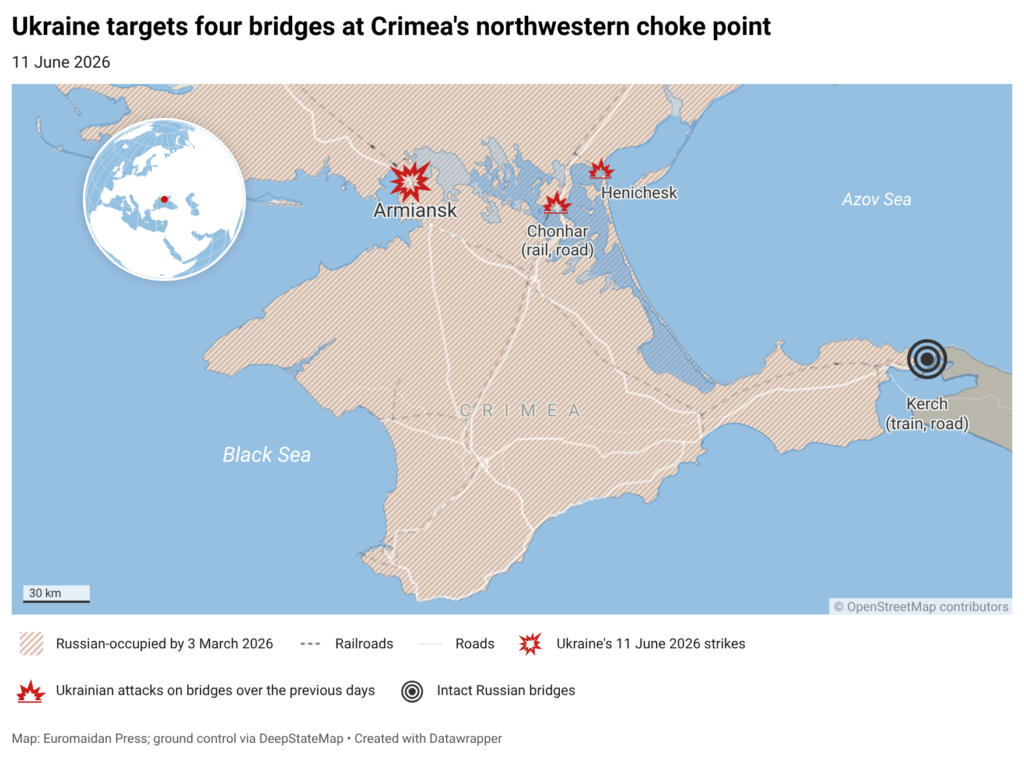
Ukrainian drones struck four vehicular bridges at Crimea's northwestern entrance overnight on 11 June 2026, quisling official Vladimir Saldo claimed. The strikes are part of Ukraine's most recent mid-range strike push—now at its fourth day—reaching every road corridor between Crimea and mainland Ukraine. The same night, drone attacks also rolled across Sevastopol, Bakhchysarai, Saky, and other Crimean sites.

Russia depends on the Crimean land corridor to push fuel, ammunition, and replacements to its forces in occupied southern Ukraine. Ukrainian mid-range drones operating under the military's Logistics Lockdown program have steadily shrunk that corridor's reliability since May. Ukraine has now struck all three major connection points between occupied Crimea and mainland Ukraine within four days, damaging some bridges and destroying others.

Four bridges damaged at the Armiansk isthmus

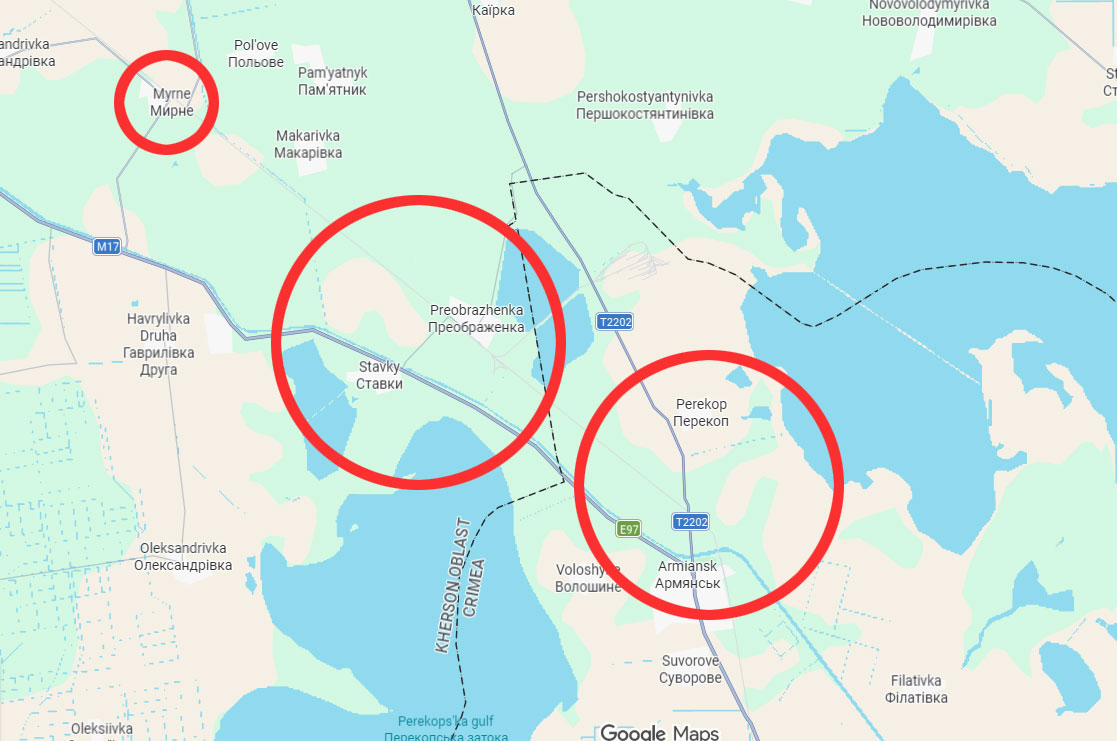
Saldo, the Russian-installed head of occupied Kherson Oblast, named the four targets on his Telegram. They include the automobile bridge in the Perekop-Armiansk area and a bridge near Stavky, Kherson OblastTwo more bridges near Myrne and Preobrazhenka span the North Crimean Canal. Saldo stated all four spans sustained damage.

ukrainian drones knocking out northwestern entrance crimea bridges damaged one night · post google maps view four struck overnight 11 2026 — near myrne between stavky preobrazhenka perekop armiansk crimean
Google Maps view of the four bridges struck by Ukrainian drones overnight on 11 June 2026 — near Myrne, between Stavky and Preobrazhenka, and at Perekop near Armiansk in the northwestern Crimean isthmus. Map: Google Maps

Three Crimean northern choke points hit in four days

Ukraine struck the Chonhar bridge on 7 and 9 Juneclosing Russia's main road link to occupied Crimea, yet the Russians reportedly installed a pontoon bridge next to the severely damaged crossing. On 10 June, Ukrainian drones hit the bridge from Henichesk to Arabat Spit. With both routes fully or partially shut, Russia had rerouted traffic through Armiansk and Perekop — the very corridor struck overnight. DeepState analysts noted that Ukrainian strikes on the bridges are an important part of the blockade of occupied southern Ukraine.

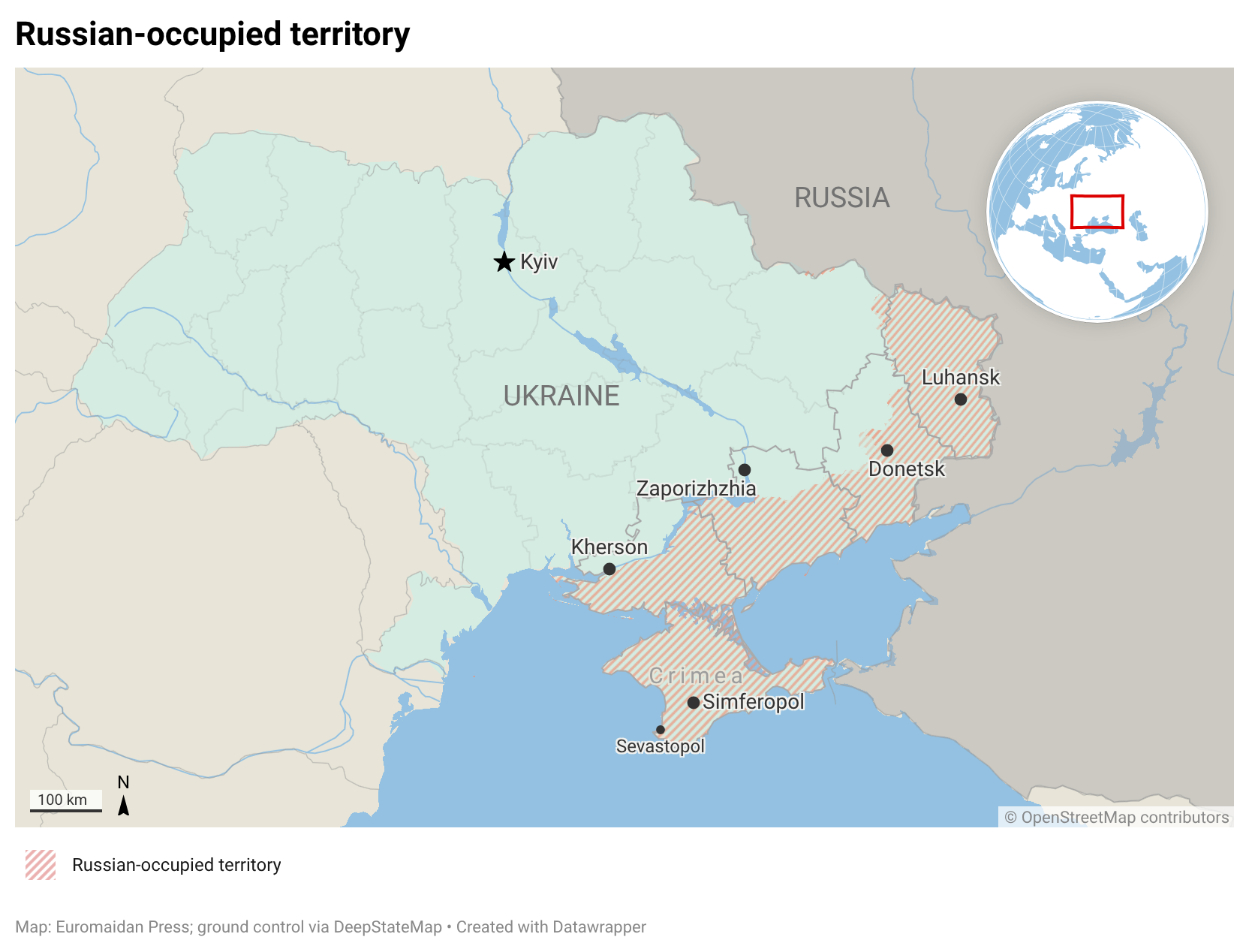
Russian-occupied Ukrainian territory, including Crimea and parts of Luhansk, Donetsk, Zaporizhzhia, and Kherson oblasts. Illustrative map: Euromaidan Press

Not only an entrance, but also targets across the peninsula

Russia's occupation governor, Mikhail Razvozhayev, claimed 32 drones were shot down over Sevastopol between 22:00 and midnight. He claimed the drones fell near Sevastopol Bay, Cape Fiolent, and Balaklava. The city declared two air alerts during the night and the morning.

Monitoring Telegram channel Krymsky Veter reported machine-gun fire in Pishchane at 21:40 and in Andriivka shortly after, citing subscribers. 

"At 21:40 a machine gun started firing in Pishchane, at 21:48 a machine gun started in Andriivka, after which an anti-aircraft gun fired a couple of bursts," the channel wrote. 

Detonations followed near Cape Fiolent, in Sevastopol, and later in Bakhchysarai. By morning, Krymsky Veter reported explosions and shooting in Saky.

Russia's Defense Ministry claimed the destruction of 330 drones over Russia and the occupied territories in the same overnight period.

Update

The First Assault Brigade shared the footage of the strikes:

Videos emerged of some of the Ukrainian strikes on bridges linking occupied Crimea to occupied Kherson Oblast

Ukraine's 1st Assault Brigade, 475th Assault Regiment, and SBU's Alfa reportedly took part.

📹 1st Assault Brigade
More on the strikes: https://t.co/xkKf15akux https://t.co/7FhAOJbWl0 pic.twitter.com/WFXUcKjfWm

— Euromaidan Press (@EuromaidanPress) June 11, 2026
  •  

Cape Tainaro in Greece: Where the Land Ends and Legends Begin

Cape Tainaron
The tip of Cape Tainaro, where Greece’s mainland ends. Credit: GeorgiosKladis , CC BY-SA 4.0/Wikipedia

Cape Tainaro (also known as Cape Matapan) is the southernmost point of mainland Greece and the Balkan Peninsula, located at the tip of the Mani Peninsula. It’s a place of rugged beauty, characterized by dramatic cliffs, a wild landscape, and the convergence of the Messenian and Laconian Gulfs.

Tainaro has been important for thousands of years, serving as a maritime crossroads and a place of worship. Today, a lighthouse stands at its very tip, and scattered ruins of ancient settlements and temples can still be found there.

Cape Tainaron
The southernmost point of the Balkan Peninsula. Credit: Nicolas Hadjidimitriou, CC BY-SA 4.0 / Wikipedia

The lighthouse that stands guard in Tainaro is considered one of the most imposing in all of Greece. It is a construction of French technicians, built of stone on a plateau on the natural rocks of the cape, with a height of about 52 feet (16 meters). It began operating in 1887 and was renovated in 1930.

In 1984, an automatic lighting machine was installed there, and the lighthouse was abandoned by its last guardians. The building was restored in 2008 and has since been guarded by Navy personnel. Every third Sunday in August, public access is free as part of World Lighthouse Day.

Tainaro lighthouse.
The lighthouse at Tainaro. Credit: Nicolas Hadjidimitriou, CC BY-SA 4.0/Wikipedia.

Cape Tainaro: Gateway to the Underworld (Hades)

Ancient Greeks believed that a cave at the cape’s edge, often referred to as the “Gates of Hades” or “mouth of Taenarum,” was a direct entrance to the Underworld, the realm of the dead, ruled by the god Hades. This mythical entrance was said to be guarded by Cerberus, the monstrous three-headed hound with a serpent’s tail who prevented the dead from escaping and the living from entering.

One of the most famous myths connected to Tainaro is that of Heracles (Hercules). As his twelfth labor, he descended into the Underworld through this cave to capture and bring Cerberus to Eurystheus. The legendary musician Orpheus also used this passage to descend into Hades in his attempt to bring his beloved wife, Eurydice, back to the world of the living.

By some accounts, the sculpted canal on the east side of Porto Sternes was the path taken by the souls of the dead, ferried by Charon, the grim boatman of the Underworld.

Cape Tainaro: Sanctuary dedicated to Poseidon

Temple Poseidon
View of the temple. Credit: Katsikas pantelis , CC BY-SA 4.0/Wikipedia

Cape Tainaro was home to a sanctuary dedicated to Poseidon, the god of the sea. Poseidon was worshiped under various epithets, including “Poseidon Tainarios,” as the god who controlled both the seas and earthquakes.

The temple served as a place of inviolable asylum, offering refuge to criminals and even escaped slaves. A story was recounted by Thucydides about the Spartans violating this asylum by killing helots (agrarian slaves) who had taken refuge there, an act believed to have brought divine retribution in the form of an earthquake.

Tainaron Poseidon
A Roman mosaic at the Temple of Poseidon at Tainaro. Credit: Nicolas Hadjidimitriou , CC BY-SA 4.0/Wikipedia

The site also functioned as a “necromanteion,” or Oracle of the Dead, where Ancient Greeks would perform rituals to communicate with the spirits of their deceased ancestors, seeking guidance or prophecy.

A celebrated bronze statue of the poet and singer Arion, seated on a dolphin, was a prominent dedicatory offering at the temple of Poseidon. It honors the myth of Arion, who was rescued by a dolphin after being cast into the sea by pirates and brought safely to Cape Tainaron.

In medieval times, Tainaro became a notorious pirate base—with merchant ships carefully avoiding it—and during World War II, the Battle of Tainaro (March 1941) was fought off the coast between the British and Italian fleets.

Getting to Tainaro

The only way to get to Tainaro is by hiking along a path that many consider to be the most interesting of the “inner” Mani. It is accessible to all with no significant altitude differences and has a total length of about 1.4 miles. Starting from the village of Kokkinogia, it’ll probably take around fifty minutes to get to the lighthouse.

You will find the village of Kokkinogia at the end of the Areopolis-Tainaro road. The marked dirt path begins at the church of Agioi Asomatoi and passes by the beach of Aria, where you can see a Roman mosaic. The surrounding landscape is typical of Mani: thorn bushes, thyme, low vegetation, flint stones, and no shade—so be sure to wear a hat, apply sunscreen, and bring plenty of water. The views along the way to Tainaro will make it all worthwhile.

  •  
❌