Reading view

Queen Cleopatra of Egypt Had a Secret Drinking Club

cleopatra mark antony drinking club
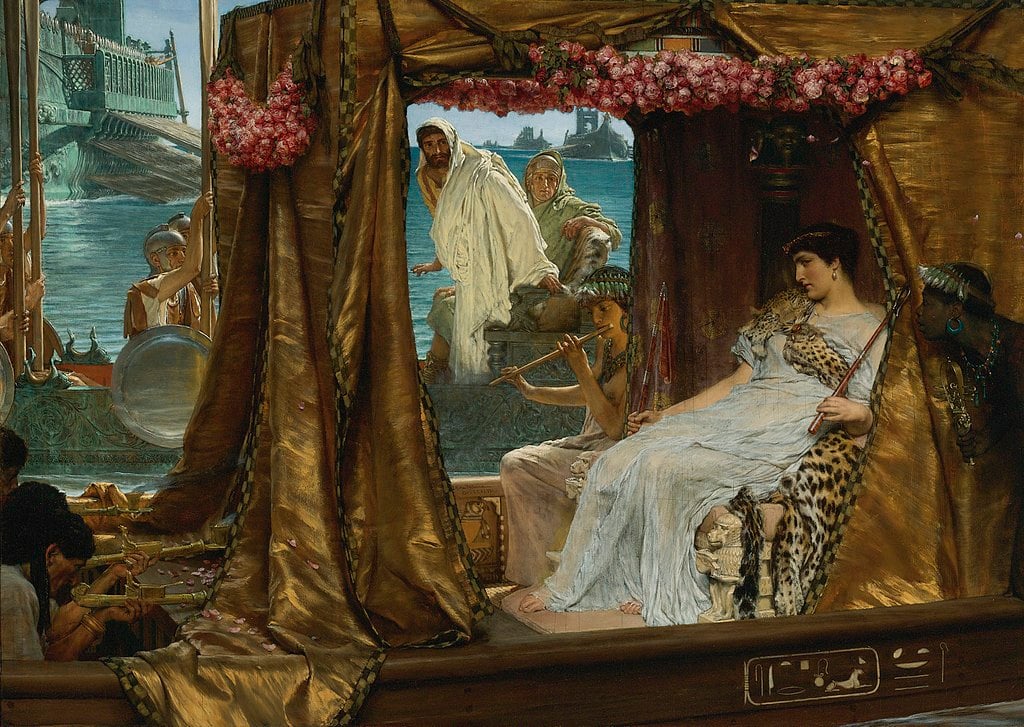
Cleopatra by Alexandre Cabanel. The Egyptian queen created her own secret drinking club with lover Mark Antony. Credit: Public Domain

Cleopatra was not just a famed Greek queen of Ancient Egypt but was also known for her love of parties. She even created her own secret drinking club.

The famous ancient ruler became well known during her time for her intellect and wit and was often described as incredibly seductive and persuasive. These qualities made her all the more mysterious throughout the centuries.

She is now a popular figure in media, literature, and art, and her enchanting qualities, romantic relationships, and beauty are of particular interest to people.

Perhaps the most surprising fact about Cleopatra, who was a strategic and often cutthroat ruler, is that she was quite the reveler.

Cleopatra maintained a relationship with Roman leader Mark Antony and even gave birth to his twins, Alexander Helios, which means sun, and Cleopatra Selene, which means moon, shortly after Antony returned to Rome in 40 BC.

While Antony was living in Egypt with Cleopatra, despite being married in Rome, the pair would throw parties and were known to appreciate a good drink.

Cleopatra formed a secret drinking club, played pranks

In fact, Cleopatra and Antony created their own secret drinking club called “The Inimitable Livers,” ostensibly as a group to honor the god Dionysus but likely to drink and revel.

In 41 BC, the couple formed the group, which included nightly feasts and debauchery, as well as the consumption of copious amounts of alcohol.

Along with these drinking parties, Antony and Cleopatra were known to roam around the streets of Alexandria, the urban center of ancient Egypt, wearing disguises and pulling pranks on locals.

Cleopatra generally loved joking around and even pranked her Roman lover. According to Pliny the Elder, Cleopatra once bet Antony that she could spend 10,000,000 sesterces, which is likely equivalent to over $10 million today on one dinner alone.

Antony balked at the preposterous idea and agreed to the bet, believing that spending such a massive sum on one dinner was impossible.

Cleopatra and Antony then went to dine together, and the couple was served a completely normal meal which definitely wasn’t worth such a sum.

As the meal was ending, Antony was beginning to believe he had won the bet. Cleopatra, however, called one of her servants over and asked for a cup filled with strong vinegar.

Once the servant brought the vinegar to the queen, Cleopatra removed one of her massive pearl earrings from her ear and dropped the precious earring into the cup.

The pearl, which was worth a huge amount of money, then began to dissolve in the vinegar solution. After it was fully dissolved, Cleopatra drank the solution.

Cleopatra VII Philopater ruled over Ancient Egypt from 51 to 30 BC and was the last ruler of the Ptolemaic Kingdom in Egypt. After her death, the Roman Empire took control of the country.

The Ptolemaic Dynasty was formed by Ptolemy I Soter, a Greek general in Alexander the Great’s army, in 305 BC. Although located in Egypt, the dynasty that Ptolemy established remained incredibly Greek.

Cleopatra, a direct descendant of Ptolemy, was the first Ptolemaic ruler to learn the Egyptian language, as all those before her spoke only Greek. She was also believed to have spoken Ethiopian, Hebrew, Aramaic, Arabic, Syriac, Median, Parthian, and Latin.

The name Cleopatra comes from the Ancient Greek words κλέος (kléos), meaning “glory,” and πατήρ (pater), meaning “father,” which means “glory of her father.”

  •  

The Julius Caesar and Cleopatra’s Love Affair Revisited

Julius Caesar and Cleopatra's love affair
Caesar giving Cleopatra the Throne of Egypt. Public Domain

The Greek queen of Egypt Cleopatra is associated with a very public love affair with Roman leader Julius Caesar apart from her glamorous beauty routines, deadly snake bites, and lavish banquets. But their “situationship” was complex, according to two historians.

By Charlotte Dunn and Jayne Knight

This doomed romance ended abruptly in 44 BC when Caesar was quite literally stabbed in the back (and from all sides) by his enemies in Rome. And she pretty soon hooked up with one of his closest allies.

When Caesar met Cleopatra, he was 52 and had a wife back in Rome. But something about the 21-year-old Cleopatra caught his eye.

Perhaps it was her charming banter and impressive mind. The ancient author Plutarch reports Cleopatra was an irresistible conversation partner, and fluent in nine languages.

Things really got started when Caesar got involved in a family feud involving Cleopatra and her royal relatives.

Cleopatra came from a long line of dramatic and ruthless kings and queens, which we now call the Ptolemies.

The Ptolemies had ruled Egypt since about 305 or 304 BC. They didn’t always get along but they were very close. As in, genetically close.

The Ptolemies had practiced brother-sister marriages (and other in-the-family marriages as well) for several generations.

According to this tradition, Cleopatra was probably married to her ten-year-old brother Ptolemy XIII when their father died and they became co-rulers of Egypt.

Cleopatra pursued Julius Caesar

Cleopatra VII
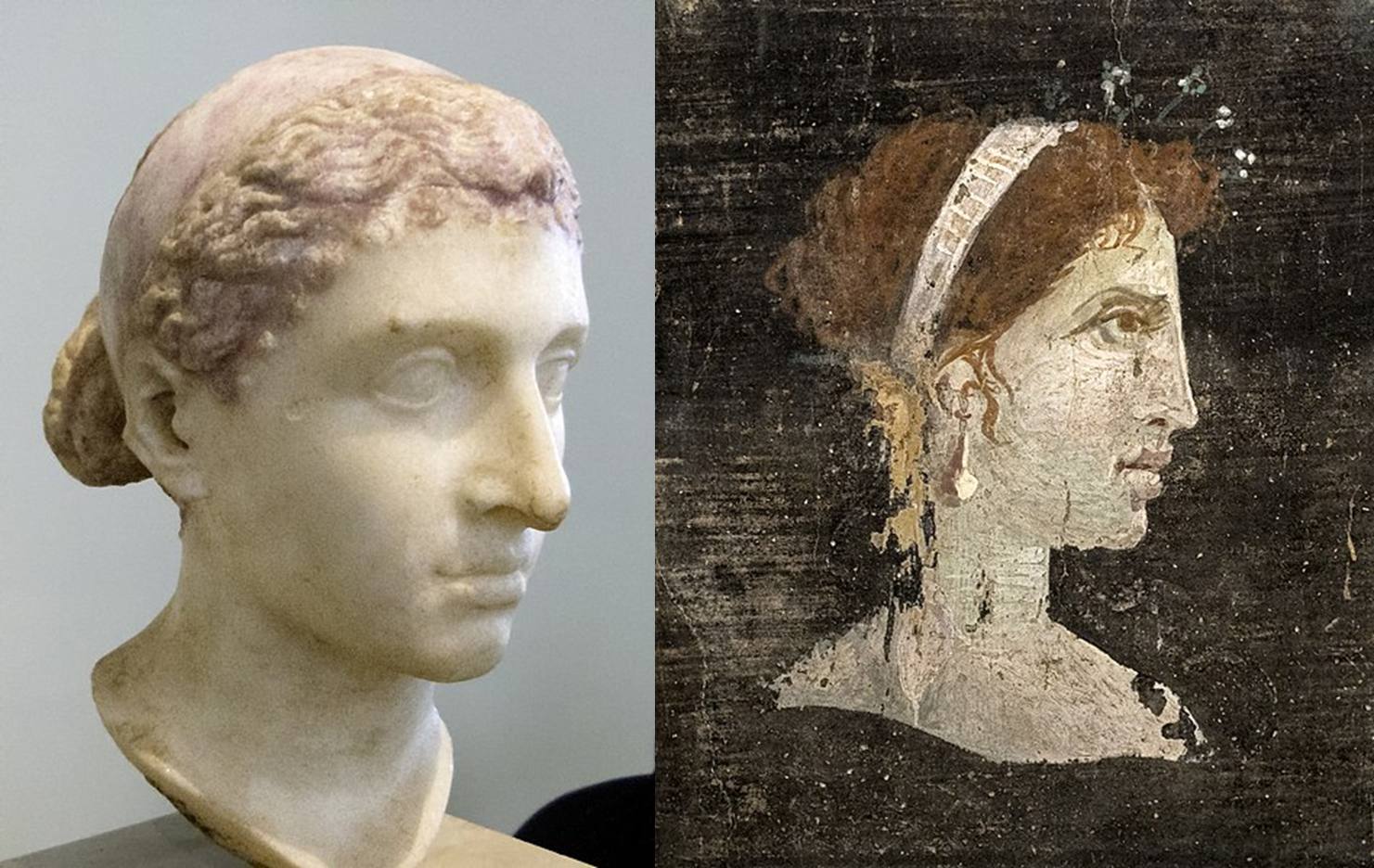
Left: a Roman sculpture of Cleopatra VII wearing a royal diadem, mid-1st century BC (around the time of her visits to Rome in 46–44 BC). Right: A posthumous painted portrait of Cleopatra VII of Ptolemaic Egypt from Roman Herculaneum, made during the 1st century AD. Credit: Louis le Grand / Public domain / Wikimedia Commons (right) / Ángel M / Public Domain / Wikimedia Commons

So in pursuing Caesar, you might say Cleopatra was going against the family trend by dating outside her siblings.

Cleopatra’s union with her little brother was not a happy one: the young Ptolemy, alongside his advisors, had managed to run Cleopatra out of Egypt, wanting to rule the kingdom without her interfering.

While Cleopatra was busy raising an army to reclaim her place on the throne, Caesar arrived at the royal palace at Alexandria in 48 BC.

Caesar had his own political woes. He was in the middle of a civil war and was pursuing his rival Gnaeus Pompey (also known as Pompey the Great) after defeating his army in Greece.

Ptolemy, completely misreading the situation, greeted Caesar with a gruesome and unexpected gift: Pompey’s severed head.

Outraged and disgusted, Caesar demanded Cleopatra and her brother reconcile, but Cleopatra had other plans.

Plutarch says she hid herself in a bed sack and got smuggled into the palace to meet and charm Caesar.

Was it true love?

The young Cleopatra was ambitious, and there’s no denying a connection with Caesar was politically advantageous.

Caesar also had plenty of other affairs, including one with another queen, Eunoë of Mauretania.

But there may well have been a true connection with Cleopatra. Caesar, after all, was also very well educated and ruthlessly ambitious, and the ancient author Suetonius states Cleopatra was Caesar’s most passionate love affair.

But whatever sparks flew, Cleopatra couldn’t fully escape her family responsibilities.

Caesar put her back on the throne but arranged for her to marry her youngest brother, Ptolemy XIV after her previous brother-husband (Ptolemy XIII) drowned.

Nothing spells romance like your lover ordering you to marry your 12-year-old brother, but Cleopatra needed Caesar’s help to secure her position on the throne.

Being older and ambitious, she seemingly had no trouble taking the lead in running their kingdom, pushing Ptolemy XIV to one side.

Cleopatra
Cleopatra is famed for her lovers, but beyond romantic interests, these were important political allies. Credit: Lawrence Alma Tadema / Public Domain / Wikimedia Commons

Cleopatra and Julius Caesar take a luxurious cruise down the Nile

Some sources say Cleopatra and Caesar celebrated their success at smoothing things over in Alexandria by taking a luxurious cruise down the Nile, accompanied by 400 ships.

This promoted their partnership and alliance, and by this time there was something else to celebrate: Cleopatra was pregnant with Caesar’s son, something she wanted to advertise as the future of her dynasty.

Cleopatra and Caesar’s son was nicknamed Caesarion, meaning “little Caesar”, although he is also known as Ptolemy Caesar or Ptolemy XV.

Caesarion’s existence was a bit of a problem. Caesar probably acknowledged the boy as his son, but Roman law did not, because Roman men were not allowed to marry foreign women.

There was also of course the matter that Caesar was still married at the time, to a Roman woman named Calpurnia.

The fiercely republican Romans of this era did not have much love for monarchy, and Caesar’s dalliance with Cleopatra probably made his fellow Romans even more suspicious about his own grand plans.

When in Rome

Despite many Romans disapproving of the relationship, the Egyptian queen spent about 18 months living on Caesar’s estate in Rome.

While there, Caesar seems to have done nothing to dispel the rumours about his situationship with Cleopatra, and he may have even dedicated a golden statue of Cleopatra as Venus in the temple of Venus Genetrix.

The famous orator Cicero was not impressed, writing in a letter to a friend “reginam odi” or “I hate the queen.”

After Caesar’s assassination, Cleopatra returned to Egypt.

But she soon began a love affair with Marc Antony, Caesar’s right-hand man and would-be successor to his power, if 19-year-old Octavian (who would eventually become the first emperor Augustus) had not been named heir in Caesar’s will.

Antony and Cleopatra’s relationship flourished but ended in tragedy when Octavian’s political rivalry with Antony intensified, and Octavian used their relationship as fuel for anti-Antony propaganda.

The lovers were eventually pursued and defeated by Octavian’s forces. Both took their own lives – he stabbed himself with a sword and she, according to one version of the tale, by compelling a snake to bite her.

Charlotte Dunn is a Lecturer in Classics, the University of Tasmania

Jayne Knight is a Senior Lecturer in Classics, the University of Tasmania

The article was published in The Conversation and is republished under a Creative Commons License

  •  

Governo articula com Alcolumbre para evitar pautas sensíveis no Senado

O governo Lula (PT) tenta construir um acordo com o presidente do Senado, Davi Alcolumbre (União Brasil-AP), para impedir a votação de propostas que podem ser fonte de desgaste eleitoral do petista na área da segurança pública e entre evangélicos.

O Palácio do Planalto está preocupado com potenciais prejuízos à imagem de Lula caso o Senado vote PECs (Propostas de Emenda à Constituição) sobre a redução da maioridade penal e sobre a concessão de benefícios a templos.

Governo teme impacto da PEC das Igrejas

No caso da chamada PEC das Igrejas, o texto amplia a imunidade tributária para entidades religiosas. Na prática, a proposta impede a tributação sobre bens, serviços e consumo relacionados a templos, o que abarca da compra de helicópteros e veículos a alimentos e serviços de limpeza.

O PT e a maioria dos partidos de esquerda foram contrários, mas o governo foi obrigado a liberar a base na votação da Câmara, no final de maio. O Planalto reconhece o apelo do projeto entre evangélicos e teme que uma posição contrária seja utilizada pelos adversários para colar em Lula a pecha de candidato contrário a atividades religiosas.

O presidente tem tentado melhorar a relação com os evangélicos, grupo que representa quase 27% da população brasileira, segundo o Censo de 2022, e que esteve mais afinado nos últimos anos com o clã Bolsonaro.

Na última semana, o PT divulgou uma carta a esse segmento, destacando medidas em defesa da liberdade de crença. Outro ponto é a insistência na indicação de Jorge Messias, evangélico, ao STF (Supremo Tribunal Federal).

Redução da maioridade penal preocupa aliados

Já sobre a redução da maioridade penal, há pelo menos duas PECs em discussão. Uma foi aprovada na CCJ (Comissão de Constituição e Justiça) da Câmara, e os governistas acreditam que, diante do apelo eleitoral, os deputados podem acelerar sua tramitação. Outra está pronta para ser pautada no Senado.

Aliados de Lula trabalham para que nenhuma das duas seja votada até a eleição.

O governo Lula é contra a redução da maioridade e defende outras formas de combate à criminalidade entre jovens. Ao mesmo tempo, há o reconhecimento entre petistas do amplo apelo popular que a medida carrega.

O Planalto admite que a segurança pública é uma das áreas em que o PT enfrenta uma dificuldade histórica. Recentemente, o principal adversário de Lula na corrida pela Presidência, o senador Flávio Bolsonaro (PL), conseguiu uma vitória no tema com a classificação, pelos Estados Unidos, do PCC (Primeiro Comando da Capital) e CV (Comando Vermelho) como organizações terroristas.

Dessa forma, o governo teme ser emparedado caso o Senado dê celeridade à proposta da Câmara ou, no pior cenário, resgate uma das propostas paradas na Casa para pautar essa discussão. O assunto é considerado um campo minado que Lula não quer atravessar num momento em que vem recuperando vantagem sobre Flávio nas pesquisas.

O governo teme que a discussão sobre maioridade se sobressaia a iniciativas do governo, que tem uma PEC da Segurança parada no Senado. Além disso, Lula afirmou recentemente que lançará um novo programa para combater o roubo de celulares.

A ideia da base governista é convencer Alcolumbre a não votar nenhuma dessas pautas até a eleição. O grupo se diz confiante após o presidente do Senado sinalizar que não pretende colocar em votação nenhuma proposta de elevação de piso salarial ou aposentadorias especiais neste ano, conhecidas como “pautas-bomba”.

Em paralelo, há expectativa de um encontro entre Lula e Alcolumbre que ajude o governo a votar três propostas que aguardam análise no Senado: a PEC do fim da escala 6×1, a PEC da Segurança Pública e o marco legal para exploração de minerais críticos e terras raras.

Entendimento sobre pautas-bomba reforça aproximação

A confiança do governo em Alcolumbre foi restabelecida após conversas sobre as propostas com alto impacto fiscal. O presidente do Senado recebeu nesta semana os ministros José Guimarães (Relações Institucionais) e Dario Durigan (Fazenda), que fizeram apelos contra as pautas-bomba.

De acordo com pessoas a par das discussões, Alcolumbre demonstrou boa vontade e indicou que não tem interesse em pautar em plenário reajustes de pisos salariais que comprometam o Orçamento federal. Ficou de fora desse entendimento, porém, o projeto de renegociação de dívidas rurais, pois há compromisso anterior de votação com os senadores.

Segundo interlocutores, Alcolumbre pediu a lideranças do Senado que cessem as cobranças em plenário sobre propostas de reajuste de piso salarial.

Apesar disso, o senador Fabiano Contarato (PT-ES) foi ao plenário e cobrou a votação do piso dos garis e margaridas. Tal postura colocou o governo e Alcolumbre em uma situação complicada, dizem duas lideranças petistas ouvidas pela Folha.

“Num ano de eleição, isso é muito complexo. Todo mundo vai votar sim por causa da eleição, mas teremos que arrumar dez Brasis para pagar. (…) Ou eu vou botar todos os pisos e PECs na pauta ou não vou colocar nenhum”, reclamou Alcolumbre em plenário. A posição foi endossada pelo líder do governo no Senado, Jaques Wagner (PT-BA), segundo aliados.

Para pessoas próximas a Lula, esse foi o gesto que faltava para pavimentar um encontro do petista com Alcolumbre. Eles estão rompidos desde a rejeição de Messias ao STF.

O presidente do Senado reforçou a petistas seu desejo de retomar a relação e chegou a brincar que faria campanha para Lula. Um encontro é esperado para os próximos dias.

O Senado acabou dando sequência a três pautas-bomba na quarta-feira (10), mas nenhuma significou descumprimento de acordo por parte de Alcolumbre, segundo governistas. A renegociação das dívidas rurais é de caráter autorizativo e ainda vai passar pela Câmara.

O reajuste do piso dos médicos e cirurgiões-dentistas passou pela Comissão de Assuntos Sociais com consentimento do governo. A avaliação do Planalto é que o Senado precisava dar uma resposta à pressão dos reajustes e que será possível segurar ou alterar essa proposta na Câmara.

Já o projeto que efetiva vínculos temporários e afrouxa as regras de aposentadoria para agentes comunitários de saúde ainda precisa do aval do plenário do Senado. (Augusto Tenório/FOLHAPRESS)

The post Governo articula com Alcolumbre para evitar pautas sensíveis no Senado appeared first on Diário da Manhã - O Jornal do leitor Inteligente.

  •  

Искусственный интеллект решает задачи Эрдёша: что уже достигнуто в чистой математике

В последние месяцы языковые модели искусственного интеллекта начали успешно решать открытые математические задачи, в том числе из списка задач Пал Эрдёша, ранее считавшихся неразрешёнными.

МИП — Ментальные победы

Пал Эрдёш, математик XX века, оставил после себя многочисленные статьи и задачи, касающиеся свойств числовых множеств, графов и точек на плоскости. Некоторые из этих задач так и остались открытыми, а их список поддерживает исследователь и преподаватель Томас Блум с Манчестерского университета на официальном сайте.

Задачи Эрдёша стали инструментом для оценки математических способностей языковых моделей. Энтузиасты начали применять доступные чат-боты к нерешённым вопросам из каталога и публиковать результаты. По данным издания N+1, в конце 2025 года удалось перевести несколько открытых задач в категорию решённых с помощью ChatGPT, хотя часть решений оказалась заимствованными из уже существующей литературы.

Кевин Баррету, студент Кембриджского университета, исследовал возможности ChatGPT-5.2 Pro и в январе 2026 года с помощью модели и своего коллеги Лиама Прайса нашли первое полностью автономное решение задачи Эрдёша под номером 728. Задача связана с делением факториалов и условиями на натуральные числа, и её решение оказалось корректным и формализованным для компьютерной проверки.

Процесс работы Баррету включал поиск информации в литературе с помощью специализированных моделей, диалог с ИИ без доступа к интернету для генерации решения, а затем проверку результатов тремя ИИ-контролёрами с выходом в интернет. При подтверждении результата циклы повторялись, и окончательное решение проходило формализацию.

В последующие месяцы благодаря таким методам было решено по меньшей мере 17 задач Эрдёша с минимальным человеческим вмешательством. Среди значимых результатов — доказательство задачи о иррациональности сумм быстро сходящихся рядов с помощью ИИ-агента Google DeepMind Aletheia и опровержение гипотезы Эрдёша о количестве пар точек на расстоянии ровно 1, достигнутое закрытой моделью OpenAI.

Читайте также на «FiNE NEWS»Рост интереса к искусственному интеллекту также влияет на рынок полупроводников, о чем свидетельствует новость о том, что SK Hynix планирует утроить выпуск кремниевых пластин к 2034 году из-за роста спроса на ИИ.

Эти успехи возродили традицию математических вызовов среди специалистов и широкой аудитории. В феврале 2026 года проект First Proof опубликовал подборку из десяти задач из разных областей, предложив проверить возможности современных ИИ-систем в их решении.

Искусственный интеллект решает задачи Эрдёша: что уже достигнуто в чистой математике • Опубликовано на FiNE NEWS

  •  

Un origen divino

¿Nos encontramos ante el primer papa algorítmico de la historia? Quizá sí, si atendemos a su capacidad para producir un grado de satisfacción trasversal desconocido hasta el momento. Los conservadores perciben en él señales de continuidad. Los progresistas, matices revolucionarios. Los jóvenes lo hallan cercano. Los mayores, sensato. Los creyentes se sienten ratificados en su fe, y a los ateos les parece un hombre razonable y hasta maravilloso, da gusto verle bendecir ambulancias. Como los algoritmos, León XIV es un espejo que devuelve una imagen mejorada a quien se busca en él. Abres una red social y enseguida tienes la impresión de que el mundo piensa igual que tú. Pues eso, que el algoritmo nos sirve una realidad a medida. León XIV habla de forma que cada cual escucha la música que le conviene.

Seguir leyendo

💾

©

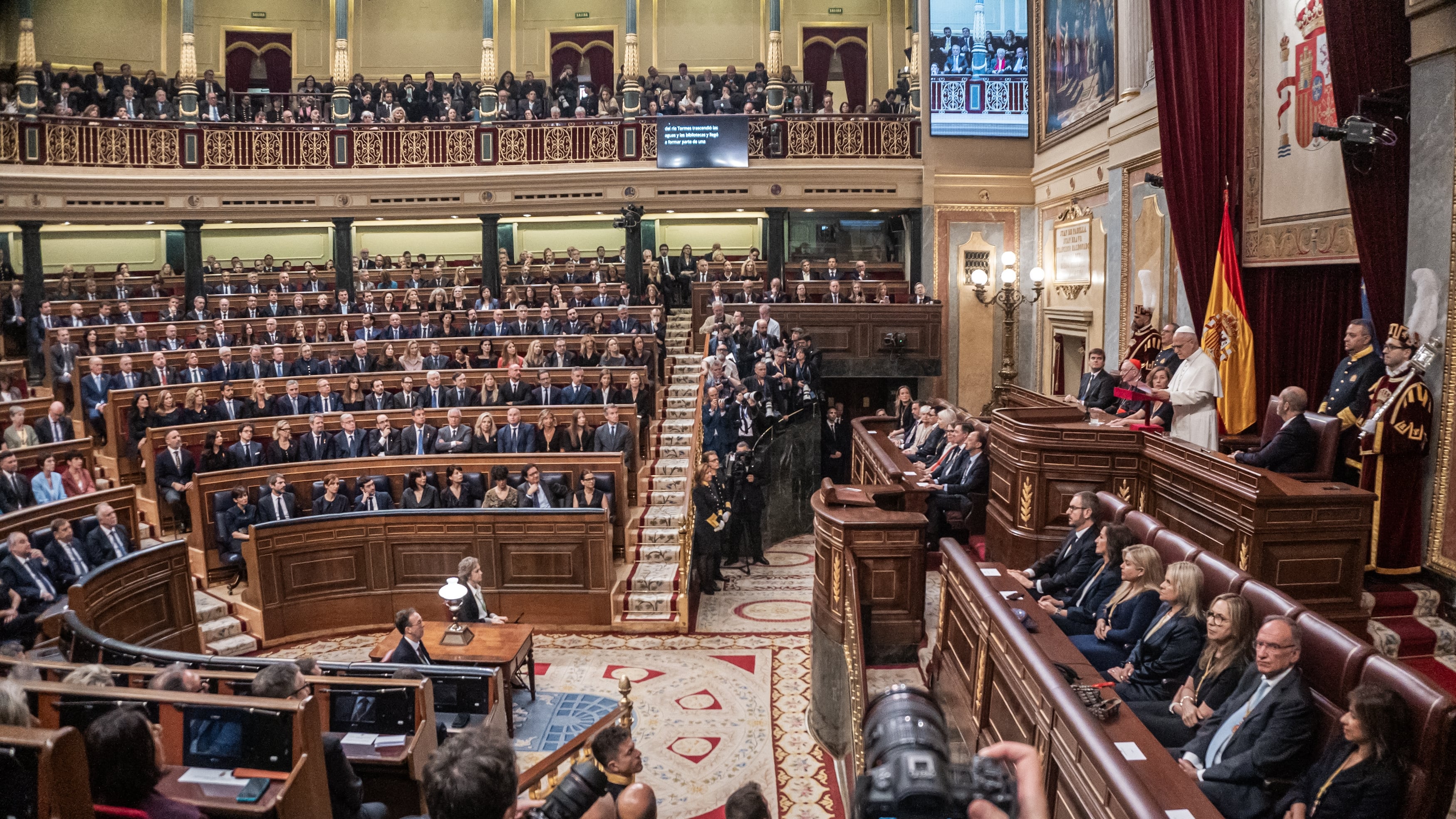
El papa León XIV interviene durante su visita al Congreso de los Diputados, el pasado 8 de junio, en Madrid.
  •  

La Cina ha usato ChatGPT per influenzare il dibattito Usa sui data center

A prima vista è un caso di influenza digitale tra i tanti. Ma il nuovo report di OpenAI intercetta qualcosa di più strutturale: il punto in cui la competizione tra Stati Uniti e Cina sull’intelligenza artificiale si intreccia con la politica infrastrutturale americana. Secondo OpenAI, una rete di account con presunti legami con la Cina avrebbe utilizzato ChatGPT per produrre post in inglese contro la costruzione di nuovi data center negli Stati Uniti. I contenuti insistevano su un tema sensibile nel dibattito locale: l’aumento dei costi dell’elettricità e l’impatto delle grandi infrastrutture digitali sulle comunità. L’operazione è stata ribattezzata “Data Center Bandwagon” e attribuita a un soggetto privato cinese che lavorerebbe per il governo.

Bloomberg aggiunge il contesto: negli Stati Uniti la resistenza ai data center è in crescita. Secondo dati citati dall’agenzia, nel 2025 progetti per oltre 150 miliardi di dollari sono stati rallentati o bloccati da opposizioni locali. Le preoccupazioni riguardano consumi idrici, pressione sulle reti elettriche e impatto sulle bollette. È in questo spazio già polarizzato che si inserirebbero i contenuti individuati da OpenAI.

Il punto centrale, però, non è tanto la scala della campagna – definita limitata dalla stessa azienda – quanto la sua logica. Infatti, si inserisce in un contesto geopolitico particolare: la Cina ha ulteriormente elevato l’intelligenza artificiale a priorità nazionale, con il Quarto Plenum e il nuovo piano quinquennale che la collocano tra i pilastri della crescita tecnologica. Dunque, anche senza un coordinamento diretto, operazioni di questo tipo risultano coerenti con un obiettivo più ampio: rendere più difficile e più lenta la costruzione dell’infrastruttura che sostiene la leadership americana nell’AI. Non serve dimostrare un ordine esplicito. Il punto è che il sistema di incentivi – politico, industriale e tecnologico – converge verso la stessa direzione.

A questo si lega il tema di chi conduce queste operazioni. OpenAI descrive una struttura non statale diretta, ma una società privata che lavora per clienti pubblici a livello provinciale. È un dettaglio che si inserisce in una tendenza più ampia: la professionalizzazione dell’influence-for-hire. Rispetto alle prime campagne attribuite alla Cina, spesso rudimentali e facilmente individuabili, lo scenario si è evoluto. L’uso di intelligenza artificiale generativa e strumenti di analisi del sentiment permette oggi di produrre contenuti più credibili, adattati a pubblici specifici e inseriti in dibattiti reali invece che creati artificialmente. Non siamo ancora di fronte a operazioni particolarmente efficaci, ma la direzione è chiara: una filiera dell’influenza sempre più simile a un’industria.

Inoltre, gli account coinvolti non usavano ChatGPT solo per generare post pubblici, ma anche per produrre documenti interni e report destinati ai clienti. Questo dettaglio trasforma la natura del caso: per la prima volta su larga scala, una piattaforma di intelligenza artificiale non osserva solo il contenuto finale di una campagna, ma frammenti del suo processo produttivo. Strutture organizzative, obiettivi operativi, flussi di lavoro emergono indirettamente attraverso l’uso stesso dello strumento. In questo senso, le aziende di intelligenza artificiale non sono più soltanto fornitori di infrastruttura informativa: diventano anche osservatori privilegiati delle operazioni che transitano sulle loro piattaforme, con implicazioni dirette per il mondo dell’intelligence.

Infine, c’è il fatto che le attività attribuite alla rete cinese avrebbero utilizzato proprio ChatGPT per produrre contenuti destinati al pubblico americano. È un dettaglio che racconta un’asimmetria: per parlare efficacemente a un’audience occidentale, può essere più utile uno strumento sviluppato negli Stati Uniti che alternative cinesi operanti in un ambiente informativo più chiuso e censurato. L’intelligenza artificiale americana diventa così, paradossalmente, uno strumento dentro la competizione narrativa contro sé stessa.

Il report di OpenAI non descrive quindi solo una campagna di influenza, ma un ecosistema in trasformazione. Da un lato la crescente conflittualità attorno alle infrastrutture dell’intelligenza artificiale negli Stati Uniti, dall’altro la nascita di un mercato globale dell’influenza sempre più automatizzato e professionalizzato. La competizione tra Washington e Pechino si sposta così su un terreno ibrido: non solo chip, data center e modelli, ma anche la capacità di influenzare il dibattito pubblico che rende possibili – o ostacola – quelle stesse infrastrutture.

L'articolo La Cina ha usato ChatGPT per influenzare il dibattito Usa sui data center proviene da Linkiesta.it.

  •  

China likely behind anti-data center campaign in US: OpenAI

OpenAI revealed Wednesday that influence operators, likely based in China, used ChatGPT accounts to push certain narratives about American artificial intelligence and technology policy debates. In a report, published Wednesday, the AI firm said it discovered two clusters of ChatGPT accounts “likely originating” from China, one of which created social media comments and pictures alleging…

  •  

China likely behind anti-data center campaign in US: OpenAI

OpenAI revealed Wednesday that influence operators, likely based in China, used ChatGPT accounts to push certain narratives about American artificial intelligence and technology policy debates. In a report, published Wednesday, the AI firm said it discovered two clusters of ChatGPT accounts “likely originating” from China, one of which created social media comments and pictures alleging…

  •  

Does the Biblical Moses Appear in Greek Mythology?

Moses by Michalangelo
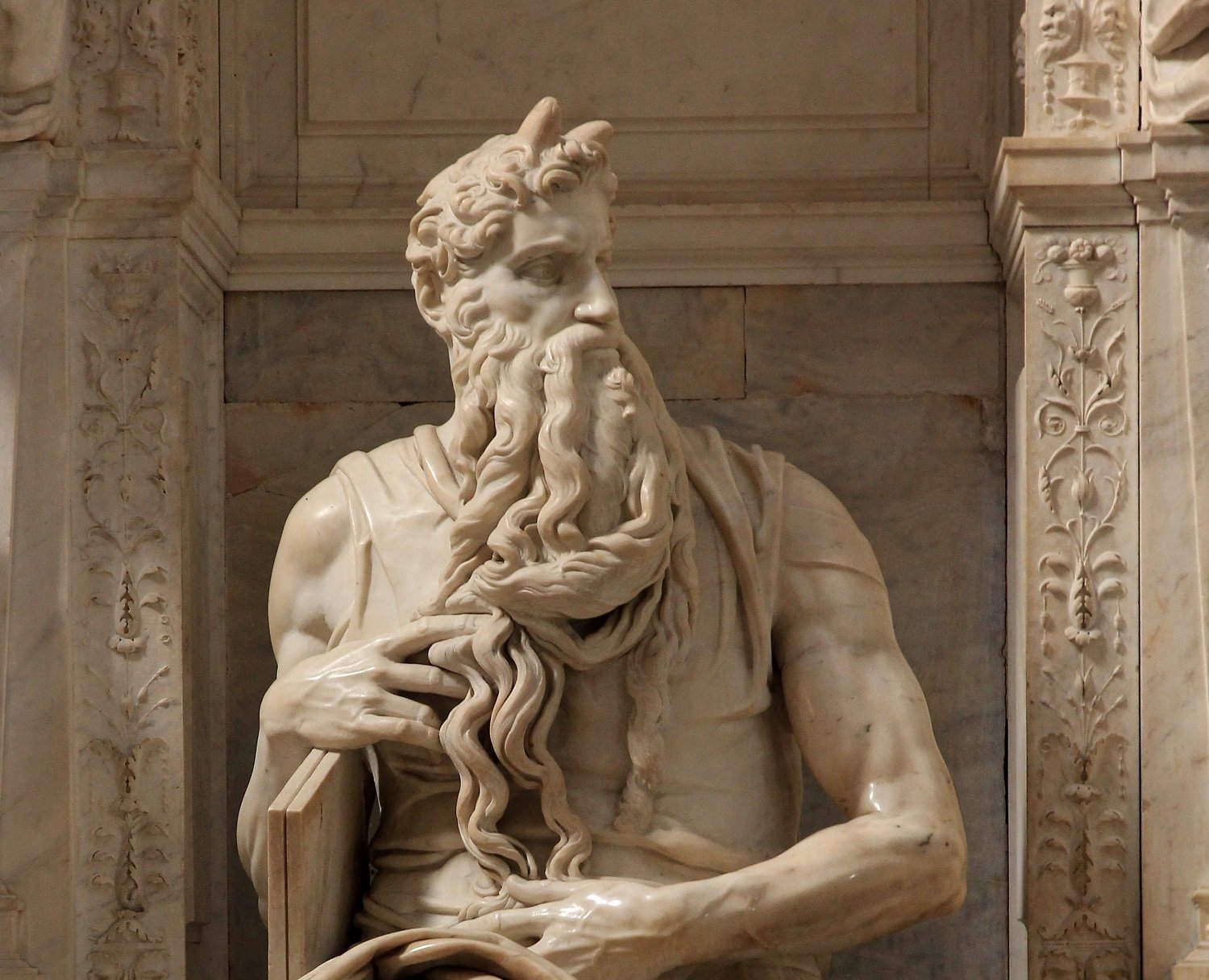
Moses by Michelangelo, c. 1513. Credit: Wikipedia Commons, CC-BY-SA-3.0

Scholars acknowledge that some legends from Greek mythology are strikingly similar to stories from the Bible. According to some theories, a few individual characters from the Bible might also appear in Greek mythology. One theory argues that the famous Moses of Egypt can be found in Greek records. Does Moses really appear in Greek mythology, or is this just wishful thinking?

Who was Moses?

Firstly, let us establish who Moses was. He appears in the Bible books of Exodus, Leviticus, Numbers, and Deuteronomy. Exodus contains the most famous part of his life story. It tells the story of how he was a Hebrew boy placed in the Nile River, where the Pharaoh’s daughter then found him.

When Moses was an adult, he tried to help his fellow Hebrews, who were slaves in Egypt, but then he ran away and remained in a distant land for forty years. He eventually returned after God allowed him to go and free his people from Egypt. Pharaoh refused to let the Hebrews go, but after ten devastating plagues from God, he relented.

Moses led the people out of Egypt across the Red Sea (where Pharaoh and his army drowned after trying to pursue them) and into the Sinai wilderness. There, he gave his people an extensive list of regulations from God, collectively known as the Mosaic Law. He also wrote many religious writings. The first five books of the Bible are attributed to him, as well as several poetic writings.

Did the Greeks know about Moses?

The theory that Moses appears in Greek mythology depends on the idea that the Greeks could have known of Moses in the first place. After all, he could not have appeared in their mythology if they did not know about him.

As it so happens, Moses does appear in quite a few Greek records. The Egyptian priest Manetho, from the third century BCE, mentioned Moses in his history of Egypt. Since Manetho lived in Egypt during its Hellenistic era, it is virtually certain that the Greeks of that region were aware of Moses. They certainly would have known of him after reading Manetho’s history.

Interestingly, there is evidence that the Greeks knew about Moses even before the Hellenistic era of Egypt. The first-century BCE Greek historian Diodorus Siculus wrote about the origin of the Jews. His account came from Hecataeus of Abdera, a Greek traveler from c. 300 BCE.

Hecataeus’ account differs from the Bible’s account in numerous ways, but it is still fundamentally the same story of Moses. Therefore, at least as early as 300 BCE, the Greeks definitely knew about Moses.

Was Musaeus from Greek mythology the same as Moses?

In ancient times, several writers explicitly identified Moses with a certain figure from Greek mythology. This figure was Musaeus. It is obvious that the main reason for identifying the two figures is due to the similarity between their names. But is there any more of a connection than this? Well, what does Greek mythology say about Musaeus?

Musaeus was a legendary intellectual, philosopher, seer, prophet, poet, musician, and historian. The Greeks believed that he founded a class of priestly poetry in Athens. He allegedly lived in the time of Heracles and was associated with Orpheus, another prominent poet and prophet from Greek mythology.

Immediately, we can see that there are some definite similarities between Moses and Musaeus from Greek mythology. In addition to the similarity in their names, their roles are also similar. Moses was a prophet, since he relayed messages from God. He was a poet, since he wrote the poetic book of Job and several of the Psalms. He was also a historian, since he wrote part of the history of the Jews.

Why Musaeus could not have been Moses

Despite these similarities, there is a key reason why Musaeus could not have been Moses. The key reason is that they did not live at the same time.

At first glance, it might look like the chronology works very well. Moses is usually placed at the time of Ramesses II, who ruled in the 13th century BCE. He is also placed in the time of Heracles, who lived about half a century prior to the Trojan War. That would also put him in the 13th century BCE according to the traditional date of the Trojan War. Therefore, it seems at first glance that Musaeus and Moses would have been exact contemporaries.

However, the reality is not so simple. Despite the popular association between Moses and Ramesses II, this has no historical or Biblical basis. The Bible’s internal chronology, along with its genealogical record of the prophet Samuel, places Moses firmly in c. 1500 BCE. That means he lived almost three centuries earlier than the traditional era of Musaeus.

The true era of Musaeus

The theory connecting Moses with Musaeus is further disproved if we examine the information about Musaeus from Greek mythology even more closely. For one thing, there is evidence that the Trojan War occurred several centuries later than the traditional date.

Furthermore, recall that Musaeus was closely associated with Orpheus. Some records say that Musaeus was Orpheus’ son, while other records give the inverse relationship. In either case, they lived at about the same time.

Greek tradition claims that Homer was a tenth generation descendant of Orpheus. That would place Orpheus, and therefore his associate Musaeus, about 200 to 250 years prior to the time of Homer. Since Homer lived in the seventh century BCE, that would mean that Musaeus would have probably lived in the ninth or tenth century BCE. Hence, this would have been long after the time of Moses. Therefore, it is virtually certain that Moses was not Musaeus from Greek mythology.

  •  

Canadian mother sues OpenAI, alleging ChatGPT led her daughter to kill herself

Suit filed in US alleges chatbot told Alice Carrier, 24, ‘maybe this is just the end’ as she struggled with suicidal thoughts

A Canadian mother sued OpenAI and its CEO, Sam Altman, in US court on Thursday, alleging that ChatGPT encouraged her daughter to kill herself. The lawsuit is the latest in a slew accusing the company of failing to address dangerous conversations between users and the company’s chatbot.

Kristie Carrier said in a lawsuit filed in San Francisco state court that her daughter, Alice, told ChatGPT about her suicidal ideations more than a dozen times leading up to her death but that OpenAI’s safety systems never flagged the conversations for human review or terminated them.

Continue reading...

© Photograph: Samuel Boivin/NurPhoto via Getty Images

© Photograph: Samuel Boivin/NurPhoto via Getty Images

© Photograph: Samuel Boivin/NurPhoto via Getty Images

  •  

Visa faz parceria com OpenAI para pagamentos em comércio automatizado

A Visa anunciou, na quarta-feira, uma colaboração estratégica com a OpenAI, detentora do ChatGPT, para viabilizar  pagamentos Visa seguros em “ambientes de comércio automatizado, permitindo pagamentos contínuos e fiáveis” ​​na plataforma OpenAI. O anúncio foi feito durante o Visa Payments Forum, em São Francisco.

“Através desta parceria, a Visa fornecerá a sua rede global, capacidades de autenticação e infraestrutura de segurança para suportar experiências de comércio automatizado, ajudando os consumidores e as empresas a interagir e a realizar transações com confiança”, referiu a empresa de pagamentos.

A colaboração faz parte da iniciativa Visa Intelligent Commerce que tem como objetivo “expandir as capacidades de pagamento seguro” para novos ambientes digitais.

“Em conjunto, as duas empresas irão também explorar uma gama de aplicações empresariais, incluindo experiências orientadas para os programadores com tecnologia Codex, bem como fluxos de trabalho mais automatizados e conversacionais, à medida que a inteligência artificial (IA) continua a evoluir como uma importante interface para as interações digitais”, salientou a empresa de pagamento.

No âmbito desta parceria as capacidades de pagamento da Visa serão “integradas” nas experiências da OpenAI, oferecendo aos programadores e comerciantes uma “forma simplificada” de aceitar pagamentos Visa iniciados por agentes. “Juntamente com a OpenAI, a Visa fornecerá a rede subjacente, a tokenização e as características de risco que suportam transações fiáveis ​​e seguras”, refere.

“As transações serão operadas dentro de permissões, políticas e controlos de utilizador claramente definidos, tais como limites de gastos, categorias de comerciantes ou aprovações necessárias. As transações utilizarão credenciais Visa tokenizadas e autorização em tempo real, bem como monitorização de fraudes, ajudando a viabilizar novas experiências de pagamento com IA para manter uma elevada segurança e proteção do consumidor”, disse a empresa de pagamentos.

O diretor de produtos e estratégia da Visa, Jack Forestell, considerou que a IA vai “transformar o comércio de forma mais profunda” do que a internet ou a tecnologia móvel alguma vez fizeram.

“À medida que os agentes de IA se tornam participantes ativos na economia, o foco da Visa é garantir que as transações são fiáveis, seguras e perfeitas. Esta é a infraestrutura que estamos a construir com parceiros como a OpenAI“, adiantou Jack Forestell.

O chefe de parcerias de comércio da OpenAI, Marco Mahrus, disse que o comércio terá lugar em muito mais lugares e de muito mais formas do que hoje, e os agentes “desempenharão um papel cada vez mais importante” para ajudar as pessoas a completar tarefas que envolvem dinheiro — desde compras e pagamentos a transações mais complexas.

“Ao integrar com o Visa Intelligent Commerce, estamos a construir a infraestrutura para transações seguras, transparentes e controladas pelo utilizador, ajudando as pessoas a fazer mais com os agentes de IA, mantendo a confiança de que os pagamentos estão a ser processados ​​em segurança”, acrescentou Marco Mahrus.

  •  

Vídeo: Otoni de Paula critica Flávio Bolsonaro após novas revelações do Banco Master e declara apoio a Caiado

O deputado federal Otoni de Paula (PSD) reafirmou apoio à pré-candidatura do ex-governador Ronaldo Caiado à Presidência da República e criticou publicamente Flávio Bolsonaro após nova reportagem divulgada pelo Intercept apresentar documentos que comprovam transações financeiras que enolveram Daniel Vorcaro e o senador, na terça-feira (09/06).

As informações citam negociações relacionadas ao financiamento do filme Dark Horse, cinebiografia sobre o ex-presidente Jair Bolsonaro, avaliado em R$ 69 milhões. Segundo o material divulgado, o valor solicitado chegou a R$ 134 milhões e parte dos recursos teria sido destinada à conta do advogado ligado a Eduardo Bolsonaro.

As revelações também reacenderam debates sobre a relação entre o Banco Master e recursos oriundos de servidores públicos, aposentados e pensionistas do Estado do Rio de Janeiro. De acordo com as informações divulgadas, cerca de R$ 3 bilhões foram direcionados à instituição financeira após indicação atribuída ao governo estadual.

O caso ampliou questionamentos sobre a proximidade entre agentes públicos e operações financeiras que envolvem valores expressivos. A repercussão ganhou força nas redes sociais e entre lideranças políticas de diferentes correntes ideológicas.

Foto e Vídeo: @
otonidepaulaoficial

The post Vídeo: Otoni de Paula critica Flávio Bolsonaro após novas revelações do Banco Master e declara apoio a Caiado appeared first on Diário da Manhã - O Jornal do leitor Inteligente.

  •  

Cataluña es lo más español que hay, al menos para ChatGPT: así explica la IA cómo es España

¿Qué dicen los chatbots cuando se les pregunta por España? Dicen, claro, muchas cosas. Pero algunas las dicen más veces. La IA no da una imagen equilibrada de España, sino que ofrece un mapa lleno de jerarquías. Hay cuatro comunidades autónomas que son España por encima de todo, por este orden: Cataluña, Madrid, Andalucía y País Vasco. En otras preguntas también tienen cierto peso la Comunidad Valenciana y Galicia. A partir de ahí, otras regiones aparecen menos o lo hacen por una puerta estrecha, con tópicos que sirven casi como su único motivo: turismo, vino, huerta, agua, despoblación, el Camino de Santiago, minería, paisaje verde, dehesa o España vaciada.

Seguir leyendo

© Emilio Morenatti (AP)

El expresident Carles Puigdemont se dirige a sus partidarios cerca del Parlament en 2024. El impacto del procés en la narrativa global puede ser una de las causas por las que Cataluña predomina las respuestas sobre España en modelos de IA como ChatGPT.
  •  

OpenAI Takes First Step Toward Stock Market Debut

OpenAI files for IPO
OpenAI files for IPO. Credit: Focal Foto / Wikimedia Commons / CC BY-SA 4.0

OpenAI confirmed Monday it has confidentially filed an IPO with U.S. regulators, joining rival Anthropic as the AI sector moves toward public markets. No timeline, share count, or pricing was announced.

The company said the move preserves the option for an earlier listing, while some decisions are easier to handle as a private firm.

Reuters reported OpenAI is targeting a valuation near $1 trillion for a debut possible as early as September. Anthropic filed for a U.S. IPO on June 1 after a $65 billion funding round valued it at $965 billion.

SpaceX is also pursuing a $75 billion offering at a $1.75 trillion valuation. Analysts say the simultaneous push by three major AI companies toward public markets is the most significant development of its kind for technology investors in a decade.

$2 billion monthly revenue signals rapid growth beyond ChatGPT

In March, OpenAI raised $122 billion from SoftBank, Amazon, and Nvidia at a valuation of $840 billion to $852 billion. ChatGPT had exceeded 900 million weekly active users and 50 million paying subscribers.

Monthly revenue stood at $2 billion, up from roughly $1 billion per quarter at the end of 2024, growing nearly four times faster than Alphabet and Meta at comparable stages. Internal projections put the company’s break-even point no earlier than 2030.

JUST IN: OpenAI confidentially files for IPO. pic.twitter.com/sAORVBWEy1

— Whale Insider (@WhaleInsider) June 8, 2026

Beyond ChatGPT, OpenAI launched tools for government, healthcare, and finance, a web browser, consumer hardware plans, and an AI coding agent. It added a lower-cost $8 subscription tier and advertising as new revenue sources.

The Information reported in April that OpenAI projects 122 million subscribers this year and expects advertising to lead revenue by 2030.

A renegotiated Microsoft deal, covering $13 billion in investment since 2019, enabled growth at Azure and opened new agreements with Amazon and Alphabet.

OpenAI files its IPO amid legal battles and market pressure

Gil Luria of D.A. Davidson warned that large AI listings and Google’s recent secondary share sales could reduce the capital available for smaller offerings.

Michael Ashley Schulman of Cerity Partners said OpenAI appeared to be keeping its options flexible while Anthropic moved ahead in the IPO filing process. Prediction markets had expected OpenAI to file first.

OpenAI began as a nonprofit in 2015 and later added a for-profit arm under nonprofit oversight, a structure that drew attention when CEO Sam Altman was ousted by its board and reinstated within days in late 2023.

The company announced plans to convert to a public benefit corporation in December 2024. Early backer Musk filed a lawsuit alleging Altman and others redirected the organization from its founding mission for personal benefit.

A jury ruled against Musk in May, removing what analysts described as a significant legal obstacle ahead of the OpenAI IPO filing. His attorneys plan to appeal. Separate lawsuits link ChatGPT to shootings and suicides, and public skepticism toward AI persists.

  •  

CNN processa Perplexity e acusa empresa de IA de copiar 17 mil reportagens sem autorização

A rede de televisão americana CNN entrou na Justiça contra a empresa de inteligência artificial Perplexity, acusando a companhia de utilizar cerca de 17 mil reportagens, fotografias e vídeos sem autorização para o treinamento de seus modelos de IA.

A ação foi protocolada em 28 de maio e representa o primeiro processo movido pela emissora contra uma empresa do setor. Segundo a CNN, a prática viola direitos autorais e explora indevidamente o trabalho produzido por jornalistas e profissionais da comunicação.

Em nota, a Perplexity rebateu as acusações e afirmou que “não é possível impor propriedade intelectual sobre os fatos”.

Conflito envolve mais de 100 ações judiciais

O processo da CNN se soma a uma crescente onda de disputas entre produtores de conteúdo e empresas de inteligência artificial. Segundo levantamento da plataforma ChatGPT is Eating the World, já existem pelo menos 115 ações judiciais em andamento movidas por veículos de imprensa, escritores, artistas e outros criadores.

Entre os casos mais conhecidos está a ação do jornal The New York Times contra a OpenAI e a Microsoft. A empresa alega que seus conteúdos foram utilizados no treinamento de sistemas de IA e que os modelos conseguem reproduzir trechos de reportagens.

No Brasil, a Folha de S.Paulo também acionou judicialmente a OpenAI, mas encerrou o conflito após firmar um acordo de licenciamento com a desenvolvedora do ChatGPT no fim de maio.

Debate opõe direitos autorais e inovação tecnológica

A CNN argumenta que empresas de inteligência artificial obtêm lucro a partir de conteúdos produzidos por organizações jornalísticas sem oferecer qualquer compensação financeira.

Segundo a emissora, a produção de jornalismo profissional exige investimentos elevados e, muitas vezes, envolve riscos para os profissionais envolvidos. Por isso, sustenta que companhias de tecnologia devem remunerar adequadamente os detentores dos direitos autorais.

Do outro lado, empresas de IA defendem que o uso de livros, reportagens e outros materiais para treinamento de modelos se enquadra no conceito jurídico de “uso justo” (“fair use”), previsto na legislação americana. Elas alegam que os sistemas não reproduzem integralmente as obras, mas geram conteúdos transformados a partir dos dados utilizados no treinamento.

Caso Anthropic abriu precedente importante

Entre as ações em curso, uma das mais avançadas envolve a empresa Anthropic, desenvolvedora do chatbot Claude. O processo foi movido por um grupo de escritores norte-americanos liderado pelo autor George R. R. Martin, criador da série “As Crônicas de Gelo e Fogo”, que inspirou a produção televisiva “Game of Thrones”.

A Anthropic concordou em desembolsar US$ 1,5 bilhão para encerrar a ação coletiva que questionava o uso de livros protegidos por direitos autorais no treinamento de seus modelos de inteligência artificial.

O caso ganhou repercussão internacional após a revelação de que obras de autores brasileiros, como Chico Buarque, Paulo Coelho e Clarice Lispector, estavam entre os materiais utilizados sem autorização.

Apesar do acordo, a empresa não admitiu irregularidades e afirmou continuar comprometida com o desenvolvimento responsável de sistemas de inteligência artificial.

Justiça ainda busca definir limites da IA

Enquanto processos avançam em diferentes tribunais, o debate jurídico permanece aberto. Recentemente, um juiz federal dos Estados Unidos rejeitou acusações apresentadas contra gigantes da tecnologia como Apple, Google, Meta, Nvidia, OpenAI, Perplexity e xAI por falta de provas suficientes.

Já as acusações contra a Anthropic seguiram adiante, especialmente após investigações apontarem o uso de bibliotecas digitais piratas para obtenção de conteúdos utilizados no treinamento dos sistemas.

As decisões que forem tomadas nos próximos anos podem definir os limites legais para o treinamento de inteligências artificiais e estabelecer novas regras para a relação entre empresas de tecnologia, veículos de comunicação e criadores de conteúdo.

The post CNN processa Perplexity e acusa empresa de IA de copiar 17 mil reportagens sem autorização appeared first on Diário da Manhã - O Jornal do leitor Inteligente.

  •  

Fatura com tokens de IA a explodir: CEO da OpenAI diz que agora custos são um “grande problema”

O CEO da OpenAI (que detém o ChatGPT), Sam Altman, realizou recentemente um retrato sobre o estado da inteligência artificial (IA). Pelo meio ficou um alerta. Os custos com os tokens, ligados à tecnologia, estão a subir muito rapidamente levando mesmo a que as empresas estejam a estabelecer limites.

Os tokens nada mais são do que as unidades de dados processados pelos modelos de IA, como o Gemini, o ChatGPT, e o Claude, pertencentes à Google, OpenAI e Anthropic.

“No início de 2026, o problema nunca foi levantado. As pessoas estavam totalmente satisfeitas com o valor que estavam a gastar. Agora, os custos da IA ​​são um grande problema”, referiu Sam Altman, durante um evento corporativo, em declarações transcritas pela Business Insider, sobre os custos ligados aos tokens de IA.

Sam Altman salientou durante um evento que há seis anos e ano o maior utilizador de tokens, da OpenAI, tinha um consumo de 100 mil por mês.

“Isso tornava-o muito provavelmente o líder mundial em gastos com tokens”, referiu o CEO da tecnológica. “Passados seis anos e meio este valor está próximo da média per capita mundial. O líder em gastos com tokens na OpenAI utiliza cerca de 100 mil milhões de tokens por mês”, referiu Sam Altman.

E este nem é o maior consumidor de tokens no mundo, algo que o CEO da OpenAI vê como uma “vergonha pessoal”. O consumo é visto por várias empresas, entre as quais a OpenAI, como algo de relevo, ao ponto de ter um ranking sobre quem mais consome. Além disso a tecnológica está também no negócio da venda de tokens.

A Business Insider salienta que a OpenAI deve ter gasto mais de mais de 100 mil milhões de tokens num mês, enquanto que o New York Times chegou a avançar que um funcionário da tecnológica chegou a gastar 210 mil milhões de tokens numa semana. Existe também relatos de que o criador da OpenClaw, Peter Steinberger, já atingiu 603 mil milhões de tokens em 30 dias.

Este consumo de tokens tem sido de tal ordem que já existem empresas a colocar limites nos gastos sendo a Amazon e a Uber alguns desses exemplos, salienta a Business Insider.

Sam Altman referiu que o tópico dos gastos em tokens tem sido de tal ordem que até já originou um meme. “A minha empresa gastou todo o orçamento de 2026 no primeiro trimestre, podem tornar isto mais eficiente?”.

No caso do CEO da Faros AI, Vitaly Gordon, um dos seus engenheiros gastou 40 mil dólares (34 mil euros) em tokens, em maio. “E eu realmente não sei se devo impedi-lo ou se devo andar por aí a dizer a todos os outros para fazerem o mesmo”, disse Vitaly Gordon, citado pela TechCrunch.

E há quem tenha faturas bem superiores. Um consultor para a área da IA, referiu à Axios, que uma empresa encontrou uma conta de 500 milhões de dólares (432 milhões de euros), para o Claude (modelo da Anthropic), depois de não ter definido limites de utilização para os seus funcionários.

  •  
❌