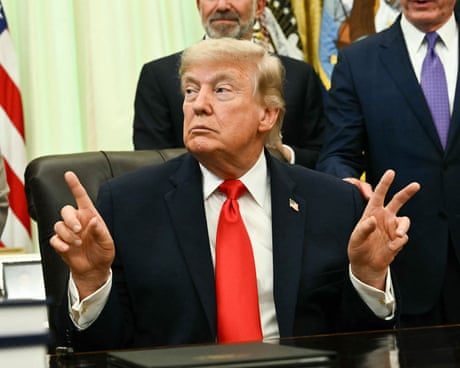
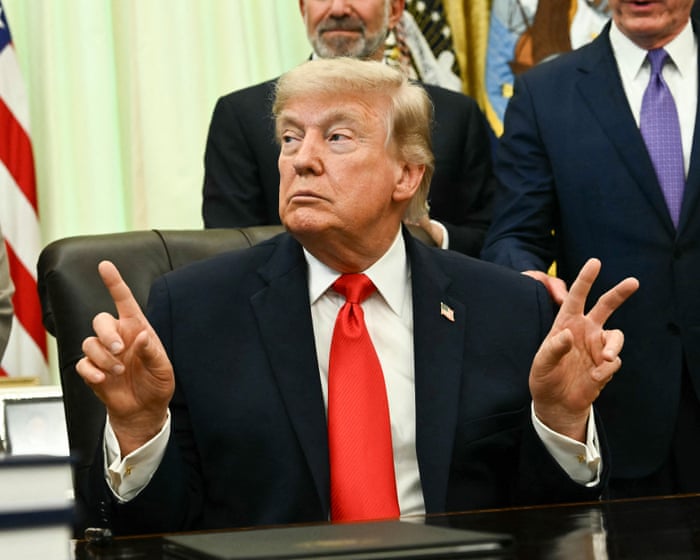
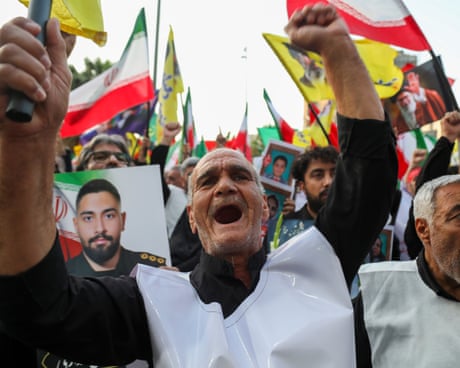
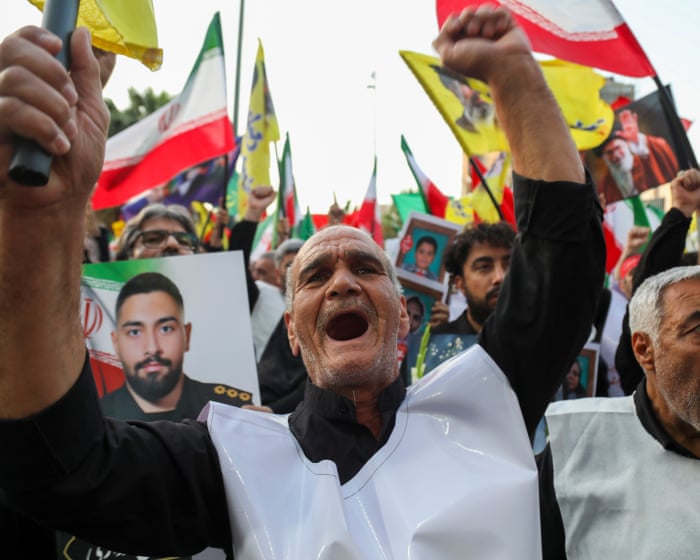
Donald Trump seemed to distance himself from his earlier comments that suggested a preliminary agreement could be signed as soon as this weekend, with a series of angry social media posts describing the Iranians as “very dishonorable people to deal with”.
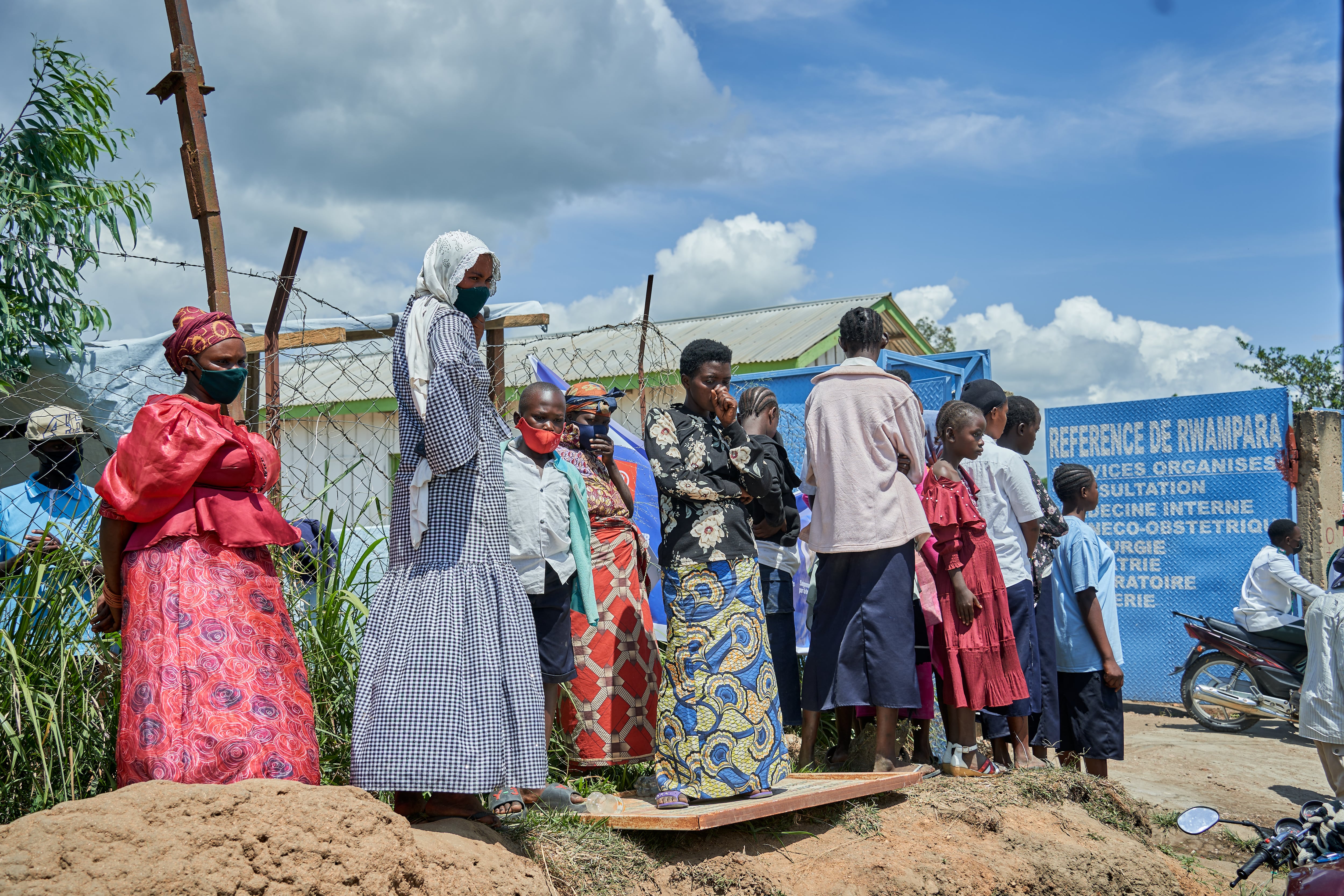
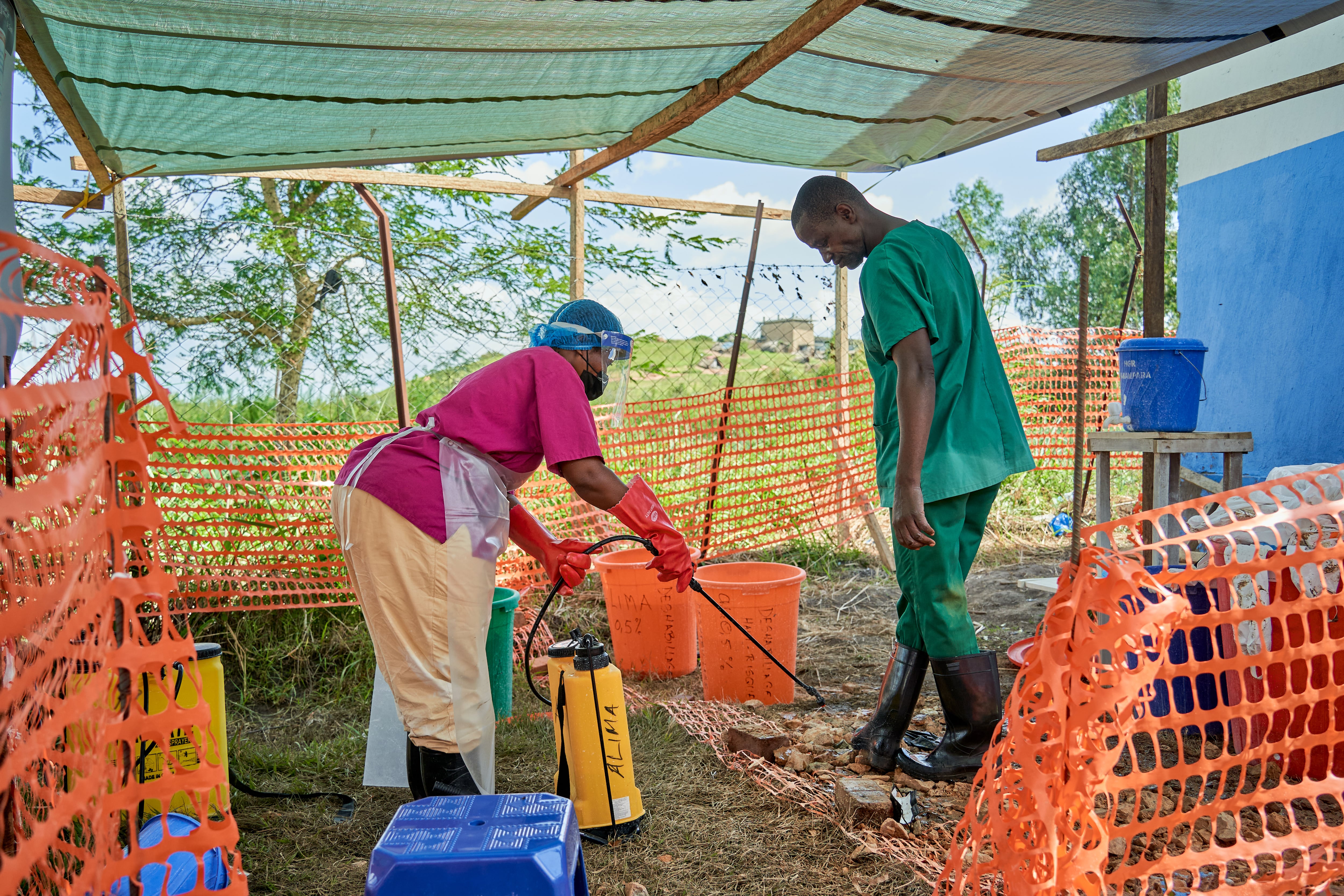
A health worker in the town of Mongbwalu, Democratic Republic of Congo, collecting medication for patients suspected of having Bundibugyo virus last month.
Amid rhetoric, market uncertainty and tit-for-tat exchanges, the two sides are still trying to find a way out of the impasse
Great news! Donald Trump has said the US and Iran are on the verge of a peace agreement. Oil prices are down, and the stock market is up. This comes only hours after Trump warned Iran was about to be struck “VERY HARD”, a threat that had sent oil prices up and stocks down.
It has been another ride on the Trump rollercoaster, keeping traders on edge, most of the world poorer, and people of the Middle East constantly whiplashing between fear and hope. But whether the ride veers up or down, the management always makes money.
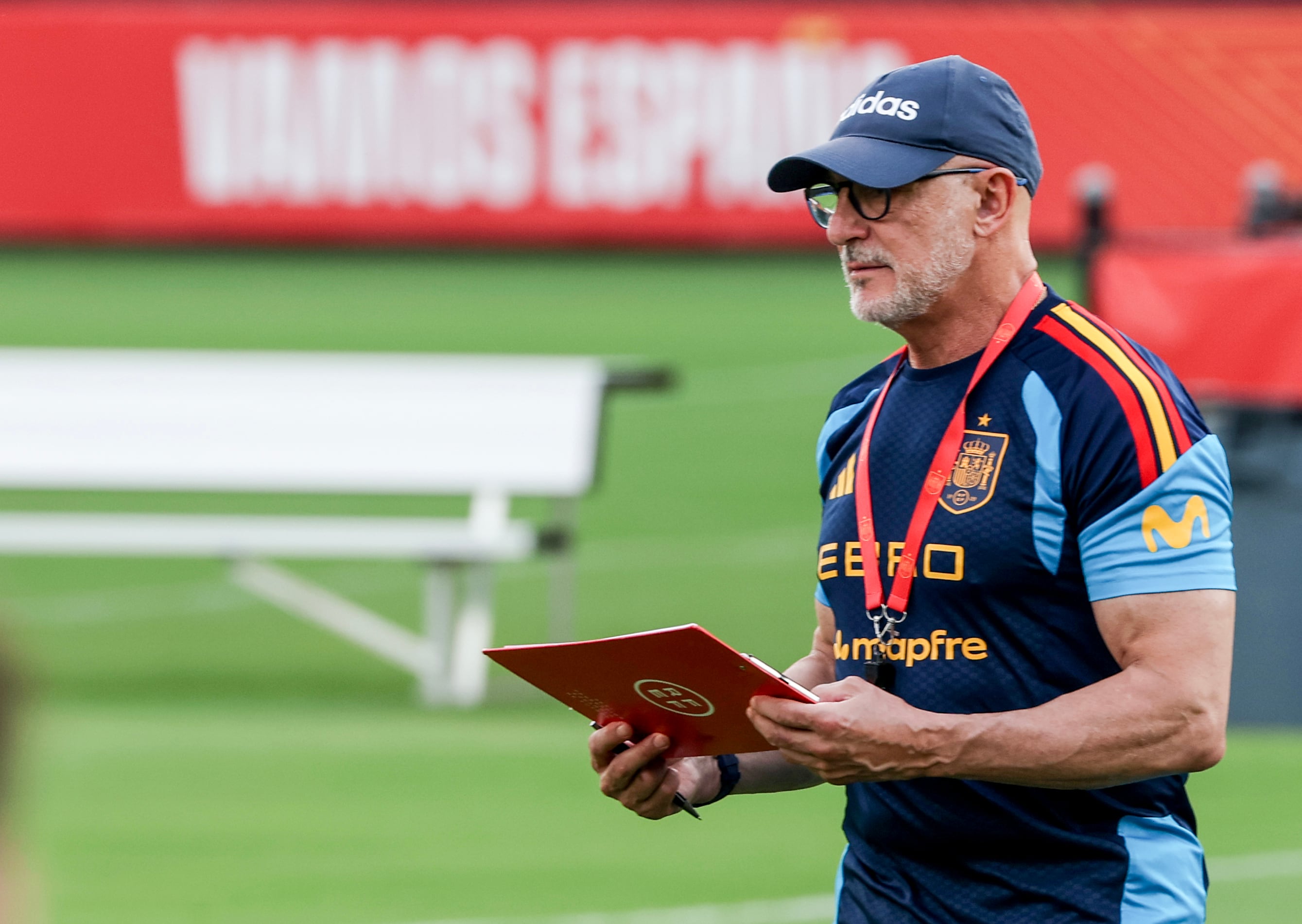
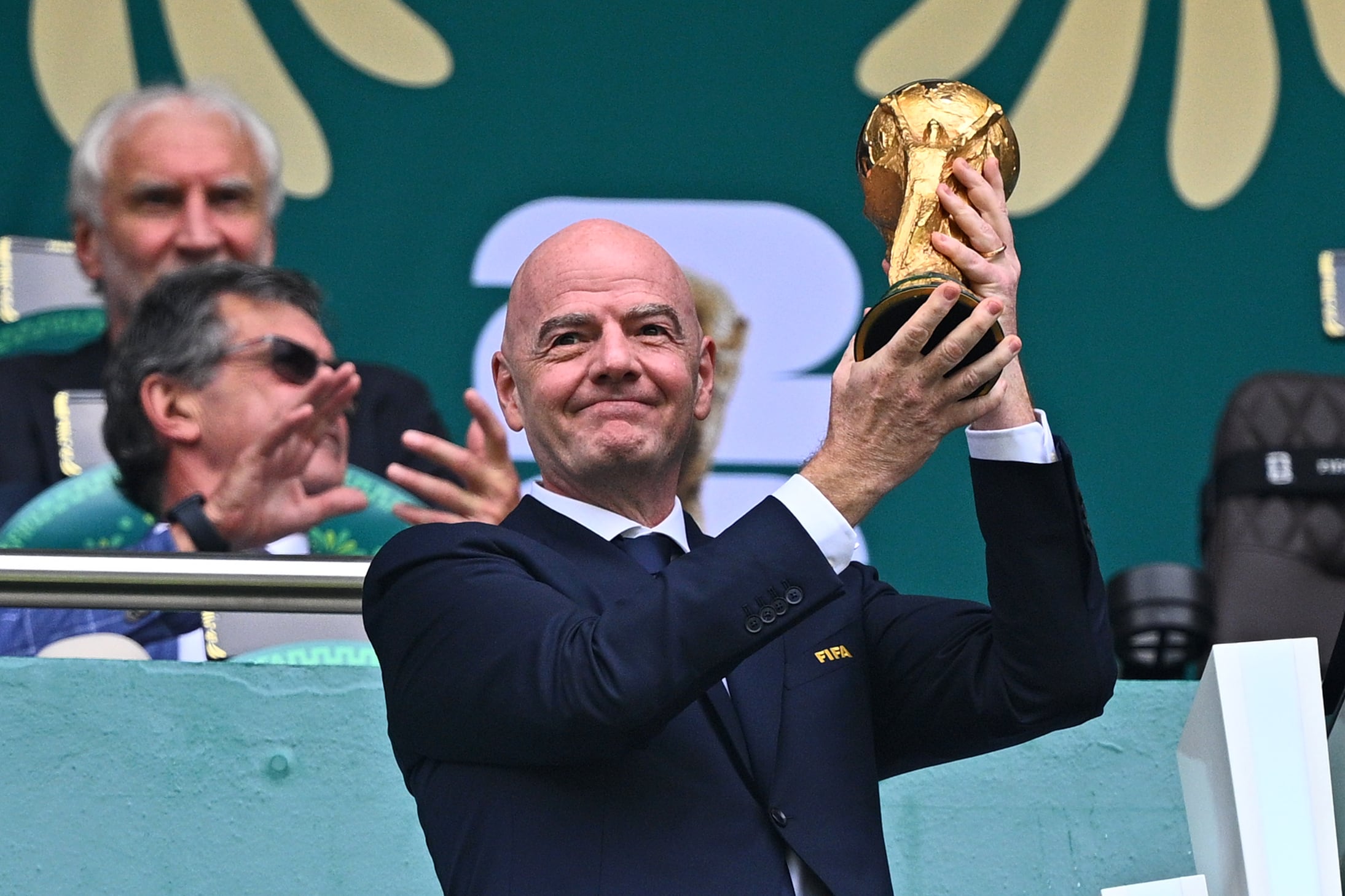
El extremo Víctor Muñoz ha llevado a cabo este viernes su primer entrenamiento con el grupo en la concentración de la selección española para el Mundial y ha dado un paso más en la recuperación de la lesión muscular que sufrió el pasado 19 de mayo. La Copa del Mundo 2026 arrancó este jueves en el estadio Azteca de México, con el partido inaugural entre el conjunto local y Sudáfrica en el que los de Javier Aguirre han vencido por 2-0, aprovechando las expulsiones de los africanos. Después, ya en la madrugada del viernes, Corea del Sur se impuso a Chequia por 2-1 remontando el gol inicial de los europeos. Se ponen en marcha las otras dos anfitrionas, Canadá, ante Bosnia-Herzegovina, inaugurando así el grupo B y EE UU se enfrentará a Paraguay dentro del Grupo D
Paris meeting draws up proposals and calls for urgent diplomacy towards two-state solution at summit next week
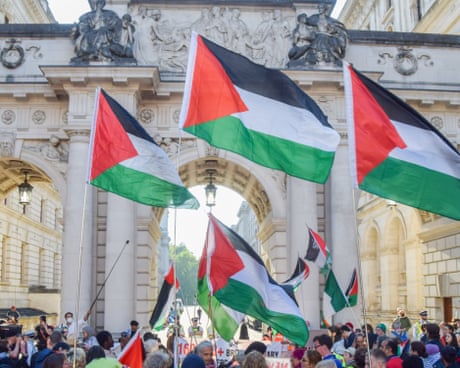
Palestinian and Israeli civil society groups meeting in Paris on Friday have urged G7 leaders to act at their summit in the French spa town of Évian-les-Bains next week to save the narrowing chances of a two-state solution.
The groups called for specific action on enforcing a ceasefire, disarming Hamas and starting reconstruction in Gaza, and said the various peace processes including the Board of Peace initiative should be integrated into one programme.
With more than 177,000 people forcibly disappeared since 2011, short doc Maybe Tomorrow captures ‘the violence of waiting’ experienced by family
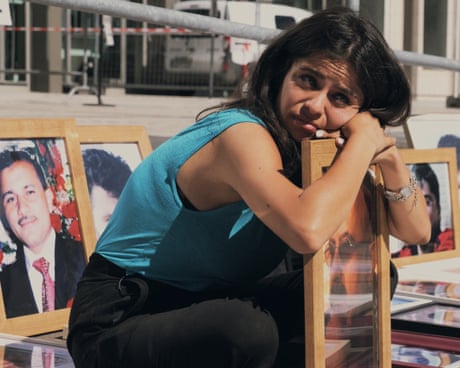
When Wafa Mustafa was a child, she remembers her father playing the music of Umm Kulthum non-stop at home in Syria, humming along to the legendary Egyptian singer’s melodic tones. One day, in an effort to encourage his daughter to appreciate music, he asked her to take a pen and paper and write the lyrics of a song she loved. Wanting to impress him, Mustafa chose an Umm Kulthum song called “Aghadan Alqak”, which translates to: “Will I meet you tomorrow?”
“The lyrics are literally about someone who’s gone, about the waiting for them and the love you have for them,” says Mustafa. “It feels like I knew what was coming … as if I manifested my life since I was very young.”
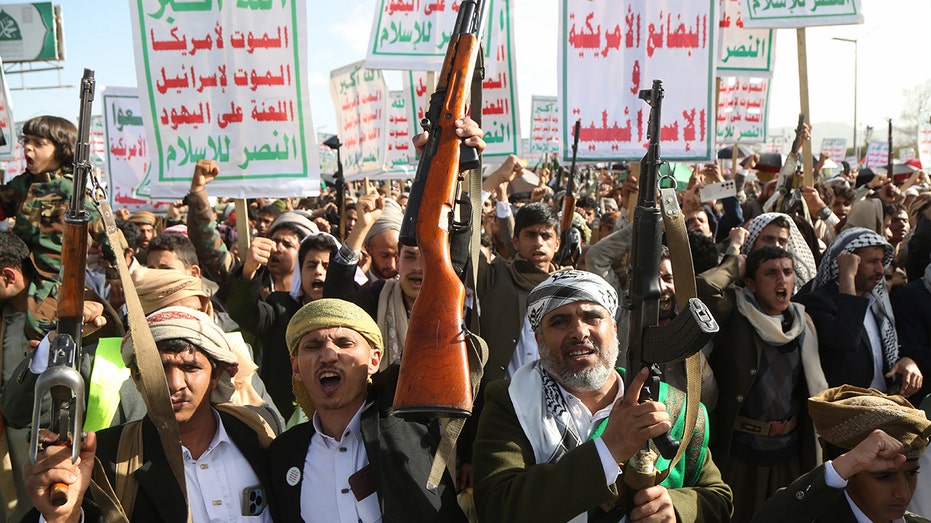
Earlier this week, the group declared a complete ban on Israeli-owned ships using the Red Sea, declaring them to be "legitimate targets."
The Red Sea and the waterway through its narrow Bab-el Mandeb Strait has become the main route for oil to ship out of the Middle East to Asia since the Strait of Hormuz has effectively stopped functioning as the main route of navigation for shipping.
Houthi spokesperson Yahya Saree posted on Monday, "We declare a complete and total ban on Israeli maritime navigation in the Red Sea, and we consider all enemy movements to be legitimate targets."
In a statement to Fox News Digital, a State Department spokesperson struck back: "The escalatory actions of Iran and their Houthi proxies are unacceptable. These dangerous actions only serve to further enflame tensions and further disrupt global supply chains. We will continue to work with our partners to ensure freedom of navigation in the Red Sea and the Strait of Hormuz."
Edmund Fitton-Brown, a senior fellow at The Foundation for Defense of Democracies, told Fox News Digital, "The Houthis have indeed risen to the challenge, at least verbally. In common with much ‘Axis of Resistance’ rhetoric at present, the intention appears to be to leverage U.S. political nervousness and market volatility, and to drive a wedge between the Americans and the Israelis."
Fitton-Brown, a former U.K. ambassador to Yemen, added, "Provided the allies keep talking to each other, the Israelis respond proportionately, as they have done, and the Iranians continue to provoke President Trump with actions like the downing of the helicopter, these tactics are unlikely to achieve significant success."
"It will be interesting if the Houthis do go all in, and resume their campaign against Red Sea shipping with full intensity," Fitton-Brown said, adding, "This will draw international anger and likely result in Israeli and U.S. strikes on Sana'a and Hodeida. There is potential for a general escalation if this happens, albeit one in which the allies have a clear military advantage."
Landlocked Ethiopia acts as regional anti-terrorism buffer
Such actions come as reports emerge that Ethiopia, the Red Sea region’s most populous country, is stepping up as a major U.S. ally against Islamic terrorism.
While landlocked, Ethiopia has a population of some 130 million, making it the largest nation in the Horn of Africa. Located near parts of the Red Sea corridor, the country is roughly 60% Christian, according to a recent report by the Association of Religion Data Archives.
And despite it being landlocked, Ethiopian researcher Blen M. Diriba told Fox News Digital that the country acts as a strategic roadblock or "a keystone state" on the Islamist expansionist "highway" that has formed all the way from Iran to Sudan.
Diriba, executive director of the Horn Review — an Addis Ababa-based research and publication think tank — told Fox News Digital that "Ethiopia, long a frontline U.S. security partner, now sits at the center of an expanding pressure zone where maritime disruption, insurgent violence, terrorist threats, and proxy competition converge."
Diriba added. "Iran’s Bab el-Mandeb threat transforms the Horn of Africa into a militarized frontline, placing Ethiopia at the center of a choke point crisis. With Iranian influence radiating through conflict ecosystems in Sudan, Eritrea and Somalia, the region is beginning to resemble a continuous arc of instability stretching from the Arabian Peninsula into East Africa."
"Ethiopia sits at the center of one of the world's most combustible security corridors," Diriba continued. "And in strategic terms, its relevance to the United States is amplified, not diminished, by that reality: From the Red Sea disruptions driven by the Houthis to the persistent insurgency threat of al-Shabab in Somalia, Ethiopia functions as a massive inland security buffer whose stability directly shapes whether these threats expand or are contained."
But in addition to being pro-U.S., Ethiopia also has relations with Iran.
Fitton-Brown believes to some extent Ethiopia can be accused of playing both sides, as he said Tehran "has helped Ethiopia with its internal conflicts, giving drone support and military aid to the Ethiopian government during the recent Tigray War."
He added, "There is a new memorandum of understanding built upon that basis, with Iran gaining influence in Ethiopia, while Ethiopia receives military, police and intelligence support to counter its domestic ethnic insurgencies."
However, Diriba said, "Ethiopia’s engagement with Iran is neither affinity nor alignment, it’s strategic awareness: keeping channels open to engage where necessary, cooperate selectively, and strategically manage its relations with a complex regional actor, while firmly anchoring its core partnerships with its emerging and long-standing partners — the United States being on the top of that list."
"Ethiopia has pursued a flexible multi-alignment strategy, Diriba said, "prioritizing its entrenched security partnership with Washington while keeping open channels with Tehran to preserve diplomatic room to maneuver in an increasingly fragmented Horn of Africa–Red Sea order."
Fitton-Brown said relations between the U.S. and Ethiopia "are good, especially in the field of counterterrorism. Both countries use Somaliland to their advantage without having gone so far as to recognize it as an independent state."
Fox News Digital reached out to both the Department of War and the Ethiopian government for comment, but received no response by the time of publication.
Flag bans, travel headaches and a religious regime video among bumps in road, as team prepares to be first to play in country with which it is at war
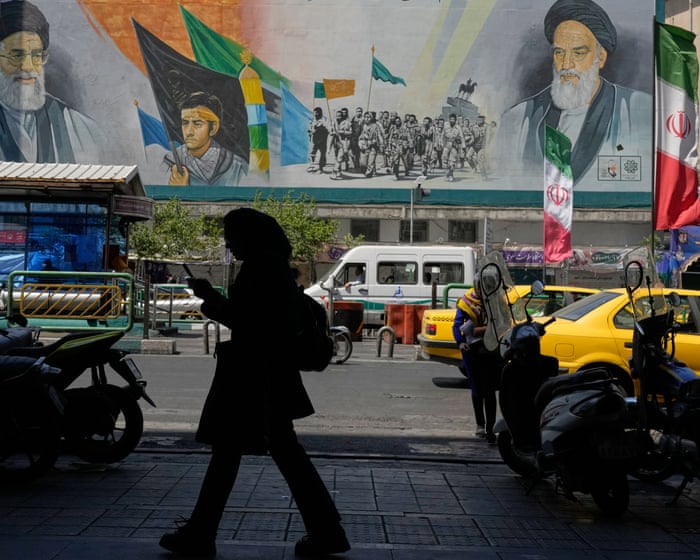
Iran will present a major challenge to Fifa’s “football unites the world” slogan on Monday by becoming the first country in World Cup history to compete on the soil of a host nation with which it is at war.
The national team’s opening match against New Zealand in Los Angeles will kick off amid continuing hostilities between Iran and the US that have intensified in recent days, as a fragile ceasefire has failed to hold and attempts at reaching a negotiated settlement have sputtered.
This blog is now closed – see our latest full report on the Middle East crisis
Iran’s official Islamic Republic News Agency (IRNA) has cautioned against media speculation about a potential memorandum of understanding to end the war, particularly on claims regarding the strait of Hormuz.
IRNA reported that Iran will not surrender its control of the strategic waterway and the US will have no role in its future management.
Contrary to some bizarre claims in the media, Iran in no way makes a commitment in this text to hand over its management or to restore the strait of Hormuz to the state before the military aggression of the US and Israel. The only point mentioned is the normalisation of transit through the strait of Hormuz upon the end of the war, the establishment of maritime security by the coastal states, the end of the illegal blockade, and the removal of threats to commercial shipping by the US and Israel. At Iran’s request, the US will have no role whatsoever in the future management of the strait of Hormuz. It has been made clear that the future administration of the strait will be based on an Iranian initiative and proposal, within the framework of a matter pertaining to the countries of the region. In this framework, discussions about the future of the strait of Hormuz will not take place even in negotiations after the signing of the agreement, and Tehran will directly resolve this issue in talks with Oman.”
Green surge in local elections and recent polling of Labour members may cause government to toughen stance on Israel
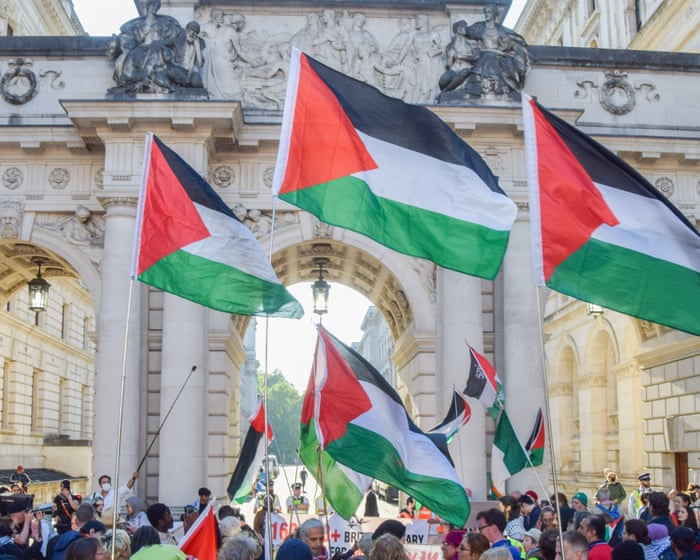
Pro-Palestine activists believe there could be a “sea change” in the Labour party’s approach to the crisis in the Middle East which could result in the government taking a tougher stance on Israel.
Campaigners have pointed to the threat posed to Labour by the Green surge in the local elections, the likely departure of Keir Starmer from No 10, and new polling which shows an appetite among Labour members for a ban on all arms shipments to Israel.
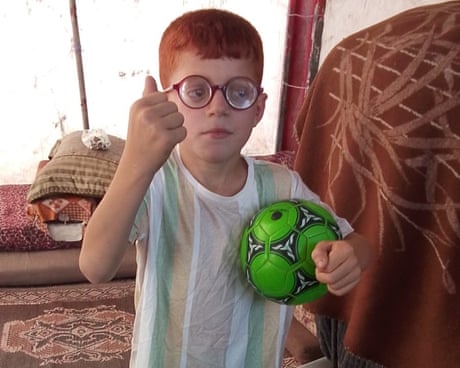
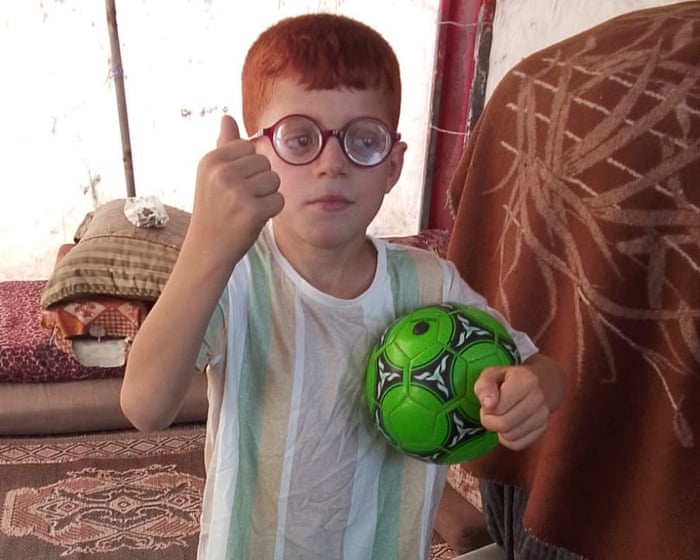
Ayoub Junaid, seven, given new pair but needs surgery as Gaza’s children remain unable to access treatment
A video of a seven-year-old Palestinian boy in Gaza who suffers from a severe visual impairment crying over his shattered glasses has drawn widespread attention across social and international media.
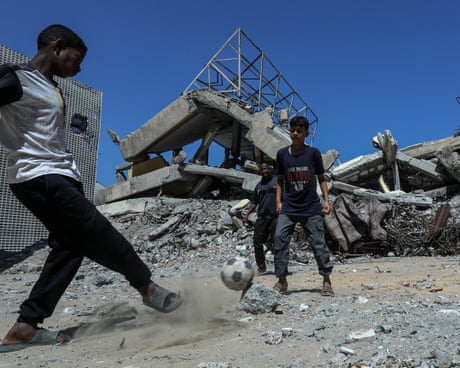
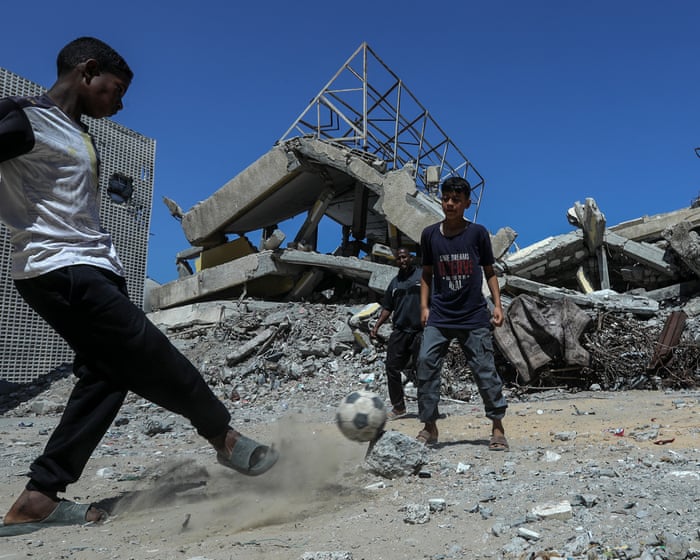
The footage of Ayoub Junaid has shone a light on the plight of the many visually impaired children in Gaza who, because of Israel’s blockade and the devastation caused by the war, have been unable to access eye examinations, corrective lenses or specialist ophthalmic surgery.
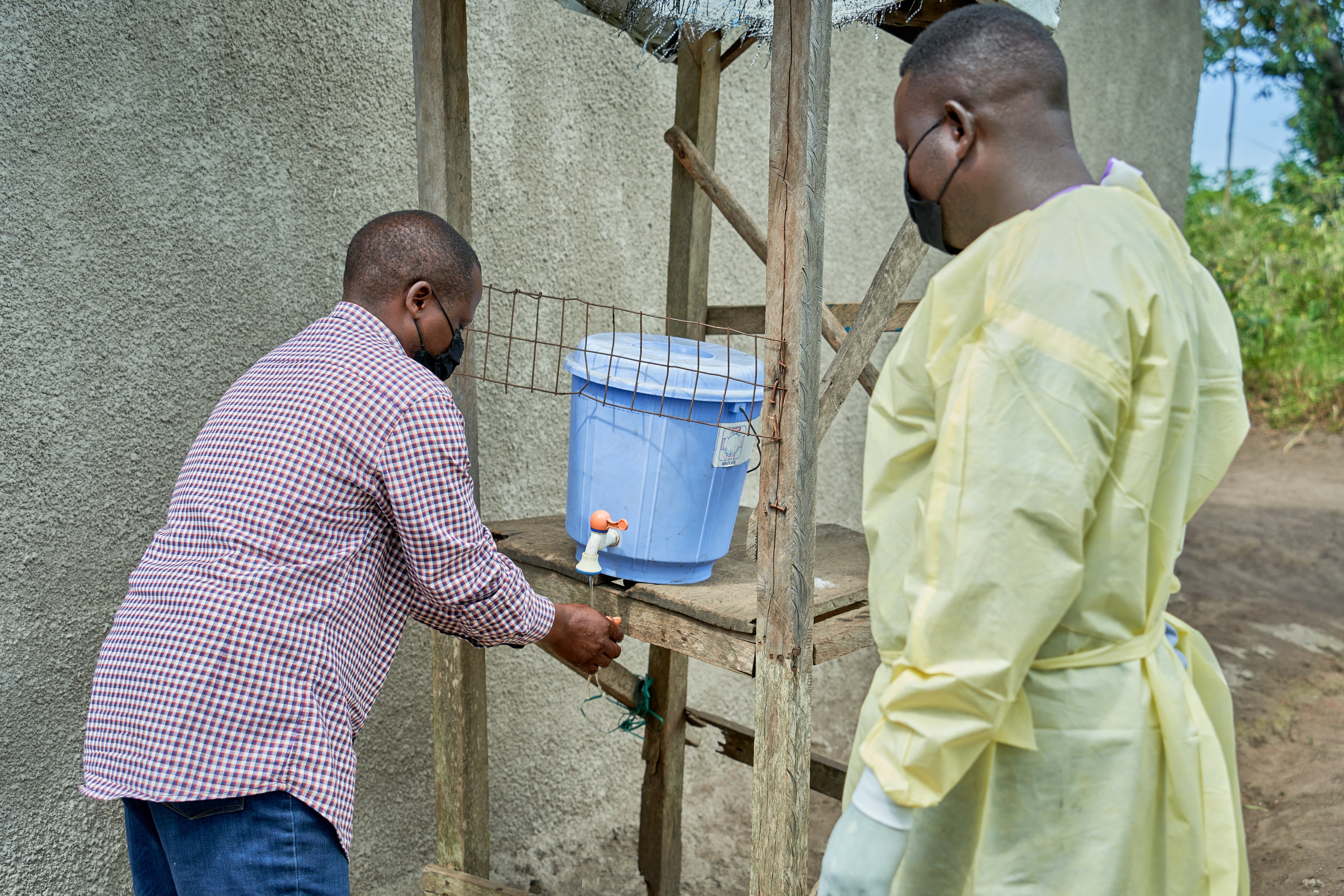
Del centro de salud de Mungwalu de Ituri, provincia del noreste de la República Democrática del Congo (RDC) donde se concentra el epicentro del actual brote de ébola, solo quedan paredes ennegrecidas y equipos carbonizados. Hace tan solo unos días, el lugar recibía pacientes y era un centro de información sobre el virus. Pero de repente, los habitantes, furibundos y convencidos de que la enfermedad era inventada o se exageraba, quemaron el lugar. A 80 kilómetros, en la periferia de Bunia, la capital de la región, otro centro de salud corrió la misma suerte. Estos ataques no son solo actos de vandalismo. Mientras las autoridades sanitarias intentan contener esta nueva embestida del virus, libran una batalla paralela y menos visible, pero igualmente peligrosa, contra la propagación de rumores y falsas informaciones y la desconfianza de la población.
O presidente da União Africana disse que Moçambique tem potencial para ser o epicentro da economia azul, que já "gera milhões", mas destacou os desafios climáticos, sanitários e criminosos.
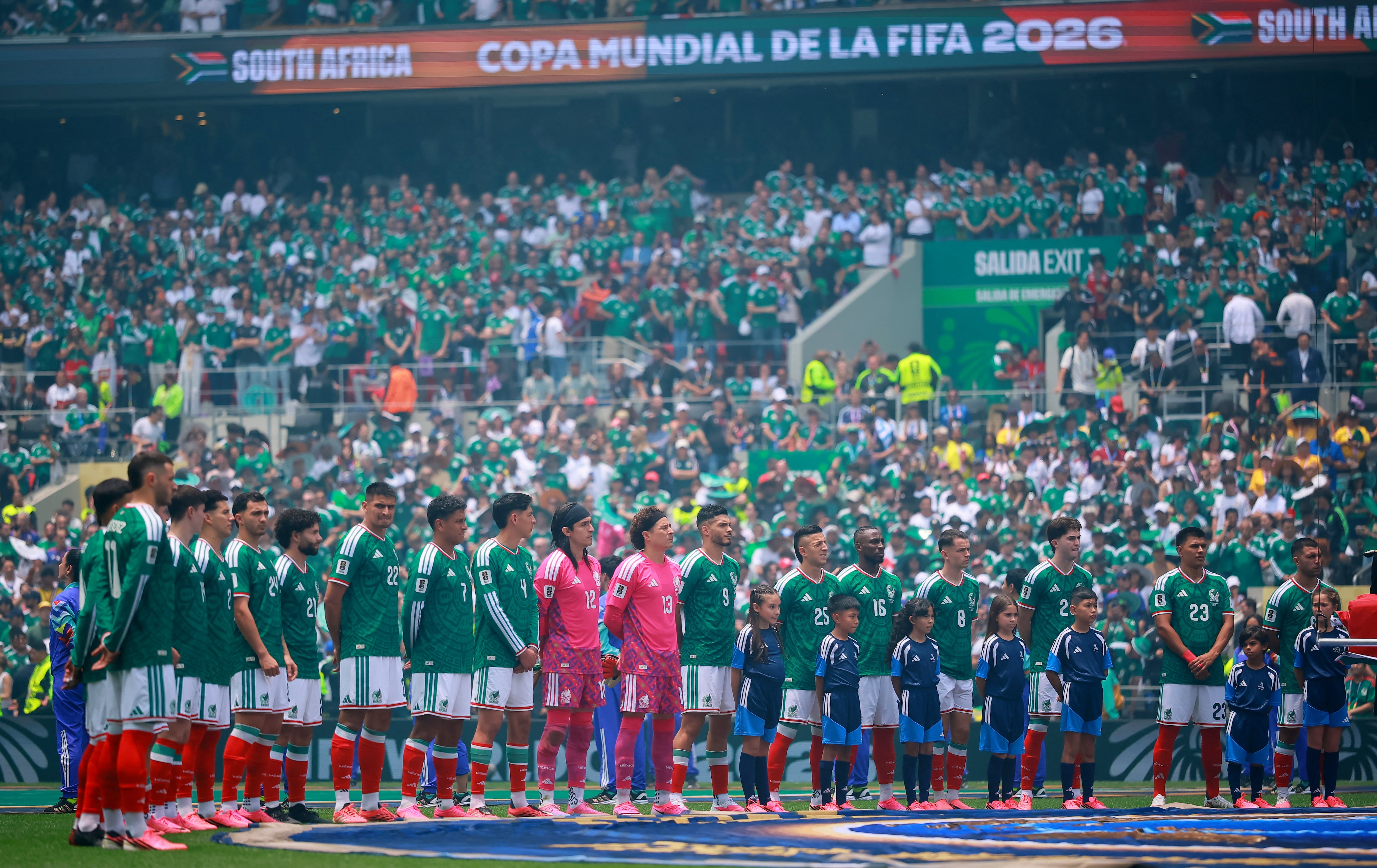
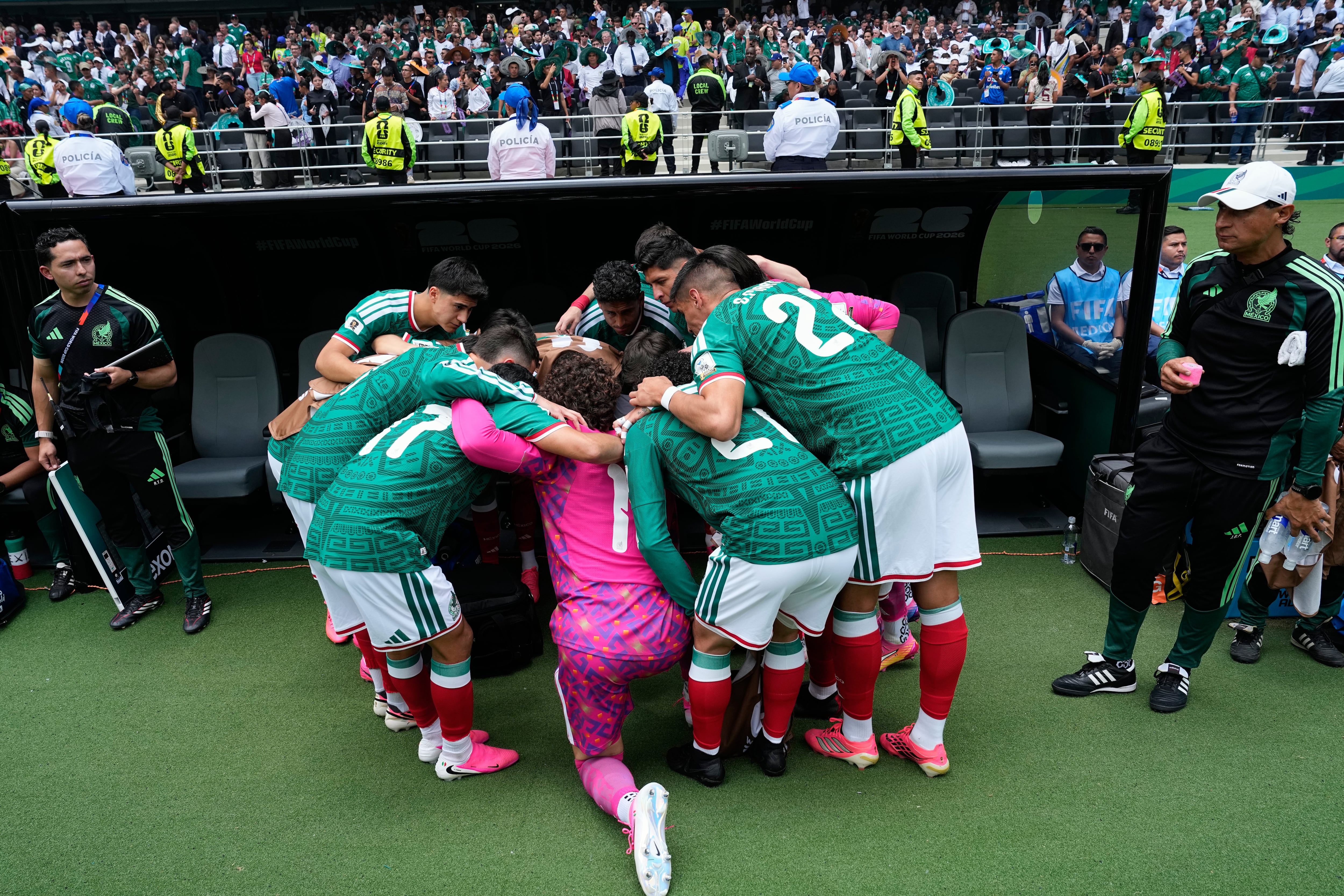
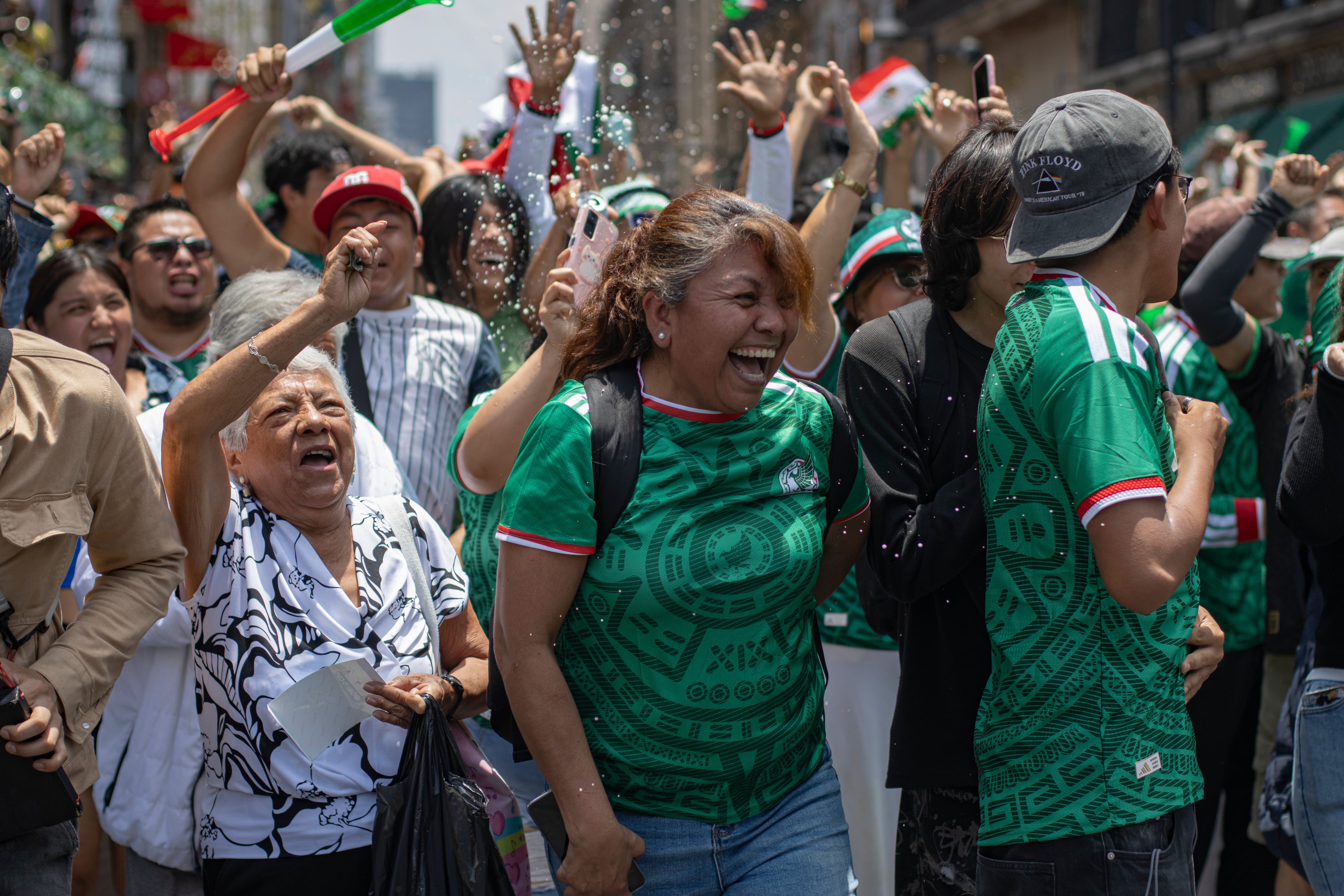
Ciudad de México, 11 jun (Prensa Latina) La presidenta de México, Claudia Sheinbaum, felicitó hoy a los integrantes de la selección nacional, luego de su victoria 2-0 ante el conjunto de Sudáfrica en el partido inaugural de la Copa Mundial de Fútbol 2026.
México volvió a abrirle la puerta al mundo con una pelota. De nuevo hizo global aquello de “mi casa, su casa”; ningún otro país en la historia de la gran cita del balón lo ha podido verbalizar tantas veces, tres ya. Las mismas, más que ninguno también, que un mismo estadio ha acogido un partido inaugural. La gloria se queda para siempre en el totémico Azteca, por mucho que ahora quieran llamarlo Banorte o Ciudad de México: los patrocinadores pueden comprar un nombre, no una historia, menos cuando esa historia fue escrita por las deidades que alguna vez corrieron en este césped. Ante Sudáfrica, México rompió además un maleficio casi centenario. La selección que más partidos inaugurales ha jugado nunca había logrado una victoria el día del estreno. Fue en la octava ocasión que lo logró. Hay algo profundamente mexicano en no claudicar. Hay algo profundamente mexicano en permanecer en pie y seguir encontrando motivos para celebrar.

 Login
Login