Reading view

Higher education must not become a research arm of militarized power

A pro-Palestine protester holds a placard that says, "No more research for IOF (Israeli Occupation Forces)" during the rally. Rallies and protest camps persist at the Massachusetts Institute of Technology (MIT) campus as student demonstrators demand divestment from Israeli military ties. Photo by Vincent Ricci/SOPA Images/LightRocket via Getty Images

This article was originally published by Truthout on June 08, 2026. It is shared here under a  Creative Commons (CC BY-NC-ND 4.0) license.

What happens to higher education when institutions dedicated to critical thought increasingly align themselves with the logics of war, surveillance, and national security? Unless we mount an organized resistance, we may viscerally experience the answer to this question all too soon.

We are already watching this transformation play out in both the U.S. and Canada as universities face growing pressure to align their missions, research agendas, and pedagogical practices with the values, priorities, and imperatives of a society increasingly organized around the logic of war.

Militarized policies, values, identities, and modes of governance no longer merely creep into U.S. society. Under the Trump administration, they increasingly define it. Militarization now extends far beyond the battlefield, reshaping everyday life, public institutions, and the very meaning of citizenship. War is celebrated as a moral imperative, often wrapped in the language of religious righteousness and white Christian nationalism. Due process gives way to abductions and arbitrary detention, dissent is met with threats and repression, soldiers occupy U.S. cities, and political violence is normalized through a steady stream of incendiary rhetoric and state-sponsored spectacles that glorify force, exclusion, and domination. Democratic ideals are displaced by a culture of fear, manufactured insecurity, and the belief that the nation is besieged by enemies both within and beyond its borders — largely immigrants and people of color.

In this militarized landscape, critical thought is derided, informed judgment is replaced by ideological conformity, and institutions charged with nurturing democratic agency increasingly come under attack. This fusion of militarism, toxic masculinity, religious fundamentalism, and white nationalist politics functions as a powerful form of public pedagogy, producing the authoritarian values, identities, and modes of agency that have historically provided the cultural foundations for fascist politics.

The Dangers of the “Military-Industrial-Academic Complex”

The late U.S. President Dwight D. Eisenhower warned of the dangers posed by what he called the “military-industrial-academic complex.” In an earlier draft of his famous 1961 farewell address on the military-industrial complex, Eisenhower included the word “academic,” recognizing that universities could become deeply entangled with military power, corporate interests, and state security agendas in ways that threatened their intellectual independence and democratic mission.

This warning extends to countries that increasingly live in the shadow of the U.S.’s expanding warfare state and its militarized culture. For instance, against an increasingly militarized global order, the Canadian government has unveiled an expansive “Defence Industrial Strategy” backed by 81.8 billion Canadian dollars (around 60 billion in U.S. dollars) in new defense spending in Budget 2025, including 6.6 billion Canadian dollars devoted specifically to expanding the country’s defense-industrial infrastructure. The strategy marks the largest long-term expansion of Canada’s military economy since the Second World War.

What once appeared to be limited partnerships between North American universities and defense industries has evolved into a far broader transformation of higher education itself. As Canada dramatically expands military spending through its Defence Industrial Strategy, universities are increasingly being drawn into the orbit of defense priorities. Federal initiatives encourage partnerships between universities, defense contractors, and government agencies in fields such as artificial intelligence, cybersecurity, quantum computing, autonomous systems, and advanced surveillance technologies. Research funding is increasingly directed toward projects framed around national security, defense innovation, and military competitiveness. As these priorities gain influence, higher education is being reshaped by the social logics of militarization, technological control, and permanent security, altering not only what knowledge is produced but also the purposes to which it is put, raising urgent questions about the future of the university as a democratic public sphere.

Militarized knowledge production blurs the line between education and warfare, transforming universities into laboratories for the development of technologies whose ultimate purpose is often surveillance, social control, and lethal violence.

The growing use of drones and AI-driven warfare systems is not simply a military development. It signals a broader transformation in how research and knowledge are produced, funded, and valued. As universities deepen their involvement in military research, fields ranging from artificial intelligence and data analytics to robotics and cybersecurity are increasingly organized around the imperatives of surveillance, security, and warfare. AI technologies are already being deployed by state agencies to monitor migrants, journalists, activists, and political dissidents, while drones have revolutionized warfare by making it cheaper, more remote, and less accountable. Under such conditions, knowledge is not viewed primarily as a public good serving democratic life. Instead, it is increasingly organized around military imperatives of prediction, control, targeting, and domination. The result is a form of militarized knowledge production that blurs the line between education and warfare, transforming universities into laboratories for the development of technologies whose ultimate purpose is often surveillance, social control, and lethal violence.

Michael S. Sherry rightly argues that in an age in which state power is increasingly organized through militarized values and security logics, military culture now shapes not only state policy but “broad areas of national life.” As David Theo Goldberg argues, militarization no longer operates only through armies and weapons systems. It increasingly shapes culture, technology, modes of governance, and everyday life. As Goldberg observes:

The military is not just a fighting machine…. It serves and socializes. It hands down to society, as big brother might, its more or less perfected goods, from gunpowder to guns, computing to information management … In short, while militarily produced instruments might be retooled to other, broader social purposes, the military shapes pretty much the entire range of social production from commodities to culture, social goods to social theory.

The implications for higher education are profound. Militarization does not simply reshape culture, technology, and governance. It also reorganizes the production of knowledge itself, aligning university research with the imperatives of surveillance, security, and warfare while legitimating authoritarian forms of power. The rapid expansion of artificial intelligence research tied to military and surveillance applications deepens these dangers. Universities are increasingly helping to develop technologies used for predictive policing, automated warfare, mass surveillance, and forms of digital authoritarianism that blur the line between security and repression. Such developments are routinely justified in the language of innovation, efficiency, and national security, yet they raise profound ethical questions about the role of higher education in designing technologies that deepen inequality, expand state violence, erode civil liberties, and facilitate the killing of civilians, including children, in conflicts largely removed from public scrutiny.

The militarization of the university is not simply a matter of research contracts or funding priorities. It is pedagogical, cultural, and deeply political.

The militarization of the university is not simply a matter of research contracts or funding priorities. It is pedagogical, cultural, and deeply political. Universities do more than train workers; they shape civic identities, ethical sensibilities, and the capacity for democratic agency itself. When higher education embraces military partnerships and military-driven research agendas, it legitimates a worldview in which security eclipses justice, technological efficiency displaces ethical reflection, and dissent is recast as a threat rather than a democratic necessity.

How Militarization Reorganizes the Production of Knowledge

As militarization becomes woven into the fabric of political culture, universities increasingly reorganize knowledge, research priorities, and technological innovation around the assumptions of permanent conflict, geopolitical competition, and security management. In doing so, higher education normalizes the belief that militarized knowledge and military solutions should govern everyday life. Yet militarization does not merely reshape research priorities and institutional culture. It also reorganizes historical memory, civic identity, and the very terms through which democracy is understood.

Militarization also bears heavily on the production of knowledge itself. As Fintan O’Toole observes, contemporary authoritarian movements do more than expand military power; they seek to reshape historical memory and civic consciousness. Shameful histories are recast as heroic achievements, while assaults on democracy are reimagined as acts of patriotism. The Confederate rebellion is transformed from a defense of slavery into a noble cause, much as the January 6 attack on the U.S. Capitol is increasingly celebrated by its defenders as a patriotic uprising rather than an assault on democratic institutions. Equally troubling are efforts to remake the military itself through demands that soldiers be trained for loyalty to political leaders rather than to constitutional principles. Here, power seeks not only to command institutions but also to militarize knowledge, memory, and civic identity. Universities have a crucial responsibility to resist such distortions by defending historical truth, critical inquiry, and the capacity to distinguish education from propaganda.

As Kevin Baker notes, military solutions increasingly displace diplomacy, democratic institutions, and other civic responses to social problems. Within a culture saturated by militarism, aggression is celebrated as prevention, repression is justified in the name of security, and military force is invoked to discipline dissent and erode democratic values. Under such conditions, education is organized less around the imperatives of democratic culture than around the demands of the arms industry, surveillance systems, technological acceleration, and the national security state.

These developments become even more troubling when they intersect with the ongoing marketization of higher education. At its best, higher education functions as a democratic public sphere, a place where students learn to think critically, question authority, engage history, and imagine alternative democratic futures. Yet under the pressures of neoliberalism, universities have increasingly abandoned this mission. Education is now often reduced to job training, students are treated as consumers, faculty are deskilled and casualized, and learning is defined largely in instrumental terms. Questions about how education might nurture civic courage, ethical imagination, social responsibility, and democratic agency are increasingly sidelined in a market-driven university culture.

Yet the assault on higher education is not only economic. It is also ideological and political. In recent years, a growing chorus of liberal and conservative critics has claimed that universities have lost their way, charging that the humanities and critical scholarship have corrupted higher education through ideology and activism. Under the seductive language of “reform,” “balance,” “civility,” “institutional trust,” and “neutrality,” these critics present themselves as defenders of academic integrity while advancing a profoundly reactionary project. In some cases, liberal critics go so far as to treat “social justice” as a threat to scholarship rather than asking how power, exclusion, race, gender, class, empire, and inequality have always shaped what counts as knowledge. Their calls for neutrality, which function as a cover for depoliticization, do not protect intellectual freedom; they align with a broader assault on critical thought, historical memory, and democratic culture. They are aghast at the notion put forward by Thomas Chatterton Williams that “For humanities departments [and higher education in general] to continue to matter, they must challenge the modern world rather than accommodate it.” In doing so, they obscure the far more dangerous attacks on higher education coming from the right: censorship, book bans, assaults on DEI programs, the repression of student protest, and efforts to align universities with corporate, state, and military interests.

Critical scholarship is condemned as ideological, while militarized research, donor influence, state-directed threats of defunding, and forms of ideological indoctrination are celebrated as common sense. The real danger is not that universities have become too political, but that they are being stripped of their democratic mission and transformed into institutions that normalize conformity, surveillance, militarization, and authoritarian power. Higher education is not under attack because it has been ruined by the left. On the contrary, it is under assault by the Trump administration and a broader network of far right forces precisely because it keeps alive a dangerous truth: education is not merely about credentials, careers, or conformity to the status quo. At its best, it cultivates the capacity for critical judgment, informed dissent, compassion, and democratic agency. What authoritarian movements fear most is not ideological indoctrination but an educated public capable of questioning power, holding authority accountable, and imagining a more just future.

Militarization deepens anti-democratic tendencies. Research is increasingly tied to military applications, geopolitical competition, and outside funding rather than to the public good. Universities adopt the language of security, risk management, efficiency, and competitiveness while corporate and military values increasingly shape institutional priorities. As a Simons Foundation policy briefing warns, militarization has increasingly become a “default response” to political instability and global insecurity, reinforcing a culture in which social problems are framed through the logics of surveillance, strategic competition, and military preparedness rather than diplomacy, public investment, and democratic cooperation. As Professor Catherine Lutz notes, such actions run the risk of eroding legal and moral boundaries. In such a climate, higher education loses its civic character and becomes subordinated to the interests of the warfare state and defense industries.

As universities become increasingly tied to military and security logics, they risk abandoning their civic purpose in favor of a pedagogy of permanent emergency, one that privileges surveillance, strategic competition, and technological domination over critical inquiry, civic imagination, ethical responsibility, and social solidarity. What disappears in this militarized vision of higher education is the conviction that universities should cultivate informed citizens capable of holding power accountable rather than simply servicing the imperatives of the national security state.

Equally troubling, militarization reshapes the culture of the university itself. Militarized institutions reward conformity, secrecy, technocratic thinking, and instrumental rationality. Ethical questions about violence, disposability, colonialism, and state power are pushed aside in favor of managerial efficiency and national competitiveness. Students protesting Israel’s war in Gaza, settler colonialism, genocide, sexual violence, or war crimes are too often met not with dialogue but with surveillance, administrative repression, and policing.

The dominance of war-like values in both higher education and the wider civic culture prepares “civil society itself for the production of violence.”

In such instances, the university ceases to function as a space for critical engagement and becomes instead an extension of a broader authoritarian culture. As scholar John Gills notes, the dominance of war-like values in both higher education and the wider civic culture prepares “civil society itself for the production of violence.” In this way, universities risk becoming agents of militarized socialization rather than sites of democratic education. Such developments raise not only political and educational concerns but also urgent ethical questions about the kinds of institutions that universities are becoming and the values they choose to endorse.

The militarization of higher education raises a profound ethical question: What happens when universities enter into partnerships with military institutions while remaining silent about documented human rights abuses associated with those same institutions? Such silence is never politically neutral. It suggests that violations of human rights can be overlooked, rationalized, or normalized when carried out in the name of security, defense, or national interest.

This issue extends beyond universities themselves and raises broader questions about the responsibilities of democratic governments. As Canada, among other countries, deepens military cooperation with allies and expands investments in defense industries, it cannot exempt those relationships from ethical scrutiny. If credible allegations of war crimes, torture, collective punishment, or sexual violence are ignored in the name of strategic alliances or national security, democratic principles are hollowed out from within. Universities, precisely because they are charged with fostering critical inquiry and ethical judgment, have a responsibility to challenge such silences rather than reproduce them.

These ethical concerns become especially urgent when universities maintain relationships with institutions implicated in serious human rights abuses. The issue is particularly troubling in light of allegations regarding the use of sexual violence against Palestinians. Writing in The New York Times, Nicholas Kristof noted that while there is no evidence that Israeli leaders explicitly order rape, United Nations investigators have reported that sexual violence has become one of Israel’s “standard operating procedures” in the mistreatment of Palestinians. Other human rights organizations have reached similarly disturbing conclusions.

Such allegations also raise broader concerns about how security regimes can be used not only against occupied populations but also against those who challenge state policies. Reuters reported that organizers of a flotilla attempting to deliver humanitarian aid to Gaza alleged that some activists detained by Israeli authorities experienced physical abuse and that at least 15 reported sexual assaults, including allegations of rape. Zeteo provided shocking and wrenching video testimonies from some of the activists, largely ignored by Western media. Whatever the final findings regarding these allegations, they underscore the need for independent scrutiny of security institutions and the dangers of granting them unquestioned legitimacy in the name of national defense. When accusations of abuse are met with silence rather than investigation, the boundaries between security, impunity, and state-sanctioned violence become increasingly blurred.

If universities claim to uphold principles of human rights, social responsibility, and ethical inquiry, they cannot selectively ignore such evidence when it implicates states or institutions with which they maintain research, military, or security partnerships. To do so risks transforming universities from spaces of critical inquiry into institutions that legitimate power while remaining silent about its abuses. At stake is more than the question of particular research contracts. It is the moral integrity of higher education itself.

These concerns are not confined to particular institutions or isolated abuses. They are symptomatic of a broader culture in which militarized values increasingly shape public life, political discourse, and social priorities. From sporting events and military recruitment in schools to popular films, social media spectacles, gun culture, and state-sponsored propaganda, aggression, domination, and war are normalized as features of everyday life.

Nowhere is this more visible than in the influence of Trump’s Secretary of Defense, Pete Hegseth, who celebrates “maximum lethality, not tepid legality” and wraps militarism in the language of white Christian nationalism and religious righteousness. As Jasper Craven observes, Hegseth champions a form of “military manliness” stripped of any ethical center. Such a worldview elevates domination as a virtue, defines violence as a moral ideal, and transforms, in Craven’s words, “the Pentagon into the staging ground for an ideological religious crusade.” As these values circulate through culture and public institutions, they increasingly shape higher education itself, influencing not only what universities teach but also the forms of knowledge they produce, fund, and legitimate.

Universities cannot claim to defend democracy while simultaneously aligning themselves with industries and state policies organized for state violence, war, and imperial aggression.

At the same time, vast intellectual, scientific, and financial resources are being diverted from urgent public needs such as climate justice, public health, democratic education, and social welfare toward the expansion of military technologies and security infrastructures. In the process, the arms industry reaps enormous profits while universities increasingly risk becoming laboratories for aggression rather than institutions dedicated to civic responsibility, ethical imagination, and the common good.

Defenders of militarized partnerships insist that universities must remain pragmatic and “neutral” in securing funding and advancing national interests. But neutrality in such cases is largely a myth. Universities cannot claim to defend democracy while simultaneously aligning themselves with industries and state policies organized for state violence, war, and imperial aggression. Higher education has no legitimate ethical mandate to function as a research arm of militarized power.

Universities Must Refuse to Become Laboratories for War

The issue is not whether universities are political, but what kind of politics they embody and in whose interests they function. In an age marked by rising authoritarianism, widening inequality, climate catastrophe, and endless wars, universities cannot escape matters of power and values, and they must decide whether they will serve democracy or militarized power. Nor can educators retreat into the call for neutrality. At stake here is more than institutional policy. It is the fate of the university as a democratic institution. Few writers understood these dangers more clearly than Toni Morrison, who warned: “If the university does not take seriously and rigorously its role as a guardian of wider civic freedoms, as interrogator of more and more complex ethical problems, as servant and preserver of deeper democratic practices, then some other regime or menage of regimes will do it for us, in spite of us, and without us.”

Higher education may be one of the few public spheres left where knowledge, values, and learning can nurture radical hope, civic responsibility, informed agency, critical thinking, and substantive democracy. The struggle against the militarization of Canadian universities is therefore not merely a fight over funding priorities. It is a struggle over whether education will serve democracy or become an extension of the warfare state. Activists from groups like World Beyond War Canada and the Canadian Federation of Students are right to insist that genuine security comes not from militarism and permanent war, but from investing in education, housing, public health, and the social good.

Universities must refuse their transformation into laboratories for war, surveillance, and technological domination. At stake is whether higher education will further accommodate militarized and authoritarian power or become a crucial site of resistance, critical consciousness, and democratic possibility, one that refuses to confuse security with fear, civic responsibility with obedience, and education with the demands of war and domination. In an age when militarism increasingly shapes culture, politics, and everyday life, universities must remain among the few institutions willing to defend critical inquiry, civic responsibility, and democratic freedom against the expanding reach of the warfare state.

  •  

From Mussolini to mass incarceration: Why Gramsci matters today

A view of street artist Jorit's mural of philosopher and politician Antonio Gramsci that paid tribute to football player Diego Armando Maradona with a banner that read: 'Hasta siempre Diego' on November 27, 2020 in Florence, Italy. Photo by Laura Lezza/Getty Images

Imprisoned by fascist dictator Benito Mussolini in 1926, the prison writings of Italian Marxist theorist Antonio Gramsci remain essential 100 years later for understanding how fascism, policing, and incarceration function to suppress political dissent and preserve unequal systems of power. In this episode of Rattling the Bars, former Black Panther and political prisoner Mansa Musa speaks with renowned scholar Alberto Toscano about the importance and terrifying relevance of Gramsci today.

Guests:

Credits:

  • Producer / Videographer / Editor: Cameron Granadino
Transcript

The following rushed transcript may contain errors. It will be updated as soon as possible.

Mansa Musa:

Welcome to this edition of Rattling the Bars. I’m your host, Mansa Musa. Today, this is just a political conversation that we’ll be having about fascism, but more importantly, talking about the works of Antonio Gramsci. Joining me today is Alberto Toscano. Welcome to Rattling the Bars Alberto.

Alberto Toscano:

Thanks for having me.

Mansa Musa:

First, explain to our audience who Antonio Gramsci was.

Alberto Toscano:

So Gramsci is best known as former secretary of the Italian Communist Party and one of the most significant Marxist and communist theorists of the 20th century. And most of his theorizing, such as we know today, was done in prison in a series of no books, his prison notebooks that were published after his death and after the end of World War II. It’s actually this year is the 100th anniversary of his arrest, which took place on the 8th of November, 1926. He was arrested while a member of parliament for Italy by the fascist state under direct orders of the fascist dictator, Benito Mussolini, in fact breaching his parliamentary immunity, which he still had at the time. Before that, Gramsci had been a communist militant, but had also been a journalist. That was his trade and also that was one of the principle ways in which he engaged in political organizing first in the Italian Socialist Party and then in 1921 in the Communist Party, when there was a split from the Socialist Party to the left.

And so he only became a member of Parliament in 1924. So he was only in Parliament for a year and a half. And of course this was a very anomalous parliament because fascism had already

Come to power in 1922, but had become increasingly more repressive. And by the time of Gramsci’s arrest, then you essentially have in the wake of that, the formation of a one party state and the abolition of any kind of multiparty system.

Mansa Musa:

So to respond to him was predict based on not only so much of his being in the parliament, but based on his writing and his journalist and what he was reporting on is that what caused him to ultimately be arrested because in a parliamentary setting, you don’t have but so much power or you don’t have so much control over information. You either going to articulate your party position. I’m a communist or you going to advocate for policy change. But in a journalist capacity, you’re hitting home with information, educating people about repression and the disconnect between the government and people. Is that what led to his ultimate aggress?

Alberto Toscano:

Well, I think both those elements at once. So on the one hand, Gramsci was the leader of the most significant and most combative group among anti-fascist forces in Italy. He was very well known internationally, of course, in the context of the communist movement. He was the head of the party. And what fascism did from before it came to power until it really fully came to control Italy was to try to destroy and neutralize all forms of working class and popular opposition and resistance. So of course the papers, whether public or indeed clandestine, all forms of education, all forms of working class organizing. And so Gramsci in many ways brought together all of those figures. The journalist, the educator, the party leader, the organizer. And so the idea was that really to arrest them was to decapitate the

Mansa Musa:

Communist

Alberto Toscano:

Movement and the anti-fascist movement. And the famous sentence I believe voiced by Mussolini, but I think also spoken by the judge at his final trial, which was in 1928, was that we’re going to stop this brain from thinking. So the idea was not just the problem of organization, not just a problem of the political and even militant power of the communist movement. The idea was that their very ideas, their ideology, their capacity to organize the worldviews of the working and popular classes in Italy had to be quashed. And so that was key. And so along with a whole number of communist party leaders and militants, Gramsci was arrested on the basis that he was leading an insurrection. I think this was the crime, let’s say, for which he was convicted was the attempt to overthrow the Italian state because shortly before his arrest, there had been a botched assassination attempt on Mussolini.

So that was kind of used as a pretext.

Mansa Musa:

And let’s unpack the stop his brain from thinking because when you look at that particular sentiment, this is what Corntell Pro was designed for in the United States specifically to stop any, who would say the rise of a Black Messiah as it related to Black people. But his overall goal was to stop brains from thinking, stop people from organizing. Talk about how Gramsky, in terms of the abolition, mirrors what we see today, a lot of the theory and a lot of the perspective about abolishing prison come out of prison, come out of the thinking and what it looked like and what it will look like, come out of the space where people are incarcerated or people are in prison. Can you make a connection between the two?

Alberto Toscano:

Yeah. I think the connection is a connection we can make, but it’s also a tricky connection to the extent that certainly in the 1920s and ’30s, the communist movement or the socialist movement, or even the anti-fascist movement more broadly, did not in any straightforward way ascribe to an abolitionist position as part of its program. And in the case of Gramsci, of course, we do have this very strong parallel that imprisoned intellectuals have played an enormous role in political education and political organization

Mansa Musa:

Across

Alberto Toscano:

Anti-colonial, across anarchists, across communists, across black liberation movements, and of course into contemporary abolitionist thought. Just the other day I was looking at the list of the books in George Jackson’s prison cell, right? I think number 82 was a collection by Gramsci, the modern prince. So amongst other things, he was also reading Gramsci. And in fact, if we look at Jackson’s Blood in My Eye, there’s a remarkable amount of detailed writing in the chapters on fascism about the emergence of Italian fascism

Mansa Musa:

In

Alberto Toscano:

The early 1920s. So I think there’s really important links and also Gramsci, I think among Marxist theorists, even though I wouldn’t go as far as calling him an abolitionist, he certainly had a very complex and developed thinking around the nature of the police and policing, right?

Mansa Musa:

And

Alberto Toscano:

About thinking about the relationship between policing, repression, the modern state and fascism. And one thing I think we have to keep in mind is that the prison notebooks, which incidentally, Gramsci only started writing when he was allowed to have a pen and a notebook in his cell, which was, I think, three years into his imprisonment. So for the first two and a half, three years, these were thoughts that he could only sketch out in letters to his family. He was only allowed to write to his family, not to comrades. And only after a lot of work mainly by his sister-in-law, Tanya, was he allowed finally to have notebooks? He couldn’t keep the notebooks all in his cell. So he had to have a complex way of organizing his thoughts because then they would be stored by the prison warden. So he had this very, aside from having extremely difficult health conditions that eventually led to his very early death, of course, worsened by the fascist prison system, he was also working against all odds as most imprisoned intellectuals and most imprisoned people have in terms of writing, reading.

The most basic things become huge struggles. But Gramsci’s notebooks were there in many ways to try to figure out the nature and the causes of the defeat, at least partial or temporary defeat of the anti-fascist movement. And that’s, I think, partly the reason why he was so interested in thinking in this expansive and complex way about the police as something that reproduced the social order, but also, and this is key for Gramsci, the police as that which disorganizes or neutralizes the opposition to a dominant or hegemonic power. And in many ways, fascism’s success as well as a result of the weakness perhaps or the failures of anti-fascist forces was also a result of its ability in disorganizing the working class and disorganizing the parties of the left and disorganizing the anti-fascist front. There was a contemporary of Gramsci who started out in the fascist movement, ended up much later in the Communist Party.

Kutzio Malapalta wrote a famous book called The Technique of the Cudita, and he talks about the fascist march on Rome in 1922. And he says that fascism’s singular ability is, as he put it, to make a void around itself. So to disorganize and in that sense, going back to what you were mentioning before about Kointel Pro, this idea of stopping thought, of stopping the relationship between intellectuals, organizations and resistance is absolutely key to fascism, which is after all a counter-revolutionary movement. And so as a counter-revolutionary movement or a counter-revolutionary regime, it’s also always a form of counterinsurgency or Angela Davis and Marcusek borrowing from an Italian anarchist from the 1920s use this term, preventive counter-revolution. So that in many ways is what policing is, right? Including for Gramsci, the police in one of its aspects is this complex practice of preventing the possibilities for successful social transformation or revolutionary change.

And Gramsci, because he had this very expansive notion of the state, also argued that the work of policing is not necessarily just done by the police, like by the uniformed police,

Mansa Musa:

By police as

Alberto Toscano:

A branch of the state. It can also be done by all kinds of private, commercial, paramilitary, NGO, all sorts of different bodies can fulfill this function of reproducing a dominant order and preventing the emergence of its challenger.

Mansa Musa:

And to show you how study was, when you look at today, we talk about creating a disorganizing, we look at today, everything you just outlined, you got private police, you got private prison industries, you got everything that’s designed around this organized or keeping people disorganized is being perpetuated today through this system as we see it. A lot of misinformation, a lot of heavy-handed policing when we see what’s going on with ICE. So his perspective as it relates to this being a wing or armor of fascism is very astute. And I like the fact that how he look at the police because Hoover and that administration, they use every level of the police in this country to eradicate any opposition. They completely destroyed the Black Panther Party as a result of infiltration or just like what they did with Fred Hampton coming to kill you or send information, misinformation, create beefs between opposing parties, individuals, right?

But talk about Grumpy wrote on Foudism, viewing it not just as a factory system, but as a project to create a new type of man through disciplined labor and regulated private lives as that industrial mold collapse, how did the transition away from Foudism help pave the way for the castle system as we see it today?

Alberto Toscano:

Yeah, that’s a really complex question. I wanted to take a step back first just to make a quick comment about what you just said regarding the dismantling by Hoover and the FBI and the infiltration of the Panthers and of course of other movements as well. Actually, Gramsci’s arrest, and there’s still a lot of debate by historians about this, was seen by Gramsci himself and by many of his comrades as a result precisely of forms of infiltration. And we now know that high level members of the Italian Communist Party, including somebody who then became a very famous anti-communist writer in Yazosilone, were paid informants,

Mansa Musa:

Right?

Alberto Toscano:

And the problem already was a similar experience as that of other movements and parties that have been subjected to counterinsurgency practices and infiltration is that if you read biographies of Gramsci, you can see that for good reason he’d become extremely suspicious

Mansa Musa:

Of

Alberto Toscano:

A number of his comrades and the fascist infiltration had led to a lot of bad blood. Some of it, it’s like fed jacketing, right? Some of it was people who actually weren’t infiltrators, but who their comrades thought were. So that dynamic was something that the fascist secret police had very much implemented already in the 1920s and 30s and it was part and parcel even of the process that led to Gramsci’s arrest.

Now, to answer your question, even though Gramsci had never been to the United States and was writing all of this material with a trickle of books and newspaper, he was reconstructing the nature of what was to become the capitalist hegemon in the United States from the confines of his prison cell under these extremely trying conditions, but he became convinced in many ways in a fairly prescient or kind of prophetic way that the reorganization of labor, capital and society in the States around the time of course of the Great Crash of 29 and then of the beginning of the New Deal under Roosevelt was a kind of pioneering transformation. So he used this terminology of Americanism and then of course used the term Fordism after Henry Ford and after the forms of labor organization, but also the efforts by Ford to really transform the private, moral, social, even sexual lives of workers in Ford factories.

And this is what Gramsci’s getting at when he’s talking about the way in which capitalism is also tandentially creating a kind of new man or a new worker or a new person and so on.

Mansa Musa:

And so

Alberto Toscano:

Many people after World War II developed these insights to talk about the regime of accumulation and the regime of labor organization pioneered by the United States as a form of fortism often linked to relatively high wages for workers in exchange for their abstention from excessive forms of class struggle, the idea that workers could also become consumers rights, so the two car nuclear family and so on and so forth. So that whole kind of norm and also kind of vision of consumer society linked to mass production

And what people have been arguing since the crises of the 1970s has been that that arrangement which was just being formed around the time that Gramsci was writing his notebooks and then becomes really pervasive and dominant in the United States, but also in the so- called global north in the post-war period comes into a kind of crisis in the 1970s, a crisis that now people talk about in terms of the emergence of neoliberalism and so on and that the norm of fortism, which had to do with mass production, mass consumption, and what the geographer, Marxist geographer, David Harvey, called a kind of almost a pact or truce between big labor, big unions, big capital in the state, this kind of phrase and you have high inflation, unemployment, and then this move to withdraw the state from social welfare, social reproduction, to limit people’s social and civic rights and so on and so forth and to give much more liberty to capital,

Mansa Musa:

To

Alberto Toscano:

Accumulation, to markets and so on and so forth. And so many people read Gramsci’s analysis of fortism as a way by contrast to think about the crisis of fortism in the 1970s, which is of course in the United States, not just in the United States, but in the United States in particular, then sets the conditions, it’s not immediate, but sets the conditions for what will become the question of mass incarceration as a form

Mansa Musa:

Of

Alberto Toscano:

Class warfare against surplus and racialized populations. And that’s what’s interesting is that when Gramsci’s writing in the 1930s, late 20s, 1930s, he’s saying, “Well, Europe can’t really do fortism properly because we have this demographic issue

Mansa Musa:

And the

Alberto Toscano:

Demographic issue in Europe is that there’s large peasantry, but there’s also old classes of landowners and there’s a kind of like- Landmarks. Yeah. And then the United States from a European standpoint, a more modern country doesn’t have those issues, right? But in fact, when you look at the crisis of fortism, then the problem of surplus populations, unemployment as linked to these questions that we’re just talking about, like mass movements for emancipation, black liberation and left wing movements, that kind of comes together. And so on can see the emergence of what then comes to be called the prison industrial complex as a kind of confluence and articulation of a counterinsurgency project on the one hand to break the back of movements, challenging capitalism, white supremacy, so on. But then on the other hand, also as a question of political economy and labor, as a question of what to do with increasing deindustrialization with the desire by the capitalist class to break that postwar arrangement because it’s no longer attractive or feasible for them and therefore to shrink manufacturing labor to reduce social rights and so on.

So I think we can use Gramsci. Of course, he’s talking about a very different moment. He’s talking about the emergence, the moment of emergence of something

That then enters into crisis in the 1970s and creates the conditions, the social and political conditions for what will become the prison industrial complex, what people call mass incarceration and so on

Mansa Musa:

And so forth. And that’s the natural outcome of that contradiction, forwardism, industrialization, but the means of production versus how do you treat people that’s producing? And you create this illusion that they had what they call Leavitown where they create these massive housing projects, they call Leavitown for World War II and when they was coming back from the war, but at the same token, your income or what you’re getting to live this lifestyle cease to exist because to your point, greed is dominant. Capitalism, they’re not trying to share the wealth. They not sitting back saying,” Well, we’re going to give you equal pay for equal labor.

Once you unionize, we going to bust that, we’re going to subjugate you. We’re going to create factories that dehumanize you, which ultimately the contradiction will become so antagonicity that the work is going to respond and respond to that repression and respond to the repression is the prison industrial complex. Some way to contain that is going to be kill you or imprison you, and that’s the natural outcome of capitalism and imperialism. But Grumsky also talked about the contradiction between, or as far as in how rural produces and then the urban consumes, can you make a comparison between that and what we see today in this country as far as how that move into that particular part of the narrative goes into the prison industrial complex or how is it that is it a relationship between the two?

Alberto Toscano:

Well, Gramsci in the Italian context of the 1920s and ’30s, he’s also somebody who comes from, even though it’s an island, Saldania, what was considered part of the South. So an area that was viewed as underdeveloped and also Sardinians themselves in a way that’s of course different from Black and Brown folk in the United States, but they were certainly in the 19th century, kind of racialized as semi-savage, partly barbarian, backward,

Mansa Musa:

Same thing

Alberto Toscano:

With Sicilians and Southerners and so on. So for Gramsci, but also for the whole socialist and communist and workers movement, there was this issue which took the name of the Southern question. It was very common in the 19th century and 20th century in the workers movement to talk about, you would have the women question, the southern

Mansa Musa:

Question,

Alberto Toscano:

All these questions. But the southern question was a way for Gramsci to think both about this geographical differentiation in Italian capitalism, but also about the fact that there were forms of so to speak internal colonialism. And Gramsci does use this language, right? He says the relationship of northern capitalists to southern peasants is like a semicolonial relationship. He talks about the role of the police and of police violence in managing and reproducing this internal colonial relationship so much so that recently an American theorist, Michael Denning has made really interesting parallels between the prison notebooks and actually what Du Bois was writing about northern capital and southern black labor and black reconstruction, which is a text written at the same time, like pretty much contemporaneous with Gramshi. As a political analyst, as a journalist and as an organizer, the question for Gramsci who was based in Italy’s the center of Italy’s car industry, like Italy’s Detroit, so to speak, which is Turin, where the Fiat Factory was, was to think about how could the industrial workers movement and the proletarian movement make links to a peasantry that was much less politically organized, but of course was being massively exploited

Mansa Musa:

Through this form

Alberto Toscano:

Of internal colonism. So part of his issue, which was it’s like the issue of all communists and socialist movements that start out like the Russian Revolution in situations where you have high proportion of workers are still tied to the soil or tied to rural forms of life, was how to make this alliance, this like worker peasant alliance.

Now, if we fast forward to the 1970s, and I’m thinking here of the work on the emergence of the prison industrial complex in California by Ruth Wilson Gilmore, we can think how the rural and the urban in moments of crisis enter into a particular articulation that creates this kind of racialized prison fix. So in the case of 1970s to 1980s California as mapped out by Gilmore, this is the situation where you have surplus capital, you have surplus land because there is a There’s a crisis or partial crisis of agribusiness and certainly of rural employment because of mechanization. And then of course you also have this through the crises of the ’70s, this expansion in surplus labor, which is also racialized and criminalized in the kind of last hired first fired situation of racialized workers. And so it’s in that context that then prison building is presented and advanced as a way of linking what to do with the surplus labor, which is to say incarcerated or incarcerate some of it and threaten the rest surplus capital to then invest in these projects of prison building that are largely taking place in kind of rural context.

So I mean, that’s just one very sketchy presentation of what is a very complicated geographic and political and political economic argument by Gilmore. But I do think that that geographical dimension is really significant for thinking about the dynamics of domination, exploitation and resistance. And that’s also why Gramsci’s own kind of form of geographical thinking was significant to so many ant-colonial scholars. So the Gramsci’s writings in the Southern question are very significant for radical Indian historians. They’re very significant for the Palestinian American

Mansa Musa:

Critic,

Alberto Toscano:

Edward Said when he writes about culture and imperialism. So that geographic dimension I think is a really unique aspect of Gramsci’s thinking, but also comes from his personal experience as somebody who comes from this semi-internal colony, but who then moves as a very young man to become a journalist and a militant in the most industrial and most advanced center of Italian capitalism. So he experiences these multiple worlds and these juxtapositions in his own person. So I think that’s also significant. And I imagine one can also make links to all of the debates that took place in the history of US Black liberation movements around this theme of internal colonialism, going back to arguments about the Black Belt and the communist movement and so on.

Mansa Musa:

And you see the Southern question when he talks about, as you articulated, how the industrialization and then the decline of the industry in rural America, you see a good example here in Maryland. In Maryland they had in the western part of Maryland, they had the upper western part of Maryland, they had industry. When all their industry closed down, prior to their industry closing down, they was talking about building prisons in that part of the state and everybody in Western Maryland was opposed to it because they had a number of prisons in different parts already. So they was like, “Nah, we’re not having that. ” But a year or two later when the industry closed down, they were begging for them to build a prison. They literally begged for them to build a prison. And now when you get to western part of Maryland, as far as your eye can see, it’s nothing but prisons.

And this come out of the analysis you just made was like how at one point you had industry, you had this industrialization, you had money, but now the shift is you shift from agribusiness to concrete and steel that becomes your product and your product is human beings and you ain’t picking cotton there, you picking up human beings and that’s your product in that narrative, right?

💾

Locked up by fascist dictator Benito Mussolini in 1926, the prison writings of Italian Marxist theorist Antonio Gramsci remain essential and terrifyingly relevant 100 years later.
  •  

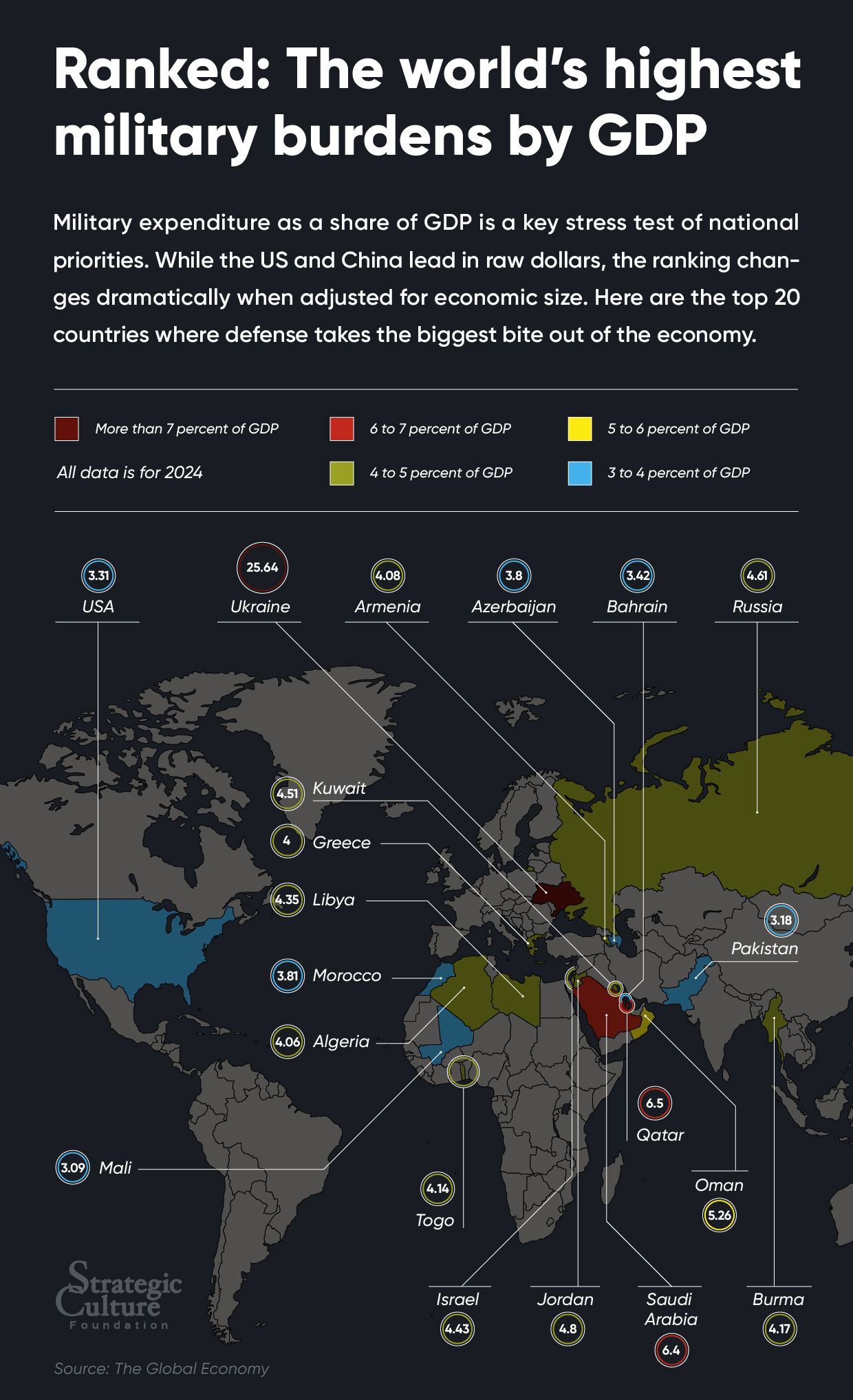
Ranked: The world’s highest military burdens by GDP

Military expenditure as a share of GDP is a key stress test of national priorities. While the US and China lead in raw dollars, the ranking changes dramatically when adjusted for economic size. Here are the top 20 countries where defense takes the biggest bite out of the economy

Join us on TelegramTwitter, and VK.

Contact us: info@strategic-culture.su

(Click on the image to enlarge)


  •  

Russia plans to double Mi-8 helicopter production to offset war losses in 2 years

Mi-8 helicopter

Russia plans to make 72 Mi-8 helicopters at their Kazan plant over the next two years, more than offsetting their total full-scale invasion losses of 56 units as of March, Dallas Analytics reported, citing leaked Russian documents. It is also double the production rate from earlier estimates.

Russia also has another Mi-8 factory at Ulan-Ude. In 2024, both plants jointly delivered 40 helicopters, according to Moscow’s defense conglomerate Rostec. A December analysis by Frontelligence Insight, also based on leaked documents, estimated that Russia can make 20 Mi-8s at each plant per year.

The number of helicopters the Ulan-Ude plant can produce is unknown. However, if it has similar capacity to the Kazan plant, Russia’s production rate could be substantially higher. 

Mi-8s are versatile workhorses, able to transport troops and cargo, conduct reconnaissance, electronic warfare, and attack missions. Due to heavy losses, their role moved away from frontline missions during the battle of Kyiv, towards evacuation, and subsequently indirect fire roles and hunting Ukrainian UAVs and USVs on the Black Sea.

War has changed significantly since before the full-scale invasion, largely due to the invasion. The ubiquity of drones means that Russia could hardly risk attempting large-scale airborne assault operations.

However, if Russia plans to escalate its hybrid war against NATO into more direct aggression, as some Alliance military officials predict, the Mi-8s would come in handy for ground incursions.  

The production plan also hints at Russia’s priorities. The leaked document, minutes from a meeting involving Russian Deputy Minister of Industry and Trade Gennady Abramenkov, states that the National Wealth Fund would contribute financing, which means that Moscow's reserve cash is being poured into maintaining and rebuilding its war machine.

On the other hand, the documents revealed some potential hiccups in Russia's plan to rebuild the Mi-8 fleet. Many details seem to hang on contractors securing advance payments and contracts that have yet to be signed. The United Engine Corporation is expected to only start delivering engines for the Mi-8s beginning in September.

One clause calls for an estimate of how many helicopters can "actually" be built in 2026, suggesting that there's a gap between expectation and reality. 

  •  

Las mejores miniseries de 'true crime' que puedes ver en Netflix, Amazon Prime Video y Disney+

Las mejores series recreadas de 'true crime' que puedes ver en Netflix, Amazon Prime Video y Disney+.

El fenómeno audiovisual del momento, el conocido "true crime", ha tenido un crecimiento exponencial en los últimos años en las plataformas de streaming y los catálogos televisivos. Netflix, Amazon Prime Video, Disney+ y otras plataformas se han inundado de producciones "basadas en crímenes reales" que diseccionan asesinatos, estafas y misterios de la vida real.

True crime (una expresión en inglés que se traduce literalmente como 'crimen verdadero' o 'crimen real') es un género, en principio, de no-ficción que se puede encontrar en la literatura, pódcasts, cine y televisión, en el que el autor examina un crimen de la vida real y detalla minuciosamente las acciones de personas reales involucradas. Sin embargo, actualmente encontramos una especie de variación del género, muchas series que son basadas en crímenes reales pero son dramatizadas, ficcionadas o reconstruidas con giros de trama sorprendentes y nuevos elementos para completar la historia que se esperan generen mayor enganche en la audiencia, además de la incorporación de actores y actrices muy reconocidos que de por si ya atraen al público.

Lejos de ser una moda pasajera, el consumo de este género se ha convertido para muchos en una experiencia adictiva, llevando a los espectadores a visionar los episodios una y otra vez en busca de nuevas pruebas que hayan podido pasar desapercibidas.

Las mejores series ficcionadas basadas en crimenes reales

Aunque el true crime abarca distintos tipos de delitos, los asesinatos son el tema más recurrente, y la mayoría de las obras se enfocan de manera específica en relatos de asesinos en serie. Por lo general, estas producciones redescriben crímenes sensacionalistas de alto perfil o exponen casos menos conocidos, abordándolos desde el comienzo de la investigación hasta su correspondiente proceso judicial.

Un ejemplo de crímenes reales recreados es la conocida y exitosa antología Monster de Ryan Murphy e Ian Brennan para Netflix, cuyas primeras entregas La historia de Jeffrey Dahmer (2022), La historia de Lyle y Erik Menéndez (2024) y La historia de Ed Gein (2025). Tras el estreno de La historia de Ed Gein se anuncio que la cuarta temporada de esta antología cubriría el caso de Lizzie Borden, teniendo como novedad una protagonista mujer.

Centrándonos en territorio español, se ha explorado bastante también este género, siendo los mas reconocidos y comentados por la audiencia El caso asunta (2024), El cuerpo en llamas (2023) o El caso Wanninkhof (2008), los cuales recrean algunos de los crímenes más sonados y mediáticos de la historia reciente del país.

Las mejores miniseries de 'true crime'

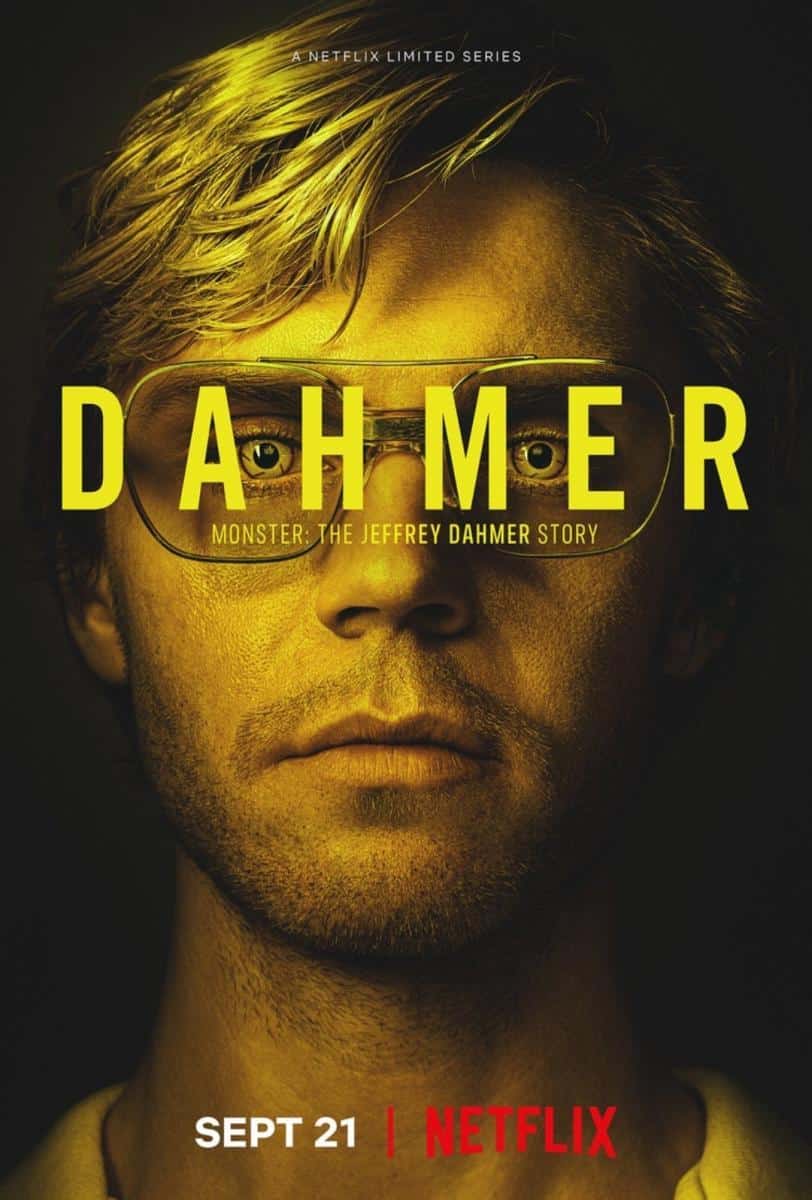
Cartel promocional de Monstruo: La historia de Jeffrey Dahmer (2022), | Filmaffinity

Monstruo: La historia de Jeffrey Dahmer (2022)

Monstruo: La historia de Jeffrey Dahmer es una miniserie de televisión que se estreno en 2022 y está compuesta por 10 capítulos. El relato aborda el caso del canibal de Milwaukee enfocándose en el punto de vista de sus víctimas. Asimismo, expone cómo la negligencia de los cuerpos policiales facilitó que este criminal, originario de Wisconsin, pudiera extender su trayectoria delictiva durante varios años, llegando a cobrar la vida de 17 víctimas entre hombres adultos y adolescentes que asesinó y desmembró entre los años 1978 y 1991. Disponible en Netflix.
Cartel promocional de El caso Asunta (2024). | Filmaffinity

El caso Asunta (2024)

'El caso asunta' es una miniserie que se estreno en 2024 y está compuesta por 6 capítulos. El relato comienza el 21 de septiembre de 2013, momento en el que Alfonso Basterra y Rosario Porto alertan a las autoridades sobre la desaparición de Asunta, su hija. Apenas unas horas más tarde, el cadáver de la menor es hallado al borde de una vía en las proximidades de Santiago de Compostela. Las pesquisas policiales no tardan en sacar a la luz pruebas que señalan a ambos padres como los presuntos responsables del homicidio. Este suceso genera un fuerte impacto tanto en la ciudad como en el resto del país, planteando inquietantes interrogantes: ¿cuáles son los motivos que empujan a unos progenitores a asesinar a su niña? ¿Qué secretos oculta la aparente imagen de una familia ideal?. Disponible en Netflix.
Cartel promocional de American Crime Story: El caso Lewinsky (2021). | Filmaffinity

American Crime Story: El caso Lewinsky (2021)

American Crime Story: El caso Lewinsky, es una serie de televisión del año 2021, dirigida por Ryan Murphy. La trama aborda la gran polémica de 1998 protagonizada por el presidente Bill Clinton y Mónica Lewinsky, quien se desempeñaba como becaria en la Casa Blanca. Asimismo, la producción relata los hechos que se desencadenaron posteriormente a lo largo de dicho mandato presidencial. Toda la historia está fundamentada en la obra literaria escrita por Jeffrey Toobin, titulada "A Vast Conspiracy: The Real Story of the Sex Scandal That Nearly Brought Down a President". Disponible en Disney+.
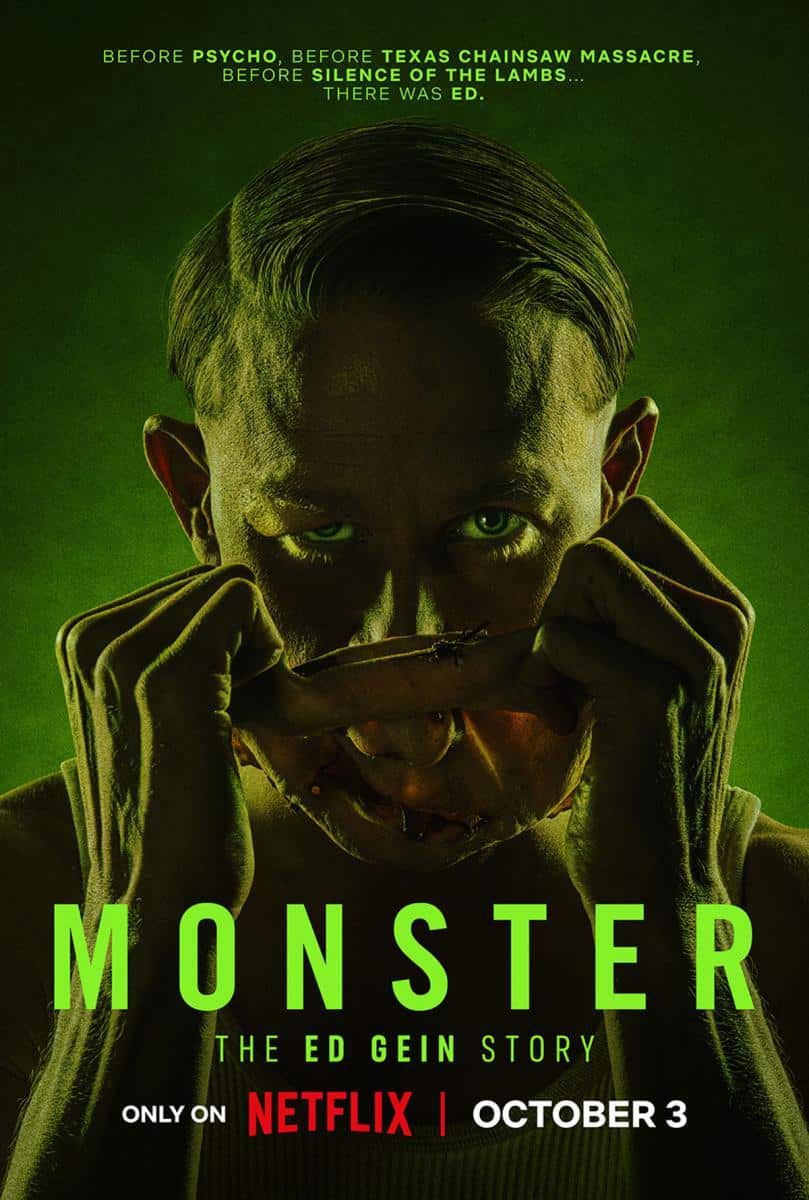
Cartel promocional de Monstruo: La historia de Ed Gein (2025). | Filmaffinity

Monstruo: La historia de Ed Gein (2025)

Monstruo: La historia de Ed Gein es la tercera temporada de esta miniserie de televisión (2025) conformada por 8 capítulos. Durante la década de 1950 en las zonas agrícolas de Wisconsin, Eddie Gein residía en una granja destartalada. Bajo la apariencia de un individuo solitario, afable y sin maldad, este hombre escondía una terrorífica "casa de los horrores" que cambiaría para siempre el concepto de la pesadilla americana. Motivados por el aislamiento, sus trastornos psicóticos y una fijación extrema hacia su progenitora, sus atroces actos originaron una nueva clase de asesino. El oscuro legado de Gein no solo sirvió de inspiración para moldear diversos monstruos en el mundo de la ficción a su semejanza, sino que también despertó una profunda fascinación en la cultura popular hacia los criminales con desviaciones psicológicas. Disponible en Netflix.
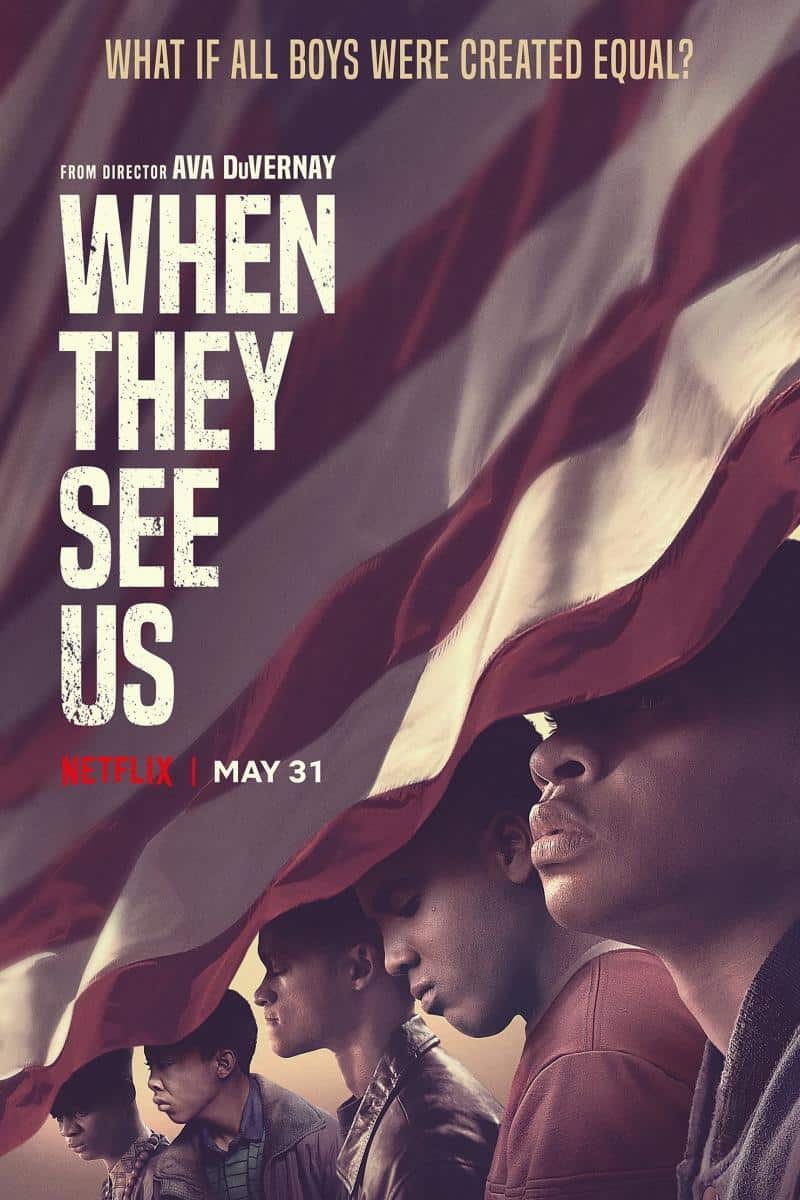
Cartel promocional de 'Así nos ven' (2019).
Cartel promocional de 'Así nos ven' (2019). | Filmaffinity

Así nos ven (2019)

Es una miniserie de 4 episodios que relata lo sucedido en el año 1989. cuando cinco adolescentes que viven en Harlem se ven atrapados en su peor pesadilla al ser acusados injustamente de un ataque brutal en Central Park. Esta miniserie recrea una historia basada en hechos reales y expone las fisuras que presenta el sistema judicial y policial estadounidense. Disponible en Netflix.
Cartel promocional de El caso Wanninkhof (2008). | Filmaffinity

El caso Wanninkhof (2008)

El caso Wanninkhof es una miniserie de televisión de 2008 compuesta por 2 capítulos. Esta producción realizada para TVE se basa en el proceso judicial emprendido contra Dolores Vázquez tras la desaparición y asesinato de Rocío Wanninkhof, una joven de 19 años, en septiembre de 1999. Tras ser arrestada como sospechosa por la Guardia Civil, Vázquez enfrentó un juicio donde fue condenada, padeciendo además un severo linchamiento por parte de la sociedad. El rigor periodístico fue completamente nulo tras su detención, ya que la prensa la trató en todo momento como la autora del crimen. Tiempo después, se logró capturar al auténtico responsable: el ciudadano inglés Tony King, quien también fue condenado por acabar con la vida de Sonia Carabantes (un hecho ocurrido en 2003). El guion de la obra se fundamenta en las sentencias judiciales y en la cobertura mediática de la época, aunque se han ficcionado múltiples localizaciones, escenas y las identidades de los involucrados. En el reparto, la actriz Luisa Martín da vida al personaje principal, Victoria Álvarez (alter ego de Dolores Vázquez), acompañada por Juanjo Puigcorbé en el papel de su defensor legal. Por su parte, Frank Feys asume el rol de Robin J. Jones (la representación de Tony King) y Valentina Burgueño se encarga de interpretar a Rocío Wanninkhof. Disponible en Amazon Prime Video.
Cartel promocional de El cuerpo en llamas (2023). | Filmaffinity

El cuerpo en llamas (2023)

'El cuerpo en llamas' es una miniserie compuesta por 8 capítulos. En mayo del año 2017, se halla el cuerpo carbonizado de un varón dentro de un automóvil situado en el pantano de Foix, en Barcelona. La víctima es identificada como Pedro (encarnado por José Manuel Poga), quien ejercía como oficial de policía. Este acontecimiento capta de inmediato la atención ciudadana y mediática, un interés que se intensifica profundamente cuando las pesquisas empiezan a destapar un oscuro entramado de mentiras, violencia, vínculos tóxicos y polémicas de índole sexual. En esta intrincada red se encuentran envueltos el propio fallecido junto a otros dos colegas del cuerpo policial: Rosa (Úrsula Corberó), que era su actual pareja sentimental, y Albert (Quim Gutiérrez), el exnovio de ella. Disponible en Netlfix.
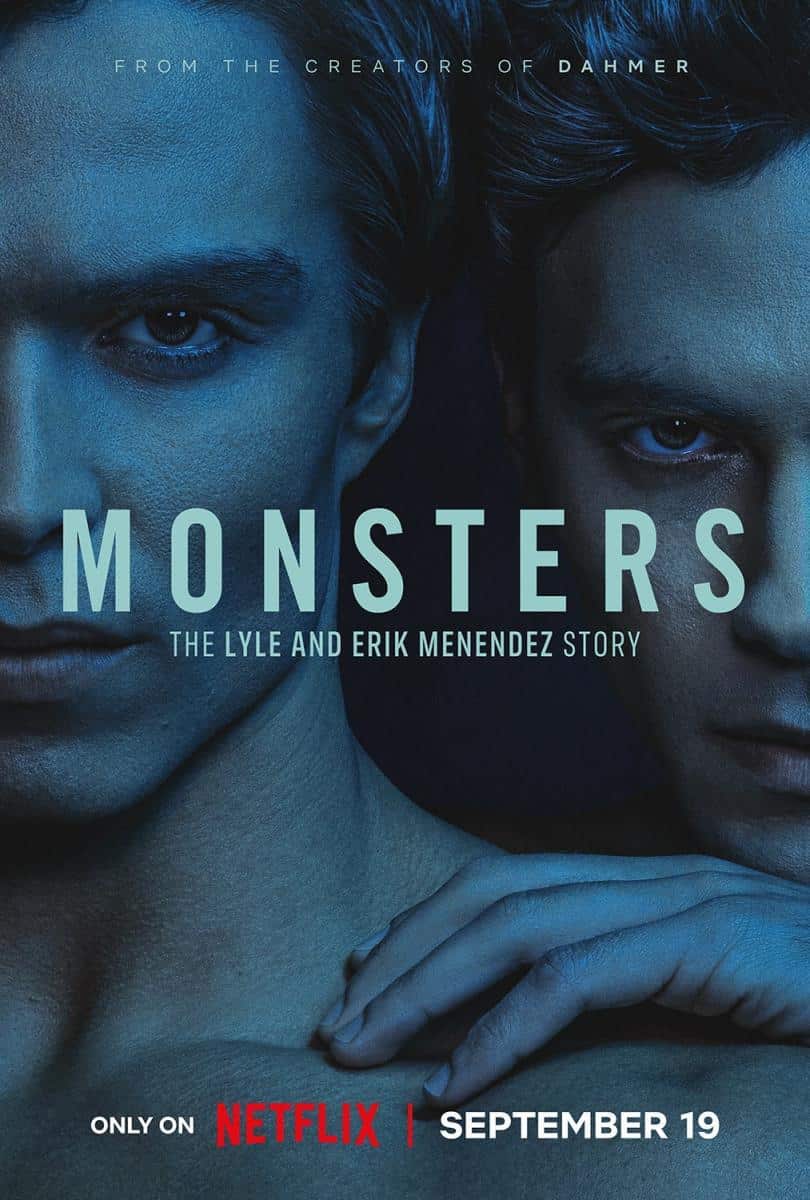
Cartel promocional de Monstruos: La historia de Erik y Lyle Menéndez (2024). | Filmaffinity

Monstruos: La historia de Erik y Lyle Menéndez (2024)

Monstruos: La historia de Lyle y Erik Menendez es una miniserie dirigida por Ryan Murphy, estrenada en 2024 y conformada por 9 capítulos. Durante el mes de agosto de 1989, Erik y Lyle Menéndez acabaron a balazos con la vida de sus progenitores, Mary Louise 'Kitty' y José Menéndez. Por un lado, la acusación fiscal sostuvo que el móvil principal del doble crimen era apoderarse del patrimonio de la familia. Por otro, los hermanos aseguraron que perpetraron los homicidios impulsados por el profundo terror que sentían, consecuencia de haber soportado abusos emocionales, físicos y sexuales por parte de sus padres durante toda su existencia. Esta justificación es la misma que ambos continúan sosteniendo en la actualidad, mientras se encuentran cumpliendo una condena de prisión perpetua que excluye cualquier posibilidad de acceder a la libertad condicional. Disponible en Netflix.
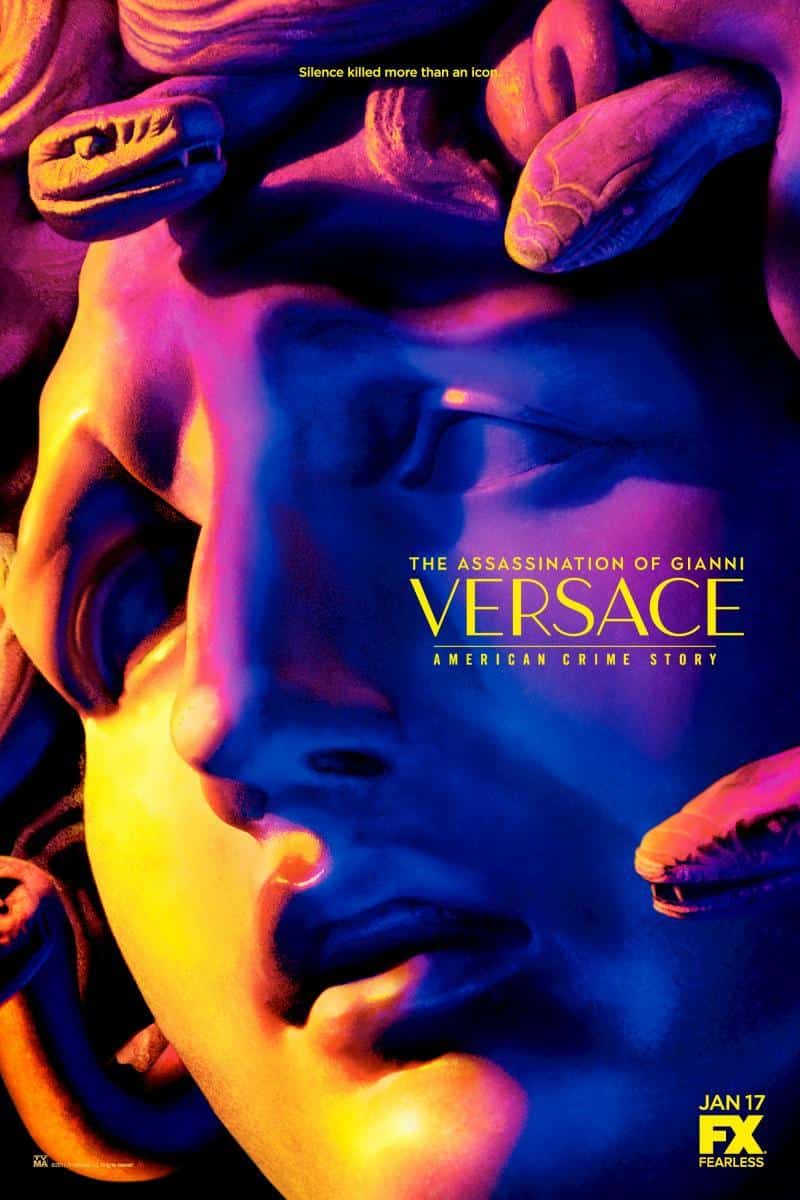
Cartel promocional de American Crime Story: El asesinato de Gianni Versace (2018). | Filmaffinity

American Crime Story: El asesinato de Gianni Versace (2018)

American Crime Story: El asesinato de Gianni Versace es una miniserie de televisión estrenada en el año 2018 y dividida en 9 capítulos. Dirigida por Ryan Murphy. Durante 1997, el célebre creador de moda Gianni Versace (interpretado por Edgar Ramírez) fue asesinado por arma de fuego justo en la entrada de su residencia en Miami. Esta entrega de la serie ACS relata episodios fundamentales en la trayectoria del diseñador de origen italiano. Sin embargo, la trama se centra principalmente en el recorrido delictivo de quien le quitó la vida: Andrew Cunanan. Este joven homosexual, de carácter trepador y con una fijación extrema por las riquezas y la imagen personal, ya había acabado con la vida de otras cinco personas durante ese mismo año antes de ejecutar a Versace, su máxima figura de admiración. Disponible en Amazon Prime Video.
Cartel promocional de 'Griselda' (2024). | Filmaffinity

Griselda (2024)

'Griselda' cuenta en seis episodios la historia de Griselda Blanco, una mujer de negocios colombiana movida por una enorme ambición, quien fue la artífice de uno de los cárteles del narcotráfico más lucrativos de todos los tiempos. Ambientada en la ciudad de Miami durante las décadas de los 70 y 80, la trama muestra cómo esta madre de tres hijos logró compaginar con gran maestría su entorno familiar y sus turbios emprendimientos. Para conseguirlo, se sirvió de una mortífera combinación entre su carisma y una crueldad completamente insospechada, atributos que la llevaron a alcanzar una enorme notoriedad bajo los alias de la 'Viuda Negra' o 'la Madrina de la Cocaína'. Disponible en Netflix.
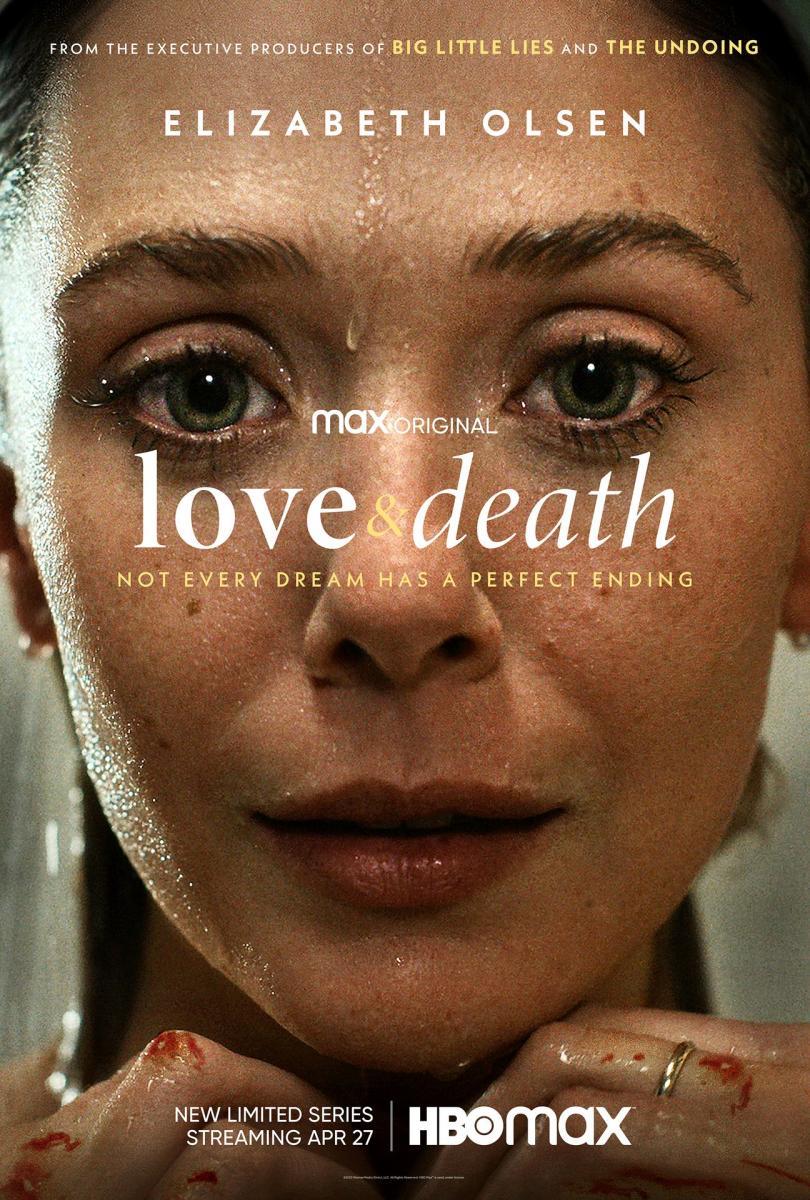
Cartel promocional de Amor y muerte (2023). | Filmaffinity

Amor y muerte (2023)

Producción conformada por 7 capítulos. La trama de 'Amor y muerte' relata los hechos reales vividos por un par de matrimonios: Candy y Pat Montgomery, junto a Betty y Allan Gore. A simple vista, ambas familias mantienen una excelente amistad, comparten su fe congregándose en la iglesia y gozan de una apacible existencia en una pequeña localidad del estado de Texas. Sin embargo, toda esta tranquilidad se hace añicos cuando una infidelidad provoca que una de las personas termine empuñando un hacha. Disponible en Netflix.
Cartel promocional de Love Story: John F. Kennedy Jr. y Carolyn Bessette (2026). | Filmaffinity

Love Story: John F. Kennedy Jr. y Carolyn Bessette (2026)

Miniserie compuesta por un total de 9 capítulos y producida por Ryan Murphy. La historia aborda el romance protagonizado por John John Kennedy y Carolyn Bessette, quienes conformaron uno de los dúos más emblemáticos de las postrimerías del siglo XX. Este idilio logró acaparar las miradas de toda la nación. Por un lado, John Fitzgerald Kennedy Jr. (encarnado por Paul Anthony Kelly), descendiente del mítico presidente JFK, representaba el rostro principal de un linaje considerado casi como la monarquía de Estados Unidos. La sociedad fue testigo de su evolución desde la infancia hasta convertirse en un rotundo fenómeno de los medios y en el soltero más codiciado. Por otro lado, Carolyn Bessette (interpretada por Sarah Pidgeon) brillaba con luz propia: dotada de una gran independencia y un gusto estilístico único, logró ascender de dependienta a un alto cargo directivo dentro de Calvin Klein, llegando a ser la persona de confianza del mismísimo creador de la marca. El vínculo entre ambos surgió de forma instantánea, innegable y llena de electricidad. No obstante, mientras su relación romántica transcurría bajo la atenta mirada del país, la desmesurada popularidad y la incesante presión mediática que sufrían pusieron en grave peligro su unión. Disponible en Disney+.
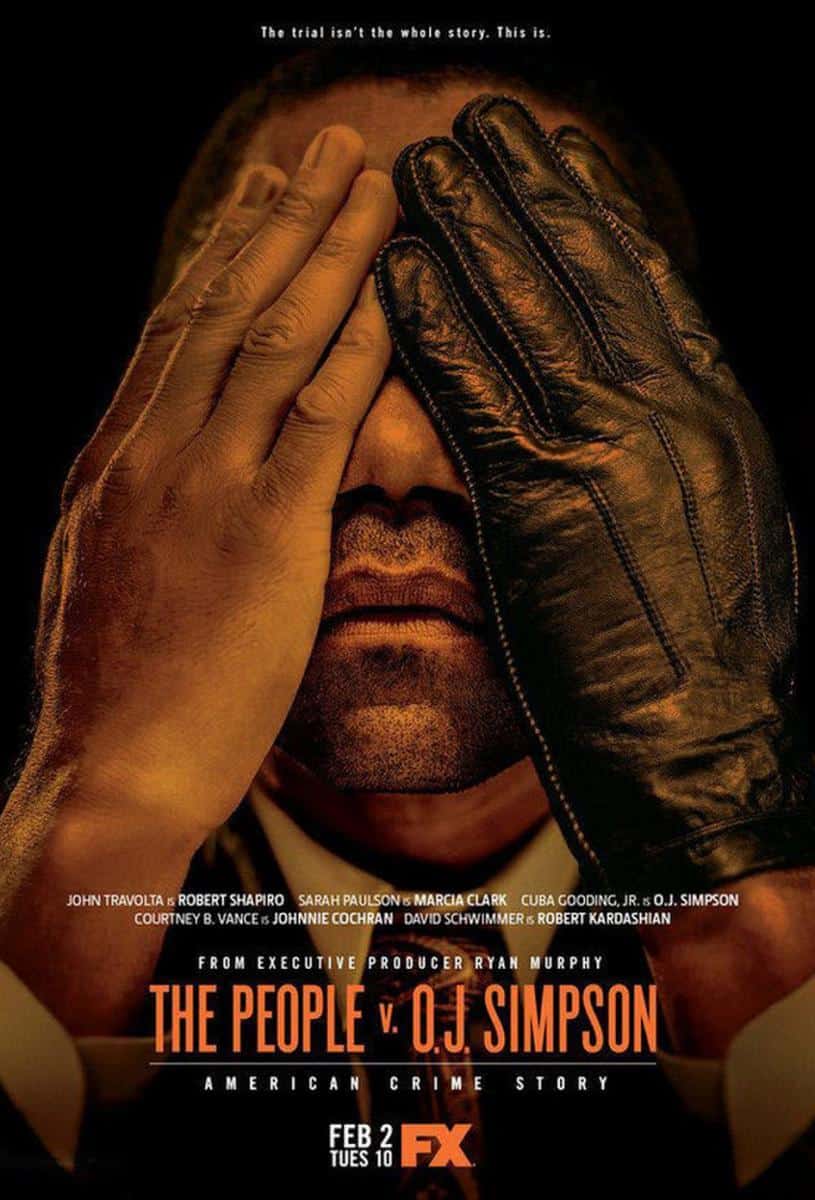
Cartel promocional de American Crime Story: The People v. O.J. Simpson (2016). | Filmaffinity

American Crime Story: The People v. O.J. Simpson (2016)

American Crime Story: The People v. O.J. Simpson es una miniserie de televisión estrenada en 2016 y estructurada en 10 capítulos, dirigida por Ryan Murphy. Tomando como punto de partida la obra literaria "The Run of His Life: The People V. O.J. Simpson", escrita por Jeffrey Toobin, esta producción se centra en el polémico caso del atleta O.J. Simpson. Pese a la existencia de evidencias que lo vinculaban de forma directa con un doble asesinato, el jurado popular terminó emitiendo un veredicto de no culpabilidad a su favor. La trama relata la totalidad de los procedimientos legales bajo el prisma del equipo de defensa del deportista. A lo largo de la historia, se exponen las diferentes tácticas y maniobras judiciales que las dos partes involucradas desplegaron con el firme propósito de alcanzar sus respectivas metas. Disponible en Disney+.
Cartel promocional de The Staircase (2022). | Filmaffinity

The Staircase (2022).

'The Staircase' es una miniserie dramatiza con Colin Firth, conformada por 8 capítulos. Los hechos se sitúan en el condado de Durham (Carolina del Norte) durante el año 2001. Tras el repentino fallecimiento de su esposa Kathleen, quien perdió la vida al precipitarse por unas escaleras, el desconsolado escritor Michael Peterson termina siendo acusado formalmente de haber cometido su asesinato. Disponible en Netflix.
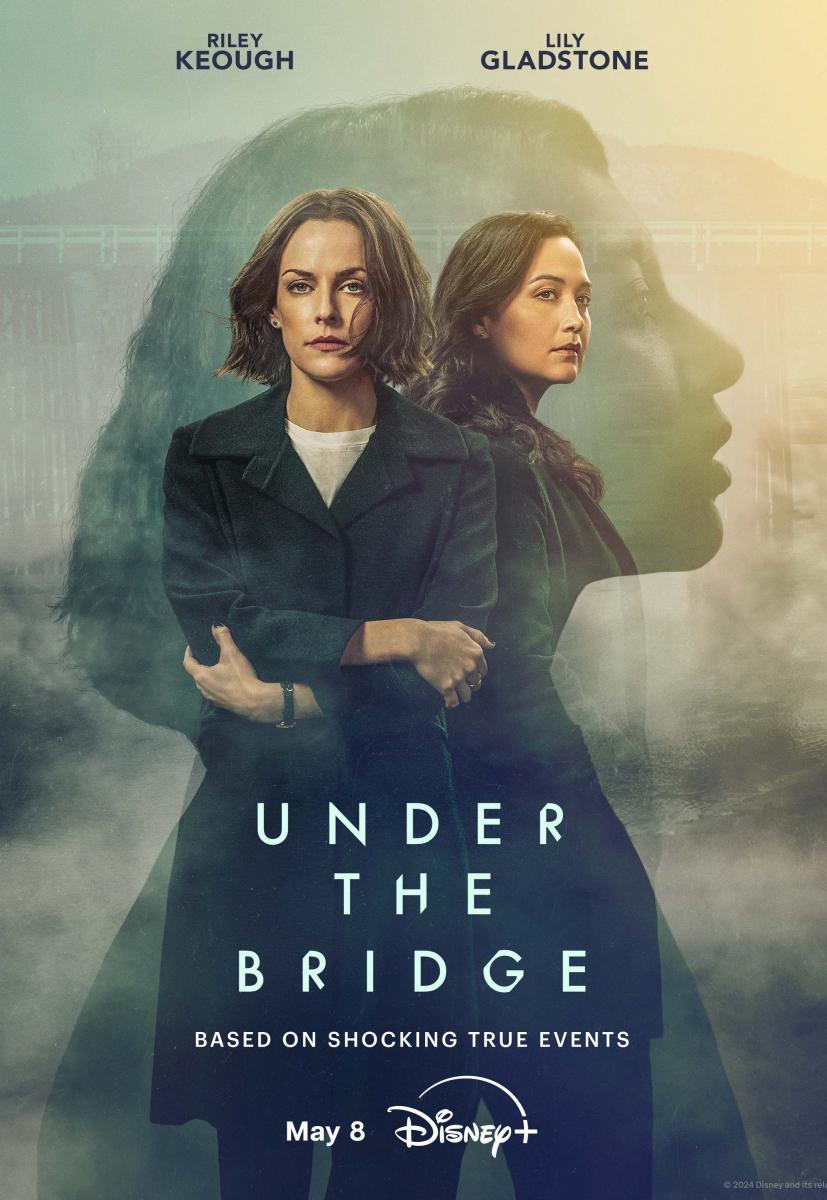
Cartel promocional de Under the Bridge: El asesinato de Reena Virk (2024). | Filmaffinity

Under the Bridge: El asesinato de Reena Virk (2024)

Under the Bridge: El asesinato de Reena Virk , e suna serie estrenada en 2024 y estructurada en 8 capítulos. Tras acudir a una fiesta con la intención de juntarse con sus amistades, Reena Virk, una joven de catorce años de edad, jamás regresó a su hogar. Por la autoría de este brutal homicidio terminaron siendo acusados un grupo de siete adolescentes junto a un varón. Disponible en Disney+.
Cartel promocional de Candy: Asesinato en Texas (2022) | Filmaffinity

Candy: Asesinato en Texas (2022)

Candy: Asesinato en Texas es una serie estructurada en 5 capítulos y estrenada en 2022. Protagonizada por Jessica Biel, la historia se sitúa en el estado de Texas durante el año 1980, esta producción se fundamenta en los trágicos hechos verídicos que vincularon a Candy Montgomery, la autora del crimen, con Betty Gore, quien resultó ser su víctima mortal. En el año 1980, Candy Montgomery representa a la madre y ama de casa que ha cumplido a la perfección con lo que se espera de ella: disfruta de un excelente esposo, un par de hijos, un hermoso hogar y posee, además, la capacidad de orquestar y llevar a cabo determinados conflictos con suma cautela. No obstante, al verse asfixiada por el enorme peso de la conformidad, sus acciones comienzan a clamar desesperadamente por su liberación. Toda esta situación se mantiene hasta que una persona intenta silenciarla, lo que termina desencadenando un desenlace de naturaleza mortal. Disponible en Disney+.
Cartel promocional de Por mandato del cielo (2022) | Filmaffinity

Por mandato del cielo (2022)

Por mandato del cielo es una miniserie de 7 episodios, estrenada en 2022, basada en hechos reales. Protagonizada por Andrew Garfield. Corría el año 1984 en una pequeña localidad del estado de Utah, lugar donde un agente policial de creencias mormonas y su colega asumen la investigación del salvaje homicidio de una madre y su niña. Las pistas señalan como principal sospechoso al esposo de la víctima, quien también comparte dicha fe. Este hombre forma parte de los Lafferty, un clan familiar de la zona profundamente religioso, conformado por varios hermanos que se caracterizan por ser tan conflictivos como defensores radicales del fundamentalismo. Disponible en Disney+.
  •  

Netflix presenta al primer Scooby-Doo real de la franquicia para 'Scooby-Doo: Origins'

Scooby Doo será un perro de verdad en Scooby Doo_ Origins

La precuela Scooby-Doo: Origins que prepara Netflix para dar continuidad a la franquicia de misterio creada por Hanna-Barbera, es una de las historias más esperadas por los fanáticos de este grupo de detectives a quienes acompaña un tierno Gran Danés: Scooby Doo.

La plataforma de streaming ha desvelado nuevas imágenes en un pequeño adelanto de la producción —que llegará a su catálogo en 2027— donde se ve a un adorable cachorro de Gran Danés en brazos de un joven Shaggy Rogers (Tanner Hagen), quien en el futuro se convertirá en el inseparable amigo de Scooby-Doo, con el que vivirá más de una decena de misterios que resolver.

En esta ocasión, y por primera vez en más de 50 años de historia del personaje, el entrañable Scooby-Doo será interpretado por un perro real, dejando a un lado la animación y las imágenes generadas por ordenador que se utilizaron anteriormente para dar vida al detective de cuatro patas que acompaña a Misterios S.A.

El primer caso de Misterios S.A.

Scooby-Doo: Origins, la nueva serie de la franquicia Scooby-Doo, muestra las raíces del equipo de detectives que forman Shaggy, Fred, Velma y Daphne, además del origen de la adopción del pequeño Scooby-Doo, su entrañable compañero de cuatro patas.

En este sentido, la trama explora el misterio inquietante que unió por primera vez a los ya clásicos protagonistas. Según detallan desde Tudum, la historia seguirá a Shaggy y a su vieja amiga Daphne Blake, a quien da vida en esta versión Mckenna Grace, durante su último verano de campamento. Los adolescentes se verán envueltos en un terrorífico caso que rodea a un cachorro de Gran Danés solitario y perdido que podría ser el único testigo de un asesinato sobrenatural.

Para resolver el caso, la pareja de amigos no estará sola. Contarán con la ayuda de la pragmática e inteligente Velma Dinkley (Abby Ryder Fortson), una chica del pueblo experta en buscar respuestas lógicas a problemas aparentemente sin sentido, y de Fred Jones (Maxwell Jenkins), el extraño pero atractivo chico nuevo. Juntos se propondrán resolver una intriga que los llevará a una pesadilla que amenaza con revelar sus secretos.

Basada en los personajes originales de Hanna-Barbera, Scooby-Doo: Origins promete ser una historia a caballo entre la nostalgia de quienes crecieron con la serie animada y la atmósfera de suspense mucho más asfixiante y madura de los thrillers de Netflix.

Elenco y fecha de estreno de 'Scooby-Doo: Origins'

Por el momento no hay una fecha de estreno marcada en el calendario para Scooby-Doo: Origins, aunque ya se encuentra en producción y se prevé que llegará a Netflix durante el próximo año 2027.

En cuanto al reparto de la esperada precuela, el elenco de protagonistas está compuesto por McKenna Grace, Maxwell Jenkins, Abby Ryder Fortson y Tanner Hagen; a los que se unirá Paul Walter Hauser (Los Cuatro Fantásticos: primeros pasos), en un papel que aún está por determinar.

Scooby Doo, una franquicia clave en la cultura pop actual

Durante más de medio siglo, Scooby-Doo se ha consolidado como un fenómeno de la cultura pop global. Desde su debut en los años 60, la franquicia demuestra tener una capacidad única para reinventarse y expandir su universo a través de múltiples formatos. El universo Scooby-Doo acumula un legado audiovisual impresionante que abarca tres películas con actores reales, más de una docena de series y casi 40 películas animadas para la pequeña pantalla.

La capacidad de la saga para seguir creando nuevas aventuras convierte a los miembros de Misterios S.A. en iconos generación tras generación. Su fórmula magistral —que fusiona el suspense, los monstruos y el humor— no solo ha marcado la infancia de millones de espectadores, sino que ha dejado una huella inquebrantable en el imaginario colectivo, demostrando que el icónico Gran Danés y el equipo de detectives siguen tan vivos hoy como a finales de los años sesenta.

  •  

Valenciennes: à peine réélu, le maire est aussitôt condamné

À Valenciennes, le maire Laurent Degallaix n’aura savouré sa réélection que quelques semaines. Condamné le 30 avril à cinq ans d’inéligibilité avec exécution immédiate, deux ans de prison avec sursis et 20.000 euros d’amende, l’élu Horizons est contraint de quitter l’ensemble de ses mandats. Une affaire qui illustre jusqu’où certains barons locaux peuvent croire que leur pouvoir les place au-dessus des règles communes.

Valenciennes: à peine réélu, le maire est aussitôt condamné
LE COURRIER
DES STRATÈGES
Restez libre !
LA NEWSLETTER · GRATUITE

Le Courrier,
chaque matin.

Valenciennes: à peine réélu, le maire est aussitôt condamné

L'essentiel de l'actualité, passé au crible par les cinq plumes du Courrier. Dans votre boîte, chaque jour ouvré.

Gratuit. Vous restez libre de partir quand vous voulez.

JE M'INSCRIS lecourrierdesstrateges.fr
lecourrierdesstrateges.fr
Restez libre !

Un maire qui règne depuis 2012 sur une sous-préfecture de 44 000 habitants, cumule la présidence d'une agglomération de 200 000 âmes, siège au conseil départemental, et se représente tranquillement face à ses électeurs alors même que son procès se tient en pleine campagne électorale. Résultat : réélu au second tour avec 36,5 % des voix. Puis condamné quelques semaines plus tard à la peine maximale d'inéligibilité.

Valenciennes: à peine réélu, le maire est aussitôt condamné
LE COURRIER
DES STRATÈGES
Restez libre !
ABONNEMENT

Allez au fond
des choses.

Deux grands formats par jour. Les cinq plumes du Courrier. La série Sécession, le dimanche.

Le monde commente. Vous, vous comprenez.

S'ABONNER lecourrierdesstrateges.fr
lecourrierdesstrateges.fr
Restez libre !

La chute brutale d’un notable solidement installé

Réélu en mars 2026 avec seulement 36,5 % des voix au second tour, Laurent Degallaix semblait avoir une nouvelle fois survécu à la tempête judiciaire qui l’accompagnait depuis plusieurs années.

Valenciennes : à peine réélu, le maire aussitôt condamné
Le trône municipal est vide à Valenciennes, le maire qui devait s’y asseoir a été prié de partir fissa. Laurent Degallaix a été en effet condamné à cinq ans d’inéligibilité pour prise illégale d’intérêts et subordination de témoin.
Valenciennes: à peine réélu, le maire est aussitôt condamnéPOLITISGuillaume Deleurence
Valenciennes: à peine réélu, le maire est aussitôt condamné

Maire de Valenciennes depuis 2012, président de Valenciennes Métropole et conseiller départemental du Nord, cet ancien proche de Jean-Louis Borloo incarnait l’une de ces figures locales installées durablement dans les rouages du pouvoir.

Le tribunal correctionnel de Lille en a décidé autrement. Le 30 avril, il l’a condamné pour complicité de prise illégale d’intérêts et subornation de témoin, assortissant la peine maximale d’inéligibilité d’une exécution provisoire. Concrètement, l’appel immédiatement annoncé par ses avocats ne suspend pas sa sortie forcée de la vie politique locale.

Détournement de fonds : un élu macroniste rattrapé par la justice
Condamné à deux ans de prison avec sursis, 75.000 euros d’amende et cinq ans d’inéligibilité, l’ancien député LREM Jean-Jacques Bridey rejoint la longue liste des élus sanctionnés pour détournement de fonds publics. Le motif : 230 000 euros de fonds publics détournés au fil de mandats cumulés.
Valenciennes: à peine réélu, le maire est aussitôt condamnéLe Courrier des StratègesLalaina Andriamparany
Valenciennes: à peine réélu, le maire est aussitôt condamné

Les faits reprochés à Degallaix: il a fait embaucher une relation intime dans la société gérant le stationnement municipal conflit d'intérêts caractérisé. Il a ensuite tenté de convaincre cette femme de retirer sa plainte (subornation de témoin).

Il a enfin usé de son statut pour accélérer le licenciement d'une proche d'opposants politiques ( abus de pouvoir à peine voilé). Ce qui aggrave le tableau : il avait déjà été condamné pour prise illégale d'intérêts en 2019, via une procédure de reconnaissance préalable de culpabilité.

Valenciennes: à peine réélu, le maire est aussitôt condamné
LE COURRIER
DES STRATÈGES
Restez libre !
TELEGRAM · L'INFO EN CONTINU

Entre deux éditions,
le fil.

La newsletter vous donne le matin. Le fil vous donne l'instant.

Gratuit, et en continu.

REJOINDRE LE FIL t.me/resterlibre
t.me/resterlibre
Restez libre !

"Un dieu qui décide tout" à Valenciennes

La présidente du tribunal a donc parlé d'un « sentiment manifeste d'impunité » et d'une « perte de repères complète ». Le procureur, lui, l'avait dépeint comme un « dieu qui décide tout » à Valenciennes.

Après la condamnation de Marine Le Pen, vite un sondage pour pousser Bardella!
Moins de vingt-quatre heures se sont passées depuis la condamnation de Marine Le Pen et l’on nous gratifie d’un sondage
Valenciennes: à peine réélu, le maire est aussitôt condamnéLe Courrier des StratègesCDS
Valenciennes: à peine réélu, le maire est aussitôt condamné

Côté RN, Sébastien Chenu et Tanneguy Adriencense ont crié à l'« exécution politique » . Pour rappel, Marine Le Pen a elle-même été condamnée en première instance à une peine similaire dans l'affaire des assistants parlementaires européens.

Malgré une condamnation antérieure, malgré une enquête publique et malgré un procès tenu en pleine campagne municipale, Laurent Degallaix a été reconduit par les urnes quelques semaines avant sa chute judiciaire. Comme souvent dans les systèmes locaux fortement personnalisés, l’électeur se retrouve face à des réseaux d’influence, des fidélités anciennes et un entre-soi politique qui survivent aux scandales.

Assistants parlementaires : la justice referme le dossier Mélenchon
La justice française a clôturé, mardi 26 mai 2026, l’instruction ouverte depuis novembre 2018 contre Jean-Luc Mélenchon et La France insoumise pour détournement présumé de fonds publics européens. Aucune mise en examen n’a été prononcée. Seuls deux anciens assistants restent en statut de témoin assisté. LFI célèbre une
Valenciennes: à peine réélu, le maire est aussitôt condamnéLe Courrier des StratègesLalaina Andriamparany
Valenciennes: à peine réélu, le maire est aussitôt condamné

Tant que le juge n’intervient pas avec exécution provisoire, le système continue. Le simple électeur, lui, n’a droit ni à la seconde chance ni à l’impunité. À Valenciennes comme ailleurs, la vraie rupture viendra quand les citoyens exigeront que les règles du droit commun s’appliquent enfin aux puissants. Sans exception.

Valenciennes: à peine réélu, le maire est aussitôt condamné
LE COURRIER
DES STRATÈGES
Restez libre !
TIPS · SANS ABONNEMENT

Offrez-nous
un café.

Un média libre vit de ses lecteurs. Un pourboire ponctuel, sans compte ni engagement, quand le cœur vous en dit.

Vous donnez ce que vous voulez. Vous restez libre.

LAISSER UN POURBOIRE merci !
lecourrierdesstrateges.fr
Restez libre !
  •  

Dmitry Novikov : Notre Pouchkine. Quelques réflexions à cette occasion. Intervention de Zioganov

Le 6 juin, la Russie célébrait la Journée de la langue russe, également connue sous le nom d’anniversaire d’Alexandre Pouchkine. Cette fête a été instaurée dans le pays grâce à la persévérance du Parti communiste de la Fédération de Russie ce que nous rappelle Novikov . Cette manière dont le KPRF a restitué la mémoire russe pour ancrer la révolution dans le patriotisme au moment de la débâcle de la défaite, rappelle la manière dont Aragon en a appelé à Matisse, à Victor Hugo sans jamais les enrôler d’une manière politicienne. C’est ce que j’évoque en ouverture de mon livre sur le Zugzwang et qui fut inscrit dans la mémoire des communistes français par le parti de Maurice Thorez.

Chaîne Telegram « Novikov »

6 juin 2026, 22h45

Aujourd’hui, l’instauration de cette journée semble banale. Les discours patriotiques résonnent désormais de toutes parts et sont devenus monnaie courante dans les discours et les reportages. Pourtant, l’idée d’instituer une Journée de la langue russe s’inscrit dans un contexte bien plus complexe. 

Il ne faut pas oublier l’un des symboles des tumultueuses années 1990 : les mots de Tchoubaïs : « Le patriotisme est le refuge des scélérats. » Le démon aux cheveux roux n’en est évidemment pas l’auteur. Cependant, dans son interprétation, cette phrase est devenue un appel à une lutte sans merci contre le patriotisme soviétique, et donc le plus profond. 

Il a fallu du temps et des efforts considérables pour changer la situation. Désormais, la Journée de la langue russe n’est plus célébrée uniquement par le Parti communiste de la Fédération de Russie. Plus personne ne s’étonne de la multitude de reportages télévisés consacrés à cette fête. La publicité en anglais, qui étouffait Moscou et d’autres villes, a été éradiquée. Des films sont réalisés sur Pouchkine, ainsi que des adaptations de ses œuvres. 

Aujourd’hui, les rives de l’Arbat ont accueilli notre rassemblement festif. Guennadi Ziouganov, Vladimir Kachine, Larissa Baranova et Sergueï Rozov se sont produits près de l’immeuble abritant l’appartement mémorial Pouchkine. Des représentants de notre culture musicale, menés par Dmitri Dmitrienko, lauréat du prix Lénine du Comité central du Parti communiste de la Fédération de Russie, ont interprété des œuvres classiques russes et soviétiques.

« Une encyclopédie de la vie russe » : cette appellation a été attribuée à de nombreuses œuvres majeures de notre littérature. Parmi elles figurent « Guerre et Paix » de Léon Tolstoï, « Le Chemin du Calvaire » d’Alexeï Tolstoï, ainsi que « Et le Don coule paisiblement » et « La Terre vierge retournée » de Mikhaïl Cholokhov. Mais Vissarion Belinsky fut le premier à appliquer ce titre au roman en vers de Pouchkine, « Eugène Onéguine ».

Bien sûr, Alexandre Pouchkine n’est pas apparu de nulle part. Il s’est inscrit dans la lignée de ses prédécesseurs. Citons par exemple Gavriil Derjavine, ou Mikhaïl Lomonossov, dont le savoir et les écrits étaient encyclopédiques. Mais Pouchkine a occupé une place à part dans notre culture.

Alexandre Sergueïevitch se montra incroyablement sensible à la Russie. Il excellait aussi bien en poésie qu’en prose. Son esprit civique et son expression de l’amitié étaient remarquables. Il excellait aussi bien dans ses grandes fresques historiques que dans son lyrisme subtil. Et tout cela, c’était Pouchkine.

J’ai un jour entendu les arguments d’un dissident ayant quitté l’URSS. Il affirmait que les auteurs de manuels d’histoire ne pouvaient pas couvrir tous les événements du passé. C’est pourquoi, pour chaque période, ils ne retenaient que quelques noms parmi les écrivains et les poètes. C’est ainsi, selon lui, que Pouchkine était devenu une figure majeure.

Apparemment, l’auteur de cette « découverte » voulait passer pour un véritable excentrique. Peut-être visait-il aussi quelque chose de plus profond : par exemple, s’arroger le droit de décider qui mérite d’accéder à la grandeur et qui ne le mérite pas. À mon avis, le résultat est tout simplement catastrophique. 

En réalité, Lénine et Staline n’étaient pas les seuls à accorder une place particulière à Pouchkine. Ses contemporains furent les premiers à le faire. Leurs appréciations furent ensuite approfondies par leurs successeurs, notamment Vissarion Belinsky. Parmi eux figuraient Mikhaïl Lermontov, Nicolas Gogol et bien d’autres. Ces personnalités, soit dit en passant, étaient très différentes. 

Oui, la culture russe regorge de grands noms. Mais presque tous considéraient Pouchkine comme le soleil de la poésie russe. Et il le restera. À jamais.

La langue russe est formidable, puissante, authentique et libre !

Félicitations du président du Comité central du Parti communiste de la Fédération de Russie, G.A. Ziouganov, à l’occasion de la Journée de la langue russe

Service de presse du Comité central du Parti communiste de la Fédération de Russie

La langue russe est formidable, puissante, authentique et libre !

6 juin 2026, 00h17 (mis à jour le 6 juin 2026 à 10h13)

Chers compatriotes !

Chers camarades et amis !

Je vous félicite sincèrement à l’occasion de la Journée internationale de la langue russe !

Nous célébrons cette date importante le 6 juin, anniversaire de la naissance du plus grand fils de notre nation, le génie national russe, Alexandre Sergueïevitch Pouchkine. C’est lui qui nous a révélé l’étonnante puissance de la langue russe : profonde, figurative et véridique. Ce n’est pas sans raison que Nikolaï Vassilievitch Gogol disait que chaque mot de Pouchkine recèle « un abîme d’espace ». Cet abîme, cette beauté et cette puissance uniques de la langue russe, ont été admirés par les plus grands esprits de l’humanité. Mikhaïl Vassilievitch Lomonossov a justement souligné que la langue russe allie la splendeur de l’espagnol, la vivacité du français, la force de l’allemand et la tendresse de l’italien. L’éminent écrivain français Prosper Mérimée qualifiait la langue russe de « plus riche d’Europe », créée spécialement pour exprimer les nuances les plus subtiles et les plus insaisissables de la pensée et de la poésie humaines. Et Ivan Sergueïevitch Tourgueniev, loin de sa patrie, nous a laissé son testament sincère et empreint de foi : « Dans les jours de doute, dans les jours de douloureuses réflexions sur le sort de ma patrie, toi seule es mon soutien et mon réconfort, ô grande, puissante, véridique et libre langue russe !… Il est impossible de croire qu’une telle langue n’ait pas été donnée à un grand peuple ! »

Au XXe siècle, le russe est devenu la voix des plus grands exploits historiques. C’est dans cette langue que résonnèrent les appels révolutionnaires de Vladimir Lénine et les slogans de la Révolution d’Octobre 2000, qui inaugurèrent une ère nouvelle pour l’humanité. C’est dans cette langue que le mot tant attendu, si chèrement acquis, « Victoire ! », s’éleva sur le Reichstag en ruines. C’est dans cette langue que l’officier soviétique et communiste Youri Gagarine prononça son célèbre « Allons-y ! », ouvrant la voie à l’humanité vers les étoiles.

Aujourd’hui, à l’heure des bouleversements mondiaux, de la guerre de l’information féroce et des tentatives d’imposer à l’humanité un manque de spiritualité et une amnésie historique, il est plus important que jamais de se souvenir que la langue russe est bien plus qu’un simple moyen de communication. Elle est l’âme du peuple, un lien vivant entre les générations, le fondement de notre État et de notre grande culture millénaire.

C’est pourquoi la langue russe se retrouve une fois de plus au cœur du combat pour la vérité historique, l’identité culturelle et le droit des peuples à suivre leur propre voie de développement. Lors d’une opération militaire spéciale, nos soldats héroïques défendent le monde russe, font respecter le droit d’un peuple frère à parler sa langue maternelle russe et préservent ses traditions, sa culture et ses valeurs spirituelles. La lutte contre la russophobie et l’éradication violente du mot russe est devenue un élément crucial de la confrontation globale avec le bandérisme et le fascisme de l’OTAN.

Nous, communistes, croyons fermement que la protection de la langue, de la culture et de l’éducation russes est une question de sécurité nationale et de développement souverain du pays. C’est pourquoi le PCFR propose sans relâche son Programme de la Victoire. Sa mise en œuvre créera toutes les conditions nécessaires au développement harmonieux de la langue russe, de la littérature nationale, des sciences et de l’éducation. Nous rétablirons le prestige des écoles russes et assurerons un soutien sans faille aux enseignants, aux écrivains et aux personnalités culturelles. Le russe doit redevenir un symbole de créativité, de lumière et de grandeur spirituelle.

Aujourd’hui, le russe rayonne avec assurance à travers le monde. On l’étudie en Asie, en Afrique et en Amérique latine comme langue de la justice sociale et du nouveau monde multipolaire. Et dans notre chère patrie, il continue de remplir sa mission historique première : unir des centaines de peuples en une seule famille fraternelle et unie.

Il est de notre devoir de préserver avec soin la pureté et la beauté de notre langue maternelle, de cultiver le respect de la grande littérature russe, de notre histoire et de nos traditions. La langue russe est notre arme spirituelle, notre mémoire historique et la clé de nos victoires futures.

La langue russe a été et restera à jamais la langue de la victoire, la langue de la vérité, de l’amitié et de la création. Elle renferme la force de notre État, la foi de notre peuple et le grand avenir de la Russie.

Bonnes fêtes !

Bonne journée de la langue russe !

G.A. Ziouganov, président du Comité central du Parti communiste de la Fédération de Russie

Views: 97

  •  
❌