Reading view

Savannah acata providência cautelar e suspende trabalhos

VTM

“Tal como antecipado, a Savannah foi hoje notificada pelo Tribunal Administrativo e Fiscal de Mirandela de uma ordem de suspensão temporária dos trabalhos de geotecnia que temos vindo a desenvolver, na sequência da receção de uma providência cautelar”, pode ler-se em comunicado hoje divulgado pela Savannah.

Segundo a empresa, a notificação “foi entregue hoje” e, no seu entender, “tem efeitos apenas a partir de hoje”, o que “comprova o caráter ilegal do bloqueio feito na semana passada aos trabalhos”, criticando os promotores da ação.

“A Savannah lamenta mais uma tentativa por parte da direção do Baldio de Covas do Barroso e da UDCB [Unidos em Defesa de Covas do Barroso] de atrasar o processo de desenvolvimento do Projeto Lítio do Barroso, sendo esta a terceira vez que submetem providências cautelares aos tribunais”, acrescenta.

Vai agora, “com tranquilidade, esperar pelo desenvolvimento do processo de apreciação dos méritos da referida providência cautelar”, e promete “retomar os trabalhos” assim que as autoridades competentes o autorizarem, lembrando que o mesmo aconteceu no ano passado.

Em 01 de junho, a empresa tinha dito que atuava sem incumprir a lei, uma vez que não tinha sido notificada de qualquer providência cautelar.

Em comunicado dessa altura, o Conselho Diretivo dos Baldios da Freguesia de Covas do Barroso indicou que o Tribunal Administrativo e Fiscal de Mirandela admitiu a providência cautelar apresentada a 27 de maio para “suspender os efeitos da servidão administrativa e dos trabalhos dela decorrentes até que seja apreciada a sua legalidade”, acrescentando que a Savannah está “obrigada a parar os trabalhos”.

Segundo o despacho de 29 de maio, a providência cautelar foi apresentada pela Assembleia de Compartes dos Baldios da Freguesia de Covas do Barroso contra o Ministério do Ambiente e da Energia, dando 10 dias para os interessados se pronunciarem.

A comunidade dos baldios de Covas do Barroso entende que a “servidão administrativa permite à empresa ocupar terrenos comunitários e privados à revelia da vontade dos proprietários e compartes, repetindo um padrão de imposição coerciva já denunciado durante a primeira servidão administrativa associada ao projeto mineiro”.

O Ministério do Ambiente já tinha autorizado uma primeira servidão em dezembro de 2024, que originou a apresentação de uma providência cautelar, por parte de proprietários de terreno, levando à suspensão dos trabalhos de prospeção durante 15 dias em fevereiro de 2025.

O projeto mineiro foi viabilizado pela Agência Portuguesa do Ambiente (APA), com a emissão de uma Declaração de Impacte Ambiental (DIA) favorável condicionada em 2023.

A empresa pretende iniciar a construção em 2027 e alcançar a primeira produção em 2028.

The post Savannah acata providência cautelar e suspende trabalhos appeared first on A Voz de Trás-os-Montes.

  •  

Peter Thiel tenta assumir o controle do Judiciário brasileiro

Bilionário Peter Thiel, dono do Founders Fund, investe em startup brasileira de IA para controlar advogados e juízes. Risco de captura do Judiciário.

Junte-se a nós no Telegram Twitter e VK.

Escreva para nós: info@strategic-culture.su

A recente fuga para a Argentina do bilionário tecnocrata Peter Thiel, mais conhecido por sua empresa Palantir, envolvida na captura dos serviços de segurança e inteligência dos EUA, chamou a atenção para os seus possíveis interesses na América do Sul. O papel de Javier Milei na implementação do Plano Andinia (a promoção da colonização judaica da Patagônia, para fins de criação de um novo Estado sionista) já tornou-se notório, e especula-se sobre a possibilidade de Thiel ter aí algum papel. Outros falam na hipótese de Thiel estar simplesmente saindo dos EUA para escapar a alguma possível futura responsabilização num governo estadunidense pós-Trump.

Agora, independentemente de quais sejam os reais interesses de Thiel na Argentina, não parece ser o alvo principal das operações do bilionário na América do Sul.

Veio a público recentemente o fato de que o ex-ministro do Supremo Tribunal Federal Luis Roberto Barroso e o apresentador de TV Luciano Huck, ambos sionistas radicais e representantes do establishment liberal-progressistas, seriam parte do Conselho da empresa brasileira de IA “Enter”. Essa empresa “Enter” está desenvolvendo um sistema, criado a partir dos modelos da OpenAI e da Anthropic, cuja finalidade será gerenciar de forma autônoma os casos dos principais escritórios de contencioso de massa do Brasil, cuidando da produção dos peticionamentos.

Espera-se, ademais, que a “Enter” eventualmente passe a operar também dentro dos tribunais, já que o objetivo declarado da startup é se tornar uma empresa monopolista para IA do setor jurídico. Ao se situar em ambas pontas principais das relações jurisdicionais (advogados e juiz), a “Enter” estaria basicamente dissolvendo a necessária “separação” que deve haver entre autor, réu e juiz, para que se possa preservar, concretamente, a imparcialidade da aplicação do Direito.

Ademais, é importante considerar a possibilidade de que, sutilmente, através de prompts, a “Enter” poderia prejudicar seus próprios clientes em casos nos quais um desses clientes representasse interesses contrários aos interesses dos investidores, diretores e conselheiros por trás da “Enter”.

A questão assume uma dimensão internacional, porém, a partir do momento em que descobrimos que a principal investidora da startup “Enter” é o Founders Fund, um fundo de investimentos de capital de risco criado por Peter Thiel e que conta, entre seus parceiros, com uma miríade de magnatas e especuladores ligados ao Vale do Silício.

Através do Founders Fund, Thiel tem um controle, no mínimo parcial, não apenas sobre a Palantir e a SpaceX do Musk, mas também Facebook, Polymarket, Spotify, Airbnb, entre outras, todas elas vinculadas ao mundo da Big Tech e do Vale do Silício, projetos que parecem dedicados à virtualização e algoritmização do mundo, para controlá-lo e influenciá-lo mais facilmente.

Assim, quando Thiel investe num projeto cujo objetivo declarado é controlar a atuação de advogados e juízes no Brasil, necessariamente estamos diante de um risco institucional significativo. Principalmente porque o Brasil parece ter se tornado laboratório de experimentação para inúmeros projetos liberais de todos os tipos, e os resultados alcançados no Brasil podem servir para determinar a internacionalização desse esforço de controlar as atividades jurídicas ao redor do mundo.

O próprio esforço, já existente no Brasil, de tornar as atividades jurídicas mediadas pela inteligência artificial já é, em si, um risco institucional. Os juízes pararam de ler os processos, bem como de produzir as próprias sentenças. E advogados bem treinados já passaram a incluir em suas petições prompts disfarçados cuja finalidade é manipular a IA do tribunal para que ela dê sentenças favoráveis. Com isso, o fator humano vai sendo excluído do Direito.

O problema é que todos os conflitos jurídicos são, fundamentalmente, sobre interesses humanos, e apenas pessoas podem entender as demandas de outras pessoas; razão pela qual praticamente deveríamos considerar imprescindível, e mesmo um direito fundamental, o ser defendido e julgado exclusivamente por seres humanos.

O impulso de Peter Thiel por controlar as relações jurídicas brasileiras deve servir de alerta para a necessidade de afirmar e reafirmar a importância fundamental da centralidade humana em todas as instituições e relações.

A IA não pode e não deve substituir o homem.

  •  

The rise of the Global South

By Chris HEDGES

Join us on TelegramTwitter, and VK.

Contact us: info@strategic-culture.su

The war on Iran has not only ended in a humiliating defeat for the United States, but resulted in a dramatic shift in the balance of power in the Middle East and the Global South.

The humiliating defeat of Israel and the United States in their war on Iran, along with the savagery of the ongoing genocide in Gaza, are ushering in a new world order.

This order is one where voices of reason and stability emanate not from the West — which spent tens of billions of dollars sustaining Israel’s genocide — but from the Global South, including China. It is an order where alliances are being rapidly reconfigured to protect countries from a rogue American state that lashes out like a wounded beast, as it spirals toward terminal decline.

The end of the U.S. Empire, led by an impetuous and clueless Donald Trump, is irreversible.

The U.S. has lost its sixth war in the Middle East in 25 years. Iran’s power has been enhanced not only because it — along with Oman — controls the Strait of Hormuz — where roughly 25 percent of the world’s seaborne oil and 20 percent of the world’s seaborne liquified natural gas pass through — but because it has delivered a stark message, with its drones and missiles, to U.S. allies and bases in the region, while sending the global economy into a tailspin.

Trump and Israeli Prime Minister Benjamin Netanyahu — who reportedly lured Trump into the war with Alice-in-Wonderland visions of easy regime change in Iran following the decapitation strikes against the country on Feb. 28, which included the assassination of Iran’s Supreme Leader Ayatollah Ali Khamenei and other political and military figures, along with 168 school children and their teachers — may strike Iran again.

They are desperate. But a renewed bombing of Iran will not work. Iran’s mosaic defense strategy ensures all political and military commanders are easily replaced.

Iran can strangle the world economy by closing the Strait of Hormuz. It can accelerate the pain by getting its Yemeni allies — Ansar Allah — to close the Bab el-Mandeb Strait in the Red Sea, just as they did to Israel-bound ships when defending Palestinians after Oct. 7.

This could result in a complete blockade. Saudi Arabia, with the Bab el-Mandeb Strait open, is able to bypass the Strait of Hormuz and export 5 million barrels a day through its pipeline to tankers in the Red Sea port of Yanbu.
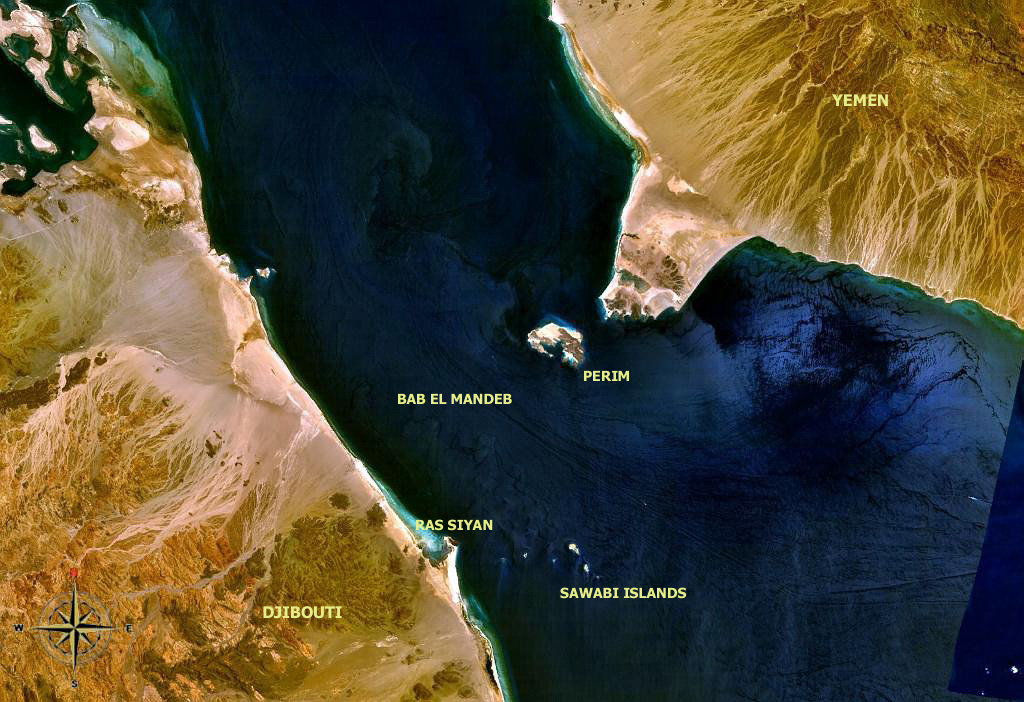
Satellite photo of Bab-el-Mandeb, the strait between the Red Sea and the Gulf of Aden. (WorldWind software/Wikimedia Commons/ Public Domain)

If a ceasefire between the U.S. and Iran is not reached soon, the global economy will crash, perhaps within weeks. The U.S. and its allies, such as Japan, have released some of their extensive strategic oil reserves, however they will not be able to cushion markets indefinitely.

Stockpiles in America’s Strategic Petroleum Reserve are near their lowest in more than 40 years. Once these reserves are depleted, the price of fuel will skyrocket. If a barrel of oil shoots up to $200, the price at the pump could climb as high as $10 per gallon. This, coupled with shortages of other petroleum-based products, along with nitrogen fertilizer, aluminum and helium — an indispensable element in the production of MRI machines and semiconductors — are already shutting down vital industries and driving up prices on basic commodities.

The World Bank projects a 31 percent increase in the cost of nitrogen fertilizers alone — which are produced in the Persian Gulf and transit through the Strait of Hormuz — if the war continues. This will mean a steep rise in the price of food.

Trump is like a dog being pushed unwillingly into a crate. When it appears a deal with Iran is close, he snarls and barks, sabotaging the proposed 30-to-60-day ceasefire agreement. Netanyahu’s apoplectic fits about any agreement that would halt Israeli attacks against Lebanon, along with the potential release of some of Iran’s estimated $100 billion in frozen assets, spurs Trump’s momentary defiance.

But the clock is ticking. There is little time left. And the longer Trump waits, the worse it will get. Neither Trump, nor Netanyahu, are the masters of this game. Iran holds the cards.

Israel’s dream of formalizing its hegemony over the Middle East, codified in the Abraham Accords during Trump’s first term — which normalized relations between Israel and regional states — is dead. This war and the genocide in Gaza killed it.

Trump is attempting to revive them by inserting them into a deal to end the war on Iran. He has demanded states previously uninvolved with the Abraham Accords, such as Pakistan and eventually, Iran, sign up to normalize relations with Israel. Pakistan — the only state to publicly respond — rejected the invitation due to what it called a clash with the country’s “fundamental ideologies.” Every other state Trump appealed to reacted with bewildered silence.

Netanyahu, left, and Trump on Sept. 15, 2020, the signing ceremony day for the Abraham Accords among Israel, Bahrain and the United Arab Emirates. (White House, Andrea Hanks)

Iran demands the removal of sanctions and an end to the naval blockade — which the Central Intelligence Agency concluded Iran can endure for months before it experiences severe economic hardship — in exchange for reopening the Strait of Hormuz. The proposed agreement makes no mention of Iran’s ballistic missile arsenal, which U.S. military and intelligence officials believe remains at 70 percent pre-war levels, according to The New York Times.

Iran, Pakistan, Turkey and Qatar — a lead negotiator with Hamas — are the new powerbrokers in the region.

Pakistan not only signed a mutual defense pact with Saudi Arabia in 2025, it deployed troops, jets and air defense systems to the Gulf dictatorship in April. It has also been hosting ceasefire talks between Trump’s Dumb and Dumber duo of lead negotiators — his feckless son-in-law Jared Kushner and fellow real estate developer and golfing partner, Steve Witkoff.

The war has enhanced the prestige and power of China, which compared to Washington is seen globally as embodying rational, prudent and stable leadership. Iran, in a sign of the new global order, permits Chinese and Pakistani tankers, along with other ships not allied with Israel and the U.S., to travel through the Strait.

The Strait of Hormuz connects the Gulf of Oman, left, with the Persian Gulf, right. The waterway also separates nation of Iran, bottom, from the Arabian Peninsula nations of Oman, United Arab Emirates, and Qatar, top left to right. (NASA Johnson / Flickr/CC BY-NC-ND 2.0)

Israel, unable to convince the U.S. to do its dirty work of bombing Iran into a failed state, will, I expect, strike out with renewed fury against Gaza, perhaps occupying the remaining 30 percent of what is left of the besieged territory. It will continue its Gaza-like policy of turning every structure south of Lebanon’s Litani River into rubble, which it bombs daily despite Iran stating that attacks on Lebanon violate the current ceasefire agreement.

Trump’s savagery and bluster – he threatened to “blow up” Oman if it fails to “behave” after reports of Oman jointly charging tolls with Iran for ships passing through the Strait of Hormuz – cannot mask the impotence of the U.S.

The refusal by America’s allies to heed Trump’s call to help him reopen the Strait, along with the economic misery visited on nations struggling to cope with shortages and the rising costs of energy and fertilizer supplies, are stark evidence of Washington’s pariah status.

Empires, blinded by the myth of their own omnipotence and military superiority, blunder at the final stages into conflicts with little understanding of where they are headed. They alienate their allies. They stumble from one military fiasco to the next, as the U.S. has done for over two decades in the Middle East.

The British Empire in 1956, already in precipitous decline, was humiliated when it conspired with France and Israel to seize the Suez Canal, which Gamal Abdel Nasser had nationalized. The U.S. forced all three countries to halt the invasion. Britain’s pound sterling gave way to the petrodollar. It signaled the last chapter of the British Empire.

The war on Iran is Washington’s Suez Crisis.

This may not be the end of the American Empire, but it is the beginning of the end.

Original article:  consortiumnews.com

  •  

Algarve researchers help uncover clues to cancer resistance in African spiny mouse

Algarve researchers help uncover clues to cancer resistance in African spiny mouse

Researchers from the Algarve Biomedical Center Research Institute (ABC-Ri) at the University of the Algarve and Spain’s Institute for Biomedical Research Sols-Morreale have published a study that could help advance

The post Algarve researchers help uncover clues to cancer resistance in African spiny mouse appeared first on Portugal Resident.

  •  

AST SpaceMobile turns to SpaceX for next launches

AST SpaceMobile decoupled from recent launch disappointments by scheduling the orbital deployment of its next three satellites on a SpaceX Falcon 9 rocket.

The space-based mobile network company hopes to blast its BlueBird 8, 9 and 10 satellites into low Earth orbit (LEO) on 17 June. As ever, launches are dependent on various environmental and other factors, so precise timing is fluid.

AST SpaceMobile expects the latest satellites to deliver almost twice the data rates of its initial BlueBird models, which it noted recently hit 98.9Mb/s in the downlink.

Company president Scott Wisniewski said the significance of the satellites goes beyond expanding its constellation and coverage: they represent the culmination of an in-house manufacturing drive and bolster claims to having birds with the largest phase-arrayed antennas at LEO heights.

AST SpaceMobile stated the trio of satellites are already stacked using a proprietary architecture and ready to be integrated with the SpaceX rocket.

The scheduled launch is something of a firing back by AST SpaceMobile at commentators who questioned whether a recent failure of a Blue Origin New Glenn rocket during a test would impact a plan to conduct regular launches throughout 2026.

The post AST SpaceMobile turns to SpaceX for next launches appeared first on Mobile World Live.

  •  

Greece’s Ombudsman Reports Increased Complaints as Public Service Failures Mount

Hellenic Parliament, Greece
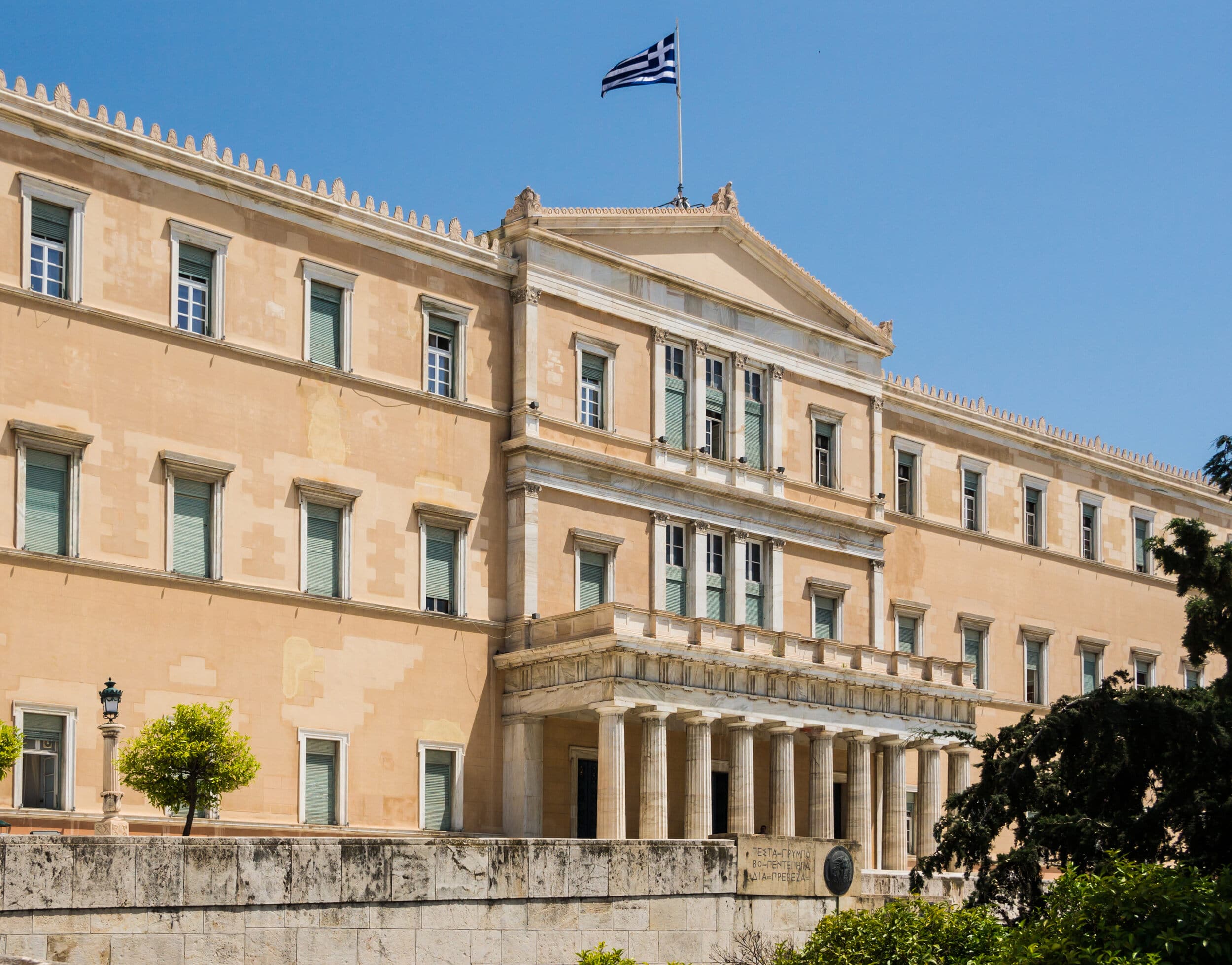
Hellenic Parliament in Athens. Greece’s Ombudsman reported record complaints over failures across public services. Credit: Wikimedia Commons/ Jebulon / Public Domain

Greece’s Ombudsman, the country’s independent administrative watchdog, received more than 20,000 complaints in a single year for the first time in its history, according to its latest quarterly bulletin, highlighting persistent failures across the country’s public administration.

The Ombudsman reported that the upward trend recorded in 2025 continued during the first four months of 2026 with no sign of slowing down. The figure underscores the strained relationship between citizens, residents, legal entities, and public services in Greece, where bureaucracy remains one of the most persistent sources of public frustration.

The bulletin, which covers January to April 2026, details cases involving social insurance, labor rights, disability certification, digital access to public services, and environmental protection.

Greece’s ombudsman acts on complaints over large family exemption

One notable case involved a large family that lost its exemption from municipal fees after some of its children reached adulthood.

The competent authority had apparently treated the exemption as temporary, although Greek law provides lifetime protection for families with four or more children, a category that carries a specific legal status in Greece. Following the Ombudsman’s intervention, the authority restored the family’s lifetime exemption.

Low-income pensioners asked to repay state errors

The bulletin also refers to the pension agency operating under the legacy structure of the former Agricultural Insurance Organization (OGA), which Greece later absorbed into the unified social security body e-EFKA. The agency attempted to recover money from low-income pensioners in order to correct errors that its own employees had made over several years.

In a separate case, a disabled citizen was expected to go through a prolonged bureaucratic process simply to have a disability assessment issued by the Army’s Supreme Health Committee converted into digital form. The conversion was necessary to obtain Greece’s Digital Disability Card.

Greece’s ombudsman intervenes in labor rights cases

Labor rights also featured prominently in the Ombudsman’s findings. The authority recommended heavy sanctions against a company that unlawfully dismissed a pregnant employee.

It also secured recognition of a 22-day special leave entitlement for two mothers of children with developmental disorders after their public-sector employers had repeatedly refused to grant the leave.

Disabled citizens report conduct of physicians

The bulletin also highlighted a pattern of complaints from disabled citizens regarding the behavior of certain doctors at KEPA, Greece’s disability certification centers, which operate under e-EFKA.

Following the Ombudsman’s intervention, the agency issued instructions for behavioral training and the adoption of a professional code of conduct.

Environmental complaints include noise, flooding, and illegal construction

Environmental issues formed another major area of concern. The Ombudsman criticized the ministries of Health and Development as well as the police over a legislative gap in noise regulation. According to the authority, the gap leaves residents living near open-air concert venues without adequate protection from noise pollution.

In two separate cases, the Ombudsman referred local government inaction to prosecutors. The cases concerned delays in flood prevention projects and the failure to demolish illegal structures in Oropos, in East Attica, and Ikaria, an island in the Eastern Aegean.

In the northwestern region of Thesprotia, the Ombudsman’s intervention also halted the illegal infilling of a stream.

  •  

Newly-announced Litavr interceptor is a model microcosm of Ukraine’s drone innovation programs

Litavr interceptor drone F-drones

If you want to understand how Ukraine’s interceptor drones are evolving and improving but don’t have a lot of time, you can just take a look at the Litavr interceptor announced by the Ministry of Defense on 8 June. 

F-Drones’ Litavr has been in serial production since the fall but its specs have been classified until now. While its capabilities do not appear to be brand new or exclusive to itself, the features list reads like a map of all the ways Ukrainian engineering and battle testing of the past few years made their various interceptors so highly sought-after.  

That includes autonomous last-mile guidance, non-GPS navigation, radar integration, and the ability to control the drone from thousands of kilometers away. The company reportedly manufactures most of its own components, reducing dependence on China. 

All these things are instrumental to Ukraine’s goal of “closing the sky” to Russian weapons. The Defense Ministry set a goal of shooting down no less than 95% of Russian drones and missiles and has been steadily climbing towards that goal: from just over 80% shot down late last year, to 92% shot down in May. 

Last-mile autonomy

According to the MoD, the Litavr's key ability is the automatic pixel lock last mile guidance, in which a pilot controls the speed, while the drone does the rest. 

Semi-autonomous weapons are one of the major achievements of Ukraine’s military-industrial ecosystem. Defense Minister Mykhailo Fedorov emphasized autonomy as a key technology. 

“Autonomy is one of the key areas of development of modern air defence,” he said in a 8 June statement.

“Technologies like this enable faster responses to large-scale attacks and more effective protection of Ukrainian cities. We are scaling solutions that have already proved their effectiveness in combat conditions.” 

Fedorov claimed that a Brave1 company has already created tech that automates 95% of the "entire interception process, from launching a drone to destroying a Shahed," which has been battle-tested in Kharkiv Oblast. 

AI-assisted navigational and target lock tools are present in a plethora of Ukrainian drones: from deep and middle strike UAVs, to FPVs, to interceptors, which were reportedly getting anti-Shahed modules in December.

Across Ukraine and around the world, companies and volunteer cooperatives are using the country’s archive of battlefield footage to train models to become progressively more accurate and deadlier in combat. 

Navigation and controls

Besides its daytime and thermal cameras, the Litavr has its own non-GPS navigation tools and integrates into existing radar systems through a proprietary software package. 

The announcement was light on details, but this is another demonstration of Ukraine creating solutions to the realities of Russia’s war. The skies and battlefields are full of jamming and spoofing, which makes GPS a highly-unreliable solution. 

Adaptations have included visual-inertial odometry, like the kind NASA's Mars drones use, beacon-based systems, AI that image matches preloaded terrain data, and tapping into nearby radar systems, like the Litavr does. 

The drone also incorporates a system that allows operators to steer them from hundreds or thousands of kilometers away. 

This system has been in development for over a year and announced in April, with more than 10 manufacturers integrating it into their systems. Wild Hornets made a splash online with their announcement that an operator took down a target from outside Ukraine's borders.

Speed and range

The Litavr has a reported top speed of 350 kilometers per hour. This isn’t the first drone with such a claim—the MoD said the same thing of the JEDI Shahed Hunter presented in March—and other drones before it had similar claims made about them, like the Furia.  

However, 350 km/h is on the upper end of most interceptors in use these days. The more famous drones of this class like SkyFall’s P1-SUN has a reported top speed of 310 km/h and Wild Hornets’ Stinger reportedly hit 315 km/h in tests, though the website says it tops out at 280 km/h. This was a massive upgrade from earlier Sting, which could reportedly go up to 160 km/h.

Ukraine is pushing that ceiling higher. As early as December, the Brave1 Defense Cluster announced that Ukraine can now mass-produce a motor that can accelerate an interceptor to 400 kilometers per hour. The manufacturer, Motor G, makes more than 100,000 motors per month, according to the announcement.

Geran-3 jet-powered Russian attack drone. (Photo: Wild Hornets)

The growing speed is needed to combat jet-powered Shaheds, whose speeds can climb up to 600 kilometers per hour, which is a drum MoD adviser Serhiy “Flash” Beskrestnov has been beating constantly. Ukrainian devs are working on the problem: for example, General Cherry and STRIX are reportedly integrating chemical boosters into their Bullet interceptors.

Litavr’s operational range of 40 kilometers appears to be comparable to the Sting, though the MoD claimed a record flight of 80 km for the former. The flight ceiling of 9 kilometers appears to be higher than many interceptors of Litavr’s type, which range from 3 to 7 km.

Reducing reliance on China

The manufacturing is also indicative of what Ukraine is trying to accomplish. F-Drones reportedly builds most of its own electronics, engines and flight controllers.

Ukraine's government has a stated goal to reduce its dependence on Chinese parts, which, while cheaper, also pose a security risk. If China stops the flow of parts for whatever reason, Ukraine's entire weapons industry can be in trouble. China also supplies many of the parts for the very Shaheds these interceptors are meant to stop. 

According to a December report by Zmiinyi (Snake) Island Institute, Ukraine's domestic manufacturers covered 70% of the need for communication systems for controlling drones, and 55% for analog video transmitters. The institute believes that Ukraine has the potential to cover 100% of the market in these three categories. 

At the time of the report, Ukrainian manufacturers produced just 25% of flight controllers for domestic FPV drones, 14% of the thermal cameras and 12% of the electric motors. However, the Institute projected that Ukraine can produce as much as 75% of flight controllers, 90% of thermal cameras and 50% of electric motors over 2026.

  •  

Russia-Ucraina, riecco il mediatore Roman Abramovich (come ai colloqui di Istanbul): l’oligarca russo messaggero tra Putin e Zelensky

Più di quattro anni di guerra tra Russia e Ucraina e, alla fine, si torna a Istanbul. Almeno idealmente. Perché c’è un nome, riportato in auge dal presidente Volodymyr Zelensky in queste ore, che aveva fatto capolino nelle iniziali trattative di pace tra i due Paesi nella capitale turca. Un nome poi finito nel mucchio degli oligarchi russi sanzionati dall’Unione europea e quindi uscito gradualmente di scena. È Roman Abramovich, l’ex patron del Chelsea a cui, ha rivelato il presidente ucraino, Mosca ha chiesto di fare da mediatore per cercare di intavolare trattative col primo obiettivo di arrivare a un cessate il fuoco e all’avvio di negoziati di pace, come precisato nella lettera che il capo dello Stato ucraino ha inviato all’omologo russo. “Io sono pronto a sedermi al tavolo, ma non a Mosca o Minsk – ha dichiarato Zelensky a Sky News – Putin può scegliere il formato che vuole, con Donald Trump, con gli europei, o anche un incontro bilaterale. Sarebbe un bel segnale se ci incontrassimo e coordinassimo un cessate il fuoco. Mosca ha fatto riferimento ad Anchorage ma non può decidere senza di noi, senza il nostro popolo”.

Così, nonostante le sanzioni, Abramovich torna protagonista sottotraccia dell’ultimo tentativo di avvicinamento tra Mosca e Kiev, uno dei più decisi degli ultimi anni, almeno per quanto riguarda Zelensky. L’oligarca, ha però spiegato il presidente ucraino, “è venuto a Kiev, mi ha detto che portava un messaggio per me e che voleva prendere un mio messaggio e portarlo a Putin”. Sembra che il primo avvicinamento sia stato quindi quello di Mosca e non di Kiev, come emerso in un primo momento, con Zelensky che ha forzato la mano del presidente russo con la lettera apparsa sul sito ufficiale della Presidenza. L’idea del Cremlino, ha rivelato lo stesso Zelensky, era invece quella di mantenere i contatti riservati: “Disse – ha aggiunto il presidente ucraino – che questo doveva svolgersi in maniera riservata, senza alcuna pubblicità. Io gli ho risposto che era la sua scelta, per noi non era un problema”, ha concluso Zelensky spiegando che il “messaggio chiave” affidato ad Abramovich era che Kiev non è disposta a cedere il Donbass. “Io ho detto non lasceremo, non vi daremo la vittoria in questo modo”.

Putin ha deciso di contattare Zelensky tramite Abramovich per conoscere la reale volontà dell’Ucraina di aprire un tavolo negoziale. Da qui la risposta dell’omologo che ha ribadito le proprie linee rosse. I due hanno poi parlato dei compromessi ai quali ognuna delle due parti è disposta a scendere, precisando comunque che per l’Ucraina questi si potranno concretizzare solo dopo un cessate il fuoco, confermando per il momento la propria disponibilità a congelare la situazione dei territori all’attuale linea del fronte, così da velocizzare l’inizio dei colloqui.

Venerdì scorso, però, si è registrata la frenata del presidente russo. E, dopo le ultime rivelazioni di Zelensky, si capisce che lo stop è arrivato in seguito all’ultimo resoconto di Abramovich: Putin ha detto di aver incontrato “uno dei rappresentanti dei nostri ambienti imprenditoriali” e “questo, diciamo, collega” dopo il suo viaggio a Kiev e di avergli detto di non vedere alcun motivo per incontrare Zelensky. “L’unico senso sarebbe che gli ucraini fermassero l’avanzata delle nostre forze armate”, ha detto Putin al Forum economico internazionale di San Pietroburgo.

Indipendentemente dal risultato che darà questo scambio a distanza, la decisione di rivolgersi ad Abramovich dopo oltre quattro anni è un segnale che non può essere ignorato. L’oligarca russo era fisicamente presente ai colloqui di Istanbul di marzo 2022, come provano alcuni scatti dell’evento, uno dei momenti in cui si è stati più vicini a uno stop del conflitto. E fu sempre lui a mediare tra le parti per garantire i flussi di grano ucraino attraverso il Mar Nero, così come anche in occasione di diversi scambi di prigionieri. Un ruolo di prim’ordine che ha perso rilevanza col passare dei mesi, sia per le sanzioni che non lo hanno risparmiato, nonostante gli sforzi diplomatici, sia per il tentativo degli Stati Uniti, col ritorno di Donald Trump, di diventare il grande mediatore del conflitto. Un tentativo fallito che, oggi, riporta l’oligarca russo al centro dei canali diplomatici tra Mosca e Kiev.

X: @GianniRosini

L'articolo Russia-Ucraina, riecco il mediatore Roman Abramovich (come ai colloqui di Istanbul): l’oligarca russo messaggero tra Putin e Zelensky proviene da Il Fatto Quotidiano.

  •  

UMinho e Bosch lançam novo curso

A Universidade do Minho e a Bosch de Braga assinaram um acordo no âmbito da parceria estratégica existente entre as duas instituições, com vista à criação de um novo curso, que reforçará o compromisso de ambas as entidades com a qualificação e valorização do conhecimento aplicado.

Em comunicado, a academia minhota adianta que uma comitiva de docentes da universidade, liderada pela vice-reitora para a Educação e Organização Académica, Cristina Dias, esteve nas instalações da Bosch, em Braga, para uma visita focada na criação e desenvolvimento de um curso não conferente de grau creditado, com conteúdos curriculares relacionados com a as compras estratégicas e metodologias de aquisição focadas no custo total de propriedade, na mitigação de riscos e nas parcerias geradoras de valor e competitividade.

De acordo com a mesma fonte, o curso tem a colaboração de diversas unidades orgânicas de ensino e investigação da UMinho, nomeadamente as escolas de Engenharia; Economia, Gestão e Ciência Política; Direito; Psicologia e Ciências, e do Instituto de Ciências Sociais. Esta diversidade disciplinar contribui para uma abordagem multidimensional e pluridisciplinar, assegurando uma reflexão abrangente sobre os desafios e oportunidades associados à criação deste novo programa formativo.

O conteúdo UMinho e Bosch lançam novo curso aparece primeiro em O MINHO.

  •  

Tories Pledge to Scrap Diversity Rule After Nowak Murder

The Tories have pledged to tear up the requirement in the Equality Act for public-sector bodies to promote equality and diversity following the murder of Henry Nowak.

The post Tories Pledge to Scrap Diversity Rule After Nowak Murder appeared first on The Daily Sceptic.

  •  

Free Algarve event explains Portugal’s healthcare system to foreigners

Free Algarve event explains Portugal’s healthcare system to foreigners

The Algarve municipality of Lagos will host a free information session this week aimed at helping foreign residents better understand how Portugal’s healthcare system works. Entitled “Health in Portugal: Information

The post Free Algarve event explains Portugal’s healthcare system to foreigners appeared first on Portugal Resident.

  •  

Vodafone despliega una red 5G privada para los Mossos durante la visita del papa a Catalunya


Vodafone ha reforzado su infraestructura de red en Barcelona y ha puesto a disposición de los Mossos d’Esquadra, la policía autonómica de Catalunya, tecnología de red 5G privada para dar soporte al dispositivo de seguridad durante la visita del papa León XIV a la ciudad.

Según la operadora, la solución permite a los agentes disponer de una red totalmente configurable a demanda, lo que facilita la coordinación del operativo policial y garantiza el acceso a los servicios de red incluso en situaciones de alta congestión, cuando la concentración de usuarios en zonas geográficas reducidas puede comprometer la conectividad convencional.

Refuerzo de la red

La operadora ha reforzado cerca de 1.000 celdas de sus redes 5G y 4G en Barcelona y ha activado un mecanismo especial de supervisión y atención de posibles incidencias en todos los elementos de red implicados en el evento. Para ello, ha movilizado un equipo de más de 100 técnicos que permanecerán activos durante toda la visita, y ha desplegado varias unidades móviles de red en los diferentes puntos de la ciudad. Asimismo, ha optimizado los parámetros de su red para mantener la cobertura de voz y datos durante el viaje apostólico.

León XIV llega a Barcelona este martes 9 de junio, procedente de Madrid, y permanecerá en la ciudad hasta el 11 de junio, cuando se desplazará a las Islas Canarias. La agenda incluye un rezo litúrgico en la Catedral, una vigilia de oración multitudinaria en el Estadi Olímpic Lluís Companys de Montjuïc, una visita a la cárcel Brians 1, un encuentro con entidades de acción social en la iglesia de Sant Agustí del Raval y una misa en la Basílica de la Sagrada Família coincidiendo con la inauguración de la Torre de Jesucrist. La jornada del 10 incluye también una visita al monasterio de Montserrat.

“Comunicaciones críticas fiables y en tiempo real”

José Miguel García, consejero delegado de Vodafone España, ha señalado: “Nuestro propósito siempre ha sido conectar a las personas con lo que importa. Durante la visita del papa León XIV a España, Vodafone despliega toda su capacidad técnica y humana para garantizar una conectividad sólida a quienes participen en el evento y a quienes trabajen para hacerlo posible. Pondremos las últimas innovaciones de red al servicio de las fuerzas de seguridad en un acontecimiento de esta magnitud, garantizando comunicaciones críticas fiables y en tiempo real”.

Las antenas 5G también funcionarán como radares

El despliegue de Vodafone se suma a los anunciados días atrás por Movistar y MasOrange. La iniciativa más singular es la solución de teledetección de MasOrange, que hace que las antenas 5G actúen como radares: el sistema analiza los rebotes de las ondas de radio para localizar objetos, personas y drones con un margen de error inferior a 10 centímetros, sin necesidad de hardware adicional. La operadora activará el servicio Orange Drone Guardian en zonas de alta afluencia como los alrededores de la Sagrada Família. Telefónica, uno de los patrocinadores del viaje apostólico, reforzará más de 1.300 puntos de red y desplegará unidades móviles 5G y mochilas de conexión satelital táctica en los principales escenarios del recorrido papal.

The post Vodafone despliega una red 5G privada para los Mossos durante la visita del papa a Catalunya appeared first on Mobile World Live.

  •  

Texas Judge Allows Medical Kidnap of Child based on “Perceived Autism” Diagnosis of Parents by Medical Doctors

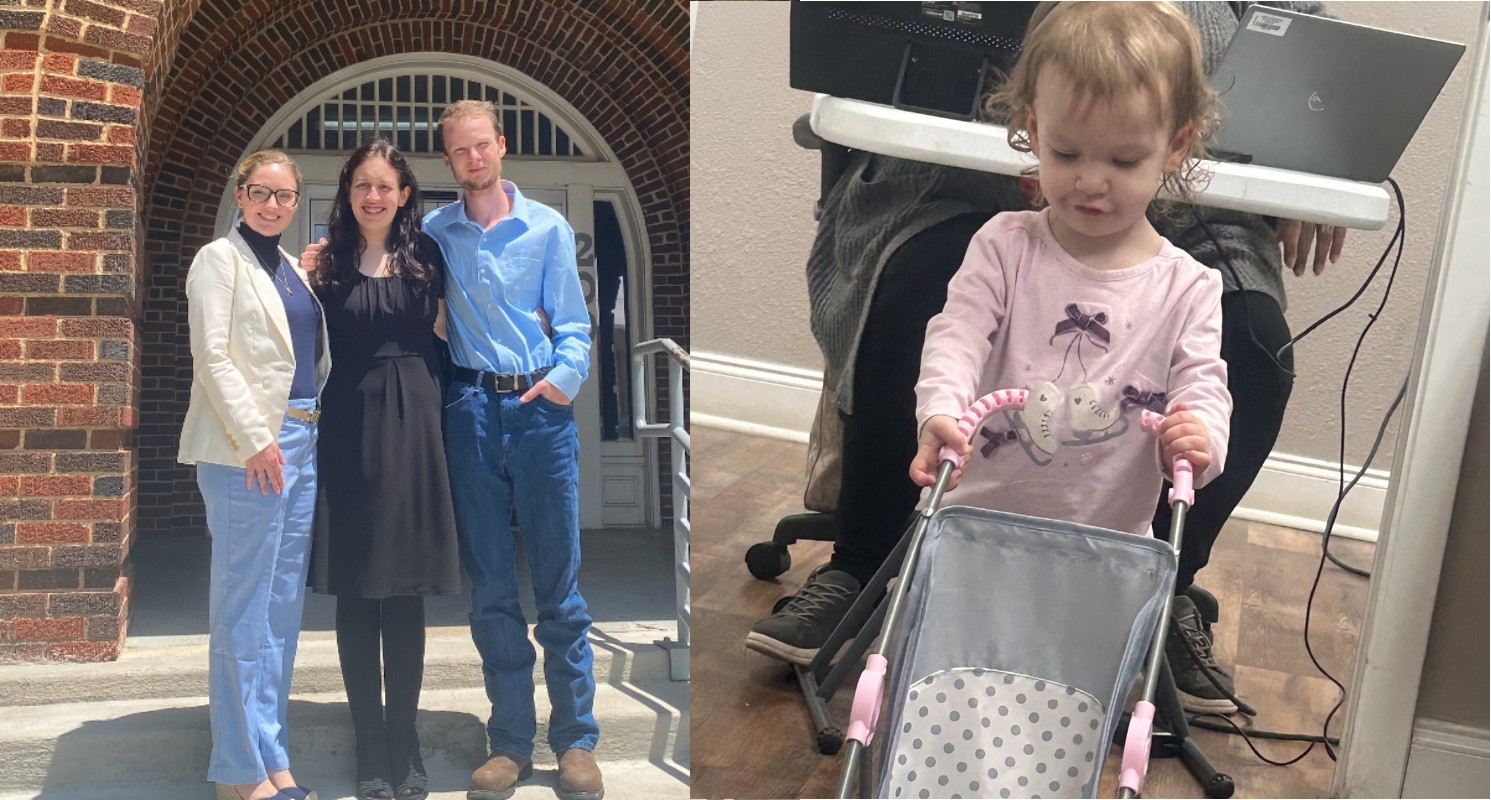
Parents Joel and Donelle with attorney Ashley Thompson, and Baby Rose. Images courtesy of Family Freedom Project.

by Brian Shilhavy
Health Impact News

Imagine taking your baby to a doctor visit, and the doctor notes that your baby is below average weight, and then the doctor calls in Child Protective Services (CPS) because he suspects that you and your spouse appear to be on the “autism spectrum,” and that you are therefore not qualified to parent your children, and they take your baby away from you.

Sadly, this kind of medical kidnapping goes on all across the United States every single day! We have been reporting on these types of stories for over a decade. This is one from Oregon that we reported back 2017, which also garnered national media attention:

Oregon Couple Loses Children due to “Low IQ”

The story today about parents being accused of being unable to take care of their children due to the “appearance” that they are on the “autism spectrum” comes from Texas, and the Family Freedom Project, which issued a press release today about baby Rose.

And remember, “autism” is a “disorder” defined by psychiatrists in their DSM (Diagnostic and Statistical Manual of Mental Disorders), which does not include any kind of objective medical testing.

It is based solely on the subjective opinions of psychiatrists in their observance of human behavior, and which behaviors they consider “normal” and which ones are not, and therefore require drugs and medical intervention.

Texas Judge Greenlights CPS Reports Based on “Perceived Autism”

Family Freedom Project
Press Release (received by email)

BROWN COUNTY, Texas — In a first-of-its-kind civil rights case in Texas, Civil District Judge Mike Smith has agreed with Brown County doctors that they are legally permitted to report parents to CPS based on the doctor’s perception that the parents may have autism.

In a recent hearing, attorneys representing doctors from Hendrick’s Medical Center and Pediatrics of Brownwood argued that doctors are immune from civil liability when they report parents to CPS because of the doctor’s perception that the parents have autism.

The hearing was part of a civil rights lawsuit filed on behalf of parents Joel and Donelle by attorney Ashley Thompson. The lawsuit alleges that the parents’ daughter, Rose, was taken from them for two and a half years after doctors from Hendricks and Pediatrics of Brownwood jumped to assumptions about the parents, repeatedly claiming in medical records that the parents were autistic and not capable of raising their daughter.

The case alleges that doctors not only reported the parents to CPS on this basis, but constructively participated in the investigative process, effectively running the investigation in significant part.

Doctors accused the parents of being to blame for slow weight gain in their daughter, but the condition was later shown to be genetic–a possibility the parents had raised with doctors at the very beginning of the case. Nevertheless, Rose has been separated from them for two and a half years. No apology for this devastating error was ever given to the parents.

Rather than deny the allegations, doctors responded to the lawsuit by arguing in a recent hearing that it is perfectly legal for them to report parents based on perceived autism. They further argued that the law grants them immunity for such decisions.

Family Freedom Project has been working to defend Joel and Donelle in their CPS case, as well as supporting the family in their civil rights case against doctors and CPS.

In response to the arguments from the doctors in the case, Judge Mike Smith of Brown County issued an order agreeing with their argument. By accepting the doctor’s argument, Judge Smith’s order grants broad immunity to doctors to report parents to CPS based on perceived disability.

Jeremy Newman, Vice President of the Family Freedom Project, issued the following statement about the case:

“The idea that doctors have immunity to report parents to CPS and break up families based on perceived disability should offend the conscience of every person in Texas, and it should terrify all of us. The destruction of a family is among the most grave actions the state can undertake. It is egotistical at a shocking level for these doctors to think they can inflict this on families based on a perceived disability, blame those parents for health issues in the child later shown to be genetic, and then walk away and shrug it all off by saying ‘oops, we have immunity’.”

The implications of the ruling could extend far beyond this individual case. The legal arguments advanced in this case raise serious concerns about parental rights, disability discrimination, and the growing power of institutions to separate children from their families with little accountability.

More than two years after Rose’s removal, Joel and Donelle continue fighting through ongoing litigation and appeals for the chance to reunite with their daughter and restore their family.

The Family Freedom Project is actively supporting the family’s legal defense, advocacy efforts, and public awareness campaign surrounding the case. In FFP’s years of experience in parental rights litigation, we have never seen a more brazen attack on an innocent family than the one being perpetrated by doctors and CPS against Joel, Donelle, and their daughter Rose.

More on Baby Rose at Family Freedom Project.

This article was written by Human Superior Intelligence (HSI)

See Also:

Understand the Times We are Currently Living Through

New FREE eBook! Restoring the Foundation of New Testament Faith in Jesus Christ – by Brian Shilhavy

What Kind of Person did Jesus Say was True with no Injustice in Them?

KABBALAH: The Anti-Christ Religion of Satan that Controls the World Today

Christian Teaching on Sex and Marriage vs. The Actual Biblical Teaching

Exposing the Christian Zionism Cult

The Bewitching of America with the Evil Eye and the Mark of the Beast

Jesus Christ’s Opposition to the Jewish State: Lessons for Today

Identifying the Luciferian Globalists Implementing the New World Order – Who are the “Jews”?

The Brain Myth: Your Intellect and Thoughts Originate in Your Heart, Not Your Brain

What is the Condition of Your Heart? The Superiority of the Human Heart over the Human Brain

The Seal and Mark of God is Far More Important than the “Mark of the Beast” – Are You Prepared for What’s Coming?

The Satanic Roots to Modern Medicine – The Image of the Beast?

Medicine: Idolatry in the Twenty First Century – 10-Year-Old Article More Relevant Today than the Day it was Written

Having problems receiving our emails? See:

How to Beat Internet Censorship and Create Your Own Newsfeed

We Are Now on Telegram. Video channels at Bitchute, and Odysee.

If our website is seized and shut down, find us on Telegram, as well as Bitchute and Odysee for further instructions about where to find us.

If you use the TOR Onion browser, here are the links and corresponding URLs to use in the TOR browser to find us on the Dark Web: Health Impact News, Vaccine Impact, Medical Kidnap, Created4Health, CoconutOil.com.

The post Texas Judge Allows Medical Kidnap of Child based on “Perceived Autism” Diagnosis of Parents by Medical Doctors first appeared on Health Impact News.

  •  
❌