Reading view

New Plan Scales Back C.D.C.’s Work on Diseases Abroad

The State Department is taking over much of the control of global health initiatives, for which critics say the department does not have the expertise.

© Eric Lee/The New York Times

Demonstrators in Washington in 2025 protest the withholding of funding from the President’s Emergency Plan for AIDS Relief, PEPFAR.
  •  

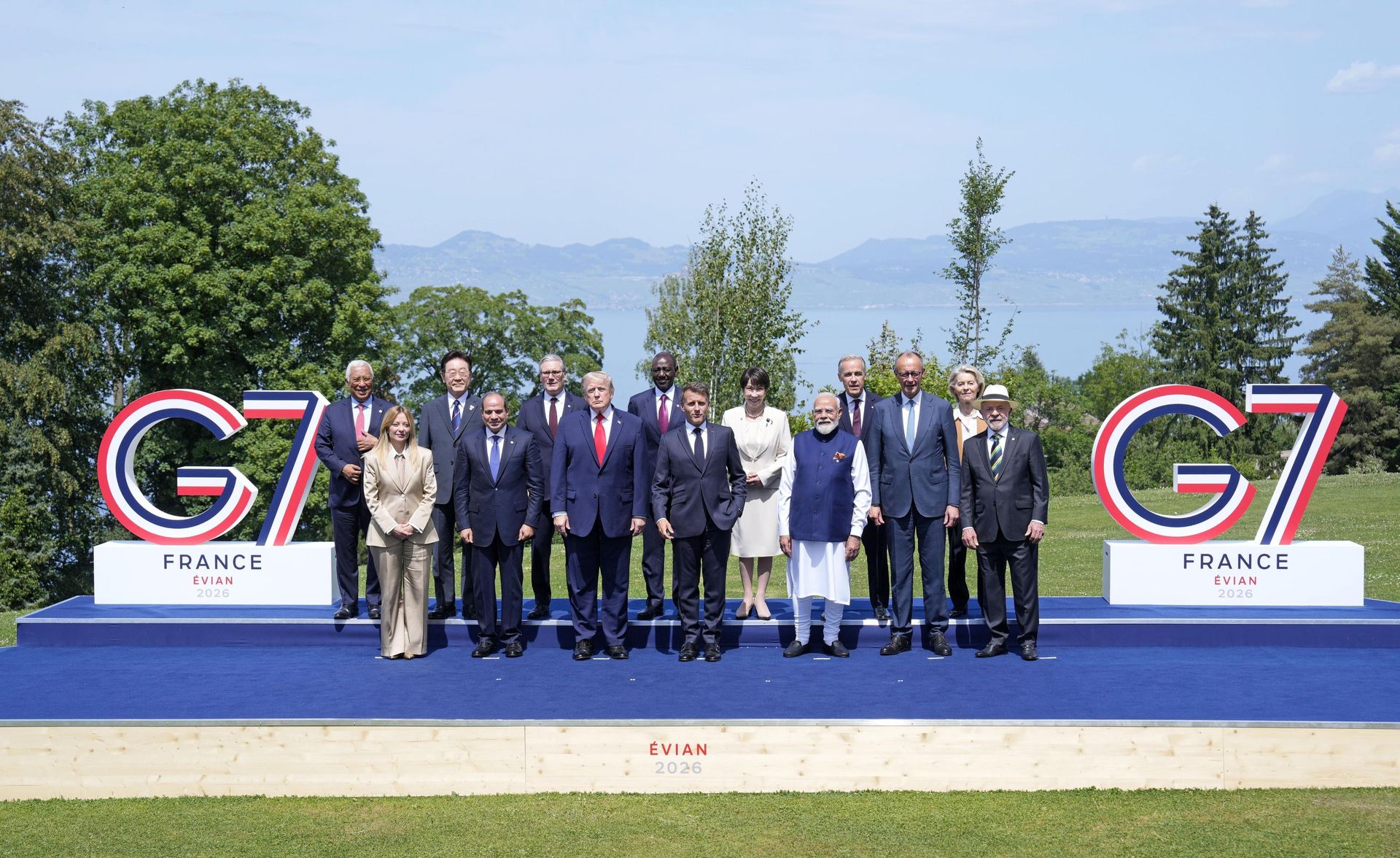
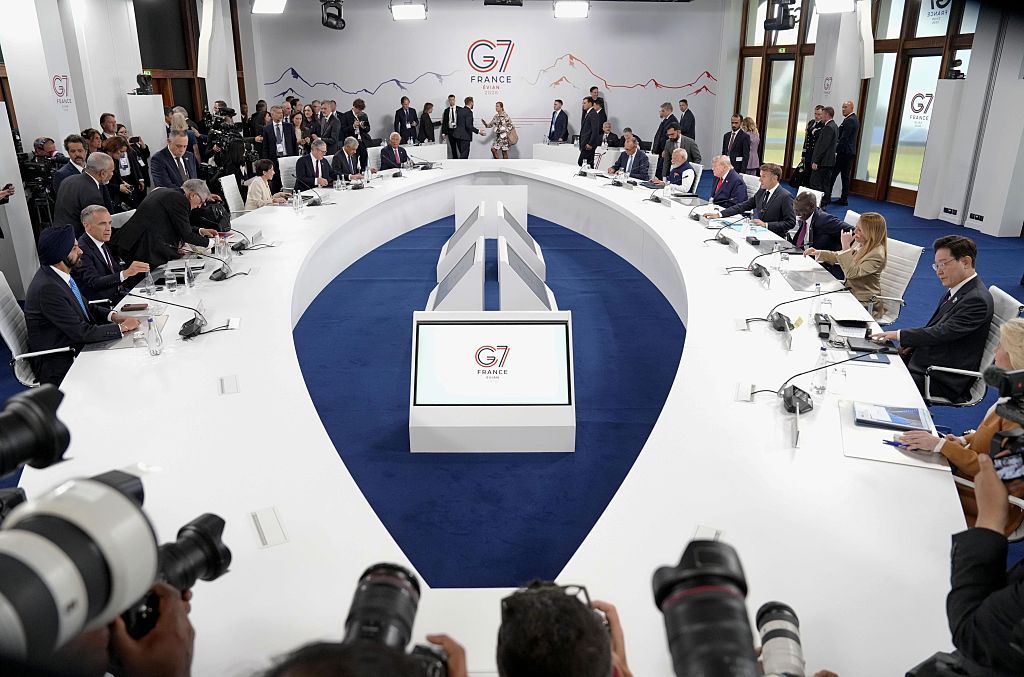
Ukraine war latest: G7 leaders 'ready to consider' granting military production licenses to Ukraine, agree to increase arms deliveries

Key developments on June 17:

  • G7 leaders 'ready to consider' granting Ukraine military production licenses, agree to increase arms deliveries
  • Ukraine strikes Russian shadow fleet tanker in Black Sea, military infrastructure, General Staff says
  • Ukrainian, French defense firms to receive $23 million in grants under Brave France initiative

  •  

France is putting $22 million into Ukrainian defense tech. Deal comes with battlefield testing

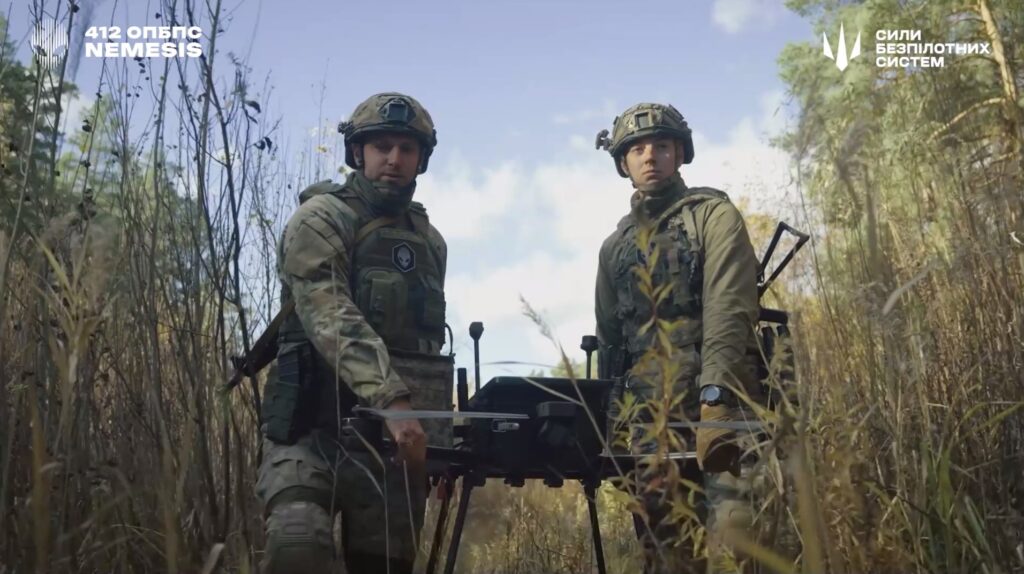
ukraine's nemesis drone battalion expands regiment pilots 412th 'nemesis' unmanned systems forces (sbs) has grown size sbs reported 26 ukraine news ukrainian reports

Ukraine's Brave1 defense technology cluster and France's Defense Innovation Agency (AID) launched the Brave France joint defense innovation program with a $22 million budget. Ukraine and France first announced their intention to create Brave France in February 2026, with the final launch agreement signed at Eurosatory 2026, Ukraine's Defense Ministry announces

Brave France extends Ukraine's growing network of bilateral defense innovation partnerships with European NATO members, following the May 2026 launch of Brave Germany with Berlin.

AID Director Patrick Aufort and Brave1 Operations Director Iryna Zabolotna signed the agreement, with French Minister of Armed Forces and Veterans Affairs Catherine Vautrin in attendance.

The parties are currently coordinating the list of priority topics, technical requirements for projects, and forming a joint executive board and expert commissions.

Brave France funds joint Ukrainian-French drone, missile, and air defense development

The program's primary focus areas align with Ukraine's most urgent battlefield needs and France's defense-industrial priorities. The maximum grant size of $1.1 million per project is designed to support both early-stage technology development and scaling of proven systems toward production.

Both AID and Brave1 will share oversight through joint expert commissions and an executive board currently being formed.

The September 2026 launch date for the first competitions gives the joint executive board approximately three months to finalize priority topics and technical requirements before opening applications to Ukrainian and French defense companies.

Test in Ukraine platform integrates battlefield validation into Brave France

A key element of Brave France will be integration with the Test in Ukraine platform, which allows foreign manufacturers to test new defense technologies in conditions close to actual combat. Ukraine's Defense Ministry offered the same Test in Ukraine framework to Germany earlier this year, with foreign manufacturers sending products to Ukraine, providing online training, and receiving operational reports from Ukrainian forces who deploy them.

The Brave France program will use the Test in Ukraine framework to accelerate the identification of technologies suitable for Ukraine's Defense Forces. The combined approach gives French defense manufacturers access to battlefield validation data while channeling Ukrainian frontline experience into joint product development.

The bilateral programs operate alongside ongoing co-production frameworks announced at Eurosatory 2026, including the Swedish-Ukrainian AIDronesUA-Njord Technology partnership for joint production of MAUL ground robots. 

  •  

G7 leaders 'ready to consider' extending military production licenses to Ukraine, agree to increase arms deliveries

"To support and accelerate this new momentum, we agree to increase the delivery of air defence capacities, additional systems and interceptors, and long-range capabilities," the statement read.

  •  

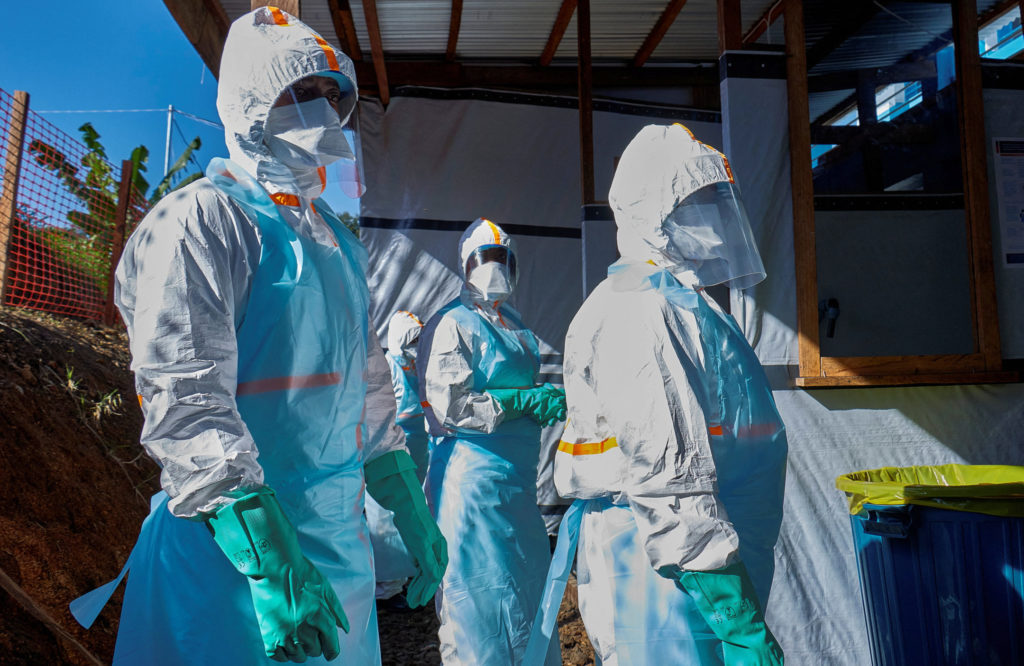
Ebola Outbreak Could Become Worst on Record, Africa C.D.C. Chief Warns

Health workers have warned that the outbreak, already one of the worst in decades, could take as long as a year to contain if infection rates do not flatten.

© Arlette Bashizi for The New York Times

Treating a patient suspected of having Ebola at a hospital in Mongbwalu, Democratic Republic of Congo, last month.
  •  

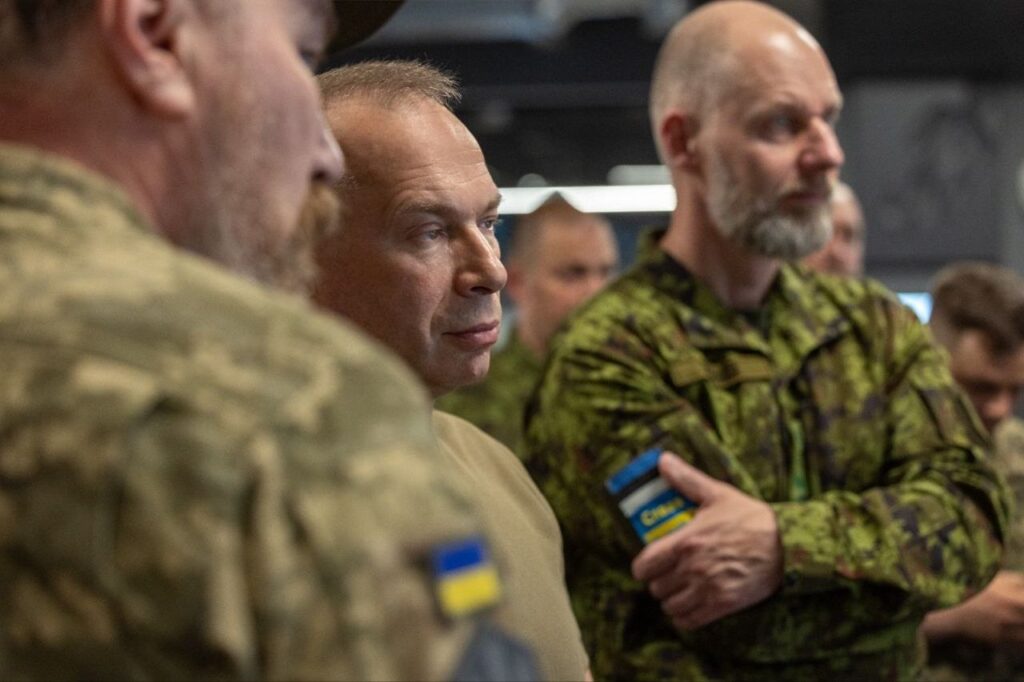
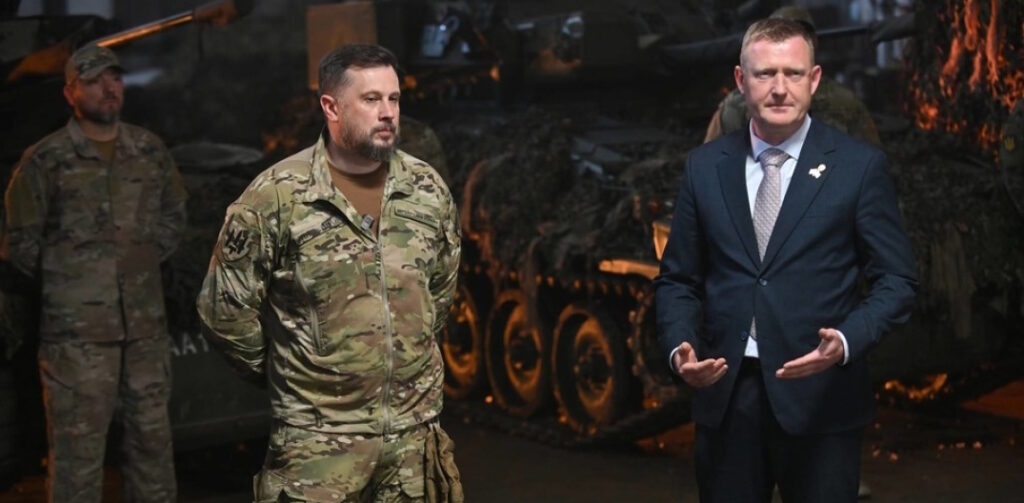
Estonia’s defense commander went to Ukrainian front line. Ukraine says partners need to see real situation themselves

The image shows Estonian Defense Forces commander Andrus Merilo and Ukrainian Commander-in-Chief Oleksandr Syrskyi during a visit to Ukrainian troops in the southeast direction. Source: Syrskyi Telegram

Estonian Defense Forces commander Andrus Merilo has visited Ukrainian troops in the southeast direction, Ukrainian Commander-in-Chief Oleksandr Syrskyi says. The commanders have received briefings on the operational situation, frontline challenges, and the work of Ukrainian Air Assault Forces and Unmanned Systems Forces (SBS). 

Merilo's frontline visit fits within Estonia's pattern of high-level engagement with Ukrainian operational realities amid Russia's threat. In 2025, Russia's Foreign Intelligence Service Head Sergey Naryshkin accused NATO of escalating military activity near Russia’s borders. He warned that Poland and the Baltic states would be the first to suffer in the event of a war between Moscow and the Alliance.  

Estonia has positioned itself among the most consequential per-capita military aid suppliers to Ukraine and has consistently demonstrated direct command-level involvement in evaluating Ukrainian capabilities and needs.

Syrskyi's briefings: Air Assault Forces, brigade commanders, and Russian threats

During the visit, Syrskyi held a separate meeting with the leadership of Air Assault Forces and air assault brigade commanders.

The discussions covered Russian operational activities, current threats to Ukrainian positions, and possibilities for reinforcing Ukrainian units operating in the southeast.

Syrskyi did not specify which sector of the southeastern front was visited, as Ukrainian Armed Forces typically restrict precise location details about command-level visits for operational security reasons.

Unmanned Systems Forces briefings 

The Commander-in-Chief also spoke with the command of the Unmanned Systems Forces and commanders of assault regiments.

They reported on the state of affairs in their units, supply situations, and results of combat task execution. The SBS briefing comes amid intensified Ukrainian unmanned-systems development, including a $113-million Logistics Lockdown program for middle-strike drones targeting Russian rear targets. The SBS Group was created in June 2025 as Ukraine's first operationally unified command structure for unmanned systems.

Syrskyi: "Important for international partners to see real frontline situation"

"For international partners, it is important to see the real situation on the front, understand the needs of the Ukrainian military, and evaluate the effectiveness of the provided assistance directly on site," Syrskyi said.

At the end of the visit, the Commander-in-Chief thanked Ukrainian troops for their service, resilience, and professionalism.

"It is precisely thanks to you that Ukraine holds, fights, and brings closer a just peace," Syrskyi added.

  •  

The Iran War Permanently Altered the Global Economy

The global order has been altered, and economies are unlikely to simply pick up where they left off before the U.S. and Israel began bombing Iran.

© Daniel Berehulak/The New York Times

Fishermen repairing a boat in the port of Tyre in southern Lebanon. The war with Iran has shaken trust in the region’s peace, stability and prosperity.
  •  

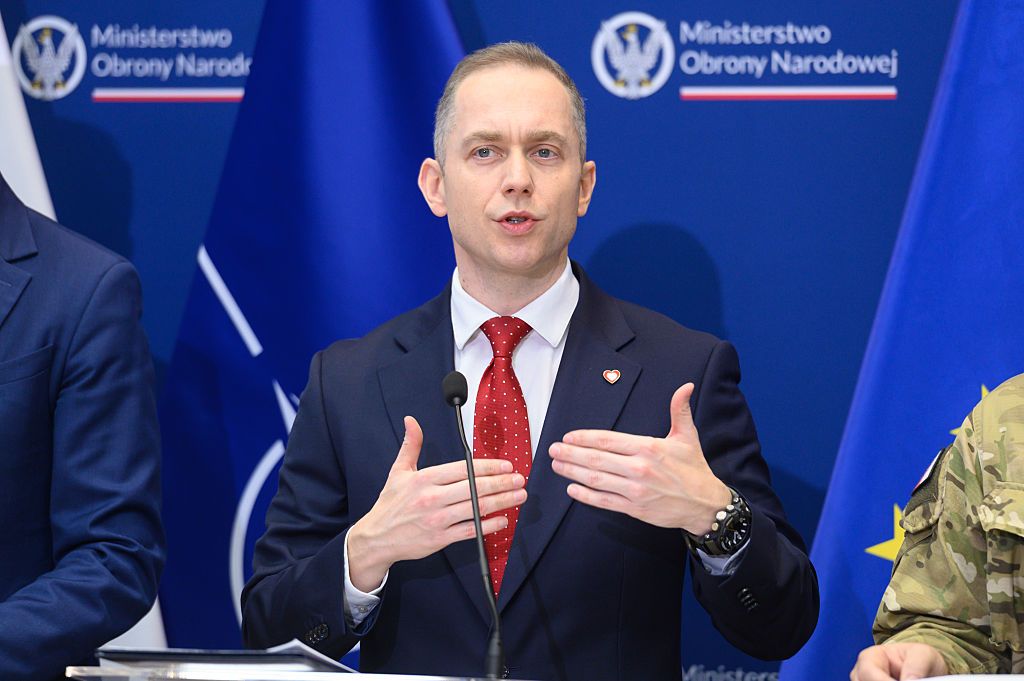
Latvia’s defense minister brings 14 British-made combat vehicles to Ukraine’s frontline “from box”

Latvian Defense Minister Raivis Melnis and Third Army Corps commander Brigadier General Andrii Biletsky. Source: UkrInform

Latvian Defense Minister Raivis Melnis has transferred 14 CVR(T) family combat vehicles to Ukraine's Third Army Corps during his visit, per Ukrinform. The British-made vehicles will replace outdated Soviet equipment for defense operations and special tasks in the immediate frontline area at the Borova-Lyman direction. Anti-FPV drone protection systems will be additionally installed on the vehicles.

Latvia has emerged as one of the most consequential per-capita donors of military aid to Ukraine, with sustained deliveries across multiple categories of equipment.

The CVR(T) family is a British-design lightly armored tracked reconnaissance and combat vehicle category that includes the Scimitar, Scorpion, Spartan, Sultan, and Striker variants.

The vehicles' deployment to the Kharkiv-Donetsk Oblast border area places them in one of the most active operational zones along the eastern frontline.

Latvian Defense Minister Mēlnis at Ukrainian frontline

"I hope these vehicles will find the right place to defeat the enemy. If there is a need for training or any other assistance, we are ready," Mēlnis said.

The Latvian defense minister added that this is not the first batch of equipment from Latvia. The previously transferred 42 Patria armored personnel carriers have already been used in combat in Ukrainian operations.

Biletsky: "Latvia competes with large European countries in terms of aid volume"

"In terms of aid volume, Latvia competes with large European countries. This help arrives on time. It has its own price. The previous Patria vehicles have already achieved combat successes and have passed and liberated kilometers of Ukrainian territory," Third Army Corps commander Brigadier General Andrii Biletsky said.

He added that "the Latvian side has always supplied equipment in a fully complete configuration — that is, equipment from the box that can be used here immediately."

Ukrainian forces can deploy their new equipment quickly without waiting for spare parts, training packages, or technical kits to arrive separately.

CVR(T): British-designed tracked light combat vehicles

The CVR(T) family is a series of British-designed light armored fighting vehicles developed by the British Army in the 1970s. The vehicles are lightly armored, tracked, and designed for high-speed reconnaissance and rapid deployment.

  •  

In Latest Attacks, Russia Is Exploiting a Major Weakness for Ukraine

Ukraine is running out of American-made Patriot air-defense interceptors, and is pleading for more.

© Valentyn Ogirenko/Reuters

Ukrainian service members next to a launcher of a Patriot air-defense system, in an undisclosed location, in 2024.
  •  

How the loss of USAID has weakened the fight against Ebola

The Ebola outbreak in the Democratic Republic of the Congo and Uganda is escalating quickly. There are growing warnings that, without a stronger response, this Ebola outbreak could become one of the deadliest. William Brangham takes a closer look with Jeremy Konyndyk, the president of Refugees International. In 2014, he ran USAID's foreign disaster assistance when Ebola broke out in Africa.

  •  

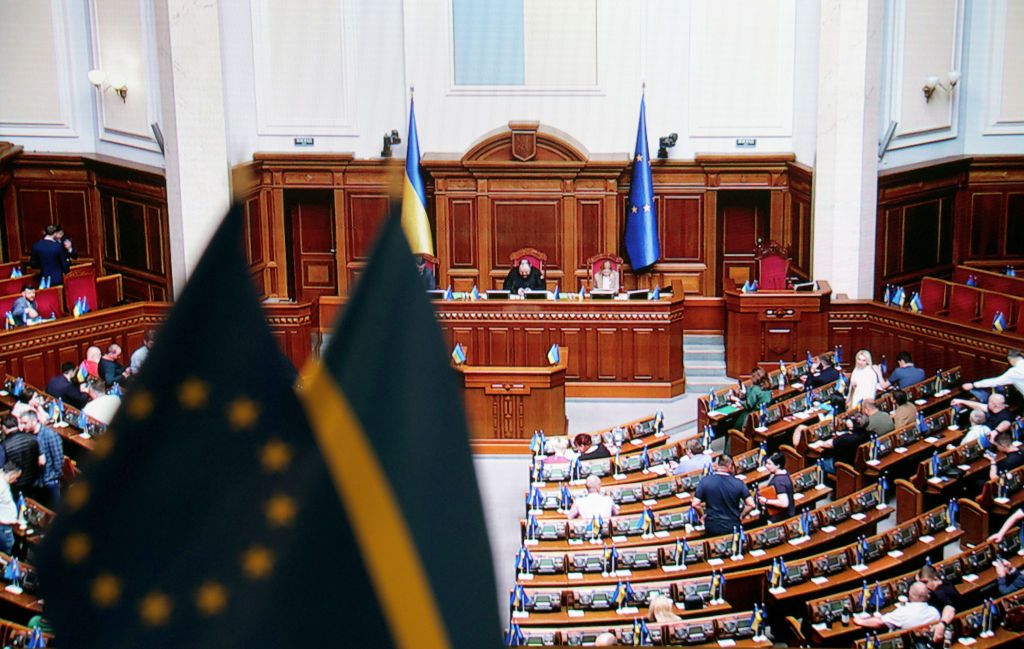
Ukrainian parliament makes mixed progress on EU, IMF-mandated bills

The Verkhovna Rada failed to gather enough votes for some bills demanded by the EU and the IMF, and one bill necessary for European integration was passed but was lambasted by experts as "imitation" rather than genuine progress.

  •  

Bulgaria’s new government plans to halt weapons supplies to Ukraine

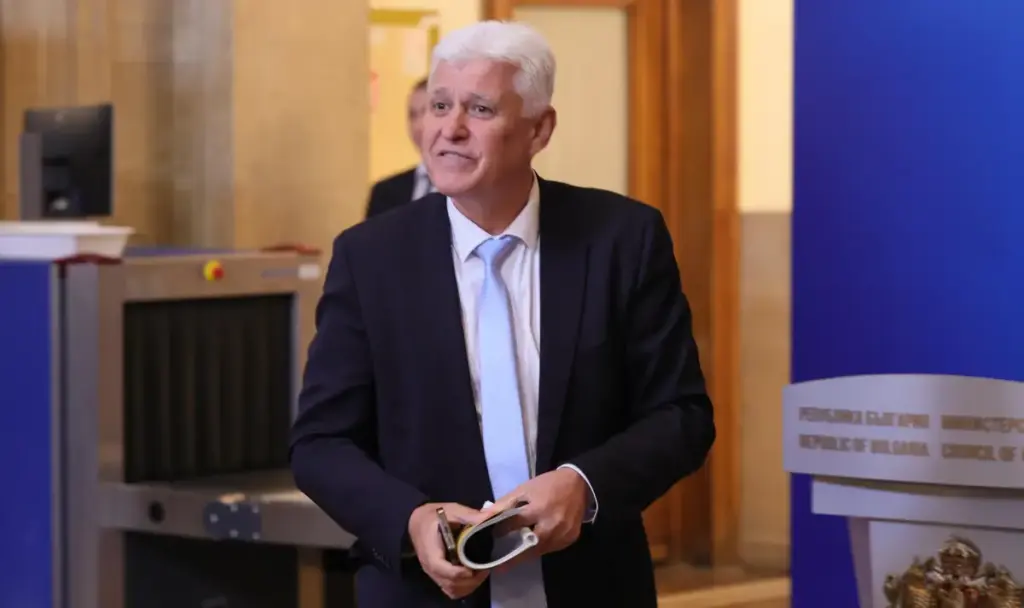
bulgaria's new government plans halt weapons supplies ukraine · post bulgarian defense minister dimitar stoyanov council ministers sofia fakti db news ukrainian reports

Bulgaria's new government plans to stop supplying weapons to Ukraine, a shift that breaks with the European Union's push to pressure Russia, Bloomberg reported. The country's Defense Minister tied the move to a call for negotiations rather than arms, echoing a prime minister who has long been hostile to military aid for Kyiv. 

A falling and rising tide of Russia-friendly governments across central Europe has steadily frayed the bloc's united front on arming Kyiv amid the ongoing Russian invasion, turning each national capital into a potential brake on support.

Government's excuses

Bulgarian Defense Minister Dimitar Stoyanov told reporters in Sofia on 9 June that his government would end weapons deliveries to Kyiv

"Ukraine needs more people, not more armament," he stated, and called instead for a "just peace that will be defined by both sides participating in the conflict." 

He added that the EU's role in any peace process is "extremely important." But the Bloc would struggle to act as a mediator, he claimed, after assisting Ukraine throughout the war.

opposition party Tisza
Explore further

Hungary unblocks $7.7 billion in EU arms payments after dropping two-year veto on Ukraine aid

A prime minister who opposes arming Kyiv

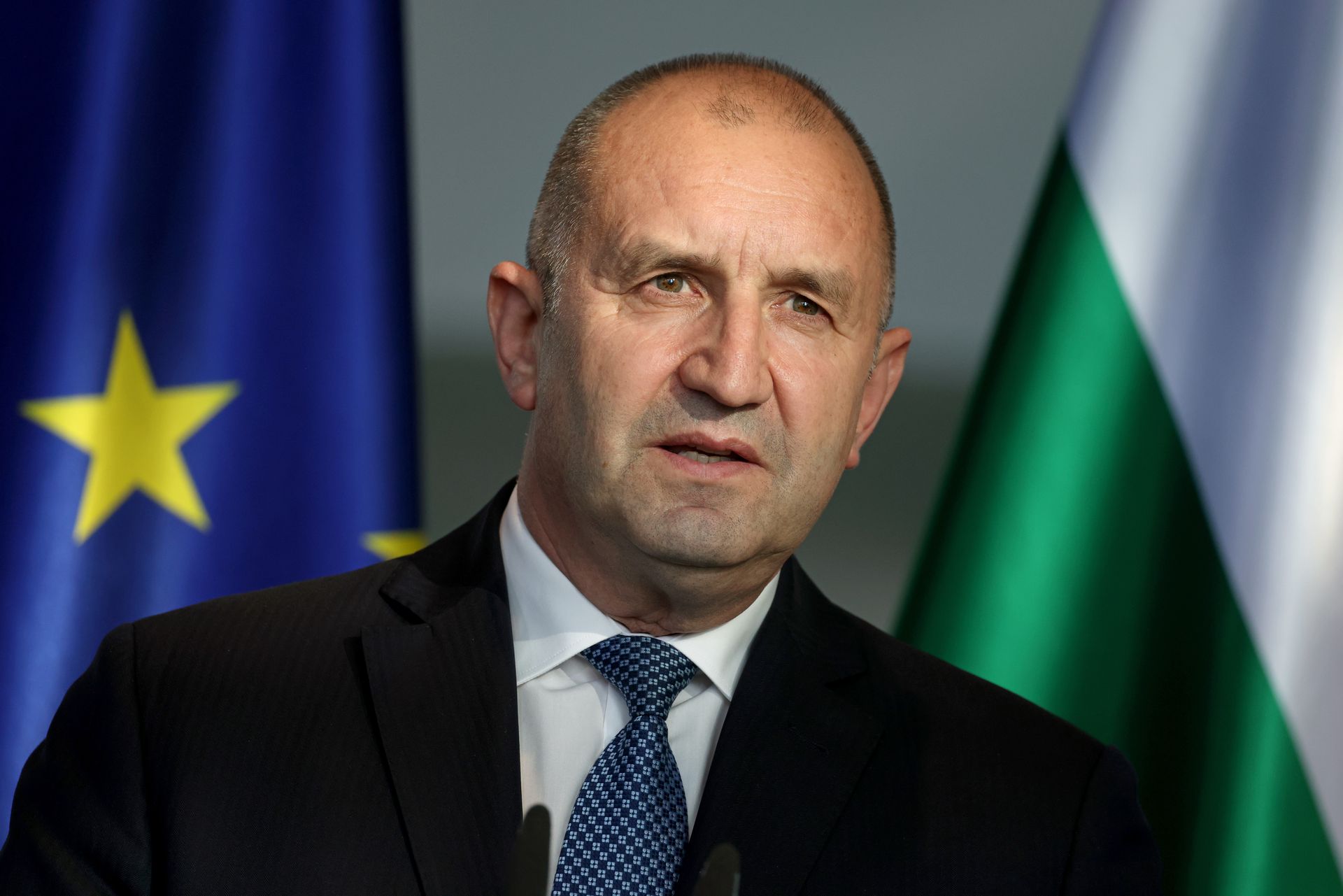
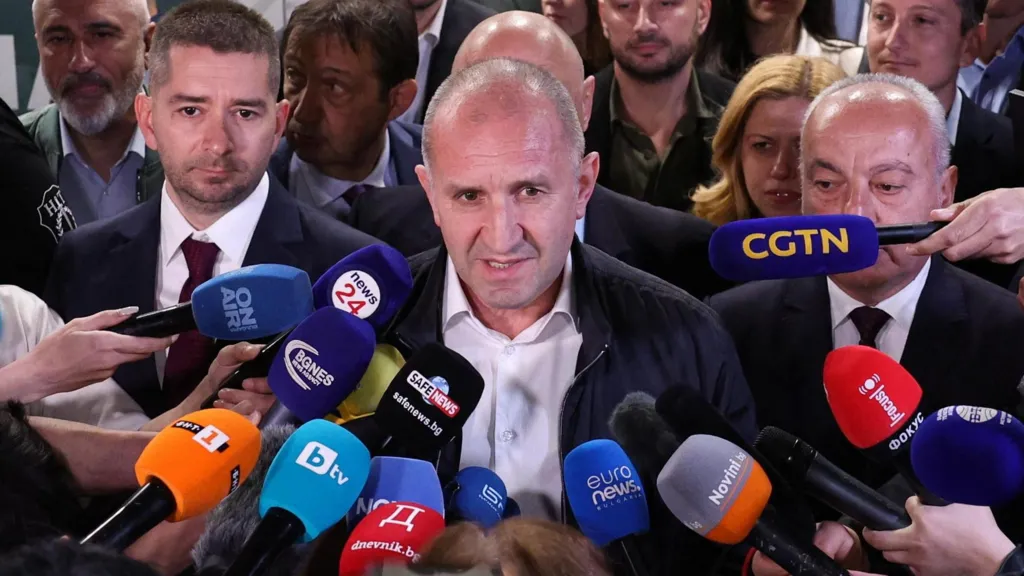
The stance reflects Prime Minister Rumen Radev, who has long held that the war cannot be won on the battlefield. Radev, a former air force commander and president until January, has repeatedly opposed the EU's military support for Ukraine. He has also called for lifting sanctions on the Kremlin, arguing they damage Europe's economy. In office for only a month, the Prime Minister has promised to expand Bulgaria's weight in joint European decisions.

A quiet arms pipeline now set to close

Bulgaria ranks among the EU's biggest producers of Soviet-standard ammunition. Those older Soviet-caliber shells proved crucial to Ukraine early in the war. The government officially refused direct military aid in 2022. Even so, Bulgarian shells reached the front through exports to other EU countries. Since 2022, Sofia has sent 13 packages of military aid, keeping their value and contents classified.

Bulgaria party
Explore further

Bulgaria approves new cabinet led by Rumen Radev — the ex-president who called Crimea Russian

The timing

The plan surfaced days after the leaders of France, Germany, and Britain urged the Kremlin to accept an immediate, complete ceasefire that would open talks on a lasting deal. Moscow has rejected Kyiv's offer to meet and negotiate an end to the full-scale invasion, launched more than four years ago.

The Times earlier called the rise to power of pro-Russian Radev a strategic success for Putin. 

  •  

The Trump‑blocked contraceptives that never reached Kenya: “I am not ready to have another baby”

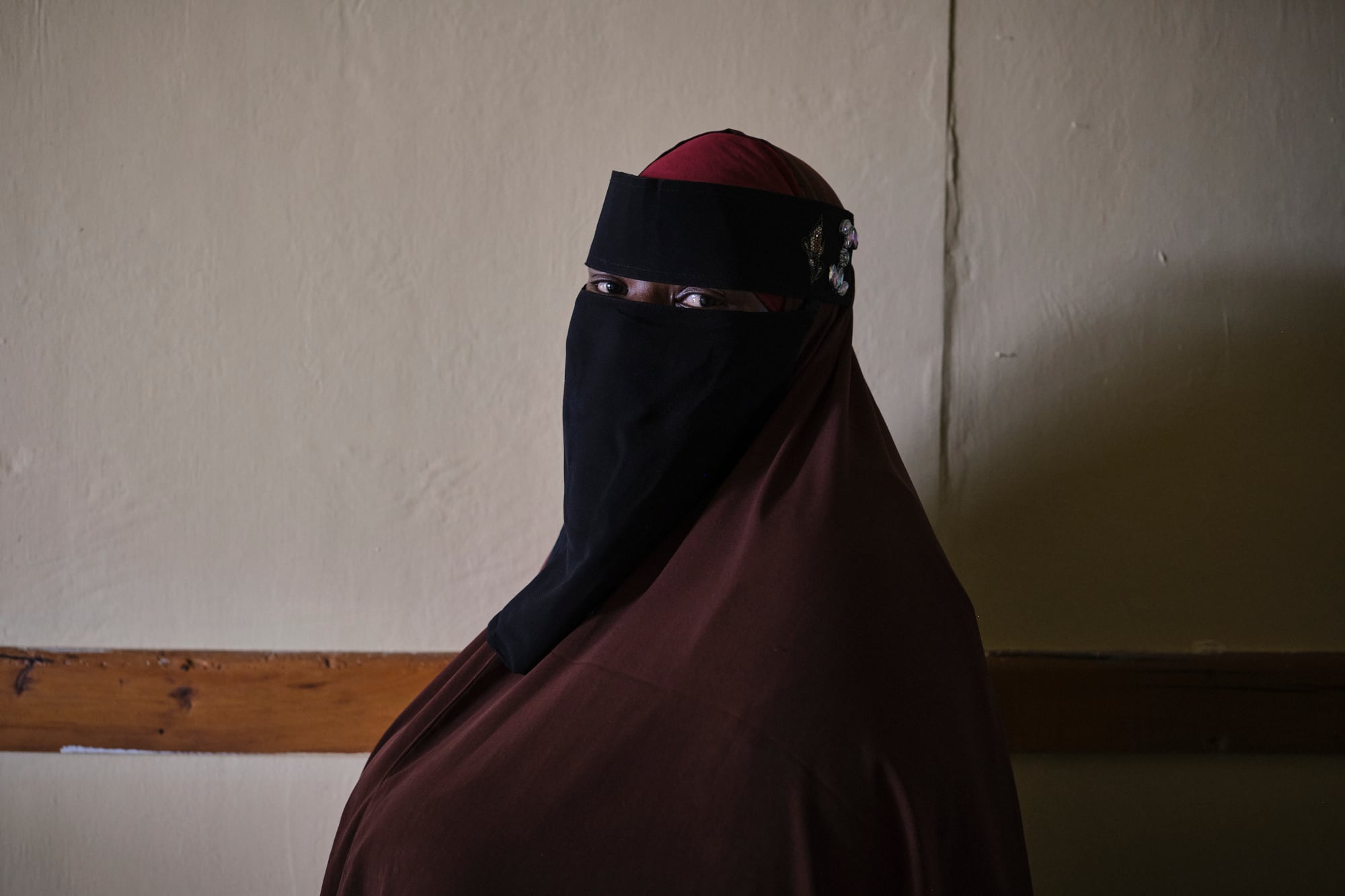
In a huge warehouse in Geel, Belgium, $9.7 million in contraceptives have been locked up since early 2025. Some 77% of the shipment from the United States Agency for International Development (USAID) was destined for about 10 African countries, including Kenya, Nigeria, the Democratic Republic of Congo and Mali. But when Donald Trump’s administration dismantled the world’s largest development aid organization, these medicines were left stranded, destined either to be destroyed or to expire box by box. About 5,800 miles south of Belgium, in Nairobi, the capital of Kenya, Jane Anyongo, Violet Mosomi, Salma Kamau, and hundreds of thousands of women are still waiting for their pills, condoms, subdermal implants, intrauterine devices, and other sexual and reproductive health supplies.

Seguir leyendo

© Diego Menjíbar

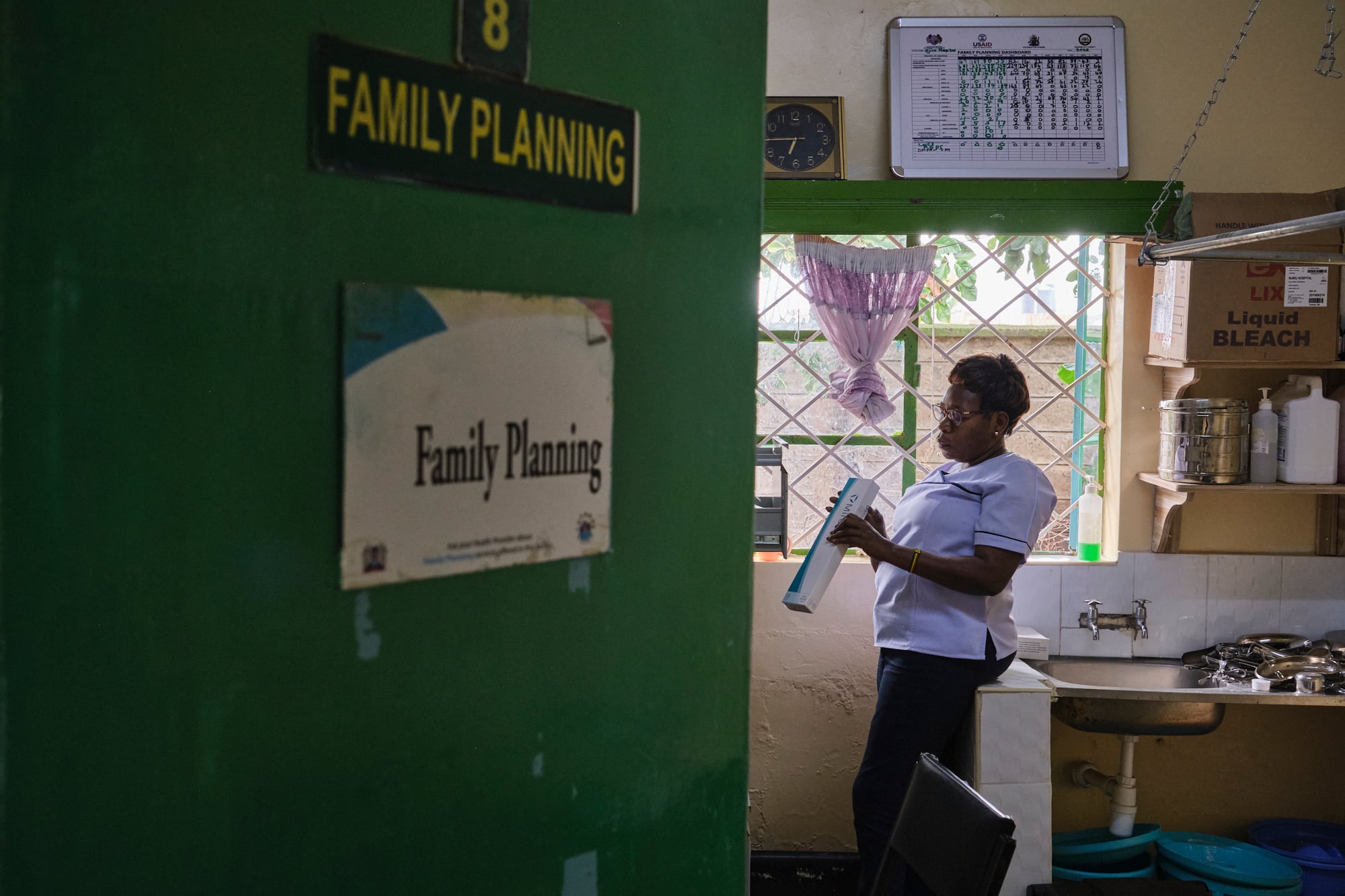
Salma* (32, Nairobi) is another woman affected by the shortage of contraceptives in Kenya. She wants to switch to a copper IUD, but there isn’t enough stock at the Njiru health center.

© Diego Menjíbar

A copper IUD donated by USAID. This is one of the last remaining units at the Njiru health center.

© Diego Menjíbar

Jadelle, a contraceptive implant donated by USAID. This is one of the last remaining units at the Njiru health center.

© Diego Menjíbar

Mirena, a hormonal intrauterine device.

© Diego Menjíbar

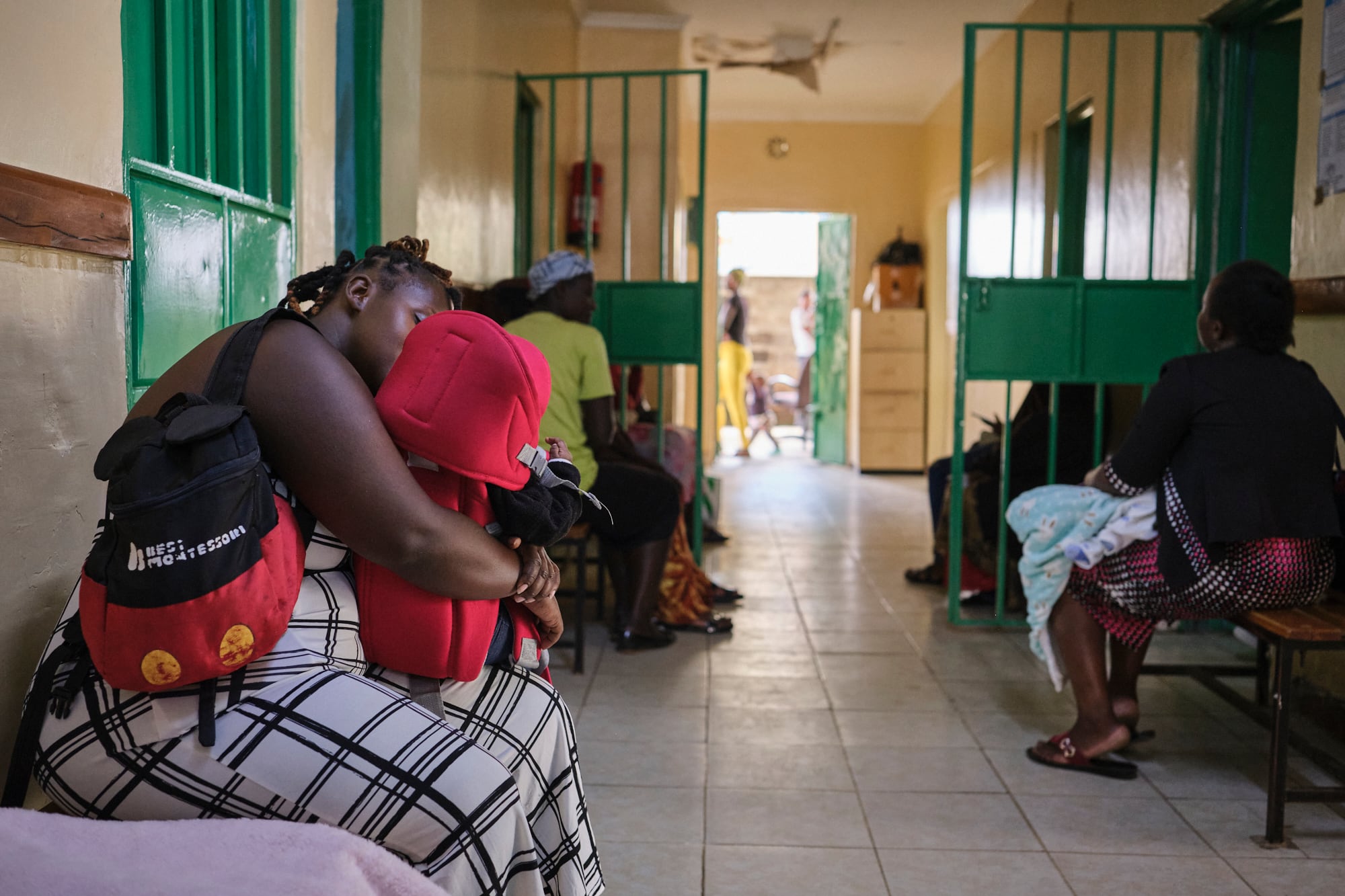
One of the hallways at the Njiru health center in Nairobi on May 8, 2026.

© Diego Menjíbar

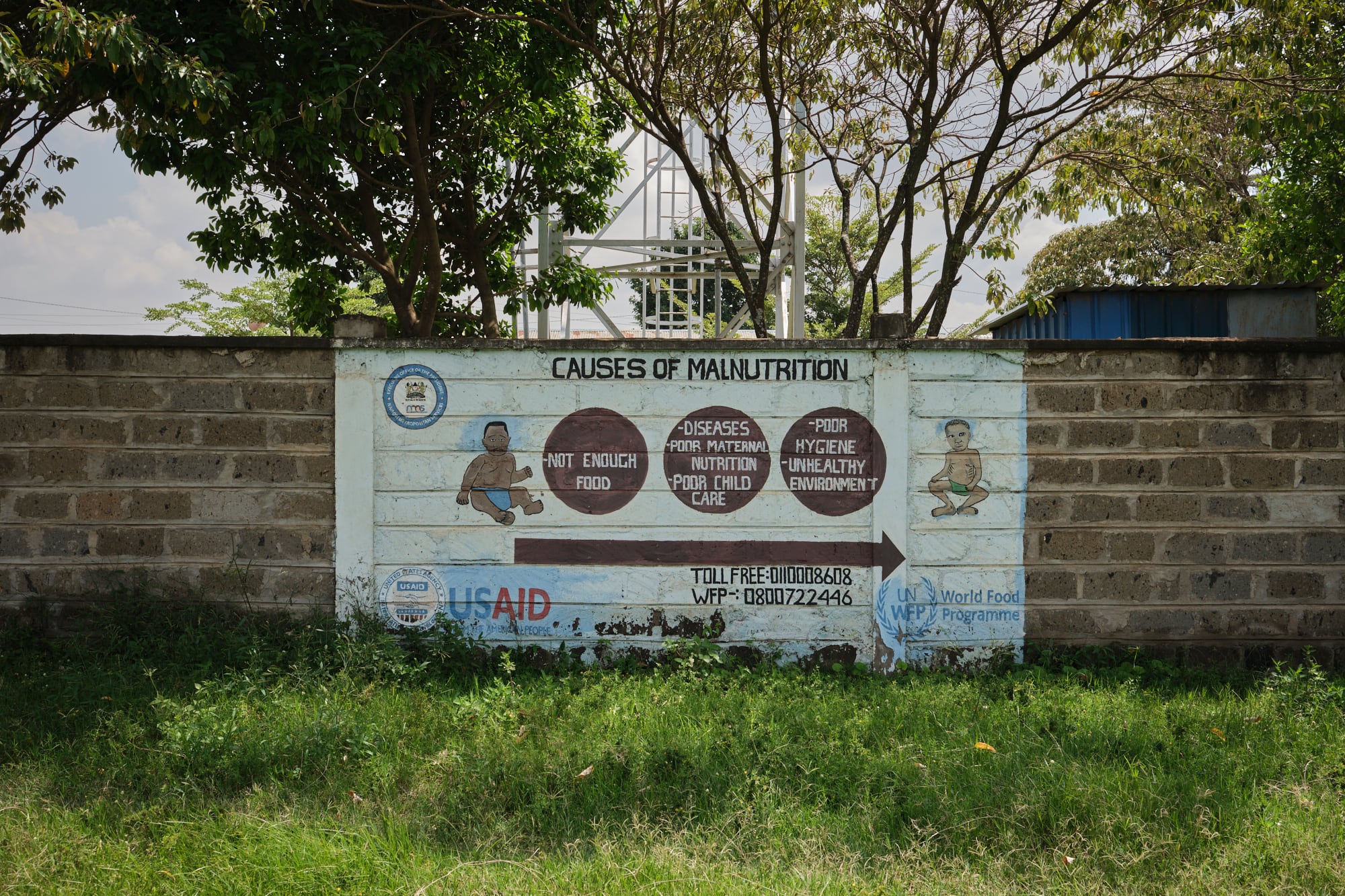
One of the murals featuring the USAID logo is still on one of the walls at the Njiru health center.

© Diego Menjíbar

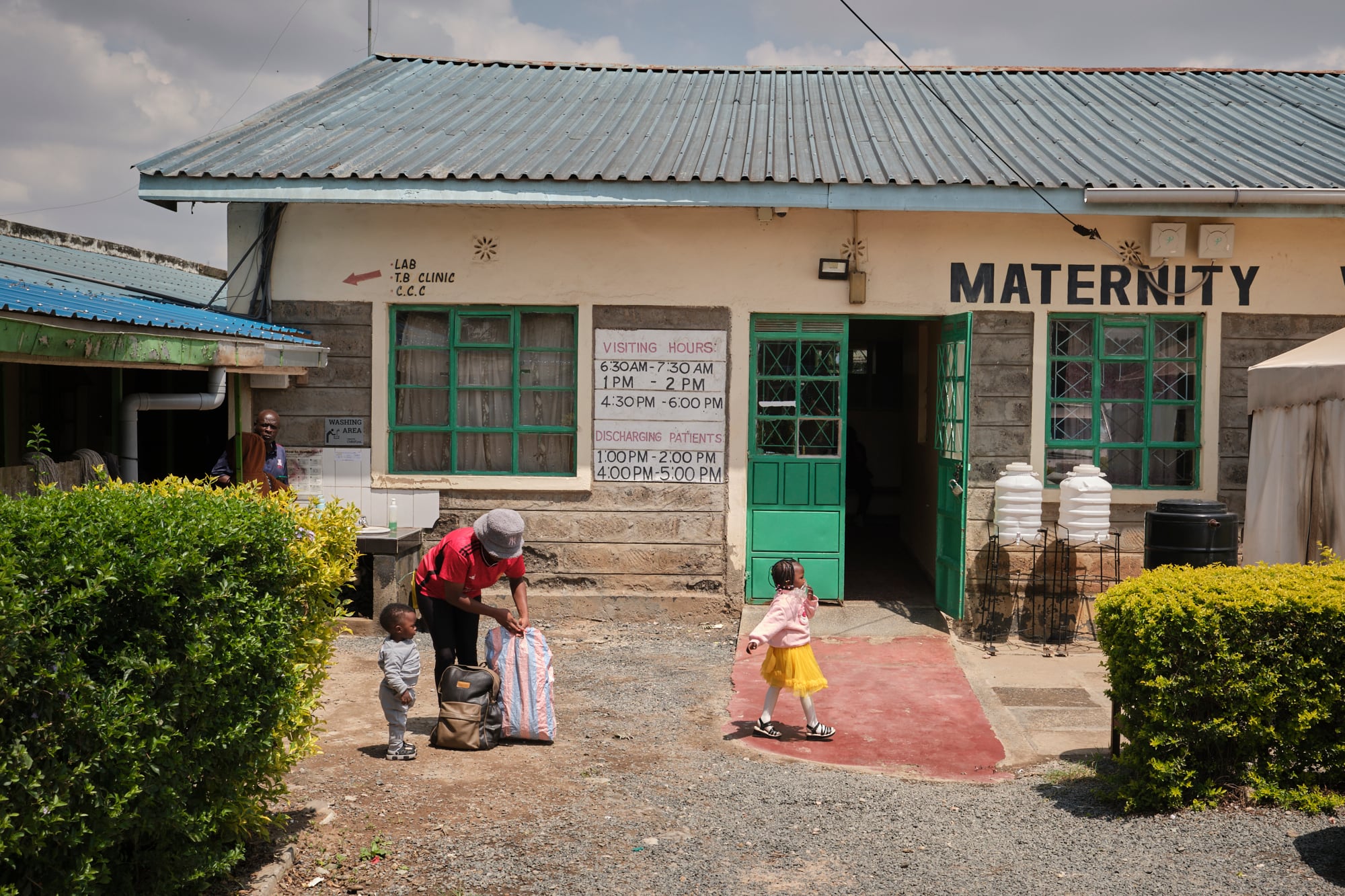
The maternity ward at the Njiru health center.

© Diego Menjíbar

The family planning office at the Njiru health center in Nairobi on May 8, 2026.
  •  

Tom Fletcher, UN humanitarian chief: 'Cuts force us to choose which lives to save and which lives not to'

A few months ago, at a center for malnourished children in the remote Darfur region of Sudan, an orphaned baby who had arrived days earlier on the brink of death gripped Tom Fletcher’s finger with surprising strength. The United Nations’ humanitarian chief says those seconds eased his frustration at international inaction and the “anger” he feels over cuts to aid at a time when needs and conflicts are rising around the world.

Seguir leyendo

Tom Fletcher, head of OCHA, on a Madrid street this Wednesday.

© Álvaro García

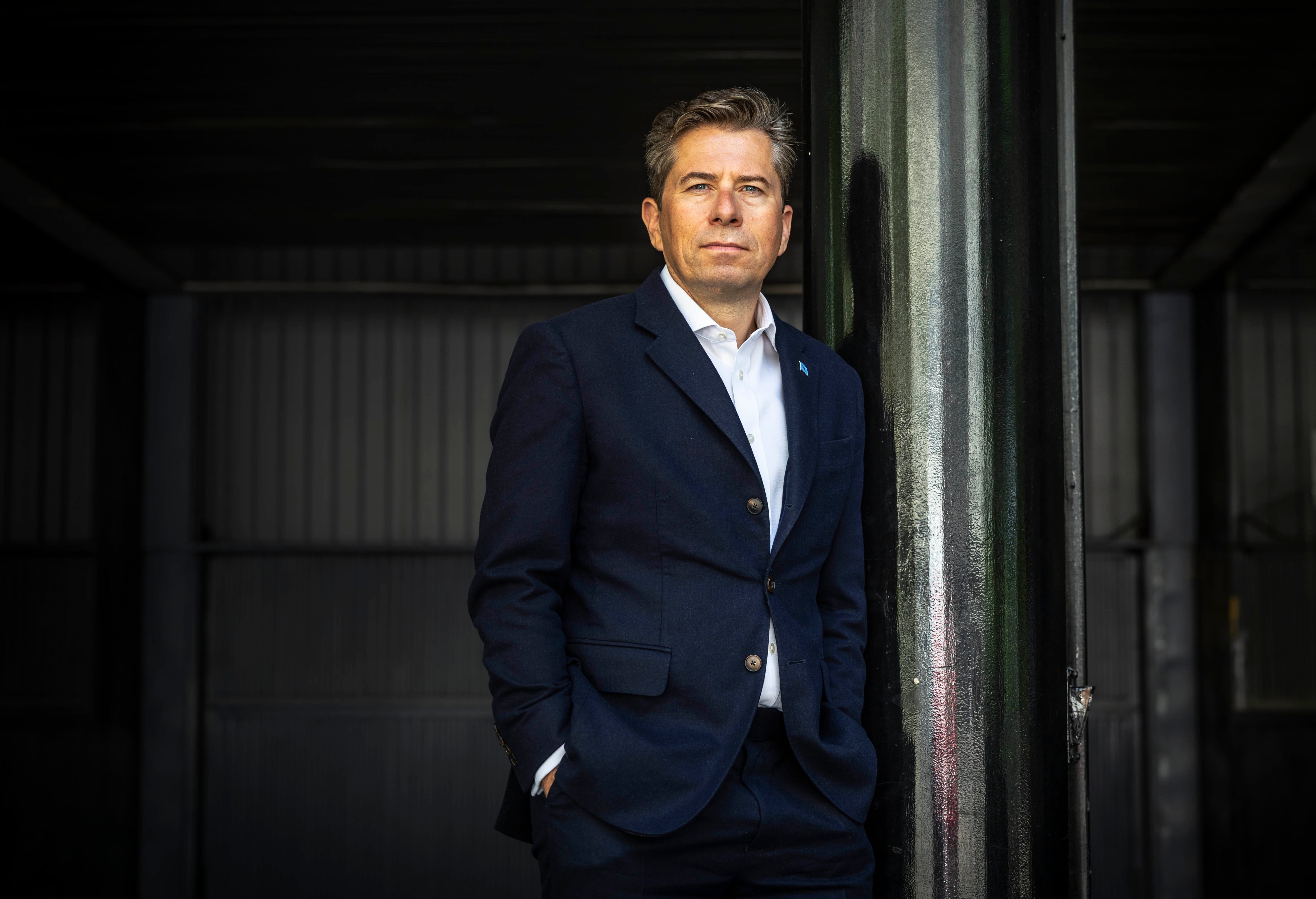
Tom Fletcher, U.N. humanitarian chief, in Madrid on Wednesday.
  •  
❌