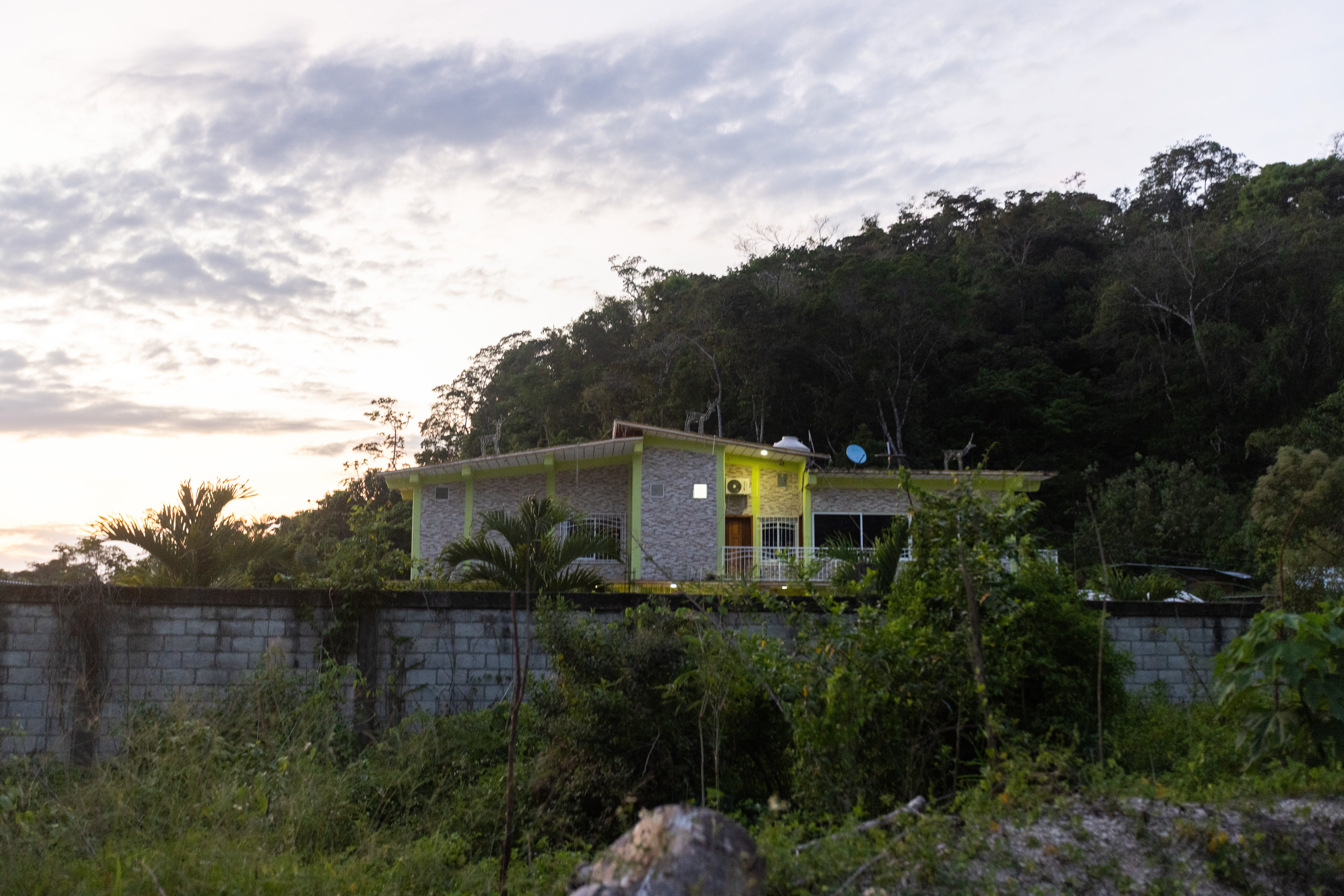
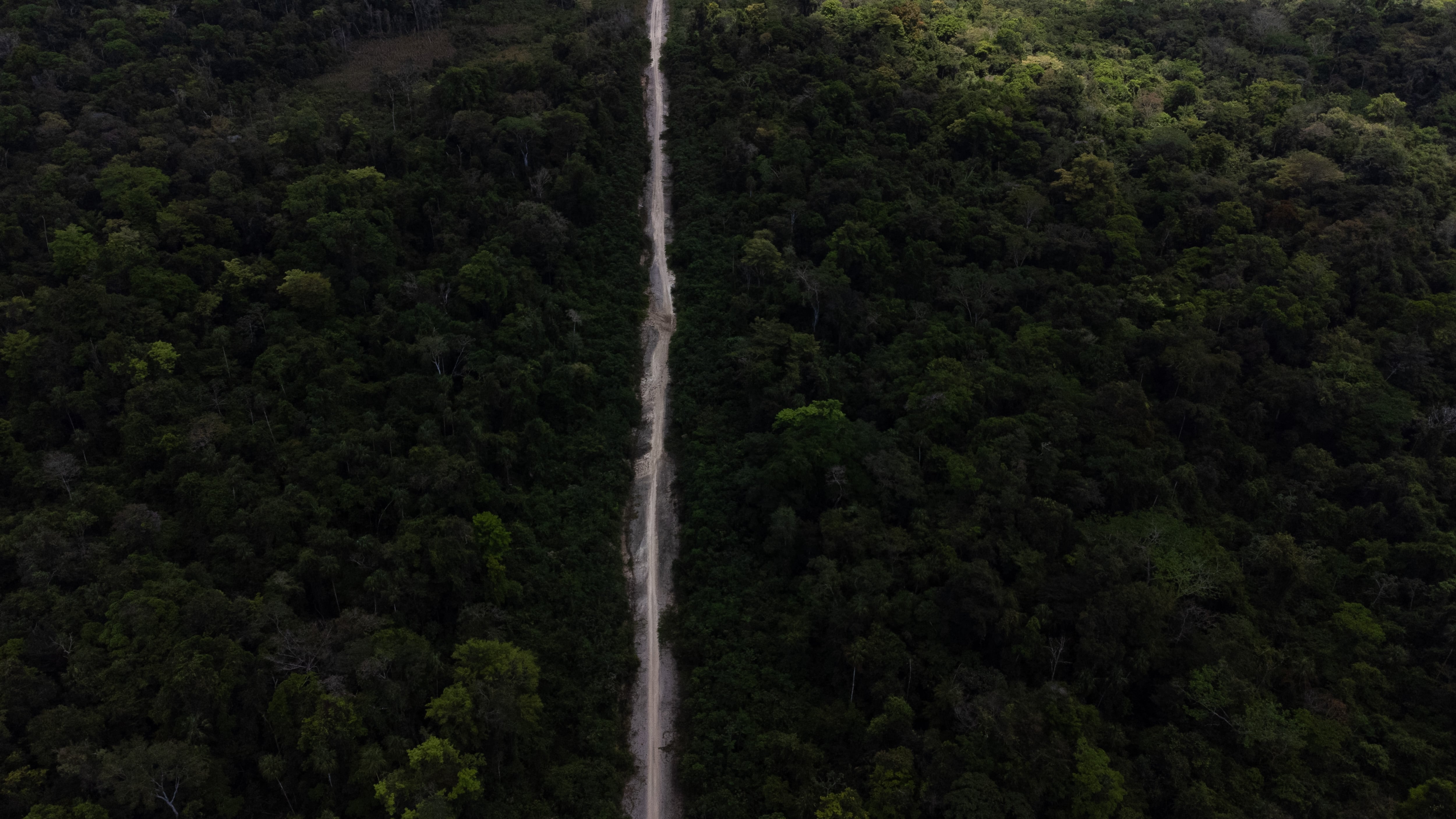
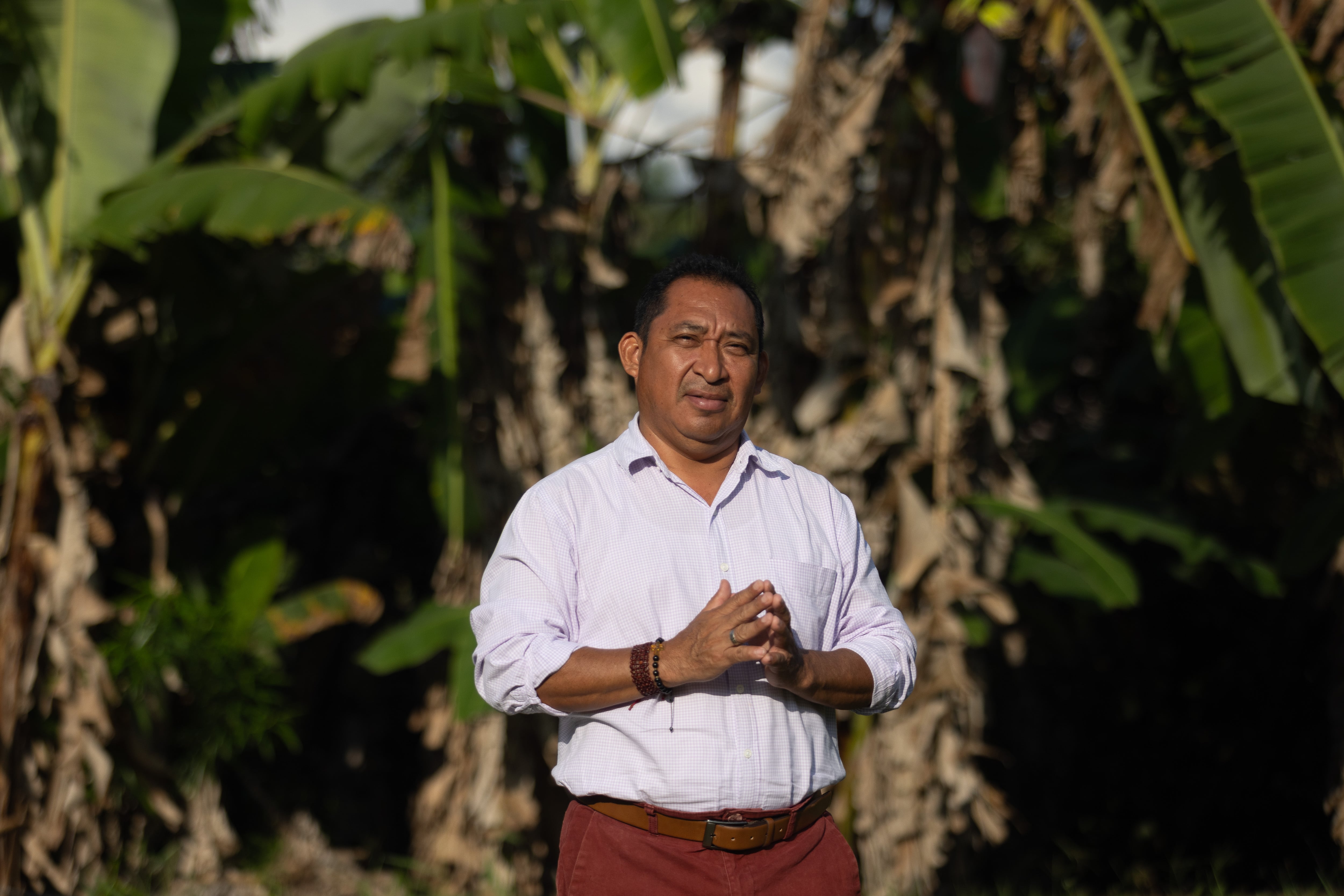
Everything in this story comes back to El Cabra. Everything leads to him, Cabrero Segundo, the “famous Lacandón,” the boss, a man of average height, about five foot five, brown-skinned, with a paunch, a goatee and tattoos: a cross on his left shoulder and a jaguar on his right. An eccentric character. In the film he had made about his life, he cast a hulking actor who was eight inches taller. At the height of his power he built a clandestine airstrip two minutes from his house to receive drug shipments. The night he kidnapped 33 soldiers, disarmed and stripped them — no one in the jungle forgets that — he spent the final hours before dawn snorting cocaine in front of them, using a banknote. El Cabra, a man with ambition.
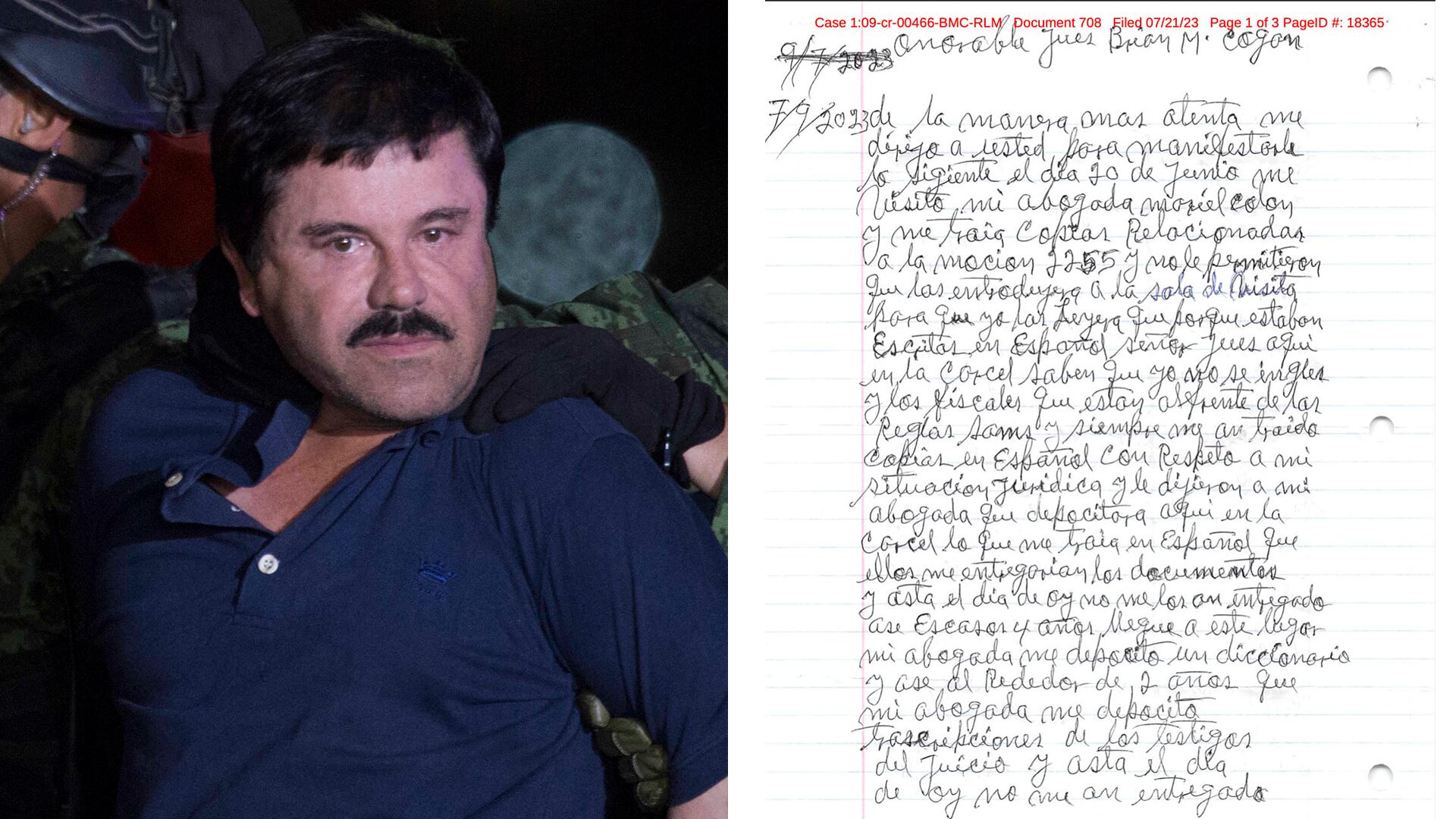
There are two Joaquín Guzmáns. One, known as “El Chapo,” rose to become the world’s biggest drug trafficker. He was feared by his rivals and by the authorities. He spilled the blood of anyone who crossed his path. It didn’t matter if they were members of a rival cartel, or innocent civilians.
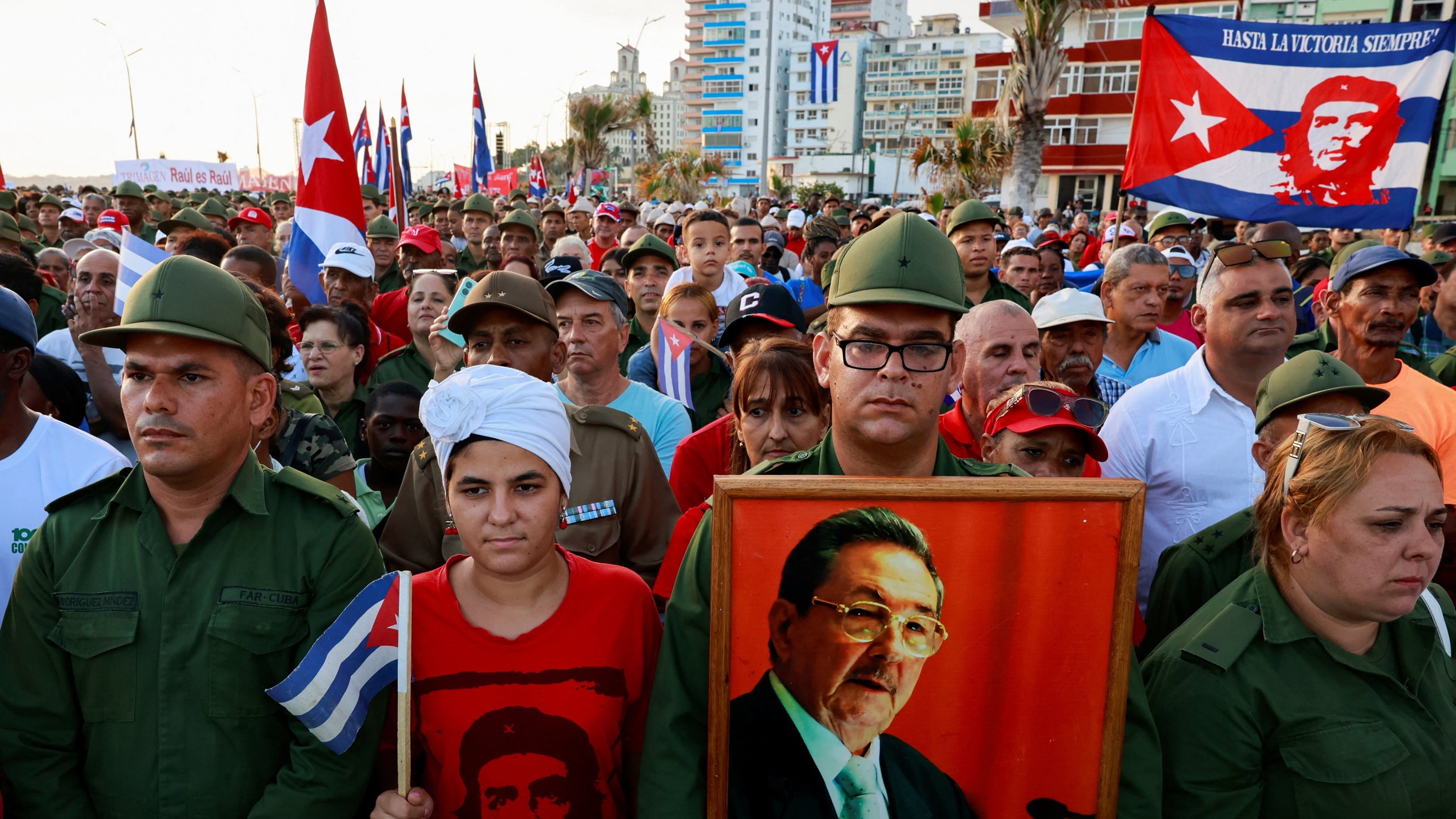
It’s quite possible that the Cuban Revolution will soon die. Just over 67 years ago, it burst forth laden with hopes and redemptive promises. Biblical parallels abounded: there were 12 survivors of the Granma — the yacht that transported the fighters from Mexico to Cuba — and a messiah (Fidel Castro) triumphantly entered the new Jerusalem (Havana). A dove landed on his shoulder as he recited the divine word for hours on end, foreshadowing paradise on earth. Meanwhile, on the other side of the water — the Straits of Florida — the Yankee devil threatened this paradise from hell.
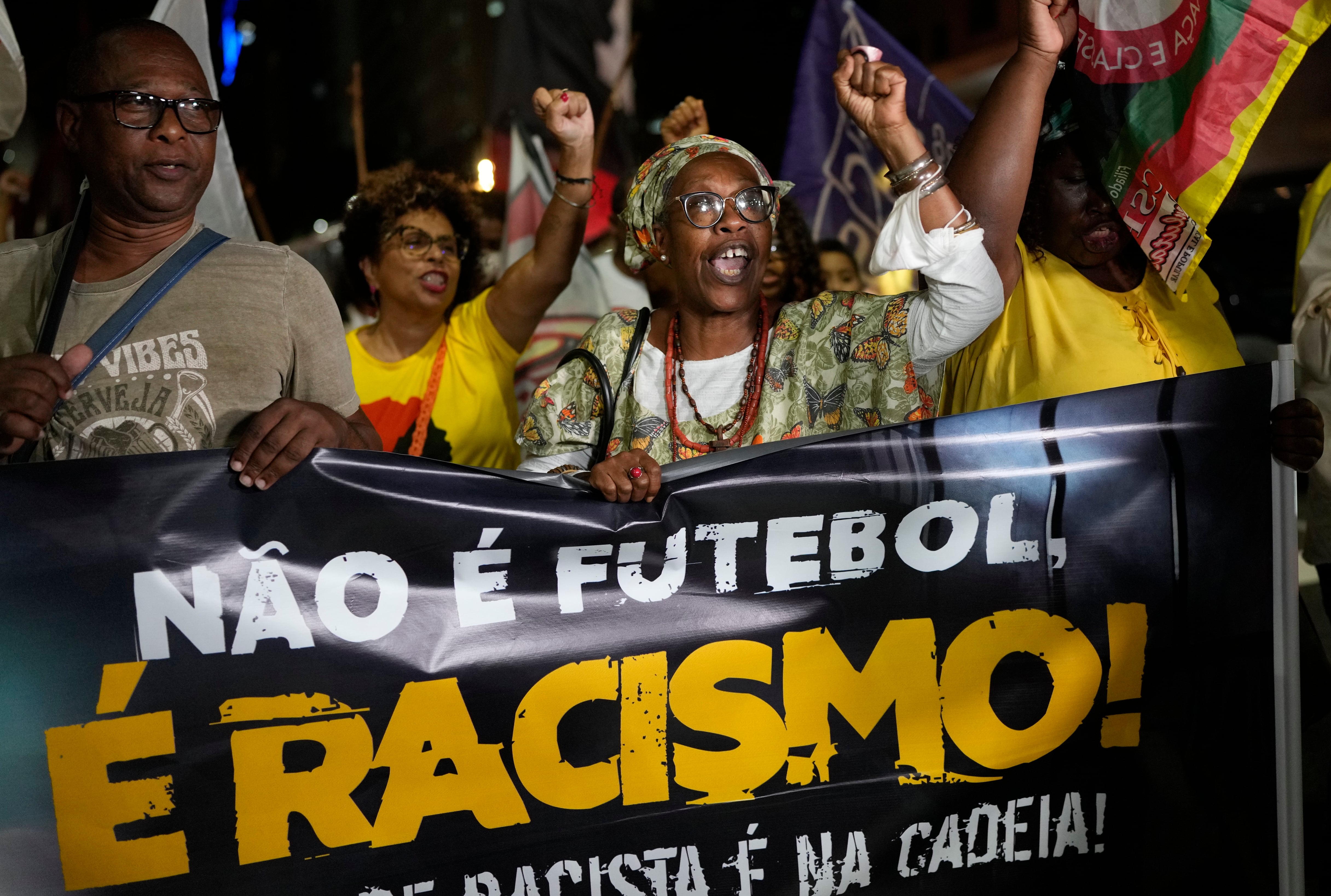
When he arrives at his office in the morning, Rio de Janeiro Police Chief Rita Salim knows that throughout the course of the day, two or three people will come in to report having been a victim of racism. Some will do so after having lived a life of discrimination based on the color of their skin. “Many victims come when they can’t take it any more, the drop that made the cup overflow,” she says in an interview at her office. It’s a sorry state of affairs — but at the same time, there is hope. The veil of silence and shame that historically covered up this kind of discrimination is lifting. Brazil documented more than 7,000 complaints of racism in 2025, 67% more than the year before.
Protesters holding a banner that reads 'It's not soccer, it's racism' during a demonstration in Rio in 2023 following insults and threats against footballer Vinícius Júnior in Spain.
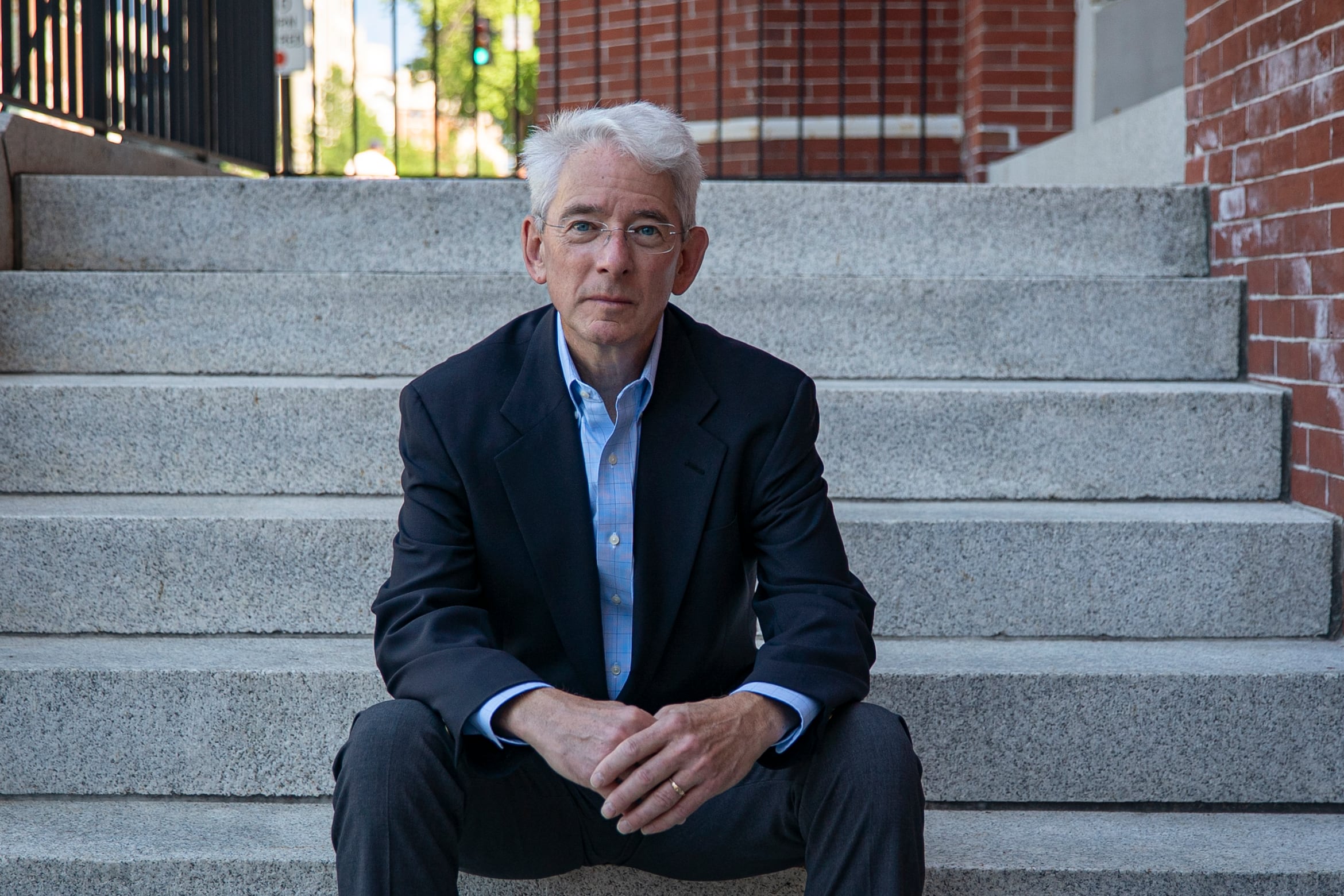
Peter Atwater, a professor of economics at William & Mary in Williamsburg, Virginia, began popularizing the idea of a “K‑shaped economy” shortly after the pandemic began. Analysts were debating on social media what the recovery would look like after the self‑induced coma into which GDP had been plunged, and they floated the usual options: an L (a plunge followed by stagnation), a V (a rebound as sharp as the drop), a W (a renewed recession after a brief uptick)… Though he wasn’t the first to suggest the K. An unknown user — now rebranded as Ivan The K — argued on X (still called Twitter at the time) that the final letter would be a K: meaning some things would recover and others wouldn’t. For Atwater, 65, that message was a revelation that went much further: the more privileged social groups would emerge from the pandemic strengthened in several aspects of their lives, while those at the bottom would be worse off relative to 2019.
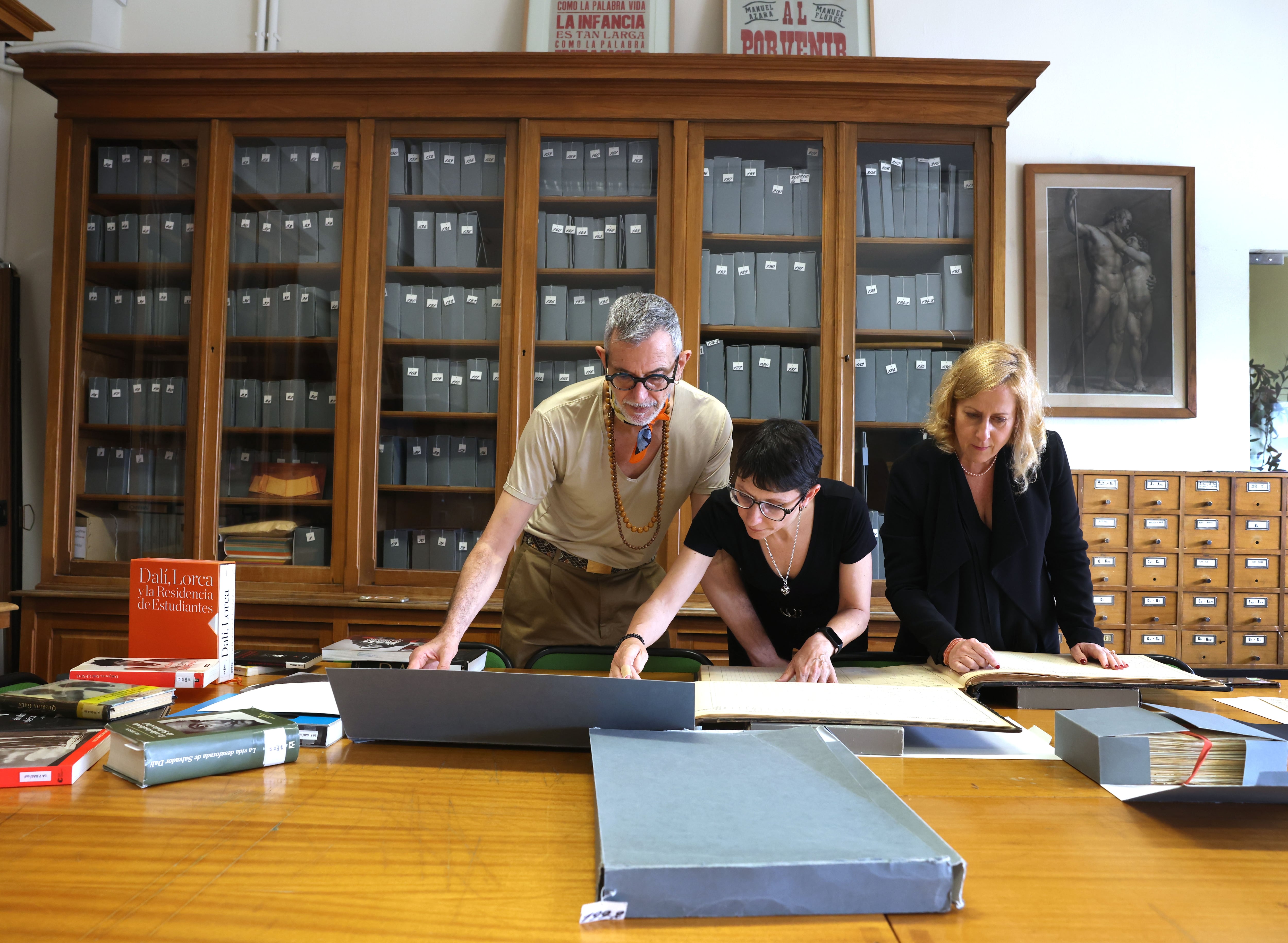
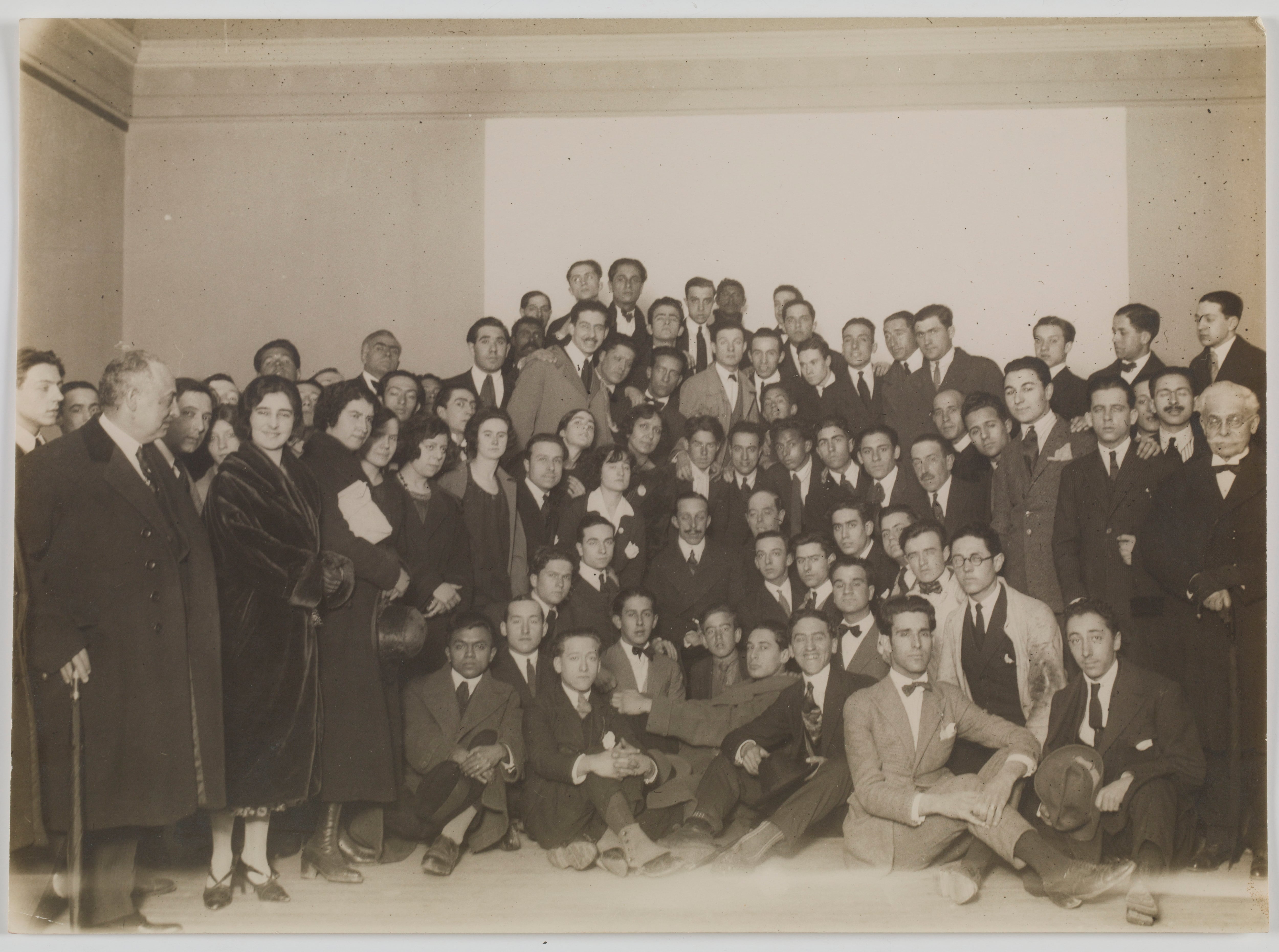
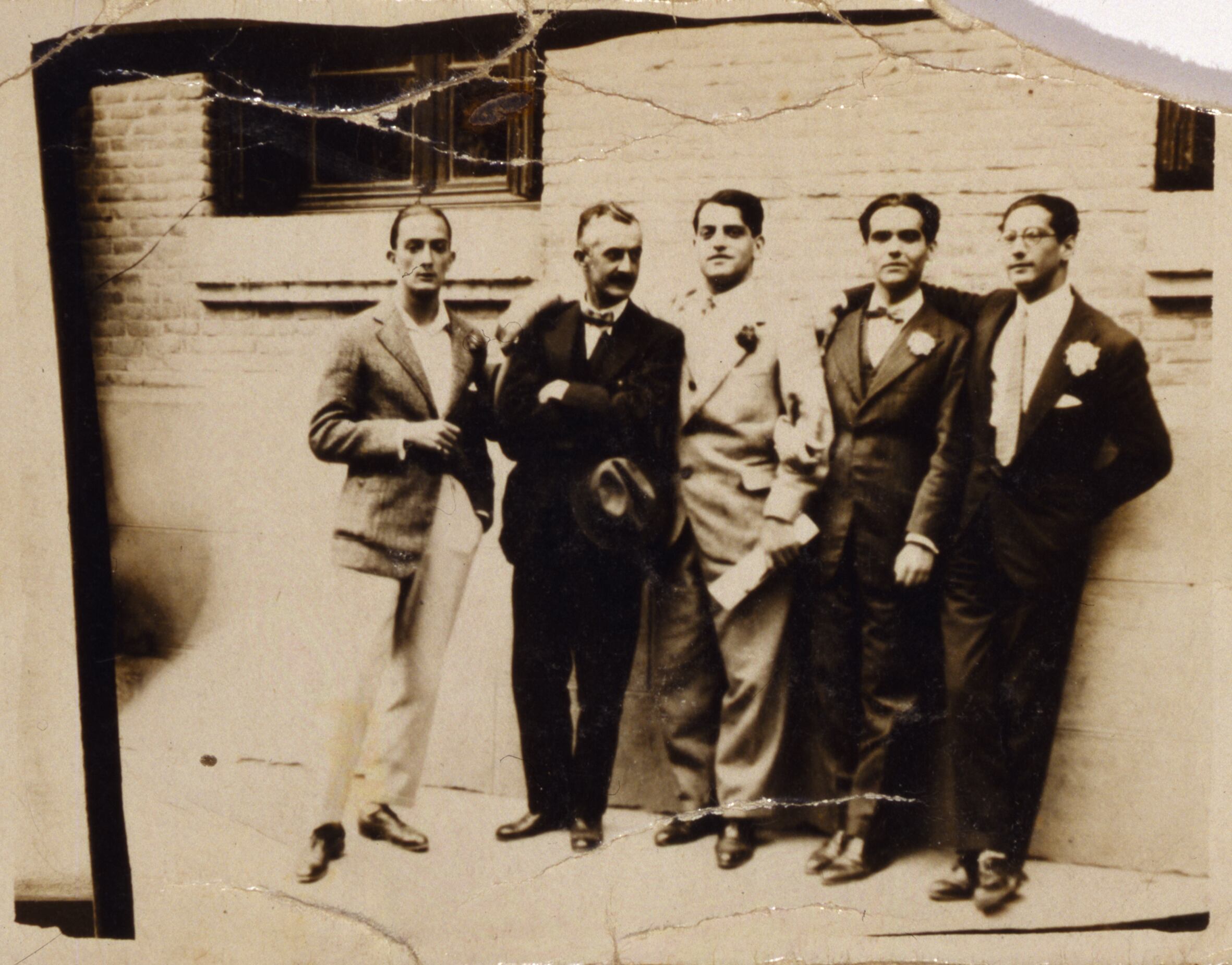
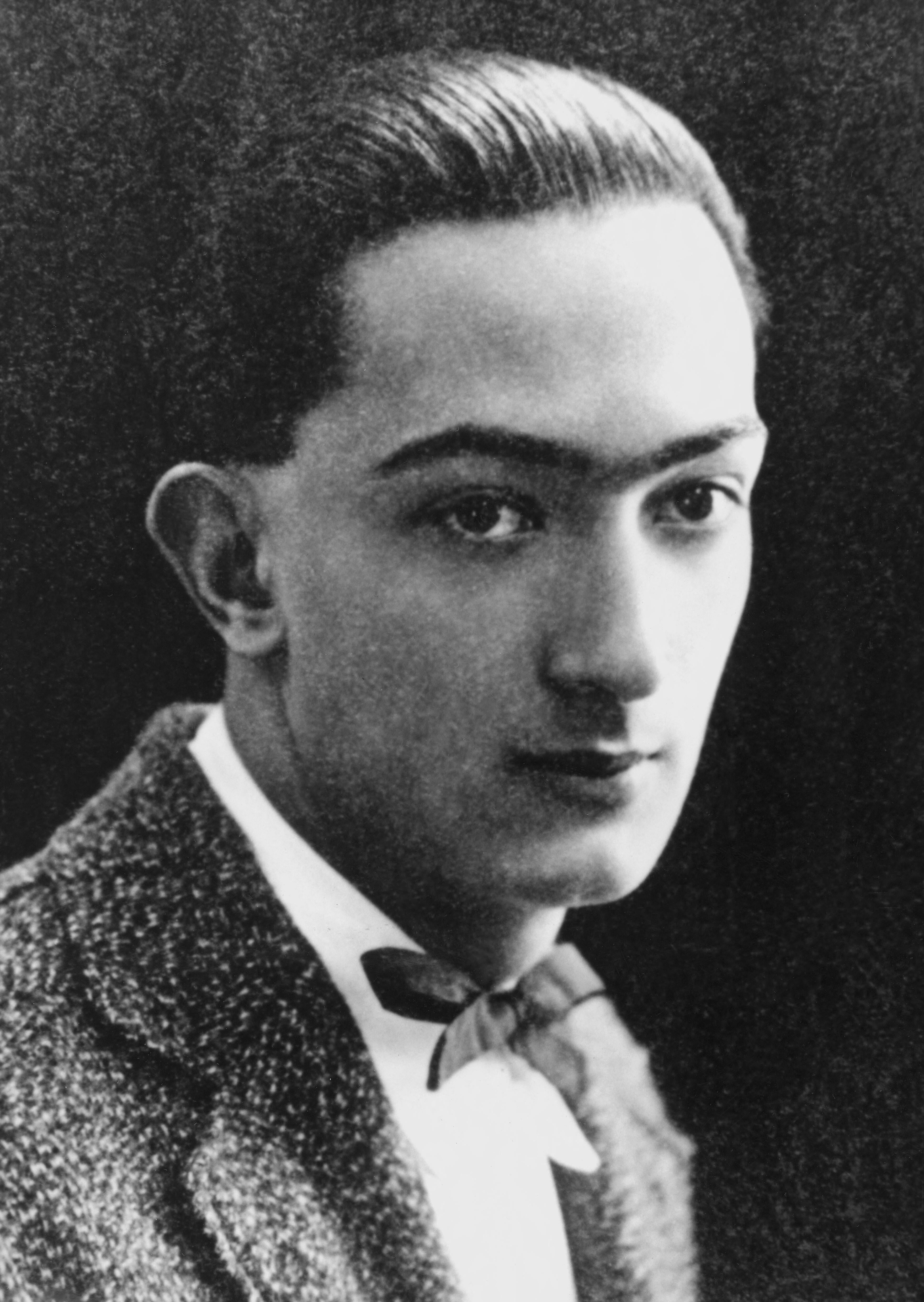
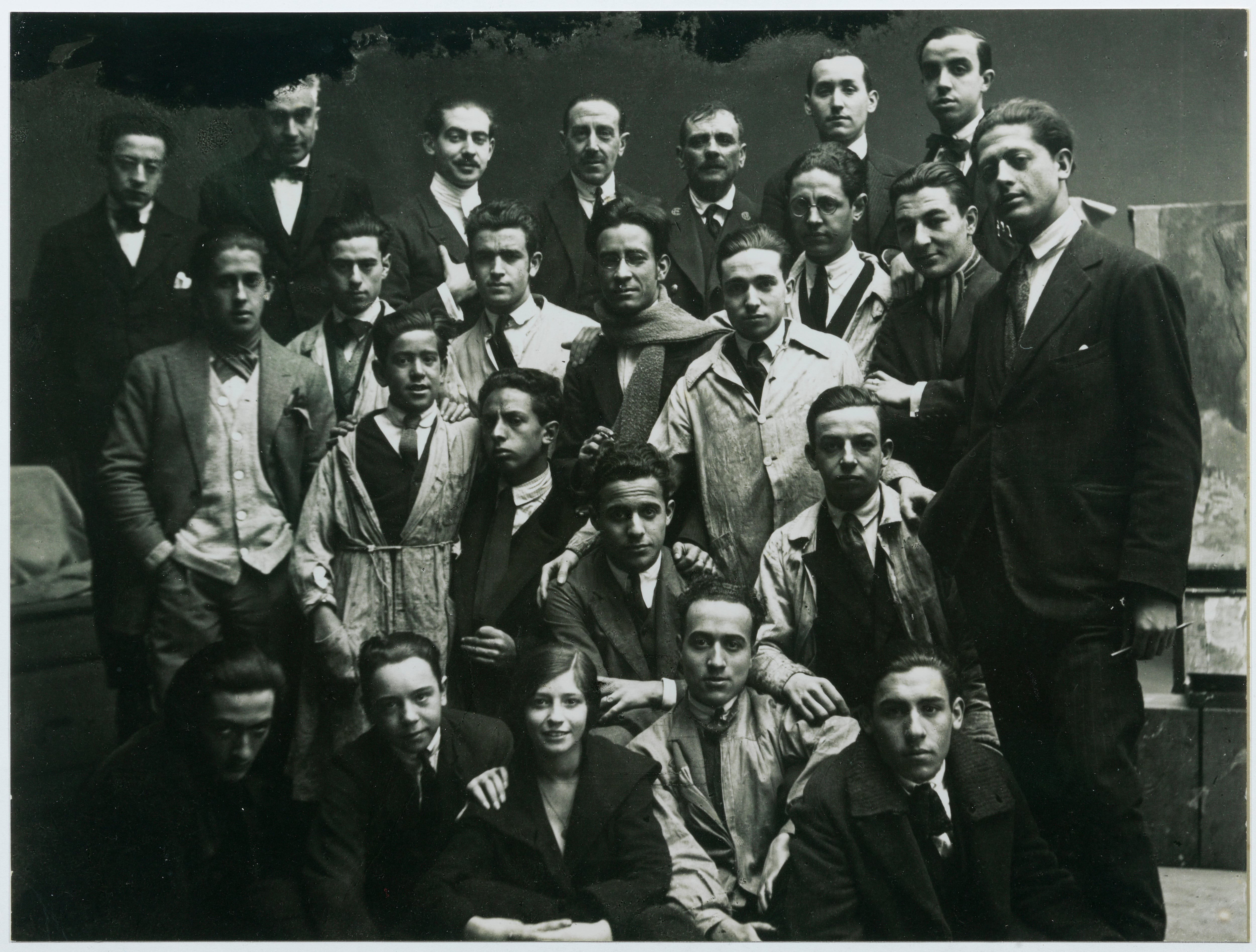
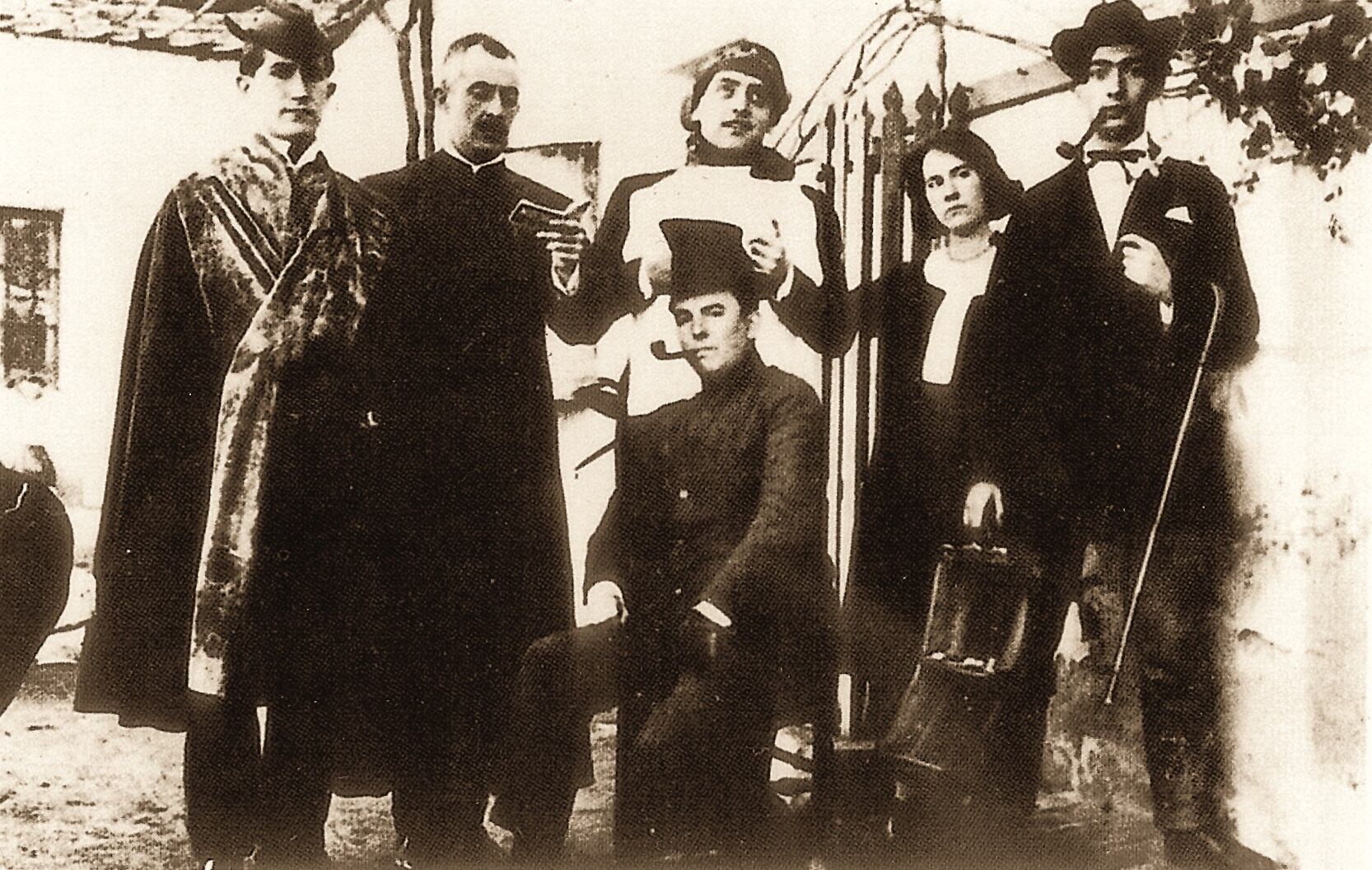
A century has passed since the day that forever changed the life of Salvador Dalí: his second dismissal, this one permanent, from the Special School of Drawing, Sculpture and Printmaking at Madrid’s prestigious San Fernando Fine Art Royal Academy. In such a rigid, rule‑bound environment, Dalí felt out of place — and perhaps for that reason, this academic period has been overshadowed in scholarly writing. What dominates the narrative of those years in Madrid — which he described as the happiest of his life— are his escapades and artistic exchanges with Federico García Lorca, Maruja Mallo, and Luis Buñuel, his companions at the Residencia de Estudiantes, a pioneering cultural and academic residence, and a circle of mutual inspiration.
Salvador Dalí and his classmates at the Special School of Painting, Sculpture, and Engraving (Academy of San Fernando). 1922–1923. GALA-SALVADOR DALÍ FOUNDATION
From left to right, Salvador Dalí, José Moreno Villa, Luis Buñuel, Federico García Lorca, and José Antonio Rubio Sacristán in La Bombilla Park (Madrid) in May 1926.
From left to right: José Bello, José Moreno Villa, Luis Buñuel, José María Hinojosa (seated), María Luisa González, and Salvador Dalí at a meeting of the Order of Toledo at the Venta de Aires (Toledo) in 1924.
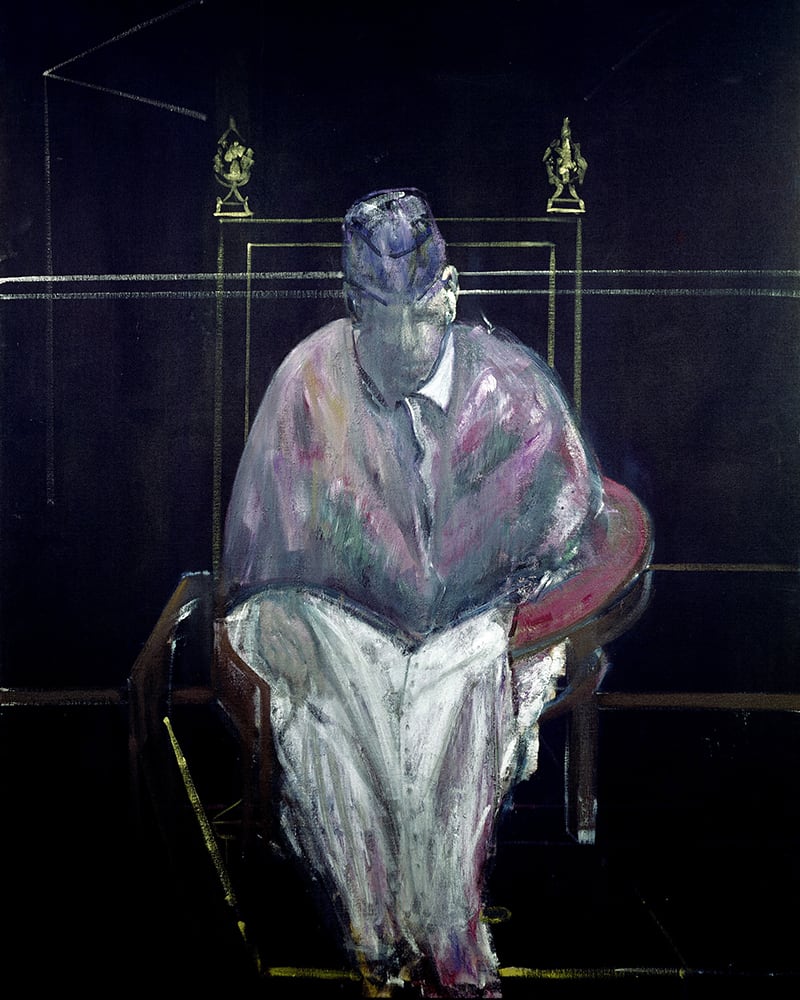
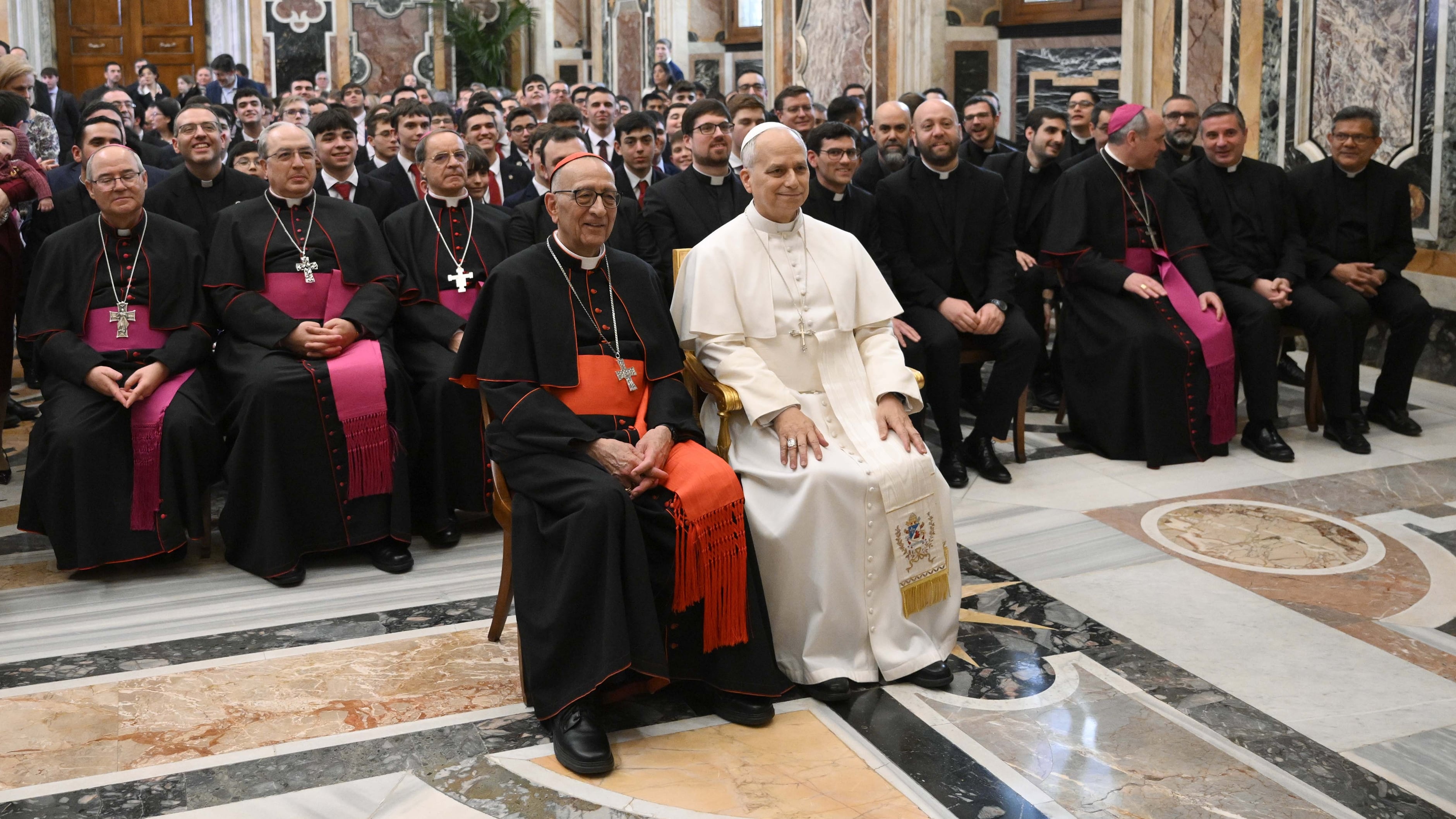
Urban VIII corresponded with Francisco de Quevedo, Alexander VII spent his leisure time as pope writing little poems in Latin, and John Paul II — who had studied St. John of the Cross in his youth — even published a collection of poems, Roman Triptych (2003), while still occupying the Chair of Saint Peter.
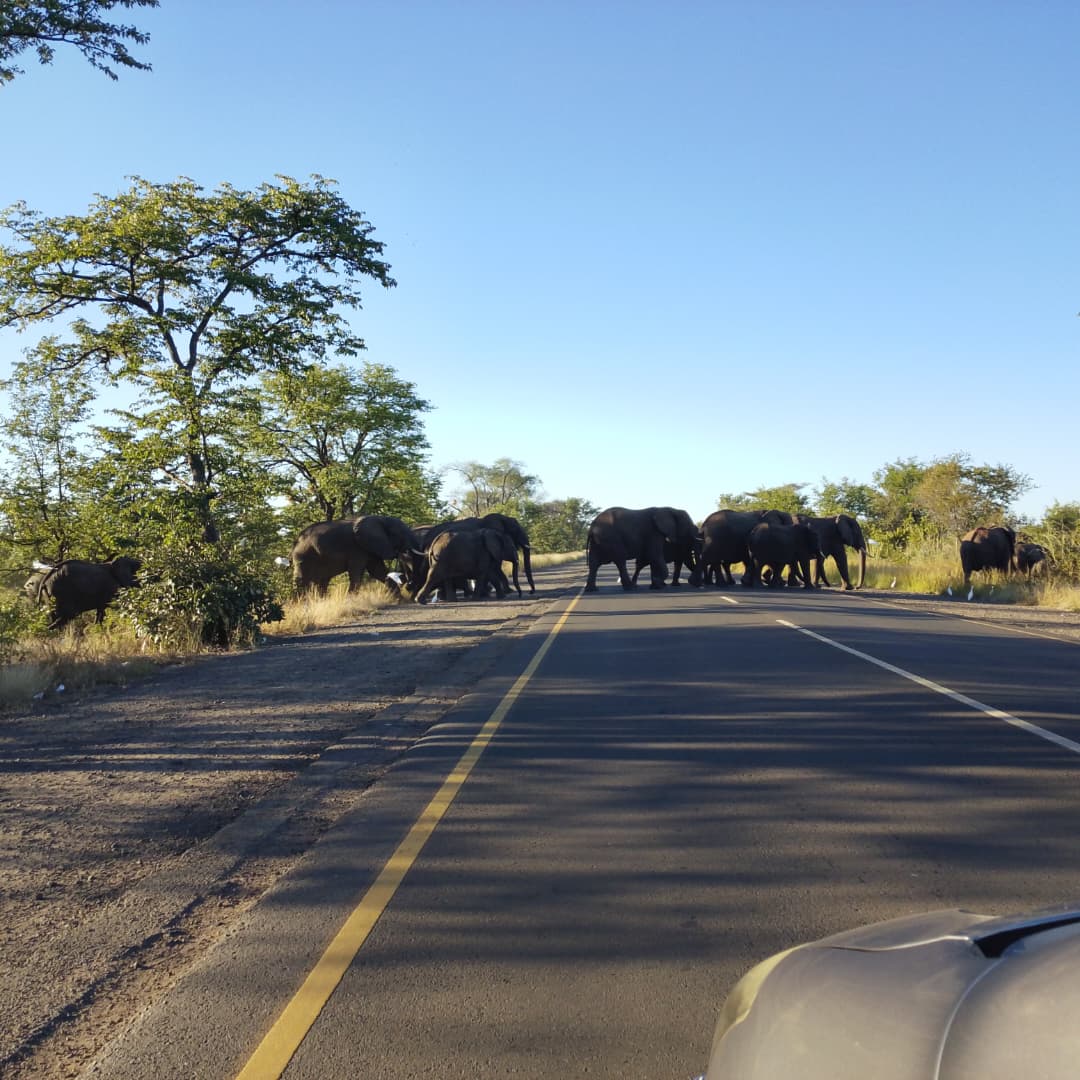
Veronica Akabondo had worked from dawn to dusk for months on her farm in southern Zambia and was confident she would have a plentiful maize harvest. But one morning she woke up and found it all gone. The culprit? A herd of hungry elephants.
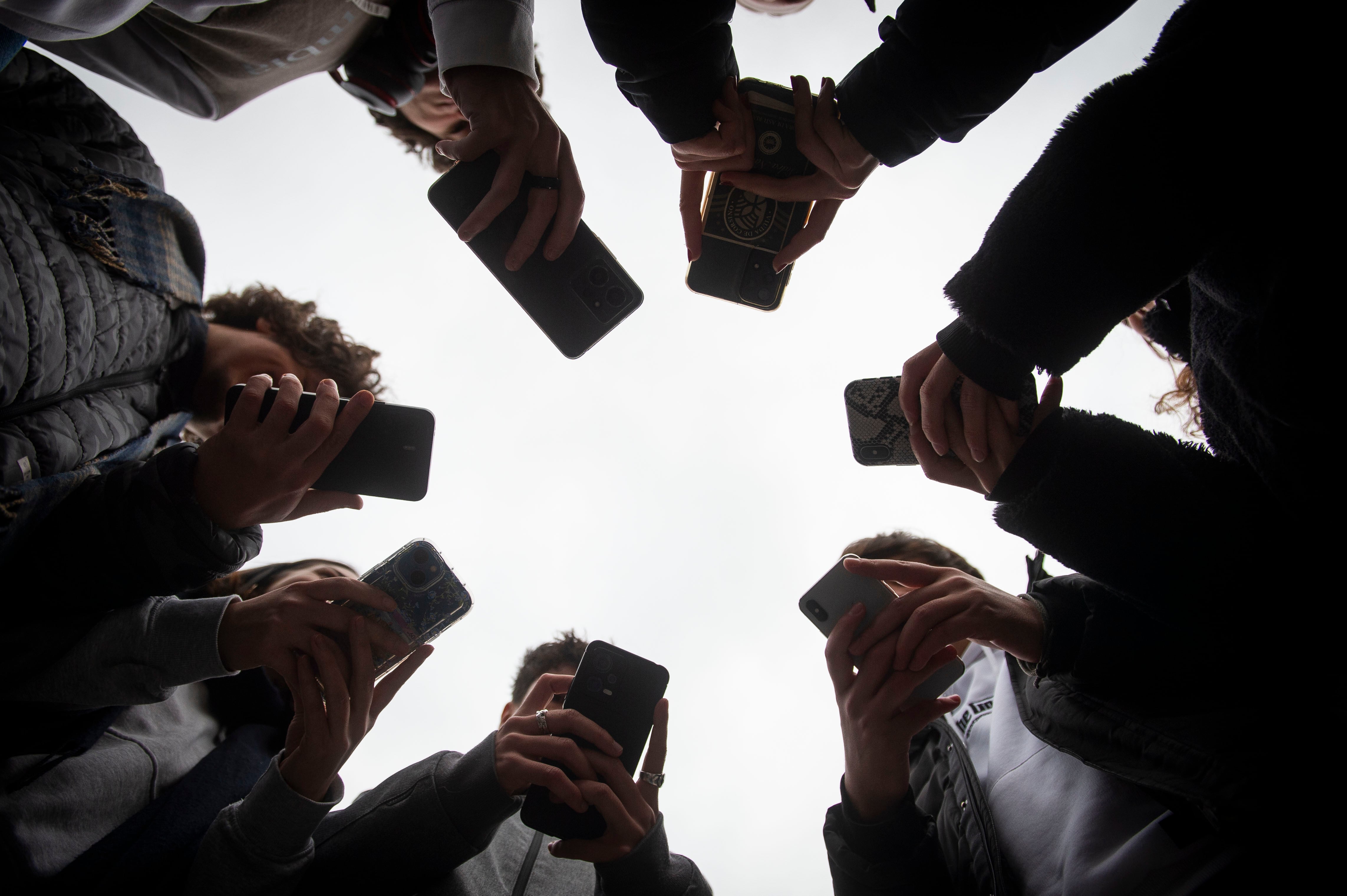
TikTok executives decided not to disable notifications during school hours, ignoring recommendations from their own safety team, and paid millions of dollars to parents’ and teachers’ associations to promote the social network in schools. Snapchat sent alerts to teenagers while they were in class urging them to share what was happening in the classroom. Google executives knew that YouTube was recommending videos to students during the school day that were unrelated to their lessons. Meta paid “teen ambassadors” to promote Instagram and hand out gifts to their classmates.
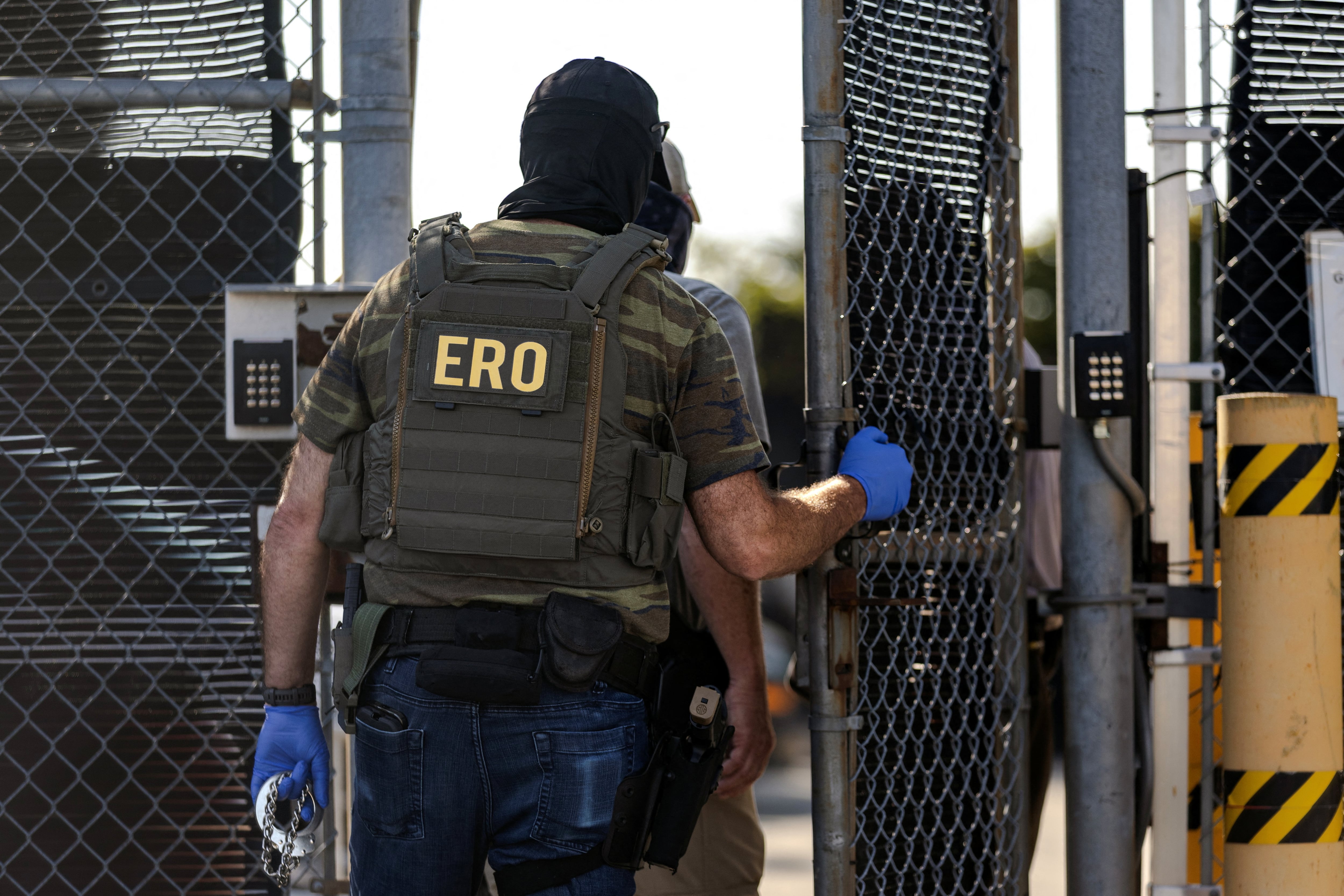
Amid growing scrutiny over the rising number of deaths in immigration detention, the Trump administration has eliminated a policy that required U.S. Immigration and Customs Enforcement (ICE) to investigate and report the deaths of detainees that occurred within 30 days of their release.
The first time U.S. soccer legend Tab Ramos played on a team in the country he had just moved to from Uruguay, Argentina was the reigning champion of the 1978 World Cup and the boy was thrilled that the jersey he was given, the Harrison Rec kit, was orange “like the Dutch one.” Ten minutes in, the coach took him off the field: he was too good to compete with that group. He was 12 years old.
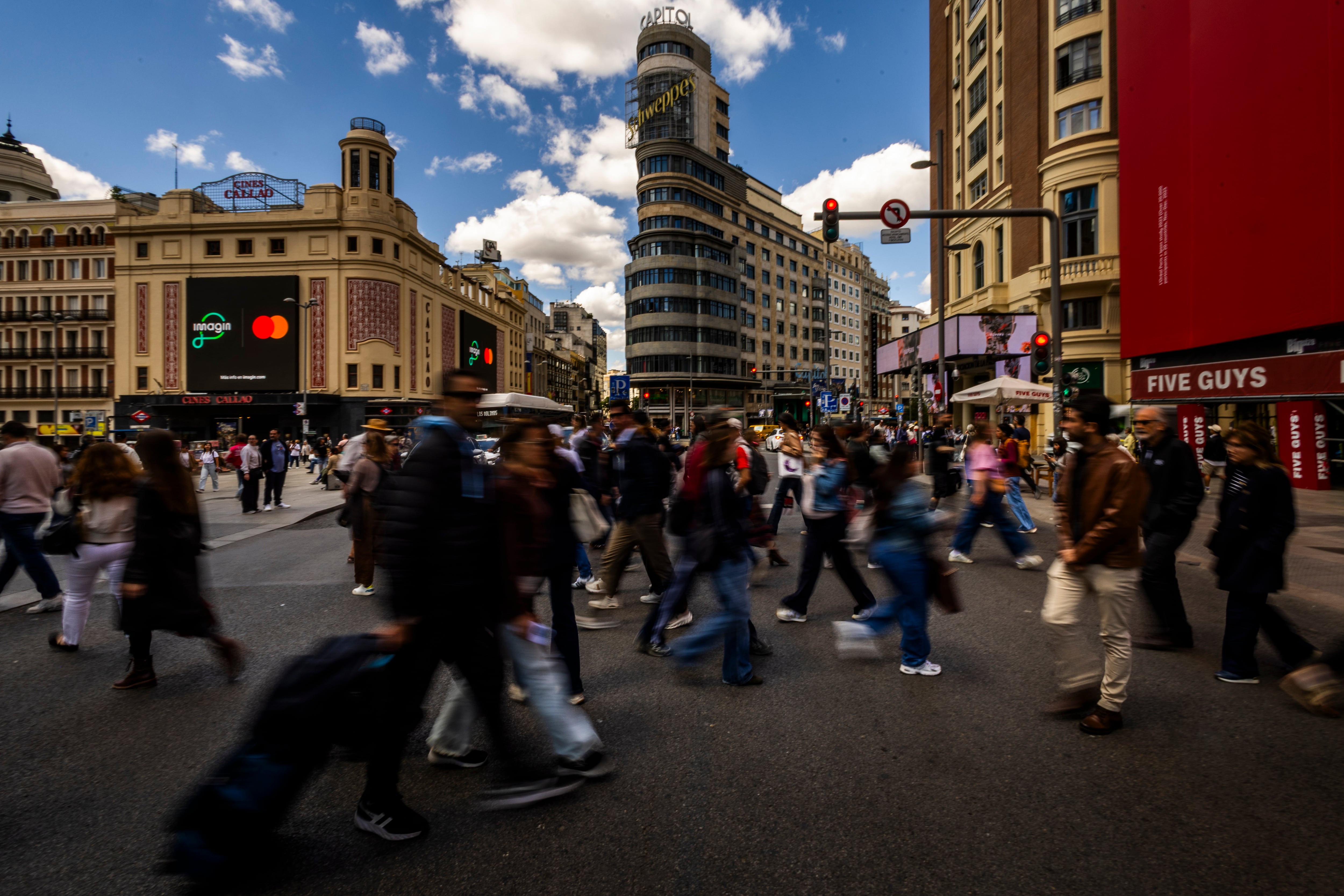
At the rate at which Spain’s population has grown in recent years, a country of 50 million inhabitants could soon become a reality. The National Institute of Statistics (INE) is expected to reveal this month, in its 2026-2076 population projections, when it believes this milestone will be reached. According to the 2025 census, Spain surpassed 49.1 million inhabitants last year, but data from the Continuous Population Statistics—which combines census data with quarterly estimates—indicate that Spain already had 49,687,120 inhabitants in April.
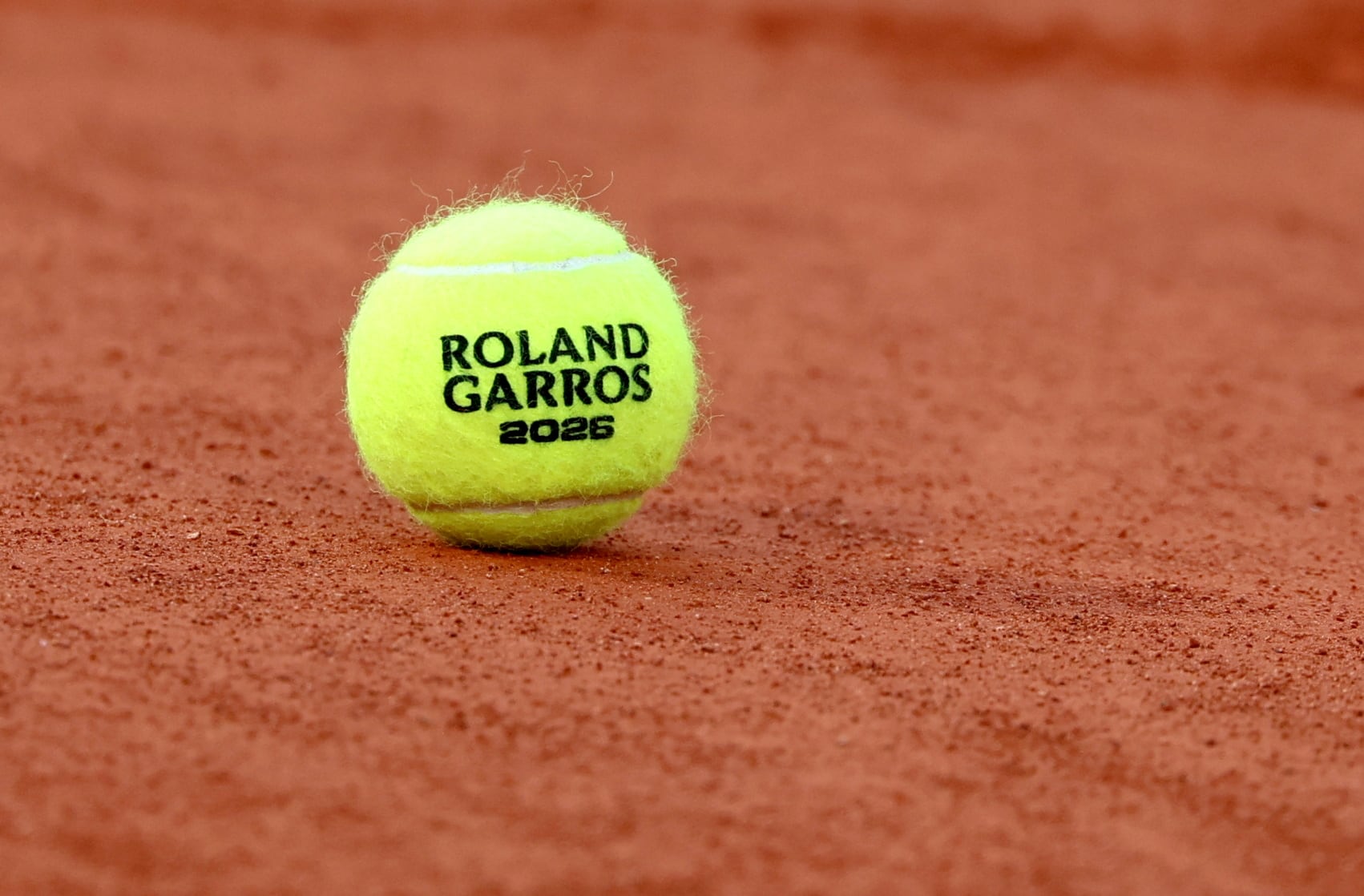
At major tournaments it’s common to see players, aware of the greater exposure these events provide, use the opportunity to make a demand. At this year’s Roland Garros they have once again called for a different distribution and a larger share of the money that, above all, these kinds of tournaments generate. The conflict is not new and — even though the Paris organizers unilaterally decided this year to raise the prize pool competitors would receive by about 10% — the players have deemed it insufficient.
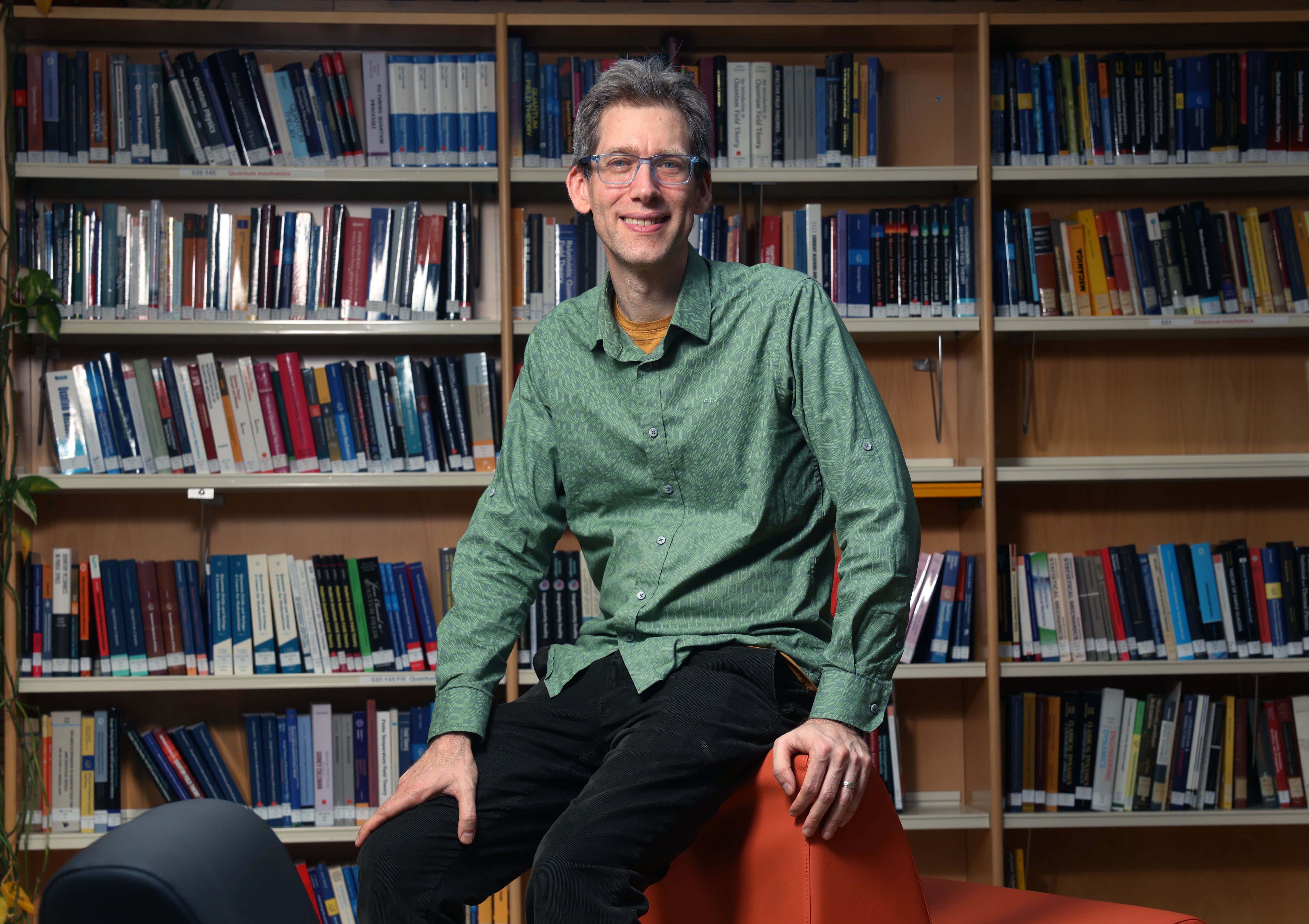
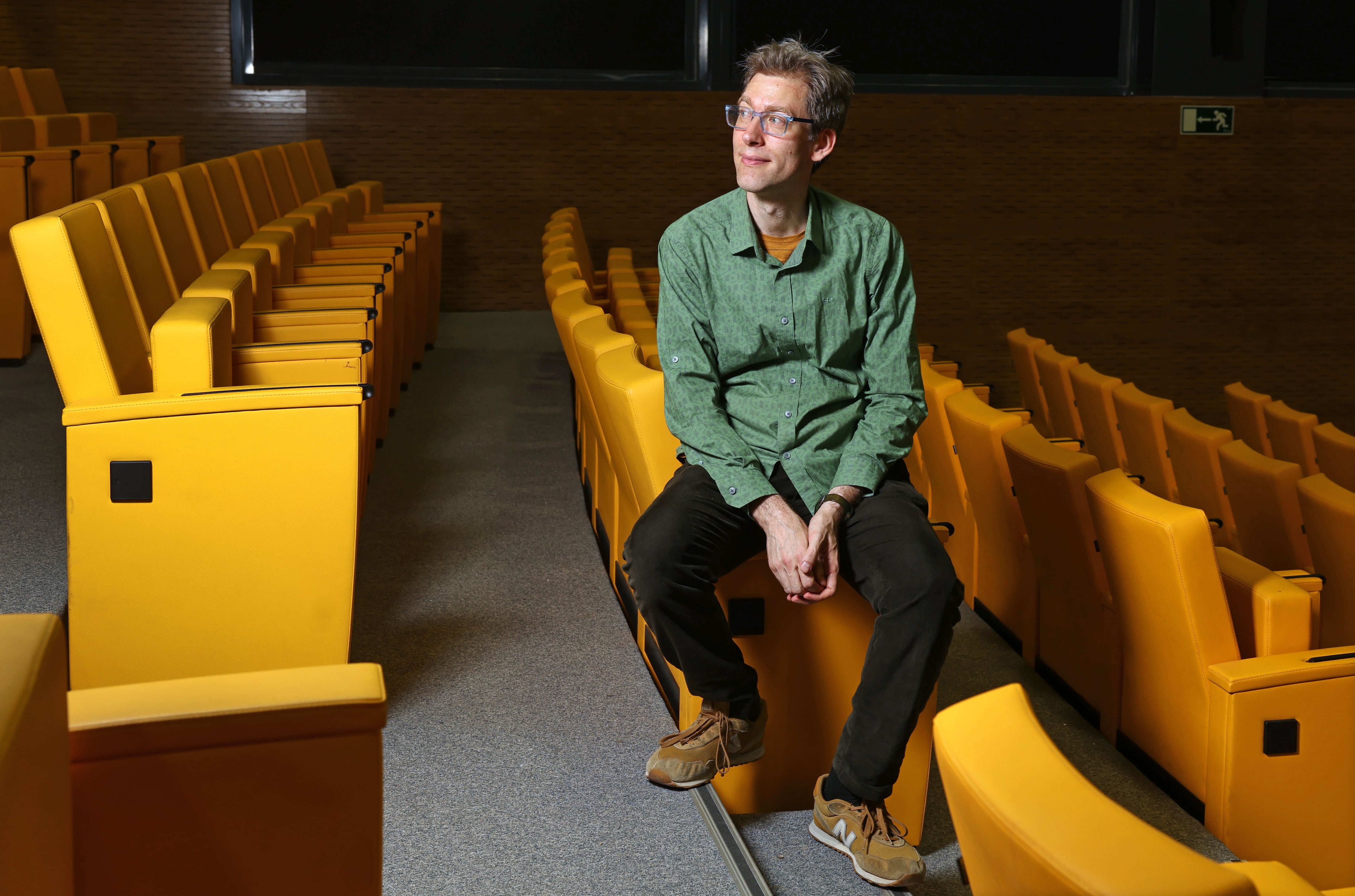
Aram Harrow has spent 25 of his 46 years working in quantum computing. He is a researcher at the Massachusetts Institute of Technology (MIT) and is best known for co-developing the HHL algorithm in 2008, considered one of the first demonstrations of an exponential advantage of quantum computers over classical ones. This June marks the end of the year he has spent at Spain’s Institute of Mathematical Sciences (ICMAT) in Madrid, where he speaks with EL PAÍS.
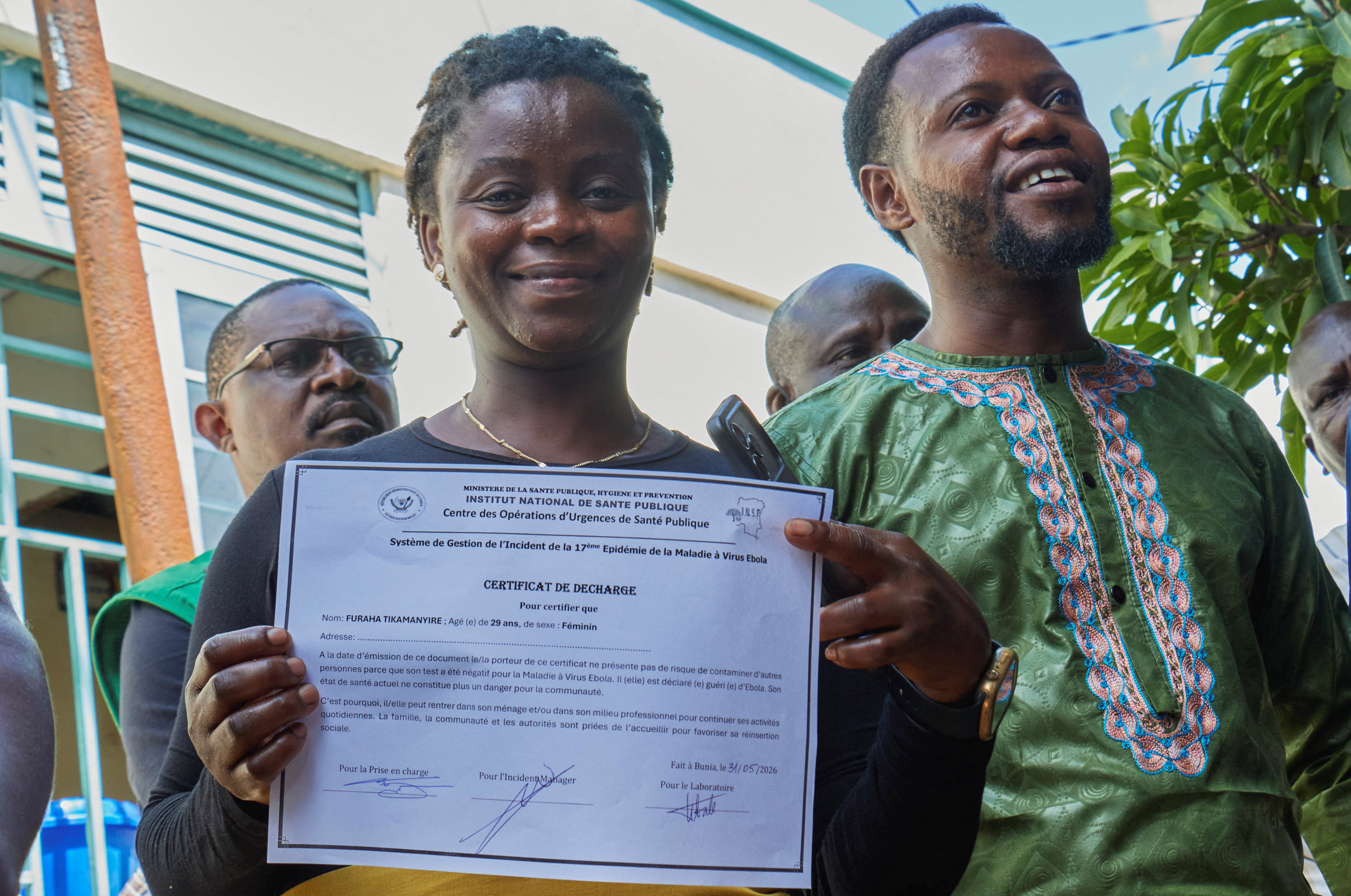
When Furaha Tikamanyire began feeling ill on April 26, she did not imagine she had contracted Ebola. For weeks, this nurse at the Bunia Evangelical Medical Center in the Democratic Republic of the Congo (DRC) had cared for dozens of people arriving from the Mongbwalu region, about 75 kilometers away, where the virus had begun spreading before it was identified.
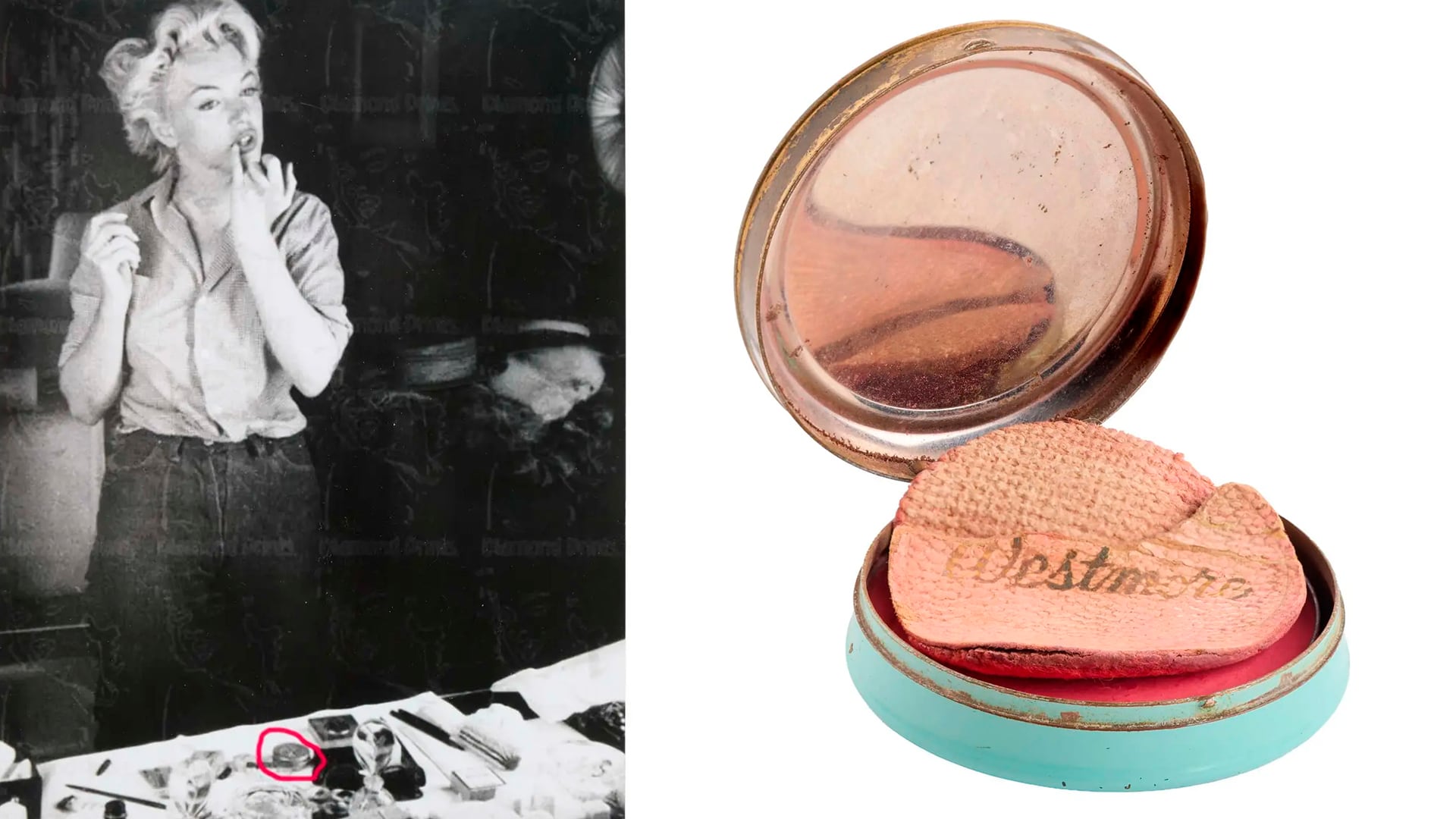
It’s only an imaginary birthday, one that was never meant to happen, but the celebrations say a lot about Hollywood’s eternal myth‑making. This Monday, June 1, Marilyn Monroe would have turned 100. And although she died more than 60 years ago, the world remains utterly fascinated by that perfectly imperfect blonde screen icon.
On the left, Marilyn Monroe applying her makeup. She used the partially used pink powder blush compact and its original applicator (right), which was sold at auction on June 4, 2026.
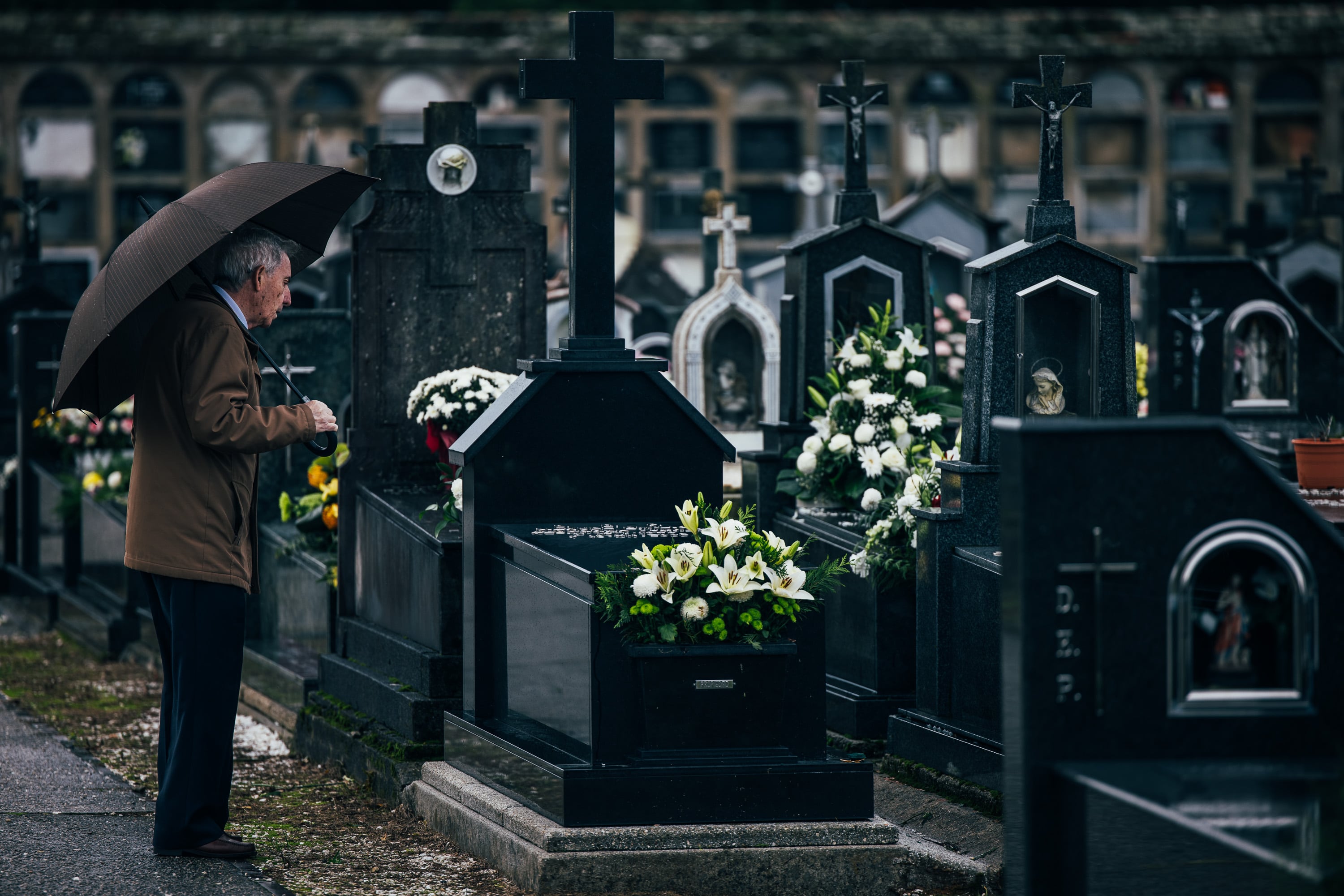
The death, attributed to grief, of the cartoonist and filmmaker Marjane Satrapi, author of Persepolis, has brought back a recurring and widely studied question in the public imagination: is it possible to die of grief? Regardless of Satrapi’s personal circumstances — which remain unknown for now — science points to yes, while reframing the romantic idea within a biological explanation. For example, intense bereavement can worsen mental health, trigger cardiovascular problems and, ultimately, raise the risk of death. Satrapi’s family said on Tuesday that she died “of sadness a little more than a year after the death of Mattias Ripa, her husband and the love of her life.” They gave no further details.
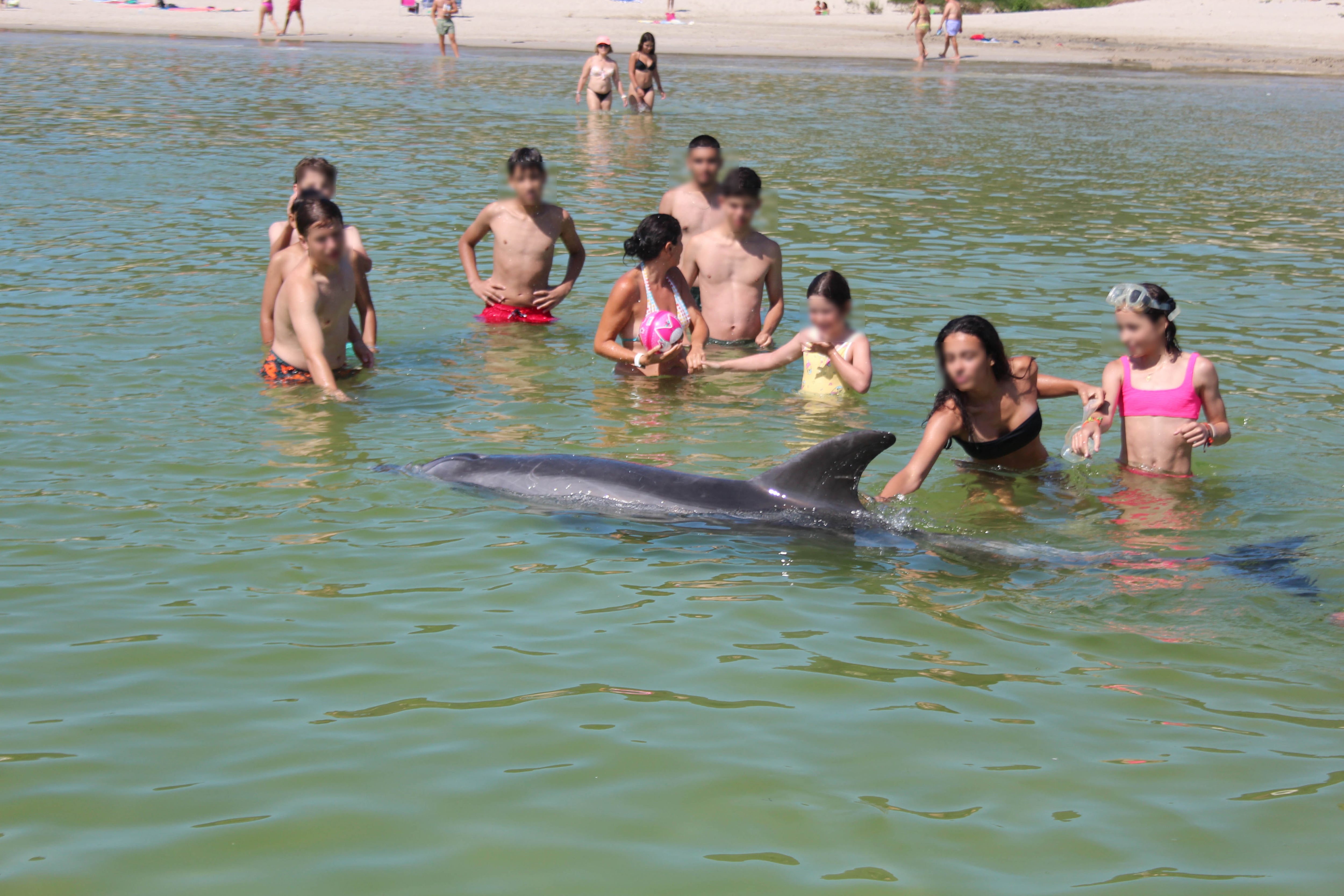
Manoliño, Spain’s most famous lone dolphin, was first spotted in 2019. Over time, he became a regular in the Muros‑Noia and Ferrol estuaries of the Spanish northwestern region of Galicia; he practically became one of the locals. For five and a half years, he approached boats and bathers, allowed himself to be touched in shallow waters near the shore, and even interfered with the work of divers who collected razor clams. He died in September 2025 after being struck by a ship’s propellers.
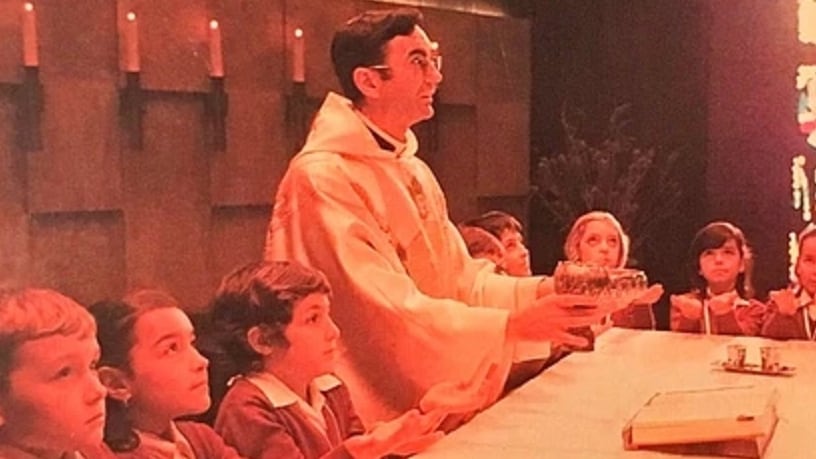
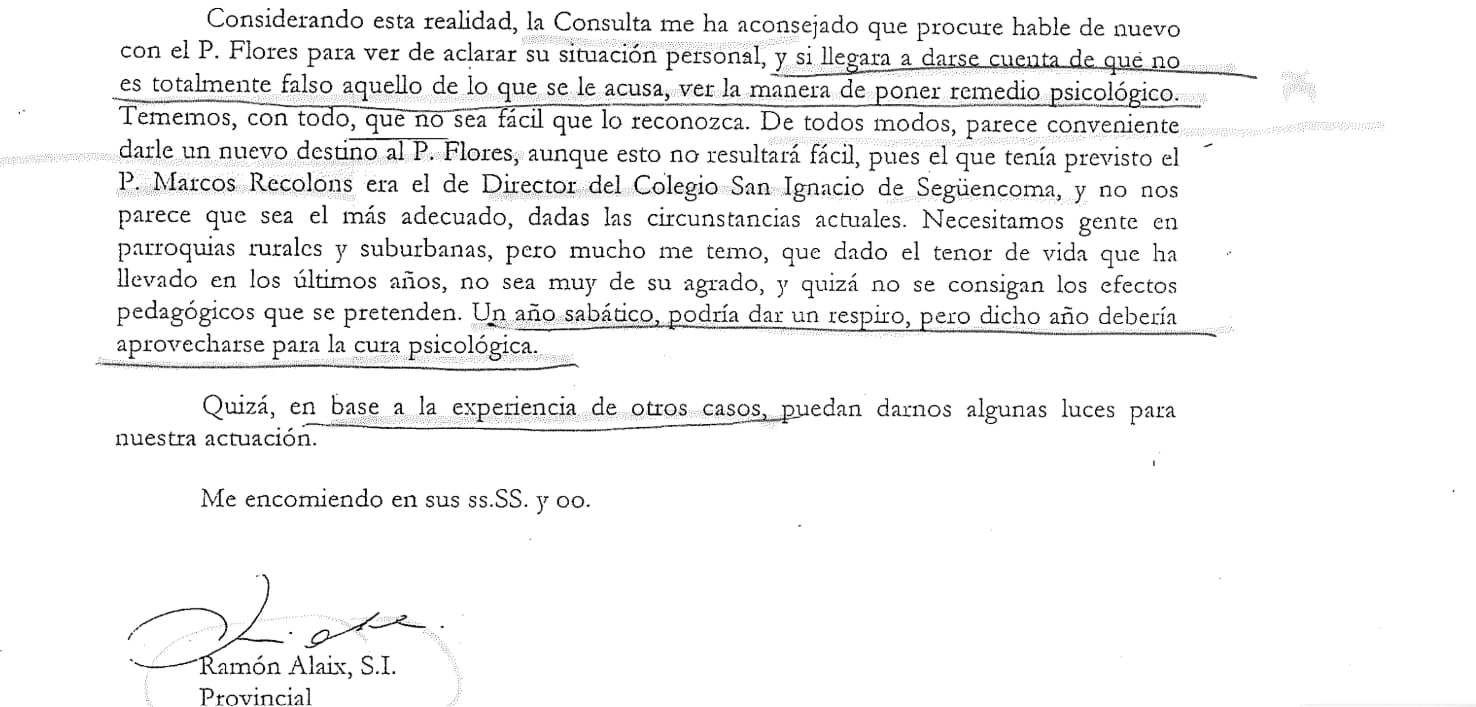
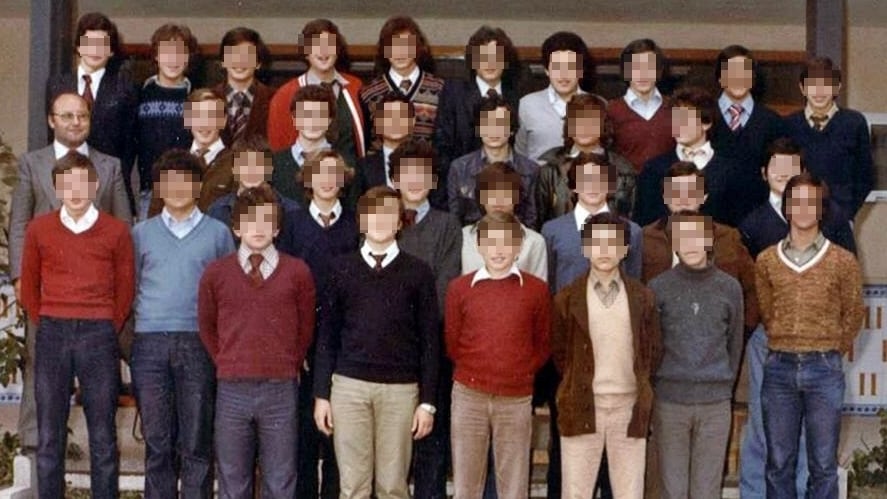
EL PAÍS launched an investigation into child sexual abuse by members of the Spanish Church in 2018 and maintains a database updated with all known cases. If you know of a case that has not come to light, you can write to: abusos@elpais.es. If it is a case in Latin America, the email address is: abusosamerica@elpais.es.
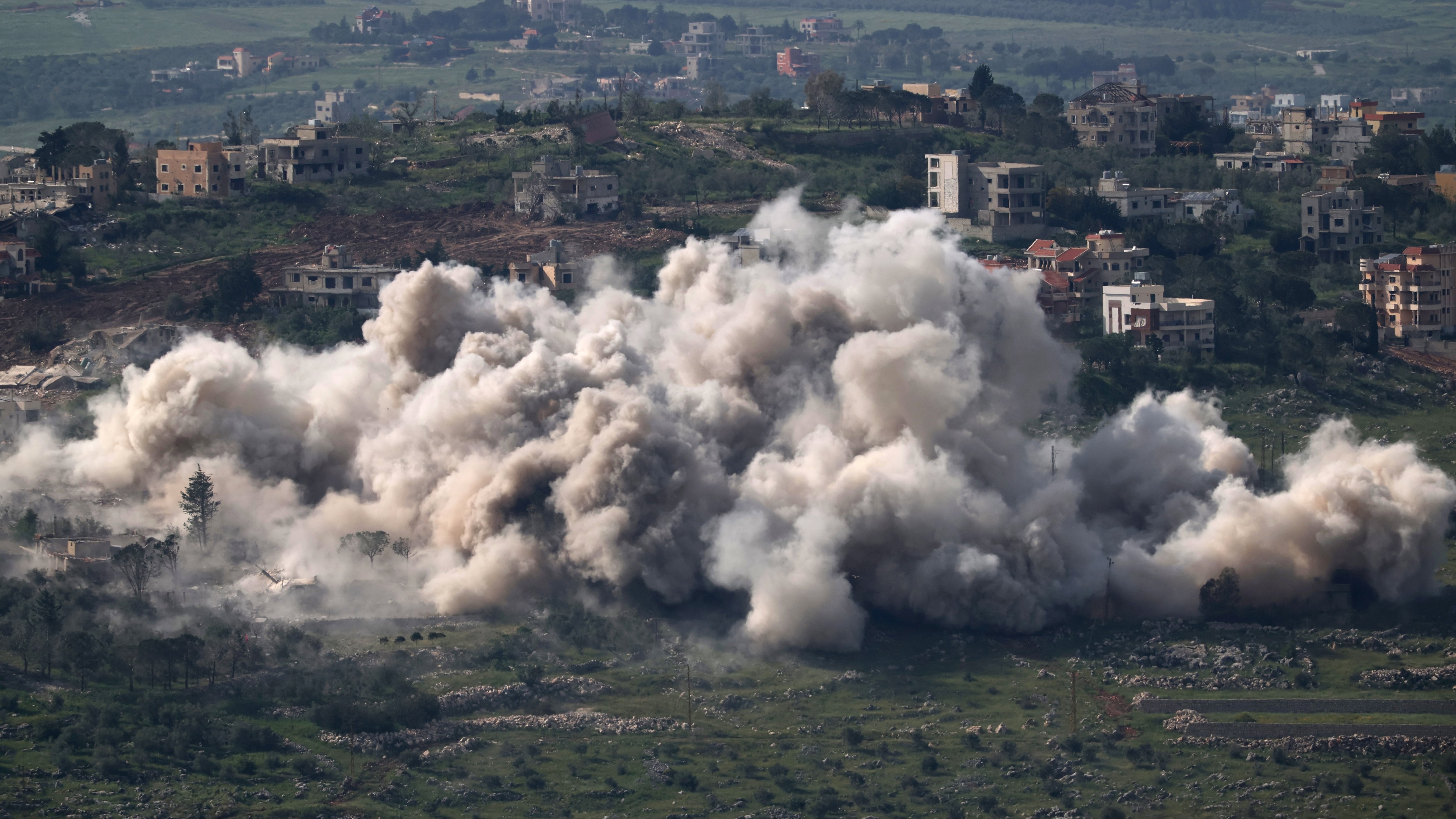
Southern Lebanon — which was turned into a battleground between Israel and the pro‑Iranian militia Hezbollah in 2023 — has suffered a new wave of devastation since February 28, when the Israeli and U.S. governments declared war on Iran and Hezbollah once again took up arms in solidarity with its ally. Israel then shifted its focus from Iran to striking Lebanon, intensifying both its military offensive and its occupation of the neighboring country.

 Login
Login