Santo Domingo, 13 jun (Prensa Latina) República Dominicana será sede de la Reunión Ordinaria de la Conferencia de Autoridades Audiovisuales y Cinematográficas de Iberoamérica (Caaci) y del Programa IBERMEDIA, encuentros que se celebrarán del 22 al 26 de junio próximo, trascendió hoy.
WASHINGTON -- US President Trump heads into next week’s Group of Seven summit in France with a packed agenda covering trade, artificial intelligence, and Ukraine -- and the shadow of the conflict with Iran hanging over all of it.
Des avions de chasse suédois JAS 39 Gripen ont décollé ce vendredi 12 juin pour intercepter et escorter des appareils militaires russes volant tout près de l’espace aérien du pays.
La Habana, 13 jun (Prensa Latina) El próximo día 28 Cuba conmemorará el centenario del intelectual José Salvador Massip (1926-2014), uno de los cineastas contemporáneos más importantes del país, y la cubana Unión de Escritores y Artistas (Uneac) le rindió homenaje aquí.
A social media post by Pakistan's prime minister set a 24-hour clock ticking on July 13 as he said a deal between Washington and Tehran was closer “than ever before.”
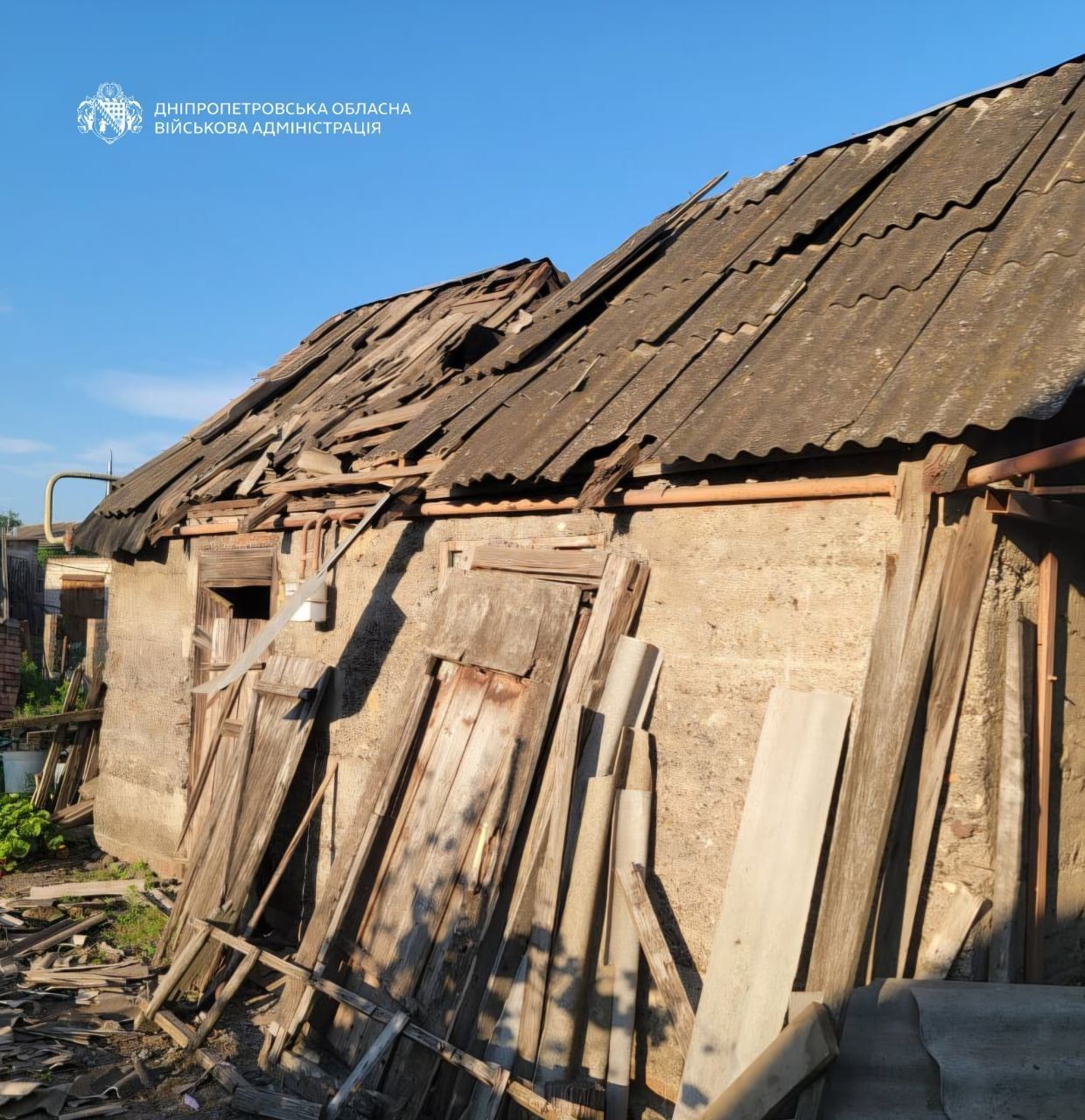
The mission verified at least 274 civilian deaths and 1,763 injuries during the month, the highest monthly casualty toll recorded in the past four years.
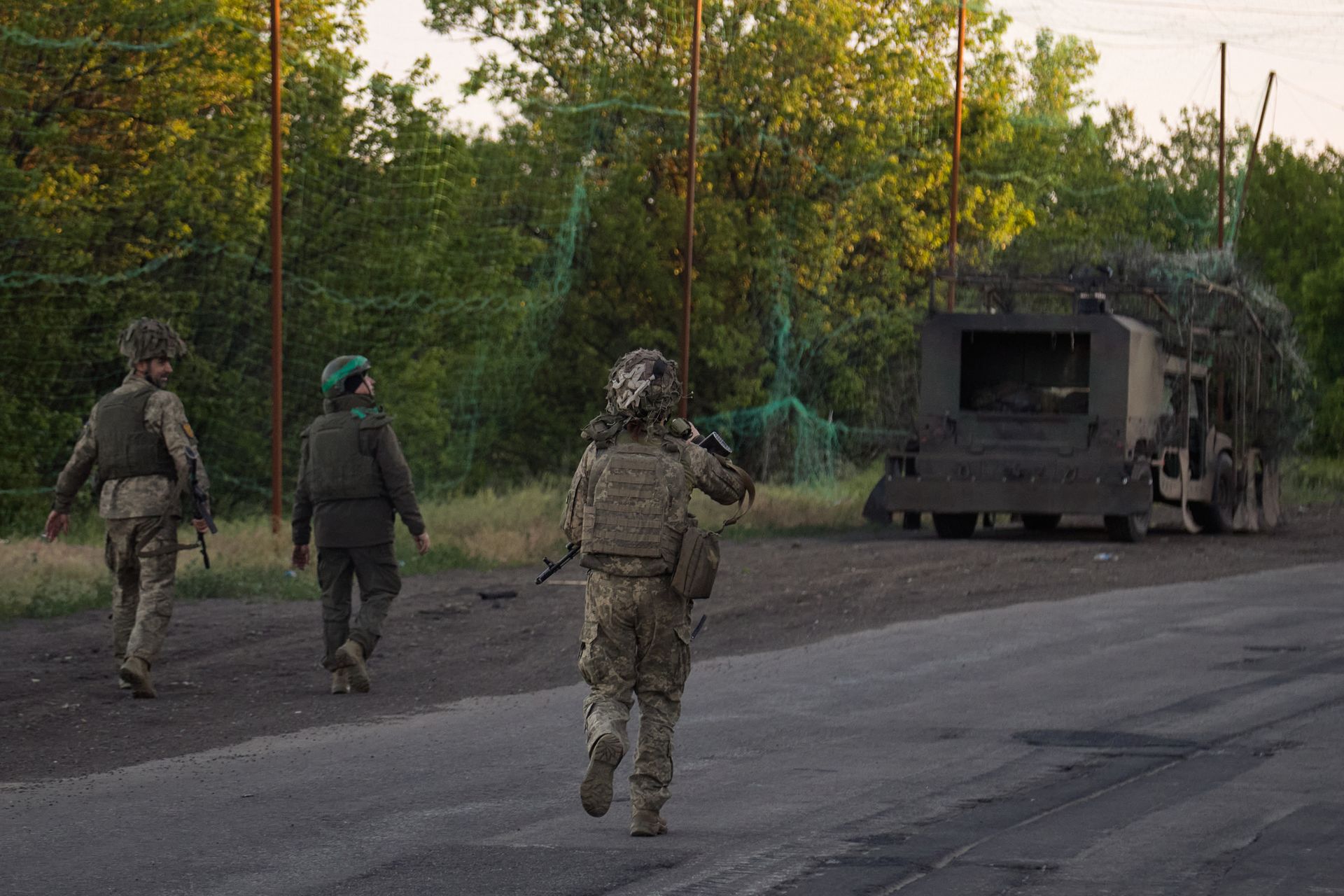
As Russian battlefield gains slow and recruitment drive falters, Ukraine is warning that the Kremlin may finally reach for the measure it has long resisted — a forced mobilization.
According to Kyiv, Moscow is preparing to call up tens of thousands of fresh soldiers to offset its climbing battlefield losses.
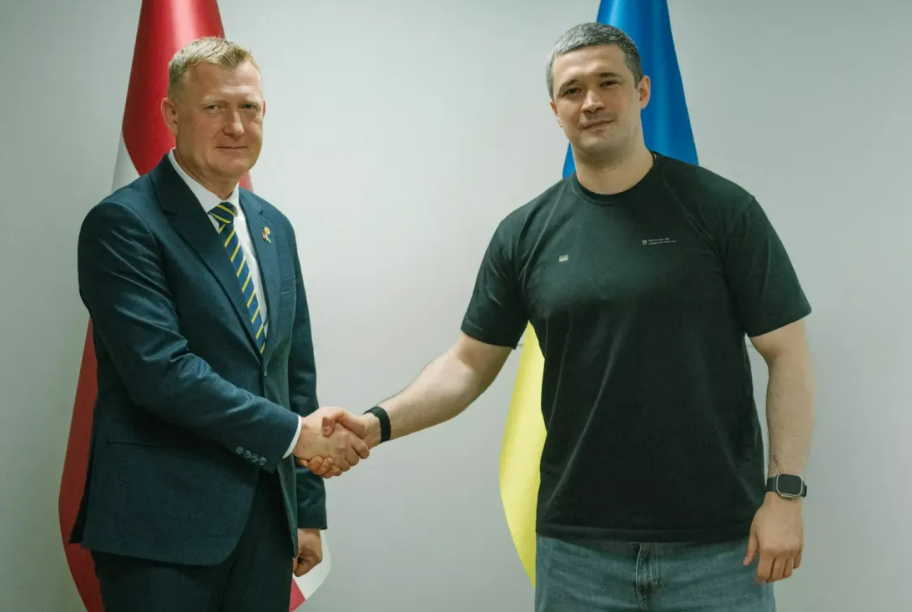
Ukrainian and Latvian defense ministers named specific categories of unmanned systems that will move between the two countries under the Drone Deal, Ukraine's defense minister Mykhailo Fedorov said on 13 June.
Latvia will supply Ukraine with anti-drone systems of Latvian manufacture. Ukraine will supply Latvia with strike drones, ground robotic complexes, and maritime drones, following a Kyiv meeting between Fedorov and Latvian defense minister Raivis Melnis.
The exchange formalizes what until now ran one way. Latvia has been a heavyweight donor of drones and equipment since 2022, pledging 10 million euros to joint defense manufacturing in 2025 alone.
Today's agreement makes Ukraine a supplier to a NATO member for the first time under this format.
"Ukrainian technologies and combat experience help partners adapt faster to the challenges of modern warfare," Fedorov wrote on Telegram, "while support from allies makes it possible to scale solutions that have already proven effective on the battlefield."
The meeting is Melnis's first foreign trip as defense minister. He took office on 28 May after his predecessor Andris Sprūds resigned over a 7 May Ukrainian drone crash near Latvia's Rēzekne oil storage facility — an incident that brought down Prime Minister Evika Siliņa's government.
Before his appointment, Melnis served as the Latvian defense ministry's representative at the embassy in Kyiv.
In a separate meeting on the same visit, Melnis told President Volodymyr Zelenskyy: "We have supported Ukraine and continue to support it with training and our expertise since the very beginning. And now we are asking Ukraine to support us, because there is only one country in the world who knows how to fight Russia, how to stop Russia."
What the Drone Deal opens
The 9 June Drone Deal, signed in Tallinn between Zelenskyy and Latvia's new Prime Minister Andris Kulbergs at the Nordic-Baltic Eight summit, is the sixth bilateral framework Ukraine has concluded under this format.
At the signing, Zelenskyy offered Ukrainian counter-drone experts to Baltic states facing repeated drone incursions. The Fedorov-Melnis meeting gives that offer operational content.
Latvia has spent recent months as the country most exposed to drone spillover from Russia's war on Ukraine. French NATO fighters shot down a drone over eastern Latvia on 8 June — the first NATO intercept on Latvian soil.
Latvia's military chief Kaspars Pudāns warned on 4 June that Russia could exploit its drone manufacturing edge to attack the Baltics by 2028.
Fedorov did not specify volumes, timelines, or financial terms.
Soldiers arrested university student Sama Safi, 20, along with members of Palestinian women’s national soccer team
A 20-year-old Palestinian American woman has been held in Israeli military detention for nearly two weeks after Israeli soldiers stormed her family home in a pre-dawn raid on 2 June.
Sama Safi, a psychology student at Birzeit University in the occupied West Bank, has not been charged with any crimes. A spokesperson for the Israeli military said she and three other women detained around the same time were arrested “after promoting hostile terrorist activity and additional terrorist-related activities”.
L’effectif total des forces armées russes a été porté à 2 399 130 personnes, contre un plafond précédent de 2 391 770. C’est la deuxième fois en seulement quatre mois que Moscou se renforce pour compenser ses lourdes...
In the 1980s, the family shifted its focus toward producing higher-quality wines from its own vineyards. Three generations later, Quinta dos Roques continues to craft wines that express the Dão
Arshile Gorky. — « Composition », entre 1936 et 1937.
Le résultat des élections législatives du 8 juin 2026 semble avoir conforté le tournant pro-occidental du premier ministre arménien Nikol Pachinian ainsi que sa politique en faveur de la paix avec l'Azerbaïdjan. Avec près de 50% des suffrages, son parti « Contrat civil » a nettement devancé ses deux principaux concurrents (Arménie forte et Alliance arménienne, respectivement 23 et 10 %). L'opposition critique la normalisation des relations avec l'Azerbaïdjan tout comme la décision du gouvernement de suspendre en 2024 sa participation à l'Organisation du traité de sécurité collective (OTSC). Cette alliance militaire régionale pilotée par la Russie n'a jamais eu le mandat, ni la volonté, d'empêcher la récupération de l'enclave arménienne du Haut-Karabakh par la force. L'opposition estime cependant que seul le maintien du lien sécuritaire avec Moscou permettra de tenir une position de fermeté vis-à-vis de Bakou alors que le pré-accord de paix signé sous l'égide des États-Unis en août 2025 attend toujours d'être mis en œuvre.
Centrée sur l'orientation géopolitique du pays, la campagne s'est déroulée sous le signe des ingérences croisées. Depuis que le camp pro-européen se trouve affaibli par la répression en Géorgie, l'Arménie fait désormais figure, pour les Occidentaux, de porte d'entrée dans le Caucase, zone d'influence russe. Un mois avant le scrutin, une quarantaine de chefs d'État et de gouvernements du Vieux Continent se réunissaient à Erevan pour le huitième sommet de la Communauté politique européenne (CPE) suivi du premier sommet Union européenne-Arménie. Des annonces en cascade d'investissements — 2,5 milliards d'euros d'ici 2027 — et d'aide économique ont marqué ces rencontres. De son côté, au prétexte de problèmes phytosanitaires, la Russie a entravé les importations arméniennes de fleurs, tomates, concombres et autres produits agricoles, dans le but probable de donner aux électeurs un avant-goût des conséquences économiques d'une prise de distance avec Moscou. Le 29 mai, les présidents biélorusse, kazakh, kirghize et russe ont adopté une déclaration commune au sujet « des risques substantiels pour la sécurité économique des États membres de l'Union économique eurasienne découlant de la préparation de la République d'Arménie à l'adhésion à l'Union européenne » ; ils appelaient Erevan à organiser « dans les plus brefs délais » un référendum à ce sujet.
Ces pressions obligent M. Pachinian à ménager la Russie, de loin son premier partenaire commercial (40% des échanges extérieurs). Le premier ministre arménien a déjà signalé son souhait de rendre visite au président russe dans la foulée du scrutin. Bien que l'Arménie héberge une base militaire russe et aide Moscou à contourner les sanctions occidentale — ses exportations vers la Russie ont presque quadruplé en raison du transit de produits occidentaux sur son territoire arménien — elle ne parvient pas à infléchir la position du Kremlin : il juge impossible la double appartenance d'un pays à la zone de libre-échange européenne et à celle de l'Union économique eurasiatique (UEE), en raison de l'incompatibilité des normes et des risques de concurrence déloyale.
Alors que la presse occidentale l'interprétait comme une menace éhontée, l'appel à l'organisation d'un référendum indique que Moscou souhaite prévenir un scénario à l'ukrainienne, quand, en réaction à l'annulation par le président Viktor Ianoukovitch de l'accord d'association avec l'Union européenne en décembre 2013, une partie du pays s'était soulevée.
Ancient Greek woman taking bread out of the oven. Terracotta figure . 5th century BCE found in Tanagra. Exhibited at the Louvre Museum. Credit: Marie-Lan Nguyen CC BY 2.5
The ancient Greeks used to make a wide variety of breads, as they considered it to be of great importance in their eating habits.
Wheat, considered a gift from the goddess Demeter, was highly valued by the Greeks, who particularly preferred the hulled varieties. Barley, however, thrived in larger regions of mainland Greece. The varieties of wheat and barley with hulls had to be dried to separate the grain before they could be ground. Most Greeks, however, even in areas where wheat cultivation was economically unprofitable, were fond of wheat bread.
Bread made from hulled barley and porridge formed the basis of the ancient Greeks’ diet. The bread was enriched with olive oil and flavored with herbs, spices or honey.
Athenian bread was renowned for its excellent quality and was a source of pride for the Athenians, who imported wheat as the soil of Attica was unsuitable for its cultivation. Thearion, an Athenian of the 5th century BCE, had the honor of being considered the inventor of bakery ovens, and probably of the first bakeries.
Plato mentions Thearion the baker as one of the three people who “were the best caretakers of the human body.” The other two were Mithaecus, a Sicilian, the first known cookbook writer, and Sarambus, a famous wine maker.
The ancient Greeks showed great ingenuity and skill in the art of baking. Athenaeus cites many serious studies on the subject and lists over seventy different types of bread.
Breads were distinguished according to the grain used in their preparation: wheat, rye, millet and spelt. The last three were used only out of necessity, as everyone preferred wheat.
There was bread made from various types of flour: white bread made from finely sifted flour, black bread made from wholemeal flour, which was healthier. Nevertheless, ancient Greeks preferred white bread, because they considered it more refined and better tasting.
Bread was leavened with or without yeast and could be differentiated according to the baking method: oven bread, bread baked on embers or in a pan over the fire into which they put a filling and then dipped it in wine. Delicious, if we believe the praises of the poets: “bread spread from embers, a soft and delightful combination.” Also, some baked the dough on a spit.
The various liquids, fats and spices added to the flour could vary the density and taste of the bread. Wine, milk, cheese and honey, separately or combined in some way, as liquids, oil, ghee or lard as fats, but also poppy seeds, sesame and linseed are most often mentioned as spices.
Finally, the bread would be filled with various types of cheese, raisins and other nuts, sweet or savory ingredients. The bread was often served as a plate, on which meat or fish was placed.
Bread was kneaded and baked in homes, seasoned with sea salt for better taste.
In the Great Dionysia festivals, participants brought with them baskets containing wine, water and bread, which was needed for the sacrificial offerings. Ancient texts show that the Greeks offered bread to the gods, which they called the Gods’ Breads (Θειαγόνους Άρτους).
In the temple of Demeter in Eleusis, during the Thesmophoria feast, a large loaf of bread was offered to the goddess. The festival got its name Megalartia (meaning large bread) from the bread offering.
There was fierce competition among ancient Greek cities for which one produced the best bread. Athens boasted of Thearion, its best baker, whose name was found in the writings of many authors.
At weddings in ancient Macedonia, the bride’s parents cut the bread in two and the future husband tasted both portions. The custom was followed at the wedding of Alexander the Great to Roxane.
In ancient times, Cyprus was one of the granaries of the Greek world. According to Pliny, the wheat of Cyprus produced a famous brownish-yellow bread.
According to Diogenes Laertius, the smell of fresh, warm bread kept the wise man Democritus alive for three days so that his sister could take part in the Thesmophoria festival, in honor of Demeter. Thus, Democritus “hosted death in his house for three days and treated him to fresh, warm bread.”
Hippocrates mentions various types of bread made from wheat flour, sifted or not, with or without leaven, with bran, with bulgur, with honey and cheese, oil, poppy seeds and sesame seeds.
In the German Bread Museum in the city of Ulm, the most beautiful exhibits are four Greek figurines with female figures from the 5th century BCE, originating from Boeotia. The figurines depict the grinding of wheat in a mortar, the shaping of dough, the baking of bread, and the loaves ready for sale and eating.
In Rome, bread became popular and in 500 BCE, when the well-off Romans insisted on expensive white bread. Bread also played an important role in Roman weddings. In ancient Roman wedding ceremonies, the two families that were joining ate bread together.
Types of ancient Greek breads
There were at least 72 types of ancient Greek breads, named after the added ingredients used or the kneading, preparation method or baking procedure. Several of them are still made today in slight variations.
Alifatitis (Αλιφατίτης): a well-known bread made with added oil. It also contained animal fats. Similar to today’s puff pastry made with butter, a bread recipe of the ancient Greeks according to Larousse Gastronomique encyclopedia.
Artolaganon or laganon (Αρτολάγανον or λάγανον): a flavored bread with the dough rolled out thinly like a small pita and fried in oil. Artolaganon was the ancestor of today’s lagana which Greeks eat on Clean Monday. It was made with good quality flour.
Atabyritis (Αταβυρίτης): a round-shaped bread of the ancient Greeks that had a lot of crumb, and was particularly nutritious and fattening.
Vlomiaios bread (Βλωμιαίος άρτος): a bread with notches to make it easier to divide into pieces. Vlomiaios bread was usually octavlomos, that is, divided into eight pieces (vlomos: a small piece of bread).
Egrides (Εγκρίδες): made with soft dough like pancakes that was dipped in oil and honey.
Thridakini (Θριδακίνη): bread with the dough mixed with wild lettuce.
Plytos or Vasinias (Πλυτός or Βασυνίας): boiled bread. When boiled, it floats in the water. It is made in Crete (boiled buns) and is the ancestor of the Jewish bagel. There are mentions of this bread offering to goddess Iris on Delos island.
Krivanitis (Κριβανίτης): bread baked in a krivanos, that is, in a mobile clay oven.
Obelias (Οβελίας): it got this name because it was baked in special molds, the “obelisks” (spits) and because it was sold for an obol (όβολο), a small value coin.
Chondritis (Χονδρίτης): bread made from coarsely ground cereals.
Paxamas (Παξαμάς): a type of hard rusk. The name belongs to the baker (Paxamos) who had introduced it. The rusk was baked twice.
Plakountas (Πλακοῦς): was a sweet that had similarities to the modern cheesecake-type dessert. The sweet consisted of several layers of dough filled with honey and soft cheese. Its main ingredients were flour, cheese and honey. The dough of the plakountas was enriched with milk, fat, herbs and spices.
Pyritis bread (Πυρίτης): hulled wheat bread, from the ancient Greek word πυρός meaning the heart of the wheat seed.
Streptikios (Στρεπτίκιος): bread kneaded with milk, oil and honey. It was prepared by twisting the dough with the shape of the Easter tsoureki.

 Login
Login