Bernardo Valente sublinha que o possível acordo entre o Irão e os EUA é frágil e reflete o declínio da hegemonia americana. Acrescenta ainda que a Ucrânia já ataca em profundidade na Rússia.
Em causa cerca de 600 milhões de euros. O Ukrinform adianta que o FMI e o governo ucraniano chegaram a um acordo técnico, que abre caminho para que a Ucrânia receba a próxima parcela do empréstimo.
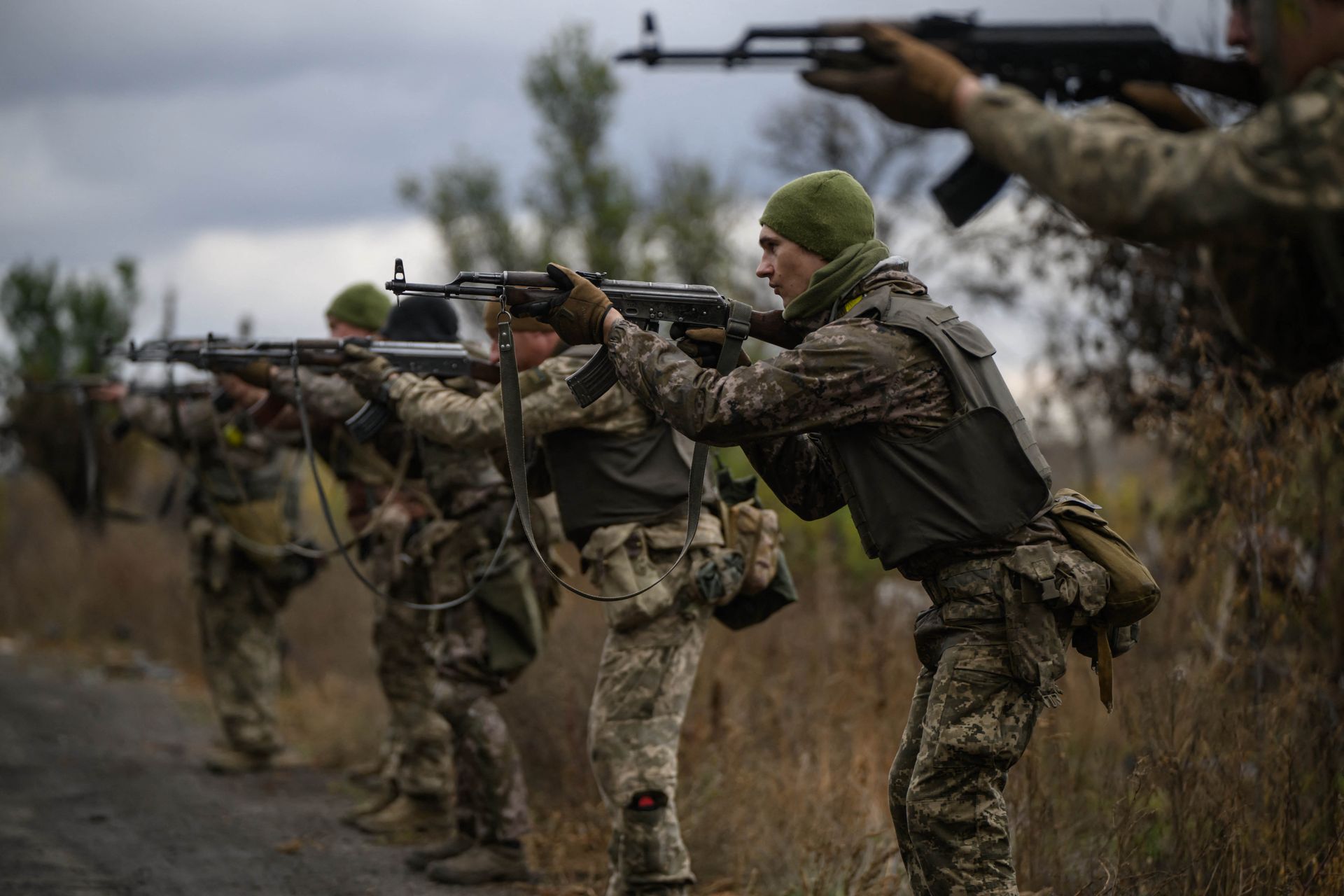
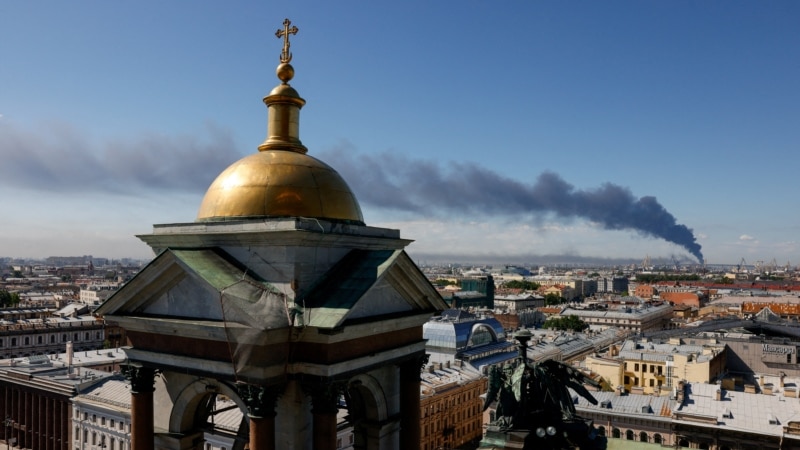
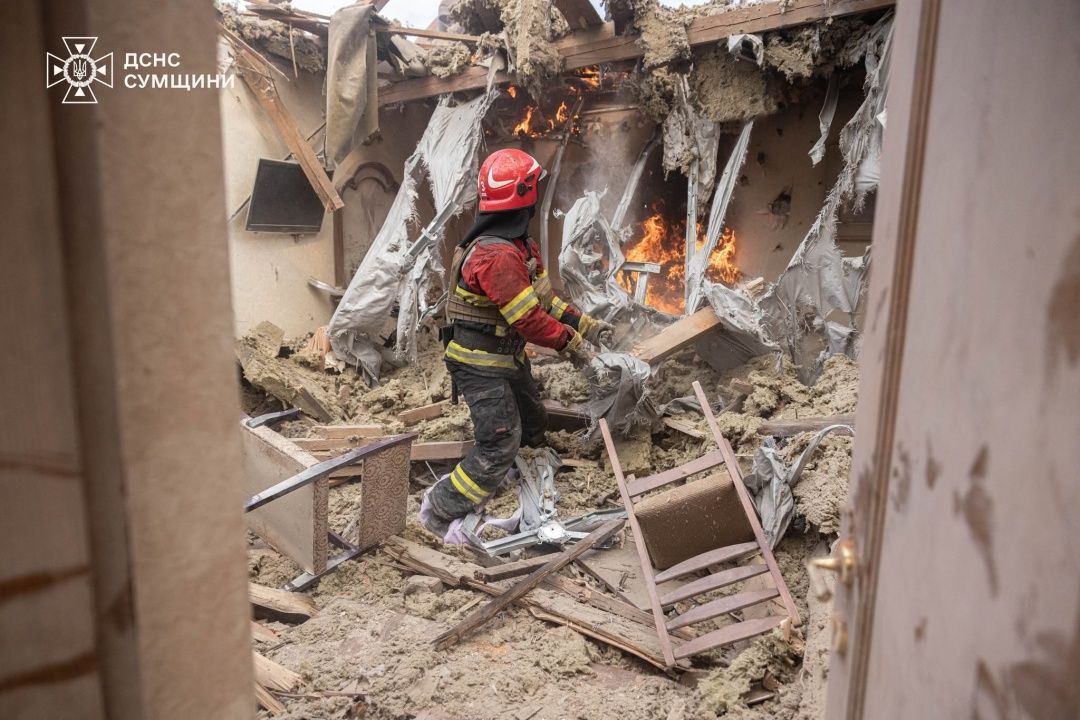
No dia em que a Federação Russa celebra o feriado nacional, uma vaga de ataques com drones ucranianos atingiu infraestruturas energéticas e petroquímicas vitais no centro do país.
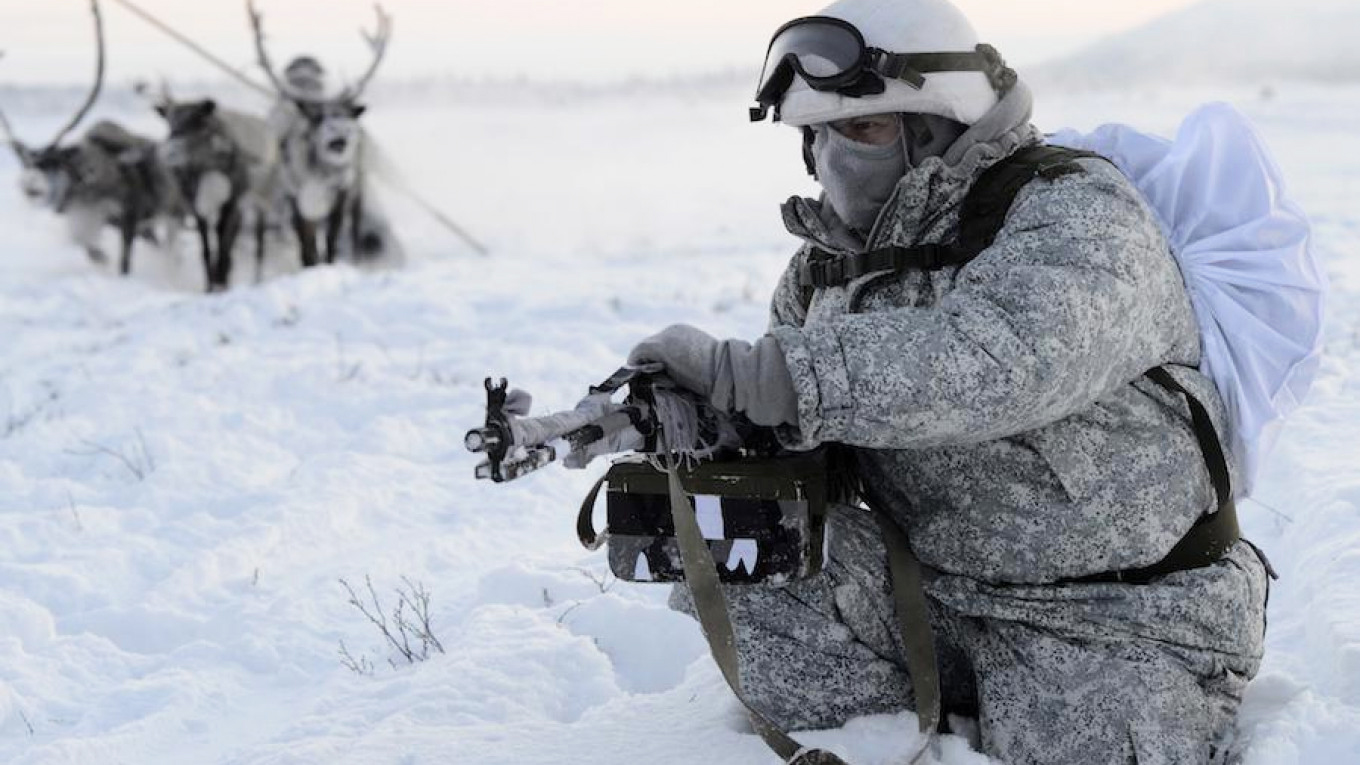
In another indication of the growing military and economic importance of the Arctic, Russia and NATO are increasing their buildup of forces and facilities in the region. Recent media investigations found that Russia is constructing new bases near Finland to eventually house tens of thousands of troops while NATO on Saturday stood up a long-planned new battalion battlegroup. It is a force that will operate in Finland and Sweden as a deterrent against Russia.
While Russia remains totally bogged down and suffering high attrition in Ukraine with little chance of moving masses of troops to the Arctic at the moment, concern over the future has spurred NATO to bolster its presence along the Finnish border. Having moved to a wartime economy during the full-on conflict with Ukraine, Russia could leverage that in a post-Ukraine war future to threaten NATO’s borders.
A NATO official told us Friday morning that while the alliance assesses that the chances of a near-term conflict are low given the war in Ukraine, “Moscow could seek to expand westward into the Nordic and Baltic nations after a ceasefire with Ukraine.”
Swedish soldiers take part in training on the Finland/Norway border during the Nordic Response military exercise on March 09, 2024 in Kivilompolo, Finland. (Photo by Leon Neal/Getty Images) LEON NEAL
Russia appears to be investing in infrastructure in preparation of such a contingency. A joint report by several Nordic and Baltic media outlets published earlier this week has found that Russia is expanding military facilities along its borders with Norway and Finland to accommodate tens of thousands of new troops.
“New satellite images show that Russia is increasing its armament in [the] vicinity,” the report stated. “SVT, together with media partners in several countries, has examined how Russia is preparing for 80,000 soldiers… It is a threat that we should take seriously, says Thomas Nilsson, head of Sweden’s military intelligence service (MUST).”
The images “show new barracks for thousands of soldiers, long lines of military vehicles and ammunition storage,” the report further noted. “All winter, Russia has been building new military structures in several places on the other side of the Finnish border.”
“We expect to have 80,000 soldiers on our border and that can be compared to the fact that we previously had 20,000,” Finnish Army Chief Pasi Välimäki told the joint investigation.
A joint investigation by Nordic and Baltic media outlets found that these developments could enable Russia to deploy a force of up to 115,000 military personnel in the Northern European and Baltic regions. pic.twitter.com/ZiVpsP3fEz
A separate report by the Finnish Yle media outlet found that the Russians are expanding a base in the town of Novaya Vilga to hold as many as 6,000 Russian troops. It is located about 100 miles east of the Finnish border.
Breaking News: Where exactly is Russia building its massive new military garrison?
“NATO has monitored a buildup of military infrastructure in Russia along NATO’s Eastern Flank, particularly along Finland’s border,” the NATO official told us earlier this week. “The real question is what becomes of the infrastructure? Will, for example, Russian troops now in Ukraine be relocated there after the war? It’s something we certainly need to consider, and we do.”
“That’s why NATO and nations are working to deliver real military capabilities to the alliance now, not five to ten years from now, which is so very, very important,” the official added.
A Swedish soldier takes part in a training exercise during the Nordic Response military exercise on March 09, 2024, in Kivilompolo, Finland. LEON NEAL
One of those efforts, as we noted earlier in this story, was stood up on Saturday, involving NATO’s two newest members.
NATO’s Forward Land Forces (FLF) Finland began operations in Finland and Sweden, according to the alliance. The FLF will include NATO’s newest multinational battlegroup, led by Sweden, “to support the defense of NATO’s northeastern flank.”
The establishment of FLF Finland places a Swedish battlegroup based in Boden, Sweden, and a Multinational Staff Element in Rovaniemi, Finland, under the command of the Supreme Allied Commander Europe (SACEUR) and NATO.
The NATO Forward Land Forces Finland (FLF) was established on June 6, 2026. (NATO Photo by OR-7 Dennis Sattler) MSgt OR-7 Dennis Sattler; DEU Army
“Sweden is contributing a battalion battlegroup that, together with a Multinational Staff Element in Rovaniemi, will form the core of FLF Finland,” NATO added. “The Swedish battalion battlegroup is prepositioned in Boden, with capacity to operate in the North Calotte and, where necessary, rapidly reinforce the presence in northern Finland. In 2026, Sweden’s contribution to FLF Finland will total around 600 personnel, with the option to expand to 1,200 personnel if needed.”
“This region is one of the most strategically significant and environmentally challenging areas in the world,” said U.S. Air Force Gen. and SACEUR Alexus G. Grynkewich. “FLF Finland, just like Arctic Sentry, will leverage NATO’s strength to defend our territory and ensure the Arctic and High North remains secure, especially considering Russia’s military activity and China’s growing interest there.”
The U.S. too is working to improve its presence and operations in the region. During last month’s SOF Week symposium in Tampa, Florida, the head of U.S. Northern Command (NORTHCOM) announced the formation of Nordic Bridge to “tie together” the work of U.S. European Command, North American Aerospace Defense Command (NORAD) and SACEUR.
Air Force Gen. Gregory Guillot provided no real details about Nordic Bridge at the time, so we reached out to NORTHCOM for additional details.
“The Nordic Bridge concept seeks to enhance Arctic integration between U.S. Northern Command and U.S. European Command and enhance cooperation between NORAD and NATO in order to expand domain awareness, strengthen deterrence, and improve interoperability,” a NORTHCOM spokesperson told us last month. “It envisions increased participation in each other’s training and exercises, increased data sharing (such as air pictures), deconflicting conferences to maximize personnel availability and participation, etc.”
Last month, Guillot visited Grynkewich “to discuss opportunities under this concept,” the NORTHCOM spokesperson told us.
U.S. Marine Corps Lance Cpl. Thomas Teague, a motor vehicle operator assigned to Combat Logistics Battalion 6, Combat Logistics Regiment 2, 2nd Marine Logistics Group, provides security for a convoy during offensive and defensive operations in Syndalen, Finland during exercise Freezing Winds 23 (FW23), Nov. 30, 2023. (U.S. Marine Corps photo by Lance Cpl. Christian Salazar) Cpl. Christian Salazar
All this is taking place, of course, against the backdrop of President Donald Trump’s frequent insistence that the U.S. subsume Greenland to provide better Arctic protection for the U.S. homeland. The issue reached a fever pitch earlier this year, causing a serious rift with NATO after the president threatened to invade the world’s largest island. You can read more about that in our story about the crisis here.
While there are no indications that the Arctic region is about to break out into open conflict, there are several indications that Russia, NATO and the U.S. are increasing preparations for such an eventuality.
Gabbard (ODNI): “US government funding for more than 120 biolabs in over 30 countries”
«Today, I’m releasing never before seen intelligence revealing new evidence of past US government funding for more than 120 biolabs in over 30 countries, including Ukraine».
After months of searching through Intelligence Community holdings and files, Director of National Intelligence (DNI) Tulsi Gabbard is revealing new evidence of longstanding United States government funding for more than 120 biolabs in over 30 countries.
«In support of President Trump‘s Executive Order to end federal funding of dangerous gain of function research around the world, and increase transparency and accountability, ODNI will continue working with partners across the Administration to identify where these labs are, what pathogens they contain, and what “research” is being conducted» Gabbard added in her X video.
Gain of Function (GOF) is a technique for laboratory virus enhancement similar to the principle of uranium enrichment in nuclear power. It has been used in the context of DURC (Dual Use Research Concern) protocols, where “DUAL” stands for dual use: for medical purposes, for vaccines, or for military purposes, for biological weapons.
It has been confirmed by several experts during the depositions before the US Congressional Committees that the infamous virologist Anthony Fauci, (former director of the NIAID), accused of having built the SARS-Cov-2 in the laboratory, used the GOF in his experiments on pathogens conducted in American laboratories and coordinated in those abroad such as in Wuhan and Ukraine.
A Bombshell that confirmed American Bioweapons in Ukraine
«These biolabs include labs in Ukraine, which may be at risk of compromise due to the ongoing Russia-Ukraine war» the ODNI official Statement pointed out.
The Intelligence Community previously “warned that a US-funded biolab in Ukraine likely housed dangerous pathogens and remained vulnerable to longstanding threats of Russian attack, seizure, or damage”, despite just Moscow troops denounced this risk to international autorities,,,
The dossier, currently consisting of four slides packed with data, appears to be a political bombshell because it confirms what Russia and Gospa News have reported regarding the Ukraine Biolabs case.
It is, however, of fundamental importance because it confirms, without any doubt, the existence of experiments on viruses suitable for turning them into American bioweapons…
Gabbard’s declassified dossier therefore contains everything necessary for a frontal attack on the Obama and Biden administrations, which opened 12 of those laboratories in Ukraine under the aegis of the Pentagon in 2012, thanks to former CIA Director Leon Panetta.
This new evidence confirmed also the dangerous researches on many lethal viruses as Ebola and SARS, the responsible for Covid-19 in new SARS-Cov-2 genotype.
But it hasn’t enough details to affirm that almost all the viruses causing recent epidemicswere engineered according to research on synthetic and recombinant pathogens constructed by American biolaboratories, as revealed by a USAF dossier.
This thesis was supported by General Igor Kirillov, commander of the Russian Troops for Chemical, Biological and Radiological Protection, later killed in an attack by the Ukrainian secret services supported by the intelligence of various NATO countries, primarily the British MI6 counterintelligence but also the American one of the CIA…
The now declassified dossier therefore appears to be the “swan song” of the enterprising director of the ODNI, which coordinates all 18 American federal agencies, and an attempt to debunk theories according to which she was induced to resign precisely after announcing a thorough formal investigation into US biolaboratories…
ODNI: “Evidence regarding the full existence and funding of these laboratorie”
«Until now, evidence regarding the full existence and funding of these laboratories had been knowingly withheld from the American people. The information surrounding the existence, history, locations and funding of these US funded biolabs has been intentionally covered up by powerful people falsely, claiming that they do not exist and accusing anyone who says otherwise to be foreign assets and traitors to America» the ODNI statement adds.
According to Gabbard official note, «many of these U.S. government-funded biolabs are currently or have previously engaged in research using hazardous and highly contagious pathogens, in some cases to include dangerous Gain-of-Function research, with very little visibility or oversight».
President Trump understands the serious threat dangerous Gain-of-Function research poses to the American people, which is why he took decisive action on May 25, 2025, signing EO 14292 to end federal funding of Gain-of-Function research around the world, ODNI recalled.
“Despite the obvious potential for catastrophic global impact research on dangerous pathogens in biolabs can have, politicians, so-called health professionals like Dr. Fauci, and entities within the Biden administration’s national security team lied to the American people about the existence of U.S.-funded and supported biolabs, and threatened those who attempted to expose the truth. ODNI will continue to work closely with partners across the government to identify where these labs are, what pathogens they contain to end dangerous Gain-of-Function research that threatens the health and wellbeing of the American people and people around the world,”said DNI Gabbard.
DNI Gabbard issued new guidance to the Intelligence Community directing increased collection on these laboratories and facilities overseas.
«This directive is already providing new details on clinical trials that are underway at these facilities, raising significant ethical, financial, and security concerns regarding these supposed public health initiatives and U.S. national security» the ODNI official statement concluded.
The last slide on US BioWeapons Defense industries confirmed the most part of the name we have previously revealed in our investigation as Metabiota, a Pentagon and CIA contractor focused on data science and analytics company focused on mitigating global risks from infectious diseases and funded even by Hunter Biden, son of president Joe.
Fabio Giusepepe Carlo Carisio – Gospa News Director and Founder
The director of US National Intelligence (DNI) has released evidence that her office says shows "longstanding" United States government funding for more than 120 biolabs in over 30 countries where research on biological pathogens, some dangerous, is conducted.
O impedimento do uso da Starlink pela Rússia tem permitido ataques de drones ucranianos e recuperação de território. No Dia Nacional, Putin afirmou que rede de satélites russa está a ser ampliada.
O impedimento do uso da Starlink pela Rússia tem permitido ataques de drones ucranianos e recuperação de território. No Dia Nacional, Putin afirmou que rede de satélites russa está a ser ampliada.
Historiador Bruno Cardoso Reis acredita que Trump vai clamar vitória aconteça o que acontecer no Irão. Fala numa necessidade política para o presidente dos EUA numa altura em que perde popularidade.
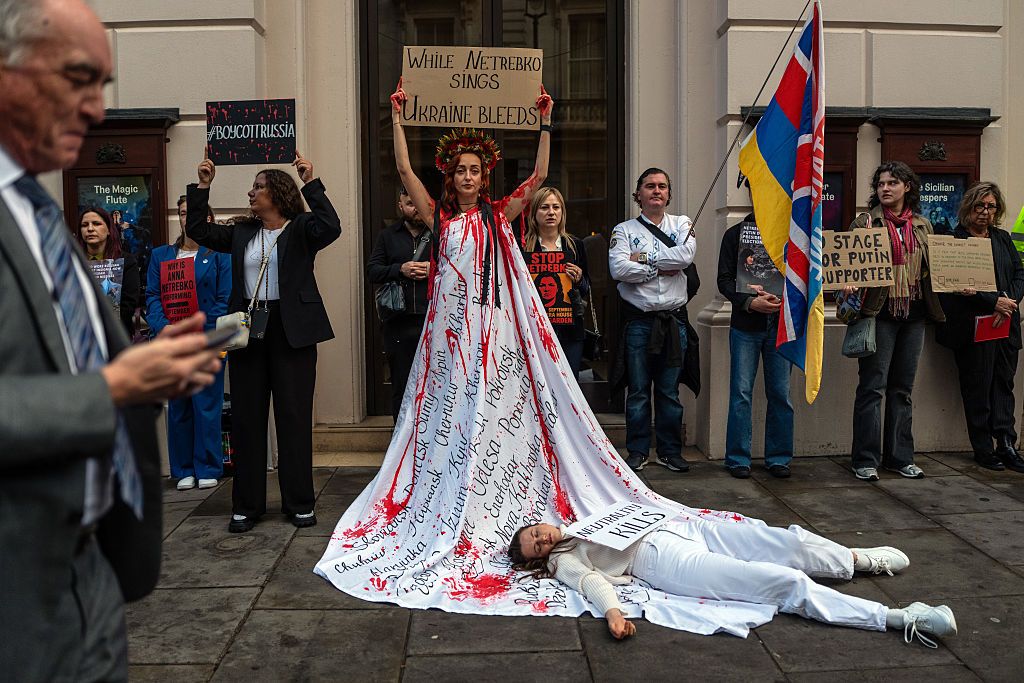
As Ukraine and Moldova move closer to the European Union on June 15, Russian opera star Anna Netrebko will take the stage at the Philharmonie Luxembourg next door.
The contrast reflects a growing, worrying trend across Europe where some of the Russian cultural figures once boycotted after 2022 for their
After four years of zero diplomacy, multiple rounds of economic sanctions aimed at crushing the Russian state, and hundreds of billions of euros fueling a futile war in Ukraine against Russia, European capitals are lately abuzz with calls for opening peace negotiations with Moscow.
No doubt part of the shifting policy is due to the economic mess that Europe has created for itself by cutting off energy trade with Russia. Escalating energy costs are destroying European industries and imposing crippling financial hardship on millions of its citizens. Realizing the self-inflicted disaster, European capitals are desperate to appear to be normalizing relations with Russia and resume affordable energy supplies.
France and Italy are advocating the appointment of an envoy to engage with Russia to resolve the conflict and the lifting of anti-Russian sanctions.
Last weekend, the leaders of Britain, France, and Germany – the so-called E3 – stated that they would “help mediate” a peace deal between Ukraine and Russia. The Ukrainian puppet president, Vladimir Zelensky, was feted in Downing Street on June 7 by Britain’s Kier Starmer, France’s Macron, and Germany’s Merz. They proposed taking the lead in negotiations from the United States since President Trump seems more preoccupied with ending the war against Iran.
Various names have been suggested as to who could serve as an interlocutor representing Europe. Angela Merkel, the former German Chancellor, and former Italian Prime Minister Mario Draghi are two names that have been put forward. Finnish President Alexander Stubb has also been suggested. It’s unlikely any of them would be acceptable to Moscow, especially Merkel, mainly due to her past role in covertly undermining the 2015 Minsk Accords, thereby sowing the seeds for war that erupted seven years later.
The telling – almost laughable – thing is the paucity of any European figure with credibility as an envoy.
The EU’s top diplomat, Kaja Kallas, has become a laughing stock over her rank incompetence. Her Russophobic ranting has rendered her redundant in conducting foreign policy. So much so that there is a revolt among European diplomats against what they declaim as her “dysfunction”.
This week, Europe sent three ambassadors to Moscow to renew some form of dialogue. Russia’s deputy foreign minister, Mikhail Galuzin, met with representatives from Britain, France, and Germany. The Russian foreign ministry said it was open to hearing what Europe had to say.
However, Galuzin reportedly gave the visitors short shrift, reminding them that Europe cannot pose as mediators when it is a participant in the war against Russia.
Following the meeting on Thursday, Maria Zakharova, the foreign ministry spokeswoman, dismissed the European mission as not serious about addressing the challenge of finding a peace settlement.
Zakharova accused the ambassadors of promoting a “dead-end Zelensky formula.”
She said: “The leaders of these countries are pretending, through their statements, to be calling for peace, but in reality they are putting forward unacceptable conditions, increasing the production of long-range weapons for Kiev and generally taking steps towards the militarisation of Ukraine and Europe.”
If Europe were serious about peace, it would stop arming the Kiev NeoNazi regime and show some meaningful acknowledgment of Russia’s long-held demand to deal with the root causes of the conflict.
Europe’s backing of the Kiev regime’s call for an immediate ceasefire while expanding Ukraine’s ability to carry out deep strikes on Russian territory with European-manufactured drones, killing hundreds of civilians over recent months, is just a cynical ploy to rearm the proxy regime and give it some respite in order to resume the war with more lethal vigour at a later stage.
The duplicity of the European politicians goes back to the treachery of the Minsk Peace Accords in 2015 and the sabotage of the Istanbul peace negotiations in April 2022. That has culminated in the biggest war in Europe since World War Two, with millions of casualties and a real threat of spiralling into open war.
Europe’s governments and its EU and NATO bureaucrats are still wedded to the ideology of inflicting a strategic defeat on Russia. So, too, it seems is Washington, despite Trump’s talk of wanting peace.
Arming the Nazi regime in Kiev at an increasing pace while calling for a superficial ceasefire is proof that the European leaders are not authentic in their belated espousal of seeking diplomacy with Russia.
Former German foreign minister Sigmar Gabriel (2017-2018) recently pointed out a shameful truth when he said that Europe lost its chance for diplomacy in 2021.
Back then, the EU leadership and the American Biden administration both repudiated Russia’s earnest efforts to negotiate a way to avoid war in Ukraine. Moscow had clearly set out its objections to NATO expansion, in particular, the absorption of Ukraine into the military alliance, and it proposed rational solutions for collective security. Russia’s diplomacy was rejected out of hand by Washington and Brussels.
The Europeans and the Americans were bent on provoking Russia into an armed confrontation with their proxy Ukrainian regime that they had installed in the 2014 coup and weaponized. Diplomacy was rejected because the NATO axis calculated that it could defeat Russia with war and economic strangulation, or, as some Western politicians admitted, “total war”.
The European agenda, as reflected in demands for an immediate ceasefire without any cognizance of Russia’s arguments about historic claims and indivisible security, demonstrates that European leaders are not yet ready or willing to engage genuinely and meaningfully.
As 18th-century Prussian strategist Carl von Clausewitz might put it, their recent overtures for political talks are simply war by other means.
The Russia Day concert, an annual tub-thumping Red Square performance, is canceled for the first time in 23 years. The marquee annual air show is canceled. The Victory Day parade was notably lower key. Ukraine’s expanding drone campaign is taking its toll on big, splashy Kremlin-backed events.
Historiador Bruno Cardoso Reis acredita que Trump vai clamar vitória aconteça o que acontecer no Irão. Fala numa necessidade política para o presidente dos EUA numa altura em que perde popularidade.
Vladimir Putin is losing the war he started. His army occupies every kilometer at a cost no economy can sustain, and the goals set in February 2022 have quietly vanished from his staff maps.
But this war has more than one front, and one of them runs through Poland. On
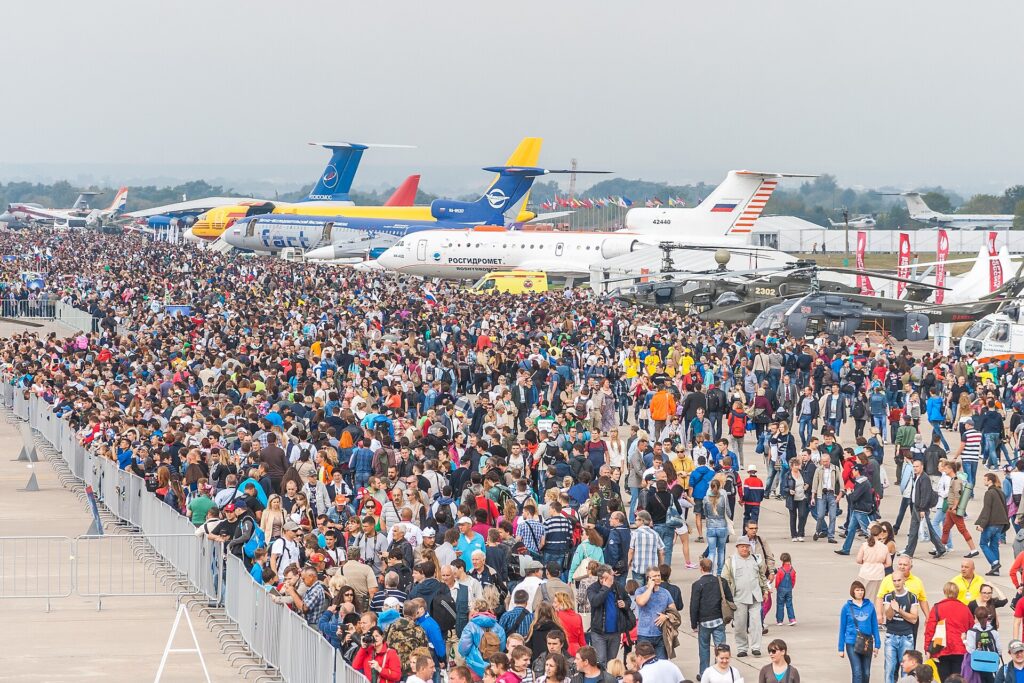
Russia has removed the International Aviation and Space Salon (MAKS) from its 2026 exhibition calendar, effectively cancelling the event for a fourth consecutive year and pushing its return to 2027, according to a government order cited by The Moscow Times.
The exhibition was once a flagship showcase for Russia’s aviation and defense industry, drawing international delegations and major arms manufacturers. Its continued suspension highlights how the war has increasingly affected even symbolic elements of Russia’s defense sector.
The decision also affects the Hydroaviasalon air show, which has been shifted to the same year. No official reason was given for the move.
MAKS repeatedly postponed since 2021 amid wartime disruptions
MAKS, traditionally held at Zhukovsky airfield near Moscow, was last staged in person in 2021, prior to the full-scale invasion of Ukraine. Since then, it has been repeatedly downgraded or postponed, with online-only formats replacing physical displays in 2024–2025.
The cancellation comes as Russia continues to scale back or relocate major public and symbolic events under what officials describe as a “security situation” linked to the war, The Moscow Times reports.
Ukrainian deep-strike campaign increasingly reaches Moscow region
In recent months, Ukrainian long-range drone operations have increasingly reached Moscow and the surrounding oblast, targeting infrastructure tied to military production and logistics.
Strikes reported in May hit industrial sites in and around the capital, including facilities linked to electronics and fuel distribution networks, while Russian authorities have acknowledged repeated drone incursions over the wider Moscow area.
Ukraine launched its largest drone attack on Moscow yet, targeting more than a dozen facilities across the city and Moscow Oblast.
— Euromaidan Press (@EuromaidanPress) May 17, 2026
Expanding reach of Ukraine’s long-range strike strategy
Analysts say the pattern reflects a broader shift in Ukraine’s deep-strike campaign, which has expanded from border regions and occupied territories to more frequent attempts to penetrate central Russian air defense layers. The goal is not only economic pressure, but also disruption of systems tied to command, production, and energy supply.
Ukrainian officials have not commented on the MAKS decision, but Kyiv has repeatedly framed long-range strikes as a response to Russian attacks on Ukrainian cities and infrastructure.
The suspension of MAKS also follows a wider trend of reduced large-scale public events in Russia since the start of the full-scale invasion of Ukraine in 2022, including scaled-back national celebrations and security-restricted gatherings in Moscow.
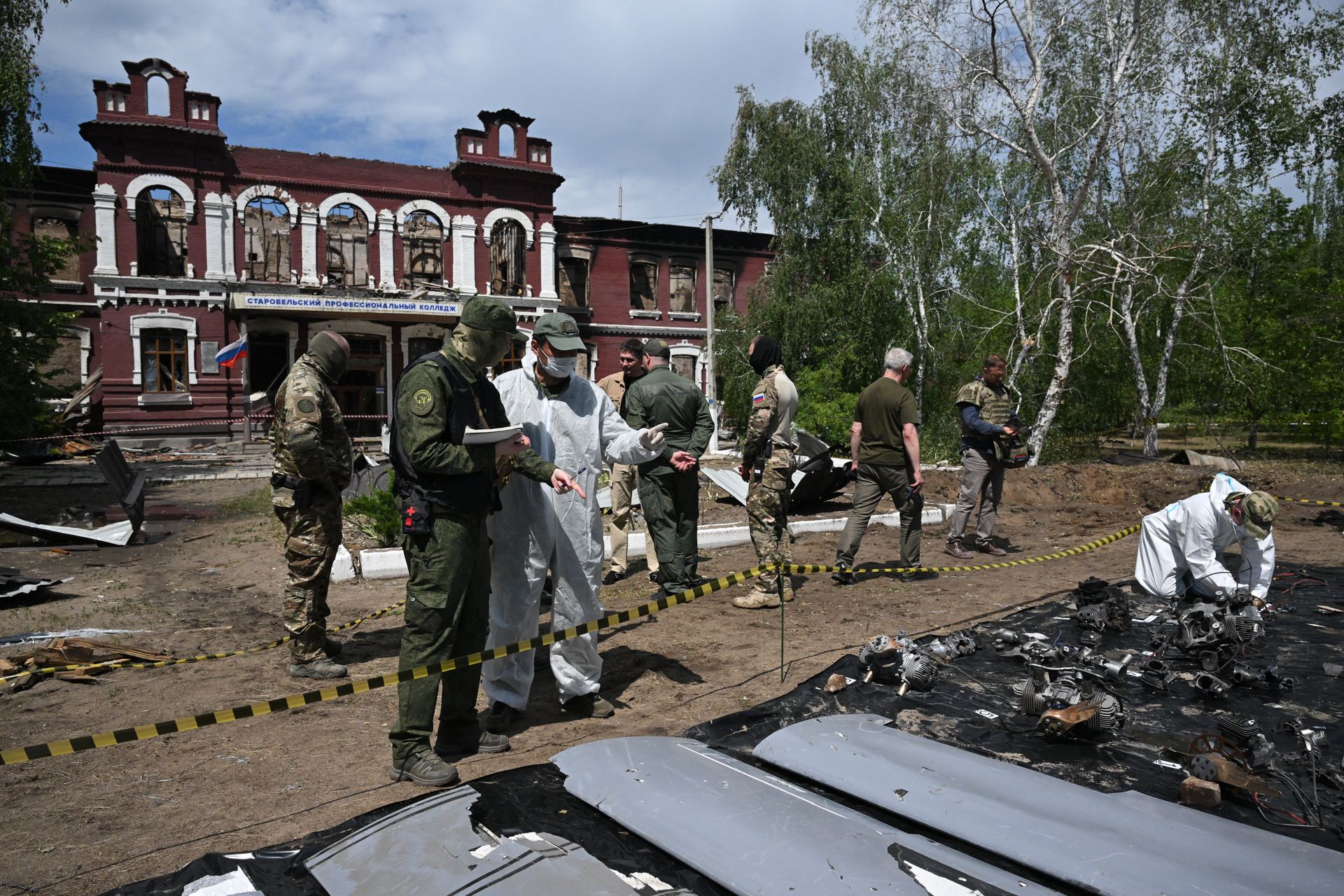
When a Ukrainian strike hit Russian-occupied Starobilsk on May 22, Moscow seized on the attack almost instantly, with Russian officials claiming that 21 students of a local vocational college were killed and dozens more injured and portraying the strike as a deliberate attack on civilians — which Ukraine denied.

 Login
Login