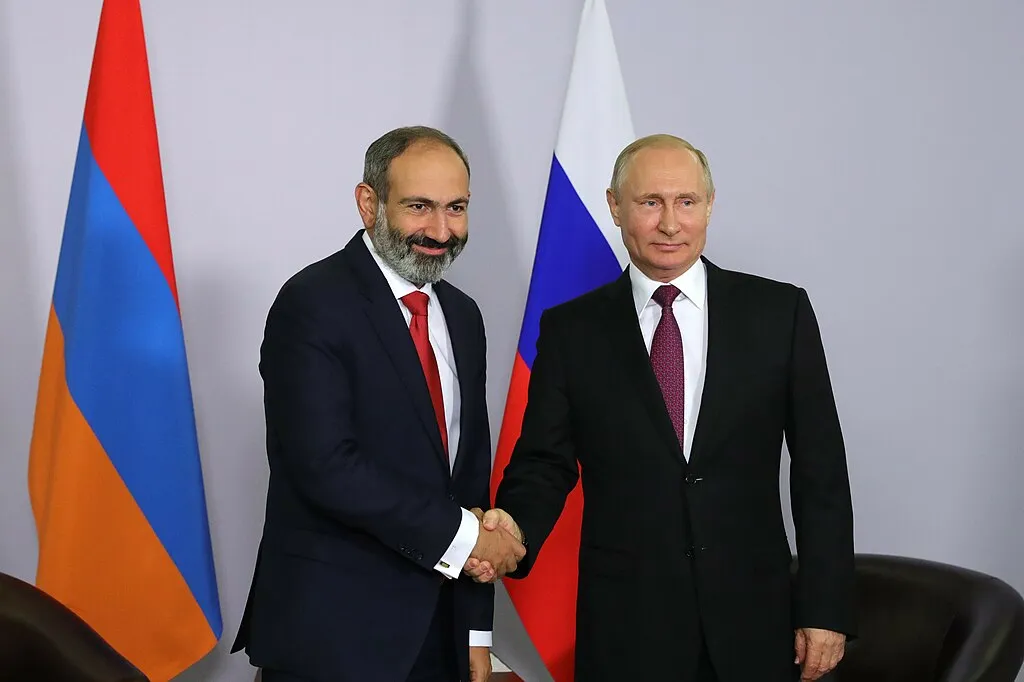
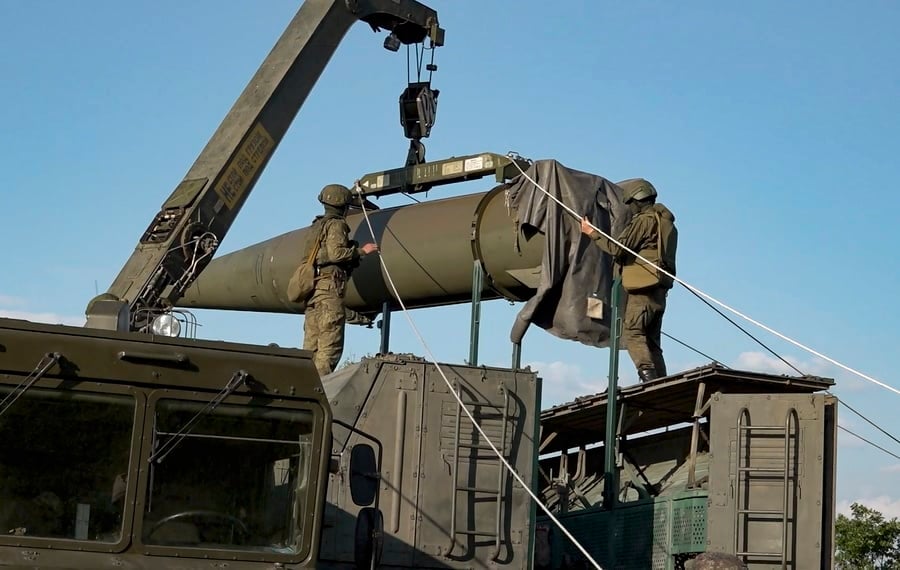
Russia began delegitimizing Armenia's election within hours of Nikol Pashinyan's 8 June 2026 victory. The Institute for the Study of War said so in its 9 June assessment. ISW identified three coordinated false narratives advanced by Russian government officials and pro-Kremlin commentators since the result.
One narrative claims Pashinyan "lost" because Civil Contract took less than 50% of the vote. A second says the election unfolded under Western pressure and domestic opposition suppression. A third alleges mass electoral fraud. ISW wrote that Moscow "continues spreading false narratives of stolen elections in post-Soviet states when those results do not favor Russian interests."
The narratives ISW found in Armenia's election
Foreign Ministry spokeswoman Maria Zakharova led Moscow's reaction to Armenia's election on 8 June. She alleged the vote unfolded under "unprecedented pressure on the opposition and interference from the West, primarily the EU." Zakharova said Civil Contract "did not receive a monopoly on power." The campaign featured "harsh repression" of opposition activists and attacks on the Armenian Apostolic Church, The Armenian Mirror-Spectatorreported.
Kremlin spokesman Dmitry Peskov declined to congratulate Pashinyan. He told reporters Moscow is "waiting for the final results" and "recording numerous irregularities." The Central Election Commission's final tally put Civil Contract at 49.81%—727,160 votes. That left Samvel Karapetyan's pro-Russian "Strong Armenia" a distant second at 23.29%, Al Jazeerareported. Turnout topped 58%.
The Moldova precedent ISW cites
ISW pointed to Maia Sandu's 2024 Moldovan presidential victory as the direct precedent. The think tank wrote that Moscow had alleged "election fraud, suppression of opposition, and 'illegitimate' results." The Kremlin suggested "Sandu's victory materialized only after counting Western diaspora ballots," ISW added.
Sandu's Party of Action and Solidarity went on to win 50.14% in the September 2025 parliamentary vote anyway. Moldovan Prime Minister Dorin Recean said the Kremlin spent approximately €200 million on the 2024 cycle. That equals nearly 1% of Moldova's GDP, Reuters reported.
Economic coercion runs alongside the narrative
ISW also flagged a parallel economic threat. On 8 June, the head of the Federal Agency for Fisheries, Ilya Shestakov, warned at the St Petersburg International Economic Forum. He vowed "further steps will certainly follow" against Armenian exports if "veterinary risks" arise, Kyiv Post reported.
The warning compounded restrictions imposed since May on Armenian mineral water, alcohol, flowers, fruits, vegetables, and fish. ISW described the move as economic punishment for Armenia "distancing itself from Russia." That distancing is precisely what Armenia's election ratified — Pashinyan's government has reduced participation in the Russia-led CSTO and reoriented Civil Contract's policies toward the EU.
Russian drone attacks are a daily reality in Kherson, a frontline city in southern Ukraine. Residents say the threat is growing, with drones increasingly targeting residential neighborhoods and forcing people to seek cover. Yet many refuse to leave.
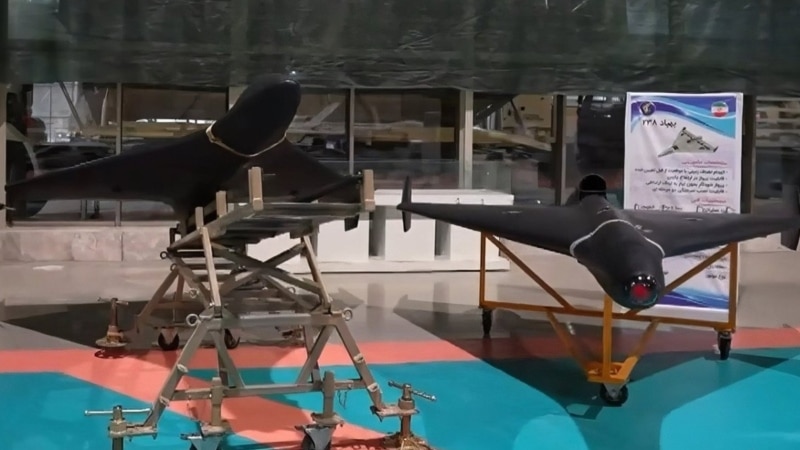
The US House of Representatives overwhelmingly approved legislation aimed at preventing American and allied technology from ending up in Iranian-made drones used in conflicts from Ukraine to the Middle East.
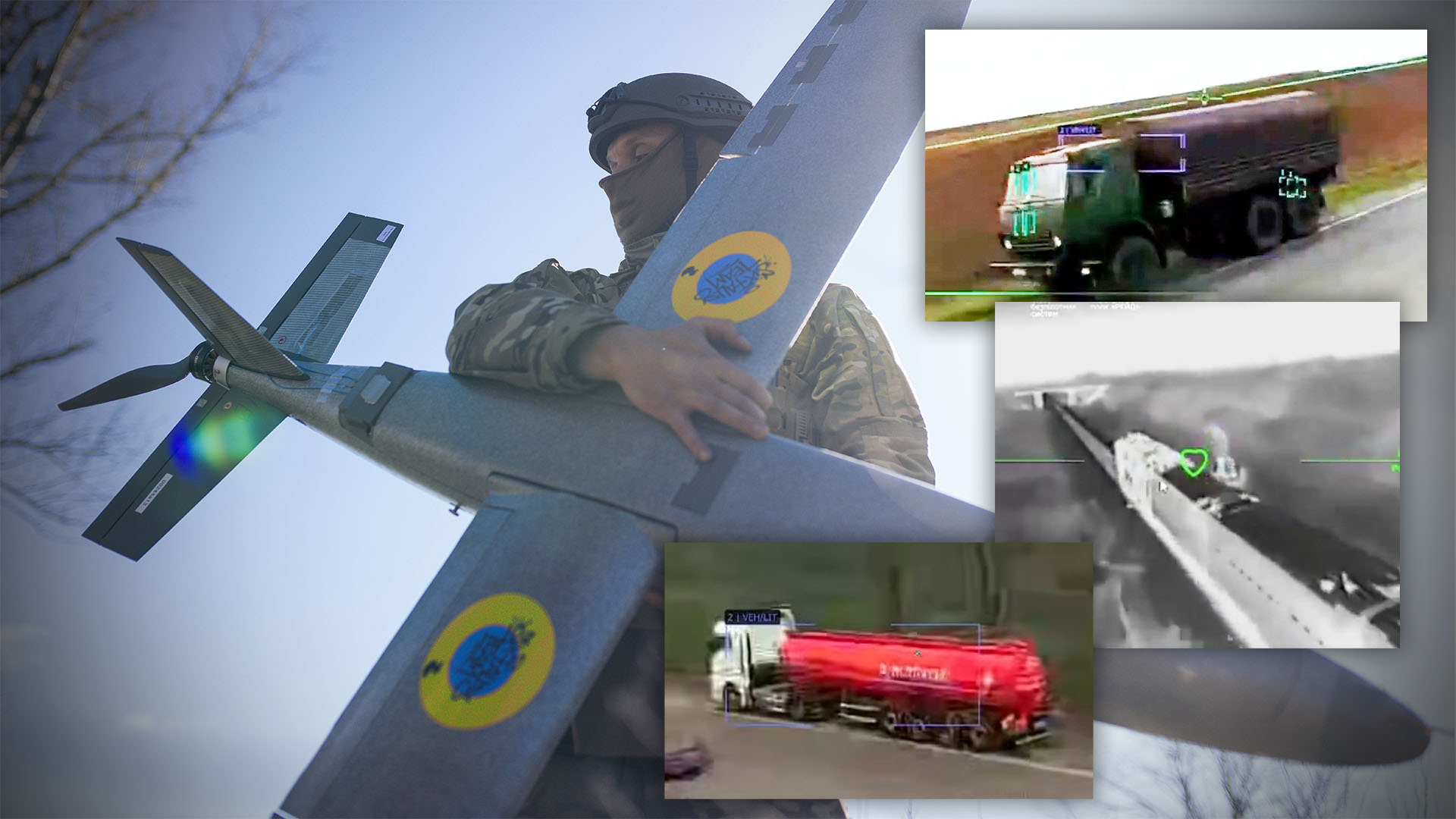
To learn more about this campaign, we reached out to one of the soldiers leading this effort from the unit that created it. In an exclusive interview, an Unmanned Systems Department Officer for the First Corps Azov of the National Guard of Ukraine offered us unique insights into how the program began, how it’s going, where it is headed and how AI is helping to identify and hit targets deep behind the lines. It’s a capability we described in great detail — about how it was rapidly gestating and would arrive on the battlefield around now. The officer spoke on condition of anonymity to discuss operational details.
Some of the questions and answers have been edited for clarity.
Azov patrols the border areas around Mariupol.
Ukrainian territory must be free of Russian forces. The surest path to achieving this is pushing the "sanitization zone" for enemy logistics closer to Russia itself and occupied Crimea.
— First Corps Azov of the National Guard of Ukraine (@azov_media) May 25, 2026
Q: Walk me through the genesis of the mid-range strike campaign.
A: I will first of all start with answering the question of why. So the reason why we are currently conducting this campaign is to hunt enemy logistics capabilities, and currently we have a lot of quite cheap assets that can strike enemy targets at quite a deep range. So the overall meaning, the overall sense of this campaign is to strike enemy concentrations of cargo in the places where this concentration is the highest and the protection of those enemy logistical assets is at the lowest level.
So, if we’re talking about enemy logistics very close to the front line, to the line of contact, we are mostly talking about a person with a backpack. Then, if we are moving deeper into the enemy controlled area, further from the front line, then we’re talking about cars. Then even deeper we’re talking about trucks. Even deeper we’re talking about long haulers with trailers, so a higher concentration of cargo. Even deeper into the enemy controlled area, we’re talking about the railroads, the trains that are carrying supplies. So the deeper we go from the line of contact, the higher is the concentration of enemy cargo.
Russian rail logistics are now also the target of Midstrike drones, with lines to Crimea being particularly affected. pic.twitter.com/K1BFd0QVov
The other part of answering this question is basically about how the enemy protects their logistical assets. So the deeper we go from the line of contact, not only is the distance larger, but also the areas that the enemy needs to protect. So just simple mathematical calculations show us that the distance of 50 kilometers deep from the line of contact is usually the most concentrated area the enemy has to defend against our strike assets. But if we go to the depths of 300 kilometers, then the areas that the enemy should protect are much larger, and it’s basically impossible to saturate that area with all the necessary protection assets that the enemy needs to strike down our drones.
The point I would like to make is that we conduct those strike operations at deeper ranges with basically the same assets that we use for the tactical depths, for example, at the depths of 50 kilometers. That means we do not increase the cost of our assets. We just introduced some technical modifications, and we can use the same assets to strike in the deep area.
Q: What drones are you using to carry out these attacks and how are you increasing the ranges?
A: Basically, we’re using fixed-wing kamikaze drones with some modifications in terms of communication systems. We’ve installed Starlink systems on those drones, and we have also introduced a number of modifications in terms of the engine of the drones – in terms of the overall propelling unit. And this allowed us to increase the range of the assets that we used previously for the range up to 50 kilometers, with some modifications for longer distances.
Q: What kinds of drones are you using?
A: Just the simple fixed-wing chemical drones, such as Hornet systems, such as the Darts systems, and also some other assets that, for now, we prefer not to mention.
Q: Can you provide additional details about the modifications you have made to these drones and what is their maximum range?
A: Well, I would say that these are quite technical things, and I wouldn’t want to disclose those, because I would want to avoid the situation where the enemy is going to do the same modifications.
Q: Are you reaching as far as 100 kilometers?
A: From what we can say now, we can cover distances of up to 250 kilometers, but as you might understand, with time we will cover longer and longer distances.
Q: Can you describe how these attacks work? Do you operate these as first-person view drones through a video feed? Do they have a terminal seeker?
A: The process is really simple. So, for example, we select a section of the road, or the road as a whole and we distribute that road or the sections among our units. And I would like to mention that this is an all Ukrainian operation. It’s not a task for just one single unit, and basically each unit has its own area of responsibility and its own section of the road.
And then we just send drones there in hunting mode, and I cannot disclose how this works from the standpoint of intelligence, but the overall principle is that the intelligence just gives us the priorities for the targets. For example, they say that you need to target this type of vehicle with these types of cargo.
And in terms of the targeting, I remember that you were also asking the question about how the targets are selected. For this we use both the AI tools and also the operator himself, so we’re using both methods for that.
A Ukrainian “Hornet” mid-range strike UAV patrols the highway from Mariupol to Melitopol on the land bridge to Crimea. It is looking for trucks and especially fuel tankers. https://t.co/Mtcxq4L6rjpic.twitter.com/NMkVdbf8rs
Q: I want to get back to AI in a bit, but what area of operations do you cover?
A: Our area of interest and area of responsibility is related to all the roads that the enemy is using to bring in supplies to the area of operations of our corps, which is roughly in the area of the town of Dobropillia in eastern Ukraine, and for example, this may be the route from Rostov that goes to Mariupol and then goes to Donetsk, and this could be any other route that the enemy might use to bring military cargo to the area of operations of our corps.
First Corps Azov works in and around the area of Dobropillia in the Donetsk region of Eastern Ukraine. (Google Earth)
Q: What were some of the more successful mid-range drone strike missions you carried out?
A: That’s basically an easy principle. When I said that we are hunting the enemy’s logistics, I mean that this is a daily process. This is a continuous process, and this is not about one standalone mission, when we fly somewhere, when we hit a target and the mission is over.
Last night, Ukraine expanded its mid-range strike campaign to the Sea of Azov, hitting at least 5 vessels carrying Russian cargo.
At least two of the cargo vessels were hit at the occupied ports of Berdyansk and Mariupol, as Ukrainian forces seek to cut off Russian logistics. pic.twitter.com/NoXeAO7Ca6
Q: How are these mid-range strikes on Russian logistics affecting their ability to fight?
A: This is causing shortages of fuel for the enemy. This was already commented on by our media, and also the media resources of the enemy, and now we understand that this is true, not only for Crimea, where there is a severe shortage of fuel now, but also this is true about the other Russian-controlled territories. And basically, when we are striking enemy logistical supplies of fuel, this affects the overall situation, because what is fuel? Fuel is basically the blood of war, which is necessary to fuel the generators that the enemy is using for the FPV operations. The fuel is used for the vehicles that basically bring in those FPVs to the combat zone.
I’d like to add an additional explanation of how this works. If we destroy a car that brings fuel to the line of contact, then we’re talking about destroying like two canisters, so that’s approximately 40 liters of fuel. But if we strike a fuel tank and a tank vehicle, which is bringing fuel to the overall area, so then we can talk about several tons of materials.
Gas stations across Russian-occupied Crimea are facing worsening fuel shortages, with long queues, rationing, and voucher-based distribution reported by residents. Some locals say fuel has become so scarce that it is treated as a luxury, while Moscow insists there is no cause for… pic.twitter.com/0LSYWEqiDH
— Radio Free Europe/Radio Liberty (@RFERL) June 5, 2026
Q: Is this setting the stage for a Ukrainian advance in the east or Zaporizhia?
A: I would say that blocking the logistical supplies to the Zaporizhia Oblast and also to Crimea is a byproduct of our attacks aimed at cutting enemy logistics to our area of operations. Because we’re targeting the roads that go through Mariupol, also to Crimea, to supply the Zaporizhia region, and as well our area of operations. But as for the most strategic aspect of this question of whether this might influence some counter-offensive capabilities of the Ukrainian Defense Forces, I think that is not the question within my scope of responsibility, because I’m an officer responsible for the UAS component of the corps, and I think that this is more of a question that should be directed to the general staff of the Armed Forces of Ukraine.
Ukraine continues to launch an important number of mid-range strike, targeting Russian logistics in occupied territories
Since early may, more than 270 trucks have been hit, together with multiple fuel depots and trains.
Q: Tell me how you came to use the U.S.-made Hornet drones.
A: I would say that this is also a question that should be directed at one level up from my level. We get those drones, we deploy those drones, but the questions of how we get them and what are the specifics of their supply, this is not a question that I can answer.
A U.S.-made Hornet drone. (U.S. Army photo by Spc. Thomas Dixon) Spc. Thomas Dixon
Q: When did you start getting them?
A: We have been receiving these drones for almost a year.
Q: When you got the Hornet drones, were you given any instructions on what missions to accomplish with them or what targets to pursue?
A: I think that the principle thing to explain here is that the Hornet drone is a tactical level UAV system. It can be used at the maximum range of 50 kilometers – the maximum range of the basic configuration of this drone. The drones we are currently using are the modification of the Hornet drone, but the basic configuration of this drone is only a tactical-level UAV. This is why our mid-strike operations, which have started only recently, are using modified drones.
I think that it is important to add that these modifications are conducted by the units themselves.
The First Corps Azov of the National Guard of Ukraine maintains control over enemy logistics near Donetsk.
Strike UAV pilots are targeting Russian logistics deep in the operational rear. Drone units maintain constant surveillance and fire control over all supply routes around… pic.twitter.com/i4TYOWJBg4
— First Corps Azov of the National Guard of Ukraine (@azov_media) April 16, 2026
Q: When did you begin to make the modifications and was the mid-range strike concept something that Azov developed?
A: Yeah, I would say that basically that was Azov development. So the first tests of these new modifications started in early winter. After approximately a month of testing, we started combat deployment of those drones approximately in January or February of this year. And we use those new modifications to ensure our middle strike operations. In terms of the tactics, I would also like to say that Azov developed new tactics of the deployment of middle strike drones, because the previous tactics they were mostly concentrated on the use of very expensive assets, which are available in limited numbers, so the targeting cycle was different, which is why we needed to develop new tactics and change this targeting cycle.
Q: What systems were you using before that were so expensive?
A: Well I’m not really talking about some specific assets here. I’m mostly talking about the overall tactics and the targeting cycle. So, the tactics of middle strikes were developed for expensive assets that the Corps didn’t have at the moment. So, this is basically why we started developing our own assets that could ensure that we have those middle strike capabilities, and we can also engage targets at the operational level.
Magyar claims a reduction from 3,800 cargo journeys to 1,100 cargo journey (71.05%) along the E-58 Mariupol -Berdiansk – Melitopol – Simferopol highway in the past two weeks
— Ukraine Control Map (@UAControlMap) June 9, 2026
Q: When you added Starlink, did you have to seek permission from SpaceX to use their system for these weapons?
A: The first thing that I would like to say is that we do not use only Starlink. It is just one of the possible communication systems and communication solutions that we’re using. And the second thing that I would like to add is that all the international issues, international cooperation questions, are the issues that should be dealt with at the level of our ministries and at the level of our central government, so once again, this is not a question that I can answer.
Una parte vital de la efectividad de los drones Hornet con los que Ucrania está atacando las rutas logísticas rusas entre 80 y 120km del frente es la recopilacion de datos para que el algoritmo aprenda. Por eso algunos modelos llevan grandes terminales Starlink. https://t.co/yGePjoPo2Kpic.twitter.com/iWu2bLrwq5
Q: Can you tell me what other communications systems you use?
A: No, this information is still secret, because none of those assets have been taken by the enemy, so the enemy doesn’t know yet that we’re using those. But I think that in some time we will be able to go public with those assets and tell more about what we use, apart from Starlink.
Q: Are you using Starlink and the other systems on the Darts drones as well, or just Hornet?
A: Yes, we are using Darts for those middle strike attacks. So, basically, the overall tactics of those mid-strike attacks with small UAV systems, it can use any fixed wing kamikaze drones with modifications which is why we are using Hornets, we are using Darts and also the other types of drones.
While the Ukrainian “Hornet” strike UAV is receiving a lot of attention recently, the “Darts” UAV remains a workhorse for mid-range strike. It, too, has AI terminal targeting and control capabilities to defeat Russian jamming. https://t.co/cNcQytap1Dpic.twitter.com/C8nYJ20Uer
A: Unfortunately, no. The enemy has not yet got hold of those assets, and if one of them will be shot down, or if one of them will be captured by the enemy, then I think that we will be able to go public with those assets.
Q: Can you talk more about how you are using AI for the Hornets and Darts?
A: The AI is used for the so-called last-mile system. I’m talking about the terminal guidance here, and also the AI can also be used to identify the targets, especially when the drone is flying in the autonomous mode. It can recognize the type of the target and it can automatically engage the target. So all of these processes can happen without the involvement of the operator. This allows us to launch several drones at the same time, and this also allows us to ensure a higher level of coordination for those attacks.
I think that one of the examples of these attacks was captured by one of our videos that you might have seen when one fixed-wing drone is observing the target and the other drone is actually hitting it.
Q: Is there a man in the loop or a man on the loop during the terminal phase of the attack or is it fully autonomous?
A: Since we are trying to control the whole process, usually it is the person who takes the final decision and actually makes this decision to strike the target, because we do not want to over rely on the artificial intelligence. If necessary, this whole process can also happen without human involvement, but as I have already mentioned, our policy is that the decision should be made exclusively by the operator.
Q: So this is man in the loop?
A: Yes, so technically men can be out of this loop, but in our case we involve humans in this system, so that’s man in the loop.
Visual look of Hornet UI. Not much new, can mark soldiers individually. Seems aiming is done by either by lock a target (red) or manually aiming by continusly clicking (green) https://t.co/d2LGtV2aON
Q: Have the Russians developed countermeasures for this effort?
A: Since the overall intent was to go to the massive deployment of those drones against the enemy logistics at once, as for now, the enemy has not yet had enough time to adapt to these tactics of ours. And now they’re desperately trying to find some countermeasures to find some ways to react to this.
Images showing unusually painted Russian trucks have appeared on social media channels in recent days with a paint scheme designed to throw off Ukraine’s AI-assisted mid-range strike drones. (Via X) via X
They are putting on anti-drone nets deep into their controlled territory. They are placing people armed with shotguns every 50 meters of their critical roads, but basically, as for now, there is no Russian tactic that would be effective in protecting their logistics. I do not say that they will not come up with this tactic in a month or so, but as for now, they do not have an effective countermeasure for that.
The only thing that I would like to add is that we approximately know the direction in which the enemy is moving to ensure counter measures to this tactic of ours, and we already have countermeasures for their countermeasures.
The current Ukrainian superiority in mid-range drone warfare is a brilliant advantage that comes with an expiration date.
Failing to prepare for the day Russia matches this capability guarantees a catastrophic collapse of front line logistics for Ukraine.
Q: Is the AI enhancement helping to mitigate Russian jamming and electronic warfare measures?
A: Well, I would like to say that EW is not the only way to counter UAVs. So, in addition to EW assets, there are other counter drone methods. Nets can be used. Air observation posts can be used. The drones can be shot down with enemy interceptor drones, and also there are hundreds and hundreds of people armed with shotguns who can also try to shoot the drones down. So the EW systems are just a small part of this overall system of drone countermeasures, and it is a general misconception that all anti-drone efforts are from the EW system. I would say that EW accounts for approximately 10% of overall counter drone efforts.
The main idea of the use of the AI systems is not only to help operators to counter enemy drone countermeasures, but the AI also helps the operator with navigation, with orientation, with the identification of the targets. So this is a complex system that helps the operator with many tasks.
Here: strike by the Ukrainian-American "Hornet" drone on occupier positions. Two Russians confirmed as "gruz 200" (KIA). Interestingly, the Russians call this drone "Martian-2" because its capabilities seem "out of this world" to them.
Q: What are the lessons that the U.S. can learn from your mid-range drone strike campaign, given the importance of logistics everywhere.
A: Well, I would say that the main lesson that the U.S. can learn from our experience is that drones in their basic configuration, right out of the box, is not something that can work, and this is not something that can bring you the best results at once. This is why every unit should have their own drone laboratory that can reconfigure those drones and modify them, and I’m not only talking about reconfiguring tactical level drones to turn them into middle strike capacities. I’m talking about all warfare in general.
U.S. soldier Sgt. Kevin Tran, assigned to 173rd Airborne Brigade, sets up a one-way attack Hornet drone during a demonstration in the 7th Army Training Command’s Grafenwoehr Training Area, Germany, March 25, 2026. The demonstration provided leaders with insight into how AI-enabled one-way attack systems operate alongside Army fires formations. (U.S. Army photo by Spc. Thomas Dixon) Spc. Thomas Dixon
Assets become obsolete very quickly and in three months everything can change, starting from the navigation systems and ending with the control systems. For example, today the GPS signal works, in a month it doesn’t work anymore. Today we use this set of frequency ranges, and in a month all those frequency ranges are jammed by the enemy. So I’m saying this for you to understand that for example, if the U.S. government purchases Hornet drones for their units, then the units are going to have good tactical level drones. But if you want to squeeze all of the possible benefits from those drones, then you will need to modify the structure of your units and include the departments, include the sections that will deal with the modification and reconfiguration of those drones to ensure the most efficient results that can be achieved.
From what I see now, the U.S. is mostly just giving the unit some assets, but they are not thinking about re-configuring or repurposing those drones.
Q: Is there anything I haven’t asked you that you would like to address?
A: I think that we have covered all the topics. The only thing that I would like to add is that I would like your audience to see that Ukraine introduces new innovations that can basically change the battlefield, and this is why trying to forecast the outcome of the war based on the number of tanks or aircraft or bombs that would be incorrect, so the victory will belong to the side capable of adapting faster and not to the side that has more resources.
Zelensky alza il livello dello scontro: missili ucraini contro un impianto militare russo
L’Ucraina ha attaccato nella notte una struttura militare russa situata a diverse centinaia di chilometri a est di Mosca. Lo ha riferito il presidente ucraino Volodymyr Zelensky, sottolineando un utilizzo insolito di uno dei sistemi d’arma più avanzati a disposizione di Kiev. “Ieri sera i missili ucraini FP-5 Flamingo hanno colpito un impianto militare a Cheboksary che fornisce all’esercito occupante componenti per droni e missili”, ha dichiarato Zelensky. Cheboksary è la città principale della regione centrale russa della Ciuvascia, a 1.000 chilometri dal confine ucraino.
Il governatore della regione russa, Oleg Nikolayev, ha confermato che il centro abitato è stato raggiunto dall’attacco. “Questa mattina presto, Cheboksary è stata colpita da un attacco missilistico. Stiamo lavorando per determinare il numero delle vittime e l’entità dei danni alle infrastrutture”, ha scritto Nikolayev su Telegram. Secondo lo Stato Maggiore ucraino, Kiev avrebbe inoltre preso di mira una raffineria nella regione russa di Samara e una petroliera russa nel Mar Nero.
Dal canto suo, il ministero della Difesa di Mosca ha reso noto che durante la notte le forze ucraine hanno lanciato 326 droni contro 19 regioni della Federazione Russa, inclusa l’area di Mosca, la Crimea occupata e il Mar Nero, precisando che tutti i droni sarebbero stati abbattuti.
Nella regione di Samara, tuttavia, tre persone sono rimaste ferite e alcune “strutture industriali” hanno riportato danni, secondo quanto dichiarato dal governatore Vyacheslav Fedorishchev e riportato dall’agenzia Tass.
In Crimea, invece, un “attacco mirato” condotto da un drone ucraino ha colpito a Sebastopoli il museo “Difesa del 1854-1855”, dedicato alla Guerra di Crimea, che sarebbe stato quasi completamente devastato da un incendio, secondo il sindaco Mikhail Razvozhaev.
L’attacco non avrebbe provocato vittime né feriti. L’edificio che ospitava il museo fu realizzato agli inizi del Novecento da Franz Roubaud. “È chiaro che il grande capolavoro di Franc Roubaud è stato virtualmente distrutto – ha affermato Razvozhaev -. Questi barbari e mostri hanno preso di mira deliberatamente quello che abbiamo di caro, cercando di distruggere la nostra stessa essenza. Solo dei completi degenerati potrebbero fare una cosa simile, prendere di mira deliberatamente un museo”.
La Russia intraprenderà “misure efficaci e decise” dopo l’ultimo pacchetto di sanzioni dell’Unione Europea. Lo ha dichiarato la portavoce del ministero degli Esteri russo, Maria Zakharova, durante un briefing. “La Russia condanna con fermezza qualsiasi misura coercitiva unilaterale illegittima. Sempre più Paesi condividono e sostengono questo approccio“, ha dichiarato la diplomatica, citata da Tass.
What’s the latest brick in Russia’s effort to build its Great Internet Firewall? A proposal to create a government-run Virtual Private Network, co-opting a tool that has been widely embraced by Russians trying to avoid government censorship. Industry insiders are reportedly unimpressed.
El Cáucaso Meridional se está convirtiendo en una prueba de fuego para ver hasta dónde puede llegar Washington en el perímetro compartido por Rusia e Irán antes de que se produzca una reacción violenta.
En vísperas de las cruciales elecciones parlamentarias de Armenia del 7 de junio, el secretario de Estado de EE. UU., Marco Rubio, durante una breve visita a Ereván el 26 de mayo, firmó tres acuerdos de gran importancia en una reunión con el ministro de Asuntos Exteriores armenio, Ararat Mirzoyan.
Entre ellos se incluían el «Acuerdo Marco entre la República de Armenia y los Estados Unidos de América sobre Cooperación Estratégica en relación con la Ruta Trump para la Paz y la Prosperidad Internacionales (TRIPP)», la «Carta sobre la Asociación Estratégica Integral entre la República de Armenia y los Estados Unidos» y el «Marco entre la República de Armenia y los Estados Unidos de América para garantizar el suministro en la extracción y el procesamiento de minerales críticos y tierras raras».
El respaldo de Washington en época de elecciones
La breve visita de Rubio, que duró solo una hora aproximadamente en el aeropuerto de Ereván, fue una clara señal del apoyo de EE. UU. al Gobierno de Nikol Pashinyan de cara a las cruciales elecciones parlamentarias de Armenia del 7 de junio.
En los últimos años, la administración de Pashinyan se ha distanciado gradualmente de la Federación Rusa y de las instituciones regionales lideradas por Moscú, incluida la Organización del Tratado de Seguridad Colectiva (OTSC) y, más recientemente, la Unión Económica Euroasiática (UEE), al tiempo que ha buscado estrechar lazos con la UE, la OTAN y los EE. UU.
En este contexto, el secretario de Estado de EE. UU., que viajó a Ereván dos semanas antes de las elecciones, expresó su firme apoyo a Pashinyan y a su equipo, afirmando: «Tú (Ararat Mirzoyan), el primer ministro y tu equipo estáis allanando el camino hacia un futuro más brillante y más independiente para Armenia».
El presidente de EE. UU., Donald Trump, también escribió en una publicación en Truth Social:
«¡El primer ministro Nikol Pashinyan, de Armenia, un gran amigo y líder, está haciendo que su país sea fuerte, próspero y muy seguro! Nikol comparte plenamente mi visión de PAZ y PROSPERIDAD para Armenia y toda la región del Cáucaso Meridional… Nikol cuenta con mi APOYO TOTAL y ABSOLUTO para su reelección el 7 de junio de 2026».
Armenia también acogió la Octava Cumbre de la Comunidad Política Europea el 23 de mayo, lo que constituyó otra muestra del apoyo occidental al Gobierno de Pashinyan.
No obstante, sigue sin estar claro si dicho apoyo se traducirá en última instancia en una victoria electoral del Partido del Contrato Civil de Pashinyan frente a sus oponentes nacionalistas y conservadores. Un ejemplo reciente es Hungría, donde la visita del vicepresidente estadounidense J.D. Vance a Budapest y su participación en un mitin electoral junto al primer ministro Viktor Orbán no lograron evitar la derrota de Orbán en las elecciones parlamentarias tras 16 años en el poder.
La Ruta de Trump toma forma
Los tres acuerdos firmados durante la visita de Rubio a Ereván —en particular el Acuerdo TRIPP— deben considerarse una continuación y un complemento del acuerdo de paz firmado por el presidente azerbaiyano Ilham Aliyev y Pashinyan en la Casa Blanca el 8 de agosto de 2025, bajo la mediación de Trump.
En virtud de dicho acuerdo, la conectividad directa entre Azerbaiyán y su República Autónoma de Najicheván a través del territorio armenio se refrendó no bajo la denominación preferida por Bakú de «Corredor de Zangezur», ni bajo el concepto preferido por Ereván de «Encrucijada de la Paz», sino bajo un nuevo título: la «Ruta Trump para la Paz y la Prosperidad Internacionales» (TRIPP), o simplemente la «Ruta Trump».
El Acuerdo TRIPP, compuesto por 11 artículos, establece el marco jurídico y operativo que rige esta ruta de tránsito. De conformidad con los artículos 1 a 4, se creará una empresa conjunta denominada TRIPP Development Company (TDC).
En virtud del acuerdo, el 74 % de las acciones y la participación mayoritaria en la empresa estarán en manos de entidades estadounidenses que operan bajo la Corporación Financiera Internacional para el Desarrollo de los Estados Unidos (DFC), mientras que Armenia conservará una participación del 26 %.
Además, en virtud del artículo 6, Armenia se compromete a conceder a la empresa conjunta derechos exclusivos de uso del suelo y desarrollo a lo largo de las zonas designadas para la ejecución del TRIPP durante un período inicial de 49 años. El acuerdo también prevé una posible prórroga de 50 años adicionales por mutuo acuerdo, en cuyo caso la participación de Armenia en la TDC aumentaría al 49 %.
Armenia se ha comprometido además a asumir todos los costes financieros asociados a la adquisición de terrenos y a la eliminación de cualquier gravamen o reclamación de terceros que afecte a las zonas del proyecto. Al mismo tiempo, el acuerdo afirma explícitamente que la República de Armenia conserva la plena soberanía, integridad territorial y jurisdicción legal y ejecutiva sobre todas las zonas y proyectos asociados al TRIPP dentro de su territorio soberano.
La aplicación de este acuerdo —al igual que el acuerdo de paz entre Armenia y Azerbaiyán y el proceso en curso de normalización entre Armenia y Turquía— dependerá en gran medida de la reelección del Partido del Contrato Civil de Pashinyan en las elecciones parlamentarias del 7 de junio. Si las fuerzas políticas nacionalistas y conservadoras de Armenia salieran victoriosas, el panorama político podría cambiar significativamente.
Fuertemente críticos con las políticas de Pashinyan respecto a Nagorno-Karabaj, estos grupos nacionalistas y conservadores mantienen posiciones de línea dura tanto hacia Azerbaiyán como hacia Turquía. Tradicionalmente han mantenido relaciones más estrechas con Irán y Rusia, al tiempo que han conservado una distancia cautelosa y cuidadosamente calibrada con respecto a Occidente.
En consecuencia, un cambio de gobierno podría tener profundas implicaciones para el futuro del proceso de paz entre Armenia y Azerbaiyán, la normalización de las relaciones entre Armenia y Turquía y la aplicación del TRIPP.
Teherán ve más que un corredor
Por lo tanto, no fue de extrañar que, en medio de la atmósfera altamente polarizada y políticamente cargada de Armenia en vísperas de las cruciales elecciones parlamentarias, la inesperada y breve visita de Rubio a Ereván fuera recibida con fuertes críticas por parte de las fuerzas de la oposición.
Los partidos de la oposición y los grupos políticos de Armenia sostienen que el proyecto a gran escala de la «Ruta Trump» es, en esencia, el mismo corredor de tránsito que Azerbaiyán lleva tanto tiempo buscando bajo el nombre de «Corredor de Zangezur» y que cuenta con el firme apoyo de Ankara.
El expresidente armenio Robert Kocharyan, líder de la influyente Alianza Armenia, expresó su profunda preocupación por las implicaciones estratégicas del acuerdo, afirmando:
«Creo que el proyecto «TRIPP» es una maniobra propagandística muy fuerte por parte de EE. UU., cuyo objetivo es crear tensión entre Irán y Armenia, porque después de eso, Teherán sin duda sentirá desconfianza… Esto también es un «golpe» para Rusia».
En Irán, el portavoz del Ministerio de Asuntos Exteriores, Hamid Baghaei, también reaccionó a la visita de Rubio y a la firma del Acuerdo Trump, afirmando:
«La posición de la República Islámica de Irán con respecto a la seguridad en el Cáucaso Meridional es clara y no deja lugar a ambigüedades. Irán acoge con satisfacción la expansión de los intercambios económicos y la reapertura de las rutas de transporte y tránsito. Sin embargo, dado el largo historial de conducta hostil e intervención de Estados Unidos en diversas regiones del mundo, Irán alberga serias sospechas sobre las intenciones de Washington y ha expresado explícitamente su oposición a cualquier presencia desestabilizadora de este tipo en la región».
Aunque los funcionarios iraníes parecen haberse abstenido de adoptar una postura más explícita en esta fase —probablemente debido a su comprensión del delicado entorno electoral de Armenia y al deseo de evitar verse directamente involucrados en las rivalidades políticas internas del país—, Irán, en términos estratégicos, ve poca diferencia entre la «Ruta Trump» y el «Corredor de Zangezur» defendido por Azerbaiyán y apoyado por Turquía.
Desde la perspectiva de Teherán, ambas iniciativas persiguen objetivos que van mucho más allá del establecimiento de un mero enlace de transporte y tránsito entre el territorio continental de Azerbaiyán y Najicheván a través del territorio armenio adyacente a la frontera de Irán.
Los responsables políticos iraníes creen que tales proyectos podrían generar una serie de importantes retos de seguridady geopolíticos, incluidos riesgos potenciales para los 40 kilómetros de frontera entre Irán y Armenia, los pasos fronterizos y las instalaciones aduaneras de Norduz (Irán) y Meghri (Armenia), así como para la red bilateral de comercio y tránsito por la que pasan más de 80.000 camiones al año.
Además, no cabe duda de que la puesta en marcha de la Ruta Trump, como parte del Corredor Central más amplio y de una ruta emergente de energía y transporte que une Asia Central, el mar Caspio y el Cáucaso Meridional con Europa, aceleraría aún más la orientación hacia Occidente de Ereván.
Tal evolución podría tener consecuencias de gran alcance, incluida la eventual retirada de Armenia de la OTSC y la UEEA. El efecto acumulativo de estos acontecimientos podría ser un cambio más profundo en el equilibrio geopolítico del Cáucaso Meridional en detrimento tanto de Irán como de Rusia —un proceso que, en muchos aspectos, comenzó con la Segunda Guerra de Nagorno-Karabaj en 2020.
La guerra de 12 días entre Estados Unidos e Israel contra Irán en junio de 2025 y la más reciente guerra de 40 días en la que participaron Israel y Estados Unidos contra Irán, del 28 de febrero al 7 de abril de 2026, han agudizado la sensibilidad de Teherán hacia el proyecto de la Ruta Trump y la posible presencia de empresas estadounidenses cerca de la frontera norte de Irán.
Esta preocupación es especialmente acusada dado que, en virtud del acuerdo recientemente firmado, dicha presencia no está pensada para ser temporal. Más bien, el acuerdo prevé un periodo de concesión inicial de 49 años, con la posibilidad de una prórroga adicional de 50 años por mutuo acuerdo, lo que podría dar lugar a una duración total de 99 años.
Desde la perspectiva de Irán, esto no equivaldría simplemente a un proyecto de transporte o de infraestructura, sino al establecimiento de una huella económica y estratégica estadounidense a largo plazo en una zona geopolítica altamente sensible adyacente a sus fronteras.
Por esta razón, Kocharyan declaró durante su campaña electoral:
«Hoy en día, Estados Unidos se encuentra en un estado de confrontación con Irán. En tales circunstancias, ¿cómo puede alguien creer razonablemente que ceder el control de la sensible zona fronteriza entre Armenia e Irán a una empresa estadounidense es una decisión racional? ¿De verdad consideran que tal medida es normal y aceptable? ¿Cómo se espera que Teherán perciba y tolere tal acuerdo? Insto a las autoridades de Ereván a que se pongan, aunque sea por un momento, en la posición de Irán y vean este desafío de seguridad desde la perspectiva de Teherán».
Moscú sube la apuesta
La respuesta de Rusia hacia Armenia, sin embargo, ha sido notablemente más dura, al menos en la etapa actual. Solo unos días después de la visita de Rubio, Moscú retiró a su embajador de Ereván para consultas, citando las políticas cada vez más prooccidentales del Gobierno de Pashinyan.
En las últimas semanas, funcionarios rusos han advertido abiertamente a Armenia, especialmente en relación con la posibilidad de su retirada de la UEEA, sobre las posibles consecuencias, entre las que se incluyen el aumento de los precios del gas o la suspensión de los acuerdos energéticos preferenciales, restricciones a las importaciones de productos armenios, limitaciones al comercio de diamantes y energía, e incluso una reevaluación de ciertos ámbitos de la cooperación económica.
En esencia, a Moscú le preocupa que su participación actual en la guerra de Ucrania pueda animar a Armenia —el único Estado del Cáucaso Meridional que sigue siendo miembro tanto de la UEEA como de la OTSC— a abandonar estas instituciones lideradas por Rusia.
Dado que ni Georgia ni Azerbaiyán son miembros de ninguna de las dos organizaciones, tal desarrollo reduciría significativamente la influencia económica, geopolítica y militar de Rusia en el Cáucaso Meridional.
La aplicación del Acuerdo TRIPP y la construcción de la Ruta Trump entre Azerbaiyán y Najicheván se enfrentan a importantes obstáculos políticos y dependerán en gran medida del resultado de las elecciones parlamentarias de Armenia del 7 de junio.
Si prevalecen las fuerzas políticas nacionalistas y conservadoras de Armenia, la probabilidad de que el proyecto se suspenda o se abandone sería considerable.
Incluso si Pashinyan consigue la reelección, es probable que la puesta en marcha del proyecto provoque una fuerte oposición por parte de Irán y exponga a Armenia a posibles medidas de represalia por parte de Rusia, especialmente en los ámbitos de las exportaciones de gas natural y las restricciones a las importaciones armenias.
Europe deliberately exaggerates the Russian threat to justify military expansion, strengthen new defence alliances, and maintain political unity amid domestic crises. When one is losing a battle, whether on the literal battlefield or in the public eye, it is natural to try until one’s last breath to recover the losses. This is what Europe is […]
Zelensky gave a Ukrainian military unit a new name. It reopened the most painful chapter in Polish-Ukrainian history, despite Kyiv's assurances that it was not meant to offend its western neighbors.
General de Putin responsável pelo fornecimento de munições morreu na explosão de um carro em Balashikha, na região da capital da Rússia. Trata-se do “mais recente de uma série de assassínios que têm como alvo oficiais militares russos e figuras proeminentes a favor da guerra” na Ucrânia
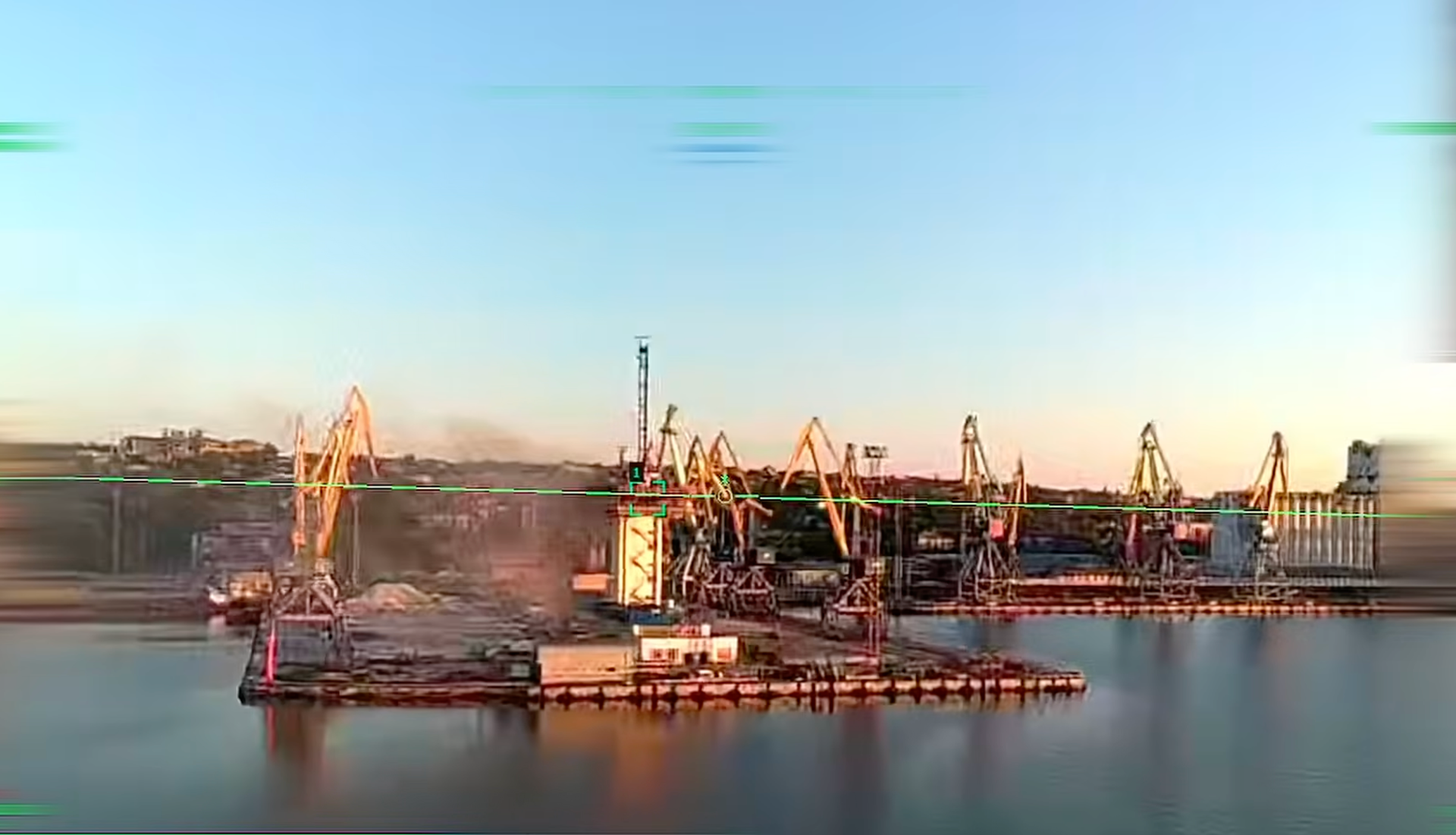
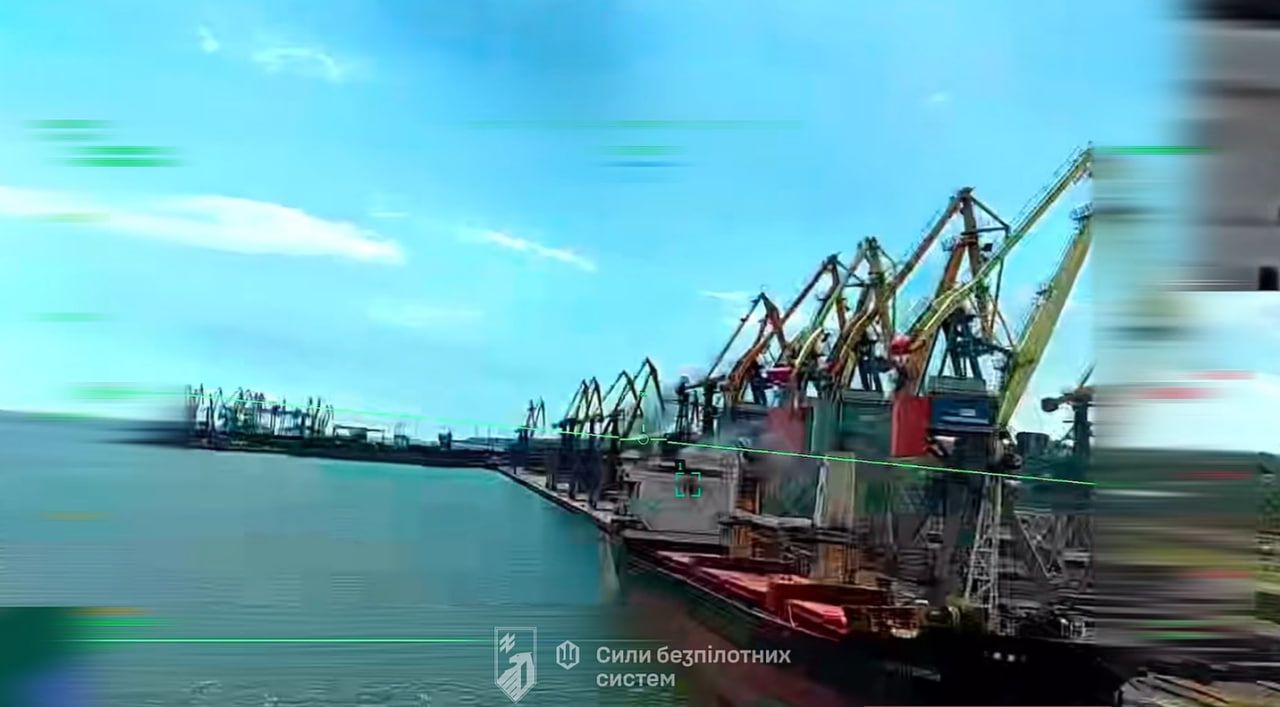
As a result of the attack, the port was left without power, significantly disrupting Russian military logistics in occupied southern Ukraine, the Azov Corps said.
Russian military personnel load a missile onto a transport vehicle. Nuclear powers spent a record of $119 billion on their arsenals in 2025, according to ICAN. Credit: Russian Defence Ministry / EPA / AMNA.
Nuclear powers spent a record of $119 billion on arsenals in 2025, as the world’s nine nuclear-armed states significantly increased their weapons-related expenditure, according to a new report by the International Campaign to Abolish Nuclear Weapons (ICAN).
The figure marks a 19 percent rise from 2024, with nuclear powers spending $17 billion more than the previous year. ICAN warns that the increase reflects a broader trend that is likely to continue for decades. The report covers the United States, Russia, China, the United Kingdom, France, India, Israel, Pakistan, and North Korea.
ICAN warns of a new nuclear arms race
As per the Nobel Peace Prize-winning organization, rising geopolitical tensions are fueling what it describes as a new nuclear arms race. ICAN has also raised concerns over the possible role of artificial intelligence in nuclear decision-making, warning that AI could accelerate the process leading to the potential use of nuclear weapons.
Susie Snyder, ICAN’s program coordinator and one of the report’s authors, described the figures as deeply troubling. Speaking to Agence France-Presse, she declared it’s deeply terrifying.
US spent more than all other nuclear powers combined
The United States remained the world’s largest nuclear spender in 2025, allocating $69.2 billion to its arsenal. That was $12.4 billion more than in 2024 and more than the combined total spent by the other eight nuclear-armed states. China ranked second, with estimated spending of $13.5 billion. The United Kingdom followed with $12.6 billion, while Russia spent $9.5 billion.
According to ICAN, the nine nuclear-armed countries have spent over $470 billion on their arsenals in the past five years.
Long-term nuclear programs could last beyond 2100
The report reveals that nuclear weapons spending is expected to continue rising as countries modernize and maintain their arsenals over time. ICAN points to spending plans in the United States, the United Kingdom, and France that could necessitate billions of dollars through the end of the century. Other nuclear-armed states are also developing weapons systems designed to remain in service for decades.
In the United States, the planned Sentinel intercontinental ballistic missile program is expected to remain operational beyond 2100. Based on the report, expanded US production of plutonium pits could support nuclear warheads until at least 2120. ICAN estimates that the United States alone is expected to spend nearly $1 trillion on its nuclear arsenal between 2025 and 2034.
Report compares record spending by nuclear powers with global needs
The scale of spending, ICAN says, comes as governments face pressing global challenges, including health care, food security, and humanitarian needs. According to Snyder, the amount spent by nuclear-armed states in 2025 would have been enough to fund the United Nations budget dozens of times over. She added that a single day of nuclear weapons spending could have guaranteed food security for two million people last year.
The report argues that nuclear-armed countries are committing public resources to weapons that, according to Snyder, they “could not use without committing a war crime.” ICAN maintains that the latest figures show that nuclear weapons spending is becoming a long-term strategic priority rather than a short-term response to current global tensions.
Russia should move more quickly to remove Visa and Mastercard payment cards from circulation, according to Dmitry Dubynin, head of the National Payment Card System (NSPK), the operator of the Mir payment card network.
Dubynin told Rossiyskaya Gazeta that extending the validity of Visa and Mastercard cards became critically important after the two international payment systems exited the Russian market. That decision helped prevent disruption for a large portion of the population and ensured the stable functioning of domestic payment transactions.
Support Measures No Longer Considered Necessary
According to Dubynin, the circumstances that justified extending the operational life of Visa and Mastercard cards no longer exist.
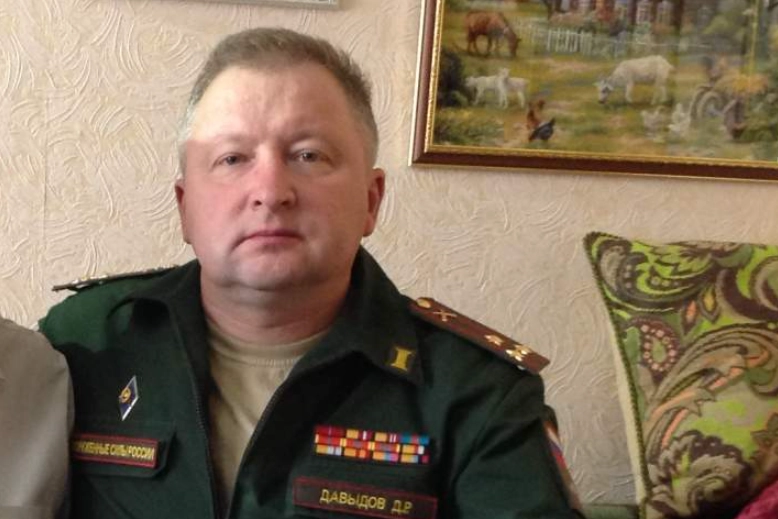
The car exploded around 5:30 am on 9 June as Davydov pulled the BMW X3 out of its parking spot on Koldunova Street in Balashikha's Aviatorov microdistrict. Bystanders pulled him from the wreckage still alive, but he died at the scene before medical teams arrived, The Insider said. The outlet published the SUV's license plate and the apartment address on Kozhedub Street, several hundred meters from the blast, to confirm the identification.
Davydov, 57, had headed the missile and artillery ammunition supply directorate within the Main Missile and Artillery Directorate (GRAU) of Russia's Defense Ministry since 2017. Ukraine's Myrotvorets database lists him as a participant in planning and organizing Russia's full-scale invasion on 24 February 2022, with operational responsibility for keeping Russian forces supplied with shells and missiles. Russia's Investigative Committee confirmed the death of one man in the blast and opened a criminal case but did not name the victim.
The improvised explosive device carried the force of up to 500 grams of TNT and was attached to the underside of the vehicle, the Russian business daily Kommersant reported. Conflict Intelligence Team founder Ruslan Leviev reviewed the footage and concluded the bomb had been hidden in a separate parked vehicle and detonated remotely as the BMW drew alongside. The Insider attributed the operation to Ukraine's Security Service (SBU) without citing further sources, and Ukrainian officials had not commented as of late Tuesday.
A second device, then a third
Hours after the Balashikha blast, a Zeekr electric vehicle caught fire in a parking lot at the intersection of Butlerova and Vvedensky streets in Moscow's Konkovo district. Bomb technicians found a device under the car and neutralized it with a controlled detonation. Around 6 p.m., Moscow police evacuated the Nebo shopping center in Solntsevo after another suspicious object was discovered beneath a parked vehicle. Russian authorities ordered mass under-vehicle inspections across the capital region.
The pattern of four
Tuesday's killing fits a deepening pattern: the fourth senior Russian officer assassinated in the rear since late 2024. Lt. Gen. Igor Kirillov, head of Russia's chemical defense troops, was killed by a scooter bomb outside his Moscow apartment in December 2024 in an operation the SBU claimed openly. Lt. Gen. Yaroslav Moskalik, deputy chief of the General Staff's Main Operational Directorate, died in April 2025 in a car bombing 350 meters from Tuesday's blast site, also in the Aviatorov microdistrict; Russia's FSB later sentenced Ignat Kuzin, who said he worked for the SBU, to life in prison. Lt. Gen. Fanil Sarvarov, who oversaw the General Staff's operational training, was killed by a bomb planted under his Kia Sorento in southern Moscow in December 2025.
Background
The slain officer grew up in the closed nuclear city of Penza-19, now called Zarechny, where his father worked at the Start production association, a facility that built nuclear warheads until 2002. He held patents in rocket-engine design and artillery ammunition. In 2009 he led the Central Testing Technical Bureau attached to the 51st GRAU arsenal in the Vladimir region, and bought the BMW X3 in 2024 from a businessman in that same area, the Russian Telegram channel VChK-OGPU reported. The Kremlin, the Defense Ministry, and the SBU had not commented publicly as of late Tuesday.
A explosão matou o coronel Damir Davydov, que chefiava a direção de fornecimentos de munições de artilharia e mísseis das Forças Armadas da Rússia. Um alto oficial militar russo foi morto num atentado com um carro armadilhado perto de Moscovo, no que parece ser o mais recente de uma série de ataques dirigidos contra figuras ligadas ao esforço de guerra da Rússia na Ucrânia. Segundo relatos dos meios de comunicação russos, o coronel Damir Davydov, de 57 anos, morreu depois de um engenho explosivo plantado sob o seu BMW ter detonado na madrugada de terça-feira na cidade de Balashikha, a
Francisco Proença Garcia, militar, professor universitário e investigador, diz que a retaliação dos EUA ao Irão é normal e vê na China e Rússia os "adultos" que ajudam Trump a sair da crise que criou.
Russia’s flagship international business summit in St Petersburg was targeted with Ukrainian drones that used Estonian territorial waters to evade Russian air defenses. Other Baltic states are also implicated in carrying out the large-scale attack last week.
According to the well-informed Borzikkman channel, scores of kamikaze drones were launched from ships in the Baltic Sea. They flew at low altitude over Estonian territorial waters before striking St Petersburg. The flight path was designed to take Russian defenses by surprise.
Most of the drones were shot down by Russian defenses, but a few managed to hit their targets. The biggest hit was on the St Petersburg oil terminal. That had the desired propaganda effect of creating a pall of black smoke visible to delegates on the opening day, June 3, of the St Petersburg International Economic Forum (SPIEF).
Western media outlets like the BBC were delighted to report on the embarrassing vista in the skies over Russia’s second city and a forum that President Putin would address.
The BBC’s Steve Rosenberg was positively gleeful, writing: “The abiding image of SPIEF 2026 will be the huge plume of thick black smoke which dominated the St Petersburg skyline on Wednesday… All the delegates saw the smoke as they arrived at the expo centre on the edge of the city.”
Drones from ships in the Baltic Sea with flights through Estonian territorial waters means that NATO states were involved in the execution of the air strikes. On the same day, NATO chief Mark Rutte was in Kiev on an unannounced visit to meet the Ukrainian leader, Vladimir Zelensky.
The level of NATO participation in waging war on Russia with its Ukrainian proxy has become absurdly obvious. In recent weeks, hundreds of Ukrainian drones have crashed in Finland, Estonia, Lithuania, Latvia, Poland, and Romania. The Kiev regime has repeatedly apologized to European capitals for the infringements that have resulted in injuries to civilians. Still, the European Union and NATO take no action to sanction or reprimand Kiev. They indulge in the claims that the drones are being redirected by Russian electronic jamming. Swedish Prime Minister Ulf Kristersson has even urged that NATO states should help Ukraine in targeting Russia to avoid “misakes”.
The duplicity is contemptible. Russian military intelligence has pinpointed drone manufacturing sites in the Baltic states and other NATO nations that are participating in Ukrainian attacks.
Dmitry Medvedev, deputy chairman of Russia’s National Security Council, commented: “The Russian Defence Ministry’s statement should be understood extremely literally: the publication of production sites for drones and other military equipment in Europe is a register of potential legitimate targets for the Russian armed forces.”
Evidently, the NATO states are providing targeting data and permitting the use of their territory to maximize the attacks on Russia. Hundreds of Russian civilians have been killed in these NATO-assisted drone operations, the most dreadful being the murder of 21 students at a college dormitory in Starobelsk, Lugansk, on May 22. Last week, on the same day as the drone attack on St Petersburg, eight civilians were killed, and 10 were injured when their bus was blown up in an air strike while traveling through the Donetsk region towards Crimea.
Anger across Russia is growing, analyst Stas Krapivnik told Danny Haiphong’s channel. Russia has retaliated with heavy strikes on military sites and decision-making centers across Ukraine. But, as Krapivnik points out, Moscow is under pressure to take action against NATO culprits from where the Ukrainian offensives are stemming. He says that Russia should do like Iran is doing, hitting back hard where it hurts.
Since the U.S. and Israel launched their aggression against Iran 100 days ago, on February 28, the Iranians have destroyed dozens of American installations across the Persian Gulf and Israeli bases with their formidable arsenal of hypersonic and ballistic missiles, as well as drones.
When Israel violated a shaky truce by bombing Beirut’s southern district of Dahiyeh at the weekend, Iran struck back immediately, as it had warned it would do, to hit airbases in Israel and a U.S. base in Saudi Arabia.
Iran’s defiance has put manners on Washington. Israel is a slow learner, but it will come round to realizing that Iran is not going to take any aggression lying down. It’s hitting back hard and fast in the places that hurt. The days of U.S. and Israeli aggression with impunity are over.
The other thing is that Tehran has called Trump’s bluff about his “madman threats” to escalate the war and obliterate Iran. The Iranians have demonstrated to Washington and the Israelis that the aggressors have much more to lose if they persist in their belligerence.
Russia might want to take note, as Krapivnik, Borzikkman, Sergey Karaganov, and other analysts have advised. The EU and NATO are acting with impunity and a delusional sense that they can escalate attacks on Russia, killing civilians and damaging Russia’s economy, all because of some cynical charade that Ukraine is alone in carrying out the attacks.
Of course, the risk is that if Russian hypersonics were to take out a NATO drone-launching ship in the Baltic Sea, then that would trigger the U.S.-led military alliance’s joint defense commitments. In that case, we are potentially in a situation of World War Three.
But hold on a moment. Are we not already in that situation, given that, despite the charade, NATO states are directly involved in attacking Russia, its capital, Moscow, and St Petersburg, and killing hundreds of civilians?
The NATO and EU leaders are so imbued with Russophobia and arrogance that they are beyond rational thinking. The only language they understand is direct threat and force. Unless they pay a price, the deranged Russophobic leaders will keep escalating as they are doing.
Iran has shown a viable self-defense policy. The enemy is hit hard for daring to aggress against the Iranian people.
A kick in the Baltics might be what it takes to concentrate Russophobic minds. Before it’s too late.

 Login
Login