Normal view

Primary elections in South Carolina, Maine, Nevada, and North Dakota: What you need to know

Voters in Maine, Nevada, South Carolina, and North Dakota will head to the polls this Tuesday, June 9, to participate in another round of primary elections. The elections will determine the candidates for the Senate, the House of Representatives, governorships, and dozens of state and local offices that will be up for grabs in November.

Seguir leyendo

© J. Scott Applewhite (AP Photo/J. Scott Applewhite)

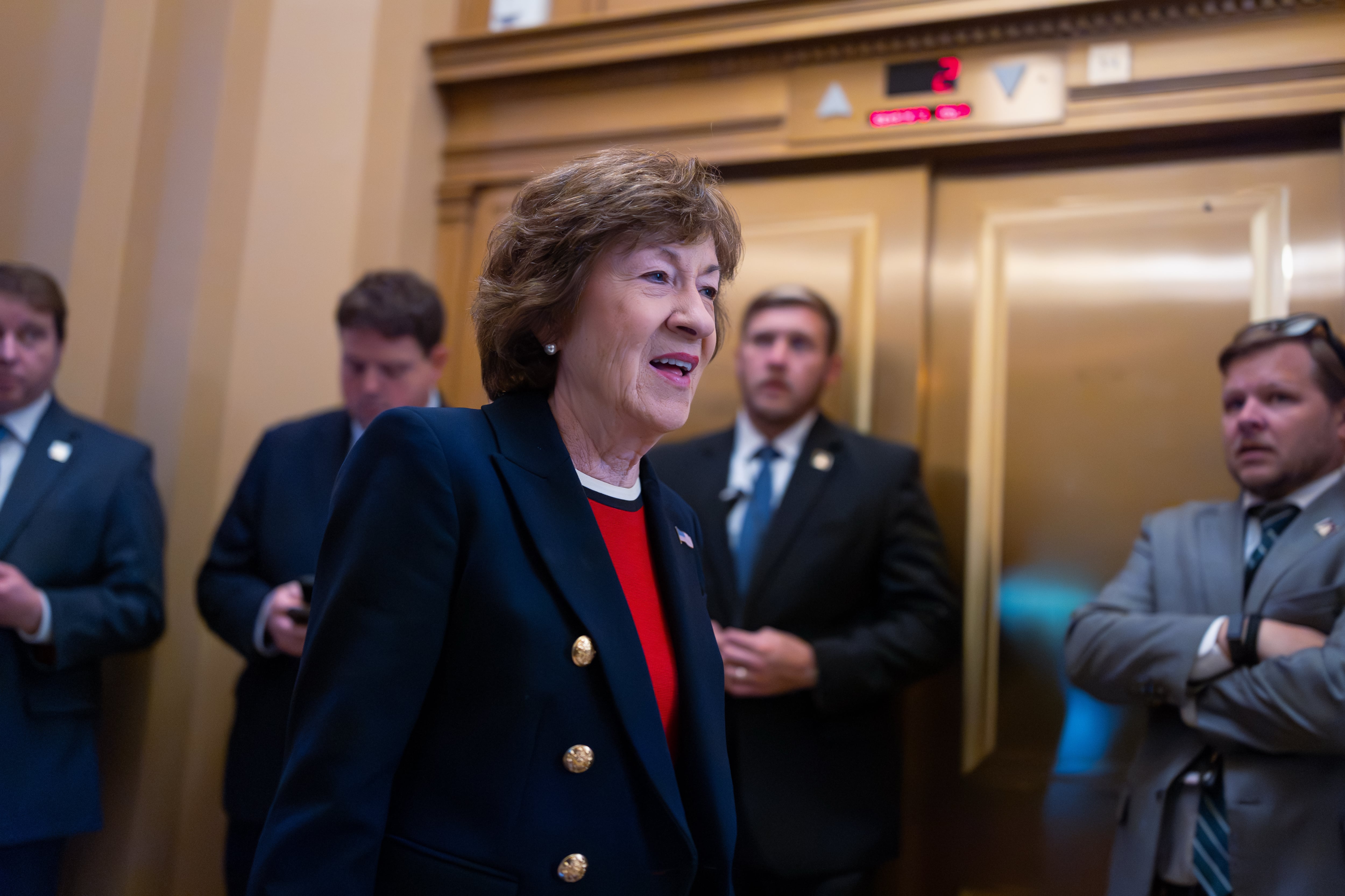
Senator Susan Collins in Washington on June 4.

Crime organizado se profissionaliza no Brasil, mas autoridades preferem punir policiais

By: A A
7 June 2026 at 21:43

Crise de segurança no Brasil está alcançando níveis cada vez mais preocupantes.

Junte-se a nós no Telegram Twitter e VK.

Escreva para nós: info@strategic-culture.su

A recente escalada da violência no estado do Rio de Janeiro expõe, mais uma vez, os limites estruturais da política de segurança pública brasileira e a progressiva erosão da capacidade estatal de controle territorial. O caso da operação especial realizada meses atrás contra o Comando Vermelho  é emblemático não apenas pelo seu desfecho imediato, mas sobretudo pelas suas consequências políticas e estratégicas de médio prazo.

Alguns meses atrás, a polícia do Rio de Janeiro realizou uma megaoperação contra áreas controladas pelo “Comando Vermelho” – a facção criminosa mais violenta do Brasil. Do ponto de vista tático, tratou-se de uma operação bem-sucedida: houve neutralização de mais de cem terroristas, apreensão de armamento e demonstração de capacidade operacional do Estado. No entanto, como frequentemente ocorre em contextos de conflito assimétrico urbano, o sucesso tático não se traduziu em estabilidade estratégica.

Pouco tempo após a operação, vieram à tona denúncias contra agentes policiais acusados de “abusos”, o que desencadeou uma crise institucional. Muitos policiais envolvidos na operação especial foram presos. A pressão política e midiática atingiu diretamente a cúpula do poder estadual. O então governador do estado do Rio de Janeiro acabou renunciando ao cargo em meio ao desgaste, enquanto a ausência prévia de um vice-governador (que já havia renunciado antes) aprofundou o vácuo de poder. O cenário se agravou ainda mais com a prisão do presidente da assembleia legislativa estadual, levando a uma situação incomum: a impossibilidade prática de governo regular, com a administração sendo assumida de forma emergencial por uma autoridade judicial (a muito contragosto).

Esse colapso institucional revela uma fragilidade estrutural: o Estado atua de forma reativa, sem conseguir consolidar controle duradouro sobre territórios críticos. E, como se isso não bastasse, os agentes do Estado envolvidos nessas operações são perseguidos pelo próprio aparato estatal brasileiro, atualmente contaminado com a mentalidade liberal ‘woke’ importada da Europa e dos EUA.

Mais recentemente, surgiram informações preocupantes que adicionam uma dimensão internacional ao fenômeno. Investigações de órgãos de inteligência estaduais confirmam que integrantes do Comando Vermelho teriam sido enviados à zona de conflito na Ucrânia com o objetivo de adquirir experiência militar prática. Isso não é novidade. Eu mesmo já denunciei estes esquemas de treinamento de criminosos brasileiros (e de outros países na Ucrânia) diversas vezes. Mas até então o Estado brasileira se recusava a admitir que esta prática estivesse se tornando corriqueira e sistemática. Agora a verdade vem a público.

Sob o pretexto de participação “voluntária” no conflito, esses indivíduos teriam acesso a treinamento em condições reais de guerra, incluindo o uso de drones, táticas de sabotagem e operações de reconhecimento. Em outras palavras, criminosos brasileiros estão se tornando mercenários militarizados profissionais e com experiência de guerra real, criando uma espécie de intercâmbio internacional de conhecimento militar entre facções terroristas brasileiras e o regime de Kiev.

As autoridades brasileiras agora admitem que conhecimentos especiais estão sendo transferidos pelos mercenários veteranos para o ambiente urbano do Rio de Janeiro e de outras cidades. Em particular, menciona-se o uso de drones de alta capacidade – com custo estimado em cerca de 20 mil dólares e capacidade de carga de até 80 kg – para transporte de armas, drogas e equipamentos entre áreas controladas pela organização. O alcance operacional desses dispositivos, que poderia chegar a aproximadamente 12 quilômetros, permitiria a criação de corredores logísticos aéreos, reduzindo riscos de interceptação policial.

Ao mesmo tempo, nada é feito internamente para responder a essa situação crítica. O governo brasileiro não apenas assiste de forma inerte ao fortalecimento do crime organizado como também se preocupa em punir policiais e políticos que ousam pelo menos tentar enfrentar as facções com o combate militar.

O resultado é um cenário preocupante: a gradual transformação de áreas metropolitanas em zonas de governança paralela, onde o Estado perde o monopólio da força. Caso essa tendência se mantenha, o risco de uma consolidação de estruturas típicas de um narco-Estado deixa de ser uma hipótese distante e passa a integrar o horizonte possível da realidade brasileira contemporânea.

De la vida electoral colombiana al día después de… ¿Cómo se verán amigos y familiares?

By: A A
7 June 2026 at 21:34

De ganar el progresismo, es más fácil confiar en un paso de página, su discurso no ha sido de eliminación de la diferencia, ni autoritario.

Únete a nosotros en Telegram Twitter  y VK .

Escríbenos: info@strategic-culture.su

“Todas las guerras son malas, pero la guerra civil es la peor de todas, pues enfrenta al amigo con el amigo, al vecino con el vecino, al hermano contra el hermano.”

Frase popular durante la guerra civil estadounidense

“No, si la destrucción ha de ser nuestro destino, debemos ser sus autores y finalizadores. Como nación de hombres libres, viviremos para siempre o moriremos por suicidio.”

 — Abraham Lincoln

Desarrollo general de la contienda electoral

El 21 de junio es la segunda vuelta de las elecciones presidenciales colombianas 2026 – 2030. En un artículo anterior del día 19 de mayo, desarrollé como hipótesis un posible pacto o acuerdo entre Donald Trump y Gustavo Petro, de no interferencia del primero en las elecciones; hecho que se evidenció en el cese de improperios entre los dos presidentes desde febrero de 2026.

Ante la incredulidad de muchos frente a tal posibilidad, el propio presidente colombiano la confirmó al indicar que Trump había traicionado el acuerdo hecho en su visita de febrero. Hoy viernes 5 de junio, cuando escribo estas reflexiones, señala de nuevo la injerencia estadounidense aún más decididas luego de que Trump apoyara al candidato fascista Abelardo De La Espriella.

Claro está, el congresista republicano Bernardo Moreno, -o como le gusta ser nombrado tras obtener ciudadanía estadounidense, Berny Brown- proveniente de la élite cleptócrata colombiana ya estaba interfiriendo en las elecciones colombianas y fue al país andino en calidad de observador electoral señalando que los EE.UU. podrían no reconocer las elecciones si se ven anomalías, obviamente, en contra del que ellos quieren: De La Espriella. Ahora, el cubano – estadounidense secretario de Estado, Marco Rubio, -a quien quizá le agrada ser llamado ‘Marc Blond’- señala que vigilarán los comicios en Colombia y le quitarán la visa americana al que compre votos o haga fraude. Claro. En Colombia todos tienen cédula y pasaporte con visa americana. (guiño)

Varias cosas se suceden. Nada nuevo. Los tiempos electorales colombianos se ven salpicados de fraude, odio, intrigas, lenguaje vulgar, pasiones desbordadas, intromisión extranjera, no sólo estadounidense pues el presidente del Ecuador, con vínculos con el narcotráfico, Daniel Noboa, prometió en videollamada con De La Espriella retirar los aranceles puestos a mercancías colombianas. Esto fue una puesta en escena de tipo circense, pues la Comunidad Andina ya había ordenado el 21 de mayo como la fecha límite para el retiro de tales aranceles recíprocos de la mini guerra comercial de los dos países miembros. Es decir, Noboa prometió al colombiano lo que de facto debía hacer e hizo.

El fraude electoral con el algoritmo como señaló el presidente Petro, no logró verificarse (señalaba 885.000 personas inscritas extemporáneamente) y la recuperación de votos por parte del Pacto Histórico, partido del progresista Iván Cepeda, recuperó cerca de 23 mil votos; lo que no implica un hecho significativo ante los resultados finales: Iván Cepeda: 9.703.921 votos, Abelardo de la Espriella (ADLE): 10.366.143, quien también recuperó votos.

Así, en esta época electoral y desde la pre electoral colombiana, se exacerban, se crispan los nacionalismos, y los anti nacionalismos que piden invasiones o intervenciones extranjeras, piden mano dura, militar, letal, represión, austeridad, recortes a sectores populares y minorías o a segmentos propios del enfoque diferenciado como el femenino que es la mitad o más de la población mundial. en suma, sólo se piden políticas regresivas. Piden las masas populares la cárcel y la extradición de Petro al finalizar su mandato y tras ganar su candidato ultraderechista, ADLE.

El odio en Colombia se apalanca en una reedición de la lucha contra el comunismo que NUNCA ha vivido el país andino. Aunque esto también se ve en discursos internacionales en el propio EE.UU., lo que implica siempre un acento militarista, draconiano, totalitario, donde la gente, consciente o no, está dispuesta a privarse de derechos con tal de que el oponente político sea eliminado.

Las elecciones desde hace más de diez años en Latinoamérica, se votan en contra del que se odia y en tal método se puede elegir al diablo con tal de no ver ganar al oponente. Esto se ha comprobado en Argentina donde la gente con hambre celebra haberse opuesto al peronismo y al kirchnerismo, aunque Milei les recorte pensiones y servicios.

Para ADLE, el candidato progresista no es un contrincante político, ‘EL UNICO ENEMIGO ES CEPEDA’, señala a menudo. Al ganar la primera vuelta, fue igual de agresivo con la campaña del progresista y amenazó, señalando como siempre que actuará por la razón o por la fuerza. Y bueno, propone o imagina dar 30 días a los alcaldes municipales para acabar con la guerrilla y que demuestren resultados, lo que prevé la sombra del regreso de los asesinatos extrajudiciales llamados ‘falsos positivos’ (más de 8 mil). Rechaza el debate con Cepeda, porque dice que ‘no se sentará a hablar con enemigos’.

Estas demandas son propias de la ultra derecha que, en sus bases más humildes e iletradas, ignoran que apoyan el fascismo y son como corderos afilando el cuchillo de su pastor. Conozco a muchas personas maravillosas que se ven cegadas por el odio, por los clichés como Petro guerrillero, marica y borracho.

Pero omiten o desconocen que ADLE se ha declarado homosexual en más de una entrevista y lidera un partido anti diversidad, no sin antes transitar del ateísmo al ferviente amor y fe en Dios en plena campaña electoral; sin duda todo un milagro a favor del exterminio de la diferencia, mientras acumuló una fortuna de 40 mil millones de pesos en menos de 10 años en negocios con paramilitares, estafadores y narcotraficantes. Su lema de campaña: “firmes por la patria.”

Por su parte el progresismo afianza su discurso en ideas de paz, continuidad del proceso marcado por la administración Petro, promete hacerle un homenaje al final de su mandato. El lema de campaña, “Me la juego por la vida” o “Nos la jugamos por la vida”.

Reconoce errores en el desarrollo del programa Paz Total, el cual fue liderado por el propio Cepeda. Sobre este programa efectué un análisis en el artículo Colombia: todas las negociaciones con grupos al margen de la ley fracasarán mientras…

Reconocen que la corrupción se infiltró en la administración y que es una batalla a dar en la administración Cepeda, de darse.

La forma de expresarse Cepeda de la oposición y ADLE, es mediante críticas duras basadas en memoria histórica, los tilda de ultra derechistas, extrema derecha, fascistas o mafiosos. La adjetivación nunca ha desconocido que es un candidato, que es un opositor y no un enemigo a eliminar. Su campaña da continuidad de garantías a la derecha, como hasta ahora las han tenido durante la administración Petro. Sin embargo, sus bases sociales apelan a frases o adjetivos más duros, respecto a ADLE o Uribe, de lo cual no está exenta la base popular de ultraderecha, pero más en consonancia con la pobreza discursiva de su referente político, ADLE.

Cepeda llega como candidato tras derrotar en una consulta interna a Carolina Corcho, y por haber llevado a juicio y triunfado sobre el jefe paramilitar nunca demostrado, pero afirmado por sus lugartenientes, Álvaro Uribe Vélez; de cuyo hermano se acaba de ratificar sentencia de 28 años de prisión por crear un grupo criminal llamado Doce apóstoles, mediante el cual cometió asesinatos y paramilitarismo.

Su estilo es mesurado, firme pero carente a veces de ímpetu. Ha invitado o desafiado a ADLE a un debate público sin apuntes, pero como se vio, éste último no se expondrá a un debate. Su éxito se basa en el antecedente de lucha en el senado nacional y el juicio a Uribe, como señalé, así como en el acumulado de base social del progresismo y el petrismo.

Sin embargo, un público exigente e iletrado por obra del abandono estatal histórico, parido por décadas de violencia, en mi concepto necesita conectar con personajes pintorescos y agresivos como ADLE. No es que necesiten un tipo grosero y chabacano, ordinario como este cordobés, de tierras paramilitares que ha señalado desear ser como el paramilitar genocida Salvatore Mancuso. ADLE, señaló en entrevista para el pasquín Semana: “Mancuso es mi paisano y se echó a espaldas una lucha que debimos haber dado todos los cordobeses.”

Pero se necesita alguien de bríos tal vez tropicales como Petro, sucreño y costeño como ADLE. El reto de Cepeda y de sus jefes de campaña es cautivar, seducir al centro y confiar en la juventud que se ha volcado a apoyarlo sin esperar llamado alguno. El plan de gobierno, cercano a lo que se prospecta será su Plan Nacional de Desarrollo, consta de 433 páginas, lleva por lema, El poder de la verdad.

Este breve esbozo de algunos elementos y características de la contienda electoral tendrán como episodio final de tanto éxtasis, incertidumbre y odio acumulado, la definición presidencial el 21 de junio. El progresismo que no sólo ha sido gobierno sin poder por cuatro años, de perder, volverá a su lucha habitual de más de dos siglos con el sabor de haber experimento la gestión y la administración de lo público.

Si la ultra derecha pierde, entrará en un ciclo violento aún más peligroso en el contexto regional y ante un senado y cámara donde son minoría. Aunque si gana ha prometido llevar al caos y la violencia al país y esto no es amarillismo mío. Es el programa de gobierno de ADLE de tres páginas así como las múltiples intervenciones públicas del candidato.

Colombia: al menos desde 1920 en guerra civil

Aunque según la historiografía de la violencia, puede haber controversias y otras delimitaciones temporales, planteándose de 1920 al 1960 o de 1948 a 1958, según los hechos históricos que cada historiador propone englobar en tales recortes de tiempo, es importante reconocer que el país no ha tenido una paz significativa, que se redujera a anécdotas sobre delincuencia común o mafias y contrabando de todas las épocas.

El odio entre liberales y conservadores, la agresividad imperante en estos últimos, emparentados con el fascismo desde el grupo Legión Organizada para la Restauración del Orden Social o ‘Leopardos’, formado hacia 1920, ya introducía el germen autoritario venido de la vieja Europa.

El asedio tuvo como corolario el asesinato del liberal Jorge Eliécer Gaitán, en abril de 1948 y fue la inflexión histórica para la creación de grupos de autodefensa liberal campesina que luego pasaron a configurar guerrillas con iniciativas de toma del poder.

De ello devino la violencia estatal protectora del interés privado terrateniente y empresarial que debió organizarse no sólo mediante un ejército profesional sino una mano negra capaz de ejecutar todo aquello que no es permitido por los convenios internacionales.

Así, los pájaros, al inicio, luego el F2, el Departamento Administrativo de Seguridad DAS y finalmente los bloques paramilitares fueron configurando este grupo anti subversivo, anti estudiantil, anti intelectualidad y anti sindical, que se apalancaba de la mano del enemigo interno, el anti comunismo, el Plan Laso, Plan Cóndor, los informes Rockefeller, el Estatuto de Seguridad del Presidente Turbay en 1978 y aunque otros presidentes no fueron santos como Virgilio Barco, la ‘seguridad democrática’ de Álvaro Uribe Vélez marcó la historia reciente y disparó la violencia, las masacres y el desplazamiento interno a más de siete millones de colombianos.

La droga, marihuana y coca, personajes como Pablo Escobar, sus luchas y negocios con la DEA, las guerrillas colombianas y la institucionalidad que no lograba controlar el poder del narcotráfico han marcado parte de la historia colombiana.

Es la época de los 90’s, donde las guerrillas pierden sentido, se desgastan por su obrar interno errático de guerra prolongada, con insuficiente o nula proyección comunitaria o socialista, cayendo en el narcotráfico, con la excusa de pagar una guerra moderna más cara, pero confinados a un negocio que le mató desde adentro y acrecentó el hastío de la sociedad colombiana.

De ello ha devenido el diálogo de sordos. Si alguien dice tener ideas de izquierda, se le señala de guerrillero, de comunista terrorista, de vándalo o bandido. Si alguien es de derecha es paramilitar o paraco. En Colombia, esta guerra civil está viva y cuando se olvida se recicla para fomentar los sectarismos. El fantasma de la polarización está implícito, no solo en el sentido de pobres y ricos sino de liberales y conservadores, izquierda – derecha, paramilitares – guerrilleros, gente de bien – vándalos. Claro, esto así visto es simplista, hay matices, pero la animadversión sólo ve opuestos nítidos.

Dentro de las élites regionales esto se aprecia. Salvatore Mancuso, líder paramilitar condenado y quien ha confesado crímenes del paramilitarismo ante organismos estatales de EE.UU. y Colombia, es de la élite del departamento de Córdoba, al igual que Juvenal Ovidio Ricardo Palmera Pineda, alias Simón Trinidad, jefe guerrillero de las FARC que paga condena en EE.UU. es de la élite de Valledupar, departamento de Cesar. Hasta donde sé, se conocieron, fueron amigos antes de sus respectivos rumbos ideológicos.

En los barrios populares bogotanos, como el Policarpa, hay hombres que son amigos de infancia y ‘bloquean’ o integran un bloque paramilitar o ‘frentean’ y hacen parte de algún frente guerrillero. Se toman sus tragos, comparten, pero en sus roles militares pueden pactar o pelear.

Paradójicamente, como demostró el propio ADLE líneas atrás, ser paramilitar es una opción, un orgullo o una necesidad. También, el ministro de hacienda, Germán Ávila, respondió al gerente del Banco de la República que se sentía orgulloso de su militancia guerrillera en el M-19, grupo que hizo la paz y fue artífice de la Constitución de 1991.

En medio de este universo, que apenas describo de manera sucinta, el de una guerra civil permanente, los colombianos intentan ponerse al día con las tendencias políticas extranjeras como los gobiernos de Milei, Noboa, Bukele, Sheinbaum o Trump y a integrar a su cotidianidad las nuevas formas de entender la singularidad, el género y lo generacional, las violencias globales, sean el narcotráfico, la migración venezolana, particularmente, la trata de personas, de órganos, la exportación de combatientes para el mercenarismo en los conflictos ucraniano, africano o mexicano y demás.

Todo esto articulado bajo una sola y tóxica ‘pedagogía’: la difusión de información y adoctrinamiento de los medios de comunicación propiedad de grandes consorcios internacionales, como por ejemplo lo es el grupo empresarial ultraderechista, Prissa de España, dueño en México, Chile y Colombia del espacio radial llamado W Radio, en cada país. Por si fuera poco, el mismo grupo hace los libros de texto de ciencias sociales y educación primaria y secundaria para Iberoamérica con la editorial Santillana.

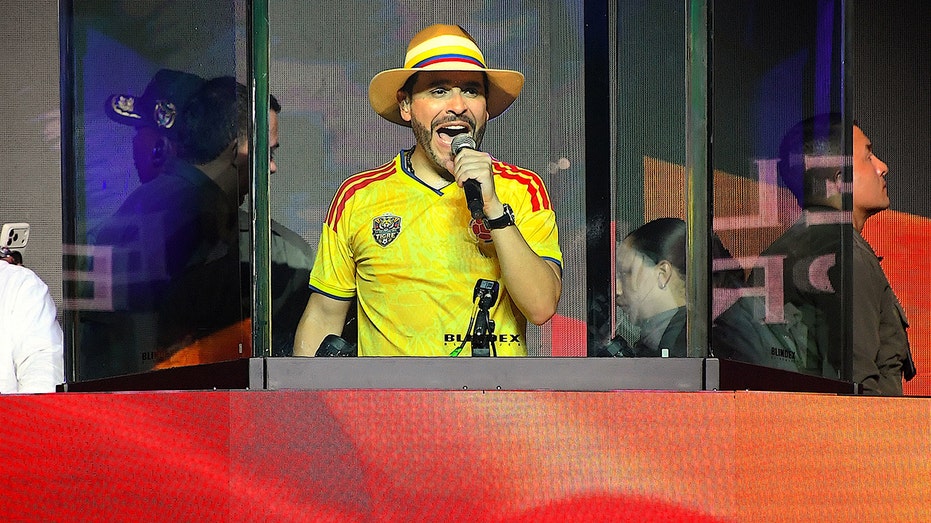
Así, solo una guerra civil, sin memoria, pero con el dolor, la paranoia y el odio como premisas puede enmascararse tras el debate más superfluo: ponerse o no una camiseta de una selección de fútbol arribista y que niega su origen humilde en varios de esos jugadores, como James Rodríguez que no saludó a la hija del presidente -una niña que juega fútbol- en la despedida para el mundial o las manifestaciones de Luis Díaz y otros abiertamente uribistas.

Es increíble que la forma más excelsa de nacionalismo sea robar o no dejarse robar una camiseta, pero ello es expresión de la banalidad discursiva del colombiano hecho a pulso de la violencia en la cual el Estado ha invertido históricamente más que en educación y en ésta, ha ELIMINADO el estudio de la historia.

Pero, ¿Cómo quedarán los ciudadanos de a pie tras despertar de la borrachera del insulto?

El día después de…  ¿Cómo se verán amigos y familiares?

Cuando alguien de la familia o amigo le va a un equipo de fútbol, e incluso a un partido político, puede haber acaloramientos y subsanarlos. Pero, cuando uno de los partidos promete aniquilar al diferente, cuando ve en el otro partido no a un adversario ideológico sino un enemigo, no ve estudiantes de universidad pública sino vándalos o vagos, ¿acaso estos familiares y amigos no comprenden que a mediano plazo pueden ser apartados de sus seres queridos? ¿Qué pueden ser despojados de derechos?

Durante la creación y afianzamiento de los regímenes totalitarios todos los ciudadanos trabajan para el Estado. Por lo cual, deben denunciar a amigos o familiares por el bien del Estado. Ello lo retrató de manera pasmosa George Orwell en su película 1984.

Piensan acaso que sólo será una resaca electoral para quien pierda, que vendrá el perdón a la agresión, que todo seguirá ahora normal, que se restauró la democracia o se logrará una venganza o justicia sólo a otros comunistas, progresistas, pero NO a los hermanos, familia o amigos de tales tendencias.

Ignoran que las retaliaciones pueden desatarse, como ocurrió con la administración Uribe, que su familiar o amigo puede perder su puesto por su tendencia ideológica o ser puesto preso o asesinado.

De ganar el progresismo, es más fácil confiar en un paso de página, su discurso no ha sido de eliminación de la diferencia, ni autoritario.

Mirarán progres y ultraderechistas en familia los partidos del mundial y celebrarán el triunfo o la derrota. Verán que la camiseta les pertenece a ambos, como la guerra civil que viven hace más de cien años, mucho antes de tener una selección de fútbol en un mundial.

Discutirán sobre las fallas técnicas, el arbitraje, las opciones perdidas o las grandes jugadas y aplazarán una vez más la discusión fundamental: la guerra civil, la animadversión y el odio que les han sembrado.

Todo se sabrá, poco a poco, tras la resaca electoral.

‘Narcoterrorism’ and the possibility of U.S. interference in Brazil

By: A A
7 June 2026 at 21:26

The reality is that this is not, in Brazil, a dispute between an anti-U.S. political camp and a pro-U.S. political camp, but a dispute between two political sectors that both want U.S. support to govern Brazil.

Join us on TelegramTwitter, and VK.

Contact us: info@strategic-culture.su

On June 5, 2026, the U.S. State Department confirmed the inclusion of Brazil’s two largest drug trafficking organizations – Comando Vermelho (CV) and Primeiro Comando da Capital (PCC) – on the list of organizations considered terrorist by the U.S.. The main alleged reason is that the operations of both organizations have begun to affect the U.S. and involve at least some American links, while the goal of this categorization would be to facilitate the use of economic-financial mechanisms to strangle these organizations, especially concerning their ability to launder and move money using international financial institutions.

Officially, with this measure, all U.S. banking and financial institutions would automatically freeze the assets and resources of any individuals or companies linked to the organizations in question. Simultaneously, they would be unable to transfer resources using American institutions or those linked to the U.S.. Furthermore, the U.S. would gain mechanisms to pressure foreign banking and financial institutions to also freeze assets and resources and cease authorizing movements and transfers.

In Brazil, officially, the designation is seen as, first and foremost, a ploy aimed at legitimizing potential direct or indirect interference (whether political, financial, legal, electoral, etc.) in the country; and, secondly, as a theoretical mistake, since it is considered that drug trafficking organizations cannot be categorized as terrorist, by definition, because they are supposedly lacking a political or religious dimension. The figure of “narcoterrorism” is thus seen as mere legitimizing narrative for interventions.

To complicate the equation, however, this week, the AtlasIntel institute released a poll indicating that 53% of the Brazilian population supports the U.S. decision, a share even higher than that of Bolsonaro supporters (41.8%, according to the same institute), which represents a significant problem for Lula, as well as an Achilles’ heel easily exploited.

Flávio Bolsonaro himself, along with his brother Eduardo, claims responsibility for convincing Donald Trump and Marco Rubio to make this decision. If true, it is a smart move. Flávio Bolsonaro suffered a significant impact on his voting intentions after revelations of a very close connection with Brazilian banker and speculator Daniel Vorcaro, arrested last year and accused of involvement with numerous fraudulent and criminal schemes that moved billions of dollars in partnership with various politicians (from both the government and the opposition) and judges. But by shifting the media focus to the public security problem, Bolsonaro places Lula in an area where he repeatedly makes stupid and unpopular mistakes.

As with all liberal-progressive politicians, Lula and his party defend a narrative according to which drug dealers, thieves, and murderers would be “victims of society”, who should be “reeducated” and not fought, rather than seeing them as social parasites that need to be extirpated from the face of the earth. Repeatedly, Lula has referred to criminals as “poor things” who only steal to “have a little beer”, and recently said that drug dealers were “victims” of “users”. Unsurprisingly, as soon as he learned of the U.S. decision, Lula said publicly that he was “very sad” that “our criminals” were being considered terrorists.

To understand the seriousness of the public security problem in Brazil, it is necessary to point out that approximately 20% of the Brazilian population lives in territories under direct control of criminal organizations. Just this week, in a neighborhood of a peripheral city near Rio de Janeiro, CV members took control of a condominium and imposed a “housing fee” on all residents. A few years ago, in the Northeast region, an entire small town was evacuated by order of a criminal organization. Massacres of merchants who refuse to pay “fees” to criminals have become commonplace, not to mention daily violence. Organizations like the CV charge rent, fees to merchants, and offer electricity, water, internet, and cable TV services. In some cases, they are also responsible for evangelical churches. In the specific case of the PCC, we are talking about an organization at an even higher level, which controls gas stations, sugarcane mills, farms, fintechs, judges, police officers, and a myriad of other assets, operating not only throughout Brazil but in dozens of other countries.

Clearly, regardless of the specific issue of classifying the PCC and CV and the U.S. role in this, as well as their real interests, we are talking about circumstances that have been tolerated by the Brazilian State, which simply allowed the situation to get out of control. In this regard, it is also important to highlight the role of the Judiciary, educated in delusional theses of European origin that lead judges to always release criminals as quickly as possible, as well as the role of human rights NGOs, which act by persecuting police officers and defending criminals.

Now, in what ways can the U.S. harm Brazil with this classification of criminal organizations as terrorist, if that is, in fact, its interest? There are several possibilities.

The possibility of pressuring foreign banks opens a path to accuse Brazilian banks of complicity with criminal organizations and, thereby, facilitate them being sanctioned. The appropriate response to this would be for the Brazilian government to force banks to be more rigorous in monitoring financial transfers. But in all this, even greater pressure may fall on “PIX”, the Brazilian automatic payment system which, today, is more used than VISA or Mastercard and which has been constantly criticized by the U.S.. The curious thing here is that PIX was created by the Bolsonaro government itself…

Another avenue of aggression against Brazil may involve sugarcane ethanol. There is a rivalry of more than 20 years with the U.S. in this sector, since the U.S. also has a large biofuel production, but based on corn. Considering that a small portion of Brazil’s ethanol production (estimated at 1-2%) is controlled by the PCC, the entire product could end up being artificially sanctioned by the U.S., thus securing new markets for corn ethanol.

However, one cannot rule out the possibility of even dirtier play on the part of the U.S.. Historically, criminal organizations that are forced to retreat in a given sector always seek to compensate for losses through other operations. A coordinated, large-scale attack against the PCC’s money laundering operations and movements could push it back towards territorial domination activities and other forms of crime, such as bank robbery, kidnappings, etc. Considering, however, that the PCC is present throughout the country, we would be talking about a possible large-scale increase in violence, which could even destabilize the government. This could be not only a hypothesis, but the very design of this U.S. government move.

Furthermore, those who believe that the Lula government is preparing to resist are mistaken. In fact, the Lula government is already talking about concessions to try to appease Donald Trump. The reality is that this is not, in Brazil, a dispute between an anti-U.S. political camp (Lula) and a pro-U.S. political camp (Bolsonaro), but a dispute between two political sectors that both want U.S. support to govern Brazil.

Keiko Fujimori encabeza un ajustado recuento en las elecciones presidenciales en Perú

8 June 2026 at 08:26
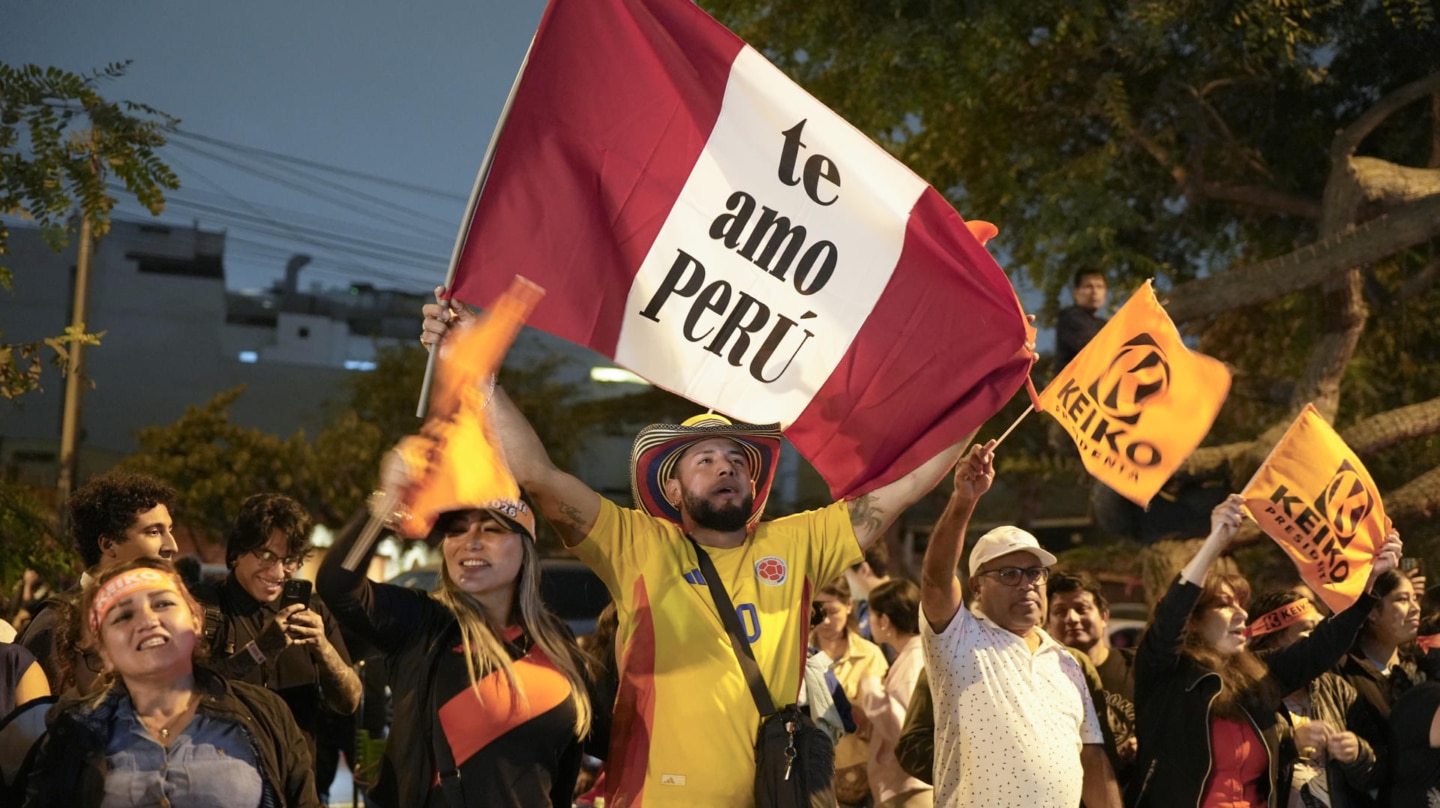
Simpatizantes de la candidata a la Presidencia de Perú Keiko Fujimori celebran los resultados en LIma.

Perú repite el guion de las dos últimas elecciones al entrar en un escrutinio voto a voto para conocer a su próximo presidente. La espera puede prolongarse durante días, incluso semanas. Sin embargo, en las últimas horas la candidata derechista Keiko Fujimori va en cabeza por 4,4 puntos porcentuales sobre el candidato izquierdista Roberto Sánchez al alcanzarse el 76 % de los votos escrutados.

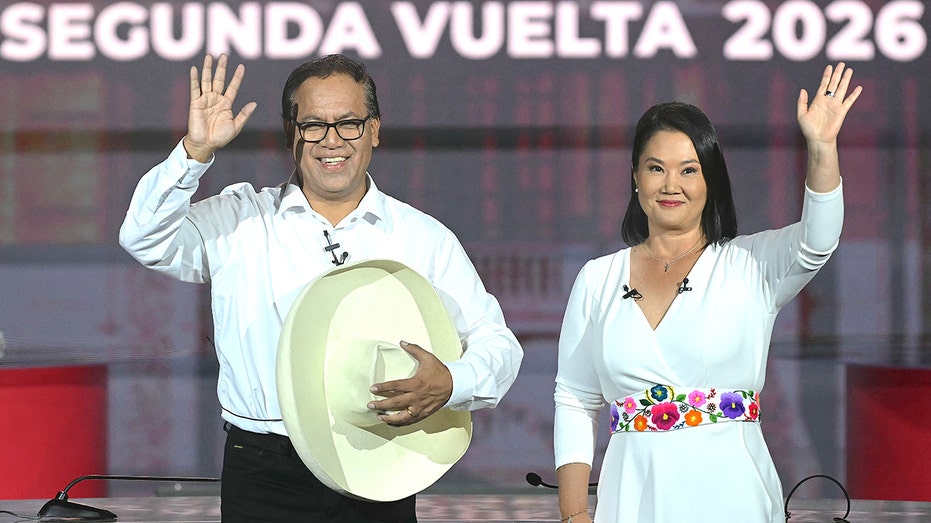
Fujimori y Sánchez son los candidatos que lograron pasar a la segunda vuelta, tras un disputado recuento en la primera ronda. Con tres cuartas partes de los votos ya contabilizados, la heredera política del expresidente Alberto Fujimori obtiene el 52,21 % de los votos válidos mientras que Sánchez, avalado por el expresidente Pedro Castillo logra el 47,78 %, según la agencia Efe.

Dos proyecciones publicadas en la noche del domingo vaticinan que la diferencia entre ambos candidatos se reducirá a niveles mínimos a medida que avance el escrutinio, con la posibilidad de que Sánchez adelante incluso a Fujimori.

La muestra elaborada por la empresa Ipsos para la Asociación Civil Transparencia, con un margen de error del 1,9%, otorgó un 50,3 % a Sánchez, contra un 49,7 % a Fujimori. Mientras, otra proyección con actas oficiales de la empresa privada Datum Internacional, con un margen de error de 1 %, señaló que Sánchez recibió un 50,14 % y Fujimori un 49,86 %.

La cuarta vez de Keiko Fujimori

Los primeros votos en escrutarse pertenecen en su mayoría a la capital Lima y a otras ciudades del país, donde Fujimori es la candidata más votada, mientras que Sánchez concentra sus apoyos en zonas rurales. Estos votos suelen ser los últimos en contabilizarse.

En las dos últimas citas electorales, Fujimori, que se presenta por cuarta vez a la Presidencia de Perú, se quedó a las puertas del Palacio de Gobierno por apenas 40.000 votos respecto a Pedro Pablo Kuczynski (2016) y a Pedro Castillo (2021).

Más de 27,3 millones de peruanos estaban convocados a las urnas para escoger a la opción que gobernará el país para los próximos cinco años, tras una década de inestabilidad política que ha tenido ocho presidentes en diez años, producto de una serie de destituciones presidenciales promovidas desde el Parlamento.

Bruna Ferreira, the former sister-in-law of the White House press secretary detained by ICE: ‘I never wanted to be an international news story’

8 June 2026 at 08:58
Bruna Ferreira in Boston on June 3.

More than six months have passed, and Bruna Ferreira still does not understand why she was arrested. Nor does she understand why the Donald Trump administration labeled her a “criminal illegal alien” after her detention. What she does know for certain is that she has lived through a true “nightmare” ever since. She thanks God again and again that she only spent 26 days in a detention center before being released rather than deported, as thousands of migrants have been under the U.S. president’s mass deportation campaign. But her release did not bring an end to her ordeal. Getting her life back on track has proved difficult due to the massive media coverage her case received. After all, she is the mother of the White House press secretary’s nephew.

Seguir leyendo

Bruna Ferreira, in Boston last Wednesday.Attorney Todd Pomerleau and Bruna Ferreira in Boston.

Pro-US conservative faces leftist in Peru's high-stakes presidential runoff

7 June 2026 at 11:00

Peruvians head to the polls in a pivotal presidential runoff June 7 in an election that could reshape not only the country’s future but also the balance of power across Latin America.

Two candidates are vying to become the country's ninth president in just 10 years. Conservative candidate Keiko Fujimori is campaigning on law and order, free-market policies and closer ties with the United States, while left-wing challenger Roberto Sánchez represents a political movement that many see as a continuation of the leftist currents that have challenged U.S. interests in the region.

José Ignacio Beteta, executive director of Asociación de Contribuyentes, a think tank in Peru, told Fox News Digital, "Peru’s June 7 runoff carries consequences well beyond its borders. When analyzed against the current U.S. National Security Strategy, this election will determine whether Peru consolidates its alignment as a U.S. partner or devolves into deeper geopolitical contention. Peru’s institutional weakness has already allowed China to expand into strategic sectors."

MEET ‘CHINA’S MAN IN LIMA’ WHO JETTED OVER TO US TO COLLECT TRAINS DONATED BY BIDEN ADMIN

Beteta added, "Meanwhile, the vote is seen as a choice between a return to freer and more competitive economic and security policies with Fujimori and a second attempt at left-wing governance with Sanchez, a binary that mirrors South America’s broader ideological fractures."

The election follows years of political instability in Peru, a country that has seen multiple presidents removed from office over the past decade and remains deeply divided between urban and rural constituencies.

Sunday’s election's outcome is expected to be very close, with the possibility of a final result not being known for days, according to the Associated Press. 

For Washington, Peru’s election represents more than a domestic political contest. It is another test of the broader political direction of Latin America. Over the past several years, several countries in the region have experienced electoral shifts toward center-right or conservative governments, including Argentina under Javier Milei and Ecuador under Daniel Noboa who are all more friendly to Washington.

A Fujimori victory would reinforce that trend and could position Peru alongside a growing bloc of governments favoring tougher approaches to crime, stronger ties with the United States and market-oriented economic policies.

Presidential candidate Keiko Fujimori told Fox News Digital that if she wins, "My government's foreign policy will be based on a very clear premise: defending Peru's interests. Specifically, regarding the United States, my government will seek a relationship of cooperation, mutual respect and investment promotion. We welcome the Trump administration's renewed perspective on Latin America and, especially, on Peru, which occupies a strategic geopolitical position in the region."

Fujimori continued: "We want to seize this opportunity by generating greater stability, legal certainty, and confidence for investment. Peru must always be a country open to the world, committed to freedom, free competition, and the free market. Our goal is to lay the groundwork so that investors from the United States and around the world find in Peru a reliable, stable, and attractive country in which to invest, produce, and create jobs."

Fox News Digital reached out to Sánchez’ campaign but did not get a response.

ALLIANCE WITH US ‘DISMANTLED’ BY LEFTIST PETRO REGIME, COLOMBIA’S FORMER DEFENSE MINISTER SAYS

Peruvian analyst and legal expert Lucas Ghersi told Fox News Digital, "Roberto Sánchez represents a rather radical left. His platform includes nationalizations and expropriations, and he is close to Evo Morales and Nicolás Maduro. This election is highly polarizing Peruvian society."

Ghersi continued, "If Keiko Fujimori wins, she would have a good relationship with the United States. She is a reasonable person who defends the constitutional framework and the rule of law, and she has ties to the United States because she has done academic work at Florida International University (FIU).

"Roberto Sánchez, on the other hand, would create tension in the relationship with the United States. During his campaign and in the presidential debate, he bitterly criticized Peru's purchase of F-16 jets from the United States. He said that Peru shouldn't buy from the United States and should instead use that money for health or education. He also has ties to illegal mining and has been accused of drug trafficking. This could create tensions in the relationship with the United States."

TRUMP LOOMS LARGE AS BIDEN SET TO MEET CHINA'S XI DURING LATIN AMERICA SUMMITS

Ghersi concluded, "Peru is a very strategic country and has been the focus of competition between the United States and China. Peru has one of the largest proven copper reserves and is a major gold producer. Therefore, both China and the United States are vying for influence in Peru, and China has been promoting mega-investment projects there, such as a mega-port that is already operational. In response, the United States offered to renovate the Peruvian Navy's base and invest in large port projects."

A Fujimori victory would likely be interpreted in Washington as a continuation of the recent trend toward center-right governance in parts of Latin America. Fujimori has campaigned on restoring public security, strengthening economic growth, and maintaining Peru’s market-oriented model. Her supporters argue that these policies could encourage greater foreign investment and closer cooperation with the United States on security and economic issues.

CLICK HERE TO DOWNLOAD THE FOX NEWS APP

A Sánchez victory would present a different scenario. Although he has recently moderated portions of his platform, emphasizing respect for private property, free trade agreements and macroeconomic stability, questions remain about how his administration would approach relations with Washington and regional left-wing movements.

The next Peruvian president will help determine whether one of South America’s most important countries moves closer to Washington, or charts a leftward course.

The Associated Press reports that voting is mandatory in Peru for citizens from the ages of 18 to 70, with more than 27 million people registered.

The Associated Press contributed to this report.

Marcelo Gullo presentará su libro “Madre Patria” en la 50° Feria Internacional del Libro de Buenos Aires

4 May 2026 at 02:28
El destacado politólogo y escritor argentino Marcelo Gullo Omodeo presentará su obra “Madre Patria. Desmontando la leyenda negra desde Bartolomé de las Casas hasta el separatismo catalán” (Editorial Biblos) en…

US, Shield of the Americas condemn 'ongoing efforts' to overthrow Bolivia's elected president amid unrest

5 June 2026 at 23:43

The United States, along with the other countries that make up the Shield of the Americas, condemned the "ongoing efforts" in Bolivia to "overthrow the legitimately and overwhelmingly elected" government of President Rodrigo Paz on Friday.

"The member countries of Shield of the Americas denounce ongoing efforts to overthrow the legitimately and overwhelmingly elected government of President Rodrigo Paz in Bolivia," the statement read. "We stand with Paz’s democratic government as it fights back against attempts to drag Bolivia backwards through cynical efforts to prevent the delivery of food, medicine and other vital supplies to the Bolivian people through fake road blockades."

The statement added that "Mob rule cannot replace the decision that a majority of Bolivians made at the ballot box to turn the page on two decades of corrupt governments."

It also said that anyone who is funding protests with "dirty money" from drug trafficking and transnational crime "should be held accountable. Those who have legitimate grievances should take advantage of the government’s willingness to dialogue, and denounce those who would abuse their causes to regain power."

PETE HEGSETH WARNS NARCO-TERRORISTS AS U.S. BACKS BOLIVIA'S GOVERNMENT AMID COUP WARNINGS

The State Department made the joint statement along with Argentina, Bolivia, Chile, Costa Rica, Dominican Republic, Ecuador, El Salvador, Guyana, Honduras, Panama, Paraguay, and Trinidad and Tobago.

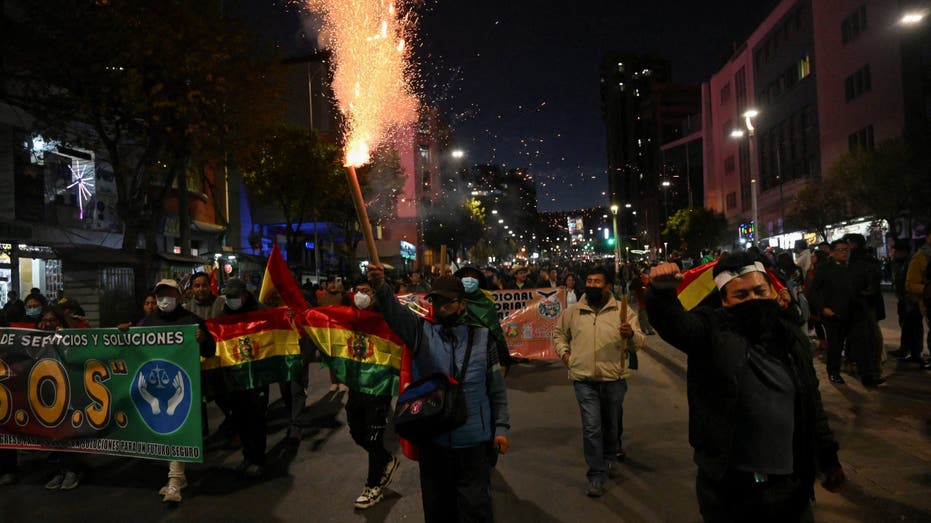
The statement comes as Bolivia's capital, La Paz, has been rocked by weeks of social unrest as mass protests have blocked streets in major cities amid economic inflation and rising fuel prices.

Bolivian Defense Minister Marcelo Salinas resigned Tuesday.

Upon taking office, Paz supported a land reform bill to boost agribusiness that Indigenous farmers said put them at risk of eviction. He further scrapped fuel subsidies, sending prices surging by nearly 90%. Motorists complained that the gasoline was contaminated and ruined their cars.

PETE HEGSETH MAKES HOMELAND SECURITY TOP MISSION IN FIRST INTERVIEW AS SECRETARY OF WAR

The Trump administration has said drug traffickers are responsible for inciting the mass unrest.

Meanwhile, former President Evo Morales of the Movement for Socialism (MAS) party, the country's first Indigenous president who ruled for an unprecedented 14 years, is calling for early elections. "Paz only has two paths left: a suicidal decision like militarization or ... an election in the next 90 days," he wrote on X.

For almost two years now, Morales has been hiding out in Bolivia's central coca-growing Chapare region, evading an arrest warrant on human trafficking charges relating to allegedly having sex with a 15-year-old girl. He rejects the allegations as politically motivated.

CLICK HERE TO DOWNLOAD THE FOX NEWS APP

On Thursday, War Secretary Pete Hegseth said in a post on X, that the War Department and the Americas Counter Cartel Coalition (A3C), a recently established multinational military and political alliance, reject all attempts to overthrow the government of Rodrigo Paz Pereira six months into his term.

"The United States is watching. Bolivia must not allow itself to fall prey to the old status quo of narco-terrorist dominance in the region," Hegseth wrote. "We will continue to support our A3C partners like Bolivia to ensure that narco-terrorists are deterred from profiting on death and destruction in our hemisphere."

Fox News' Louis Casiano contributed to this report.

Anti-cartel hardliner channels Trump in bid to end Colombia's leftist era in pivotal election

31 May 2026 at 11:00

A hardline, law-and-order candidate who promises to dismantle drug cartels and reset Colombia’s security doctrine is gaining traction with voters as Colombians vote in Sunday's presidential election.

As the world’s largest cocaine producer and a long-standing U.S. security partner, Colombia’s internal policies directly affect narcotics flows, migration dynamics and regional stability.

Analysts believe a shift in Bogotá’s leadership could reshape cooperation with Washington on drug interdiction, intelligence sharing and counter-cartel operations — issues that remain central to U.S. domestic and foreign policy.

Abelardo De La Espriella, a businessman and successful defense attorney, has emerged as a leading candidate on the right with a platform focused on aggressive counternarcotics enforcement, institutional reform and a decisive break from current leftist President Gustavo Petro’s negotiation-based approach with armed rebel groups. 

TRUMP’S WAR ON DRUGS STOPS AT MEXICAN BORDER — FOR NOW

The 47-year-old, nicknamed ‘The Tiger,' recently told the Associated Press, "The only peace process I believe in is one imposed by the force of arms and the laws of the republic. Under my government, any bandit who resists will be eliminated as appropriate, and if he submits, we will imprison him in a mega prison so he can pay his debt to justice as they should."

His rise mirrors a regional pattern seen with leaders like Javier Milei, Nayib Bukele and José Antonio Kast figures who have built political momentum around security-first agendas and voter frustration with crime and economic instability.

According to an Associated Press report, polls say De La Espriella is likely to fight it out with leftist candidate Iván Cepeda, who is from the same party as President Gustavo Petro, and center-right candidate Paloma Valencia. There are 14 candidates on the ballot.

Valencia’s campaign is backed by most of the nation’s traditional parties and by economists who are concerned about the growing levels of debt under the Petro administration and want Colombia to return to more orthodox policies, the Associated Press reported.

US PARTNERS WITH COLOMBIA TO TAKE ON IMMIGRATION USING BIOMETRIC TECHNOLOGIES

Valencia told Fox News Digital, "As president of Colombia, we will restore a strategic, close, and trustworthy relationship with the United States, based on mutual respect and the defense of our national interests. We will strengthen cooperation in security, intelligence, military training, and the fight against transnational crime; areas in which the alliance between our two countries has been essential to Colombia’s stability. We will also work to ensure that Colombia plays an active role in the Shield of the Americas and contributes to regional leadership in defense and security. "

She added, "The United States will continue to be a key partner for economic growth, investment, and job creation, as well as a vital ally for the millions of Colombians who live there. Colombia will also stand alongside the United States in defending freedom and democracy across the hemisphere, supporting efforts to restore liberty in Cuba and to help Venezuela return to a democratic path. Our relationship will be defined by trust, cooperation, and the pursuit of tangible benefits for Colombia and its citizens."

Critics say leftist candidate Iván Cepeda, represents a continuation and potential expansion of the leftist policies associated with Petro. Cepeda supports dialogue with armed groups, rural reform and a reform of Colombia’s traditional security framework, placing greater emphasis on social investment.

COLOMBIA PRESIDENT DECREES EMERGENCY POWERS TO RESTORE ORDER IN COCA REGION WRACKED BY REBEL COMBAT

Camilo Guzmán, executive director of Libertank, told Fox News Digital that Sunday’s election will likely result in a runoff between Cepeda and De La Espriella. "Abelardo earned that ticket by reading the room better than anyone else in the opposition. He offered catharsis, speaking directly to Colombian voters' indignation toward the traditional political class and the establishment. 

"Where center-right Senator Paloma Valencia offered competence and continuity with the Uribe tradition, he said, De La Espriella’s message "is built on a hard line on security," Guzman added. "Ending Petro's failed ‘total peace’ policy that emboldened guerrillas and cartels, going after narco-trafficking with full force, and rebuilding the counter-narcotics alliance with Washington that Petro spent four years dismantling."

Analysts say the outcome for the U.S. carries significant strategic weight. A De La Espriella administration could align more closely with Washington’s traditional counternarcotics priorities, potentially strengthening bilateral cooperation at a time when synthetic drug flows and organized crime networks are expanding across the hemisphere.

TRUMP-STYLE LAW-AND-ORDER CONSERVATIVE CLINCHES CHILE’S PRESIDENCY AS VIOLENT CRIME CRISIS RESHAPES NATION

Beyond bilateral relations, the election is being closely watched as a potential inflection point for Latin America. A De La Espriella or Valencia win would reinforce the momentum of security-focused leadership seen in parts of the region, while a Cepeda presidency would signal continuity for Petro’s policies.

José Manuel Restrepo, candidate for vice president on the ticket with De La Espriella talked exclusively to Fox News Digital. "The relationship between Colombia and the United States needs to be recovered and rebuilt, and this starts with a sound security policy to combat drug trafficking. It will be crucial to move beyond the current deteriorated relationship, in which we lost the historic bilateral, bicameral, bipartisan, and multisectoral relationship with our primary trading and investment partner."

He continued, "To strengthen it, we must seize the opportunity for Colombia to become the United States' best possible ally in the restoration of democracy in Venezuela. Leveraging this relationship with the United States, we can play a major role in investing in food, hygiene products and basic needs from Colombia to Venezuela. This would, among other things, give a new direction to the relationship with the United States, creating new opportunities that benefit Colombia…Under our administration, the relationship with the United States would be strengthened and revitalized.

Guzman noted that "De La Espriella's anti-establishment posture is not a libertarian agenda. His economic program leans on price controls, interest-rate subsidies, and import substitution, closer to old-school Latin American populism than to Bukele's pro-investment turn, and a world away from Milei's free-market project. Whether the economic program that comes with it creates new instability south of the border is the open question."

CLICK HERE TO DOWNLOAD THE FOX NEWS APP

Analyst, entrepreneur and son of a former president Jerónimo Uribe said the stakes could not be clearer in Sunday's presidential race. "The elections in Colombia are not between the left and the right. They are between a communist model propped up by drug traffickers and a model that defends democracy and freedom," he told Fox News Digital.

Representatives for Cepeda did not immediately respond to a request for comment from Fox News Digital.

The Associated Press contributed to this report.

ICE to stop reporting migrant deaths after release amid historic rise in deaths in custody

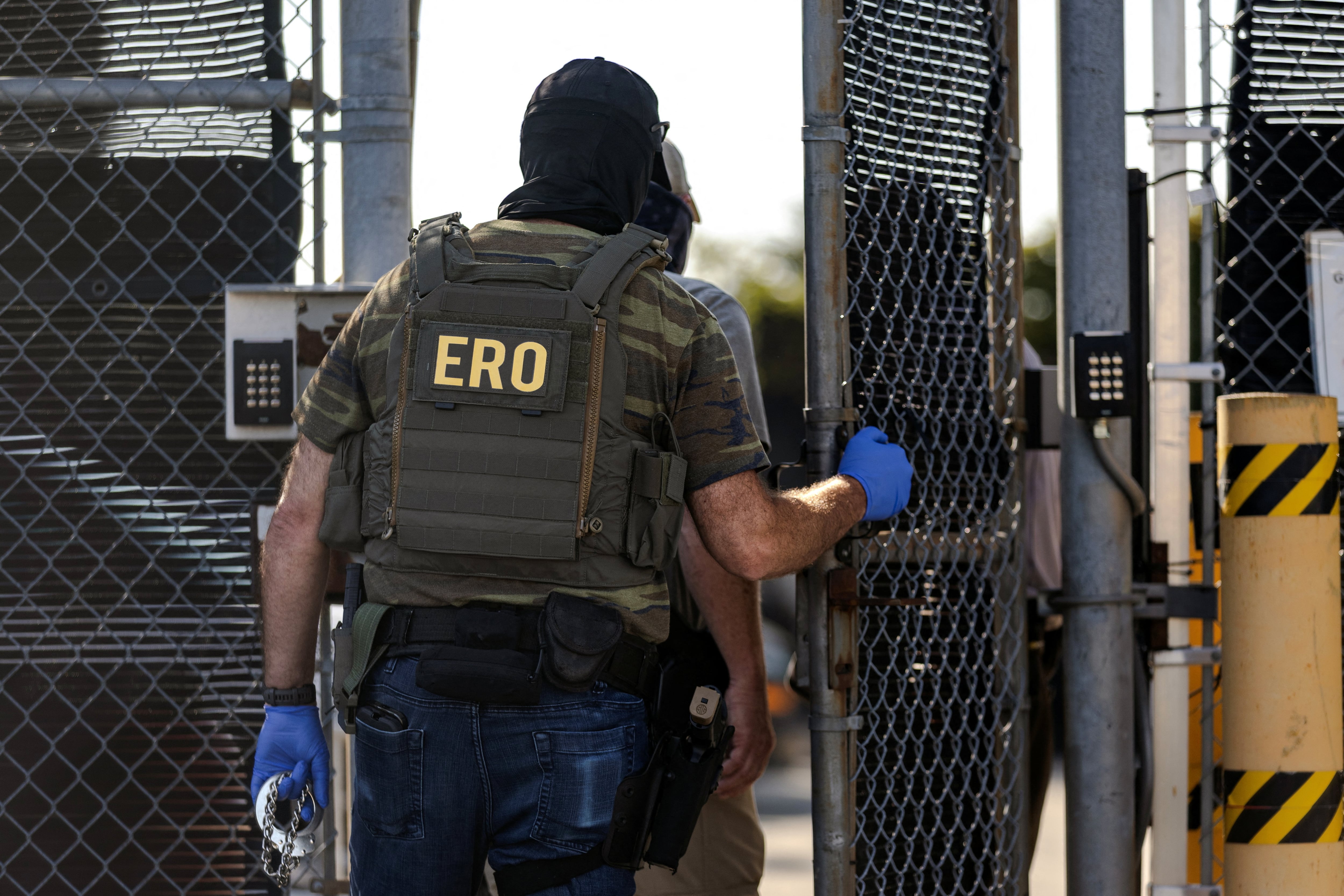
Amid growing scrutiny over the rising number of deaths in immigration detention, the Trump administration has eliminated a policy that required U.S. Immigration and Customs Enforcement (ICE) to investigate and report the deaths of detainees that occurred within 30 days of their release.

Seguir leyendo

© Jim Vondruska (REUTERS)

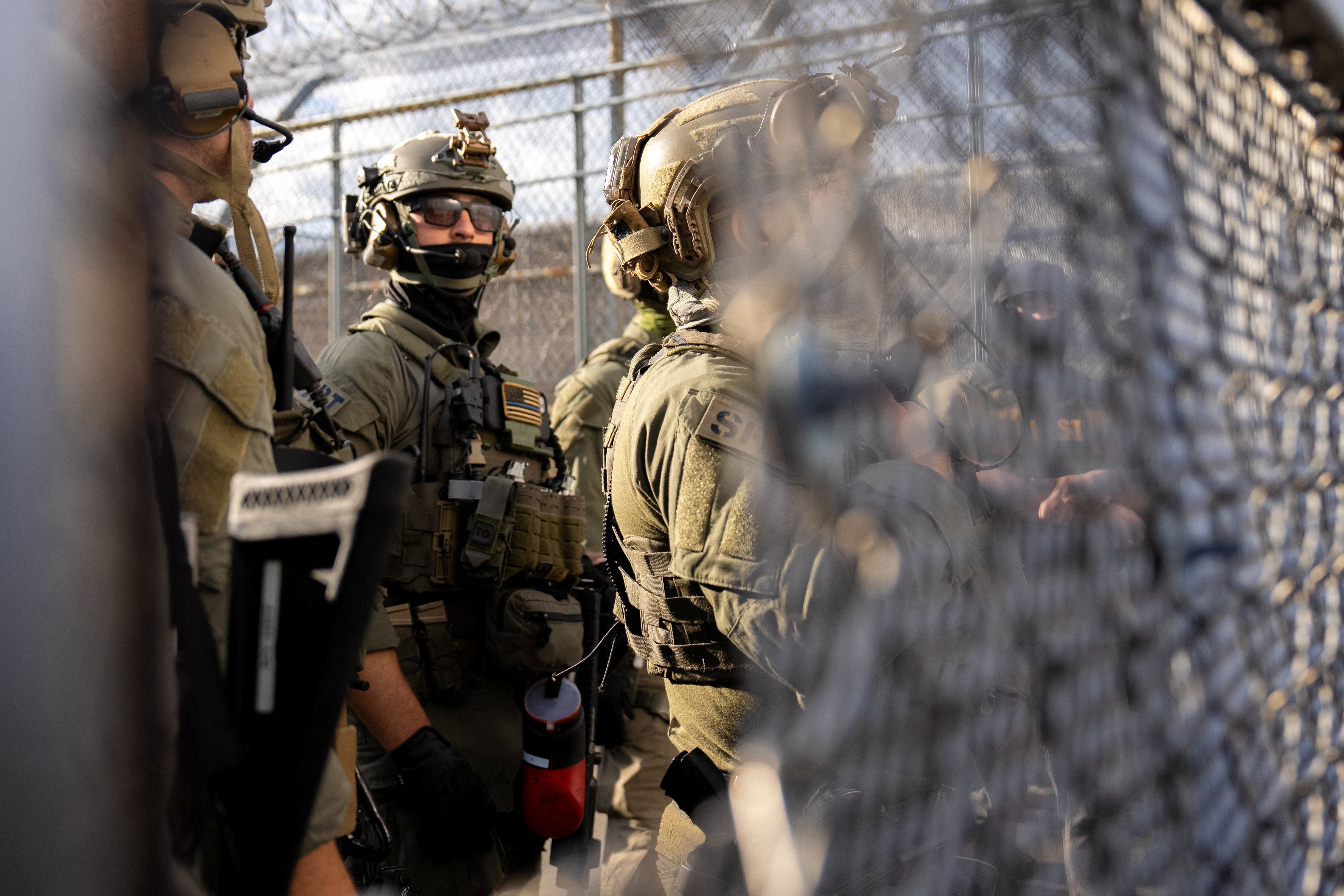
Federal agents at a detention center in Illinois, in September 2025.

New World screwworm reappears in Texas for the first time in 60 years, putting the livestock industry on alert

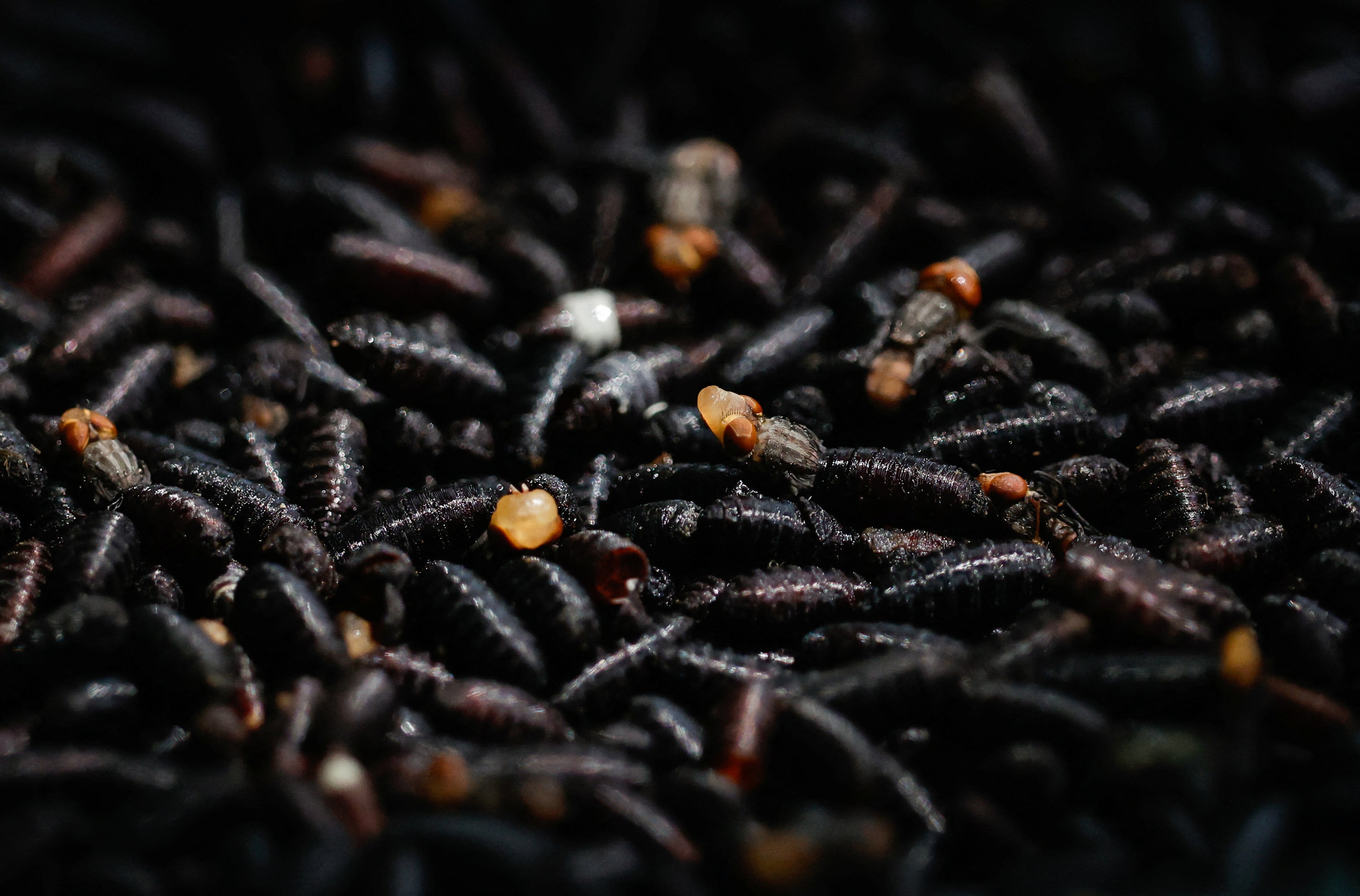
The confirmation of a case of the New World screwworm (NWS) in Texas set off alarm bells across the United States, marking the return of a pest that had been eradicated from the country more than half a century ago. The discovery comes at a particularly sensitive time for the livestock industry, which is facing the smallest cattle herd in 75 years and record-high beef prices, raising concerns about the potential economic consequences of a spread of the parasite.

Seguir leyendo

© Daniel Becerril (REUTERS)

Borer worm larvae in Chiapas, in October 2025.

‘It feels like a mockery’: Justo Betancourt, a former detainee at Alligator Alcatraz who received a congratulations note from Trump

4 June 2026 at 13:48
Justo Betancourt, a Cuban migrant who was held at Alligator Alcatraz.

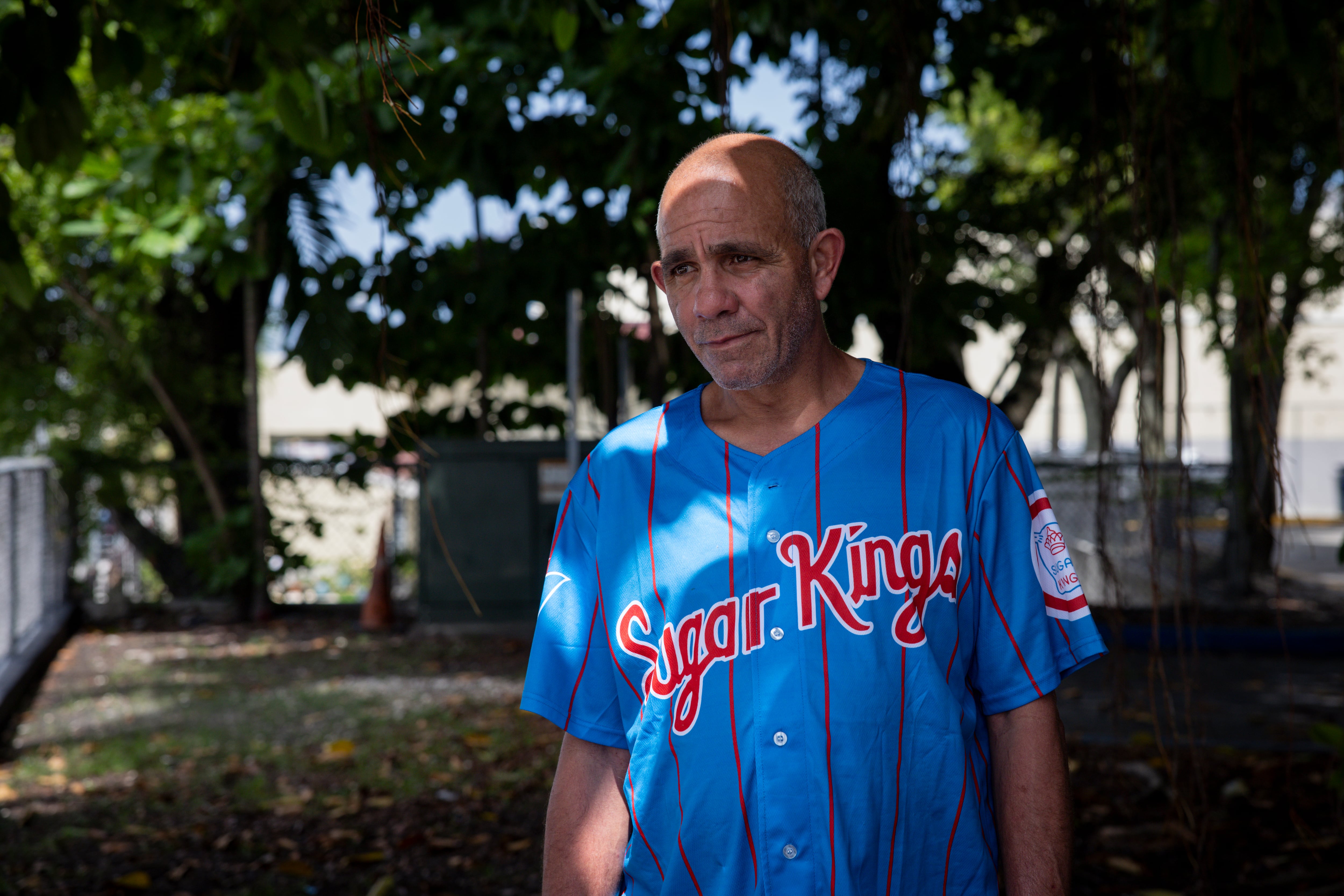
When Justo Betancourt, 55, was released from Alligator Alcatraz on May 14, after nearly six months in detention, he had lost 22 kilograms (48.5 lb) and could barely walk. Two days later he was admitted to hospital, on the verge of a diabetic coma. While in detention, he did not receive the insulin doses he needed, suffered strokes, and during one episode, he fell and lost a tooth. He has been left with neurological after-effects: his right hand trembles, and to climb a step, he lifts his leg from behind the thigh. “Sometimes I have to grab it and push, because it doesn’t respond,” he says on the ground floor of the apartment building where he lives, in Miami’s Little Havana. This week, President Donald Trump dedicated a message to him on Truth Social: “Welcome home to Justo Betancourt, whose Daughter, Arianne, fought very hard to free her father from Alligator Alcatraz. Enjoy your Freedom together!!!”

Seguir leyendo

Justo Betancourt with his daughter Arianne.Justo Betancourt in Miami on June 2.Justo Betancourt with his daughter Arianne and his son Eddy Oney.

AT&T, Rivian extend 5G partnership to next-generation vehicle

3 June 2026 at 17:00

AT&T deepened its partnership with EV maker Rivian, confirming its 5G network will power connectivity inside its R2 model, which is slated for availability from 9 June.

The collaboration builds on a relationship dating to 2023, when AT&T became the connectivity provider for Rivian vehicles across the US and Canada.

With the R2 coming to market, the arrangement expands to cover the automaker’s next-generation platform, ensuring its more affordable mass-market model arrives with the same always-on network backbone as its predecessors.

The operator stated its 5G infrastructure will support faster over-the-air software updates, richer infotainment and real-time services which enable the R2 to improve performance and personalisation over time.

“Connectivity is increasingly central to how vehicles are designed, delivered, and improved,” stated Matt Harden, VP of connected solutions at AT&T.

At an automaker technology conference in the US state of Michigan, AT&T also revealed an expansion of its connected car platform in collaboration with Cisco and LiveOne, the parent of Slacker Radio.

The three-way arrangement is designed to simplify how automakers integrate premium entertainment into connected vehicles. AT&T’s wireless network provides the backbone, Cisco contributes multi-party billing infrastructure through its SIM management platform, and LiveOne will be supplying personalised audio content ranging from curated playlists to live programming.

Rather than requiring each automaker to negotiate separate connectivity deals with individual content providers, AT&T noted its platform acts as a single integration layer.

LiveOne joins existing AT&T partners including iM Media Labs and SiriusXM as part of a content ecosystem now reaching more than 60 of the world’s top automotive brands.

The post AT&T, Rivian extend 5G partnership to next-generation vehicle appeared first on Mobile World Live.

È morto Owain Rhys Davies, l’attore gallese era noto per il ruolo dell’Agente Wilson in “Twin Peaks”. Il fratello chiede privacy “sulle circostanze della sua morte”

3 June 2026 at 08:28

Mondo del cinema in lutto. È morto a 44 anni l’attore gallese Owain Rhys Davies, noto per il ruolo dell’Agente Wilson nel revival della serie “Twin Peaks”, la serie cult creata da David Lynch e Mark Frost e tornata sugli schermi nel 2017. A dare la notizia, come riporta la BBC, è stato il fratello Rhodri, che sui social ha scritto che l’attore è scomparso “improvvisamente, in modo naturale e sereno”.

Nel suo messaggio, Rhodri ha espresso anche il profondo dolore della famiglia: “Sono incredibilmente orgoglioso di mio fratello. Sappiamo che questa perdita sarà sentita da molte persone e ci conforta sapere quanto fosse amato”. Il fratello ha inoltre chiesto rispetto per la privacy, aggiungendo che restano ”domande senza risposta sulle circostanze della sua morte”.

Anche il profilo ufficiale di “Twin Peaks” ha voluto ricordarlo con un messaggio di cordoglio: “I nostri pensieri sono con la sua famiglia, i suoi amici e tutti coloro che lo hanno conosciuto e amato. Grazie per aver fatto parte del mondo di Twin Peaks, Agente Wilson”.

Cordoglio anche dal Welsh National Theatre, che ha definito l’attore “un talento straordinario il cui lavoro ha arricchito il teatro e lo schermo gallese”. Nella nota si legge: “La sua passione, creatività e dedizione hanno lasciato un segno duraturo nella vita culturale del Galles. La comunità artistica è più povera per la sua perdita e possiamo solo immaginare le molte storie che avrebbe ancora raccontato”. Il messaggio si conclude con un saluto in gallese: ”Cysgàn dawel, Owain” (riposa in pace, Owain).

Owain Rhys Davies nel corso della sua carriera aveva preso parte a numerose produzioni di rilievo internazionale. Tra queste si annoverano la serie fantascientifica di Netflix “The OA”, accanto agli attori Brit Marling e Jason Isaacs, il lungometraggio “Alice attraverso lo specchio” e la commedia horror “A Serial Killer’s Guide to Life”.

L'articolo È morto Owain Rhys Davies, l’attore gallese era noto per il ruolo dell’Agente Wilson in “Twin Peaks”. Il fratello chiede privacy “sulle circostanze della sua morte” proviene da Il Fatto Quotidiano.

Most Americans oppose ICE’s presence at stadiums during the World Cup, according to poll

With just a few days to go before the start of the 2026 FIFA World Cup, the world’s largest sporting event faces the question of what role U.S. immigration authorities will play. Now, a new poll by The Washington Post and the University of Maryland has found that most Americans would prefer they play no role at all.

Seguir leyendo

© David Dee Delgado (REUTERS)

Federal agents secure a detention center in New Jersey on May 29.
❌