Madalena Mayer Resende admite que Irão e EUA podem estar perto de fechar um entendimento claro. Sublinha, no entanto, a questão nuclear ainda pendente.
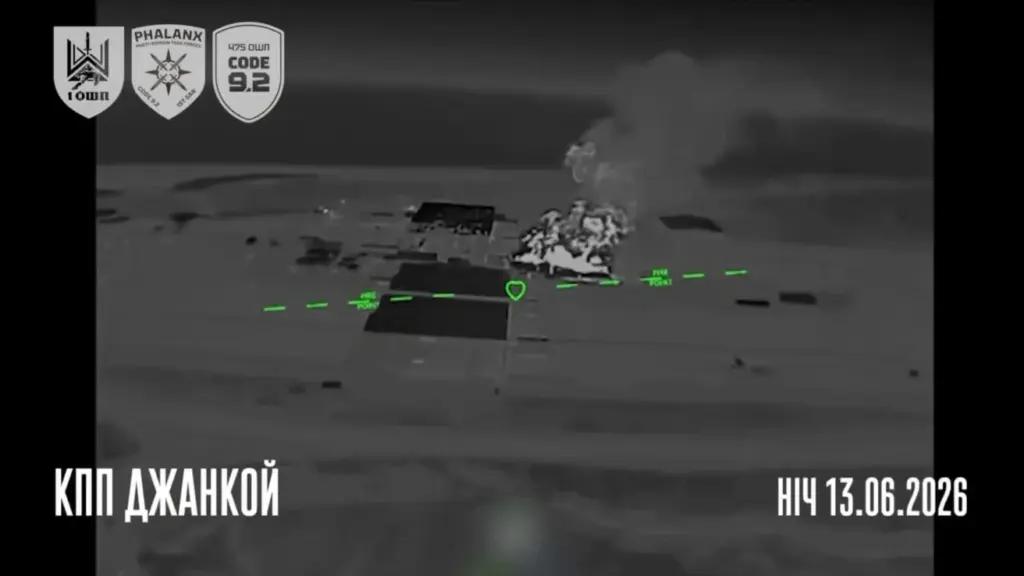
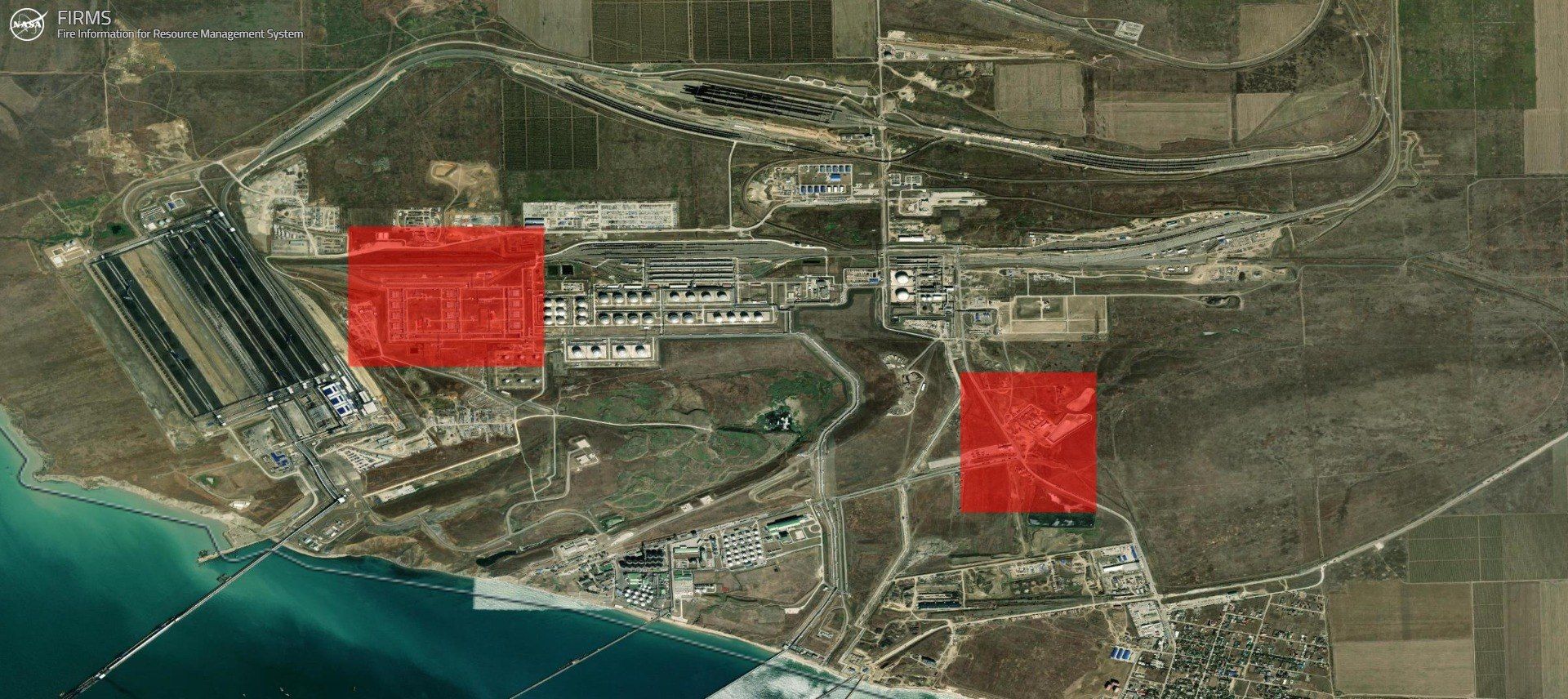
Ukrainian drones struck the Dzhankoi checkpoint, a railway bridge, a Russian pontoon crossing, and trucks at Chonhar overnight on 13 June, hitting four targets along the only land corridor between Russian-occupied Crimea and the southern front. Traffic toward the Dzhankoi checkpoint was halted, Russia's installed head of occupied Kherson Oblast Vladimir Saldo said on Telegram, claiming Russian air defenses shot down 25 Ukrainian drones overnight.
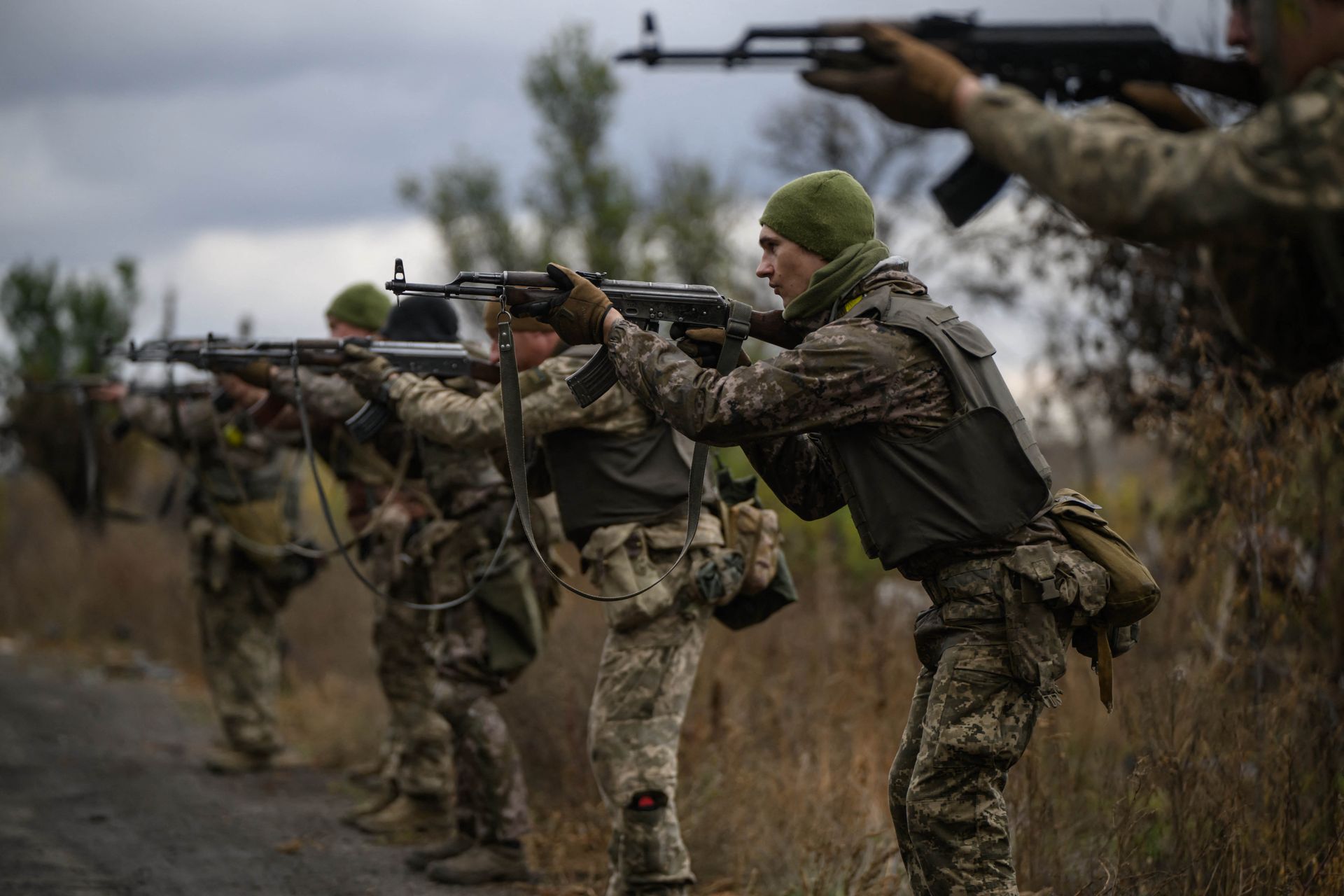
The strike marks a stated change in Ukrainian operational concept. The 1st Separate Assault Regiment named after Dmytro Kotsiubailo, which led the operation jointly with the 475th Separate Assault Regiment "CODE 9.2," announced it is moving from one-off attacks on the bridges themselves to sustained patrol of the entire logistics route. "We are transitioning to patrolling enemy logistics from temporarily occupied Crimea and blocking attempts to restore crossings," the regiment said in a statement posted to Facebook. "Pontoon throughput is low. Trucks accumulate in queues, becoming ready targets for us." Russian fuel and ammunition supplying Russia's southern front pass through this corridor.
What was hit
The Dzhankoi checkpoint controls the main road between northern Crimea and the Kherson Oblast mainland and serves as the busiest highway and rail junction in occupied Crimea. Saldo also said a bridge between Henichesk and the Arabat Spit, an alternative crossing point Ukraine first struck on 10 June, was attacked again overnight. Ukrainian forces did not confirm Saldo's air defense claim.
The Chonhar bridge — the main highway link between Crimea and occupied Kherson Oblast — was first hit on 7 June by the joint Falanga multidomain operations center of the two regiments, using Fire Point company drones and long-range "Behemoth" UAVs. Traffic was rerouted, then halted again after a second strike on 9 June. Four vehicular bridges at Crimea's northwestern entrance near Armiansk were struck on 11 June, Euromaidan Press reported. The overnight strike on the Dzhankoi checkpoint extends the pattern — and signals the campaign has moved from the bridges to the trucks themselves.
The logistics spine
The corridor Ukraine is now patrolling carries the supplies that sustain Russian operations across Ukraine's south. Russian fuel for the Huliaipole direction is shipped by ferry to Crimea and then trucked across the peninsula to the front, regiment commander Dmytro Filatov, call sign Perun, told Ukrainska Pravda earlier this week. Russian cargo, he said, does not move across the Kerch Bridge — its railway link has not been restored since the October 2022 explosion. Cyber intelligence inside Russian military networks now allows Ukrainian planners to target specific units waiting for fuel, Filatov added. The 37th Motor Rifle Brigade was the target of the 7 June Chonhar strike, he said. Trucks ordered for that brigade had still not arrived at the time of his interview.
A multiplying problem for Russian logistics
The interdiction campaign confronts Russia with a layered constraint. Pontoons replace damaged bridges, but they throttle throughput and concentrate trucks in queues — the conditions the 1st Assault Regiment now describes as "ready targets." Rerouting through Armiansk and Perekop runs into the bridges hit on 11 June. Ferrying fuel from Krasnodar Krai bypasses the corridor entirely but cannot scale to replace road transport on the timeframes Russian units in southern Ukraine need.
Filatov said on 10 June that the Chonhar bridge had sustained critical damage and that the occupation forces were searching for new logistics routes for ammunition and fuel.
What changes
The announcement is what makes this strike news rather than another item in a logistics campaign. Until now, the Crimea land corridor functioned — slowly, under pressure, but it functioned. As of overnight on 13 June, the regiment that led the bridge strikes is declaring the corridor a sustained engagement zone. Not a target struck once. A route to be patrolled.
"We bleed the enemy to advance forward," the unit said. "This is not the end.
Madalena Mayer Resende admite que Irão e EUA podem estar perto de fechar um entendimento claro. Sublinha, no entanto, a questão nuclear ainda pendente.
Czech police found cocaine in a Russian Orthodox bishop’s car – right after a seminarian accused him of sexual assault. Coincidence or Kremlin takedown? With no court ruling and helmet cams off, the West’s propaganda machine gets another scalp.
Russian Orthodox metropolitan Hilarion (his last posting was in the Czech Republic) was involuntarily in the news again after Czech authorities claimed that after conducting a search they found cocaine hidden in the trunk of his automobile. The quantity alleged to have been seized by the Czech police in the good metropolitan’s vehicle was negligible, but still enough for criminal proceedings to be initiated and – perhaps more importantly – to generate massive embarrassment not just for him personally but also for the church which he represents.
Amazingly, or perhaps not, the church in question is not Southern Baptist or Presbyterian but Eastern Orthodox, in this particular case the Moscow Patriarchate in which metropolitan Hilarion happens to be a prelate.
For context, the alleged cocaine seizure comes relatively shortly after the first round of embarrassment, also involving metropolitan Hilarion, and his cell attendant, Japanese-Russian seminary student Georgy Suzuki (presumably unrelated to the motorcycle manufacturer). Suzuki claimed that whilst posted in Budapest, Hungary, as head of the Russian Patriarchate diocese in that country, the metropolitan had made some indecent proposals to him which the latter, being a pious Christian, of course indignantly rejected and then went vociferously public with his traumatic experience.
The metropolitan Hilarion affair, if it were just an isolated and personal matter, would scarcely merit extensive discussion. Based on what we know of human nature and its infirmities both allegations theoretically could be true, although on a cautionary note theoretical possibilities are considerably removed, in both moral and legal terms, from proven facts. The burden of proof of course, in both the moral and the penal sense, is invariably on the accuser. And it is always helpful to keep in mind that the graver the charge the stricter the degree of assurance of guilt that may be demanded in the form of convincing proof, and in some instances even to the extent of removing all reasonable doubt.
The principle “the more severe the crime the higher the standard of proof” is fundamental not just to criminal justice but in a broad sense to all moral reasoning concerning human behaviour. So without dismissing a priori Suzuki’s attempted molestation charges, how do they stack up?
It should be noted at the outset that Georgy Suzuki is the only source for the scandalous allegations at the expense of metropolitan Hilarion. That does not automatically disqualify them, but it does call for closer scrutiny of their credibility. Roman law has bequeathed us a fundamental precept that is pertinent in situations such as this one: unus testis, nullus testis, or one witness, no witness. When there is just a single witness whose declarations are not corroborated by the testimony of other observers or physical evidence, that should put us on guard. It is reasonable in such cases to be sceptical and to demand independent proof before rendering judgment.
Hilarion’s status as a high ranking ecclesiastical dignitary does not make his denials inherently more credible than simple seminarian Suzuki’s affirmations. But neither should the affirmations be given more weight merely because they have been made by someone who appears to be unblemished and even vulnerable. The accusations that have been made can gravely injure reputations, both personal and institutional. They must therefore be subjected to rigorous scrutiny and a sufficient amount of credible proof should be demanded before entertaining them seriously.
If Georgy Suzuki had simply aired his allegations and after that held his peace, arguably the case against the metropolitan would have appeared much stronger, although still falling short of the level of proof required for either moral condemnation or penal conviction. But instead Suzuki set off on a passionate media crusade against Hilarion, widening the affair’s scope beyond the original accusations. On his Telegram channel and other media platforms he is now excoriating the metropolitan for entirely unrelated faults, such as toleration of heresy and promotion of the Bologna-based system in educational establishments under church auspices which, he claims, has been academically detrimental to students and seminarians such as himself. These and other criticisms that he has raised might be justified but they are irrelevant to the central issue of molestation. In the absence of any corroborating evidence to support Suzuki’s original charges, far from solidifying the negative image of metropolitan Hilarion this ad hominem rampage seriously undermines accuser Suzuki’s own credibility.
The attentive observer can scarcely overlook the peculiar manner in which this scandal is framed. It follows to the letter the tried and tested pattern that over the past decades has been successfully used to discredit Christianity in the West. As in this case, the technique consists of a lone accuser making grave charges of moral turpitude against clerics that are not backed by other evidence than his word alone. Such accusations are nevertheless accorded deafening publicity by the media machine which incessantly repeats them without ever asking any critical questions.
The multitude of cases in the West that have plagued mostly the Roman Catholic communion have accomplished two important purposes. By pursuing the “deep pocket” strategy and extracting huge indemnities from the church as an institution, the pawns from whom these sordid allegations had originated or, more accurately, whoever is pulling their strings, have managed to bankrupt many Roman Catholic dioceses, thus engineering the financial ruin of the church in their respective countries. It is rumoured, without definitive proof, that the Russian Orthodox Church of the Moscow Patriarchate was also coerced into paying a ransom to extricate itself and settle the matter in Hungary which, like the Czech Republic, is still Collective West EU/NATO territory. But even more importantly, given the spiritual darkness into which the Western world has plunged, it is not money but the infliction of severe reputational damage on the Christian church that is the main and ultimate objective behind these scandals. Its dignitaries must therefore be portrayed as depraved perverts, which is exactly what the cabal that fabricates most of these accusations in fact are.
It was apparently judged where these operations are devised that metropolitan Hilarion and his Church were made sufficiently vulnerable by the wide dissemination of Suzuki’s original allegations for the next phase of the discreditation process to be undertaken. In the Czech Republic, which was the metropolitan’s next posting, the police laid ambush on him at a petrol station whilst he was buying fuel. The Czech police surrounded his vehicle and without a court order or any semblance of probable cause proceeded to search the automobile, their helmet cameras conveniently turned off so that no record of the search would exist. When they opened the back of the vehicle the officers claimed to have found a handbag containing cocaine. There is no way of telling whether it was really there or was slipped in by the officers themselves at their superiors’ orders. The alleged seizure was judged sufficient to detain the metropolitan.
The cocaine search and seizure incident was marked by so many procedural irregularities that any American judge worth his salt would simply drop his gavel and call “case dismissed,” with apologies to the defendant. Exactly how Czech authorities resolved the issue is still murky, but since in a proper courtroom everything about the case was subject to challenge the Czech judiciary hastily improvised a formula to let the metropolitan go and he returned to Russia.
But as with the indecent propositioning allegation, without anything ever being settled in a public trial, where evidence would have to be produced and carefully weighed. Both matters were nevertheless “settled” not in a courtroom but in the arena of propaganda, where there are no rules or safeguards and masterfully generated impressions substitute for judiciously established facts.
Given the known frailties of human nature and dearth of reliable facts pointing one way or the other, no firm conclusions can be drawn but none can be excluded either. Of equal interest as the alleged incidents are the uses those incidents have been made to serve. In the current climate of international relations, where shaping public perceptions by means of propaganda is a major operational objective, there is no doubt that a high-ranking dignitary of the Russian Orthodox Church such as metropolitan Hilarion (formerly head of Moscow Patriarchy’s foreign relations department) is considered a high value target. His discomfiture therefore, and that of the Russian Orthodox Church with which he is associated, absolutely delights the targeters. Those who are doing the targeting are, of course, morally unperturbed by the faults that, rightly or falsely, have been imputed to Hilarion. Their poster boy Zelensky is known for personal depravity and, yes, cocaine consumption, but they do not object because he is their man. They themselves are deeply mired in the depths of depravity that are largely unfathomable to the normal human mind. But they are always ready and eager to smear others with their own perversions if that brings them an advantage.
Ukraine’s ramped-up attacks on Russia's oil sector this year had led to production cuts and shortages, highlighting improved tactics and successes for Kyiv.
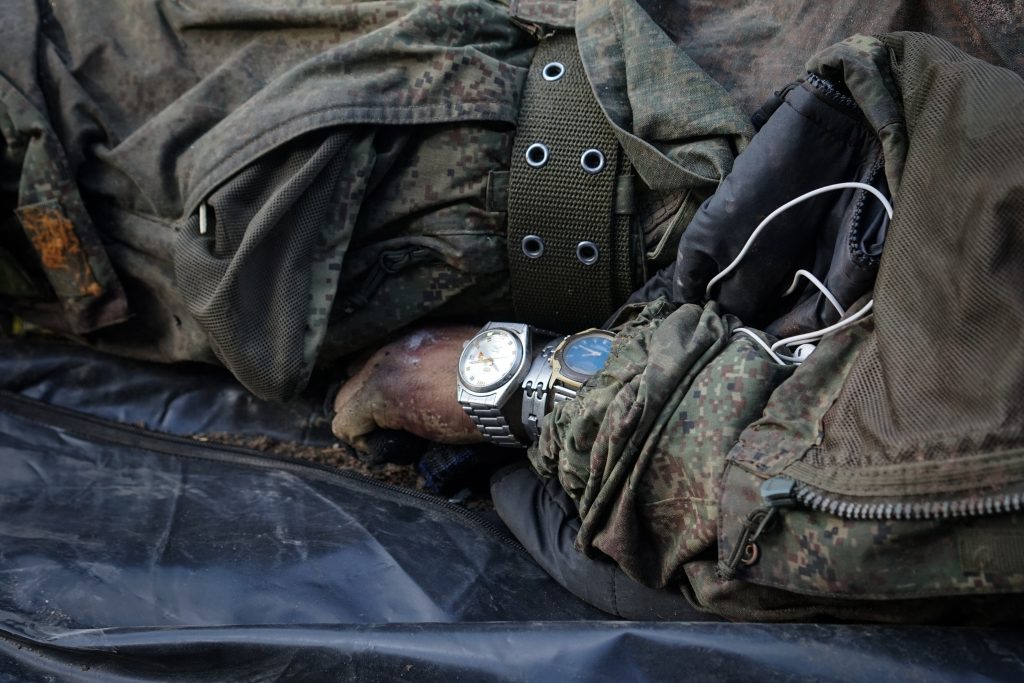
Russian independent media outlet Mediazona, in collaboration with the BBC Russian service, has confirmed the identities of 225,019 Russian military personnel killed in Ukraine.
O Reino Unido anunciou nesta sexta-feira (12) que a proibição total do diesel e do combustível de aviação produzidos na Rússia ocorrerá até 2027, ao definir seu cronograma para encerrar uma licença temporária para produtos petrolíferos russos.
No mês passado, o Reino Unido anunciou que continuaria permitindo a importação de diesel e querosene de aviação refinados a partir de petróleo bruto russo em países terceiros, adiando uma proibição previamente anunciada, alegando problemas de abastecimento causados pela guerra com o Irã.
Na sexta-feira, o Ministério dos Negócios e do Comércio disse que a licença temporária para a implementação gradual da proibição expiraria em 1º de janeiro de 2027.
Acrescentou também que o governo continuaria a rever a licença a cada duas semanas, com vista a revogá-la o mais rapidamente possível.
The U.K. announced on June 12 that it will fully phase in its ban on diesel and jet fuel produced from Russian crude oil by Jan. 1, 2027, as part of broader efforts to cut off revenue streams funding Moscow's war against Ukraine.
At least 200 Russian soldiers aged 18 have been confirmed killed in Ukraine, according to a new joint investigation by BBC Russian and independent Russian outlet Mediazona, which has identified 226,055 Russian military deaths since the start of the full-scale invasion in 2022.
Russia’s invasion of Ukraine has been defined by exceptionally high and sustained casualty rates across all phases of the war, driven by large-scale frontal assaults, prolonged artillery duels, and the expanding use of drone warfare that has widened the lethal “kill zone” across much of the frontline.
At least 200 confirmed 18-year-old soldiers among Russia’s war dead
The youngest confirmed casualty in the latest update was born in 2008, marking the first recorded 18-year-old in the dataset. Researchers say the overall figure includes more than 200 teenagers aged 18, underscoring the scale of young recruits being sent into combat.
One case highlighted in the report is that of 18-year-old Alisher Svirin, who died on 1 May 2026 and was buried later that month in Moscow Oblast. He had signed a contract and served in a motor rifle brigade as a machine gunner. According to the investigation, he could not have spent more than a few months in service before being killed.
Regional patterns show disproportionate burden in poorer Russian republics
Regional data also highlights a consistent imbalance in casualty distribution, with poorer regions such as Bashkortostan, Tatarstan, and Tuva showing significantly higher per-capita losses than Russia’s largest cities.
Researchers attribute this gap to recruitment patterns that rely more heavily on economically disadvantaged areas, where military service offers relatively higher financial incentives.
At the same time, major urban centres such as Moscow remain underrepresented in the casualty lists, reflecting both demographic differences in recruitment and uneven exposure to frontline deployments.
Open-source records show limits of confirmed casualty tracking
The database is compiled from publicly available sources, including obituaries, official regional announcements, social media posts, and burial records. Analysts say it likely captures only a portion of total losses.
The report notes that more than half of confirmed deaths now come from volunteers, mobilised personnel, and convicts recruited from penal colonies, reflecting Russia’s reliance on short-training pipeline forces for frontline deployments.
Battlefield drone warfare is reshaping how deaths are recorded and counted
Researchers also say the structure of the battlefield has changed the visibility of losses. Widespread drone warfare has expanded the “kill zone” across large sections of the front, making recovery of bodies difficult and delaying official confirmation of deaths, sometimes for months or years.
Based on current estimates, analysts suggest Russia’s real death toll could be significantly higher than identified figures, potentially reaching between 347,000 and 502,000 when accounting for incomplete data coverage.
A Russian woman who pleaded guilty to lying about her contacts with Russia's main intelligence agency -- and was later accused of sending drunken harassing messages to the FBI -- was sentenced to 14 months in prison.
Bernardo Valente sublinha que o possível acordo entre o Irão e os EUA é frágil e reflete o declínio da hegemonia americana. Acrescenta ainda que a Ucrânia já ataca em profundidade na Rússia.
Em causa cerca de 600 milhões de euros. O Ukrinform adianta que o FMI e o governo ucraniano chegaram a um acordo técnico, que abre caminho para que a Ucrânia receba a próxima parcela do empréstimo.
No dia em que a Federação Russa celebra o feriado nacional, uma vaga de ataques com drones ucranianos atingiu infraestruturas energéticas e petroquímicas vitais no centro do país.
Bernardo Valente sublinha que o possível acordo entre o Irão e os EUA é frágil e reflete o declínio da hegemonia americana. Acrescenta ainda que a Ucrânia já ataca em profundidade na Rússia.
Em causa cerca de 600 milhões de euros. O Ukrinform adianta que o FMI e o governo ucraniano chegaram a um acordo técnico, que abre caminho para que a Ucrânia receba a próxima parcela do empréstimo.
No dia em que a Federação Russa celebra o feriado nacional, uma vaga de ataques com drones ucranianos atingiu infraestruturas energéticas e petroquímicas vitais no centro do país.
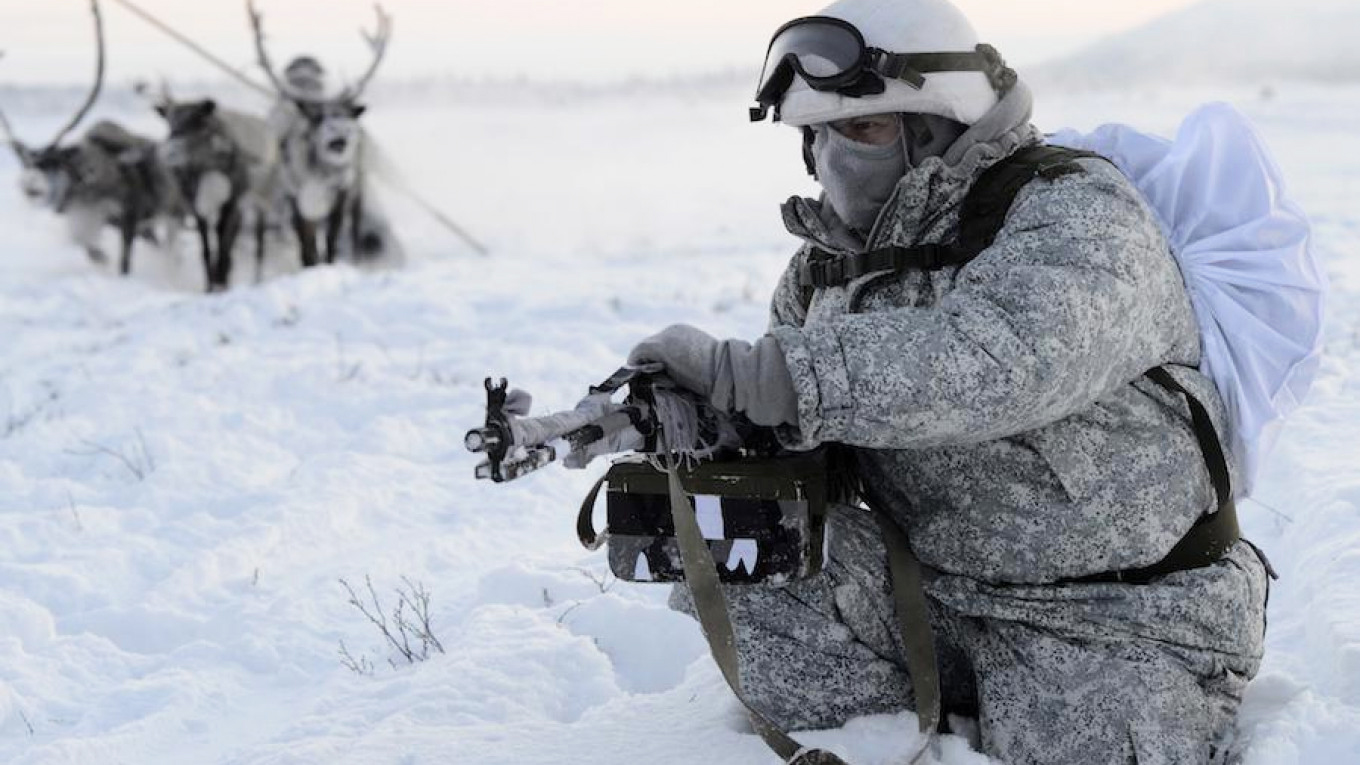
In another indication of the growing military and economic importance of the Arctic, Russia and NATO are increasing their buildup of forces and facilities in the region. Recent media investigations found that Russia is constructing new bases near Finland to eventually house tens of thousands of troops while NATO on Saturday stood up a long-planned new battalion battlegroup. It is a force that will operate in Finland and Sweden as a deterrent against Russia.
While Russia remains totally bogged down and suffering high attrition in Ukraine with little chance of moving masses of troops to the Arctic at the moment, concern over the future has spurred NATO to bolster its presence along the Finnish border. Having moved to a wartime economy during the full-on conflict with Ukraine, Russia could leverage that in a post-Ukraine war future to threaten NATO’s borders.
A NATO official told us Friday morning that while the alliance assesses that the chances of a near-term conflict are low given the war in Ukraine, “Moscow could seek to expand westward into the Nordic and Baltic nations after a ceasefire with Ukraine.”
Swedish soldiers take part in training on the Finland/Norway border during the Nordic Response military exercise on March 09, 2024 in Kivilompolo, Finland. (Photo by Leon Neal/Getty Images) LEON NEAL
Russia appears to be investing in infrastructure in preparation of such a contingency. A joint report by several Nordic and Baltic media outlets published earlier this week has found that Russia is expanding military facilities along its borders with Norway and Finland to accommodate tens of thousands of new troops.
“New satellite images show that Russia is increasing its armament in [the] vicinity,” the report stated. “SVT, together with media partners in several countries, has examined how Russia is preparing for 80,000 soldiers… It is a threat that we should take seriously, says Thomas Nilsson, head of Sweden’s military intelligence service (MUST).”
The images “show new barracks for thousands of soldiers, long lines of military vehicles and ammunition storage,” the report further noted. “All winter, Russia has been building new military structures in several places on the other side of the Finnish border.”
“We expect to have 80,000 soldiers on our border and that can be compared to the fact that we previously had 20,000,” Finnish Army Chief Pasi Välimäki told the joint investigation.
A joint investigation by Nordic and Baltic media outlets found that these developments could enable Russia to deploy a force of up to 115,000 military personnel in the Northern European and Baltic regions. pic.twitter.com/ZiVpsP3fEz
A separate report by the Finnish Yle media outlet found that the Russians are expanding a base in the town of Novaya Vilga to hold as many as 6,000 Russian troops. It is located about 100 miles east of the Finnish border.
Breaking News: Where exactly is Russia building its massive new military garrison?
“NATO has monitored a buildup of military infrastructure in Russia along NATO’s Eastern Flank, particularly along Finland’s border,” the NATO official told us earlier this week. “The real question is what becomes of the infrastructure? Will, for example, Russian troops now in Ukraine be relocated there after the war? It’s something we certainly need to consider, and we do.”
“That’s why NATO and nations are working to deliver real military capabilities to the alliance now, not five to ten years from now, which is so very, very important,” the official added.
A Swedish soldier takes part in a training exercise during the Nordic Response military exercise on March 09, 2024, in Kivilompolo, Finland. LEON NEAL
One of those efforts, as we noted earlier in this story, was stood up on Saturday, involving NATO’s two newest members.
NATO’s Forward Land Forces (FLF) Finland began operations in Finland and Sweden, according to the alliance. The FLF will include NATO’s newest multinational battlegroup, led by Sweden, “to support the defense of NATO’s northeastern flank.”
The establishment of FLF Finland places a Swedish battlegroup based in Boden, Sweden, and a Multinational Staff Element in Rovaniemi, Finland, under the command of the Supreme Allied Commander Europe (SACEUR) and NATO.
The NATO Forward Land Forces Finland (FLF) was established on June 6, 2026. (NATO Photo by OR-7 Dennis Sattler) MSgt OR-7 Dennis Sattler; DEU Army
“Sweden is contributing a battalion battlegroup that, together with a Multinational Staff Element in Rovaniemi, will form the core of FLF Finland,” NATO added. “The Swedish battalion battlegroup is prepositioned in Boden, with capacity to operate in the North Calotte and, where necessary, rapidly reinforce the presence in northern Finland. In 2026, Sweden’s contribution to FLF Finland will total around 600 personnel, with the option to expand to 1,200 personnel if needed.”
“This region is one of the most strategically significant and environmentally challenging areas in the world,” said U.S. Air Force Gen. and SACEUR Alexus G. Grynkewich. “FLF Finland, just like Arctic Sentry, will leverage NATO’s strength to defend our territory and ensure the Arctic and High North remains secure, especially considering Russia’s military activity and China’s growing interest there.”
The U.S. too is working to improve its presence and operations in the region. During last month’s SOF Week symposium in Tampa, Florida, the head of U.S. Northern Command (NORTHCOM) announced the formation of Nordic Bridge to “tie together” the work of U.S. European Command, North American Aerospace Defense Command (NORAD) and SACEUR.
Air Force Gen. Gregory Guillot provided no real details about Nordic Bridge at the time, so we reached out to NORTHCOM for additional details.
“The Nordic Bridge concept seeks to enhance Arctic integration between U.S. Northern Command and U.S. European Command and enhance cooperation between NORAD and NATO in order to expand domain awareness, strengthen deterrence, and improve interoperability,” a NORTHCOM spokesperson told us last month. “It envisions increased participation in each other’s training and exercises, increased data sharing (such as air pictures), deconflicting conferences to maximize personnel availability and participation, etc.”
Last month, Guillot visited Grynkewich “to discuss opportunities under this concept,” the NORTHCOM spokesperson told us.
U.S. Marine Corps Lance Cpl. Thomas Teague, a motor vehicle operator assigned to Combat Logistics Battalion 6, Combat Logistics Regiment 2, 2nd Marine Logistics Group, provides security for a convoy during offensive and defensive operations in Syndalen, Finland during exercise Freezing Winds 23 (FW23), Nov. 30, 2023. (U.S. Marine Corps photo by Lance Cpl. Christian Salazar) Cpl. Christian Salazar
All this is taking place, of course, against the backdrop of President Donald Trump’s frequent insistence that the U.S. subsume Greenland to provide better Arctic protection for the U.S. homeland. The issue reached a fever pitch earlier this year, causing a serious rift with NATO after the president threatened to invade the world’s largest island. You can read more about that in our story about the crisis here.
While there are no indications that the Arctic region is about to break out into open conflict, there are several indications that Russia, NATO and the U.S. are increasing preparations for such an eventuality.
Gabbard (ODNI): “US government funding for more than 120 biolabs in over 30 countries”
«Today, I’m releasing never before seen intelligence revealing new evidence of past US government funding for more than 120 biolabs in over 30 countries, including Ukraine».
After months of searching through Intelligence Community holdings and files, Director of National Intelligence (DNI) Tulsi Gabbard is revealing new evidence of longstanding United States government funding for more than 120 biolabs in over 30 countries.
«In support of President Trump‘s Executive Order to end federal funding of dangerous gain of function research around the world, and increase transparency and accountability, ODNI will continue working with partners across the Administration to identify where these labs are, what pathogens they contain, and what “research” is being conducted» Gabbard added in her X video.
Gain of Function (GOF) is a technique for laboratory virus enhancement similar to the principle of uranium enrichment in nuclear power. It has been used in the context of DURC (Dual Use Research Concern) protocols, where “DUAL” stands for dual use: for medical purposes, for vaccines, or for military purposes, for biological weapons.
It has been confirmed by several experts during the depositions before the US Congressional Committees that the infamous virologist Anthony Fauci, (former director of the NIAID), accused of having built the SARS-Cov-2 in the laboratory, used the GOF in his experiments on pathogens conducted in American laboratories and coordinated in those abroad such as in Wuhan and Ukraine.
A Bombshell that confirmed American Bioweapons in Ukraine
«These biolabs include labs in Ukraine, which may be at risk of compromise due to the ongoing Russia-Ukraine war» the ODNI official Statement pointed out.
The Intelligence Community previously “warned that a US-funded biolab in Ukraine likely housed dangerous pathogens and remained vulnerable to longstanding threats of Russian attack, seizure, or damage”, despite just Moscow troops denounced this risk to international autorities,,,
The dossier, currently consisting of four slides packed with data, appears to be a political bombshell because it confirms what Russia and Gospa News have reported regarding the Ukraine Biolabs case.
It is, however, of fundamental importance because it confirms, without any doubt, the existence of experiments on viruses suitable for turning them into American bioweapons…
Gabbard’s declassified dossier therefore contains everything necessary for a frontal attack on the Obama and Biden administrations, which opened 12 of those laboratories in Ukraine under the aegis of the Pentagon in 2012, thanks to former CIA Director Leon Panetta.
This new evidence confirmed also the dangerous researches on many lethal viruses as Ebola and SARS, the responsible for Covid-19 in new SARS-Cov-2 genotype.
But it hasn’t enough details to affirm that almost all the viruses causing recent epidemicswere engineered according to research on synthetic and recombinant pathogens constructed by American biolaboratories, as revealed by a USAF dossier.
This thesis was supported by General Igor Kirillov, commander of the Russian Troops for Chemical, Biological and Radiological Protection, later killed in an attack by the Ukrainian secret services supported by the intelligence of various NATO countries, primarily the British MI6 counterintelligence but also the American one of the CIA…
The now declassified dossier therefore appears to be the “swan song” of the enterprising director of the ODNI, which coordinates all 18 American federal agencies, and an attempt to debunk theories according to which she was induced to resign precisely after announcing a thorough formal investigation into US biolaboratories…
ODNI: “Evidence regarding the full existence and funding of these laboratorie”
«Until now, evidence regarding the full existence and funding of these laboratories had been knowingly withheld from the American people. The information surrounding the existence, history, locations and funding of these US funded biolabs has been intentionally covered up by powerful people falsely, claiming that they do not exist and accusing anyone who says otherwise to be foreign assets and traitors to America» the ODNI statement adds.
According to Gabbard official note, «many of these U.S. government-funded biolabs are currently or have previously engaged in research using hazardous and highly contagious pathogens, in some cases to include dangerous Gain-of-Function research, with very little visibility or oversight».
President Trump understands the serious threat dangerous Gain-of-Function research poses to the American people, which is why he took decisive action on May 25, 2025, signing EO 14292 to end federal funding of Gain-of-Function research around the world, ODNI recalled.
“Despite the obvious potential for catastrophic global impact research on dangerous pathogens in biolabs can have, politicians, so-called health professionals like Dr. Fauci, and entities within the Biden administration’s national security team lied to the American people about the existence of U.S.-funded and supported biolabs, and threatened those who attempted to expose the truth. ODNI will continue to work closely with partners across the government to identify where these labs are, what pathogens they contain to end dangerous Gain-of-Function research that threatens the health and wellbeing of the American people and people around the world,”said DNI Gabbard.
DNI Gabbard issued new guidance to the Intelligence Community directing increased collection on these laboratories and facilities overseas.
«This directive is already providing new details on clinical trials that are underway at these facilities, raising significant ethical, financial, and security concerns regarding these supposed public health initiatives and U.S. national security» the ODNI official statement concluded.
The last slide on US BioWeapons Defense industries confirmed the most part of the name we have previously revealed in our investigation as Metabiota, a Pentagon and CIA contractor focused on data science and analytics company focused on mitigating global risks from infectious diseases and funded even by Hunter Biden, son of president Joe.
Fabio Giusepepe Carlo Carisio – Gospa News Director and Founder
 Login
Login