
 Login
Login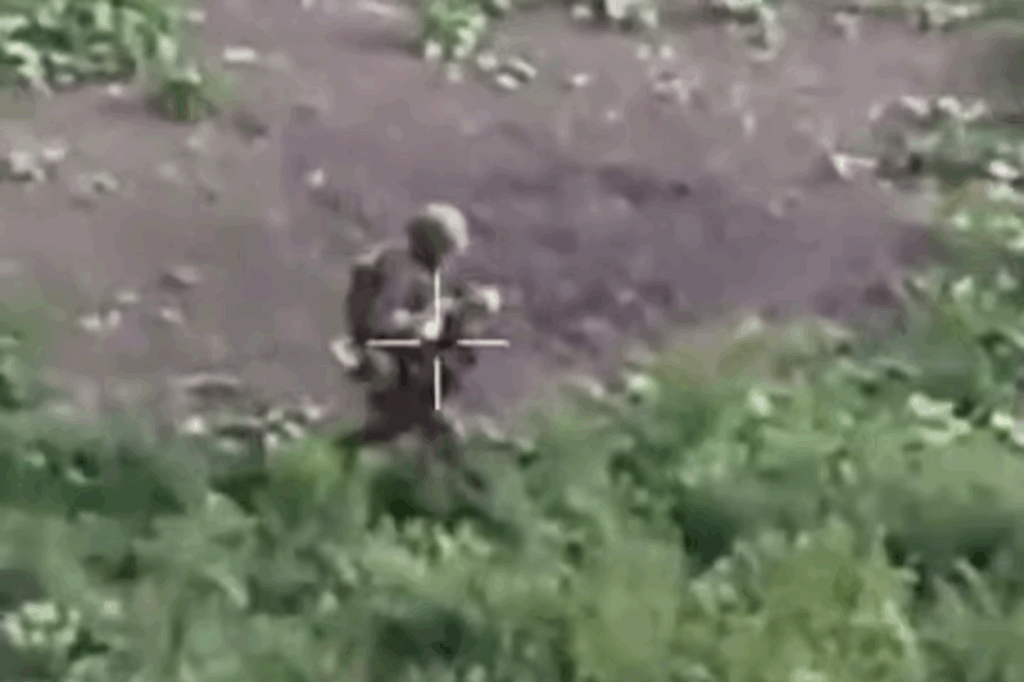

Russia’s youngest war dead include more than 200 18-year-old soldiers, new data shows

At least 200 Russian soldiers aged 18 have been confirmed killed in Ukraine, according to a new joint investigation by BBC Russian and independent Russian outlet Mediazona, which has identified 226,055 Russian military deaths since the start of the full-scale invasion in 2022.
Russia’s invasion of Ukraine has been defined by exceptionally high and sustained casualty rates across all phases of the war, driven by large-scale frontal assaults, prolonged artillery duels, and the expanding use of drone warfare that has widened the lethal “kill zone” across much of the frontline.
At least 200 confirmed 18-year-old soldiers among Russia’s war dead
The youngest confirmed casualty in the latest update was born in 2008, marking the first recorded 18-year-old in the dataset. Researchers say the overall figure includes more than 200 teenagers aged 18, underscoring the scale of young recruits being sent into combat.
One case highlighted in the report is that of 18-year-old Alisher Svirin, who died on 1 May 2026 and was buried later that month in Moscow Oblast. He had signed a contract and served in a motor rifle brigade as a machine gunner. According to the investigation, he could not have spent more than a few months in service before being killed.
Regional patterns show disproportionate burden in poorer Russian republics
Regional data also highlights a consistent imbalance in casualty distribution, with poorer regions such as Bashkortostan, Tatarstan, and Tuva showing significantly higher per-capita losses than Russia’s largest cities.
Researchers attribute this gap to recruitment patterns that rely more heavily on economically disadvantaged areas, where military service offers relatively higher financial incentives.
At the same time, major urban centres such as Moscow remain underrepresented in the casualty lists, reflecting both demographic differences in recruitment and uneven exposure to frontline deployments.
Open-source records show limits of confirmed casualty tracking
The database is compiled from publicly available sources, including obituaries, official regional announcements, social media posts, and burial records. Analysts say it likely captures only a portion of total losses.
The report notes that more than half of confirmed deaths now come from volunteers, mobilised personnel, and convicts recruited from penal colonies, reflecting Russia’s reliance on short-training pipeline forces for frontline deployments.
Battlefield drone warfare is reshaping how deaths are recorded and counted
Researchers also say the structure of the battlefield has changed the visibility of losses. Widespread drone warfare has expanded the “kill zone” across large sections of the front, making recovery of bodies difficult and delaying official confirmation of deaths, sometimes for months or years.
Based on current estimates, analysts suggest Russia’s real death toll could be significantly higher than identified figures, potentially reaching between 347,000 and 502,000 when accounting for incomplete data coverage.
