Normal view

Received — 8 June 2026 Euromaidan Press

Russo-Ukrainian war, day 1566: NATO jets shoot down Russian-spoofed drone over Latvia

8 June 2026 at 21:14

Russo-Ukrainian war (daily review)

Military

NATO shot down drone over Latvia. Russia's electronic warfare sent it there. NATO fighters from the Baltic Air Policing mission shot down a foreign unmanned aerial vehicle over Latvia's eastern Latgale region this morning.

French NATO jets shoot down drone over Latvia in country's first intercept. Second Baltic intercept in three weeks as spillover from Russia's war on Ukraine accelerates.

Ukraine recaptured 100 square kilometers in May. Its deep strikes cost Russia $1 billion. Ukraine hit 111 Russian sites, said Commander Syrskyi.

Russian crude reaches the sea through tunnels under a mountain ridge—and Ukraine hit the storage end near Novorossiysk. Pipelines link the Grushovaya depot to Novorossiysk's loading berths about 12 km away. Locals counted about 50 blasts before a huge fire lit the mountains above Russia's main Black Sea oil port.

ISW: The strikes will likely cascade into deeper disruption across Russia's rear supply network. Russia leans on two key highways to feed its war. Cut them, and fuel, shells, and troops stop reaching occupied Crimea, Luhansk, and Donetsk—and Ukraine's drones are working on cutting it.

Intelligence and technology

Russia's closest ally says its new AI military system can detect drones, jam signals, and adapt in real time. Belarus claims AI-driven 'Ross' counter-drone EW system nearing completion.

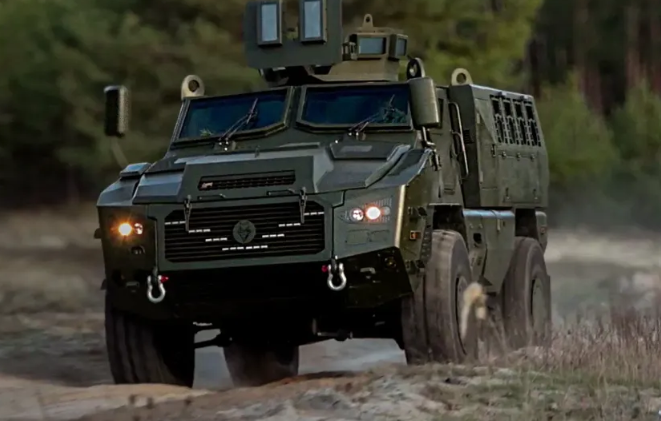
Ukraine codifies armored vehicle with dome of 10 electronic-warfare modules designed to kill FPV drones before they hit. Ukraine develops armored vehicle to protect against two major Russian battlefield threats.

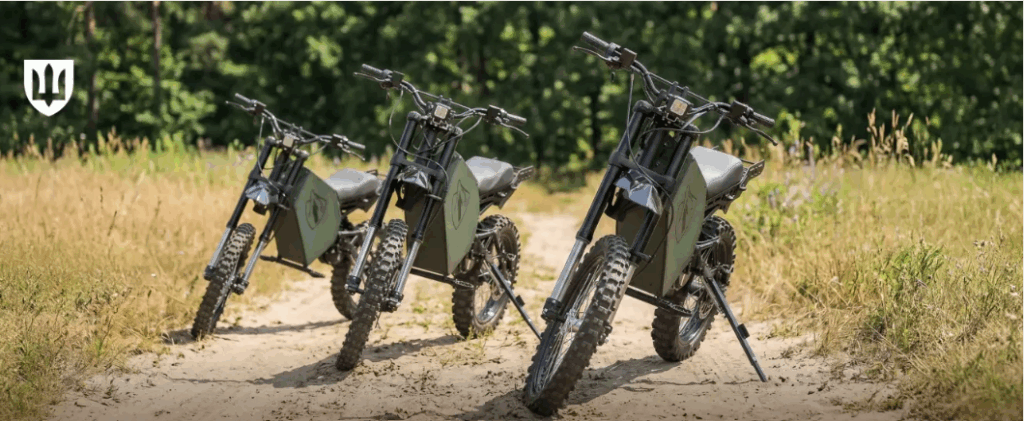
Ukraine approves 80 km/h electric motorcycle that defeats thermal imaging and acoustic detection. It carries two soldiers in full gear. The 105-kg, 8 kW vehicle reaches 80 km/h and operates with near-silent movement.

One click from operator: Ukraine just shot down Russian Shahed with AI drone that automated 95% of kill. The Brave1 cluster participant manufacturer went from prototype to successful combat use in less than a year.

International

"The enemy counts on our disunity"—Ukrainian diaspora answers with Bern Declaration. More than 350 leaders from 50 countries adopted a seven-point wartime action plan at the first Global Ukrainian Summit held in Switzerland.

61% of Ukrainians reject ceasefire without security guarantees. Same 61% would accept one with European troops on frontline. The real question isn't whether Ukraine wants a ceasefire, but what guarantees would come with it.

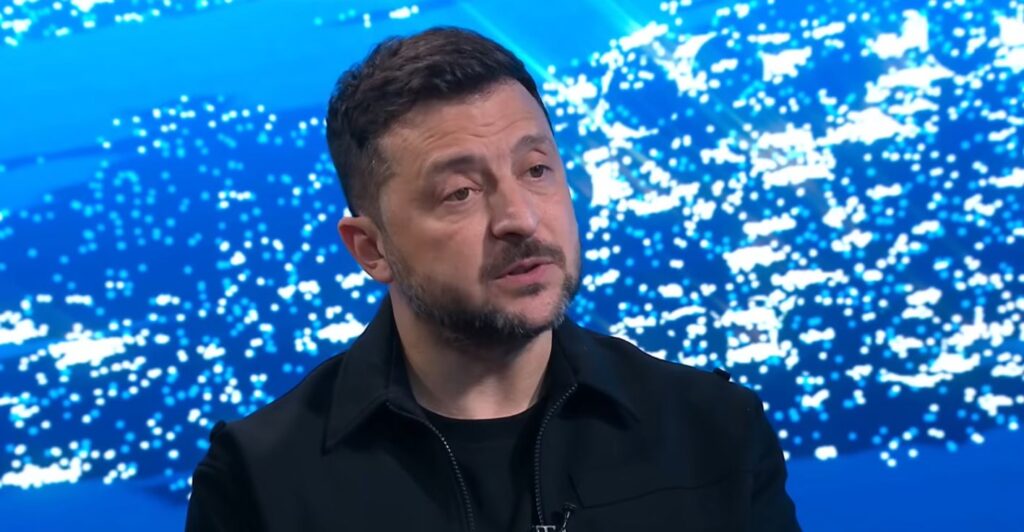
Freezing the war along today's lines is "the quickest way" to peace, Ukraine's leader told Sky News. Zelenskyy insisted it is no concession, but a way to save children and bring soldiers home, paired with monitoring missions and allied guarantees.

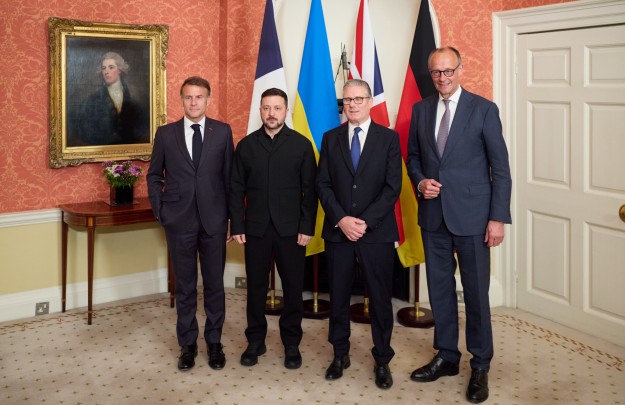
Britain, France, and Germany back Ukraine's peace terms and press Putin for a ceasefire. After meeting Ukraine's president in London, the three leaders set out five conditions for a just and lasting peace and welcomed Kyiv's push for direct talks.

Putin warned former Soviet republic of "Ukrainian scenario" over EU ties. Its pro-EU party wins elections with 49.81% anyway.

Humanitarian and social impact

Premature births are climbing in Ukraine's front-line regions, and doctors blame the ongoing war. Doctors in Zaporizhzhia now deliver babies and treat miscarriages on the same afternoons that glide bombs hit the city, AP reports.

Food shortage in occupied Rubizhne: Russia blocks civilian deliveries, blames drones. Officials say Moscow engineered the shortage to film propaganda—the same tactic that left 2,000 starving in Oleshky.

Political and legal developments

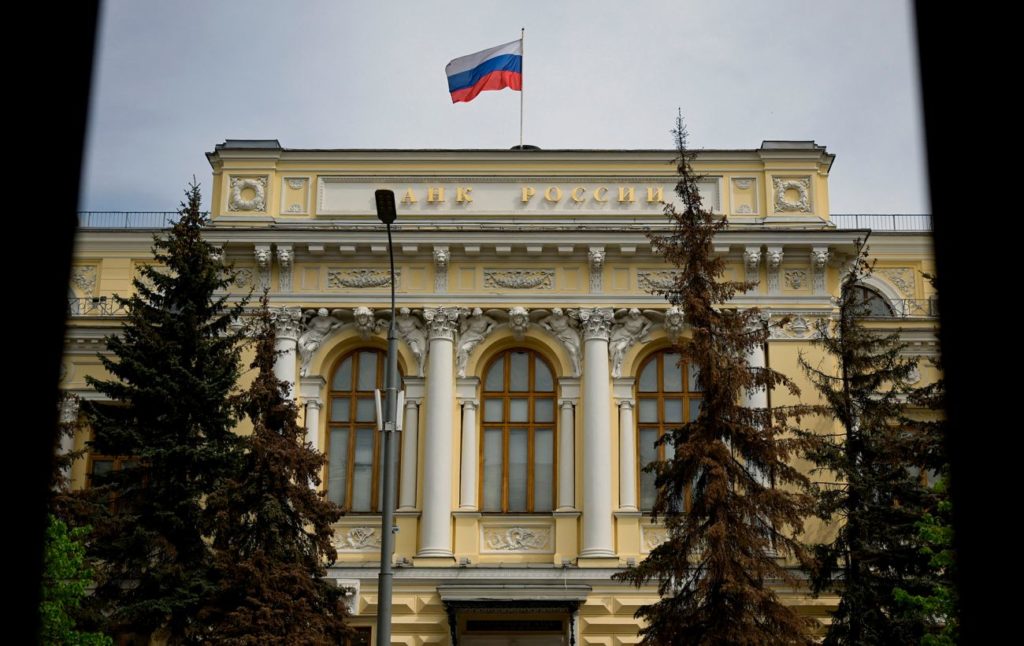
Russians pulled 30-year record of cash from banks in May. Central Bank now tracks monthly cash limits, can freeze "suspicious" withdrawals. Analyst cites geopolitical and macroeconomic uncertainty, internet outages disrupting online banking, and central bank rate cuts as driving the cash flight.

Ukrainian defense official sent 300,000 pairs of useless gloves to front line. He's now going to trial. The manufacturer used ordinary rubber instead of the thermoplastic rubber required by technical specs.

Medic stole 16 FPV from firm that entered $1.1 billion Pentagon competition and hid them for four months. Ukraine arrested him when he tried to sell them for 19% of their value. Ukrainian sergeant arrested for selling 16 General Cherry FPV drones worth $12,600 for $2,370.

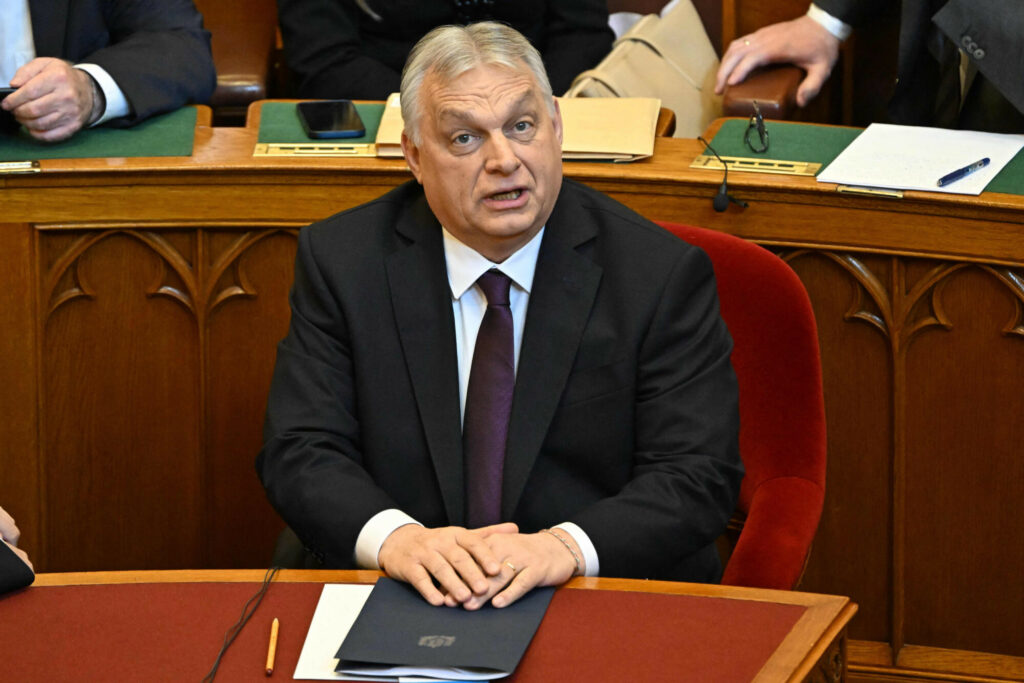
Hungary's anti-corruption watchdog says Orbán's former inner circle should be prosecuted over billions in missing EU funds. Péter Magyar is trying to convince Brussels that Hungary can be trusted with more than €10 billion in cash frozen over rule-of-law concerns.

WSJ: Putin's sanctioned inner circle keeps buying Western business jets through a web of middlemen. A WSJ investigation traces Bombardier and Gulfstream business jets from European dealers through Dubai and Bermuda into Kremlin hands.

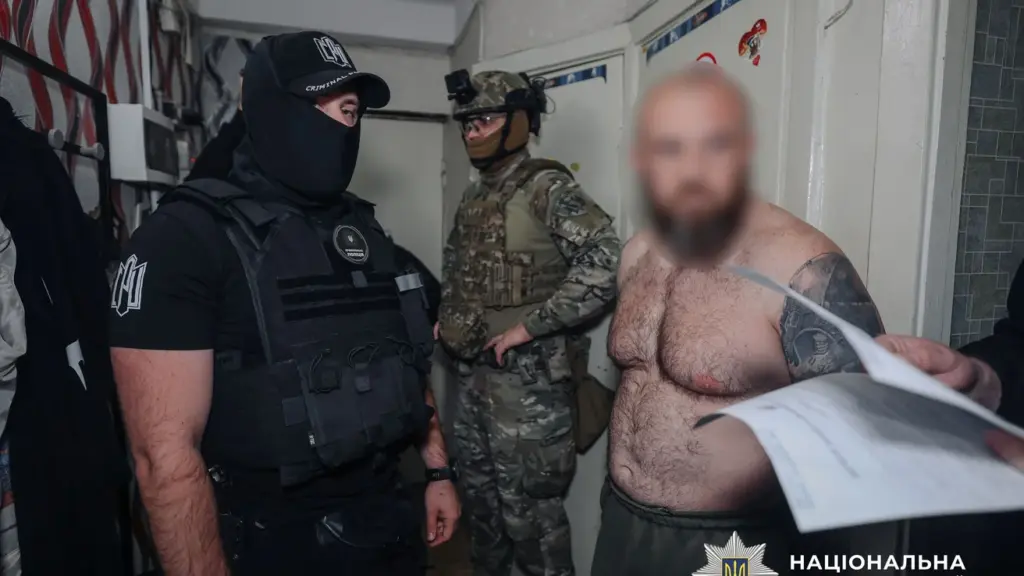
Ukraine foils Russian plot to assassinate intelligence official with FPV drone. Russian spy recruited to kill GUR spokesman Andrii Yusov with FPV drone for $100,000 bounty.

Read our earlier daily review here.
Russia’s closest ally says its new AI military system can detect drones, jam signals, and adapt in real time

8 June 2026 at 21:07

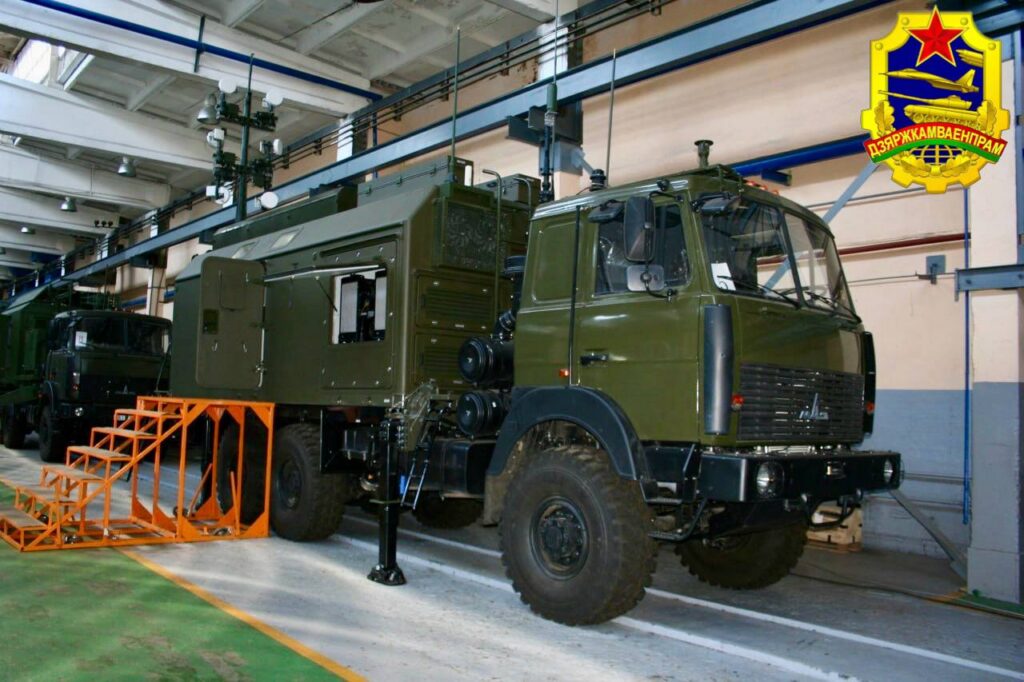
Belarusian AI-driven automated control system named "Ross". Source: The Belarusian State Military-Industrial Committee

Belarus is finishing development of an AI-driven automated control system named "Ross", the Belarusian State Military-Industrial Committee announces, publishing the photos of the system developed by Belarusian state defense enterprise KB Radar. It is designed to integrate electronic warfare, radio monitoring, and counter-drone capabilities into a single unified network. 

The announcement sits within a documented Ukrainian and Western assessment of Belarusian-Russian military integration that has shifted in recent months. Institute for the Study of War analysis in May concluded that a 2022-style Belarusian ground invasion of Ukraine is "very unlikely" given how the war has evolved. However, Ukrainian defense ministry advisor Serhii "Flash" Beskrestnov has separately warned that Russia could continue using Belarusian territory to launch missiles or Shahed drones at Ukrainian cities.

An AI-driven counter-drone EW capability in Belarus is consistent with — though not proof of — the latter scenario: Belarus building infrastructure that may enable or protect Russian drone and missile operations against Ukraine.

What does Belarus say system does? 

According to the Belarusian State Military-Industrial Committee announcement, the "Ross" system is designed to provide automated and manual control of radio-monitoring assets and complexes for suppressing communication channels, data transmission, and satellite navigation.

KB Radar's developers say the integration of AI algorithms is the principal innovation. The AI is said to help operators assess changes in the electromagnetic environment more quickly, detect radio emission sources, analyze the situation, predict its further development, and automatically select radio-suppression modes while minimizing impact on friendly communications.

Counter-drone system

A separate capability block within "Ross" is specifically focused on counter-drone operations, per the Committee. According to the developers, the system is intended to receive data from radio-frequency monitoring of airspace, detect UAVs, predict their flight routes, and determine the most effective countermeasures.

Belarusian officials state that the use of intelligent algorithms automates a significant share of analytical and computational processes, reducing operator workload and allowing personnel to focus on decision-making.

The system is also said to adapt to changes in the electromagnetic environment in real time and effectively distribute resources between suppression assets.

The unverified-claims caveat

The "Ross" announcement is a Belarusian state defense industry announcement, with KB Radar functioning as a state-controlled defense enterprise. Independent verification of the stated technical characteristics is absent, and the AI algorithms' actual capabilities have not been disclosed. 

Ukraine codifies armored vehicle with dome of 10 electronic-warfare modules designed to kill FPV drones before they hit

8 June 2026 at 19:58

MAC OWL "Sova" armored vehicle. Source: Ukraine's Defense Ministry

Ukraine's Defense Ministry has codified and approved the domestically produced MAC OWL "Sova" armored vehicle. It has a V-shaped armored hull, 16 mm-thick side armor, and a capacity for up to 10 electronic-warfare modules forming a defensive dome against Russian FPV kamikaze drones, Oboronka reports, citing the Defense Ministry.

MAC OWL "Sova" is a joint Ukrainian-European product developed by Ukrainian company MAC HUB together with Paramount Greece, a European subsidiary of South African defense manufacturer Paramount Group.

It is rated to STANAG 4569 4a/4b, which is the highest mine-protection class, withstanding explosions of up to 10 kilograms of TNT equivalent.

MAC OWL "Sova" addresses the two most operationally lethal threats to Ukrainian troops in 2026: anti-vehicle mines and Russian FPV kamikaze drones.

Design philosophy and origins

The MAC OWL "Sova" is built on the armored body of the South African Mbombe 4 MRAP, which has been substantially adapted for the realities of the Russo-Ukrainian war.

Work on the project lasted more than a year. Ukrainian engineers, together with the military, including representatives of Ukraine's Defense Intelligence Directorate (HUR), refined the construction, increasing the number of firing ports, improving ergonomics, optimizing the chassis for Ukrainian operating conditions, per Espresso.

"Designers together with the military implemented 30 years of experience from local conflicts... The result was an armored vehicle with the highest level of crew protection," the Defense Ministry said.

Depending on configuration, MAC OWL "Sova" weighs 14.2 to 15 tonnes

It is equipped with an 8.9-liter turbodiesel engine producing 450 horsepower, which is the most powerful among all Ukrainian special armored vehicles. The vehicle has a 45-centimeter ground clearance, comparable to that of heavy military trucks, with a total height not exceeding 2.8 meters.

The cabin accommodates two crew members plus six or eight troops. The vehicle's 16-mm-thick side armor is reportedly the thickest among Ukrainian and foreign analogs in this class.

The FPV-defense dome and the 2025 procurement scaling

The 10-EW module capacity is the most operationally distinctive feature of the MAC OWL relative to earlier Ukrainian armored vehicles. Russian FPV drones, operated by individual pilots and used against Ukrainian vehicles, infantry, and frontline infrastructure, have become the dominant tactical threat in 2025-2026, with Ukraine documenting more than 11,000 Russian FPV attacks on civilians alone.

“The enemy counts on our disunity”—Ukrainian diaspora answers with Bern Declaration

8 June 2026 at 19:39

Delegates at the Global Ukrainian Summit in Bern pose for a group photograph after adopting the Bern Declaration on 7 June 2026. Many participants wear traditional Ukrainian vyshyvanky. A Ukrainian flag is visible at lower left.

"The enemy is counting on our disunity," Ukraine's Deputy Foreign Minister Mariana Betsa told more than 350 diaspora leaders gathered in Bern on 7 June 2026. The answer came in the form of the Bern Declaration—a document committing Ukrainian communities across more than 50 countries to coordinated defense support, territorial restoration, and postwar recovery, the Ukrainian World Congress reported.

The declaration lands at a turning point for Ukraine's global community. An estimated 5.9 million Ukrainians now live abroad, yet only 43% of refugees say the war's end would be enough to bring them home.

The Bern Declaration reframes that reality: if millions of Ukrainians remain dispersed for years, their energy must be channeled into something more than candlelight vigils and flag-waving. The document calls global unity "not a symbol" but "a strategic prerequisite for the success of Ukraine and the Ukrainian people."

What the Bern Declaration demands

The Global Ukrainian Summit, held 5–7 June at the Yehudi Menuhin Forum next to Ukraine's embassy in the Swiss capital, was organized by the Ukrainian World Congress (UWC) in cooperation with the Ukrainian Society of Switzerland—an organization that has built ties between the two countries since 1945—and in partnership with Ukraine's Ministry of Foreign Affairs.

The declaration set out three priorities: Ukraine's victory through a just and lasting peace that restores territorial integrity and holds Russia accountable; the recovery of a strong, independent state free from Russian influence; and the cultivation of future generations of Ukrainian patriots worldwide.

It then issued seven calls to action. Diaspora communities pledged to fund Ukraine's defense forces, engage in political advocacy, take leading roles in reconstruction, protect Ukrainian identity and heritage, strengthen cross-border community networks, resist attempts to divide the Ukrainian people, and amplify Ukraine's global voice.

"Our goals remain unchanged: Ukraine's victory and Russia's defeat, the reconstruction of Ukraine, and a strong global Ukrainian community," UWC President Paul Grod told delegates at the summit's opening session.

Why Bern, and why now

The summit opened with a minute of silence for fallen defenders and all victims of Russia's war on Ukraine. In addition to Betsa, speakers included Deputy Minister of Social Policy Ilona Havronska, Central Election Commission head Oleh Didenko, Ukraine's Ambassador to Switzerland Iryna Venediktova, and former Russian prisoner of war Yuliia Paievska, known as "Taira."

Security remains the prerequisite for the return of millions of displaced Ukrainians, and the government is developing long-term solutions, Deputy Minister of Social Policy Havronska told delegates, according to SWI swissinfo.ch. Venediktova called for coordinated international measures—from sanctions enforcement to the deployment of frozen Russian assets and international criminal prosecution.

Swiss Federal Council Delegate for Ukraine Jacques Gerber attended the opening, underscoring Switzerland's growing role in humanitarian aid and reconstruction in Ukraine, SWI swissinfo.ch noted. Publicist Mykola Riabchuk delivered the keynote on unity within the global Ukrainian community, the UWC reported.

"Ukraine is already proving that it is a strong European nation that is fighting for its sovereignty and for the future of freedom around the world," Betsa told the summit.

From gestures to coordination

The Bern Declaration is the latest in a series of moves that trace a diaspora increasingly organized around concrete objectives. One month ago, Ukraine's women's diaspora gathered at the European Parliament in Brussels to debate the future of temporary protection for 4.4 million refugees.

Four months before that, the UWC coordinated nearly 1,000 events in 78 countries to mark the fourth anniversary of Russia's full-scale invasion. The Bern Declaration converts that momentum into a standing set of commitments.

The document, as Ukrinform reported, closed with three guiding principles: "Ukraine defines our unity. Responsibility before the Ukrainian people defines our unity. National action defines our unity."

"The enemy is counting on our disunity. Ukraine is already proving that it is a strong European nation that is fighting for its sovereignty and for the future of freedom around the world." — Deputy Foreign Minister Mariana Betsa, Bern, 7 June 2026


Russians pulled 30-year record of cash from banks in May. Central Bank now tracks monthly cash limits, can freeze “suspicious” withdrawals

8 June 2026 at 17:40

isw russia burning candle both ends—bankers quietly brace bailouts central bank russia’s top financial execs reportedly fear growing debt crisis despite claims stability ukraine news ukrainian reports

Russians pulled a record 381.2 billion rubles (approximately $5.2 billion) in cash from the banking system in May 2026. It is the largest May cash outflow since the Russian Central Bank began publishing such data in 1995, The Moscow Times reports, citing RBK's analysis of Russian Central Bank data. 

The 30-year record adds to a sustained 2026 pattern of Russians pulling cash from banks: April saw $9.2 billion in cash outflows, and March saw $4.1 billion.

The cumulative $14.8 billion in banknotes added to circulation since January reflects what Russian financial analysts describe as a confluence of geopolitical and macroeconomic uncertainty, internet outages limiting access to online banking, and the Central Bank rate cuts that have made deposits less attractive.

The Central Bank itself responded on 1 June by tightening controls on ATM cash withdrawals, with banks now able to track monthly withdrawal limits and may suspend "suspicious" operations, such as large withdrawals after long pauses or multiple operations in short timeframes.

2026 cash-flight progression

The monthly Russian cash-circulation data published by the Central Bank of Russia shows a sustained increase in cash held outside the banking system across 2026. Lead analyst Natalia Milchakova of Freedom Finance Global, quoted by The Moscow Times, explained that Russians are increasingly choosing cash due to uncertainty and a desire to have money for unplanned expenses "here and now."

Milchakova also warned that the cash shift may signal small and medium businesses moving into the shadow economy. The Central Bank itself identified business adaptation to the new 2026 tax rules as a primary driver, alongside internet outages. Sberbank's deputy chair, Aleksandr Vedyakhin, said Russians worry that digital transfers make their transactions visible to tax authorities.

Internet outages and the banking system

Russian internet outages have played a significant role in the cash-flight pattern, depriving Russians of access to online banking and cashless payment systems, Milchakova said.

The outage pattern is part of a wider disruption to Russian mobile internet across 2025-2026, in which Russian authorities have repeatedly shut down regional mobile internet.

Those shutdowns cut Russians' access to banking apps, fuel purchases, navigation, and messaging, with watchdog estimates of economic losses of $290 million in July 2025 alone. Russian Central Bank rate cuts also factor in: lower deposit rates have reduced the attractiveness of leaving money in banks, pushing households toward cash holdings as a default.

Central Bank's response

The Russian Central Bank's 1 June 2026 tightening of ATM withdrawal controls marks an acceleration of Russia's wartime capital controls. Under the new rules, Russian banks will track each customer's monthly cash withdrawal limit. "Suspicious" operations, defined to include large withdrawals after extended pauses, or multiple withdrawal operations conducted in short timeframes, may now be blocked or suspended pending review. Such administrative friction on cash withdrawals is being deployed at the same time the central bank is cutting interest rates, suggesting the regulator's primary concern is bank-system stability rather than monetary tightening.

61% of Ukrainians reject ceasefire without security guarantees. Same 61% would accept one with European troops on frontline

8 June 2026 at 17:18

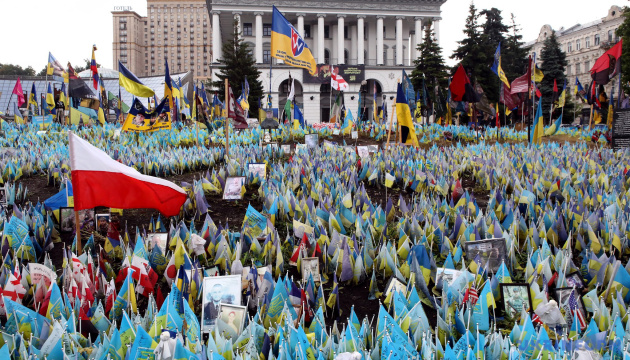
The photo shows a Memorial on the Independence Square in Kyiv, where families of fallen defenders leave thousands of flags with the names, photos, and dates of death of their relatives who gave their lives in the Russian-Ukrainian war. Source: UkrInform

More than 60% of Ukrainians categorically reject a ceasefire along the current frontline if Ukraine receives no security guarantees. The same share would approve a ceasefire if European troops were stationed near the frontline and would defend Ukraine against renewed Russian aggression, according to a new Kyiv International Institute of Sociology (KIIS) poll, conducted between 7 May and 3 June 2026.

The poll quantifies the substantive Ukrainian public position on the ongoing diplomatic process: the ceasefire itself is not the disputed question, but security guarantees are.

Across the four scenarios KIIS tested, the lowest level of support (32%) is for a ceasefire without guarantees. Mid-range support corresponds to mid-range guarantees: 42% for European troops deep in Ukraine that would not fight, and 53% for security guarantees in the form of large-scale financial and weapons support.

Four scenarios in detail

Scenario 1 — ceasefire without security guarantees, money, or weapons: 61% categorically reject, 32% willing to approve (mostly reluctantly). This is the substantive Ukrainian public position on the unconditional ceasefire that Russian negotiators have repeatedly framed as a starting point: the offer falls short by roughly two-to-one.

Scenario 2 — ceasefire with European troops deployed deep in Ukraine, NOT participating in combat if Russia attacks again: 49% categorically reject, 42% willing to approve. A passive Western presence is closer to acceptance but does not yet command majority support.

Scenario 3 — ceasefire with security guarantees in the form of large-scale money and weapons supply: 37% categorically reject, 53% willing to approve. Material guarantees alone gain majority support, but with significant skepticism remaining.

Scenario 4 — ceasefire with European troops near the frontline who WOULD defend Ukraine against renewed Russian aggression: 33% categorically reject, 61% willing to approve. Active defense by European forces commands the highest support, with a clear majority in favor of a ceasefire under conditions that make Russian re-invasion materially riskier.

Methodology and coverage

KIIS conducted the survey by computer-assisted telephone interview (CATI), using random sampling of mobile phone numbers. The sample of 2,007 Ukrainian citizens aged 18 and older was drawn exclusively from territory controlled by the Ukrainian government, meaning the data does not include displaced Ukrainians abroad or Ukrainians in Russian-occupied territories.

The polling period of 7 May through 3 June 2026 covered the full month of the current phase of US-mediated diplomatic activity, during which Russia continued striking Ukrainian cities with Shahed drones and missile attacks.

Ukraine approves 80 km/h electric motorcycle that defeats thermal imaging and acoustic detection. It carries two soldiers in full gear

8 June 2026 at 16:55

Ukrainian-made WOLFSTORM electric motorcycles. Source: Ukraine's Defense Ministry

Ukraine's Defense Ministry has announced that it has codified and approved the Ukrainian-made WOLFSTORM electric motorcycle for military use. The 105-kg, 8 kW vehicle reaches 80 km/h, travels up to 100 km on a single charge, carries two soldiers with full gear, and operates with near-silent movement and no thermal signature.

The codification is part of a broader push by the Ukrainian Defense Procurement Agency to scale motorcycle deliveries to frontline units in 2026, with the agency having contracted for 1,500 motorcycles. It is three times last year's volume.

Motorcycles have become one of the most operationally critical vehicle classes on the Ukrainian frontline, where small mobile groups, reconnaissance teams, and casualty-evacuation crews need to move quickly through terrain impassable to heavier vehicles.

Technical specifications

The WOLFSTORM weighs 105 kilograms and reaches a top speed of 80 km/h, with a range of up to 100 kilometers without recharging and a maximum load capacity of 200 kilograms.

The 8 kW electric motor is placed at the center of the frame, providing better balance and steadier performance on difficult terrain.

Power is transmitted to the rear wheel via a chain, as on conventional motorcycles, and the design includes a reverse gear.

Full battery charge takes approximately four hours, and the battery can be quickly swapped for a spare. 

The frontline use cases

On the front, electric motorcycles like the WOLFSTORM can be used for reconnaissance, sapper operations, cargo delivery, casualty evacuation, transport of drone operator crews, patrol, and facility security, according to the Defense Ministry.

The combination of thermal-signature reduction and near-silent operation addresses two specific battlefield vulnerabilities that have shaped Ukrainian frontline mobility tactics: Russian thermal imaging used to target moving Ukrainian vehicles, and acoustic detection of vehicle engines by Russian observation drones.

The modular construction is designed to operate in temperature extremes and complex weather conditions, the Defense Ministry said.

Procurement scale-up

The 1,500-motorcycle contract volume for 2026 reflects the Defense Procurement Agency's broader effort to scale frontline transport supply through competitive procurement.

The approximately $270,000 in savings achieved through supplier competition is a small absolute figure, but the structural signal that competitive procurement saves the state money while increasing volume threefold.

One click from operator: Ukraine just shot down Russian Shahed with AI drone that automated 95% of kill

8 June 2026 at 16:36

Lviv shahed attack Russian drones Ukraine

Ukrainian Defense Forces successfully tested the combat use of an AI-driven autonomous drone interceptor against a Russian Shahed in Kharkiv Oblast. The interceptor automated 95% of the engagement process, from drone launch to Shahed destruction, Defense Minister Mykhailo Fedorov announces.

The combat trial is a measurable step in Ukraine's developing technological response to Russia's escalating Shahed campaign, in which jet-powered Geran-4 variants now reach 500-600 km/h, and Russian manufacturers have begun bolting electronic-warfare jammers onto attack drones to defeat Ukraine's cheaper interceptors.

AI-driven autonomous interception collapses the human reaction time that bottlenecks conventional air defense against fast, swarmed targets.

How does system work? 

"The operator selects the target in software, one click, and the drone flies to intercept. As the drone approaches, AI automatically recognizes and guides toward the enemy target," Fedorov said.

Brave1 cluster and rapid development cycle

The interceptor was developed by a participant in Ukraine's Brave1 defense-tech cluster, the state-supported acceleration platform launched in 2023 to consolidate funding, certification, and procurement pathways for Ukrainian defense-tech startups.

According to Fedorov, the manufacturer went from prototype to successful combat use in less than a year, with iterations validated or rejected by frontline use rather than peacetime test cycles.

"Autonomy is one of the key directions for the development of modern air defense. Such technologies make it possible to respond faster to mass attacks and more effectively protect Ukrainian cities," Fedorov added.

Technological context

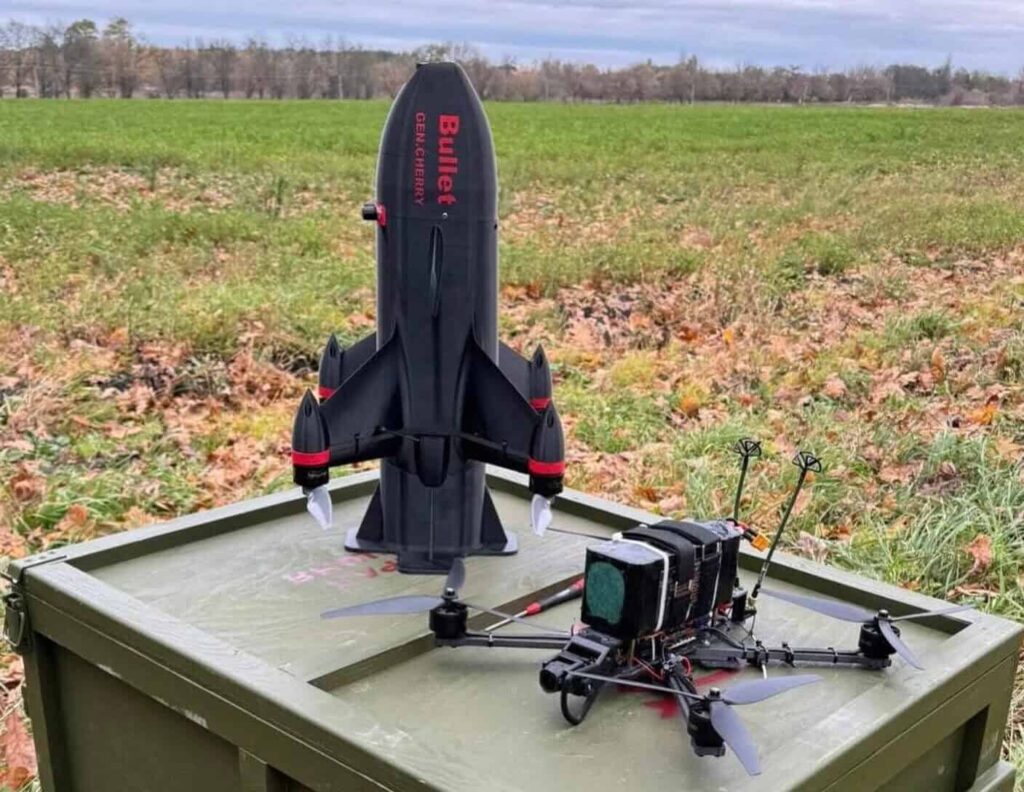
The autonomous interceptor announcement sits alongside several Ukrainian air-defense developments in 2026: General Cherry's Bullet interceptor recently received a chemical-accelerator upgrade for chasing Russia's jet-powered Geran-4 Shaheds at up to 500-600 km/h, while Russia has begun installing electronic-warfare jammers on its Shaheds to survive Ukrainian cheap-interceptor swarms.

Ukraine’s Bullet interceptor gets speed upgrade. It now has chemical accelerator to chase down Russian 500 km/h Geran-4

Ukraine has demonstrated rising interception rates against Russian Shaheds, with Russia now losing 95% of its Shaheds to Ukrainian interception, prompting the jet-powered variant and border-area targeting response. 


Ukrainian defense official sent 300,000 pairs of useless gloves to front line. He’s now going to trial

8 June 2026 at 16:15

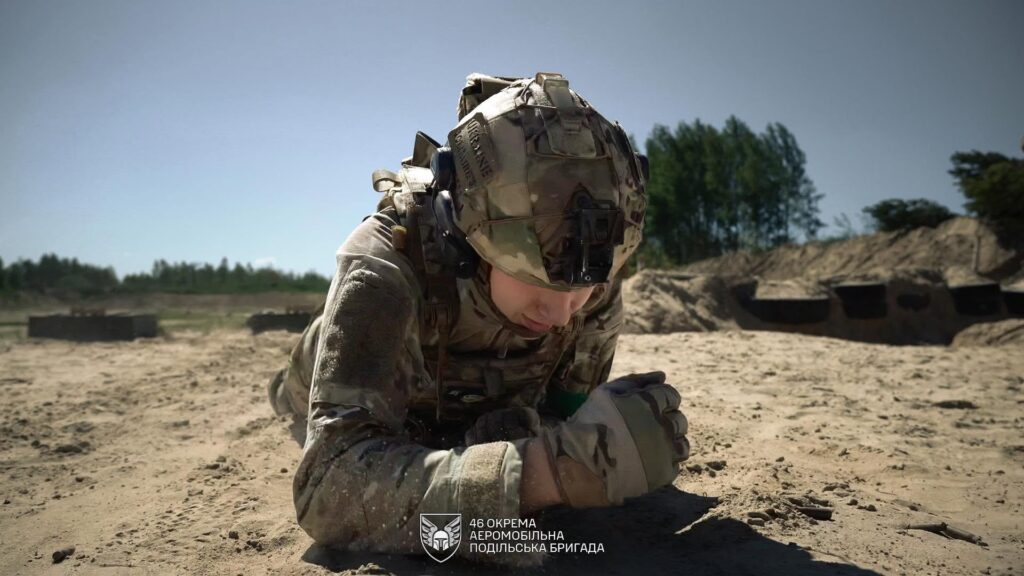
A Ukrainian soldier. Source: The 46th Airmobile Brigade

A former Ukrainian Defense Ministry official has been indicted and sent to trial for organizing the procurement of 300,000 pairs of tactical gloves valued at approximately $5.2 million that failed to meet the contracted specifications. They could not perform their basic function of protecting soldiers' hands in combat, the Office of the Prosecutor General of Ukraine announced.

300,000 pairs of combat gloves delivered to Ukrainian troops on the frontline that, expert analysis later showed, used ordinary rubber instead of the thermoplastic rubber required by technical specifications and failed cut- and puncture-resistance tests.

The gloves were intended for use in assault operations, casualty evacuation, and work under fire, which are the exact combat environments where hand protection matters most.

How did fraud work? 

According to the investigation, the official organized the procurement after manipulating both the contract documentation and the technical specifications. Investigators found that the requirement for mandatory compliance with Defense Ministry product standards was removed from the procurement documentation. The product's technical characteristics were altered.

Advance payments were approved without proper justification. The combined effect of the acts created the procurement conditions under which the manufacturer substituted cheaper materials and delivered a product that did not meet the original technical requirements.

Accountability process

The former Defense Ministry official was notified of suspicion in August 2025. Following the completion of the SBU's pre-trial investigation, the indictment has now been transferred to the court.

The case is one of multiple Ukrainian defense-procurement fraud prosecutions that have progressed through the system since 2024, when Ukrainian authorities began aggressive prosecutions of procurement officials over the delivery of substandard military equipment to frontline troops.

Earlier, a medic in a Ukrainian mechanized battalion based in Donetsk Oblast was charged with stealing 16 FPV drones manufactured by Ukrainian defense-tech company General Cherry. He also tried to sell these drones, worth approximately $12,600, for $2,370, the Eastern Region Specialized Defense Prosecutor's Office said.

NATO shot down drone over Latvia. Russia’s electronic warfare sent it there

8 June 2026 at 16:00

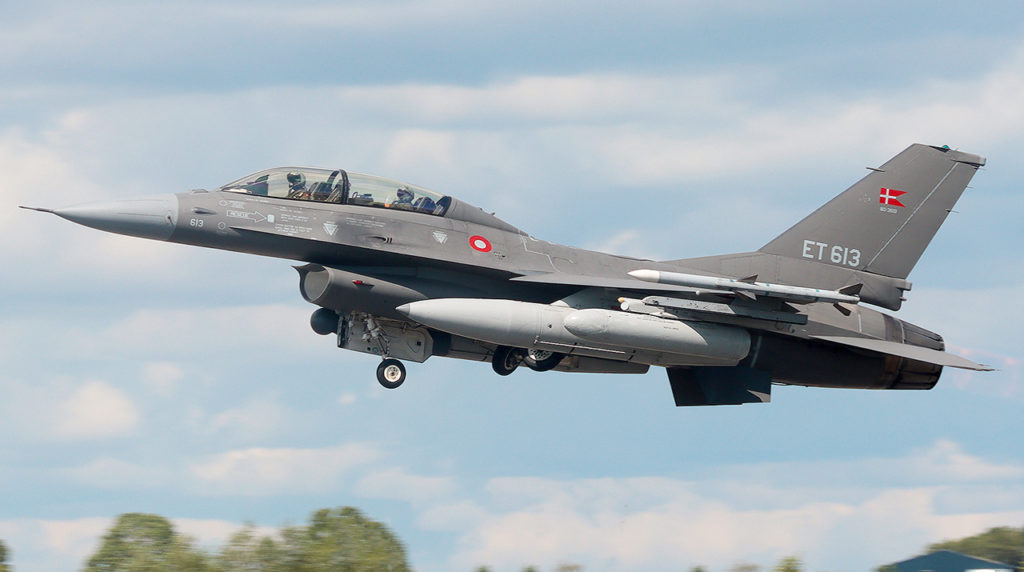
A Danish Air Force F-16BM combat trainer aircraft during a training flight. Photo via mil.in.ua

NATO fighters from the Baltic Air Policing mission shot down a foreign unmanned aerial vehicle over Latvia's Latgale region this morning, after the drone entered Latvian airspace as a result of Russian electronic warfare action, the Latvian Ministry of Defense says. It is the most direct documented NATO engagement of a drone over Latvian territory tied to Russia's war against Ukraine to date.

The shoot-down comes against a backdrop of repeated drone incursions over NATO territory along the eastern flank in 2026. In May, a Russian drone crashed into a residential building in Galați, Romania.

What did Latvia say? 

"NATO Baltic Air Policing mission shot down a foreign unmanned aerial vehicle (drone) that had entered Latvia as a result of Russian electromagnetic warfare," the Latvian Ministry of Defense statement said.

The ministry stressed that the Latvian Armed Forces and NATO allies continuously monitor Latvian airspace to enable an immediate response to potential threats, and that the Latvian Armed Forces have reinforced air defense capabilities along the eastern border by deploying additional units.

"As long as Russia's aggression in Ukraine continues, the recurrence of incidents where a foreign unmanned aerial vehicle enters or approaches Latvian airspace remains possible," the ministry added.

Baltic context: Estonia's months of frustration

Latvia's incident comes after months of similar incidents in Baltic airspace. In May 2026, Estonia's Foreign Minister Margus Tsahkna and Defense Minister Hanno Pevkur publicly told Ukraine to control its drones better after months of airspace breaches across the Baltic states and Finland.

In March 2026, Tsahkna said, several drones breached Estonian airspace. One hit a chimney at the Auvere Power Plant, two kilometers from the Russian border, and another crashed in Tartu County, with debris washed up along Estonia's northern coast.

A drone also struck a fuel storage depot near the Latvian border. Russia has claimed the Baltic states are allowing Ukraine to use their airspace for attacks.

Ukraine has accused Russia of deliberately directing drones into Baltic airspace through electronic warfare. Today's Latvian statement that "Russian electronic warfare action" caused the intrusion aligns with Ukraine's reading of the pattern rather than Russia's.

Food shortage in occupied Rubizhne: Russia blocks civilian deliveries, blames drones

8 June 2026 at 15:45

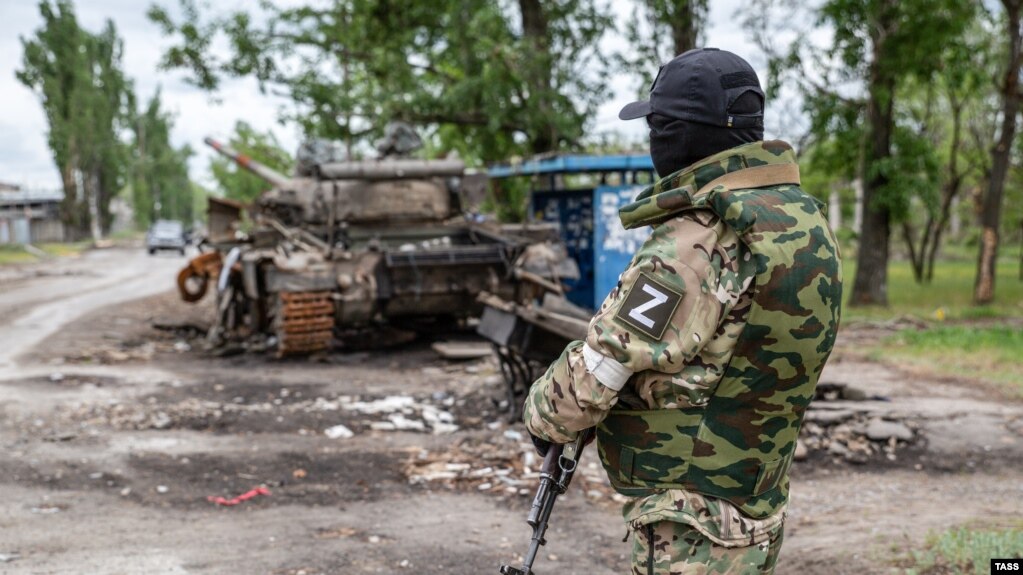
Russian soldier with Z insignia stands near a destroyed armored vehicle on a street in occupied Rubizhne, Luhansk Oblast, where occupation authorities have now manufactured a food shortage by blocking civilian deliveries

Russian occupation forces have deliberately manufactured a food shortage in occupied Rubizhne, cutting civilian food deliveries to the Luhansk Oblast city even as military supply convoys continue to flow, the head of the Luhansk Regional Military Administration reported on 8 June.

Shelves in the city's stores are emptying rapidly, Kharchenko said. Russian propaganda blames disrupted transport links, citing an alleged drone threat. Yet the occupiers have had no difficulty maintaining their own logistics routes to resupply military units stationed across the region, he noted.

"They need to make the next victim for Russian television out of local residents. They chose Rubizhne."—Luhansk governor Oleksii Kharchenko

A city turned into a propaganda prop

The official accused Russia of weaponizing hunger for television cameras. He said the occupiers intend to film bare shelves and hungry residents, then broadcast the footage to Russian audiences as evidence of suffering they themselves engineered.

Before Russia's full-scale invasion, Rubizhne was home to more than 55,000 people. Russian forces seized the city in May 2022 after weeks of devastating urban combat during which they fired up to 1,500 shells per day, the BBC's Quentin Sommerville reported from the front lines. The city's current population remains unknown, but residents who stayed have endured four years of occupation without reliable utilities, communications, or public services.

In nearby Sievierodonetsk, conditions have deteriorated so far that residents now mow the grass in their own neighborhoods and clean communal areas themselves, Kharchenko added—an admission that Russia's occupation authorities provide no basic municipal services even in the cities they claim to have "liberated."

A pattern of deliberate starvation across occupied Ukraine

The manufactured food shortage in occupied Rubizhne fits a documented pattern of Russia using hunger as a weapon against Ukrainian civilians trapped behind the front lines.

In Oleshky, a frontline city in occupied Kherson Oblast, roughly 2,000 civilians have been cut off from food, medicine, and clean water for months. "If the situation doesn't improve, people will just die there from hunger. Because there's no way out, no food supplies coming in," an Oleshky resident who escaped occupation told the Kyiv Independent. Russian forces mined the access roads, destroyed the Kakhovka dam's water infrastructure, and deployed FPV drones that residents describe as conducting "human safari" attacks—hunting anyone who steps outside. People there hunt pigeons and wild ducks with fishing line, plant vegetables in shell craters, and bury their dead in wheelbarrows because no coffins or transport exist.

Ukraine's Foreign Ministry in May appealed to the United Nations and the International Committee of the Red Cross over what it called a "severe humanitarian crisis" in Russian-occupied Kherson Oblast. Russia rejected calls for a humanitarian corridor.

In Nova Kakhovka, upstream from Oleshky, most coastal areas have been abandoned. The few residents who remain live in distant high-rise microdistricts with no functioning hospital and minimal Russian administrative presence, governed remotely from Henichesk, roughly 130 kilometers away.

The Rubizhne food shortage also coincides with Russia's broader restriction of civilian movement through occupied territories. On 6 June, occupation authorities shut down bus and private car traffic on main arteries, capping two weeks of land-corridor breakdowns that have further isolated occupied communities.

Starvation as premeditated policy

International human rights investigators have gathered evidence that Russia planned to use hunger as a weapon before the 2022 invasion. A report by Global Rights Compliance found that a Russian defense contractor purchased grain-transport trucks and bulk cargo ships in December 2021—two months before the invasion began. The evidence was submitted to the International Criminal Court for what could become the first prosecution of a head of state for the war crime of starvation as a method of warfare.

Global Rights Compliance has drawn a direct parallel to the Holodomor—the Soviet-engineered famine that killed millions of Ukrainians in 1932–1933. Russia's current starvation tactics are being perpetrated, the organization noted, by "the same attacking state."

Under the Geneva Conventions, using starvation of civilians as a method of warfare is a war crime. The Rome Statute of the ICC codified the offense in 1998. Yet in occupied Rubizhne, occupied Oleshky, and across the territories Russia claims to have annexed, the pattern continues: military convoys pass, civilian supply lines close, and shelves empty.

Medic stole 16 FPV from firm that entered $1.1 billion Pentagon competition and hid them for four months. Ukraine arrested him when he tried to sell them for 19% of their value

8 June 2026 at 15:05

interceptor drones General Cherry (Chereshnia)

A senior combat medic in a Ukrainian mechanized battalion based in Donetsk Oblast was charged with stealing 16 FPV drones manufactured by Ukrainian defense-tech company General Cherry. He also tried to sell these drones, worth approximately $12,600, for $2,370, the Eastern Region Specialized Defense Prosecutor's Office said on Facebook.

General Cherry is the same company that recently developed the Bullet interceptor drone's chemical-accelerator upgrade for hunting Russia's jet-powered Geran-4 Shaheds, and that entered Phase I of the Pentagon's $1.1 billion Drone Dominance Program.

The sergeant's theft removed 16 FPV drones from frontline combat operations for nearly 5 months, from the January 2026 theft to the May 2026 sale.

Case mechanics

The stolen drones were on the military unit's balance sheet and had been issued specifically for combat operations. On 30 May 2026, the sergeant sold the stolen drones for $2,370, which is roughly 19% of their actual value, to an undisclosed buyer.

The officers arrested him immediately after the funds transfer under Article 208 of Ukraine's Criminal Procedure Code, recovering the cash, all 16 drones, and their components.

Charge and bail

The sergeant has been charged under Part 4, Article 410 of Ukraine's Criminal Code, for theft of military property during wartime, the most serious classification of the offense. A Ukrainian court ordered detention with the option of release on bail of $6,009.

General Cherry's response

General Cherry thanked Ukraine's Prosecutor General Ruslan Kravchenko and the Specialized Defense Prosecutor's Office for "principled action against the theft of military property" in a statement on social media.

"FPV drones are a property of critical necessity, used daily along the entire line of combat contact. The availability of such weapons directly affects the ability to defend positions and preserve the lives of military personnel," the company said.


Earlier, General Cherry and Croatia's ORQA signed a memorandum of cooperation. They agreed to jointly develop and manufacture interceptor drones and counter-drone systems, including an underground factory under the Build in Ukraine localization program, the companies announced.

Ukraine recaptured 100 square kilometers in May. Its deep strikes cost Russia $1 billion

8 June 2026 at 14:36

russian crude reaches sea through tunnels under mountain ridge—and ukraine hit storage end near novorossiysk · post smoke fire rise over after ukrainian drone strike grushovaya oil depot krasnodar krai

Ukraine recaptured a net 100 square kilometers in May 2026 and struck 111 Russian military-industrial, energy, and fuel infrastructure objects with Deep Strike systems. In addition, for the first time, it conducted coordinated multi-target strikes on Moscow and Moscow Oblast under a unified operational plan, Ukraine's Commander-in-Chief General Oleksandr Syrskyi reports.

The Deep Strike operations caused approximately $1.058 billion in economic damage to Russia in May alone, per Syrskyi's estimates.

The monthly summary describes a Ukrainian force that, while still under heavy pressure across multiple frontline sectors, is producing measurable strategic returns: territorial recapture, sustained deep-strike pressure on Russian industrial and energy infrastructure. 

Ukrainian forces had already liberated more than 400 square kilometers in southern Ukraine since winter and retaken much of Kupiansk in the east, per ISW data and Syrskyi's earlier briefing.

Frontline directions and territorial change

The most intense fighting in May took place along three Ukrainian-defined directions: Pokrovsk, Oleksandrivka, and Huliaipole. The ratio of recaptured to lost territory for the month was approximately over 100 square kilometers in Ukraine's favor, Syrskyi said, with year-to-date recapture exceeding 600 sq km of Ukrainian territory.

The recapture totals are based on Ukrainian General Staff documentation of village-level and small-position retake operations, often conducted by Ukrainian special operations units, drone-supported infantry assaults, and small mechanized actions.

Unmanned systems and the 88,000-target month

Ukraine's Unmanned Systems Forces (SBS) units struck more than 88,000 targets across the front in May, and SBS Command estimates that more than 30,500 Russian military personnel were neutralized by drone strikes during the month, Syrskyi said.

Ukraine's "Front" and "Middle" classes of strike drones continued to systematically destroy Russian command posts and ammunition arsenals. These are the target categories that have become central to Ukraine's broader "logistics lockdown" campaign, funded with $113 million for medium-strike drones against the Russian rear. 

Air defense and naval forces

Ukrainian air defense forces destroyed more than 59,000 aerial targets in May, including kamikaze drones, cruise missiles, ballistic missiles, and reconnaissance UAVs, and repelled 25 combined Russian missile-and-aviation strikes, Syrskyi said.

Ukraine's Naval Forces conducted approximately 1,500 measures during the month to ensure the safety of civilian shipping in the war zone, enabling 633 vessels to transit to and from Ukraine's "Greater Odesa" ports and Danube River ports.

Freezing the war along today’s lines is “the quickest way” to peace, Ukraine’s leader told Sky News

8 June 2026 at 14:10

freezing war along today's lines quickest way peace ukraine's leader told sky news · post ukrainian president volodymyr zelenskyy during interview london 7 2026 zele skynews ukraine reports

Ukrainian President Volodymyr Zelenskyy is willing to stop the war along the current line of contact and move to negotiations, he said in a Sky News interview. He presented the idea as the quickest route to a ceasefire, while rejecting any deal that hands Russia Ukrainian land. He also urged allies to close Ukraine's air defense gaps.

Russia has rejected every ceasefire Ukraine and the US have put forward and keeps refusing to halt an all-out war it has waged since its full-scale invasion in 2022. Whether a freeze ever takes hold rests with the Kremlin, whose demands still stretch far beyond the territory its army has managed to seize.

"The quickest way" to stop the fighting

Asked where he would freeze the lines if Russia agreed to a ceasefire, Zelenskyy said he is ready to accept today's positions

"Yes, it's the quickest way," he said. 

He insisted this is not a giveaway. He does not want to simply freeze the conflict, but to stop the war so it cannot restart "because of some crazy people." A freeze would let Ukraine save children's lives and bring soldiers home. Any ceasefire must be total and free of Russian games, watched by American and European partners. Only then would the sides sit down to end the war through diplomacy. A ceasefire, he added, is "the biggest compromise from our side."

Air defense comes first

The most urgent need from allies is air defense, Zelenskyy said. Ukraine faces a large deficit in anti-ballistic missiles, with US transfers slowed by the war in the Middle East. He again asked for more Patriot systems. Russia attacks daily, usually with around 300 long-range explosive drones. On the heaviest nights it launches 600 to 850 drones and dozens of missiles. 

Ukraine's interceptors now down most of them, but the gaps remain dangerous.
tymofii brik and kateryna kobernyk
Explore further

10% now, 23% after a ceasefire, 59% only at peace—Ukraine’s verdict on a wartime vote hasn’t moved all year

Ukraine's own arsenal

Ukraine has built more than 400 defense companies since the full-scale invasion, Zelenskyy said. Dozens rank among the world's strongest. They produce drones and missiles, some underground, and the country is close to its own ballistic missile. Ukraine can now share that expertise with allies and even build air defenses for Europe, he said. Kyiv aims to mass-produce drones on a scale few countries can match.

Bringing the war back to Russia

Ukraine's recent strikes on St. Petersburg and the Moscow region answer Russian attacks on Ukrainian energy, Zelenskyy said. St. Petersburg was hit twice last week. He wants Russians far from the front to feel the war they started. Russian President Vladimir Putin understands only "total pressure," he said. Sanctions on Russia's shadow fleet of sanctions-dodging tankers and its oil and gas exports hit hardest.

Putin, the letter, and a Kremlin go-between

Zelenskyy said Putin does not want to stop the war and is signaling he wants to win. Whether the fighting ends "100% depends on his decision," he said. His 4 June open letter, which Moscow called rude and rejected, was meant to force an answer and pierce a Russian public living in "some fantastic world." Russian businessman Roman Abramovich came to Kyiv to carry messages to Putin, Zelenskyy said. 

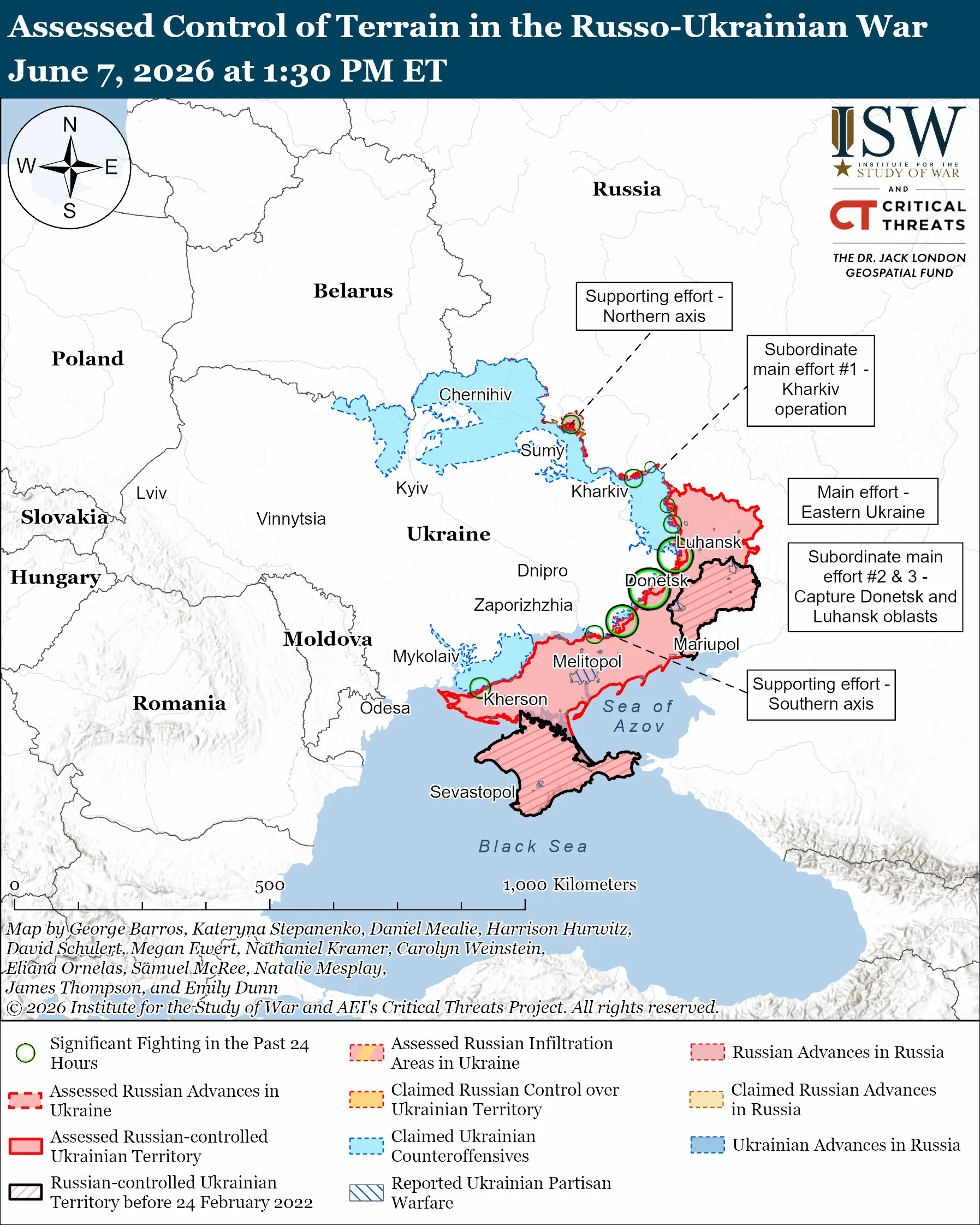
The so-called Donbas is a historic name for Ukraine’s two easternmost regions, Luhansk and Donetsk oblasts. Russia still failed to occupy a small part of Luhansk Oblast, as well as a significant swathe of Donetsk Oblast, which contains the so-called “Fortress Belt” that Russia has failed to break through despite its years-long ongoing offensive campaign. Map: ISW

His key message was on the Donbas: Ukraine will not leave its land, and compromises come only after a ceasefire. He is ready to meet in any format, but not in Moscow, Belarus, or Minsk. Leaders cannot decide "without us about us," he said, in a message aimed at Washington. Russia, by contrast, keeps insisting that Ukraine surrender all of the Donbas first.

Premature births are climbing in Ukraine’s front-line regions, and doctors blame the ongoing war

8 June 2026 at 14:06

premature births climbing ukraine's front-line regions doctors blame ongoing war · post newborn temperature-controlled incubator hospital zaporizhzhia ukraine new born baby ap news ukrainian reports

Premature births are rising in several Ukrainian regions near the front line, where war-driven stress on pregnant women appears to be taking a tollaccording to the Associated Press (AP). Doctors in cities like Zaporizhzhia keep fragile newborns alive between air raid sirens, in wards with windows boarded up against Russian blast waves. The trend compounds a deepening crisis as fewer Ukrainian women give birth at all.

Russia's war is grinding down Ukraine's population on every front, from the men dying at the line to the families displaced and the children who never arrive. A generation born under fire will carry the war's medical and demographic cost for decades, long after any ceasefire, deepening the strain on a health system Russia keeps targeting.

How far the rate has climbed

In Kherson Oblast, early births climbed from 5.4% of deliveries in 2019 to 9.8% by 2025 — close to twice the rate, UN figures show.  Zaporizhzhia Oblast rose from 5.7% to 7.6%, and Poltava Oblast from 7.7% to 9.8% over the same period. The front line runs through Kherson and Zaporizhzhia oblasts. Poltava sits farther back but takes regular aerial strikes. Fewer Ukrainian women are giving birth overall, yet a larger share of births now come early, AP reported.

Keeping newborns alive under bombardment

The medical work is delicate and unforgiving. In a Zaporizhzhia intensive care unit, one baby born at 30 weeks weighs just 700 grams, far below the 2,500-gram threshold the World Health Organization (WHO) uses for low birth weight. Marharyta Nekhoroshyva's son arrived even earlier, at 26 weeks and 940 grams. Now nine months old, he still battles chronic breathing problems while she raises him alone, her husband fighting in the war.


Doctors must manage oxygen precisely, since too much risks abnormal blood-vessel growth in the eyes and, in severe cases, blindness, said Dr. Andrii Lobanov, who heads neonatal intensive care at Zaporizhzhia's children's hospital. When sirens sound, staff stay beside the incubators rather than risk moving the babies.

The danger is not abstract. Dr. Nataliia Bohuslavska, who runs the neonatal unit at the city's maternity hospital, opened a shift last month to alarms warning of incoming missiles. Hours later, a Russian glide bomb hit a commercial part of the city and killed at least 12 people. Her team delivered a baby and performed two cesareans that same day, while treating a woman who miscarried after witnessing an airstrike.

Aftermath of a Russian strike on Shostka, Sumy region. Photo: State Emergency Service of Ukraine
Explore further

Russia hits two hospitals, kills one woman overnight in strikes on Ukrainian cities

The longer cost

Surviving the delivery is only the start. Premature babies often need years of treatment for respiratory, neurological, and developmental conditions, a heavy bill for a country at war. Hospital services get hit "both literally and metaphorically," said Dr. Andrew Weeks, a maternal-health professor at the University of Liverpool.

It also lands on a country whose birth rate has collapsed to about one child per woman — less than half the 2.1 a population needs simply to hold steady.

Britain, France, and Germany back Ukraine’s peace terms and press Putin for a ceasefire

8 June 2026 at 12:43

britain france germany back ukraine's peace terms press putin ceasefire · post left right french president emmanuel macron ukrainian volodymyr zelenskyy uk prime minister keir starmer german chancellor friedrich merz

Britain, France, and Germany backed Ukraine's terms for ending the war after meeting its President Volodymyr Zelenskyy in London, according to their joint statement. They endorsed Kyiv's push for direct talks with Moscow and an immediate ceasefire, while spelling out what a lasting peace would require. The leaders also called for tightening the squeeze on Russia's war economy and scaling up Ukraine's air defenses.

Russia has been invading Ukraine since 2014 and waging all-out war since February 2022, and with Moscow still rejecting every ceasefire on offer, Kyiv and its Western partners are now trying to map out how the fighting could actually end.

Five conditions for peace

Meeting on 7 June, UK Prime Minister Keir Starmer, French President Emmanuel Macron, and German Chancellor Friedrich Merz set out five conditions for a just and lasting peace. The E3, as the three are known, are Ukraine's leading European backers. Their terms:

  • An immediate, complete ceasefire, which they urged Putin to accept.
  • The current front line as the starting point for talks, with no borders changed by force and Ukraine free to choose its alliances.
  • Robust, legally binding security guarantees once a ceasefire holds, building on the allies' December 2025 Berlin and January 2026 Paris commitments, including a multinational force in Ukraine. 
  • Russian assets remain immobilized until Moscow ends its aggression and compensates Ukraine.
  • European interests safeguarded, with any EU- or NATO-related terms requiring both blocs' consent.
Admiral Bauer Ukraine NATO membership
Explore further

“It was never formulated as Ukraine winning”—NATO’s ex-military chief on the missing strategy

Backing for direct talks with Moscow

The leaders commended Ukraine's president for his 4 June letter to Putin calling to end the war. They backed direct Ukraine-Russia dialogue, with the US and Europe actively taking part, to secure a ceasefire. Europe must play a role in any settlement, they said, working closely with Kyiv, the rest of Europe, and Washington.

Zelenskyy
Explore further

Germany, France, and UK sketch plan to bring Putin to the negotiating table

Pressure on Russia and more air defense

They denounced Russia's barrage of missiles and drones, including repeated strikes with the Oreshnik, a Russian missile. They also condemned dangerous Russian drone incursions into NATO territory and offered condolences to the victims. The leaders welcomed Ukraine's recent battlefield gains, from liberated territory to advances in drone warfare. They agreed to coordinate more support at the coming G7 summit in Evian, the next Coalition of the Willing meeting, and the NATO summit in Ankara. That includes choking off more of Russia's wartime revenue and a bigger military pledge at the NATO talks. They also urged scaling up interceptor production and co-developing anti-ballistic and deep-strike weapons.

Russian crude reaches the sea through tunnels under a mountain ridge—and Ukraine hit the storage end near Novorossiysk

8 June 2026 at 12:12

russian crude reaches sea through tunnels under mountain ridge—and ukraine hit storage end near novorossiysk · post smoke fire rise over after ukrainian drone strike grushovaya oil depot krasnodar krai

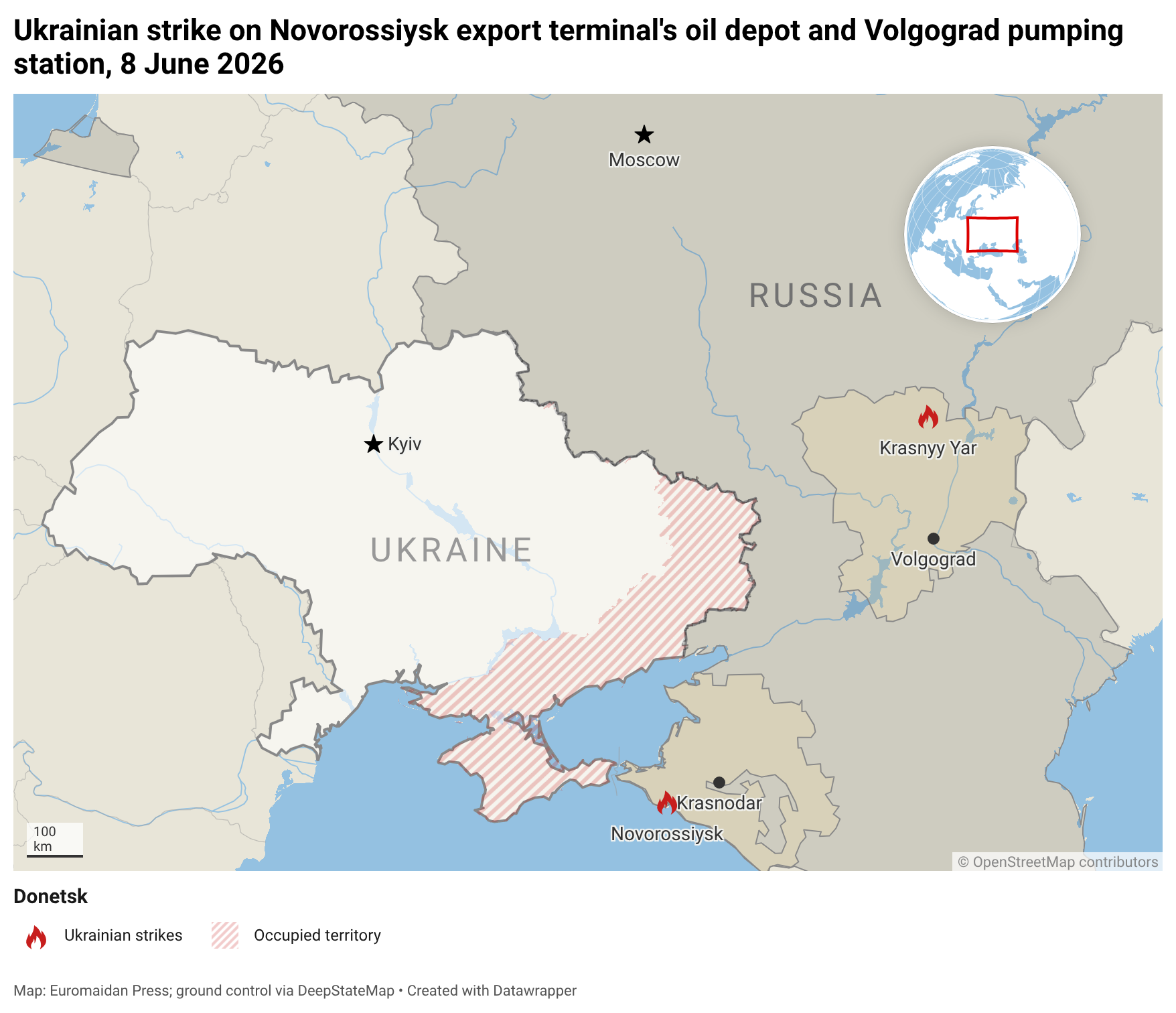
Ukrainian drones set a major oil depot ablaze near the Russian Black Sea port of Novorossiysk overnight on 7-8 June 2026, in a strike confirmed by Ukraine's Unmanned Systems Forces (SBS). Residents reported a string of blasts and heavy smoke over the Grushovaya storage site, which feeds Russia's busiest oil-export port. Ukrainian forces hit two more targets in southern Russia the same night.

Ukraine has spent the past year pushing its deep-strike campaign further into Russia, hunting the refineries, pipelines, and export ports that turn crude into the cash funding the invasion. Each hit on this Black Sea network forces costly repairs and brief loading halts, and steady Ukrainian success deep in Russia's rear, alongside a steadier front, is shifting how the West reads the war.

Drones spark a blaze at Novorossiysk's oil hub

The strike came before dawn. Residents of Novorossiysk, in Russia's Krasnodar Krai, reported about 50 blasts, then heavy smoke over the Grushovaya oil depot. Operators of the SBS's 1st Separate Center, working with Special Operations Forces (SSO) and other units, confirmed the hit. Ukraine's General Staff also confirmed the strike and said a fire broke out, with damage still being assessed. Russian officials claimed no one was hurt.

russian crude reaches sea through tunnels under mountain ridge—and ukraine hit storage end near novorossiysk · post nasa firms satellite data fire hotspots (the red squares top right) grushovaya oil
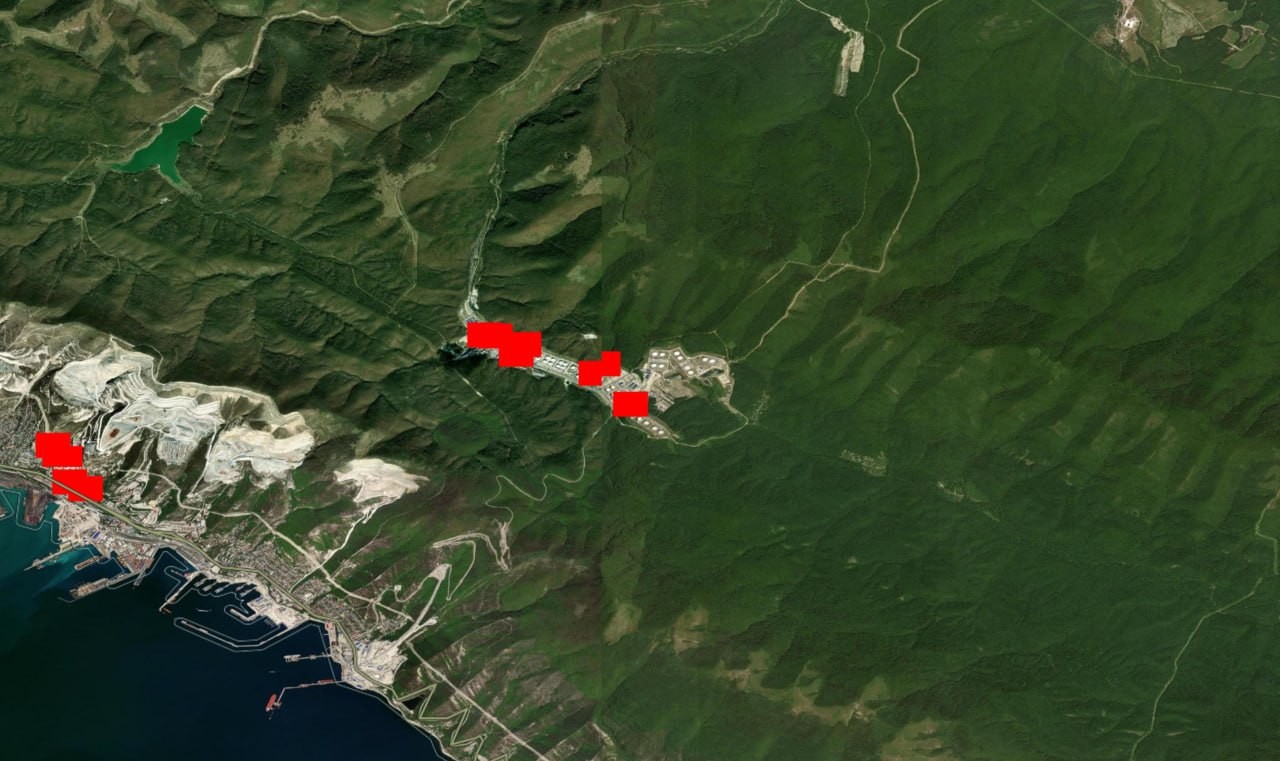
NASA FIRMS satellite data showing fire hotspots (the red squares, the cluster to the right) at the Grushovaya oil depot near Novorossiysk, 8 June 2026. Map: NASA FIRMS

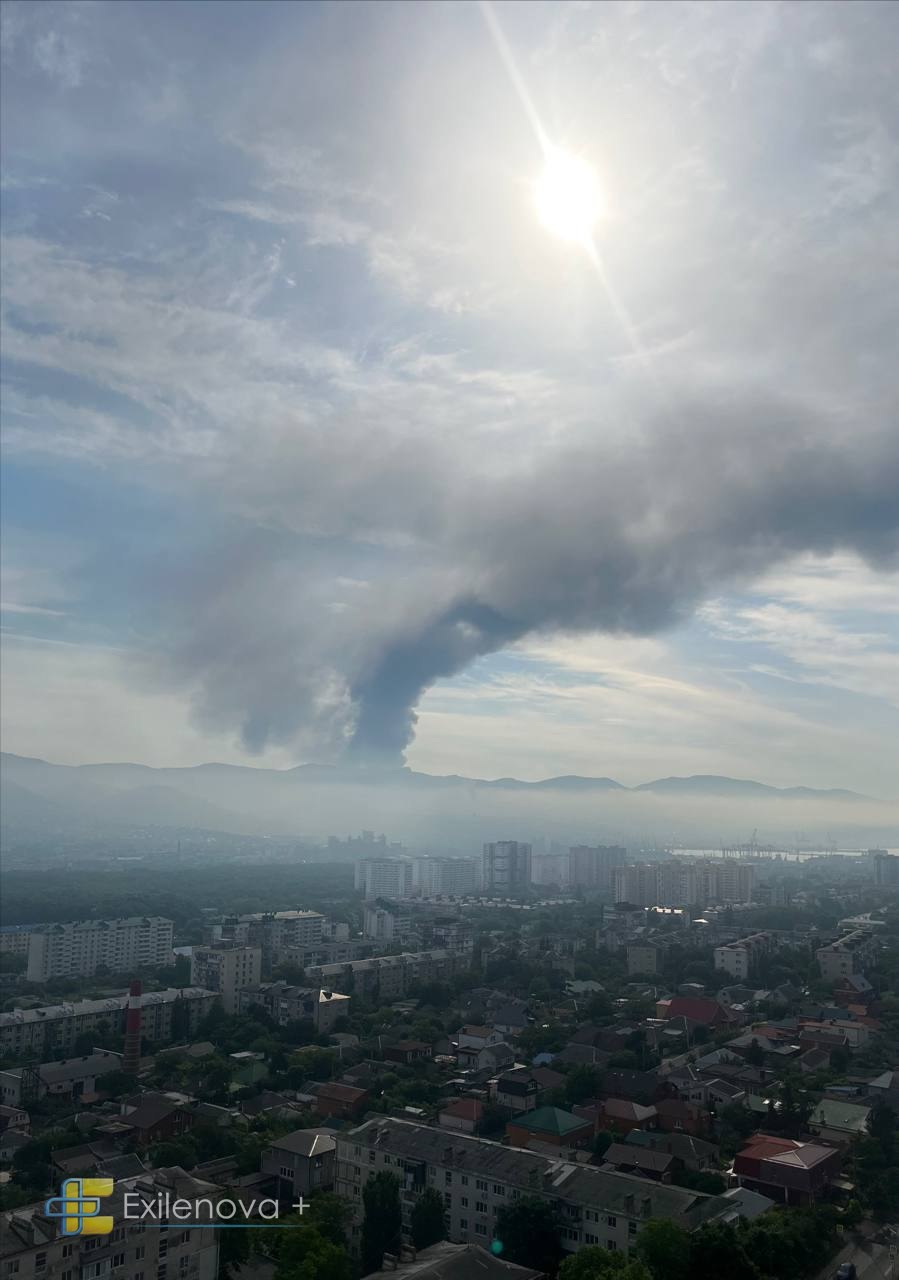
NASA's FIRMS satellite service detected abnormal heat at the site at 02:48 on 8 June. Ukrainian Telegram channel Exilenova+ began reporting the attack around 3 a.m., posting photos and videos of fire in the mountains above the city. OSINT Telegram channel Falcon insight pinpointed the location. Russian news Telegram channel ASTRA confirmed the burning tank farm from eyewitness footage shot about 11 km away.

A fuel storage depot is burning in Novorossiysk, Russia, after a drone strike hit the tank farm overnight

Novorossiysk is one of Russia's most strategically important Black Sea ports, handling a significant share of Russian oil exports
🎥 Supernova pic.twitter.com/d2ab4SSuH0

— Euromaidan Press (@EuromaidanPress) June 8, 2026

What the Grushovaya depot feeds

The Grushovaya site is a transshipment depot for the Sheskharis terminal. Chernomortransneft runs it, under Russia's state pipeline monopoly Transneft. It sits in the Grushovaya Balka tract beyond the Markotkh Ridge, about 12 km from Novorossiysk. The tank farm holds more than 1.2 million m³ of fuel across dozens of tanks, on a site of about 212 hectares. SBS called it one of the largest oil-product stores in the Caucasus.

russian crude reaches sea through tunnels under mountain ridge—and ukraine hit storage end near novorossiysk · post smoke burning grushovaya oil depot drifts over after ukrainian drone strike 8 2026
Smoke from the burning Grushovaya oil depot drifts over Novorossiysk after the Ukrainian drone strike, 8 June 2026. Photo: Exilenova+

Novorossiysk is southern Russia's biggest oil-export hub, the Moscow Times reported. The port ships up to 700,000 barrels a day, and its terminals moved 19.8 million tonnes of oil products in 2025. That trade feeds Russia's budget, which bankrolls the war on Ukraine. The port has become a recurring target in Ukraine's strikes on Russia's Black Sea oil logistics.

Volgograd and a coastal radar also hit

The same night, Ukraine's General Staff said its forces struck the Krasny Yar oil-pumping station in Volgograd Oblast, where a fire broke out. Volgograd governor Andrei Bocharov claimed the blaze came from falling drone debris at the Zhirnovsk pumping station and was quickly put out, the Moscow Times reported. Ukrainian forces also hit a Russian radar station near Kabardinka in Krasnodar Krai, according to the General Staff.

Ukrainian drones struck Russia's Baltic Fleet base at Kronstadt near St. Petersburg overnight, flying nearly 1,000 km. Source: Zelenskiy
Explore further

Kronstadt, Russia’s major naval Base after Black Sea Fleet losses, gets hit by Ukrainian drones (VIDEO)

Not the first strike on Novorossiysk's oil chain

Ukrainian forces have hit this infrastructure before. Ukrainian defense outlet Militarnyi reported that drones struck the Grushovaya depot on 23 May 2026, when fire spread across much of the site. Strike drones also hit the Sheskharis terminal on 6 April, damaging oil-metering systems and shut-off valves at the loading berths. ASTRA said the wider complex was attacked in early March, early April, and on 22 May.

WSJ: Putin’s sanctioned inner circle keeps buying Western business jets through a web of middlemen

8 June 2026 at 10:47

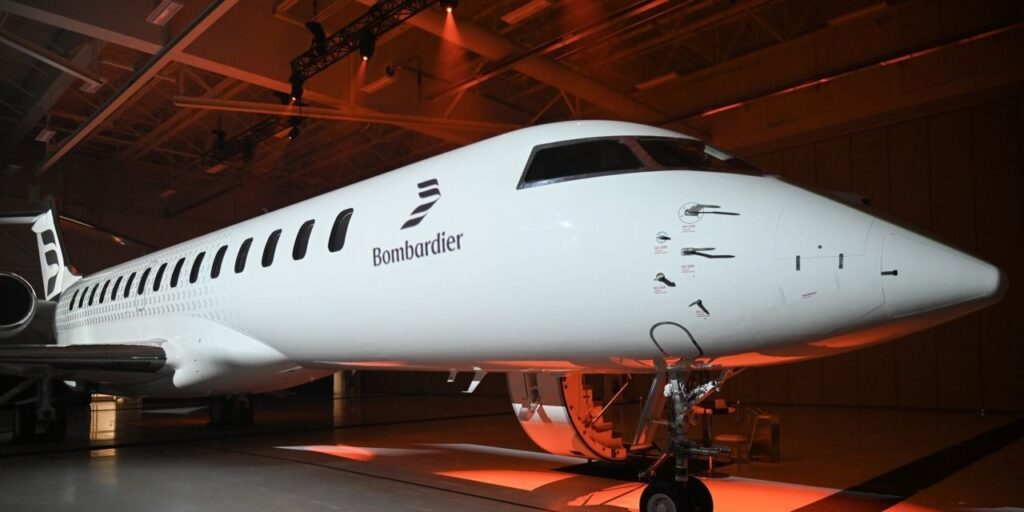
wsj putin's sanctioned inner circle keeps buying western business jets through web middlemen · post bombardier global 7500 same type western-built jet flown russia's elite graham hughes/bloomberg news similar have

Members of Russian President Vladimir Putin's sanctioned inner circle are still flying Western-built luxury business jets, according to the Wall Street Journal (WSJ). A network of European brokers buys the aircraft, registers them in countries that ignore sanctions, and then sends them to Russia. Western enforcement, meanwhile, has gone slack.

Western governments imposed sanctions to punish Russia's leaders and oligarchy for the 2022 full-scale invasion of Ukraine and to cut off the money funding the war, freezing their assets and barring them from Western markets, but the people those measures target keep finding ways to evade them.

Sanctioned, but still flying Western jets

A $75 million Bombardier Global 7500 sits at Moscow's Vnukovo airport. The Canadian-built jet sells to the global super-rich, and close Putin allies fly aircraft like it. WSJ reviewed records from an aviation-data firm, import filings, and flight-tracker logs to map the pattern.

oleg boyko
Explore further

A Putin-list oligarch runs Poland’s vape market. The EU won’t sanction him.

Sergei Chemezov runs Rostec, Russia's state defense conglomerate, and has known Putin since their KGB days in East Germany. He has flown a Bombardier to Dubai, Türkiye, and Southeast Asia. Flightradar24 tracked roughly six of his UAE flights between October 2025 and January 2026. In Dubai, he holds a property fronting its own private beach on the Palm Jumeirah, the emirate's palm-shaped artificial island, Radio Free Europe reported earlier. Leaked financial files known as the Pandora Papers once tied him to estates in Spain.

The same circle, the same perks

Arkady Rotenberg, a boyhood judo partner of Putin's in St. Petersburg, built a fortune on state contracts. International sanctions have targeted him since Russia seized Crimea in 2014. He gained access to two Bombardier Global jets in late 2022. Flightradar24 shows them flying to Azerbaijan and the UAE.

Igor Kesaev made his money in tobacco and alcohol, then moved into retail and weapons. Forbes puts his fortune at $4.8 billion. The US and the EU blacklisted him after the invasion for helping arm Russia's military. In 2023, he brought in a jet-black Bombardier Global Express XRS, according to Ch-Aviation and Import Genius records.

protest oligarch #MakeRussiaPay frozen assets sanctions UK Ukraine Solidarity Campaign Campaign for Ukraine Vsesvit Protesters gather outside the UK Conservative Party headquarters in London on 7 January, calling for an end to “business as usual” with Kremlin-linked oligarchs and demanding that frozen Russian assets be transferred to support Ukraine. Photo: ICUV
Explore further

Russian oligarch hired UK opposition’s top legal adviser to fight his sanctions. Protesters want him fired

Until the all-out war, much of Russia's elite parked their jets with European management firms in tax havens like Switzerland and Luxembourg. The war cost them those deals, and sometimes the planes themselves. They gave up London, the French Riviera, and the Swiss chalets, and now head to the UAE, Türkiye, and Azerbaijan.

How the jets reach Russia

These days, sanctioned Russians reach Western aircraft by going through middlemen and broker firms. European dealers buy Bombardier and Gulfstream aircraft secondhand. They register them in places like the UAE, Oman, Kazakhstan, and South Africa, then fly them to Russia. Similar shadow schemes were tracked before.

The planes moved through a Vienna firm, Avcon, and its subsidiaries before landing in Russian hands. Chemezov's jet started out registered in Bermuda under Avcon's management. A firm called Tarp Aviation later moved it onto Russia's registry. A separate Vienna-based fiduciary, SecuTrust, holds shares in both Avcon and Tarp.

Hungary’s anti-corruption watchdog says Orbán’s former inner circle should be prosecuted over billions in missing EU funds

8 June 2026 at 10:27

hungary's anti-corruption watchdog says orbán's former inner circle prosecuted over billions missing eu funds · post hungarian then-prime minister viktor orban prior delivering speech during spring session parliament budapest hungary

Hungary's long reckoning with alleged graft is shifting from accusations to prosecutions, the country's anti-corruption watchdog has told Politico. Senior figures from Viktor Orbán's former government could face charges over EU money the authority believes was systematically misused. Those words arrive as Orbán's successor works to rebuild trust with Brussels and reclaim funds frozen for years.

The watchdog claims some of the EU money Orbán fought over was siphoned off at home. PM Magyar must still submit a credible reform plan before the end of August. Otherwise, Hungary risks losing €16.4 billion in newly unlocked funds. For years, then-Prime Minister Orbán blocked EU aid and loans to Ukraine. He used the bloc's money as leverage against Kyiv. Magyar has branded his predecessor corrupt over and over. His government dropped a two-year veto and released billions in EU arms payments for Ukraine. 

Senior officials in the crosshairs

Ferenc Pál Biró, who heads the Hungarian Integrity Authority, said top politicians "can and may well be prosecuted." He described it as an alleged effort to bilk EU taxpayers over the course of Orbán's 16 years in power. His team had flagged several criminal cases, he said. Biró wants Hungary to recover the money and have it repatriated, since most has already left the country. He stopped short of naming Orbán or anyone in his inner circle. 

opposition party Tisza
Explore further

Hungary unblocks $7.7 billion in EU arms payments after dropping two-year veto on Ukraine aid

The alleged procurement scheme

The watchdog claims that three companies won most government contracts at artificially inflated prices. The key figures he laid out:

  • Roughly €10 billion paid to just three firms in four years
  • About €3.5 billion, the watchdog treats as overpricing tied to corruption risk
  • Everyday goods and services billed at multiples of their market value

Biró said tenders were manipulated and that the Hungarian state "became the largest entity on the market."

voted out facing investigators orbán could reach un cover sources say · post visit vice president jd vance rally support viktor 7 2026 budapest hungary beata zawrzel/reporter (from left) orban
Explore further

Voted out and facing investigators, Orbán could reach for UN cover, sources say

The watchdog Orbán was made to create

Brussels required the Integrity Authority in 2022 as a condition for releasing frozen money. It monitors how EU funds are spent and sits independently of the government. The body should help unwind patronage empires built under Orbán, spanning construction, utilities, and media. Biró has led it since it launched. Hungary has had billions frozen over corruption and rule-of-law concerns. Orbán himself now faces corruption investigations under the new government.

Bribes and intimidation

Biró said the previous government targeted him while he investigated the scheme. He described attempts at bribery and politically motivated pressure. His wife was offered a job with high pay and no work, he said, though he would not say by whom. He was also held over an accusation of misusing his company car. 

Ukraine foils Russian plot to assassinate intelligence official with FPV drone

8 June 2026 at 10:22

Main Intelligence Directorate

Ukrainian police arrested a Russian-recruited agent in Kyiv who was planning to assassinate a senior official of Defense Intelligence (GUR) using an FPV drone, the National Police announced on 8 June. The suspect, a 38-year-old Kyiv resident with a prior criminal record for property offenses, had received a $10,000 advance on a promised $100,000 bounty.

The target was Andrii Yusov, GUR's spokesperson and deputy head of the Coordination Headquarters for the Treatment of Prisoners of War, according to law enforcement sources cited by multiple Ukrainian outlets including Hromadske and OBOZ.UA. In February, a joint Ukrainian-Moldovan operation dismantled a 10-person network that had also targeted Yusov among at least five public figures—making this the second known assassination attempt against him in under four months.

The suspect planned to hire an FPV drone operator

The agent spent weeks studying Yusov's daily schedule, commute routes, residence, vehicles, and surrounding infrastructure before settling on an FPV drone as the method, the police statement said. He then began searching for an operator with the skills to pilot one.

FPV drones—cheap, fast, first-person-view kamikaze weapons that have killed more soldiers in Russia's war on Ukraine than almost any other single weapon type—have not been known to be used for targeted assassination inside Ukraine before. OBOZ.UA reported that the suspect planned to use a loitering variant known as a "zhun"—a drone that hovers in position and waits for the target to appear.

Police intercepted a recorded conversation in which the suspect used codewords, referring to the assassination plan as "construction" and the drone method as "airborne-droplet transmission through the air," Hromadske reported. He also consulted a fortune teller, asking for spiritual help so "the guys would do the 'construction' and safely go home."

Officers arrested the suspect before he could act

Detectives from the National Police's Criminal Investigation Department, working with GUR's Internal Security directorate, arrested the man before the plot could be carried out, the police said. Officers seized mobile phones, a GPS tracker, a vehicle, and other evidence during a search of his residence.

The suspect has been charged under Article 14(1) and Article 115(2) of Ukraine's Criminal Code—preparation for premeditated murder for mercenary motives. The charge carries a sentence of 10 to 15 years, or life imprisonment.

The investigation, supervised by the Office of the Prosecutor General, is ongoing. Police said they are working to identify other individuals involved in the plot.

Russia's assassination campaign in Ukraine continues to escalate

The arrest is the latest in a series of Russian-directed assassination plots targeting Ukrainian public figures. In February, the dismantled network had planned to kill at least five targets using shootings and car bombs, with Russian handlers offering up to $100,000 per killing.

In May 2025, activist and drone supplier Serhii Sternenko was shot and wounded by an agent who had rented an apartment to surveil him. In August 2025, former politician Andriy Parubiy was shot dead in Lviv in a killing that authorities linked to Russia.

❌