Reading view

Pro-Palestine activists sentenced as terrorists over damage at Israeli arms factory in UK

Four found guilty get tougher conditions as judge says actions were ‘designed to intimidate the UK government and a section of the public’

A judge has imposed lengthy custodial sentences on four Palestine Action activists who smashed up drones and other equipment at an Israeli arms manufacturer’s UK factory after ruling that there was a “terrorist connection” to their offending.

Charlotte Head, 30, and Leona Kamio, 30, were each jailed for five years and Fatema Rajwani, 21, was sentenced to four years and 8 months for criminal damage in relation to a 2024 break-in at the Elbit Systems UK site in Gloucestershire. Samuel Corner, 23, who was additionally convicted of grievous bodily harm without intent for striking Sgt Kate Evans with a sledgehammer, was sentenced to seven years and eight months. Each will also spend an additional year on licence and be subject to 15 years of terrorist notification requirements.

Continue reading...

© Photograph: X

© Photograph: X

© Photograph: X

  •  

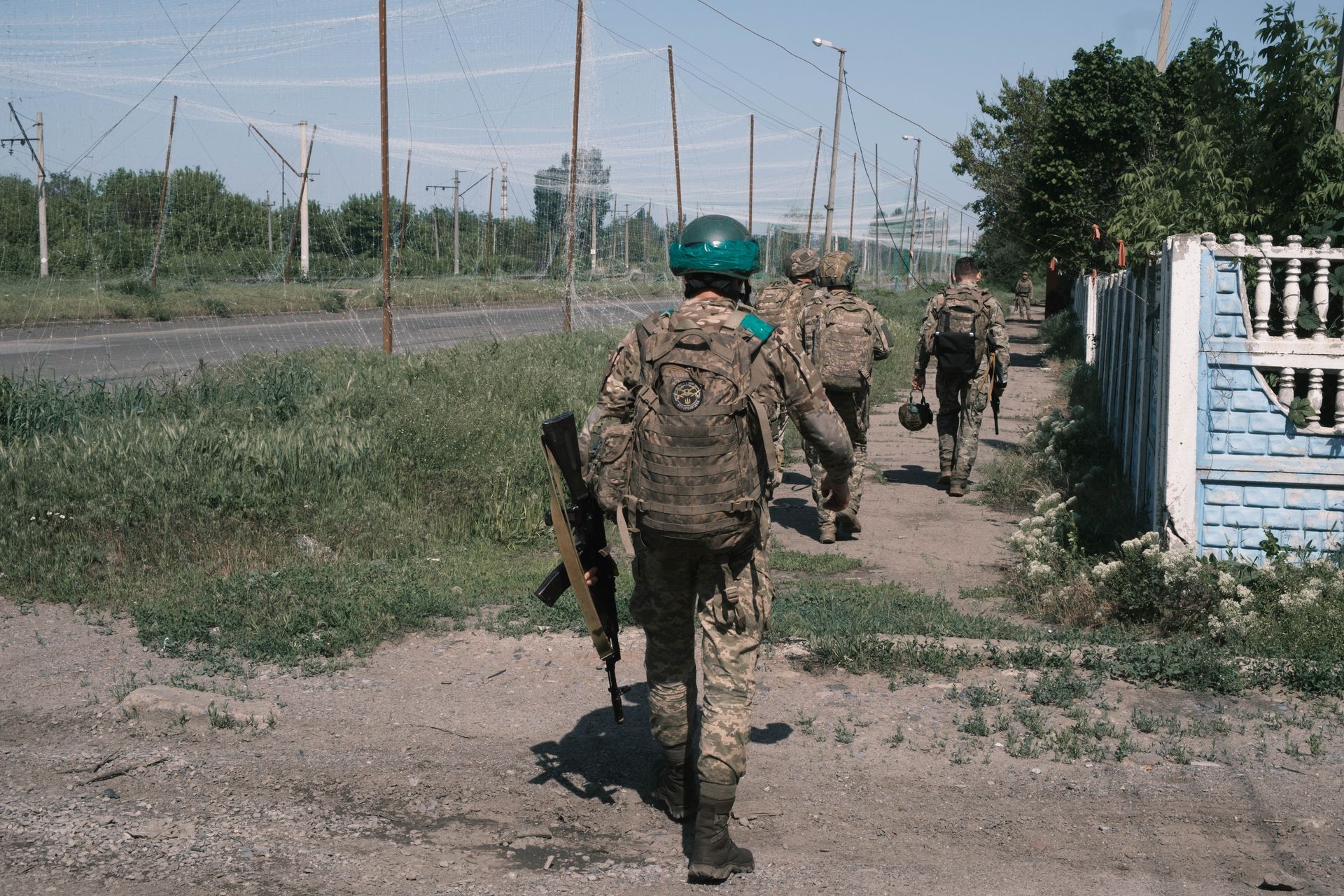
Ukraine war latest: Sweeping new reforms to terms of service announced in effort to ease manpower crisis

Key developments on June 12:

  • Ukraine announces landmark military service reforms with record pay raise for infantry
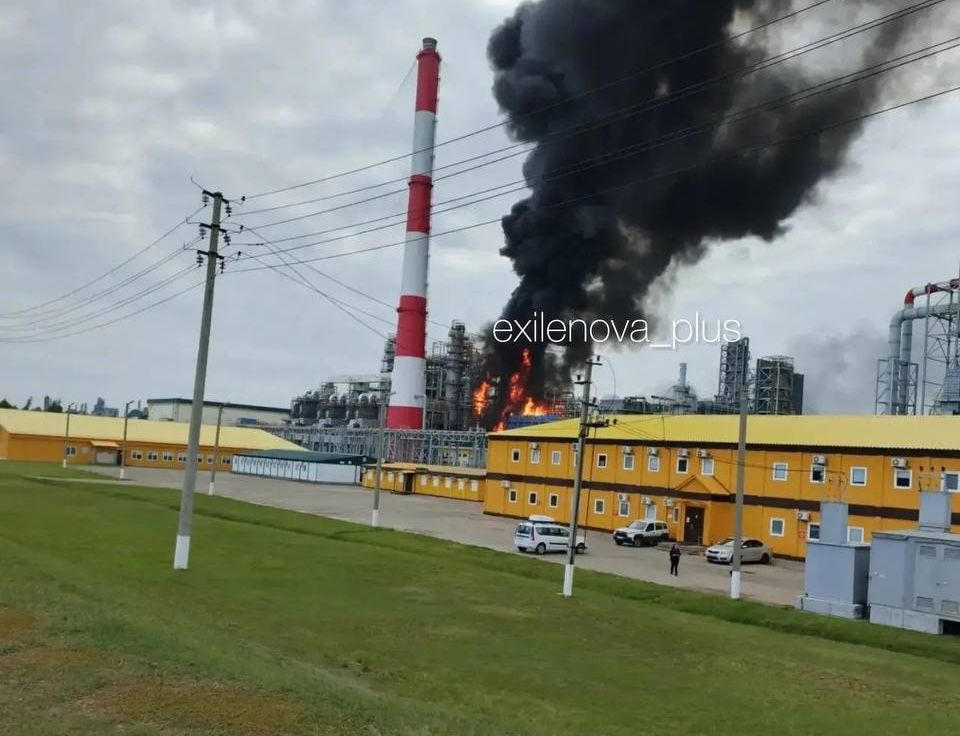
  • Russian rubber plant, oil refineries struck by Ukrainian drones in latest overnight attack, military confirms
  • Ukrainian drone maker Skyfall partners with Airbus on defense innovation
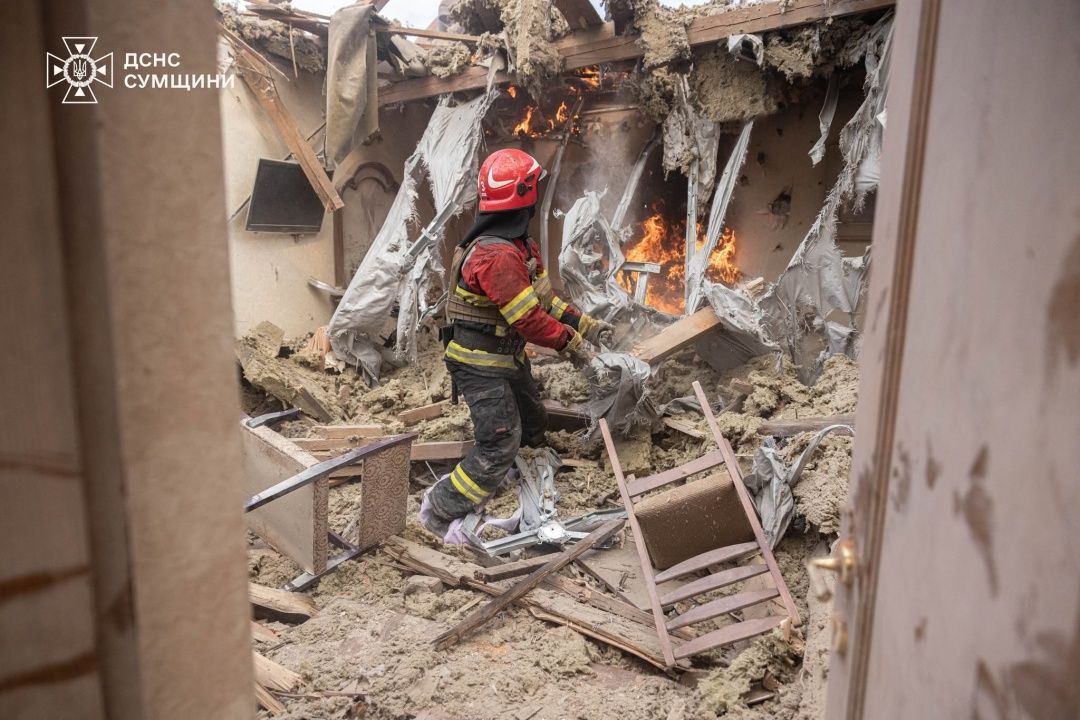
  • Sumy hit by morning artillery bombardment as Russian

  •  

Vance: Iran will get no cash from deal with US

The Trump administration is pushing back against reported details regarding the proposed deal with Iran, with Vice President Vance insisting Tehran would not be “receiving any cash” under the agreement. Vance on Friday morning reupped President Trump’s dismissal of details leaked by Tehran about a possible memorandum of understanding between the two sides.  “I’m seeing…

  •  

Vance: Iran will get no cash from deal with US

The Trump administration is pushing back against reported details regarding the proposed deal with Iran, with Vice President Vance insisting Tehran would not be “receiving any cash” under the agreement. Vance on Friday morning reupped President Trump’s dismissal of details leaked by Tehran about a possible memorandum of understanding between the two sides.  “I’m seeing…

  •  

Schiff: Trump ‘telling falsehood after falsehood’ about war in Iran

Sen. Adam Schiff (D-Calif.) said Thursday evening that President Trump’s account of the state of negotiations to end the Iran war “lacks a lot of credibility.”  Trump earlier in the day threatened ramped-up strikes on Tehran but later canceled them with a promise that Iran’s supreme leader had approved a deal to reopen the Strait…

  •  

Schiff: Trump ‘telling falsehood after falsehood’ about war in Iran

Sen. Adam Schiff (D-Calif.) said Thursday evening that President Trump’s account of the state of negotiations to end the Iran war “lacks a lot of credibility.”  Trump earlier in the day threatened ramped-up strikes on Tehran but later canceled them with a promise that Iran’s supreme leader had approved a deal to reopen the Strait…

  •  

Tucker Carlson: Trump ‘overselling’ Iran war like ‘all-you-can-eat buffet in Atlantic City’

Conservative pundit Tucker Carlson took a swipe at President Trump over the way he is “selling” the ongoing military operation with Iran to the American people. “As of right now, Iran controls the Strait of Hormuz. It did not when this war began. Now it does,” Carlson said on a recent episode of his podcast…

  •  

Tucker Carlson: Trump ‘overselling’ Iran war like ‘all-you-can-eat buffet in Atlantic City’

Conservative pundit Tucker Carlson took a swipe at President Trump over the way he is “selling” the ongoing military operation with Iran to the American people. “As of right now, Iran controls the Strait of Hormuz. It did not when this war began. Now it does,” Carlson said on a recent episode of his podcast…

  •  

Battle of the missiles – The Apache scam

By Larry C. JOHNSON

Join us on TelegramTwitter, and VK.

Contact us: info@strategic-culture.su

A truly bizarre series of events off the coast of Iran today that in my opinion were entirely provoked, if not staged, by the US. It started with multiple news reports that a US Army Apache helicopter had been shot down in the Persian Gulf but the two pilots emerged unscathed. What the hell was an Apache helicopter doing?

The AH-64 Apache is a twin-engine attack helicopter primarily designed for anti-armor warfare, close air support, and armed reconnaissance. Apparently it was conducting reconnaissance. The US claims that Iran shot it down, but Iran insists it did no such thing.

I am bothered by the claim it was shot down… If the rocket or bullets had hit the cockpit or damaged the main rotor, the craft would have plunged into the water and the pilots would not have survived. So what happened? Was one of the twin engines damaged but still able to function? Was the rear rotor damaged? Those are the only two scenarios I can imagine that would not have caused a catastrophic crash. Once the helo landed in the water, the pilots had to open the canopy and jump into the water. Hopefully the main rotor — assuming it was intact when the copter hit the water — shattered on impact. Otherwise, the pilots would have been shredded trying to escape.

Coincidentally with this crash, the NY Times published a story, written by David Sanger, discussing the state of US and Iranian negotiations over Iran’s nuclear program. Sanger wrote:

In the days before the latest flare-ups of violence in the Middle East, President Trump’s aides were negotiating with Tehran on four major elements of a nuclear agreement that U.S. officials contend would grind the program to a halt for 15 years or so. . . .

According to the officials and diplomats, here are the four major points of negotiation on a nuclear agreement between the United States and Iran:

1. A lengthy suspension of uranium enrichment

The United States has demanded for months that Iran agree to conduct no uranium enrichment for at least 20 years. The Iranians have countered by offering a 10-year halt, but American officials believe they will settle for 15 years.

2. Iran’s current stockpile of enriched uranium is diluted, or “downblended”

The United States would work with the International Atomic Energy Agency, the U.N. inspection body, to dilute, or “downblend,” Iran’s stockpile of enriched uranium, according to two American officials familiar with the negotiations. American officials envision an active role in handling the nuclear material, something Iran has always forbidden. Iranian officials say the United States would serve only as an observer. . . .

3. Iran dismantles its nuclear sites

The United States has demanded that Iran dismantle its three major nuclear sites at Natanz, Fordo and Isfahan. The United States struck all three in Operation Midnight Hammer nearly a year ago, severely damaging them. Iran has discussed dismantling two facilities but insists on leaving one open, in part to demonstrate it has not surrendered what it views as a “right to enrich.”. . .

4. Iran agrees to “snap” inspections

The United States wants international inspectors to be able to conduct “snap” inspections, anytime and anyplace inside Iran. It is not clear if the Iranian government will agree. As a practical matter, many of the suspect nuclear sites are inside Revolutionary Guards military bases, where inspectors have frequently been barred at the gates.

This summary represents the US position. I doubt the Iranians will agree to an end to all enrichment… They will likely insist on retaining the right to enrich up to 20% for medical isotopes. Dismantling Iranian nuclear sites is a non-starter. The IRGC will simply not accept such a condition. I think Iran will be willing to “downblend” the 60% enriched uranium it currently possesses but that will come with a price tag: immediate lifting of sanctions and the return of frozen assets. What about “Snap” Inspections? That will depend on the composition of the international inspectors. Iran has already been burned by the IAEA inspectors who reportedly collected intelligence on Iranian nuclear scientists and passed that information to Israeli and Western intelligence agencies. That information was used in June 2025 and in the current war to assassinate Iranian scientists.

While Pakistani sources who have access to the status and substance of the negotiations remain optimistic that a deal will be struck, I remain very skeptical. Beyond the nuclear items — which Iran says it refuses to discuss until the US lifts its blockade and there is a genuine ceasefire, which includes Lebanon and Gaza — I do not believe that Iran is going to compromise on its demands: lift sanctions, release frozen assets and recognize its joint-control over the Strait of Hormuz with Oman.

I think that today’s US attack on Iran was an effort to scuttle the negotiations. While Iran struck back hard at targets in Bahrain, Kuwait, Jordan and Kurdish controlled territory in northern Iraq, it limited its retaliation. Iran apparently still believes that there is a viable accord that will end the war, not only the attacks on Iran, but also bring security to Lebanon and Gaza. The onus is on Donald Trump to force Israel to accept the terms. That has the Zionists very nervous, which explains why they are spying on Trump’s negotiators.

I think the negotiations will fail — I hope I am proven wrong — because I do not believe Donald Trump will be willing to accept the concessions demanded by Iran. We will know more by close of business Wednesday.

Original article:  sonar21.com

  •  

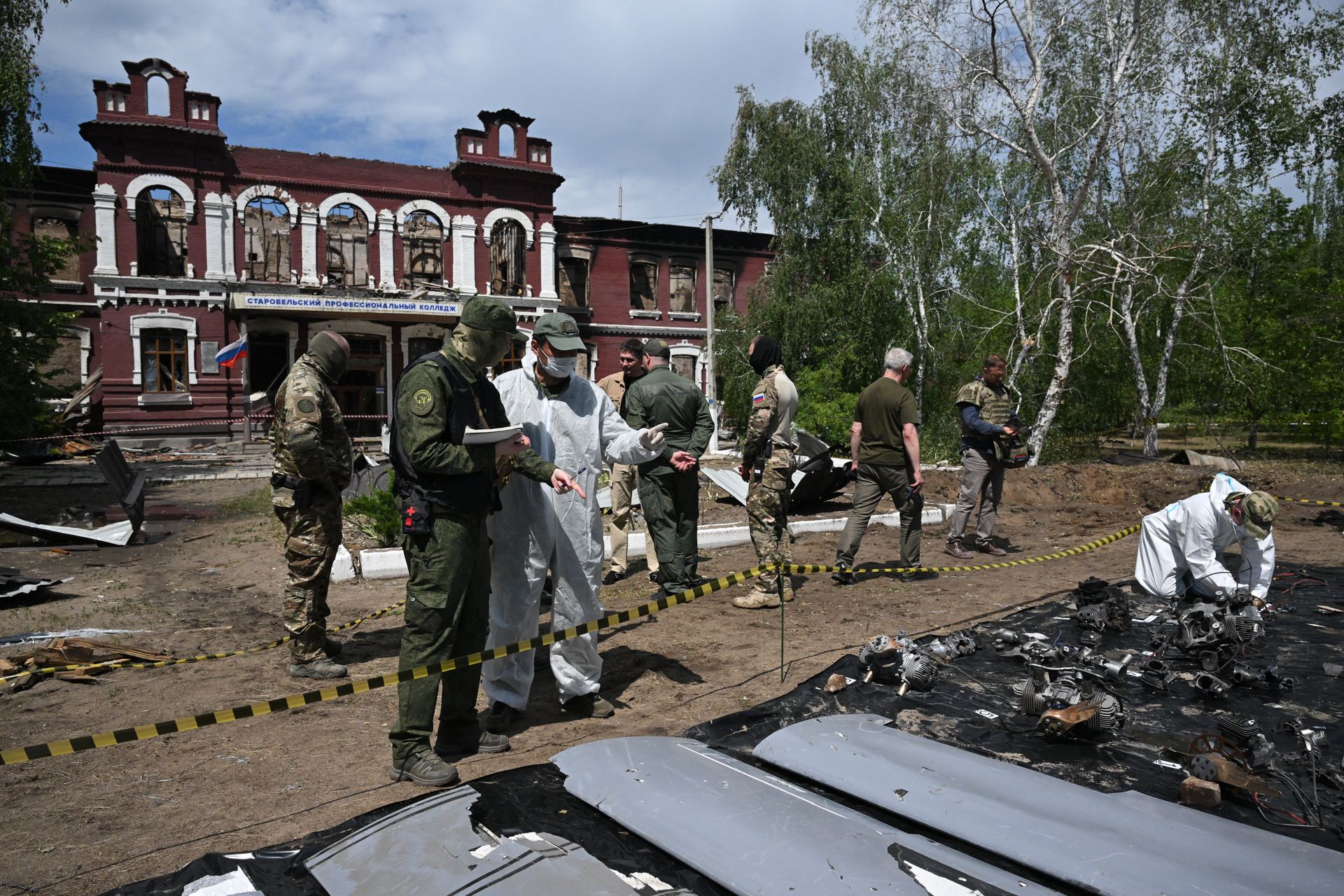
What we know about Starobilsk strike Russia turned into propaganda flashpoint

When a Ukrainian strike hit Russian-occupied Starobilsk on May 22, Moscow seized on the attack almost instantly, with Russian officials claiming that 21 students of a local vocational college were killed and dozens more injured and portraying the strike as a deliberate attack on civilians — which Ukraine denied.

The

  •  

Putin repeats maximalist war claims as battlefield reality shifts

Against the backdrop of Ukrainian drone strikes on St. Petersburg that sent plumes of smoke over the city, Russian President Vladimir Putin took part in a lengthy discussion at Russia's flagship economic forum.

Both the setting and the battlefield situation have changed since the beginning of the full-scale

  •  

Risk Strait of Hormuz or Wait? Shipping Companies Face a Costly Dilemma.

With more than 500 ships still stranded in the Persian Gulf, pressure on the shipowners and sailors is growing by the day.

© Reuters

Supplies of fresh food and water have been running low for the roughly 11,000 sailors stuck on hundreds of ships anchored in the Persian Gulf.
  •  

Russia can’t attack NATO right now—ISW explains what the new border bases are really for

russia can't attack nato right now—isw explains what new border bases really · post facilities russia's 200th separate motor rifle brigade northern fleet's coastal troops pechenga district murmansk oblast 15-20

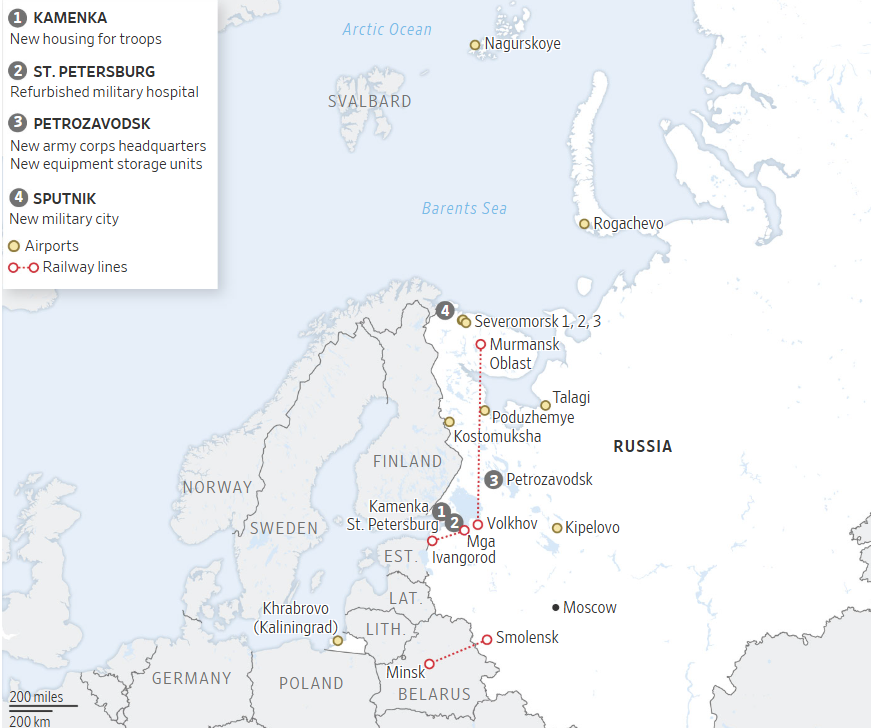
Russia is building new military bases and expanding existing ones along its northern border with NATO, according to ISW. The Institute for the Study of War (ISW) assesses that the construction likely supports future Russian force projection against the alliance. Near-term Russian ground operations remain unlikely, the think tank notes, since most Russian combat power stays committed in Ukraine.

Western officials have tracked Russia's military buildup near its European neighbors since well before the latest satellite findings, and Moscow's large-scale exercises near alliance territory have repeatedly rehearsed confrontation scenarios.

Satellite images show construction from Norway to Kaliningrad

Broadcasters in Norway, Sweden, and Denmark, together with a Baltic news portal, published satellite findings of the buildup on 10 JuneRussian forces are putting up new facilities and growing old ones near the frontiers of the Nordic and Baltic states. Intelligence officers and senior commanders in Denmark told broadcaster DR the work amounts to preparation for conflict. They see nothing indicating Moscow has actually decided on war, not least because the bulk of its army remains tied down in Ukraine.

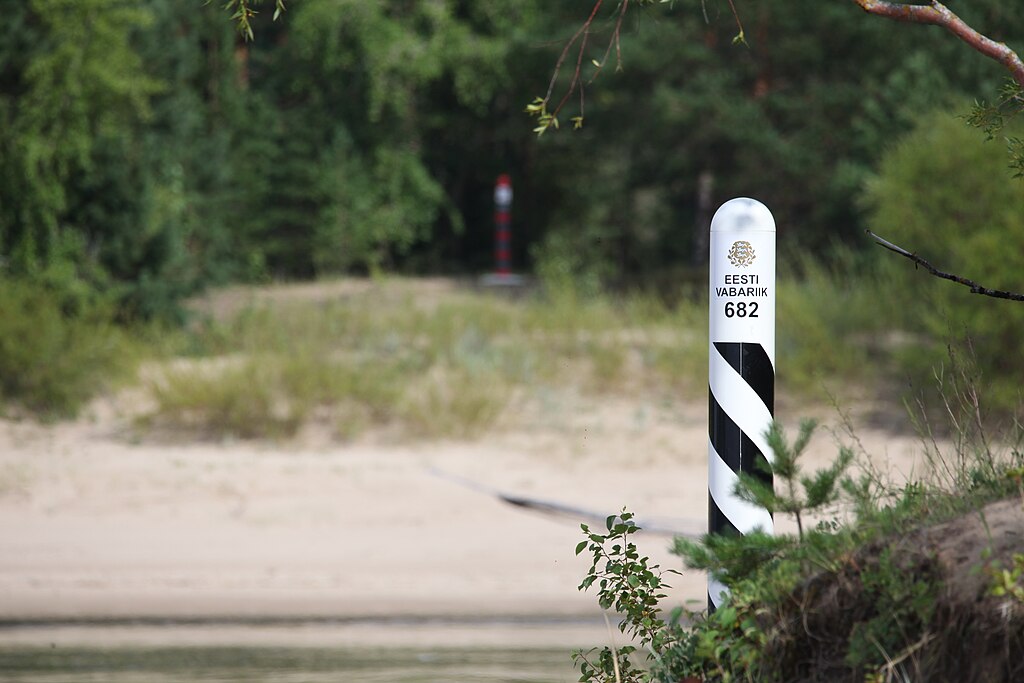
Estonian and Russian border posts at Narva-Jõesuu on the Estonia-Russia border
Explore further

“We don’t think all of this is just for demonstration”: Russia is constructing infrastructure with potential capacity up to 115,000 personnel on NATO’s doorstep

Finland braces for 80,000 Russian troops at its border

Marko Eklund, a former Finnish intelligence officer, told DR that the Russian command plans to deploy about 115,000 troops at the northern NATO border. That deployment would come after the war in Ukraine ends. Construction has begun on a new Russian base at Novaya Vilza, outside Petrozavodsk in the Republic of Karelia. The site sits roughly 190 kilometers from Finland and will hold 4,000 to 6,000 personnel. Russia began renovating an abandoned Soviet-era garrison in Petrozavodsk earlier this year. Finland's army chief, Pasi Välimäki, expects Russia to put 80,000 soldiers on the shared border, he told Swedish broadcaster SVT.

isw estonia warns russia's military buildup beyond war ukraine estonia-report russia building its capabilities only ongoing also preparation potential future conflict nato reported estonia's foreign intelligence service (efis) institute study
Explore further

ISW: Estonia warns of Russia’s military buildup beyond war in Ukraine

A corps command waits in Luga as Karelia bases rise

A source covering the Russian Northern Grouping of Forces claimed Russia's command is moving parts of the 44th Army Corps, a Leningrad Military District formation, to the Republic of Karelia. Only the command post stays behind for now. Those command-post elements currently sit in Luga, Leningrad Oblast, ready to shift to Petrozavodsk once Russia finishes the bases, the source claimed.

russian military near border with finland
Explore further

Russia builds up military presence near Finland’s border – WSJ

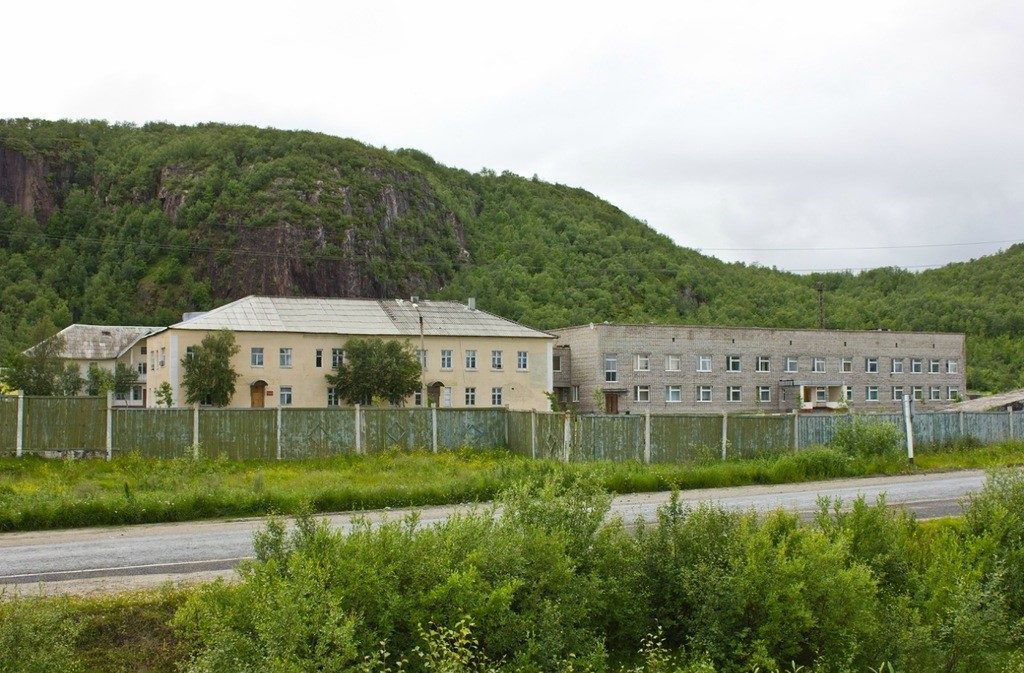
A Kremlin-affiliated Russian milblogger claimed on 11 June that crews are upgrading at least 19 barracks, along with support and storage buildings, at Pechenga on the Kola Peninsula in Murmansk Oblast. The site lies about 10 kilometers from the Norwegian border. The milblogger also claimed Baltiysk in Kaliningrad Oblast is getting a bigger naval infantry footprint, more armor, and additional landing craft.

ISW: bases serve post-war force projection

"Russia is establishing these bases to support potential future military actions against NATO, though such ground operations remain unlikely, as most of Russia's combat power is participating in operations in Ukraine," ISW says.

Once the shooting in Ukraine stops, the finished bases would shorten Russia's timeline for massing troops at NATO's frontier, ISW assesses. That leaves NATO needing the readiness to hold off — and, failing that, beat back — a Russian threat at its borders soon after combat in Ukraine stops, in ISW's assessment.

  •  

Russian rubber plant, oil refineries struck by Ukrainian drones in latest overnight attack, military confirms

Ukraine's military reportedly carried out drone attacks on various Russian regions overnight on June 12, striking multiple petrochemical plants as far as over 1,200 kilometers (620 miles) from the Russia-Ukraine border, Russian Telegram media channels reported.

  •  
❌