
Normal view

Russia can’t attack NATO right now—ISW explains what the new border bases are really for

12 June 2026 at 09:39

russia can't attack nato right now—isw explains what new border bases really · post facilities russia's 200th separate motor rifle brigade northern fleet's coastal troops pechenga district murmansk oblast 15-20

Russia is building new military bases and expanding existing ones along its northern border with NATO, according to ISW. The Institute for the Study of War (ISW) assesses that the construction likely supports future Russian force projection against the alliance. Near-term Russian ground operations remain unlikely, the think tank notes, since most Russian combat power stays committed in Ukraine.

Western officials have tracked Russia's military buildup near its European neighbors since well before the latest satellite findings, and Moscow's large-scale exercises near alliance territory have repeatedly rehearsed confrontation scenarios.

Satellite images show construction from Norway to Kaliningrad

Broadcasters in Norway, Sweden, and Denmark, together with a Baltic news portal, published satellite findings of the buildup on 10 JuneRussian forces are putting up new facilities and growing old ones near the frontiers of the Nordic and Baltic states. Intelligence officers and senior commanders in Denmark told broadcaster DR the work amounts to preparation for conflict. They see nothing indicating Moscow has actually decided on war, not least because the bulk of its army remains tied down in Ukraine.

Estonian and Russian border posts at Narva-Jõesuu on the Estonia-Russia border
Explore further

“We don’t think all of this is just for demonstration”: Russia is constructing infrastructure with potential capacity up to 115,000 personnel on NATO’s doorstep

Finland braces for 80,000 Russian troops at its border

Marko Eklund, a former Finnish intelligence officer, told DR that the Russian command plans to deploy about 115,000 troops at the northern NATO border. That deployment would come after the war in Ukraine ends. Construction has begun on a new Russian base at Novaya Vilza, outside Petrozavodsk in the Republic of Karelia. The site sits roughly 190 kilometers from Finland and will hold 4,000 to 6,000 personnel. Russia began renovating an abandoned Soviet-era garrison in Petrozavodsk earlier this year. Finland's army chief, Pasi Välimäki, expects Russia to put 80,000 soldiers on the shared border, he told Swedish broadcaster SVT.

isw estonia warns russia's military buildup beyond war ukraine estonia-report russia building its capabilities only ongoing also preparation potential future conflict nato reported estonia's foreign intelligence service (efis) institute study
Explore further

ISW: Estonia warns of Russia’s military buildup beyond war in Ukraine

A corps command waits in Luga as Karelia bases rise

A source covering the Russian Northern Grouping of Forces claimed Russia's command is moving parts of the 44th Army Corps, a Leningrad Military District formation, to the Republic of Karelia. Only the command post stays behind for now. Those command-post elements currently sit in Luga, Leningrad Oblast, ready to shift to Petrozavodsk once Russia finishes the bases, the source claimed.

russian military near border with finland
Explore further

Russia builds up military presence near Finland’s border – WSJ

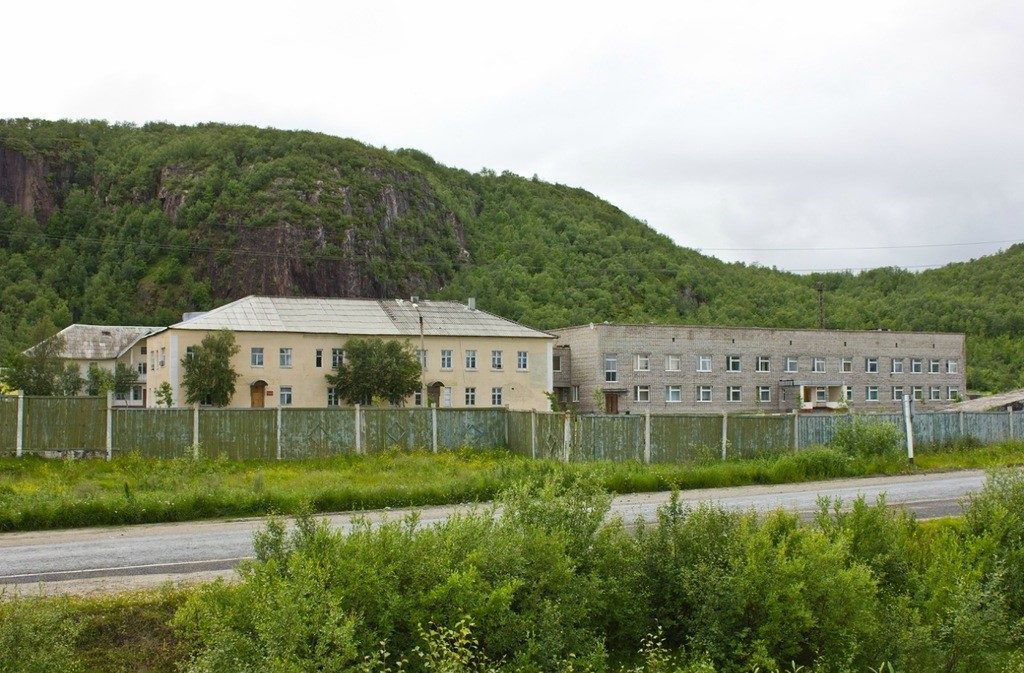
A Kremlin-affiliated Russian milblogger claimed on 11 June that crews are upgrading at least 19 barracks, along with support and storage buildings, at Pechenga on the Kola Peninsula in Murmansk Oblast. The site lies about 10 kilometers from the Norwegian border. The milblogger also claimed Baltiysk in Kaliningrad Oblast is getting a bigger naval infantry footprint, more armor, and additional landing craft.

ISW: bases serve post-war force projection

"Russia is establishing these bases to support potential future military actions against NATO, though such ground operations remain unlikely, as most of Russia's combat power is participating in operations in Ukraine," ISW says.

Once the shooting in Ukraine stops, the finished bases would shorten Russia's timeline for massing troops at NATO's frontier, ISW assesses. That leaves NATO needing the readiness to hold off — and, failing that, beat back — a Russian threat at its borders soon after combat in Ukraine stops, in ISW's assessment.
18th-Century Shipwreck Off Norway Reveals Chinese Porcelain Cargo

3 June 2026 at 20:30
roman shipwreck
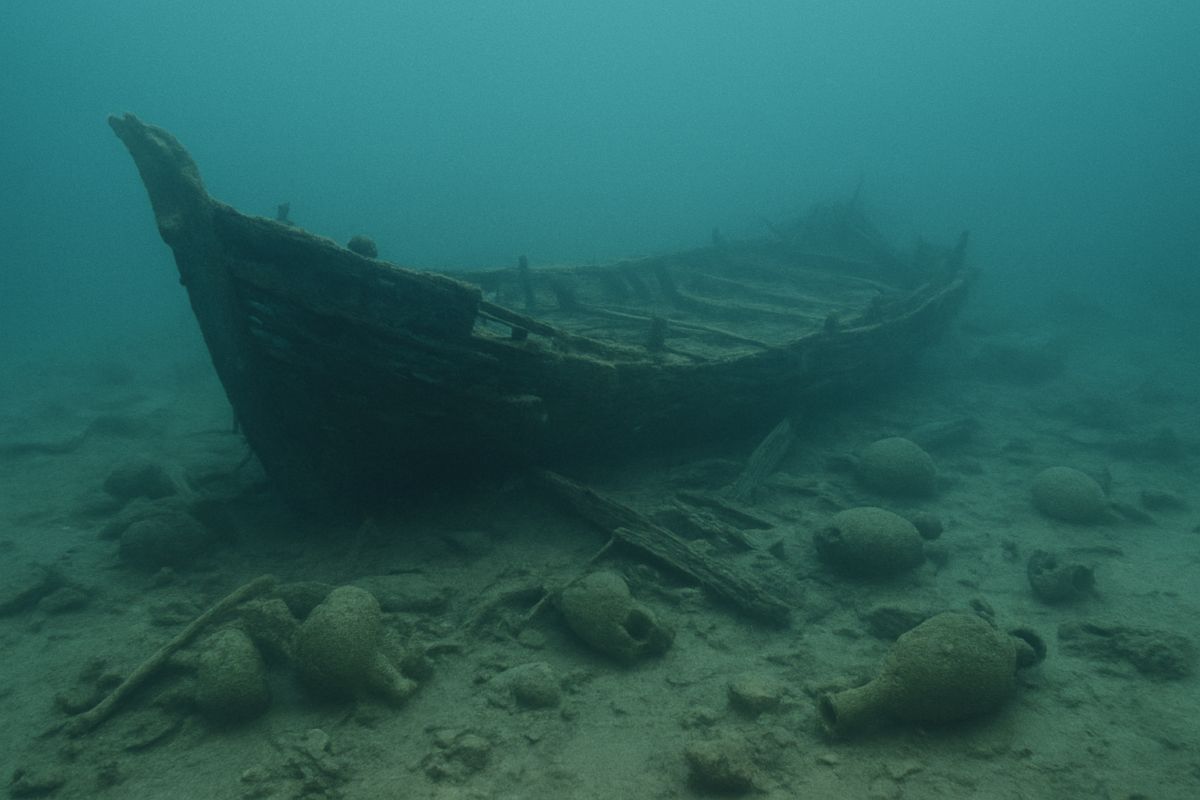
An interpretation of an ancient shipwreck. Credit: GreekReporter Archive

A deep-sea shipwreck in Norway, archaeologists call the “Porcelain Wreck,” has revealed hundreds of pieces of Chinese porcelain cargo and other luxury goods, offering a rare glimpse into trade networks that connected Europe and Asia during the 18th century.

The wreck was discovered about 600 meters (nearly 2,000 feet) below the surface in the Skagerrak, the body of water between Norway, Denmark, and Sweden. Researchers say the vessel and its cargo are among the best-preserved maritime finds ever recorded in Northern Europe.

Discovery beneath the seabed

The find began in September last year when professional diver Espen Saastad was conducting a routine seabed survey off the Norwegian coast. During a review of underwater footage, he noticed a shipwreck surrounded by stacks of porcelain resting on the seafloor.

The footage was sent to the Norwegian Maritime Museum, where researchers immediately recognized its significance.

“We thought it was an incredible wreck,” said Sven Ahrens, research director at the museum. “We often find cargo and freight, but it’s usually broken or covered by marine growth. Here, whole plates were lying in stacks on the seabed.”

Museum experts identified the cargo as 18th-century Chinese porcelain. The footage also revealed fragments of chandeliers, fine stemware, and other luxury items.

Rare evidence of global trade

Researchers believe the vessel was likely a galiot, a small cargo ship that operated within Northern Europe. While the ship probably never traveled to Asia, the Chinese porcelain cargo likely arrived through major trading centers such as Amsterdam, Copenhagen, or Gothenburg before being loaded onto the vessel.

The discovery provides evidence of the expanding trade networks and growing consumer culture that transformed Europe during the 18th century.

A remarkably preserved shipwreck discovered 600 meters beneath the waters off Norway has revealed hundreds of pieces of Chinese porcelain and other luxury goods dating to the 18th century. pic.twitter.com/nO5sL4SUfB

— Tom Marvolo Riddle (@tom_riddle2025) June 3, 2026

Unlike many shipwrecks found off the Norwegian coast that carried a single commodity, such as timber, fish, or iron, this vessel transported a diverse cargo of imported goods.

“The Porcelain Wreck is the first wreck we have found that demonstrates the breadth of interregional commercial activity in Northern Europe during the 18th century,” said maritime archaeologist Frode Kvalø, who leads the project.

Technology helps recover artifacts

Archaeologists have explored the wreck using a remotely operated vehicle, or ROV, controlled from a research vessel on the surface. The technology allowed researchers to create a detailed 3D model of the site and map the location of the ship and its cargo.

In May, the team recovered nearly 40 artifacts using a robotic arm equipped with specially designed suction cups. Most of the recovered objects were pieces of Chinese porcelain that appeared almost untouched despite spending centuries underwater.

One recovered brick from the ship’s galley carried a maker’s mark linked to Lübeck, Germany. Researchers are now examining historical Danish Sound Dues records in hopes of identifying the vessel and reconstructing its final voyage.

Thousands of artifacts remain

Only a small portion of the cargo has been recovered so far. Thousands of artifacts remain on the seabed, including unopened crates whose contents are still unknown.

Researchers hope the next phase of the project will involve a full archaeological excavation of the site. Such an effort could provide unprecedented insight into maritime trade, shipping practices, and daily life during a period when global commerce was rapidly expanding.

For archaeologists, the shipwreck of Norway represents more than a remarkable collection of Chinese porcelain. It offers a rare and largely untouched snapshot of the commercial world that linked continents centuries ago.

❌