Reading view

Divers Film Great White Shark in the Mediterranean For the First Time

Majestic great white sharks glide through the ocean waters.
Majestic great white shark glides through the ocean waters. Credit: Elias Levy / OpenVerse / CC BY-2.0

Volunteer divers have recorded what researchers believe is the first footage of a great white shark filmed underwater in the Mediterranean, captured during a ghost net removal dive near a shipwreck in the Strait of Sicily.

Derk Remmers, a technical diver with Ghost Diving, was about 40 meters (131 feet) below the surface between Sicily and Tunisia when the shark appeared. He filmed the encounter. The footage and photographs were released on June 8 to mark World Oceans Day.

Remmers said that the odds of meeting such an animal underwater are far lower than winning the lottery, and that his hands were shaking as he filmed.

The shark circled the group, then turned and moved back toward the divers. Remmers said that its behavior appeared calm and curious, not aggressive. When the team released air from their regulators, the shark picked up speed and disappeared from view.

First great white shark sighting in the Mediterranean stuns researchers

Marine biologists who reviewed the footage called the sighting rare and scientifically significant.

Dr. Carlo Cattano, a researcher at the Sicily Marine Centre of the Stazione Zoologica Anton Dohrn, said that most knowledge of great white sharks in the region has come from dead animals caught accidentally in fishing nets, and that direct observations help researchers better understand the species.

A great white shark circled divers in the Mediterranean as they worked to pull deadly ghost nets from a shipwreck in the Strait of Sicily. pic.twitter.com/tdJKJ37TMY

— Tom Marvolo Riddle (@tom_riddle2025) June 9, 2026

He said that prior research had already identified the area as a key location for threatened species and that this sighting reinforces its conservation value. Researchers cautioned that broader conclusions would require further study.

The mission was organized by the Healthy Seas Foundation, along with Ghost Diving and the Society for the Documentation of Submerged Sites. The wreck’s location is being kept confidential.

Ghost nets, fishing gear lost or abandoned at sea, continue killing marine life long after leaving a vessel. Previous dives at the site documented loggerhead sea turtles and large fish species caught in the gear.

Shipwrecks attract marine life, and when ghost nets settle on them, those structures become underwater traps.

Ghost nets turn shipwreck ecosystems into ongoing ocean traps

Veronika Mikos, director of Healthy Seas, said that the sighting is a reminder of how much marine life still exists in offshore Mediterranean waters and how much is at risk from discarded gear and overfishing.

Remmers said that between 1% and 10% of all fishing gear worldwide is lost each year, possibly adding more than 500,000 metric tons of abandoned nets to the ocean annually.

He said that the shark’s presence near the wreck signals an abundance of prey, and that those same animals face entanglement risk. Volunteer cleanups alone cannot resolve the problem, he said, and stronger action against industrial and illegal fishing is needed.

The mission also included environmental DNA sampling and underwater monitoring. Healthy Seas said that it plans to release additional footage and scientific material in the coming weeks.

  •  

Federal Judge Strikes Down Trump’s $100,000 H-1B Visa Fee Requirement

US President Donald Trump
US President Donald Trump. Credit: White House

A federal judge ruled on Monday that the $100,000 fee Trump imposed on H-1B visa applications was unlawful, striking down one of the administration’s key immigration measures targeting skilled foreign workers.

U.S. District Judge Leo Sorokin of Boston found the payment was a tax, not a penalty, and that the president lacked authority to impose it without congressional approval. His 42-page ruling also barred the State Department and U.S. Citizenship and Immigration Services from enforcing the requirement.

Sorokin, appointed by former President Barack Obama, applied reasoning from a February Supreme Court decision that struck down Trump’s tariffs issued under emergency authority. He concluded that immigration law, like the emergency statute in that case, does not permit the president to levy taxes.

Inside Trump’s case for the $100,000 H-1B visa fee

The H-1B program allows U.S. companies to hire foreign workers for specialized roles. Applicants must hold at least a bachelor’s degree. Visas are approved for three years with a possible three-year extension.

Each year, the program makes 65,000 visa slots available, along with a separate pool of 20,000 set aside for applicants holding advanced degrees.

Trump's $100,000 H-1B visa fee has been blocked by a judge.

Judge Leo Sorokin ruled the new fee for highly skilled foreign workers is unlawful and that it amounts to an unauthorised tax. pic.twitter.com/v1J9Np5qyV

— Pubity (@pubity) June 9, 2026

Employers typically paid $2,000 to $5,000 in fees before the order. Economists say the program helps American companies stay competitive and creates domestic jobs.

Trump announced the $100,000 H-1B visa requirement in September, saying the program had been misused to replace American workers with cheaper foreign labor.

The fee did not apply to foreign nationals already in the country on student visas, who represent a significant portion of new applicants.

The requirement saw little uptake. USCIS recorded only 85 payments as of Feb. 15, according to a March court filing.

Attorneys General celebrate as administration vows to appeal

Twenty Democratic attorneys general filed the lawsuit in December. California Attorney General Rob Bonta, who led the group, said that the ruling protects the country’s ability to attract skilled workers, on which the economy depends.

New York Attorney General Letitia James said that it blocked what she called an unlawful effort to undermine the program and the jobs it supports.

The administration defended the policy as a lawful use of presidential authority over immigration. White House spokeswoman Taylor Rogers said that the ruling would be appealed, adding that the president has the authority to restrict the entry of foreign nationals deemed harmful to American interests.

Justice Department spokeswoman Natalie Baldassarre said that the department would continue holding companies accountable for misusing the program.

At least three lawsuits have targeted the fee. A federal judge in Washington ruled in December in favor of the administration in a separate case brought by the U.S. Chamber of Commerce, which is appealing that outcome.

The administration has also called for stricter applicant screening and put forward a revised selection process designed to give priority to foreign workers with higher qualifications and better pay.

  •  

X-Rays Reveal Nazi Symbols Hidden Beneath Postwar Painting

Erich Mercker’s pre-1945 “Die Stätte des 9. November” is shown beside a postwar version from a private collection
Erich Mercker’s pre-1945 “Die Stätte des 9. November” is shown beside a postwar version from a private collection. Credit: Ioanna Mantouvalou et al. / CC BY 4.0

A painting found in a German family home has revealed how Nazi-era imagery may have been hidden beneath a more acceptable postwar scene. The work is linked to Erich Mercker, a Munich painter who lived from 1891 to 1973. Mercker had a successful career and painted several works during the Nazi period. Some included hidden Nazi symbols and political themes.

One of his known works, “Die Stätte des 9. November,” showed the Feldherrnhalle in Munich. The site carried strong meaning for the Nazi Party. It was tied to Adolf Hitler’s failed 1923 coup, also known as the Beer Hall Putsch.

Postwar versions removed Nazi symbols

After World War II, Mercker continued to paint the same Munich scene. But later versions appeared different. He removed soldiers, wreaths, and Nazi symbols. He also replaced the Nazi flag with the blue-and-white flag of Bavaria.

The works appeared under less politically charged titles, including “Feldherrnhalle” and “München am Odeonsplatz.”

Filmmaker and producer Dr. Thomas Schuhbauer found one version in his parents’ home. They had received it as a wedding gift in 1966.

At first, the painting looked like a postwar version of the scene. It showed the Bavarian flag and no clear Nazi symbols. But some details raised questions. The Nazi memorial at the Feldherrnhalle was still partly visible. That memorial was destroyed after Germany’s surrender in 1945. Reddish paint traces also appeared near the flag.

X-ray scans reveal hidden image

Schuhbauer contacted Helmholtz-Zentrum Berlin, known as HZB. He began working with Dr. Ioanna Mantouvalou, a physicist at TU Berlin and HZB. Mantouvalou specializes in X-ray fluorescence spectroscopy, or XRF.

X-ray scans have revealed Nazi symbols hidden beneath a postwar painting linked to Munich artist Erich Mercker.

Researchers found a red Nazi flag, wreaths, soldiers and raised arms painted over beneath a later Bavarian scene. pic.twitter.com/qrkIfazLhm

— Tom Marvolo Riddle (@tom_riddle2025) June 9, 2026

The method lets researchers identify chemical elements in materials without damaging them. It can also reveal paint layers beneath the surface.

The XRF scans showed that Nazi imagery had been painted over. A red Nazi flag lay beneath the Bavarian flag. Researchers also found covered wreaths on the monument, soldiers in the scene, and raised arms of passersby.

The overpainted areas contained high levels of titanium white. That pigment did not appear elsewhere in the painting. A tube of oil paint labeled “Titanium White 10103 Schmincke” was later found among Mercker’s paint tubes.

Evidence points to later alteration

Researchers said the evidence suggests that Mercker may have altered the painting himself. Some changes appeared rushed or careless.

The study, published in npj Heritage Science, also situates the painting within a broader postwar context. The authors noted that many artists faced little public criticism for their Nazi-era collaboration until well into the 1960s.

The painting now belongs to the Munich Documentation Centre for the History of National Socialism. The case shows how science, art history, and family memory can work together. It also shows how political symbols can disappear from view without fully leaving the historical record.

  •  

“Hulk Hogan è morto per cause naturali”, lo afferma un rapporto della polizia della Florida che chiude l’indagine. Il campione aveva avuto leucemia, aritmia cardiaca, polmonite e insufficienza renale

Il rapporto della polizia della Florida ha stabilito che la leggenda del wrestling professionistico Hulk Hogan è morto “per cause naturali l’anno scorso. I risultati chiudono formalmente l’indagine sulla sua morte. Il dipartimento di polizia di Clearwater ha pubblicato venerdì un rapporto di 72 pagine che riassume un’esaustiva revisione di dichiarazioni, cartelle cliniche, filmati di sorveglianza e un’ispezione visiva del corpo. Hogan, il cui vero nome era Terry Bollea, è morto lo scorso luglio all’età di 71 anni.

I familiari hanno detto agli investigatori che Hogan aveva sofferto di diversi problemi di salute nelle settimane precedenti la sua morte, tra cui leucemia, aritmia cardiaca, polmonite e insufficienza renale. Aveva anche subito molti ricoveri e interventi chirurgici negli anni precedenti la sua morte.

Il dipartimento di polizia di Clearwater ha pubblicato venerdì 5 giugno un rapporto di 72 pagine che riassume un’esaustiva revisione di dichiarazioni, cartelle cliniche, filmati di sorveglianza e un’ispezione visiva del corpo. Hogan, il cui vero nome era Terry Bollea, è morto il 24 luglio scorso all’età di 71 anni. “Non ci sono prove che indichino che la morte di Terry Bollea sia stata diversa da cause naturali”, afferma il rapporto.

E ancora: “Nel corso dell’indagine, non ci sono prove che indichino alcun illecito penale correlato alla sua morte. Questo caso sarà chiuso e sarà considerato risolto, non penale“. Secondo il rapporto, la moglie di Hogan, così come un’assistente domiciliare e un terapista occupazionale, erano tutti con Hogan nella sua casa quando ha smesso di respirare. Sua moglie, Sky Daily Hogan, ha chiamato il 911, e poi i tre hanno praticato la rianimazione cardiopolmonare a Hulk Hogan fino all’arrivo dei vigili del fuoco e dei paramedici.

I familiari hanno riferito agli investigatori che Hogan aveva sofferto di diversi problemi di salute nelle settimane precedenti la sua morte, tra cui leucemia, aritmia cardiaca, polmonite e insufficienza renale. Aveva anche subito numerosi ricoveri e interventi chirurgici negli anni precedenti. Le prime dichiarazioni rilasciate alla polizia dal terapista occupazionale avevano fatto ipotizzare che la morte di Hogan fosse correlata a un danno al nervo frenico subito durante un recente intervento chirurgico. Tuttavia, il terapista occupazionale ha poi affermato di essere ancora scosso per aver praticato la rianimazione cardiopolmonare e di aver parlato a sproposito.

Il medico legale locale aveva concluso che Hogan era morto per un attacco cardiaco e si era rifiutato di eseguire un’autopsia completa. Un’autopsia privata, pagata dalla famiglia, ha confermato la valutazione iniziale, non riscontrando “alcun contributo tossicologico traumatico o terminale plausibile“.

Hulk Hogan è stato una delle più grandi stelle nella lunga e gloriosa storia della WWE, celebre tanto per la sua personalità travolgente quanto per le sue straordinarie imprese sul ring. Protagonista indiscusso della prima WrestleMania nel 1985, rimase un punto di riferimento costante per molti anni, affrontando leggende del calibro di Andre The Giant e Randy Savage, fino ad avversari più recenti come The Rock e persino il co-fondatore della WWE, Vince McMahon. Nel corso della sua carriera, Hogan conquistò almeno sei titoli WWE e venne inserito nella Hall of Fame nel 2005. Tuttavia, nel 2015, fu rimosso da tale riconoscimento in seguito alla diffusione di registrazioni nelle quali l’ex campione pronunciava gravi insulti di natura razziale nei confronti delle persone di colore, episodio per il quale in seguito si scusò pubblicamente. Dopo un periodo di riflessione e a seguito delle sue scuse, Hogan venne reintegrato nella Hall of Fame nel 2018.

L'articolo “Hulk Hogan è morto per cause naturali”, lo afferma un rapporto della polizia della Florida che chiude l’indagine. Il campione aveva avuto leucemia, aritmia cardiaca, polmonite e insufficienza renale proviene da Il Fatto Quotidiano.

  •  

Ancient Maya knowledge helps Guatemalan farmers cut agrochemical use

In the mountain villages of Guatemala’s Western Highlands, farmers are combining ancient Maya knowledge with modern sustainable farming techniques to protect their crops from pests and disease. Smallholders are creating homemade biopesticides using plants with strong smells and flavors to deter pests on their family plots. This is helping to cut back on the use of increasingly expensive agrochemicals, many of which have been labeled as dangerous to human health and linked to soil degradation. About 60 Guatemalan communities in the Western Highland departments of Sololá and Huehuetenango, as well as Chiquimula in the east, are working to revive these traditional techniques with support from the international development organization World Neighbors. Their focus is to restore and strengthen traditional knowledge, combining it with agroecological practices that help families produce surplus food they can sell to boost household incomes. “Traditional farming techniques are becoming popular because they are simple practices to apply, use local resources, and have proven to be effective,” Dayani Roche, a program associate at World Neighbors, told Mongabay via email. Rather than a single ancient recipe, farmers are using “a living combination of ancestral knowledge, local experimentation and more recent agroecological practices,” he said, which are “safer for families, soil, water and biodiversity than many chemical alternatives.” The Maya civilization, which once stretched across modern-day Central America, had a rich history of farming dating back to 2000 B.C.E. Its most celebrated agriculture system is the milpa, a form of intercropping that involves a mix of maize, beans and…This article was originally published on Mongabay

  •  

Russia starts hauling gasoline to the front in the trunks of civilian cars

russia starts hauling gasoline front trunks civilian cars · post jerrycans loaded supply russian forces occupied ukraine 2026 перевезення-бензину-цивільними-автівками-для-військових-рф-на-тимчасово-окупованій-тери news ukrainian reports

Russia has begun moving gasoline to its frontline units in occupied Ukraine in convoys of civilian cars, the Ukrainian defense outlet Militarnyi reported. Soldiers filmed themselves loading jerrycans into ordinary trunks, an improvised workaround after Ukrainian drone strikes made fuel tankers too risky to run. Russian forces are also disguising army trucks as civilian vehicles along the supply route to occupied Crimea.

This comes amid Ukraine’s ongoing “Logistics Lockdown,” a campaign by several Ukrainian military branches and the Security Service to target Russian fuel, logistics, and other supplies across occupied territories, at depths of up to 200 km.

Soldiers filmed the fuel run themselves

A video on the Exilenova+ Telegram channel showed Russians describing a convoy of passenger cars assembled to carry one metric ton of gasoline, Militarnyi reported. A man off-camera says the cars left the city of Kizilyurt in Dagestan, Russia, on the local head's orders, with the fuel destined for Russian units in occupied Tokmak, Zaporizhzhia Oblast. The footage shows jerrycans filling the trunks:

Besides the fuel, the drivers carried 1.5 million rubles ($20,900) to buy another batch of gasoline. Fuel keeps Russian frontline positions running: generators power electronic-warfare systems, charge batteries for reconnaissance and strike drones, and run communications gear in dugouts and observation posts.

Disguised trucks and a strained supply line

Russian forces have also begun disguising army trucks as civilian transport because of Ukrainian drone attacks deep in the rear. In northern Crimea, monitors spotted a freshly painted blue Ural truck driven by a man in civilian clothes, still carrying military plates, its oversized body posing as a dump truck.

The command of Russia's Dnepr grouping ordered mass use of civilian vehicles to move fuel along the route linking Rostov-on-Don with occupied Crimea, the Krymsky Veter monitoring project reported. That improvisation tracks the M-14 corridor, now within Ukraine's deepening drone range.
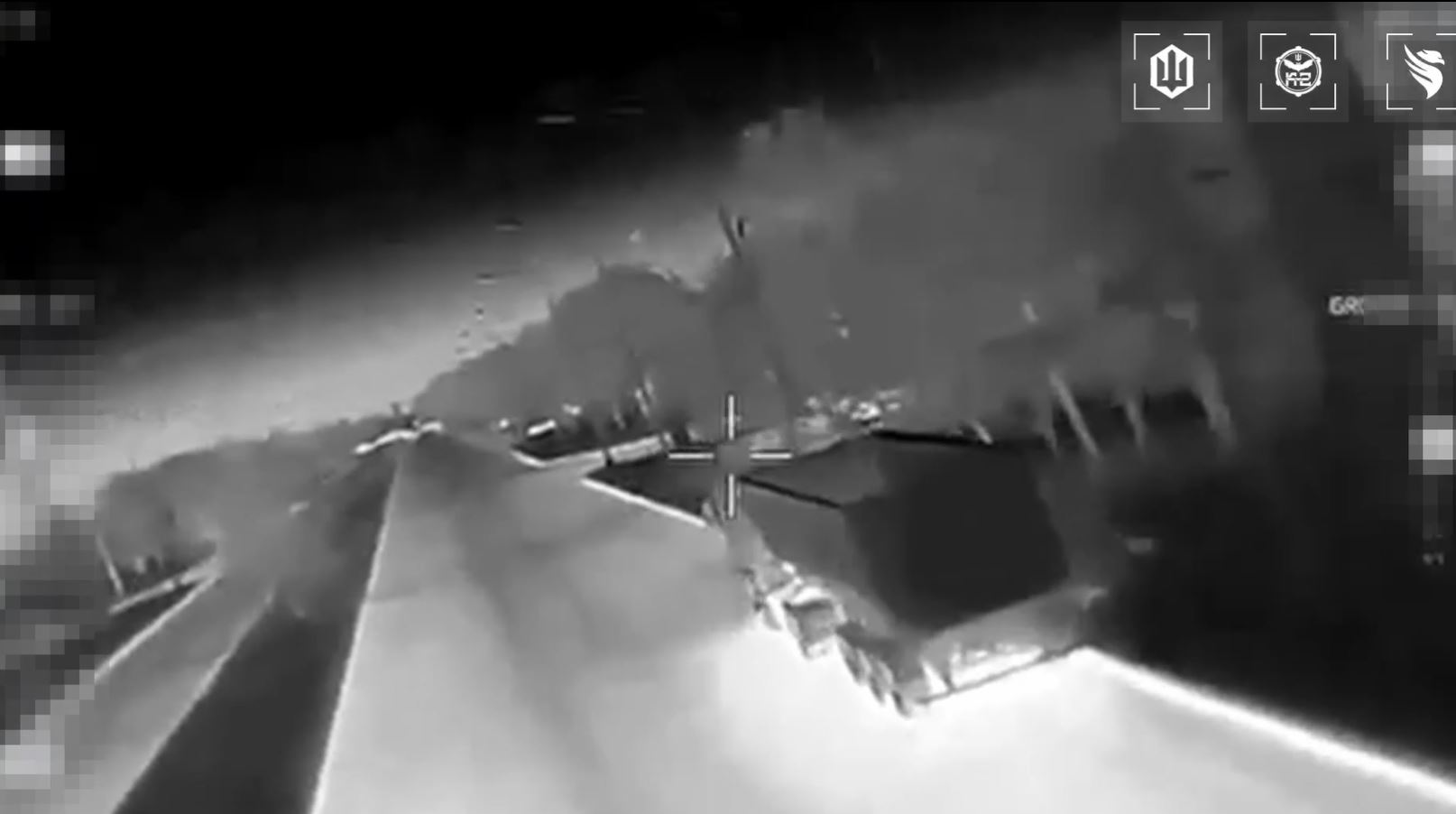
Drones of the 20th Separate Brigade of Ukraine's Unmanned Systems Forces (SBS), known as K-2, and the Phoenix drone unit strike a Russian military truck on a logistics route in Donetsk Oblast, 7 June 2026. Photo: SBS
Explore further

ISW: The strikes will likely cascade into deeper disruption across Russia’s rear supply network

Why Russia is improvising

Ukraine's Defense Forces have intensified drone strikes on logistics trucks and fuel tankers on the roads from Russia to occupied Crimea. The attacks have already forced the occupiers to limit cargo traffic through the occupied part of Kherson Oblast toward the peninsula, and Russia has closed stretches of its own land corridor to keep them clear of strike drones.

  •  

Projeto artístico em Odemira lança programa para jovens de diferentes culturas

Teatro, cinema, música e dança são algumas das propostas do programa para jovens de diferentes culturas que o projeto artístico “Novo Bowing” promove, entre os dias 15 e 19 deste mês, em Odemira.

A iniciativa Summer Bowing é promovida pela cooperativa cultural Lavrar o Mar, sediada em Aljezur, e vai decorrer na Casa Novo Bowing – Centro para as Relações Planetárias, em Odemira, destinando-se a jovens dos 10 aos 18 anos.

«A Summer Bowing propõe durante seis dias um espaço de criação, convivência e descoberta, onde jovens de diferentes culturas, línguas e percursos se encontram através da arte e da vida em comum», explicou a cooperativa, em comunicado enviado à agência Lusa.

De acordo com a Lavrar o Mar, «mais do que uma escola de verão convencional, a Summer Bowing procura criar experiências de imaginação, autonomia, criação coletiva e encontro intercultural».

«Num território marcado pela diversidade cultural e pela presença de comunidades migrantes de diferentes partes do mundo”, esta iniciativa “afirma-se como uma experiência de encontro entre jovens com origens, referências e sensibilidades distintas, valorizando a convivência, a escuta e a criação artística enquanto ferramentas de aproximação humana», justificou a cooperativa.

Nesse âmbito, ao longo da semana, os participantes poderão explorar atividades ligadas ao teatro, cinema, música, dança, barro, desenho, cozinha e criação coletiva.

O programa inclui «experiências tão diversas quanto inventar personagens, realizar pequenos filmes, criar playlists para a casa, modelar criaturas fantásticas em barro, cozinhar em conjunto, entrevistar pessoas, construir objetos, dançar, escrever, ouvir música ou simplesmente conversar e partilhar tempo em comum», pode ler-se no comunicado.

A programação vai desenvolver-se «num ambiente aberto e colaborativo, onde cada participante pode encontrar a sua própria forma de participar, seja através do movimento, da palavra, da observação, da construção manual, da música ou da convivência quotidiana», explicou a cooperativa.

A iniciativa termina a 21 de Junho, com o Dia Aberto ao Planeta #9, evento promovido regularmente pela Lavrar o Mar e que reúne comunidade, artistas, famílias e participantes em torno de experiências de encontro, criação e convivência.

Nesta edição, o dia funcionará também como momento de partilha pública desta escola de verão, abrindo a Casa Novo Bowing a amigos, vizinhos e curiosos para conhecerem as experiências e criações desenvolvidas ao longo da semana, adiantou a cooperativa.

O “Novo Bowing” é um projeto artístico e social da Lavrar o Mar, que visa promover a integração através da arte, «fortalecendo os laços entre as comunidades oriental e ocidental do concelho de Odemira».

Apoiado pelo programa operacional Alentejo 2030 e cofinanciado pela União Europeia, pela Fundação Calouste Gulbenkian e pela Câmara de Odemira, o projeto é coordenado por Madalena Victorino.

A iniciativa baseia-se em três eixos de intervenção, visando o desenvolvimento de práticas artísticas como ferramenta de inclusão e aprendizagem no contexto escolar, a dinamização de atividades culturais e colaborativas que promovem o encontro e o diálogo, e a valorização do conhecimento e capacitação para a inclusão laboral e social da população migrante.

«Mais do que um projeto artístico, o ‘Novo Bowing’ é um gesto de futuro: uma proposta de encontro onde a arte serve de linguagem comum para imaginar e construir uma comunidade mais coesa, justa e plural», concluiu a Lavrar o Mar.

O conteúdo Projeto artístico em Odemira lança programa para jovens de diferentes culturas aparece primeiro em Sul Informação.

  •  

Free Algarve event explains Portugal’s healthcare system to foreigners

Free Algarve event explains Portugal’s healthcare system to foreigners

The Algarve municipality of Lagos will host a free information session this week aimed at helping foreign residents better understand how Portugal’s healthcare system works. Entitled “Health in Portugal: Information

The post Free Algarve event explains Portugal’s healthcare system to foreigners appeared first on Portugal Resident.

  •  

La Corea del Nord non vuole essere solo il junior partner della Cina

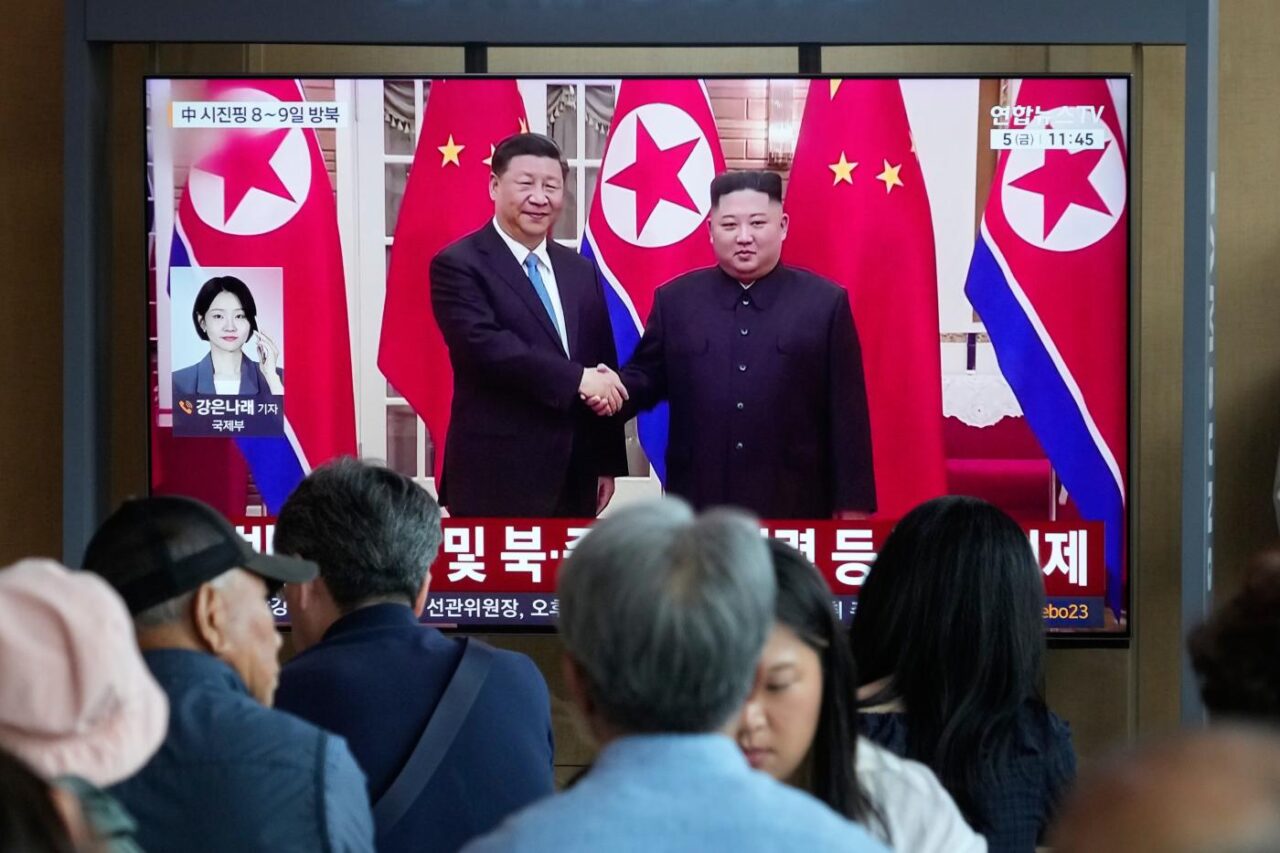
Xi Jinping è stato accolto a Pyongyang come si accoglie un alleato storico. Ieri, in piazza Kim Il Sung, una folla festante agitava bandiere cinesi e nordcoreane sotto gli slogan che celebravano l’«eterna amicizia» tra i due Paesi. Ad aspettarlo c’erano Kim Jong Un e la moglie Ri Sol Ju, una guardia d’onore dell’Esercito popolare coreano e una coreografia studiata per rappresentare l’unità tra Pechino e Pyongyang. Nei messaggi diffusi dai media di Stato, Xi ha definito le relazioni bilaterali giunte a un «nuovo punto di partenza storico», perché Cina e Corea del Nord condividono le «nuove missioni del nostro tempo».

Dietro la liturgia dell’amicizia di lunga data c’è una relazione stratificata, che non riguarda solo i due Paesi. L’ultima visita di Xi in Corea del Nord risaliva al 2019. Da allora è cambiato molto. La pandemia ha isolato ulteriormente Pyongyang, la guerra in Ucraina ha avvicinato Kim Jong Un a Vladimir Putin e il programma nucleare nordcoreano è diventato ancora più sofisticato. Soprattutto, la Corea del Nord non dipende più dalla Cina come un tempo.

Xi Jinping usa i suoi viaggi all’estero di inizio anno sempre in maniera strategica, come per mandare un messaggio al mondo. Nel 2023 la priorità della diplomazia cinese era la Russia, l’anno dopo l’Europa, mentre nel 2025 era il Sud-est asiatico. Adesso la scelta è caduta sulla Corea del Nord, uno dei fronti più delicati della competizione geopolitica in Asia.

Ai tempi dell’ultima visita a Pyongyang, nel 2019, il negoziato sul nucleare nordcoreano con gli Stati Uniti era ancora vivo, e Cina e Russia sostenevano formalmente il regime di sanzioni internazionali costruito per convincere il leader nordcoreano a rinunciare alle sue ambizioni atomiche. Oggi Kim non parla più di denuclearizzazione. Anzi, continua ad ampliare il proprio arsenale e considera ormai irreversibile lo status della Corea del Nord come potenza nucleare. Anche per Xi la priorità è cambiata. Il leader cinese, scrive l’Economist, sembra ormai più interessato a gestire una Corea del Nord nucleare che a disarmarla – o forse sa che dissuaderla sarebbe un impegno troppo dispendioso. L’obiettivo principale è evitare che Pyongyang scivoli troppo nell’orbita di Mosca, che negli ultimi anni ha accresciuto enormemente la propria influenza grazie alla cooperazione militare nata attorno alla guerra in Ucraina.

Non è una questione secondaria. La Cina resta di gran lunga il principale partner economico della Corea del Nord: la maggior parte del commercio estero nordcoreano passa ancora attraverso il confine cinese e nei primi mesi del 2026 gli scambi tra i due Paesi sono cresciuti di oltre il venti per cento rispetto all’anno precedente. Ma l’invasione russa dell’Ucraina ha modificato gli equilibri. In cambio di munizioni, missili e soldati inviati al fronte, Mosca ha fornito a Pyongyang energia e tecnologia militare, oltre a nuova liquidità e sostegno diplomatico.

Per questo motivo la visita di Xi assume un significato diverso da quello suggerito dalla coreografia dell’accoglienza.

Per anni la Corea del Nord è stata descritta come uno Stato isolato, economicamente dipendente dalla Cina e costretto a muoversi entro limiti ben definiti. In un certo senso è ancora così. Ma diversi osservatori ritengono che questa rappresentazione non sia più sufficiente: per la prima volta da molti anni, Pyongyang ha qualche carta alternativa da mettere sul tavolo nella sua alleanza con Pechino. In una lunga analisi pubblicata sul numero di maggio-giugno di Foreign Affairs, Oriana Skylar Mastro, politologa della Stanford University e studiosa degli equilibri strategici nell’Indo-Pacifico, sostiene che la guerra in Ucraina stia modificando profondamente la posizione internazionale di Pyongyang. I rapporti economici, militari e diplomatici costruiti con Mosca negli ultimi anni hanno «alleviato parte della pressione che per decenni ha mantenuto la Corea del Nord subordinata alla Cina». Il risultato è che Pyongyang «dispone oggi di meno vincoli che mai e può permettersi di giocare su due tavoli, sfruttando contemporaneamente il sostegno della Russia e quello della Cina».

La nuova libertà di manovra della Corea del Nrod arriva anche al culmine di un processo di lunga duranta, che ha portato un profonda trasformazione interna del regime. Ne ha parlato il New York Times in una lunga ricostruzione pubblicata poco prima del viaggio di Xi Jinping: Kim Jong Un ha sfruttato gli anni della pandemia per rafforzare il controllo sulla società e sull’economia nordcoreana, trasformando una fase che sembrava minacciare la sopravvivenza del regime in un’opportunità per consolidare il proprio potere. «Kim ha iniziato la pandemia chiudendo il confine con la Cina, emanando ordini di sparare a vista per impedire ai nordcoreani di fuggire oltre confine. Ha represso il commercio e il contrabbando attraverso il confine, costringendo il suo popolo a dipendere meno dalle importazioni e a produrre più beni a livello nazionale», si legge sul New York Times. La crisi sanitaria è diventata quindi l’occasione per ricostruire il monopolio statale sull’economia e sull’informazione, riportando sotto il controllo del partito gli spazi di autonomia che si erano aperti dopo la grande carestia degli anni Novanta.

Nel 2022 l’invasione dell’Ucraina gli ha offerto un altro assist. Il sostegno militare fornito a Mosca – dalle munizioni ai missili, fino all’invio di migliaia di soldati – ha permesso alla Corea del Nord di migliorare la sua condizione di junior partner nei rapporti bilaterali. Secondo il New York Times, l’economia nordcoreana è tornata a crescere nel 2024 al ritmo più elevato degli ultimi otto anni, mentre il regime ha ripreso a investire in infrastrutture, edilizia e grandi progetti simbolici. «Negli ultimi anni, Kim Jong-un è passato dall’inferno al paradiso», ha detto al New York Times Jiro Ishimaru, caporedattore dell’agenzia di stampa giapponese Asia Press International.

La nuova realtà della Corea del Nord cambia anche la sua posizione all’interno di quell’asse delle autocrazie che Anne Applebaum nel suo saggio del 2024 aveva definito “Autocrazie S.p.A.”.

Pur dipendendo ancora da Cina e Russia, sul piano globale Pyongyang è riuscita a rilanciare il suo valore strategico e questo le consente di giocare una partita molto più autonoma. Le autocrazie continuano a collaborare e a sostenersi reciprocamente, come scrivevamo anche su Linkiesta Magazine la scorsa estate. Ma la visita di Xi a Pyongyang mostra che all’interno di quella rete esistono anche interessi divergenti e nuove forme di competizione. Putin ha bisogno di Kim per sostenere il proprio sforzo bellico. Xi non vuole perdere influenza sulla penisola coreana. E Kim, forse più di tutti, sta imparando a sfruttare questa situazione a proprio vantaggio.

L'articolo La Corea del Nord non vuole essere solo il junior partner della Cina proviene da Linkiesta.it.

  •  
❌