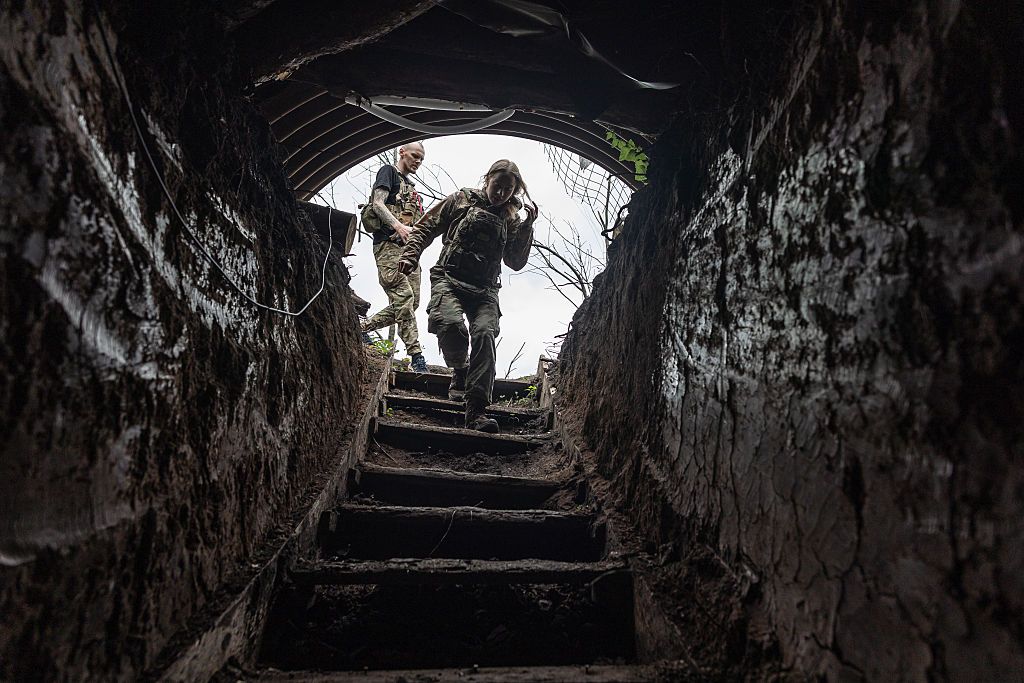
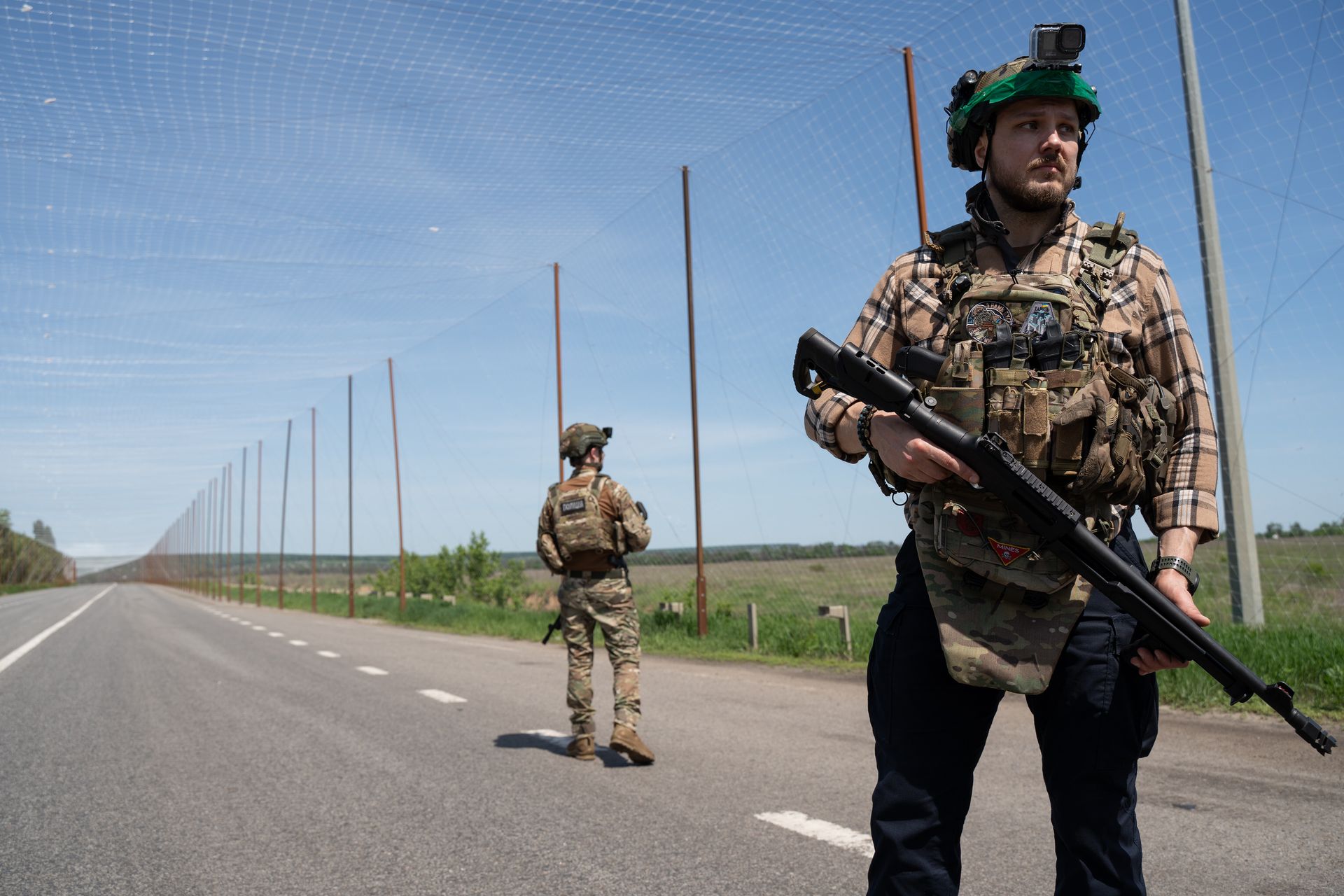
"It will be a war that takes place in all dimensions. It will take place on land, in the air, at sea, in space, and in cyberspace," Major Brian Nissen told DR.
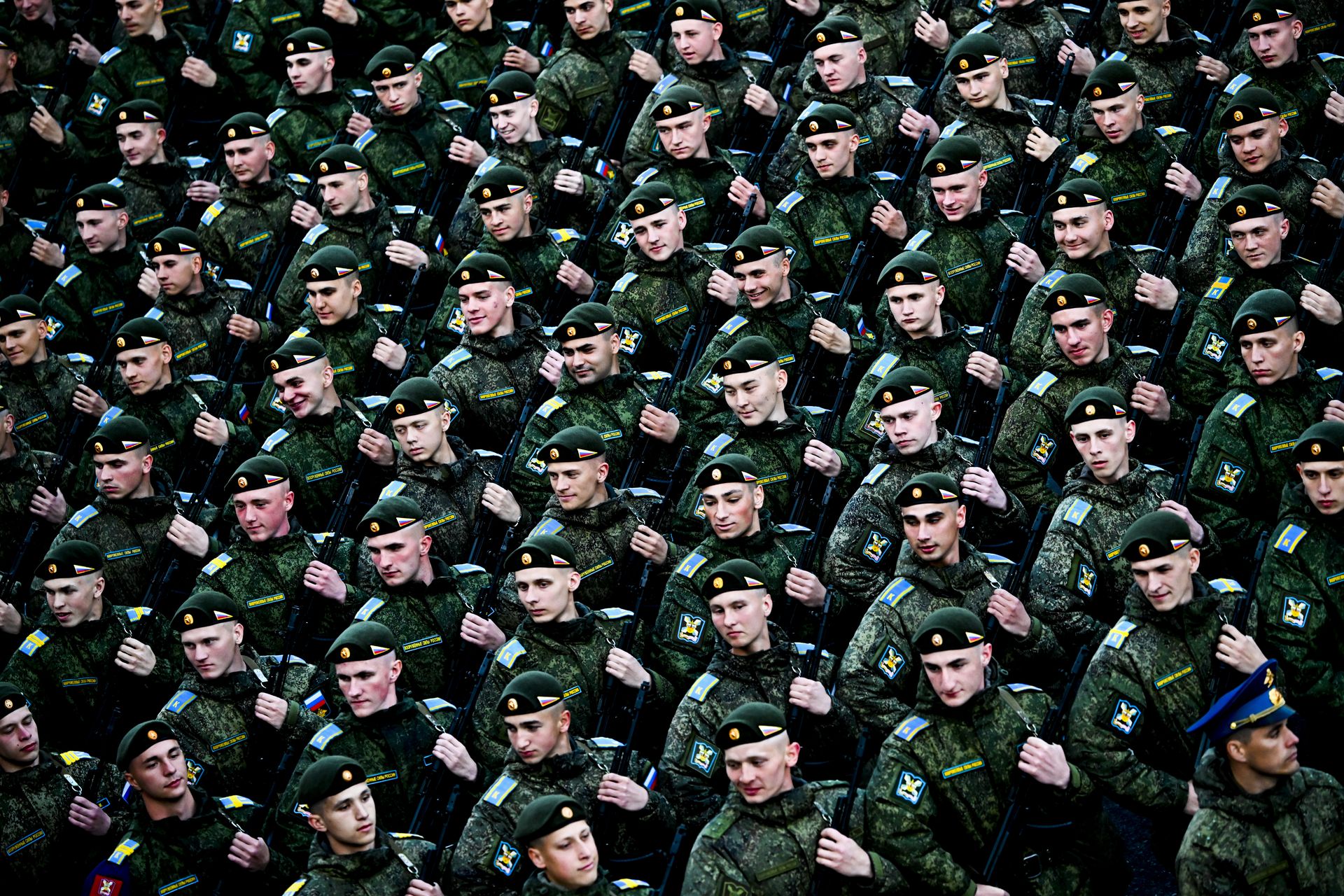
The European Commission announced on June 9 that a visa ban targeting current and former Russian soldiers should be part of the EU's next sanctions package, sparking a debate on social media about why the measure targets only military personnel.
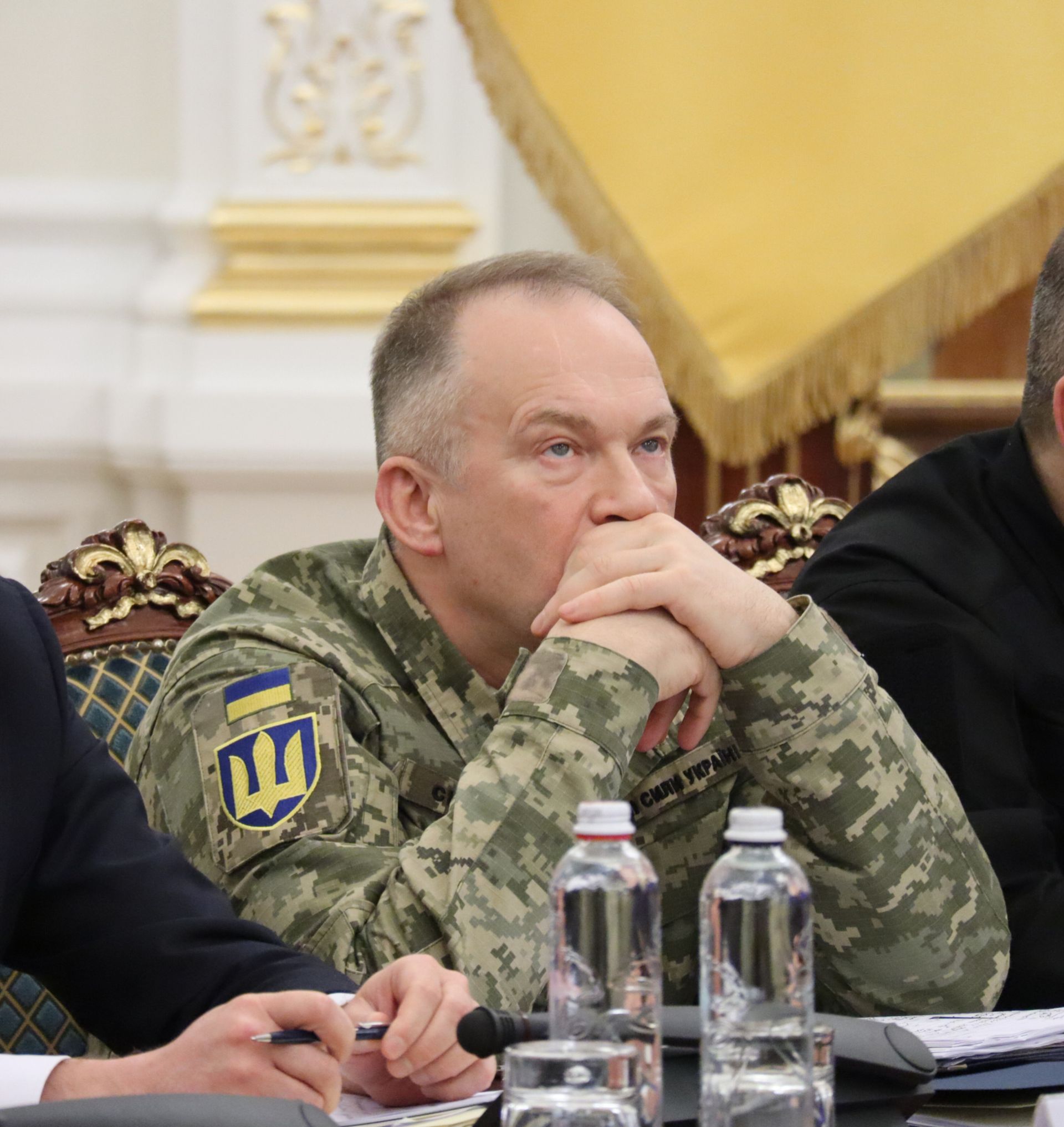
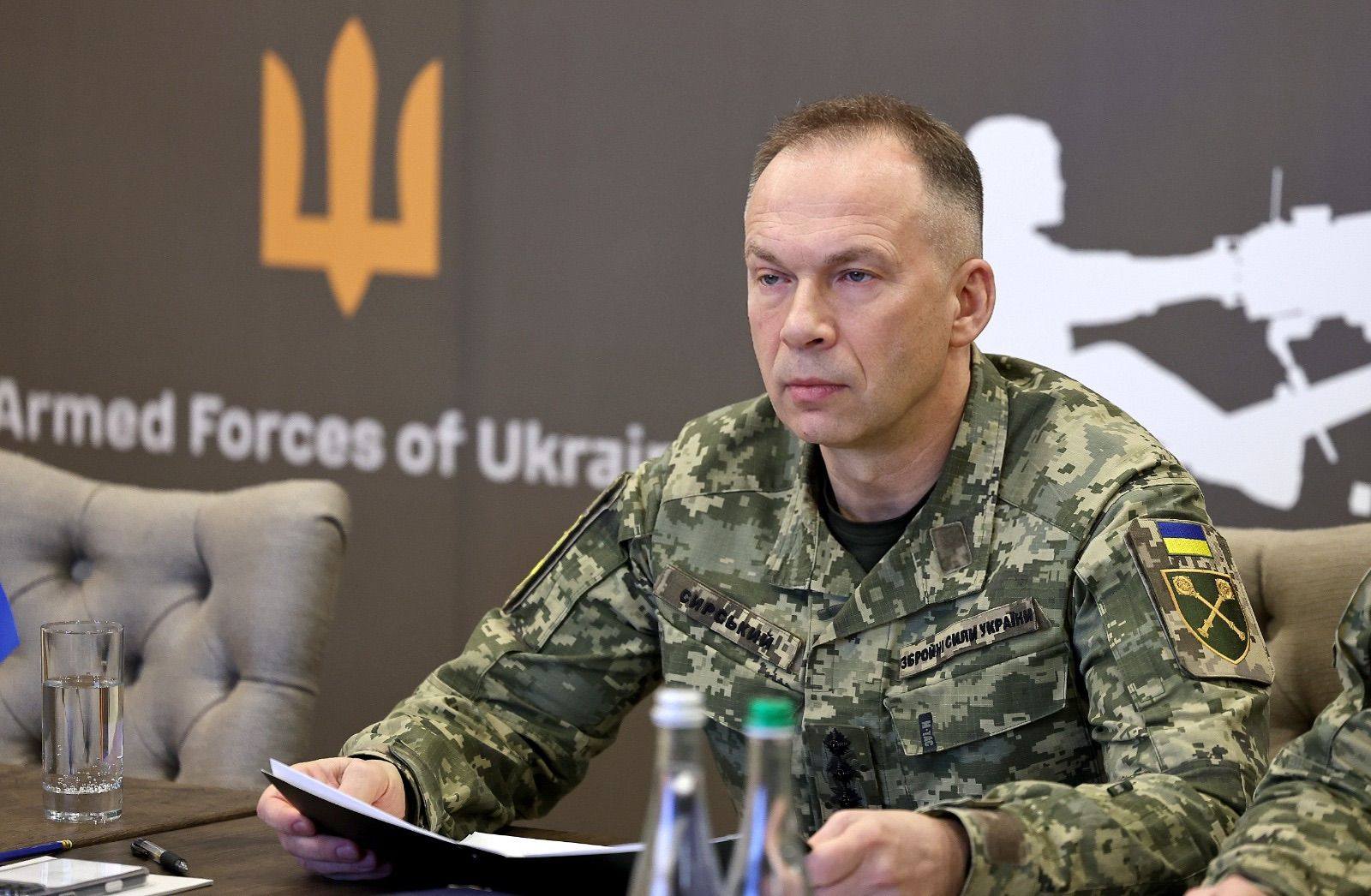
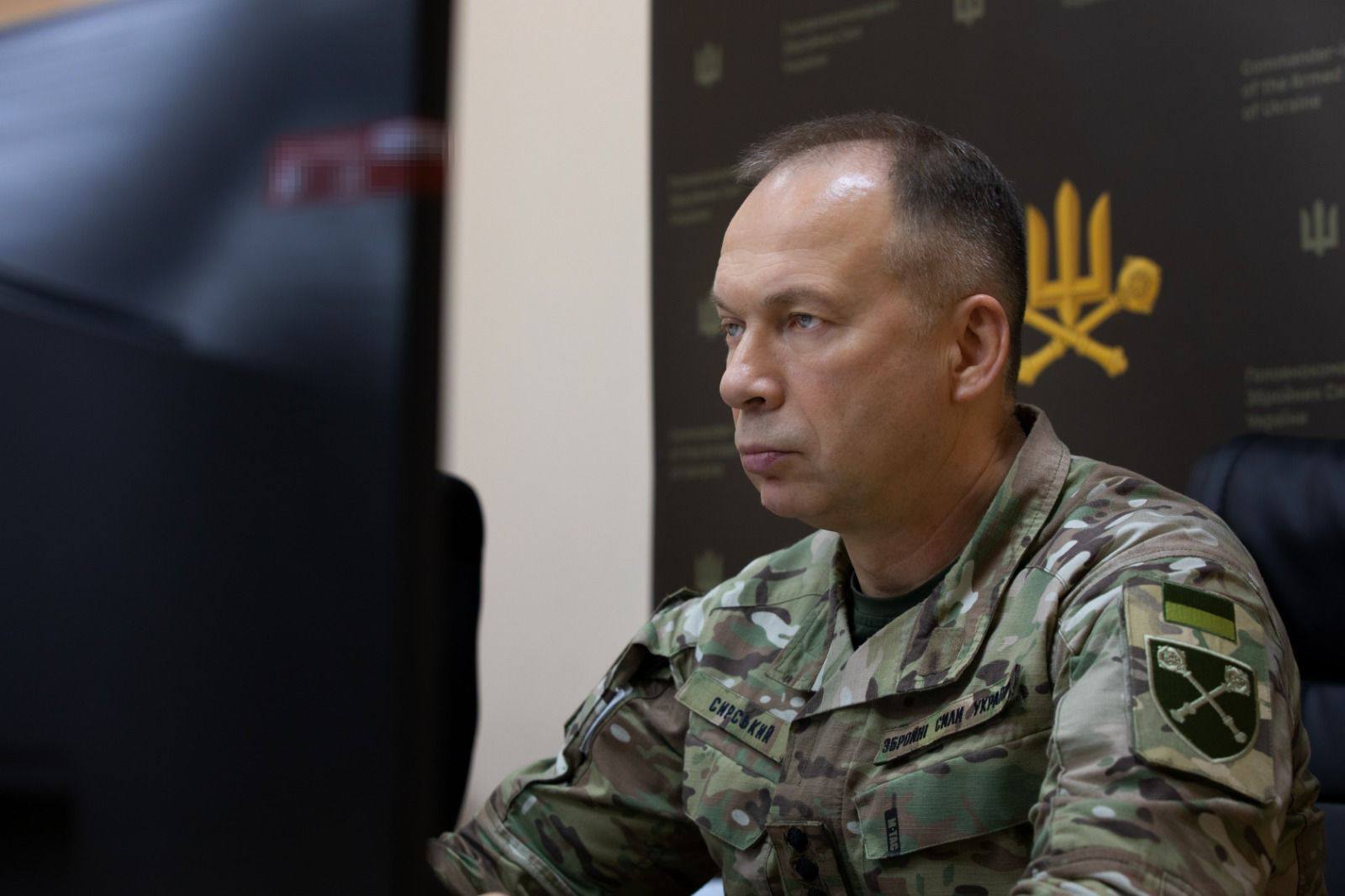
Ukraine currently maintains a 1.5-to-1 advantage over Russian forces in the use of FPV drones, with the gap continuing to widen in recent months, Commander-in-Chief Oleksandr Syrskyi said.
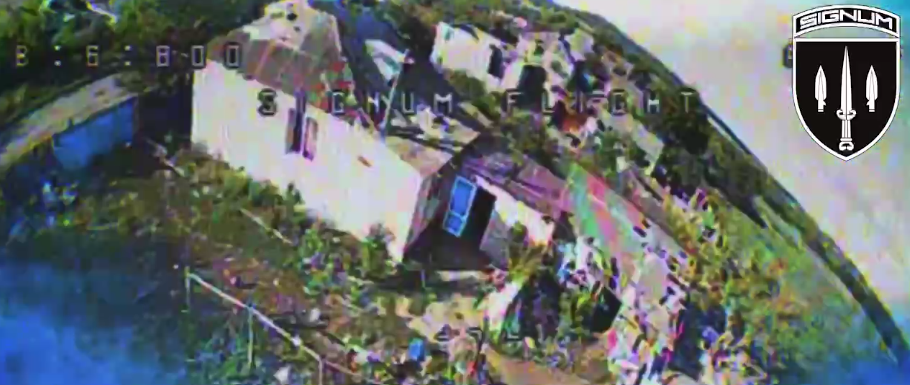
On 10 June 2022, the world's first successful FPV drone combat strike was carried out by Ukrainian Armed Forces fighters from the SIGNUM battalion. The three operators with call signs "Turyst," "Shvaiger," and "Bagdad" fired the strike against a Russian target, an advisor to the Defense Minister, Serhii Sterneko, recalls.
The footage of the strike has become a defining artifact of the Russo-Ukrainian war. Four years later, Ukraine's Unmanned Systems Forces (SBS) has struck nearly $40 billion worth of Russian targets and grown into a full branch of the Armed Forces with its own doctrine and eleven combat units.
The 10 June 2022 FPV strike is recognized as the moment that changed not only the Russo-Ukrainian war but the broader rules of armed conflict. The combat application of a commercial-grade quadcopter against a moving Russian target opened a new category of warfare that has since been replicated by militaries worldwide.
Ukraine remains the operational pioneer in this category, with the SBS now leading the Logistics Lockdown program targeting Russian rear-area logistics, deploying $113 million in mid-strike drones.
"Fourth house. Blue doors"
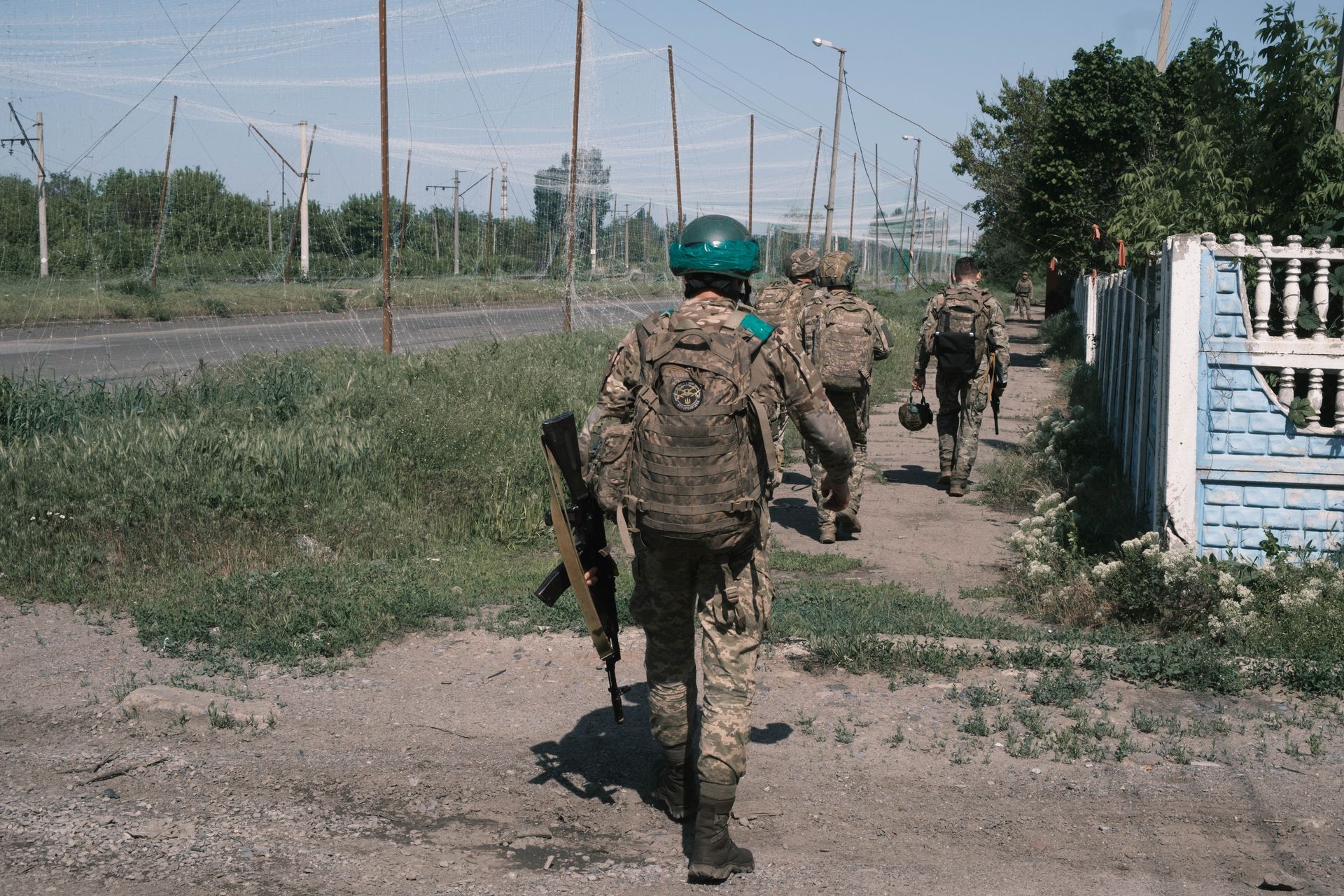
The footage of the 10 June 2022 strike captures Ukrainian SIGNUM battalion fighters operating an FPV drone against a Russian target on the frontline.
The radio call "Fourth house. Blue doors." — used by the operators to identify the target — has become one of the most recognizable phrases from the early war.
The day that changed military doctrine worldwide: On 10 June 2022, Ukraine carried out the world's first FPV drone combat mission
As a result, Ukraine established Unmanned Systems Forces, helping save thousands of Ukrainian lives Sternenko pic.twitter.com/kbk5KphZBG
From battlefield improvisation to separate branch of armed forces
The 10 June 2022 strike was an act of battlefield improvisation. Ukrainian forces were using commercial drone technology adapted for combat, with no formal doctrine, no procurement pipeline, and no command structure for FPV operations.
Three years later, on 11 June 2025, Ukraine formally established the Unmanned Systems Forces (SBS) as a dedicated grouping within the Armed Forces.
SBS now has eleven combat units and its own military doctrine. President Volodymyr Zelenskyy on 10 June 2026 signed a decree establishing the Day of Unmanned Systems Forces as an annual commemorative day, to be observed each 11 June.
Robert "Madiar" Brovdi: from volunteer to branch commander
The SBS commander is Major Robert Brovdi with a call sign "Madiar". Brovdi is a Hero of Ukraine, the founder of the "Madiar's Birds" unit, and one of the originators and leading practitioners of innovations in unmanned systems for combat applications.
He traveled the path from volunteer to commander of a separate branch of the Armed Forces. The trajectory is consistent with the SBS's broader institutional history, which began with battlefield improvisation in places like the 10 June 2022 SIGNUM strike, and has developed into a formal military structure with doctrine, procurement, and command.
The footage of the strike has become a defining artifact of the Russo-Ukrainian war. Four years later, Ukraine's Unmanned Systems Forces (SBS) has struck nearly $40 billion worth of Russian targets and grown into a full branch of the Armed Forces with its own doctrine and eleven combat units.
Ukraine has approved a long-term concept for the development of its rocket forces and artillery, outlining plans to build up capabilities through 2030, Commander-in-Chief Oleksandr Syrskyi said.
Syrskyi said the concept defines the main directions for modernization while Ukraine continues fighting a full-scale war, stressing that long-term force development must run in parallel with current battlefield needs.
He said Ukrainian artillery units are already conducting thousands of fire missions daily and inflicting significant losses on Russian forces, supported by a mix of domestically developed systems and weapons supplied by international partners.
According to Syrskyi, Ukraine operates one of the most diverse ranges of artillery systems globally and uses nearly all available types of ammunition, gaining continuous combat experience against a numerically superior adversary.
War experience drives shift in artillery and drone integration
Syrskyi said Russia’s invasion has significantly changed the character of modern warfare, with growing use of drones, guided bombs, and other precision strike systems reshaping battlefield dynamics.
He said artillery remains a core component of the battlefield despite evolving technology, but its effectiveness now depends heavily on reconnaissance quality and the speed of information transfer.
At the same time, he pointed to several challenges affecting Ukraine’s rocket and artillery forces, including dependence on foreign ammunition supplies, complex logistics linked to multiple systems, limited range in some platforms, and shortages in artillery reconnaissance capabilities.
Ukraine to phase out outdated systems and expand domestic production
The concept foresees a gradual transition toward Ukrainian-made artillery systems as the backbone of future force structure, while aging Soviet-era systems that cannot be upgraded will be phased out.
Ukraine will also retain units equipped with modern foreign systems and streamline its overall artillery inventory to improve efficiency and logistics.
Syrskyi said a key priority is the creation of a modern artillery reconnaissance system to improve targeting speed and battlefield coordination.
Focus on long-range strike capability up to 2,000 km
A separate priority is the expansion of Ukraine’s missile forces to increase deep-strike capability across operational and strategic depth.
Syrskyi said this includes completing development and scaling production of domestic ballistic and cruise missiles, which – together with unmanned systems – would form a layered long-range strike capability with a reach of up to 2,000 kilometers.
He said artillery will remain a decisive element of battlefield effectiveness and a central factor in deterring further Russian aggression, regardless of terrain or conditions.
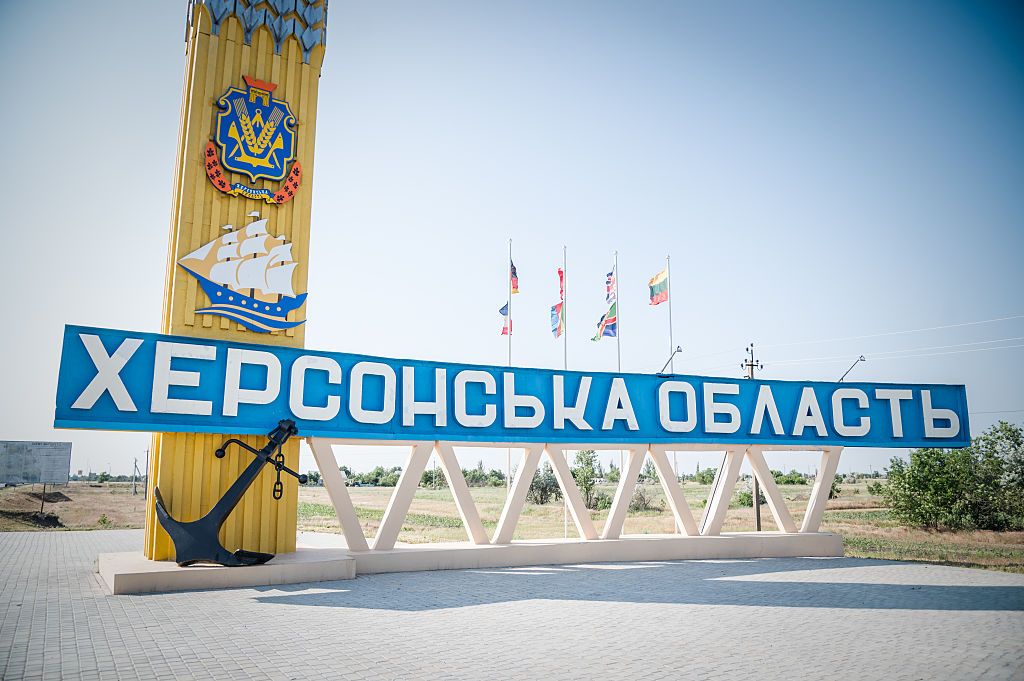
The Chonhar Bridge in Russian-occupied Kherson Oblast was destroyed following a Ukrainian drone strike on June 9, Andrii Kovalenko, head of Ukraine's Center for Countering Disinformation, said on June 10.
The newly approved strategy calls for gradually replacing aging Soviet-caliber artillery systems with domestically produced weapons while retaining some of the most advanced foreign-made systems currently in service, Oleksandr Syrskyi said.
A former Ukrainian Defense Ministry official has been indicted and sent to trial for organizing the procurement of 300,000 pairs of tactical gloves valued at approximately $5.2 million that failed to meet the contracted specifications. They could not perform their basic function of protecting soldiers' hands in combat, the Office of the Prosecutor General of Ukraine announced.
300,000 pairs of combat gloves delivered to Ukrainian troops on the frontline that, expert analysis later showed, used ordinary rubber instead of the thermoplastic rubber required by technical specifications and failed cut- and puncture-resistance tests.
The gloves were intended for use in assault operations, casualty evacuation, and work under fire, which are the exact combat environments where hand protection matters most.
How did fraud work?
According to the investigation, the official organized the procurement after manipulating both the contract documentation and the technical specifications. Investigators found that the requirement for mandatory compliance with Defense Ministry product standards was removed from the procurement documentation. The product's technical characteristics were altered.
Advance payments were approved without proper justification. The combined effect of the acts created the procurement conditions under which the manufacturer substituted cheaper materials and delivered a product that did not meet the original technical requirements.
Accountability process
The former Defense Ministry official was notified of suspicion in August 2025. Following the completion of the SBU's pre-trial investigation, the indictment has now been transferred to the court.
The case is one of multiple Ukrainian defense-procurement fraud prosecutions that have progressed through the system since 2024, when Ukrainian authorities began aggressive prosecutions of procurement officials over the delivery of substandard military equipment to frontline troops.
Earlier, a medic in a Ukrainian mechanized battalion based in Donetsk Oblast was charged with stealing 16 FPV drones manufactured by Ukrainian defense-tech company General Cherry. He also tried to sell these drones, worth approximately $12,600, for $2,370, the Eastern Region Specialized Defense Prosecutor's Office said.
The heaviest fighting is taking place in the Pokrovsk sector in Donetsk Oblast, the Oleksandrivka sector, which lies at the junction of Donetsk, Zaporizhzhia, and Dnipropetrovsk regions, and the Huliaipole sector in Zaporizhzhia Oblast, the commander-in-chief said.
Women volunteers in Greece’s armed forces during a military ceremony. Credit: Screenshot / Hellenic Army General Staff video.
Greece’s armed forces will welcome the first women volunteers for military service this week, marking a significant shift in the country’s defense recruitment policy.
The first female volunteers will report for duty on Thursday as part of the Hellenic Army’s 2026 second conscription intake, which began this week and will continue through June 5. They will train at an army base near Lamia, a city in south-central Greece.
Women in Greece join voluntary military service
Under the new program, women aged 20 to 26 can apply for voluntary military service if they meet the required military fitness standards and have no felony convictions.
They will serve for 12 months, under the same duration, obligations, and conditions that apply to male conscripts in Greece.
The initiative opens a new path for women to take part more directly in national defense. In Greece, military service has traditionally remained compulsory for men, while women have not faced the same obligation.
Same benefits for women volunteers in Greece’s armed forces
Female volunteers can also join the selection process for reserve officer training, under the same criteria that apply to male conscripts.
They will gain access to military hospital services and receive additional points in certain public-sector hiring procedures. The state will also recognize their period of service as professional experience, giving the program potential value beyond the military.
Officials have presented the initiative as both a contribution to national defense and an opportunity for women to gain training, experience, and qualifications that could support their future careers.
Greece expands recruitment amid defense reforms
The launch of voluntary military service for women comes as Greece pushes ahead with broader reforms to modernize the armed forces, improve readiness, and strengthen recruitment and retention.
Ahead of the launch, the Hellenic Army General Staff carried out a public information campaign encouraging women to apply. The campaign described voluntary service as a way for women to contribute to Greece’s defense while gaining educational and professional benefits.
The arrival of the first female volunteers marks an important test for Greece’s new model of military participation, as the country seeks to broaden the pool of potential recruits and adapt its armed forces to changing defense needs.
 Login
Login

Sternenko pic.twitter.com/kbk5KphZBG