Il cuore di quello che i promotori hanno battezzato “Manifesto per un’agenda Tax the rich per l’Italia” era appunto un’imposta progressiva sui grandi patrimoni da applicare ai contribuenti con una ricchezza netta superiore a 5,4 milioni di euro, come da Iniziativa dei cittadini europei promossa da Oxfam e abbracciata ad Avs. Il nuovo prelievo, a scanso di equivoci, sostituirebbe le attuali patrimoniali già esistenti (Imu sulle case di non di residenza, imposta sui conti correnti e sui depositi titoli, bollo auto) e ad essere colpiti sarebbero solo i 50mila italiani più facoltosi. Continuerebbe a dormire sonni tranquilli l’impoverito ceto medio, sempre evocato da chi tenta di trasformare la patrimoniale in uno spauracchio con cui spaventare i lavoratori dipendenti che insieme ai pensionati versano l’85% dell’Irpef. Mentre i redditi da capitale finanziario (interessi sui titoli di Stato, dividendi, plusvalenze) e i ricavi da affitto di immobili sono sottratti alla tassazione progressiva e sottoposti a imposte sostitutive piatte ben più basse delle normali aliquote. Se non bastasse per fugare i timori dei partiti progressisti terrorizzati dall’impatto di una proposta del genere sul gradimento elettorale, val la pena ricordare che in base a tutti i sondaggi la stragrande maggioranza degli italiani è favorevole: è di pochi giorni fa una rilevazione Eumetra per Piazza Pulita che stima i sostenitori al 57,1%, percentuale che sale al 69,4% se si specifica che il balzello si applicherebbe oltre i 5 milioni.
Venendo ai dettagli, con aliquote dell’1,7% tra 5,4 e 8 milioni, 2,1% tra 8 e 20,9 milioni e 3,5% sopra i 20,9 milioni l’imposta consentirebbe di raccogliere 15,7 miliardi l’anno. Per evitare la sempre paventata “fuga all’estero” dei ricchi – fenomeno in realtà marginale, stando agli studi condotti sui Paesi che hanno introdotto prelievi patrimoniali – basterebbe far leva sull’infrastruttura di scambio automatico di informazioni oggi in vigore tra oltre cento giurisdizioni. E, come da rapporto dell’economista Gabriel Zucman per il G20, introdurre exit tax insieme a meccanismi che consentano di continuare a tassare, per un certo periodo, anche chi sposta la residenza.
Ma, visto che non basta certo una nuova tassa per raddrizzare un sistema oggi iniquo e inefficiente, il progetto di riforma delineato nel Manifesto era onnicomprensivo. I firmatari, tra cui Andrea Roventini della Scuola superiore Sant’Anna di Pisa, Alessandro Santoro dell’ateneo di Milano Bicocca ed ex presidente della commissione del Mef che stima l’evasione fiscale, Guido Alfani (università Bocconi), l’ex ministro Fabrizio Barca (Forum Disuguaglianze e Diversità), Maurizio Franzini (La Sapienza), Elena Granaglia (Roma Tre), Mario Pianta (Normale) e Michele Raitano (Sapienza), ritenevano indispensabile affiancarla a una riforma della tassazione di eredità e donazioni, che oggi tra franchigie e mancanza di progressività fa dell’Italia un vero paradiso fiscale per gli eredi, e all’introduzione di nuovi scaglioni Irpef per i redditi più elevati. Tassello cruciale visto che, stando agli studi di Roventini e Santoro con i ricercatori della Sant’Anna Demetrio Guzzardi ed Elisa Palagi, oggi il 7% di italiani con redditi più alti paga un’aliquota mediainferiore a quella applicata a chi sta nelle fasce più basse della piramide.
Non basta: nel medio periodo il documento chiedeva di prevedere l’ampliamento della base imponibile dell’imposta sui redditi delle persone fisiche a tutti i redditi da lavoro e a quelli da capitale finanziario, abolendo i regimi sostitutivi, e di rivedere in modo radicale il prelievo sui redditi e sui patrimoni immobiliari per aumentarne l’equità. Non prima di aver finalmente aggiornato il catasto, visto che oggi il valore di mercato degli immobili è del tutto slegato dai superati valori catastali. E il programma di riforma comprendeva anche interventi per prevenire – prima di arrivare alla tassazione – le iniquità legate al funzionamento dei mercati: rafforzamento della concorrenza, più aiuti per chi arriva da contesti svantaggiati, politiche industriali che sostengano una competitività basata sull’innovazione e sulla buona occupazione e non sui bassi salari, politiche del lavoro che rafforzino il potere contrattuale dei lavoratori e limitino il ricorso a forme di occupazione non standard.
Qualcosa di ben diverso, insomma, dalla patrimoniale come slogan o unica panacea per disuguaglianze e squilibri sociali. Che pure sono sempre più smaccati. Secondo le ultime rilevazioni di Bankitalia, a fine 2025 il 10% più ricco possedeva il 60,6% della ricchezza totale, contro il 7,2% nelle mani della metà meno abbiente. L’indice di Gini che misura quanto è iniqua la distribuzione delle fortune continua ad aumentare: nel 2018 si fermava a 0,69, l’anno scorso è salito a 0,72. E la società italiana è sempre più “ereditocratica“. Tendenze che il governo Meloni continua a ignorare, preferendo parlar d’altro.
O projeto «Viagem ao Coração da Alfarroba», da autoria da Industrial Farense, foi distinguido como vencedor da categoria “Turismo & Alfarroba e Amêndoa”, na final do Concurso Inova Algarve + Diversificar, promovido pelo NERA.
A distinção e o prémio monetário de 2.500 euros foram atribuídos durante uma conferência dedicada à fileira da alfarroba e amêndoa, revelou a associação empresarial.
O projeto vencedor «Viagem ao Coração da Alfarroba», apresentado por Carlos Moura, destacou-se pela criação de «uma experiência de turismo industrial dedicada a uma das mais emblemáticas fileiras agroalimentares do Algarve».
O conceito propõe visitas guiadas às unidades de produção, permitindo aos visitantes conhecer o percurso da alfarroba, desde a sua transformação até aos diversos produtos dela derivados.
A iniciativa pretende valorizar este recurso endógeno, promover os produtores e empresas locais e contribuir para a diversificação da oferta turística regional.
O ciclo de conferências Inova Algarve + Diversificar prossegue já no próximo dia 18 de Junho, com uma sessão dedicada à fileira do medronho, «dando continuidade ao trabalho de valorização das fileiras estratégicas e dos recursos endógenos do Algarve», refere o NERA.
Após o interregno de Verão, a iniciativa regressará com novas conferências centradas nas plantas e flores, economia do mar, recursos geológicos e citrinos.
A participação é gratuita, mediante inscrição prévia, estando o programa completo e o calendário das próximas sessões disponíveis aqui.
A iniciativa é organizada pelo NERA, em parceria com a Algarve Evolution, Associação KIPT, CCDR Algarve, Região de Turismo do Algarve, Tertúlia Algarvia e Universidade do Algarve, no âmbito do Projeto Inova Algarve 3.0, cofinanciado pelo Programa Regional Algarve 2030 | Portugal 2030.
U.S. President Donald Trump told reporters today that in the wake of overnight attacks between the U.S. and Iran, strikes on Iran will continue. Meanwhile, Iranian officials say they are “reviewing” whether to continue peace talks after one of the most serious exchanges of fire between the two nations since the April 8 ceasefire.
Though damage assessments are still ongoing in the wake of Iranian missiles and drones launched across the Middle East overnight, a U.S. official told TWZ Wednesday morning that so far, there have been no injuries among U.S. personnel reported and no indication yet of any damage to American installations. That’s despite Iranian claims to the contrary.
“Iran launched multiple missiles and drones and just about all were intercepted according to initial reflections from assessments that are ongoing,” the official told us, speaking on condition of anonymity to discuss operational details. “No reports of harm to any U.S. personnel; not aware of any damage to our locations at this time.”
Several videos emerging overnight claimed to show missile interceptions and explosions resulting from the latest Iranian kinetic actions.
Some showed missile interceptions over Muwaffaq Salti. As we have frequently noted, the base has been a major staging area for U.S. airpower in the region. It came under Iranian attack before the ceasefire, with an AN/TPY-2 missile defense radar there having been notably targeted.
Footage shows air defense interceptors engaging incoming Iranian ballistic missiles over Jordan.
Iran’s Islamic Revolutionary Guard Corps (IRGC) says it targeted Jordan’s Muwaffaq al-Salti Air Base, along with 20 other U.S. military sites across the region. pic.twitter.com/RxKHsNaQur
Additional video shows what appears to be an explosion in the distance as viewed from a CCTV camera in Manama in the wake of a claimed Iranian missile launch at Fifth Fleet headquarters. The extent of the damage, if any, is unknown.
CCTV footage shows an explosion in Bahrain’s capital Manama after what authorities say was an Iranian missile strike.
Iran’s IRGC says it hit US military bases in Bahrain, Kuwait and Jordan in retaliatory attacks for US strikes in the Strait of Hormuz. pic.twitter.com/4eKzhBa1np
The Islamic Revolutionary Guard Corps (IRGC)-connected Tasnim News Agency also posted a video it claims shows an attack on the Fifth Fleet. The short video shows what appears to be an explosion in the distance and again, there is no way to tell what, if any damage, was caused.
The Kuwaiti Foreign Affairs Ministry condemned the latest Iranian strikes and said the nation “reserves its full right to take all necessary measures to preserve its security and defend its territories and vital facilities, in accordance with international law and the United Nations Charter.”
بيان صادر عن وزارة الخارجية الأربعاء 10 يونيو 2026
تُعرب وزارة الخارجية عن إدانة دولة الكويت واستنكارها وبأشد العبارات، استمرار الاعتداءات الإيرانية الآثمة والمتكررة على دولة الكويت، والتي كان آخرها اليوم، في تصعيد جديد يُضاف إلى سلسلة الاعتداءات الإيرانية المتواصلة، ويُعد… pic.twitter.com/7H1TFQNqMv
Iran said its latest volley of kinetic actions were in response to what U.S. officials say were strikes on 20 Iranian targets in response to the helicopter downing.
The United States and Iran traded strikes overnight.
20 Iranian targets were hit by U.S. forces, including air defense systems and radar sites.
This latest flurry of strikes prompted comments about the future of diplomacy from both sides.
During a morning press conference, Trump said “we hit ’em hard yesterday, and we’re going to hit ’em again hard today, in case you miss it, in case you don’t turn on your television set, and we’ll see what happens with the deal.”
.@POTUS on Iran: "We hit them hard yesterday and we're going to hit them again hard today… And we'll see what happens with the deal. We were really close to a deal — but they keep tapping us along. They keep playing us for suckers because you know what? They dealt with some… pic.twitter.com/ScvGn14QFQ
— Rapid Response 47 (@RapidResponse47) June 10, 2026
Earlier on Wednesday, Trump told Fox News that there may be additional U.S. attacks that focus on “Iranian power plants and bridges.”
NEW: President Trump tells me he "may keep going" with strikes against Iran and is getting closer to targeting Iranian power plants and bridges.
The President also spoke about the U.S. military helicopter that was downed saying that an Iranian drone lodged between the two… pic.twitter.com/j5aQEIzi9s
The president’s comments to Fox follow statements he made on his social media outlet saying Iran has taken too long to agree to a peace deal.
“Iran’s Military is a complete and total mess,” Trump said on Truth Social. “Much of it, like their Navy and Air Force, doesn’t even exist anymore – They have been completely defeated. Iran is all talk and no action. The Bully of the Middle East is DEAD!!! They’ve taken too long to negotiate a deal that would have been great for them, now they will have to pay the price!!!”
Trump did not elaborate on what that price may be.
— Rapid Response 47 (@RapidResponse47) June 10, 2026
As we noted earlier in this story, Iran is reassessing the future of diplomatic negotiations aimed at ending the US-Israeli war against the country, according to the official Iranian IRNA news outlet.
“We have to review it,” Iranian Foreign Ministry spokesperson Esmaeil Baqaei told IRNA. “Diplomacy and the battlefield are not separate matters; rather, they run alongside and complement each other in safeguarding Iran’s interests and security.”
Baqaei stressed that Iran’s military and diplomatic tracks operate in coordination.
“Wherever the Armed Forces deem it necessary, they respond to the enemy with authority and strength, and last night’s events showed that Iran’s brave Armed Forces do not hesitate in defending the country,” he posited.
ایرانی وزارت خارجہ کے ترجمان اسماعیل بقائی کا کہنا ہے کہ حملوں کے بعد امریکا کے ساتھ مذاکرات کا ازسرنو جائزہ لے رہے ہیں، امریکا اور اسرائیل بار بار جنگ بندی کی خلاف ورزی کررہے ہیں۔
انہوں نے کہا کہ مذاکرات کو آگے بڑھانے کیلئے پرسکون ماحول بہت ضروری ہے، بدقسمتی سے واشنگٹن کے… pic.twitter.com/1nGcYA3fmN
Despite the flare-up in fighting and posturing by both sides, negotiations appear to be continuing.
“Following consultations with the United States, Qatari negotiators headed to Tehran this morning to meet with the Iranians in an attempt to bridge the remaining gaps,” CNN reported on its Arabic channel, citing a source. “The visit indicates that diplomacy remains active, despite an exchange of fire between Iran and the United States overnight—marking one of the most significant tests of the ceasefire to date. A US official told CNN that the United States believes these strikes will not derail the negotiations.”
مصدر دبلوماسي لـCNN: مفاوضون قطريون توجهوا صباح الأربعاء إلى طهران لسد الفجوات المتبقية مع أمريكا https://t.co/IIkMnAmHkt
At issue remains the future of Iran’s nuclear ambitions, the ongoing closure of the Strait of Hormuz, Tehran’s ballistic missile arsenal and support for proxies and the easing of U.S. sanctions. Whether the increased fighting between the two sides will derail these efforts remains an open question.
UPDATES
Iran claims it downed another U.S. MQ-9 Reaper drone overnight. While TWZ can’t verify that, we have noted that the loss of dozens of these drones to Iran and the Houthis have forced the U.S. Air Force to scramble for replacements.
A cargo ship came under small arms fire 88 nautical miles south of Balhaf, Yemen in the Gulf of Aden, according to the United Kingdom Maritime Trade Operations (UKMTO) monitoring organization.
“A cargo vessel has reported being approached by one craft with 6 armed persons onboard,” UKMTO explained. “There was an exchange of fire between the small craft and the cargo vessel’s Armed Security Team resulting in the small craft turning away. Authorities are investigating. Vessels are advised to transit with caution and report any suspicious activity to UKMTO.”
While details about who was involved are scant, this is the first attack in the region, near the Bab al-Mandeb Strait, since the Houthi rebels of Yemen threatened to shut the vital waterway down in support of Iran last week. You can read more about the implications of the Iranian proxy group closing the Strait on the U.S. military and the global economy in our prior reporting here.
In a post on X, CENTCOM on Wednesday announced it disabled an oil tanker trying to run the blockade of Iranian ports.
The incident took place at 11:14 p.m. on June 9, when a U.S. aircraft “fired precision munitions” into the engine room of the Palau-flagged M/T Settebello as it transited the Gulf of Oman.
The ship was attempting to transport oil from Iran, the command added.
In addition to the ships it disabled, CENTCOM said it has “redirected 134 ships that complied, and allowed 42 vessels supporting humanitarian aid to pass since initiating the blockade on April 13.”
You can read more about the other seven ships hit by CENTCOM here.
CENTCOM:
At 11:14 p.m. on June 9, U.S. forces disabled an oil tanker in the Gulf of Oman for the second consecutive day after another vessel violated the ongoing blockade by attempting to transport oil from Iran.
When it comes to the Strait of Hormuz and Gulf of Oman region, Trump took to social media to say the ongoing blockade of Iranian ports has devastated Tehran’s economy.
“The Fake News Media refuses to report how EFFECTIVE the U.S. Naval BLOCKADE is, the most successful Blockade in the history of Naval Warfare,” the president proclaimed on Truth Social. “NOTHING GETS THROUGH unless we want it to. IT IS A STEEL WALL! Iran is doing ZERO business, not paying their military, or any of their bills, and quickly becoming a FAILED NATION! Lots of oil is getting out. Praise be to Allah!”
President Donald J. Trump has taken to Truth Social again decrying the "fake news media" coverage of the naval blockade of Iran saying that it is a "STEEL WALL", Iran is doing "ZERO business, not paying their military or any of their bills, and quickly becoming a FAILED NATION!"… pic.twitter.com/DcCHVebRX7
However, in a post on X, the Windward trade intelligence group said that “five Iranian-trading [liquified petroleum gas] LPG carriers have broken the U.S. blockade on Iranian ports,” Windward stated. “Four discharged in India, one in Pakistan. All five used the same playbook, spoofing and AIS blackouts to mask loading and destination. Yet all signaled their exit and/or entry through Hormuz via AIS. Three were already U.S.-sanctioned. A fourth sanctioned June 6. Two operated under false flags, making them legally stateless.”
However, the crude oil blockade is holding, Windward added.
“No Iran-trading VLCC tracked in Asia via Malacca, Sunda, or Lombok since May 4,” the organization noted.
Five Iranian-trading LPG carriers have broken the U.S. blockade on Iranian ports. Four discharged in India, one in Pakistan.
All five used the same playbook, spoofing and AIS blackouts to mask loading and destination. Yet all signaled their exit and/or entry through Hormuz via… pic.twitter.com/iWBqGHSrBl
U.S. Secretary of War Pete Hegseth is scheduled to visit CENTCOM headquarters in Tampa, Florida, today to discuss the ongoing situation with the head of that command, Adm. Brad Cooper, and engage with troops.
Secretary Hegseth will be traveling to Guantanamo Bay, Cuba and Tampa, Florida today to engage with troops at GTMO and CENTCOM, per Pentagon.
Despite efforts to quell the fighting between Israel and Hezbollah in southern Lebanon, the Israeli Air Force continues to strike targets in that country.
“Over the past day, the IDF struck Hezbollah infrastructure sites in the area of Tyre and in several areas in southern Lebanon,” the IDF stated on Telegram.
“In the area of Tyre, the IDF struck six infrastructure sites used by the Hezbollah terrorist organization to advance terror attacks against the State of Israel and IDF soldiers operating in southern Lebanon,” the IDF added. “Among the infrastructure struck was a site used by Hezbollah terrorists to launch explosive drones toward IDF soldiers.”
In southern Lebanon, “the IDF struck ready-to-use Launchers, terrorists who operated in the area in which IDF soldiers are operating, and additional terror infrastructure sites,” it claimed.
השמדת תשתיות טרור מהן הופעלו רחפני הנפץ נגד כוחותינו: חיל-האוויר וכוחות יחידת האיסוף 869 ממשיכים לפעול בדרום לבנון.
במהלך השבועיים האחרונים, הכוחות חיסלו בשיתוף חיל-האוויר יותר מ-20 מחבלים שפעלו לקידום מתווי טרור והיוו איום על כוחותינו. בנוסף הכוחות השמידו מספר תשתיות טרור… pic.twitter.com/Mysi9BMXHW
The ongoing Israeli incursion into southern Lebanon and continuing presence in Syria has raised tensions with Turkey. Any direct conflict flaring up from the long-simmering animosity between two of the region’s most powerful militaries – though extremely unlikely – would be a far bigger deal than a dertailment of U.S.-Iran peace talks.
“We are fully aware of what the ultimate objective of the delusion of ‘Greater Israel’ is,” Turkish President Recep Tayyip Erdoğan said Wednesday, adding that Israel’s actions in Lebanon and Syria now threaten Turkey.
Turkish President Recep Tayyip Erdogan:
Israel's attacks on Syria and Lebanon have reached a point where they also threaten Turkey.
— Ariel Oseran أريئل أوسيران (@ariel_oseran) June 10, 2026
The Turkish leader’s statements sparked a harsh response from Netanyahu.
“The antisemitic tyrant Erdogan, who perpetrates genocide against the Kurds, supports the terrorist organization Hamas, oppresses his own people, and imprisons political rivals, is the last one who can preach morals to the State of Israel,” the Israeli leader retorted. “The State of Israel and the IDF, the most moral army in the world, will continue to act forcefully against Iran and its proxies that threaten the Middle East and the entire world.”
הרודן האנטישמי ארדואן שמבצע רצח עם בכורדים, תומך בארגון הטרור חמאס, מדכא את בני עמו ושם בכלא יריבים פוליטיים הוא האחרון שיכול להטיף מוסר למדינת ישראל.
מדינת ישראל וצה"ל, הצבא המוסרי ביותר בעולם, ימשיכו לפעול בעוצמה נגד איראן ושלוחותיה שמאיימות על המזרח התיכון ועל העולם כולו.
— Benjamin Netanyahu – בנימין נתניהו (@netanyahu) June 10, 2026
The latest events in the Mideast region show that there is no immediate end in sight to the hostilities and we will continue to monitor developments here given the ongoing impacts on the U.S. military and global economy.
UPDATE: 3:01 PM EDT –
Trump claimed the price of oil will fall because of how much has been secretly moved out of the region.
“We’re taking about millions of barrels of oil,” the president told reporters Wednesday afternoon.
.@POTUS on Iran: "Did you know we've been taking out millions of barrels of oil? Nobody knows it. You know who doesn't know about it? Iran — until right now. We took out, the other night, 22 ships." pic.twitter.com/2odiLYXDJ3
— Rapid Response 47 (@RapidResponse47) June 10, 2026
On his Truth Social, Trump claimed that last month, he “directed our Great U.S. Military to execute a secret mission to support Oil Tankers and other Commercial Ships through the Strait of Hormuz.”
“Today, I am pleased to announce that this effort has resulted in more than 100 MILLION Barrels of Oil making its way through the Strait, and into the Open Market,” he added. “More than 200 Commercial Ships have safely traveled through the Strait. This wildly successful effort is because the UNITED STATES of AMERICA CONTROLS the Strait of Hormuz — NOT Iran. Their military is defeated, and their economy is lost. It’s over for Iran!”
BREAKING: President Trump says he directed the US Military to execute a “secret mission” in the Strait of Hormuz which resulted in over 100 million barrels of crude oil crossing through Hormuz. pic.twitter.com/bSYeetbHH4
— The Kobeissi Letter (@KobeissiLetter) June 10, 2026
However, TankerTrackers.com clarified that the president was referring not to Iranian oil, but Arab oil.
There is now a public misunderstanding regarding President Trump’s statement. It is not Iranian oil that he is talking about. Those are still trapped. Instead, it appears to be the secured convoys of Arab oil into the Gulf of Oman via the Strait of Hormuz. This explains why… https://t.co/fEgyzY3gnX
— TankerTrackers.com, Inc. (@TankerTrackers) June 10, 2026
UPDATE: 3:39 PM EDT –
Hegseth thanked troops at CENTCOM headquarters in Tampa, Florida, for their efforts in the Middle East.
.@SECWAR spoke with troops at U.S. Central Command:
“On behalf of the President of the United States—on behalf of the American people—I want to say how proud we are of the work @CENTCOM has undertaken.” pic.twitter.com/SkDuqzS3UW
The Secretary-General of the International Maritime Organization (IMO) “has expressed deep concern and strong condemnation of the attack on the tanker MT Settebello,” according to the organization.
“I strongly condemn any act from any party that endangers the lives of seafarers and the safety of international shipping,” said Secretary-General Arsenio Dominguez. “This is simply unacceptable. My thoughts are with the families of the three missing seafarers and with all those awaiting news of the crew members.”
Two Indian seafarers died and one was reported missing after the attack, according to The Hindu.
Après le coup d'Etat au Mali, le directeur de Microsoft pour l'Afrique, M. Cheick Modibo Diarra, a été nommé premier ministre. Google, dont certains employés se sont illustrés dans le « printemps arabe », recrute des militants des droits humains, et la secrétaire d'Etat américaine Hillary Clinton soutient des projets humanitaires mêlant affaires et technologie : voici venue l'ère de la diplomatie numérique.
Dans les heures qui suivent le tremblement de terre du 12 janvier 2010 en Haïti, plusieurs initiatives permettent de cartographier les besoins, les demandes d'aide, les appels de familles de disparus… Enseignant-chercheur spécialisé dans la cartographie de crise, Patrick Meier s'associe au programmeur kényan David Kobia, qui, en 2007, avait fondé le système Ushahidi, destiné à permettre à des citoyens de signaler les affrontements postélectoraux. De façon inattendue, cet outil va offrir une plate-forme à l'information d'urgence en Haïti : Meier et Kobia mettent en effet sur pied un système d'alertes géolocalisées transmises par téléphone mobile. L'opérateur Digicel leur emboîte le pas et fournit aux Haïtiens un numéro d'urgence unique, le 4636. Des centaines de vies seront sauvées.
A l'aide du service de messagerie (SMS) des téléphones portables et d'instruments de géolocalisation, Ushahidi permet d'organiser la réponse avec très peu de moyens. De tout le pays affluent des signalements : disparitions, manque de nourriture ou d'eau dans les orphelinats, personnes rescapées, etc. Traduits en français, anglais et créole par deux organisations non gouvernementales (ONG) — Samasource et Crowdflower —, les textos sont localisés, vérifiés et catégorisés avant d'être publiés sur une carte par une équipe de volontaires rassemblés à la Fletcher School of Law and Diplomacy, basée dans le Massachusetts, où enseigne Meier.
Grâce à une passerelle SMS mise en place par Instedd, une start-up américaine spécialisée dans la gestion informatisée des situations de crise, la Croix-Rouge — mais également les marines américains — est en mesure de recevoir les alertes signalant une situation dangereuse et sa localisation.
Cette rencontre inédite entre informaticiens kényans et armée américaine a joué un rôle déterminant dans la redéfinition, sous l'impulsion de Mme Hillary Clinton, des méthodes du département d'Etat. Les Etats-Unis ont certes une longue tradition d'usage des technologies de communication, liée à la transmission de la Voix de l'Amérique — nom de la radio de diffusion internationale lancée durant la seconde guerre mondiale et destinée à promouvoir les intérêts américains. Mais, ces dernières années, le smart power est devenu un axe stratégique de cette politique. Variante du soft power (« pouvoir doux ») de Joseph Nye — terme désignant le déploiement de moyens d'influence non coercitifs, structurels, culturels ou idéologiques —, ce « pouvoir de l'intelligence » théorisé en 2004 par Mme Suzanne Nossel, présidente de l'organisation Human Rights Watch, propose un catalogue d'outils — diplomatiques, économiques, militaires, politiques, légaux ou culturels — adaptés à chaque situation. Il s'agit aussi de favoriser les sociétés américaines de haute technologie dans le cadre d'une coopération renouvelée entre l'Etat, le marché et les ONG ou les fondations d'intérêt public. Avec cette doctrine, la diplomatie américaine favorise donc un modèle économique nouveau, hybridant les secteurs marchand et non lucratif.
Un outil pour déjouer la censure d'Internet
Les réseaux de télécommunication numériques et mobiles en sont les instruments privilégiés. « La communauté technique a mis en place la technologie des cartes interactives pour nous aider à identifier les besoins et à cibler les ressources, indique ainsi Mme Clinton dans son discours fondateur du 15 février 2011. Ce lundi [en Haïti], une fillette de 7 ans et deux femmes ont été retirées des décombres d'un supermarché qui s'était effondré par une équipe américaine de recherche et de sauvetage, après avoir envoyé un texto appelant à l'aide. » La secrétaire d'Etat insiste sur la nécessité de faire en sorte que le peuple s'approprie les technologies numériques afin de faire avancer la démocratie et les droits humains. Elle en appelle à un « partenariat entre l'industrie, le monde universitaire et les ONG afin d'organiser un effort permanent qui permettra d'exploiter la puissance des technologies de connexion et de les mettre au service de nos objectifs diplomatiques (1) ».
Financé à hauteur de 2 millions de dollars, Commotion est un projet typique de cette approche. Il s'agit d'un réseau cellulaire autonome qui fonctionne selon les mêmes principes qu'Internet et tient dans une valise. Il doit permettre aux militants de contourner la censure du réseau — on se souvient qu'en Egypte, en janvier 2011, juste avant la chute de M. Hosni Moubarak, Internet avait été coupé. A l'origine de ce projet, un militant du logiciel libre et des libertés numériques, M. Sascha Meinrath, qui envisage de relier par Wi-Fi des ordinateurs portables et des téléphones mobiles afin de constituer une infrastructure sans fil à haut débit (2), où des outils de sécurisation permettraient d'assurer l'anonymat des utilisateurs. Ainsi, paradoxalement, au moment même où WikiLeaks piratait le département d'Etat, la smart diplomacy rejoignait les problématiques « hacktivistes » (3).
L'Afghanistan fut l'un des premiers terrains d'expérimentation de cette techno-diplomatie. En 2009 déjà, le pays comptait plus de quinze millions d'abonnés mobiles, sur une population de trente millions de personnes. 65 % d'entre eux envoient des textos, et plus de la moitié utilisent leur téléphone pour écouter la radio. Mais l'armée américaine a aussi remarqué que les talibans étaient plus actifs dans les zones peu couvertes par le réseau mobile. Y voyant un lien de cause à effet, elle a investi 113 millions de dollars pour développer les communications civiles, dans une véritable stratégie associant propagande et développement économique. En outre, dans le cadre de la lutte contre la corruption, la police afghane paye désormais ses employés par l'intermédiaire du système mobile M-Paisa (lire « Une carte SIM en guise de porte-monnaie »), et non plus en argent liquide (4).
Des acteurs très divers multiplient ainsi les initiatives technopolitiques. On peut mentionner le programme des « Routes de la soie numériques » lancé par l'Internet Bar Organization. 85 % des Afghans vivent de leur terre ; après des années de guerre, il existe d'importants conflits de propriété foncière. Le programme utilise les fonctionnalités du GPS, les photographies et les textos pour envoyer des informations sécurisées dans une base de données. Un cadastre virtuel a ainsi été constitué, et une assistance juridique est proposée pour régler les conflits, en lien avec le droit coutumier.
Il arrive également que le smart power se concrétise dans la surveillance d'élections. C'est le cas en Afrique subsaharienne. L'ambassade des Etats-Unis en Guinée a appuyé la commission électorale du pays pour la mise en place, lors du scrutin du 27 juin 2010, le premier depuis 1958, d'un programme baptisé « I vote, I see, I send » (« je vote, j'observe, j'envoie »). Ce programme permettait de relayer des textos sur un site Web où ils pouvaient être analysés par les observateurs et les électeurs (5). L'ambassade de France a été associée à ce programme à travers la mise en place d'un centre de presse. Surveillance officielle et « sous-veillance » citoyenne (comme celle d'Ushahidi au Kenya) se complètent, utilisant parfois les mêmes plates-formes.
En 2010 et 2011, au Soudan, le contrôle citoyen des élections a également reçu l'appui des membres du département d'Etat, tandis qu'en Ethiopie, en Egypte, en Tanzanie, en Côte d'Ivoire et au Liberia des systèmes inspirés par Ushahidi ont été déployés (6). Les rapports envoyés pointent les fraudes (impossibilité de voter, bulletins manquants pour certains candidats…), mais aussi des irrégularités durant la campagne (harcèlements, illégalité de certaines actions, provocations racistes…) et permettent de signaler les violences postélectorales.
Signalés à la vitesse d'un texto — dans des situations d'observation sur le terrain, on a plus facilement sous la main un téléphone portable qu'un ordinateur —, les actes délictueux sont épinglés sur une carte. Cette approche relève du principe, difficile à traduire en français, d'accountability. Si le sens politique du terme évoque la responsabilisation des gouvernements, dans le vocabulaire de la sociologie l'accountability renvoie à un réseau conceptuel associant factualité, visibilité et responsabilité (7). Dans ce cadre, la transparence ressort d'une philosophie politique qui autorise à rendre visibles des éléments pour étayer un pacte de factualité — au sens où il est indéniable qu'« il s'est passé là quelque chose pour quelqu'un » — engageant la responsabilité de chacun.
Depuis la Silicon Valley, Mme Clinton a lancé un appel aux entrepreneurs ès technologies dans le monde : « Il faut soutenir les personnes qui sont derrière ces outils, les innovateurs et les entrepreneurs eux-mêmes. Nous savons que les chefs d'entreprise sont nombreux à vouloir consacrer une partie de l'expertise de leurs salariés à résoudre les problèmes dans le monde entier ; mais, souvent, ils ne savent pas comment faire. Quel est le point d'entrée ? Quelle idée va avoir le plus d'impact (8) ? » Discours assorti d'un appel à la coopération entre diplomates, entrepreneurs et organisations sans but lucratif pour soutenir l'espace d'innovation mobile que représente l'Afrique.
Application pour femmes enceintes
Un appel aux bonnes volontés ? Pas seulement. Deuxième marché régional après l'Asie, celle-ci connaît la plus forte croissance du monde, avec 649 millions de connexions à la fin de 2011 et 735 millions d'abonnés prévus à la fin de 2012, selon le rapport de l'Association mondiale des opérateurs mobiles (GSMA). Google, implanté en Afrique du Sud et au Kenya, a mis en place, en lien avec la Fondation Grameen (9) et l'opérateur MTN, une structure de développement d'applications — un « AppLab » — où ont été réalisés différents services mobiles : SMS Tips, qui répond aux questions sur la santé ou l'agriculture envoyées par texto, ou encore Google Trader, qui met en relation petites entreprises et acheteurs en temps réel.
Par le biais de concours comme Apps4Democracy, basé sur les données publiques ouvertes et librement utilisables que diffuse le gouvernement sur le site Data.gov, les acteurs du smart power recrutent de nouveaux partenaires. C'est sur ce modèle qu'une compétition baptisée Apps4Africa a été lancée, en juillet 2010 à Nairobi, par Mme Judith McHale, sous-secrétaire à la diplomatie et aux affaires publiques. Elle a suscité une vingtaine de propositions venues du Kenya, du Rwanda, de l'Ouganda et de la Tanzanie. L'application gagnante, Mamabika, est un dispositif qui propose aux femmes enceintes des bidonvilles de Nairobi d'épargner neuf mois durant sur un compte lié à leur téléphone, pour pouvoir accoucher dans une clinique (10). Autres concours et programmes soutenus par le smart power « féministe » et technologique de Mme Clinton : le mWomen BOP App Challenge (ou TechWomen), dont le but est de créer des applications spécifiques pour les femmes des pays pauvres. Son modèle : HarassMap, un système de cartographie qui rapporte des cas de harcèlement sexuel et de violence conjugale en Egypte.
Bon nombre de fondations américaines sont engagées dans cette voie. On peut s'interroger sur leur rôle, quand certains acteurs locaux clament, à l'instar du chanteur militant afro-américain Gil Scott Heron : « The revolution will be not funded (11) » (« La révolution ne sera pas financée »). Créée par le fondateur d'eBay, M. Pierre Omidyar — qui théorise son approche dans la Harvard Business Review (12) —, la Fondation Omidyar Network a ainsi ouvert un fonds doté de 2 millions d'euros pour favoriser, en Afrique subsaharienne, les initiatives axées sur « les technologies qui donnent aux citoyens des outils » contraignant les gouvernements à les prendre en compte. Une ONG néerlandaise, Hivos, administre le fonds basé à Nairobi. En septembre 2010, au sommet de la Clinton Global Initiative (fondée en 2005 par l'ancien président William Clinton), la Fondation Omidyar avait annoncé un versement de 55 millions de dollars au réseau Tech for Transparency, dont près de la moitié pour l'innovation dans le domaine mobile. La fondation soutient aussi FrontlineSMS, une passerelle consacrée à la communication des ONG et souvent associée à la plate-forme Ushahidi.
Pour M. Bill Gates, fondateur de Microsoft et acteur le plus en vue dans le monde de la technophilanthropie, il est peu efficace de vendre des ordinateurs dans les pays pauvres, mais il faut absolument utiliser les téléphones portables, qui permettent de sauver des vies (13). Il intervient donc dans le domaine du m-health (usage du mobile en santé), en organisant des concours pour des logiciels de lutte contre le virus de l'immunodéficience humaine (VIH/sida), le paludisme, la tuberculose, etc. En favorisant, naturellement, Windows Mobile, le système d'exploitation de Microsoft.
Créée en 1994, la Fondation Bill et Melinda Gates (BMGF) dispose d'un capital de 66 milliards de dollars. Pour bénéficier du régime d'exonération fiscale des fondations, au moins 5 % de ses avoirs doivent être consacrés à des donations. Restent 95 %, qui sont investis dans des activités lucratives et parfois bien peu philanthropiques (14). En 2009, la BMGF a fourni plus de 3 milliards de dollars de subventions et dépensé 409 millions de dollars en frais d'exploitation, principalement pour des projets visant à améliorer la vie des pauvres dans les pays en développement. Dans le domaine de la santé publique, à part le gouvernement des Etats-Unis, aucun bailleur de fonds n'est aussi influent (15). Grâce au don de 30 milliards de dollars de M. Warren Buffett, la fondation a plus que doublé son fonds initial, devenant ainsi l'institution caritative la plus importante.
Cette rencontre entre MM. Gates et Buffett a permis à M. Matthew Bishop, chef du bureau du journal The Economist à New York, de forger la notion de « philanthrocapitalisme (16) » pour désigner la convergence entre grandes causes et bonnes affaires. MM. Buffett et Gates imposent en effet un nouveau type de partenariat avec les organisations caritatives et les gouvernements. Il s'agit de montrer que l'entreprise peut être « la plus grande force du bien dans le monde », au moment où les Etats réduisent leurs budgets sociaux et prennent souvent moins de risques que ne peuvent le supporter ces nouvelles organisations philanthropiques.
Grandes causes et bonnes affaires
Selon MM. Gates et Buffett, « donner » pourrait ainsi devenir le plus grand levier du changement dans le monde. Mais « donner » de façon stratégique — et selon les modèles du monde des affaires. Ces nouveaux philanthropes doivent être compris comme des investisseurs sociaux au sens propre du terme. Ils se distinguent de l'action de charité qui animait les premiers industriels créateurs des fondations américaines, comme Andrew Carnegie ou John D. Rockefeller.
Dans la culture de ces acteurs, les technologies permettent aussi de scruter les retours sur investissement. Ainsi, le téléphone portable est au philanthrocapitalisme ce que le chronomètre est au taylorisme. Grâce à ses diverses fonctionnalités — textos, caméra vidéo et appareil photo, répondeur téléphonique, GPS… —, le portable est un bon outil de reporting, et donc de transparence. Les actions soutenues financièrement par ces fondations peuvent être présentées en détail aux donateurs. Chacun peut voir comment le projet est utilisé, et combien il est utile. L'action humanitaire technicise, la philanthropie se rationalise, le don charitable devient investissement.
Les nouveaux riches de la Silicon Valley, milliardaires de l'informatique qui ont parfois pris leur retraite des affaires, semblent bien décidés à conquérir les économies des pays émergents. Le téléphone portable, ce petit objet si efficace et rendant de réels services aux populations, constitue pour cela leur outil de prédilection.
(7) Cf. Harold Garkinkel, Recherches en ethno-méthodologie, Presses universitaires de France, Paris, 1967 (rééd. 2007), qui fait de l'accountability le ressort même de l'ordre social.
(14) Cf. Charles Piller, Edmund Sanders et Robin Dixon, « Les investissements bien peu philanthropiques de la Fondation Gates », Problèmes économiques, Paris, octobre 2008.
(16) Matthew Bishop et Michael Green, Philanthrocapitalism : How the Rich Can Save the World, Bloomsbury Press, New York, 2008. www.philanthro-capitalism.net.
Depuis leur création, les États-Unis connaissent alternativement des périodes d'interventionnisme militaire et des moments d'isolationnisme. En apparence opposées, ces deux stratégies s'inscrivent dans une même idéologie nationaliste, célébrant l'« exceptionnalisme » américain.
Depuis la seconde guerre mondiale, la conduite de la politique extérieure des États-Unis est, dans une large mesure, indépendante de leur système politique intérieur, dans lequel deux blocs électoraux continuent de s'opposer. Les contours de ces blocs sont relativement changeants et leurs affrontements en même temps de plus en plus violents. Mais, en matière de politique étrangère, partageant les mêmes perspectives et poursuivant les mêmes objectifs, ils sont très proches l'un de l'autre. La gestion de l'empire et le gouvernement du pays lui-même constituent ainsi deux mondes distincts (1). Ce qui les sépare correspond d'une certaine façon à la différence existant dans toutes les démocraties capitalistes entre les chancelleries et les grandes entreprises, d'un côté, et, de l'autre, les citoyens ordinaires — ce qui se passe à l'étranger étant de bien plus grande conséquence pour les banquiers et les diplomates, les dirigeants de sociétés et les industriels que pour les électeurs, les réponses des premiers sont plus adaptées et plus cohérentes.
Dans le cas des États-Unis, cela procède aussi de deux traits propres au pays : le provincialisme d'un électorat qui n'a qu'une connaissance extrêmement limitée du reste du monde, et un système politique qui, en contradiction flagrante avec les intentions des Pères fondateurs, a progressivement accordé à l'exécutif un pouvoir quasiment sans entraves dans la conduite de la politique étrangère, permettant ainsi aux différentes présidences — souvent empêchées d'atteindre leurs objectifs de politique intérieure par un Congrès hostile — d'agir à l'étranger beaucoup plus librement. Dans l'espace créé par ces conditions objectives d'élaboration de la politique, il s'est développé autour de la présidence, depuis le milieu du siècle dernier, un groupe étroit de spécialistes de politique étrangère qui a son vocabulaire idéologique particulier, sans équivalent en politique intérieure : là se passe la « grande stratégie » de l'État américain dans ses relations avec le reste du monde.
L'imperium américain qui s'impose après 1945 a une longue préhistoire. Les conditions qui allaient permettre la création d'un empire étaient présentes d'emblée, fait unique, lorsque naquit le pays, dans l'Amérique du Nord de la fin du XVIIIe siècle : c'était une économie de colonisation, débarrassée des restes du Vieux Monde féodal et de ses contraintes, et installée sur un territoire continental protégé par deux océans. De là sortit la forme la plus pure du capitalisme naissant, dans le plus vaste État-nation du monde. Et cela demeura le fondement matériel solide de l'essor du pays au cours du siècle qui suivit l'indépendance. Aux avantages objectifs d'une économie et d'une géographie sans équivalents dans le monde s'ajoutait, dans la conscience américaine, la force d'un double héritage, culturel et politique : d'abord l'idée, qui remontait à la colonie puritaine primitive, d'une nation jouissant de la faveur divine, chargée d'une mission sacrée ; ensuite la conviction, née de la guerre d'Indépendance, qu'était apparue dans le Nouveau Monde une république dotée pour toujours d'une Constitution de liberté. À partir de ces quatre composantes, le nationalisme américain constitua rapidement le fonds idéologique qui lui permit de glisser en douceur à un impérialisme caractérisé par une complexio oppositorum, l'union de l'exceptionnalisme et de l'universalisme. Les États-Unis, uniques en leur genre, étaient en même temps un modèle à suivre pour le monde : un ordre sans exemple dans l'histoire, mais dont tous, à la fin, devaient suivre l'exemple.
La conviction des Pères fondateurs était que le rayonnement de la nation serait en un premier temps territorial, à l'échelle du continent américain, comme Thomas Jefferson l'exposait à James Monroe en 1801 : « Quoique nos intérêts présents puissent nous maintenir à l'intérieur de nos frontières, on ne peut pas ne pas attendre avec impatience les temps lointains où en nous multipliant nous étendrons [le rayonnement de notre nation] au-delà de ces frontières et où tout le nord voire le sud du continent se couvriront de gens parlant la même langue, gouvernés de façon semblable et par des lois semblables. » Mais, en dernière instance, ce rayonnement serait plus que territorial, il serait moral et politique. John Adams écrivait ainsi à Jefferson en 1813 : « Notre république pure, vertueuse, ayant le sens civique, fédérative, durera à jamais, elle gouvernera le monde et ouvrira à la perfection de l'homme. » Aux environs du milieu du siècle, les deux registres fusionnèrent, comme en témoigne, en 1845, la fameuse formule de John O'Sullivan sur la « destinée manifeste » des États-Unis et du droit qui s'ensuit pour les Américains « de [s']étendre et de prendre possession de tout le continent que la Providence [leur] a donné pour [leur] magnifique expérience de liberté et d'autonomie fédérée ». Car un pays « vigoureux et tout juste sorti de la main de Dieu » est investi d'une « sainte mission qui concerne les nations du monde ». Qui pouvait douter que « l'avenir immense, sans limites, [fût] le temps de la grandeur de l'Amérique » (2) ? Trois ans plus tard, la moitié du Mexique était annexée.
Depuis toujours, des voix dénoncent la mégalomanie de la « destinée manifeste »
Les frontières actuelles des États-Unis une fois atteintes pour l'essentiel, la même façon de concevoir l'avenir prit une forme plus commerciale que territoriale, qui regardait plus vers l'ouest que vers le sud. Le secrétaire d'État d'Abraham Lincoln s'adressait ainsi à ses compatriotes : « Vous êtes déjà la grande puissance continentale de l'Amérique. Mais cela vous suffit-il ? J'espère que non. Vous voulez le commerce mondial. C'est ce qu'il faut rechercher dans le Pacifique. La nation qui tire le plus de la terre, qui fabrique le plus et qui vend le plus aux pays étrangers doit être et sera la grande puissance mondiale (3). » Ce que la « destinée manifeste » et la conquête du Mexique avaient été sur terre, le commodore Matthew Perry et la politique de la porte ouverte (4) pouvaient l'être sur la mer — c'est-à-dire la perspective d'une suprématie maritime et commerciale des États-Unis en Orient, un Orient où débarqueraient en même temps le libre-échange et le christianisme. Puis vint la guerre hispano-américaine, un conflit interimpérialiste classique qui permit aux États-Unis d'acquérir des colonies dans le Pacifique et dans les Caraïbes, et de prendre pleinement leur place parmi les grandes puissances. Sous la présidence de Theodore Roosevelt (1901-1909), la Colombie fut amputée d'une partie de son territoire, le Panamá, ce trait d'union entre les deux océans qui devint colonie des États-Unis ; et la race — éducation et solidarité anglo-saxonnes — s'ajouta à la religion, à la démocratie et au commerce dans la rhétorique de la nation et de sa vocation.
Tout cela n'alla jamais sans contestation. À chaque étape, des voix éloquentes s'élevèrent aux États-Unis pour dénoncer la mégalomanie de l'idée de « destinée manifeste », le pillage du Mexique, la prise d'Hawaï ou les massacres perpétrés aux Philippines, et pour s'en prendre à toutes les formes de racisme et d'impérialisme qui constituaient une trahison de l'héritage anticolonial de la république américaine. Refuser les aventures à l'étranger — annexions ou interventions —, ce n'était pas rompre avec les valeurs nationales, c'était, de façons diverses, leur être toujours fidèle. Dès le départ, l'exceptionnalisme et l'universalisme formèrent un composé potentiellement instable. Être convaincu du caractère exceptionnel des États-Unis permettait de croire qu'ils ne pourraient conserver leurs vertus exceptionnelles qu'en restant une société à l'écart d'un monde déchu. Être du côté de l'universalisme autorisait un activisme messianique — les États-Unis en sauveurs du monde. Entre ces deux pôles — « séparation » et « intervention régénératrice », pour reprendre les termes d'Anders Stephanson —, l'opinion publique eut plus d'une fois l'occasion de basculer brutalement.
(1) Pendant les campagnes présidentielles, accuser le président en exercice de faiblesse ou d'erreurs dans sa conduite de la politique étrangère est un exercice convenu. Pour l'essentiel, les nouveaux présidents reconduisent la politique de leurs prédécesseurs.
(2) Cf. Anders Stephanson, Manifest Destiny : American Expansion and the Empire of Right, Hill and Wang, New York, 1995.
(3) Ibid. L'un des grands intérêts de cet ouvrage, qui rassemble un florilège des déclarations chauvines les plus extravagantes, est qu'il donne aussi les répliques (souvent passionnées) du camp opposé.
(4) NDLR. La doctrine de la porte ouverte désigne la politique étrangère des États-Unis vis-à-vis de la Chine au tournant du XXe siècle.
“Tassare il patrimonio? No, noi lavoriamo perché gli italiani possano ambire ad averlo”. Questa la traccia che il presidente del consiglio, Giorgia Meloni, indicata in occasione dell’Assemblea di Confcommercio all’Auditorium della Conciliazione, a Roma. Una promessa ma anche una certezza, perché “non siamo la repubblica delle banane”. La premier ribadisce con convinzione che il taglio delle tasse è uno degli obiettivi più grandi del governo e che la ricchezza la fanno gli imprenditori con i lavoratori.
Un punto che il premier nel suo intervento sottolinea partendo da premesse diverse, ma intrecciate. La prima è che difendere il commercio di vicinato significa difendere molto di più che un settore economico, “significa difendere relazioni, identità, qualità della vita per le nostre comunità”. In questa direzione rivendica ciò che è stato fatto dal Governo, ovvero l’istituzione dell’Albo nazionale dell’attività commerciali, le botteghe artigiane ed esercizi pubblici storici, con l’obiettivo di valorizzare e tutelare le attività storiche, riconoscerne il valore culturale, il valore commerciale, il valore sociale, senza dimenticare il riconoscimento ottenuto dalla Cucina italiana definita Patrimonio immateriale dell’umanità da parte dell’Unesco.
Tavola fa rima con turismo: lo ripete più volte Meloni, quando ricorda che Italia è tornata a scalare la classifica globale dei Paesi più visitati al mondo, è arrivata a essere la seconda Nazione europea per presenze turistiche, superando per la prima volta nella storia la Francia, avvicinandosi ai numeri della Spagna, dato a cui si somma il record decisivo per l’impatto sulla bilancia dei pagamenti e sulla spesa turistica. L’Italia infatti è il Paese europeo nel quale la permanenza media del soggiorno è più lunga: davanti alla Spagna, davanti alla Francia, davanti alla Germania, “perché la ricchezza non la fanno i Governi, non la fanno le leggi, non la fanno i decreti, la ricchezza la fanno gli imprenditori con i loro lavoratori e quello che devono fare le leggi, i decreti e la politica, è cercare di accompagnare e consentire che quelle persone possano lavorare al meglio delle loro potenzialità”, spiega.
Dare a tutti la possibilità di lavorare nelle migliori condizioni possibili: questo l’impegno del capo del governo che ricorda gli sgravi per le assunzioni di under 35 a tempo indeterminato, la detassazione delle mance e dei turni notturni e festivi, le staff house per il personale, gli strumenti studiati per le piccole e medie imprese per migliorare le strutture, le misure per combattere l’abusivismo, l’innalzamento a 85 mila euro di fatturato della soglia per accedere al regime forfettario, l’estensione del concordato preventivo biennale alle piccole e medie imprese e alle partite Iva, il contrasto al fenomeno delle attività apri e chiudi, la Zes unica per il Sud, che potrebbe essere estesa a tutto il territorio nazionale. E ancora, la riforma fiscale, la riduzione delle aliquote Irpef, l’accorpamento dei primi due scaglioni di reddito, il taglio del cuneo, per rimettere nelle tasche dei lavoratori 21 miliardi di euro.
E poi i contratti: “Abbiamo stanziato 20 miliardi per sbloccare stipendi che erano fermi da anni, tanto nel privato, appunto incentivando i rinnovi con la detassazione degli aumenti contrattuali e poi con il decreto lavoro che pure veniva citato abbiamo scelto di puntare come mai era stato fatto in passato sulla contrattazione di qualità”, fino al salario giusto al fine di attuazione a un principio rimasto per anni sulla carta che sarà decisivo per rafforzare le retribuzioni ma anche per contrastare il dumping contrattuale, 2cioè quella odiosa forma di concorrenza sleale che, come veniva ricordato, riduce la qualità dell’occupazione e frena la crescita, fino ad un nuovo modello di sviluppo urbano che sappia rimettere al centro le persone, l’economia di prossimità, i luoghi aggregativi, gli spazi per le famiglie, le strutture per chi è più fragile, che dia un centro a ciascuna periferia, che consideri i luoghi fondamentali della vita e dell’aggregazione importanti tanto quanto la casa stessa e abbiamo uno strumento a portata di mano per farlo insieme, che è il Piano Casa”.
Per poi aggiungere: “Questa non è la repubblica delle banane, qui si rispettano le regole, come ricordava il presidente Sangalli non c’è mercato senza regole, non ci sono imprese sane e non c’è crescita. Non intendiamo fermarci, vogliamo fare di più per ridurre il carico fiscale sul ceto medio”. La risposta di Sangalli: l”Italia ce la può fare ma resta l’incertezza. “Nonostante tutto, i fondamentali dell’economia italiana restano confortanti”.
Seduto in silenzio, con lo sguardo fisso davanti a sé e una posa che ricorda quella di chi è immerso nei propri pensieri. È così che un gorilla è riuscito a conquistare migliaia di utenti sui social, diventando in poche ore protagonista di meme, commenti e condivisioni. Il protagonista della vicenda si chiama Kiyomasa, un gorilla di pianura occidentale ospitato nello zoo e giardino botanico di Higashiyama, nella città giapponese di Nagoya. In un video diventato virale, l’animale appare seduto da solo mentre tiene un braccio incrociato sul petto e una mano vicino alla bocca, assumendo una postura che molti hanno interpretato come quella di qualcuno intento a riflettere profondamente.
Secondo le ricostruzioni circolate online, il filmato sarebbe stato registrato poco dopo un momento di tensione con la sua compagna. Un dettaglio che ha contribuito a rendere il video ancora più virale. In poche ore Kiyomasa è stato “memato” dagli utenti di tutto il mondo: la sua espressione assorta e lo sguardo fisso nel vuoto sono diventati il punto di partenza per battute, fotomontaggi e commenti ironici. C’è chi lo ha associato a chi ripensa a una discussione appena avuta, chi alle preoccupazioni della vita quotidiana e chi, più semplicemente, ha scherzato dicendo di sentirsi esattamente come lui dopo una lunga giornata. Da qui il soprannome di “gorilla filosofo”, che ha rapidamente accompagnato la diffusione del video sui social.
Il successo è nel DNA
Kiyomasa, 13 anni, non è inoltre un gorilla qualsiasi. È infatti figlio di Shabani, uno dei gorilla più celebri del Giappone, diventato negli anni una vera e propria attrazione per i visitatori dello zoo grazie alla sua notorietà sui social e all’affetto conquistato tra gli appassionati di fauna selvatica. Che stesse davvero riflettendo o semplicemente riposando, poco importa agli utenti della rete. Per molti, quel breve filmato è bastato per trasformare Kiyomasa nel nuovo fenomeno virale del momento.
Famous Gorilla Kiyomasa Goes Full Philosopher Mode
After a spat with his mate, he sat down for some deep contemplation — caught on camera in Japan.
Una presenza insolita ha attirato l’attenzione di residenti e turisti sul litorale di Agropoli, nel Cilento. Un cinghiale è stato infatti avvistato sulla spiaggia di San Marco, dove dopo aver raggiunto la battigia ha deciso di entrare in acqua, probabilmente alla ricerca di un po’ di refrigerio nelle ore più calde della giornata.
La scena, com’è ovvio, non è passata inosservata. Numerosi bagnanti hanno assistito all’episodio, e hanno ripreso l’animale con smartphone e videocamere. In pochi minuti immagini e filmati hanno iniziato a circolare sui social, suscitando curiosità e commenti tra gli utenti. Il cinghiale è rimasto in acqua per alcuni minuti, nuotando a breve distanza dalla riva sotto lo sguardo sorpreso dei presenti. Successivamente è tornato sulla spiaggia e si è allontanato senza causare problemi o situazioni di pericolo.
Non è la prima volta che un cinghiale viene avvistato in contesti insoliti nel Cilento. Negli ultimi anni la presenza di questi animali è stata segnalata sempre più spesso nei pressi di abitazioni, strade e località turistiche, soprattutto durante i mesi estivi. La ricerca di acqua e cibo, unita alle alte temperature, può infatti spingere gli esemplari a spostarsi verso aree frequentate dall’uomo.
@giornalista.cilen ???? Ospite inatteso tra i bagnanti: un cinghiale si rinfresca nel mare di Agropoli Tra i tanti turisti che stanno affollando le spiagge del lungomare San Marco ad Agropoli, oggi a catturare l’attenzione è stato un visitatore davvero insolito. Un cinghiale è stato avvistato mentre si rinfrescava nelle acque a pochi metri dalla riva, sotto gli occhi increduli di bagnanti e passanti. La scena ha subito attirato curiosità e smartphone, con numerosi video e fotografie condivisi sui social. Non è la prima volta che gli animali selvatici si spingono fino alle aree urbane e costiere del Cilento, ma vedere un cinghiale fare il bagno in mare resta uno spettacolo decisamente raro e sorprendente. ???? E voi lo avete visto? Condividete foto e video nei commenti. #Agropoli#Cinghiale#SanMarco#Cilento#Estate2026♬ sonido original – Juanma Juanma
Greece is close in approving the ‘Achilles Shield’, a program similar to the Iron Dome, the Israeli air defense system, which intercepted missiles fired from Iran, in Junee 2025. Credit: EPA/ABIR SULTAN via AMNA
A trio of major Israeli defense contractors recently delivered their final proposal dossiers for Greece’s €3 billion ($3.5 billion) ‘Achilles Shield’ program, a sophisticated, multi-layered air, anti-ballistic, and counter-drone defense network powered by cutting-edge Israeli technology.
The proposals by Israel Aerospace Industries (IAI), its subsidiary ELTA Systems, and Rafael Advanced Defense Systems, satisfy all criteria mandated by Greece’s General Directorate for Defense Investments and Armaments (GDAEE), according to a report by newmoney.gr.
The nationwide shield stands out as one of the most critical crown jewels within Greece’s broader Long-Term Defense Procurement Program (2025–2036), which outlines an overall budget of €30 billion.
Industrial co-production
The final procurement contracts are now navigating the signature pipeline through the Ministry of National Defence (YETHA) and the General Staffs. Officials are pushing to have the program formally added to the agenda of the upcoming KYSEA session, tentatively scheduled for June 18, 2026, or the subsequent meeting in early July.
The report notes that a pivotal victory for Greek industry was securing a domestic industrial participation rate locked at a minimum of 25%, spanning both localized manufacturing and technology transfers.
The Israeli consortium has already engaged in extensive talks with domestic contractors, signing several Memorandums of Understanding (MoUs) and strategic partnerships. Industrial analysts estimate that the final domestic footprint could realistically reach 30%, backed by fully drafted proposals to establish dedicated production lines on Greek soil.
Key examples and partners already tapped for the program include:
IAI & Hellenic Aerospace Industry (EAB): This existing partnership has already yielded results, notably the successful integration of Greece’s proprietary “Centaur” counter-drone system into the Barak weapon architecture.
Domestic Consortium Partners: Major Greek defense, industrial, and infrastructure players have secured preliminary roles, including Metlen, Miltech, Scytalys, Akmon, Salamis Shipyards, and GEK TERNA, with the roster expected to expand over the program’s three-year rollout.
Tactical Logistics: The specialized utility vehicles tasked with transporting the mobile defense systems will be sourced from IVECO, represented in Greece by the Syngelidis Group in partnership with Metlen.
The tech blueprint: Inside Greece’s ‘Achilles Shield’
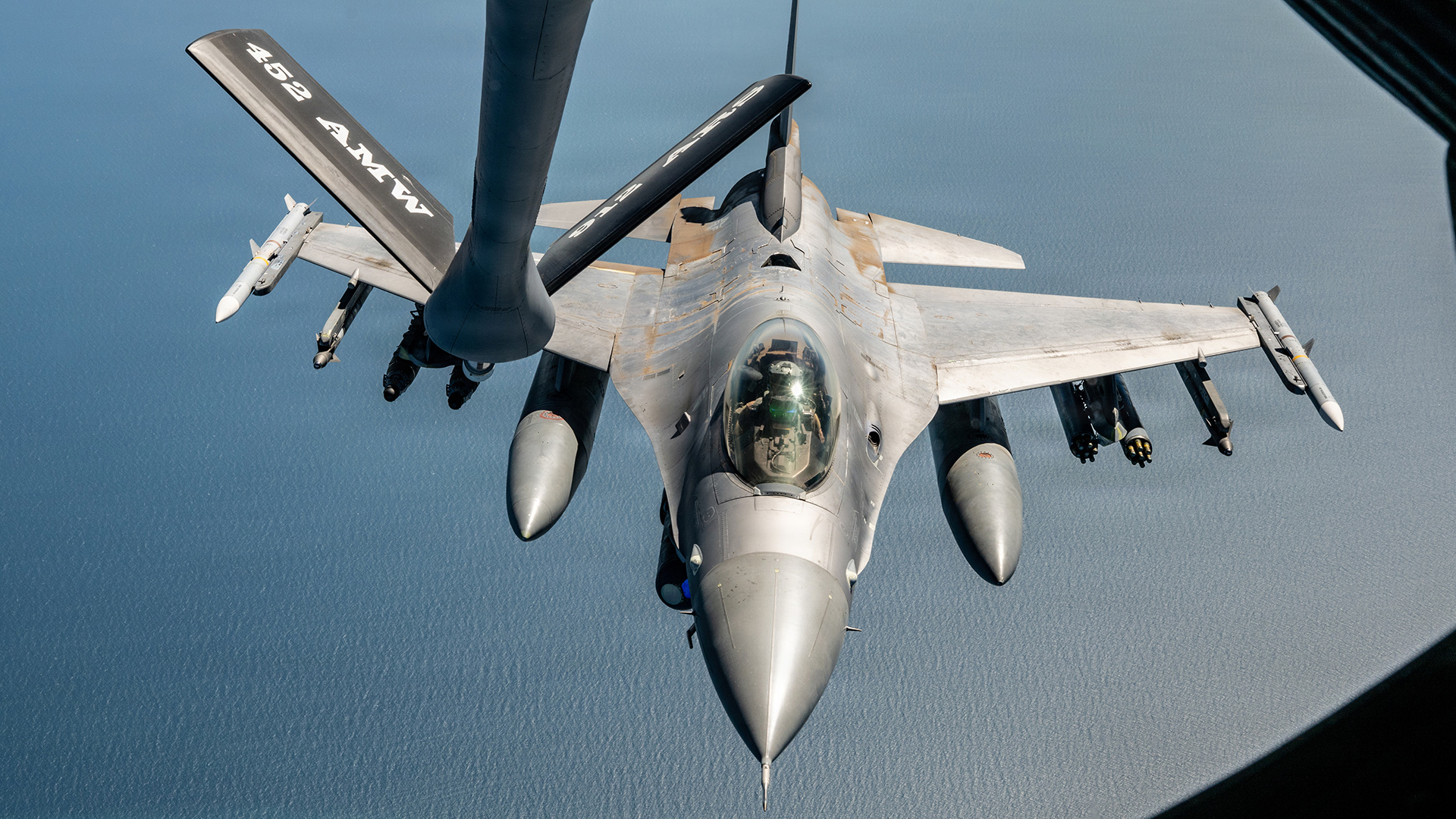
The architecture of the shield relies on a unified, network-centric ecosystem. It is designed to seamlessly interface with Greece’s upcoming Belharra (FDI) frigates, upgraded F-16 Viper fighters, incoming F-35 stealth jets, and existing Patriot missile batteries.
The primary systems slated for integration comprise:
IAI Barak MX: Operating as the backbone of the entire network. Utilizing three missile variants with ranges spanning 35 to 150 kilometers, it will completely phase out legacy, Cold War-era Hawk systems.
Rafael David’s Sling: Tasked with mid-to-upper-tier interception of advanced ballistic missiles and long-range threats. This system will functionally replace the Soviet-origin S-300 systems currently in the Hellenic inventory.
Rafael SPYDER: Providing short-to-medium range coverage (15, 20, and 40 kilometers). These mobile batteries will replace aging eastern-bloc legacy systems like the OSA-AK and TOR-M1.
ELTA EL/M-2084 MMR Radars: These mobile, Multi-Mission Active Electronically Scanned Array (AESA) radars will overhaul the Hellenic Air Force’s Air Control System. The state-of-the-art arrays can simultaneously track up to 1,200 airborne targets at ranges up to 475 km, or up to 200 weapon ballistic trajectories within a 100 km radius.
Greek-Built C4I Hub: The vital Command, Control, Communications, Computers, and Intelligence (C4I) architecture will be co-developed and assembled in Greece alongside domestic software and engineering firms.
Débâcle per la maggioranza in commissione Finanze del Senato: per problemi di copertura mercoledì sono stati ritirati sia l’emendamento Lotito che puntava a riaprire la sanatoria riservata alle partite Iva che aderiscono al nuovo biennio del concordato preventivo biennale con le Entrate sia quello della Lega che bloccava il pignoramento dei conti correnti per i contribuenti in regola con rottamazioni o rateizzazioni fiscali. Il giorno prima il partito di Matteo Salvini aveva dovuto dire addio anche alla riapertura della rottamazione quater per chi era decaduto e all’allargamento della quinquies anche ai debiti nati da accertamento, esclusi dalle norme inserite nell’ultima legge di Bilancio.
Solo la proposta a prima firma del senatore di Forza Italia e presidente della Lazio è stata ripescata trasformandola in un ordine del giorno: per le coperture “il governo si è impegnato a trovare una soluzione”, ha fatto sapere il presidente della Commissione, Massimo Garavaglia. Il fatto è che il nuovo regalo alle partite Iva a cui si applicano gli Indici sintetici di affidabilità fiscale (Isa), il 53% delle quali stando a quelle “pagelle” è inaffidabile, costerebbe caro. L’emendamento ritirato prevedeva infatti per i soggetti Isa che aderiscono al concordato per il biennio 2026-2027 potessero adottare il regime di ravvedimento speciale versando l’imposta sostitutiva delle imposte sui redditi e delle relative addizionali, nonché dell’imposta regionale sulle attività produttive.
Il ravvedimento, val la pena di ricordare, è di fatto un condono forfettario: ha permesso a chi ha accettato la proposta di reddito dell’Agenzia delle Entrate per il biennio 2024-2025 di mettersi in regola per eventuali redditi evasi tra 2018 e 2023 pagando un’imposta sostitutiva dell’Irpef del 10, 12 o 15% – crescente al diminuire dell’indice di affidabilità fiscale – sul reddito già dichiarato incrementato di una quota fissa legata sempre al punteggio Isa: dal 5 (per chi ha Isa pari a 10) al 50% (in caso di Isa sotto il 3). Quei contribuenti dunque hanno sanato il nero pregresso sborsando una minuscola percentuale delle imposte evase, peraltro con la comoda opzione delle 24 rate mensili. Predita prevista per le casse pubbliche: quasi 1 miliardo. Riproponendo il regalo, il conto salirebbe.
In attesa di capire come si muoverà il governo, le uniche modifiche sostanziali incassate dalla maggioranza sono l’allungamento dei tempi per versare il dovuto in caso di adesione alla rottamazione quinquies e di quello per le definizioni agevolate decise dagli enti locali: i debitori avranno tempo per aderire fino al 15 dicembre (prima la scadenza era il 31 ottobre).
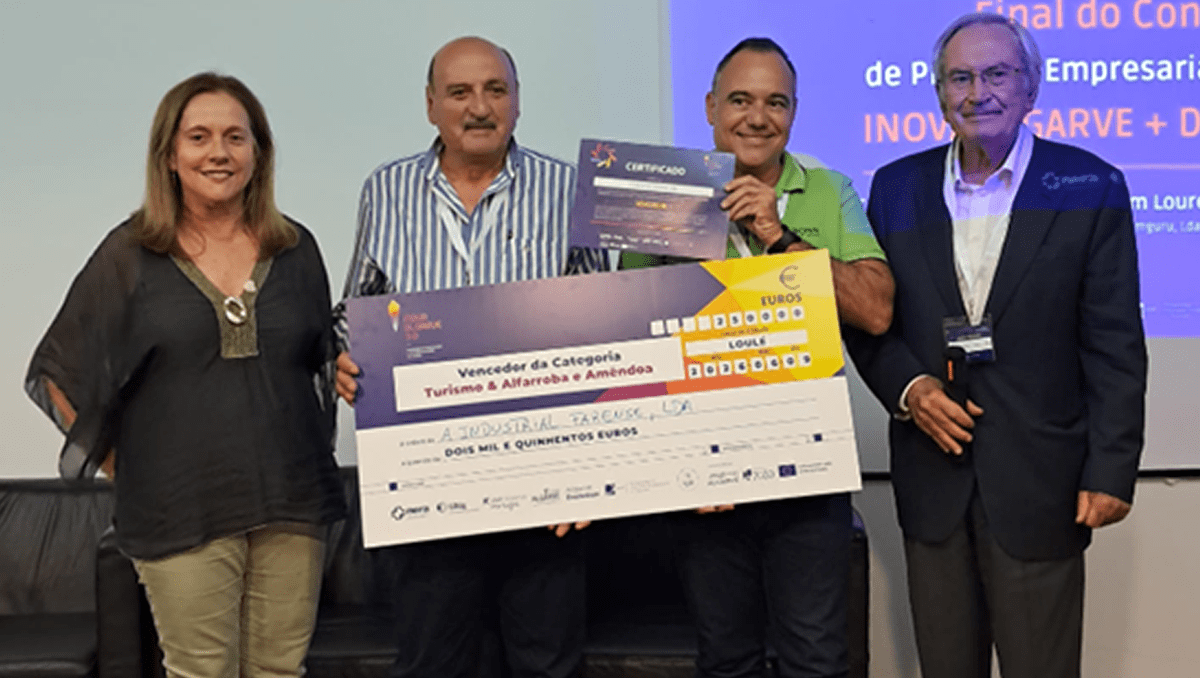
Na Final do Concurso de Projetos e Atividades Inovadores – INOVA ALGARVE + DIVERSIFICAR,promovido pelo NERA, o projeto algarvio «Viagem ao Coração da Alfarroba», da autoria da Industrial Farense, Lda., foi distinguido como vencedor da categoria “Turismo & Alfarroba e Amêndoa”.
Para além da distinção, o projeto recebeu um prémio monetário de 2.500 euros.
O prémio foi atribuído durante a Conferência dedicada à Fileira da Alfarroba e Amêndoa. O projeto vencedor «Viagem ao Coração da Alfarroba», apresentado por Carlos Moura, destacou-se pela criação de uma experiência de turismo industrial dedicada a uma das mais emblemáticas fileiras agroalimentares do Algarve.
O conceito propõe visitas guiadas às unidades de produção, permitindo aos visitantes conhecer o percurso da alfarroba, desde a sua transformação até aos diversos produtos dela derivados. A iniciativa pretende valorizar este recurso endógeno, promover os produtores e empresas locais e contribuir para a diversificação da oferta turística regional.
Saliente-se que o ciclo de Conferências INOVA ALGARVE + DIVERSIFICAR prossegue já no próximo dia 18 de junho, com uma sessão dedicada à Fileira do Medronho, dando continuidade ao trabalho de valorização das fileiras estratégicas e dos recursos endógenos do Algarve.
Após o interregno de verão, a iniciativa regressará com novas conferências centradas nas Plantas e Flores, Economia do Mar, Recursos Geológicos e Citrinos.
Note-se que a participação é gratuita, mediante inscrição prévia, estando o programa completo e o calendário das próximas sessões disponíveis em https://inova-algarve.pt/ciclo-de-conferencias
A organização da iniciativa é do NERA, em parceria com a Algarve Evolution, Associação KIPT, CCDR Algarve, Região de Turismo do Algarve, Tertúlia Algarvia e Universidade do Algarve, no âmbito do Projeto INOVA ALGARVE 3.0, cofinanciado pelo Programa Regional Algarve 2030 | Portugal 2030.
The Vine of Pausanias is tangled and about 100 meters long. Foresters believe it to be about 3,000 years old. Photo credit: Kalavryta Municipality
When ancient Greek geographer Pausanias sat down to rest beneath the shade of the giant vine, he was unaware it was probably the oldest in the world.
It was approximately 160 AD when Pausanias (110-180 AD) enjoyed the shade of the ancient vine (Vitis vinifera) in the modern-day Peloponnesian community of Sella Pagrati on the Tripoli-Kalavryta national highway.
Today, the Vine of Pausanias is a tourist attraction on the border of the Arcadia and Achaia prefectures within the courtyard of the Agios Nikolaos church. According to agriculturalists, it is estimated to be about three thousand years old.
In the book, Food and History, Vol 11 (pp. 27-34) by Boursiquot, Lacombe, Laucou, and Bakasietas, there is a description of the ancient Greek vine:
“In order to contribute to the development of knowledge on the ampelographic heritage and the viticultural genetic resources of Greece, we have characterized the so-called ‘Pausanias’ vine at the ampelographic and molecular level. This vine is located in the center of the Peloponnese (village of Pagrati, Prefecture of Achaia). It is named and listed under the name of ‘Vine of Pausanias,’ Greek geographer of the 2nd century AD, even if its origin and its real age are not really known. The results of the analyses show that it is not an ancient Greek grape variety but a lambrusca (Vitis vinifera subsp. sylvestris), whose specificity lies in the fact that the strain has been maintained naturally for a very long time, and probably for several centuries, without any particular human intervention. In this respect, and by its spectacular development, it is certainly a unique and quite exceptional example.”
Although it blooms every May, the vine no longer produces fruit. It is about 100 meters (328 feet) long and has 9 shoots (trunks), which spread in a grove of hollow oak bushes (Quercus coccifera). Many of its branches have even climbed the oak bushes. It should be noted that, according to the villagers, many of the shoots were cut by the Germans during the 1941-1944 Occupation.
Pausanias went for the trout
In his book Arcadika (8.21.2), Pausanias claims he had visited the area to see if the rumor that the trout of the Aroanios River sang like the song thrush bird was true: “…here the fish of the Aroanios River are so delicious that they sing like thrushes.” (Greek: “εἰσὶ δὲ ἰχθῦς ἐν τῷ Ἀροανίῳ καὶ ἄλλοι καὶ οἱ ποικιλίαι καλούμενοι: τούτους λέγουσι τοὺς ποικιλίας φθέγγεσθαι κίχλῃ τῇ ὄρνιθι ἐοικός.”)
The ancient Greek geographer discovered that local gourmands had a metaphor to describe the flavorful Aroanios River trout. Later on, he sought the shade of the vine, which he found impressive. The villagers hosted him, providing him with a trout meal and offering him water from the nearby spring.
Ancient legends connect the Vine of Pausanias with the third of the twelve labors of Heracles, which was to capture the Ceryneian Hind, the golden-horned deer sacred to Artemis. According to the legend, while the hero was on the hunt for the deer, it reached the vine, and its long horns became tangled, enabling Heracles to capture it. Due to this myth, the location of the Vine of Pausanias had also been named Kynigari (Greek: Κυνηγάρι), meaning “hunting place” in Greek.
Protected national monument
The vine was declared a Protected Natural Monument in 1975 (Government Gazette 738/B/1975). Regarding the vine’s physical condition, the scientific committee of the ECOCITY NGO estimates that the original trunks of the plant have disappeared due to the natural deterioration of time, while their remaining lower parts, which are one to one and a half meters high and at least 50 centimeters in diameter, have dried out.
Many other shoots have emerged from the numerous branches of the roots, climbing the tree-like oak bush forms. However, ECOCITY estimates that the condition of these “trunk shoots” seems almost hopeless, suggesting that the unique natural monument could potentially permanently disappear after about three thousand years.
To avoid destruction of the Vine of Pausanias, ECOCITY has long since forwarded a request to the competent services responsible for its preservation and maintenance. This in relation to the desired cooperation with the Viticulture and Arboriculture Laboratories of the Agricultural University of Athens so that they may take immediate action to improve the vine’s physical condition and prevent its complete demise.
In May 2014, with permission granted by the Ministry of Environment, Energy, and Climate Change, the members of the scientific committee of the Western Greece Sector of ECOCITY visited the Vine of Pausanias. They extracted samples from the trunks to determine precise dating. The team consisted of foresters and agriculturalists who then sent the samples to the head of the Archaeometry Laboratory of the NCSR “Demokritos.”
Unique and distinctive genotype
Genetic analysis of the Vine of Pausanias was carried out. Twenty microsatellite markers distributed throughout the genome were studied for this purpose, and comparison with 119 Greek varieties and 762 species of wild vines was performed.
The comparison to all the varieties in the Vassal collection (over 3000) proved that the vine’s profile is of a unique and distinctive genotype.
Its age is estimated to be several centuries old, but the number cannot be definitively determined. Its flowers are only ‘male,’ meaning the vine is not fruit-bearing.
Compared to other representatives of Vitis vinifera, wild or cultivated, that exist today in the world, the Vine of Pausanias is of a particularly original genotype, probably resulting from a limited number of sexual generations which have also undergone only few cycles of vegetative multiplication. In this regard, it is certainly a fascinating model for studies on the evolution and dynamics of the vine genome.
Nelle acque del mar Ionio, al largo delle coste leccesi, vive un piccolo organismo marino filtratore finora ignoto alla scienza, che da oggi porta il nome di uno dei volti più noti della televisione italiana. Si chiama Myxicola albertoangelai ed è la nuova specie scoperta da un team internazionale guidato dai ricercatori dell’Università del Salento, il cui nome è stato formalizzato in un recente studio tassonomico pubblicato sulla rivista scientifica Zoological Journal of the Linnean Society. L’intitolazione rappresenta un tributo diretto al lavoro del conduttore di Ulisse, capace di segnare il percorso accademico degli stessi autori della scoperta.
Le motivazioni della dedica: l’impatto sulle nuove generazioni di scienziati
La scelta di assegnare il nome di Alberto Angela a una nuova specie animale nasce dal riconoscimento del suo ruolo nella diffusione del sapere scientifico, sulle orme del padre Piero. A spiegarlo sono i ricercatori del Dipartimento di Scienze e Tecnologie Biologiche ed Ambientali di UniSalento, tra cui Matteo Putignano, Andrea Toso e Joachim Langeneck, i quali individuano nei programmi televisivi del divulgatore la scintilla che li ha avvicinati alla biologia marina. “Questa specie è stata denominata così come omaggio ad Angela e al suo lavoro, votato alla promozione della conoscenza presso il grande pubblico. I suoi programmi hanno lasciato un’impronta duratura nelle nostre vite e hanno contribuito alle nostre scelte di carriera”, dichiarano congiuntamente gli autori dello studio.
Una posizione ribadita anche in una nota ufficiale dell’Ateneo salentino, che inquadra la decisione come “un riconoscimento al suo straordinario contributo alla diffusione della cultura scientifica e alla sua capacità di avvicinare il grande pubblico alle meraviglie della natura, della storia e della ricerca”.
L’identikit della specie scoperta a Nardò
Dal punto di vista prettamente biologico, la Myxicola albertoangelai è un anellide polichete che rientra nella famiglia dei Sabellidae. Si tratta di un gruppo di organismi marini comunemente definiti nei paesi anglosassoni “eyelash worms” (vermi con le ciglia). La loro caratteristica anatomica principale è un apparato branchiale a forma di ventaglio, che l’animale utilizza per filtrare dall’acqua le particelle alimentari necessarie al proprio sostentamento. L’esemplare che ha permesso l’identificazione, definito “esemplare tipo”, è stato rinvenuto nei fondali di Santa Caterina di Nardò, nel mar Ionio settentrionale. La sua scoperta si inserisce in un quadro di ricerca più ampio: l’anellide leccese è infatti una delle quattro nuove entità biologiche classificate dai ricercatori durante un lavoro di profonda revisione dell’intero genere Myxicola.
Questo risultato è stato ottenuto applicando i principi della tassonomia integrativa, un approccio metodologico moderno che incrocia l’analisi morfologica visiva tradizionale con il sequenziamento e le indagini genetiche. Il ritrovamento della Myxicola albertoangelai conferma un dato scientifico rilevante: persino il Mar Mediterraneo, pur essendo uno dei bacini idrici più perlustrati e studiati al mondo, ospita ancora specie sconosciute o precedentemente confuse e raggruppate in modo errato sotto nomenclature generiche.
O Tribunal Superior Eleitoral (TSE) suspendeu nesta terça-feira (9) o julgamento sobre a validade da divulgação de uma pesquisa intenção do voto para presidente da República promovida pela AtlasIntel.
A análise do caso foi suspensa por um pedido de vista da ministra Estela Aranha. Até o momento, o placar do julgamento está 1 a 0 pela suspensão da pesquisa. Não há data para retomada do julgamento.
Ontem (8), o presidente do TSE, Kassio Nunes Marques, suspendeu a divulgação do levantamento e entendeu que a pesquisa induziu as respostas dos eleitores.
A pesquisa foi divulgada no dia 19 de maio e apontou queda de cinco pontos na intenção de voto para o senador Flávio Bolsonaro (PL-RJ), pré-candidato à presidência, após o surgimento da conversa do parlamentar com o banqueiro Daniel Vorcaro.
O ministro atendeu ao pedido de suspensão feito pelo PL. O partido questionou perguntas relacionadas ao caso Master e disse que também foi apresentado aos eleitores o áudio no qual Flávio aparece pedindo dinheiro a Vorcaro para financiar o filme Dark Horse, cinebiografia do ex-presidente Jair Bolsonaro.
Com a decisão individual de Kassio, a pesquisa não pode permanecer publicada nos canais oficiais da empresa, ser republicada ou impulsionada nas redes sociais.
Plenário
Na sessão de hoje, o plenário do TSE começou a decidir se a decisão do presidente será referendada.
Ao reafirmar seu voto, Kassio disse que há elementos consistentes para o possível "comprometimento da neutralidade metodológica" do questionário submetido aos eleitores e que citaram o caso Master.
"A existência de sequência de perguntas que, ao menos em juízo de cognição sumária, aparentam extrapolar a simples aferição neutra da opinião pública para introduzir estímulos narrativos possivelmente aptos a influenciar as respostas", afirmou.
Após o voto do relator, a ministra Estela Aranha pediu vista e o julgamento foi suspenso.
Defesas
O advogado Gualter Rafael Maciel Bezerra, representante da AtlasIntel, afirmou que o PL não apontou violação às regras para realização de pesquisas eleitorais e afirmou subjetivamente que Flávio foi prejudicado.
"O que se tem na representação é uma discordância da metodologia com relação a um fato político público e notório, qual seja, a relação de Flávio Bolsonaro, pré-candidato pelo PL, com Daniel Vorcaro e a questão do Banco Master", afirmou.
A advogada Maria Claudia Bucchianeri fez a defesa do PL e disse que o interesse pela divulgação de "pesquisas íntegras" é apartidário.
"Essa pesquisa tem um problema fatal, ela não trouxe a íntegra do questionário, porque ela incluiu um vídeo, que submeteu aos entrevistados, mas essa mídia não foi anexada, não foi sequer transcrita", alegou.
Áudio e vídeo
Durante o julgamento, o ministro Dias Toffoli pediu um aparte para questionar se um instituto de pesquisa pode mostrar um áudio ou vídeo ao formular perguntas ao eleitor.
"Pode fazer vídeo? A gente sabe o que vai acontecer, vai ter vídeo para tudo quanto é lado, e pesquisa que mostra aquele vídeo e depois faz a pergunta. Diante desse vídeo, você votaria em A, B ou C, votaria neste ou naquele. Vai ter vídeo até citando juízes. Não vamos ser ingênuos”, afirmou.
O ministro também disse que a decisão que será tomada pelo TSE vai fixar parâmetros para a divulgação de pesquisas de intenção de voto para as eleições de outubro.
“Vamos decidir o futuro. Pesquisa pode tudo ou não pode nada, ou pode perguntas claras e objetivas, sem induzimento. E qual seria esse limite do que é induzimento ou que não é induzimento", completou.
 Login
Login




ویدئوی منتشرشده در منابع عربی از اصابت به پایگاه آمریکا در بحرین pic.twitter.com/fW37dLXui6
لحظهٔ انهدام پهپاد MQ9 در آسمان شهرستان جم بوشهر در شب گذشته pic.twitter.com/aUe1eR5nRZ
https://t.co/ushxdE2mx0#MaritimeSecurity #MarSec pic.twitter.com/vtHpdNUm4Z