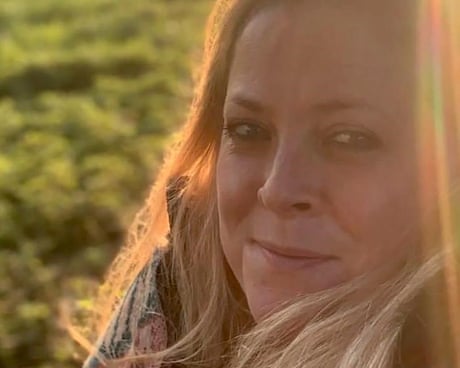
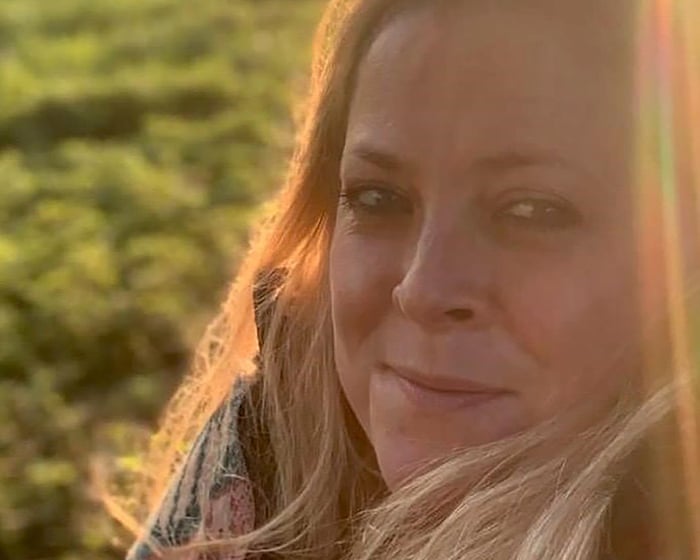
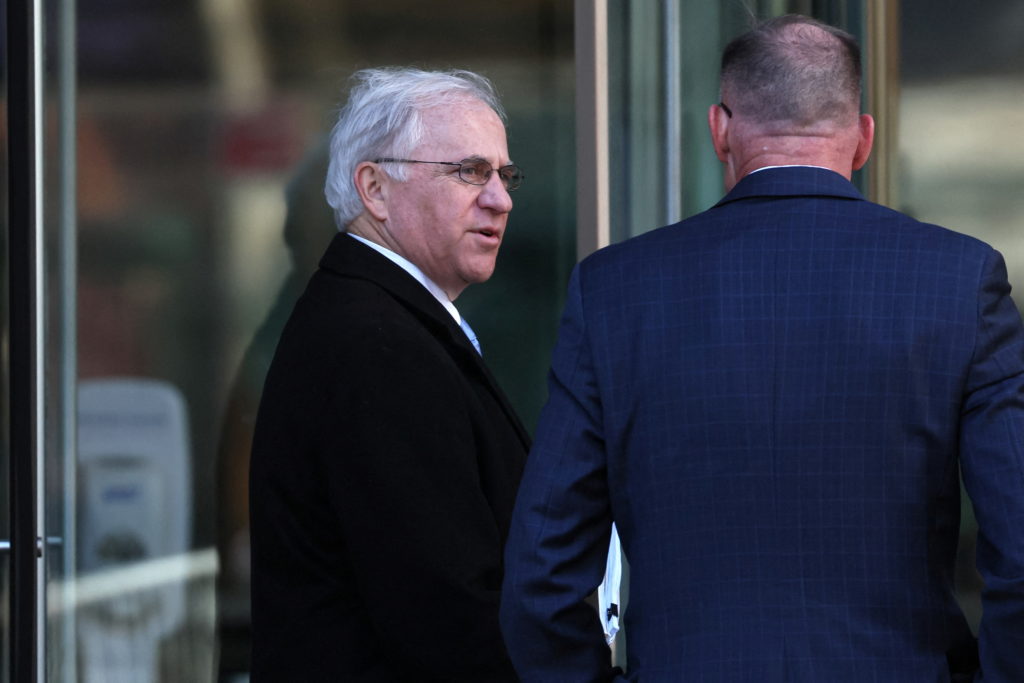
Father and mother of Annabel Rook praised her dedication to helping others and want to focus on her legacy
A retired Old Bailey judge has paid tribute to his daughter after her killer was jailed for life.
Today at Snaresbrook crown court, Clifton George, 45, was sentenced to life imprisonment after being found guilty of the murder of Annabel Rook, 46, whom he stabbed in the living room of her own home in Stoke Newington, north London.
Russia has begun moving gasoline to its frontline units in occupied Ukraine in convoys of civilian cars, the Ukrainian defense outlet Militarnyi reported. Soldiers filmed themselves loading jerrycans into ordinary trunks, an improvised workaround after Ukrainian drone strikes made fuel tankers too risky to run. Russian forces are also disguising army trucks as civilian vehicles along the supply route to occupied Crimea.
This comes amid Ukraine’s ongoing “Logistics Lockdown,” a campaign by several Ukrainian military branches and the Security Service to target Russian fuel, logistics, and other supplies across occupied territories, at depths of up to 200 km.
Soldiers filmed the fuel run themselves
A video on the Exilenova+ Telegram channel showed Russians describing a convoy of passenger cars assembled to carry one metric ton of gasoline, Militarnyi reported. A man off-camera says the cars left the city of Kizilyurt in Dagestan, Russia, on the local head's orders, with the fuel destined for Russian units in occupied Tokmak, Zaporizhzhia Oblast. The footage shows jerrycans filling the trunks:
Besides the fuel, the drivers carried 1.5 million rubles ($20,900) to buy another batch of gasoline. Fuel keeps Russian frontline positions running: generators power electronic-warfare systems, charge batteries for reconnaissance and strike drones, and run communications gear in dugouts and observation posts.
Disguised trucks and a strained supply line
Russian forces have also begun disguising army trucks as civilian transport because of Ukrainian drone attacks deep in the rear. In northern Crimea, monitors spotted a freshly painted blue Ural truck driven by a man in civilian clothes, still carrying military plates, its oversized body posing as a dump truck.
The command of Russia's Dnepr grouping ordered mass use of civilian vehicles to move fuel along the route linking Rostov-on-Don with occupied Crimea, the Krymsky Veter monitoring project reported. That improvisation tracks the M-14 corridor, now within Ukraine's deepening drone range.
Explore further
ISW: The strikes will likely cascade into deeper disruption across Russia’s rear supply network
Why Russia is improvising
Ukraine's Defense Forces have intensified drone strikes on logistics trucks and fuel tankers on the roads from Russia to occupied Crimea. The attacks have already forced the occupiers to limit cargo traffic through the occupied part of Kherson Oblast toward the peninsula, and Russia has closed stretches of its own land corridor to keep them clear of strike drones.
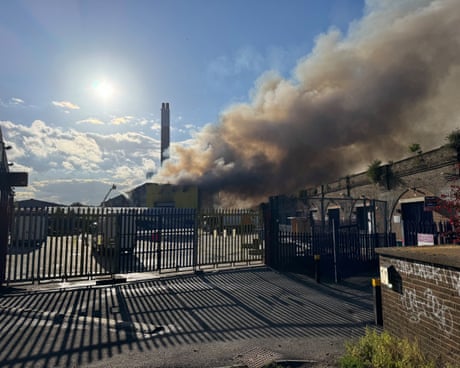
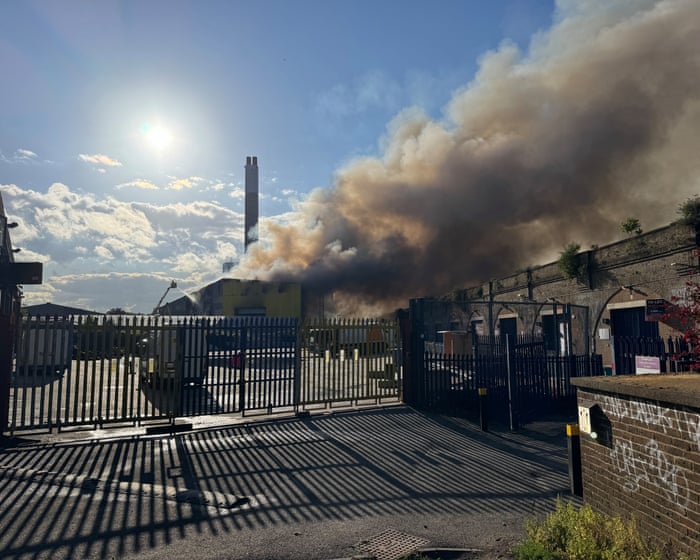
Measures being considered to crack down on practice that has grown as a result of Britain’s housing crisis
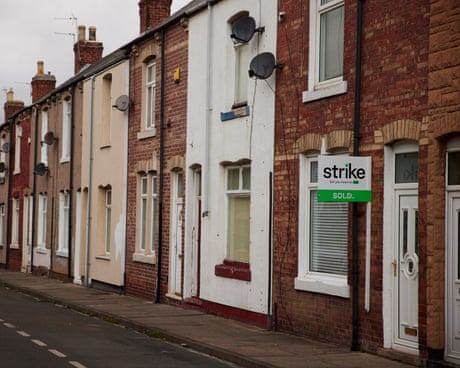
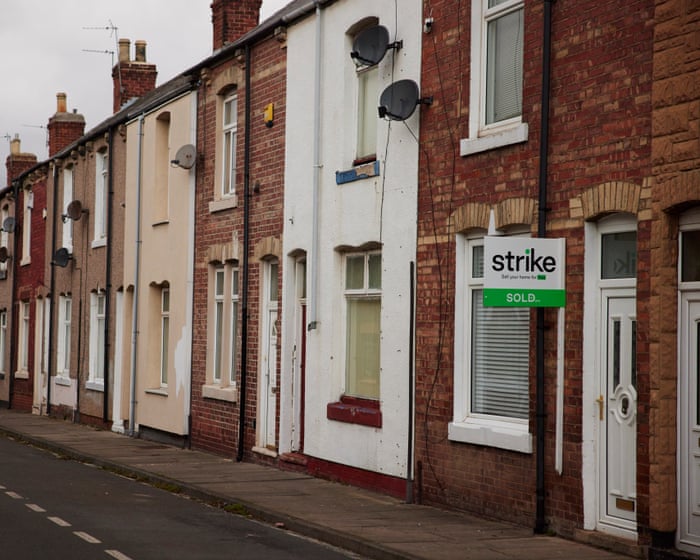
London councils could be banned from “dumping” homeless families hundreds of miles across England under measures being considered by ministers, the Guardian has learned.
MPs said vulnerable people, including women fleeing abuse, were being “coerced” into choosing between rough sleeping or moving to cheap, sparsely furnished properties in some of the poorest parts of the country.
A government-funded pilot of “hyperlocal” job support in 10 neighbourhoods across England has shown “promising early signs of effectiveness”, including for young people, and could be scalable nationwide, a new evaluation has shown.
The JobsPlus scheme, backed by the Department for Work and Pensions (DWP) and the Youth Futures Foundation, an independent non-profit organisation, focuses intensive support in a small area of predominantly social housing. Echoing a similar, long-established scheme in the US, “community champions” at each site help to engage hard-to-reach people in the local area.
Portrait of the king of Pontus Mithridates VI as Heracles, a mythical association that Alexander the Great often touted. Marble, Roman imperial period (1st century), Credit: Musée du Louvre, Paris, Public Domain.
Alexander the Great’s (356-323 BC) death meant his vision for a Greco-Persian Empire was extinguished with him—or was it?
A hodgepodge of East and West, Mithridates’ Pontic Empire emerges as a compelling possibility of what Alexander’s empire could’ve been, a faint apparition of that fleeting dream.
Alexander 2.0
Mithridates (135–63 BC) was the inheritor of two cultures and, naturally, an incarnation of two worlds. He delighted in his Macedonian heritage as much as his Persian forbearers.
Claiming Macedonian ancestry on one side and Persian dynastic lineage on the other, Mithridates used his mixed descent to reveal the commonalities between his diverse subjects.
Taking on Alexander’s mantle of global empire, Mithridates envisioned an alternative to Roman supremacy, a new world order.
To achieve this ambitious aim, the Pontian King united his Greek, Anatolian, and Persian subjects under an anti-Roman cross-cultural coalition.
The result of this cooperation was three wars mounted against Rome, wars that escalated to the point of genocide.
How could he amass such a diverse following against such a formidable foe?
Mithridates took a page from Alexander’s book and embodied East and West, both in appearance and idea.
Pontus: Alexander’s vision of empire?
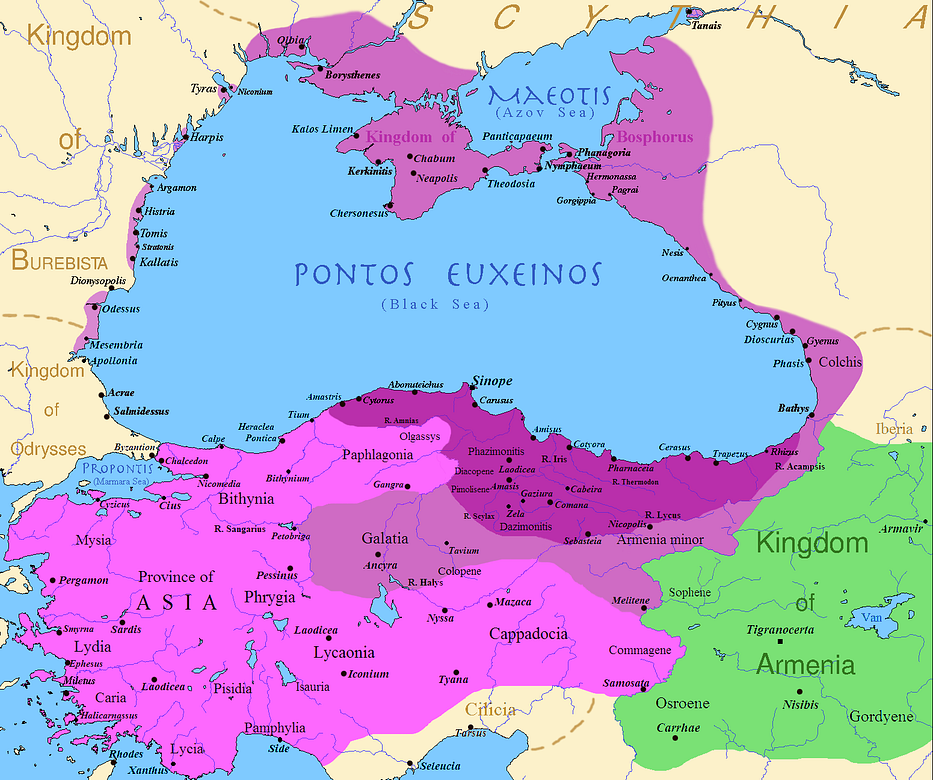
Map of the Kingdom of Pontus. Credit: Photograph by Javierfv1212, Public Domain, via Wikimedia Commons.
Mithridates hailed from the Kingdom of Pontus, a cultural melting pot that Alexander the Great would have approved of.
The north of Pontus’s snow-clad Alps was a largely Hellenic-dominated coastline. There, Greek colonists had erected the city of Sinope, Mithridates’ capital.
The historian Strabo, himself a Pontian, claimed that it was “the most noteworthy of the cities in the region.”
South of the Alps was known as Katpatuka (land of horses) by the Iranians and, later, Cappadocia by the Greeks. There, villages predominated apart from a few settlements, such as Amaseia, Strabo’s hometown, and Cabeira.
While Hellenic culture dominated the coast, the Cappadocian hinterland preserved its old Anatolian non-Greek heritage. Rostovtzeff (1932), a pioneer in Pontic history, described the Hellenic influence around the Black Sea as “a thin Greek shell around a hard native kernel.”
The third influence on the region was Iranian. The enduring relics of Persian rule would have been visible to many a Hellenistic Pontian. Strabo says that the Pontic people took sacred vows at the state temple, Zela, which were dedicated to Persian deities: Anaitis, Omanus, and Anadatus.
Moreover, Zeus Stratios, most likely a syncretic reincarnation of Ahura Mazda, received lavish offerings from Persian Kings, which Pontian rulers, including Mithridates Eupator, continued. The continuation of Persian religious customs well after an eclipse of Achaemenid authority attests to the impression Persian presence had made on Pontic royalty and their subjects.
In the subsequent Hellenistic period, the increasing pace of Hellenization of the kingdom meant that the Mithridates Dynasty had to evolve. There needed to be a balance between the new incoming wave of this ancient form of globalization with their Perso-Anatolian traditions that still held sway in their domain.
Divine descent
Mithridates Eupator depicted as Dionysus, Credit PHGCOM, Public Domain, via Wikimedia Commons.
Mithridates Eupator’s dual lineages afforded him illustrious ancestors and a unique hybrid set of dynastic customs. He was a Helleno-Persian Prince who practiced mixed religious rites.
Mithradates divine connections are well in accordance with Alexander the Great’s own claims. Like the Pontic King, Alexander claimed Heracles and Dionysus, among other numinous figures, as ancestors.
Consequently, the Pontic King embodied redemptive qualities resonating in the Greek and Perso-Anatolian worlds. For the Greeks, he established a mythical connection with Dionysus, the god of liberation and new beginnings, and took the theonym Mithridates Eupator Dionysus.
Likewise, Mithridates claimed heritage from Herakles, who emancipated the titan Prometheus, humanity’s creator. On the other hand, Mithridates’ star-signaling birth was said to fulfill Persian prophecies of a coming savior from the East, as did his name, “Mithras-sent.”
Global principles
Persian Magus-king conducting a fire ritual. Mithradates’ fire ceremony followed the traditional customs of his Persian ancestors. Detail from red-figure vase 3297, side A, by the Underworld Painter, 4th century BC. Credit: Staatliche Antikensamm lungen und Glyptothek, Munich, Public Domain
In addition to religious mediation, Mithridates weaponized the growing resentment of his subjects. Just like Alexander’s vision for his diverse empire, the Pontian King tried to respect Greek and Iranian values.
Both Greeks and Perso-Anatolians were chafing under Roman occupation. In mainland Greece and Anatolia, the common hatred towards Roman rule provoked a transcultural antagonism against Roman hegemony.
Debt accrued by Roman taxation hindered asa or Truth, a prominent Persian tenet. For the Greeks, Roman occupation was seen as compromising their eleutheria, or freedom, which was fundamental to Greek identity.
Mithridates acknowledged these grievances in his speeches, along with coins and other allusions. By showing sensitivity to both cultures, the Pontian King illustrated how compatible Iranian and Greek cultures could be.
This may be surprising, considering the tumultuous history that plagued the relations between Greeks and Iranians. Egregious crimes were committed in Athens by the Persians and by Greeks in Persepolis at Alexander’s instigation as punishment.
Yet Mithridates successfully harmonized the two cultures, as Alexander the Great’s policies aimed to accomplish.
Was Mithridates’ Pontian kingdom what Alexander’s empire could have been?
Sensitive to Greek and Perso-Anatolian culture, Mithridates entangled much of the Eastern Mediterranean in opposition to Rome. Mithridates carried on Alexander’s vision for an international empire even though he was unsuccessful in his wars against Rome. By doing so, the Pontian king proved Alexander the Great’s Helleno-Persian hypothesis was possible.
Alexander’s vision for joining East and West wasn’t an idyllic dream but was ultimately an achievable reality.
Ukrainian President Volodymyr Zelenskyy is willing to stop the war along the current line of contact and move to negotiations, he said in a Sky News interview. He presented the idea as the quickest route to a ceasefire, while rejecting any deal that hands Russia Ukrainian land. He also urged allies to close Ukraine's air defense gaps.
Russia has rejected every ceasefire Ukraine and the US have put forward and keeps refusing to halt an all-out war it has waged since its full-scale invasion in 2022. Whether a freeze ever takes hold rests with the Kremlin, whose demands still stretch far beyond the territory its army has managed to seize.
"The quickest way" to stop the fighting
Asked where he would freeze the lines if Russia agreed to a ceasefire, Zelenskyy said he is ready to accept today's positions.
"Yes, it's the quickest way," he said.
He insisted this is not a giveaway. He does not want to simply freeze the conflict, but to stop the war so it cannot restart "because of some crazy people." A freeze would let Ukraine save children's lives and bring soldiers home. Any ceasefire must be total and free of Russian games, watched by American and European partners. Only then would the sides sit down to end the war through diplomacy. A ceasefire, he added, is "the biggest compromise from our side."
The most urgent need from allies is air defense, Zelenskyy said. Ukraine faces a large deficit in anti-ballistic missiles, with US transfers slowed by the war in the Middle East. He again asked for more Patriot systems. Russia attacks daily, usually with around 300 long-range explosive drones. On the heaviest nights it launches 600 to 850 drones and dozens of missiles.
Ukraine's interceptors now down most of them, but the gaps remain dangerous.
Explore further
10% now, 23% after a ceasefire, 59% only at peace—Ukraine’s verdict on a wartime vote hasn’t moved all year
Ukraine's own arsenal
Ukraine has built more than 400 defense companies since the full-scale invasion, Zelenskyy said. Dozens rank among the world's strongest. They produce drones and missiles, some underground, and the country is close to its own ballistic missile. Ukraine can now share that expertise with allies and even build air defenses for Europe, he said. Kyiv aims to mass-produce drones on a scale few countries can match.
Bringing the war back to Russia
Ukraine's recent strikes on St. Petersburg and the Moscow region answer Russian attacks on Ukrainian energy, Zelenskyy said. St. Petersburg was hit twice last week. He wants Russians far from the front to feel the war they started. Russian President Vladimir Putin understands only "total pressure," he said. Sanctions on Russia's shadow fleet of sanctions-dodging tankers and its oil and gas exports hit hardest.
Zelenskyy said Putin does not want to stop the war and is signaling he wants to win. Whether the fighting ends "100% depends on his decision," he said. His 4 June open letter, which Moscow called rude and rejected, was meant to force an answer and pierce a Russian public living in "some fantastic world." Russian businessman Roman Abramovich came to Kyiv to carry messages to Putin, Zelenskyy said.
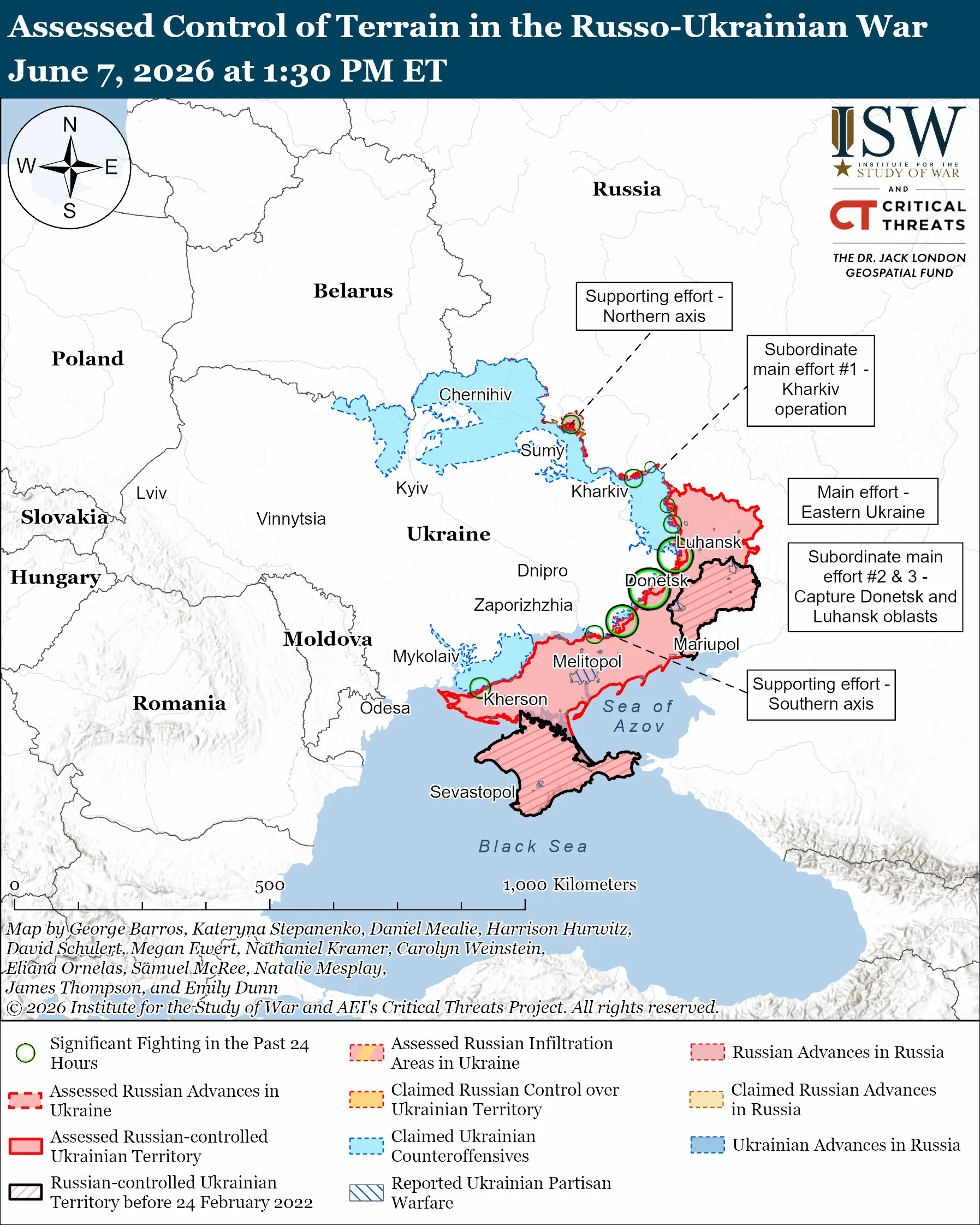
The so-called Donbas is a historic name for Ukraine’s two easternmost regions, Luhansk and Donetsk oblasts. Russia still failed to occupy a small part of Luhansk Oblast, as well as a significant swathe of Donetsk Oblast, which contains the so-called “Fortress Belt” that Russia has failed to break through despite its years-long ongoing offensive campaign. Map: ISW
His key message was on the Donbas: Ukraine will not leave its land, and compromises come only after a ceasefire. He is ready to meet in any format, but not in Moscow, Belarus, or Minsk. Leaders cannot decide "without us about us," he said, in a message aimed at Washington. Russia, by contrast, keeps insisting that Ukraine surrender all of the Donbas first.
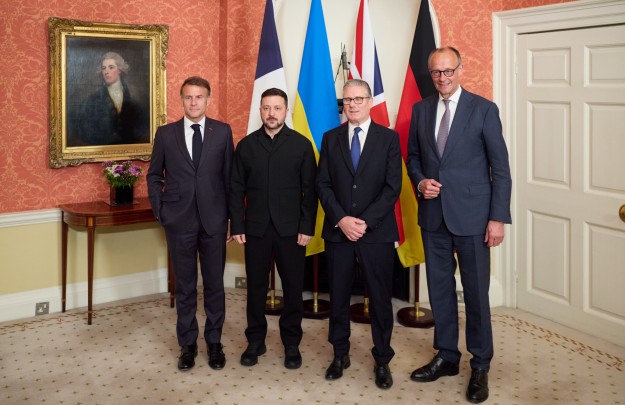
Britain, France, and Germany backed Ukraine's terms for ending the war after meeting its President Volodymyr Zelenskyy in London, according to their joint statement. They endorsed Kyiv's push for direct talks with Moscow and an immediate ceasefire, while spelling out what a lasting peace would require. The leaders also called for tightening the squeeze on Russia's war economy and scaling up Ukraine's air defenses.
Russia has been invading Ukraine since 2014 and waging all-out war since February 2022, and with Moscow still rejecting every ceasefire on offer, Kyiv and its Western partners are now trying to map out how the fighting could actually end.
Five conditions for peace
Meeting on 7 June, UK Prime Minister Keir Starmer, French President Emmanuel Macron, and German Chancellor Friedrich Merz set out five conditions for a just and lasting peace. The E3, as the three are known, are Ukraine's leading European backers. Their terms:
An immediate, complete ceasefire, which they urged Putin to accept.
The current front line as the starting point for talks, with no borders changed by force and Ukraine free to choose its alliances.
Robust, legally binding security guarantees once a ceasefire holds, building on the allies' December 2025 Berlin and January 2026 Paris commitments, including a multinational force in Ukraine.
Russian assets remain immobilized until Moscow ends its aggression and compensates Ukraine.
European interests safeguarded, with any EU- or NATO-related terms requiring both blocs' consent.
Explore further
“It was never formulated as Ukraine winning”—NATO’s ex-military chief on the missing strategy
Backing for direct talks with Moscow
The leaders commended Ukraine's president for his 4 June letter to Putin calling to end the war. They backed direct Ukraine-Russia dialogue, with the US and Europe actively taking part, to secure a ceasefire. Europe must play a role in any settlement, they said, working closely with Kyiv, the rest of Europe, and Washington.
Explore further
Germany, France, and UK sketch plan to bring Putin to the negotiating table
Pressure on Russia and more air defense
They denounced Russia's barrage of missiles and drones, including repeated strikes with the Oreshnik, a Russian missile. They also condemned dangerous Russian drone incursions into NATO territory and offered condolences to the victims. The leaders welcomed Ukraine's recent battlefield gains, from liberated territory to advances in drone warfare. They agreed to coordinate more support at the coming G7 summit in Evian, the next Coalition of the Willing meeting, and the NATO summit in Ankara. That includes choking off more of Russia's wartime revenue and a bigger military pledge at the NATO talks. They also urged scaling up interceptor production and co-developing anti-ballistic and deep-strike weapons.
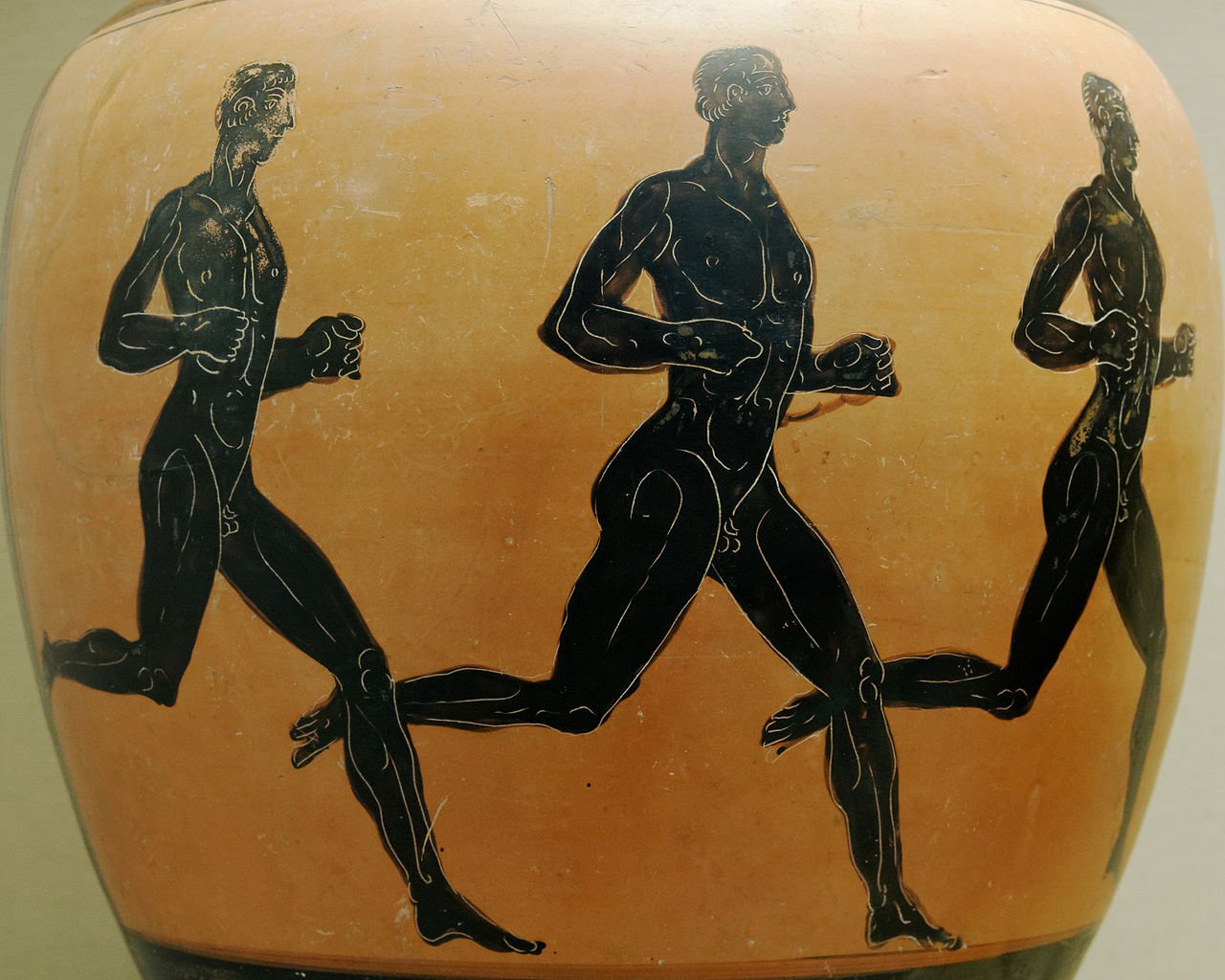
Pottery depicting three runners at the Olympic Games. Credit: Wikimedia Commons, CC-BY-SA-2.5
For many centuries, the ancient Macedonians lived on the fringes of the Greek world far removed from the prominent city-states of the south. For this reason, many have called their status as Greeks into question. Famously, only the Greeks could participate in the ancient Olympic Games. So then, what was the status of this northern tribe in that regard? Did the Macedonians participate in the ancient Greek Olympic Games or not?
The early years of the Olympic Games
According to the earliest tradition, the Greek hero Heracles founded the Olympic Games. The ancient historians placed the founding of this athletic competition in 776 BCE. For the first two centuries, there is no evidence that the Olympic Games involved the Macedonians. Why is this?
Put simply, the Macedonians generally did not have much to do with the Greeks of the south due to the fact that they lived so far north. This applied to numerous aspects of the Greek world and not just to the Olympics. They were generally quite isolated in terms of socio-political developments even though they worshipped the same gods and had the same traditions and language as the rest of the Greeks.
For this reason, it is no surprise that the Macedonians apparently did not, initially, express any interest in participating in the Olympic Games. They took place in Olympia at Elis in the Peloponnese far to the south of Macedonia.
King Alexander I, the first Macedonian in the Olympics
This changed at the turn of the 5th century BCE. At this time, King Alexander I of Macedonia wanted to participate in the athletic competition of Olympia. When he attempted to enter, the Hellanodikai, the judges of the competition, denied his request. There was, naturally, prejudice against Alexander’s people since they lived so far away from the rest of the Greeks.
However, Alexander was able to convince the judges to allow him to participate. He pointed out that his dynasty was founded by Perdiccas, the son of Temenus, a descendant of Heracles (Hercules). After hearing this explanation, the judges accepted that Alexander was a true Greek.
After Alexander participated in the Olympic Games, various other Macedonians also began doing so. It seems that he initiated an interest in the competition in his homeland.
Macedonians in the Olympic Games
At first, participation in the Olympic Games among Macedonians was limited to the royal dynasty. After Alexander I, there is a record of King Archelaus I participating. He competed in a chariot race and was victorious. This occurred in 408 BCE, still long before the expansion of Macedonian hegemony to all the Greek city-states.
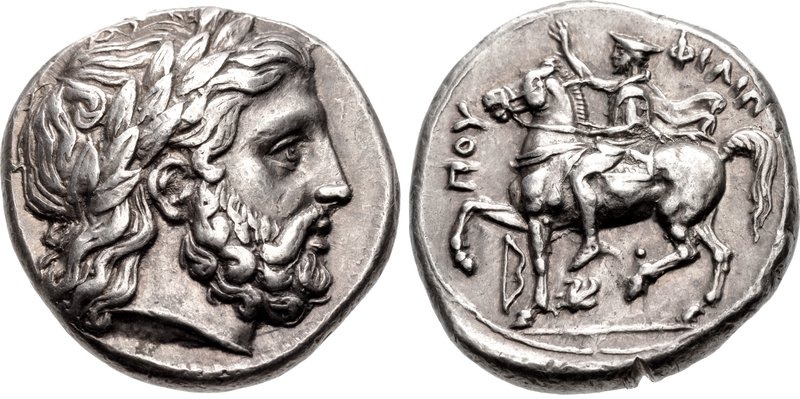
In the following century, King Philip II also competed in the Games. He was the father of Alexander the Great. Philip actually participated three times. All three times, two of which were chariot races, he was the winner. These three victories occurred in 356, 352, and 348 BCE.
Tetradrachm coin of Philip II of Macedon. Credit: Classical Numismatic Group / CC BY-SA 2.5 / Wikimedia Commons
Just after this era, we find records of non-royal Macedonians participating in the Olympic Games. Perhaps King Philip’s impressive series of victories had something to do with this. In 328 BCE, there is a record of a man named Cliton winning the important running race. Based on the available records, he was the first non-royal Macedonian to win in the Games.
After Cliton, we find records of various other Macedonians participating in and winning many of the events in the Olympic Games. In fact, we find an average of approximately one Macedonian winner per decade over the next six decades. Additionally, we need to consider the fact that we only have records of the winners. Likely, many other Macedonians participated in the Olympic Games during this period, and we certainly know that they continued to do so thereafter.
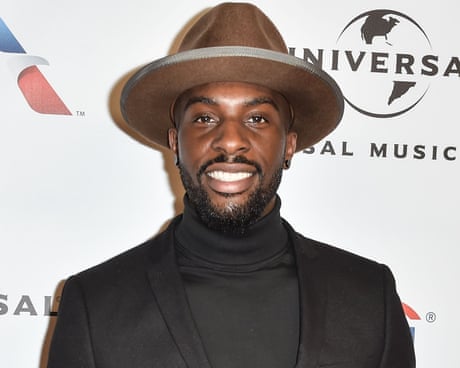
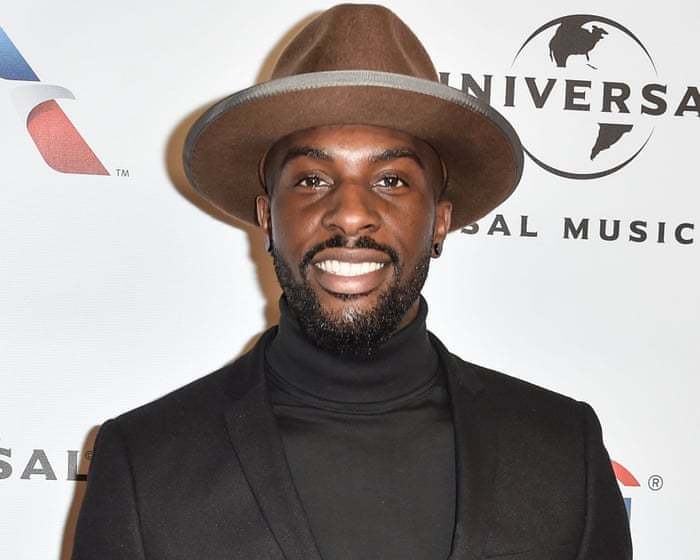
Singer-songwriter Talay Riley worked on tracks for stars including Tinie Tempah, Britney Spears and Craig David
Stormzy and Oritsé Williams are among the artists who have paid tribute to the singer-songwriter Talay Riley, who was stabbed to death in Silvertown, east London.
The 35-year-old musician, whose real name was Mark Orabiyi, was found with stab wounds by paramedics on the morning of 5 June and pronounced dead at the scene.
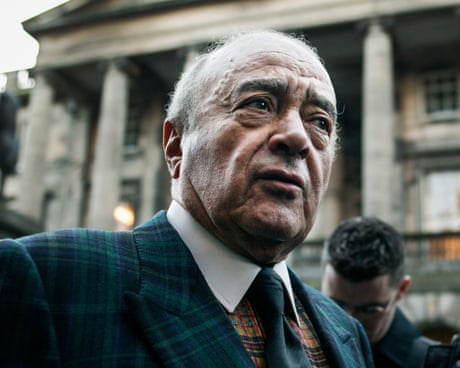
Without it the ‘true scale’ of former Harrods owner’s alleged network will stay hidden, says survivors’ group
Survivors of abuse perpetrated by the former Harrods owner Mohamed Al Fayed are calling for a full trafficking investigation to be launched, arguing that without it the “true scale” of the billionaire’s alleged network would remain hidden.
Survivors at No One Above (NOA), a collective founded by victims of abuse at the hands of Fayed, are calling for the Metropolitan police to broaden their investigation into the billionaire and make trafficking the main focus.
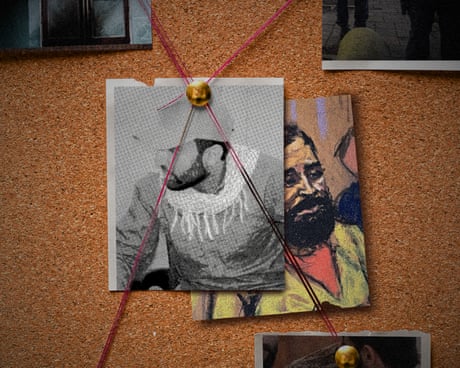
Legal papers, expert investigations and social media posts tell story of how a 32-year-old Iraqi appeared to run ‘proxy’ campaign
On Monday, a slightly dishevelled Iraqi man, shackled and dressed in beige prison overalls, was ushered into a Manhattan courtroom.
Mohammad Baqer Saad Dawood al-Saadi, 32, pleaded not guilty to a series of terrorism-related offences, then gestured toward the judge and prosecutors. “I’m a prisoner of war. I’m not a threat,” he told them. “Children and women are being killed by your rockets.”
President Donald Trump has issued a pardon to Stephen Buyer, a former Republican congressman from Indiana who served nearly two years in prison for making illegal stock trades based on inside information after he left office.

 Login
Login