Reading view

El Congreso aprueba el tratado de amistad entre España y Francia pese al rechazo del PP y Vox

La Comisión de Asuntos Exteriores del Congreso ha aprobado este miércoles el Tratado de Amistad y Cooperación entre España y Francia, más conocido como tratado de Barcelona por la ciudad donde se firmó hace casi tres años y medio. El acuerdo estaba en el limbo desde que fue tumbado en mayo de 2025 en el pleno del Congreso, con los votos negativos del PP y Vox y la abstención de Junts per Catalunya (JxCat) y Podemos. Ahora, sin embargo, ha salido adelante con 20 votos a favor y 17 en contra, gracias a que estos dos últimos grupos han pasado de la abstención de hace 13 meses al sí. Para su aprobación definitiva queda un último trámite: su ratificación por el pleno de la Cámara baja previsto para la próxima semana. Tras la votación de este miércoles ya no hay duda de que saldrá adelante.
Seguir leyendo

© Andreu Dalmau (EFE)

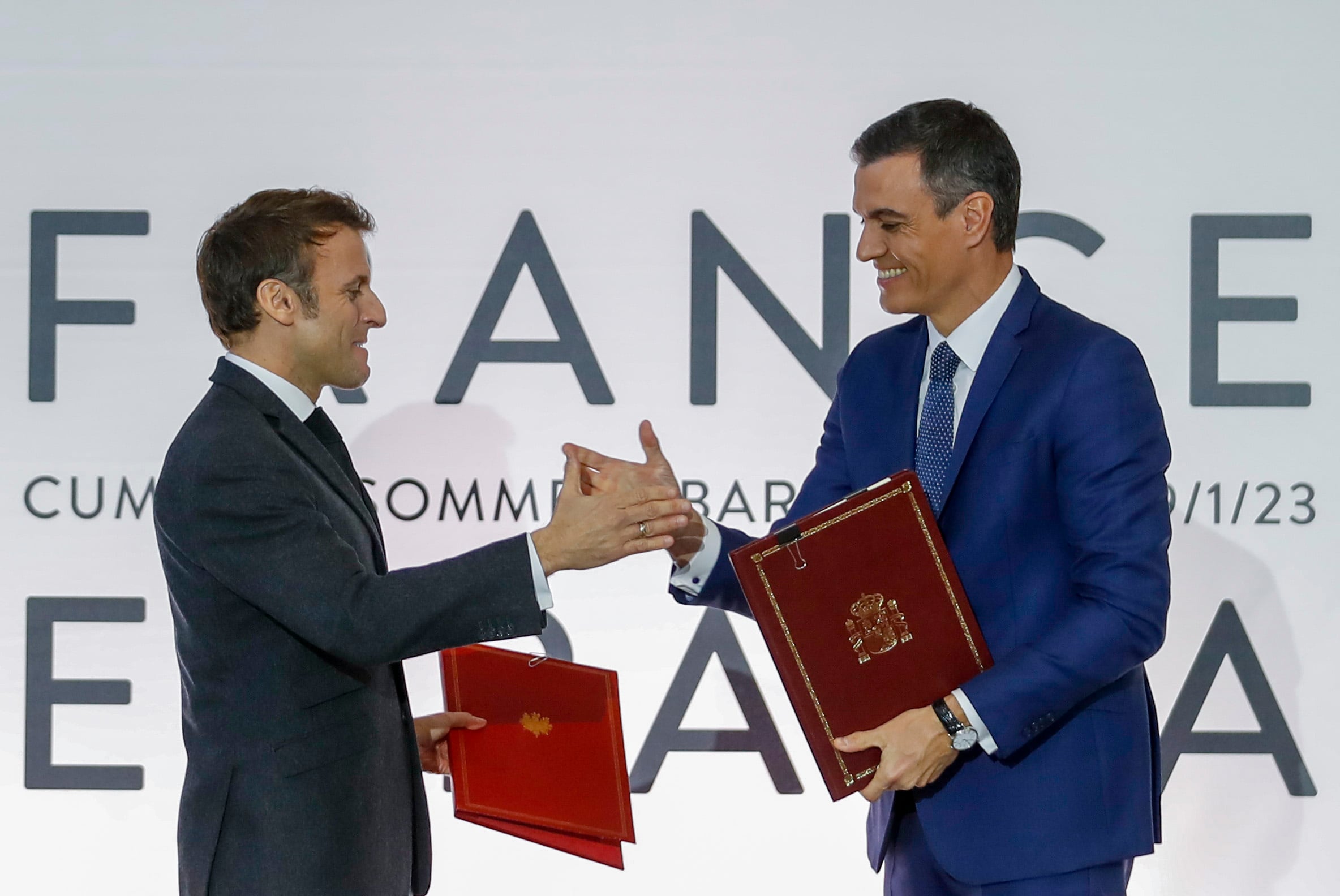
El presidente del Gobierno, Pedro Sánchez, a la derecha, y el presidente francés, Emmanuel Macron, durante la firma del tratado de amistad entre los dos países en Barcelona en enero de 2019.
  •  

Noruega presiona a la UE para que avale la extracción de petróleo del Ártico

La Unión Europea difícilmente habría podido sobrevivir a la reciente sucesión de crisis energéticas ―dos en menos de un lustro― sin el petróleo y el gas de Noruega. Con dos guerras encadenadas en el tiempo, la de Ucrania y la de Oriente Próximo, el vecino del norte, gran reservorio fósil del continente, ha sido vital para asegurar el suministro en los cuatro años más complicados desde la turbulenta década de los setenta, cuando el cartel de la OPEP y la Revolución en Irán pusieron en jaque a Occidente. Con ese as bajo la manga, ahora es Oslo quien quiere sacar tajada de su condición de proveedor de último recurso.

Seguir leyendo

© Scott Wilson (Alamy Stock Photo)

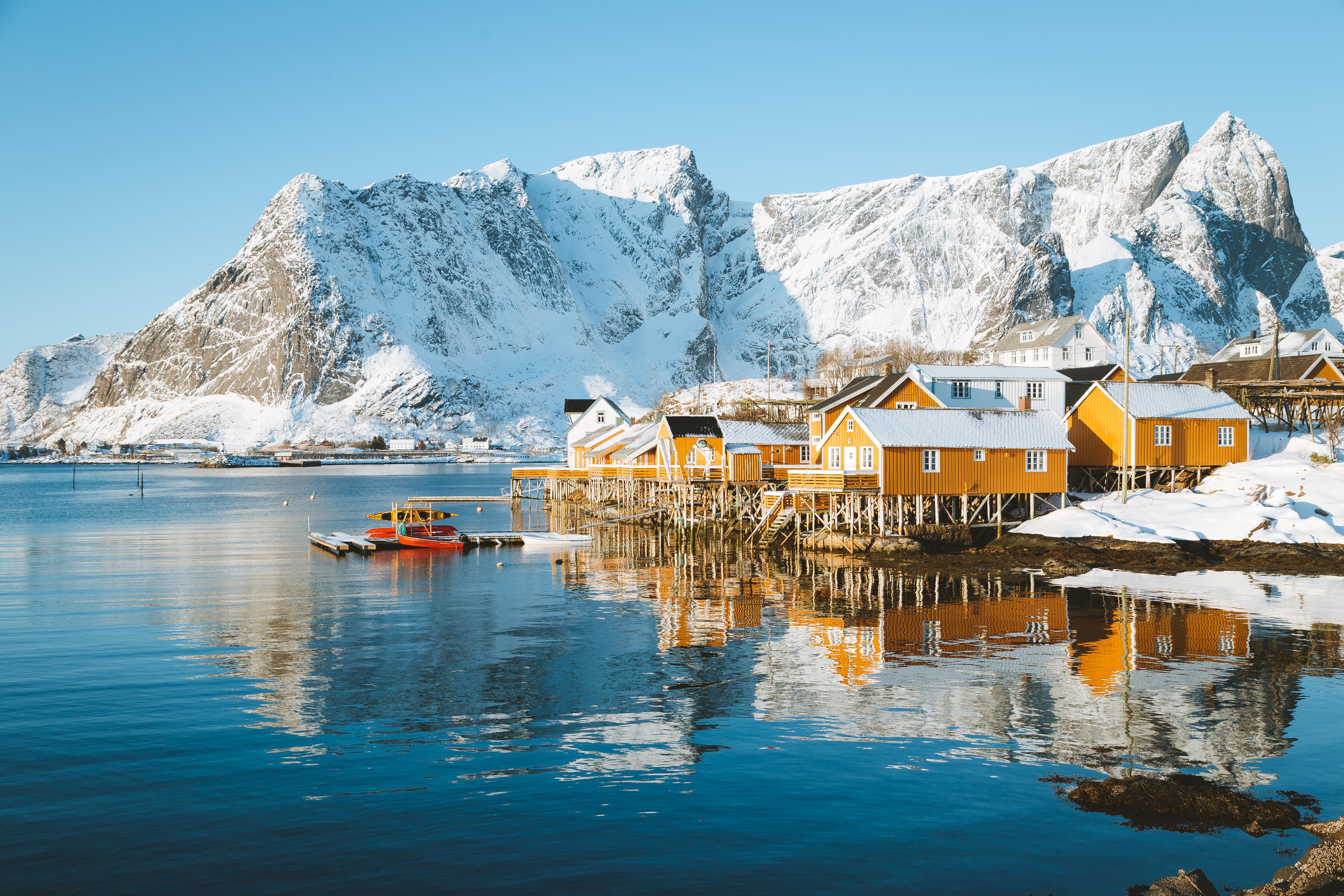
Las islas Lofoten, al norte de Noruega, en una imagen de archivo.
  •  

Iran and the US loosen their grip on the Strait of Hormuz despite attacks and twists in negotiations

Despite all the difficulties, as numerous as they are, something is moving in the Strait of Hormuz. Even before the United States and Iran agreed to reopen it, the world’s most important energy shipping lane has shown signs of a slight loosening. Despite the double blockade — imposed first by Tehran and then by Washington — the number of ships managing to transit has grown in recent days. Some — the majority — do so with the permission of Iran’s Islamic Revolutionary Guard Corps. Others are escorted by the U.S. Navy. A few take the risk on their own.

Seguir leyendo

© Reuters (REUTERS)

A drone view of vessels anchored in the Strait of Hormuz.
  •  

With time running out for him, Trump searches for an exit from the war in Iran

In the war with Iran, the sense of urgency has shifted sides. In February, the United States and Israel judged it so urgent to start the conflict that they were prepared to launch a massive strike and kill the supreme leader, Ali Khamenei, even amid negotiations; three months later it is Donald Trump who is trying to keep alive the talks that would definitively end the conflict, while Tehran remains firm. The U.S. president showed that attitude again on Monday when he ordered Israel’s prime minister, Benjamin Netanyahu, to halt the airstrikes the latter had announced on Beirut. The aim? To prevent the feared derailment of negotiations with the ayatollahs.

Seguir leyendo

© Stringer (REUTERS)

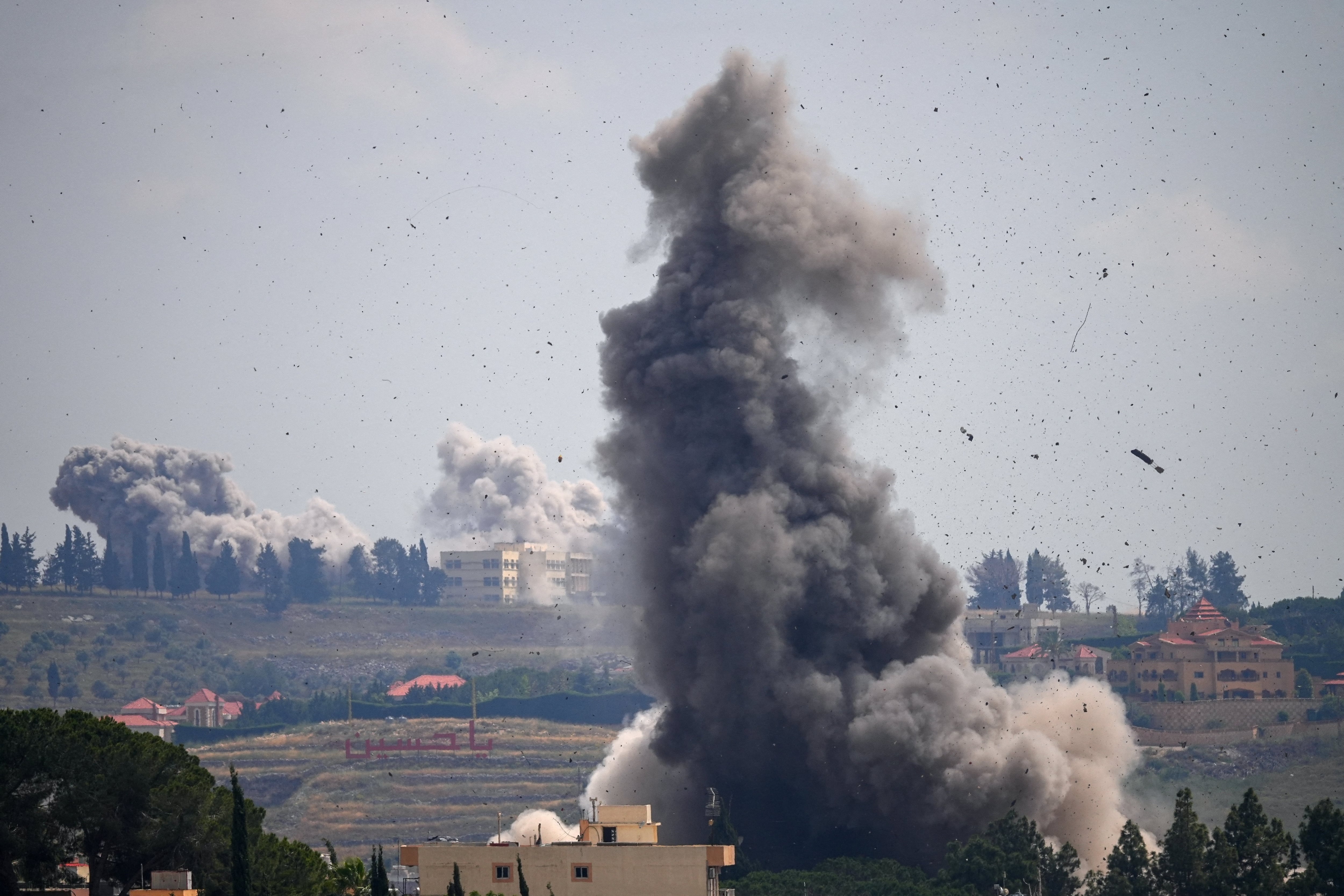
Israeli strikes on southern Lebanon this Tuesday.
  •  

Iran’s frozen assets, the last major stumbling block in negotiations with Washington

Talks to end the war with Iran and reopen the Strait of Hormuz appear, for the first time in three months, to be moderately on track. At least that is the impression conveyed by public statements and leaks from both sides: water is beginning to fill the deep negotiating well, which until now had been practically dry.

Seguir leyendo

© ABEDIN TAHERKENAREH (EFE)

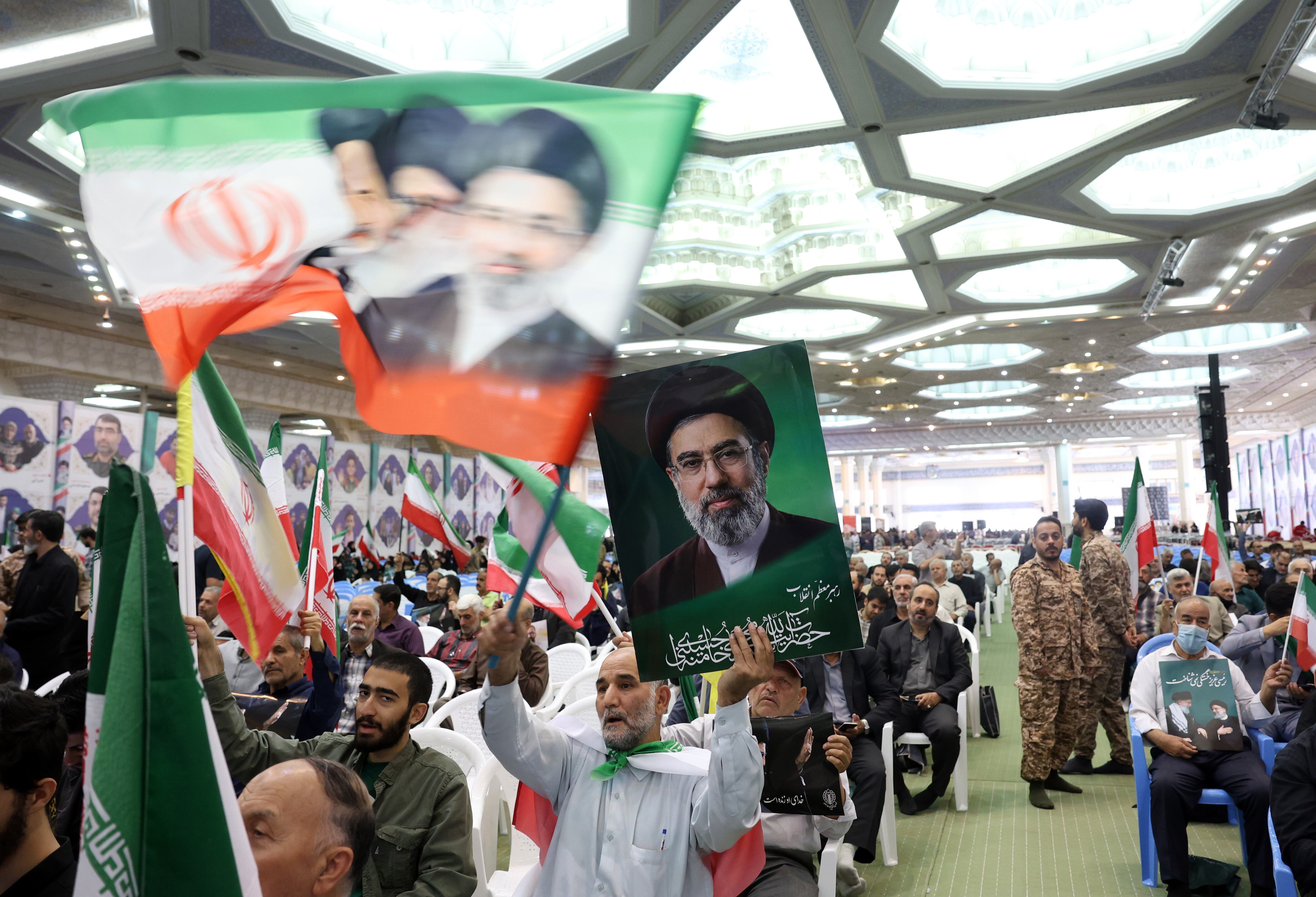
Memorial ceremony for those fallen in the war, Sunday in Tehran.
  •  
❌