Reading view

Ukrainian drones hit Dzhankoi as strike unit declares hunt on Russian Crimea logistics
Ukrainian strikes on the Dzhankoy

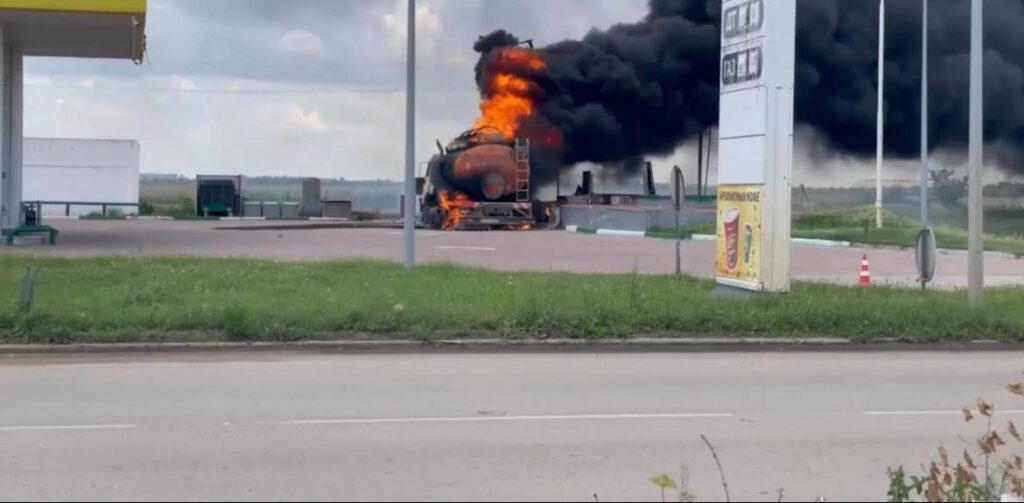
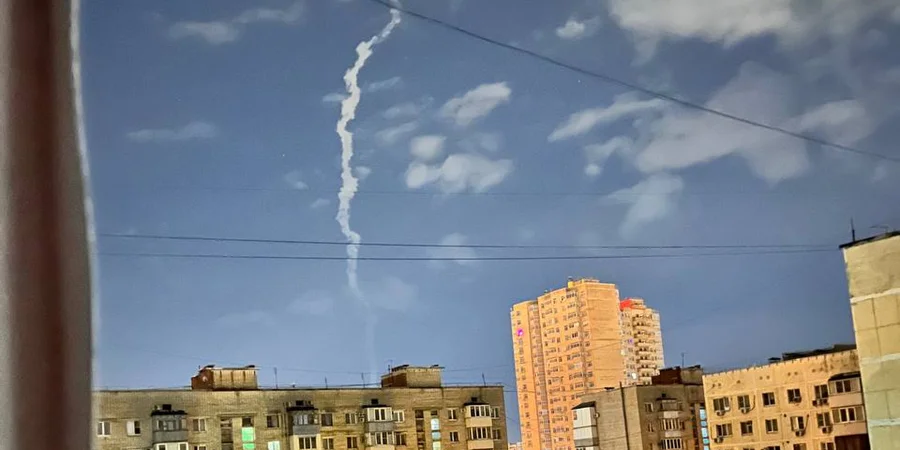
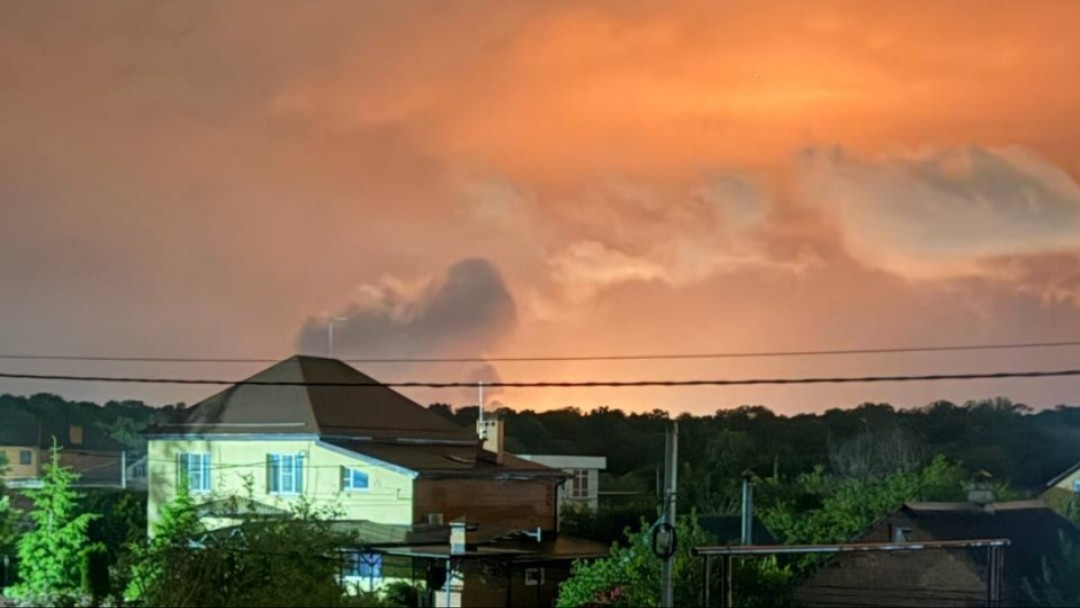
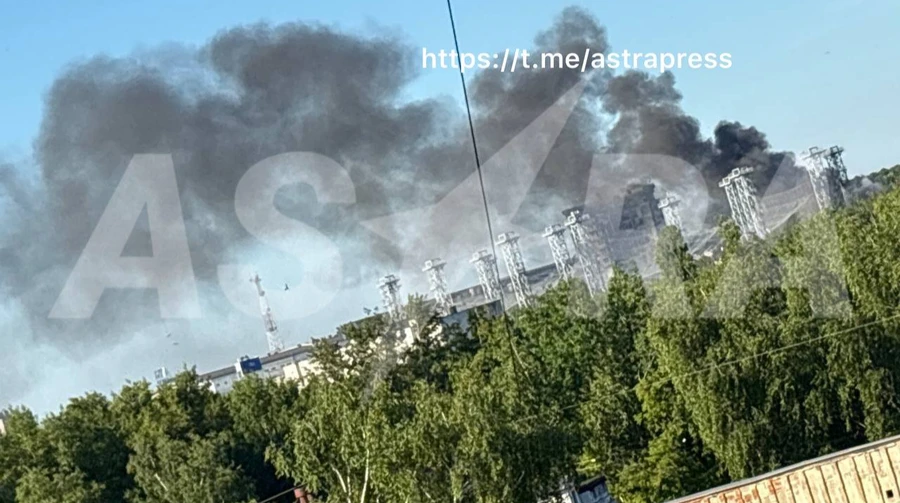
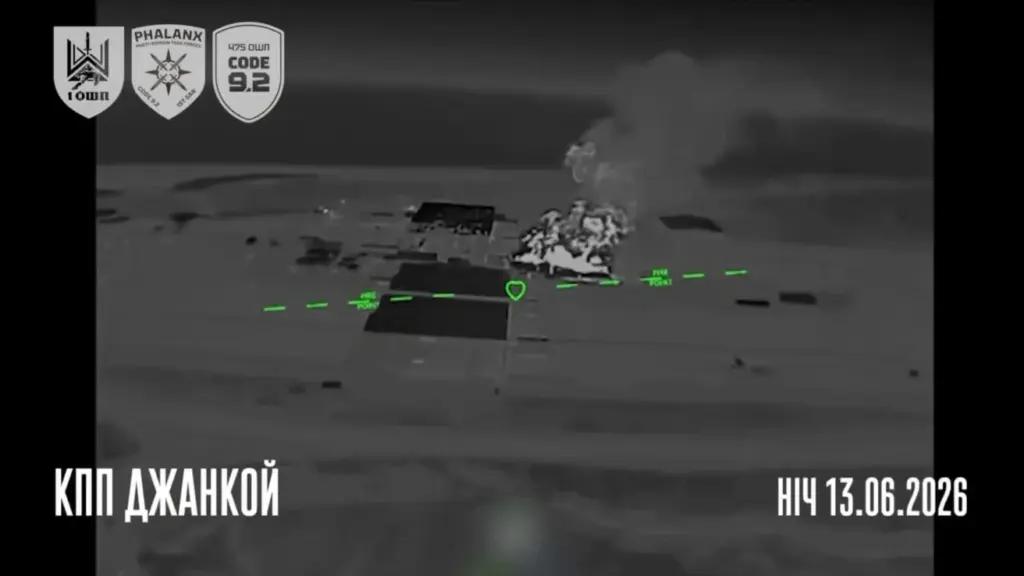
Ukrainian drones struck the Dzhankoi checkpoint, a railway bridge, a Russian pontoon crossing, and trucks at Chonhar overnight on 13 June, hitting four targets along the only land corridor between Russian-occupied Crimea and the southern front. Traffic toward the Dzhankoi checkpoint was halted, Russia's installed head of occupied Kherson Oblast Vladimir Saldo said on Telegram, claiming Russian air defenses shot down 25 Ukrainian drones overnight.

The strike marks a stated change in Ukrainian operational concept. The 1st Separate Assault Regiment named after Dmytro Kotsiubailo, which led the operation jointly with the 475th Separate Assault Regiment "CODE 9.2," announced it is moving from one-off attacks on the bridges themselves to sustained patrol of the entire logistics route. "We are transitioning to patrolling enemy logistics from temporarily occupied Crimea and blocking attempts to restore crossings," the regiment said in a statement posted to Facebook. "Pontoon throughput is low. Trucks accumulate in queues, becoming ready targets for us." Russian fuel and ammunition supplying Russia's southern front pass through this corridor.

What was hit

The Dzhankoi checkpoint controls the main road between northern Crimea and the Kherson Oblast mainland and serves as the busiest highway and rail junction in occupied Crimea. Saldo also said a bridge between Henichesk and the Arabat Spit, an alternative crossing point Ukraine first struck on 10 June, was attacked again overnight. Ukrainian forces did not confirm Saldo's air defense claim.

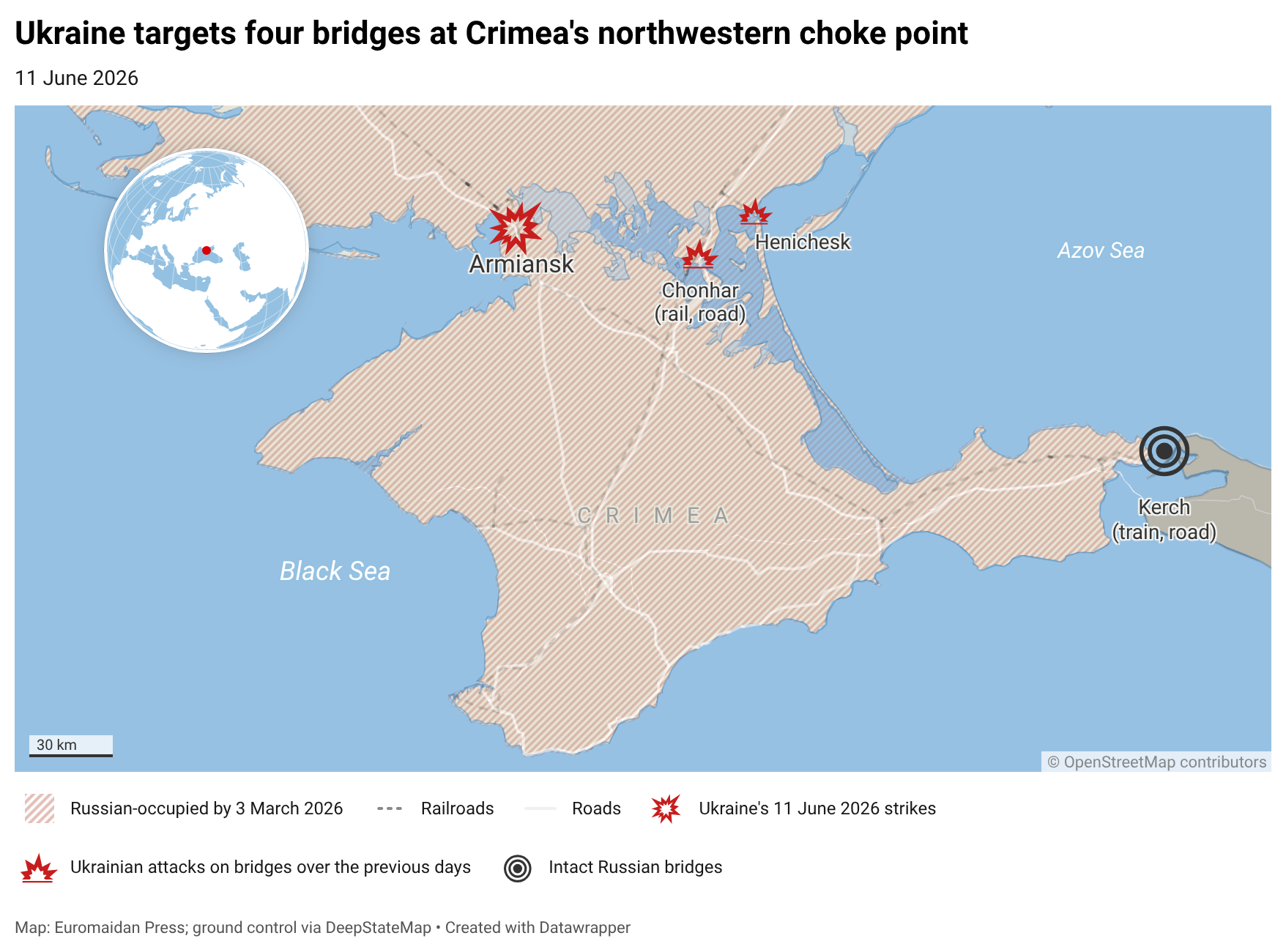
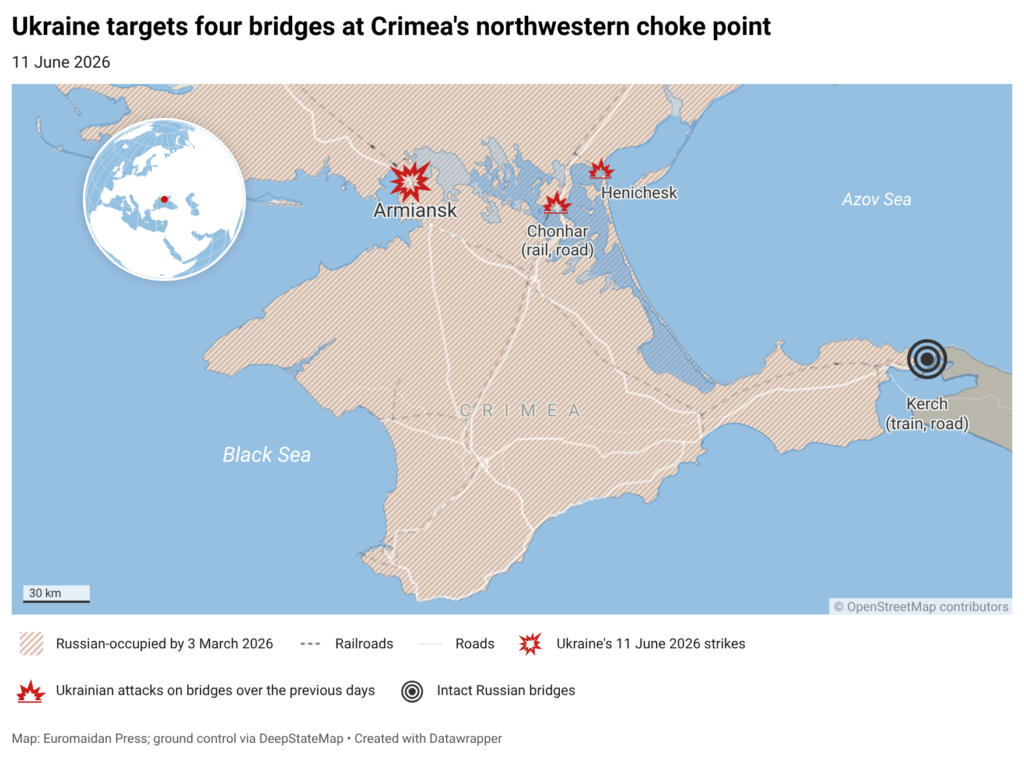
The Chonhar bridge — the main highway link between Crimea and occupied Kherson Oblast — was first hit on 7 June by the joint Falanga multidomain operations center of the two regiments, using Fire Point company drones and long-range "Behemoth" UAVs. Traffic was rerouted, then halted again after a second strike on 9 June. Four vehicular bridges at Crimea's northwestern entrance near Armiansk were struck on 11 June, Euromaidan Press reported. The overnight strike on the Dzhankoi checkpoint extends the pattern — and signals the campaign has moved from the bridges to the trucks themselves.

The logistics spine

The corridor Ukraine is now patrolling carries the supplies that sustain Russian operations across Ukraine's south. Russian fuel for the Huliaipole direction is shipped by ferry to Crimea and then trucked across the peninsula to the front, regiment commander Dmytro Filatov, call sign Perun, told Ukrainska Pravda earlier this week. Russian cargo, he said, does not move across the Kerch Bridge — its railway link has not been restored since the October 2022 explosion. Cyber intelligence inside Russian military networks now allows Ukrainian planners to target specific units waiting for fuel, Filatov added. The 37th Motor Rifle Brigade was the target of the 7 June Chonhar strike, he said. Trucks ordered for that brigade had still not arrived at the time of his interview.

A multiplying problem for Russian logistics

The interdiction campaign confronts Russia with a layered constraint. Pontoons replace damaged bridges, but they throttle throughput and concentrate trucks in queues — the conditions the 1st Assault Regiment now describes as "ready targets." Rerouting through Armiansk and Perekop runs into the bridges hit on 11 June. Ferrying fuel from Krasnodar Krai bypasses the corridor entirely but cannot scale to replace road transport on the timeframes Russian units in southern Ukraine need.

Filatov said on 10 June that the Chonhar bridge had sustained critical damage and that the occupation forces were searching for new logistics routes for ammunition and fuel.

What changes

The announcement is what makes this strike news rather than another item in a logistics campaign. Until now, the Crimea land corridor functioned — slowly, under pressure, but it functioned. As of overnight on 13 June, the regiment that led the bridge strikes is declaring the corridor a sustained engagement zone. Not a target struck once. A route to be patrolled.

"We bleed the enemy to advance forward," the unit said. "This is not the end.
  •  

Russia’s youngest war dead include more than 200 18-year-old soldiers, new data shows

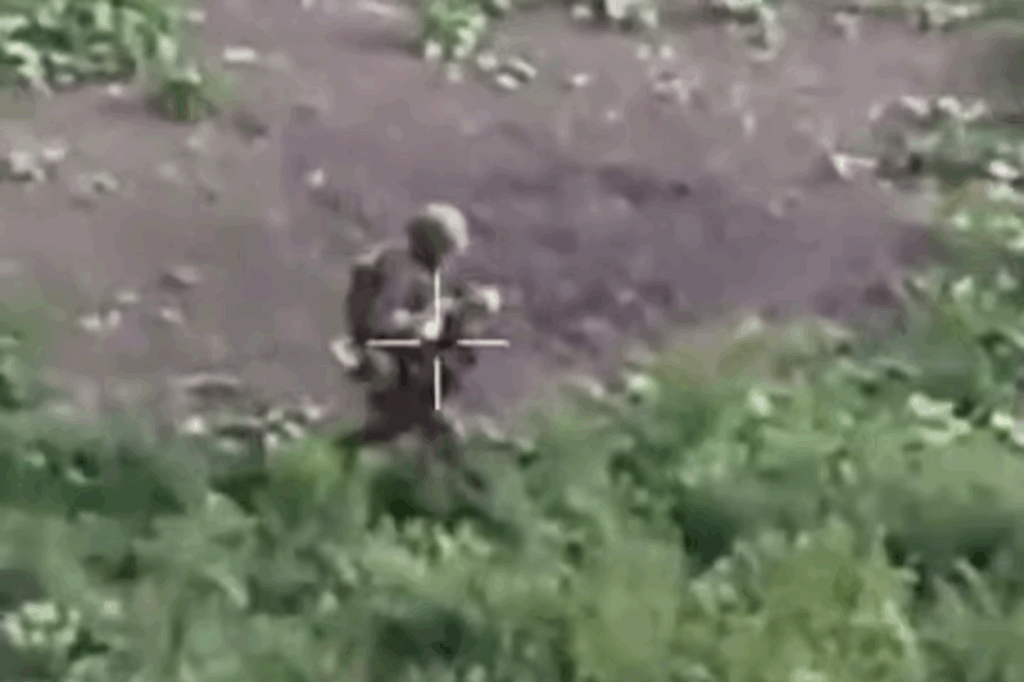
Russian soldier seen by Ukrainian drone before strike, June 2026. Screenshot from video: Madyar

At least 200 Russian soldiers aged 18 have been confirmed killed in Ukraine, according to a new joint investigation by BBC Russian and independent Russian outlet Mediazona, which has identified 226,055 Russian military deaths since the start of the full-scale invasion in 2022.

Russia’s invasion of Ukraine has been defined by exceptionally high and sustained casualty rates across all phases of the war, driven by large-scale frontal assaults, prolonged artillery duels, and the expanding use of drone warfare that has widened the lethal “kill zone” across much of the frontline. 

At least 200 confirmed 18-year-old soldiers among Russia’s war dead

The youngest confirmed casualty in the latest update was born in 2008, marking the first recorded 18-year-old in the dataset. Researchers say the overall figure includes more than 200 teenagers aged 18, underscoring the scale of young recruits being sent into combat.

One case highlighted in the report is that of 18-year-old Alisher Svirin, who died on 1 May 2026 and was buried later that month in Moscow Oblast. He had signed a contract and served in a motor rifle brigade as a machine gunner. According to the investigation, he could not have spent more than a few months in service before being killed.

Regional patterns show disproportionate burden in poorer Russian republics

Regional data also highlights a consistent imbalance in casualty distribution, with poorer regions such as Bashkortostan, Tatarstan, and Tuva showing significantly higher per-capita losses than Russia’s largest cities. 

Researchers attribute this gap to recruitment patterns that rely more heavily on economically disadvantaged areas, where military service offers relatively higher financial incentives.

At the same time, major urban centres such as Moscow remain underrepresented in the casualty lists, reflecting both demographic differences in recruitment and uneven exposure to frontline deployments.

Open-source records show limits of confirmed casualty tracking

The database is compiled from publicly available sources, including obituaries, official regional announcements, social media posts, and burial records. Analysts say it likely captures only a portion of total losses.

The report notes that more than half of confirmed deaths now come from volunteers, mobilised personnel, and convicts recruited from penal colonies, reflecting Russia’s reliance on short-training pipeline forces for frontline deployments.

Battlefield drone warfare is reshaping how deaths are recorded and counted

Researchers also say the structure of the battlefield has changed the visibility of losses. Widespread drone warfare has expanded the “kill zone” across large sections of the front, making recovery of bodies difficult and delaying official confirmation of deaths, sometimes for months or years.

Based on current estimates, analysts suggest Russia’s real death toll could be significantly higher than identified figures, potentially reaching between 347,000 and 502,000 when accounting for incomplete data coverage.

  •  

EU opens first accession talks cluster for Ukraine and Moldova after years of delays and vetoes

EU summit Ukraine cyprus zelenskyy

Ukraine and Moldova have taken a key step in their EU accession process after all 27 member states agreed to open the first negotiation cluster covering “fundamentals,” marking the formal start of structured membership talks, European Commission President Ursula von der Leyen said.

The opening of the first EU accession negotiation cluster marks a long-delayed breakthrough for Ukraine and Moldova after years of internal EU divisions and vetoes, including from Hungary. It formally starts talks on core governance reforms, following repeated postponements despite earlier candidate status.

EU says accession step reflects wartime reform progress and core EU standards

Von der Leyen said the decision reflects recognition of both countries’ progress on reforms despite wartime conditions and sustained political pressure. 

She said the cluster on fundamentals forms “the backbone of the accession process,” covering rule of law, democratic institutions, and core EU principles. 

“This is a recognition of the determination, courage and hard work shown by both countries in advancing reforms, even in the face of immense challenges,” she said.

She added that enlargement is a “strategic choice,” arguing that bringing new members closer to the bloc strengthens “peace, security and prosperity across our continent,” and said a larger EU is “our best investment in our shared future.”

Today, the European Union took a major step forward.

All Member States agreed to open the first accession negotiations cluster with Ukraine and Moldova.

At the first Intergovernmental Conference on Monday, we will open the cluster on fundamentals; the backbone of the accession… pic.twitter.com/WSPU8CVPpg

— Ursula von der Leyen (@vonderleyen) June 12, 2026

Zelenskyy welcomes opening of first accession cluster as “strong step for Europe”

Ukrainian President Volodymyr Zelenskyy welcomed the decision, thanking EU partners and individual leaders for what he described as a “strong step for Europe.” 

He said Ukraine continues to deliver reforms despite the war and that the EU is now fulfilling its commitments in return. 

Zelenskyy said opening the first cluster is “a significant political and moral support for our state and our people,” and stressed that Ukraine is working to ensure readiness for the next stages of accession talks.

He added that Kyiv is grateful for international support and said the EU’s backing helps Ukraine defend not only itself but “the idea that European nations can live united, free, and in peace.”

🇪🇺🇺🇦Today’s EU member states’ decision to open Cluster 1 negotiations w/ Ukraine marks another milestone on Ukraine’s path to the EU. Enlargement remains a strategic investment in Europe’s security, stability, and prosperity, & 🇺🇦 is committed to contribute & deliver. We are…
— Taras Kachka (@taraskachka) June 12, 2026

Hungary’s veto lifted after minority rights agreement clears path for accession talks to advance

The move follows months of procedural preparation within the EU, after the Cyprus presidency initiated steps to open the first negotiation cluster for Ukraine and Moldova. 

The cluster on fundamentals is the first and most sensitive stage of accession talks, and must be opened unanimously by all member states before negotiations can proceed further.

The breakthrough comes after Hungary’s prolonged veto over the start of accession negotiations with Ukraine was lifted

Budapest had previously blocked progress over disputes including minority rights in Ukraine’s Zakarpattia Oblast, which borders Hungary and contains a number of ethnic Hungarians, stalling the launch of negotiation clusters despite Ukraine receiving candidate status in 2022. 

The recent shift followed a change in Hungary’s political leadership and an agreement on minority rights, removing a key obstacle to advancing the accession framework.

EU enlargement process slowed for years by internal divisions despite technical preparations continuing

Enlargement talks remained stalled for years due to internal divisions, including Hungary’s veto, even as broader momentum built across the bloc. 

While technical preparations for “clusters” were advancing, the formal opening required unanimous agreement and had been repeatedly delayed despite Ukraine’s expectation that talks could begin sooner. 

Enlargement remains a long-term process requiring sustained reforms across governance, judiciary, and economic policy before membership is possible. No country has completed the process since Croatia joined in 2013.

  •  

Ukraine launches major army reform: fixed contracts, revamped pay structure, and broader access for foreigners

Ukrainian soldiers of the 1st Assault Battalion, 3rd Infantry Brigade. Photo: 1st Assault Battalion

Ukraine’s Ministry of Defense is introducing a sweeping overhaul of military service rules that restructures contracts, pay systems, personnel movement, and reintegration procedures across the armed forces, the ministry announced on 12 June.

The reforms are part of a broader 2026 reorganization of service conditions under the new defense leadership of Minister Mykhailo Fedorov, aimed at stabilizing manpower, improving retention, and formalizing career pathways during wartime. The package establishes a more predictable framework for service terms, compensation, and transfers while prioritizing reinforcement of frontline combat units.

President Volodymyr Zelenskyy endorsed the reform package, saying military and government leaders had agreed on a path to “increase the financial sustainability of our defense and ensure the further transformation of the Ukrainian army.”

New contract system split into three service categories

The Ministry introduced three contract types: infantry-assault (“pihotno-shturmovyi”), combat, and basic service contracts, each linked to specific roles and operational exposure.

The infantry-assault contract covers frontline positions including infantry, assault troops, combat medics, gunners, and drivers in combat units. Combat contracts apply to drone operators, electronic warfare specialists, artillery crews, and other battlefield support roles, while basic contracts cover non-combat and rear-area positions.

Service terms are fixed: 6, 10, or 14 months for infantry-assault roles depending on prior service status, and 24 months for combat and basic contracts.

Pay structure tied to role and operational intensity

The system combines a base salary of 20,000 hryvnias ($450 USD) with variable payments based on role and battlefield conditions.

Monthly compensation ranges from at least 30,000 hryvnias ($670 USD) in rear positions to significantly higher levels in combat roles, with infantry-assault positions at the top of the scale. Under the framework, total monthly pay may reach up to 120,000 hryvnias ($2,670 USD) depending on deployment intensity and task execution.

A tiered bonus system adds payments linked to operational activity, including participation in frontline operations, command-level missions, and assault actions. Additional fixed incentives apply for outcomes such as capturing prisoners or confirmed combat kills.

Eligibility for certain payments is verified through a digital mission control system that records presence in designated operational zones.

Zelenskyy also announced planned pay increases for combat commanders, saying the measure is intended to help retain experienced leadership within frontline units.

He said the Cabinet of Ministers is expected to approve the implementation mechanism, with the first additional payments potentially beginning in June.

Fixed-term service with post-contract leave guarantees

All contract types include defined service terms followed by a structured post-service leave period. The duration of this leave is calculated based on total service length and combat participation, with longer operational involvement extending the guaranteed break.

The system is designed to create a predictable cycle of service, recovery, and re-engagement, supported by legally defined post-contract guarantees.

Automated transfers through Army+ system

Automatic transfer approvals are introduced through the Army+ digital platform. Eligible personnel up to senior sergeant rank and outside officer positions can request transfers once per year within their corps’ operational sector.

Transfers are limited to units within the same command area, with processing handled digitally to reduce administrative delays while maintaining operational control. A pilot rollout is planned in selected corps before wider expansion across the armed forces.

Structured return from unauthorized absence

A temporary 100-day mechanism allows personnel who left service without authorization before 11 June 2026 to return under a simplified procedure.

Applications are processed digitally, with verification completed within several days. Returning personnel can select from a list of eligible units, with pay and benefits restored upon formal reintegration into service.

The mechanism is designed to streamline reintegration while restoring personnel to active duty under controlled conditions.

Part of wider force restructuring

The Ministry of Defense says the package is intended to modernize Ukraine’s wartime force structure by combining fixed-term contracts, role-based compensation, and digital personnel management tools.

Separately, Zelenskyy instructed officials to expand recruitment pathways for foreign volunteers seeking to serve in Ukraine’s armed forces, saying additional recruitment mechanisms would be introduced. No further details were immediately released.

Further stages of reform are expected as the system is tested and expanded across the armed forces.

  •  

How Ukraine uses AI to guide long-range drone strikes through electronic warfare and deep into Russian-controlled rear areas

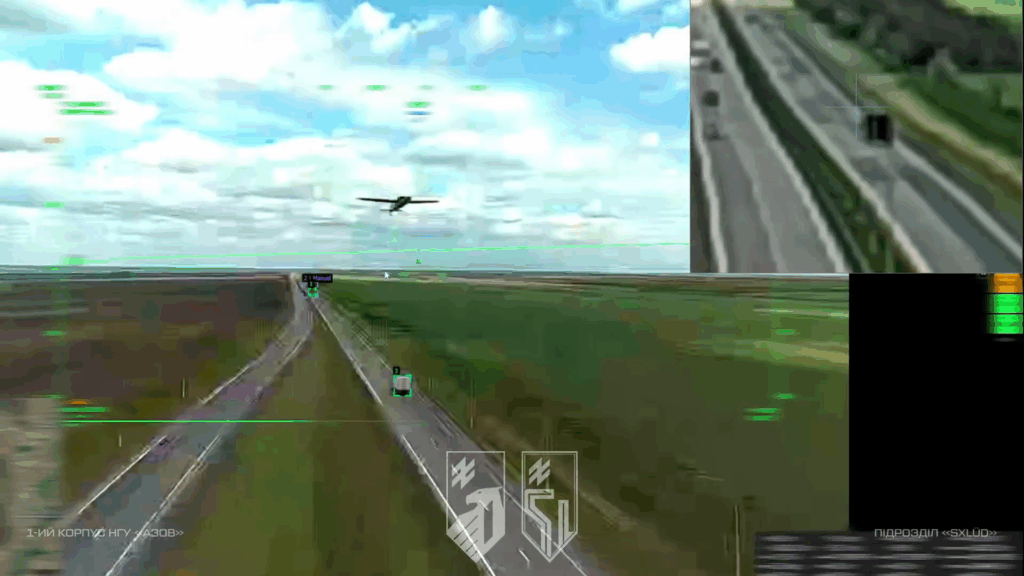
A Ukrainian Hornet drone spots another Hornet. Photo: Ukraine's 1st Azov Corps

Ukraine’s Ministry of Defense (MoD) says artificial intelligence is increasingly integrated into so-called “middle strike” systems, enabling long-range drones to operate in heavily contested electronic warfare environments and strike targets at operational depth.

Officials say the systems are part of a broader program aimed at disrupting Russian logistics and supply chains, with Ukraine reporting a sharp increase in strikes on transport routes, depots, command posts, and equipment concentrations in recent months.

The MoD explains that the use of AI is intended to overcome two key constraints in this operational zone: heavy electronic warfare interference that disrupts satellite navigation, and dense air defense coverage that limits predictable flight paths.

AI takes over control at target approach phase

According to the ministry, AI systems are not active throughout the entire mission. Drones are initially flown under operator control, but once they reach a designated target grid, onboard systems take over navigation and targeting.

At that stage, onboard computers and optical sensors begin real-time analysis of the surrounding area, switching from manual guidance to autonomous control for the final approach.

Visual navigation without GPS using terrain matching

The ministry says drones equipped with AI systems are able to operate without reliable satellite navigation by using onboard cameras and computer vision models.

These systems continuously scan terrain features such as roads, rivers, and landscape contours, and compare them against preloaded high-resolution satellite imagery. 

This allows the drone to determine its position based on visual correlation rather than GPS signals, which are often degraded or spoofed by electronic warfare.

Automated target recognition and terminal strike adjustment

In the terminal phase, AI systems analyze live video feeds to identify military equipment based on trained visual patterns. The system is designed to distinguish between different types of targets and automatically assign a tracking marker once a valid target is recognized.

Once a target is locked, the AI adjusts flight controls in real time to guide the drone into a final dive trajectory.

The ministry also says the system can reduce misidentification risks by distinguishing between real equipment and decoys using multiple indicators, including geometry, surface texture, and thermal signatures.

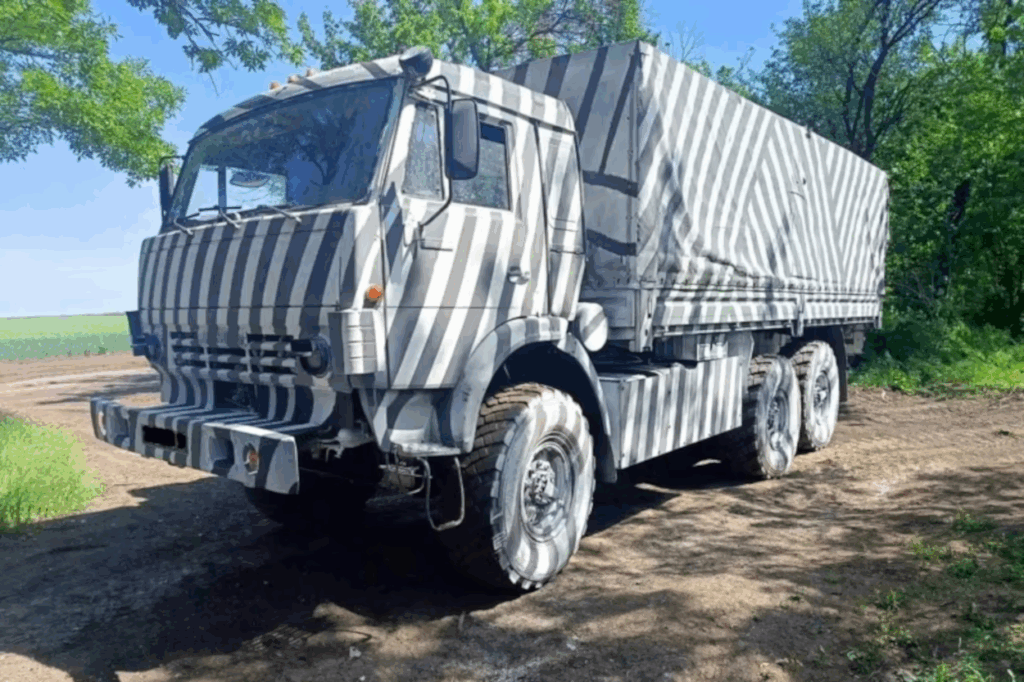
Russian forces are increasingly trying to counter these AI-assisted drone targeting systems using methods such as painting military vehicles with high-contrast zebra-like stripes. Experts say the markings are designed to confuse computer vision models trained to identify standard vehicle shapes and camouflage patterns.

Russian military vehicle with zebra-like paint patterns in an attempt to disrupt AI-assisted drone targeting systems. Photo from social media, via RFE/RL.

Route planning shaped by electronic warfare conditions

The MoD says AI is also used before launch to optimize flight paths. Planning systems incorporate intelligence on Russian air defense and electronic warfare deployments, selecting routes that minimize exposure.

This includes analysis of radar coverage, identification of terrain masking opportunities, and the use of blind spots in air defense systems. The goal, according to officials, is to ensure drones can reach operational depth targets despite dense electronic warfare and interception layers.

“Logistics Lockdown” program and expanded strike depth

Ukraine says these systems are being deployed as part of a wider “Logistics Lockdown” program aimed at increasing pressure on Russian military supply chains.

Officials say “middle strike” operations are now being scaled to target Russian logistics, infrastructure, and military assets at distances of up to 200 kilometers behind the front line.

The MoD says the approach is designed to combine intelligence, long-range strike capability, and automation to increase the tempo and effectiveness of attacks on Russia’s rear support systems.

  •  

Ukraine confirms strikes on two Tatarstan refineries and rocket-fuel rubber plant in Tolyatti

ukraine confirms strikes two tatarstan refineries rocket-fuel rubber plant tolyatti · post black smoke rises over burning oil refining facility after ukrainian strike nizhnekamsk russia 12 2026 0b9bde49-e761-4e4b-9abe-9bd2dd867a7d ukraine's defense

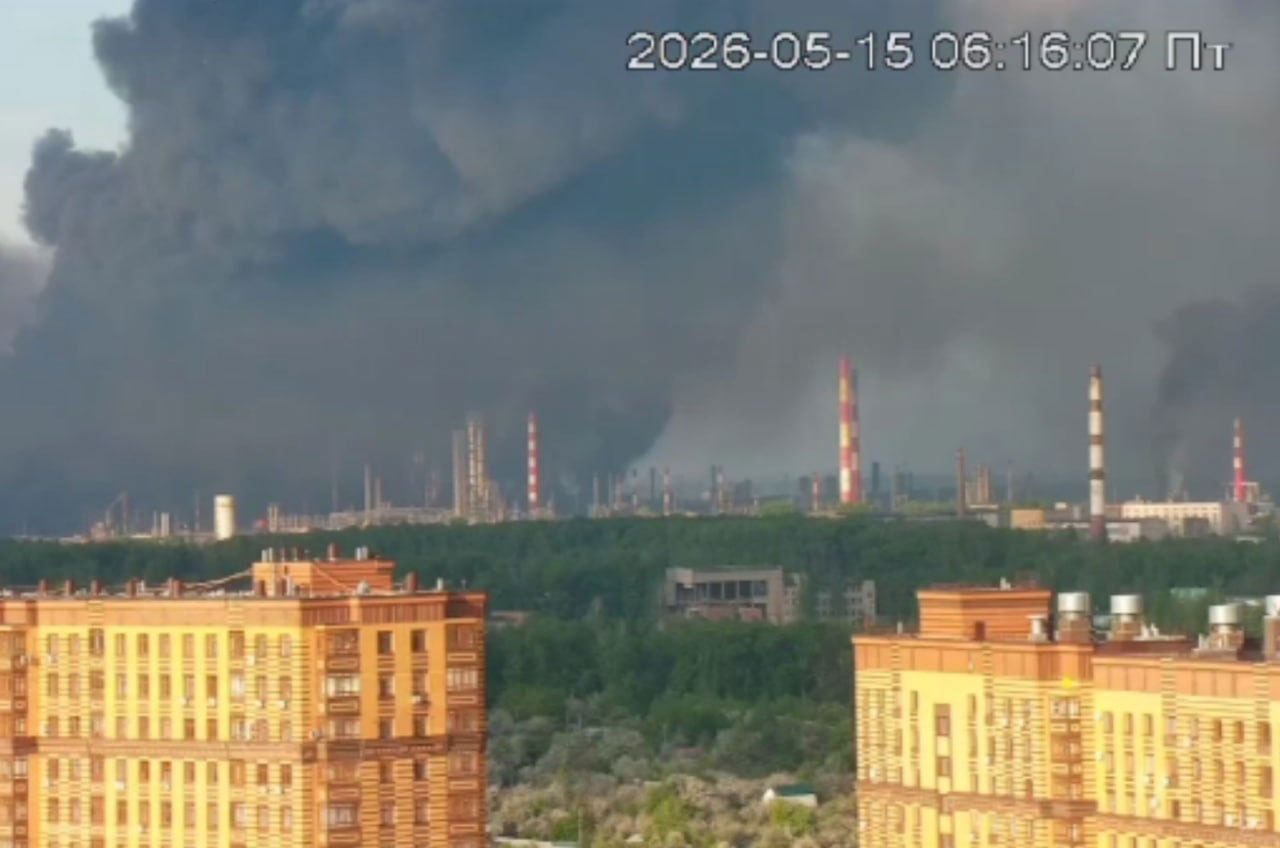
Ukraine's Defense Forces set major fuel and petrochemical plants deep inside Russia on fire and hit military targets along the front overnight on 12 June, according to Ukraine's General Staff. Fires broke out at refineries in Tatarstan and a rubber plant in Samara Oblast, while monitoring channels reported strikes in occupied Crimea. The raid forced one Russian city to cancel its Russia Day celebrations.

Ukraine's deep-strike campaign has already pushed Russia's gasoline crisis into 25 regions and six occupied Ukrainian areas, with earlier reports claiming roughly 40% of Russian refining capacity knocked offline since January. With Russian oil facilities now burning on back-to-back nights, each confirmed shutdown tightens the fuel squeeze on the army Moscow needs to keep its war going — and shows its air defense cannot cover the depth of its own territory.

Two refineries burn in Nizhnekamsk

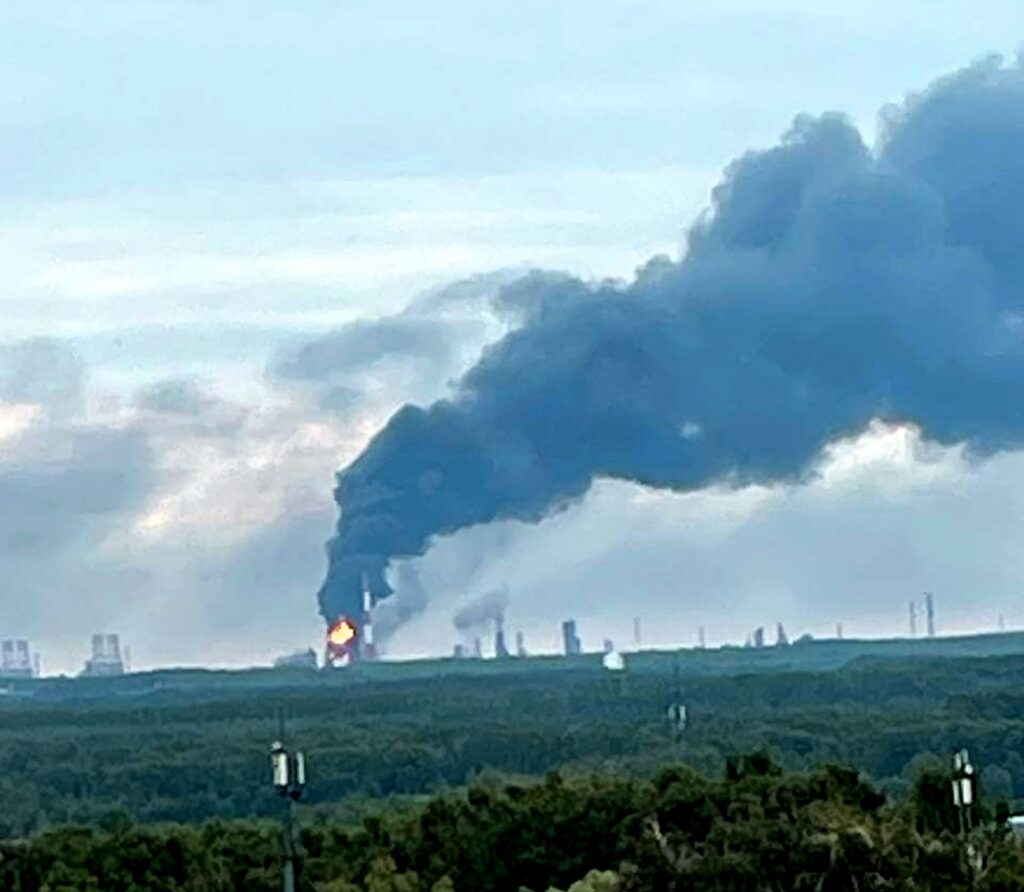
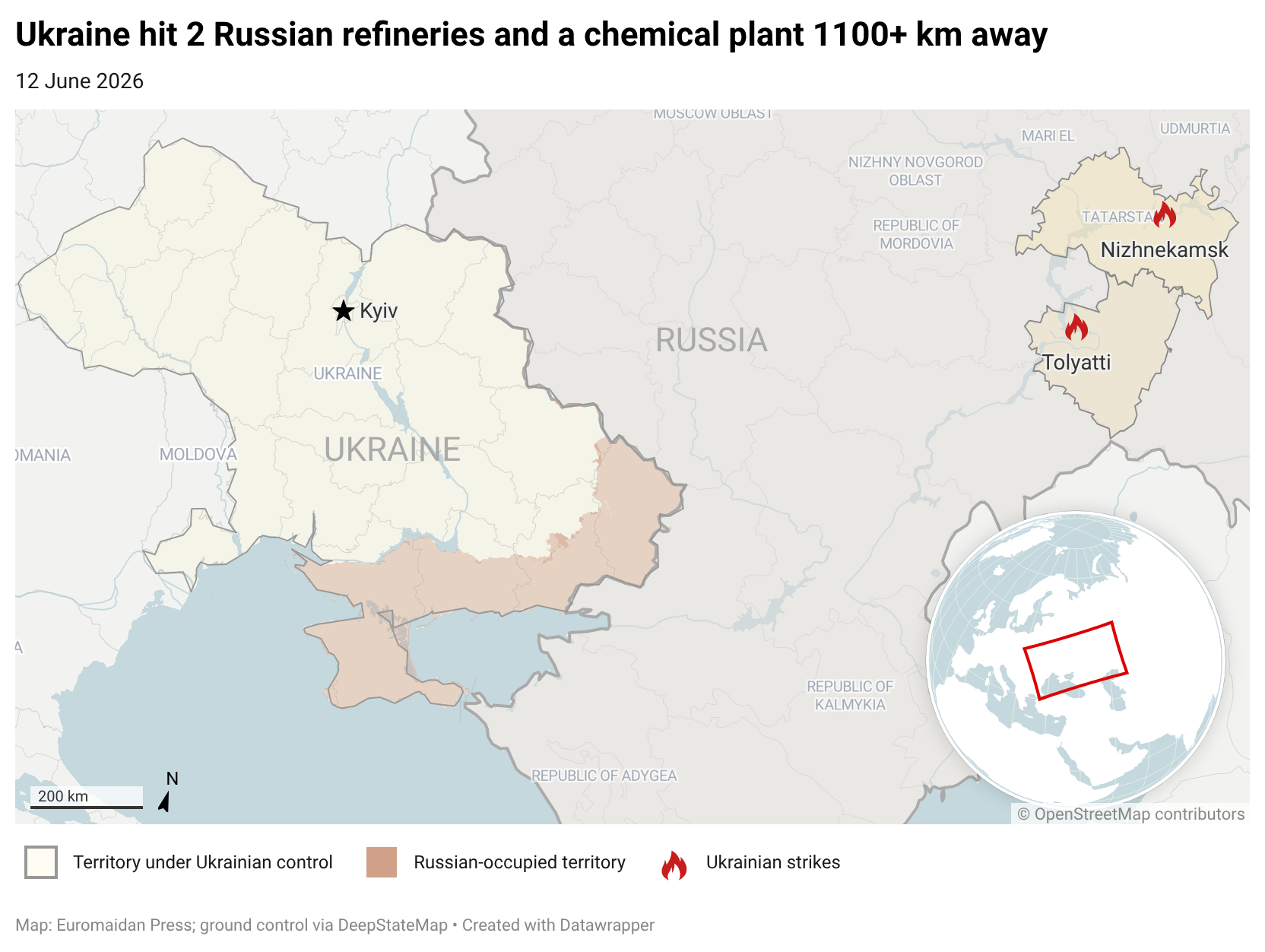
Units of Ukraine's Defense Forces struck the TANECO and TAIF-NK oil refineries in Nizhnekamsk, Republic of Tatarstan, Russia. The General Staff confirmed hits and fires at both plants. TANECO ranks among Russia's largest refineries, with a design capacity of over 16 million tons of oil per year. It produces diesel, aviation fuel, and other petroleum products. The plant lies more than 1,100 km from Ukraine's border.

Drones set fire to Nizhnekamskneftekhim, one of Russia's largest petrochemical plants, in Tatarstan in the early hours of 12 June.

The strike reportedly ignited the AVT-8 unit, where crude oil gets its primary processing and is split into gasoline, diesel, and other fractions.… pic.twitter.com/BQFXXp4NyJ

— Euromaidan Press (@EuromaidanPress) June 12, 2026

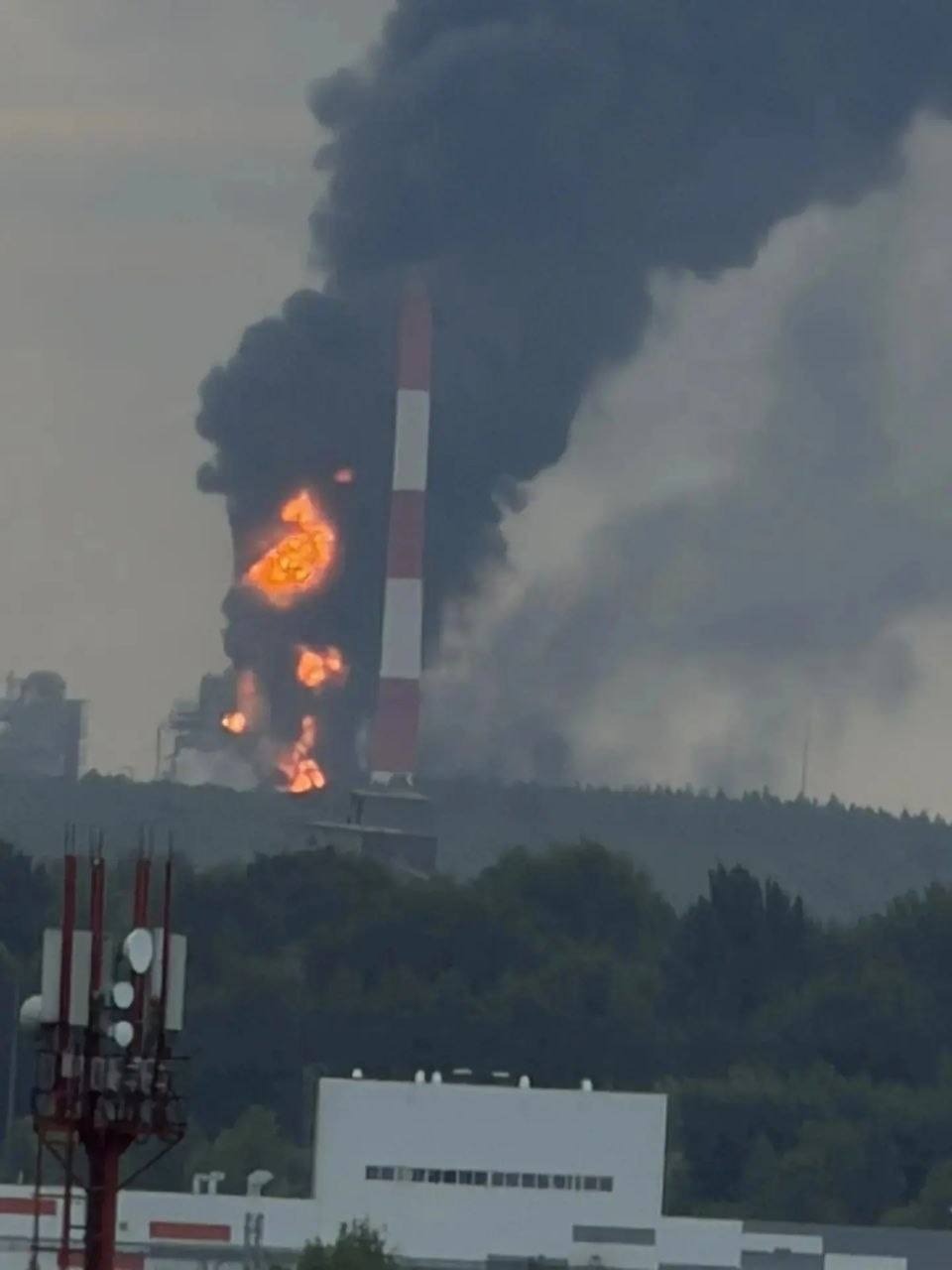
Russian news Telegram channel Astra found at least three separate fires at TANECO in its OSINT analysis of eyewitness footage. Astra's source said the ELOU AVT-9 primary oil processing unit and the ELOU AVT-8 column were burning. The channel called TANECO one of Russia's most efficient refineries, with a refining depth of 99.6%. Monitoring Telegram channel Supernova+ published footage of two large fires with thick black smoke at the plant. Preliminary data pointed to damage at two primary processing units and a tank farm.

TAIF-NK, the second refinery hit, processes heavy high-sulfur crude and gas condensate at a declared refining depth above 95%, the General Staff noted. Its output runs from mass-market fuel to feedstock for petrochemicals and military needs. 

ukraine confirms strikes two tatarstan refineries rocket-fuel rubber plant tolyatti · post fire engulfs industrial unit next chimney after ukrainian strike nizhnekamsk russia 12 2026 2bd5189f-62e7-4645-ae48-dc42a84a9054 ukraine's defense forces set
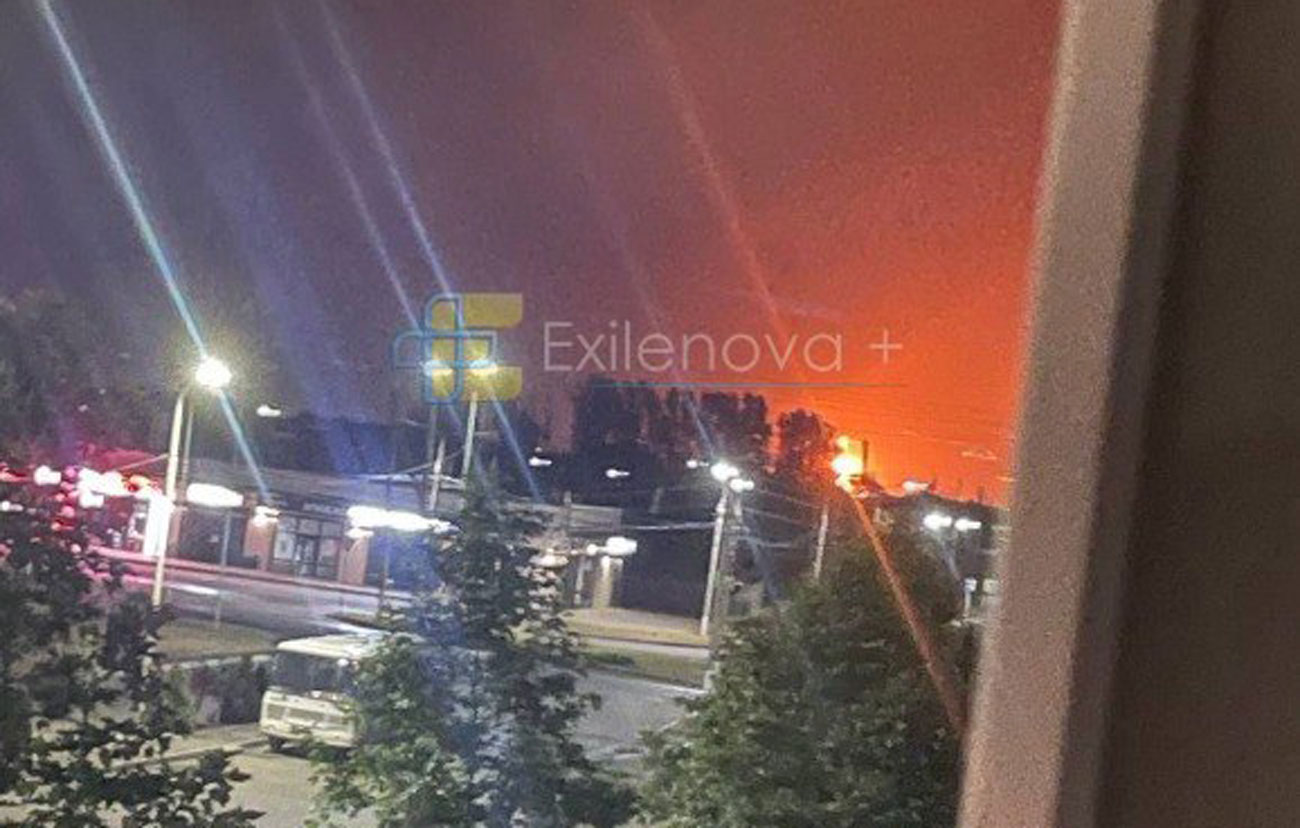
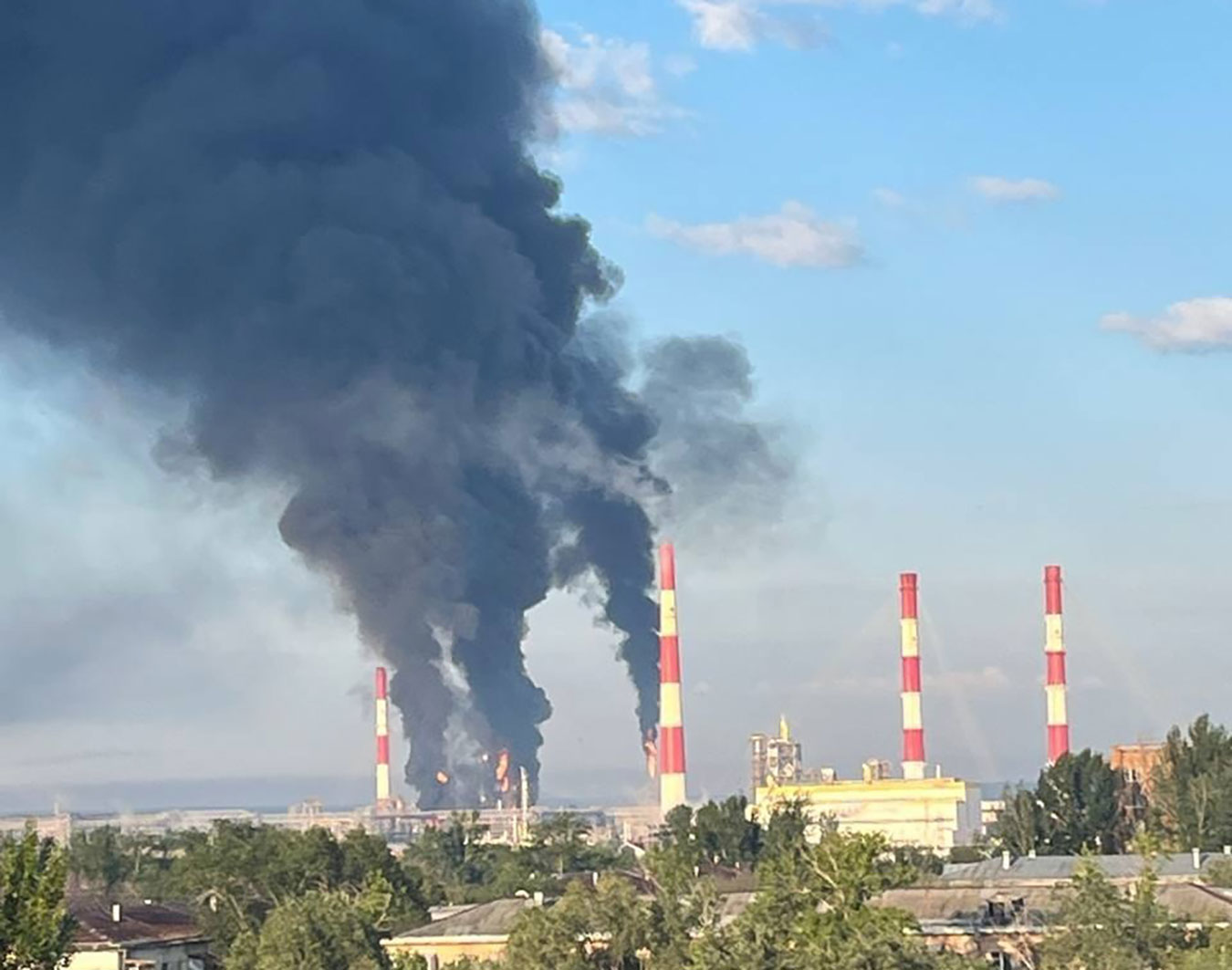
Fire engulfs an industrial unit next to a chimney after the Ukrainian strike on Nizhnekamsk, Tatarstan, Russia, 12 June 2026. Photo: Exilenova+

Russia Day canceled as a petrochemical giant burns

Tatarstan declared a drone danger regime at 3 a.m., and the airports of Kazan and Nizhnekamsk restricted flights. Residents of Nizhnekamsk then reported powerful explosions across the city. Nizhnekamsk Mayor Radmir Belyaev stated the city canceled all festivities for Russia Day, the state holiday marked on 12 June.

Monitoring Telegram channels Exilenova+ and Supernova+ tracked the night's fires. Monitoring channels also reported a hit on Nizhnekamskneftekhim (NKNH), one of Europe's largest petrochemical complexes, located in the same city. The SIBUR-owned plant processes feedstock from TANECO and TAIF-NK into synthetic rubbers, plastics, and ethylene, Astra said.

Rubber for Russian missile fuel burns in Tolyatti

Ukrainian forces also hit the Tolyattikauchuk plant in Tolyatti, Samara Oblast, Russia. The General Staff confirmed the strike and a fire at the site. The plant makes synthetic rubbers used, among other things, in producing solid rocket fuel for tactical and ballistic missiles, plus monomers, fractions, and high-octane gasoline additives.

Multiple fires are burning across the industrial zone of Russia's Tolyattikauchuk chemical plant after a massed Ukrainian Defense Forces drone attack on Tolyatti.

The petrochemical plant in Samara Oblast produces synthetic rubber and tire components. Explosions rattled windows… pic.twitter.com/2Po2sqkq7v

— Euromaidan Press (@EuromaidanPress) June 12, 2026

Astra reported that Tolyattikauchuk, part of the Tatneft group, is listed in a closed registry of defense enterprises kept by Russia's Industry and Trade Ministry. Its rubbers go into tires for military vehicles and components for the aviation industry, the channel said. 

moscow's fuel supplier under fire ukrainian drones strike rosneft's ryazan refinery · post black smoke rises over oil hours after drone 15 2026 ryazan-supernova+-5204027262443918426 ukraine news reports
Explore further

Russia’s oil production falls for sixth straight month as Ukrainian drone strikes hit storage and transport

Tolyatti Mayor Ilya Sukhikh stated that one industrial facility took damage from what he called a drone fall during a massive Ukrainian drone attack. Samara Oblast Governor Vyacheslav Fedorishchev said nobody was hurt in the attack on the region.

Russia's Defense Ministry claimed its air defenses "intercepted and destroyed" 231 Ukrainian drones overnight on 12 June. The ministry claimed downings over Tatarstan and Samara Oblast, a dozen other regions from Belgorod to Astrakhan, the Moscow region, and occupied Crimea.
  •  

German company that already supplies Ukraine with drones has unveiled Shahed-hunter aircraft with four weapons categories on single airframe

Render of the Pulse P19 multi-purpose optionally piloted aircraft. Source: Quantum Systems

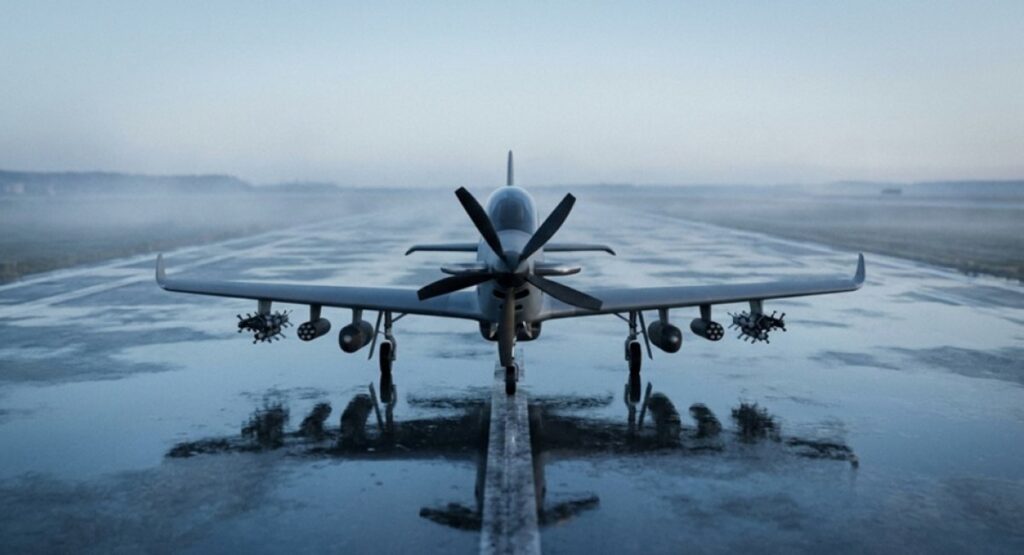
Germany's Quantum Systems has unveiled the Pulse P19, an optionally-piloted aircraft designed to hunt drones and repel massed drone attacks, per Defense Express. The technology company already supplies Vector reconnaissance drones to Ukraine. 

The Pulse P19's primary mission profile, which is hunting drones and repelling massed drone attacks, addresses exactly the Russian Shahed threat that Ukraine has been responding to.

Ukraine is now intercepting 95% of incoming Russian Shaheds, using a layered defense system that includes Patriot, NASAMS, IRIS-T, naval-platform interceptors, helicopter-based interceptors, Ukrainian-made Bullet interceptors, and autonomous drone-on-drone systems.

The Pulse P19 would add a dedicated, optionally piloted drone-hunter platform to this layered defense,  though the aircraft is currently in early design stages, with only renders released.

What does Pulse P19 carry, and how would it hunt? 

For air-target detection and tracking, the Pulse P19 can be equipped with an active electronically scanned array (AESA) radar and an electro-optical targeting station.

The aircraft's armament options are unusually broad. The Pulse P19 is designed to carry interceptor drones, loitering munitions, missiles with semi-active laser homing heads (APKWS class), pod-mounted machine guns, and additional weapons that may be developed in the future.

The interceptor drones referenced in the Quantum Systems presentation are likely the same systems being integrated onto the Airbus U145 helicopter, which Quantum Systems also unveiled at ILA Berlin 2026 with anti-drone armament.

Specifications: small, fast, with significant payload

The Pulse P19 has a maximum speed of 556 km/h and a service ceiling of 7,620 meters. The aircraft's empty weight is approximately 1,700 kg, while it can carry up to 2,500 kg of payload and armament.

The payload-to-empty-weight ratio is unusually high. This indicates the design is built around the requirement to carry multiple weapons systems simultaneously. The 556 km/h maximum speed places the Pulse P19 in the slow-to-mid-tier of fixed-wing combat aircraft, but adequate for the Shahed-pursuit mission, given that Shahed-136 drones typically cruise at 180 km/h.

Development status: renders only, timeline undisclosed

Quantum Systems has presented only renders of the Pulse P19. The project's development stage has not been disclosed. The aircraft is likely still in early design phases. No first-flight timeline has been published.

The aircraft's specifications and weapons configuration represent design intent rather than current operational capability. Ukrainian defense procurement officials would likely engage with Quantum Systems on the Pulse P19 trajectory once the aircraft reaches the flight-test stage, given Quantum Systems' established relationship with Ukraine and the operational fit between the Pulse P19's mission profile and Ukraine's defensive needs.

  •  

Ukraine’s drone commander says his branch killed or wounded 102,000 Russians in 12 months. It started with a grenade taped to drone that filmed weddings

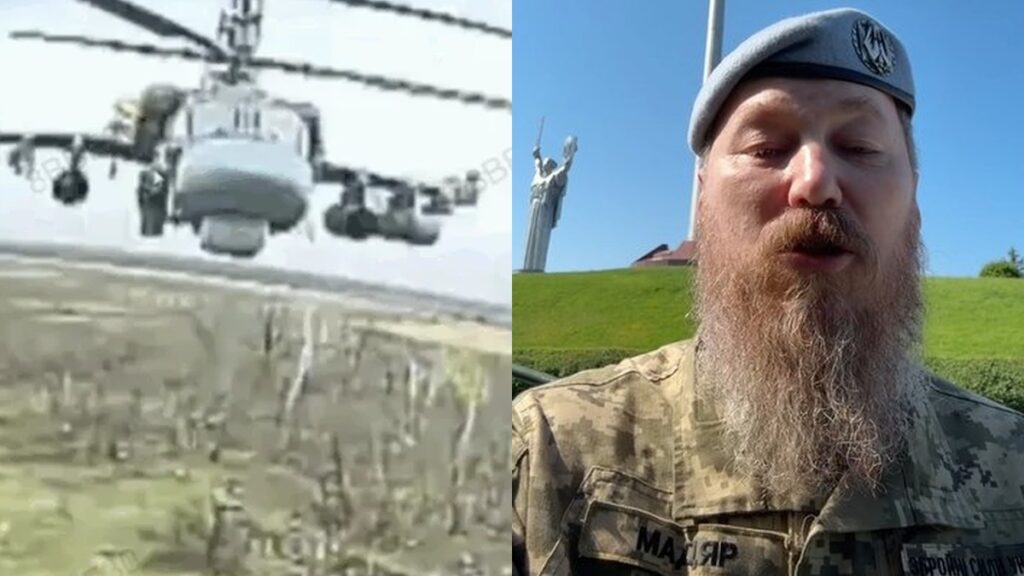
Collage. Left: Russian Ka-52 helicopter at low altitude seen through a Ukrainian FPV drone camera. Right: Major Robert "Magyar" Brovdi in fatigues and beret, speaking to camera with the Motherland Monument in Kyiv visible behind him.

Major Robert "Madiar" Brovdi marked Ukraine's first official Day of Unmanned Systems Forces on 11 June 2026 with a single number. His drone branch claims 102,000 Russian soldiers killed or wounded over twelve months, alongside 360,000 enemy targets hit and 1.7 million combat sorties flown, the commander said in a Telegram address.

The number translates four years of homemade weaponry into industrial output. By Brovdi's own reckoning, drones from his Unmanned Systems Forces (SBS) now account for one in every three Russian soldiers falling on the battlefield, and at a unit cost he prices in hundreds of dollars apiece.

"We exchange the plastic and metal of a drone worth a few hundred dollars for the carcass of an occupier. And that is the best exchange rate in the world," Brovdi said. 

"Birds changed both plan and course"

Brovdi narrated the four-year arc of Ukrainian drone warfare in a single Telegram thread. In 2022, he said, the starting slogan was "artillery, shovel, drone" to locate, correct, hide. Then, in spring 2022, he taped a grenade to a commercial quadcopter and pushed video of the drop to social media.

"No weapon in human history has evolved so quickly. A wedding drone, no joke, performed well at the front, fundamentally and forever changing world doctrine," he revealed. 

The unit he founded that month — Madiar's Birds — has since grown from platoon to brigade to a separate branch of the armed forces. The 414th brigade tripled in size in late 2024. On 3 June 2025, President Volodymyr Zelenskyy made Brovdi commander of the entire SBS, replacing Colonel Vadym Sukharevskyi.

Four targets, 2,000 kilometers deep

Madiar listed four target priorities for the year ahead: enemy manpower, sources of war financing, weapons production, and Russian air defense. The branch's reach now extends from frontline FPV strikes to deep-strike platforms confirmed beyond 1,700 kilometers inside Russia.

"The birds changed both the plan and the course," Madiar said. 

Art-collecting commander

Russian state TV calls him a "terrorist." A Russian court sentenced him in absentia to life in prison in March 2026 on charges of organizing a terrorist attack. Russian prosecutors have filed 46 counts against him in total.

The Center for European Policy Analysis calls him "a bearded talisman of Ukraine's defense" — a "swashbuckling, plain-spoken" commander whose journey ran from "besuited grain trader" to the top of the world's first dedicated drone branch.

Madiar's biography reads like Carpathian Tony Stark's: an ethnic Hungarian from Uzhhorod who ran one of Ukraine's largest grain traders, served on the Zakarpattia Regional Council from 2010 to 2015, and funded contemporary Ukrainian art through his BrovdiArt Foundation before walking into a recruitment office at the start of the full-scale war.

He closed his anniversary speech in his usual register: "And now to work, ladies and gentlemen, at all available depths, across all the hated enemy. The way we know how, with what we have, where we are."

  •  

Russia’s fuel crisis jumps from 15 to 25 regions in five days—plus six occupied Ukrainian areas

russia's fuel crisis jumps 15 25 regions five days—plus six occupied ukrainian areas · post russian truck burns gas station skadovsk kherson oblast after logistic lockdown mid-range strike 11 2026

Russia's gasoline crisis has spread to 25 of its own regions and six occupied Ukrainian ones, the Russian-language Moscow Times reported on 10 June. Six days earlier, the count stood at 15. Ukrainian strikes on Russian refineries hit a wartime monthly record in May 2026, dropping Russian refining loading well below the start of the year.

This comes amid the Ukrainian long-range drone strike campaign, targeting Russian oil processing, transportation, and storage facilities almost every day. Additionally, Ukraine has escalated its mid-range "Logistic Lockdown" campaign, targeting Russian logistics in the occupied territories at depths of up to 200 km.

From 15 regions to 25 in under a week

The Russian Telegram channel 7×7 counted at least 25 Russian regions facing gasoline shortages and supply disruptions as of 10 June. Less than a week earlier, on 4 June, the number stood at 15. Restrictions also apply across six Russian-occupied Ukrainian regions: Crimea, Sevastopol, and the Luhansk, Donetsk, Kherson, and Zaporizhzhia oblasts.

Bloomberg counted 38 Ukrainian strikes on Russian refineries from January through May 2026. May alone saw 16 — the highest monthly figure of the war. According to OilX, Russian refinery loading has dropped 14% since the start of the year and stays roughly 20% below pre-war levels.

afipsky oil refinery burns again ukrainian drones return krasnodar krai · post fire after drone strike russia 11 2026 5282989402957225318 ukraine news reports
Explore further

Afipsky oil refinery burns again as Ukrainian drones return to Krasnodar Krai

Regional officials have responded unevenly. The acting governor of Belgorod Oblast, Alexander Shuvaev, acknowledged the shortage. Krasnodar Krai governor Veniamin Kondratyev called the situation "artificial hype." Residents publicly mocked the claim under his Telegram post, which was republished on a local channel. Gas stations in Krasnodar Krai have begun closing due to a shortage.

Fuel prices have spiked in occupied Crimea. On 10 June, AI-92 cost about $1.14 per liter, against $0.96 in Moscow. AI-95 traded near $1.25, up from $1.04 in the Russian capital. Resellers were offering fuel at $1.81-$2.08 per liter — about 50% above official Crimean prices.

On 8 June, Russia's Energy Ministry announced the creation of a task force to manage the fuel crisis, citing "growing enemy air attacks."

Occupied Sevastopol cancels fuel coupons after tankers fail to arrive

Sevastopol's Russian-installed governor said on 10 June that planned distribution of rationed petrol had been delayed, Reuters wrote on 11 June. Mikhail Razvozhayev claimed oil tanker trucks could not bring fuel into the city, following recent Ukrainian strikes on supply routes. Crimea, occupied by Russia in 2014, introduced fuel rationing last month due to shortages on the peninsula.

"Unfortunately, oil tanker trucks were unable to come to the city tonight," Razvozhayev wrote on Telegram. 

ukrainian drones knocking out northwestern entrance crimea bridges damaged one night · post rl9vo -ukraine-targets-four-bridges-at-crimea-s-northwestern-choke-point- struck four vehicular crimea's overnight 11 2026 quisling official vladimir saldo claimed strikes part ukraine's
Explore further

Ukrainian drones knocking out the northwestern entrance to Crimea: four bridges targeted in one night

He said priority for refueling on 11 June would go to public transport, utilities, emergency vehicles, and government vehicles.

"I am addressing everyone: there is no point in lining up at... the gas stations tomorrow," he added late on 10 June. 

Existing rationing coupons would be canceled and new ones issued today.

Razvozhayev later claimed over two dozen Ukrainian drones were downed in the early hours of Thursday in a fresh attack on Sevastopol. The city is Crimea's second-largest and home to Russia's Black Sea Fleet.

On the same day, a major drone attack hit Russia's Volga region of Samara, more than 900 km from the front line, forcing state-owned oil giant Rosneft to halt processing at its Kuibyshevsky refinery.

rosneft's kuibyshev refinery joins syzran novokuibyshevsk offline after ukrainian drone strike yesterday · post fires raging kuybyshevsky oil samara russia 10 2026 fires-rage-at-samara-kuybyshevsky-oil-refinery ukraine news reports
Explore further

All three Rosneft Samara refineries now offline or reduced as drones halt Kuibyshevsky operations yesterday

Ukrainian President Volodymyr Zelenskyy said Wednesday evening that Ukraine’s recently launched mid-range strike campaign against Russian logistics, including large-scale strikes on supply and fuel trucks, had proved its worth.

"In recent months, we are especially grateful for the mid-strikes: Russian military logistics throughout the entire depth of the temporarily occupied territory are now within reach of Ukrainian drones," he said. "Our impact reaches Russia’s border regions as well. The enemy feels it, and we will continue to expand it."

  •  

Ukrainian drones knocking out the northwestern entrance to Crimea: four bridges targeted in one night

ukrainian drones knocking out northwestern entrance crimea bridges damaged one night · post rl9vo -ukraine-targets-four-bridges-at-crimea-s-northwestern-choke-point- struck four vehicular crimea's overnight 11 2026 quisling official vladimir saldo claimed strikes part ukraine's

Ukrainian drones struck four vehicular bridges at Crimea's northwestern entrance overnight on 11 June 2026, quisling official Vladimir Saldo claimed. The strikes are part of Ukraine's most recent mid-range strike push—now at its fourth day—reaching every road corridor between Crimea and mainland Ukraine. The same night, drone attacks also rolled across Sevastopol, Bakhchysarai, Saky, and other Crimean sites.

Russia depends on the Crimean land corridor to push fuel, ammunition, and replacements to its forces in occupied southern Ukraine. Ukrainian mid-range drones operating under the military's Logistics Lockdown program have steadily shrunk that corridor's reliability since May. Ukraine has now struck all three major connection points between occupied Crimea and mainland Ukraine within four days, damaging some bridges and destroying others.

Four bridges damaged at the Armiansk isthmus

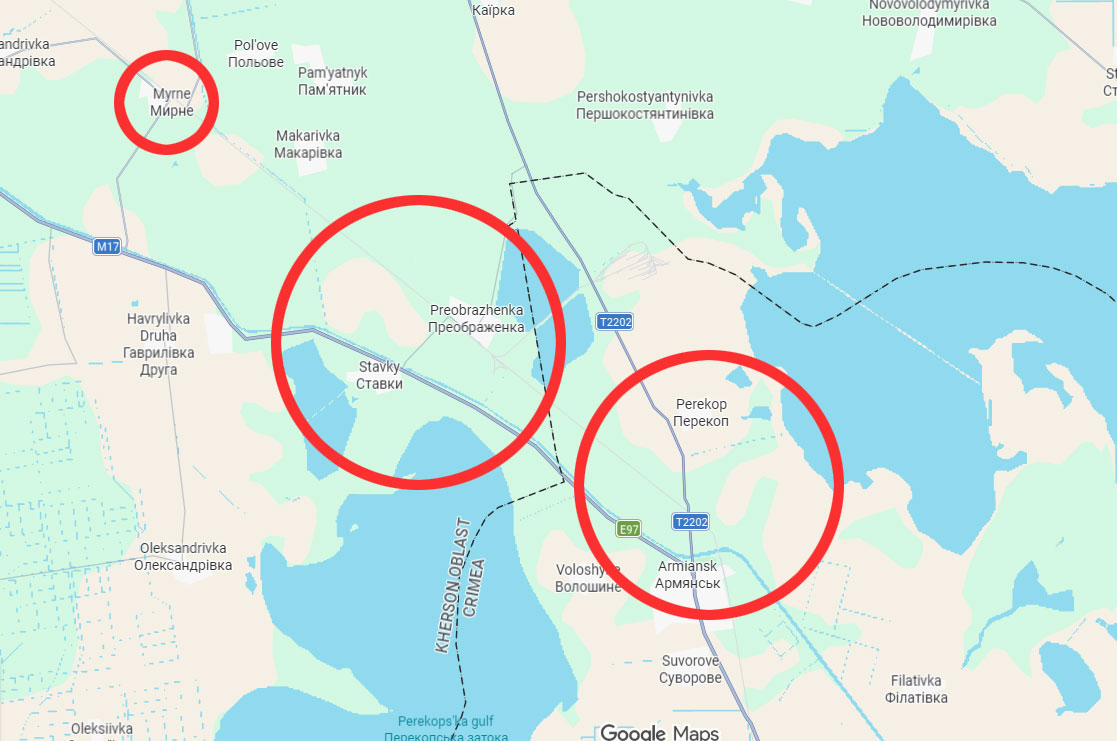
Saldo, the Russian-installed head of occupied Kherson Oblast, named the four targets on his Telegram. They include the automobile bridge in the Perekop-Armiansk area and a bridge near Stavky, Kherson OblastTwo more bridges near Myrne and Preobrazhenka span the North Crimean Canal. Saldo stated all four spans sustained damage.

ukrainian drones knocking out northwestern entrance crimea bridges damaged one night · post google maps view four struck overnight 11 2026 — near myrne between stavky preobrazhenka perekop armiansk crimean
Google Maps view of the four bridges struck by Ukrainian drones overnight on 11 June 2026 — near Myrne, between Stavky and Preobrazhenka, and at Perekop near Armiansk in the northwestern Crimean isthmus. Map: Google Maps

Three Crimean northern choke points hit in four days

Ukraine struck the Chonhar bridge on 7 and 9 Juneclosing Russia's main road link to occupied Crimea, yet the Russians reportedly installed a pontoon bridge next to the severely damaged crossing. On 10 June, Ukrainian drones hit the bridge from Henichesk to Arabat Spit. With both routes fully or partially shut, Russia had rerouted traffic through Armiansk and Perekop — the very corridor struck overnight. DeepState analysts noted that Ukrainian strikes on the bridges are an important part of the blockade of occupied southern Ukraine.

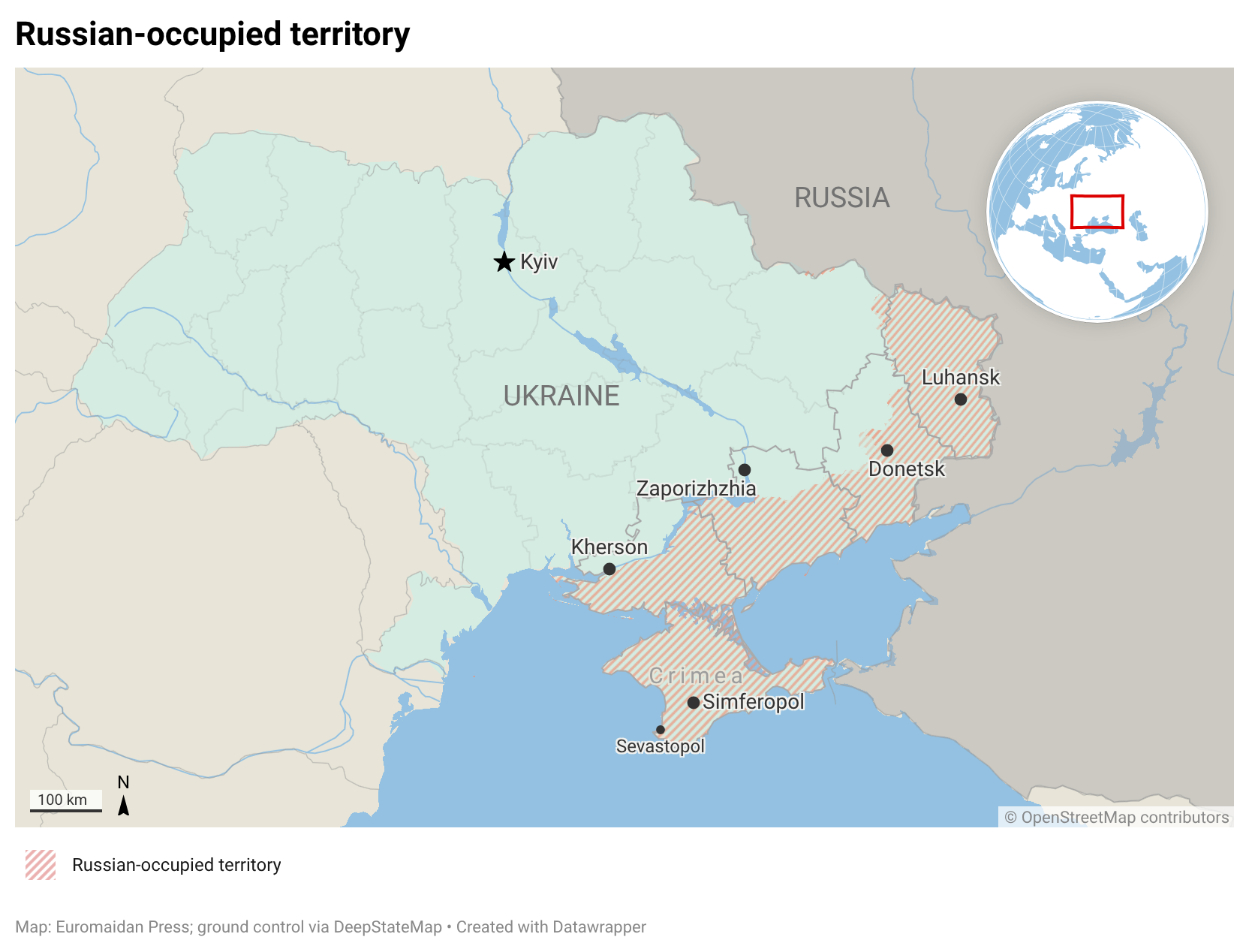
Russian-occupied Ukrainian territory, including Crimea and parts of Luhansk, Donetsk, Zaporizhzhia, and Kherson oblasts. Illustrative map: Euromaidan Press

Not only an entrance, but also targets across the peninsula

Russia's occupation governor, Mikhail Razvozhayev, claimed 32 drones were shot down over Sevastopol between 22:00 and midnight. He claimed the drones fell near Sevastopol Bay, Cape Fiolent, and Balaklava. The city declared two air alerts during the night and the morning.

Monitoring Telegram channel Krymsky Veter reported machine-gun fire in Pishchane at 21:40 and in Andriivka shortly after, citing subscribers. 

"At 21:40 a machine gun started firing in Pishchane, at 21:48 a machine gun started in Andriivka, after which an anti-aircraft gun fired a couple of bursts," the channel wrote. 

Detonations followed near Cape Fiolent, in Sevastopol, and later in Bakhchysarai. By morning, Krymsky Veter reported explosions and shooting in Saky.

Russia's Defense Ministry claimed the destruction of 330 drones over Russia and the occupied territories in the same overnight period.

Update

The First Assault Brigade shared the footage of the strikes:

Videos emerged of some of the Ukrainian strikes on bridges linking occupied Crimea to occupied Kherson Oblast

Ukraine's 1st Assault Brigade, 475th Assault Regiment, and SBU's Alfa reportedly took part.

📹 1st Assault Brigade
More on the strikes: https://t.co/xkKf15akux https://t.co/7FhAOJbWl0 pic.twitter.com/WFXUcKjfWm

— Euromaidan Press (@EuromaidanPress) June 11, 2026
  •  

ISW: Russia gains ground in Kostiantynivka but Fortress Belt stays out of reach

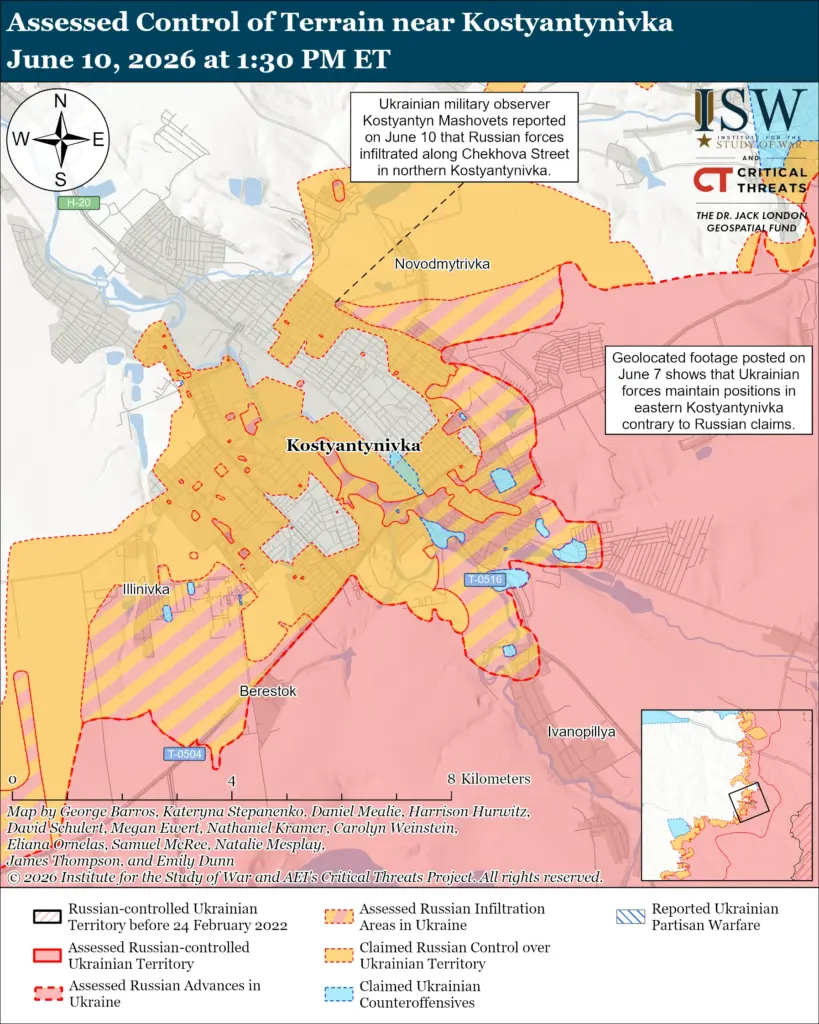
isw russia gains ground kostiantynivka fortress belt stays out reach · post assessed control terrain near 10 2026 kostyantynivka-june-10-2026 ukraine news ukrainian reports

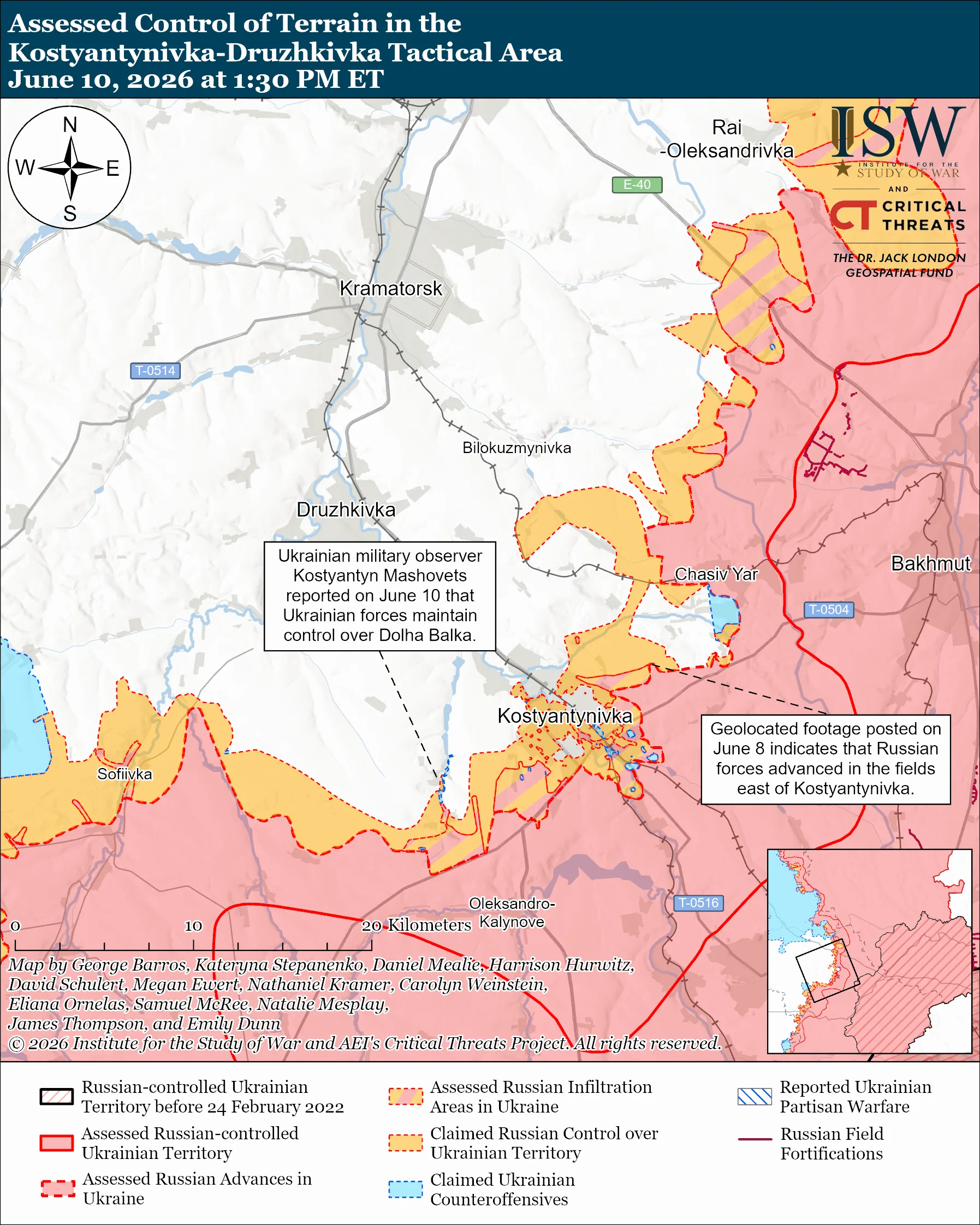
Russian forces have made fresh tactical advances into Kostiantynivka, the Institute for the Study of War (ISW) assessed on 10 June. The city sits at the southern tip of Ukraine's Donetsk Oblast Fortress Belt — Moscow's main effort for the spring-summer 2026 offensive. Russia missed its own May deadline to take the city, and the wider fortified chain stays out of operational reach.

For more than four years now, Russia has been struggling to seize the rest of Donetsk Oblast in eastern Ukraine, making only gradual costly advances. Ukraine's Fortress Belt anchors the region's defense. Unable to capture the Ukrainian-controlled part, the Kremlin demanded the whole region in peace talks, which predictably isn't a condition Ukraine can accept. Slow infiltration drains Russian reserves while Ukrainian drone interdiction continues to erode Moscow's assault tempo across the theater.

Two Russian tactical groups push into eastern Kostiantynivka

Two named Russian formations have pushed into eastern Kostiantynivka from the south, Ukrainian military observer Kostiantyn Mashovets reported on 10 June. He identified them as the "Bakhmut" tactical group and the "Dzerzhinsk" (Toretsk) tactical group. The "Bakhmut" group is built around Russia's 3rd Army Corps (AC) under the Southern Grouping of Forces. The "Dzerzhinsk" group operates in the area of responsibility of the 8th Combined Arms Army (CAA) of the Southern Military District. It likely includes elements of five CAAs, the 3rd AC, and Russian naval fleets, Mashovets noted.

Elements of the "Bakhmut" group pushed from Stupochky through Novodmytrivka into northeastern Kostiantynivka. They also advanced along the T-0504 Pokrovsk-Bakhmut road as far as the city's railway station. The "Dzerzhinsk" group moved from Illinivka, south of the city, into areas stretching from northwestern to southwestern Kostiantynivka near the railway station. Mashovets assessed that it has likely achieved a tactical breakthrough in the western, central part of the city. Forward assault elements of the two groups now stand roughly two kilometers apart. Russian forces have so far failed to seize the railway station. Ukrainian troops cleared the village of Dovha Blaka southwest of the city of Russian infiltrators.

isw russia gains ground kostiantynivka fortress belt stays out reach · post kostyantynivka-druzhkivka-tactical-area-june-10-2026 ukraine news ukrainian reports
Map: ISW

Eight months of grinding, one missed deadline

ISW noted that Russian forces opened the campaign for Kostiantynivka in August 2025 after seizing the majority of Chasiv Yar and Toretsk, with Toretsk alone running to roughly 26,000 Russian casualties. The first Russian troops infiltrated Kostiantynivka itself in October 2025. Russia has since worked into at least 12.69% of the city. Ukrainian officials reported earlier this spring that the Russian command had set a May 2026 deadline for the seizure. That deadline has come and gone.

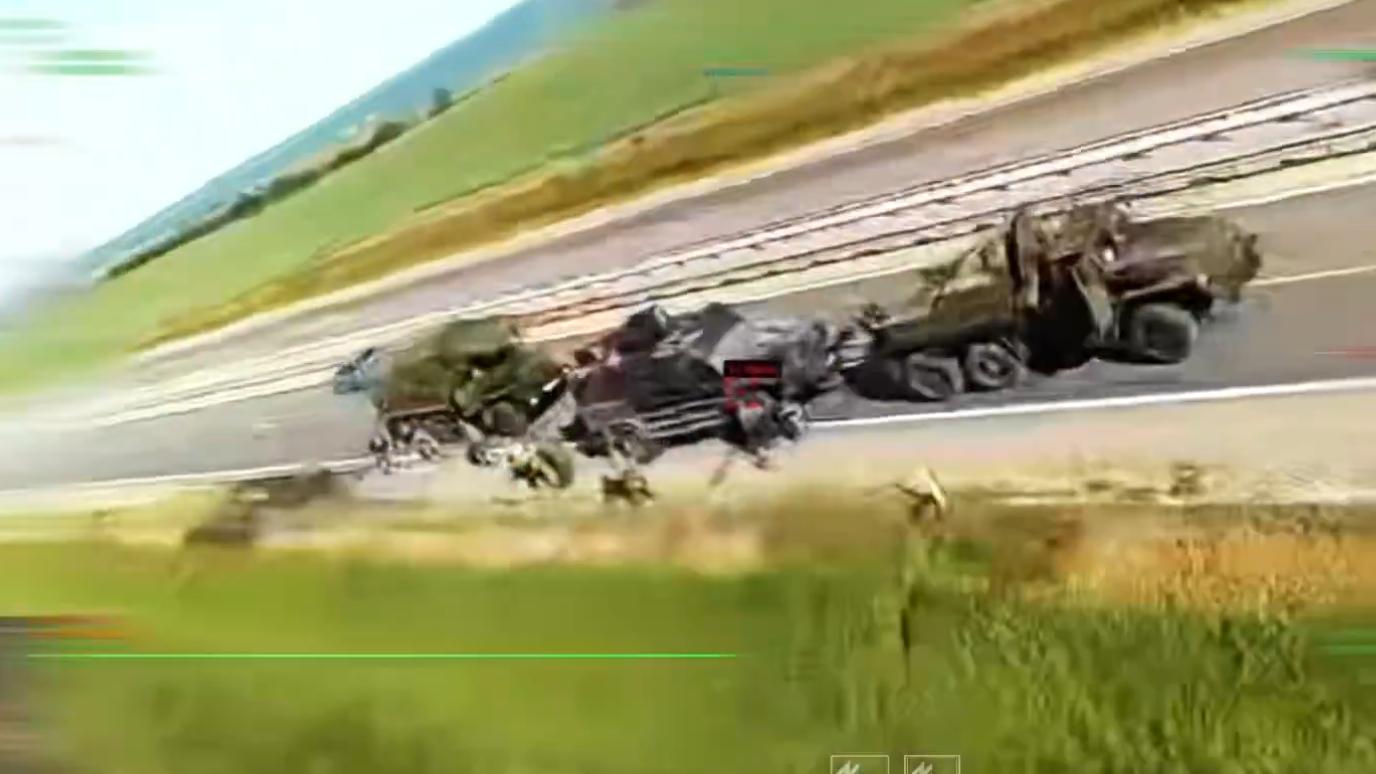
russia's monthly land grab ukraine has collapsed hundreds km² 14 · post double tap strike russian trucks rear highway russian-occupied occupied territory 1st azov corps news ukrainian reports
Explore further

Russia’s monthly land grab in Ukraine has collapsed from hundreds of km² to 14, OSINT data show

Russia has poured forces into the effort regardless. Ukrainian Commander-in-Chief Oleksandr Syrskyi said on 2 May that Russian activity in this direction noticeably increased in April. Russian units in the area had reportedly been replenished by 80% as of 6 June, ISW noted. The Russian command reportedly redeployed elements of the 70th Motorized Rifle Division to the Kostiantynivka-Chasiv Yar area last December. The redeployment likely came in preparation for the spring push.

Tactical gains likely, the Fortress Belt still out of reach

ISW assessed that Russian forces will likely keep infiltrating throughout Kostiantynivka. They will likely consolidate positions in parts of the city while suffering high casualties. Russia's 3rd AC northeast of the city appears to be struggling to dislodge Ukrainian forces from Chasiv Yar. That inhibits any move to envelop Kostiantynivka from the north. A Russian milblogger claimed on 9 June that Ukrainian forces recently counterattacked near Chasiv Yar. The milblogger added that Ukraine still holds Podilske and Mykolaivka west of the town.

russia's new kyiv strike threat posturing victory day humiliation retaliation—isw · post russian president vladimir putin during 9 parade red square 2026 photo_2026-05-09_10-53-10 25 russia threatened systematic strikes violation spirit
Explore further

ISW: Russia’s grand territorial ambitions are divorced from battlefield reality

The northern flank of the Fortress Belt is also bogged down. Russia opened its spring-summer 2026 offensive with mechanized assaults around Lyman. Those assaults signaled intent to advance on Sloviansk from the northeast. They produced no significant gains, ISW noted. The Russian command likely shifted weight south to Kostiantynivka. Russia's Western Grouping of Forces covers the front from Kupiansk through Lyman. It likely lacks the combat power to push on Sloviansk while balancing operations toward Kupiansk and Borova. 

Ukrainian counterattacks in the Borova direction have likely forced Russian units to choose between defending their positions and pushing north or northwest of Lyman, ISW says.
  •  

Afipsky oil refinery burns again as Ukrainian drones return to Krasnodar Krai

afipsky oil refinery burns again ukrainian drones return krasnodar krai · post fire after drone strike russia 11 2026 5282989402957225318 ukraine news reports

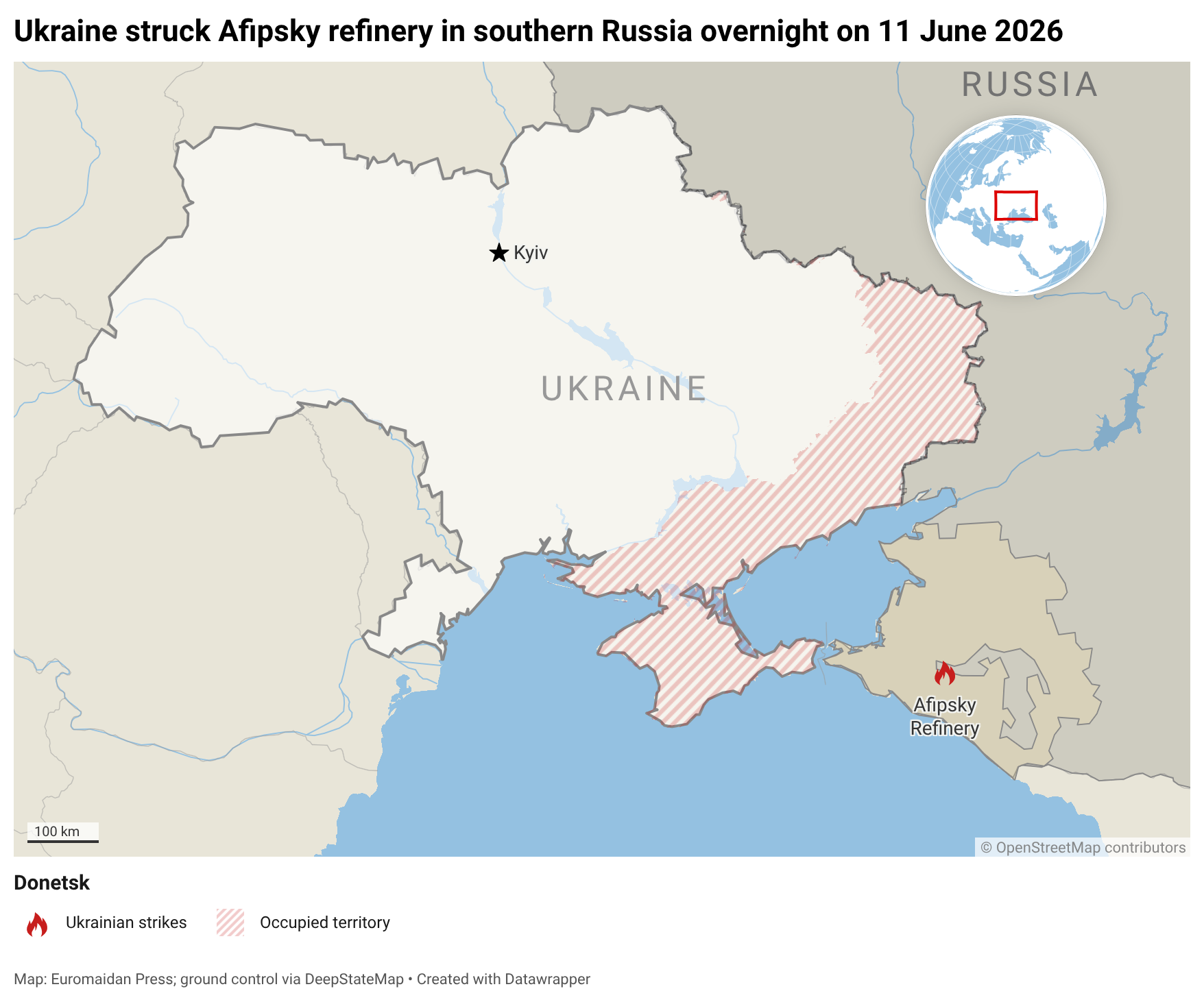
Ukrainian drones struck the Afipsky oil refinery in Russia's Krasnodar Krai overnight on 11 June, sparking a fire later extinguished, according to the Krasnodar Krai operational headquarters. The southern Russian plant, repeatedly targeted by Ukrainian strikes, supplies fuel to the Russian military.

Amid the ongoing Russo-Ukrainian war, the Russian oil industry has been under sustained pressure from Ukrainian deep strikes, with gasoline rationing currently spreading across multiple regions and occupied territories. Output at Russian refineries has been falling on Rosstat's own index as repeated hits keep facilities offline.

A blaze at one of southern Russia's largest refineries

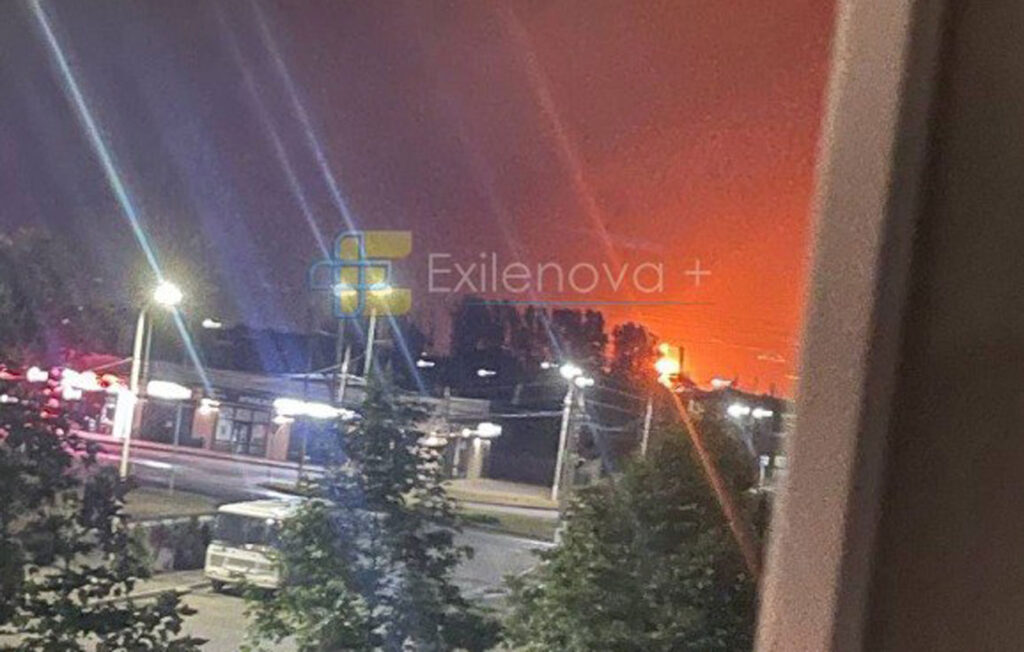
The Ukrainian Telegram channel Exilenova+ posted footage from local witnesses showing air defense fire and a blaze. The attack started after midnight, with residents reporting drone overflights and explosions at intervals of a few minutes. 

Krasnodar Krai authorities claimed drone "debris" fell in the village of Afipsky and set the refinery on fire — Moscow's standard framing for Ukrainian strikes on Russian energy targets. The fire was out by 07:32 Moscow time, the operational headquarters later stated. Russian authorities reported no casualties at the plant itself.

The Afipsky plant is one of southern Russia's largest oil-processing facilities, with a capacity of over 6 million tons of crude a year. It produces gasoline, diesel, gas oil, vacuum gas oil, fuel oil, sulfur, and gas condensate distillates. The facility supplies fuel to the Russian army. Ukraine's General Staff has assessed that the refinery processes about 2.1% of Russia's total oil refining.

The plant runs two primary oil distillation units with capacities of 9,786 and 8,829 tons per day. It is export-oriented and does not currently produce gasoline or diesel for Russia's domestic market. Combined throughput at the Afipsky plant and the affiliated Krasnodar refinery reached 7.2 million tons in 2024. Another 3 million tons were processed in the first half of 2025.

afipsky oil refinery burns again ukrainian drones return krasnodar krai · post smoke trail over amid drone attack russia 11 2026 краснодар у росії атакували дрони вночі червня року exilenova+
Smoke trail over Krasnodar amid a Ukrainian drone attack, Russia, 11 June 2026. Photo: Exilenova+ Telegram channel

Third strike on Afipsky in 2026 amid wider drone campaign

Russia's Defense Ministry claimed its air defenses intercepted and destroyed 330 Ukrainian drones over Russian territory overnight, the Moscow Times reported. According to the ministry, drones were spotted over Bryansk, Kursk, Belgorod, Oryol, Smolensk, Kaluga, Tula, Tver, Vladimir, and Moscow oblasts, as well as Krasnodar Krai and occupied Crimea. Russian aviation regulator Rosaviatsia restricted operations at airports in Tambov, Krasnodar, Sochi, Gelendzhik, and Zhukovsky outside Moscow.

afipsky oil refinery burns again ukrainian drones return krasnodar krai · post smoke plume after drone strike russia 11 2026 пожежа на афіпському нпз в рф червня telegram-канал exilenova+ ukraine
Smoke plume after a Ukrainian drone strike on the Afipsky oil refinery, Krasnodar Krai, Russia, 11 June 2026. Photo: Exilenova+ Telegram channel

The 11 June raid was the third attack on the Afipsky refinery this year, following hits on 21 January and 14 March. During the March hit, drones damaged the AT-22/4 primary oil processing unit at Afipsky — the plant's refining starting point. Satellite imagery had previously confirmed structural damage from a November 2025 drone attack.

  •  

“Fourth house. Blue doors”: Four years ago three Ukrainians changed global warfare forever (VIDEO)

Screenshot

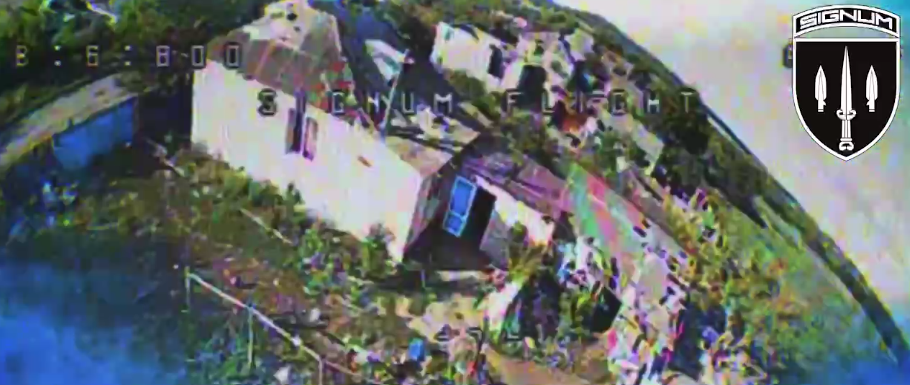
On 10 June 2022, the world's first successful FPV drone combat strike was carried out by Ukrainian Armed Forces fighters from the SIGNUM battalion. The three operators with call signs "Turyst," "Shvaiger," and "Bagdad" fired the strike against a Russian target, an advisor to the Defense Minister, Serhii Sterneko, recalls

The footage of the strike has become a defining artifact of the Russo-Ukrainian war. Four years later, Ukraine's Unmanned Systems Forces (SBS) has struck nearly $40 billion worth of Russian targets and grown into a full branch of the Armed Forces with its own doctrine and eleven combat units.

The 10 June 2022 FPV strike is recognized as the moment that changed not only the Russo-Ukrainian war but the broader rules of armed conflict. The combat application of a commercial-grade quadcopter against a moving Russian target opened a new category of warfare that has since been replicated by militaries worldwide.

Ukraine remains the operational pioneer in this category, with the SBS now leading the Logistics Lockdown program targeting Russian rear-area logistics, deploying $113 million in mid-strike drones.

"Fourth house. Blue doors" 

The footage of the 10 June 2022 strike captures Ukrainian SIGNUM battalion fighters operating an FPV drone against a Russian target on the frontline.

The radio call "Fourth house. Blue doors." — used by the operators to identify the target — has become one of the most recognizable phrases from the early war.

The day that changed military doctrine worldwide: On 10 June 2022, Ukraine carried out the world's first FPV drone combat mission

As a result, Ukraine established Unmanned Systems Forces, helping save thousands of Ukrainian lives
📹Sternenko pic.twitter.com/kbk5KphZBG

— Euromaidan Press (@EuromaidanPress) June 11, 2026

From battlefield improvisation to separate branch of armed forces

The 10 June 2022 strike was an act of battlefield improvisation. Ukrainian forces were using commercial drone technology adapted for combat, with no formal doctrine, no procurement pipeline, and no command structure for FPV operations.

Three years later, on 11 June 2025, Ukraine formally established the Unmanned Systems Forces (SBS) as a dedicated grouping within the Armed Forces.

SBS now has eleven combat units and its own military doctrine. President Volodymyr Zelenskyy on 10 June 2026 signed a decree establishing the Day of Unmanned Systems Forces as an annual commemorative day, to be observed each 11 June.

Robert "Madiar" Brovdi: from volunteer to branch commander

The SBS commander is Major Robert Brovdi with a call sign "Madiar". Brovdi is a Hero of Ukraine, the founder of the "Madiar's Birds" unit, and one of the originators and leading practitioners of innovations in unmanned systems for combat applications.

He traveled the path from volunteer to commander of a separate branch of the Armed Forces. The trajectory is consistent with the SBS's broader institutional history, which began with battlefield improvisation in places like the 10 June 2022 SIGNUM strike, and has developed into a formal military structure with doctrine, procurement, and command.

The footage of the strike has become a defining artifact of the Russo-Ukrainian war. Four years later, Ukraine's Unmanned Systems Forces (SBS) has struck nearly $40 billion worth of Russian targets and grown into a full branch of the Armed Forces with its own doctrine and eleven combat units.
  •  

Ukraine created drone army one year ago. It already destroyed $40 billion worth in Russian targets

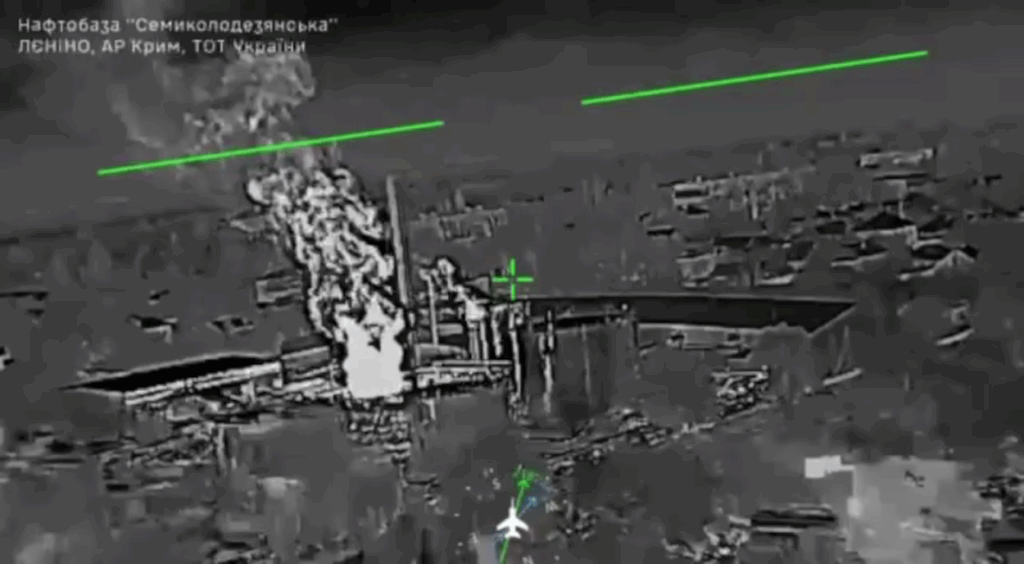
Semikolodezyanska oil depot in Yedi-Quyu (Lenine), occupied Crimea, amid a Ukrainian drone attack. Screenshot from video: Ukraine's Special Operations Forces

Ukraine's Unmanned Systems Forces (SBS) have struck Russian targets worth nearly $40 billion in the year since the branch's creation, Volodymyr Zelenskyy said. On 10 June, the Ukrainian president signed a decree establishing the Day of Unmanned Systems Forces (SBS Day).

The $40 billion cumulative damage figure Zelenskyy cited represents a 57% increase over the $25.5 billion in cumulative Russian losses that Commander-in-Chief Oleksandr Syrskyi reported in April 2026.

The SBS Day decree institutionalizes the unmanned forces as a permanent feature of Ukraine's military doctrine, alongside the army, navy, and air force.

What Zelenskyy said about SBS's achievements

"Only a year since the creation of the SBS group, Russian targets at various levels worth nearly $40 billion have already been hit," Zelenskyy said in his evening address.

He added that SBS is really a model for many other armies, and "these months we are especially grateful for middlestrikes."

"Russian military logistics across the entire depth of the temporarily occupied territory is now accessible to Ukrainian drones. The Russian border zone also experiences our impact," he stated.

The president added that Russia already feels the effect of these strikes, and Ukraine will continue to scale them.

"The most important thing is that these are different types of strikes, and each one adds to our ability to save lives," the Ukrainian president added.

What does middlestrike mean operationally? 

The middlestrike concept Zelenskyy invoked refers to Ukrainian drone strikes against Russian military logistics in the depth of occupied territory and across the Russian border zone. The depth zone covers Donetsk, Luhansk, Crimea, and parts of Zaporizhzhia and Kherson Oblasts. The Russian border zone reaches Belgorod and Kursk. Middlestrikes sit between the very-long-range deep strikes against strategic Russian infrastructure, such as the Volgograd refineries, and the tactical frontline FPV operations. The SBS is led by Brigadier General Robert Brovdi, call sign "Madiar".

  •  

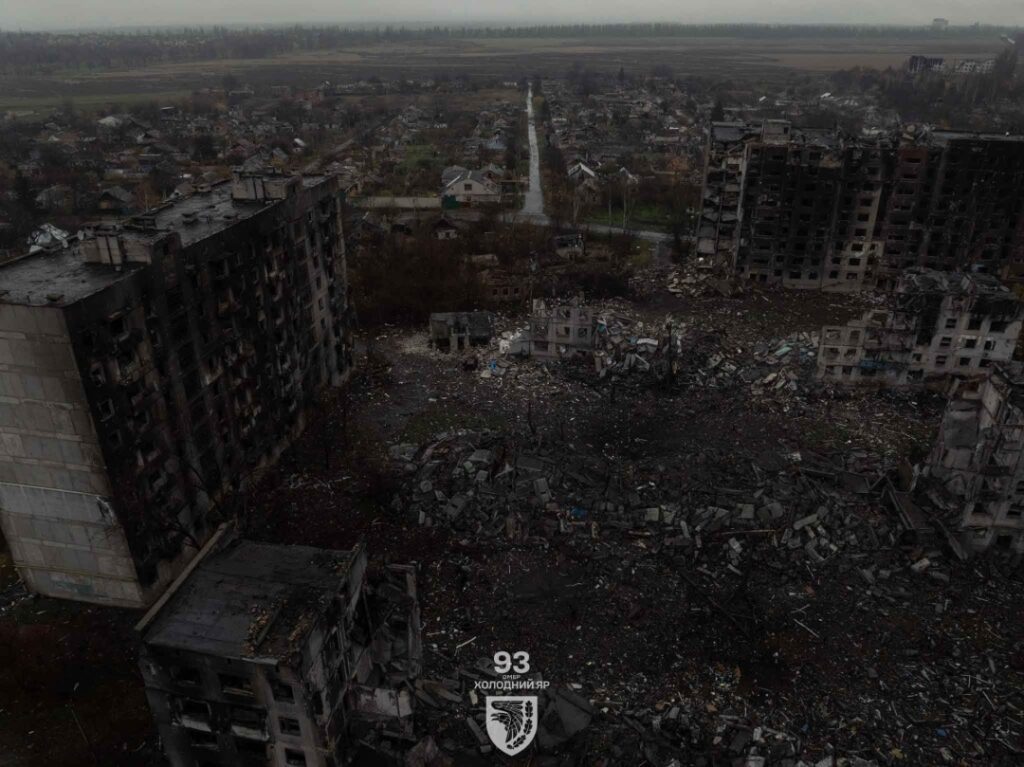
Kostiantynivka is one of Ukraine’s “Fortress Belt cities” Russia demands. It may fall by end of summer 2026, says observer

The city of Kostiantynivka after Russia's advances. Source: The 93rd Separate Mechanized Brigade "Kholodnyi Yar"

Russian forces may capture Kostiantynivka in Donetsk Oblast by the end of summer 2026, Ukrainian military observer Denys Popovych said on Radio NV. The warning comes as DeepState analysts have documented the Russian conversion of Kostiantynivka into ruins, and as Russian forces continue to consolidate in Pokrovsk and Myrnohrad.

Kostiantynivka is one of the "Fortress Belt cities" that Russia has demanded as part of its territorial conditions to take the entire Donetsk Oblast in the peace negotiations, even as it continues striking Ukrainian cities.

Popovych says Russia could capture the city despite what he himself characterizes as the broader operational failure of Russia's spring-summer offensive.

Russian success would come even as Ukraine's deep-strike envelope reaches 1,800 km into Russia and the "Logistics Lockdown" campaign degrades Russian rear-area infrastructure. 

Pokrovsk tactic that may be repeated

"We are now talking about the general failure of the spring-summer phase of Russian army offensive actions in the east and the south. But the prize in the form of Kostiantynivka they may take during this summer," Popovych said.

He added that Russian occupiers in Kostiantynivka are attempting to apply the same tactic they used in Pokrovsk: entrenching on the outskirts, then progressively infiltrating into the city itself by occupying multi-story buildings.

"Those enemy infiltration groups are being destroyed. But the question is whether we have enough resources to destroy every group," he continued. 

According to the expert, if one of them holds, settles in, and Ukraine doesn't notice it, then that chain, that path, will be trampled by the Russians.

"They will spread further through the city. This is the standard scenario the Russians have used during those cities that held defense for a long time," Popovych believes.

Russian drone crews may take same actions used in Pokrovsk, but now in Kostiantynivka

After the seizure of Pokrovsk and Myrnohrad per DeepState's assessment, Russian forces continue to build up forces inside them, particularly drone crews who have taken control of urban airspace. 

"The enemy is establishing itself in the cities and currently maintains the active task of advancing into the depths of our defense," DeepState noted in its analysis.

The combination of Russian drone control of urban airspace in already-captured cities and the slow-infiltration approach for the next target city is what makes Kostiantynivka's risk, as Popovych described, not hypothetical. Russia has demonstrated that the tactic produces results, slowly, against cities that hold out for extended periods.

  •  

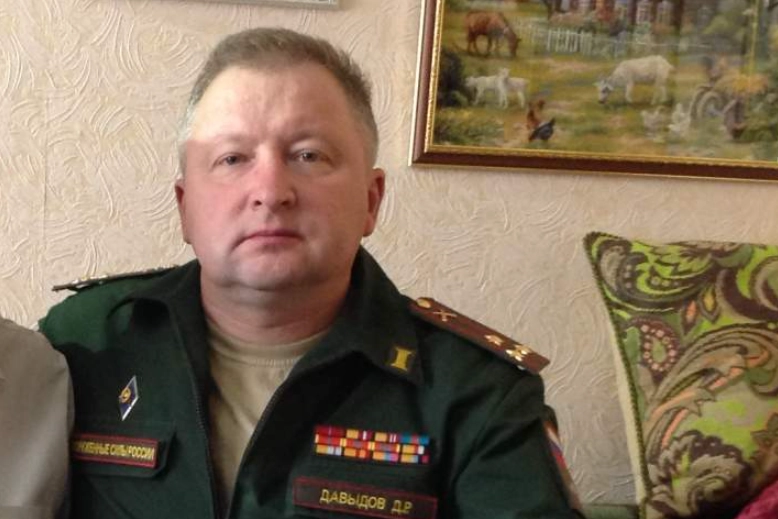
Car bomb kills Russian general who armed Russia’s war on Ukraine—fourth top officer assassinated near Moscow since late 2024

GRAU

The car exploded around 5:30 am on 9 June as Davydov pulled the BMW X3 out of its parking spot on Koldunova Street in Balashikha's Aviatorov microdistrict. Bystanders pulled him from the wreckage still alive, but he died at the scene before medical teams arrived, The Insider said. The outlet published the SUV's license plate and the apartment address on Kozhedub Street, several hundred meters from the blast, to confirm the identification.

Davydov, 57, had headed the missile and artillery ammunition supply directorate within the Main Missile and Artillery Directorate (GRAU) of Russia's Defense Ministry since 2017. Ukraine's Myrotvorets database lists him as a participant in planning and organizing Russia's full-scale invasion on 24 February 2022, with operational responsibility for keeping Russian forces supplied with shells and missiles. Russia's Investigative Committee confirmed the death of one man in the blast and opened a criminal case but did not name the victim.

The improvised explosive device carried the force of up to 500 grams of TNT and was attached to the underside of the vehicle, the Russian business daily Kommersant reported. Conflict Intelligence Team founder Ruslan Leviev reviewed the footage and concluded the bomb had been hidden in a separate parked vehicle and detonated remotely as the BMW drew alongside. The Insider attributed the operation to Ukraine's Security Service (SBU) without citing further sources, and Ukrainian officials had not commented as of late Tuesday.

A second device, then a third

Hours after the Balashikha blast, a Zeekr electric vehicle caught fire in a parking lot at the intersection of Butlerova and Vvedensky streets in Moscow's Konkovo district. Bomb technicians found a device under the car and neutralized it with a controlled detonation. Around 6 p.m., Moscow police evacuated the Nebo shopping center in Solntsevo after another suspicious object was discovered beneath a parked vehicle. Russian authorities ordered mass under-vehicle inspections across the capital region.

The pattern of four

Tuesday's killing fits a deepening pattern: the fourth senior Russian officer assassinated in the rear since late 2024. Lt. Gen. Igor Kirillov, head of Russia's chemical defense troops, was killed by a scooter bomb outside his Moscow apartment in December 2024 in an operation the SBU claimed openly. Lt. Gen. Yaroslav Moskalik, deputy chief of the General Staff's Main Operational Directorate, died in April 2025 in a car bombing 350 meters from Tuesday's blast site, also in the Aviatorov microdistrict; Russia's FSB later sentenced Ignat Kuzin, who said he worked for the SBU, to life in prison. Lt. Gen. Fanil Sarvarov, who oversaw the General Staff's operational training, was killed by a bomb planted under his Kia Sorento in southern Moscow in December 2025.

Background

The slain officer grew up in the closed nuclear city of Penza-19, now called Zarechny, where his father worked at the Start production association, a facility that built nuclear warheads until 2002. He held patents in rocket-engine design and artillery ammunition. In 2009 he led the Central Testing Technical Bureau attached to the 51st GRAU arsenal in the Vladimir region, and bought the BMW X3 in 2024 from a businessman in that same area, the Russian Telegram channel VChK-OGPU reported. The Kremlin, the Defense Ministry, and the SBU had not commented publicly as of late Tuesday.

  •  

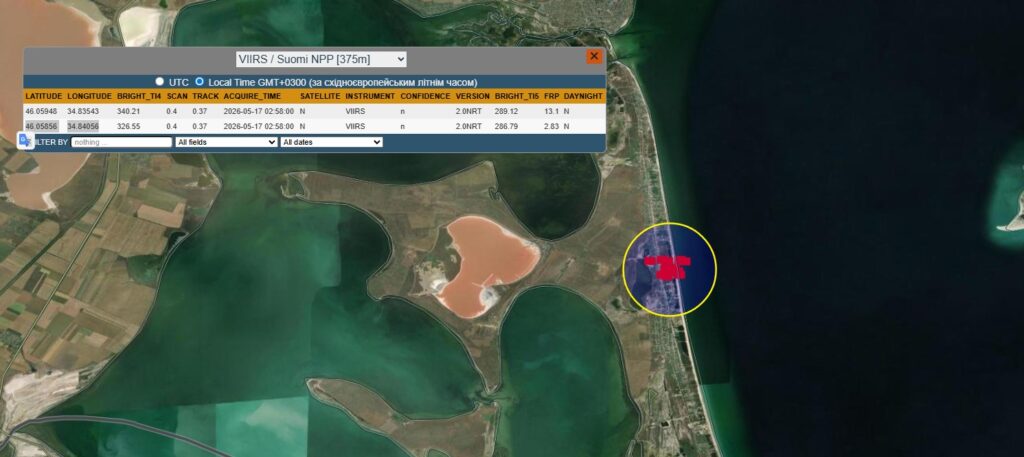
Chonhar bridge halted twice, now Arabat Spit crossing hit — Kherson’s occupied south loses two routes

russian air-defense crews now hunted ukraine bolts rocket pods its long-range drones · post nasa firms satellite detection fire arabat spit kherson oblast after ukrainian drone strike 0258 17 2026

Ukraine attempted a missile strike on a bridge connecting Henichesk to the Arabat Spit early on 10 June 2026, according to Vladimir Saldo, Russia's installed head of the occupied part of Kherson Oblast, who posted the claim on social media.

The strike is the latest in a series of Ukrainian attacks targeting road links between Russian-occupied Kherson Oblast and Crimea. The Chonhar bridge—the main overland route—was first struck on 7 June, after which traffic resumed in reversible mode; a second Ukrainian drone strike on 9 June halted movement again. Saldo had advised drivers to use alternative routes through Armyansk and Perekop.

Traffic across the Henichesk–Arabat Spit bridge has been temporarily closed, Saldo said, with emergency services on site establishing the circumstances.

Power outages across eight districts

In the same post, Saldo reported that eight municipalities were left without electricity following a separate overnight Ukrainian drone attack: Henichesk, Novotroitske, Chaplynka, Kalanchak, Ivanivka, Hornostaivka, Kakhovka, and Nova Kakhovka. Utility and emergency crews were working to restore power, he said.

Broader logistics pressure

Russian pro-war bloggers have in recent weeks reported an intensified Ukrainian drone campaign against military transport in southern Ukraine, Hromadske reports. On 30 May, Russian-occupied Crimea imposed limits on sales of A-95 petrol, citing drone strikes on Russian oil refineries; occupied Luhansk Oblast followed with similar restrictions shortly after.

  •  

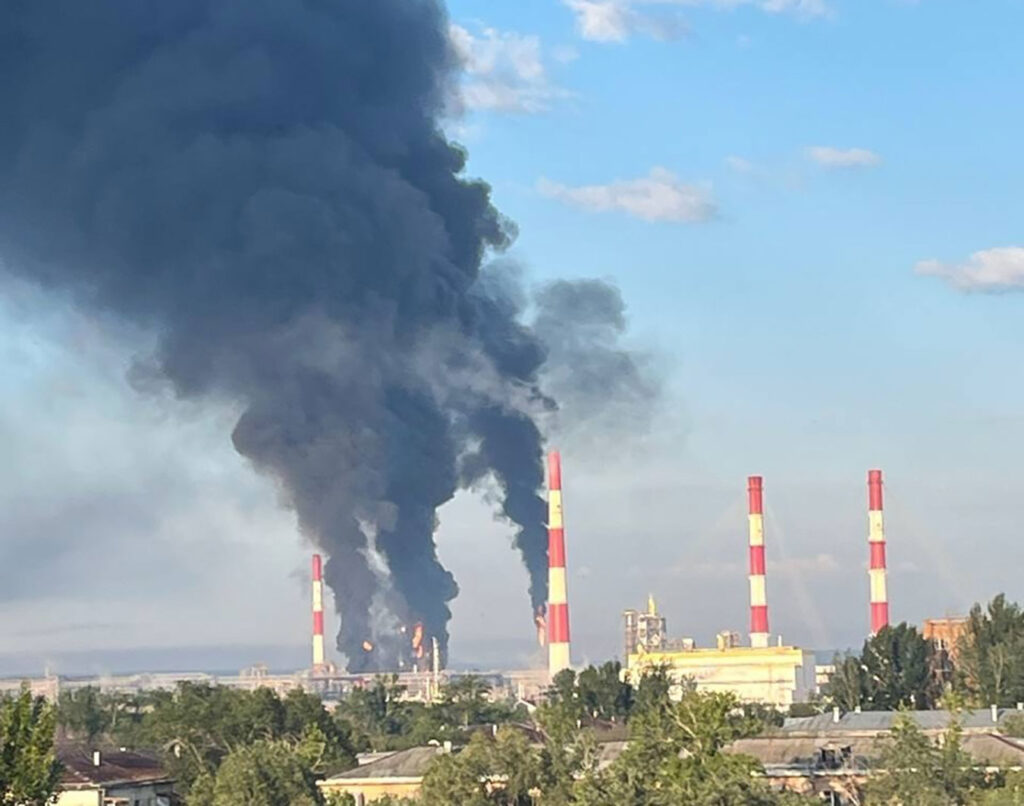
Fire reported at Kuibyshev oil refinery in Russia’s Samara after drone strike

title · post fires raging kuybyshevsky oil refinery samara russia 10 2026 fires-rage-at-samara-kuybyshevsky-oil-refinery ukraine news ukrainian reports

A fire broke out at the Kuibyshev oil refinery in Samara, Russia, following a drone strike on 10 June, according to OSINT analysis by Astra and Russian Telegram channels.

The Kuibyshev refinery is one of the largest oil industry facilities in the region and is part of Rosneft. The 10 June strike is the third reported attack on the plant since August 2025.

What happened overnight

Residents of Samara Oblast reported explosions during the night of 9–10 June. The regional governor wrote of a missile threat in the oblast.

Astra said its analysis of eyewitness footage established that the Kuibyshev refinery in Samara was struck and caught fire.

The same refinery halted operations in August 2025 following a drone attack, Russian social media channels reported. It was struck again in January 2026.

  •  

Ukraine reportedly strikes Russian defense plant ‘Progress’ in Cheboksary with Flamingo missiles

Russia

A fire broke out at what is reportedly the Progress defense plant in Cheboksary, Russia, following a missile strike on 10 June, the governor of Russia's Chuvash Republic said, according to Russian telgram channel Astra.

The incident marks the second reported strike on the same facility in under a week — on 5 May, Ukrainian FP-5 Flamingo missiles were reported to have struck the VNІIR-Progress defense enterprise in the same city, with President Volodymyr Zelenskyy confirming the attack.

Oleg Nikolaev, governor of Chuvash Republic, confirmed on Telegram that Cheboksary had come under missile attack. He did not specify casualties or damage.

What the strike targeted

Photos and video of a fire following the strike in Cheboksary were published by Russian social media channels, including footage of a missile passing over the city. According to OSINT analysis by Astra, the targeted facility is the VNIIR-Progress defense enterprise.

The plant manufactures Kometa antennas — systems designed to protect drones from electronic warfare — as well as other components used in Russian Shahed drones and Iskander-M and Kalibr missiles.

Astra analysts also noted that the VNIIR-Progress premises had been fully covered with camouflage netting following the previous strike.

The weapon used

Monitoring channel Exilenova+ identified the missiles used as Ukrainian FP-5 Flamingo cruise missiles. Denis Shtilerman, founder of the Ukrainian company FirePoint, which produces the Flamingo, published a photo of a launch on X on 10 June, without providing further details.

Previous strike

The 5 May attack on the same plant caused a large-scale fire after a missile struck the facade of one of the factory buildings, according to OSINT analysts. Zelensky confirmed the use of Flamingo missiles in that incident.

  •  

“Russia spits in our faces” and the UN pretends it’s “just rain” – UN envoy reports May deadliest month for Ukrainian civilians since 2022

Andrii Melnyk, Permanent Representative of Ukraine to the UN. Photo: Suspilne

May was the deadliest month for civilians in Ukraine since April 2022, according to the United Nations, which presented updated casualty data to the UN Security Council during an emergency meeting requested by Kyiv, Suspilne reported.

Latvian UN envoy Sanita Pavļuta-Deslandes said preliminary figures show a sharp rise in civilian harm, warning that the final statistics for May are expected to be even higher. 

She said attacks during the month included strikes on civilian gatherings, including a funeral in Sumy, which she cited as an example of Russia targeting “so-called legitimate objectives,” according to Suspilne.

She also noted that in the first quarter of 2026 alone, 190 attacks were recorded on medical facilities, including maternity hospitals, while more than 200 educational institutions were damaged or destroyed. The number of injured children increased by 49%, according to UN data cited at the session.

The Security Council meeting came on June 8 following a wave of Russian strikes across Ukraine.

Ukraine accuses Russia of systematic deception at UN

Ukraine’s permanent representative to the UN, Andrii Melnyk, used the session to sharply criticize Russia’s role at the United Nations, arguing that Moscow continues to deny responsibility while undermining international reporting on the war.

“Russia spits in our faces with lies, and we pretend it is just rain,” Melnyk said during the meeting, according to Suspilne.

He suggested that Russia should consider leaving the UN if it rejects its own obligations under international law and dismisses UN investigative findings.

Melnyk also called for Russia to be excluded from UN peacekeeping operations, pointing to its inclusion in UN listings related to sexual violence in conflict and repeated findings on violations involving children and armed conflict.

He urged member states to take action on these findings, saying Russia’s participation in UN structures undermines the credibility of the system itself.

The meeting highlighted growing tensions inside the Security Council as Russia continues to face accusations of escalating strikes on civilian infrastructure while maintaining its role as a permanent member of the body.

  •  
❌