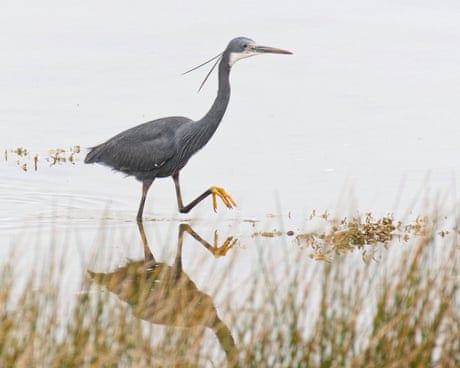
Appearance of a western reef heron in north Wales is unlikely to be the last, as heating temperatures mean species can survive Britain’s winter, say experts
It is a tropical bird typically encountered between west Africa and India, but last week a western reef heron arrived in north Wales in what is believed to be the first ever sighting in the UK.
The heron was first spotted in Foryd Bay at the weekend before flying to nearby Caernarfon harbour where it fed among the boats.
Ancient Greek hairstyles marked the identity of a person and denoted social status. Depiction of Hippocrates with his hair falling loosely around the nape of his neck and a wounded soldier brought to him. Adult men were depicted with beards, while young men were portrayed without. Painting on a red figure krater. Credit: Jaime Ardiles-Arce, Wikimedia Commons Public Domain
Hairstyles in Ancient Greece were one of the most significant identifiers of individuals, as they denoted social status and strength. They were also tied to rites of passage and religious rituals.
The hair on one’s head was so particularly valuable to ancient Greeks that it was worthy of its own unique term, being referred to as the kόme (κόμη), and people of the time meticulously cared for it, as they believed it was pivotal to one’s personality and reflected an individual’s social beliefs.
Hairstyles were an essential means of expressing one’s identity. The length and texture—long or short with loose waves or tight curls—was distinctively Greek and contrasted sharply with portrayals of non-Greeks. They were important in that they were a way for people to recognize each other and communicate their place within society.
Hair rituals, such as growing and cutting hair for the purpose of honoring deities, were complex and multi-layered. They needed to account for family status, gender, age, social class, transition points, and cult practices, as well as associations and organizations to which one belonged.
Heroes such as Achilles and Menelaus were portrayed by Homer with blond hair (xanthos), leading many men to lighten their own hair in an effort to resemble them. To do so, they relied on soaps and alkaline bleaches imported from Phoenicia. Some dyed their hair with a mixture of apple-scented yellow flowers and pollen, potassium salts, and even gold powder.
However, in Homeric and Classical Greek, xanthos (Greek: ξανθός) referred to light-colored hair more broadly and did not exclusively mean “blonde” in the modern Northern European sense. Its meaning was more flexible, often encompassing shades like golden, reddish-gold, or light brown.
Hairstyle depictions in sculptures and paintings
Much of what we know about hairstyles in Ancient Greece stems from depictions of literary works and art, such as sculptures, paintings, amphorae, and other types of vessels. In general, women are nearly always presented with long hair. Slave women, on the other hand, had short hair for hygienic reasons as well as to allow others to socially discriminate between them.
Warriors on amphorae are typically portrayed with pointed beards and long hair while their squires are usually beardless with long, curly hair, and lyre-players have long hair tied back in a bun with a hairband. In a bronze statuette of Apollo, adult men are pictured with beards and somewhat long hair whereas the younger men have no facial hair at all. What marked barbarians, on the other hand, was a moustache with no beard.
Generally speaking, there was a gradual change of style in depictions of men on sculptures and vases from more elaborate to simpler ones. On the other hand, women appeared in works of art donning a variety of ornamental kerchiefs, including pretty bands such as a type of sling known as the “sphendone” (σφενδόνη) due to its shape. A large stamnos, a type of large vase used for serving and storing liquids, depicts groups of women dressed in Ionic and Doric chitons (types of Greek tunics) with various sorts of headdresses.
In literature, the oldest accounts of hairstyles in Ancient Greece are to be found in the works of Homer in which one encounters the dedicating of hair to deities and the dead for the first time ever. This further attests to the importance ancient Greeks placed on hair. In Homer’sIliad, Book 23, Achilles dedicates his hair to his dead friend Patroclus, for example, in an act that symbolizes his grief for his best friend who has passed away as well as his devotion to their friendship.
Ancient Greek hairstyles varied through the centuries. Painting on red figure kylix depicting Heracles fighting Nereus. Three Nereids are fleeing. Credit: ArchaiOptix Wikimedia Commons CC BY-SA 4.0
Ancient Greek hairstyles through the centuries
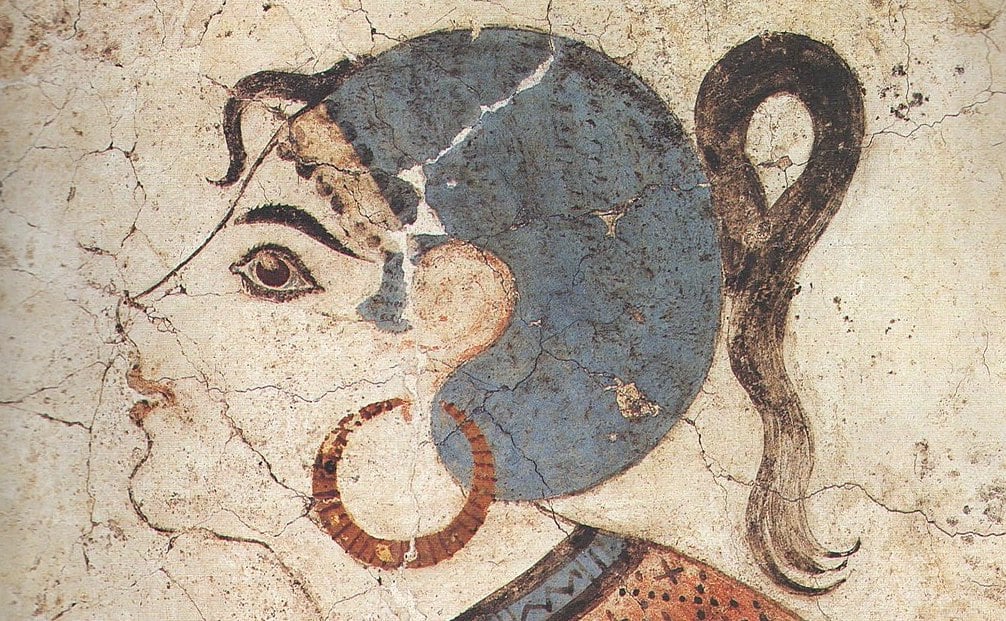
Paintings in the palaces and pottery of the Minoan period (c. 3000 and 1100 BC) show dancers with shoulder-length black hair. In Aegean art, men are depicted with single or double plaits, and Homer’s heroes (c. 800 BC) had such hairstyles, as well, as did warriors at the battle of Marathon (490 BC).
“Saffron Gatherer” from a Minoan fresco in Akrotiri, Santorini. Credit: Public Domain
The most common hair adornment for women was a type of hairnet or coif made of net work known as a “kekryphalos” in Greek—otherwise also called a caul or “coif of network.” It was worn during the day and at night through to the Classical Period, and Homer made mention of these hairnets, which were frequently made of gold threads or silk, as Pausanias writes.
Overall, during the Archaic Period (c. 1100 to 480 BC), the kouros, the free-standing statues depicting male youth, had long, finely braided, shoulder-length hair at the very least. The maidens (kόre) had numerous braids and oftentimes also donned a coronet. Towards the end of the particular period, women were portrayed with their hair tied back and into a bun, known as the “knidian hairstyle,” named after the Knidian Aphrodite, a statue by Praxiteles of the 4th century BC.
Greek Kouros Statue. 580 BC . Credit: wikimedia commons / Ricardo André Frantz CC BY 3.0
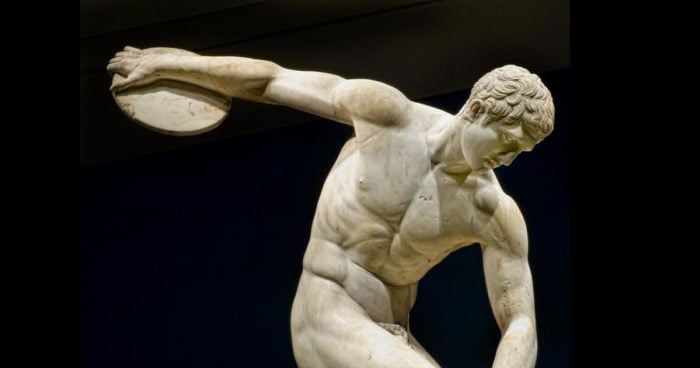
It was in the mid-5th century BC when males began appearing with shorter hair in Greek artwork, and at the beginning of the Classical Period (c. 480 to 323 BC), they were shown with short, neatly trimmed hair. Modern historians attribute the trend towards shorter hairstyles in Ancient Greece to the rising popularity of sports, as athletes had to have their ears free and their hair fixed in place, possibly with hair oil. A good example is the famous Discobolus statue by Myron (c. 460-450 BC).
The Discobolus statue. Credit: Public Domain
Alexander the Great’s appearance—clean-shaven (unlike his father) with wind-swept locks combed back from a central part—was a tribute to the importance of youth and was subsequently adopted by other Greek kings. None of his Diadochi appeared with a beard on coinage, statues, or works of art. After Alexander the Great, it became typical for rulers to refrain from having facial hair for several centuries. This was also true of Roman emperors.
Bust of Alexander the Great. Discovered at Giannitsa. Credit: Explorer40/Wikimedia Commons
In the Archaeological Museum of Amfissa, over eight hundred miniature figurines of 3rd and 2nd century BC females are exhibited. Their hairstyles are particularly interesting, as bronze and golden spirals were used for fastening and decorating the hair. During the Hellenistic period, hairstyles became quite complex, and some of these can be seen on the figurines as well. Knidian hairdressing continued to be especially popular, but from 250 BC onwards, small curls were left hanging unfastened around the nape of the neck.
Hair rituals of the ancient Greeks
In archaic times, the ancient Greeks wore their hair long and were thus consistently referred to as long-and-thick-haired Achaeans (Greek: καρηκομόωντες Ἀχαιοί) in Homer’s works. This was a hairstyling practice that was adopted and preserved by the Spartans for centuries.
Plutarch writes that Spartan boys had their hair trimmed quite short. As soon as they reached puberty, however, they let it grow out. The men were particularly proud of their hair, as they deemed it the most affordable of body adornments and consistently took the time to properly care for it prior to going into battle. Both Spartan men and women tied their hair back in a knot over the crown of the head. Brides even shaved their heads and wore men’s costumes as part of the ceremony.
In rival Athens, the boys wore their hair long throughout childhood and had it cut off when they reached puberty. The cutting off of teenager’s hair was a solemn act honored through religious ceremonies. A libation (oinisteria) was initially offered to Hercules, and the hair was dedicated to a deity of choice afterwards. Plutarch writes that Theseus went through the ceremony at Delphi.
Prior to marriage, Delian girls and boys cut their hair in honor of the Hyperborean maidens who died at Delos and laid it on their tombs. A bride would cut her hair on the day of the wedding ceremony as a symbol of submission to her husband and offer it to the goddess Artemis or Athena. She would then pull her remaining her up in a knot. Following the ceremony, the bride wore a crown and special wedding veil. If she happened to be unfaithful to her husband, he would then shave her head, turning her into a social outcast.
An ancient Greek hairstyle on a 1st-century BC marble sculpture of a woman looking at what likely is her jewel box held by her attendant. Credit: Dave & Margie Hill / Kleerup Wikimedia Commons CC BY-SA-2.0
A variety of hairstyles in Ancient Greece
The great variety of hairstyles in Ancient Greece makes it difficult to pinpoint the exact period during which each of the hairdos was popular, and there were a number of unique styles as well. Among these was the “melon-like” hairstyle, or the “peponoeidis,” thus named because of what resembled deep parallel grooves akin to those of a melon. Women often left their curls hanging freely around the forehead in the shape of knots or bell clappers in what was known as the “tettix.” Yet another hairdo was the “lambadion,” a type of bun with loose ends which conjured up images of torch flames or horse’s tail.
During the Hellenistic period, hairstyles became more sophisticated and complex. However, the most impressive hairstyle of the time was the knot of Heracles (herakleion amma), associated with good fortune and love. The hair was brushed forward to form a kind of bow or butterfly.
Headbands, diadems, coronets, headscarves, and clips or loops were used in creating the various styles for women, and hair additions and wigs were not uncommon. Garlands of fruit and ivy leaves, mainly from the plant of immortality, the elichryson, which was believed to bring serenity, were also incorporated into hairstyling trends.
Later on, in Roman times, hairstyles became extremely complex and pretentious and were named after the empress or specific woman of nobility who set the trend.
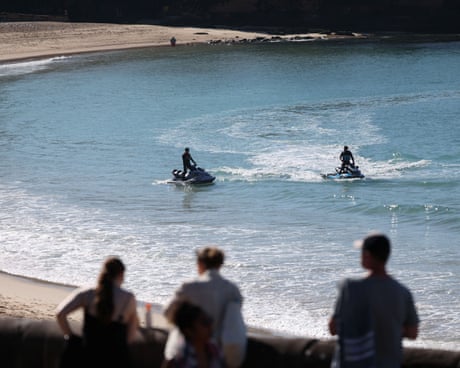
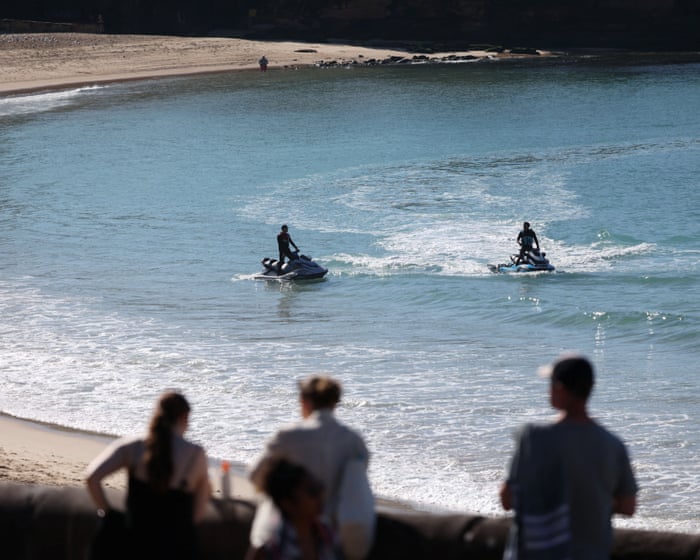
A woman in her 30s is in a critical condition after being bitten by a large shark at Coogee beach on Saturday, with a witness describing the scene at the popular Sydney beach as “shocking”.
A spokesperson for New South Wales Ambulance said the woman suffered arm and leg injuries and had been taken by road to St Vincent’s hospital.
“Artificial Intelligence Machine Learning” by mikemacmarketing. Credit: Flickr/ CC BY 2.0.
As artificial intelligence becomes more integrated into the workplace, many employees worry that machines could replace them. Workplace experts say that fear is understandable. But they also say humans still have skills that AI cannot easily match. Those strengths include empathy, relationship-building, critical thinking, ethical judgment, and the ability to make decisions in uncertain situations.
Human skills keep their value
Maria Flynn, president and CEO of Jobs for the Future, said the skills most resistant to AI are the ones most closely tied to human behavior.
Those include building trust, resolving conflict, motivating others, and making ethical decisions, she said. Flynn’s organization calls them “durable skills” because they keep their value through economic shifts, new technology, and labor market disruption.
Employers are looking for these skills in many fields, including technical roles such as IT support, Flynn said. They want workers who can communicate clearly, take initiative, and lead when needed.
Empathy remains hard to automate
Empathy remains one of the clearest examples. Humans can read tone, body language, and emotion in ways AI still struggles to understand. Those skills matter in jobs that depend on care, trust, and sensitivity.
Marco Iansiti, a professor of business administration at Harvard Business School, said he saw that during a hospital stay. Nurses, he said, offered more than routine care. They gave comfort, built trust, and created a human connection.
As AI changes the workplace, experts say the most valuable skills may still be the most human ones.
Empathy, critical thinking, relationship-building and ethical judgment could help workers stay relevant as companies adopt more AI tools. pic.twitter.com/dhcZ1RcmPA
— Tom Marvolo Riddle (@tom_riddle2025) June 12, 2026
AI may still help in hospitals, he said. It can take over paperwork and other routine tasks. That could give nurses more time to focus on patients.
Relationships still matter at work
Relationships also remain difficult to automate. Salespeople, managers, and client-facing workers often rely on years of trust and personal knowledge. A client who has worked with the same person for years may not transfer that trust to an AI system, Iansiti said.
Human connection also matters when conflict arises. Flynn said people are still needed to manage expectations, calm tensions, and help teams move forward.
Colleen Adler, a director analyst in Gartner’s human resources practice, said managers and co-workers still shape how employees feel at work. AI may assist with tasks, but it does not yet match the tone of human connection, she said.
Workers need critical thinking
Critical thinking is another skill gaining importance. AI systems can produce quick answers, but they can also make mistakes.
Amalia Kaufman, a course developer and instructor at the University of California, Irvine Division of Continuing Education, said workers need subject knowledge to judge AI output. They must know when information is wrong and check facts before using it.
A study published in Science also found that AI chatbots were more likely than humans to flatter users and validate their feelings. That makes human judgment even more important.
Ethical judgment requires oversight
Experts say ethical judgment may be harder for AI to copy. Iansiti said AI can appear to understand conscience because it has read about ethics. But it lacks emotion, lived experience, or responsibility.
That matters in high-stakes decisions, including hiring or the use of military force. Guardrails can help guide AI systems, Iansiti said, but human oversight remains necessary.
AI can process large amounts of data. But experts say people still bring context, experience, and judgment to gray areas where there is no clear answer.
As AI changes work, Flynn said, employees should be able to identify and explain the human skills they bring. Those skills may help workers remain valuable in a future shaped by machines.
Ministry says animals fitted with sensors by foreign agencies collect sensitive sea data, in ‘invisible secret war’
China’s ministry of state security has claimed that foreign espionage and intelligence agencies are using innovative new methods to monitor the country’s waters, including deploying “spy” animals fitted with sensors.
In a post on the Chinese platform WeChat on Friday, the ministry warned that an “invisible secret war” was quietly playing out in the seas around China as foreign agencies were collecting sensitive data “through a variety of new spying devices” to produce underwater maps that pose a “serious threat to our national security”.
More than 20,000 votes cast in Butterfly Conservation’s poll of 60 native species to find nation’s favourite for first time
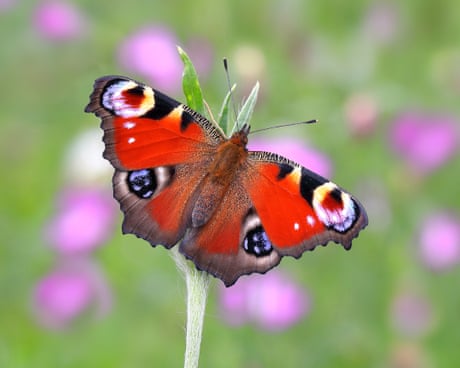
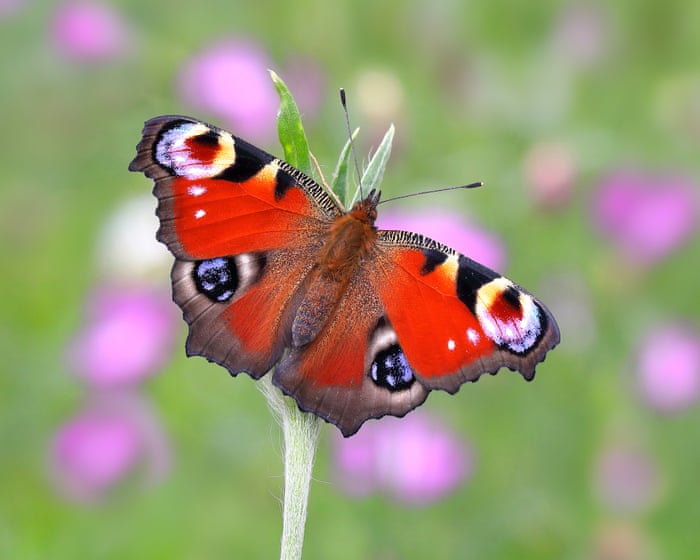
The votes are in on Britain’s favourite butterfly, and it is one of the most ubiquitous yet spectacular backyard beauties that has flown to victory.
With its lavender, yellow and maroon eye spots and luscious rusty red and black colouration, the peacock butterfly is both beautiful and commonplace, flying throughout spring, summer and autumn in all corners of the British Isles.
A luxury resort backed by the US president’s family may be built on a wildlife-rich nature reserve in one of Europe’s poorest nations
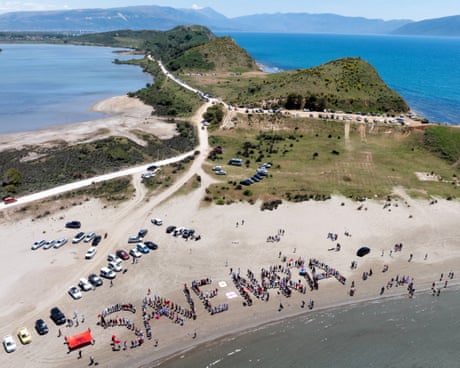
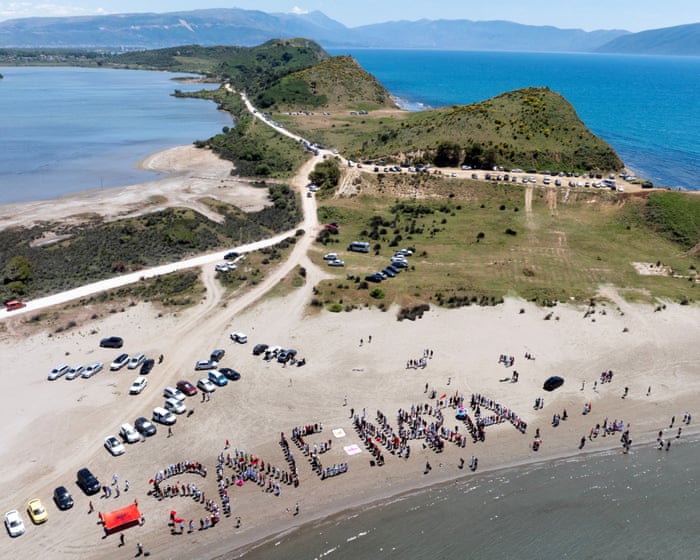
If the real estate dreams of a billionaire political family come true, an island in one of Europe’s poorest countries will become a luxury hotel complex, sweeping up stretches of the wildlife-rich nature reserve that sits across the water.
No public consultation has taken place, but there are signs the idea is on the way to becoming reality. Albania has been rocked by nearly two weeks of fierce protests after fences and heavy machinery came to a sensitive wetland and preparatory work began on the tourism vision of Ivanka Trump and her husband, Jared Kushner.
Long-awaited course to examine human effects on natural world and explore everyday ways to aid biodiversity
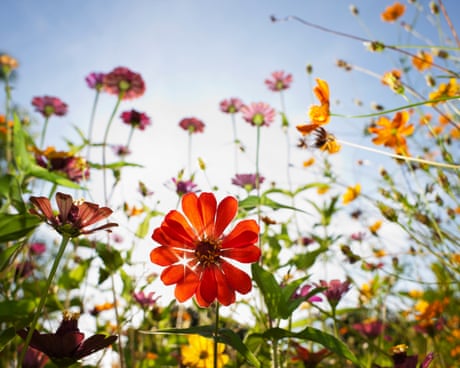
School pupils will learn how to plant a wildflower-friendly garden, according to long-awaited plans announced on Thursday for a natural history GCSE in England, Wales and Northern Ireland.
Campaigners have for more than a decade called for the study of biodiversity loss and global heating to be introduced as a dedicated subject in classrooms across the country, but despite a curriculum being previously drawn up, its launch has faced repeated delays.
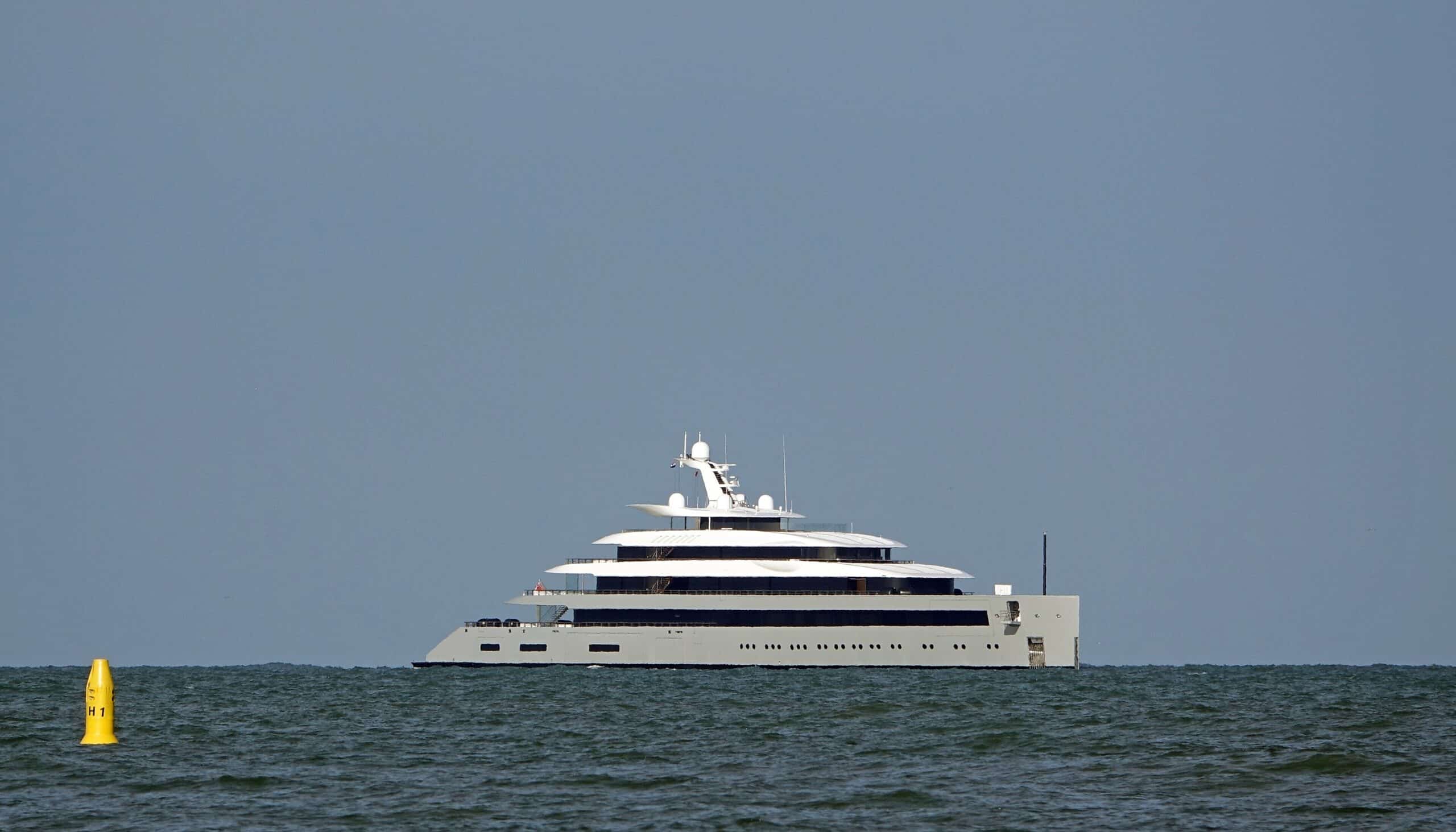
The 100-meter Moonrise superyacht, built by Feadship and linked to WhatsApp co-founder Jan Koum. Credit: Kees Torn / Wikimedia Commons / CC BY-SA 2.0.
WhatsApp founder Jan Koum’s superyacht, Moonrise, has been spotted off Mykonos, drawing attention to the waters around one of Greece’s busiest summer destinations.
The nearly 100-meter (328-ft) vessel belongs to Koum, the Ukrainian-born American billionaire who co-founded WhatsApp. Its presence off Mykonos adds to the island’s long record of attracting large private yachts during the summer season.
Feadship delivered Moonrise superyacht in 2020
Moonrise was built by the Dutch shipyard Feadship and delivered in 2020. The yacht is among the largest vessels produced by the shipbuilder.
At the time of its launch, Feadship said Moonrise was the largest superyacht ever built in the Netherlands by waterline length. The vessel has a gray hull, long horizontal windows, a vertical bow, and a multi-deck exterior design.
WhatsApp founder Jan Koum and the Moonrise superyacht
Koum became one of the most renowned technology entrepreneurs after co-founding WhatsApp. Facebook, now Meta, acquired the messaging app in 2014 in a deal valued at about $19 billion to $22 billion, depending on the calculation.
Koum, now 50, remains among the wealthiest figures in the technology sector, with his fortune estimated at roughly $17 billion. Earlier yacht market estimates placed the value of Moonrise at around $220 million. More recently, Burgess listed the yacht for sale at €325 million ($380 million).
Inside the WhatsApp founder’s superyacht seen off Mykonos
Moonrise can accommodate up to sixteen guests in eight cabins, while thirty-two crew members handle operations and service on board. The yacht includes a private owner’s deck, movie theater, gym, massage area, hair salon, sundeck, and outdoor guest areas. It also features a beach club, a swimming platform, tenders, water sports equipment, and a helipad.
Feadship designed the superyacht with a focus on reducing noise and vibration. Its engineers worked on the propeller, stabilizers, and anchoring system to limit sound and movement while the yacht operates or remains anchored.
Two MTU engines power the vessel. Moonrise reaches a top speed of 18.5 knots, while specialist yacht listings place its cruising speed at around 16 knots. Moonrise received international recognition in 2021, when it won at the BOAT International World Superyacht Awards in the category Displacement Motor Yachts 3,000GT and Above.
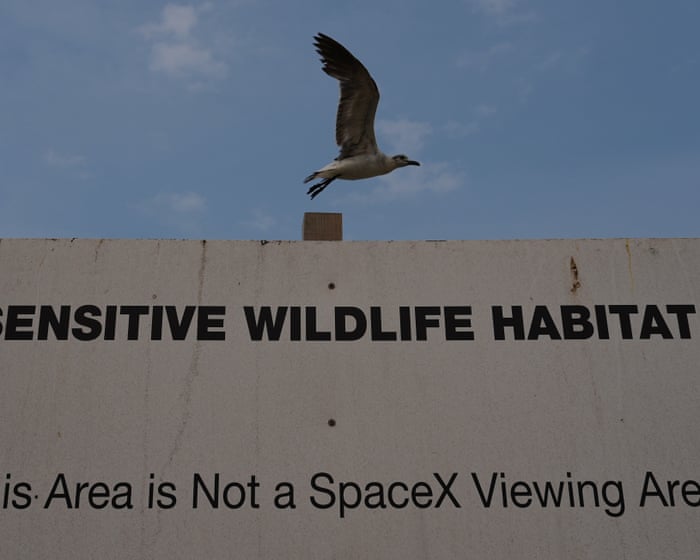
Environmental groups on Wednesday sued in an attempt to stop the Trump administration from giving SpaceX more than 700 acres (280 hectares) of wildlife refuge in Texas, claiming it would worsen ecological risks to a Gulf coast region already transformed by billionaire Elon Musk’s rocket operations.
The US Fish and Wildlife Service this month approved moving forward with the deal with SpaceX, which would surrender 683 acres (276 hectares) the company owns in exchange for federal land in the Lower Rio Grande Valley national wildlife refuge. The 103,000-acre (41,700-hectare) refuge spans four counties along the Texas border and is home to animal habitats and historical landmarks.
O Ministério do Turismo de Angola formalizou um acordo com a Visa para reforçar a rede de pagamentos internacionais no país, apostando em soluções digitais e convenientes enquanto promove a redução do numerário em circulação.
A tutela liderada por Márcio Daniel enquadra a parceria na estratégia de implementação da “Visit Angola – The Rhythm of Life”, marca central da agenda do Turismo angolano lançada em outubro do ano passado, tendo em vista desenvolver o mercado interno, melhorar a experiência dos visitantes nacionais e internacionais, capacitar os operadores turísticos e ampliar o acesso a soluções modernas, seguras e convenientes de pagamento
“A parceria tem como objetivo promover a aceitação de pagamentos com cartões Visa em canais físicos e digitais dos hotéis, restaurantes, agências de viagens, e outros operadores turísticos, bem como plataformas online e outros serviços associados à cadeia de valor do turismo”, explica o Ministério em comunicado.
Segundo Augusto Kalikemal, Secretário de Estado para o Turismo, a iniciativa “representa mais um passo” nos esforços do Ministério rumo a um setor “mais fácil de consumir, mais moderno na operação e mais alinhado com os padrões internacionais de conveniência e segurança”.
Do lado da Visa, Kátia Conceição, nomeada country manager da multinacional para Angola, Moçambique e Santa Helena em março, sublinhou o papel da empresa na introdução de “soluções inovadoras e ferramentas que contribuam para melhorar a experiência dos visitantes e apoiar o crescimento dos negócios locais”.
No âmbito do acordo, o Ministério e o novo parceiro tecnológico irão trabalhar em conjunto com instituições financeiras, adquirentes e prestadores de serviços de pagamento para apoiar a expansão dos pagamentos digitais no turismo, estando previstas ações de capacitação dos operadores do setor turístico na utilização de soluções digitais, aceitação de pagamentos electrónicos, educação financeira, segurança nas transações e melhoria da gestão das receitas.
O Memorando de Entendimento foi assinado o dia 9 de Junho, no Auditório Saidy Mingas do Museu da Moeda, em Luanda.
Conservationists say cherished creatures such as whales, dolphins and seabirds are being killed in large numbers by fishing tackle
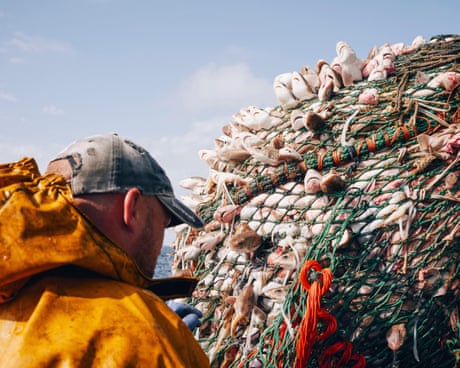
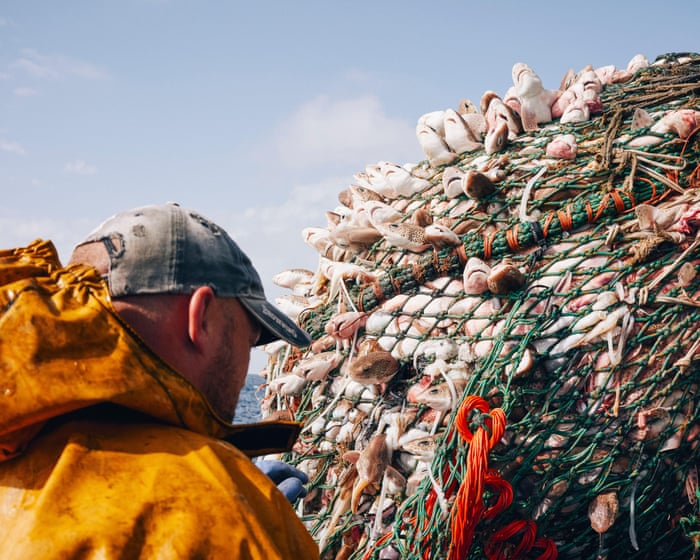
Thousands of Britain’s most charismatic and protected marine wildlife, including whales, porpoises, dolphins, seals and seabirds are being killed as “collateral damage” by fishing vessels every year, according to the first-ever analysis of bycatch data.
The analysis, by the Wildlife and Countryside Link, a coalition of voluntary conservation groups, reveals the devastating toll bycatch, the accidental capture and killing of non-target species by fishing vessels, is having on marine species.
Targeted vaccination and improved testing planned as part of drive to eradicate disease by 2038
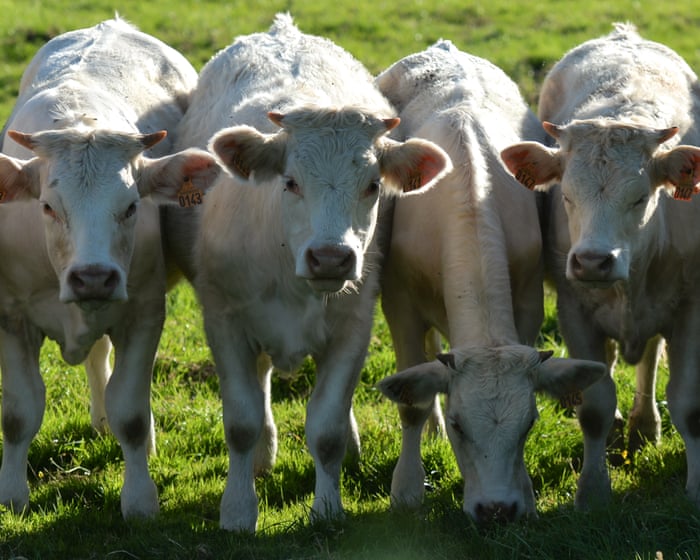
Cattle will be vaccinated against tuberculosis from 2030 as a “gamechanging” part of a new strategy to drive eradication of the disease in England by 2038. In parallel, the last badger culls are expected to end by 2029, with vaccination of badgers expanded.
More than 20,000 infected cattle are slaughtered each year, costing taxpayers £100m and inflicting a heavy toll on affected farmers’ livelihoods and mental health. Mass culling of badgers began in 2013 and has killed about 250,000 animals, at a cost of about £60m.
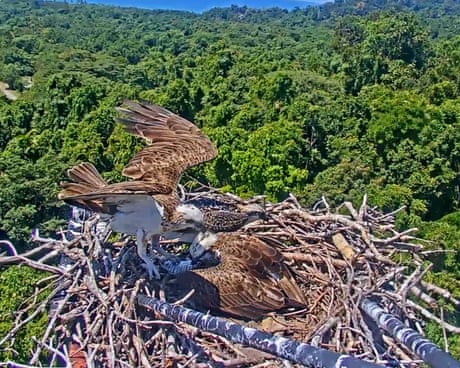
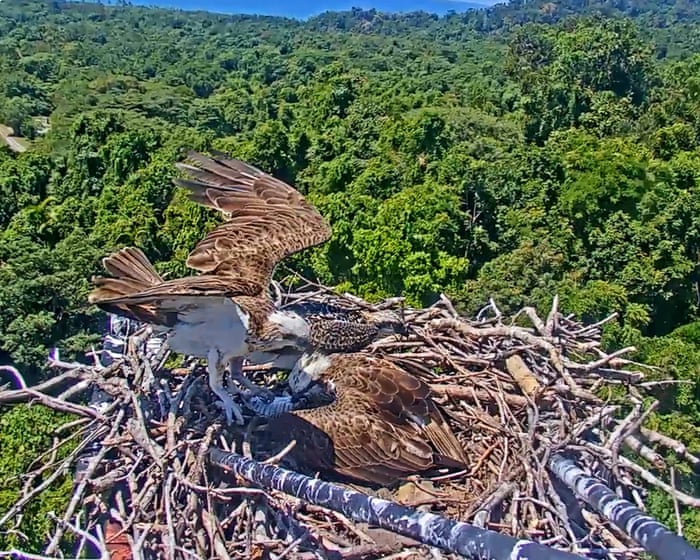
It started by chance – but it should have come as no surprise that two ospreys would pick a hi-tech research facility to make their home.
James Cook University’s 47-metre tall crane towers over the far-north Queensland rainforest canopy, making it the perfect nesting place for the seabird.
Bringing Greece home: 10 traditional keepsakes with a century of soul. Credit: Greek Reporter
Greece is a goldmine for souvenirs because the best things to bring home are deeply rooted in centuries of culinary, agricultural, and artistic traditions. Skipping the generic plastic keychains, here are the top 10 authentic souvenirs to bring back.
Greece consumes more olive oil per capita than any other country, and its liquid gold is world-renowned. Look for oils from Crete, Kalamata, or Mani. For easier travel packing, skip the glass bottles and buy the tightly sealed tin canisters found in local supermarkets or specialty shops.
2. Greek Thyme Honey
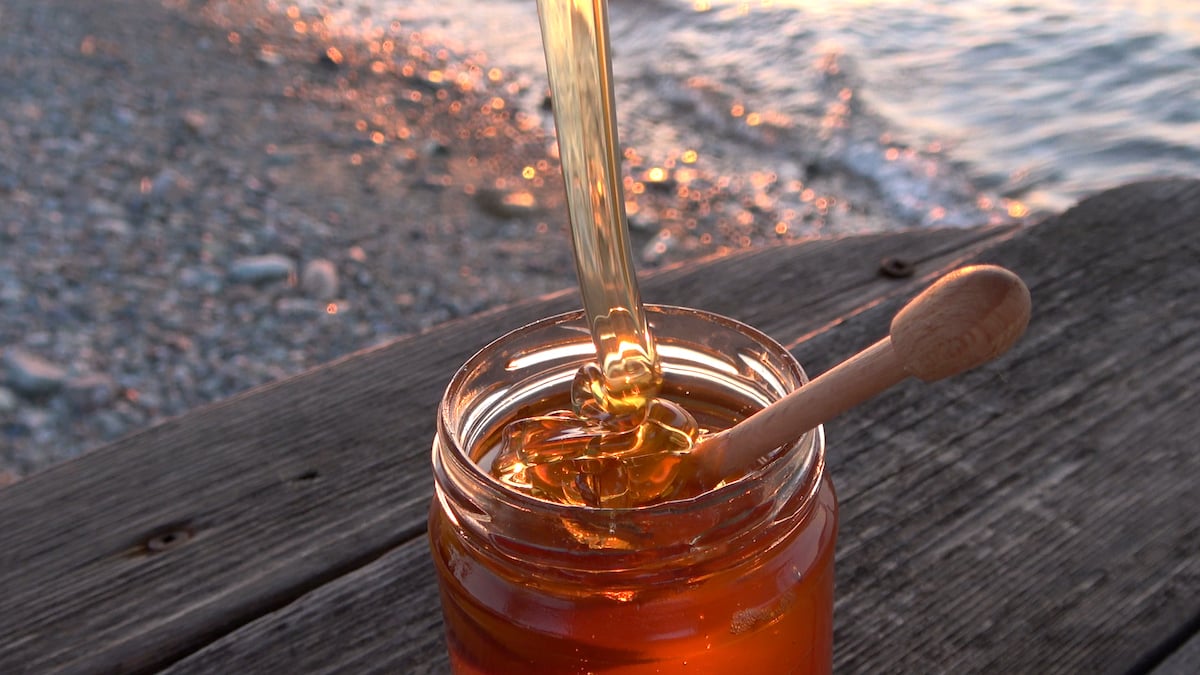
Image of Greek honey. Credit: Greek Reporter
Because Greek bees feed on wild herbs under intense sunshine, the honey here is thick, rich, and distinctly aromatic. Thyme honey (particularly from Crete or the Aegean islands) is considered the gold standard.
3. The Mati (Evil Eye) Amulet
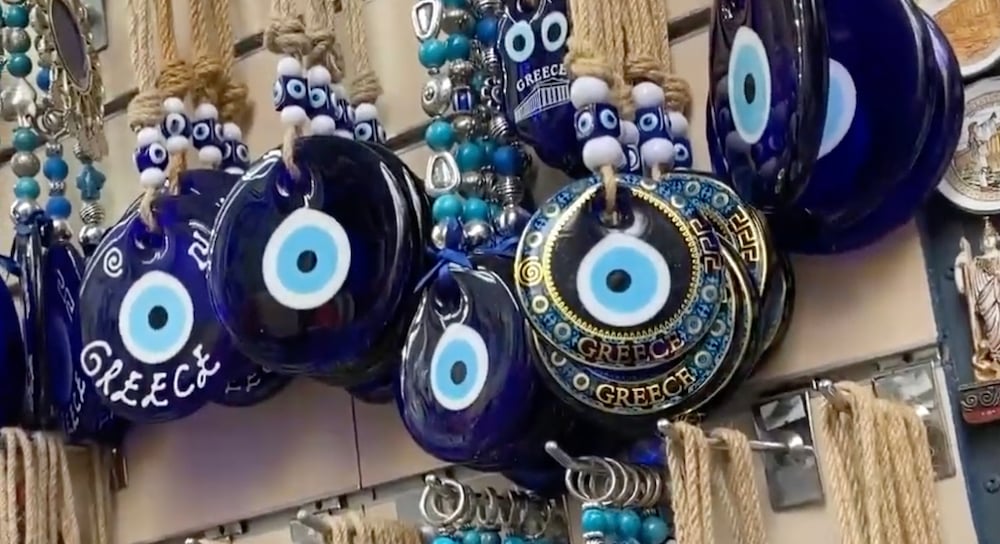
Mati. Credit: Greek Reporter
The distinctive blue-and-white eye charm is designed to ward off bad energy or jealousy (to mati). You can find it on beautifully crafted silver jewelry, ceramic wall hangings, or simple glass beads. It’s light, cheap, and undeniably Greek.
4. Ouzo, Tsipouro, or Mastiha
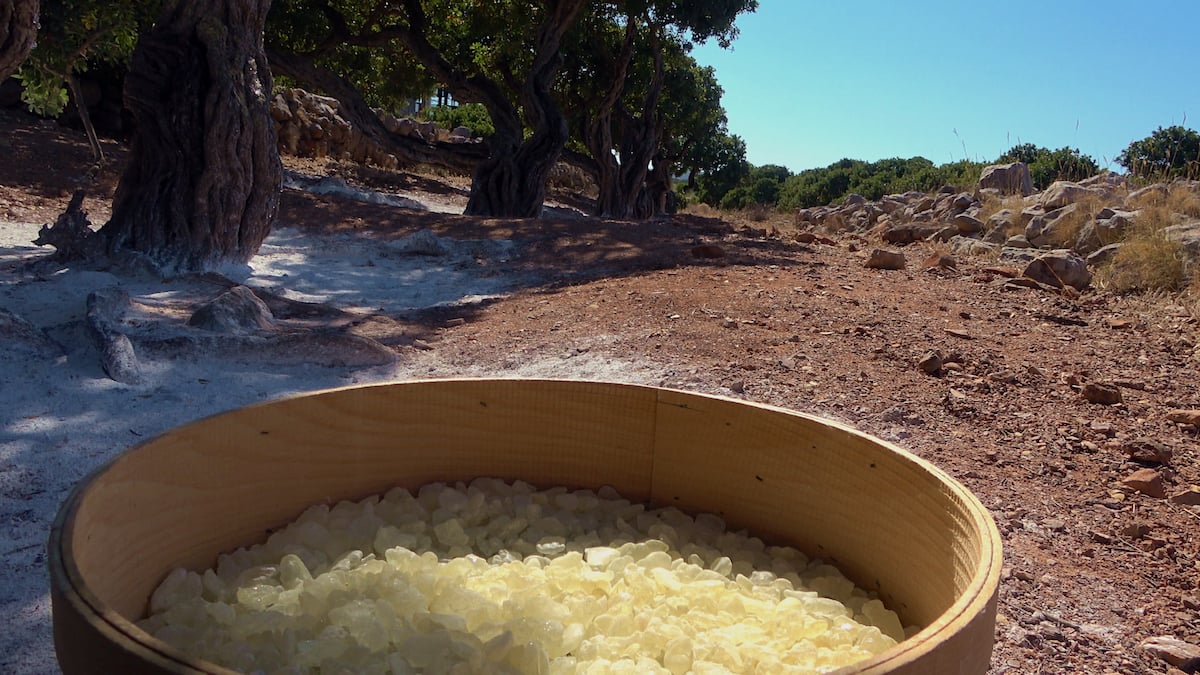
Mastic from Chios. Credit: Anastasios Papapostolou/Greek Reporter
Bring the taste of a Greek summer back home:
Ouzo: The famous anise-flavored, clear spirit that turns milky white when you add water or ice
Tsipouro: A strong, unaged grape distillate (similar to grappa)
Mastiha: A sweet, incredibly refreshing liqueur flavored with resin harvested exclusively on the island of Chios
5. Dried Greek Oregano & Mountain Tea
Greek oregano (rigani) grows wild on rocky hillsides, giving it a much more intense, peppery flavor than supermarket varieties back home. Pair it with a bunch of Greek Mountain Tea (tsai tou vounou), a dried herb brewed for centuries to boost the immune system and soothe digestion.
6. Olive Wood Kitchenware
From salad bowls and cutting boards to honey dippers, items made from Greek olive wood are gorgeous and incredibly durable. The tight grain of the wood means it doesn’t absorb odors or bacteria easily, and each piece features entirely unique natural patterns.
7. Handmade Leather Sandals
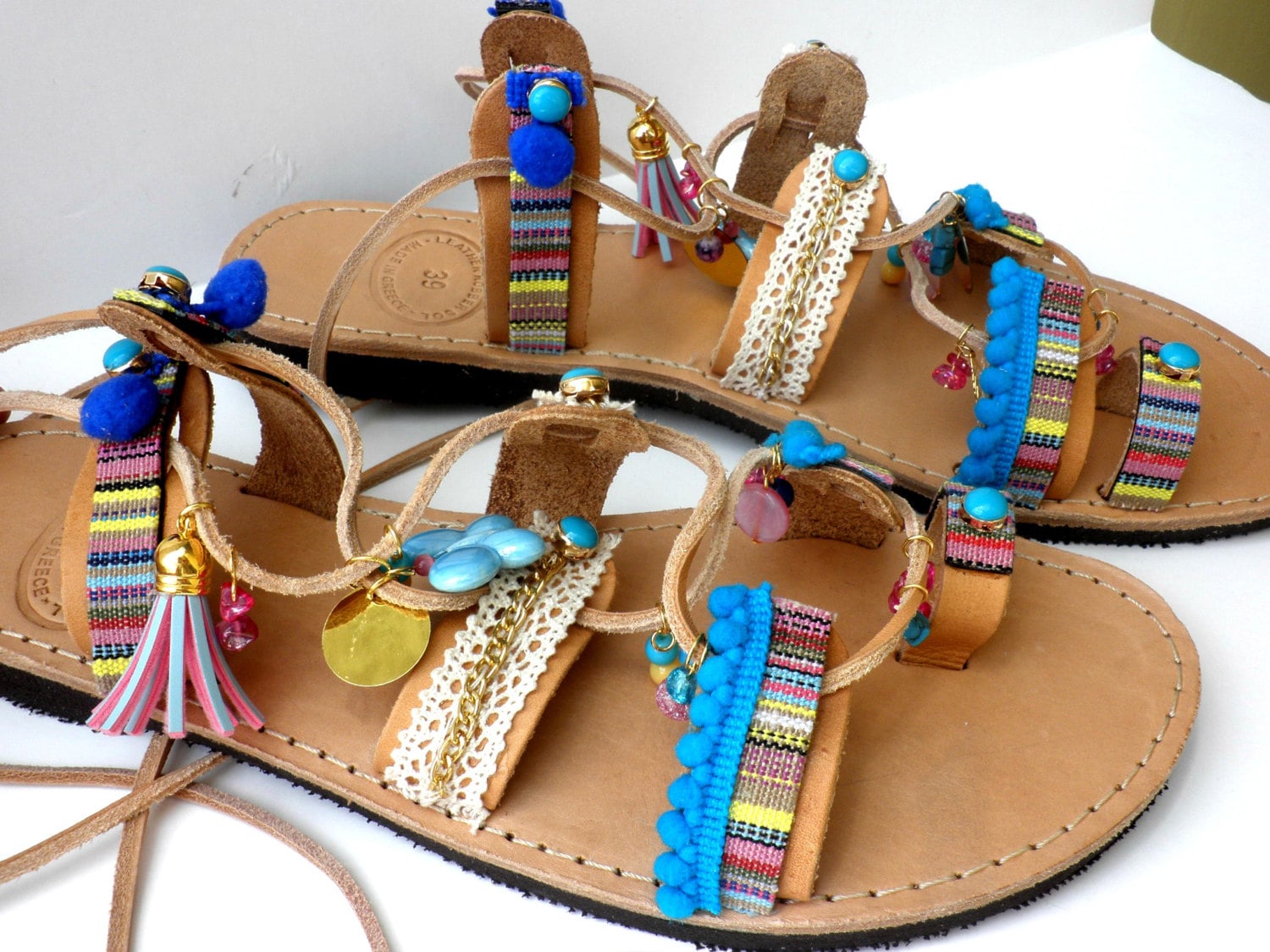
Handmade leather sandals of Greece. Credit: Efi
If you pass through Athens (especially the Monastiraki neighborhood) or certain islands such as Crete and Rhodes, you can buy genuine, handmade leather sandals. They are styled according to Ancient Greek designs, crafted to last for years, and mold comfortably to your feet over time.
8. Greek Ceramics & Pottery
From museum-quality replicas of ancient black-and-figure vases to modern, minimalist, blue-and-white tableware handmade on islands such as Sifnos, Greek pottery is a beautiful addition to any home.
9. Natural Sea Sponges
Kalymnos sponges. Credit: Nabokov, CC3/Wikipedia
Harvested for generations by traditional divers (most famously on the island of Kalymnos), genuine Greek sea sponges are entirely natural, hypoallergenic, and far softer and longer-lasting than synthetic alternatives. They are fantastic for skincare and bathing.
10. Spoon Sweets (Glyka tou Koutaliou)
These are traditional fruit preserves served on a small spoon alongside Greek coffee or dolloped over Greek yogurt. They are made by boiling wild fruits (like sour cherries, figs, or bitter oranges) in sugar syrup, preserving the firm texture and vibrant flavor of the fruit.
10+1. The Komboloi
Greek worry beads. Credit: Greek Reporter
The Komboloi, or worry beads, may be one of the most typical symbols of Greece’s easy-going mentality that has been widely established in Greece since the middle of the 20th century. Whether on the street, on an airplane, or in a busy kafeneion downtown, you will find people playing with their worry beads in various manners, even doing flips and tricks with them, letting go of their stress and worries as one bead moves deliberately towards the other. The repetitive action and clicking of the beads turn this pastime into an easy motion reported to help ease tension.
Packer’s Tip: If you’re traveling with carry-on luggage only, you won’t be able to take liquid souvenirs such as honey, olive oil, or alcohol past airport security. Buy these items at the airport duty-free shops after security—the quality is still highly authentic, and the prices are surprisingly fair!
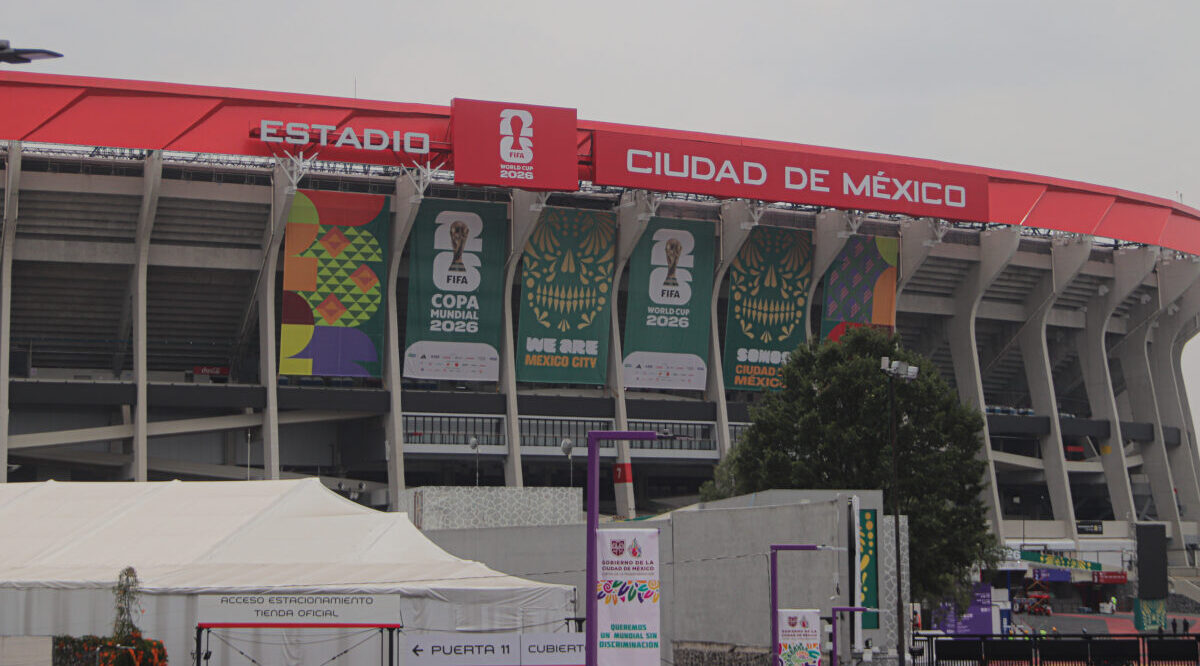
La Coppa del Mondo 2026 attraverserà Canada, Messico e Stati Uniti con sedici impianti diversi. Si parte dall’Azteca di Città del Messico, stadio di Pelé e Maradona, e si chiude al MetLife Stadium nel New Jersey, dove sarà assegnato il titolo.
L’Azteca apre il torneo, il MetLife assegna la Coppa: il viaggio nei sedici impianti
Il Mondiale 2026avrà sedici stadi e tre Paesi ospitanti. La Coppa del Mondo, in programma dall’11 giugno al 19 luglio tra Canada, Messico e Stati Uniti, userà il numero più alto di impianti dai tempi di Corea-Giappone 2002, quando gli stadi furono venti.
La partenza sarà in uno dei luoghi simbolo del calcio mondiale. L’Azteca di Città del Messico, inaugurato nel 1966, ospiterà la gara inaugurale tra Messico e Sudafrica. È lo stadio di Pelé e Maradona, delle immagini entrate nella memoria collettiva, e nel 2026 diventerà il primo impianto della storia ad accogliere partite di tre diverse edizioni della Coppa del Mondo. Nel suo calendario ci saranno tre gare della fase a gironi, un sedicesimo e un ottavo di finale.
La finale si giocherà invece nel MetLife Stadium, casa dei New York Giants e dei New York Jets. Per Leo Messi non è un luogo qualunque: lì perse la finale della Copa America Centenario 2016 contro il Cile, dopo i calci di rigore. A Miami, nell’Hard Rock Stadium, sono previste la finale per il terzo posto e una partita dei quarti di finale.
Il programma tiene insieme stadi storici, impianti da football americano e arene di nuova generazione. Lo stadio Akron di Guadalajara è tra i più riconoscibili per la sua struttura su terreno rialzato. Il primato di capienza spetta all’AT&T Stadium di Arlington, con 94.000 posti, già sede del Super Bowl XLV e destinato a ospitare una semifinale.
A Boston, il Gillette Stadium può contare sul più grande tabellone ad alta definizione degli Stati Uniti. A Kansas City, l’Arrowhead Stadium porta in dote un primato diverso: è certificato dal Guinness dei Primati come l’impianto sportivo all’aperto più rumoroso al mondo. Nel suo calendario ci sono quattro partite della fase a gironi, un sedicesimo e un quarto di finale.
Tra gli stadi più moderni c’è il Mercedes-Benz Stadium di Atlanta, indicato come uno degli impianti più sostenibili al mondo. Ha un tetto retrattile, un display video a 360 gradi e ospiterà una delle semifinali.
La mappa si completa con il BMO Field di Toronto, il BC Place di Vancouver, l’Estadio BBVA di Monterrey, l’NRG Stadium di Houston, il SoFi Stadium di Los Angeles, il Lincoln Financial Field di Philadelphia, il Levi’s Stadium di San Francisco e il Lumen Field di Seattle.
Nel lungo elenco manca il Rose Bowl di Pasadena, teatro della finale del Mondiale 1994 persa dall’Italia contro il Brasile ai rigori. Un assente di lusso, come gli azzurri.
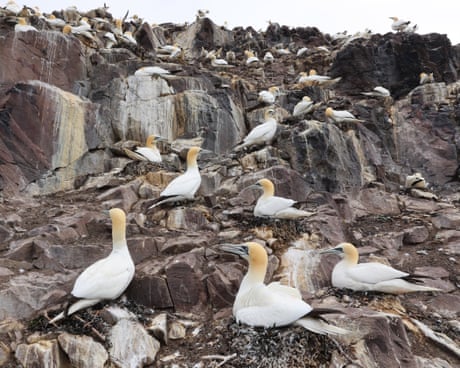
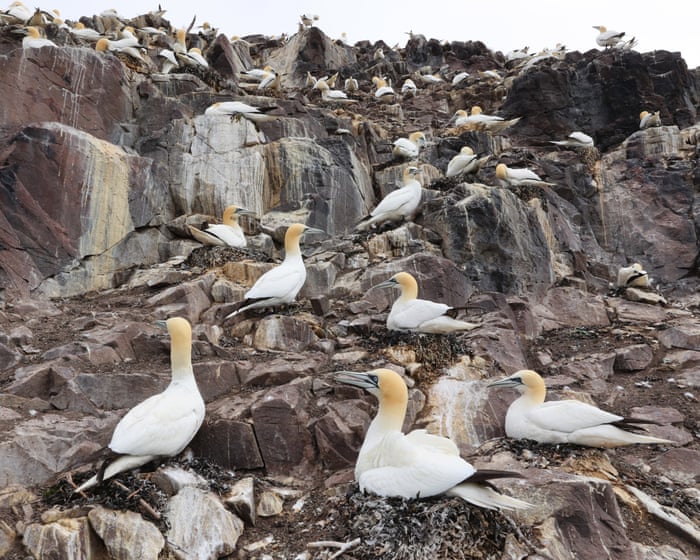
Annual killing of infant gannets has been carried out on a remote Scottish island for at least 400 years
Animal welfare campaigners have called for talks on phasing out the “inhumane” hunt for infant gannets known as guga, which are killed by hunters on a remote Scottish island once a year.
OneKind and the League Against Cruel Sports said it should be slowly phased out in dialogue with the Hebridean islanders who see the hunt, which has been carried out for at least 400 years, as a cultural pursuit and as sustainable food harvesting.

 Login
Login