The country is ready to blow away decades of dashed hopes and celebrate, with marching bands and all-night parties
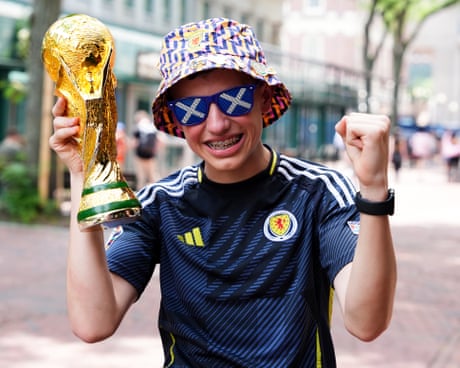
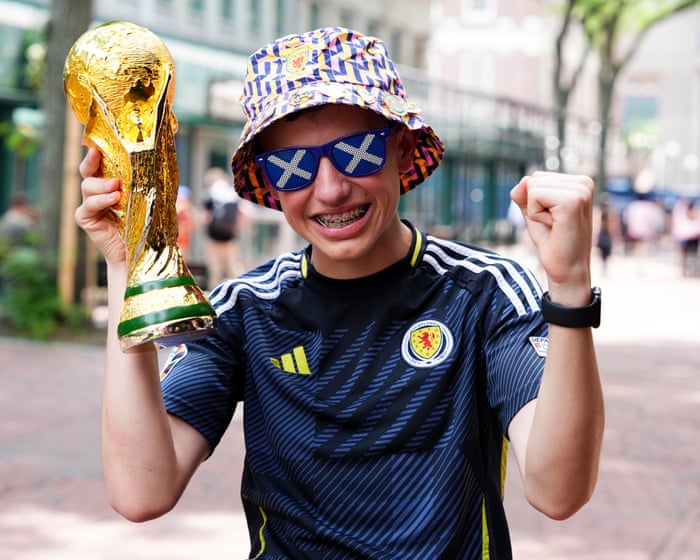
Scotland is leaning into one of its most treasured traditions: embracing the hope and anxiety of a football World Cup, with a healthy dose of self-deprecating style.
There are brash new tartans, an Edinburgh bar offering free Irn-Bru-infused “fiery ginger” beers for patrons with red hair, a collaboration between Scottish whisky firms and a Brazilian distiller, and all-night parties in nightclubs repurposed as fanzones.
Change in viewing habits offered by match times at 2026 tournament could mean using cheaper off-peak power
Watching late-night or early hours football could provide UK households with a practical opportunity to cut their energy bills, as even just doing the washing when cheaper electricity rates apply can net a decent saving.
At a time when energy costs are back at worrying highs, research by E.ON Next shows the potential to save money on a time-of-use tariff – in this case, its Next Smart Saver deal, which has three rates: peak, off-peak and super off-peak.
Flag bans, travel headaches and a religious regime video among bumps in road, as team prepares to be first to play in country with which it is at war
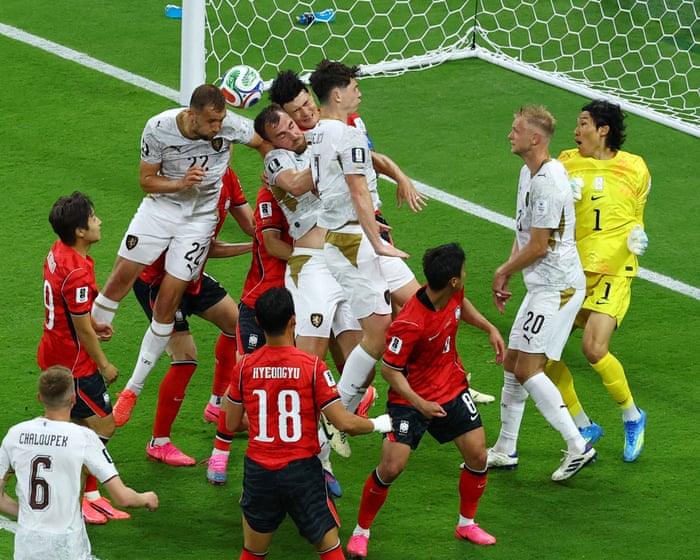
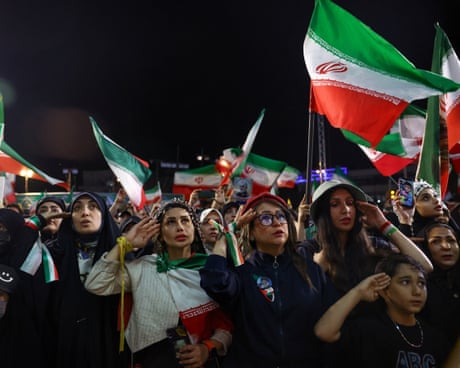
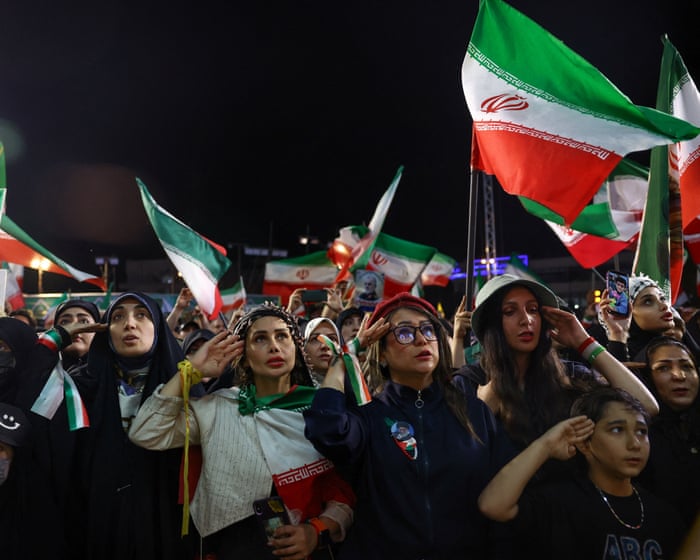
Iran will present a major challenge to Fifa’s “football unites the world” slogan on Monday by becoming the first country in World Cup history to compete on the soil of a host nation with which it is at war.
The national team’s opening match against New Zealand in Los Angeles will kick off amid continuing hostilities between Iran and the US that have intensified in recent days, as a fragile ceasefire has failed to hold and attempts at reaching a negotiated settlement have sputtered.
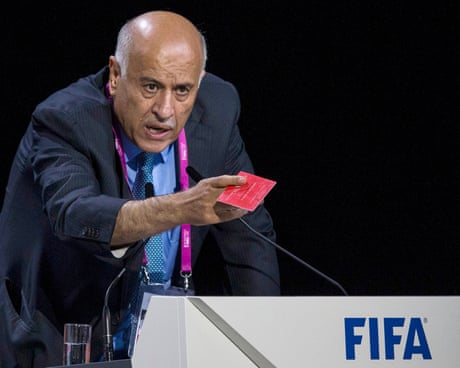
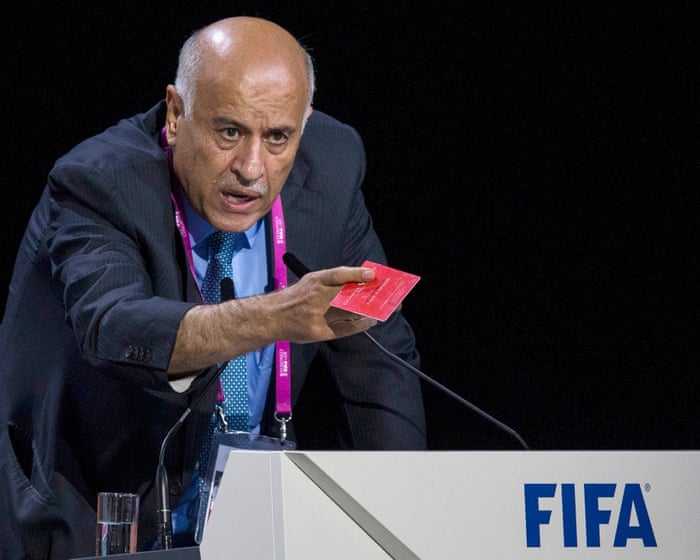
Jibril Rajoub attended opening match in Mexico but becomes latest football official hit by US visa issues, he says
The head of the Palestinian Football Association has said he is unable to travel to the US with other federation heads attending the 2026 Fifa World Cup because he has not been issued a visa.
Jibril Rajoub went to the opening match between Mexico and South Africa in Mexico City on Thursday. But he is among several people accredited to attend the World Cup who have been denied visas or have yet to receive them from the US.
FIFA announced agreements with platforms such as TikTok and YouTube that include the participation of dozens of international influencers to generate content in the three host countries.
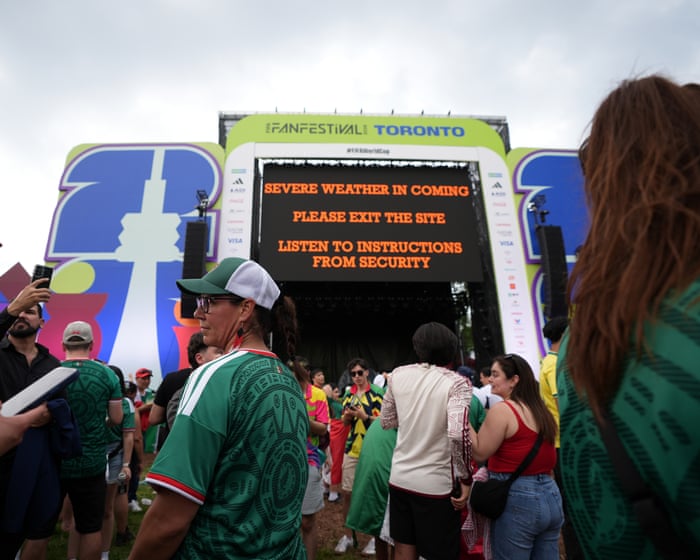
With matches in 16 cities across the US, Mexico and Canada, players and fans face an array of weather-related challenges
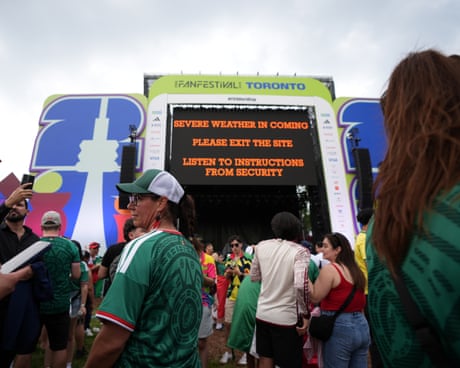
With the 2026 World Cup now under way, all 48 teams face a common opposition: summer weather across North America. Matches will be played in 16 cities, from southern Mexico to Canada, with a range of weather risks possible at each venue.
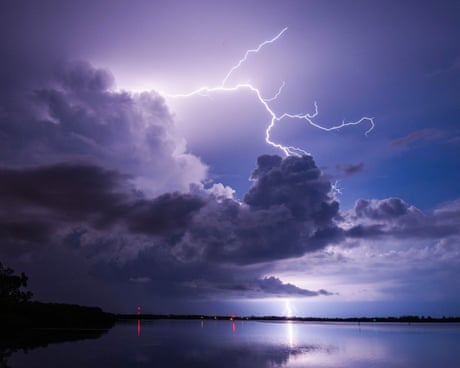
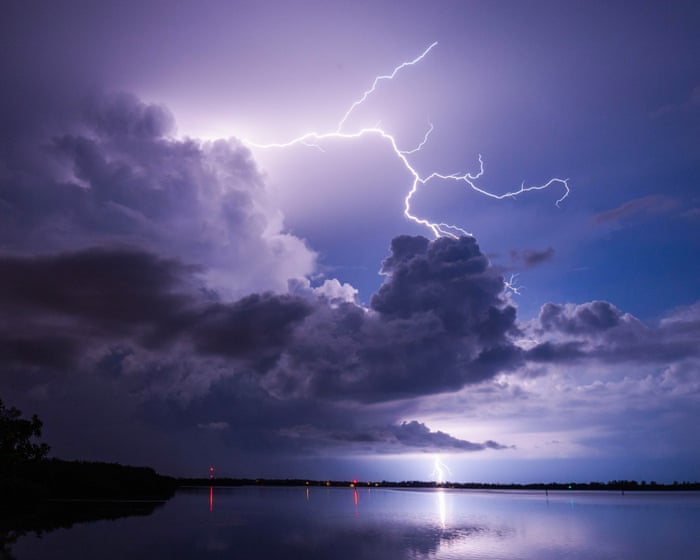
Thunderstorms disrupted play before the tournament had even begun. England’s warm-up against Costa Rica in Orlando was delayed by about an hour after storms brought lightning and heavy rain that waterlogged the pitch. Safety regulations at US venues mean play is suspended when lightning is recorded within roughly 8 miles of a stadium, not resuming until 30 minutes after the last strike.
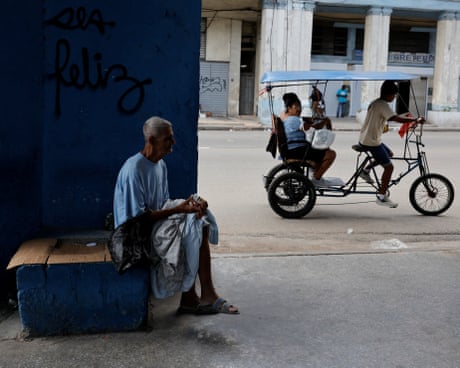
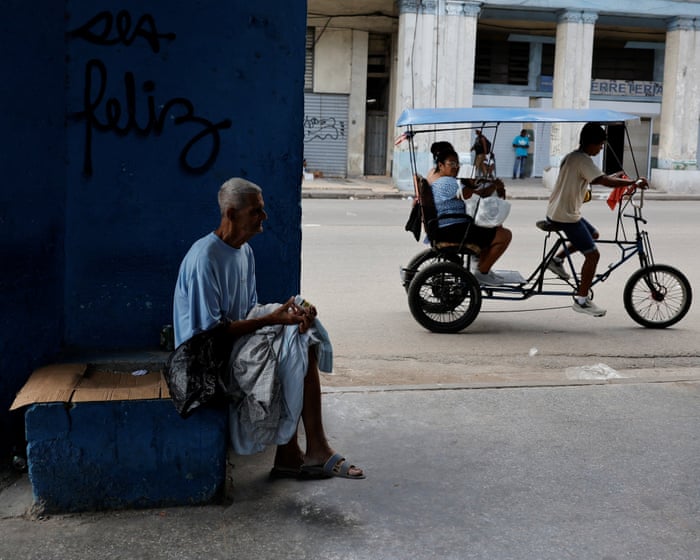
With some matches being held in nearby Miami, a Cuban response to US military action could mar the tournament
As Cuba crumbles under a nearly five-month-long US oil blockade, many on the island hope that the World Cup might save the island from US attack – or at least offer a respite until the competition ends on 19 July.
“The beginning of the World Cup will make it more difficult for the United States to carry out a military action in Cuba,” said Carlos Alzugaray, Cuba’s former ambassador to the EU. “Cuba is very close to the US, and can hit many targets inside the US, especially in south Florida, with drones or other weapons.”
Soccer officials already rely on cameras to see who’s offside and who sent the ball out of bounds. But during this World Cup, refs will use digital twins of each player to view plays from every angle.
Venues hosting the 2026 World Cup must meet high standards to obtain environmental certifications, but FIFA also requires that they use natural grass, which is water-intensive to maintain.
FIFA World Cup 2026 trophy. Credit: TravelQueen11 / Wikimedia Commons / CC BY-SA 4.0
As the 2026 FIFA World Cup officially kicks off across North America, a long-standing question resurfaces on the global stage: Do Americans actually care about soccer?
While traditional sports still rule the airwaves, a massive generational and demographic shift is actively rewriting the American sports landscape.
Generational and ethnic shift for soccer
Historically, soccer in the United States has struggled to compete with the domestic dominance of the NFL, NBA, and Major League Baseball. That skepticism persists among older demographics. According to a new Pew Research Center survey, 66% of American adults state they are “not too” or “not at all” likely to follow the tournament. Broadly speaking, a separate YouGov poll confirms that 54% of the overall adult population maintains zero interest in the sport. For a large share of traditional sports fans over fifty, the tournament remains an afterthought.
However, statistics show that there is a soccer boom among younger individuals. The game is rapidly becoming the sport of choice for the next generation of American consumers. YouGov data reveals that an average of 23% of Americans aged 18 to 34 now identify as avid soccer viewers. More telling is the fact that over 56% of all active soccer fans in the United States are currently under the age of 35.
This generational momentum is heavily reinforced by cultural shifts. Comprehensive market data from Numerator indicates that enthusiasm for this year’s tournament is highest among multicultural communities, with 54% of Hispanic Americans and 51% of Asian Americans planning to actively tune in to the month-long event.
Furthermore, the reality of the United States co-hosting the expanded 48-team tournament alongside Canada and Mexico has created a “host nation surge.” Overall consumer intent to watch has nearly doubled compared to the 2022 World Cup in Qatar, with 32% of all US citizens now planning to watch the matches. This enthusiasm is heavily concentrated around the eleven American host cities, including Dallas, Los Angeles, Atlanta, New York/New Jersey, and Philadelphia, where consumer interest jumps to 42%.
Despite this undeniable wave of momentum, soccer is not quite ready to dethrone America’s biggest sporting events. When stacked against domestic mainstays, the World Cup still plays catch-up. Consumer data tracking viewership intent shows that while 32% of Americans plan to watch the World Cup, 58% plan to watch the Winter Olympics, and a staggering 69% will tune into the NFL’s Super Bowl.
Will the Americans pack the stadiums for the World Cup?
Will the MetLife stadium be packed with soccer fans? Credit: SachinDaluja, CC2/Wikipedia
However, as the world’s biggest tournament returns to US soil for the first time in thirty-two years, it faces an entirely different landscape strained by corporate economics.
The 1994 World Cup in the US was a staggering, record-breaking success. It drew 3.59 million fans across 52 matches, averaging nearly 69,000 attendees per game. It remains the most attended World Cup in history.
However, speculation about whether Americans will pack stadiums like they did in 1994 has hit an unexpected snag: FIFA’s aggressive corporate pricing model. During the 1994 tournament, group-stage tickets were relatively accessible, ranging from $25 to $75. By stark contrast, FIFA’s 2026 individual match tickets see first-round seats averaging around $400, with opening match tickets starting at $560 and category-one seats scaling up to $2,735. For the United States’ highly anticipated matches, primary, and resale prices have left ordinary local families facing severe sticker shock, with select group-stage tickets soaring past $1,100.
Because FIFA now tightly controls its own resale marketplace to harvest transactional fees, prices fluctuate based on demand like airline tickets. While major marquee matches and the knockout rounds are completely sold out, ordinary American supporters have openly complained about being priced out of lesser group-stage fixtures, leaving thousands of tickets sitting on primary resale portals on the eve of kickoff.
Ultimately, the 2026 World Cup catches the United States at a historic sporting crossroads. Driven by a younger, more diverse fanbase, soccer is no longer a niche novelty in America. The interest is real, deep, and fully integrated into the culture. But while the stadium atmospheres will be electric, any empty seats seen during the opening weeks shouldn’t be blamed on an “indifferent American public”—rather, blame a modern corporate strategy that misjudged the wallet of the everyday fan.
Under US rules, even a distant strike can suspend a game – and some will take place in Florida, the thunderstorm state
Hot weather will be a major concern at the World Cup, but lightning may also prove a particular problem. Under US safety regulations, a strike within 10 miles (16km) of a stadium triggers a 30-minute suspension of the game, during which players must leave the pitch.
The size of the safety zone was dictated by research on the distance that lightning can strike from a storm even with no clouds overhead. This is more than a theoretical risk. During a game in the Democratic Republic of the Congo in 1998, an entire team was killed by a single bolt of lightning. There have been many other deadly incidents.
According to new research, Trionda would show less unpredictable movements in actions such as corner kicks or free kicks. However, in powerful and long-distance clearances it would lose range.
From anti-drone tech to face recognition, 2026 World Cup stadiums in the US, Canada, and Mexico are subjecting fans to an array of surveillance tech. Here’s what you need to know.
Most US World Cup stadiums are surrounded by surveillance cameras. Want to know if you’re being watched on your way to a match? These maps will help you.
Referees for the 2026 World Cup will be wearing cameras positioned at their temples, allowing TV audiences to see a live view of the pitch from a vantage point they never have before.

 Login
Login