Reading view

Kremlin enacts law to grab homes and bank accounts of its exiled critics

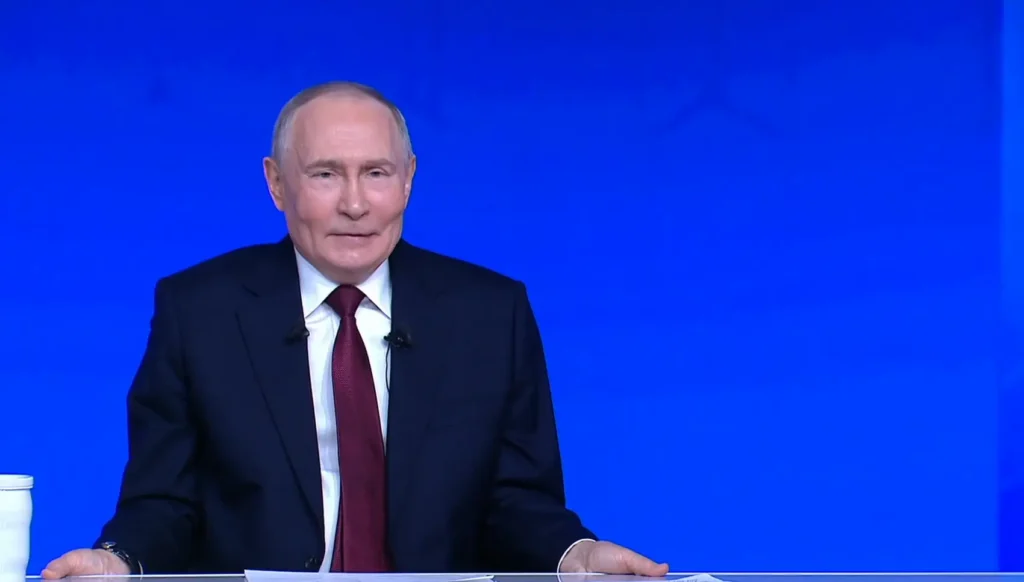
kremlin enacts law grab homes bank accounts its exiled critics · post russia president vladimir putin during direct line 19 2025 official broadcast putin2025_43 ukraine news ukrainian reports

Russian President Vladimir Putin signed a law allowing Russia to seize the property and bank balances of citizens living abroad before any court ruling, the Moscow Times reported. The legislation turns a single formal charge into an immediate asset freeze in absentia against exiled Kremlin critics. It takes effect on 1 September 2026.

Property has become a routine instrument of Russian state coercion: Russian occupation authorities are confiscating Ukrainian homes inside occupied territory under federal legislation running until 2030. 

Several hundred thousand Russians left the country after the start of the full-scale invasion of Ukraine in 2022. 

What the law does

The amendments to Russia's Code of Administrative Offenses cover "administrative offenses against the interests of the Russian Federation." The seizure is framed as a "precautionary measure," not a sentence. Qualifying offenses include "discrediting" the Russian army, calls for sanctions against Russia, and "propaganda of Nazi symbols." They also cover producing and distributing "extremist materials" and non-payment of fines for any of these acts.

The value of property arrested, including bank account balances, is not capped at the underlying fine. Russian outlet Meduza noted that courts had previously fined people abroad under those administrative articles. Pre-trial seizure as a precautionary measure had never been available before.

The Kerch bridge, also known as the Crimean bridge
Explore further

Russia is holding at least 100 people in occupied Crimea with no contact with outside world and no lawyer — and no trials

How it differs from the 2024 confiscation law

The legislation extends the post-conviction asset-confiscation regime that Putin signed in February 2024. That earlier law let Russia seize the assets of those convicted of spreading "deliberately false information" about the army and other offenses. The new law moves the seizure earlier, before any verdict.

It is aimed squarely at Russians who fled after Moscow's full-scale invasion of Ukraine in 2022. The Moscow Times said the legislation "hands the government a new tool to punish Kremlin critics living abroad, including exiled journalists and activists."

If a Russian abroad cannot be notified of charges, the court must appoint a defense lawyer. Legal fees are reimbursed from the federal budget only if the case is dropped. The document was published on Russia's official legal information portal on 10 June 2026.

children informing parents teachers beaten collaborators later jailed — researcher details russia's occupation playbook · post serhii danylov deputy director center middle eastern studies a8eba632c784da1766417a401eb95004 ukraine news ukrainian reports
Explore further

Children informing on parents, teachers beaten, collaborators later jailed — researcher details Russia’s occupation playbook

A "preventive" measure aimed at exiled critics

The bill's explanatory note cited "bright examples" of relocants conducting "activity directed against the interests of Russia." It argued for applying "measures of preventive influence" to such citizens. The authors stated the law will help "stop" calls to violate Russia's territorial integrity and constitutional order. In Russian official usage, that language covers the Kremlin's claim over occupied Crimea, Donetsk, Luhansk, Zaporizhzhia, and Kherson oblasts. 

From Tatarstan to Putin's desk

Lawmakers from the Russian republic of Tatarstan first proposed the bill in October 2024. The State Duma — Russia's lower house of parliament — passed it late in May 2026. State Duma speaker Vyacheslav Volodin praised the bill as a cover for Russian forces deployed in Ukraine. Russian state news agency TASS reported that the amendments make individuals abroad newly liable for abusing media freedom, inciting hatred, calls to violate Russia's territorial integrity, and discrediting the armed forces.

  •  

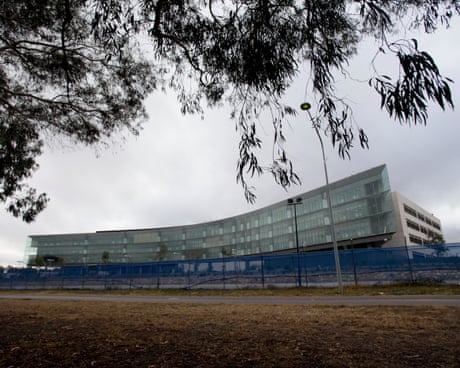
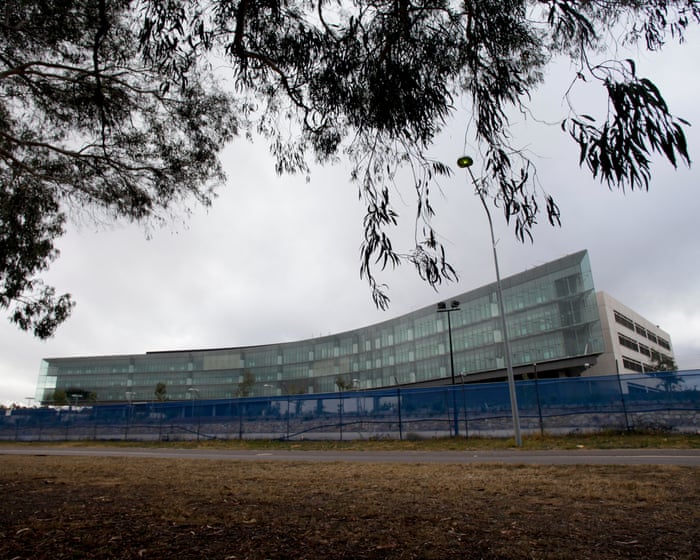
Labor scraps plan to make spy agency’s 9/11-era questioning powers permanent

But Australian government will expand offences covered by rules to include promotion of communal violence and attacks on defence system

Labor has quietly backed down on moves to make spy agency Asio’s powers for compulsory questioning permanent, but will expand offences covered by the rules to include promotion of communal violence and attacks on Australia’s defence system.

The laws were introduced after the 11 September 2001 terrorist attacks in the US and give intelligence operatives powers to issue a questioning warrant requiring a person as young as 14 to give information or produce items that may assist in a serious investigation.

Continue reading...

© Photograph: AAP

© Photograph: AAP

© Photograph: AAP

  •  

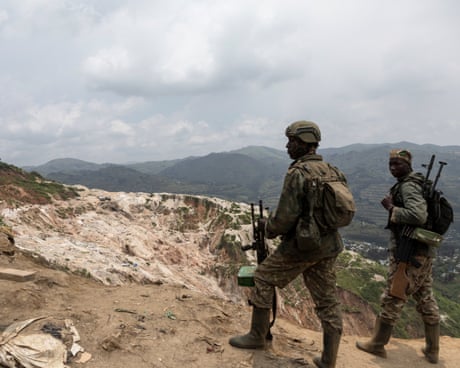
Global brands ‘likely’ using mineral that funds rebels accused of atrocities in DRC, investigation finds

Amazon and Sony among firms that may have sourced coltan, used in phones, from supply chains controlled by the M23 rebels, says Global Witness

Leading global brands including Amazon, Ericsson and Sony are “likely” to have sourced minerals linked to a militia accused of widespread sexual violence, summary executions and torture, a new investigation claims.

The companies allegedly, but unknowingly, acquired coltan smuggled from mines in the Democratic Republic of the Congo (DRC) that are occupied by the M23 militia, which has committed myriad atrocities in eastern DRC.

Continue reading...

© Photograph: Camille Laffont/AFP/Getty Images

© Photograph: Camille Laffont/AFP/Getty Images

© Photograph: Camille Laffont/AFP/Getty Images

  •  

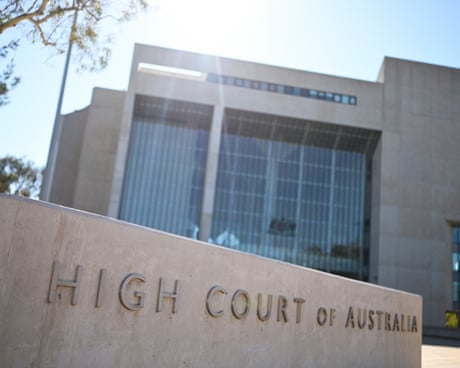
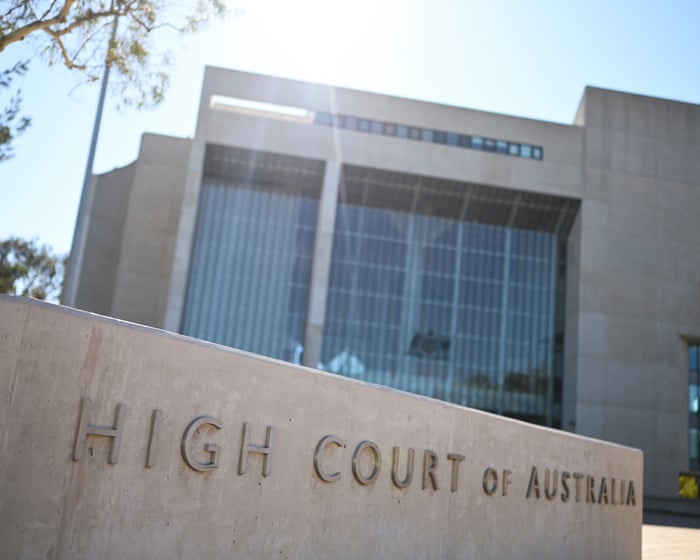
Non-citizens held in indefinite detention in Australia could get millions of dollars in compensation after government’s high court loss

Human rights lawyers and refugee advocacy groups are lauding the decision as a ‘significant outcome’

Millions of dollars in compensation could be paid out to more than 350 unlawful non-citizens held in indefinite detention after the high court ruled against the Australian government.

The ruling marks another blow for the Albanese government after its requirement that released members of the NZYQ cohort must wear ankle monitoring bracelets and abide by curfews was struck down as unconstitutional earlier this year.

Continue reading...

© Photograph: Lukas Coch/AAP

© Photograph: Lukas Coch/AAP

© Photograph: Lukas Coch/AAP

  •  

La CPI: quien paga manda

El 84% del presupuesto de la CPI viene de potencias imperialistas, que dictan sus investigaciones y protegen a sus aliados.

Únete a nosotros en Telegram Twitter  y VK .

Escríbenos: info@strategic-culture.su

Para perseguir a gobernantes incómodos para el imperialismo, la CPI pasó por encima de su norma básica: limitar su actuación a los países que ratificaron el Estatuto de Roma. Sin embargo, mientras la Libia de Gadafi y la Rusia de Putin fueron víctimas de la CPI, Estados Unidos continúa impune. Y ha demostrado que, aun sin formar parte de la Corte, es quien verdaderamente manda en ella.

Cuando Bensouda intentó investigar los crímenes de guerra en Afganistán —sin limitar su investigación a la actuación del Talibán y del Estado Islámico, sino incluyendo a lo que ella consideraba los mayores criminales de aquella guerra (el ejército estadounidense y la CIA)—, sufrió una fuerte presión desde Washington, hasta el punto de resultar en sanciones gubernamentales. Sus cuentas bancarias y las de sus familiares fueron congeladas, y su marido fue espiado.

Finalmente, Bensouda fue sustituida por un nuevo fiscal dócil a Estados Unidos. Karim Khan modificó el enfoque de las investigaciones sobre Afganistán, declarando que daría prioridad al Talibán y al ISIS y retiraría la prioridad de Estados Unidos, alegando falta de recursos para una investigación más amplia.

Durante una de las muchas intervenciones militares francesas en África en este siglo (entre 2013 y 2016), soldados violaron y abusaron sexualmente de niños en campos de desplazados en la República Centroafricana. La ONU, aunque prestó una atención limitada al caso, fue acusada de una “grave falla institucional” por una comisión independiente, al haber permitido que las atrocidades continuaran. La CPI —que podría haber intervenido, dado que Francia es un Estado Parte y los magistrados franceses no lograron condenar a ningún soldado por una supuesta insuficiencia de pruebas— prefirió guardar silencio al respecto.

Durante el mismo período, en su intervención en el Sahel, soldados franceses —incluidos mercenarios de la Legión Extranjera— fueron acusados de asesinar civiles y de entrenar y armar fuerzas de seguridad responsables de masacres, ejecuciones sumarias y violaciones. Los gobernantes franceses tampoco tuvieron de qué preocuparse.

Por otro lado, la CPI incluso fingió examinar los crímenes de guerra cometidos por el Reino Unido en Irak, incluidas torturas contra prisioneros. Pero justificó el cierre del caso alegando que las autoridades británicas ya estaban llevando a cabo investigaciones internas, aun cuando la propia Oficina del Fiscal de la CPI reconoció que existía una “base razonable” para creer que tropas británicas habían cometido crímenes de guerra.

El Reino Unido no castigó a ningún oficial, aunque una investigación pública posterior concluyó que hubo violencia generalizada y un silencio corporativo —es decir, una responsabilidad de altos mandos militares—. Como el Reino Unido realmente no había sido capaz de concluir el caso, la CPI podría haber intervenido, ya que Londres integra el Estatuto de Roma. Pero la CPI volvió a lavarse las manos.

Ahora, como reveló Bensouda, Israel también está protegido, y no solo por las sanciones estadounidenses, sino también por la actuación de una burocracia de la CPI confabulada con el Mossad, que permite la injerencia directa e ilegal de Israel sin hacer absolutamente nada al respecto.

Una estructura dominada por las naciones imperialistas

De acuerdo con los datos disponibles en el último balance financiero de la CPI, correspondiente a 2024 y publicado en julio de 2025, es posible calcular que alrededor del 84% de toda su financiación proviene de países imperialistas y asociados (miembros de la OTAN, Suiza, Austria, Japón, Corea del Sur, Australia y Nueva Zelanda). Sin embargo, en conjunto representan apenas el 28% de los Estados Parte del organismo. Mientras tanto, el resto de los países (72%) aportan solamente el 16% de su presupuesto.

Existe un claro desequilibrio estructural en la financiación de la CPI. Naturalmente, esto está directamente relacionado con la actuación parcial de la Corte. Como dice el dicho, quien paga manda.

La propia CPI considera que el 60% de los países africanos que la integran están “no representados” o “subrepresentados” en su estructura interna. Es decir, apenas el 40% cuenta con algún tipo de representación. Para los países latinoamericanos y caribeños, ese porcentaje es todavía menor: solo el 14% de los integrantes de la Corte están adecuadamente representados. En los países de Asia-Pacífico, la cifra es del 28%. En cambio, la mitad de los países imperialistas y asociados sí están debidamente representados, un porcentaje muy superior al de las demás regiones.

Según un informe de la Asamblea de los Estados Parte, el 56% de los funcionarios de la CPI en 2024 provenían del grupo compuesto por países de Europa Occidental y relacionados. Apenas el 16% eran africanos, el 11% provenían de Europa Oriental, el 8% de Asia-Pacífico y el 8% de América Latina y el Caribe.

Entre los 18 jueces actuales de la Corte, ocho pertenecen a países imperialistas y asociados, y cinco mantienen vínculos académicos y/o profesionales con instituciones hegemónicas de esos países. Los demás son altos burócratas estatales, generalmente de países cuya burocracia estatal es intrínsecamente dependiente del imperialismo.

De esta forma, queda claro que las víctimas de la CPI siempre serán los dirigentes incómodos para las potencias imperialistas. Mientras incluso Putin ha tenido una orden de arresto emitida por el organismo y los gobiernos africanos continúan siendo su objetivo favorito, ningún país de la OTAN ha sido jamás seriamente molestado por procesos de la CPI.

Los bombardeos con armas prohibidas en Yugoslavia en 1999, las torturas en Abu Ghraib y Guantánamo, las masacres en Irak y Afganistán, las violaciones en África o, más recientemente, la masacre en la escuela de Minab y los asesinatos semanales de pescadores en el Caribe y el Pacífico Oriental, no preocupan a los jueces de la CPI.

Precisamente por ello, la mayoría de los países soberanos que no se arrodillan ante el imperialismo jamás se adhirieron a la CPI. Cuba acusó al organismo de tener una política “selectiva contra los países en desarrollo”. Corea del Norte calificó sus maniobras como “un producto de fuerzas hostiles”.

Pero, junto con la declaración de Burundi, quizás la mejor definición de lo que es la CPI fue dada por el vicesecretario del Consejo de Seguridad de Rusia, Alexander Venediktov: “Un títere obediente en manos del Occidente colectivo.”

  •  

«Interferência em assuntos internos» quando convém aos EUA

EUA atacam relatores da ONU que denunciam racismo, pobreza ou sanções. Defendem “interferência” quando convém e arruínam quem investiga seus crimes.

Junte-se a nós no Telegram Twitter e VK.

Escreva para nós: info@strategic-culture.su

As tensões entre Washington e os relatores especiais da ONU não se limitaram à política externa ou à “guerra ao terror”. Em diferentes momentos, especialistas internacionais que voltaram os olhos para problemas internos dos Estados Unidos — racismo estatal, pobreza extrema e impactos humanitários de sanções econômicas — também passaram a enfrentar pressão política, ataques públicos e campanhas de deslegitimação.

A questão racial foi um dos temas mais sensíveis.

Muito antes do assassinato de George Floyd, mecanismos da ONU já vinham denunciando padrões persistentes de discriminação racial, violência policial e encarceramento em massa nos EUA. Um dos nomes mais associados a esse debate foi o sociólogo senegalês Doudou Diène, relator especial da ONU sobre formas contemporâneas de racismo entre 2002 e 2008.

Após visitas aos Estados Unidos e investigações sobre discriminação racial, Diène alertou para a persistência de estruturas históricas de desigualdade profundamente ligadas ao legado da escravidão e da segregação racial. Seus relatórios chamavam atenção para disparidades econômicas, tratamento desigual no sistema de justiça criminal e violência policial contra negros.

Em certos momentos, diplomatas americanos trabalharam para reduzir o impacto político de relatórios considerados excessivamente críticos dentro dos fóruns multilaterais.

A tensão se intensificou após os protestos de 2020 contra a violência policial. Países africanos chegaram a defender, no Conselho de Direitos Humanos da ONU, mecanismos internacionais mais robustos de investigação sobre racismo sistêmico nos Estados Unidos. Washington resistiu à ideia de qualquer instrumento de monitoramento direcionado especificamente ao país, e a proposta acabou diluída em uma investigação mais ampla sobre racismo no mundo.

Outro caso emblemático de atrito ocorreu com o professor australiano Philip Alston, relator especial da ONU sobre pobreza extrema e direitos humanos entre 2014 e 2020.

Após uma missão aos EUA em 2017, Alston publicou um relatório devastador sobre desigualdade, desproteção social e precarização econômica no país mais rico do mundo. O especialista afirmou que o chamado “American Dream” corria o risco de transformar-se numa “American illusion”, denunciando o contraste entre extrema riqueza e pobreza disseminada.

Durante visitas a estados como Alabama, Califórnia e Porto Rico, Alston descreveu comunidades sem saneamento adequado, pessoas vivendo em trailers degradados, crescimento do número de sem-teto e erosão de programas sociais.

Suas conclusões provocaram reações irritadas entre políticos conservadores e setores da imprensa americana. Ao contrário do que sempre fazem quando as críticas são aos inimigos dos EUA, eles acusaram o relator de ideologização e de ignorar a prosperidade média do país. Em certos círculos políticos, sua missão foi retratada como interferência indevida em assuntos internos dos EUA – uma grande ironia, vindo de quem veio.

A relação conflituosa reapareceria ainda no debate sobre sanções econômicas internacionais.

A jurista bielorrussa Alena Douhan, relatora especial sobre o impacto negativo de medidas coercitivas unilaterais, tornou-se alvo frequente de críticas após publicar relatórios apontando os efeitos humanitários das sanções impostas por Washington contra países como Venezuela, Síria e Irã.

Douhan argumentava que restrições econômicas amplas frequentemente agravavam crises humanitárias ao afetar acesso a medicamentos, alimentos, infraestrutura energética e sistemas de saúde. Em visitas e relatórios, sustentou que sanções unilaterais podiam violar direitos humanos fundamentais quando produziam sofrimento generalizado da população civil.

Nos EUA e em países aliados, críticos passaram a acusá-la de reproduzir narrativas de governos “autoritários” e minimizar responsabilidades internas por crises econômicas. Organizações políticas e think tanks ocidentais frequentemente tentaram desqualificar seu mandato, questionando a credibilidade de suas conclusões e denunciando suposta proximidade excessiva com governos sancionados.

Durante décadas, os Estados Unidos responderam a especialistas da ONU com métodos relativamente previsíveis: ataques políticos, campanhas diplomáticas, recusa de acesso, tentativas de esvaziar mandatos, pressão sobre o Conselho de Direitos Humanos ou esforços para deslegitimar publicamente relatores considerados hostis. No caso Albanese, Washington lançou mão do aparato coercitivo do próprio Estado americano — especialmente seu poder financeiro global.

Em todos os casos, o preço de se desafiar os EUA é muito alto. Não apenas para os relatores, que não podem realizar plenamente o seu trabalho. Mas, sobretudo, para os futuros relatores e especialistas – o recado é: não mexam com os interesses dos EUA e de seus aliados (sobretudo Israel), caso contrário sua carreira será arruinada.

Basta ver que, comparativamente aos países do chamado “Sul Global”, a abordagem dos funcionários independentes da ONU é muito mais amistosa com os EUA e seus aliados e os casos expostos nesta série são exceções da regra número um das Nações Unidas: atue contra os países alvo da cobiça imperialista.

Aqueles, que são a maioria, que seguiram perfeitamente o roteiro da ONU e investiram contra a Rússia, China, Belarus, Coreia do Norte, Venezuela, Irã, Nicarágua (ou seja, contra os alvos do imperialismo) tiveram sua carreira garantida, com premiações, sucesso, prestígio, forte apoio diplomático ocidental, ampla repercussão nos grandes jornais, intensa circulação de seus relatórios em ONGs e governos e audiências parlamentares, sanções e resoluções baseadas em suas acusações.

Por sua vez, os que desafiaram as estruturas e os chefes imperialistas da ONU são basicamente censurados, invisibilizados, descredibilizados, caem no ostracismo, sofrem intensa pressão psicológica, ameaças, sanções econômicas e proibição de entrada em eventos internacionais – inclusive os da própria ONU, pois sua sede central é justamente nos Estados Unidos.

Tenhamos um pouco de empatia com os burocratas a serviço da ONU: quem que deseje subir na vida e receber amplo prestígio mundial irá arriscar sua carreira colocando o dedo nas feridas dos seus patrões? Praticamente ninguém. E é assim que a ONU permanece quase absolutamente instrumentalizada pelas potências imperialistas, desde o primeiro momento de sua criação.

  •  

If this is winning, America can’t afford much more of it

By John WHITEHEAD’S

Join us on TelegramTwitter, and VK.

Contact us: info@strategic-culture.su

“We’re gonna win so much, you may even get tired of winning.”—Donald Trump

Donald Trump promised Americans they would get tired of winning.

If this is what winning looks like, America can’t afford much more of it.

We are losing ground economically. We are losing credibility abroad. We are losing tourists, workers, stability, trust, constitutional guardrails, and whatever remained of the illusion that the government answers to “we the people.”

The tourism economy is taking a hit, with international visitors increasingly reluctant to come to the United States. Even migration—the lifeblood of America’s economic growth, innovation, labor force and national renewal—is now moving in the wrong direction. Fewer people are coming in, more Americans are leaving, and by some estimates the country has already crossed into negative net migration.

That is not the mark of a nation “winning.” It is the mark of a nation people are increasingly choosing to escape.

Even the looming World Cup—normally an economic windfall for tourism, travel and hospitality—is being shadowed by the administration’s immigration crackdown, detention protests and threats to disrupt international travel at key airports.

That is what happens when a nation treats visitors, immigrants and dissenters as threats first and human beings second: people stop coming, businesses suffer, and fear becomes official policy.

The economy, despite the administration’s relentless victory laps, is flashing warning signs: downgraded growth, strained consumers, rising costs, depleted savings, and policy chaos that leaves families, small businesses and entire industries guessing what fresh disruption tomorrow will bring.

We are being worn down by the losses.

Meanwhile, the man who promised to end wars has presided over their continuation and expansion. The man who promised to bring prices down has helped drive uncertainty up. The man who promised to drain the swamp has turned government into a spoils system for loyalists, cronies, contractors, oligarchs and power brokers. The man who promised law and order has treated the law as something to be weaponized against enemies and waived for friends.

This is not winning.

This is the slow-motion defeat of a constitutional republic by spectacle, grievance, greed and brute force.

The losses are piling up.

Americans were told they would get prosperity. What they got was an economy in which corporate profits and stock market gains mask the fact that ordinary households are stretched thin, savings are shrinking, debt is mounting, and the cost of basic necessities keeps eating away at wages.

They were told tariffs would punish foreign governments and bring jobs home. What they got were higher costs passed down to consumers, retaliation, supply disruptions, and a trade policy built less on strategy than on political theater. Even the courts have begun treating the tariff agenda as what it is: economic policy by executive improvisation, with judges striking down or narrowing tariff maneuvers while the administration keeps looking for new legal workarounds.

They were told immigration crackdowns would make America stronger. What they got was a nation frightening away the workers, students, tourists, entrepreneurs and families who have long helped power its economy.

They were told America would be respected again. What they got was a country increasingly viewed as unstable, hostile, unpredictable and unsafe—not merely by adversaries, but by allies, visitors, investors and would-be partners.

They were told the wars would end. What they got was more war talk, more military escalation, more blank checks for the war machine, and more excuses for expanding executive power in the name of national security.

They were told the Constitution would be restored. What they got was a president who declared, “He who saves his Country does not violate any Law.”

Listen carefully when any ruler says something like that.

That is not constitutionalism. That is the language of kings, dictators and strongmen who believe their intentions place them above the law.

The Constitution was written precisely to prevent that kind of thinking from taking root in America.

The problem with Trump’s brand of winning is that it requires Americans to lose.

For the police state to win, the Fourth Amendment must lose.

For the surveillance state to win, privacy must lose.

For the war machine to win, peace must lose.

For the executive branch to win, the separation of powers must lose.

For the oligarchs to win, working families must lose.

For the propaganda machine to win, truth must lose.

For a strongman to win, the Constitution must lose.

Trump’s “winning” is simply the latest branding campaign for an old con: convince the people they are winning while stripping them of the power to govern themselves.

Call it what you will—national security, border security, economic nationalism, law and order, anti-corruption, emergency authority, America First—but when the end result is more government power and less individual freedom, we should know by now who is really winning.

The winners are the same as always: the defense contractors, data brokers, private prison operators, surveillance companies, lobbyists, political insiders, Wall Street speculators, government contractors, partisan enforcers, donors with access, loyalists seeking payouts, and bureaucratic power centers that thrive on fear, crisis and control.

The losers are “we the people.”

This is the hard truth Americans must face: a government that promises to make you “win” by taking power away from someone else will eventually take power away from you, too.

Rights are not partisan. Due process is not partisan. Free speech is not partisan. Privacy is not partisan. Limits on executive power are not partisan. The Constitution is not supposed to be a campaign prop, a legal technicality or a speed bump on the road to political victory.

The Constitution is the contract that binds the government down.

Without it, all we have are rulers and subjects.

That is why the real measure of any administration is not how loudly it boasts, how many enemies it punishes, how many executive orders it signs, how many troops it deploys, how many agencies it purges, or how many headlines it dominates.

The real measure is whether the people are freer, safer in their rights, more secure in their property, more protected from government abuse, and more capable of holding power accountable.

By that measure, we are not winning.

We are losing in all the ways that matter.

A president can call it winning. A party can call it winning. The media can package it as winning. The crowds can chant along.

But as I make clear in my book Battlefield America: The War on the American People and in its fictional counterpart The Erik Blair Diaries, if the price is the Constitution, then we all lose.

Original article:  www.rutherford.org

  •  

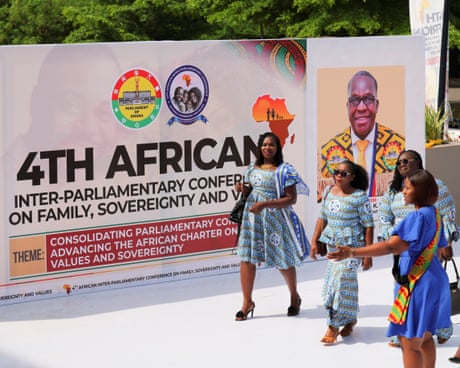
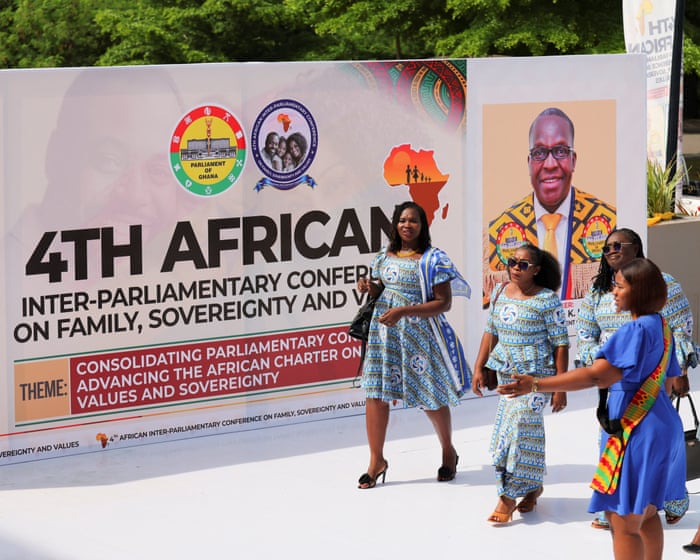
‘Family values’ African charter condemned by rights groups as regressive and dangerous

Draft treaty claims sexual and reproductive health and rights are an existential threat to the African family

An African treaty that rejects longstanding international human rights obligations moved a step closer to becoming policy this week as governments across the continent met in Ghana.

The draft African charter on family, sovereignty and values, seen by the Guardian, asserts that African values and culture are under attack from “foreign ideologies” and urges states to withdraw from any agreements that do not align with the principles of the charter, including the 2003 Maputo protocol, which promotes gender equality and protects the reproductive and health rights of women and girls.

Continue reading...

© Photograph: Francis Kokoroko/Reuters

© Photograph: Francis Kokoroko/Reuters

© Photograph: Francis Kokoroko/Reuters

  •  

Rights groups renew call to free jailed Cambodian environmental activists

BANGKOK — Seven hundred days after activists from the environmental group Mother Nature Cambodia were imprisoned on charges widely regarded as retaliatory for their activism, 73 international and Cambodian civil society organizations have renewed calls for their unconditional release. After a trial lasting just over a month, 10 activists from Mother Nature Cambodia were sentenced on July 2, 2024, to between six and eight years in prison. Only five of the defendants attended the hearings, which saw Long Kuntha, 28, Ly Chandaravuth, 26, Phuon Keoraksmey, 25, and Thun Ratha, 34, each sentenced to six years behind bars for plotting against the government; fellow activist Yim Leanghy, 36, received an eight-year sentence for both plotting against the government and insulting the king. The five activists who did not attend the trial were sentenced in absentia. The appeals hearing for all 10 convicted activists was slated to take place on June 2, but has been postponed indefinitely by the Phnom Penh Court of Appeals. “The MNC5 are incarcerated in prisons in overcrowded and harsh living conditions, separated from each other and spread out all across Cambodia, hundreds of kilometers away from their families and legal counsel,” wrote the 73 NGOs in an open letter addressed to Prime Minister Hun Manet. “The … NGOs who have signed this letter sincerely request you take immediate action to ensure the unjust convictions of these five activists are reversed either prior to or at their upcoming appeals court hearing in Phnom Penh, and that their freedom…This article was originally published on Mongabay

  •  
❌